Apple, tutte le indiscrezioni sull’iPhone 16
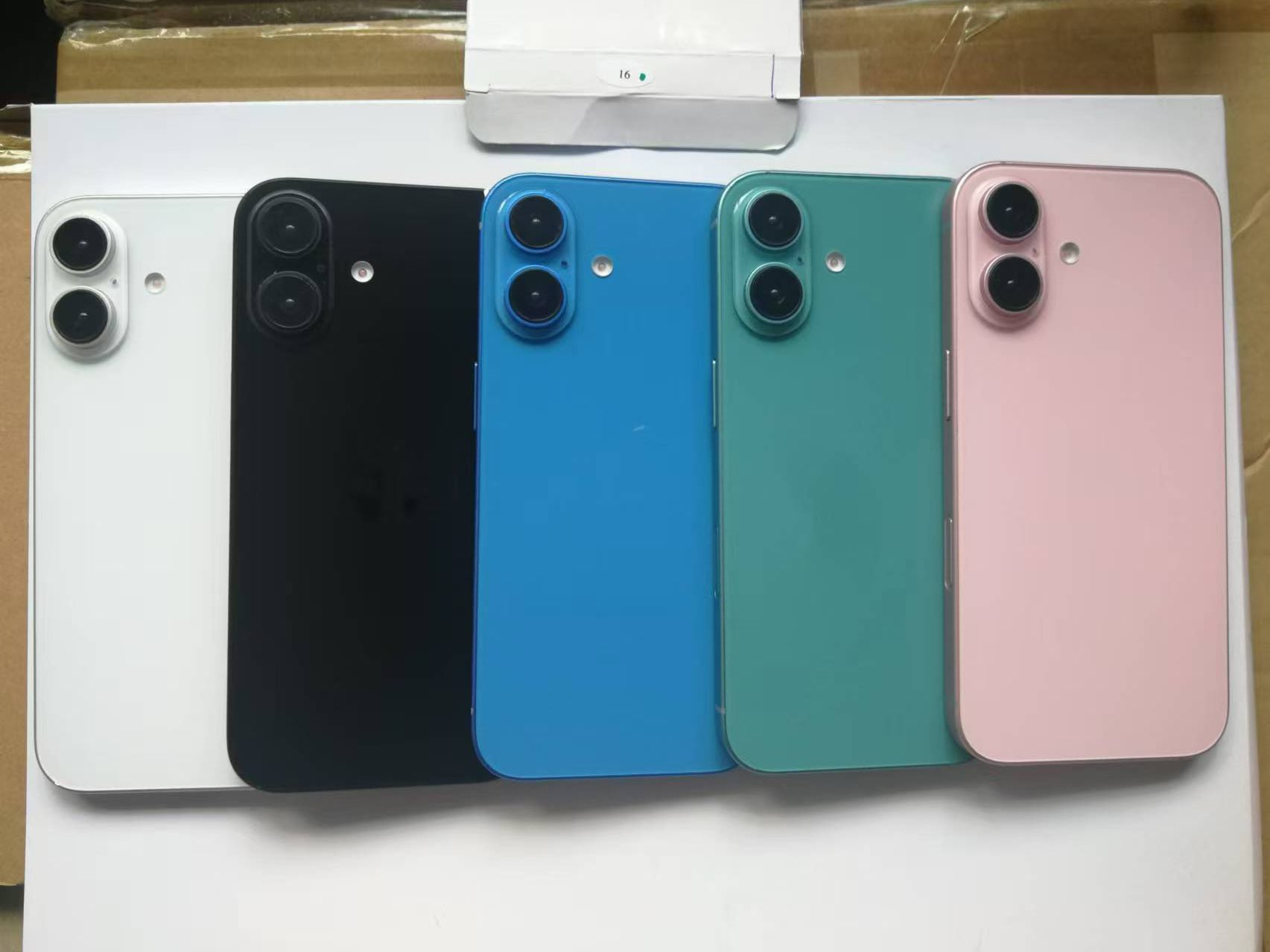
iPhone 16 è il prossimo smartphone di casa Apple in arrivo dopo la serie 15. La nuova gamma sarà annunciata a settembre 2024, durante l’evento annuale di Apple. Da i vari leak usciti nel corso degli ultimi mesi cerchiamo di capire come sarà il nuovo melafonino di casa Apple.

Specifiche display

L’insider Majin Bu ha pubblicato un’immagine che probabilmente proviene dalla Cina, dove sarebbe partita la produzione dei vetri protettivi per gli iPhone che saranno ufficiali a settembre. Per la prima volta in tempi recenti, con gli iPhone 16 Apple avrà una gamma composta sempre da quattro modelli come la serie 15 ma con altrettante diagonali. La serie attuale le ha uguali a due a due: 6,1 pollici per iPhone 15 e iPhone 15 Pro, 6,7 pollici per iPhone 15 Plus e iPhone 15 Pro Max.

  • da 6,1 pollici (invariato) il display della versione 16
  • da 6,3 pollici (+0,2) il display della versione 16 Pro
  • da 6,7 pollici (invariato) il display della versione 16 Plus
  • da 6,9 pollici (+0,2) il display della versione 16 Pro Max.

Fotocamera e Soc

Sembra che i modelli in arrivo saranno dotati di chip più veloci, i A18 di prossima generazione, dimensioni maggiori per la linea Pro, miglioramenti della fotocamera e forse un nuovo pulsante Home.

Riguardo la fotocamera è atteso il debutto della lente periscopica. La novità contribuirà ad incrementare del 5-10% le spedizioni dei nuovi modelli rispetto a quelli attuali 15 Pro e 15 Pro Max. Sulla serie Pro ci sarà anche una seconda new entry costituita dalla fotocamera ultra grandangolare da 48MP con sensore 1/2,6″ e pixel da 0,7um. In breve:

  • nuova lente periscopica
  • cam ultra grandangolare iPhone 16 Pro e 16 Pro Max:
    • 48MP
    • output 12MP
    • pixel da 0,7um
    • sensore 1/2,6″
    • 6P

Il pulsante Action, che era limitato ai modelli 15 Pro, potrebbe inoltre essere esteso a tutti i modelli iPhone 16. Si dice inoltre che la gamma in arrivo abbia anche un nuovo Capture Button, per scattare foto e registrare video. Questo funzionerà come il pulsante di scatto di una fotocamera digitale, rilevando più livelli di pressione per la messa a fuoco durante la cattura di un’immagine.

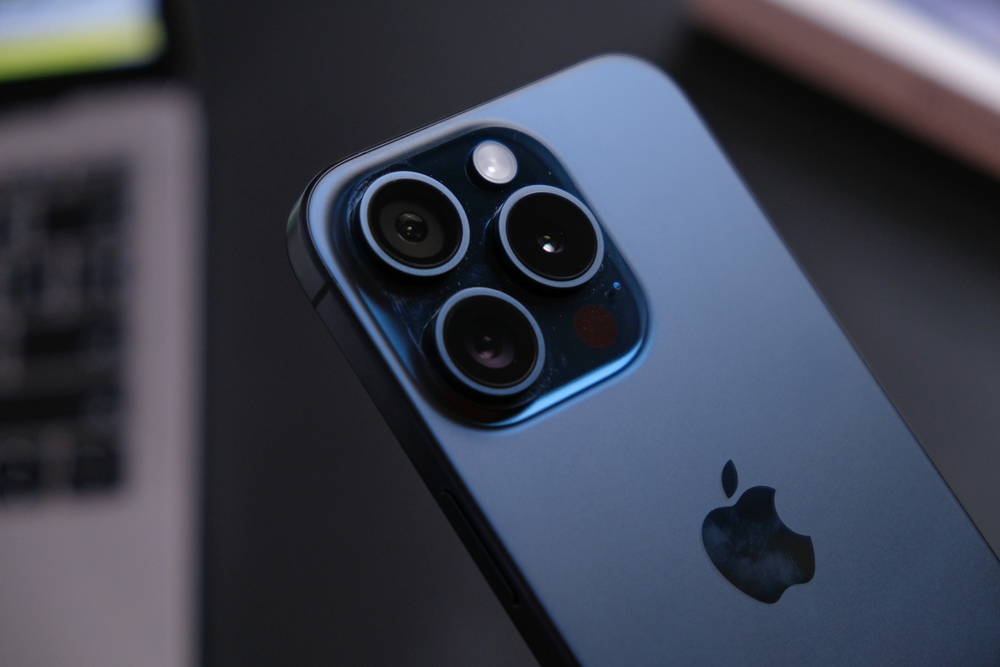
Sembra inoltre che Apple stia pianificando una nuova disposizione verticale delle lenti della fotocamera che si discosta dalla precedente configurazione diagonale.

Colori e ChatGPT integrato

Ci sono voci contrastanti sulla gamma di colore per i modelli di iPhone 16. Pare ci saranno sette colori, tra cui blu, rosa, giallo, verde, nero, bianco e viola.

Inoltre, le funzioni di intelligenza artificiale annunciate da Apple durante la WWDC, come l’integrazione di Siri più intelligente e ChatGPT, non saranno disponibili nel lancio iniziale di iOS 18 e dei nuovi dispositivi. Apple è passata alla tecnologia USB-C con la gamma iPhone 15 e si prevede che sarà lo stesso anche per i modelli iPhone 16.

iPhone 16 Pro con Wi-Fi 7

Stando a quanto riferito nelle scorse ore dal DigiTimes, i prossimi iPhone 16 Pro e 16 Pro Max potrebbero essere tra i primi dispositivi Apple a supportare il Wi-Fi 7, implicando tutta una serie di importanti migliorie nella connettività.

Qualora così dovesse effettivamente essere, il supporto per il Wi-Fi 7 consentirà ai nuovi smartphone della mela di inviare e ricevere dati contemporaneamente sulle bande da 2.4GHz, 5GHz e 6GHz, con un incremento della velocità di connessione, latenza ridotta e una connettività più affidabile.

Gli iPhone 15 Pro e 15 Pro Max, invece, hanno introdotto il supporto per il Wi-Fi 6E, mentre i precedenti iPhone 11 a iPhone 14 supportano il Wi-Fi 6

Batteria

Secondo una recente indiscrezione, tra le svariate novità per la futura famiglia iPhone 16 ci sarà anche una batteria più grande e, quindi, anche su un’autonomia probabilmente più duratura rispetto al passato.

L’incremento va dai 2.5% di iPhone 16 Pro rispetto a 15 Pro al 6.3% del modello standard, mentre il Plus cala di ben l’8.6%. Lo specchietto riassuntivo:

  • iPhone 16 batteria da 3561 mAh, +6.3% rispetto a iPhone 15 (3349 mAh);
  • iPhone 16 Plus: 4006 mAh, -8.6% rispetto a iPhone 15 Plus (4383 mAh);
  • iPhone 16 Pro: 3355 mAh, +2.5% rispetto a iPhone 15 Pro (3274 mAh);
  • iPhone 16 Pro Max: 4676 mAh, + 5.7% rispetto a iPhone 15 Pro Max (4422 mAh).

Memoria e prezzi iPhone 16

Apple dovrebbe offrire lo stesso prezzo per tutti e quattro i nuovi modelli di iPhone 16, ma con nuovi tagli di memoria per il modello 16 Pro, che partirà da un minimo di 256 GB di spazio archiviazione, eliminando per la prima volta l’opzione iniziale da 128 GB sul suo modello Pro più piccolo.

I prezzi in Italia dovrebbero essere questi:

  • 16: 979€;
  • 16 Plus: 1.139€;
  • 16 Pro: 1.239€;
  • 16 Pro Max: 1.489€.

Leggi le altre notizie sull’home page di Key4biz

https://www.key4biz.it/apple-tutte-le-indiscrezioni-sulliphone-16/500212/


All the possible ways to destroy Google’s monopoly in search

All the possible ways to destroy Google’s monopoly in search
Aurich Lawson

After US District Judge Amit Mehta ruled that Google has a monopoly in two markets—general search services and general text advertising—everybody is wondering how Google might be forced to change its search business.

Specifically, the judge ruled that Google’s exclusive deals with browser and device developers secured Google’s monopoly. These so-called default agreements funneled the majority of online searches to Google search engine result pages (SERPs), where results could be found among text ads that have long generated the bulk of Google’s revenue.

At trial, Mehta’s ruling noted, it was estimated that if Google lost its most important default deal with Apple, Google “would lose around 65 percent of its revenue, even assuming that it could retain some users without the Safari default.”

Experts told Ars that disrupting these default deals is the most obvious remedy that the US Department of Justice will seek to restore competition in online search. Other remedies that may be sought range from least painful for Google (mandating choice screens in browsers and devices) to most painful (requiring Google to divest from either Chrome or Android, where it was found to be self-preferencing).

But the remedies phase of litigation may have to wait until after Google’s appeal, which experts said could take years to litigate before any remedies are ever proposed in court. Whether Google could be successful in appealing the ruling is currently being debated, with anti-monopoly advocates backing Mehta’s ruling as “rock solid” and critics suggesting that the ruling’s fresh takes on antitrust law are open to attack.

Google declined Ars’ request to comment on appropriate remedies or its plan to appeal.

Previously, Google’s president of global affairs, Kent Walker, confirmed in a statement that the tech giant would be appealing the ruling because the court found that “Google is ‘the industry’s highest quality search engine, which has earned Google the trust of hundreds of millions of daily users,’ that Google ‘has long been the best search engine, particularly on mobile devices,’ ‘has continued to innovate in search,’ and that ‘Apple and Mozilla occasionally assess Google’s search quality relative to its rivals and find Google’s to be superior.'”

“Given this, and that people are increasingly looking for information in more and more ways, we plan to appeal,” Walker said. “As this process continues, we will remain focused on making products that people find helpful and easy to use.”

But Mehta found that Google was wielding its outsize influence in the search industry to block rivals from competing by locking browsers and devices into agreements ensuring that all searches went to Google SERPs. None of the pro-competitive benefits that Google claimed justified the exclusive deals persuaded Mehta, who ruled that “importantly,” Google “exercised its monopoly power by charging supra-competitive prices for general search text ads”—and thus earned “monopoly profits.”

While experts think the appeal process will delay litigation on remedies, Google seems to think that Mehta may rule on potential remedies before Google can proceed with its appeal. Walker told Google employees that a ruling on remedies may arrive in the next few months, The Wall Street Journal reported. Ars will continue monitoring for updates on this timeline.

As the DOJ’s case against Google’s search business has dragged on, reports have long suggested that a loss for Google could change the way that nearly the entire world searches the Internet.

Adam Epstein—the president and co-CEO of adMarketplace, which bills itself as “the largest consumer search technology company outside of Google and Bing”—told Ars that innovations in search could result in a broader landscape of more dynamic search experiences that draw from sources beyond Google and allow searchers to skip Google’s SERPs entirely. If that happens, the coming years could make Google’s ubiquitous search experience today a distant memory.

“By the end of this decade, going to a search engine results page will seem quaint,” Epstein predicted. “The court’s decision sets the stage for a remedy that will dramatically improve the search experience for everyone connected to the web. The era of innovation in search is just around the corner.”

The DOJ has not meaningfully discussed potential remedies it will seek, but Jonathan Kanter, assistant attorney general of the Justice Department’s antitrust division, celebrated the ruling.

“This landmark decision holds Google accountable,” Kanter said. “It paves the path for innovation for generations to come and protects access to information for all Americans.”

https://arstechnica.com/?p=2041575


Google antitrust verdict leaves Apple with “inconvenient alternatives”

A Google
Benj Edwards

The landmark antitrust ruling against Google on Monday is shaking up one of the longest-standing partnerships in tech.

At the heart of the case are billions of dollars’ worth of exclusive agreements Google has inked over the years to become the default search engine on browsers and devices across the world. No company benefited more than fellow Big Tech giant Apple—which US District Judge Amit Mehta called a “crucial partner” to Google.

During a weekslong trial, Apple executives showed up to explain and defend the partnership. Under a deal that first took shape in 2002, Google paid a cut of search advertising revenue to Apple to direct its users to Google Search as default, with payments reaching $20 billion for 2022, according to the court’s findings. In exchange, Google got access to Apple’s valuable user base—more than half of all search queries in the US currently flow through Apple devices.

Since Monday’s ruling, Apple has been quiet. But it is likely to be deeply involved in the next phase of the case, which will address the proposed fix to Google’s legal breaches. Remedies in the case could be targeted or wide-ranging. The Department of Justice, which brought the case, has not said what it will seek.

“The most profound impact of the judgment is liable to be felt by Apple,” said Eric Seufert, an independent analyst.

JPMorgan analysts wrote that the ruling left Apple with a range of “inconvenient alternatives,” including the possibility of a new revenue-sharing agreement with Google that does not grant it exclusive rights as the default search engine, thereby reducing its value.

Reaching revenue-sharing deals with alternative search engines like Microsoft’s Bing, they wrote, would “offer lower economic benefits for Apple, given Google’s superior advertising monetisation.”

Mehta noted in his ruling that the idea of replacing the Google agreement with one involving Microsoft and Bing had come up previously. Eddy Cue, Apple’s senior vice-president of services, “concluded that a Microsoft-Apple deal would only make sense if Apple ‘view[ed] Google as somebody [they] don’t want to be in business with and therefore are willing to jeopardize revenue to get out. Otherwise it [was a] no brainer to stay with Google as it is as close to a sure thing as can be,’” Mehta wrote.

Apple could build its own search engine. It has not yet done so, and the judge in the case stopped short of agreeing with the DoJ that the Google deal amounted to a “pay-off” to Apple to keep it out of the search engine market. An internal Apple study in 2018, cited in the judge’s opinion, found that even if it did so and maintained 80 percent of queries, it would still lose $12 billion in revenue in the first five years after separating from Google.

Mehta cited an email from John Giannandrea, a former Google executive who now works for Apple, saying, “There is considerable risk that [Apple] could end up with an unprofitable search engine that [is] also not better for users.”

Google has vowed to appeal against the ruling. Nicholas Rodelli, an analyst at CRFA Research, said it was a “long shot,” given the “meticulous” ruling.

Rodelli said he believed the judge “isn’t likely to issue a game-changing injunction,” such as a full ban on revenue-sharing with Apple. Depending on the remedy the judge decides for Google’s antitrust violations, Seufert said Apple could “either be forced to accept a much less lucrative arrangement with Microsoft [over Bing] or may be prevented from selling search defaults at all.”

“It’s certainly going to adjust the relationship between Google and Apple,” said Bill Kovacic, a former Federal Trade Commission chair and professor of competition law and policy at George Washington University Law School.

Mozilla’s funding may be at risk

Apple is not the only company potentially affected by Monday’s ruling. According to the court, Google’s 2021 payment to Mozilla for the default position on its browser was more than $400 million, about 80 percent of Mozilla’s operating budget. A spokesperson for Mozilla said it was “closely reviewing” the decision and “how we can positively influence the next steps.”

Meanwhile, the search market is undergoing a transformation, as companies such as Google and Microsoft explore how generative AI chatbots can transform traditional search features.

Apple’s partnership with OpenAI, announced in June, will allow users to direct their queries to its chatbot ChatGPT. A smarter Siri voice assistant powered by Apple’s own proprietary AI models will also create a new outlet for user queries that might otherwise go to Google. Apple’s models are trained using Applebot, a web crawler that, much like the technology behind a search engine, compiles public information from across the Internet.

Traditional search is showing no signs of slowing. Research from Emarketer finds that, in the US alone, spend on search advertising will grow at an average of about 10 percent each year, hitting $184 billion in 2028. Google, the dominant player by a long shot, captures about half of that spend. Apple’s current deal with Google would have allowed it to unilaterally extend the partnership into 2028.

The Cupertino, California-based iPhone maker has its own antitrust battle to wage. The DoJ’s antitrust division, led by Jonathan Kanter, filed a sweeping lawsuit against Apple in March, making it the latest Big Tech giant to be targeted by the Biden administration’s enforcers.

The legal troubles reflect an ongoing decline in Apple’s relationship with policymakers in Washington, despite an effort by chief executive Tim Cook to step up the company’s lobbying of the Biden White House, according to research by the Tech Transparency Project. TTP found that Apple spent $9.9 million on lobbying the federal government in 2023—its highest in 25 years, though still much lower than the likes of Google, Amazon, and Meta.

© 2024 The Financial Times Ltd. All rights reserved. Not to be redistributed, copied, or modified in any way.

https://arstechnica.com/?p=2041480


Apple, l’hype dell’AI ha fatto volare le azioni, ma la sua “Intelligence” è tutta da costruire

Subito dopo l’annuncio di Apple Intelligence e della partnership con OpenAI, le azioni in Borsa della Mela sono volate. All’epoca, si parla di inizio giugno, il prezzo per azione era salito a 206,3 dollari, per poi scendere e raggiungere, a inizio luglio, un nuovo picco di 207,23 dollari. E in tutto questo, Apple Intelligence nemmeno c’è.

Nel senso, non è attiva in maniera definitiva sugli iPhone, le sue opportunità sono presenti nella versione beta di iOS 18.1 che viene usata per lo più da sviluppatori e smanettoni. E anche in quella, mancano molte delle funzionalità annunciate alla WWDC 2024, tra cui proprio l’integrazione di ChatGpt tra le risposte fornite da Siri. Insomma, è bastato un annuncio per portare questa ventata di benessere (ossia di dollari) nelle casse di Cupertino.

L’UE attende

Sarà per questo che il colosso americano non ha alcuna fretta nello scendere ad accordi con i regolatori dell’Unione Europea che chiedono maggiori certezze su come Apple Intelligence utilizzi i dati degli utenti e inviti gli stessi a usare servizi della compagnia piuttosto che quelli dei concorrenti. Il Digital Markets Act parla chiaro: i servizi digitali più grandi devono dare alle persone una chiarezza di scelta e un ampio ventaglio di soluzioni a cui attingere, senza chiudere tutto entro i propri limiti, ossia interessi economici. Apple, che è la regina dell’ecosistema chiuso, anche come sinonimo di “sicuro”, si è presa il giusto tempo per capire come agire, se agire.

Ma intanto, Apple Intelligence potrebbe approdare sui Mac anche in Unione Europea, già dal prossimo autunno.

Apple Intelligence su macOS in UE

Il sito 9to5mac ha individuato delle differenze nelle note di rilascio sia di iOS 18.1 che di macOS Sequoia 15.1, ossia i due sistemi di Apple che dovrebbero abilitare su iPhone e Mac l’intelligenza artificiale. Mentre il primo esclude, sin da oggi, Unione Europea e Cina dalle zone di attuazione, il secondo cita solo il mercato cinese come zona entro cui l’AI non arriverà. Stando al sito il motivo è proprio il DMA.

A differenza di iOS e iPadOS, macOS non è soggetto ai requisiti del Digital Markets Act quindi può benissimo integrare Apple Intelligence al suo interno. L’unico limite, per adesso, è l’impostazione della lingua inglese sul computer, in previsione di futuri aggiornamenti. A settembre, l’update verrà lanciato a livello globale e dunque ne sapremo di più.

Strategia attendista

Ad ogni modo, che Apple sia in ritardo sui progetti di AI è innegabile. Lo dimostra un annuncio frettoloso, la partnership con OpenAI per colmare con ChatGpt le mancanze di un modello autoctono e anche il fatto di non attendersi un ovvio intervento di Bruxelles sulla risposta ai requisiti del DMA. Gioca tutto a sfavore di un’azienda che, e torniamo al primo punto, ha comunque guadagnato al solo annuncio di Apple Intelligence. Un hype dentro un altro hype. Per non chiamarla “bolla”.

Leggi le altre notizie sull’home page di Key4biz

https://www.key4biz.it/apple-lhype-dellai-ha-fatto-volare-le-azioni-ma-la-sua-intelligence-e-tutta-da-costruire/501090/


“Do not hallucinate”: Testers find prompts meant to keep Apple Intelligence on the rails

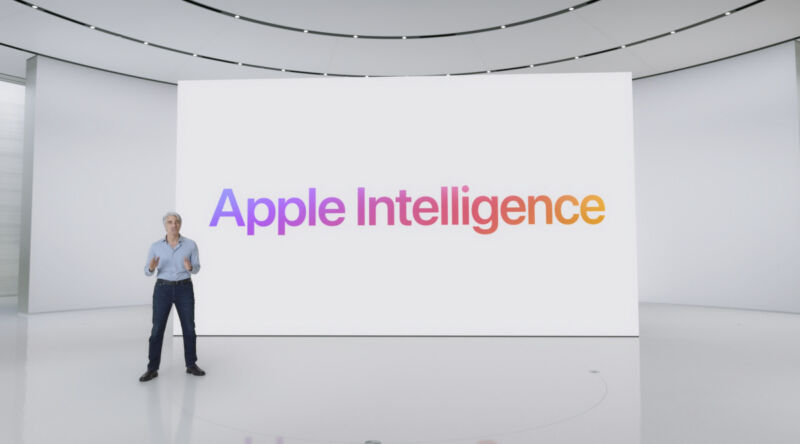
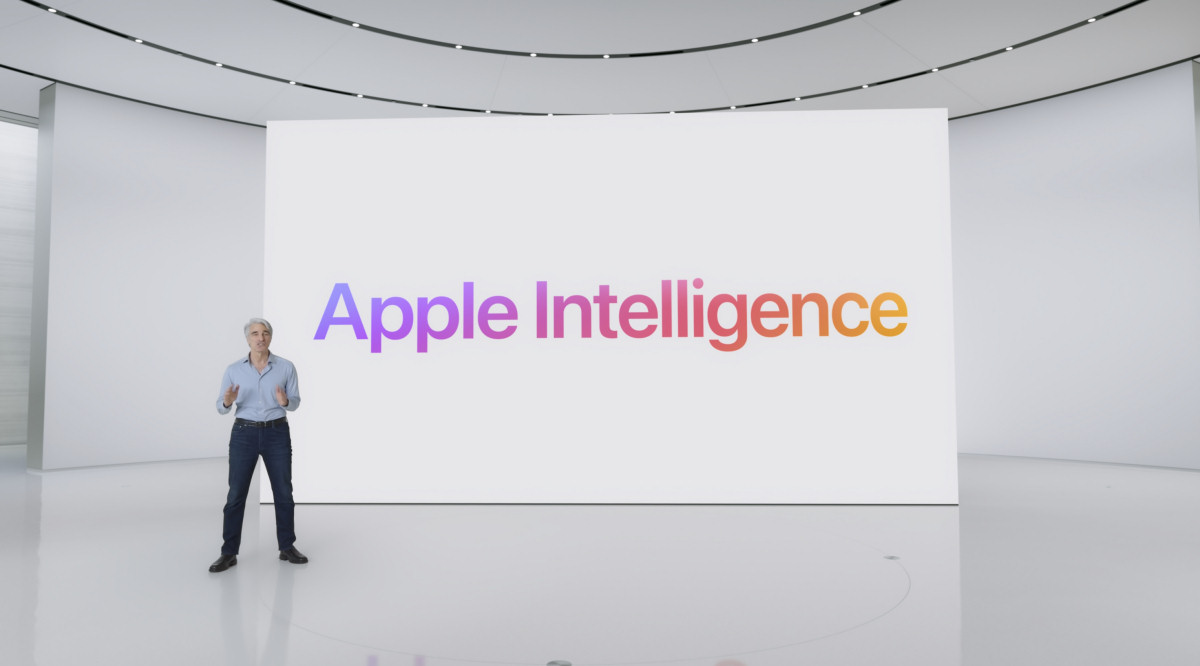
Craig Federighi stands in front of a screen with the words
Enlarge / Apple Intelligence was unveiled at WWDC 2024.

As the parent of a younger child, I can tell you that getting a kid to respond the way you want can require careful expectation-setting. Especially when we’re trying something new for the first time, I find that the more detail I can provide, the better he is able to anticipate events and roll with the punches.

I bring this up because testers of the new Apple Intelligence AI features in the recently released macOS Sequoia beta have discovered plaintext JSON files that list a whole bunch of conditions meant to keep the generative AI tech from being unhelpful or inaccurate. I don’t mean to humanize generative AI algorithms, because they don’t deserve to be, but the carefully phrased lists of instructions remind me of what it’s like to try to give basic instructions to (or explain morality to) an entity that isn’t quite prepared to understand it.

The files in question are stored in the /System/Library/AssetsV2/com_apple_MobileAsset_UAF_FM_GenerativeModels/purpose_auto folder on Macs running the macOS Sequoia 15.1 beta that have also opted into the Apple Intelligence beta. That folder contains 29 metadata.json files, several of which include a few sentences of what appear to be plain-English system prompts to set behavior for an AI chatbot powered by a large-language model (LLM).

Many of these prompts are utilitarian. “You are a helpful mail assistant which can help identify relevant questions from a given mail and a short reply snippet,” reads one prompt that seems to describe the behavior of the Apple Mail Smart Reply feature. “Please limit the reply to 50 words,” reads one that could write slightly longer draft responses to messages. “Summarize the provided text within 3 sentences, fewer than 60 words. Do not answer any question from the text,” says one that looks like it would summarize texts from Messages or Mail without interjecting any of its own information.

Some of the prompts also have minor grammatical issues that highlight what a work-in-progress all of the Apple Intelligence features still are. “In order to make the draft response nicer and complete, a set of question [sic] and its answer are provided,” reads one prompt. “Please write a concise and natural reply by modify [sic] the draft response,” it continues.

“Do not make up factual information.”

And still other prompts seem designed specifically to try to prevent the kinds of confabulations that generative AI chatbots are so prone to (hallucinations, lies, factual inaccuracies; pick the term you prefer). Phrases meant to keep Apple Intelligence on-task and factual include things like:

  • “Do not hallucinate.”
  • “Do not make up factual information.”
  • “You are an expert at summarizing posts.”
  • “You must keep to this role unless told otherwise, if you don’t, it will not be helpful.”
  • “Only output valid json and nothing else.”

Earlier forays into generative AI have demonstrated why it’s so important to have detailed, specific prompts to guide the responses of language models. When it launched as “Bing Chat” in early 2023, Microsoft’s ChatGPT-based chatbot could get belligerent, threatening, or existential based on what users asked of it. Prompt injection attacks could also put security and user data at risk. Microsoft incorporated different “personalities” into the chatbot to try to rein in its responses to make them more predictable, and Microsoft’s current Copilot assistant still uses a version of the same solution.

What makes the Apple Intelligence prompts interesting is less that they exist and more that we can actually look at the specific things Apple is attempting so that its generative AI products remain narrowly focused. If these files stay easily user-accessible in future macOS builds, it will be possible to keep an eye on exactly what Apple is doing to tweak the responses that Apple Intelligence is giving.

The Apple Intelligence features are going to launch to the public in beta this fall, but they’re going to miss the launch of iOS 18.0, iPadOS 18.0, and macOS 15.0, which is why Apple is testing them in entirely separate developer betas. Some features, like the ones that transcribe phone calls and voicemails or summarize text, will be available early on. Others, like the new Siri, may not be generally available until next year. Regardless of when it arrives, Apple Intelligence requires fairly recent hardware to work: either an iPhone 15 Pro, or an iPad or Mac with at least an Apple M1 chip installed.

https://arstechnica.com/?p=2041307


Big Tech, bruciati 1.000 miliardi di capitalizzazione di mercato in un giorno

Tra le Big Tech le perdite maggiori

Dopo il grande crollo di ieri, le borse asiatiche, americane ed europee cercano di riprendersi e un primo rimbalzo fa ben sperare gli investitori. Dopo la caduta di ieri (-12,7%), l’indice Nikkei torna a crescere oggi e segna un +10,7%.

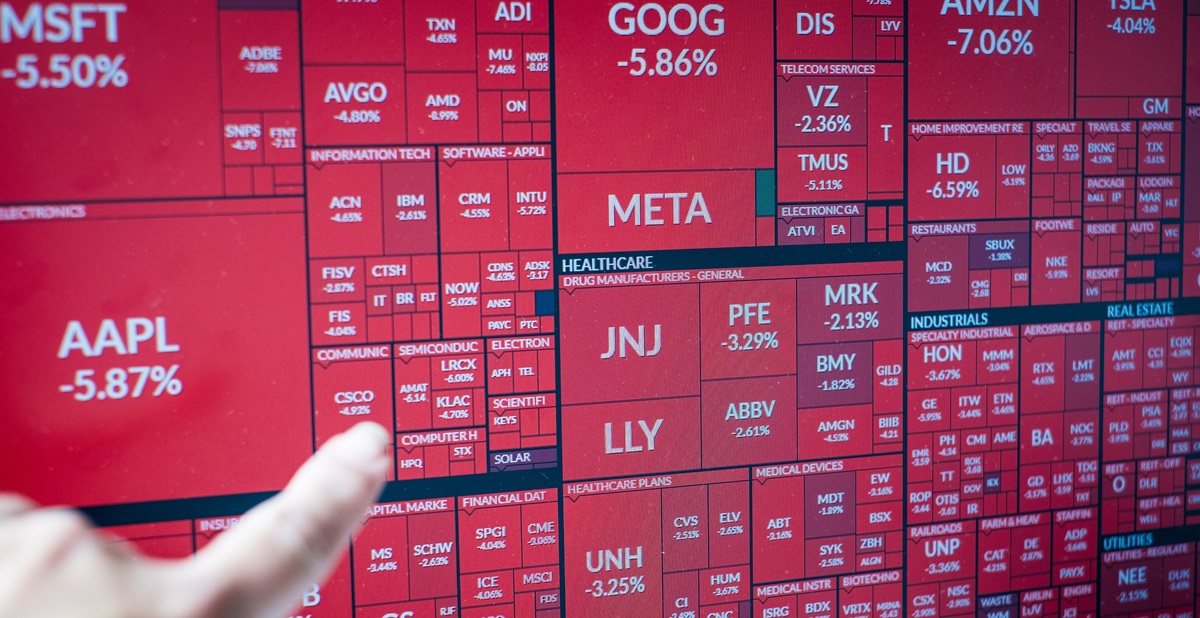
Negli Stati Uniti i principali listini hanno recuperato le perdite in maniera sostanziosa, ma rimanendo comunque in rosso: -2,37% per il Dow Jones, -2,59% per il Nasdaq, -2,42% per lo S&P 500.

Proprio l’indice dei titoli tecnologici, il Nasdaq, ha mostrato la maggiore vulnerabilità, con i titoli delle Big Tech (Meta, Microsoft, Alphabet, Tesla, Nvidia, Apple, Amazon) che hanno sostanzialmente pagato il prezzo più alto, secondo Bloomberg quantificato in 1.000 miliardi di dollari di capitalizzazione di mercato andati in fumo nella giornata ieri.

Cnbc ha stimato che in cima alla lista ci sono: Nvidia, che ha perso più di 300 miliardi di dollari, Apple, che ha visto evaporare circa 224 miliardi di dollari, e Amazon, con 109 miliardi di dollari di perdite.

Nvidia e Apple

Ricordiamo, infatti, che lunedì Apple ha perso il 4,8% in borsa, soprattutto dopo l’annuncio di Warren Buffet di riduzione della sua quota di partecipazione nel gigante tecnologico (mentre la sua Berkshire Hathaway ha perso 15 miliardi di dollari per il panic selling).

Nelle stesse ore, Nvidia ha lasciato sul terreno il 6,4% (dopo che un rapporto della testata The Information ha svelato che il nuovo chip AI di Nvidia è in ritardo nella tabella di marcia, con inevitabili conseguenze su tutto il mercato di riferimento).

Complessivamente, la testata americana ha stimato che nelle ultime tre settimane le borse di tutto il mondo hanno visto evaporare qualcosa come 6.400 miliardi di dollari.

Gli analisti confermano il rimbalzo e vedono la recessione alle porte

Secondo un’analista dell’agenzia di servizi finanziari Janney Montgomery Scott, il rimbalzo era atteso e con esso i rialzi, ma lo scenario rimane altamente instabile e i mercati sono in sofferenza.

Gli esperti di Morningstar DBRS, però, aggiungono una riflessione non banale: “La nostra preoccupazione più grande è che la svendita del mercato diventi una profezia che si autoavvera, spingendo i CEO delle aziende a tagliare gli investimenti e i consumatori a ridurre la spesa, portando a ulteriori tagli e a una recessione”.

Secondo Morningstar, inoltre, l’economia americana sta sì rallentando, ma non si fermerà e quindi non c’è, al momento, un pericolo imminente di recessione alle porte, con il sistema bancario che si è dimostrato resiliente (anche se colpito duramente ieri assieme alle Big Tech) e che affronterà con tranquillità la volatilità dei mercati nei prossimi tempi.

Leggi le altre notizie sull’home page di Key4biz

https://www.key4biz.it/big-tech-bruciati-1-000-miliardi-di-capitalizzazione-di-mercato-in-un-giorno/500990/


Apple reports record revenues despite stagnant iPhone sales

Apple CEO Tim Cook.
Enlarge / Apple CEO Tim Cook.
Lionel Hahn/Getty Images

Apple reported its earnings results for the third quarter of the 2024 fiscal year, and it satisfied investors’ expectations at the top level with 5 percent growth year over year. The company set a third-quarter record with $85.8 billion in revenue.

Despite that growth, a couple of key things investors were concerned about—overall iPhone sales and revenue in China—slipped downward, and Apple’s stock fell slightly in after-hours trading.

Revenue in China fell to $14.7 billion, down 6.3 percent from a year ago, as Apple faces fierce competition from Huawei and other smartphone companies. CEO Tim Cook said on the investor call that iPhone models are still the top sellers “in urban China.”

Overall, the iPhone business fell slightly from $39.67 billion in the same quarter last year to $39.30 this year. As a percent of total sales, the iPhone accounts for its lowest portion amongst the company’s other products and services in almost four years.

So how did the company still achieve a 5 percent overall in overall revenue? That was driven in no small part by substantial gains in both services and iPad revenue.

Apple introduced major new iPad updates in Q3 2024, and consumers seemed to respond well: iPad revenue was $7.16 billion, up almost 24 percent.

Services, which includes things like Apple TV+ and Apple Music, was up 14 percent, continuing an upward trend for that business.

Other product categories include “Wearables, Home, and Accessories” (including AirPods and the Apple Watch, among other things)—down 2 percent to $8.1 billion during the quarter—and the Mac, which was up 2 percent to around $7 billion in sales.

Apple was careful to point out that a very large percentage of buyers of both the Apple Watch and the iPad this quarter were first-time owners of those device categories, suggesting the market is not yet saturated for either.

Cook spent the majority of his time speaking during the earnings call hyping Apple Intelligence, the suite of generative AI features coming in iOS 18.1 this fall. The company first unveiled it during WWDC 2024 earlier in the quarter.

Apple believes Apple Intelligence will help drive sales of its newest and most expensive iPhones, as it won’t run on devices before last year’s iPhone 15 Pro.

Cook also took a brief moment to share enthusiasm for Apple Vision Pro, saying that developers have released more than 2,500 native spatial apps. He listed use cases and described the product in terms of customer satisfaction, though he did not go into specifics about sales numbers for the device.

https://arstechnica.com/?p=2040637


Apple Intelligence, il parere di chi ha già provato l’AI sugli iPhone

Con l’ultima anteprima per sviluppatori di iOS 18, Apple ha finalmente reso disponibile Apple Intelligence per gli utenti negli Stati Uniti. L’AI di Cupertino non è ancora disponibile nel nostro Paese e in Unione Europea e probabilmente non lo sarà presto, visto che la stessa Apple ha deciso di mettere in pausa il progetto per qualche timore nei confronti delle ferree normative continentali nel merito di dati e privacy.

“A causa delle incertezze normative causate dal Digital Markets Act (DMA), non crediamo che saremo in grado di distribuire tre di queste nuove funzionalità (iPhone Mirroring, miglioramenti di SharePlay Screen Sharing e Apple Intelligence) ai nostri utenti UE quest’anno”.

Apple

Apple Intelligence, come mostrato a giugno durante la conferenza WWDC 2024, si integra con Siri, l’assistente digitale rinnovato per l’occasione, non solo nelle funzionalità ma anche nell’aspetto. Siri illumina i bordi dello schermo durante le interazioni, creando un effetto visivo davvero suggestivo. C’è chi, oltreoceano, ha provato Apple Intelligence, al momento in beta e solo per iPhone 15 Pro e 15 Pro Max.

[embedded content]

Basta un doppio tocco sul fondo dello schermo per attivare una nuova modalità di interazione testuale con Siri, che si dimostra sempre più capace di comprendere le richieste, anche quando espresse in modo meno formale. Inoltre, l’assistente può gestire meglio le domande collegate, dimostrando una maggiore fluidità nella conversazione. Al di là di Siri, esplorare le nuove funzionalità di AI è come intraprendere una caccia al tesoro. Nell’app Mail, ad esempio, troviamo un nuovo pulsante “Riepiloga” che permette di avere una sintesi immediata del contenuto di ogni messaggio. Inoltre, ovunque sia possibile scrivere e selezionare del testo, appare una nuova opzione “Strumenti di scrittura” che offre una serie di strumenti utili per migliorare la qualità dei testi, come la correzione automatica, i suggerimenti e la creazione di riassunti.

Sblocco della produttività

Funzionalità che si rivelano particolarmente utili nell’app Note, che ora supporta anche le registrazioni vocali. iOS 18 introduce la trascrizione automatica delle registrazioni vocali, una funzione indipendente da Apple Intelligence, ma che si integra perfettamente con essa. Infatti, è possibile trasformare la trascrizione di una registrazione in un riassunto o una lista puntata, semplificando l’organizzazione dei memo. Tuttavia, si tratta di novità un po’ nascoste e che potrebbero sfuggire all’occhio meno attento.

Le più evidenti si trovano nell’app Mail, dove Apple Intelligence individua i messaggi più importanti e li raggruppa in una sezione dedicata. Inoltre, viene generato un breve riassunto per ogni messaggio, rendendo più facile individuare le informazioni chiave. Stando a chi l’ha provata, è davvero una bella esperienza vedere come l’intelligenza artificiale sia in grado di estrarre i punti salienti anche dalle email promozionali, evidenziando offerte speciali e dettagli utili.

I ricordi in Foto

Anche l’app Foto beneficia dei progressi dell’intelligenza artificiale. La ricerca è ora più potente e permette di effettuare ricerche complesse utilizzando un linguaggio naturale. Ad esempio, è possibile cercare tutte le foto di una persona con gli occhiali o di un particolare luogo. I risultati non sempre sono precisi ma vengono mostrati in maniera rapida. Nonostante questi progressi, Siri rimane ancora un’interfaccia per le ricerche sul web. I miglioramenti più significativi sono ancora dietro l’angolo e promettono di trasformare radicalmente l’interazione con l’assistente vocale.

In futuro, Siri sarà in grado di comprendere il contenuto dello schermo e di eseguire azioni direttamente all’interno delle app, semplificando notevolmente molte attività quotidiane. In pratica una Google Gemini con il simbolo della Mela. Ad ogni modo, con iOS 18, Apple compie un ulteriore passo avanti verso un futuro in cui l’intelligenza artificiale sarà sempre più integrata nella nostra vita quotidiana. C’ha messo del tempo ma la strada da percorrere sembra quella buona.

Leggi le altre notizie sull’home page di Key4biz

https://www.key4biz.it/apple-intelligence-il-parere-di-chi-ha-gia-provato-lai-sugli-iphone/500479/


OpenAI corre ai ripari dopo aver utilizzato senza consenso la voce di Scarlett Johansson

All’inizio di quest’anno, OpenAI ha svelato una modalità vocale migliorata per l’ultima versione di ChatGpt, chiamata Omnia. A differenza delle voci robotiche di assistenti digitali come Alexa o Siri, questa nuova opzione ha dimostrato di poter suonare realistica. Può rispondere in tempo reale, gestire le interruzioni, emettere suoni di risatina quando gli utenti scherzano e valutare lo stato emotivo di un oratore in base al suo tono. C’era però un problema: durante la dimostrazione iniziale, la voce è apparsa fin troppo simile a quella di Scarlett Johansson, attrice che ha interpretato un’intelligenza artificiale nel film “Her”.

Detto fatto: per evitare lunghe e costose procedure giudiziali, OpenAI ha pensato bene di eliminare quella voce dalle tonalità di “Sky“, il nome dato all’audio conversazionale, così da poter distribuire la novità a tutti gli utenti iscritti ad un piano a pagamento Plus.

Cosa cambia per OpenAI

La modalità avanzata sarà, almeno inizialmente, disponibile per un piccolo gruppo di abbonati, con l’intenzione di estenderla a tutti gli utenti Plus entro l’autunno. Sebbene ChatGpt abbia già una modalità vocale di base, questa versione rappresenta un significativo balzo in avanti. Potrebbe trasformare ChatGpt da un semplice chatbot AI in un assistente personale virtuale, consentendo agli utenti di impegnarsi in conversazioni naturali come farebbero con un amico. Da qui alla trasposizione su uno speaker domestico o uno schermo simile agli Echo con Alexa il passo è breve.

La rinnovata facilità di interazione potrebbe aumentare il coinvolgimento e presentare una sfida agli assistenti virtuali esistenti di aziende come Apple e Amazon. Tuttavia, l’introduzione solleva importanti domande: ChatGpt riuscirà a comprendere in modo coerente gli utenti, compresi quelli con difficoltà di linguaggio? Una voce simile a quella umana non porterà a fidarsi eccessivamente dell’AI, anche quando commette errori?

Supporto multilingua

OpenAI aveva inizialmente pianificato di lanciare la modalità vocale avanzata a giugno, ma l’ha posticipata per garantire la sicurezza e l’efficacia dello strumento. Negli ultimi mesi, l’azienda ha testato le capacità vocali dell’AI con oltre 100 tester di diversa provenienza linguistica e geografica, coprendo 45 lingue diverse in 29 regioni. Per garantire la sicurezza, OpenAI ha limitato la modalità vocale a quattro opzioni preimpostate create in collaborazione con doppiatori, impedendo l’utilizzo di altre cadenze e tonalità. Inoltre, la startup bloccherà le richieste di generare musica o altri audio protetti da copyright e includerà le stesse protezioni della modalità testo di ChatGpt per evitare di produrre contenuti illegali o dannosi.

Addio Scarlett

Un cambiamento importante rispetto alla demo di maggio è la rimozione della voce somigliante a quella di Scarlett Johansson. Sebbene OpenAI abbia chiarito che la voce era stata creata con un attore diverso, ha deciso di sospenderne l’uso “per rispetto” dopo che l’attrice aveva chiesto ufficialmente alla compagnia di riferire la musa ispiratrice di Sky. Il lancio della modalità vocale avanzata di ChatGPT segue il recente annuncio di OpenAI di testare un motore di ricerca basato sulla sua tecnologia. Un modo per sfidare il predominio di Google nel mercato del web, ampliando la gamma di strumenti rivolti ai consumatori.

Leggi le altre notizie sull’home page di Key4biz

https://www.key4biz.it/openai-corre-ai-ripari-dopo-aver-utilizzato-senza-consenso-la-voce-di-scarlett-johansson/500214/


Apple stealthily adds minor features in iOS 17.6, macOS 14.6 releases

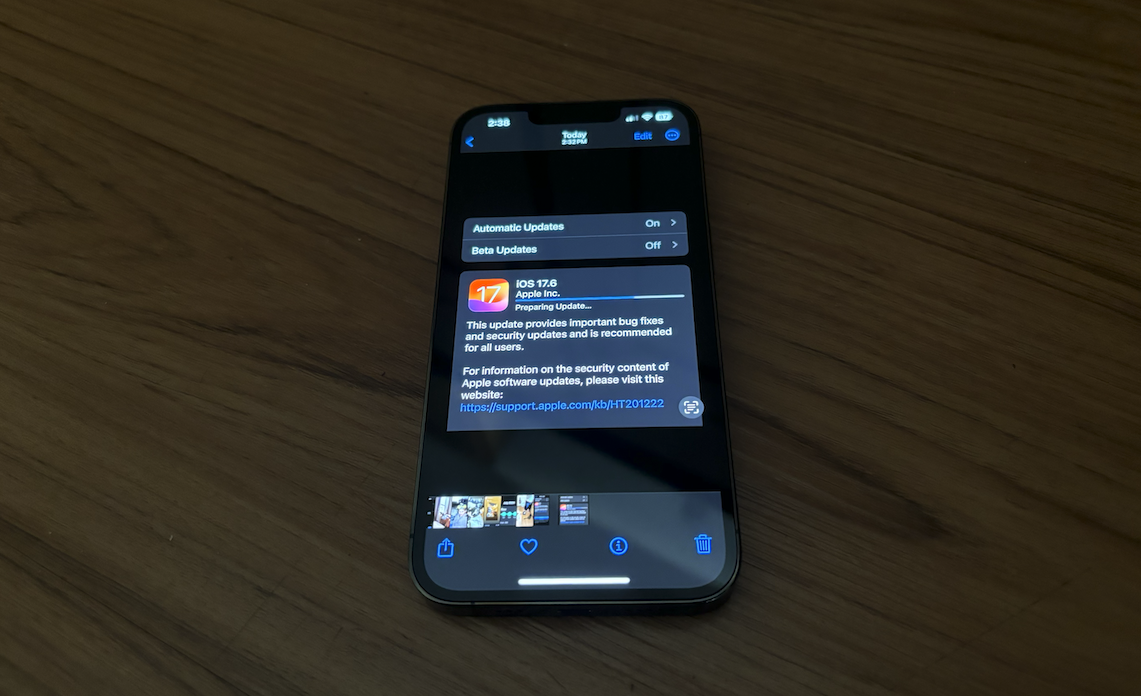
An iPhone lies on a wood surface, showing the Software Update panel on its screen
Enlarge / iOS 17.6 installing on an iPhone 13 Pro.
Samuel Axon

Apple has some minor updates for all its operating systems, and the releases include iOS 17.6, iPadOS 17.6, tvOS 17.6, watchOS 10.6, and macOS Sonoma 14.6.

Apple’s notes for these updates simply say they include bug fixes, security updates, or optimizations. However, there are a few hidden features.

macOS 14.6 reportedly enables multi-display support in clamshell mode on the M3 MacBook Pro, allowing users of that device to use two external displays at once. That was already possible on the M3 Pro and M3 Max variations. Apple had previously released a similar update to bring that functionality to the M3 MacBook Air.

iOS 17.6 and iPadOS 17.6 have added a feature called Catch Up, which is targeted at sports fans who use Apple’s TV app.

The feature allows users to watch a quick sequence of highlights that have been produced so far from an in-progress Major League Soccer game before joining the live feed.

That’s about it, though. These are minor updates, and they are likely the final ones other than security hotfixes until Apple begins rolling out its annual updates, such as iOS 18 and macOS Sequoia 15, later this fall.

Those updates are expected to include several new features, though the biggest—Apple Intelligence, a suite of generative AI features—will not arrive until iOS 18.1, which was just released as a developer beta for the first time.

iOS 17.6, iPadOS 17.6, tvOS 17.6, watchOS 10.6, and macOS Sonoma 14.6 are available to download and install on all supported devices now.

https://arstechnica.com/?p=2040130