Apple drops price of 10th Gen iPad from $399 to $349
Apple lowered the price of its 10th Generation iPad from $399 to $349, it announced at its Let Loose event today.
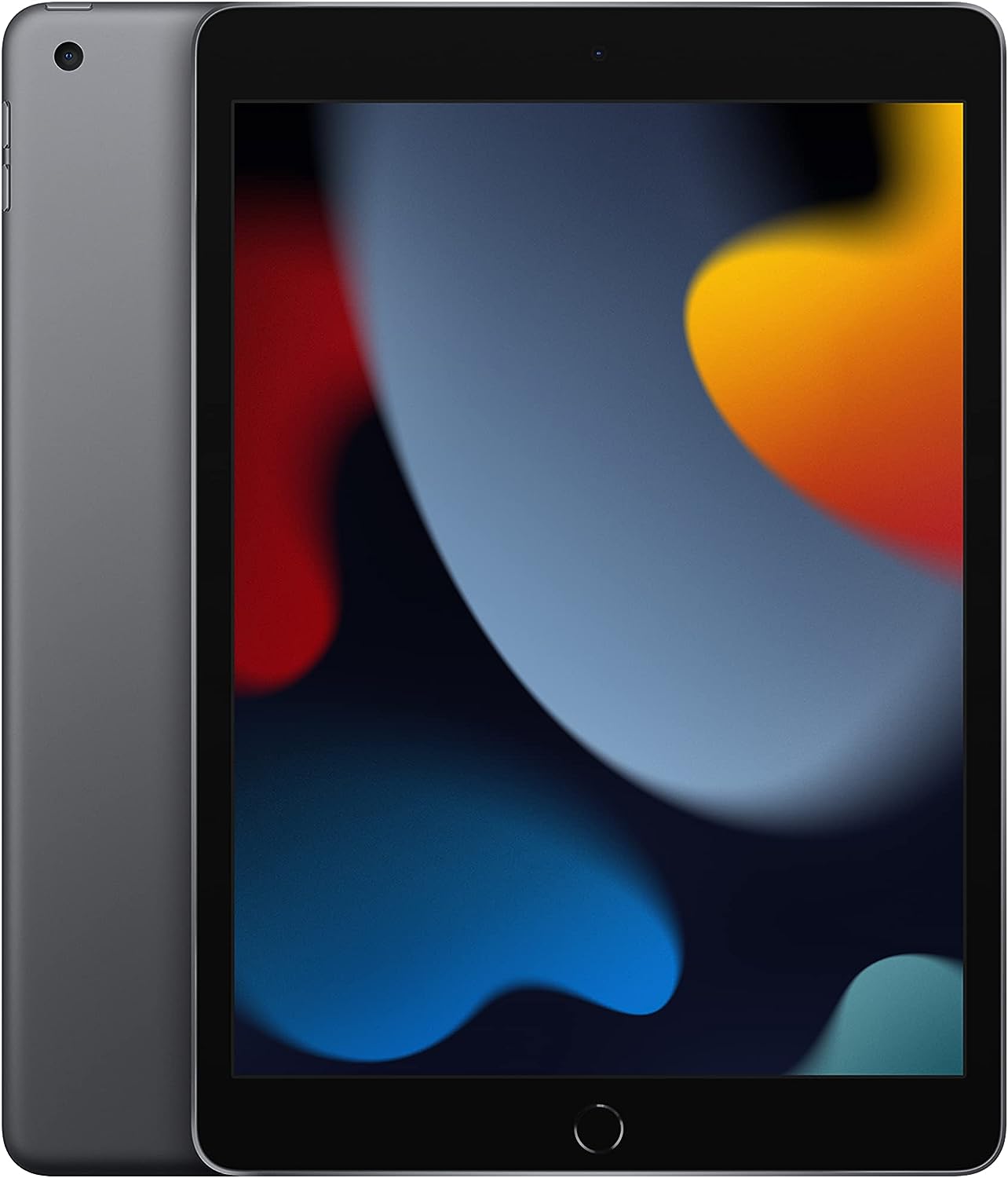
The 10th-generation iPad did away with the top and bottom bezels that previous iPads carried. The 10.9-inch tablet also doesn’t have a home button, and shows Apple, under pressure from European Union regulations, moving from a Lightning port to USB-C.
However, Apple’s also doing away with the $329, 9th Generation iPad, effectively increasing the price of entry for an iPad.
Enlarge/ You won’t be able to buy this 9th-generation iPad from Apple anymore.
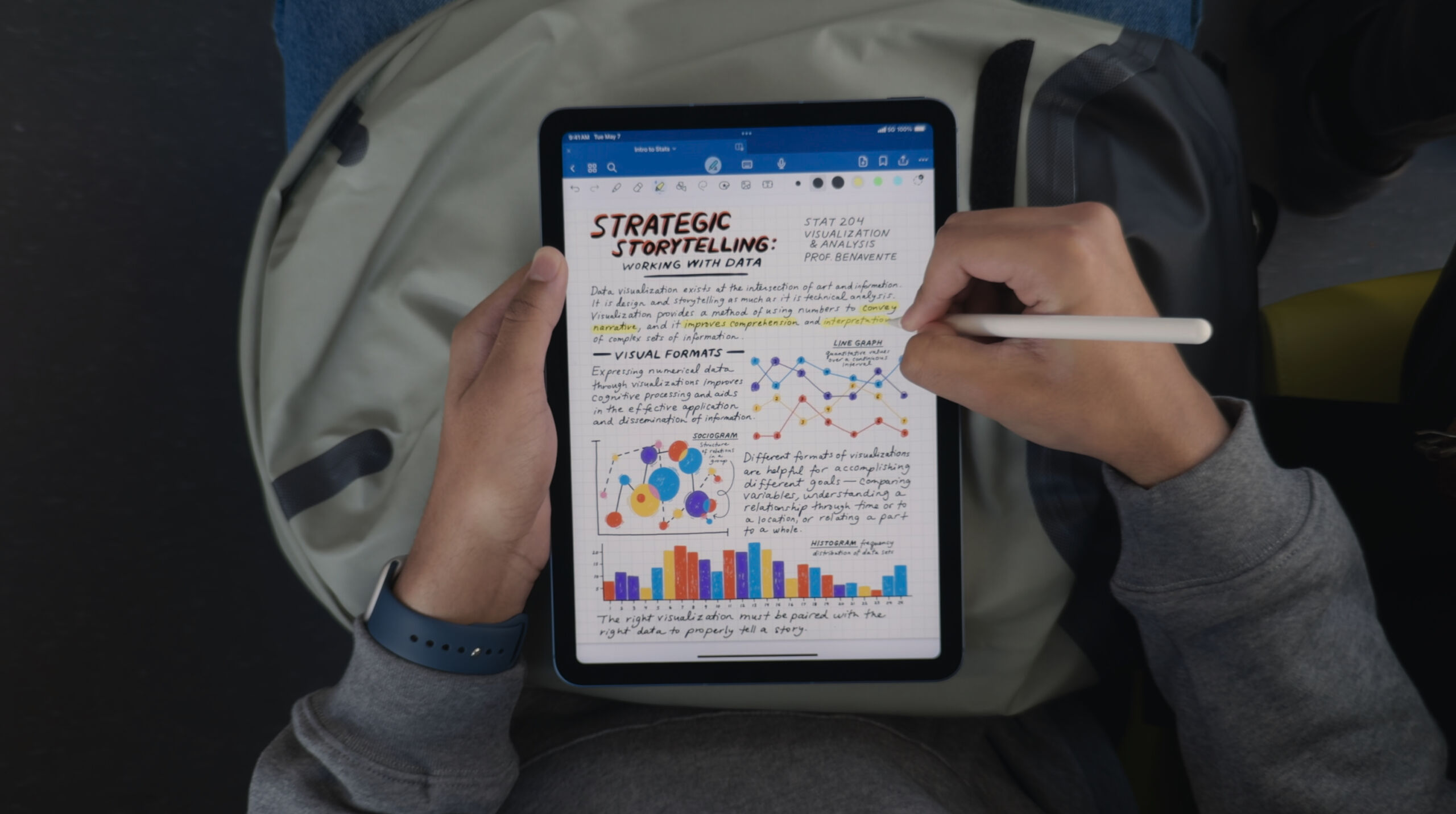
The $329 iPad had an old school home button, as well as a Lightning port. The cheaper iPad also supported the 1st-generation Apple Pencil that had a round barrel shape, glossy finish, and also used a Lightning port. Meanwhile, Apple’s Pencil lineup has moved toward magnetic charging and other new features.
https://arstechnica.com/?p=2022463
Apple announces M4 with more CPU cores and AI focus, just months after M3
Enlarge/ Apple’s M4 chip in the new iPad Pro. It follows the M3 by just a few months.
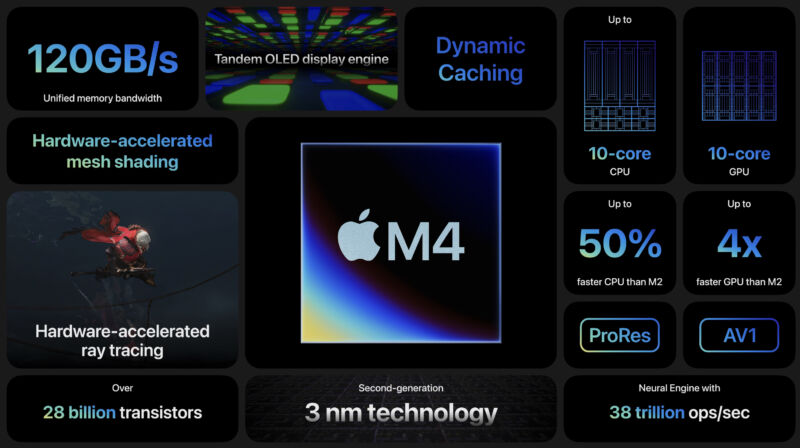
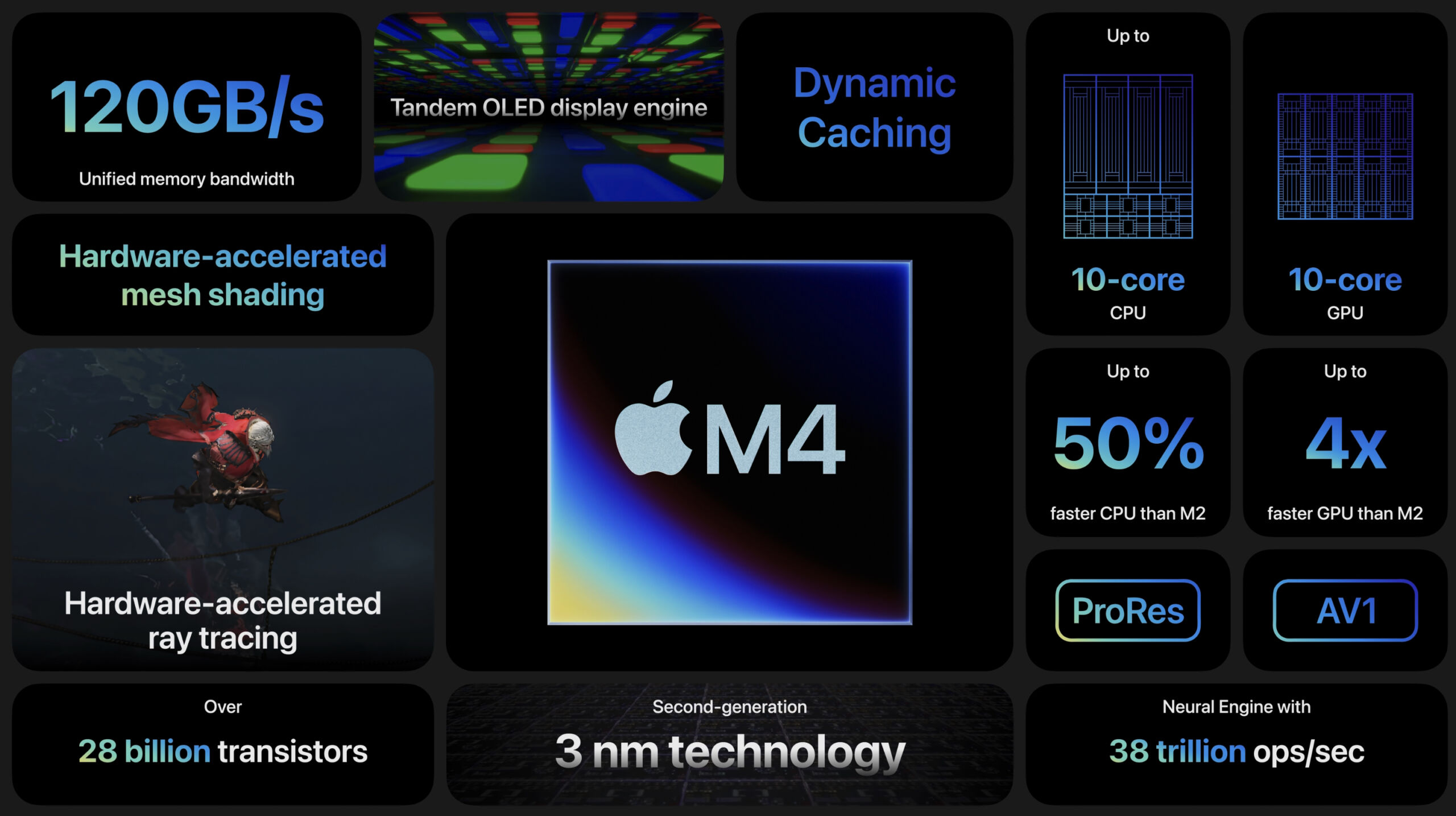
Apple says the M4 includes “up to” four high-performance CPU cores, six high-efficiency cores, and a 10-core GPU. Apple’s high-level performance estimates say that the M4 has 50 percent faster CPU performance and four times as much graphics performance. Like the GPU in the M3, the M4 also supports hardware-accelerated ray-tracing to enable more advanced lighting effects in games and other apps. Due partly to its “second-generation” 3 nm manufacturing process, Apple says the M4 can match the performance of the M2 while using just half the power.
As with so much else in the tech industry right now, the M4 also has an AI focus; Apple says it’s beefing up the 16-core Neural Engine (Apple’s equivalent of the Neural Processing Unit that companies like Qualcomm, Intel, AMD, and Microsoft have been pushing lately). Apple says the M4 runs up to 38 trillion operations per second (TOPS), considerably ahead of Intel’s Meteor Lake platform, though a bit short of the 45 TOPS that Qualcomm is promising with the Snapdragon X Elite and Plus series. The M3’s Neural Engine is only capable of 18 TOPS, so that’s a major step up for Apple’s hardware.
Apple’s chips since 2017 have included some version of the Neural Engine, though to date, those have mostly been used to enhance and categorize photos, perform optical character recognition, enable offline dictation, and do other oddities. But it may be that Apple needs something faster for the kinds of on-device large language model-backed generative AI that it’s expected to introduce in iOS and iPadOS 18 at WWDC next month.
The wait between the M1 and M2 and the wait between the M2 and M3 were each about a year and a half. With as few technical details as Apple has announced, it’s tough to know what to make of the faster turnaround between the M3 and M4. It could be that the M3 was behind schedule and the M4 was on time or ahead; it could also be that the M4 is a relatively modest architectural update to the M3. We’ll need to test the hardware ourselves to determine exactly how the M3 and M4 stack up to each other.
The fast introduction of the M4 makes it a little clearer why Apple might choose not to update devices like the Mac mini with an M3 chip. Either the M3 processor generation will be uncommonly short, or Apple plans to sell a mix of M3 and M4 devices this year.
https://arstechnica.com/?p=2022375
New iPad Pros are the thinnest Apple device ever, feature dual-OLED screens
Apple’s newest iPad Pro puts an M4 chip inside a thinner frame and is available in new 11-inch and 13-inch sizes, while also upgrading the screens on both to “tandem” OLED displays for more brightness.
Compared to the last iPad Pro, released in early 2022, Apple is highlighting how thin and light these new Pros are. The 11-inch model is 5.3 mm thick and weighs less than a pound, while the 13-inch is 5.1 mm, which Apple says is its thinnest product ever, at 1.28 pounds.
The tandem OLED design, dubbed Ultra Retina XDR, delivers 1000 nits at full-screen brightness, and 1600 nits at peak HDR, equivalent to a high-end Samsung TV. The screens are “nano-texture glass,” which is essentially a matte display finish.
What’s really big is the inclusion of an M4 chip, built from a second-generation 3-nanometer process. It’s the first time the iPad Pro has included a new Apple chip ahead of other devices. Apple is touting a 50 percent improvement over M2 performance and can deliver the same performance as M2 at half the power, or one-quarter the power in certain scenarios. Notably, the new iPad Air uses the M2; this year’s lineup puts more of a gap between the use cases and price/performance points of the various iPads, even if there is still some cross-over.
The chip’s neural engine got a very specific call-out; it’s capable of 38 trillion operations per second, and Apple says it’s the most powerful (consumer-level) AI computer sold.
The new iPad Pros get a 12 megapixel camera, along with LIDAR scanners and an adaptive flash that improves document scanning. Finally, the “selfie”/conferencing camera moves to the landscape position on the iPad Pro, making that ultra-wide 12MP camera far more useful and the iPad-as-laptop experience a good deal better. On that note, there are new Magic Keyboards, Smart Folios, and an Apple Pencil Pro available soon to attach to these new models.
The 11-inch iPad Pro starts at $999, and the 13-inch starts at $1,299, with 256GB storage to start. They’re both available for order today, with delivery next week.
This is a developing story and this post will be updated.
https://arstechnica.com/?p=2022368
Apple’s first 13-inch iPad Air debuts at $799 next week
Apple today announced the first 13-inch iPad Air. The company is also releasing a revamped 11-inch iPad Air next week, meaning the tablet will be available in two sizes for the first time.
The 13-inch iPad Air has 30 percent more screen real estate than its smaller counterpart, so Apple is marketing it as being for multitasking and applications like iPadOS’ Split View. During its Let Loose event today, Apple said it decided to release a 13-inch iPad Air because more than half of iPad Pro users opt for the larger (12.9 inches versus 11 inches) size.
In addition to a larger screen, the 13-inch iPad Air will offer better sound quality than the 11-inch version, Apple says, due to it offering twice the bass. Both tablets have landscape stereo speakers and Spatial Audio support.
Both iPad Airs will come with an M2 chip that Apple claimed will give the devices 15 percent faster CPU performance, 25 percent faster GPU performance, and a 40 percent faster neural engine. With improved memory bandwidth as well, Apple says the new iPad Airs will be 50 percent faster than M1-based predecessors.
Apple also claimed the new chip will make the tablets more appropriate for AI-based tasks, like visual look up, subject lift, and live text capture.
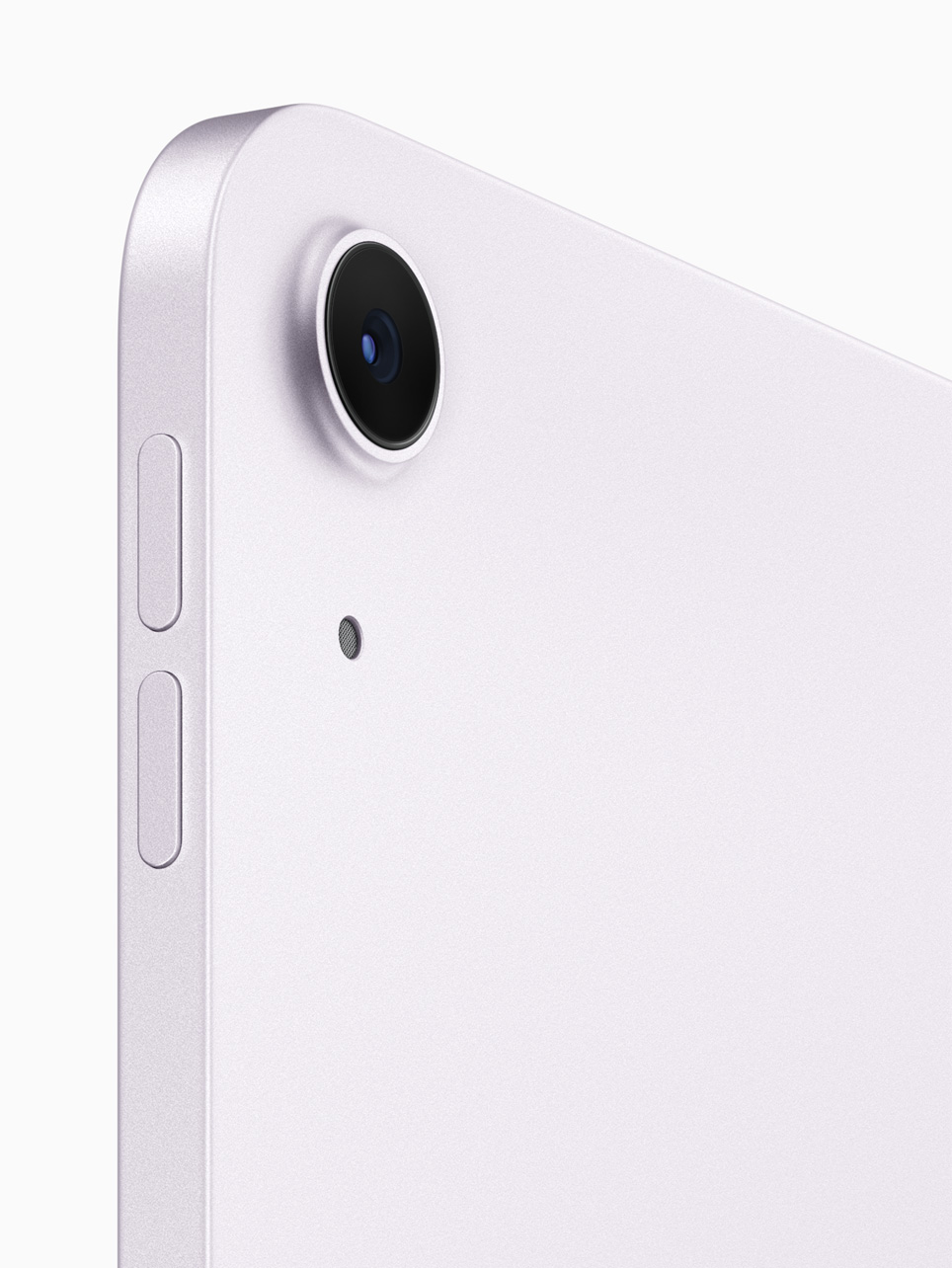
The new Airs will also have a front-facing, ultrawide 12MP camera that supports Apple’s Center Stage feature for keeping users in a central field of view during video calls. Apple moved the camera positioning to one of the tablet’s longer edges to appeal to the way people tend to use the tablets with video calls.
Enlarge/ The new iPad Air cameras support 4K video and 240-fps slo-mo.
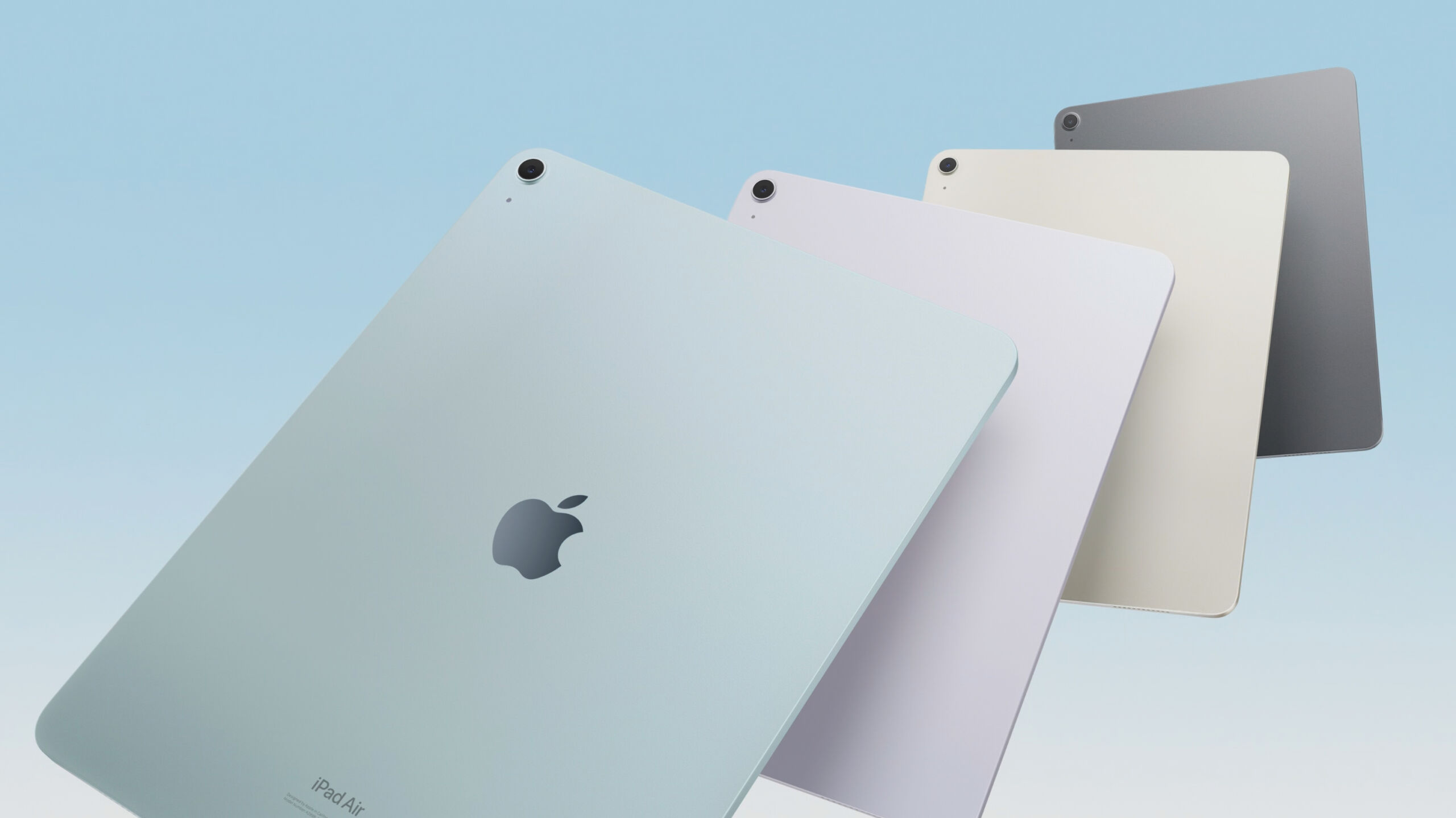
Apple’s new thin tablets will come out in four colors:
Enlarge/ Apple’s new iPad Airs in blue, purple, starlight, and space gray.
With 128GB of storage, the 13-inch iPad Air will start at $799, and the 11-incher will start at $599. Storage goes up to 1TB. The tablets will be available starting May 15.
Listing image by Apple
https://arstechnica.com/?p=2022379
Il project ACDC (Apple Chips in Data Center) è il piano di Apple sull’AI?
Quasi tutte le aziende che offrono servizi basati sull’intelligenza artificiale generativa utilizzano le GPU di NVIDIA per l’addestramento dei LLM (Large Language Model). Per ridurre la dipendenza da NVIDIA, Microsoft, Google e Meta hanno progettato chip custom, mentre OpenAI cerca finanziamenti per la costruzione di fabbriche. Secondo le fonti del WSJ, anche Apple avrebbe scelto questa strada, sfruttando le sue competenze nel settore.
L’azienda di Cupertino progetta chip da oltre 14 anni, quindi lo sviluppo di versioni server non dovrebbe incontrare grandi difficoltà. La produzione verrà affidata a TSMC. Le fonti del WSJ affermano che i chip serviranno principalmente per l’inferenza (esecuzione) dei modelli di IA generativa, in quanto le GPU di NVIDIA offrono una potenza al momento inavvicinabile per quanto riguarda l’addestramento dei modelli.
L’investitori impazienti sull’AI: ne sapremo di più il 10 giugno?
Gli investitori di Apple sono diventati impazienti per la presunta mancanza di progressi dell’azienda nell’Intelligenza artificiale. I rivali tecnologici hanno visto aumentare il prezzo delle loro azioni con annunci di IA eclatanti. Microsoft ha ottenuto il maggior aumento grazie alla stretta e precoce collaborazione dell’azienda con OpenAI. All’inizio di quest’anno, Microsoft ha superato Apple come azienda più valutata al mondo, e il suo vantaggio è solo aumentato.
Il CEO di Apple, TimCook, ha cercato di rassicurare gli investitori affermando che l’azienda sta investendo nella tecnologia e che presto avrà importanti annunci di IA.
“Crediamo nel potere trasformativo e nelle promesse dell’IA, e crediamo di avere vantaggi che ci differenzieranno in questa nuova era, tra cui la combinazione unica di integrazione senza soluzione di continuità di hardware, software e servizi di Apple”, ha affermato Cook in una conference call per i risultati trimestrali recenti dell’azienda.
Apple punta la sfida verso NVIDIA
I sistemi di IA generativa, come i grandi modelli di linguaggio che alimentano ChatGPT, elaborano spesso immense quantità di dati utilizzando server informatici ospitati in data center. Per quella potenza di calcolo, la maggior parte delle grandi aziende tecnologiche si basa pesantemente su server dotati di chip di Nvidia, che si è trovata nel bel mezzo di una corsa all’oro dell’IA.
La maggior parte delle principali aziende tecnologiche ha sviluppato i propri chip per server di IA o sta esplorando questa possibilità per liberarsi da Nvidia, che detiene una quota di mercato stimata superiore all’80% in tali chip. Google ha forse il prodotto di chip per server di IA interno più maturo, con le sue unità di elaborazione tensoriale, avviato nel 2013. OpenAI è anche in trattative per finanziare un ambizioso progetto di chip interno, come già riportato dal Wall Street Journal.
La competenza esistente di Apple nel campo dei chip potrebbe essere un fattore su cui l’azienda può trovare un vantaggio critico rispetto agli altri giganti tecnologici nell’IA. Tra i suoi rivali, Apple ha la storia più lunga e il maggior successo nella progettazione di silicio personalizzato. L’azienda ha iniziato a incorporare i propri chip di elaborazione in iPhone e iPad nel 2010.
Ars Artificialis: una rubrica a cura di NicolaGrandis. Parlare e dialogare sulla migliore approssimazione di Arte Artificiale realizzata sin qui dall’uomo, quella che comunemente viene definita Intelligenza Artificiale. Per leggere tutti gli articoli clicca qui.
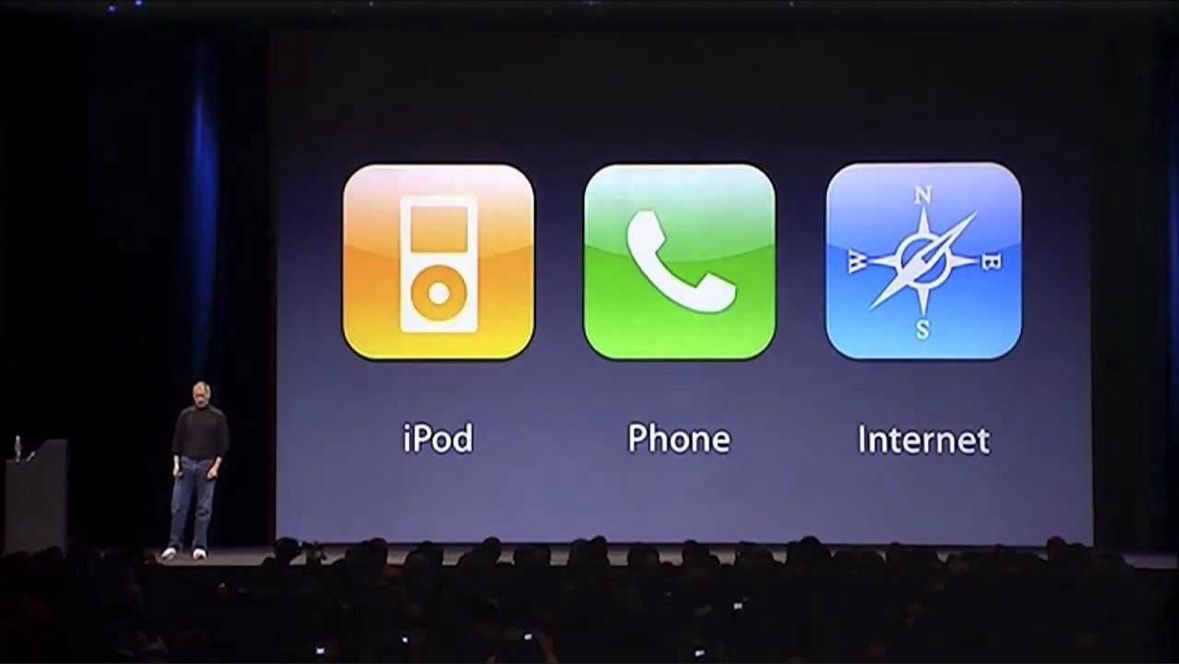
Il 9 Gennaio 2007, Steve Jobs presentò al mondo IPhone1 così: “Un Ipod + un telefono + internet”.
Prima di queste parole il mercato High-End era dominato da RIM-BlackBerry e subito dopo, SteveBallmer CEO di Microsoft ebbe a dichiarare che “non ha futuro, costa troppo, 500USD”.
Il resto è storia. Oggi si può pagare un IPhone anche 1.000 euro ed è ancora il device numero uno al mondo, 17 anni dopo. Perché?
iPhone ha modificato il paradigma delle Telco, che dalla vendita di minuti sono passate alla vendita del traffico dati, ha aperto AppStore un MarketPlace di terze parti e funzionava benino. Chiunque fosse un utilizzatore BlackBerry, sa che era un telefono che funzionava come mai più ne abbiamo visti per la qualità dell’audio, la copertura e l’invio di e-mail. iPhone però vinse su tutto il resto.
OpenAI ha tentato la via del marketplace, ma senza successo. Apple sta arrivando, i rumors si fanno insistenti ed anche i paper di ricerca pubblicati dalla Mela. Per ciò che ne sappiamo, Apple non sta lavorando su un LLM, ma su come far girare in modo efficace un LLM su smartphone, inoltre Apple sta lavorando ad un AI che sia fusa con l’interfaccia del suo device. In questa ottica, gira voce che AppStore verrà dotato di AI-Apps, App che avranno due prerogative: utilizzeranno AI, generanno la loro interfaccia fusa con quella del dispositivo in funzione del comando dell’utente. Dunque, “primo treno per Milano?” … produrrà un’interfaccia per mostrare questa informazione e “mail di oggi?” … ne produrrà una diversa. Non si tratterà di semplici widget, ma di interfacce generate ad AI e potrebbero anche essere diverse per ogni utente.
L’attesa è grande, sta giungendo il WDC ed iOS18. Vedremo se sarà questa la tornata del rilascio o una prossima, IPhone potrebbe diventare “un IPod, un telefono, un comunicatore Internet, un IntelligenzaArtificiale”, sicuramente lo avrebbe voluto dire Steve Jobs.
What to expect from Apple’s May 7 “Let loose” event
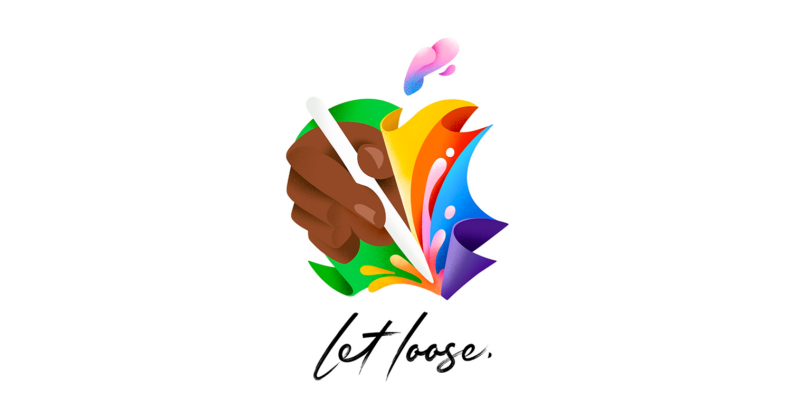
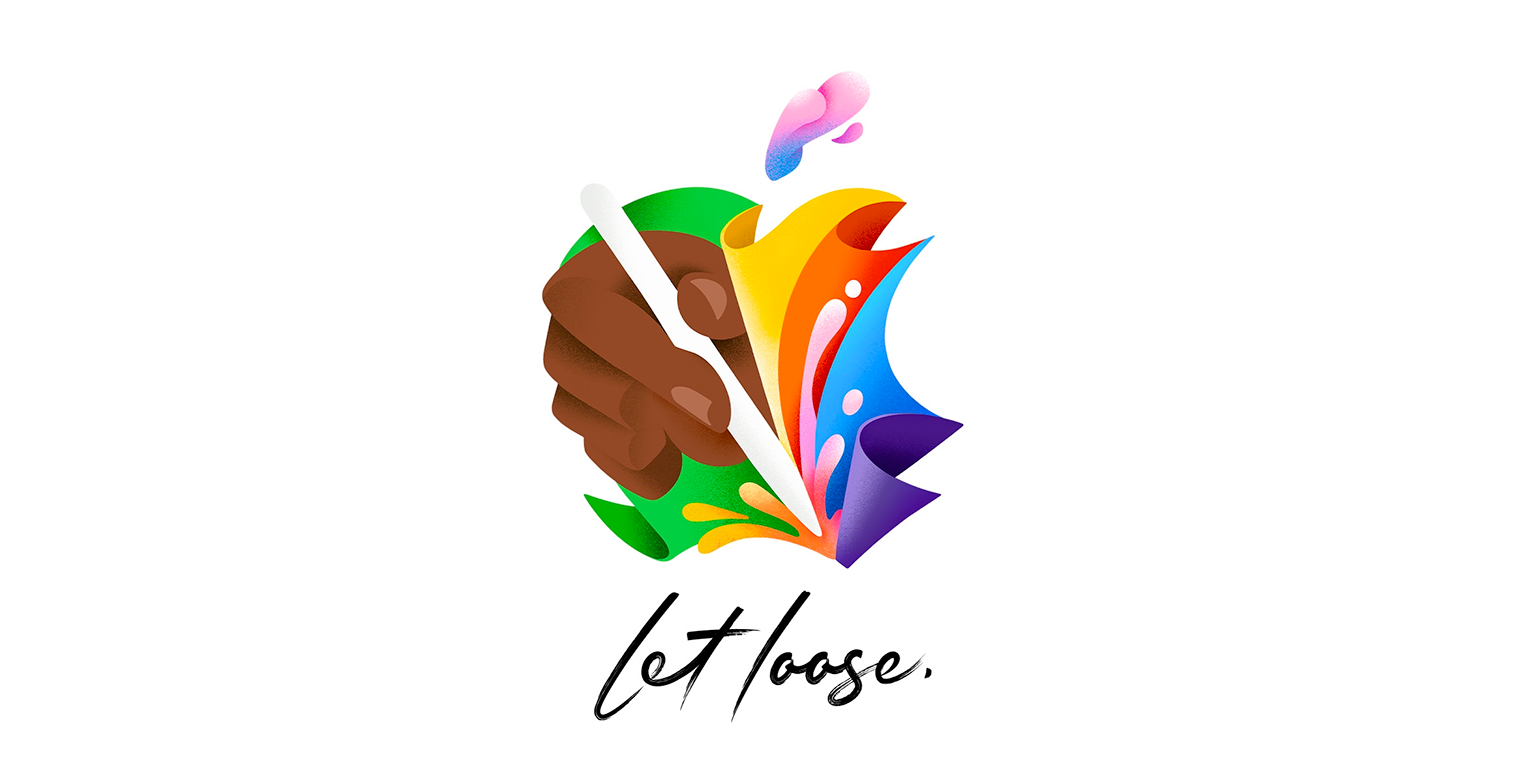
Enlarge/ The promotional image for Apple’s May 7 event.
On May 7, Apple will host a product announcement event at 9 am ET. Labeled “Let loose,” we expect it will focus on new iPads and iPad accessories.
We won’t be liveblogging the stream, but you can expect some news coverage as it happens. Below, we’ll go over our educated guesses about why Apple might be doing this.
Why hold an event now?
It’s unusual for Apple to host an event shortly before WWDC. New products debut at that event all the time, so if it’s just a faster chip and a nicer screen for the iPad Pro and iPad Air, why not wait until June?
We’re not completely sure what the answer is, but we can make educated guesses.
Apple has been criticized by commentators over the past few weeks for three things. First, iPads have not been selling well. Second: While the Vision Pro introduced a new product category that may grow over time, its initial launch didn’t sell that well. Lastly, Apple is perceived by many as way, way behind on generative AI tech, which is already transforming other companies. There have also been rumors that Microsoft might announce a new silicon that will be fiercely competitive with Apple Silicon for AI tasks, and Microsoft’s chips could be announced at a planned event between May 7 and the start of WWDC.
Given all that, our best guess is that Apple wants to focus its messaging—and the time window for that messaging—on the right targets without muddying the message by trying to address everything at once.
Talking about the iPad’s challenges while also preempting Microsoft with a new chip announcement could be Apple’s focus for this event. Getting those things out of the way now would allow WWDC and its new operating system announcements to focus heavily on AI, which is the bigger question the company is looking to answer.
What new iPads might look like
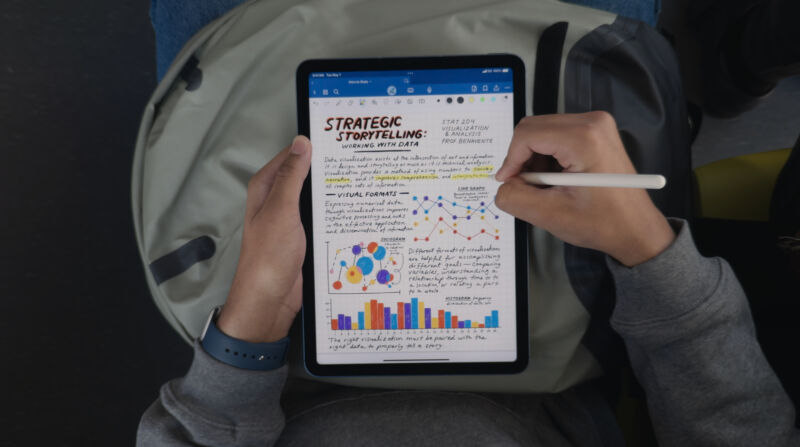
Given that an Apple Pencil is in the event’s promotional image—a much more explicit hint than Apple usually provides—there’s no question iPads will be a focus.
As is often the case these days, we have a plethora of leaks, supply chain reports, and, of course, insider reporting at sites like Bloomberg and The Information to give us a rough idea of what to expect from Apple’s new hardware.
iPad Pro
It’s likely that the star of the show will be a significant redesign of the iPad Pro for the 11-inch and 12.9-inch sizes.
Both are rumored to get OLED displays, a huge step up over the LCD display in the current 11-inch iPad Pro. The 12.9-inch iPad Pro has a MiniLED display, which competes directly with OLED in the consumer TV space, so it won’t be as big a leap for that device, but we can still expect better contrast and richer colors.
https://arstechnica.com/?p=2021920
Google versa a Apple 20 miliardi di dollari per diventare motore di ricerca predefinito di Safari
Google paga Apple, il Dipartimento di Giustizia USA vuole vederci chiaro
È accaduto due anni fa. Nel 2022 Google ha versato nelle casse di Apple ben 20 miliardi di dollari per diventare motore di ricerca predefinito di Safari (browser ufficiale di Apple).
La notizia è trapelata su Bloomberg, che ha avuto modo di visionare i documenti della causa antitrust intentata dal Dipartimento di Giustizia del Governo degli Stati Uniti contro Google, proprio in relazione a pratiche commerciali scorrette che avrebbero alterato la normale concorrenza sul mercato tra imprese.
Il dato è uscito in tribunale, per voce del vicepresidente senior dei servizi Apple, Eddy Cue. Secondo qz.com, per la prima volta si è parlato di cifre precise e questo ha permesso di far luce in maniera più chiara sul modo in cui Google ha conquistato il mercato globale dei motori di ricerca.
Mercato dei motori di ricerca, Google controlla una quota del 92%
Secondo i dati diffusi da Oberlo, a febbraio 2024 Google deteneva una quota di mercato globale dei motori di ricerca pari a quasi il 92%. Una quota che non è mai scesa sotto il 90% dal 2014.
I documenti presentati hanno dimostrato che i pagamenti di Google hanno rappresentato nel 2020 il 17,5% dei flussi di cassa di Apple, una quota non indifferente.
Secondo il New York Times, già nel 2021 il colosso di Mountain View avrebbe pagato ad Apple la cifra di 18 miliardi di dollari per lo stesso motivo: assicurarsi il posto di motore di ricerca predefinito sugli iPhone.
Il monopolio illegale di Mountain View? Negli Usa, dopo tre anni di attesa, il processo è iniziato a settembre e si dovrebbe concludere in questi giorni
Il Dipartimento di Giustizia e diversi stati degli Stati Uniti hanno intentato una causa contro Google nel 2020, accusando la Big Tech di costruire un monopolio illegale nel mercato dei motori di ricerca e certamente anche nel mercato della pubblicità, principalmente attraverso accordi multimiliardari pagati alle società di browser, come Apple e molte altre società di massimo rilievo globale.
Dopo tre anni di attesa, il processo è iniziato a settembre e si dovrebbe concludere in questi giorni.
Solo Google si è macchiata di comportamento scorretto? Assolutamente no. Secondo i documenti in possesso di Bloomberg, Apple aveva più offerte da vagliare. Microsoft, ad esempio, avrebbe offerto il 90% dei suoi ricavi pubblicitari nel 2020 per fare di Bing il motore di ricerca predefinito di Safari.
Apple’s Q2 2024 earnings reveal a drop in iPhone, iPad sales
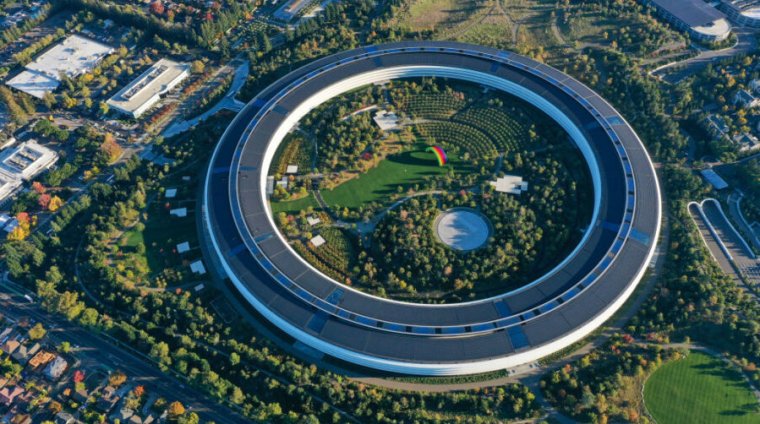
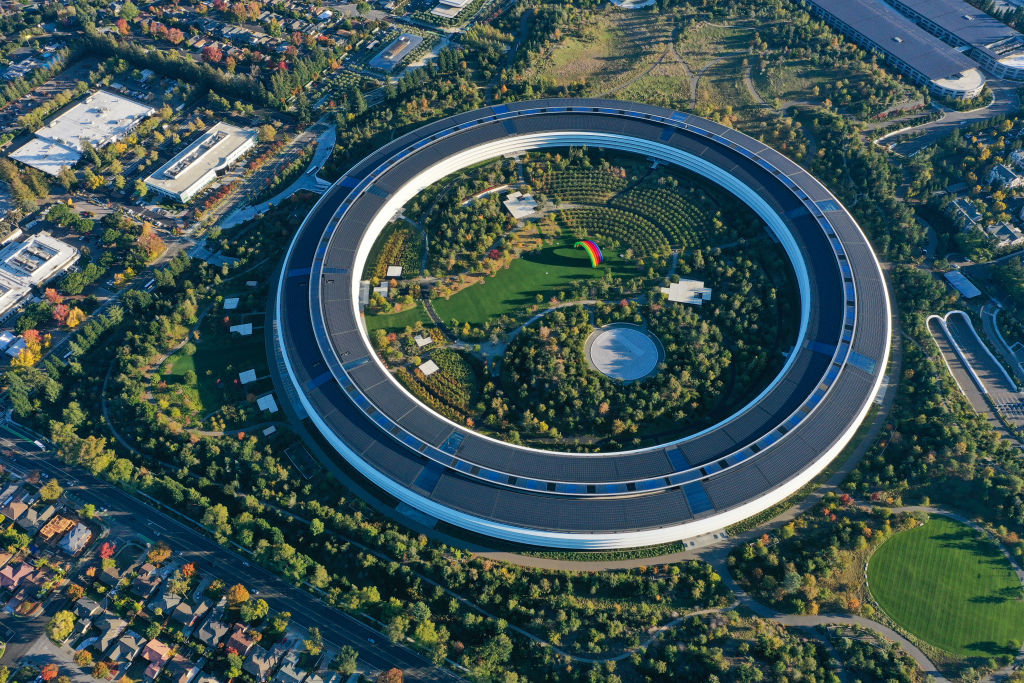
Enlarge/ The Apple Park campus in Cupertino, California.
Apple’s earnings report for the second quarter of the company’s 2024 fiscal year showed a slide in hardware sales, especially for the iPhone. Nonetheless, Apple beat analysts’ estimates for the quarter thanks to the company’s rapidly growing services revenue.
iPhone revenue dropped from $51.33 billion in the same quarter last year to $45.96 billion, a fall of about 10 percent. This was the second consecutive quarter with declining iPhone revenues. That said, investors feared a sharp drop before the earnings call.
Notably, Apple’s revenue in the region it dubs Greater China (which includes China, Taiwan, Singapore, and Hong Kong) fell 8 percent overall. The company fared a little better in other regions. China’s economy is slowing even as China-based Huawei is taking bigger slices of the pie in the region.
Globally, Mac revenue was $7.5 billion compared to last year’s $7.12 billion. Other products—which include the Watch, AirPods, Apple TV 4K, HomePod, and the new Vision Pro headset—were down to $7.9 billion from last year’s $8.76 billion, despite the fact this quarter included the launch of the Vision Pro.
iPad revenue was also down, at $5.6 billion from $6.67 billion. Apple is expected to launch new iPads next week, which suggests that those updates are needed to achieve the company’s business goals.
The rosiest revenue category was services, which includes everything from Apple Music to iCloud. Its revenue was $23.9 billion, up from Q2 2023’s $20.91 billion.
The company also announced authorization of $110 billion for share purchases.
https://arstechnica.com/?p=2021582
Apple deal could have been “suicide” for Google, company lawyer says
Enlarge/ John Schmidtlein, partner at Williams & Connolly LLP and lead litigator for Alphabet Inc.’s Google, arrives to federal court in Washington, DC, US, on Monday, Oct. 2, 2023.
Halfway through the first day of closing arguments in the Department of Justice’s big antitrust trial against Google, US District Judge Amit Mehta posed the question that likely many Google users have pondered over years of DOJ claims that Google’s market dominance has harmed users.
“What should Google have done to remain outside the crosshairs of the DOJ?” Mehta asked plaintiffs halfway through the first of two full days of closing arguments.
According to the DOJ and state attorneys general suing, Google has diminished search quality everywhere online, primarily by locking rivals out of default positions on devices and in browsers. By paying billions for default placements that the government has argued allowed Google to hoard traffic and profits, Google allegedly made it nearly impossible for rivals to secure enough traffic to compete, ultimately decreasing competition and innovation in search by limiting the number of viable search engines in the market.
The DOJ’s lead litigator, Kenneth Dintzer, told Mehta that what Google should have done was acknowledge that the search giant had an enormous market share and consider its duties more carefully under antitrust law. Instead, Dintzer alleged, Google chose the route of “hiding” and “destroying documents” because it was aware of conflicts with antitrust law.
“What should Google have done?” Dintzer told Mehta. “They should have recognized that by demanding locking down every default that they were opening themselves up to a challenge on the conduct.”
The most controversial default agreement that Google has made is a 21-year deal with Apple that Mehta has described as the “heart” of the government’s case against Google. During the trial, a witness accidentally blurted out Google’s carefully guarded secret of just how highly it values the Apple deal, revealing that Google pays 36 percent of its search advertising revenue from Safari just to remain the default search tool in Apple’s browser. In 2022 alone, trial documents revealed that Google paid Apple $20 billion for the deal, Bloomberg reported.
That’s in stark contrast to the 12 percent of revenue that Android manufacturers get from their default deals with Google. The government wants the court to consider all these default deals to be anti-competitive, with Dintzer suggesting during closing arguments that they are the “centerpiece” of “a lot” of Google’s exclusionary behavior that ultimately allowed Google to become the best search engine today—by “capturing the default and preventing rivals from getting access to those defaults.”
Google’s lawyers have argued that Google succeeds on its merits. Today, lead litigator John Schmidtlein repeatedly pointed out that antitrust law is designed to protect the competitive process, not specific competitors who fail to invest and innovate—as Microsoft did by failing to recognize how crucial mobile search would become.
“Merely getting advantages by winning on quality, they may have an effect on a rival, but the question is, does it have an anti-competitive effect?” Schmidtlein argued, noting that the DOJ hadn’t “shown that absent the agreements, Microsoft would have toppled Google.”
But Dintzer argued that “a mistake by one rival doesn’t mean that Google gets to monopolize this market forever.” When asked to explain why everyone—including some of Google’s rivals—testified that Google won contracts purely because it was the best search engine, Dintzer warned Mehta that the fact that Google’s rivals “may be happy cashing Google’s checks doesn’t tell us anything.”
According to Schmidtlein, Google could have crossed the line with the Apple deal, but it didn’t.
“Google didn’t go on to say to Apple, if you don’t make us the default, no Google search on Apple devices at all,” Schmidtlein argued. “That would be suicide for Google.”
It’s still unclear how Mehta may be leaning in this case, interrogating both sides with care and making it clear that he expects all his biggest questions to be answered after closing arguments conclude Friday evening.
But Mehta did suggest at one point today that it seemed potentially “impossible” for anyone to compete with Google for default placements.
“How would anybody be able to spend billions and billions of dollars to possibly dislodge Google?” Mehta asked. “Is there any real competition for the default spot?”
According to Schmidtlein, that is precisely what “competition on the merits” looks like.
“Google is winning because it’s better, and Apple is deciding Google is better for users,” Schmidtlein argued. “The antitrust laws are not designed to ensure a competitive market. They’re designed to ensure a competitive process.”
Proving the potential anti-competitive effects of Google’s default agreements, particularly the Apple deal, has long been regarded as the most critical point in order to win the government’s case. So it’s no surprise that the attorney representing state attorneys general, Bill Cavanaugh, praised Mehta for asking, “What should Google have done?” According to Cavanaugh, that was the “right question” to pose in this trial.
“What should they have done 10 years ago when there was a recognition” that “we’re monopolists” and “we have substantial control in markets” is ask, “How should we proceed with our contracts?” Cavanaugh argued. “That’s the question that they answered, but they answered it in the wrong way.”
Seemingly if Google’s default contracts posed fewer exclusionary concerns, the government seems to be arguing, there would be more competition and therefore more investment and innovation in search. But as long as Google controls the general search market, the government alleged that users won’t be able to search the web the way that they want.
Google is hoping that Mehta will reject the government’s theories and instead rule that Google has done nothing to stop rivals from improving the search landscape. Early in the day, Mehta told the DOJ that he was “struggling to see” how Google has either stopped innovating or degraded its search engine as a result of lack of competition.
Closing arguments continue on Friday. Mehta is not expected to rule until late summer or early fall.