No last-minute reprieve, US ban on some Apple Watch sales now in effect
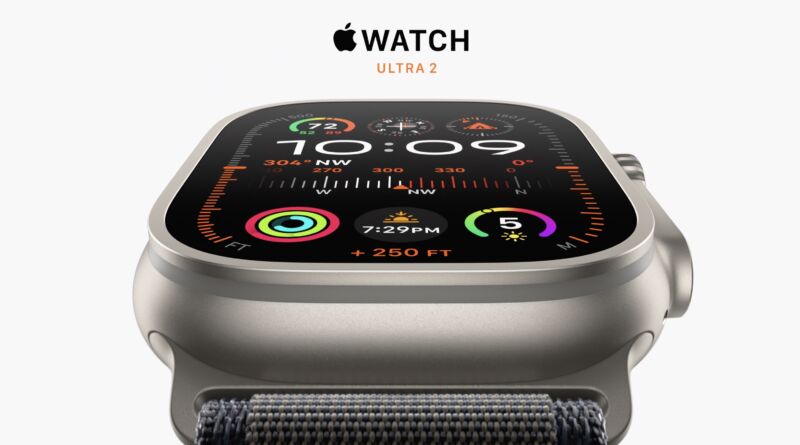
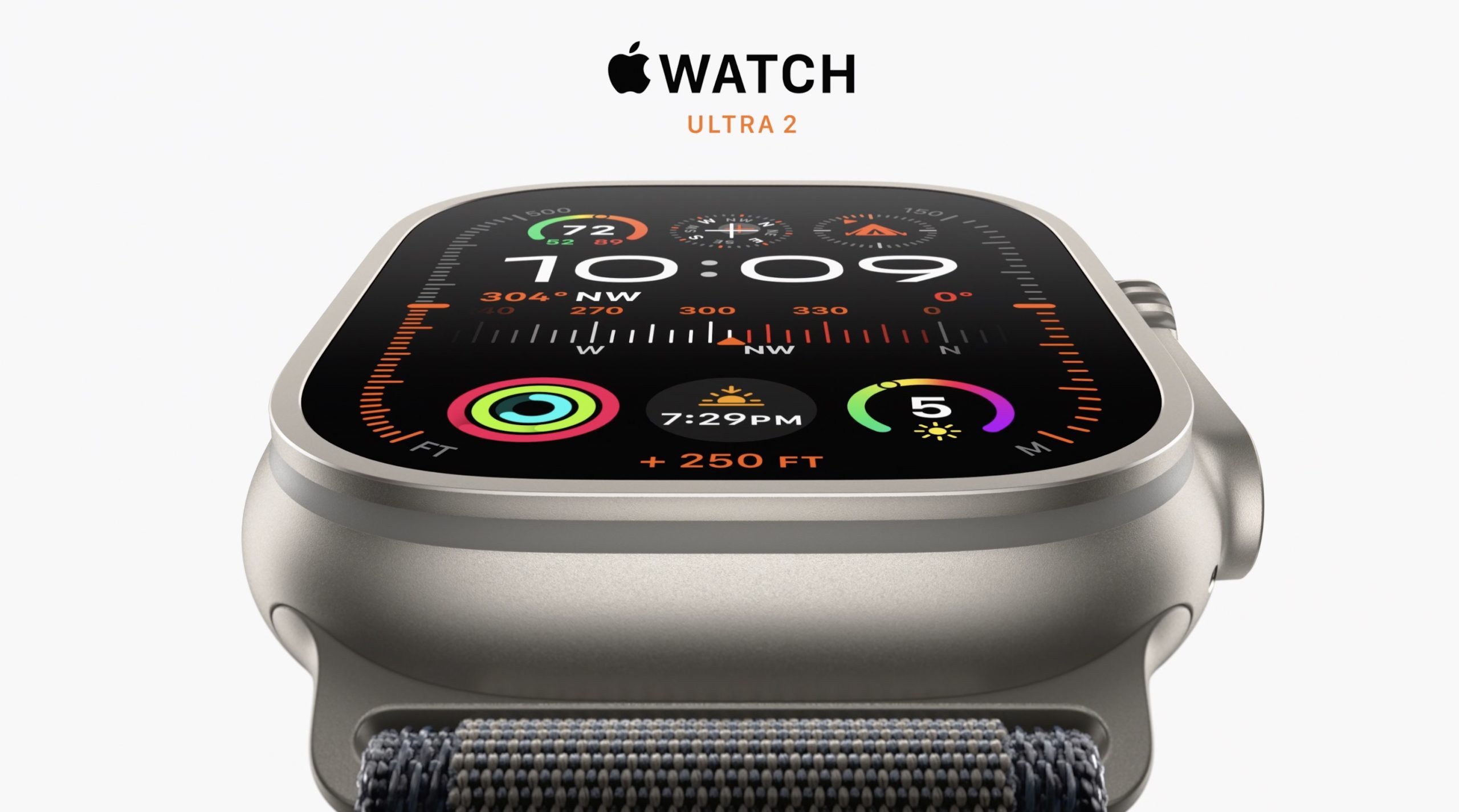
The Apple Watch Ultra 2.
Enlarge / The Apple Watch Ultra 2.

Apple is banned from selling the Watch Series 9 and Watch Ultra 2 in the US after President Joe Biden’s administration refused to grant a reprieve from a trade tribunal’s decision that it had infringed another company’s patents.

Apple confirmed on Tuesday it had appealed against the earlier ruling from the US International Trade Commission, which stems from a patent dispute with health technology company Masimo.

Biden’s administration had 60 days from the ITC decision, which was handed down in October, to decide whether to allow it to take effect. The authority to decide whether to intervene was delegated by the White House to the US trade representative, Katherine Tai.

“After careful consultations, Ambassador Tai decided not to reverse the ITC’s determination and the ITC’s decision became final on December 26 2023,” Tai’s office said in a statement on Tuesday.

In a statement, Apple said it strongly disagreed with the ITC’s decision and exclusion order and was “taking all measures to return Apple Watch Series 9 and Apple Watch Ultra 2 to customers in the US as soon as possible.”

Ahead of a final decision from the White House, Apple had said it would preemptively halt sales of the affected models in the US on its website from December 21, and in physical stores from December 24.

It is exceptionally rare for the White House to wade into such cases, although the Obama administration vetoed a patent ban on iPhones and iPads in 2013 during the company’s legal dispute with Samsung.

The ruling deals a blow to Apple, which is already facing a slowdown in hardware sales this year. Earlier models of the Apple Watch remain available in the US, and Apple says the ban will have no impact on service for customers who have already bought the new models.

The case stems from a legal dispute between Apple and Irvine, California-headquartered Masimo over patents on the technology for measuring blood oxygen levels on the devices. The method, known as pulse oximetry, measures oxygen in the blood by shining light into the wrist.

Apple first introduced the technology in 2020, in an effort to draw in more consumers and give them the incentive to upgrade with new features on the device. Masimo said Apple copied its patented technology.

The US International Trade Commission ruled in Masimo’s favor, issuing a “limited exclusion order” against Apple’s products.

Masimo has separately sued Apple in federal court alleging trade secret violations. A trial in that case ended with a hung jury in May.

Apple is similarly embroiled in litigation with medical wearables company AliveCor over the heart rate monitoring technology on its watches. In December 2022 the ITC upheld a judge’s ruling that Apple violated AliveCor’s patents.

But that same month, the US Patent Trial and Appeal Board invalidated the AliveCor patents at the center of the dispute, putting any potential ban on hold pending appeals.

© 2023 The Financial Times Ltd. All rights reserved. Not to be redistributed, copied, or modified in any way.

https://arstechnica.com/?p=1992828


Laptops’ 2023 quantum leap: 5 computers we’ll still be talking about in 2024

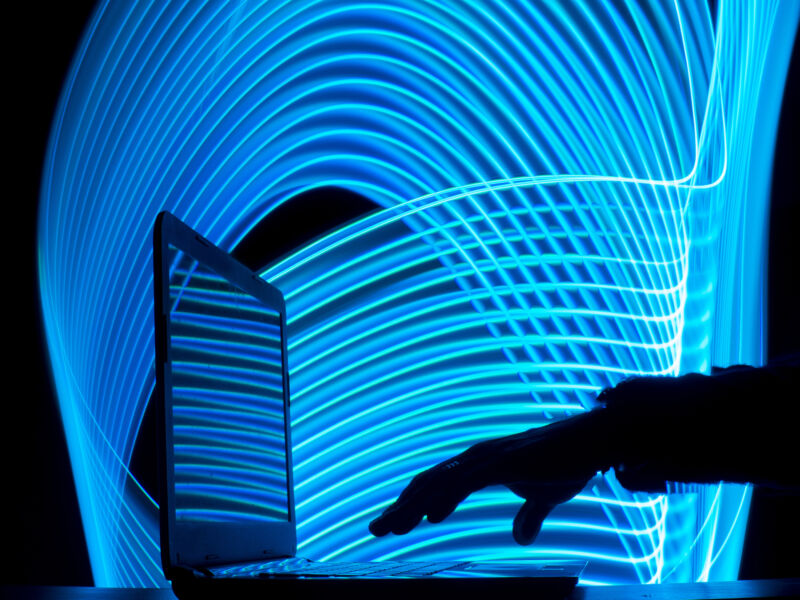
hand reaching for laptop, with blue swirls in the background

You’ll never uncover The Next Great Thing if you don’t deviate from the norm. When looking back at 2023’s laptops, we can see that many were merely refreshed designs—approaches that already work. But what happens when a company explores a design that, though not the most appealing today, might lead us to a new trend tomorrow?

You might end up with some computers that many, or even most, people aren’t currently interested in buying. But you could also end up glimpsing the designs that influence future laptops.

The laptops we’re about to look at all defied trends in some way, and we’re curious to see if they impact the laptop industry beyond 2023. We’ll also look at the challenges these ideas might face in the future—and some ways they could improve.

Lenovo’s laptop with dual 13.3-inch screens

With the number of secondary screens already being built into laptops, Lenovo’s Yoga Book 9i, as striking as it appears, was a somewhat expected progression. But Lenovo actually pulled it off with a legitimate PC featuring most of the bells and whistles found among traditional premium laptops. With the design serving practical use cases in an improved form factor, I expect it to not only be imitated (one small firm is already selling a laptop like this) but to also give the concept of foldable-screen laptops a good run for their money.

The Yoga Book 9i, with its pair of 13.3-inch OLED screens, isn’t kicking off this list solely because it’s creative, flashy, or unique. It’s because, as detailed in our Lenovo Yoga Book 9i review, it proved itself an effective way to boost the amount of multitasking one can reasonably do on a 13-inch-size laptop. Lenovo’s revision of how to use a 13-inch chassis could improve options down the line for the many people seeking that golden area between ultra-portability and productivity potential.

On the Lenovo laptop’s 26.6 inches of cumulative screen, I was able to do the types of things that would only bring me frustration, if not a headache, on a single 13.3-inch panel. Want to take notes on a video call while monitoring your news feeds, having a chat window open, and keeping an eye on your email? That’s all remarkably manageable on a laptop with two full-size screens. And that PC is easier to lug around than a laptop and portable monitor.

What’s next?

The dual-screen setup worked well for small-laptop multitasking. But the polarizing lack of an integrated physical keyboard and touchpad challenge this form factor’s longevity. Easily accessible touchscreen controls are handy, but you can’t really replicate the reliable tactility and comfort of a keyboard and touchpad with touchscreens. A super portable laptop suddenly feels less portable when you have to remember to bring its accessories.

Still, I think this design has a place in the increasingly mobile world of computing. Future designs could improve with less reflective screens, given that reflectivity is especially distracting on a dual-screen laptop where one screen can cast reflections on the other.

Moving from OLED could help improve battery life to some degree. But, as you might have guessed, a laptop with two 13.3-inch OLED displays won’t be winning any laptop battery-life contests. Further, I wonder what price improvements could be made by foregoing OLED.

But many of the creative laptop designs these days opt for OLED, due to its high image quality, flexibility, and broad market appeal from more mainstream tech implementations, like OLED smartphones and TVs. This presents an ongoing price obstacle for a laptop design that already leans niche.

https://arstechnica.com/?p=1989702


Apple wants AI to run directly on its hardware instead of in the cloud

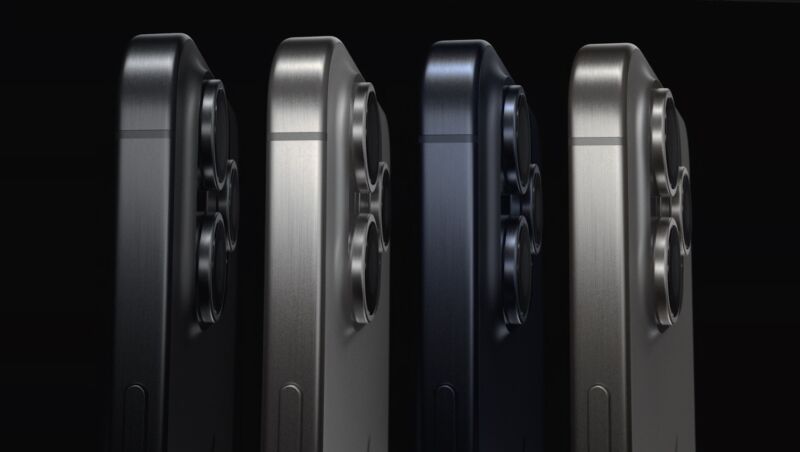
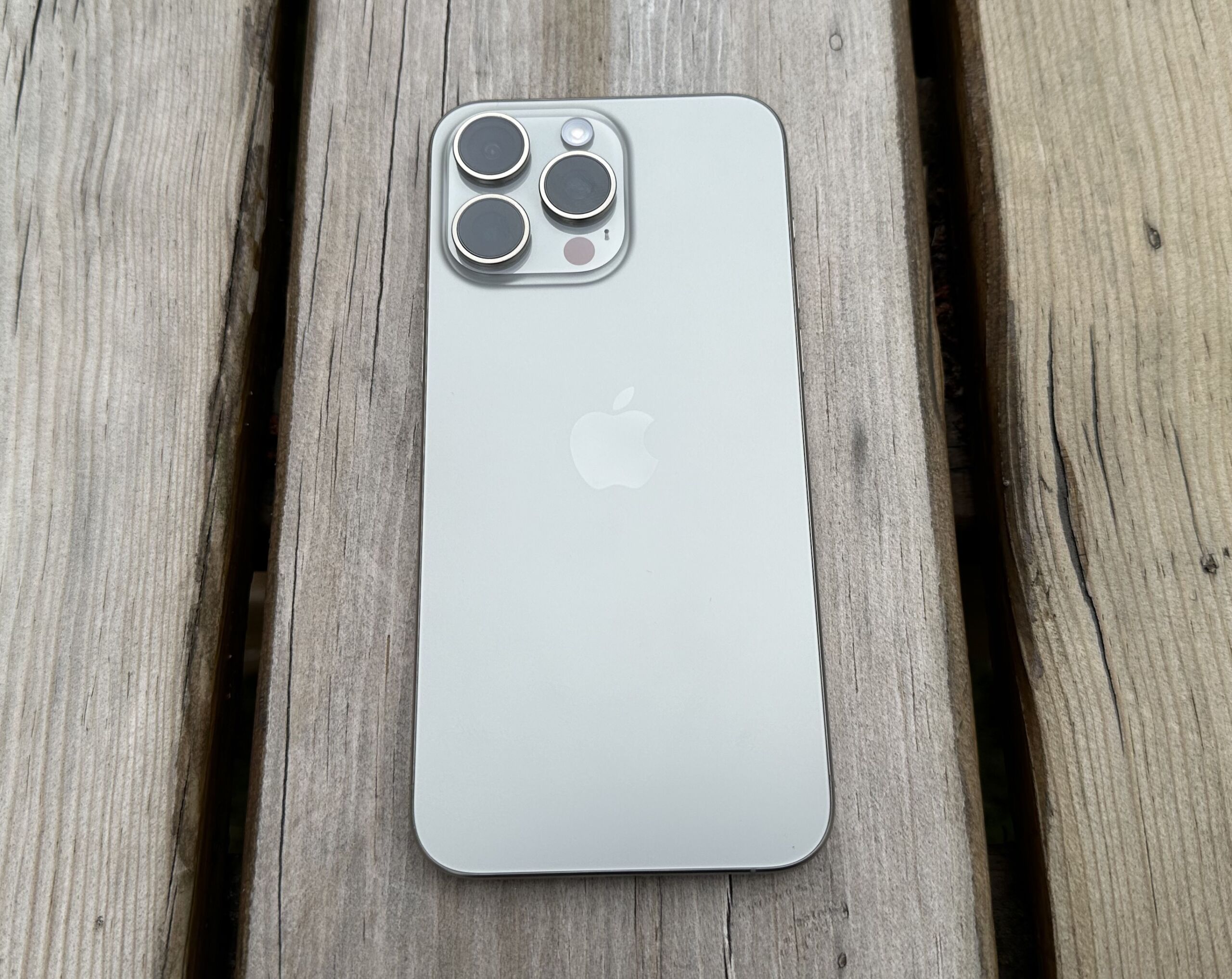
The iPhone 15 Pro.
Enlarge / The iPhone 15 Pro.

Apple’s latest research about running large language models on smartphones offers the clearest signal yet that the iPhone maker plans to catch up with its Silicon Valley rivals in generative artificial intelligence.

The paper, entitled “LLM in a Flash,” offers a “solution to a current computational bottleneck,” its researchers write.

Its approach “paves the way for effective inference of LLMs on devices with limited memory,” they said. Inference refers to how large language models, the large data repositories that power apps like ChatGPT, respond to users’ queries. Chatbots and LLMs normally run in vast data centers with much greater computing power than an iPhone.

The paper was published on December 12 but caught wider attention after Hugging Face, a popular site for AI researchers to showcase their work, highlighted it late on Wednesday. It is the second Apple paper on generative AI this month and follows earlier moves to enable image-generating models such as Stable Diffusion to run on its custom chips.

Device manufacturers and chipmakers are hoping that new AI features will help revive the smartphone market, which has had its worst year in a decade, with shipments falling an estimated 5 percent, according to Counterpoint Research.

Despite launching one of the first virtual assistants, Siri, back in 2011, Apple has been largely left out of the wave of excitement about generative AI that has swept through Silicon Valley in the year since OpenAI launched its breakthrough chatbot ChatGPT. Apple has been viewed by many in the AI community as lagging behind its Big Tech rivals, despite hiring Google’s top AI executive, John Giannandrea, in 2018.

While Microsoft and Google have largely focused on delivering chatbots and other generative AI services over the Internet from their vast cloud computing platforms, Apple’s research suggests that it will instead focus on AI that can run directly on an iPhone.

Apple’s rivals, such as Samsung, are gearing up to launch a new kind of “AI smartphone” next year. Counterpoint estimated more than 100 million AI-focused smartphones would be shipped in 2024, with 40 percent of new devices offering such capabilities by 2027.

The head of the world’s largest mobile chipmaker, Qualcomm chief executive Cristiano Amon, forecast that bringing AI to smartphones would create a whole new experience for consumers and reverse declining mobile sales.

“You’re going to see devices launch in early 2024 with a number of generative AI use cases,” he told the Financial Times in a recent interview. “As those things get scaled up, they start to make a meaningful change in the user experience and enable new innovation which has the potential to create a new upgrade cycle in smartphones.”

More sophisticated virtual assistants will be able to anticipate users’ actions such as texting or scheduling a meeting, he said, while devices will also be capable of new kinds of photo editing techniques.

Google this month unveiled a version of its new Gemini LLM that will run “natively” on its Pixel smartphones.

Running the kind of large AI model that powers ChatGPT or Google’s Bard on a personal device brings formidable technical challenges, because smartphones lack the huge computing resources and energy available in a data center. Solving this problem could mean that AI assistants respond more quickly than they do from the cloud and even work offline.

Ensuring that queries are answered on an individual’s own device without sending data to the cloud is also likely to bring privacy benefits, a key differentiator for Apple in recent years.

“Our experiment is designed to optimize inference efficiency on personal devices,” its researchers said. Apple tested its approach on models including Falcon 7B, a smaller version of an open source LLM originally developed by the Technology Innovation Institute in Abu Dhabi.

Optimizing LLMs to run on battery-powered devices has been a growing focus for AI researchers. Academic papers are not a direct indicator of how Apple intends to add new features to its products, but they offer a rare glimpse into its secretive research labs and the company’s latest technical breakthroughs.

“Our work not only provides a solution to a current computational bottleneck but also sets a precedent for future research,” wrote Apple’s researchers in the conclusion to their paper. “We believe as LLMs continue to grow in size and complexity, approaches like this work will be essential for harnessing their full potential in a wide range of devices and applications.”

Apple did not immediately respond to a request for comment.

https://arstechnica.com/?p=1992550


Big Tech, come e dove si fanno i miliardi con la tecnologia

Big Tech e fatturati miliardari

Conosciamo bene ormai quali sono le Big Tech globali più ricche, da Alphabet (Google) a Meta (ex Facebook), da Microsoft a Apple, da Amazon alla nuova arrivata Nvidia, praticamente le maggiori società al mondo per capitalizzazione di mercato.

La loro natura multinazionale garantisce a queste organizzazioni entrate annuali che superano anche di molto il PIL di numerosi Paesi del mondo. Ma da dove arrivano questi fiumi di guadagni? In quale modo e in quali mercati del mondo le Big Tech realizzano fatturati da sogno? Ecco l’infografica realizzata da visualcapitalist.com.

Gruppo Alphabet (Google)

Alphabet ha guadagnato poco più di 280 miliardi di dollari nel 2022, il 57% circa provenienti dalla monetizzazione delle ricerche sul motore Google, un 10% dalle pubblicità su YouTube, un altro 10% dai servizi di rete.

I ricavi si sono attestati sui 60m miliardi di dollari, per un margine di profitto netto del 21,2% (cioè, 21 centesimi di profitto per dollaro entrato).

Amazon

Amazon ha invece annunciato nel 2022 un fatturato record di 514 miliardi di dollari, il più alto di sempre, più dei diretti concorrenti tra le Big Tech.

Il 43% dei ricavi proviene dagli store online, il 15,6% dal cloud, il 22% circa dai venditori e marchi di terze parti.

A livello regionale, il 69% dei guadagni si fa negli Stati Uniti, il 6,5% in Germania, il 5,9% nel Regno Unito, il 4,7% in Giappone.

Tuttavia, va detto che una serie di problematiche piuttosto significative, come le indennità di fine rapporto e la svalutazione di 720 milioni di dollari (legata alla chiusura di diversi negozi fisici di alimentari), con un impatto rilevante sui profitti dell’azienda, hanno determinato una perdita netta di quasi 3 miliardi di dollari e un conseguente margine di profitto negativo (-0,53%).

Gruppo Meta

Meta (un tempo meglio conosciuto come Facebook) ha guadagnato 117 miliardi di dollari durante l’anno passato e realizzato profitti per 23 miliardi di dollari, con un margine netto del 20%. Il 98% dei guadagni tutto dalla pubblicità.

A livello regionale, il 43% delle entrate proviene dal Nord America, il 23,8% dalla regione Asia-Pacifico, il 22,9% dall’Europa.

Apple

Apple, invece, ha messo a segno ricavi per 383 miliardi di dollari e 97 miliardi di dollari di profitti, al secondo posto al mondo dopo il colosso del petrolio Saudi Aramco.

Il margine di profitto netto di Apple è stato del 25%, il secondo più alto tra le Big Tech. Anche qui, però, a causa delle vendite in diminuzione anche i ricavi sono diminuiti del 5%.

Il cavallo di battaglia dell’azienda continua ad essere l’iPhone, che da solo contribuisce al 52% delle entrate annuali, poi seguono i servizi pay, tv e musica (22,2%) e le tecnologie indossabili (10,4%).

Il 42% dei ricavi è generato dai mercati dalle due Americhe, il 24,4% dall’Europa, il 18,7% dalla Cina, il 7,8% dal Giappone.

Microsoft

Microsoft nel frattempo ha denunciato 212 miliardi di dollari di guadagni, soprattutto nei segmenti chiave del cloud e dei server (che valgono oltre il 37% delle entrate), seguiti dalla linea Office (23%), da Windows (10%) e dal gaming (7,3%).

L’utile netto è stato pari a 72 miliardi di dollari, con un margine di profitto del 34%, tra i più alti del settore tecnologico.

Il 50% dei ricavi di Redmond proviene dagli Stati Uniti.

Nvidia

Nvidia, infine, che è un po’ la new entry tra le Big Tech, grazie al crescente business dei chip AI, ha guadagnato 27 miliardi di dollari nel 2022, mentre gli utili si sono attestati sui 4 miliardi di dollari, con un margine di profitto del 15,9%.

In termini di origine dei ricavi, il 30,7% proviene dagli Stati Uniti, il 25,6% da Taiwan, il 21,9% dalla Cina.

https://www.key4biz.it/big-tech-come-e-dove-si-fanno-i-miliardi-con-la-tecnologia/473464/


Beeper’s esoteric fix for iMessage access suggests why it’s pushing politically

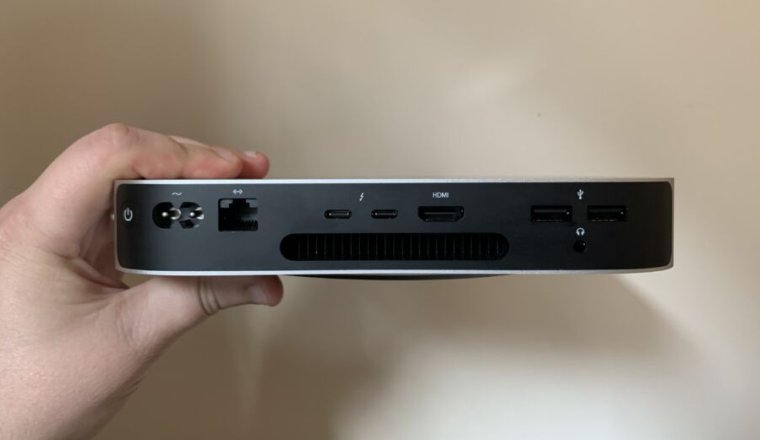
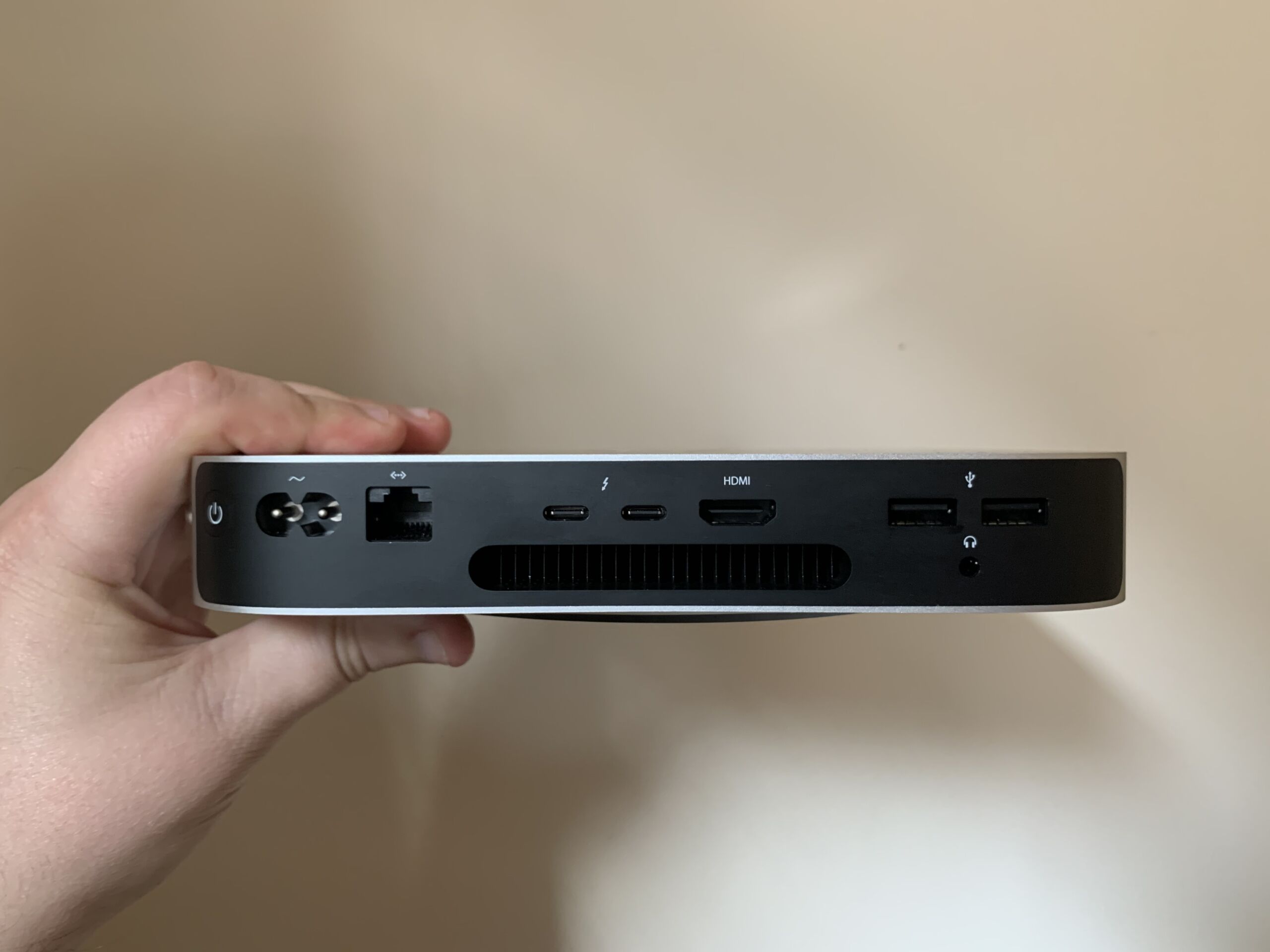
An M1 Mac Mini, held in hand.
Enlarge / If you have one of these, or another Mac handy, you should soon be able to access Beeper on Android and desktop platforms. You’ll just need to grab its “registration data” every so often.
Samuel Axon

Beeper’s Android app, which initially promised iMessage support with just a phone number, lost that connection once Apple started openly pushing back on it less than a week after it launched. Beeper has kept revising its approach, and its newest method—involving regular access to a physical Mac—suggests why the company has added a political component to its efforts.

Beeper started pushing back after its initial blockage, both through continued development and through media and political messaging. After a second, if smaller, Apple crackdown, co-founder Eric Migicovsky welcomed CBS Mornings into his garage, where he advanced his argument that Beeper was turning grossly insecure SMS messages between iPhone and Android users into secure, end-to-end encrypted chats. (CBS also interviewed James Gill, the 16-year-old whose work connecting to iMessage, using reverse-engineering methods, is the foundation of Beeper’s iMessage tech).

[embedded content]
CBS Mornings‘ interview with Beeper co-founder Eric Migicovsky and James Gill, a teenage coder.

That interview lined up with another development: a bi-partisan foursome of US lawmakers, including Sen. Amy Klobuchar (D-Minn.), sending a letter to the Department of Justice regarding “Apple’s potential anti-competitive treatment of the Beeper Mini messaging application.” Apple’s actions toward Beeper, the letter suggests, could “eliminate choices for consumers,” “discourage future innovation and investment” in messaging, and make Apple a “digital gatekeeper,” suggesting a need for review by the DOJ’s Antitrust Division.

The move follows, and seems to echo, similar efforts by European Union regulators to open up iMessage, which have been stalled so far. Apple has announced that it will adopt RCS standards for SMS messaging, bringing delivery status and higher-quality media to messages between Android and iPhone users. But Apple is adopting a general RCS standard, not one with end-to-end encryption enabled, such as with Google’s own extension of RCS.

As of Sunday, more than 60 percent of Beeper users still couldn’t access iMessage, according to Beeper status updates. Today, Migicovsky told Beeper users (and a “Beeper Team” member posted on Reddit) that there was a solution, though it requires “access to a Mac computer,” or “a friend on Beeper with a Mac.” The updated workaround is due to arrive on Wednesday.

Beeper says that the issue involves the need for non-identifying “registration data” to access iMessage. Beeper had been using “our own fleet of Mac servers” to provide that data. “Unfortunately, this has proven to be an easy target for Apple because thousands of Beeper users were using the same registration data,” Migicovsky wrote users.

The updated Beeper app for Mac will allow for pulling a real Mac’s registration data, for both desktop and Android apps, and perhaps even sharing it with a small number of Beeper users. “In our testing, 10-20 iMessage users can safely use the same registration data,” Migicovsky wrote. He added that Beeper will be open-sourcing its full iMessage bridge, along with the Mac app code that generates registration data, which should provide a self-hosting option.

You’ll need occasional, if regular, access to that Mac running Beeper, however, as “roughly once per week or month” the data needs to be re-generated.

That kind of requirement, besides limiting a big part of its market to “Android users who also happen to have a Mac,” pushes Beeper even further into a kind of uncanny valley for providing iMessage support to non-Apple hardware. Being able to sometimes send secure, feature-rich iMessages, but occasionally losing access due to Apple’s stated intent to stop it, is a tough sell, even if Beeper isn’t charging at the moment.

That might explain why the company is looking to Congress, and user outcry, for alternate routes into iMessage.

This post was updated at 5:30 p.m. on Dec. 19 to add context regarding Apple’s adoption of RCS, but not end-to-end encryption for RCS messages.

https://arstechnica.com/?p=1992070


Google’s Android app store monopoly violates antitrust law, jury finds

Artist's conception of Epic Games CEO Tim Sweeney jumping for joy at news of the verdict.
Enlarge / Artist’s conception of Epic Games CEO Tim Sweeney jumping for joy at news of the verdict.
Epic Games

While Epic’s antitrust arguments against Google had many similarities to those in the company’s earlier case against Apple, the verdicts could not have been more different. A federal jury took only a few hours of deliberation Monday afternoon to determine that Google had an illegal monopoly in the markets for Android app distribution and in-app billing services.

The jury unanimously answered “yes” to all 11 questions on the verdict form, indicating that Epic had proven those monopolies existed in every worldwide market except for China. Google “engaged in anticompetitive conduct” to establish or maintain the monopoly and illegally tied the Google Play store to the use of Google Play billing, according to the verdict. The jury also agreed with Epic’s arguments that programs like “Project Hug” and agreements signed with Android phone OEMs represented an “unreasonable restraint on trade,” harming Epic in the process.

With the verdict set, U.S. District Judge James Donato will hold hearings next month to determine the best way to remedy Google’s anticompetitive monopoly power. During the trial, Epic did not ask for monetary damages, but did ask that it and other developers be able to introduce their own Android app stores and use their own billing systems on Android devices “without restriction.”

The verdict came after closing arguments where Epic lawyer Gary Bornstein argued that Google’s actions “led to higher prices for developers and consumers, as well as less innovation and quality.” In its own closing arguments, Google lawyer Jonathan Kravis said that the Android-maker is effectively constrained in the mobile app market by Apple, and that “Android phones cannot compete against the iPhone without a great app store on them.”

“Today’s verdict is a win for all app developers and consumers around the world. It proves that Google’s app store practices are illegal and they abuse their monopoly to extract exorbitant fees, stifle competition and reduce innovation,” Epic said in a statement posted to its website. “The evidence presented in this case demonstrates the urgent need for legislation and regulations that address Apple and Google strangleholds over smartphones, including with promising legislation in progress right now with the Digital Markets, Competition and Consumer Bill in the UK and the Digital Markets Act in the EU.”

Google Government Affairs & Public Policy VP Wilson White said in a statement provided to press that the company would challenge the verdict, and that Android and Google Play “provide more choice and openness than any other major mobile platform. The trial made clear that we compete fiercely with Apple and its App Store, as well as app stores on Android devices and gaming consoles. We will continue to defend the Android business model and remain deeply committed to our users, partners, and the broader Android ecosystem.”

A long road

<a href="https://rassegna.lbit-solution.it/wp-content/uploads/2023/12/googles-android-app-store-monopoly-violates-antitrust-law-jury-finds-1.jpg" class="enlarge" data-height="450" data-width="800" alt="Epic says launching Fortnite on Android without Google Play is as difficult as playing Fortnite while skydiving. OK, they didn’t literally say that, but work with me here…”><img alt="Epic says launching Fortnite on Android without Google Play is as difficult as playing Fortnite while skydiving. OK, they didn’t literally say that, but work with me here…” src=”https://rassegna.lbit-solution.it/wp-content/uploads/2023/12/googles-android-app-store-monopoly-violates-antitrust-law-jury-finds.jpg” width=”640″ height=”360″ srcset=”https://rassegna.lbit-solution.it/wp-content/uploads/2023/12/googles-android-app-store-monopoly-violates-antitrust-law-jury-finds-1.jpg 2x”>
Enlarge / Epic says launching Fortnite on Android without Google Play is as difficult as playing Fortnite while skydiving. OK, they didn’t literally say that, but work with me here…
Epic Games

The verdict comes over three years after Epic first introduced its own “Epic Direct Payment” option into mobile versions of Fortnite. That move quickly triggered the game’s removal from both the iOS App Store and Google Play, leading Epic to unleash pre-planned lawsuit against both Apple and Google.

Proceedings in the Google trial largely waited until the conclusion of Epic’s trial against Apple. In that case, a judge (and not a jury) decided in late 2021 that Apple had not violated antitrust law, a decision that was upheld by an appeals court in April.

While Google does allow competing App Stores to run on Android (unlike Apple on iOS), Epic argued that Google engaged in a “bribe and block” strategy that prevented those competing stores from gaining an effective foothold in the market. Google also spent “hundreds of millions of dollars” to top Android developers in a program called Project Hug to prevent the “contagion risk” of those companies distributing their apps outside of the Google Play store, Epic argued during the case.

“Victory over Google,” Epic CEO Tim Sweeney wrote on social media after the verdict was handed down. “After 4 weeks of detailed court testimony, the California jury found against the Google Play monopoly on all counts. … Thanks for everyone’s support and faith! Free Fortnite!”

https://arstechnica.com/?p=1990262


Apple releases iOS 17.2 and macOS 14.2, delays two features to 2024

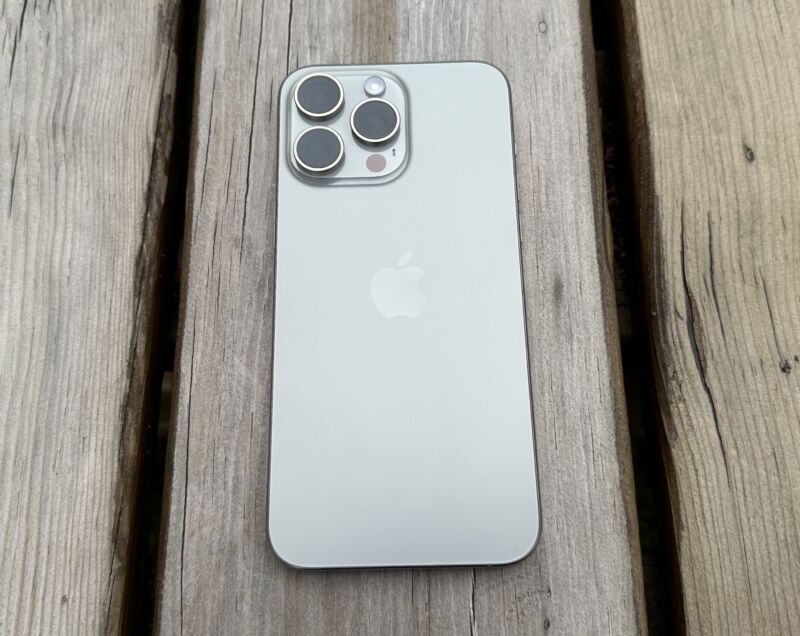
The iPhone 15 Pro Max with three cameras
Enlarge / The iPhone 15 Pro Max.
Samuel Axon

Today, Apple pushed out the public releases of iOS 17.2, iPadOS 17.2, macOS Sonoma 14.2, watchOS 10.2, and tvOS 17.2.

iOS 17.2 and iPadOS 17.2’s flagship feature is the new Journal app, which Apple teased when it first introduced iOS 17 earlier. The app mimics several existing popular journaling apps in the App Store from third-party developers but leverages data from your Photos, workouts, and other Apple apps to make journaling suggestions.

Other features include the ability to tap a “catch-up arrow” to scroll to the first missed message in a conversation in Messages, the ability to take spatial video photos for later viewing on Vision Pro, and several tweaks and additions to the Weather app.

There are a few iPhone 15 Pro and iPhone 15 Pro Max-specific updates, too: The Translate app is now one of the main supported mappings for the Action button, and Apple says there have been improvements to the telephoto camera focusing speed in some situations.

There are still a couple of iOS features that were initially promised for the iOS 17 cycle that haven’t yet materialized: AirPlay for hotel room TVs and collaborative playlists in Apple Music. Those features will arrive sometime in 2024.

As is so often the case now, the latest macOS update (14.2) is comparatively modest. macOS gets some of the same tweaks to Messages and Weather. Additionally, “Enhanced AutoFill identifies fields in PDFs and other forms enabling you to populate them with information such as names and addresses from your contacts.”

We’ve included Apple’s full release notes for its major operating system updates below.

iOS 17.2 release notes

Here are Apple’s release notes for iOS 17.2:

This update introduces Journal, an all-new way to reflect on life’s moments and preserve your memories. This release also includes Action button and Camera enhancements, as well as other features, bug fixes, and security updates for your iPhone.

Journal

  • Journal is a new app that lets you write about the small moments and big events in your life so you can practice gratitude and improve your wellbeing
  • Journaling suggestions make it easy to remember your experiences by intelligently grouping your outings, photos, workouts, and more into moments you can add to your journal
  • Filters let you quickly find bookmarked entries or show entries with attachments so you can revisit and reflect on key moments in your life
  • Scheduled notifications help you keep a consistent journaling practice by reminding you to write on the days and time you choose
  • Option to lock your journal using Touch ID or Face ID
  • iCloud sync keeps your journal entries safe and encrypted on iCloud

Action Button

  • Translate option for the Action button on iPhone 15 Pro and iPhone 15 Pro Max to quickly translate phrases or have a conversation with someone in another language

Camera

  • Spatial video lets you capture video on iPhone 15 Pro and iPhone 15 Pro Max so you can relive your memories in three dimensions on Apple Vision Pro
  • Improved Telephoto camera focusing speed when capturing small faraway objects on iPhone 15 Pro and iPhone 15 Pro Max

Messages

  • Catch-up arrow lets you easily jump to your first unread message in a conversation by tapping the arrow visible in the top-right corner
  • Add sticker option in the context menu lets you add a sticker directly to a bubble
  • Memoji updates include the ability to adjust the body shape of any Memoji
  • Contact Key Verification provides automatic alerts and Contact Verification Codes to help verify people facing extraordinary digital threats are messaging only with the people they intend

Weather

  • Precipitation amounts help you stay on top of rain and snow conditions for a given day over the next 10 days
  • New widgets let you choose from next-hour precipitation, daily forecast, sunrise and sunset times, and current conditions such as Air Quality, Feels Like, and wind speed
  • Wind map snapshot helps you quickly assess wind patterns and access the animated wind map overlay to prepare for forecasted wind conditions for the next 24 hours
  • Interactive moon calendar lets you easily visualize the phase of the moon on any day for the next month

This update also includes the following improvements and bug fixes:

  • Siri support for privately accessing and logging Health app data using your voice
  • AirDrop improvements including expanded contact sharing options and the ability to share boarding passes, movie tickets, and other eligible passes by bringing two iPhones together
  • Favorite Songs Playlist in Apple Music lets you quickly get back to the songs you mark as favorites
  • Use Listening History in Apple Music can be disabled in a Focus so music you listen to does not appear in Recently Played or influence your recommendations
  • A new Digital Clock Widget lets you quickly catch a glimpse of the time on your Home Screen and while in StandBy
  • Enhanced AutoFill identifies fields in PDFs and other forms enabling you to populate them with information such as names and addresses from your contacts
  • New keyboard layouts provide support for 8 Sámi languages
  • Sensitive Content Warning for stickers in Messages prevents you from being unexpectedly shown a sticker containing nudity
  • Qi2 charger support for all iPhone 13 models and iPhone 14 models
  • Fixes an issue that may prevent wireless charging in certain vehicles

https://arstechnica.com/?p=1990115


Apple blocked Beeper Mini’s iMessage Android app, but Beeper will keep pushing

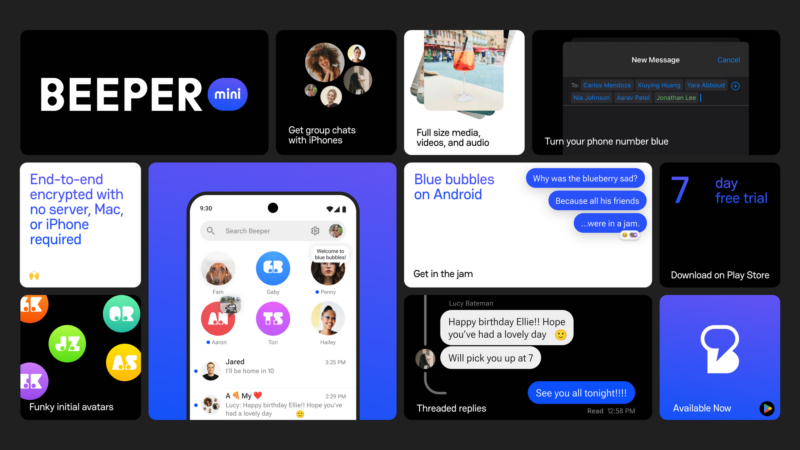
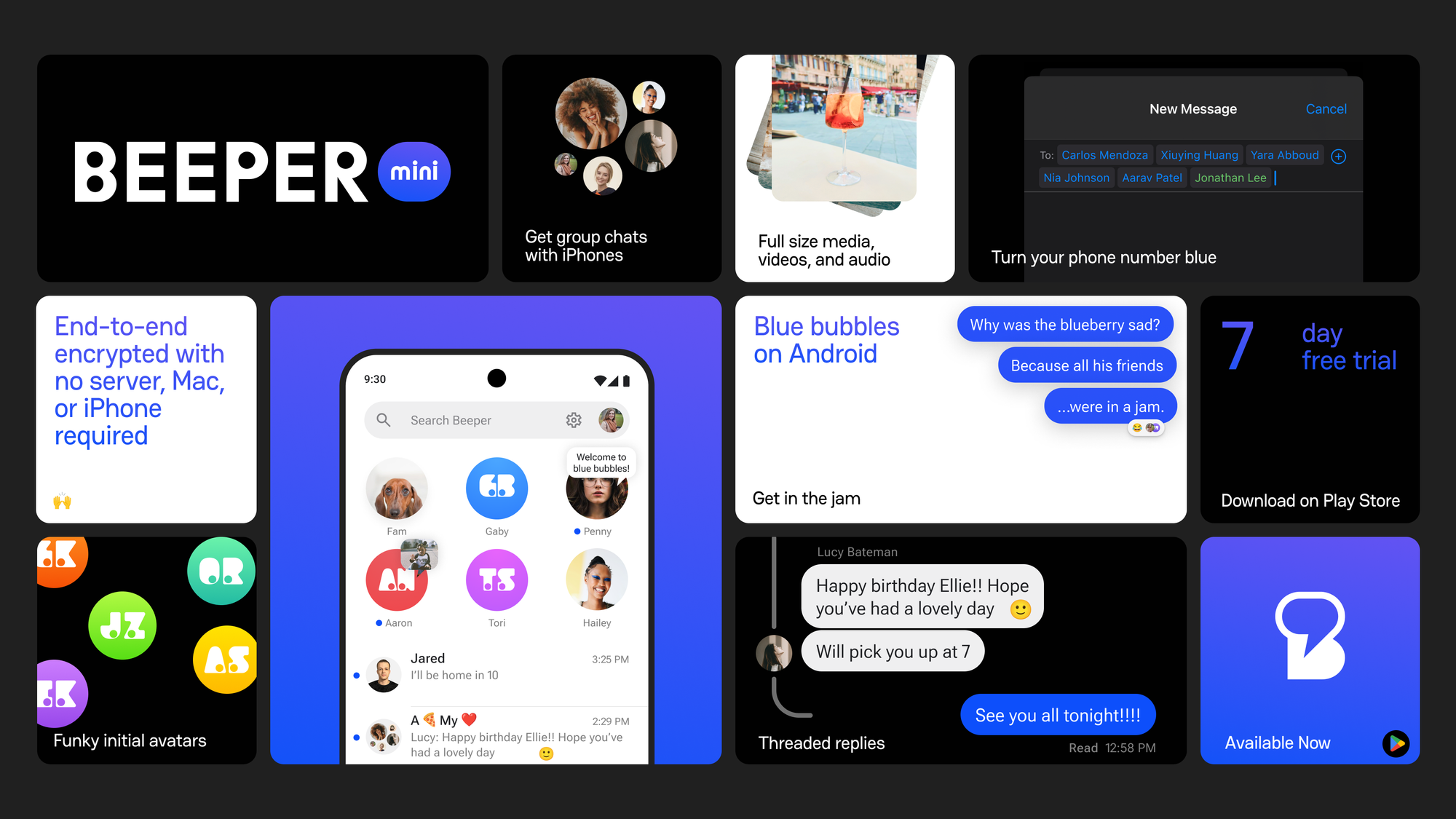
Beeper mini promotional splash image
Enlarge / Beeper Mini’s promises of “Blue bubbles” on Android have been halted, at least temporarily, by Apple’s countermeasures.

Beeper Mini, the Android app born from a reverse-engineering of Apple’s iMessage service, is currently broken, after Apple took measures to block it.

Beeper desktop users received a message from co-founder Eric Migicovsky late on Friday afternoon, noting an “iMessage outage” and that “messages are failing to send and receive.” Reports had started piling up on Reddit around 2:30 pm Eastern. As of 5:30 pm, both Beeper Cloud on desktop and the Beeper Mini app were reporting errors in sending and receiving messages, with “Failed to lookup on sever: lookup request timed out.”

Migicovsky suggested to The Verge and TechCrunch Friday that Beeper’s data indicated action on Apple’s side to block the service. Late on Saturday, Apple offered a statement to The Verge stating that it had indeed done so. Apple “took steps to protect our users by blocking techniques that exploit fake credentials in order to gain access to iMessage,” the statement read. Citing “metadata exposure and enabling unwanted messages, spam, and phishing attacks,” Apple stated it would “continue to make updates in the future to protect our users.” (Ars has reached out to Apple for comment on the specifics of this message and will update this post with new information).

Migicovsky, reached by phone Sunday, took exception to Apple’s statement, particularly the claims of security concerns. “In fact, [Beeper Mini] has increased security and decreased exposure for Apple’s users,” Migicovsky said, especially compared to standard SMS. Migicovsky said Beeper did not allow for unwelcome messages, spam, or phishing, and also said that Beeper does not use “fake credentials.” Migicovsky said that Beeper’s core iMessage technology has its source code available on GitHub, and that, with escrow provided by a third-party research firm, his company would offer its Android source code to Apple or other involved parties.

Migicovsky also questioned why Apple, which typically provides few public statements about such matters to the press or public, would seem to go out of its way to comment on its attempts to counteract Beeper.

Beeper Cloud, the multi-service desktop chat app which recently switched to use the same tools as Beeper Mini for iMessage service, was working as of Sunday morning. Migicovsky said that work continued Sunday to bring Beeper Mini for Android back online.

Responding to a post on X (formerly Twitter) Saturday asking if restoring Beeper Mini’s function would be an “endless cat and mouse game,” Migicovsky wrote: “Beeper Cloud and Mini are apps that need to exist. We have built it. We will keep it working. We will share it widely.” He added that such an attitude, “especially from people in the tech world,” surprised him. “Why do hard things at all? Why keep working on anything that doesn’t work the first time?“

Beeper, as it worked shortly before launch on Dec. 5, sending iMessages from a Google Pixel 3 Android phone.
Kevin Purdy

Beeper’s ability to send encrypted iMessages from Android phones grew from a teenager’s reverse-engineering of the iMessage protocol, as Ars detailed at launch. The app could not read message contents (nor could Apple), kept encryption keys and contacts on your device, and did not require an Apple ID to authenticate.

The app did, however, send a text message from a device to an Apple server, and the response was used to generate an encryption key pair, one for Apple and one for your device. A Beeper service kept itself connected to Apple’s servers to notify it and you about new messages. Reddit user moptop and others suggested that Beeper’s service used encryption algorithms whose keys were spoofed to look like they came from a Mac Mini running OS X Mountain Lion, perhaps providing Apple a means of pinpointing and block them. Beeper employees have stated on Reddit and elsewhere that an explanation of what was blocked, and how it was worked around, should be forthcoming.

Beeper Mini’s iMessage capabilities, for which the company was planning to charge $1.99 per month after a seven-day trial, were more than a feature. The company had planned to build additional secure messaging into Beeper Mini, including Signal and WhatsApp messaging, and make it the primary focus of its efforts. Its prior app Beeper, temporarily renamed Beeper Cloud, was marked to be deprecated at some point in favor of the new iMessage-touting Mini app.

This post was updated at 12:50 p.m. on Saturday, Dec. 9, to reflect restored function to Beeper Cloud (desktop), and Migicovsky’s social media response after the outage. It was updated again at 12:35 p.m. Sunday, Dec. 10, with Apple’s statement on its efforts to counteract Beeper, and Migicovsky’s comment on the same.

https://arstechnica.com/?p=1989830


Apple exec departure leads to major iPhone, Apple Watch reshuffle

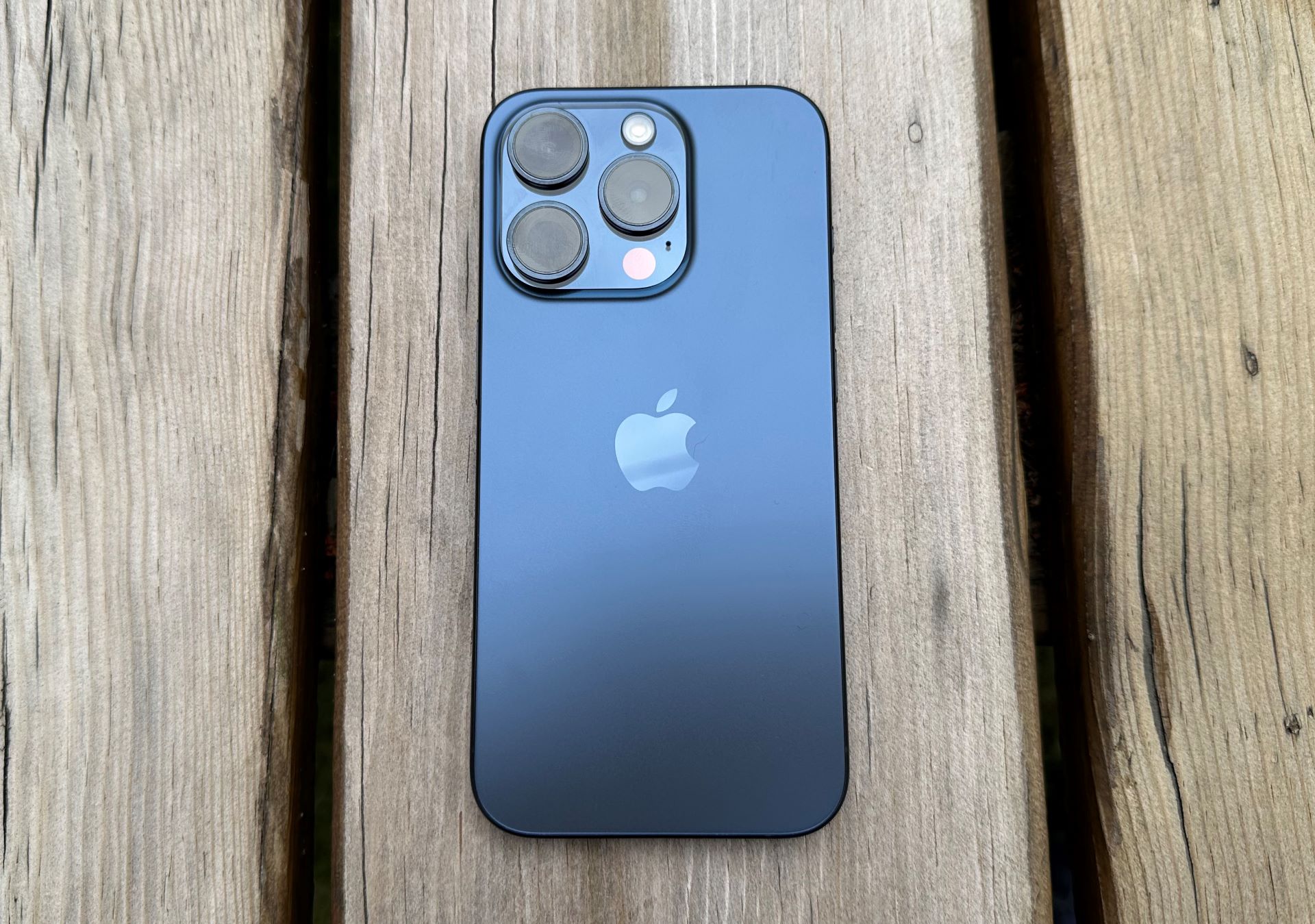
The iPhone 15 Pro.
Enlarge / The iPhone 15 Pro.
Samuel Axon

According to a report in Bloomberg, Tang Tan, vice president of Product Design, is leaving Apple, and his departure heralds a shuffle of executives heading up some of the company’s most important products.

Sometimes, you might wonder just how much a specific executive influences the grand scheme of things, but the report claims that people within Apple see Tan’s departure as “a blow,” clarifying that he “made critical decisions about Apple’s most important products.” His team reportedly had “tight control” over the look and functionality of those products.

Tan oversaw major aspects of iPhone and Apple Watch design, and he was the executive overseeing accessories and AirPods, as well. He reported to John Ternus, Apple’s senior vice president of Hardware Engineering, who is likely a more widely known name.

Richard Dinh, “Tan’s top lieutenant and head of iPhone product design,” will report directly to Ternus and take on some of Tan’s duties, while Kate Bergeron, previously involved in Mac hardware engineering, will take on the Apple Watch.

Apple has seen several executive departures from its product design and engineering groups recently, so many aspects of upcoming iPhones and other products will be designed with new eyes and perhaps new sensibilities, though what that might lead to remains to be seen.

Apple recently shifted the iPhone from the company’s proprietary Lightning port to a more standard USB-C, and it changed the materials for its Pro line of phones. Despite tweaks like that, the iPhone’s design and functionality has not changed significantly in the past five or so years.

The iPhone 16 line in 2024 is expected to shake things up a little more, at least regarding the phone’s look and feel. Rumors have suggested that the new phones may have larger screens (and bigger chassis overall) and perhaps haptic buttons instead of the current physical buttons. Other changes could be in store, and Apple’s plans are likely not yet finalized.

https://arstechnica.com/?p=1989815


Apple pulls all ads from X amid antisemitic and far-right content concerns

Apple is reportedly pulling all of its adverts from X after Elon Musk endorsed an antisemitic conspiracy theory.

The tech giant has allegedly also been concerned about its products being promoted alongside far-right content, according to Axios.

Why we care. As one of X’s longstanding major advertisers, Apple’s move to halt all ads is a powerful signal to other brands regarding the effectiveness of X as an advertising platform. Since Musk took over the social networking site last year, ad revenue has plummeted by 59%. Apple’s choice to withdraw its ads will undoubtedly be another huge blow for X’s ad revenue.

Far-right concerns. Apple, IBM, Amazon and Oracle were named as organizations whose ads appeared next to far-right posts on X, according to a report published by the left-leaning nonprofit Media Matters for America. IBM pulled all ads in response, with Apple becoming the latest major company to follow suit.

Antisemitic fears. More than 160 Jewish rabbis and activists have been calling on Apple, Google, Amazon and Disney to stop advertising on X after Musk endorsed an antisemitic post earlier this week. In response, X CEO Linda Yaccarino wrote in a post on the platform:

  • “We have been extremely clear about our efforts to combat antisemitism and discrimination. There’s no place for it anywhere in the world — it’s ugly and wrong. Full stop.”

Get the daily newsletter search marketers rely on.


Deep dive. Read our report on X’s partnership with Google Ad Manager for more information on how the social platform is trying to salvage its advertising revenue.


Related stories

New on Search Engine Land

@media screen and (min-width: 800px) { #div-gpt-ad-3191538-7 { display: flex !important; justify-content: center !important; align-items: center !important; min-width:770px; min-height:260px; } } @media screen and (min-width: 1279px) { #div-gpt-ad-3191538-7 { display: flex !important; justify-content: center !important; align-items: center !important; min-width:800px!important; min-height:440px!important; } }

About the author

Nicola Agius

Nicola Agius is Paid Media Editor of Search Engine Land after joining in 2023. She covers paid search, paid social, retail media and more. Prior to this, she was SEO Director at Jungle Creations (2020-2023), overseeing the company’s editorial strategy for multiple websites. She has over 15 years of experience in journalism and has previously worked at OK! Magazine (2010-2014), Mail Online (2014-2015), Mirror (2015-2017), Digital Spy (2017-2018) and The Sun (2018-2020). She also previously teamed up with SEO agency Blue Array to co-author Amazon bestselling book ‘Mastering In-House SEO’.

https://searchengineland.com/apple-pulls-ads-x-far-right-antisemtic-434852