Liquid Glass, la nuova interfaccia Apple che piace a pochi

Quando c’era Steve Jobs” è la frase più usata dagli utenti Apple malati di passatismo, sul modello di quelle che dicono i nostalgici in genere. Quando c’era Steve Jobs sì che i prodotti della Mela erano sempre innovativi.

Quando c’era Steve Jobs, i keynote – maglioncino a collo alto nero, mani giunte in una posa tra il monaco buddista e un cattivo a caso dei fumetti – erano uno spettacolo. Quando c’era Steve Jobs, la one more thing che chiudeva gli eventi era qualcosa di davvero ghiotto, non come oggi (e comunque sono stati quasi abbandonati: dopo la presentazione, effettivamente rivoluzionaria, del primo chip M1 nel 2020, nel 2023 è stato lanciato l’Apple Vision Pro, ancora un oggetto misterioso per la maggior degli utenti, e poi più nulla).

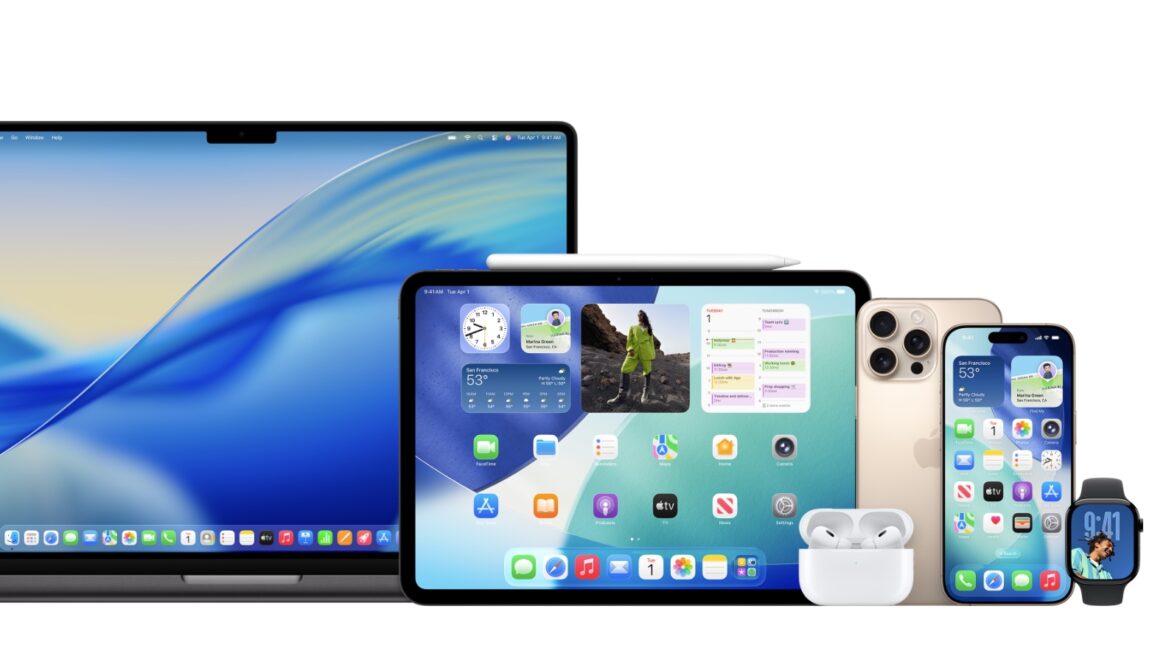
Ma quello che finora era stato più che altro il mormorio collettivo degli incontentabili ora è aumentato di volume, perché l’evento per la presentazione dei nuovi iPhone, Apple Watch, AirPods Pro è stato giudicato tutt’altro che entusiasmante. Sì, c’è l’iPhone Air, bell’oggetto, sottilissimo: ma tutto qui? Mentre Samsung sfotte Apple un giorno sì e l’altro pure, e non del tutto a torto (“fateci un fischio quando introducono anche loro gli smartphone pieghevoli”, dice l’ultima campagna), anche quella strana categoria di persone che cambia telefono ogni anno sta cominciando ad arrendersi. Negli stessi giorni sono stati ufficialmente introdotti MacOS Tahoe e iOS 26, con una nuova strombazzata interfaccia, “Liquid Glass”, che sembra piacere poco. Molto poco.

Qualità altissima (a caso prezzo), ma la rivoluzione non c’è

Chi la sa lunga dice: che pretendete, ormai i dispositivi hanno raggiunto l’apice. È ovvio che a Cupertino si ricicli ogni volta la frase “il miglior iPhone di sempre” anche se si limitano ad aggiungere un colore nuovo. Sta di fatto che le aspettative per l’evento di settembre erano alte e in molti si sono sentiti traditi. Gli iPhone 17 Pro e Pro Max – che costano come uno scooter, più o meno – porta in dote il chip A19 Pro, più potente ed efficiente, un display OLED Super Retina XDR ancora più luminoso e una nuova fotocamera da 48 megapixel anche per la lente ultrawide, con zoom ottico fino a 8x, ma niente che faccia salutare sulla sedia.

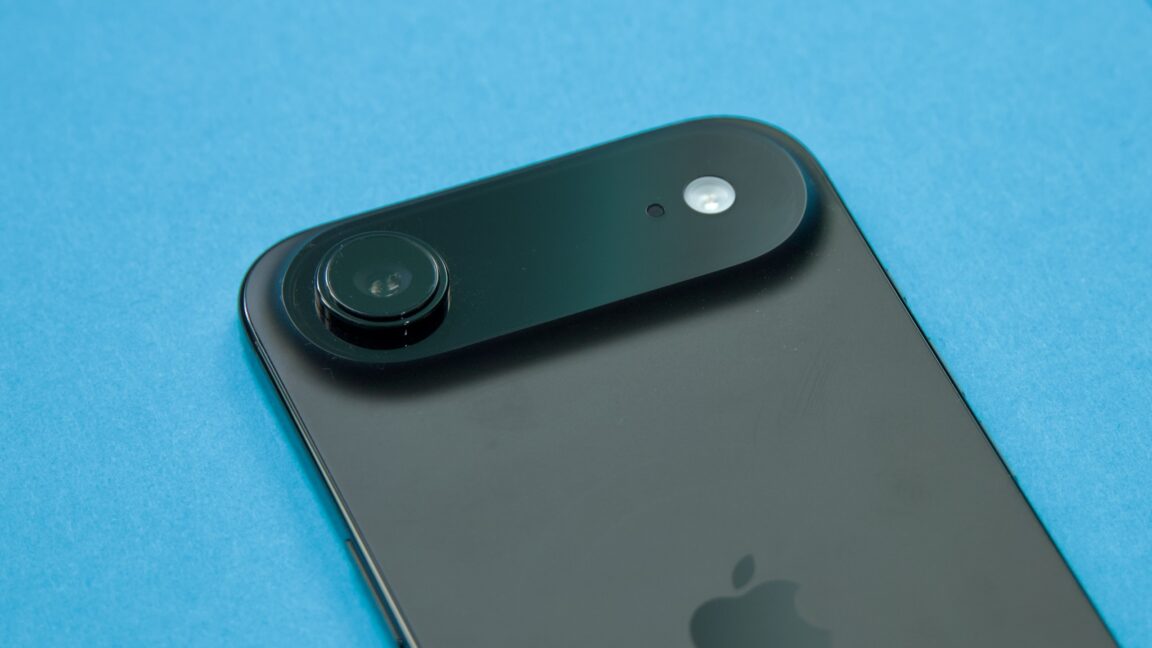
L’iPhone Air è obiettivamente molto elegante (anche se lo spessore della fotocamera stona non poco), ma con dei compromessi che per tanti non sono accettabili su un telefono che costa a partire dai milleduecento euro (sui comparatori di SOSTariffe.it, in ogni caso, si possono trovare le offerte di telefonia mobile con cui acquistare i nuovi prodotti a rate). Gli Apple Watch introducono le notifiche sull’ipertensione e tutto sommato poco altro.

La cancellazione del rumore dei nuovi AirPods 3, a sentire i primi utenti che l’hanno provata, cambia livello troppo spesso ed è fastidiosa. Intendiamoci: sono tutti dispositivi al top della gamma, e forse proprio per questo rimane poco spazio per inventare.

Ma considerando quanto costano, tra dazi e cambio “alla Apple” – l’Air, per dire, costa 999 dollari negli Stati Uniti, circa 840 euro; qui costa 400 euro in più – per molti non vale davvero più la pena di cambiare.

Apple: vetro liquido, addio alla linearità?

E poi c’è Liquid Glass, che a parte poche voci isolate sembra essere un mezzo disastro. Annunciato come un restyling in pompa magna dell’interfaccia dei dispositivi Apple, ha un’idea di fondo precisa e ambiziosa – trasformare ogni elemento dell’UI in un materiale “vitreo”, semitrasparente, fluido, capace di riflettere e rifrangere ciò che si trova dietro, adattandosi in tempo reale alla luce, al contesto e persino al tema chiaro o scuro scelto dall’utente – e un risultato che, almeno in queste prime versioni, sembra deludente. Una via di mezzo tra una skin di Winamp e l’aborrito skeumorphism di Scott Forstall (avversato da quel genio di Jony Ive, ormai lontano da Apple da anni e più interessato a fare video un po’ imbarazzanti di reciproci salamelecchi con Sam Altman).

Certo, non c’è più il flat design che aveva un po’ stancato, si può parlare di un bel feel “tattile” quando si naviga tra una finestra e l’altra, ma le buone notizie sembrano essere finite. Tanti, tantissimi hanno lamentato problemi di leggibilità, con testi e notifiche che si confondono sullo sfondo, e più di qualcuno ha definito il nuovo stile “troppo carico”, barocco, pesante (sui dispositivi meno recenti le animazioni sono spesso molto lenti) e tanto elaborato da distrarre, altro che aiutare la concentrazione, come Apple vorrebbe.

Rallentamenti e rettangolo stondati

Ancora una volta, insomma, Apple sembra posizionarsi più sul terreno della spettacolarità visiva che su quello della funzionalità pura, sollevando dubbi su quanto la sua nuova estetica sia davvero al servizio dell’esperienza utente. Perfino Wired, che di solito non è particolarmente critico, parla di uno dei design più divisivi di sempre, e designer e sviluppatori hanno fatto notare come l’idea stessa di “interfaccia che sparisce” rischi di essere un’illusione estetica che danneggia l’usabilità.

C’è chi paragona Liquid Glass al periodo in cui Ive decise di togliere ogni colore dalle icone di macOS: doveva servire a semplificare e a non distrarre, ma in realtà complicò la vita agli utenti, costretti a decifrare simboli tutti uguali. Anche oggi, l’effetto vetro fluido, uniforme e quasi indistinto rischia di cancellare quelle differenze visive che permettono di riconoscere a colpo d’occhio un’app da un’altra.

L’obiettivo, tra i rettangoli stondati e i giochi di trasparenze che possono ostacolare la leggibilità, è chiaramente quello di arrivare a un minimo comune denominatore tra il look degli iPad – sempre più utilizzati anche come portatili, grazie all’eccezionale integrazione con la Magic Keyboard – e quello dei MacBook e dei Mac. Non è detto però che unificare sia sempre un vantaggio, però, soprattutto quando i dispositivi hanno delle specifiche che è meglio tenere presenti.

Una volta Apple era tutta sobrietà, design lineare, scelta del monocratico per la sua eleganza e non per limiti tecnici. Ora ci sono le icone che, quando si cambia schermata su iPhone nei dispositivi più vecchi (ma ancora pienamente supportati), fanno apparire il contorno luminoso una frazione di secondo dopo. Una frazione, certo: ma fastidiosa. Che abbiano ragione una volta tanto i passatisti?

Leggi le altre notizie sull’home page di Key4biz

https://www.key4biz.it/liquid-glass-la-nuova-interfaccia-apple-che-piace-a-pochi/547210/


Apple Sends Fresh Wave of Spyware Notifications to French Users

Apple in early September sent a fresh wave of threat notifications to French users it believes might have been targeted by commercial spyware.

This is at least the fourth time the Cupertino-based tech giant has notified users in France of potential mercenary spyware attacks, according to an alert from the French national Computer Emergency Response Team (CERT-FR).

“This alert records all waves of notifications sent by Apple and known to CERT-FR since March 5, 2025. The list of notification campaigns referenced here is therefore not exhaustive: it only includes the campaigns known to CERT-FR,” the agency notes.

This year, Apple users in France received threat notifications in March, April, June, and September, but the company has been sending these notices since 2021.

The notifications are only delivered to a small number of users who might have been targeted by commercial spyware because of their identity or activities. Most users are never targeted by such attacks.

“These attacks are much more complex than the usual cybercrime activities and as consumer malware, because people who carry out such attacks use exceptional resources to specifically target a very small number of people and their devices. Attacks through mercenary spyware cost millions of dollars,” Apple notes in its description of the threat notifications.

Some of the known commercial spyware families out there include Pegasus, Predator, Graphite, and Triangulation, and have been observed targeting activists, journalists, politicians, senior officials, and other individuals in strategic positions.

“The receipt of a notification means that at least one of the devices linked to the iCloud account has been targeted and would be potentially compromised,” CERT-FR explains.

Advertisement. Scroll to continue reading.

The agency also points out that a threat notice may come months after the individual was targeted, underlining that people who receive them should take immediate action to secure their accounts and devices.

“The notifications sent indicate highly sophisticated attacks employing for most day-zero vulnerabilities, or even requiring no user interaction,” CERT-FR says.

The agency encourages individuals to keep the notification if they receive one, to avoid making changes to their software or devices – to preserve forensic evidence – and to contact CERT-FR for technical assistance.

The news comes just days after Apple announced that its new iPhone 17 and iPhone Air models include a novel memory protection feature designed to safeguard devices against sophisticated spyware attacks.

Related: Chinese Spies Impersonated US Lawmaker to Deliver Malware to Trade Groups: Report

Related: FreeType Zero-Day Found by Meta Exploited in Paragon Spyware Attacks

Related: Palestinian Lawyer Sues Pegasus Spyware Maker in France

Related: Rights Group Says Lebanese Staffer Targeted With NSO Spyware

https://www.securityweek.com/apple-sends-fresh-wave-of-spyware-notifications-to-french-users/


Apple presenta iPhone 17, i primi made in India. La diretta alle 19

L’attesa è finita. Alle 19 ora italiana di oggi 9 settembre, Apple toglierà i veli alla nuova generazione di iPhone, la numero 17, nel tradizionale evento di settembre in programma a Cupertino.

Secondo le indiscrezioni più accreditate, confermate da Bloomberg, la gamma sarà composta da quattro modelli: iPhone 17, 17 Pro, 17 Pro Max e il debutto assoluto dell’iPhone 17 Air, versione ultrasottile pensata per sfidare direttamente il Galaxy S25 Edge di Samsung. Una novità radicale: niente più scheda fisica, solo e-sim.

iPhone 17: produzione e strategia

Bloomberg ha anticipato già ad agosto un cambiamento strategico importante: Apple produrrà i nuovi iPhone anche in India, grazie ai partner locali, con l’obiettivo di ridurre la dipendenza storica dalle fabbriche cinesi. Una mossa che si inserisce nella complessa partita geopolitica delle catene di approvvigionamento tecnologiche.

Intelligenza artificiale protagonista

Gli appassionati non guardano solo al design, ma soprattutto al ruolo dell’AI, ormai ingrediente chiave degli smartphone di Samsung e Google. Con iOS 26, Apple porterà funzioni come la traduzione in tempo reale e l’editing generativo delle foto. Ancora in sospeso invece l’evoluzione di Siri: secondo i rumor, l’assistente digitale diventerà un vero e proprio chatbot soltanto nel 2026.

Design e dettagli tecnici del nuovo iPhone

Un segnale concreto arriva dai produttori di custodie, soprattutto cinesi, che hanno già messo in vendita cover dedicate agli iPhone 17: i render mostrano un nuovo modulo fotocamere a tutta larghezza, soluzione già vista sui Pixel di Google. Tra le indiscrezioni spicca anche la possibilità che l’iPhone 17 Pro abbandoni il titanio per un telaio in alluminio, scelta che ridurrebbe il peso complessivo del dispositivo.

Prezzi e memoria

Capitolo cruciale, quello dei prezzi. La combinazione tra politiche commerciali USA e tensioni sulle forniture asiatiche potrebbe tradursi in listini più alti. In compenso, Apple dovrebbe alzare l’asticella della dotazione base: la memoria minima passerebbe da 128 a 256 GB.

[embedded content]

Leggi le altre notizie sull’home page di Key4biz

https://www.key4biz.it/apple-presenta-iphone-17-segui-la-diretta-dalle-19/545474/


What to expect (and not expect) from yet another September Apple event

New Apple Watches

Apple Watch Series 10

The Apple Watch Series 10 from 2024. Credit: Apple

New iPhone announcements are usually paired with new Apple Watch announcements, though if anything, the Watch has changed even less than the iPhone has over the last few years.

The Apple Watch Series 11 won’t be getting a screen size increase—the Series 10 bumped things up a smidge just last year, from 41 and 45 mm to 42 and 46 mm. But the screen will apparently have a higher maximum brightness—always useful for outdoor visibility—and there will be a modestly improved Apple S11 chip on the inside.

The entry-level Apple Watch SE is also apparently due for an upgrade. The current second-generation SE still uses an Apple S8 chip, and Apple Watch Series 4-era 40 and 44 mm screens that don’t support always-on operation. In other words, there’s plenty that Apple could upgrade here without cannibalizing sales of the mainstream Series 11 watch.

Finally, after missing out on an update last year, Apple also reportedly plans to deliver a new Apple Watch Ultra, with the larger 46 mm screen from the Series 10/11 watches and the same updated S11 chip as the regular Apple Watch. The current Apple Watch Ultra 2 already has a brighter screen than the Series 10—3,000 nits, up from 2,000—so it’s not clear whether the Apple Watch Ultra 3’s screen would also get brighter or if the Series 11’s screen is just getting a brightness boost to match what the Ultra can do.

Smart home, TV, and audio

Though iPhones and Apple Watches are usually a lock for a September event, other products and accessory updates are also possible.

Of these, the most high-profile is probably a refresh for the Apple TV 4K streaming box, which would be its first update in three years. Rumors suggest that the main upgrade for a new model would be an Apple A17 Pro chip, introduced for the iPhone 15 Pro and also used in the iPad mini 7. The A17 Pro is paired with 8GB of RAM, which makes it Apple’s smallest and cheapest chip that’s capable of Apple Intelligence. Apple hasn’t done anything with Apple Intelligence on the Apple TV directly, but to date, that has been partly because none of the hardware is capable of it.

https://arstechnica.com/gadgets/2025/09/what-to-expect-and-not-expect-from-yet-another-september-apple-event/


700-piece Lego G3 iMac design faces long-shot odds to get made, but I still want one

I don’t usually get too excited about user-submitted designs on the Lego Ideas website, especially when those ideas would require negotiating a license with another company—user-generated designs need to reach 10,000 supporters before Lego considers them for production, two pretty high bars to clear even without factoring in some other brand’s conditions and requests.

But I’m both intrigued and impressed by this Lego version of Apple’s old Bondi Blue G3 iMac that has been making the rounds today. Submitted by a user named terauma, the 700-plus-piece set comes complete with keyboard, hockey-puck mouse, a classic Mac OS boot screen, and cathode ray tubes and circuit boards visible through the set’s transparent blue casing (like the original iMac, it may cause controversy by excluding a floppy disk drive). The design has already reached 5,000 supporters, and it has 320 days left to reach the 10,000-supporter benchmark required to be reviewed by Lego.

With its personality-forward aesthetics and Jony Ive-led design, the original iMac was the first step down the path that led to blockbuster products like the iPod and iPhone. It was the company’s first all-new Mac design after CEO Steve Jobs returned to the company in the late ’90s, and while it lacked some features included in contemporary PCs, its tightly integrated design and ease of setup helped it stand out against the beige desktop PCs of the day. Today’s colorful Apple Silicon iMacs are clearly inspired by the original design.

https://arstechnica.com/gadgets/2025/08/lego-imac-g3-concept-is-unlikely-to-go-anywhere-but-it-is-very-cute/


Apple set to unveil next-gen iPhones and other devices on September 9

Apple is hosting its next product event on Tuesday, September 9, at 10 am Pacific and 1 pm Eastern, the company announced today. Though Apple’s event announcements rarely indicate what the company plans to talk about, the company’s September events for well over a decade have all revolved around the iPhone.

The event will be available to stream from YouTube or from Apple’s events website.

Rumors about this year’s iPhones point to a more significant redesign than in recent years, though Apple isn’t (yet?) ready to jump into the world of foldable phones. In addition to new, wider camera areas that span the backs of the devices, the most reliable rumors suggest we’ll be getting a new “iPhone Air” that prioritizes thinness and lightness. We’re also expecting a standard iPhone 17, an iPhone 17 Pro, and an iPhone 17 Pro Max; the non-Pro Max version of the iPhone may be going away, following in the footsteps of the iPhone mini design from a few years ago.

Apple also usually announces a handful of other devices at its September event. Apple Watches are usually a focus—rumors indicate we should be on the lookout for a mainstream Series 11, as well as a new Ultra 3 at the high end and SE 3 at the low end. We could also get a fresh iteration of the Apple TV box and updates to Apple’s various AirPod and HomePod-related audio devices.

https://arstechnica.com/apple/2025/08/apples-next-iphone-event-is-happening-september-9-at-1-pm-eastern/


Guerra dei Titani: Elon Musk porta Apple e OpenAI in tribunale

Elon Musk, attraverso le sue aziende xAI e X, ha aperto un nuovo fronte nella sua battaglia contro due giganti della tecnologia: Apple e OpenAI. La causa, presentata in un tribunale federale statunitense, accusa le due società di aver violato le norme antitrust per soffocare la concorrenza nel campo dell’intelligenza artificiale.

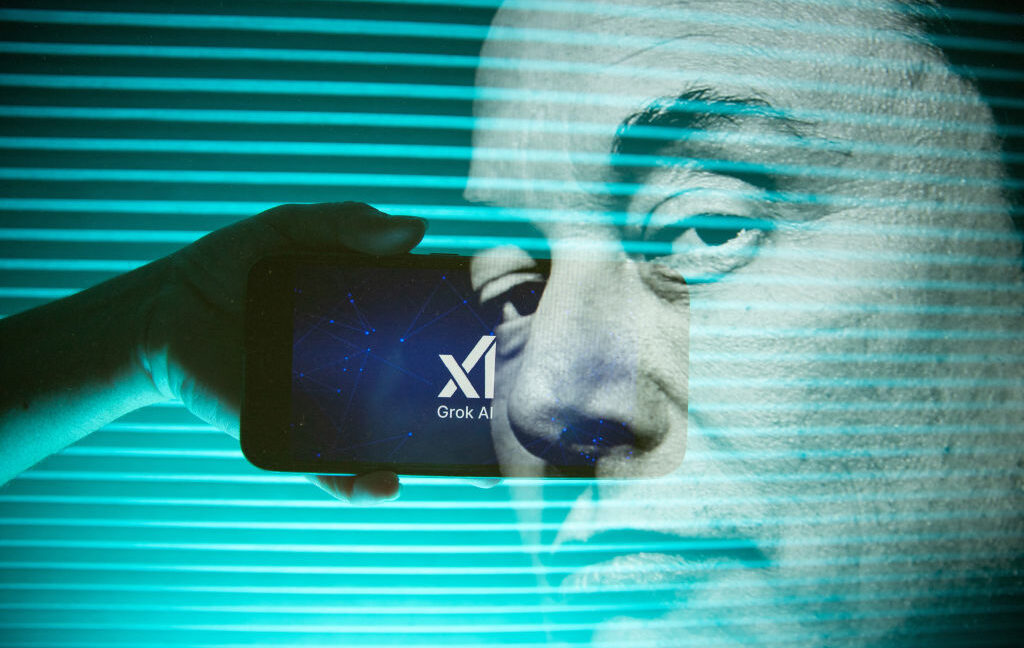
Questa mossa arriva dopo che Apple ha siglato un accordo con OpenAI per integrare il chatbot ChatGPT nel suo sistema operativo, in particolare con l’assistente vocale Siri e altre funzionalità. L’accusa principale di Musk è che l’accordo rende ChatGPT l’unico chatbot di intelligenza artificiale generativa con un’integrazione di “prima parte” negli iPhone, negando agli altri, compreso il suo Grok, la stessa possibilità di raggiungere miliardi di potenziali utenti.

Un “Patto scellerato” e l’accusa di monopolio

La denuncia di Musk definisce l’accordo tra Apple e OpenAI come “illegale”, sostenendo che impedisce a chatbot rivali di avere la stessa visibilità e lo stesso accesso agli utenti. Inoltre, si accusa Apple di non essere stata in grado di innovare nel settore dell’AI, citando l’implementazione non perfetta del suo sistema Apple Intelligence. La causa solleva anche l’ipotesi che Apple abbia manipolato le classifiche dell’App Store e ritardato gli aggiornamenti per svantaggiare Grok, il chatbot di xAI.

Un portavoce di OpenAI ha liquidato la causa come l’ennesimo atto di “molestia” da parte di Musk. Apple non ha risposto immediatamente, ma in passato, quando Musk aveva minacciato di fare causa, aveva difeso il suo App Store, definendolo “giusto e imparziale”.

“Super App” e il peso di Apple

La querela di Musk non si ferma qui. Accusa Apple di voler proteggere il suo monopolio sugli smartphone bloccando lo sviluppo delle “super app basate sull’intelligenza artificiale. Queste applicazioni, che uniscono molteplici funzionalità, rappresentano una minaccia per il tradizionale modello di business di Apple, che si basa sulla vendita di un ampio ventaglio di servizi e app. La causa di xAI riprende in modo chiaro le accuse già mosse dal Dipartimento di Giustizia degli Stati Uniti contro Apple lo scorso anno per aver soffocato la concorrenza.

La Lunga Faida: OpenAI contro Apple e Musk

Questa causa è solo l’ultimo capitolo di una lunga storia di tensioni tra Musk e i due colossi tecnologici. Con OpenAI, la rottura risale al 2018, quando Musk lasciò il consiglio di amministrazione in seguito a un disaccordo con il CEO Sam Altman. Da allora, Musk ha lanciato la sua startup di intelligenza artificiale, xAI, e ha intentato un’altra causa contro OpenAI, accusandola di aver tradito la sua missione iniziale senza scopo di lucro. Recentemente, ha anche cercato di acquisire gli asset principali di OpenAI, un tentativo che è stato respinto.

Anche i rapporti con Apple sono stati turbolenti. Dopo aver acquisito Twitter nel 2022, Musk aveva accusato l’azienda di voler rimuovere l’app dall’App Store, per poi risolvere il conflitto incontrando il CEO Tim Cook. Le tensioni sono riemerse quando Apple, insieme ad altri inserzionisti, ha interrotto le sue campagne su X, anche se le pubblicità sono poi riprese. Musk ha criticato a più riprese anche la commissione del 30% che Apple applica sugli acquisti digitali tramite il suo store.

Cosa può accadere ora ?

La causa di Musk segna una netta escalation in questa “guerra” tra titani dell’innovazione. Le accuse di monopolio, di manipolazione dell’App Store e di intesa tra le parti per sopprimere la concorrenza sono molto gravi. L’esito di questa battaglia legale potrebbe ridefinire il futuro del mercato dell’intelligenza artificiale, influenzando non solo i modelli di business di Apple e OpenAI ma anche la posizione di altri attori del settore come Google, che, pur avendo discusso una partnership per integrare il suo Gemini, non ha ancora siglato un accordo.

La giustizia statunitense dovrà valutare la fondatezza delle accuse di Musk, in una causa che si preannuncia lunga e complessa e che avrà ripercussioni significative sull’intero ecosistema tecnologico

https://scenarieconomici.it/guerra-dei-titani-elon-musk-porta-apple-e-openai-in-tribunale/


After successes like Severance and The Studio, Apple TV+ gets a price hike

To confront all that, streamers have to turn any knobs they can to balance costs with revenue to satisfy the market. Some have turned to ads as an additional source of revenue, others crack down on password sharing or offer different subscription tiers. But virtually all of them have hiked subscription prices, because the previous price ensured short-term losses for long-term growth.

Apple TV+ does not have ads in any plan, and it hasn’t broken its offering into multiple tiers. (For example, some other streaming services charge more for 4K content.) Because of that, the monthly cost is the only knob it can turn to confront these realities, passing new costs to consumers.

Despite all this, it’s still very possible that even with successes like Ted Lasso, The Studio, and Severance, Apple TV+ is losing some amount of money every year. When reporting to investors each quarter, Apple bundles TV+ into a larger “services” category that includes Apple Music, the App Store, iCloud, AppleCare, and more, making it difficult for outsiders to estimate how well Apple TV+ is doing specifically.

Certainly, its shows have been critically well-received. Both Severance and The Studio in particular have gotten the streaming service positive attention. But the landscape is brutal for a relatively new entry like Apple, so expect Apple’s approach to continue to evolve.

https://arstechnica.com/culture/2025/08/after-successes-like-severance-and-the-studio-apple-tv-gets-a-price-hike/


In Xcode 26, Apple shows first signs of offering ChatGPT alternatives

The latest Xcode beta contains clear signs that Apple plans to bring Anthropic’s Claude and Opus large language models into the integrated development environment (IDE), expanding on features already available using Apple’s own models or OpenAI’s ChatGPT.

Apple enthusiast publication 9to5Mac “found multiple references to built-in support for Anthropic accounts,” including in the “Intelligence” menu, where users can currently log in to ChatGPT or enter an API key for higher message limits.

Apple introduced a suite of features meant to compete with GitHub Copilot in Xcode at WWDC24, but first focused on its own models and a more limited set of use cases. That expanded quite a bit at this year’s developer conference, and users can converse about codebases, discuss changes, or ask for suggestions using ChatGPT. They are initially given a limited set of messages, but this can be greatly increased by logging in to a ChatGPT account or entering an API key.

This summer, Apple said it would be possible to use Anthropic’s models with an API key, too, but made no mention of support for Anthropic accounts, which are generally more cost-effective than using the API for most users.

https://arstechnica.com/ai/2025/08/in-xcode-26-apple-shows-first-signs-of-offering-chatgpt-alternatives/


Apple Watch gets reformulated, non-patent-infringing blood oxygen monitoring

The redesigned version of the feature will be available on the Apple Watch Series 9, Series 10, and Ultra 2 after users install the watchOS 11.6.1 update on their watches and the iOS 18.6.1 update on their paired iPhones.

Apple says that watches outside the US won’t be affected by the update, since they were never subject to the US import ban in the first place. It also won’t affect Apple Watches purchased in the US before the import ban went into effect—Apple never removed the feature from watches it had already sold, so if you bought a Series 9 or Ultra 2 watch in the fall of 2023 or if you’re still using an older watch with the blood oxygen monitoring feature, the updates won’t change anything for you.

Masimo originally sued Apple over the blood oxygen monitoring feature in January of 2020. According to Masimo, Masimo and Apple had initially met in 2013 to talk about a potential partnership or acquisition, but Apple instead poached Masimo’s engineers to implement the feature on its own without Masimo’s involvement.

https://arstechnica.com/gadgets/2025/08/redesigned-blood-oxygen-monitoring-returns-to-apple-watch-following-patent-dispute/