Tulsa Cybersecurity Attack Similar to Pipeline Attack

A cybersecurity attack on the city of Tulsa’s computer system was similar to an attack on the Colonial Pipeline and that the hacker is known, officials said Thursday.

“I can’t share anything other than we know who did it,” Mayor G.T. Bynum said, adding that the city did not pay the hackers. “They wanted to talk with us about what (a ransom) would be for them not to announce (the attack) and we never engaged them.”

Bynum said Tulsa’s computer security system identified the attack and shut down the system before it was infiltrated.

The attack, discovered earlier this month, was similar to the ransomware attack that shut down the Colonial Pipeline for days, according to Tulsa Chief Information Officer Michael Dellinger.

Colonial Pipeline eventually paid a $4.4 million ransom, the Georgia-based company said.

Tulsa’s computer system remains shut down while each of the city’s computers and servers are examined and cleaned, Dellinger said. There has been no indication any data was breached, he added.

Dellinger said an investigation is underway to determine how the attacker infiltrated the system.

Bynum said city utility services, such as water, will not be disconnected until five days after the system is back online and electronic payments are possible.

Police and fire responses continue, but issues such as uploading police body cameras are slowed because of the computer shutdown.

Related: Oklahoma Pension Fund Reports $4.2 Million Cyber Theft

Related: Misconfigured Server Leaks Oklahoma Department of Securities Data

Related: Colonial Pipeline CEO Explains $4.4M Ransomware Payment

view counter

Previous Columns by Associated Press:
Tags:

http://feedproxy.google.com/~r/securityweek/~3/TAiPgHMaQL4/tulsa-cybersecurity-attack-similar-pipeline-attack


Alaska Health Department Website Targeted in Malware Attack

The Alaska health department website was the target of a malware attack, officials said.

A similar attack previously targeted the state’s court system.

The health department in a statement late Tuesday said its website was taken offline Monday while an investigation takes place. The statement did not say when the cyberattack was discovered, and Clinton Bennett, a department spokesperson, by email Wednesday said the department could not release that information “due to security reasons, and so we do not jeopardize the investigation.”

He responded the same way to a question about whether a ransom was demanded by those involved.

Investigators were trying to determine if any personal or confidential information was compromised, the department said.

Online COVID-19 vaccine appointment scheduling and data dashboards are hosted by outside sources and can be accessed through covid19.alaska.gov, the department said.

“At this time, there are no details about who initiated the attack, why they targeted DHSS, whether this attack is related to any other recent attacks, or how long the website may be down,” the Department of Health and Social Services said in its statement.

The chief justice of the Alaska Supreme Court said this month that a cybersecurity attack that resulted in the court system disconnecting its online services was first detected April 29 and that there was no ransom demand. The court system has been coming back online, announcing this week that the public could again access an online court case and records system and pay fines and fees online.

The court system said Tuesday that the ability to pay bail online was not yet restored.

Related: Cyber Attack Forces Airline to Cancel Flights in Alaska

Related: Alaska Courts Restore Email, Lack Answers on Cyber Attack

Related: Alaska Court System Briefly Forced Offline Amid Cyber Threat

view counter

Previous Columns by Associated Press:
Tags:

http://feedproxy.google.com/~r/securityweek/~3/TWUL1VbdeLg/alaska-health-department-website-targeted-malware-attack


Attacco Ransomware contro Axa Asia. Rubati 3 terabyte di dati sensibili

Una vera e propria vendetta. Le filiali del colosso assicurativo AXA con sede in Thailandia, Malesia, Hong Kong e Filippine sono state colpite da un ransomware.

Secondo quanto riporta BleepingComputer, il gruppo di criminal hacker Avaddon ha affermato sul proprio sito di di aver rubato 3 TB di dati sensibili dalle operazioni asiatiche del colosso assicurativo.

<!-- LARGE RECTANGLE POST - CORPO TESTO

-->

I dati compromessi ottenuti da Avaddon, secondo il gruppo, includono referti medici dei clienti, carte d’identità, estratti conto bancari, moduli di richiesta, registrazioni di pagamento, contratti e altro. Inoltre, il gruppo ha affermato che i siti Web di AXA con sede in Thailandia, Malesia, Hong Kong e Filippine erano soggetti ad un attacco DDoS.

Axa: addio alle polizze contro i ransomware

Appena una settimana fa il gruppo aveva annunciato l’esclusione dei danni correlati dalle proprie coperture assicurative da parte dei ransomware, una decisione presa a seguito delle preoccupazioni del Governo francese sugli enormi pagamenti che vanno ai criminali informatici a seguito delle polizze assicurative cyber di AXA e di altri assicuratori.

Il settore è stato recentemente oggetto di notevoli critiche per il rimborso dei pagamenti del riscatto. Con le polizze assicurative le organizzazioni sono più propense a pagare perché sanno che saranno rimborsate dal loro assicuratore. Ciò a sua volta ha portato a un aumento degli attacchi ransomware poiché i criminali informatici si sono resi conto che le aziende hanno maggiori probabilità di soddisfare le loro richieste.

Ranwomare: terzo incidente dopo Colonial Pipeline e il servizio sanitario irlandese

Al momento AXA, pur confermando l’avvenuto attacco, non ha fatto sapere se sia stato richiesto un riscatto o come la vicenda possa essere correlata agli annunci dei giorni scorsi.

“Asia Assistance è stata recentemente vittima di un attacco ransomware mirato che ha avuto un impatto sulle sue operazioni IT in Thailandia, Malesia, Hong Kong e Filippine. Una task force dedicata con esperti forensi esterni sta indagando sull’incidente. Le autorità di regolamentazione e i partner commerciali sono stati informati”, ha dichiarato a BleepingComputer un portavoce di AXA.

“AXA prende molto sul serio la privacy dei dati e se le indagini di IPA confermano che i dati sensibili di qualsiasi individuo sono stati interessati, verranno prese le misure necessarie per informare e supportare tutti i clienti aziendali e le persone interessate”.

La tempistica intorno all’incidente è degna di nota considerando, questa settimana, il Federal Bureau of Investigation (FBI) e l’Australian Cyber ​​Security Center (ACSC) avevano avvertito di attacchi ransomware Avaddon in corso contro organizzazioni di una vasta gamma di settori negli Stati Uniti e nel mondo.

Recentemente, il gruppo criminale informatico DarkSide ha chiesto 5 milioni di dollari per ripristinare le operazioni dell’oleodotto americano Colonial Pipeline.

E, proprio questa settimana, BleepingComputer ha riferito che i servizi sanitari irlandesi hanno raggiunto una richiesta di riscatto di 20 milioni di dollari.

https://www.key4biz.it/attacco-ransomware-contro-axa-asia-rubati-3-terabyte-di-dati-sensibili/360770/


Ireland’s health care system taken down after ransomware attack

St. Vincent's University Hospital in Dublin, Ireland.
Enlarge / St. Vincent’s University Hospital in Dublin, Ireland.
Bloomberg | Getty Images

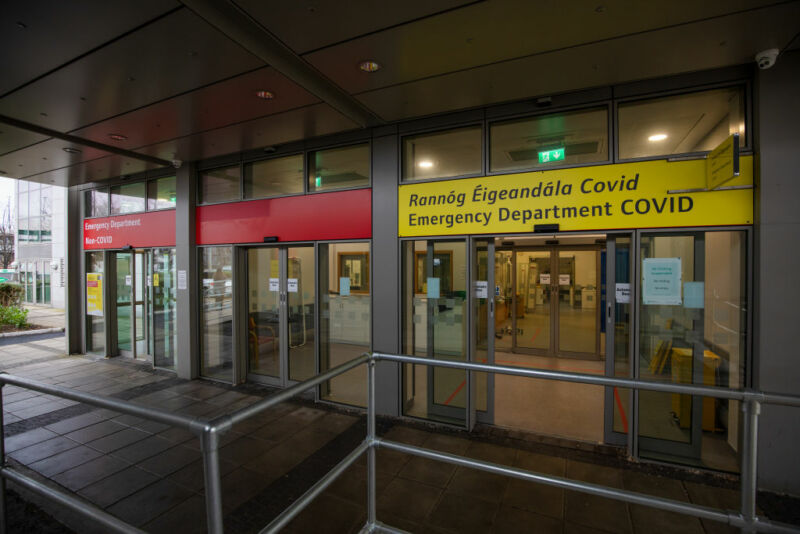
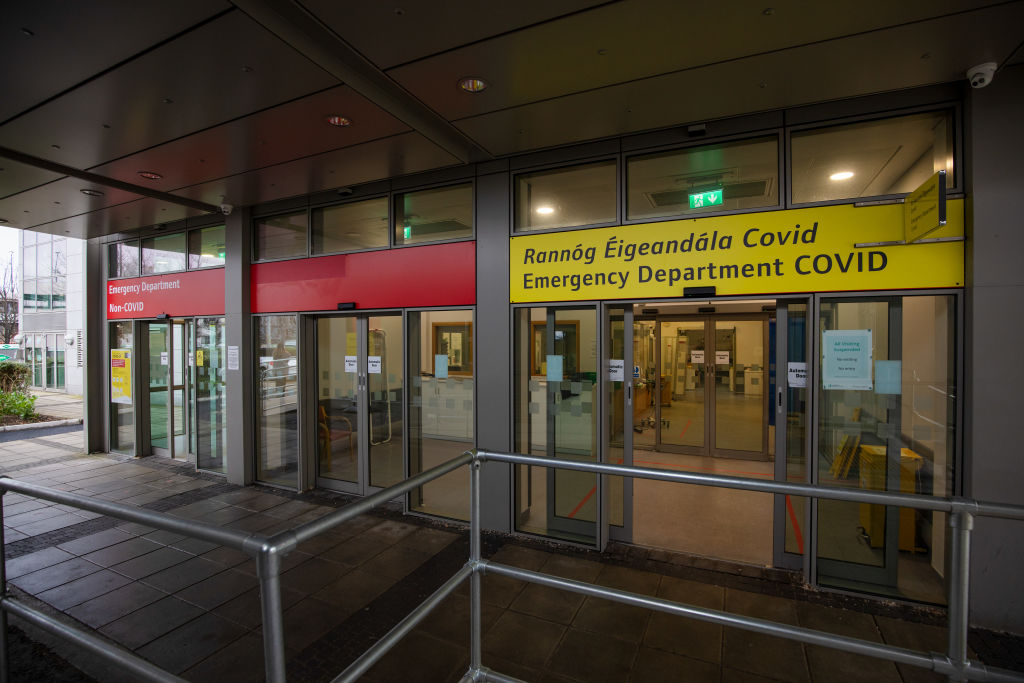
Ireland has shut down most of the major IT systems running its national health care service, leaving doctors unable to access patient records and people unsure of whether they should show up for appointments, following a “very sophisticated” ransomware attack.

Paul Reid, chief executive of Ireland’s Health Service Executive (HSE), told a morning radio show that the decision to shut down the systems was a “precautionary” measure after a cyberattack that impacted national and local systems “involved in all of our core services.”

Some elements of the Irish health service remain operational, such as clinical systems and its COVID-19 vaccination program, which is powered by separate infrastructure. COVID tests already booked are also going ahead.

However, the system for processing referrals from GPs and of close contacts is down, the HSE tweeted, adding that those in need of testing should go to walk-in centers, which would prioritize symptomatic cases.

“This is having a severe impact on our health and social care services today, but individual services and hospital groups are impacted in different ways. Emergency services continue, as does the @AmbulanceNAS [National Ambulance Service],” health minister Stephen Donnelly wrote on Twitter.

No group has yet claimed responsibility for the attack, though Reid said on Friday morning that it involved “Conti, human-operated ransomware,” referring to the type of software used. He added that the HSE had not yet been served with a ransom demand.

“We are at the very early stages of fully understanding the threat, the impact, and trying to contain it,” he said, adding that the HSA was receiving assistance from the Irish police force, defense forces, and third-party cyber support teams.

The master of Dublin’s Rotunda Maternity Hospital said it was advising patients who were less than 36 weeks pregnant not to present for appointments on Friday. In a statement, Cork University Hospital said patients should present for outpatient appointments, chemotherapy, and surgery “unless you are contacted to cancel” but that X-ray and radiotherapy appointments for Friday were cancelled.

Professor Donal O’Shea, consultant endocrinologist at St. Vincent’s Hospital in Dublin, told RTE radio that there could be implications for patient care. “Clinical systems haven’t been targeted, but if you can’t access your computer, then getting results is impossible…  so before long, there are going to be clinical implications,” he said. In its statement, Cork University Hospital said “only emergency blood [tests]” would be processed at this time.

Reid said that patients nationally “should still come forward until they hear something different” and that an update should be available later on Friday. A spokeswoman for the HSE was unable to provide a further update on patient care by mid-morning. “We apologize for the inconvenience to the public and will give further information as it becomes available,” she added.

Health care workers told the FT they were told to turn off their laptops, leaving staff at home offline and those working in hospitals reverting to pen and paper to manage patients’ information.

In a statement on its website, Ireland’s child and family agency Tusla said that its emails, internal systems, and portal for child protection referrals was also offline because they are hosted by the HSE’s network.

The attack comes as actions by cyber criminals to disrupt public services have increased during the pandemic. Earlier this month, hackers believed to be from eastern Europe breached the IT systems of the Colonial Pipeline, a major fuel conduit that supplies much of the eastern US.

“Opportunistic cyber attackers targeting flooded health care organizations has been a common theme throughout the course of the pandemic,” said Charlie Smith, consulting solutions engineer at Barracuda Networks. “These scammers are aware of the huge significance of health services’ IT systems at this time and so will stop at nothing to disrupt said systems or steal valuable data in exchange for ransom.”

© 2021 The Financial Times Ltd. All rights reserved. Not to be redistributed, copied, or modified in any way.

https://arstechnica.com/?p=1765173


Agenzia nazionale cyber, Mulè: “Sarà una struttura coordinata tra pubblico e privato”

“Con la nascita dell’Agenzia nazionale per la cybersecurity voluta dal prefetto Franco Gabrielli si sposterà l’asse della difesa cyber dal fronte dell’intelligence a un ambito residente all’interno della Presidenza del Consiglio, così da obbedire a un’esigenza già seguita da altri Paesi europei ed extraeuropei”.

Con queste parole il Sottosegretario alla Difesa Giorgio Mulè, intervenuto al webinar del Parlamento europeo in Italia su ‘La nuova strategia europea per rafforzare la sicurezza informatica’, ritorna sull’idea del sottosegretario alla Presidenza del Consiglio Franco Gabrielli, di creare un’agenzia per cybersecurity non legata più al DIS. Gabrielli annunciò la nascita dell’Agenzia in questa intervista rilasciata in esclusiva di Cybersecurity Italia, a margine del convegno “Le nuove reti per l’industria italiana e per i consumatori” organizzato a Roma l’8 aprile 2021.

<!-- LARGE RECTANGLE POST - CORPO TESTO

-->

Mulè: “L’agenzia dovrà poggiare le fondamenta con una norma di primo livello”

“L’agenzia, ha aggiunto Mulè durante il webinar, “dovrà nel più breve tempo poggiare le fondamenta nel tessuto legislativo con una norma di primo livello che vedrà il Parlamento coinvolto per recepirne gli indirizzi e le correzioni. L’obiettivo che si vuole raggiungere con l’istituzione dell’agenzia è quello di adeguare nel più breve tempo possibile il settore della cybersecurity alle mutate e sempre nuove esigenze nazionali e soprattutto internazionali con il superamento di un approccio che fino a questo momento privilegiava il fronte dell’intelligence al quale va dato atto e va detto che in un recente periodo storico ha supplito a carenze organizzative e strutturali che hanno contraddistinto il mondo della difesa cibernetica”.

“Ora e adesso, hic et nunc, si sente invece forte e non rinviabile l’esigenza di intraprendere in maniera decisa e coesa un’operazione di attualizzazione e di adeguamento del nostro comparto Cyber. La creazione di questa Agenzia per la cybersicurezza nazionale si pone proprio l’obiettivo di creare una struttura “votata” alla sicurezza cibernetica, in un’ottica di resilienza dell’infrastruttura digitale nazionale, assicurando il coordinamento tra i soggetti pubblici e privati coinvolti in tale materia”, ha continuato Mulè.

L’agenzia nazionale coniugherà il mondo civile con quello militare e di intelligence

“C’è l’esigenza di una sovranità nazionale tecnologica del Paese. La sfida dell’agenzia nazionale per la cybersecurity sarà quella di aprirsi e coinvolgere il mondo civile coniugandolo con quello militare e di intelligence. Attraverso questa interazione, il nuovo organismo potrà agire in maniera virtuosa creando una nuova cultura digitale che non dovrà limitarsi all’how to do riservata agli esperti, – ha aggiunto Mulè – ma a quella di una formazione il più possibile ‘democratica’ non solo e non soltanto indirizzata agli addetti ai lavori ma che diventi sempre più cultura diffusa anche tra la popolazione civile”.

“La cultura digitale è la sfida che, fin dal sistema scolastico, il Paese dovrà e deve affrontare subito. A questo proposito si sta lavorando al progetto per la creazione di una Cyber Defence Academy, cioè di un centro di alta formazione dove le esperienze maturate nel comparto difesa dovranno coniugarsi con le competenze già presenti nella pubblica amministrazione marciando in maniera osmotica con le imprese private”, ha concluso Mulè.

https://www.key4biz.it/agenzia-nazionale-cyber-mule-sara-una-struttura-coordinata-tra-pubblico-e-privato/360522/


Data breach, nel 2020 l’85% delle violazioni è stato determinato da un errore umano

Con un numero crescente di persone che lavorano da remoto, gli attacchi di phishing e ransomware sono aumentati rispettivamente dell’11% e del 6%, con i casi di false dichiarazioni cresciuti di 15 volte rispetto allo scorso anno. I data breach hanno mostrato che il 61% di queste riguardava credenziali (durante l’anno, il 95% delle organizzazioni che hanno subito attacchi simili ha avuto tra i 637 e i 3,3 miliardi di tentativi di accesso fraudolenti).

Lo evidenzia il nuovo Data Breach Investigations Report di Verizon Business (DBIR 2021) che rivela ha analizzato 29.207 incidenti, di cui 5.258 violazioni confermate. Secondo il rapporto gli attacchi di phishing sono aumentati dell’11%, mentre quelli che utilizzano ransomware del 6% , mentre l’85% delle violazioni è stato determinato da una componente umana e oltre l’80% è stato scoperto esternamente all’organizzazione

<!-- LARGE RECTANGLE POST - CORPO TESTO

-->

Quest’anno, anche i modelli di categorizzazione degli incidenti (Incident Classification Patterns) utilizzati dal team del DBIR per classificare le minacce alla sicurezza sono stati migliorati e aggiornati. I nuovi modelli di report sono in grado di spiegare il 95,8% delle violazioni analizzate e il 99,7% degli incidenti presi in esame nel corso del tempo. Inoltre, dovrebbero fornire ai clienti una migliore comprensione delle minacce esistenti e del modo in cui le loro organizzazioni possono prevenirle. 

I numeri del Data Breach Investigations Report

Il DBIR 2021 include un’analisi dettagliata di 12 settori e mostra che, sebbene la sicurezza rimanga per tutti una sfida prioritaria, ci sono differenze significative tra i vari verticali. Ad esempio, nel settore finanziario e assicurativo, l’83% dei dati compromessi in caso di violazione sono di tipo personale, mentre nell’ambito dei servizi professionali, scientifici e tecnici lo è solo il 49%. Altri dati interessanti riguardano:

  • Finanza e assicurazioni – gli errori di misdelivery rappresentano il 55% del totale. Il settore finanziario deve spesso affrontare attacchi mirati all’ottenimento delle credenziali e ransomware da parte di attori esterni.
  • Sanità – Come avvenuto negli ultimi anni, il banale errore umano continua a caratterizzare questo settore, in particolare la misdelivery (36%), sia essa elettronica o relativa a documenti cartacei.
  • Pubblica amministrazione – La minaccia di gran lunga più grande in questo settore è il social engineering. Gli hacker in grado di creare un’e-mail di phishing credibile spariscono con i dati delle credenziali a una velocità allarmante.
  • Retail – Il settore del commercio al dettaglio continua a essere un obiettivo per i criminali spinti da motivi ​​finanziari che cercano di monetizzare combinando i dati delle carte di pagamento e le informazioni personali su cui si basano le aziende di questo settore. Le tattiche di social engineering includono il pretexting e il phishing, con il primo che comunemente si traduce in trasferimenti di denaro fraudolenti.

Trend regionali

Le 83 aziende coinvolte nel DBIR 2021 hanno fornito al rapporto approfondimenti specifici sulle tendenze regionali, evidenziando le principali analogie e differenze.

  • Asia Pacifico (APAC) – molte delle violazioni che hanno avuto luogo nell’area APAC sono state causate da criminali spinti da motivi finanziari, che attraverso il phishing rubano credenziali dei dipendenti per accedere ad account di posta e ai server delle applicazioni web.
  • Europa, Medio Oriente e Africa (EMEA) – L’area EMEA continua a essere interessata da attacchi alle applicazioni web, di social engineering e da intrusioni nel sistema di sicurezza.
  • Nord America (NA) – L’area nordamericana è spesso obiettivo di malintenzionati mossi da motivi ​​finanziari, alla ricerca di denaro o dati facilmente monetizzabili. In questa regione, il social engineering, l’hacking e il malware continuano a essere gli strumenti preferiti dai cybercriminali.

Per approfondire

https://www.key4biz.it/data-breach-nel-2020-l85-delle-violazioni-e-stato-determinato-da-un-errore-umano/360234/


Attacco informatico alla Colonial Pipeline, Biden dichiara lo stato d’emergenza. Gli Usa a corto di benzina

La parte orientale degli Stati Uniti rischia di rimanere senza benzina a causa dell’attacco ransomware che ha colpito la Colonial Pipeline il più grande oleodotto degli Stati Uniti che trasporta carburanti già raffinati.

L’oleodotto gestito dalla Colonial Pipeline, che trasporta benzina e altri combustibili dal Texas al nord-est (circa il 45% del carburante consumato sulla costa orientale), ha dovuto interrompere la distribuzione per precauzione dopo che un ransomware ha bloccato i sistemi informativi della multinazionale.

<!-- LARGE RECTANGLE POST - CORPO TESTO

-->

Colonial ha riferito di aver appreso venerdì scorso di essere stata “vittima di un attacco informatico”: da allora ha interrotto la rete di oleodotti che trasporta quasi la metà delle forniture di carburanti nella East Coast. La sospensione alimenta il timore che l’area sia costretta a fare i conti con la carenza nelle forniture di benzina, diesel e carburante per aerei.

Secondo Bloomberg “I Criminal hacker avrebbero esfiltrato 100 gigabytes di dati in due ore, minacciando di pubblicarli se non veniva pagato il riscatto, in uno schema noto come a doppia-estorsione, perché oltre alla cifratura dei dati e al blocco dei sistemi si aggiunge la minaccia del data leak”.

Il presidente americano Joe Biden è stato informato dell’attacco e ha dichiarato lo stato di emergenza, per far sì che vengano attivate alcune misure come il trasporto stradale del carburante e l’estensione agli autotrasportatori americani delle ore di lavoro giornaliere, per consentire una consegna più veloce delle forniture. 

DarkSide: il collettivo criminale che si ispira a Robin Hood

Mentre le indagini del governo statunitense sono ancora all’inizio, un ex funzionario e tre fonti del settore hanno spiegato a Reuters che i colpevoli del peggior attacco informatico fino ad oggi alle infrastrutture critiche degli Stati Uniti risulterebbero i criminal hacker del collettivo DarkSide, il gruppo “Robin Hood” che dichiara di attaccare solo obiettivi che possono permettersi il riscatto e dona parte dei proventi ad alcune organizzazioni no profit. È attivo da agosto e, tipico delle bande di ransomware più potenti, è noto per evitare di prendere di mira le organizzazioni nelle nazioni dell’ex blocco sovietico.

Domenica, Colonial Pipeline ha dichiarato di essere attivamente nel processo di ripristino di alcuni dei suoi sistemi IT. Dice che rimane in contatto con le forze dell’ordine e altre agenzie federali, incluso il Dipartimento dell’Energia, che sta guidando la risposta del governo federale. La multinazionale non ha detto se ha pagato o stava negoziando un riscatto.

Il segretario al commercio Gina Raimondo ha dichiarato domenica che gli attacchi ransomware sono “ciò di cui le aziende devono ora preoccuparsi” e che lavorerà “molto duramente” con il Dipartimento per la sicurezza interna per affrontare il problema, definendolo una priorità assoluta per l’amministrazione Biden.

Il prezzo del petrolio ancora in rialzo

Con l’oleodotto fuori uso per il terzo giorno di fila e non avendo la tempistica per il riavvio dell’operatività, i prezzi del petrolio procedono in rialzo e si attestano sui massimi da quasi due mesi.

I rialziI future sul greggio Wti avanzano dello 0,82% a 65,43 dollari al barile, quelli sul Brent dello 0,86% a 68,88 dollari. In apertura nella notte il balzo era stato anche del 3% ai massimi da maggio 2018.

“Almeno a quel che posso ricordare, è la prima volta che assisto ad un cyber attacco ad una infrastruttura petrolifera come uno degli oleodotti più importanti al mondo per dimensioni, la rete del Colonial Pipeline, parliamo di circa 9mila chilometri di pipelines, potremmo paragonarlo quasi al nostro TAP (Trans Adriatic Pipelines)”, ha commentato oggi a La Presse il Presidente di FederPetroli Italia Michele Marsiglia. “In queste ore, sottolinea Marsiglia, anche i greggi subiranno delle forti scosse di volatilità, principalmente il WTI greggio di riferimento USA e ci saranno forti operazioni di approvvigionamento di greggio sui mercati finanziari attraverso carichi spot per soddisfare momentaneamente il fabbisogno delle coste americane”.

“Da tempo, prosegue Marsiglia, anche in Italia le divisioni di Sicurezza aziendali stanno investendo con continue ricerche e studi sulla nuova era del terrorismo cibernetico, principalmente nelle raffinerie e sulle piattaforme offshore. Ed è normale che per un tale danno logistico e di fermo venga dichiarato lo Stato di emergenza, specialmente per un paese come gli Stati Uniti. La cosa che sorprende di più e proprio quella di vedere un Paese come gli Usa sempre più globalizzato e all’avanguardia nelle tecniche e misure di sicurezza interna, subire nello stesso tempo tali attentati seppur informatici che ne compromettono, in poche ore, la totale dipendenza energetica”

https://www.key4biz.it/attacco-informatico-alla-colonial-pipeline-biden-dichiara-lo-stato-demergenza/359546/


DigitalOcean Discloses Breach Involving Billing Information

Cloud solutions provider DigitalOcean has started informing some customers that their billing information may have been compromised after someone exploited a vulnerability in the company’s systems.

In an email sent to customers, DigitalOcean said the unauthorized access occurred between April 9 and April 22, 2021, but it was apparently only “confirmed” on April 26.

“An unauthorized user gained access to some of your billing account details through a flaw that has been fixed,” the company told customers.

DigitalOcean said only a “small percentage” of its customers were impacted and they do not need to take any action.

The exposed billing information includes name, address, payment card expiration date, the payment card’s last four digits, and the name of the bank that issued the card. The company highlighted that it does not store full credit card data so this type of information was not exposed.

“According to our logs approximately 1% of billing profiles were impacted,” Tyler Healy, VP of security at DigitalOcean, told SecurityWeek in an emailed statement. “This issue has been fixed and we have informed the impacted users and notified the relevant data protection authorities.”

On its website, DigitalOcean says more than one million developers from every country in the world use its services.

The company informed customers last year that it had exposed some of their data after a document was unintentionally made public, but claimed at the time it was confident that there was no malicious access to the document.

Related: Ubiquiti Tells Users to Change Passwords After Breach at Cloud Provider

Related: Cloud(y) with a Chance of a Data Breach

Related: DigitalOcean Warns of Vulnerability Affecting Cloud Users

view counter

Eduard Kovacs (@EduardKovacs) is a contributing editor at SecurityWeek. He worked as a high school IT teacher for two years before starting a career in journalism as Softpedia’s security news reporter. Eduard holds a bachelor’s degree in industrial informatics and a master’s degree in computer techniques applied in electrical engineering.

Previous Columns by Eduard Kovacs:
Tags:

http://feedproxy.google.com/~r/Securityweek/~3/ChohrSXNhAY/digitalocean-discloses-breach-involving-billing-information


FluBot Android Malware Expected to Start Targeting U.S.

The FluBot Android malware is spreading fast across Europe using an SMS package delivery scheme and it’s soon expected to arrive in the United States as well, cybersecurity company Proofpoint warned this week.

Initially observed in Spain, FluBot has since expanded operations to reach Germany, Hungary, Italy, Poland, and the UK as well, with tens of thousands of malicious SMS messages that leverage FedEx, DHL, and Correos lures being sent hourly.

The malware is believed to have made over 7,000 victims in the UK alone, where the campaign operators were using more than 700 unique domains for the distribution of FluBot.

Proofpoint says that U.S. users have already started receiving German and English-language phishing SMS messages, suggesting that the threat actor is getting ready to expand to this country. The pattern is similar to how the attacks started in the UK, where users first received German messages and only then English ones.

The attack starts with the victim receiving a SMS message supposedly arriving from a delivery service, which includes links to compromised sites. When clicking the link, the victim is prompted to download a malicious app featuring the delivery service’s logo, but which has FluBot embedded within.

The application requires user interaction to gain privileges to use Android Accessibility Service, as well as for Notification access. Once it has received the necessary permissions, FluBot gains access to the entire device, acting “as spyware, SMS spammer, and credit card and banking credential stealers,” Proofpoint explains.

FluBot also sends the victim’s contact list to the command and control (C&C) server, to spread further, and can intercept SMS messages, USSD messages from service providers, and app notifications. It can also open pages in the browser, disable Google Play Protect, open a SOCKS connection for C&C communication, and uninstall applications.

Furthermore, the malware can display overlays for various banking apps, as well as for Google Play verification, and can validate captured credit card numbers locally and only then send them to the C&C.

“FluBot is likely to continue to spread at a fairly rapid rate, moving methodically from country to country via a conscious effort by the threat actors. As long as there are users willing to trust an unexpected SMS message and follow the threat actors’ provided instructions and prompts, campaigns such as these will be successful,” Proofpoint concludes.

Related: Massive Android Botnet Hits Smart TV Ad Ecosystem

Related: Recently Patched Android Vulnerability Exploited in Attacks

Related: Fake Netflix App Luring Android Users to Malware

view counter

Ionut Arghire is an international correspondent for SecurityWeek.

Previous Columns by Ionut Arghire:
Tags:

http://feedproxy.google.com/~r/Securityweek/~3/M0eGLRqXcwM/flubot-android-malware-expected-start-targeting-us


Dark Hash Collisions: New Service Confidentially Finds Leaked Passwords

New service can tell a company which users have a password known to hackers, without having to know the usernames

Businesses need to keep their user accounts safe. But there are billions of username and password pairs available to hackers on the dark web. User tendency to reuse passwords on multiple accounts means that hackers may already have your users’ credentials, stolen from a breached third party.

The result is the credential stuffing attack. Credential stuffing occurs when hackers systematically attempt hundreds or even thousands of possible username and password pairs until they find one that works. 

“Every day you hear about a new billion set of records that hackers are passing around,” comments Steve Thomas, co-founder and CEO of HackNotice. “So, hackers really have the keys to the kingdom; they know every username and password that’s been in use for anything from Spotify to Gmail to all the major services – and even bank accounts. The problem is that users still – the majority of users– still reuse passwords.” Companies are consequently at risk of compromise even if they have never leaked a single user credential.

Hackers may have many thousands of ‘John Smith’ usernames without knowing if any belong to their next target. Their solution is to automate the process of testing every single pair they have, looking for the right one.

There are methods of checking whether passwords are on the dark web and consequently at risk of being used in credential stuffing; but this generally requires giving the user details to another company. This provides a conundrum: security demands that you give the user details to a dark web monitoring service while compliance with privacy regulations could require that you do not.

A new service from HackNotice solves this problem: Dark Hash Collisions (with no association or connection to the crypto mining organization known as DarkHash). HackNotice can tell a company exactly which of its users have a password known to hackers, without having to know the usernames. With no personal user information being passed to HackNotice, compliance is ensured.

Process

HackNotice has spent the last three years gathering every username and password pair it can find on the dark web. It has about 14 billion pairs. This is growing at many more billions each year as new leaks are exposed.

For its Dark Hash Collisions service, the ‘@’ part of email-based user ID is stripped off, leaving just the pure username. HackNotice has now spent many months of Amazon compute power hashing every one of these usernames with SHA-512. The result is a hash and a password. Only the first half of the hash is important to the process. 

The customer does similar, creating SHA-512 hashes of the usernames in its user databases. However, it cuts them in half, and passes only the first half to HackNotice. This is the ‘dark hash’ since there is no possibility of it being reversed into the full username. 

Nevertheless, that half hash is enough to match against the full hashes in the HackNotice database. Even though no identifiable personal data leaves the customer, HackNotice now has all it needs to determine what passwords associated with each user are available to hackers on the dark web – and consequently present a risk of credential stuffing attacks.

Of course, common names, such as John Smith, may have many thousands or even millions of different passwords in the HackNotice database. HackNotice doesn’t know it is John Smith, but merely matches the half hash it receives with those in its database – and passes them all back to the customer.

The customer can then determine whether any John Smith in its user database has any of the compromised passwords. If it finds a match, it can either force a password reset or require the user to do so.

At the beginning of this process, huge numbers may be involved. For every half hash the customer passes to HackNotice, it is likely to receive many compromised passwords back. “If a customer gives us six million half-hashes, we’re probably going to send back on the order of a few billion sets of credentials to check,” explains Thomas. “It will depend on the number of passwords we see for each username, but on average we’ll see anywhere from 4 to a dozen passwords for very distinct usernames, and tens of thousands for very common usernames.”

In computing terms, however, it is a simple task for the customer to see if any compromised username/password pairs exist among its own users.

If the company adopts the HackNotice monitoring service, these numbers will rapidly dwindle. HackNotice continues to add new leaks to its database, but will only return new pairings to the customer.

Advantages

An important aspect of this service is that it can monitor a customer’s at-risk usernames at scale, but never requires the customer to disclose identifiable personal information to a third party. “We want this to be a security service that’s loved by the legal team,” explains Thomas. “Nothing is sent to us that has any privacy concerns, nothing is sent to us that has any compliance concerns. Effectively, what comes in and goes out is all gibberish, but once it gets back into the client’s hands, they have live intelligence.” 

That intelligence can be used in various ways. The obvious one is to fortify the company against credential stuffing. But let’s say that a particular user keeps reappearing on the compromised list – the user may have been forced to reset his password, but it has rapidly been re-compromised. This might indicate that the user has very poor password understanding and habits, or it may indicate that there is information stealing malware on the user’s computer.

It is even possible that if a customer gets a large number of hits from the half hashes it submits to HackNotice it could indicate an undetected breach of the customer. Here Thomas warns about jumping to conclusions. “Another possibility is that the user population might have a high correlation with another company, which was actually breached,” he said. For example, a regional bank could have a high user population crossover with a regional telecommunications company, and users might typically reuse credentials with both. So, if the regional telecommunications company were to be breached, the regional bank’s users would be especially at-risk after the data leak. This could also happen with other vendors throughout the supply chain.”

HackNotice also offers a live real-time enquiry option for on demand checks. So, for example, particularly large financial transactions may merit a check on whether the user credentials have been leaked to the dark web. A successful hit doesn’t mean that the user is a fraud, but it does warn the customer that the transaction could be – and that additional anti-fraud measures should be brought into play.

The bottom line is that Dark Hash Collisions can safely detect all a customer’s users that have been compromised and consequently present a risk of credential stuffing. “Compared to current, reactive cybersecurity”, said Thomas, “we can preemptively identify when hackers target clients for the future, stopping attacks before they start.”

Related: Why You May Not Need to Monitor the Dark Web

Related: Deep Analysis of More than 60,000 Breach Reports Over Three Years

Related: Fraudulent Login Attacks Against Banks Surge: Akamai

Related: Credential Stuffing Attacks Are Reaching DDoS Proportions

Related: Credential Stuffing: A Successful and Growing Attack Methodology


view counter

Kevin Townsend is a Senior Contributor at SecurityWeek. He has been writing about high tech issues since before the birth of Microsoft. For the last 15 years he has specialized in information security; and has had many thousands of articles published in dozens of different magazines – from The Times and the Financial Times to current and long-gone computer magazines.

Previous Columns by Kevin Townsend:
Tags:

http://feedproxy.google.com/~r/Securityweek/~3/9p4kMcLOp5Q/dark-hash-collisions-new-service-confidentially-finds-leaked-passwords