Storia delle norme, degli standard e delle linee guida di sicurezza informatica

La rubrica “Digital & Law” è curata da D&L Net e offre una lettura delle materie dell’innovazione digitale da una prospettiva che sia in grado di offrire piena padronanza degli strumenti e dei diritti digitali, anche ai non addetti ai lavori. Per consultare tutti gli articoli clicca qui.

Userò il termine “prescrittive” per le norme di sicurezza informatica concentrate sulle misure, mentre intendo come “norme non prescrittive” quelle che pongono al centro la valutazione del rischio per identificare le misure di sicurezza.

Questa differenza permette di tracciare una breve storia delle norme, degli standard e delle linee guida di sicurezza informatica (o delle informazioni o cyber).

<!-- LARGE RECTANGLE POST - CORPO TESTO

-->

In linea generale le norme nascono come prescrittive perché i partecipanti intendono accordarsi su cosa si intende per “sicurezza informatica”. Poi, in step successivi, si concentrano sempre meno sulle misure di sicurezza e la valutazione del rischio acquista maggiore importanza. Ad oggi, però, un approccio completamente basato sulla valutazione del rischio non suscita interesse e vedremo il perché.

Sicurezza informatica: le norme di certificazione della sicurezza dei prodotti informatici

Il percorso emblematico è quello delle norme relative alla certificazione della sicurezza dei prodotti e sistemi informatici.

TCSEC, del 1985, era basata solo sulle funzioni di sicurezza, principalmente legate al controllo degli accessi: il livello di sicurezza di un prodotto o un sistema informatico era assegnato sulla base della presenza di determinate funzioni.

Approccio completamente opposto è quello di ITSEC del 1991. Esso presentava solo un elenco di sette famiglie di funzioni di sicurezza (identificazione e autenticazione, controllo degli accessi, tracciamento, eccetera) e richiedeva agli sviluppatori di identificare quali fossero necessarie al prodotto o sistema informatico sulla base di una valutazione del rischio e i presupposti dichiarati dagli sviluppatori stessi (assumption). Il livello di sicurezza era assegnato non sulla base delle funzioni di sicurezza presenti nel prodotto o sistema, ma dell’accuratezza con cui erano state progettate, realizzate e verificate (assurance).

La sintesi arrivò nel 1999 con i Common Criteria, oggi ISO/IEC 15408. Essi hanno il medesimo approccio di ITSEC, ma lo integrano con un elenco (di 300 pagine) di funzioni di sicurezza.

Sicurezza informatica: le norme di certificazione dei sistemi di gestione

La ISO/IEC 27001, relativa ai sistemi di gestione per la sicurezza delle informazioni, nacque come BS 7799 nel 1994 e presentava solo un elenco di controlli di sicurezza. La versione attuale, similmente ai Common Criteria per i prodotti e sistemi informatici, richiede di identificare i controlli con una valutazione del rischio e presenta un’appendice con elencate 114 tipologie. Gli utilizzatori possono scegliere le misure di sicurezza più adeguate a trattare il rischio da questo insieme o aggiungendone altre.

Oggi l’approccio basato unicamente sulla valutazione del rischio non è quindi accettato dalla gran parte degli utilizzatori. A rafforzare questo enunciato interviene il successo di linee guida dedicate alle misure di sicurezza, tra cui, una delle tante, si trova la valutazione del rischio (che quindi non viene considerata appieno come strumento per identificare le misure di sicurezza). Tra queste si possono citare l’IT Baseline Protection Manual del BSI tedesco, nato negli anni Novanta e oggi di 855 pagine, la SP 800-53 del NIST per le agenzie governative statunitensi di quasi 500 pagine, il NIST Cybersecurity Framework (CSF), destinato alle aziende private, di 98 controlli relativi alla cybersecurity, le misure minime di AgID in Italia, copiate dal CSF del NIST.

Anche le norme sul cloud (ISO/IEC 27017 e 27018 e CSA Cloud Controls Matrix) si presentano come orientate esclusivamente alle misure di sicurezza: le norme ISO estendono i controlli di sicurezza della ISO/IEC 27002, mentre la CSA CCM è un elenco di 310 controlli. Il valore dato alla valutazione del rischio è minimo.

Aspetto da non sottovalutare è il numero molto elevato di misure e controlli presenti in questi documenti. Esso dimostra la volontà, da parte dei redattori, di non dare nulla per scontato (la CSA CCM chiede addirittura, tra altre cose, di considerare il rischio di fenomeni elettromagnetici dovuti a tempeste solari). La motivazione è forse da ricercare nella paura di dimenticare qualcosa, soprattutto se questi elenchi sono utilizzati per verifiche e audit.

Da notare che alcuni esperti dichiarano eccessivi i 114 controlli proposti dalla ISO/IEC 27001 (anzi, dicono di preferire i controlli del NIST CSF, forse perché non li hanno mai contati). L’attuale tendenza verso elenchi sempre più lunghi dimostra che invece gli utilizzatori, al momento, richiedono più prescrizioni, come è giusto aspettarsi da un settore che solo in anni recentissimi sta ampliandosi in modo significativo e dove le competenze non sono ancora sufficientemente mature.

Privacy e altre normative

Un terzo percorso è quello della privacy in Italia. La storia delle misure di sicurezza inizia con il DPR 318 del 1999, dove una decina di misure erano descritte nel dettaglio. Stesso approccio aveva l’Allegato B del D. Lgs. 196 del 2003 (le misure erano più numerose). A queste misure si affiancarono i provvedimenti del Garante per la protezione dei dati personali, tra i quali ricordiamo quelli sugli amministratori di sistema, le banche e i dati sanitari.

Sulla carta, le normative sulla privacy (prima la Legge 675 del 1996 e poi il D.Lgs. 196 del 2003) proponevano un approccio basato sulla valutazione del rischio, ma la presenza di “misure minime” ha concentrato l’attenzione su di esse.

In questo caso, il cambio di approccio nacque da imposizioni esterne, con il GDPR del 2016: esso propone un approccio basato sulla valutazione del rischio e non fornisce indicazioni sulle misure da attuare (se escludiamo 3 esempi non significativi).

Questo al momento crea molti problemi agli utilizzatori che infatti ricercano ogni possibile interpretazione, anche in bozza e non sempre autorevole, come dimostrano gli innumerevoli interventi sui social network e su tante riviste, o rincorrono le certificazioni (personali o per le organizzazioni) senza valutarne pienamente i limiti.

Per contro, i normatori dimostrano di volersi affidare a liste di controlli e misure di sicurezza precise ed esaustive, come dimostrano le 196 righe della lista di riscontro di AgID per i conservatori e le misure minime di AgID (vedere sopra) per la Pubblica amministrazione.

Ancora una volta, questa necessità di avere norme prescrittive potrebbe essere dovuta all’insufficiente maturità delle attuali competenze dei professionisti del settore.

Il confronto

Come già accennato sopra, l’approccio prescrittivo è sicuramente utile per i professionisti inesperti che devono imparare ed è più pratico in occasione delle verifiche perché tutte le parti coinvolte conoscono pienamente le regole del gioco.

D’altra parte, l’approccio prescrittivo non permette di contestualizzare sempre le scelte o di identificare le necessarie innovazioni, soprattutto se gli utilizzatori sono molto inesperti. Per esempio, è successo che un auditor inesperto non approvasse la presenza di un pc senza password, anche se questo era dedicato alle emergenze (e per cui un blocco è sconsigliato) e con controllo degli accessi di tipo fisico.

L’approccio basato sulla valutazione del rischio permette invece una migliore contestualizzazione delle misure. Purtroppo, il livello di competenza attuale non è sufficiente perché possa essere utilizzato efficacemente. Anzi: è relegato a esercizio formale (anche da chi dovrebbe valutarlo, visto che spesso richiede maggiori dettagli e formalismi, ma senza collegarli alle reali esigenze dell’organizzazione) che richiede energie e sforzi eccessivi, in alcuni casi sproporzionati all’attenzione posta sulla scelta, progettazione, attuazione e manutenzione dei controlli di sicurezza.

La necessità dei due approcci

È necessario che ci siano norme «prescrittive» con lunghe e noiose liste di misure di sicurezza perché solo così gli utilizzatori (normatori, esperti, consulenti, verificatori e auditor) possono disporre di una base sicura, ossia di un insieme completo ed esaustivo di misure di sicurezza, da cui partire. Per quanto queste liste siano lunghe e noiose è opportuno che un praticante della materia ne conosca qualcuna per potersi creare uno schema mentale su cui lavorare.

Si riconoscono le persone che parlano di sicurezza informatica senza una base di questo tipo perché affrontano la sicurezza in modo erratico e incompleto.

Dall’altra parte è necessario prestare attenzione a non appoggiarsi solo su queste liste perché anche questo approccio porta a risultati incompleti. Infatti, l’approccio basato sulla valutazione del rischio permette di identificare le esigenze del contesto specifico e di adottare approcci e tecnologie innovativi, se necessari (le liste, infatti, possono non essere aggiornate o non tener conto delle più recenti innovazioni).

Per il futuro è quindi immaginabile che i due approcci continueranno a convivere.

Questo articolo approfondisce alcune questioni presentate nell’ambito del DIG.eat 2021 (rivedi il webinar a cura dell’autore – Norme sulla sicurezza informatica)

Articolo di Cesare Gallotti, Esperto in sicurezza delle informazioni, qualità e gestione dei servizi IT – Componente del D&L NET

https://www.key4biz.it/storia-delle-norme-degli-standard-e-delle-linee-guida-di-sicurezza-informatica/346992/


New ‘LazyScripter’ Hacking Group Targets Airlines

A recently identified threat actor that remained unnoticed for roughly two years appears focused on the targeting of airlines that are using the BSPLink financial settlement software made by the International Air Transport Association (IATA), cybersecurity firm Malwarebytes reported on Wednesday.

Initially identified in December 2020, the threat actor is targeting IATA and airlines, with the most recent attacks employing a phishing lure mimicking the newly introduced IATA ONE ID (Contactless Passenger Processing tool).

Dated 2018, one of the earliest attacks attributed to the adversary, which Malwarebytes refers to as LazyScripter, was aimed at individuals looking to immigrate to Canada. Over time, the group evolved its toolset from PowerShell Empire to the Koadic and Octopus RATs, and used LuminosityLink, RMS, Quasar, njRat and Remcos RATs in between.

The phishing emails used in these attacks used the same loader to drop both Koadic and Octopus. Referred to as KOCTOPUS, it was preceded by Empoder, a loader for PowerShell Empire.

IATA- or job-related themes were typically used as lures, but additional lures were also observed: IATA security, IATA ONE ID, user support kits for IATA users, BSPlink Updater or Upgrade, Tourism (UNWTO), COVID-19, Canada skill worker program, Canada Visa, and Microsoft Updates.

The phishing emails carry either archive or document files containing a variant of a loader. The malicious tools were mainly hosted using two GitHub accounts, both deleted on January 12 and 14, 2021, respectively, with a new account being created on February 2.

The latest campaign launched by the threat actor was spotted on February 5, with a variant of KOCTOPUS being delivered, masquerading as BSPLink Upgrade.exe. In addition to Octopus and Koadic, the loader also delivered a variant of Quasar RAT.

Malwarebytes’ researchers have identified 14 malicious documents that the threat actor has used since 2018, all carrying embedded objects that are variants of the KOCTOPUS or Empoder loaders.

To date, the researchers have identified four different versions of the KOCTOPUS loader, used to load Octopus, Koadic, LuminosityLink, RMS, and Quadar RATs.

The Koadic RAT is known to have been previously used by the Iran-linked Muddy Water and Russia-linked APT28 threat actors. Malwarebytes was able to identify some similarities between the activities of LazyScripter and Muddy Water, but also a series of differences that resulted in the tracking of this group separately.

Related: Elusive Lebanese Threat Actor Compromised Hundreds of Servers

Related: Chinese Threat Actor ‘Mustang Panda’ Updates Tools in Attacks on Vatican

Related: U.S. Shares Information on North Korean Threat Actor ‘Kimsuky’

view counter

Ionut Arghire is an international correspondent for SecurityWeek.

Previous Columns by Ionut Arghire:
Tags:

http://feedproxy.google.com/~r/Securityweek/~3/iFTAa9Qccvg/new-lazyscripter-hacking-group-targets-airlines


Four Additional Threat Groups Seen Targeting Industrial Organizations in 2020

A total of 15 threat groups have been observed targeting industrial organizations, according to industrial cybersecurity firm Dragos.

Dragos on Wednesday released its ICS Cybersecurity Year in Review report for 2020, which covers the industrial control systems (ICS) threat landscape and vulnerabilities disclosed last year. It also shares insights from the lessons learned by Dragos as a result of its work in 2020, and provides recommendations for industrial organizations on securing their networks.

In 2018, Dragos reported seeing five groups that had either attacked ICS directly or had shown an interest in gathering information on these types of systems. The next year, the company reported that the number had grown to nine, and now there are a total of 15 activity groups.

Dragos said it added four new groups to the list in 2020. These threat actors have shown an interest in targeting operational technology (OT) systems. In addition, the previously described 11 groups remained active.

The company told SecurityWeek that the newly added groups “have the potential to disrupt control systems, but have not been seen exclusively targeting control systems.”

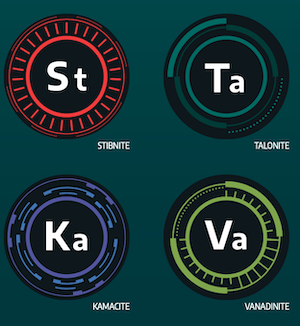
Hacker groups targeting ICSOne of the new groups is tracked by Dragos as STIBNITE and it has been observed targeting electric energy companies — specifically wind turbines — in Azerbaijan. While there is an ongoing conflict between Armenia and Azerbaijan, the cybersecurity firm said there is “only a loose correlation between the conflict and STIBNITE operations, and the Dragos team is not making an assessment on who may be responsible for the targeting.”

STIBNITE, which has been seen using PoetRAT malware to gather information from victims, may have targeted the supplier and maintainer of the wind farms, which are based in Ukraine.

Another new group is tracked by Dragos as VANADINITE, which has been observed targeting the energy, manufacturing and transportation sectors in North America, Asia, Europe and Australia. The hackers have focused on harvesting information, including related to ICS processes and design, which experts believe could enable its sponsor to develop ICS-targeting capabilities.

Dragos believes VANADINITE could be behind the ransomware known as ColdLock, which has been used to target Taiwan, including state-owned industrial companies whose operations were indirectly disrupted by the ransomware.

VANADINITE has been linked to Winnti — which has been around for over a decade and is believed to have Chinese origins — and a Winnti-related activity group tracked as LEAD.

Learn More About Threats to Industrial Systems at SecurityWeek’s ICS Cyber Security Conference and SecurityWeek’s Security Summits Virtual Event Series

The third new group has been named TALONITE and it appears to focus on initial access to organizations in the U.S. electric sector. The hackers have been conducting phishing campaigns that leverage power grid-related themes. They have been known for the use of malware such as LookBack, a remote access trojan (RAT) that emerged in 2019 when it was used to target U.S. utilities, and FlowCloud, a RAT analyzed by researchers in 2020.

Dragos also started tracking a threat group dubbed KAMACITE, which also targeted U.S. energy companies. KAMACITE’s operations have overlapped with the activities of Sandworm (ELECTRUM), a notorious Russia-linked group that is believed to have launched disruptive attacks against Ukraine’s power grid. Despite the overlaps, Dragos believes KAMACITE is a distinct group that should be tracked separately.

The company believes KAMACITE is an “access-enablement team” that aids other teams specializing in disruptive operations.

“These types of events, where adversaries gain access to ICS networks but do not have the intention of currently disrupting them, are much more common than is publicly reported,” Dragos said. “The threats are learning ICS. Although not every compromise will relate to an impact today, many may inform the attacks of the future.”

It added, “Threats are growing at a rate three times faster than they are going dormant. This is likely due to the increased investment made by adversaries in targeting ICS over the last five to 10 years, and whose investment will continue to accelerate the ICS threat environment.”

Related: More Threat Groups Target Electric Utilities in North America

Related: Manufacturing Sector Targeted by Five ICS-Focused Threat Groups

Related: Over 400 ICS Vulnerabilities Disclosed in 2019: Report

view counter

Eduard Kovacs (@EduardKovacs) is a contributing editor at SecurityWeek. He worked as a high school IT teacher for two years before starting a career in journalism as Softpedia’s security news reporter. Eduard holds a bachelor’s degree in industrial informatics and a master’s degree in computer techniques applied in electrical engineering.

Previous Columns by Eduard Kovacs:
Tags:

http://feedproxy.google.com/~r/Securityweek/~3/fEBgnqp4334/four-additional-threat-groups-seen-targeting-industrial-organizations-2020


Hackers Leak Data Stolen From Jet Maker Bombardier

Just as the cybercriminals behind the Clop ransomware operation made public information supposedly stolen from Canadian business jet manufacturer Bombardier, the company confirmed suffering a data breach.

In a Thursday statement, the jet maker revealed that an unauthorized party was able to access and steal data by exploiting a vulnerability in “a third-party file-transfer application.” While the company did not say which third-party software was compromised, the general characteristics of the incident suggest it was Accellion’s FTA service.

A 20-year-old file sharing service set to be retired on April 30, FTA was recently targeted in a cyber-attack that affected up to 100 Accellion customers, out of a total of 300 that were still using the application at the time of the attack.

These include Australian health and transport agencies, U.S.-based law firm Jones Day, and grocery and pharmacy chain Kroger. The attacks, security researchers with FireEye say, appear linked to the TA505 spin-off FIN11.

The threat actors behind the attack on Accellion’s software have been sending extortion emails to organizations affected by the incident, threatening to share the stolen data publicly on the “CL0P^_- LEAKS” Tor website.

With data pertaining to Bombardier emerging on the website and the company disclosing a data breach caused by a third-party application used for file transfer, it’s clear that Accellion’s FTA was responsible for this incident.

“Forensic analysis revealed that personal and other confidential information relating to employees, customers and suppliers was compromised. Approximately 130 employees located in Costa Rica were impacted,” Bombardier says.

The company also notes that it has launched an investigation into the incident and that law enforcement was informed on the issue. It also claims that only the “data stored on the specific servers” was affected, and that its network was not compromised.

“Manufacturing and customer support operations have not been impacted or interrupted. Bombardier can also confirm the company was not specifically targeted—the vulnerability impacted multiple organizations using the application,” Bombardier also says.

In addition to data taken from Bombardier, the attackers behind the Clop operation also leaked information supposedly stolen from Pentair and CSA Group. However, neither of these companies has confirmed a data breach yet.

Related: Over 1 Million Impacted by Data Breach at Washington State Auditor

Related: New Zealand Central Bank Says Accellion Service at Heart of Cyberattack

Related: Australian Corporate Regulator Discloses Breach Involving Accellion Software

view counter

Ionut Arghire is an international correspondent for SecurityWeek.

Previous Columns by Ionut Arghire:
Tags:

http://feedproxy.google.com/~r/Securityweek/~3/DZlIyOAE4uo/hackers-leak-data-stolen-jet-maker-bombardier


Sodinokibi Ransomware, nel 2020 rubati 21,6 terabyte di dati. Guadagno da 123 milioni di dollari

Non proprio belle notizie quelle che provengono dal report X-Force Threat Intelligence Index 2021 pubblicato da IBM Security riguardante il panorama della sicurezza informatica nel 2020.

Il report evidenzia come nel 2020 gli attacchi informatici siano stati in grado di evolversi e adattarsi sfruttando le difficoltà socioeconomiche, aziendali e politiche causate dalla pandemia.

<!-- LARGE RECTANGLE POST - CORPO TESTO

-->

Secondo l’analisi di IBM, l’industria manifatturiera e quella energetica sono state le principali vittime dei cyberattacchi nel 2020, seconde solo al settore finanziario e assicurativo, un primato dovuto anche all’aumento di quasi il 50% delle vulnerabilità nei sistemi di controllo industriale (ICS) da cui entrambe dipendono fortemente.

Nell’anno appena concluso ad essere preso di mira è stato anche il cloud: dato che molte infrastrutture aziendali sono ospitate nel cloud, i cybercriminali hanno aggredito proprio tale ambiente creando il 40% di malware in più per Linux, incrementando significativamente il numero di attacchi verso la piattaforma open-source che è alla base della maggior parte dell’offerta cloud. Con un numero sempre crescente di aziende che intende sposare il cloud come paradigma per le proprie infrastrutture informatiche, IBM prevede che il numero di attacchi continuerà a crescere.

Sodinokibi ransomware: il gruppo più attivo ha guadagnato 123 milioni di dollari nel 2020

Il ransomware è stato la causa di quasi un attacco su quattro a cui X-Force ha risposto nel 2020. Alcuni di questi si sono evoluti in modo aggressivo per attuare tattiche di doppia estorsione. Secondo le stime di X-Force, utilizzando questo modello, Sodinokibi, il gruppo di ransomware più monitorato nel 2020, avrebbe guadagnato oltre 123 milioni di dollari nell’ultimo anno, riuscendo ad estorcere il pagamento a circa due terzi delle vittime dei propri attacchi.

Secondo il report, nel 2020 il numero di attacchi ransomware è cresciuto rispetto al 2019: quasi il 60% di quelli analizzati da X-Force è caratterizzato da una strategia di doppia estorsione in base alla quale i dati sono crittografati e rubati e le vittime minacciate della loro diffusione qualora non avvenga il pagamento del riscatto. Il 36% dei data breach tracciati da X-Force nel 2020 era stato originato da attacchi ransomware, suggerendo che data breach e attacchi ransomware comincino a coincidere.

Il gruppo di ransomware più attivo segnalato nel 2020 è stato Sodinokibi (noto anche come REvil), che rappresenta il 22% di tutti i ransomware osservati da X-Force. IBM stima che Sodinokibi abbia esfiltrato circa 21,6 terabyte di dati, e che quasi due terzi delle vittime abbiano pagato il riscatto richiesto, mentre circa il 43% ha perso i propri dati. Il risultato è che i responsabili di Sodinokibi hanno guadagnato oltre 123 milioni di dollari nell’ultimo anno.

L’importanza della protezione degli accessi privilegiati

Come Sodinokibi, anche le altre tipologie di ransomware che più hanno avuto successo nel 2020 hanno fatto leva sul furto e sul leak di dati, sulla creazione di cartelli ransomware-as-a-service e sull’outsourcing di elementi chiave delle proprie operazioni a criminali informatici specializzati. In risposta a questi attacchi ransomware più aggressivi, X-Force consiglia di limitare l’accesso ai dati sensibili e proteggere gli account attraverso un sistema di gestione degli accessi privilegiati (PAM) e la verifica dell’identità degli accessi (IAM).

L’Europa è il continente maggiormente attaccato nel 2020

Il 31% degli attacchi a cui X-Force ha risposto nel 2020 era indirizzato a Paesi Europei, ai vertici della classifica mondiale per violazioni subite, tra cui, al primo posto, gli attacchi ransomware. Con origine nella maggior parte dei casi all’interno della stessa Europa, sono stati quasi il doppio di quelli perpetrati in Nord America e in Asia.

Inoltre il report ha evidenziato un’altra particolarità: l’individuazione e lo sfruttamento di vulnerabilità ha rappresentato il metodo più efficace per effettuare delle violazioni (35%), superando, per la prima volta da anni, il phishing (31%).

Per approfondire

https://www.key4biz.it/sodinokibi-ransomware-nel-2020-rubati-216-terabyte-di-dati-guadagno-da-123-milioni-di-dollari/347069/


Vietnamese Hackers Target Human Rights Defenders: Amnesty

Between February 2018 and November 2020, Vietnam-linked hacking group Ocean Lotus targeted Vietnamese human rights activists in the country and abroad with spyware, a new report from Amnesty International reveals.

Also referred to as APT32, APT-C-00, SeaLotus, and Cobalt Kitty, Ocean Lotus is a highly sophisticated group that has been active since at least 2012, mainly focused on media, human rights, and civil society organizations, but also targeting Vietnamese political dissidents, foreign governments and companies.

The recently observed attacks were aimed at Vietnamese activists at home and abroad, clearly falling in line with previously observed targeting.

“The investigation conducted by Amnesty International’s Security Lab revealed that two HRDs and a non-profit human rights organization from Viet Nam have been targeted by a coordinated spyware campaign,” Amnesty reveals.

The first of the targets is blogger and pro-democracy activist Bui Thanh Hieu, also known as Nguoi Buon Gio (The Wind Trader), who covers topics such as social and economic justice, as well as human rights. A critic of the Vietnamese government’s policies, he has been living in Germany since 2013.

Between February 2018 and November 2020, Ocean Lotus also targeted Vietnamese Overseas Initiative for Conscience Empowerment (VOICE), a non-profit human rights organization that provides support to Vietnamese refugees.

Reprisal the organization and its staff faced over the years included harassment, travel bans, and confiscation of passports. Additionally, state-owned media in Vietnam has run a smear campaign against VOICE, calling the organization a terrorist group.

Ocean Lotus also targeted a blogger residing in Vietnam, who spoke out publicly about a January 2020 incident where thousands of security officers raided the Dong Tam village and killed several people.

“Activists and bloggers were at the forefront of the public debate online, prompting a nationwide crackdown on online expression by the government. VOICE and the two bloggers all received emails containing spyware between February 2018 and November 2020,” Amnesty says.

The emails claimed to be carrying an important document, but instead included spyware, either attached or as a link. After execution, the malware would open a decoy document to trick the victim into believing the file was benign. The spyware targeted either macOS or Windows systems.

On Windows machines, a variant of the Ocean Lotus-exclusive malware Kerrdown was being deployed, to fetch additional spyware — in this case Cobalt Strike — thus providing the attackers with full access to the victim system.

On macOS systems, a variant of a spyware exclusively used by Ocean Lotus to target Apple’s desktop platform was used. The malware would offer access to system information, as well as the ability to download, upload, and execute files, or run commands.

“Our investigation was not able to attribute Ocean Lotus’ activities to any company or government entity. However, the extensive list of people and organizations targeted by Ocean Lotus over the years shows that it has a clear focus on targeting human rights and media groups from Viet Nam and neighboring countries. This raises questions about whether Ocean Lotus is linked to Vietnamese state actors,” Amnesty notes.

Related: Operations of Hacker Groups in Vietnam, Bangladesh Disrupted by Facebook

Related: Vietnamese Hackers Mount COVID-19 Espionage Campaigns Against China

Related: Vietnamese Spies Rival Notorious Russian Group in Sophistication

view counter

Ionut Arghire is an international correspondent for SecurityWeek.

Previous Columns by Ionut Arghire:
Tags:

http://feedproxy.google.com/~r/Securityweek/~3/vz_bQiZcJU8/vietnamese-hackers-target-human-rights-defenders-amnesty


Twitter Shuts Down Four Networks of State-Sponsored Disinformation Accounts

Twitter this week announced that it has suspended multiple accounts that were found to be part of four networks involved in disinformation activities associated with Armenia, Iran, and Russia.

The threat actors behind these accounts are believed to be state-sponsored, and Twitter permanently suspended all four networks, for violating its manipulation policies.

The Iran-linked accounts, the social media platform says, were part of a network that was initially dismantled in October 2020. Roughly 130 accounts part of that network were suspended at the time, based on information provided by the FBI.

The accounts were “attempting to disrupt the public conversation during the first 2020 US Presidential Debate,” Twitter says. The investigation into the network has resulted in an additional 108 accounts operating from Iran being suspended.

The accounts in this network, Twitter underlines, had low engagement, with little impact on public conversation.

A total of 35 accounts linked to the government of Armenia were recently removed from Twitter, all created to “advance narratives that were targeting Azerbaijan and were geostrategically favorable to the Armenian government,” the company says.

Some of the fake accounts claimed to represent government and political figures or news entities in Azerbaijan. The network engaged in spam campaigns to attract followers and amplify the narrative.

Other networks that were recently suspended were found to be linked to Russia, Twitter reveals.

Consisting of 69 fake accounts, the first of the networks was tied to Russian state actors and was meant to amplify narratives aligned with the interests of the Russian government. A subset of the network was focused on “undermining faith in the NATO alliance and its stability.”

An additional 31 accounts that were part of two other networks were believed to be affiliated with the Internet Research Agency (IRA) and with Russian government-linked actors.

“These accounts amplified narratives that had been previously associated with the IRA and other Russian influence efforts targeting the United States and European Union,” Twitter explains.

All of these accounts have been added to Twitter’s archive of state-linked information operations, allowing researchers to conduct their own investigations and analysis. Since October 2018, Twitter has suspended more than 85,000 accounts associated with manipulation campaigns.

Related: Facebook Closes Disinformation Accounts Linked to French Military

Related: U.S. Seizes More Domains Used by Iran for Disinformation

Related: ‘Ghostwriter’ – Widespread Disinformation Campaign Associated with Russia

view counter

Ionut Arghire is an international correspondent for SecurityWeek.

Previous Columns by Ionut Arghire:
Tags:

http://feedproxy.google.com/~r/Securityweek/~3/7MMdKcpc8Q8/twitter-shuts-down-four-networks-state-sponsored-disinformation-accounts


La gestione degli accessi privilegiati (PAM), la chiave per difendere le infrastrutture aziendali

L’accesso privilegiato è un termine utilizzato nel lessico della sicurezza informatica per descrivere accessi o poteri speciali più estesi rispetto a quelli concessi ad un utente standard.

Si tratta di una tipologia di privilegi spesso riconducibili alla figura di un amministratore di sistema, che, attraverso il proprio account, li utilizza per operare da qualunque dispositivo su tutte le risorse aziendali – siano esse a livello di rete, sistema o applicazione –, svolgendo dalle più semplici attività di manutenzione fino alle azioni più critiche. Questo genere di privilegi potrebbero essere visti, quindi, come le chiavi di accesso all’intera infrastruttura IT di un’azienda e, dunque, ai suoi dati più sensibili e pregiati.

<!-- LARGE RECTANGLE POST - CORPO TESTO

-->

Le minacce informatiche sono in costante trasformazione: al fine di proteggere il loro core business ed evitare perdite economiche sostanziali, le aziende dovrebbero continuamente aggiornarsi sull’attuale scenario e investire le risorse necessarie per proteggere una superficie d’attacco sempre più ampia e vulnerabile causata dalla crescente interconnessione tra sistemi, applicazioni, account M2M, ambienti sia cloud che ibridi, DevOps, RPA e dispositivi IoT. Il panorama delle minacce informatiche è cambiato drammaticamente e i relativi rischi per le reti rimangono elevati.

La domanda da porsi, però, è quanto si riesca a proteggere efficacemente da questi accessi privilegiati.

L’importanza di una corretta gestione degli accessi privilegiati

Da sempre, infatti, gli attacchi informatici tendono a sfruttare ampiamente proprio gli accessi privilegiati per colpire il cuore delle infrastrutture aziendali e per accedere alle informazioni più riservate. Per questo motivo la protezione e la gestione degli accessi privilegiati (PAM) rappresenta un elemento cardinale nella protezione di qualsiasi sistema informatico, al fine di rilevare questi attacchi prima che riescano a causare danni irreparabili.

Il mondo della criminalità informatica sta prendendo sempre più di mira i professionisti e le imprese.

A riprova di quanto affermato, basti pensare che, secondo molti dei report specialistici stilati nell’ultimo periodo, analizzando le decine di migliaia di violazioni dei dati avvenute nel 2020, quasi tutte hanno avuto come obiettivo primario anzitutto la ricerca di un accesso privilegiato. Questi dati, peraltro, evidenziano anche una notevole incidenza di questo approccio negli attacchi provenienti dall’esterno della struttura aziendale – nel 70% dei casi – rispetto al 30% di azioni provenienti dall’interno e quindi potenzialmente da dipendenti o da consulenti accreditati.

In un simile scenario, quindi, non può apparire strano che sempre più imprese ed organizzazioni ricorrano a sistemi per il monitoraggio degli accessi attraverso gli account privilegiati.

“In ambito aziendale la gestione degli account cosiddetti privilegiati fa riferimento a tutte quelle attività volte a proteggere accessi o poteri speciali all’interno di infrastrutture IT (reti, sistemi, applicazioni, cloud) e costituisce una delle tematiche di interesse all’interno della disciplina più ampia di gestione in generale delle identità e degli accessi”, spiega Osvaldo Bucci, capo del team di “Cyber Security” di N.I.D.O. S.p.A., e distributore ufficiale di Entrust in Italia.

PAM e Hardware Security Module (HSM) strumenti necessari per mitigare le minacce

“Alla luce di un numero costantemente in crescita di attacchi informatici e dell’impatto che questi hanno avuto sull’operatività, sulla reputazione e sul business delle aziende colpite, queste tematiche – continua Bucci – negli ultimi anni hanno assunto un rilievo di fondamentale importanza e sono state sviluppate una serie di contromisure (cito per esempio le soluzioni PAM di Privileged Access Management e il contestuale uso di HSM per la protezione delle chiavi crittografiche utilizzate per cifrare le credenziali) atte a contrastare questo trend crescente di incidenti relativi al furto di identità.

Il processo di violazione delle informazioni d’accesso parte, infatti, dall’individuazione delle vulnerabilità all’interno del sistema, per poter reperire le credenziali privilegiate e procedere poi con il furto di informazioni riservate, fino al danneggiamento dell’esercizio delle infrastrutture IT e di conseguenza dell’operatività e del business. Una corretta valutazione delle contromisure in essere per difendere gli account privilegiati e in generale le identità aziendali (siano esse relative a persone o a cose)” – conclude il manager – “deve prendere in considerazione un mix di componenti software e hardware atte a cooperare nel garantire accessi sicuri e certi, nonché un costante processo di sensibilizzazione in seno alle aziende su un corretto utilizzo delle credenziali.”

Con gli HSM si proteggono password e chiavi SSH

Quindi, molte delle piattaforme di protezione degli accessi privilegiati si possono integrare con l’uso di Hardware Security Module (HSM), dispositivi che, collegati alla rete, proteggono e gestiscono le chiavi fondamentali utilizzate dalle applicazioni crittografiche. Questi dispositivi, infatti, sono in grado di memorizzare le chiavi all’interno di un sistema certificato, chiuso e sicuro, proteggendole da quegli attacchi che potrebbero compromettere le informazioni riservate.

In questo modo non solo si potranno proteggere le credenziali, incluse password e chiavi SSH, ma si eseguirà anche un controllo costante degli accessi ai diversi account, isolando e registrando sessioni privilegiate che possono facilitare attività di auditing e analisi forense che permettono di individuare quelle attività sospette o potenzialmente rischiose.

‘‘Le minacce non provengono solo dal perimetro della rete, si sa, spiega Gianluca Boccacci, ethical hacker e Presidente dell’Associazione Cyberactors. ‘‘Oramai la maggior parte degli attacchi informatici avviene attraverso i client, magari con l’invio di una mail di phishing, attraverso il quale gli attaccanti iniziano a  fare lateral movement e pivoting cercando di scalare i privilegi fino a diventare amministratore.

Le password amministrative, gli account predefiniti e le credenziali hardcoded, negli script e nelle applicazioni, spiega l’esperto, sono tutti punti di ingresso che gli attaccanti cercano di sfruttare come facciamo anche noi penetration tester. Spesso mi capita di ottenere accessi a delle macchine con privilegi bassi e quindi di iniziare a sfruttare tutti gli exploit e le tecniche per ottenere quella che si chiama una Privilege Escalation cercando di ottenere quelli più alti: un tempo si diceva infatti ROOT IS A STATE OF MIND  (essendo root l’utente coi massimi privilegi nei sistemi Unix-like).

Quando, invece, continua Boccacci, mi sono trovato ad effettuare attività di sicurezza offensiva su reti in cui era stato configurato PAM (ed utilizzati moduli HSM), a meno che non fosse stato commesso qualche errore come, ad esempio, l’utilizzo di chiavi legacy precedenti all’implementazione di PAM o la presenza di connessioni M2M che non fossero registrate nel vault, è stato quasi impossibile scalare i privilegi.

Concedere privilegi agli utenti solo per i sistemi su cui sono autorizzati e quello conseguente di concedere l’accesso solo quando necessario e revocarlo quando non lo è più, conclude Boccacci, già aiuta molto a proteggersi dai ransomware ed aumenta notevolmente il tempo di exploitation da parte di un attaccante che alla lunga potrebbe desistere’’.

I vantaggi degli HSM

  • Proteggono chiavi che criptano le password all’interno di un sistema crittografico e garantiscono che le stesse vengano utilizzate per lo scopo preposto.
  • Garantiscono la disponibilità usando una sofisticata gestione, archiviazione e ridondanza delle chiavi, assicurandosi che queste siano sempre disponibili all’occorrenza.
  • Fornisce prestazioni elevate a supporto dei sempre più esigenti requisiti aziendali.

https://www.key4biz.it/la-gestione-degli-accessi-privilegiati-pam-la-chiave-per-difendere-le-infrastrutture-aziendali/346932/


Enterprises Warned of Growing Risk Posed by Initial Access Brokers

The services provided by a class of cybercriminals known as initial access brokers are increasingly sought-after and the risk posed to enterprises is growing, according to digital risk protection company Digital Shadows.

Initial access brokers breach as many organizations as they can, but instead of using that access to steal data or cause disruption themselves, they sell access to other threat actors, including ransomware operators and nation-state groups.

Digital Shadows has been monitoring initial access brokers for years, but the company says the coronavirus pandemic that hit the world in 2020 boosted their popularity. On many major cybercrime forums, these types of services are now more prominently displayed compared to previous years.

These cybercriminals often gain access to an organization’s network through RDP and VPN connections, which in many cases doesn’t even require advanced skills. The cybersecurity firm pointed out that some of these threat actors might not even have the knowledge needed to conduct further activities, which is why they’re trying to make a profit by selling the access to others.

Digital Shadows has analyzed hundreds of offers and determined that the average price for access is $7,100. The price is typically set based on the breached organization’s size, revenue, and the type of access sold. For example, access to organizations in the technology, healthcare and pharmaceutical, e-commerce, and engineering and construction sectors were all priced above $10,000, on average.

The most common targets were found to be retail, financial services and technology companies, and organizations in the United States were the most targeted.

“The dramatic increase in remote working coupled with ransomware’s commercial success has been a perfect storm of opportunity for initial access brokers,” said Rick Holland, CISO at Digital Shadows.

He explained, “These actors are cashing in because of the flourishing demand and their specialization. They concentrate on one aspect of the cybercriminal ecosystem, gaining access to your network, and they do it very well. They then pass the baton on to other criminals and move on to their next target. Due to their ability to successfully compromise organizations of all sizes, initial access brokers’ prominence has increased within the cybercriminal underground.”

The report published by Digital Shadows also provides some recommendations on what organizations can do to reduce risks.

Related: Threat Actor Sold Access to Networks of 135 Organizations

Related: Cybercriminals Already Targeting, Selling Leaked GO SMS Pro Data

Related: French Spy Suspected of Selling Data on Darknet

view counter

Eduard Kovacs (@EduardKovacs) is a contributing editor at SecurityWeek. He worked as a high school IT teacher for two years before starting a career in journalism as Softpedia’s security news reporter. Eduard holds a bachelor’s degree in industrial informatics and a master’s degree in computer techniques applied in electrical engineering.

Previous Columns by Eduard Kovacs:
Tags:

http://feedproxy.google.com/~r/Securityweek/~3/4darYPXV-eI/enterprises-warned-growing-risk-posed-initial-access-brokers


Highly Active ‘Gamaredon’ Group Provides Services to Other APTs

New evidence suggests that the Russia-linked threat actor Gamaredon is a hack-for-hire group that offers its services to other advanced persistent threat (APT) actors, similar to crimeware gangs, according to security researchers with Cisco’s Talos division.

Also referred to as Primitive Bear and active since at least 2013, the threat actor has been long associated with pro-Russia activities, showing a focus on Ukrainian targets. However, the group targets victims worldwide for espionage purposes and is not as stealthy as other major APT actors.

Despite being exposed several times in the past, the group has continued operations unhindered, gathering information on intended targets and sharing the data with other units, likely more advanced threat actors. In addition to offering services to these APTs, however, the gang is conducting its own, separate activity as well.

The tactics, techniques and procedures (TTPs) employed by Gamaredon, Talos says, are commonly observed in the crimeware world, and include the use of trojanized installers, self-extracting archives, spam emails with malicious payloads, template injection, and the like.

Furthermore, the group operates an infrastructure of more than 600 active domains that are used as command and control (C&C) for the first stage, which deploys the second stage payloads and updates both stages when needed.

“APT groups are often associated with focused, high-impact activities with extremely small footprints leading to an extremely stealthy activity that’s hard to detect. However, Gamaredon is the opposite of that — though it’s still considered an APT actor,” Talos explains.

One of the most active and undeterred actors, Gamaredon doesn’t show the same fluency and techniques that more advanced operations employ, but there’s also no indicator that the group profits off the information stolen from victims.

According to Cisco’s researchers, the group’s modus operandi resembles that of second-tier APTs that pass critical information to top-tier units, operating as a service provider for more advanced APTs. However, it also engages in side jobs and takes special care to avoid certain IP addresses — in one campaign Cisco observed roughly 1,700 IP addresses from 43 different countries.

Despite the lack of high level technical expertise, the threat actor clearly has capability (given the size of its infrastructure), shows dedicated development effort to add new capabilities and features, and continues to be active to date, with the latest activity observed in February 2021.

Gamaredon might not necessarily be a state-sponsored actor, but instead working for whoever pays the most. However, the group could still be considered an APT — given its specific interest in Ukraine and lack of attempts to monetize stolen data — but has a diverse level of targeting and an almost crimeware-like approach.

“This group has targeted a major bank in Africa, U.S. educational facilities, European telecommunications and hosting providers. The seemingly specific victimology of Gamaredon is thrown into doubt, as we have uncovered a myriad of different vertices, not limited to the above mentioned, and seemingly with a widespread approach that goes beyond only Ukraine,” Talos notes.

Thus, the researchers consider Gamaredon a second-tier APT, which provides breach services to tier-one actors, in a manner similar to what happens in the cybercrime scene. Furthermore, the group lacks the sophistication of others and often has bad OPSEC or makes amateurish mistakes that result in their operations being exposed.

“We believe that challenging the status quo on Gamaredon and others that could fit the previous definition, is beneficial as a whole. It will help organizations better understand the threats that they must focus their resources on. The fact remains Gamaredon remains a notoriously prolific group operating without any constraints on a globally impacting level,” Talos concludes.

Related: Russian ‘Gamaredon’ Hackers Back at Targeting Ukraine Officials

Related: “Gamaredon” Group Uses Custom Malware in Ukraine Attacks

view counter

Ionut Arghire is an international correspondent for SecurityWeek.

Previous Columns by Ionut Arghire:
Tags:

http://feedproxy.google.com/~r/Securityweek/~3/CVUZIjjlVd4/highly-active-gamaredon-group-provides-services-other-apts