Metaverso, Reinisch (Meta): ‘Italia e Ue possono diventare gli epicentri del nuovo Internet’ (video)

 “L’Italia, soprattutto per il suo design e il suo talento tecnologico, e la Ue sono molto interessanti per Meta per lo sviluppo congiunto di nuovi servizi e infrastrutture nel Metaverso”. Lo ha detto ieri Markus Reinisch, Vice President, Public Policy Europe and Global Economic Policy di Meta, intervenendo al 5G Italy, la conferenza internazionale organizzata a Roma dal CNIT. “Il metaverso secondo me è il futuro – ha detto Reinisch – sono convinto che ci troviamo di fronte alla nuova versione di Internet. Noi ci crediamo nel metaverso, che secondo noi è il prossimo step di evoluzione logica di Internet. Un luogo molto più immersivo, dove si può avere un senso della presenza molto superiore. Un luogo dove non ci sono soltanto oggetti bidimensionali, ma nel quale ti puoi portare dietro il mondo tridimensionale. Il mondo vero, trasportato dentro a Internet. E poi permette agli esseri umani di interagire in maniera molto più umana e molto più diretta con Internet. Non soltanto con la punta delle dita, ma con tutto il corpo”.  

[embedded content]

Metaverso, Internet con tutto il corpo

Ma che significa Internet con tutto il corpo? “Nel metaverso possiamo muovere le mani, manipolare oggetti e persone sempre con le nostre mani – aggiunge Reinisch – Puoi muovere la testa, vedere le cose in modo diretto e farle in prima persona (tramite il tuo avatar ndr). E’ un modo davvero molto umano di entrare nella prossima nuova fase di Internet”. 

Quali opportunità?

“Credo che le opportunità legate al metaverso riguardino moltissimi settori – dice Reinisch – Ad esempio, nel mondo dell’insegnamento: immagina di poter prendere un’intera classe, che non si trova a Roma, e portarla al Colosseo. Mostrare ai ragazzi com’era all’epoca, con gli insegnanti che ti raccontano Roma antica immersi nel contesto storico di allora. Insegnanti e alunni insieme, immersi nel Colosseo e nella sua ambientazione originale.

Molti esempi riguardano il mondo della salute: i chirurghi possono esercitarsi centinaia di volte in modo virtuale prima di entrare in una sala operatoria reale e di operare un paziente in carne ed ossa”.  

‘Da Prada a Luxottica, Italia paese ideale per Meta’

“L’Italia in particolare è un paese davvero capace, soprattutto per quanto riguarda il design di prodotto, per esempio nel mercato della moda – dice Reinisch – vediamo ad esempio aziende come Prada molto attive nello sviluppo del digital fashion. Ci sono aziende come Luxottica, già nostro partner nello sviluppo degli smart glass (gli occhiali speciali ndr) per il metaverso”. Ma sono un po’ i settori a suscitare l’interesse di Meta in ottica metaverso: dall’arte ai media “tutti hanno un’opportunità per diventare molto più contattabili, accessibili e alla mano per le persone”.

Il caso Luxottica apripista del metaverso in Italia

L’Italia, ribadisce il manager di Meta, è un caso particolare: “E’ un paese ricco di talenti, talenti tecnologici – dice – e inoltre ha le aziende e ha l’attitudine e la consuetudine di produrre come davvero belle. E questo è esattamente ciò che serve. Begli oggetti tridimensionali di design che poi possono essere introdotti in una sfera digitale. Per questo penso che l’Italia possa diventare gli epicentri di questo nuovo mondo, per questa combinazione fra infrastruttura, business model, attitudine, affinità con il design e il talento che c’è in questo paese. Lo stesso vale per l’Europa”.

Saranno poi le nuove reti 5G e 6G che consentiranno al metaverso di esistere e funzionare. “5G e metaverso devono camminare insieme. Servono delle partnership (con le Telco ndr) per trovare delle opportunità per noi e per l’Europa”.

Una mano tesa di Meta alle Telco italiane ed europee, sul terreno per ora neutrale del Metaverso, che potrebbe diventare il luogo di incontro degli interessi di due mondi spesso divergenti.

Alessio Butti, primo incontro con Markus Reinisch (Meta)

Ieri, intanto, il Sottosegretario con delega all’Innovazione tecnologica Alessio Butti ha ricevuto, presso gli uffici del Dipartimento per la trasformazione digitale della Presidenza del Consiglio, Markus Reinisch, Vice President Public Policy, Europe & Global Economic Policy di Meta. Si è trattato del primo incontro tra il Sottosegretario Butti e i vertici della società. Nel corso della riunione sono state illustrate le priorità del governo italiano in materia di transizione digitale. Sono inoltre state discusse le potenzialità del metaverso e le importanti opportunità di crescita economica e sociale che questa tecnologia potrà offrire all’Italia. È stato infine confermato l’impegno reciproco volto a costruire una collaborazione proficua e responsabile nel settore dell’innovazione tecnologica.

Alessio Butti ha ricevuto, presso gli uffici del Dipartimento per la trasformazione digitale della Presidenza del Consiglio, Markus Reinisch, Vice President Public Policy, Europe & Global Economic Policy di Meta.

https://www.key4biz.it/metaverso-reinisch-meta-italia-e-ue-possono-diventare-gli-epicentri-del-nuovo-internet-video/427245/


New Meta privacy updates for teens

Facebook and Instagram parent Meta has just rolled out new privacy updates for everyone under the age of 16, or 18 in some countries.

New privacy defaults. Starting today, teens will default to more private settings when they join Facebook. For teens already on the platform, Meta recommends making these changes manually. The new privacy settings affect:

  • Who can see their friends list
  • Who can see the people, Pages and lists they follow 
  • Who can see posts they’re tagged in on their profile
  • Reviewing posts they’re tagged in before the post appears on their profile
  • Who is allowed to comment on their public posts

Restricting connections. Meta is testing ways to protect teens from messaging suspicious adults they aren’t connected to, and those adults won’t be shown in teens’ People You May Know recommendations. Meta further clarifies that a “suspicious” account is one that belongs to an adult that may have recently been blocked or reported by a young person, for example. As an added layer of protection, Meta is also testing removing the message button on teens’ Instagram accounts when they’re viewed by suspicious adults altogether. 


Get the daily newsletter search marketers rely on.


New safety tools. Meta is also developing new tools to report anything that makes them feel uncomfortable. On their blog, Meta says, “we’re prompting teens to report accounts to us after they block someone, and sending them safety notices with information on how to navigate inappropriate messages from adults.  In just one month in 2021, more than 100 million people saw safety notices on Messenger. We’ve also made it easier for people to find our reporting tools and, as a result, we saw more than a 70% increase in reports sent to us by minors in Q1 2022 versus the previous quarter on Messenger and Instagram DMs.”

Stopping the spread of sensitive images. Meta is also working on new tools to help stop the spread of teens’ intimate images online. Meta says:

We’re working with the National Center for Missing and Exploited Children (NCMEC) to build a global platform for teens who are worried intimate images they created might be shared on public online platforms without their consent. This platform will be similar to work we have done to prevent the non-consensual sharing of intimate images for adults. It will allow us to help prevent a teen’s intimate images from being posted online and can be used by other companies across the tech industry. We’ve been working closely with NCMEC, experts, academics, parents and victim advocates globally to help develop the platform and ensure it responds to the needs of teens so they can regain control of their content in these horrific situations. We’ll have more to share on this new resource in the coming weeks.

We’re also working with Thorn and their NoFiltr brand to create educational materials that reduce the shame and stigma surrounding intimate images, and empower teens to seek help and take back control if they’ve shared them or are experiencing sextortion.

Dig deeper. Meta says that anyone seeking support and information related to sextortion can visit their education and awareness resources, including the Stop Sextortion hub on the Facebook Safety Center. You can also read this announcement from Meta on their blog.

Why we care. It’s hard to criticize Meta for taking steps to protect and prevent harm to teens. Though teens will default to the new settings once they sign up, they can still opt out if they choose. And teens already on the platform will have to manually select the new options, which many of them may not do.

At least parents of teens can now be aware of the new changes and take the appropriate steps to help protect them.


Related Stories

New on Search Engine Land

@media screen and (min-width: 800px) { #div-gpt-ad-3191538-7 { display: flex !important; justify-content: center !important; align-items: center !important; min-width:770px; min-height:260px; } } @media screen and (min-width: 1279px) { #div-gpt-ad-3191538-7 { display: flex !important; justify-content: center !important; align-items: center !important; min-width:800px!important; min-height:440px!important; } }

About The Author

Nicole Farley

Nicole Farley is an editor for Search Engine Land covering all things PPC. In addition to being a Marine Corps veteran, she has an extensive background in digital marketing, an MBA and a penchant for true crime, podcasts, travel, and snacks.

https://searchengineland.com/new-meta-privacy-updates-for-teens-389742


Google, investitori chiedono tagli al personale. Le big tech verso 60 mila dipendenti licenziati in un mese

Per Meta il Metaverso, per Google la guida autonoma. Investire in questi due settori ha letteralmente messo in crisi due delle più grandi aziende tecnologiche al mondo.

L’investitore Tci Fund Management ha chiesto ad Alphabet di tagliare i costi, riducendo il numero di dipendenti e le perdite di Waymo, la sua unità dedicata allo sviluppo della guida autonoma. Tci sostiene che la casa madre di Google deve adattarsi a un contesto di crescita più lenta e che sarebbe più efficiente con meno lavoratori. In una lettera inviata al management e al consiglio di amministrazione, il fondo, investitore in Alphabet dal 2017 con una quota di 6 miliardi di dollari, ritiene che società abbia “fin troppi dipendenti” e che il costo per dipendente sia “troppo alto”. Secondo Tci, Alphabet paga alcuni degli stipendi più alti della Silicon Valley e ha sottolineato inoltre che l’azienda ha aumentato l’organico del 20% all’anno dal 2017 e da allora è più che raddoppiato.

“La disciplina dei costi è ora necessaria poichè la crescita dei ricavi sta rallentando. La crescita dei costi al di sopra della crescita dei ricavi è un segno di scarsa disciplina finanziaria” ha argomentato nella missiva. “Il management deve intraprendere un’azione aggressiva”.

Guida autonoma: gli investimenti in Waymo non sono giustificati

Nella sollecitazione di Tci, anche l’invito a ridurre le perdite in Other Bets, l’unità che include Waymo e altri progetti speciali. Il fondo sostiene che gli investimenti in Waymo non sono giustificati e le perdite dovrebbero essere ridotte “drasticamente“, aggiungendo che l’unità tecnologica per veicoli autonomi ha generato 3 miliardi di dollari, ma finora ha registrato perdite operative per 20 miliardi di dollari. Tci in particolare ha chiesto all’unità di ridurre le perdite operative di almeno il 50%. Alphabet, che non ha replicato alla lettera, aveva già reso noto alla fine di ottobre di ridurre le assunzioni di oltre la metà.

Sempre alla fine di ottobre, poco prima della comunicazione dei non buoni dati della trimestrale e dell’avvio di una pesante tornata di 10 mila licenziamenti, anche Meta e il ceo Mark Zuckerberg avevano ricevuto l’appello di un investitore, Altimeter. Chiedeva, come in questo caso, una società più snella, tagli ai costi, meno dipendenti e di ridurre le spese nei Research Lab (divisione che sviluppa ambienti e strumenti per il Metaverso, 15 miliardi di dollari di perdite in un anno).

Google, Facebook, Twitter, Microsoft e Amazon in crisi: verso 60 mila dipendenti licenziati in un mese

Secondo i numeri di Crunchbase, al 19 ottobre erano almeno 44 mila i lavoratori tecnologici ad aver perso il posto. A inizio novembre si era già toccata quota 52 mila.

Se il Metaverso e la guida autonoma sono frutto di scelte sbagliate, Amazon in realtà è vittima dell’economia stessa.

La società di Seattle è solo l’ultima delle grandi aziende tecnologiche che ha risposto alla crisi (inflazione, dollaro alto, scarso potere di acquisto, consumatori diffidenti, crisi internazionale) con una massiccia dose di licenziamenti di circa 10 mila posti di lavoro.

Come ha riportato recentemente dal Wall Street Journal, i tagli, che rappresenterebbero circa il 3% dei dipendenti aziendali e meno dell’1% della forza lavoro globale, si concentreranno nell’area dei dispositivi Amazon Alexa, della divisione retail e nel team delle risorse umane.

I recenti 11 mila tagli di Meta, la controllante di Facebook, Instagram e Whatsapp, hanno fatto molto rumore, come i tagli effettuati dal neo padrone di Twitter Elon Musk che ha messo in campo a pochi giorni dall’acquisizione: 3.750 dipendenti su 7.500. La metà. E tutti in settori strategici dell’azienda: comunicazione, moderazione dei contenuti, policy. Notizia di oggi, Musk ha fatto fuori altri 4 mila lavoratori a contratto.

Le società tecnologiche si sono gonfiate di dipendenti per far volare i numeri durante l’emergenza Covid. Che poi è finita. Ed è cambiata l’aria: il business della pubblicità online non tira più e i conti devono quadrare. Non escludendo la possibilità di “bancarotta“, ha detto Musk ai dipendenti.

Gli altri tagli

Anche Microsoft progetta di licenziare, quasi mille dipendenti. Axios lo ha rivelato a ottobre, il taglio dei posti di lavoro (il terzo in un anno), pari a meno dell’1% dei 180 mila lavoratori della compagnia, colpirà diverse divisioni (tra cui Edge e Xbox) e diverse regioni. “Come tutte le aziende, valutiamo regolarmente le nostre priorità di business e apportiamo adeguamenti strutturali di conseguenza. Continueremo a investire nella nostra attività e ad assumere in aree chiave di crescita nel prossimo anno” ha commentato la società di Redmond. La notizia è arrivata tre mesi dopo che Microsoft aveva comunicato di aver ridotto meno dell1% dei dipendenti.

A luglio, Microsoft aveva dichiarato una crescita dei ricavi di circa il 10% nel primo trimestre fiscale, più lenta di quanto non sia stata in più di cinque anni.

Non se la passa meglio Salesforce, multinazionale statunitense del software, che a inizio novembre ha confermato di aver avviato i piani per licenziare centinaia dei suoi dipendenti “a causa del rallentamento dell’economia“.

L’unica big in controtendenza è Apple. L’azienda sta reggendo la crisi meglio di tutti forte dei propri prodotti, che pure hanno ridotto i numeri negli ultimi mesi ma non in modo così drammatico.

Le vendite dei nuovi iPhone, soprattutto la variante Pro, continua a crescere nonostante in Cina le fabbriche continuano a chiudere a causa dei lockdown imposti dal governo cinese per arginare i contagi da Covid-19.

Nel frattempo il gigante di Cupertino ha iniziato a mettere le mani avanti: assunzioni bloccate o ridotte al lumicino per tutto il 2023. Le stesse parole di Amazon due settimane prima di licenziare 10mila dipendenti.

https://www.key4biz.it/google-investitori-chiedono-tagli-al-personale-le-big-tech-verso-60-mila-dipendenti-licenziati-in-un-mese/424814/



I licenziamenti delle big tech fanno gola alle startup. Un nuovo corso ha inizio?

Meta licenzia. Twitter licenzia. Lyft, Stripe, Salesforce, Snapchat licenziano. Amazon, la compagnia del settore tecnologico forse più legata all’economia “reale”, ha deciso di fermare le assunzioni, che da anni erano sempre state in costante aumento.

Dall’inizio dell’anno il settore tecnologico ha mostrato segni evidenti di crisi, dopo anni di crescita sostenuta che si pensava non potesse più interrompersi. Secondo Layoffs.fyi, un sito che tiene monitorati i licenziamenti delle aziende tecnologiche, da gennaio 2022 sono stati oltre 100 mila i dipendenti licenziati nel settore.

Le cause sono molteplici: crollo degli investimenti pubblicitari a causa della recessione economica; aumento dell’inflazione che porta ad un minor potere d’acquisto di prodotti e servizi per famiglie e imprese; sopravvalutazione in borsa dei GAFAM a causa della pandemia da Covid-19.

I licenziamenti che stanno mettendo in crisi il settore, però, potranno avere risvolti per aziende più piccole. Stiamo parlando delle startup, che negli Stati Uniti negli anni hanno raccolto decine di milioni di dollari e dove finora non potevano sempre permettersi dipendenti che lavoravano per i colossi tecnologici.

I licenziamenti delle big tech: una nuova possibilità per le startup

Il Wall Street Journal ha intervistato alcuni capi del personale che stanno assumendo i profili già licenziati da big tech: “C’è abbondanza di talenti in questo momento, qualche anno fa non avremmo mai potuto attrarre candidati come quelli che stiamo assumendo”, racconta il manager di una startup attiva nell’intelligenza artificiale. L’azienda assume ingegneri da Lyft, che la scorsa settimana ha annunciato un taglio di 700 posti di lavoro, pari a circa il 13% del personale.

Le startup che hanno cominciato a muovere da poco i primi passi sono state risparmiate dall’impatto del rialzo dei tassi e dall’inflazione. In altri termini: possono assumere talenti per continuare la fase di sviluppo facendo leva sui capitali raccolti. Molti milioni di dollari.

Ma secondo diversi analisti del settore, potrebbe essere un vantaggio anche per le professionalità tornate sul mercato. Molte di loro, spiegano, sono nate in startup. Hanno cominciato a lavorare con una mentalità molto diversa da quella che poi si assume in una società con decine di migliaia di dipendenti. E un ritorno alle origini potrebbe tradursi in nuove opportunità e stimoli.

L’importante è lasciar perdere il metaverso

Le startup hanno goduto di un buon mercato degli investimenti nel 2022. A differenza di quelle più grandi, hanno raccolto capitali magari con cifre più basse, ma utili a lanciare nuovi business.

L’intero settore tecnologico dovrà dunque attrezzarsi per affrontare una fase molto dura, che comporterà notevoli cambiamenti strutturali.

Secondo alcuni analisti, potrebbe essere un bene: il settore da troppo tempo ha perso di vista quali siano le sue vere fonti di guadagno, la pubblicità per i social network e servizi davvero utili a imprese e consumatori per le aziende di prodotto e di software. Secondo il Wall Street Journal, è tempo che la tecnologia torni a essere “noiosa” e che lasci stare le velleità costosissime che di fatto alle persone non interessano, come il metaverso e le macchine a guida autonoma.

https://www.key4biz.it/i-licenziamenti-delle-big-tech-fanno-gola-alle-startup-un-nuovo-corso-ha-inizio/424104/


Meta licenzia 11mila dipendenti e Zuckerberg fa mea culpa. L’inizio del declino?

L’ora più buia. Oggi, per la prima volta nella storia, Meta è protagonista di un taglio del personale da record.

Questa mattina in un messaggio ai dipendenti Mark Zuckerberg ha annunciato i tagli occupazionali di Meta anticipati in questi giorni dal Wall Street Journal.

“Oggi condivido alcuni dei cambiamenti più difficili che abbiamo fatto nella storia di Meta. Ho deciso di ridurre le dimensioni del nostro team di circa il 13% e lasciare andare più di 11.000 dei nostri talentuosi dipendenti”, ha dichiarato il CEO.

Zuckerberg nella lettera ai dipendenti ha parlato anche dell’adozione di “una serie di ulteriori misure per diventare un’azienda più snella ed efficiente, tagliando le spese discrezionali ed estendendo il blocco delle assunzioni fino al primo trimestre”.

Dopo aver assunto in modo aggressivo durante la pandemia, l’industria tecnologica sta affrontando il suo più grande ridimensionamento da anni. Settore che, da Twitter in giù, sta mettendo pesantemente mano ai suoi organici.

Zuckerberg – ha raccontato il Wsj – è apparso piuttosto colpito nell’umore nella riunione di martedì e si è preso la responsabilità dei passi falsi della società, incluso un eccesso di ottimismo che l’ha portato a sovrastimare la crescita di Facebook e quindi a far ingigantire troppo il suo organico.

Per chi dovrà uscire, ha riferito chi ha assistito alla riunione, il capo delle risorse umane di Meta, Lori Goler, ha assicurato che riceverà almeno quattro mesi di stipendio a titolo di fine rapporto. Un resoconto più preciso su dove andranno a parare i tagli è atteso nel corso della mattinata americana, durante la quale arriveranno anche le comunicazioni dirette ai dipendenti che dovranno trovarsi un nuovo impiego.

Meta e gli oltre 87mila dipendenti

Lo scorso settembre Meta aveva dichiarato di avere 87mila impiegati e, secondo quanto riportato dal quotidiano economico americano, già allora pensava a un taglio del 10% delle spese anche attraverso licenziamenti. In occasione della recente trimestrale, lo stesso Zuckerberg aveva sottolineato che Meta si sta focalizzando su alcune aree ad alta potenzialità di crescita. Il riferimento era stato interpretato come l’indicazione che Meta non tornerà indietro sui suoi investimenti nei progetti legati al metaverso e ai visori di realtà virtuale.

La divisione dei Reality Labs ha pesato sul gruppo per un totale di 15 miliardi di dollari. Come altre società hi-tech Meta ha accelerato sulle assunzioni nel post-pandemia, aumentando la propria forza lavoro di 27mila unità nel biennio 2020-2021 e di altri 15mila dipendenti nei primi nove mesi di quest’anno. Ora però le prospettive di rallentamento congiunturale impongono un approccio più improntato alla realtà dei numeri e dei bilanci.

I dipendenti i primi a subire la crisi dei big tech. Da Meta a Twitter

I licenziamenti pianificati da Meta sarebbero le prime ampie riduzioni del personale nei 18 anni di storia dell’azienda.

Le azioni di Meta sono scese di oltre il 70% quest’anno. La società ha evidenziato il deterioramento delle tendenze macroeconomiche, ma anche gli investitori sono stati spaventati dalle minacce al core business dell’azienda. Il colosso guidato da Zuckerberg deve fare i conti con il rallentamento della crescita economica globale, la concorrenza di TikTok, le modifiche alla privacy da parte di Apple, che hanno reso meno efficaci gli annunci sui social media, le preoccupazioni per la spesa massiccia nel metaverso e la minaccia sempre presente della regolamentazione.

Il metaverso la colpa di tutti i mali di Meta

Inoltre, gli ingenti investimenti nel metaverso hanno spaventando gli investitori a tal punto di scrivere una lettera aperta a Mark Zuckerberg, raccomandando all’azienda di limitare l’investimento a 5 miliardi di dollari all’anno, definendo l’impegno di Meta “superdimensionato e terrificante, anche per gli standard della Silicon Valley”.

Secondo Gerstner, Meta dovrebbe tagliare le spese per il personale del 20%, facendo eco alle opinioni di altri che recentemente hanno sostenuto che le aziende tecnologiche sono diventate gonfie di troppi dipendenti dopo anni di espansione.

https://www.key4biz.it/meta-licenzia-e-zuckerberg-fa-mea-culpa-linizio-del-declino/423683/


4 new creator tools for Facebook and Instagram

Meta has just announced new tools to help creators reach new audiences, grow their communities, and monetize their content. Let’s jump in.

1. Updates to digital collectibles

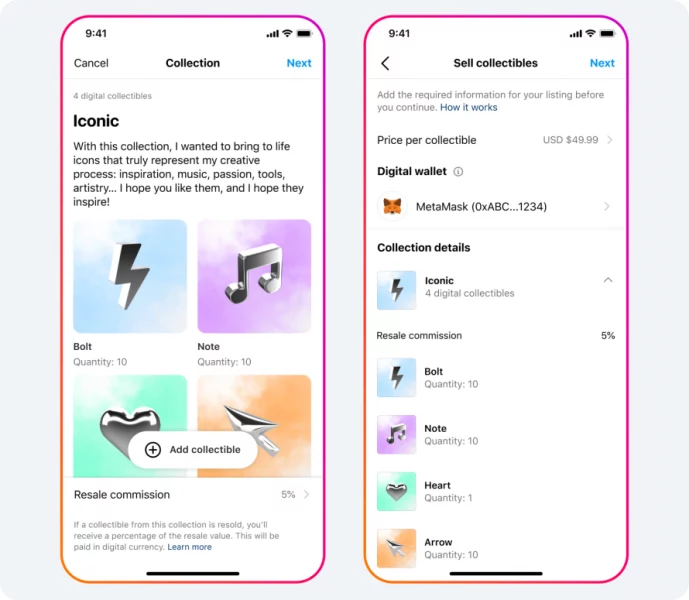
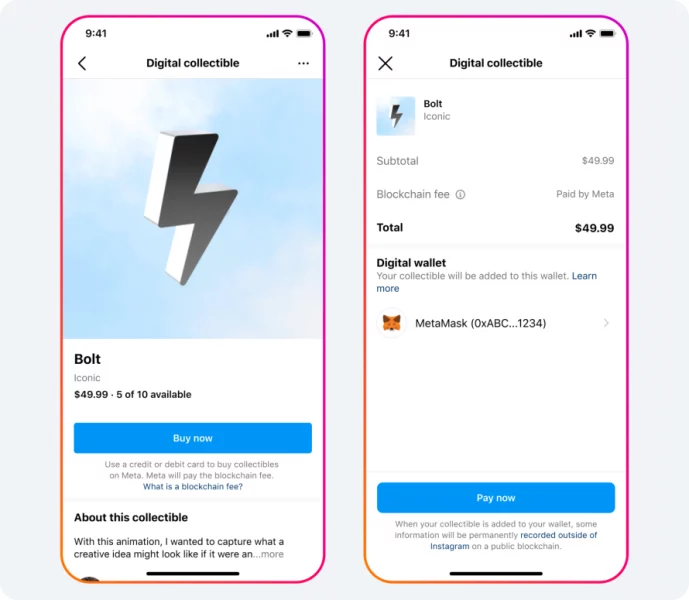
Creators will soon have the ability to make and sell their own digital collectibles on and off Instagram. About creators, Meta says “They’ll have an end-to-end toolkit — from creation (starting on the Polygon blockchain) and showcasing, to selling. People can easily support their favorite creators by buying their digital collectibles directly within Instagram. We’re testing these new features with a small group of creators in the US first, and hope to expand to more countries soon.”

Meta is also expanding the types of digital collectibles that you can showcase on Instagram to include video and adding support for the Solana blockchain and Phantom wallet

Information for select collections where the metadata has been enriched by OpenSea, such as collection names and descriptions, will also be available on Instagram.

2. Subscriptions on Instagram

Meta is expanding access to subscriptions on Instagram to all eligible creators in the U.S., so more creators can earn predictable income and connect more deeply with their most engaged followers.

3. Stars and gifts

For creators already using Stars, Meta is launching additional features to make it easier to earn Stars and interact with Star senders. Meta is testing the new feature with a select number of creators globally. 

From the Meta help guide:

  • Bringing Stars Party to Reels. A Stars Party is a Stars community challenge that ends in a celebration if the creator reaches their goal. 
  • Testing a new set of virtual gifts tailored to specific content. For example, if you’re watching a puppy reel from your favorite pet creator, you’ll be able to send that creator a dog-themed gift. 
  • Giving creators more tools to engage with Stars senders, like adding a filter in Comments Manager that displays all of a creator’s Stars comments in one place. In this surface, creators will be able to reply to multiple comments at once.
  • Bringing Stars to non-video public content like photos and text posts.

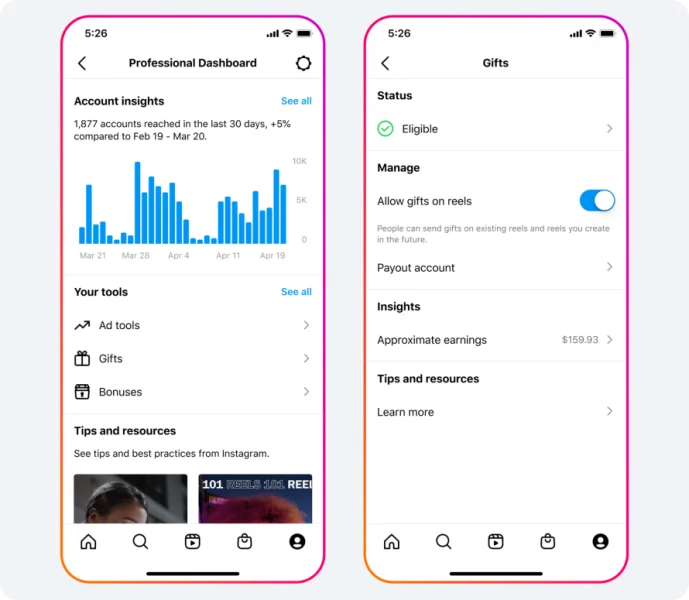
Gifts on Instagram have been introduced so creators have a new way to earn money from fans who like their Reels. Fans can send gifts on Reels by purchasing Stars within Instagram.

Meta is testing this with a small group of creators in the US.


Get the daily newsletter search marketers rely on.


4. Professional mode for Facebook profiles

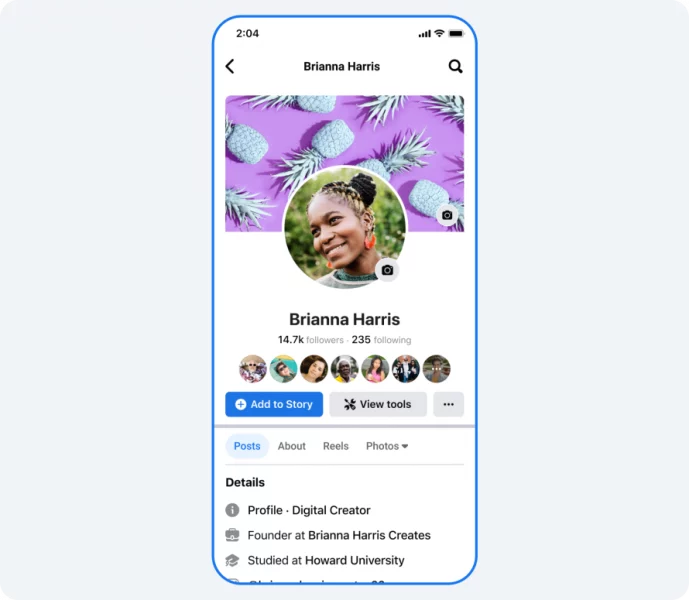
Professional mode offers creators a set of tools to begin growing a global community from their personal profile. Creators can become eligible to earn money through Stars, ads on Facebook Reels, in-stream ads and Reels Play. They will also have access to content and audience analytics, educational resources and more.

Why we care. Both seasoned and brand-new or aspiring creators can use these new tools to reach communities, grow their audiences, and earn money through Facebook and Instagram.


Related Stories

New on Search Engine Land

@media screen and (min-width: 800px) { #div-gpt-ad-3191538-7 { display: flex !important; justify-content: center !important; align-items: center !important; min-width:770px; min-height:260px; } } @media screen and (min-width: 1279px) { #div-gpt-ad-3191538-7 { display: flex !important; justify-content: center !important; align-items: center !important; min-width:800px!important; min-height:440px!important; } }

About The Author

Nicole Farley

Nicole Farley is an editor for Search Engine Land covering all things PPC. In addition to being a Marine Corps veteran, she has an extensive background in digital marketing, an MBA and a penchant for true crime, podcasts, travel, and snacks.

https://searchengineland.com/4-new-creator-tools-for-facebook-and-instagram-389345


7 tips for a holiday-ready social media strategy

The things that are vital for brands throughout the rest of the year are even more critical to social media success during the holidays. 

There’s more noise, people are distracted, and they’re busy. 

How do you ensure your posts cut through the noise and keep their attention through the holiday season?

Here are seven tips to make your social media strategy holiday-ready.

1. Be helpful

Give your audience the info they’re looking for, earn their trust and, as a result, their attention. 

Simplify their experience by providing:

  • Click-to-shop options directly from your social profiles.
  • Direct links to products or booking information from your posts to assist them in finding what they need quickly. 

Work with complementary businesses to provide one-stop shopping and tag those businesses in your posts. Not only is this helpful to your customer base, but it also expands the reach of both brands.

Go above and beyond

Brainstorm ideas to help your audience simplify their lives. 

Offer expedited delivery options or added service perks to save time during the busy season. 

If you have an HVAC company, offer free furnace filter changes with service calls. 

Does your restaurant deliver? Send utensils and disposable containers to help with cleanup. 

Small touches can make a big difference.

2. Make an impact 

How are you helping others this time of year? 

Whether you’re in the service industry, retail, or anything in between, customers want to support businesses that support their communities. 

Give back by:

  • Providing community outreach.
  • Collecting items for food or clothing drives.
  • Using your physical location to be a dropoff point for donations to a charitable organization. 

Stay away from polarizing issues or causes to avoid alienating members of your audience.

Go above and beyond

Team up with a nonprofit to help your community members make an impact. 

  • Host a donation drive.
  • Provide holiday meals to families.
  • Allow members of your team to choose causes that are important to them.
  • Support those organizations with time or monetary donations if possible. 

Parker Colorado’s West Main Taproom + Grill offers free appetizers to anyone who brings in donations for a local nonprofit’s winter coat drive. They’re helping the community and driving new business – everybody wins.

3. Be relevant

Is your offering timely or relevant to your customers’ lives? How can you make sure it is? 

One of the easiest ways to determine if your content is providing value to your audience is to simply ask. 

People love sharing their opinions, so use that opportunity to streamline your content.

Go above and beyond

Incorporate being relevant with being helpful, and you’re sure to score major points with your customers. 

Provide them with helpful, timely information that makes their lives easier, and they will remember you when it’s time to spend their hard-earned dollars.


Get the daily newsletter search marketers rely on.


4. Acknowledge their pain points or stressors

Some of your customers may be experiencing difficulties this time of year. How can you help alleviate that stress? 

The holiday season often creates a massive influx of mail (both electronic and physical), advertising, and social media posting. Don’t be that brand. 

You do not need to send email blasts multiple times per day unless you’ve got something you know will resonate well with your audience. (Tip: A 10% off coupon is not that something!)

Go above and beyond

Think of things your brand can do to take something off of your customers’ plates, reduce stress, or make their lives easier. 

Hire a massage therapist to provide chair massages in your lobby while people wait for appointments. 

If you have a large space, provide supplies and schedule a weekend for customers to come to your location and wrap holiday gifts. 

A reasonably small investment may be priceless in the eyes of your customer base, even if they don’t take advantage of your offer.

5. Know your audience 

If you don’t know your audience, how can you give them what they want? 

Spend time before your busy season getting to know your audience members and customers to ensure you’re speaking to them in a way that resonates. 

Be inclusive by being considerate of the fact that many people have different holidays and traditions that they celebrate. 

Acknowledge that while not everyone is the same, we can celebrate each other regardless of those differences.

Go above and beyond 

Know your competition’s audience as well and step up when the competition falls short. 

Be available on community groups to swoop in and provide assistance when your competitors don’t hold up their end of the deal with their customers.

6. Don’t waste their time

Don’t add to the already overwhelming holiday noise. 

Make sure posts, emails, and other communications have a point and are worth reading, and then follow through with their entire customer experience. 

Providing a spectacular experience on social media, but then making people wait 40 minutes for a scheduled appointment unravels all of the hard work you’ve done. 

Additionally, be sure your offerings are actually worth clicking on. 

Making a big deal about a huge sale or massive discount and then offering a 10% discount or restricting sales to specific items is not only a waste of time. You’re going to frustrate your customers and lose their trust, making them less likely to shop with you or use your services now or in the future. 

Go above and beyond 

Find a way to save them time. Hassle-free returns, expedited appointment options, and concierge services are all excellent ways to give your customers a little extra time back during the busy holiday season. 

7. Have a plan 

All of the awareness, consideration, and helpful intention are not going to get you anywhere if you don’t know your goals and find a path to execute them. 

Map out your content and have a plan for promotions. 

Schedule posts in advance to help streamline your busy schedule, but be sure to pause both organic and paid campaigns if something happens that would cause your content to seem insensitive or inappropriate to your audience. 

Set realistic goals and expectations, and have a procedure for how to handle things if expectations are not met or things go awry.

No one is perfect, and customers understand this. 

But how you handle those moments of imperfection can ensure you lose a customer or gain a lifelong brand advocate. Be sure to respond accordingly.

Go above and beyond

Create a special product or offering that your customers will get excited about. 

Nerdy Nuts knows their fans love their products, and that they get super excited about new flavors and special offerings. 

This year, they’re releasing a holiday advent calendar with a variety of both favorite and all-new flavors. 

On-brand, relevant, exciting, and – combined with their fantastic social media support – helpful. 

Amp up the engagement during the holidays

While you’re at it, have fun! Social media is designed for engagement and interaction. 

Share relevant brand messaging in a way that encourages your audience to not only get to know you, but to communicate with you and share your content as well. 

Fun, positive, uplifting holiday content not only makes your audience feel good, but it helps them feel good about your brand.

Holiday-Ready Social Media Strategy

Opinions expressed in this article are those of the guest author and not necessarily Search Engine Land. Staff authors are listed here.


Related Stories

New on Search Engine Land

@media screen and (min-width: 800px) { #div-gpt-ad-3191538-7 { display: flex !important; justify-content: center !important; align-items: center !important; min-width:770px; min-height:260px; } } @media screen and (min-width: 1279px) { #div-gpt-ad-3191538-7 { display: flex !important; justify-content: center !important; align-items: center !important; min-width:800px!important; min-height:440px!important; } }

About The Author

Erin Jones

Erin Jones has been working in digital marketing and SEO since 2005. She specializes in local SEO, social media, and brand reputation. She works at Sterling Sky and is also a Local University faculty member. Erin is passionate about community and loves helping brands connect with their ideal audiences both online and in person.

https://searchengineland.com/holiday-social-media-strategy-tips-389131


Meta earns MRC accreditation for content-level brand safety on Facebook

The Media Rating Council (MRC), has just given Facebook’s parent company Meta accreditation for their brand-safety efforts on Facebook In-Stream Video and Instant Articles in desktop, mobile web and mobile in-app. 

This accreditation is of Meta’s Partner Monetization Policies, Content Monetization Policies and associated content-level brand safety and suitability controls for the placements mentioned above.

What is the MRC. Meta says “The MRC is a nonprofit industry organization whose goal is to ensure metrics and measurement across the media industry are valid, reliable and effective. The MRC also works with the Global Alliance for Responsible Media (GARM) in developing MRC’s industry standards around brand safety and suitability, which aim to ensure harmful content is not monetized.”

MRC requirements. Meta says they conducted in-depth preparation prior to the external audit, during which they provided data and evidence for the auditors to test their systems and conduct their assessment. Meta says that through the external audit, they demonstrated to the MRC that their processes and systems meet its rigorous requirements across several areas, including:

  • Enforcement of Content and Partner Monetization Policies through machine learning and human review
  • Quality assurance of business partners and performance measurement
  • The controls made available to advertisers on the platforms
  • Brand safety reporting and disclosures

Testing further brand suitability. Meta also announced in March that they were testing a content-based inventory filter for Facebook Feed and Instagram Feed. “We will continue to iterate on the brand safety and suitability solutions we make available to businesses and plan to extend the MRC audit to the content-based inventory filter controls for Feed once they are generally available,” Meta says.

Dig deeper. Read the announcement from Meta here.

Why we care. Normally Meta wouldn’t be at the top of my mind when I think of brand safety. But I think it deserves a little credit. In addition to the numerous safety measures implemented, they also reinstated their political ad restrictions for the week leading up to the general election, just like they did in 2020.

Meta seems to be working hard to regain its reputation. This is more than I can say for some other brands in the news this week. Meta may not be the most popular ad platform for advertisers anymore, but it’s climbing the ranks again as far as giving marketers more control over their brand safety options. 


Related Stories

New on Search Engine Land

@media screen and (min-width: 800px) { #div-gpt-ad-3191538-7 { display: flex !important; justify-content: center !important; align-items: center !important; min-width:770px; min-height:260px; } } @media screen and (min-width: 1279px) { #div-gpt-ad-3191538-7 { display: flex !important; justify-content: center !important; align-items: center !important; min-width:800px!important; min-height:440px!important; } }

About The Author

Nicole Farley

Nicole Farley is an editor for Search Engine Land covering all things PPC. In addition to being a Marine Corps veteran, she has an extensive background in digital marketing, an MBA and a penchant for true crime, podcasts, travel, and snacks.

https://searchengineland.com/meta-earns-mrc-accreditation-for-content-level-brand-safety-on-facebook-389278


Meta Quest Pro review: For those with more money than sense

Looking like a million bucks... or at least 1500...
Enlarge / Looking like a million bucks… or at least 1500…

At this point in the history of tech product marketing, consumers generally know what it means when a company sticks the word “Pro” at the end of a device name. From iPads and AirPods to the Microsoft Surface and Galaxy Watch, “Pro” models generally offer the same underlying device and core platform with a few “nice to have” top-of-the-line features for enthusiast users who want the best experience.

To get those Pro features, consumers generally have to pay a “Pro premium” of somewhere between 25 to 60 percent over the most expensive “non-Pro” model of the same product. Even the biggest Pro-version outliers we could find in the tech world barely top a 100 percent increase over their non-Pro progenitors.

Despite the name, the Meta Quest Pro doesn’t really belong in the same marketing universe as these previous “Pro” products. Meta’s new standalone VR headset costs $1,500 at launch, a whopping 275 percent more than its $400 predecessor, the Meta Quest 2 (which has sold quite well for its still-young market segment). The premium increases to 400 percent if you compare the Quest Pro to the $300 Meta was asking for a Quest 2 just a few months ago.

That kind of price increase justifiably sets sky-high expectations for the new device. A product that costs nearly four times as much as its predecessor needs to offer some truly unique and luxury features that early adopters feel they can’t live without. For that price premium, this should be the kind of upgrade that makes people wonder how they ever felt satisfied with the old model in the first place.

Look into my eyes
Enlarge / Look into my eyes

That is decidedly not the case here. New Quest Pro features like a full-color passthrough camera and the ability to read a user’s facial expressions feel too experimental and underbaked for a marquee product. And while there are distinct improvements in comfort and screen clarity here, they’re less impactful than we’d expect for the price (and, honestly, for the passage of time since the Quest 2’s 2020 launch).

After spending a few days with a retail Quest Pro unit, we’re left wondering who, exactly, this product is for.

Feels good, man

Headset specs
Quest Pro Quest 2
Weight 722 g 503 g
Resolution (per eye) 1800×1920 1800×1920
Refresh rate 90 Hz 90 Hz
Field of view (H) 106 degrees 104 degrees
Field of view (V) 96 degrees 98 degrees
Processor Snapdragon XR2+ Snapdragon XR2
RAM 12GB 6GB
Internal storage 256GB 128GB

After opening your $1,500 package, putting a Quest Pro on your head feels distinctly nicer than wearing either of the previous Quest headsets. The flimsy “ski goggles” strap that sealed those old headsets to your face has been replaced with two semi-spherical cushions, one that sits on your forehead and one that tightens to the back of your skull with an easy-to-use dial.

Instead of resting heavily above the bridge of your nose, the Quest Pro display hovers comfortably just in front of your face at a distance that can be easily adjusted with its own dial. This is a significant improvement—with the bulk of the weight resting on the forehead, the unit feels much more secure and better balanced than previous Quest headsets, especially during extended use.

That said, the Quest Pro does not achieve the “wear it all day” ideal that some VR boosters might hope for. The headset’s 722 grams (which is significantly heavier than the stock Quest 2) start to become apparent on your forehead around the one-hour mark, especially as you wrinkle your forehead or move your eyebrows. Still, I found this pressure pretty bearable—I wasn’t tearing the headset off in pain after 60 minutes or anything—and it was certainly preferable to the more significant pinch around the eyes and nose of previous Quest headsets.

https://arstechnica.com/?p=1893495


Meta, sprofondo senza fine. Bruciati 9,4 miliardi di dollari in nove mesi per il metaverso

Una vera e propria tempesta quella che si sta battendo sui conti in declino del colosso dei social network e dell’universo digitale di Mark Zuckerberg.

Meta Platforms, la casa madre di Facebook, ha previsto un quarto trimestre debole e costi significativamente maggiori per l’anno prossimo, facendo crollare il titolo di quasi il 20% all’after hours a Wall Street, mentre gli investitori hanno espresso scetticismo sulle costose scommesse della piattaforma di social media sul metaverso. Ora Meta vale “solo” 67 miliardi di dollari (oltre mezzo trilione di dollari di capitalizzazione sono andati in fumo quest’anno).

Il fatturato è diminuito del 4% rispetto all’anno precedente, con l’azienda che ha ammesso che gli effetti di cambio hanno influito negativamente sui numeri del trimestre.

I costi e le spese sono ammontati a 22,05 miliardi di dollari, con un aumento del 19% rispetto all’anno precedente, e hanno incluso una perdita di valore di 413 milioni di dollari per alcuni contratti di locazione operativa, nell’ambito del continuo lavoro di allineamento delle strutture. 

Nonostante le persone attive giornaliere, ovvero coloro che si sono registrati e hanno effettuato l’accesso a Facebook, Instagram, Messenger e/o WhatsApp, sono state in media 2,93 miliardi a settembre 2022, con un aumento del 4% rispetto all’anno precedente, i conti non tornano.

Il colosso guidato da Zuckerberg deve fare i conti con il rallentamento della crescita economica globale, la concorrenza di TikTok, le modifiche alla privacy da parte di Apple, che hanno reso meno efficaci gli annunci sui social media, le preoccupazioni per la spesa massiccia nel metaverso e la minaccia sempre presente della regolamentazione.

Meta: l’organico troppo grande pesa per i conti

L’organico di Meta, che ha fatto molto discutere negli ultimi tempi, era di 87.314 unità al 30 settembre, con un aumento del 28% rispetto all’anno precedente. Tuttavia, sembra che Zuckerberg abbia ascoltato gli appelli interni a ridurre le spese e l’organico, facendo sapere che sta apportando “cambiamenti significativi su tutta le divisioni per operare in modo più efficiente”. 

Le revisioni includono la riduzione di “alcuni team” e “l’investimento della crescita dell’organico solo nelle nostre priorità più alte”, con l’organico alla fine del 2023 che sarà approssimativamente in linea con i livelli del terzo trimestre 2022.

“Sebbene ci troviamo di fronte a sfide a breve termine per quanto riguarda i ricavi, ci sono i presupposti per un ritorno a una crescita più forte dei ricavi. Ci avviciniamo al 2023 concentrandoci sulle priorità e sull’efficienza che ci aiuteranno a superare l’attuale contesto e ad emergere come un’azienda ancora più forte”, ha commentato Mark Zuckerberg, fondatore e CEO. 

Meta prevede che il fatturato totale del quarto trimestre si attesterà tra i 30 e i 32,5 miliardi di dollari, con la valuta estera che si presume possa influire negativamente per circa il 7% nella crescita del fatturato del quarto trimestre rispetto all’anno precedente.

Nel metaverso bruciati 9,4 miliardi in nove mesi

Nove miliardi, anzi 9,4 miliardi, in nove mesi. Tanto ha perso la divisione Reality Labs di Meta, cuore della sua travagliata e ancora tutta da verificare scommessa tecnologica e culturale sul Metaverso. La società ha dichiarato che le perdite operative della divisione Reality Labs nel 2023 “aumenteranno significativamente rispetto all’anno precedente”.

“Oltre il 2023, prevediamo di ritmare gli investimenti in Reality Labs in modo da poter raggiungere il nostro obiettivo di crescita dell’utile operativo complessivo dell’azienda nel lungo periodo”, ha comunicato Meta in una nota.

La paura degli investitori per un progetto “Sovradimensionato e pericoloso”

In una lettera aperta indirizzata al fondatore di Facebook il 25 ottobre, l’AD di Altimeter Capital, uno dei principali investitori di Meta, ha affermato che la multinazionale dovrebbe tagliare il personale e ridimensionare le sue ambizioni nel metaverso, in un segno di crescente malcontento tra gli azionisti.

“Come molte altre aziende in un mondo a tasso zero, Meta è finita nella terra dell’eccesso: troppe persone, troppe idee, troppa poca urgenza”, afferma Gerstner nella lettera. “Meta ha bisogno di ritrovare il suo entusiasmo”.

Secondo Gerstner, Meta dovrebbe tagliare le spese per il personale del 20%, facendo eco alle opinioni di altri che recentemente hanno sostenuto che le aziende tecnologiche sono diventate gonfie di troppi dipendenti dopo anni di espansione.

Gerstner ha anche raccomandato all’azienda di ridurre gli investimenti nel metaverso, che Zuckerberg ha indicato come il futuro dell’azienda, che richiederebbe più di 10 miliardi di dollari di investimenti annuali. Gerstner ha raccomandato all’azienda di limitare l’investimento a 5 miliardi di dollari all’anno, definendo l’impegno di Meta “superdimensionato e terrificante, anche per gli standard della Silicon Valley”.

https://www.key4biz.it/meta-sprofondo-senza-fine-bruciati-94-miliardi-di-dollari-in-nove-mesi-per-il-metaverso/421962/