Meta rumored to develop ‘Basic Ads’ in response to recent privacy changes

Meta Platforms’ Facebook is reportedly in the early stages of planning a Basic Ads product. Basic Ads would be aimed at advertisers who are looking to build awareness around their brands. 

What are Basic Ads? A Basic Ads product would offer and report only the simplest metrics such as engagement and video views.

With the release of iOS14 in 2020, and the option for users to opt-out to having their data collected, Facebook advertisers are having a more difficult time reporting on performance.

The initial response. Since Meta hasn’t officially announced the new product, little has been said about it in the advertising community. But Facebook veteran Curt Maly of Black Box Social Media, who is aware of Meta’s plans, said it’s interesting to think how a basic product with no targeting and no objectives would be beneficial. 

“More than 90% of all the online marketers I know are focused on direct response where efforts can be directly tracked… with this basic ads platform, it appears that tracking will be rather difficult,” Maly said. “Branding and awareness are used by larger companies with deeper pockets, most small businesses can’t compete with a brand who spends money ‘branding,’ small business owners need/want to drive results now.”

He added that brand new online advertisers and ad vets flock to Facebook to see fast results from targeting, conversion objectives and tracking results.

“If these three major goal lines are moved, I think we will be seeing a lot more people flock to Google/YouTube ads, TikTok ads and Apple’s new ad platform,” Maly said. “I mean Apple didn’t update iOS to ‘help protect users.’ Apple collects all the info they block on Facebook, Apple is about to get into the ad platform game once again and this is yet another reason for people to flock to a better ad platform.”

Privacy changes impact on Meta revenue. Meta estimates a $12.8 billion hit to their revenue in 2022 due to the Apple changes. Meta CEO Mark Zuckerberg also reports “unprecedented levels of competition” from new platforms such as TikTok.

In April, Meta laid out a three-tier plan to save its ad business in the wake of Apple’s privacy crackdown. At the time, Meta COO Sheryl Sandberg described the strategy as “doing more with less data.”

Meta’s response. Facebook declined to comment on the new product. There has not been a release date for a rollout, though Business Insider reports testing to start in the EU ahead of the U.S.

Why we care. The Facebook ads platform was previously known for its wide range of targeted audiences and demographic options. As of late, it seems like a lot of advertisers and businesses are moving away from the platform, reporting a decline in performance. Basic Ads could be a good alternative if they’re able to follow GDPR regulations while still providing useful targeting options.

Basic Ads may work well for household names such as Nike or Netflix whose goals are engagement and awareness. But smaller businesses that rely on more granular targeting and lead generation, such as courses for business owners, or youth soccer camp registrations, may have a more difficult time and may abandon Facebook for good. 


New on Search Engine Land

About The Author

Nicole Farley is an editor for Search Engine Land covering all things PPC. In addition to being a Marine Corps veteran, she has an extensive background in digital marketing, an MBA and a penchant for true crime, podcasts, travel, and snacks.

https://searchengineland.com/meta-basic-ads-385618


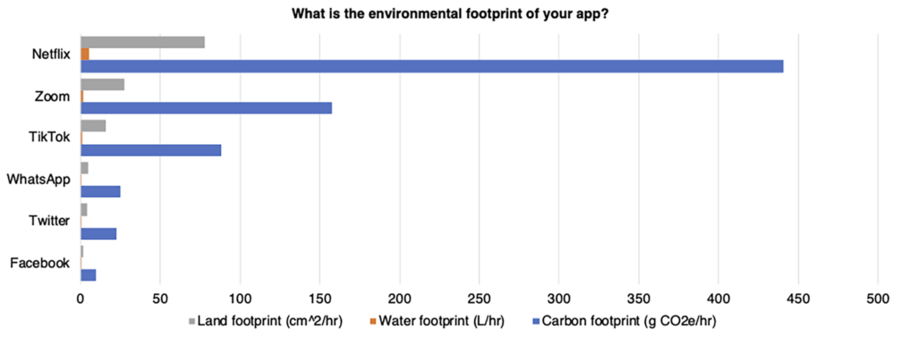
Energia: Facebook, Amazon, Apple, Netflix e Google consumano più di Portogallo e Grecia. La ricerca

In un solo anno i colossi tecnologici Facebook, Amazon, Apple, Netflix e Google, hanno consumato una quantità di energia, pari a 49,7 milioni di megawattora (MWh), più elevata del Portogallo (48,4 milioni MWh) e della Grecia (46,2 milioni MWh), quasi come la Romania (50 milioni MWh).

Dal 2018 al 2020 il consumo di energia dei cinque colossi americani quotati al Nasdaq è quasi triplicato, passando da 16,6 a 49,7 milioni MWh.

E’ quanto emerge dall’osservatorio Esg Karma Metrix, che ha analizzato i bilanci di sostenibilità delle Faang (Facebook, Apple, Amazon, Netflix, Google), presentato dall’agenzia di digital marketing, AvantGrade.com, in vista della Giornata Mondiale dell’Ambiente.

Dai report Esg degli tre anni emerge anche che le 5 aziende tecnologiche hanno emesso 98,7 milioni di tonnellate di CO2, più di tutta la Repubblica Ceca (92,1), con un aumento aggregato delle emissioni totali del 17% dal 2018 al 2020.

Non solo energia: il web inquina

ll problema dell’inquinamento non è solamente un problema di grandi aziende, ma di tutto il web, utenti compresi. Internet produce emissioni di CO2 sia per le modalità poco efficienti di realizzare siti web e app, sia per i combustibili fossili che alimentano i data center. Se Internet fosse una nazione – secondo il Global Carbon Project – sarebbe la quarta più inquinante al mondo.

Un recente studio della Royal Society riportato dal World Economic Forum ha mostrato i numeri di questi inquinamento da Internet, e sono sorprendenti, per chi non si è mai posto il problema: le tecnologie digitali inquinano fino a tre volte tanto tutto il traffico aereo mondiale (tra l’1,4% e il 5,9% del totale, contro il 2%). Commentando questi risultati, il ministro della Transizione ecologica, Roberto Cingolani – che con il suo passato di fondatore e Direttore Scientifico dell’Istituto Italiano di Tecnologia, nonché Chief Technology & Innovation Officer di Leonardo, certo non può essere tacciato di luddismo di ritorno – ha parlato della necessità di una maggiore “sobrietà digitale”. I destinatari del suo messaggio sono stati soprattutto i giovani sui social, perché proprio i social network sono responsabili della metà delle emissioni complessive di Internet.

Streaming ed emissioni, un matrimonio pericoloso

Ma è inutile farsi illusioni, la questione riguarda tutti. Il semplice gesto di spedire un’email ha un costo, in materia di impronta di anidride carbonica, pari a 4 grammi di CO2, che arrivano fino a 50 grammi se inviamo allegati molto pesanti; secondo i calcoli del rapporto, in un anno un utente medio che utilizza la posta elettronica per lavoro può arrivare a emettere 135 chili di CO2 equivalente. Inevitabile pensare allo spam e alle centinaia di mail che ci vengono inviate ogni giorno con promesse di iPhone vinti, dubbie profferte amorose, malati terminali che vogliono nominarci eredi universali: ebbene, ventotto chili e mezzo di anidride carbonica a persona vengono emessi soltanto dalla posta “spazzatura”.

Il problema del mining delle crypto

E poi ci sono le criptovalute, i cui rendimenti tanto altalenanti quanto potenzialmente golosissimi sono alla base di movimenti enormi ogni giorno. Lo stesso Elon Musk, che alle monete digitali ha sempre guardato con una certa simpatia, dopo aver annunciato di accettare anche i Bitcoin per il pagamento delle sue Tesla, ha fatto una rapida marcia indietro, proprio a causa dell’impatto ambientale della criptovaluta più famosa del mondo. Tesla, del resto, deve buona parte delle sue grandi fortune al fatto che le auto elettriche vengono viste come alleate primarie alla lotta contro l’inquinamento e le emissioni, e la validazione sul blockchain dei Bitcoin – il mining, che rende “vere” e uniche le nuove monete digitali – consuma enormi quantità di energia elettrica.

È un fatto noto che un numero sempre crescente di “minatori” stia mettendo i propri computer al servizio del sistema per generare denaro grazie alla condivisione della potenza di calcolo, ma per farlo – e per evitare che quanto guadagnato sia a malapena sufficiente a pagare il costo dell’energia elettrica in più in bolletta – sono necessari computer particolarmente potenti e opportunamente ottimizzati, che lavorano senza fermarsi mai giorno e notte: tanto che, secondo un calcolo, se il Bitcoin fosse una nazione sarebbe la 26esima più energivora al mondo, al livello dell’Egitto e della Polonia. E naturalmente il discorso non vale solo per il Bitcoin, ma anche per altre criptovalute come l’Ethereum, alla base dell’ultima grande mania dell’investimento digitale, i NFT. Ci sono sì esempi – come Cardano – di criptovalute che vengono generate consumando meno energia e inquinando meno, ma per ora i numeri non sembrano mostrare un’inversione di tendenza. E così Internet, la più intangibile e moderna delle nostre tecnologie, rischia di assomigliare sempre di più a un’obsoleta centrale a carbone.

https://www.key4biz.it/energia-facebook-amazon-apple-netflix-e-google-consumano-piu-di-portogallo-e-grecia-la-ricerca/405221/


Webinar: Benchmark your social media performance for a competitive edge

Social media benchmarking involves comparing your metrics and processes against the industry standards. Learn how you can get a clear idea of how you stack up against the competition.

Hear from Rival IQ and NetBase Quid experts about the metrics and benchmarks you can use to measure your social media performance.

Register today for “Benchmark Your Social Media Performance For a Competitive Edge” presented by NetBase Quid.


New on Search Engine Land

About The Author

Cynthia Ramsaran is director of custom content at Third Door Media, publishers of Search Engine Land and MarTech. A multi-channel storyteller with over two decades of editorial/content marketing experience, Cynthia’s expertise spans the marketing, technology, finance, manufacturing and gaming industries.

https://searchengineland.com/webinar-benchmark-your-social-media-performance-for-a-competitive-edge-385446


Social media sites work to limit spread of Buffalo shooting footage

An icon for the Twitch app displayed on a smartphone screen.


Twitch, the Amazon-owned livestreaming site that caters primarily to gamers, said it removed streamed footage of a shooting in Buffalo, New York, this weekend “less than two minutes after the violence started.”

An 18-year-old white man used an assault rifle to fire on crowds of shoppers in a Buffalo supermarket Saturday, authorities said. The attack—which killed 10 and injured three, including 11 Black victims—is being investigated as a hate crime after the shooter allegedly posted a lengthy manifesto citing 4chan posts regarding the racist “great replacement theory” as his motivation.

Buffalo Police Commissioner Joseph Gramaglia said Saturday that the shooter “had a camera and was livestreaming what he was doing” during the attack. The Twitch channel that had hosted that video has now been taken down, with its content marked as “currently unavailable due to a violation of Twitch’s community guidelines or terms of service.”

“We are devastated to hear about the shooting in Buffalo, New York,” Twitch said in a statement provided to the press. “Our hearts go out to the community impacted by this tragedy. Twitch has a zero-tolerance policy against violence of any kind and works swiftly to respond to all incidents. The user has been indefinitely suspended from our service, and we are taking all appropriate action, including monitoring for any accounts rebroadcasting this content.”

The New York Times reported that a Discord account with a name matching that of the now-suspended Twitch account made posts on a private server that included apparent planning for the attack. “We extend our deepest sympathies to the victims and their families, and we will do everything we can to assist law enforcement in the investigation,” Discord told the Times.

Discord tracks thousands of reports of extremist or violent content in its regular transparency reports and noted last June that such reports “continued to make up comparably small fractions of our overall volume” of moderation issues.

Footage whack-a-mole

Despite the quick Twitch takedown, copies of the livestreamed footage continue to proliferate on other social media sites. A Meta spokesperson told Engadget that the footage has been added to a database that will be used to identify copies and remove them automatically before they are visible on Facebook.

In April, Twitter updated its content moderation rules regarding “perpetrators of terrorist, violent extremist, or mass violent attacks,” making it clear that manifestos and footage related to such attacks were not welcome on the platform. But that policy includes a possible exception for tweets where “there is a clear and explicit intent to provide additional context and counterspeech” to the violent content.

“We believe the hateful and discriminatory views promoted in content produced by perpetrators are harmful for society and that their dissemination should be limited in order to prevent perpetrators from publicizing their message,” Twitter said in a statement Sunday.

In 2019, a livestreamed shooting in Germany was reportedly available on Twitch for 30 minutes, where it was viewed thousands of times before being taken down. And in 2018, a shooting at a Jacksonville Madden NFL tournament was inadvertently livestreamed on Twitch as part of that tournament broadcast. https://arstechnica.com/?p=1854381


Virtual environment optimization (VEO): The next evolution of SEO?

Reality is no longer limited to what you see in front of you. We now have alternative realities, including virtual and augmented.

These technological advances are making big changes in the world around us. It is important to have a full understanding of these concepts, as well as how to use them for the future of marketing and e-commerce. 

Virtual and augmented reality are now surpassing the use of entertainment and also heading in the direction of businesses. Trends based on age, time and the pandemic are all leading toward a completely online commerce field.

Could we at some point eventually leave behind the era of SEO and enter a new state with new terms and theories? 

What is virtual reality? 

Virtual reality (VR) is a simulated environment created by computer technology.

Display technology allows for an immersive, virtual experience compared to traditional user interfaces. When virtual reality is applied, users are transported into a three-dimensional world where they can interact with a 3D environment. 

The most recognizable component of virtual reality is the head-mounted displays (HMD). Popular companies that are already applying virtual reality to their products include HTC Vive, Oculus Rift and PlayStation VR (PSVR). 

Three main types of virtual reality 

Virtual reality can be broken down into three main sectors:

  • Non-immersive VR: A computer-generated virtual environment in which the user is aware and controlled by the physical environment they are in. The most common example is a video game where players enter the “game world” with its own storyline and characters. 
  • Semi-immersive VR: An environment partially based in a virtual setting; typically used for training and educational purposes with large projector systems and graphical computing. An example of semi-immersive VR would be flight simulators that pilots have to use during training. 
  • Fully-immersive VR: The most realistic VR experience where sight and sound are fully immersed in the virtual setting. When wearing the appropriate VR gear, users will be able to see and feel the digital environment around them as if they are actually there. 

Virtual reality vs. augmented reality 

Augmented reality (AR) is the use of technology to enhance what users see in the real world, with a digital overlay that incorporates artificial objects. Augmented reality is able to combine elements of both the physical and digital world or adds digital elements to a live view. 

2016 hit mobile phone app, “Pokemon Go” is a prime example of augmented reality. Users could walk around in the real world and search for Pokemon characters that would appear first on their phone screens, and then in the real space in front of them. 

Put simply, here’s the main difference between VR and AR:

  • Augmented reality is an addition to the real-world experience.
  • Virtual reality is creating an entirely new atmosphere and experience from scratch. 

What about the metaverse? 

In broad terms, the metaverse will combine virtual and augmented reality to create a world that continues to exist even while you aren’t playing. It will be a realistic, online sphere where users can go to hang out with friends, attend work meetings and even buy and sell products.

In the idealistic version of the metaverse, the virtual items will be interoperable and allow you to take items from one platform to another. 

Some people may argue that the metaverse has already existed for some time, specifically in video games. For example, “World of Warcraft” already allows the players to buy and sell goods. “Fortnite” has the option of virtual experiences, such as a generated concert or user-created exhibit.

However, someone claiming that “Fortnite” is the same as the Metaverse would be the same as someone claiming that Google is the epitome of the internet. There is much more to the scope of the metaverse and what it can potentially offer.

As it is still a work in progress, there is still some speculation on what exactly the metaverse will be and look like. However, it is apparent that the product has shaped new building blocks for the technological world.

For instance, there will soon be the ability to host hundreds of people in one single server, which could likely go up to thousands or even millions. There are also motion-tracking tools, which can be used to follow the users’ movements in real-time. The metaverse will not only have a huge impact on entertainment and social aspects but on marketing as well. 

Where we stand with virtual reality  

It’s true that virtual reality has not yet lived up to its full potential, even acting as an unfulfilled promise over the years.

Solutions are needed to overcome obstacles in VR, including:

  • Price and availability.
  • Bulky headsets.
  • Technical glitches.

However, statistics show that virtual reality is on the rise, in both popularity and demand. 

Beyond recreation and at-home entertainment, virtual reality is being used in the following fields: 

  • Training: Law enforcement officers have started to use virtual reality as a cheap and safe alternative to training. Simulations can be used for interviewing suspects, practicing arrests, or dealing with dangerous scenarios. 
  • Travel: The travel industry suffered from the Coronavirus pandemic, and new inventions of VR helped to satisfy the wanderlust of many travel enthusiasts. Various companies have created immersive ways to travel the world, including National Geographic Explore VR – which lets you visit breathtaking places such as Antarctica or Machu Picchu. 
  • Real Estate: Companies like Zillow have started to integrate virtual reality into their business. Virtual reality can provide several benefits to real estate agents, such as cutting down costs, and time and letting the potential buyer “window shop” through multiple homes at a time. 
  • Military: Virtual reality is a key technology used by the U.S. Department of Defense. Virtual reality is used by the military for training that is considered too expensive, rare or dangerous to perform in real life. It is also useful in manufacturing weapons, as well as optimizing equipment. 
  • Sports: A long-time tactic of sports teams has been studying recorded practices or games to analyze the performance of players and their opponents. Now with the use of virtual reality, major sporting sectors such as the NFL, NASCAR and the NBA have all begun to use VR to help with practice and training in real-time simulations. 
  • Entertainment: When people first think of virtual reality it is typically for entertainment. Video games are the most common source of VR or AR. However, there are other forms of VR entertainment – immersive cinema and VR amusement parks. 
  • Architecture: Advances in virtual reality have been able to act as a powerful tool for communicating design intent with architects. Using VR can help with stages including design-to-construction, evaluating designs and showcasing proposals and working out errors before the building process begins. 
  • Art: Artists can push the boundaries and limitations of their work using virtual reality. Consumers can “enter” the piece of artwork through interactive videos, walkthroughs, and 360-degree spherical panoramas that feel like museum-quality exhibitions. 
  • Aviation: Pilots must undergo extensive training by using flight simulators and computer screens. Virtual reality has become a more efficient alternative to previous flight simulators, which were either too expensive or bulky. With the use of VR, pilots can practice the in-flight experience, and even build planes. 
  • Conference rooms: Facebook has introduced the potential future for conference calls through VR: Horizon Workrooms. Instead of sitting on Zoom, employers and their employees will soon be able to enter a VR space with their own avatars and sit around a digital conference table together. 
  • Data visualization – Virtual reality and augmented reality can help communicate information faster and in a more digestible manner. Concepts like the stock market, climate change, and even Brexit would be easier to understand for businesses with the help of VR data visualization. 
  • Journalism (immersive journalism): Immersive journalism describes digitally produced stories that help create a first-person experience with the news and ongoing events. Virtual reality has been used for immersive journalism in cases such as in Guantanamo Bay, where a journalist virtually entered the prison to obtain real audio and visuals to obtain a story. 
  • Marketing/advertising: Virtual reality can enhance marketing and advertising for just about any company. Providing a realistic experience of a product to customers can help push the likelihood of them purchasing it. Volvo Reality was the first example of a VR test drive to let potential buyers touch, feel, and experience their vehicles.  
  • Social media: Facebook’s rebrand to Meta is one of the main examples of VR entering the world of social media. Facebook Horizon will allow users to experience social events together, chat with friends, and even build virtual worlds. There are also VR apps such as VRChat and REC Room which allow users to meet and play games in public and private rooms. 

SEO and marketing in virtual reality: Staying on top of trends 

“As technology is evolving so rapidly, it is important that companies incorporate new technologies into their business to help keep up with the times,” said Cas Paton, MD of Onbuy.com

There are many indicators pointing to the future of shopping going fully online. As the audience gets younger, the urge to avoid stores is greater.

Based on an OnBuy.com survey, 53% of those between the ages of 25-34 would rather shop online than go into a physical store. One of the reasons for this is to avoid talking with the staff while inside the shop. In addition, 61% of millennials claim to find it more efficient to speak with a retailer via text or online chat.

There has been a huge shift into e-commerce, as online stores become the showrooms for customers to try out a product, and the physical store acts as an experience center, rather than just a place to buy a product.

Generation Z (Gen Z) refers to the group of people who were born in the late 1990s into the early 2000s. Gen Z is a unique, new breed of consumers. Growing up in a world full of technology has affected the way that young people view their shopping experience. It is assumed that this generation will have a huge impact on the way people shop in the future. 

According to studies, Gen Z has no loyalty to brands and wants to consistently change their style and appearance to keep up with current trends. This can make it difficult for brands to earn their trust; however, it does leave room for other opportunities.

Instagram has taken advantage of the fast-paced shopping among the youth, with one of their latest features including the linking of brand’s sites directly in a posted picture. 

The Coronavirus pandemic has also had a huge impact on the shopping industry. When the world was in lockdown, it was impossible to go into physical stores to purchase goods.

However, this created a massive increase in online shopping. In fact, Amazon’s revenue soared with a 40% increase during the COVID lockdown. 

Considering all the above factors, it is clear that the ways of physical shopping are a thing of the past.

Consumers now seek quicker, more efficient ways to buy their products. With the use of advanced technology, people of all ages can buy whatever they want at the touch of their fingertips. 

What’s next: Virtual environment optimization (VEO)?

Virtual and augmented reality have already begun making a huge impact in a variety of fields. Why shouldn’t we assume the next area of domination would be in shopping and e-commerce?

If it’s an immersive, online experience that shoppers want, then it seems like VR and AR are the answer for the future.

Current examples of virtual and augmented reality used in marketing include Nike’s VR world experience to try on clothing and shoes, and IKEA’s “The Place” app which allows shoppers to use AR to place furniture in their homes. 

Imagine buying a new outfit from your favorite store, or shopping for your weekly groceries from the comfort of your home. While cell phone apps can already assist in buying products online, the opportunity that VR has to offer for online shopping can exceed any current shopping experience we currently see today. 

There is clearly no sign of technology slowing down, and it is the responsibility of marketers to stay on top of the future of VR commerce.

Search engine optimization (SEO) has been a huge part of marking and commerce in the last few years, but the future of virtual reality commerce could bring a new term into existence: virtual environment optimization (VEO). 

Mindy Weinstein, founder and CEO of Market Mindshift, believes virtual reality is here to stay, and as SEO, we need to adapt and be prepared to market within this new environment:

“The metaverse’s growth is inevitable and it is something that we should start taking into account now,” Weinstein said. “For instance, given that the metaverse is a visual environment, we should ensure that optimized images are included in our SEO content strategies. Also, the metaverse is already set up for audio, so it is not a big leap of imagination that some type of voice search option will be developed. Therefore, I believe that as the metaverse evolves, voice search needs to be top of mind for digital marketers.”

More to come

Tune in to our next article to find out about marketing in virtual reality and optimizing for the future of virtual reality and augmented reality.


Opinions expressed in this article are those of the guest author and not necessarily Search Engine Land. Staff authors are listed here.


New on Search Engine Land

About The Author

Taylor Kurtz was born and raised in Tampa, Florida. Taylor then moved to Tallahassee to attend Florida State University, where he obtained his bachelor’s degree in sports management and his MBA. Taylor focuses exclusively on SEO and owns/operates Crush the Rankings, an award-winning digital marketing agency that focuses on high-quality Search Engine Optimization and website development. Taylor is also a Business Professor at the local community college in Fort Collins, CO and speaks around the country, discussing SEO at various digital marketing summits.

https://searchengineland.com/virtual-environment-optimization-veo-the-next-evolution-of-seo-384976



Zuckerberg incontra Draghi per parlare di Metaverso (e di soldi). Ma cosa c’entra il governo?

Dopo le visite a Siena, Torino, Milano (a colloquio con il numero uno di Luxottica Leonardo Del Vecchio), Mark Zuckerberg, uno degli uomini più ricchi e potenti del mondo, ha incontrato oggi il premier Mario Draghi per presentare le “opportunità che offrirà il metaverso“, il suo faraonico progetto: un mondo immersivo e (principalmente) in realtà virtuale in cui trasferire una parte crescente delle nostre attività quotidiane.

Dopo l’incontro avvenuto a Palazzo Chigi, durato circa un’ora, tra Mark Zuckerberg, il premier Mario Draghi e il ministro alla transizione digitale Vittorio Colao, un portavoce di Meta ha dichiarato alla stampa: “Per dare vita al metaverso sarà necessario uno sforzo congiunto tra aziende, mondo politico e società civile. Nell’incontro di oggi abbiamo confermato la nostra collaborazione con il Governo italiano per valorizzare i punti di forza del paese nei settori tecnologico e del design e identificare futuri investimenti. Siamo lieti, ha aggiunto la portavoce, di aver potuto discutere le opportunità culturali, sociali ed economiche che il metaverso porterà all’Italia e non vediamo l’ora di continuare questa collaborazione”. Perché solo in Italia viene da chiedersi? Che vuol dire investimenti? E che c’entra il governo?

Gli interrogativi sul metaverso: quanto costa?

Lo scorso ottobre, in cerca di future strade di crescita, Zuckerberg aveva annunciato l’adozione del nuovo nome corporate, Meta appunto, in sostituzione a Facebook, rimasto come marchio del suo principale social network. Un voluto segnale di transizione del business verso nuovi orizzonti più appetibili dato che i suoi principali social network (Facebook in primis) sono in caduta libera. Meta ha da poco pubblicato i risultati del primo trimestre, evidenziando la crescita più lenta dei ricavi da quando si è quotata a 27,91 miliardi di dollari. Il numero di utenti attivi quotidiani è arretrato di 30 milioni di persone a 1,96 miliardi, in linea con il primo calo registrato nel quarto trimestre del 2021. Se da un lato gli utili sono stati superiori alle attese, la compagnia non ha raggiunto gli obiettivi in diverse aree di business.

Inoltre le sempre più pesanti incognite sull’economia, per le tensioni geopolitiche e inflazionistiche aggravate dalla guerra in Ucraina, hanno costituito un ulteriore ostacolo negli ultimi mesi, alla spesa pubblicitaria anche online di imprese piccole e grandi e quindi alle attività del gruppo. Incalza anche la concorrenza nel settore dei social, di società più agili quali TikTok di ByteDance con i suoi video popolari tra i più giovani.

Il concetto e le sue prospettive del metaverso, almeno nel più breve periodo, hanno tuttavia finora meno che convinto analisti e investitori, che chiedono e attendono maggiori dettagli. Per questo forse Zuck chiede investimenti (in nome dell’innovazione) ai Paesi stranieri come l’Italia. Che poi, non dovremmo chiedere noi a Zuckerberg i soldi delle tasse non pagate in Italia?

Montaruli, Draghi ha chiesto a Zuckerberg di pagare più tasse?

Come ha affermato oggi la deputata di Fratelli d’Italia Augusta Montaruli “Chissà se oggi durante l’incontro con Mark Zuckerberg a palazzo Chigi il presidente Mario Draghi ha posto la questione della necessità che i colossi di internet paghino in Italia tasse più congrue rispetto ai record di accessi e quindi guadagni e non le solite noccioline?”.

Big Tech, le filiali italiane generano 4,6 miliardi euro l’anno di ricavi. Ma pagano solo 80 milioni di tasse

Secondo l’ultimo studio redatto dall’area Studi Mediobanca, il fatturato aggregato delle filiali italiane delle Big tech nel 2020 ha raggiunto i 4,6 miliardi di euro occupando oltre 13mila lavoratori. Il dato, relativo al 2020, emerge dall’indagine annuale sulle maggiori Software & Web companies mondiali, che ha rilevato come rispetto al 2019 si calcolano quasi tremila dipendenti in più, in massima parte assunti dalle società del Gruppo Amazon che vanta il maggior numero di occupati in Italia (8.193 unità nel 2020).

E il fisco italiano? Nel 2020 le filiali dei giganti del web, spiega l’indagine, hanno versato al fisco italiano quasi 80 milioni di euro per un tax rate effettivo del 31,4%. Considerando anche l’accantonamento per il pagamento della Digital Service Tax, il tax rate salirebbe al 40%.

Per l’imposta minima globale per porre fine alle elusioni fiscali delle multinazionali, in primis dei GAFAM, che beneficiano anche di aliquote favorevoli in alcuni Paesi “amici”, come l’Irlanda la strada è ancora lunga. Lo scorso mese il no della Polonia, unico Paese che all’Ecofin ha detto no all’adozione della riforma, ha fatto saltare l’approvazione di una minimum tax per le multinazionali concordata in sede G20, G7 e Ocse.

https://www.key4biz.it/zuckerberg-incontra-draghi-per-parlare-di-metaverso-e-di-soldi-ma-cosa-centra-il-governo/402614/


Pagare per le reti Tlc? La reazione degli OTT non si fa attendere

La reazione delle Big Tech non si è fatta attendere, dopo l’attacco da parte della Commissione Ue, pronta a studiare un modo per far contribuire i giganti del web alla realizzazione e manutenzione delle reti tlc (fibra e 5G).

Leggi anche: Costo delle reti Tlc, Vestager ‘Ue valuta come far pagare anche le Big Tech’

Uno studio, realizzato nel 2018 e citato da Euractiv, mette in evidenza il fatto che i provider di servizi digitali da anni contribuiscono in maniera crescente all’infrastruttura di internet, ad esempio con i data center dei cosiddetti hyperscaler.

La difesa degli OTT

Lo studio di Analysys Mason del 2018 mostra che dal 2014 i fornitori di servizi online (OSP) hanno investito oltre 300 miliardi di dollari in infrastrutture Internet. Ciò equivale a 75 miliardi di dollari all’anno, che è più del doppio dell’investimento medio annuo del 2011-2013 di 33 miliardi di dollari.

Oltre il 90% di questo investimento è stato destinato all’infrastruttura di hosting poiché gli OSP costruiscono data center iperscalabili per supportare l’esplosione di contenuti online e servizi cloud e installano apparecchiature in strutture di colocation di terze parti.

Gli argomenti del Video on demand

Anche l’associazione europea VOD (Video on demand) è scesa in campo, per smentire le argomentazioni avanzate in primo luogo da Etno, l’associazione delle principali Tlc europee raccolte in gran parte da Bruxelles. Ebbene, l’associazione VOD europea sostiene in sintesi che non sono i content provider a “generare il traffico”, bensì gli utenti finali della rete che usano le connessioni per le quali già pagano un abbonamento. In altre parole, sono gli utenti della rete che usano le loro connessioni per richiedere contenuti a loro scelta. Il video streaming, secondo l’associazione VOD europea, rappresenta quindi un semplice contenuto scelto (e pagato) dagli utenti finali.

I Content Provider avanzano anche altre argomentazioni, ad esempio il fatto di aver già investito miliardi per la realizzazione di CDN (Content delivery network) per avvicinare i contenuti agli utenti finali e decongestionare così le dorsali di rete in collaborazione con gli Isp.

I cavi sottomarini di Google e Facebook

Google e Facebook, dal canto loro, hanno investito in maniera crescente nella realizzazione di cavi sottomarini, dal momento che gli operatori Tlc non sarebbero stati in grado di stare al passo con l’esplosione del traffico globale, che i due Big della rete hanno contribuito a creare. Far pagare una extra fee alle Big tech per l’uso delle reti Tlc potrebbe spingere le Big tech a creare le loro infrastrutture di rete private, alternative a quelle di telecomunicazioni.

Inoltre, le grandi piattaforme contribuiscono a creare la domanda di servizi Tlc, per i quali in effetti i clienti sono disposti a pagare.

Questioni aperte

Restano sul tavolo diverse questioni aperte, solevate da Euractiv. In primo luogo, non si capisce che tipo di iniziativa legislativa stia preparando la Commissione Ue. Inoltre, resta da vede in che modo l’esecutivo europeo intenda far quadrare l’introduzione di “un giusto contributo” con i diversi modelli di business delle piattaforme.

Le piattaforme on demand come Netflix consumano molti più dati di Google, ma il motore di ricerca ha un modello di business molto più profittevole grazie ai servizi di pubblicità online.  

Lo studio dell’ETNO propone di limitare tali contributi a poche grandi società Internet sulla base della nozione di “gatekeeper” della legge sui mercati digitali o delle “piattaforme online molto grandi” della legge sui servizi digitali.

Tuttavia, un approccio così mirato potrebbe non essere facile da conciliare con il principio della neutralità della rete, che richiederebbe a tutti i player online di contribuire al costo dell’infrastruttura Internet in base all’utilizzo della rete. Una soluzione del genere, però, sarebbe probabilmente impraticabile a causa della burocrazia.

Gli operatori di telecomunicazioni propongono un meccanismo regolamentato per accordi diretti, sull’esempio della Direttiva sul diritto d’autore che fornisce un precedente nel costringere le piattaforme a pagare una quota del servizio che forniscono.

Tuttavia, ciò che rappresenta un “compenso proporzionato” è destinato a essere un punto controverso in questi accordi diretti. Le telecomunicazioni chiedono un meccanismo di risoluzione delle controversie, una richiesta di lunga data da parte degli editori nel contesto del diritto d’autore.

Non è nemmeno chiaro in che modo la Commissione possa assicurare che l’aumento di ricavi venga reinvestito in infrastrutture, con beneficio dei consumatori piuttosto che essere destinato ad aumentare i margini degli operatori.

https://www.key4biz.it/pagare-per-le-reti-tlc-la-reazione-degli-ott-non-si-fa-attendere/402327/


La scommessa di Meta sul metaverso sta dando i frutti sperati?

Meta ha da poco pubblicato i risultati del primo trimestre, evidenziando la crescita più lenta dei ricavi più lenta da quando si è quotata a 27,91 miliardi di dollari.

Il numero di utenti attivi quotidiani è arretrato di 30 milioni di persone a 1,96 miliardi, in linea con il primo calo registrato nel quarto trimestre del 2021.

Se da un lato gli utili sono stati superiori alle attese, la compagnia non ha raggiunto gli obiettivi in diverse aree di business.

Quindi, cosa ha fatto l’azienda, prima conosciuta come con il nome di Facebook, per attrarre o quanto meno non perdere gli utenti?

Monetizzare il metaverso

Meta ha annunciato che sta sperimentando nuovi mezzi destinati ai creatori per vedere merci ed esperienze virtuali all’interno della sua piattaforma per il metaverso Horizon Worlds, così come un programma di bonus per i creatori.

Si tratta di passi importanti per formare le basi del concetto di metaverso di Meta, dove i creatori possono chiedere di essere pagati per i loro asset, e Meta prende per sé una fetta significativa nel processo.

Meta vede un maggior flusso di ricavi dal suo nascente metaverso con il passare del tempo, resta da capire quanto ci vorrà prima che la percentuale dei ricavi non sia più insignificante. Ci vorrà tempo, ma il moltiplicarsi dei flussi di ricavi e le microtransazioni connesse serviranno ad accorciare i tempi di transizione verso flussi più significativi.

In che modo la regolazione potrebbe influenzare i piani di Meta

Se da una parte gli acquisti nel mendo di Horizon sono ancora in fase di test, questa sperimentazione indica comunque un piano più ampio per monetizzare il metaverso.

Le autorità di regolamentazione del governo sono alla ricerca dei proprietari di app store mobili Google e Apple per quanto prendono in commissioni dagli sviluppatori, e per costringerli a utilizzare i metodi di pagamento della piattaforma.

In questo contesto, l’Open App Markets Act, destinato a regolare il modo in cui le aziende gestiscono app store con oltre 50 milioni di utenti, mira a vietare agli app store di costringere gli sviluppatori a utilizzare i sistemi di pagamento degli store.

La battaglia nei confronti degli store di pagamenti mobili tradizionali sta diventando globale, con Giappone, Corea del Sud e Ue che vogliono rompere i controlli monopolistici degli app store.

Meta ha in serbo negozi fisici

Meta sta aprendo il suo primo negozio al dettaglio nel tentativo di offrire ai consumatori un’esperienza pratica con prodotti hardware come il visore per realtà virtuale Quest 2 e gli smartglass Ray-Ban Stories, secondo un post sul blog aziendale.

L’apertura di un negozio fisico rappresenta l’ultimo sforzo della società madre di Facebook per vendere alle persone la sua visione del metaverso, il mondo digitale immersivo per lavorare, socializzare e giocare, accessibile tramite cuffie.

La scommessa di Meta sul metaverso darà i suoi frutti solo se potrà dimostrare il valore dell’investimento nell’hardware per vivere il mondo virtuale. I negozi fisici offrono un percorso per raggiungere tale obiettivo. Ma affinché Meta realizzi il pieno potenziale della vendita al dettaglio in negozio, dovrà espandere la portata delle sue ambizioni ben oltre il suo campus.

https://www.key4biz.it/la-scommessa-di-meta-sul-metaverso-sta-dando-i-frutti-sperati/402283/


The first “Meta Store” is opening in California in May

<img src="https://rassegna.lbit-solution.it/wp-content/uploads/2022/04/the-first-meta-store-is-opening-in-california-in-may.jpg" alt="The first Meta Store won't necessarily be your one-stop shop for all things sold by Meta—as this artistic interpretation points to one thing not sold by the store until further notice.”>
Enlarge / The first Meta Store won’t necessarily be your one-stop shop for all things sold by Meta—as this artistic interpretation points to one thing not sold by the store until further notice.
Aurich Lawson | Getty Images

On May 9, Meta will double down on its metaverse sales pitch by… making people drive to California to sample its wares at a single physical location.

The uncreatively named Meta Store will showcase every physical product the company sells under its various branded umbrellas, particularly the Meta Quest 2 VR system (formerly Oculus Quest 2). The company’s first retail store will be housed in a 1,550-square-foot space on Meta’s Burlingame, California, campus, which houses a number of Meta’s VR- and AR-specific development efforts, and it will allow the public to test and purchase any of Meta’s physical products.

A photo of the first Meta Store, as provided by Meta.
Enlarge / A photo of the first Meta Store, as provided by Meta.

But it’s not a comprehensive Meta sales location, as its shelves will not include access to the reams of user data accumulated by the company’s network of criss-crossed sites—though we’ll keep our eyes peeled in case the Meta Store decides to unveil a Cambridge Analytica-themed aisle in the future.

Mixed reality, mixed expectations

We did not doctor this promotional Meta Store photo; this is how Meta wants to advertise how its VR demo stations look in action.
Enlarge / We did not doctor this promotional Meta Store photo; this is how Meta wants to advertise how its VR demo stations look in action.

Instead, visitors can try out a variety of games and apps on Meta Quest VR systems—complete with a “demo wall” that showcases what the VR user sees to anyone outside of the headset. This demo station will include mounted cameras that capture the gameplay session, then combine real and virtual footage in a 30-second “mixed reality” video clip that the user can access (assumedly with some sort of Meta-affiliated login required to view later).

The Quest 2 accessories you can expect to find at the Meta Store.
Enlarge / The Quest 2 accessories you can expect to find at the Meta Store.

As of press time, the other products expected at the Meta Store include a series of camera-loaded Ray-Ban shades and the Portal video-call system. Weirdly, if you demo the Ray-Ban Stories line of glasses at the Meta Store and want to buy your own, Meta reps at the store will tell you to log in to Ray-Ban.com to complete a purchase. Thus far, the teased store launch doesn’t indicate any additional products being sold beyond Quest 2 accessories, as opposed to the smorgasbord of third-party products found at your average Apple Store.

Meta reps did not immediately clarify to Ars Technica whether this store concept may expand beyond the company’s own campuses and into dedicated storefronts or malls.

Don't forget to put on your Meta-fueled Ray-Bans before browsing Facebook, Instagram, and WhatsApp on your phone!
Enlarge / Don’t forget to put on your Meta-fueled Ray-Bans before browsing Facebook, Instagram, and WhatsApp on your phone!

In the earliest days of Facebook’s foray into VR, the company generally leaned on brick-and-mortar chains like Best Buy to do exactly what the Meta Store is advertising: hosting demo stations so that customers could sample the PC-focused Oculus Rift platform. This demo network shrank nearly 50 percent within a year, apparently due to slow uptake.

Meta’s device-focused boutique store follows other tech magnates’ moves into and out of physical presences. Months into the pandemic, Microsoft decided to all but abandon its Microsoft Store concept, leaving only four locations open as “experience centers.” And one of Amazon’s more curious brick-and-mortar concepts, the Amazon Books chain, folded earlier this year—all while the company continues doubling down on camera-filled grocery concepts.

https://arstechnica.com/?p=1850332


Meta announces plans to monetize the Metaverse, and creators are not happy

A purchase confirmation dialog box in Horizon Worlds.
Enlarge / A purchase confirmation dialog box in Horizon Worlds.

Meta, the company formerly known as Facebook, announced some initial plans on Wednesday to allow content creators to monetize its would-be Metaverse platform, Horizon Worlds. Meta’s planned revenue share for contributors’ creations could add up to nearly 50 percent.

Horizon Worlds is a network of shared 3D spaces that is currently exclusively available on Oculus Quest headsets. (Meta has plans to bring it to mobile, game consoles, and desktop VR in the coming months and years.)

There are already people creating spaces for Horizon Worlds, including a virtual yoga studio and a Second Life-like fast-food brand integration in the form of the “Wendyverse.” But to date, Horizon Worlds has not offered the tools for creators to make a living creating that content as they can on similar services like Roblox.

That’s not to say creators haven’t been making money; some get paid for contract work outside of Meta’s system for creating content that brands or other users can use. But Meta’s announcements paint a picture of what to expect.

First off, Horizon Worlds will support in-world purchases. A handful of creators will be able to sell virtual items from within user-generated areas. Meta also plans to introduce a creator bonus program that awards money to creators based on how much other users engage with their content.

All this sounds like what you’d expect, but Meta caused a stir in the AR/VR, NFT, and the relevant online communities when it revealed specifics about how much revenue Meta will take from each transaction.

When users purchase an item in Horizon Worlds, Meta confirmed to CNBC that it would take a 25 percent cut—but that’s after any amount a hardware platform might take. Right now, that just means Meta’s Oculus Store, which takes a 30 percent cut. So content creators will have to hand over 30 percent to the Oculus Store (or the applicable percentage for whatever platform stores Horizon Worlds ends up on later, like Google Play), then they’ll have to cede 25 percent of what’s left to Horizon Worlds.

That leaves creators with just over half of their content’s revenue before any applicable taxes.

The announcement has drawn ire from creators in the loosely related NFT community, who are accustomed to single-digit-percentage platform takes. There are also accusations of hypocrisy from game developers and others who have seen Meta publicly criticize companies like Apple for charging 30 percent on similar transactions around in-game content.

So far, Meta has brushed off the controversy. Vivek Sharma, Meta’s VP of Horizon Worlds, told The Verge, “We think it’s a pretty competitive rate in the market… we believe in the other platforms being able to have their share.”

Meta is an enormous company with several disparate objectives and teams behind each of those objectives. It’s not that surprising that a Horizon Worlds executive is telling a different story (other platforms deserve their cut) than the parts of Meta that are agitating Apple and others (claiming those platforms’ cuts are unreasonable).

But conflicting messaging aside, content creators we’ve spoken to say the chunk of the pie they’ll get on this platform is far less than expected.

Horizon Worlds is just one part of Meta’s plan to bring AR, VR, and virtual worlds to the masses. The company also plans to introduce mass-market augmented reality glasses sometime in 2024, placing it in direct competition with Apple and other companies with similar plans.

https://arstechnica.com/?p=1847864