Facebook says Ukraine military accounts were hacked to post calls for surrender

A Ukrainian soldier holding a Kalashnikov-style rifle and other Ukrainian soldiers sit on an armored military vehicle.
Enlarge / Ukrainian soldiers sit on an armored military vehicle in Sievierodonetsk on April 7, 2022, amid Russia’s invasion of Ukraine.

Facebook today reported an increase in attacks on accounts run by Ukraine military personnel. In some cases, attackers took over accounts and posted “videos calling on the Army to surrender,” but Facebook said it blocked sharing of the videos.

Specifically, Facebook owner Meta’s Q1 2022 Adversarial Threat Report said it has “seen a further spike in compromise attempts aimed at members of the Ukrainian military by Ghostwriter,” a hacking campaign that “typically targets people through email compromise and then uses that to gain access to their social media accounts across the Internet.” Ghostwriter has been linked to the Belarusian government.

“Since our last public update [on February 27], this group has attempted to hack into the Facebook accounts of dozens of Ukrainian military personnel,” Meta wrote today. Ghostwriter successfully hacked into the accounts in “a handful of cases” in which “they posted videos calling on the Army to surrender as if these posts were coming from the legitimate account owners. We blocked these videos from being shared.”

Ghostwriter links to Belarus government

In its February 27 update, Meta said it detected Ghostwriter’s “attempts to target people on Facebook to post YouTube videos portraying Ukrainian troops as weak and surrendering to Russia, including one video claiming to show Ukrainian soldiers coming out of a forest while flying a white flag of surrender.” Meta said it had “taken steps to secure accounts that we believe were targeted by this threat actor” and “blocked phishing domains these hackers used to try to trick people in Ukraine into compromising their online accounts.” But Ghostwriter continued its operations and hacked into accounts of Ukrainian military personnel, as previously mentioned.

The Ghostwriter name was first used by security firm Mandiant to describe an influence campaign that “promotes narratives critical of the North Atlantic Treaty Organization’s (NATO) presence in Eastern Europe.” Mandiant says the Ghostwriter campaign is conducted at least partly by “UNC1151, a suspected state-sponsored cyber espionage actor that engages in credential harvesting and malware campaigns.”

In November 2021, Mandiant said its research “assesses with high confidence that UNC1151 is linked to the Belarusian government… We cannot rule out Russian contributions to either UNC1151 or Ghostwriter. However, at this time, we have not uncovered direct evidence of such contributions.” Belarus has close ties to the Russian government and has supported the invasion of Ukraine.

An Insikt Group report said that the “lack of technical evidence indicating Russian involvement… is very likely an intended component of the threat activity. We have found many overlaps in tactics, techniques, and procedures (TTPs) used by UNC1151 and Ghostwriter activity and Russian threat activity groups. Additionally, we note that false flags are prevalent among Russian military advanced persistent threat groups.”

https://arstechnica.com/?p=1846613


Meta can’t buy TikTok, so it hired GOP operatives to run a smear campaign

Meta can’t buy TikTok, so it hired GOP operatives to run a smear campaign
Jakub Porzycki/NurPhoto

If you can’t beat ’em, smear ’em.

That appears to be Facebook’s approach when it comes to countering the threat from TikTok, according to a new report in The Washington Post. Meta, Facebook’s parent company, has hired Targeted Victory, a large Republican consulting firm, to place stories in op-eds in local newspapers and on local TV newscasts around the US, according to the report.

TikTok poses perhaps the most existential challenge to Meta and Facebook yet. The video-based social media platform has gained users at a swift pace, and it’s especially popular among younger users, a demographic that Facebook and Meta’s other platforms have struggled with in recent years.

In an earnings call in February, Meta CEO Mark Zuckerberg all but acknowledged that TikTok was to blame for the company’s recent headwinds. For the first time, Facebook lost around 1 million daily active users last quarter. “People have a lot of choices for how they want to spend their time, and apps like TikTok are growing very quickly,” Zuckerberg said. Facebook’s own research, revealed by whistleblower Frances Haugen, shows that teens were using TikTok two to three times more than Instagram.

Around that same time, a Targeted Victory director emailed campaign operatives, exhorting them to “get the message out that while Meta is the current punching bag, TikTok is the real threat, especially as a foreign-owned app that is #1 in sharing data that young teens are using.”

A staffer replied: “Bonus point if we can fit this into a broader message that the current bills/proposals aren’t where [state attorneys general] or members of Congress should be focused.”

The consulting firm also helped coordinate op-eds and letters to the editor that were placed in local and regional newspapers, including ones that were markedly similar that ran in The Denver Post and the Des Moines Register. The op-eds said that TikTok was harmful to children’s mental health and claimed that “many people even suspect China is deliberately collecting behavioral data on our kids.” In neither case did Targeted Victory disclose its involvement.

“We believe all platforms, including TikTok, should face a level of scrutiny consistent with their growing success,” Meta spokesperson Andy Stone told The Washington Post.

Targeted Victory pitches itself as being at “the intersection of politics and business,” saying that it brings a “right-of-center perspective to solve marketing challenges.” The company also says it “start[s] at the hyperlocal level” and creates campaigns that “scal[e] from the neighborhood level all the way to a complete national rollout.” Targeted Victory was founded in 2009 by Zac Moffatt, who ran digital operations for Mitt Romney’s 2012 presidential campaign.

The firm’s “hyperlocal” focus is apparent in the emails seen by the Post. Targeted Victory staffers “urged partners,” the Post said, to find stories that would link TikTok to ominous-sounding stories about teen behavior. “Any local examples of bad TikTok trends/stories in your markets?” a staffer asked. “Dream would be to get stories with headlines like ‘From dances to danger: how TikTok has become the most harmful social media space for kids.’”

Targeted Victory also attempted to pin blame for scary teen trends on TikTok, including the “devious licks” challenge, in which students can be seen vandalizing schools. Yet, that challenge reportedly originated on Facebook, not TikTok, according to an investigation by the podcast Reply All.

Meta’s apparent smear campaign against TikTok likely comes from the fact that Meta’s options for dealing with the new competitor are limited. It launched Reels, a copycat feature that it’s pushing heavily in Instagram, though it’s still too early to know whether the feature is stealing any significant attention from TikTok.

If Meta were facing a different competitor in an earlier era, it might have tried to buy the company out as it did with Instagram and WhatsApp. But the social media giant is now under increasing scrutiny of its behavior, making large deals harder to close. TikTok also poses a unique challenge in that it’s owned by a Chinese company, ByteDance. It’s highly unlikely that Chinese regulators would ever sign off on a merger or acquisition by an American company.

https://arstechnica.com/?p=1844747


AARP-backed social network looks to lure older users from Facebook

A silver-haired woman uses a tablet computer.

Facebook, which turned 18 last month, has developed something of a reputation for being the social network for older Americans. That reputation is not unearned—according to a Pew Research Center survey, nearly 72 million Americans over the age of 50 use Facebook. And while the platform still has more users under the age of 50 than over, Facebook remains many older Americans’ sole social network.

That’s something the AARP is looking to change, though. The nonprofit funded the creation of Senior Planet Community, a social media network that encourages users to join pre-existing groups around shared interests, including gardening, travel, fitness, food, and technology. In that way, it feels more like a pared-down version of Reddit or a small collection of forums.

The social network was developed by an AARP affiliate, Older Adults Technology Services. OATS started out giving computer classes to older folks in New York City and has expanded its physical footprint over the years. During the pandemic, those classes moved online, and Senior Planet Community grew from that transition.

While the potential market for Senior Planet Community is enormous, OATS has realistic expectations for its new platform. “I do think eventually it would be great if we had a million people,” Tom Kamber, executive director of OATS, told Axios. “Right now, I’d be really happy to have 100,00 people using it well.”

Besides its focus on the 50-plus set, Senior Planet Community stands apart from Facebook in that it’s not commercial. The site has no advertising or membership fees. Unless the cost to run the site grows substantially, that probably won’t present much of a problem. AARP isn’t saying how much it has put into Senior Planet Community, but the organization is famously well-capitalized, with $2.3 billion in net assets and $1.7 billion in revenue in 2020.

At present, the site is bare-bones when compared with Facebook. There’s no mobile app yet, though OATS says it hopes to develop one. The site is mobile-friendly at least, and all the requisite features are there, including groups, photo sharing, @-mentions, notifications, and direct messaging.

As with all social networks, a looming question is how Senior Planet Community will handle moderation. The site has a relatively extensive list of “house rules” that encourages users to “be courteous” and “cite your sources.” Posts about politics aren’t forbidden, but the rules say posts can’t stray off-topic, and users can’t “attack individuals, social, ethnic, or political groups and figures.” Users can report posts they think violate the rules. Currently, the user base is relatively small, so policing it should be straightforward.

“The moderating team keeps an eye on all comments, posts, and updates added to the platform from the backend. Private messages are private, so we encourage all users to report any account that could be harassing them,” Suzanne Myklebust, OATS’s director of communications, told Ars. “Once something has been marked as reported, the moderating team will conduct an investigation to respond to the situation appropriately.”

Senior Planet Community has been in private beta for a month, so there’s already a small backlog of content. Everything seems civilized… so far.

https://arstechnica.com/?p=1843176


Posting “death to the Russian invaders” on Facebook now OK in some countries

Smoke rises from a Russian tank destroyed by Ukrainian forces in the Luhansk region on February 26, 2022. (Photo by Anatolii Stepanov / AFP via Getty Images)
Enlarge / Smoke rises from a Russian tank destroyed by Ukrainian forces in the Luhansk region on February 26, 2022. (Photo by Anatolii Stepanov / AFP via Getty Images)
Anatolii Stepanov / AFP

As Russia’s invasion of Ukraine grinds on, Meta is temporarily changing its policies to allow users on Facebook and Instagram to post calls for violence against—and even the deaths of—Russian soldiers and political figures, including Russian President Vladimir Putin and Belarusian President Alexander Lukashenko.

“As a result of the Russian invasion of Ukraine, we have temporarily made allowances for forms of political expression that would normally violate our rules like violent speech such as ‘death to Russian invaders,’” Meta spokesperson Andy Stone said on Twitter. “We still won’t allow credible calls for violence against Russian civilians.”

The temporary policy exception was recently sent to Facebook and Instagram moderators, and emails detailing the change were revealed by Reuters. The exceptions mark the social media company’s latest attempt to adapt to the shifting geopolitical situation.

“We are issuing a spirit-of-the-policy allowance to allow T1 violent speech that would otherwise be removed under the Hate Speech policy when: (a) targeting Russian soldiers, EXCEPT prisoners of war, or (b) targeting Russians where it’s clear that the context is the Russian invasion of Ukraine (e.g., content mentions the invasion, self-defense, etc.),” the email said. “We are doing this because we have observed that in this specific context, ‘Russian soldiers’ is being used as a proxy for the Russian military. The Hate Speech policy continues to prohibit attacks on Russians.”

The change apparently only applies to users in Armenia, Azerbaijan, Estonia, Georgia, Hungary, Latvia, Lithuania, Poland, Romania, Russia, Slovakia, and Ukraine.

Meta also is allowing for some praise of the Azov Battalion, a right-wing extremist militia that is fighting Russian soldiers in the eastern Donbas region, The Intercept reported. The exception is “strictly in the context of defending Ukraine or in their role as part of the Ukraine National Guard,” a Meta spokesperson told Reuters.

In response, the Russian government has opened an investigation into Meta and is looking to designate the company as an “extremist organization.”

“Meta’s aggressive and criminal policy leading to incitement of hatred and hostility toward Russians is outrageous,” the Russian Embassy in Washington, DC, said. “We demand that the US authorities stop the extremist activities of Meta and take measures to bring the perpetrators to justice.”

Ars has contacted Meta for further comment and clarification. We will update this article if we receive a reply.

https://arstechnica.com/?p=1840384


EU and UK open antitrust probe into Google and Meta over online ads

KRAKOW, POLAND - 2018/08/20: Social media apps with European Union flag are seen in this photo illustration.
The European Commission is planning issue a regulation that allows to fine social media platforms and websites if they don't delete extremist post within one hour. (Photo by Omar Marques/SOPA Images/LightRocket via Getty Images)
Enlarge / KRAKOW, POLAND – 2018/08/20: Social media apps with European Union flag are seen in this photo illustration.
The European Commission is planning issue a regulation that allows to fine social media platforms and websites if they don’t delete extremist post within one hour. (Photo by Omar Marques/SOPA Images/LightRocket via Getty Images)

Regulators in Europe and the UK have opened an antitrust probe into a deal between Google and Meta on online advertising, in the latest effort to tackle the market power of the world’s biggest technology companies.

The move follows US antitrust investigators who are also probing an agreement informally known as “Jedi Blue.” The search engine giant and Facebook’s parent company have been accused of working together to carve up advertising profits, acting together to buttress their businesses.

The EU and UK probes represent the latest assault on Big Tech from global regulators that are also preparing to unleash new rules designed to challenge the primacy of groups such as Google, Meta, and Amazon. In response, US tech groups have launched lobbying efforts in Washington and Brussels in an effort to protect their interests.

“Advertising is very important and because of that, it is important that there is competition on who can place ads where,” Margrethe Vestager, the EU’s competition chief, told the Financial Times. She said the UK and the EU had agreed to open the probe into the matter on the same day.

She added: “There are other people than Google doing it. What we suspect here is that there may have been an agreement between Google, and then Facebook, only to use Google services and not competing services. That’s a giant problem.”

Companies found in breach of EU law stand to lose up to 10 percent of global revenues, but the legal processes could take years.

Google said that “the allegations made about [the Jedi Blue] agreement are false.” It added: “The goal of this program is to work with a range of ad networks and exchanges to increase demand for publishers’ ad space, which helps those publishers earn more revenue.”

Meta said its “non-exclusive bidding agreement with Google and the similar agreements we have with other bidding platforms, have helped to increase competition for ad placements.”

Both groups vowed to cooperate with regulators.

Google and Meta have become regular targets of EU antitrust probes in recent years, and Europe has become the center of a regulatory backlash against the economic strength of Big Tech.

Vestager said the European Commission is also investigating the suspicion that Google may have acted alone without Meta’s knowledge. “We have not concluded yet if it’s a Google thing alone or if they were in it together. It’s not a given that Meta was conscious of the effects of the deal, and that’s what we have to investigate,” she said.

The co-ordinated investigation by Brussels and the UK’s Competition and Markets Authority is the second time in under a year that the two regulators have mounted a joint assault on Big Tech, following a probe into Facebook in June.

The commission and CMA are assessing to what extent Meta abused its dominant position in the social media or digital advertising markets through its use of data. That probe is ongoing.

Andrea Coscelli, CMA chief executive, said: “We’re concerned that Google may have teamed up with Meta to put obstacles in the way of competitors who provide important online display advertising services to publishers.”

The CMA first uncovered problems with Google and Meta’s dominant role in the online advertising market in a report published in July 2020. Google has more than a 90 per cent share of the £7.3 billion search advertising market in the UK, and Meta controls more than half of the £5.5 billion display advertising market.

The UK watchdog said Google and Facebook were protected by “such strong incumbency advantages… that potential rivals can no longer compete on equal terms.” It said the market power of both companies had a “significant impact on prices and revenues.”

The CMA is aiming to tackle potential harms stemming from the platforms’ power on the web through its new digital markets unit, a technology regulator that sits within the watchdog. The unit is expected to be formally launched through new legislation in the coming months.

© 2022 The Financial Times Ltd. All rights reserved. Not to be redistributed, copied, or modified in any way.

https://arstechnica.com/?p=1840350


Australia’s standoff against Google and Facebook worked—sort of

Australia’s standoff against Google and Facebook worked—sort of
Elena Lacey | Getty

Over Zoom, Australia’s communications minister, Paul Fletcher, has the air of a man in the middle of a victory speech. He credits his team and the country’s competition regulator for succeeding where others had failed: forcing tech giants to pay for news. “There were a lot of people saying you can’t really succeed in taking on the global digital giants,” he says, sitting beneath strip lighting in his Sydney constituency office. But Fletcher and Australia’s federal treasurer, Josh Frydenberg, persevered. In 2020, when the Australian government asked the competition regulator to develop a law that would force tech giants to pay for the news that appears on their feeds, Fletcher was aware of the stories others used as warnings. When Germany’s biggest news publisher, Axel Springer, tried to block Google from running snippets of its articles in 2014, it backtracked after just two weeks once traffic plunged. When Spain tried to force Google to pay for news in 2014, the search giant just left—blocking Google News in the country for seven years.

Google threatened Australia with even more drastic action. In January 2021, the tech giant suggested Australians could lose access to its entire search engine if Fletcher and Frydenberg’s “news media bargaining code,” which would force platforms to pay news publishers for links, came into force. Facebook also lobbied hard against the code, arguing that news makes up less than 4 percentof the content people see in their news feed. On February 17, Australians woke up to discover that all news links had been wiped off the platform, leaving the Facebook pages of the country’s biggest media companies completely blank. Traffic to news websites sank 13 percent, illustrating exactly what the government said it was worried about. Facebook’s actions “confirm for all Australians [the] immense market power of these media digital giants,” Frydenberg said at the time.

Still, the government did not back down. According to Fletcher, the code was Australia’s answer to a problem that was first and foremost about competition. The argument was simple—Australia’s news industry should be compensated for helping Google and Facebook attract eyeballs. “What we’re trying to do is replicate the ordinary commercial dealings that would occur in a market where there wasn’t a huge imbalance of bargaining power,” he says.

But others suspect the code was really an attempt to subsidize the media industry, which was suffering from intense online competition for advertising. Out of every 100 Australian dollars spent on advertising in 2019, AD$53 ($38) went to Google, AD$28 to Facebook, and AD$19 to all other websites including media outlets, according to Australia’s competition watchdog. If this was the reason for the code, Bloomberg editors described it as a misdiagnosis in an op-ed. “Journalism’s business model wasn’t broken by digital platforms,” they said, “[the internet] offered consumers a wealth of free news and opinion and gave advertisers options and audiences that traditional publishers haven’t been able to match.”

Australians experienced this standoff through their Facebook feeds. For eight days, the site featured no news. Then, at 1 am on February 26, 2021, news content started to reappear, reversing users’ feeds to how they always looked. But behind the scenes, tech’s relationship with the media had permanently shifted.

Google and Facebook did not leave; they paid up, striking deals with news organizations to pay for the content they display on their sites for the first time. The code was formally approved on March 2, 2021, writing into law that tech platforms had to negotiate a price to pay news publishers for their content. If they didn’t, an arbiter would step in not only to force the platforms to pay but also to set the price. One year after the media code was introduced, Google has 19 content deals with news organizations and Facebook has 11, according to Fletcher.

Now countries around the world are looking at Australia’s code as a blueprint of how to subsidize the news and stop the spread of “news deserts”—communities that no longer have a local newspaper. Canada is expected to propose its own version in March. Media associations in both the US and New Zealand are calling for similar policies. Reports suggest the UK culture secretary, Nadine Dorries, is also planning to require platforms to strike cash-for-content deals.

https://arstechnica.com/?p=1836640


Ma anche le telco saliranno sul carro del metaverso?

Sono molte le aziende e le organizzazioni che stanno organizzando una loro strategia sul metaverso, fra queste grandi nomi come ad esempio Walt Disney, il governo cinese e, ovviamente, anche Meta (Facebook).

Telco per ora guardinghe

Nella community delle telco, l’area Asia-Pacifico i principali operatori stanno organizzando diverse iniziative di realtà digitale di prossima generazione.

Ma non sembra che il mercato globale delle telco stia facendo la fila per sposare il metaverso. Lo scrive Telecoms Tv in un’analisi molto interessante dove si parte dall’ultima inziaitiva di rilievo in direzione metaverso, vale a dire appunto quella del gruppo Walt Disney che, secondo la Reuters, ha nominato Mike White, l’attuale SVP Consumer Experiences and Platforms della Media e Entertainment Distribution unit di Disney, a capo della sua strategia sul metaverso.

Content provider spinti verso il metaverso

White è destinato a diventare SVP dell’azienda per Next Generation Storytelling and Consumer Experiences, lavorando con i team creativi della Disney per definire come i consumatori vivono il suo metaverso. Una mossa del genere ha senso per un gigantesco produttore di contenuti digitali come la Disney, ma c’è un argomento così forte per le società di telecomunicazioni per assegnare persone, fondi di ricerca e sviluppo e altre risorse a progetti legati al metaverso?

Storytelling fisico e virtuale per la Disney

L’approccio della Disney è stato delineato nel novembre 2021, quando il CEO dell’azienda, Bob Chapek, ha svelato l’intenzione di aprire un nuovo capitolo nel suo viaggio narrativo collegando il mondo fisico e quello digitale “ancora più strettamente, consentendo una narrazione senza confini nel nostro metaverso Disney”. Il Ceo ha poi aggiunto che c’è un “potenziale illimitato” per l’azienda nel suo prossimo secolo.

Metaverso grosso tema in Asia-Pacifico

Il concetto di metaverso è già un grosso tema nei principali mercati dell’Asia-Pacifico. Ad esempio, Il China Global Television Network ha riferito che un comitato dell’industria del metaverso in Cina ha aggiunto 17 membri aziendali, portando il conteggio a 112 in totale. Fra i nuovi nomi Inly Media, Beijing Topnew Info&Tech e Beijing Quanshi World Online Network Information.

Più di cento aziende interessate in Cina, fra cui Alibaba e Tencent (anche le telco)

Inoltre, nell’ottobre 2021 è stato lanciato il Metaverse Industry Committee della China Mobile Communications Association per valutare la politica industriale nazionale e la strategia per gli sviluppi del metaverse nelle comunicazioni mobili. I suoi membri includono China Mobile e China Unicom, secondo il Global Times, quindi le società di telecomunicazioni stanno entrando in scena in Cina.

Reuters ha citato i dati della società di servizi di tecnologia dei dati Tianyancha, che hanno mostrato che oltre 1.000 aziende cinesi hanno presentato domande per circa 10.000 marchi relativi al metaverse. Questi includono i giganti delle piattaforme digitali Alibaba e Tencent.

Meta presente: 10 miliardi di investimento in Reality Labs

E, naturalmente, c’è Meta, la holding che controlla Facebook.

La società, che si è trasformata nell’ottobre 2021, ha svelato di aver speso circa 10 miliardi di dollari nel 2021 per la sua divisione Reality Labs, che ha il compito di creare hardware, software e contenuti relativi a AR e VR. E prevede di spendere di più nei prossimi anni.

E proprio questa settimana, il fondatore e CEO di Meta, Mark Zuckerberg, ha fornito un aggiornamento sulla sua pagina Facebook sui valori dell’azienda e sul sistema operativo culturale. Muoversi velocemente, aumentando “la velocità delle nostre iniziative prioritarie rimuovendo metodicamente le barriere che si frappongono”, vivendo nel futuro con l’obiettivo di “costruire il futuro del lavoro distribuito che vogliamo, dove le opportunità non sono limitate dalla geografia” e la denominazione del personale “metamati” erano tra i punti focali evidenziati incoraggiati dal capo di Meta.

Come devono comportarsi le telco?

Telco nuove entranti nel metaverso in Asia-Pacifico

Alcuni operatori sono già entrati in questo mondo virtuale, soprattutto nellarea dell’Asia Pacifico.

In primo luogo, la sudcoreana SK Telecom è fra gli operatori pionieri, con il lancio della sua piattaforma digitale Ifland a luglio 2021 che da allora ha già guadagnato un milione di utenti attivi al mese.

Anche la rivale sudcoreana KT Corp ha anche esplorato attivamente il regno digitale. Secondo quanto riferito, le sue mosse includono la creazione di un “Metaverse One Team” nel giugno 2021 con altri nove partecipanti, tra cui la società di contenuti di realtà mista Dilussion, il fornitore di tecnologia video WYSIWYG Studios e la Korean VR AR Industry Association.

Più recentemente, l’operatore è stato informato di aver stretto una partnership con Shinhan Bank per sviluppare 23 progetti relativi all’intelligenza artificiale (AI), al metaverso, ai token non fungibili (NFT) e altri.

Attivismo anche in Giappone e negli Usa

Nel frattempo, in Giappone, NTT DOCOMO ha pubblicizzato “caratteristiche del metaverso” sviluppando avatar in un ambiente virtuale 3D, rispecchiando i movimenti e le espressioni degli utenti situati nel mondo reale, ha riferito il mese scorso la Japan Broadcasting Corporation.

Gli operatori asiatici non sono gli unici disposti a investire tempo e denaro nell’impresa. L’operatore statunitense AT&T ha lanciato il proprio mondo VR soprannominato AT&T Station nell’ottobre 2021. Ha descritto la piattaforma come “un’esperienza rivoluzionaria che abbraccia gioco, abbigliamento e cultura” in collaborazione con l’organizzazione di gioco e stile di vita 100 Thieves. E, tra pochi giorni, consentirà agli utenti di entrare nel metaverso durante l’NBA All-Star Game. Potenziati dal suo AT&T Playmaker, i fan possono ricevere una scansione del corpo 3D per personalizzare “il proprio avatar unico e quindi posizionarsi in uno qualsiasi dei cinque campi da gioco AR personalizzati a tema All-Star, come inzuppare nello spazio o mostrare l’ultimo in forma a bordo campo”, spiega l’operatore.

Ma Corea del Sud, Cina e Giappone non sono tutto il mondo

Ma quanto registrato in Corea del Sud, Cina e Giappone non si riscontra altrove nel mondo. Questo perché, secondo Strategy Analytics, gli operatori tlc europoei si rivolgerebbero invece a qualche media company per realizzare servizi che coinvolgono la creazione di content ad esempio per il 5G, l’IoT ma anche per quanto riguarda, eventualmente, il metaverso. Più facile, quindi, vedere che le telco europee si alleano con società specializzate in AR e VR piuttosto che muoversi in modo indipendente nello spazio del metavesro, secondo gli analisti.

Secondo la società di analisi ABI Research, le telco non possano raggiungere la scala di aziende come Facebook, poiché il loro focus sugli investimenti deve essere principalmente altrove. È più probabile che il metaverso avvantaggi le telco generando traffico aggiuntivo sulle loro reti e consentendo loro di commercializzare servizi di connettività 5G.

https://www.key4biz.it/ma-anche-le-telco-saliranno-sul-carro-del-metaverso/393264/


Facebook ha bruciato 500 miliardi da quando si è ribattezzata Meta

Da quando cinque mesi fa la casa madre di Facebook ha cambiato nome in Meta, il social network naviga in brutte acque.

Aziende come Apple e Google hanno iniziato a includere modifiche alla privacy che stanno davvero ostacolando il modello di business di Meta, basato sul tracciamento del maggior numero possibile di dati personali per vendere merce grazie a questa micro targetizzazione estrema.

All’inizio del mese la compagna aveva già perso il 30% della sua capitalizzazione di borsa. E le cose sembrano andare sempre peggio per Meta.

Le misure sulla privacy di Apple e Google che consentono agli utenti di bloccare i tracker di Meta stanno chiaramente paralizzando le entrate dell’azienda, ma questi tracker erano anche già responsabili dell’abbandono da parte di molti utenti, che hanno voltato le spalle alla piattaforma.

Oltre tutto, un altro motivo che sta scalfendo da tempo ormai la popolarità di Meta e delle sue controllate (Facebook ma anche Instagram) c’è il maggiore appeal di altre piattaforme, in primo luogo TiTok, nella community dei più giovani.

Secondo il New York Mag, Meta ha bruciato 500 miliardi di dollari da quando la holding del gruppo ha cambiato nome. Ma il motivo di questo crollo non è da imputare soltanto al cambio di nome.

https://www.key4biz.it/facebook-ha-bruciato-500-miliardi-da-quando-si-e-ribattezzata-meta/393237/


Il Web 3.0: la fine del controllo delle big tech sui dati delle persone?

Negli ultimi mesi, i media e l’immaginario collettivo sono stati invasi da una pletora di parole nuove, accomunate dall’essere sorte all’interno dell’ecosistema blockchain, il cui significato oscilla tra l’esoterico e il futuribile: metaverso, smart contract, NFT, DAO, DEFI, cryptoarte, cryptovalute, stablecoins, token, web 3.0. L’ultimo termine è quello che ha iniziato a materializzarsi per ultimo a livello di dibattito pubblico, ma che merita sicuramente attenzione in quanto caratterizzato da una maggiore capacità d’impatto rispetto agli altri: con “web 3.0” si intende la nuova fase del web, quell’entità tanto magmatica quanto immateriale, nata dalla schiuma dell’ultimo afflato tecnologico del ventesimo secolo, che permetterebbe all’individuo di riappropriarsi del controllo sui propri dati. Si potrebbe dire, in altri termini, e seguendo la logica di fondo che ha portato alla coniazione della parola web 3.0, che questo nuovo paradigma permetterebbe alle persone di interagire con il web non più come “oggetti” su cui le big tech fanno utili (l’individuo ormai ridotto a prodotto, da vendere a peso, in base alla quantità di dati personali che da lui o lei si possono estrarre) ma come “soggetti”, produttori e utenti al tempo stesso.

Il termine web 3.0, nell’accezione qui utilizzata (si è parlato anche di web 3.0, in un altro contesto, per designare il web semantico) è stato proposto per la prima volta nel 2014 da Gavin Wood, uno dei creatori di Ethereum, e successivamente della blockchain Polkadot, per designare il passaggio a una nuova fase del web segnata dalla decentralizzazione, dalla disintermediazione e, quindi e fondamentalmente, dal controllo delle persone sui propri dati. Secondo questa tesi, il paradigma del web 3.0 andrebbe collocato all’interno di una evoluzione di modelli tecnologici e di business che hanno interessato l’architettura di internet e del world wide web. La prima fase è stata la creazione di internet, un protocollo di trasmissione dati, nato prima in ambito militare e, poi, diffusosi nel mondo accademico. Si è, poi, sviluppato il web 1.0, cioè un gigantesco sistema d’informazione, caratterizzato dalla creazione di pagine web statiche consultabili dagli utenti a richiesta. La fase successiva, che ancora caratterizza in misura preponderante il mondo attuale, è quella del web 2.0, vale a dire un vasto e pervasivo ecosistema di applicazioni che permettono alle persone di interagire in molteplici ambiti, spingendole a una continua “engagement”, cioè attività on-line, poiché tali applicazioni generano fatturato attraverso le azioni che gli individui eseguono e/o estraendo dati dai loro comportamenti: il mondo dei social network come Facebook o Linked in, ma anche dei colossi della sharing economy come Airbnb o Uber.

Secondo Wood, il web 3.0 sarebbe la risposta (e la soluzione) al web 2.0, in quanto si tratterebbe di un sistema sostanzialmente decentralizzato capace di collegare in modo diretto le informazioni e le applicazioni costruite sul web agli individui-utenti, rimuovendo, quindi, i soggetti che guadagnano con il controllo dei dati (come Facebook) o con l’intermediazione (come Airbnb).

In termini icastici, è ricorrente l’affermazione, tra i teorici del web 3.0, secondo cui il web 1 era caratterizzato dal “read” (cioè il “search”), il web 2.0 dal “read and write” (cioè dal “social”) e il web 3.0 dal “read, write and own” (cioè dal “user ownership of digital assets” da intendere nel senso di proprietà dei dati personali).

Gavin Wood ha anche creato la Web 3.0 foundation, con sede a Zug, Svizzera, che, nel sito, dichiara: “our passion is delivering Web 3.0, a decentralized and fair internet where users control their own data, identity and destiny”.

E’ interessante riportare uno scambio di Tweet tra i titani della Silicon Valley, che ha avuto una certa eco nei blog e i magazine (in lingua inglese) che trattano della nuova cryptoeconomy, il quale aiuta a porre in contesto (e a comprendere meglio) il web 3.0. Elon Musk, CEO di Tesla e uomo più ricco del Pianeta, il 20 dicembre 2021, ha twittato che “has anyone seen web3? I can’t find it”. Jack Dorsey, uno dei fondatori di Twitter e, poi, di Block, società di fintech fortemente orientata alle cryptovalute, lo stesso giorno gli ha risposto che “it’s somewhere between a and z” e, poi, il giorno dopo, ha twittato: “you don’t own “web3”. The VCs and their LPs do. It will never escape their incentives. It’s ultimately a centralized entity with a different label. Know what you’re getting into…”. Il primo tweet di Dorsey è un riferimento ad Andreesen Horowitz, una delle maggiori società di venture capital della Silicon Valley, con più di 20 miliardi di dollari di asset under management, che ha, a oggi, investito più di 3 miliardi di dollari nella cryptoeconomy (investendo in circa 12 società, incluse OpenSea e Dapper Labs); il secondo tweet, invece, è un attacco, tanto generico quanto sufficiente chiaro, alle società di venture capital. Il posizionamento di Andreesen Horowitz a difesa della cryptoeconomy è, altresì, ben rappresentato dalle dichiarazioni pubbliche espresse da Chris Dixon, uno dei partner di Andreesen Horowitz, il quale, in particolare, in una serie di tweet, scrive che “web 1 (roughly 1990-2005) was about open protocols that were decentralized and community-governed. Most of the value accrued to the edges of the network — users and builders” e, poi, che “web 2 (roughly 2005-2020) was about siloed, centralized services run by corporations. Most of the value accrued to a handful of companies like Google, Apple, Amazon, and Facebook” e che “we are now at the beginning of the Web 3 era, which combines the decentralized, community-governed ethos of Web 1 with the advanced, modern functionality of Web 2” e, infine, che “web 3 is the internet owned by the builders and users, orchestrated with tokens”.

In un articolo del blog di Andreesen Horowitz, Dixon fornisce, altresì, probabilmente la spiegazione migliore, e più trasparente, di cosa effettivamente sia il web 3.0: “Centralized platforms follow a predictable life cycle. At first, they do everything they can to recruit users and third-party complements like creators, developers, and businesses” e “when they hit the top of the S-curve, their relationships with network participants change from positive-sum to zero-sum. To continue growing requires extracting data from users and competing with (former) partners” dopodiché, secondo Dixon, “now let’s talk about web3. In web3, ownership and control is decentralized. Users and builders can own pieces of internet services by owning tokens, both non-fungible (NFTs) and fungible”.

Al di là della lite da cortile tra ricchi della Silicon Valley (i quali chiaramente hanno precise ragioni di business per disquisire pubblicamente su Twitter), il summenzionato scambio di strali, in realtà, riporta allo stesso momento fondativo della blockchain: uno degli scopi principali, se non il principale (l’altro era, ovviamente, quello di guadagnare direttamente dal prevedibile aumento di valore del bitcoin nel tempo), del gruppo di programmatori, la cui identità non è nota (ma solo lo pseudonimo, “Satoshi Nakamoto”, dietro cui si celano), che ha sviluppato il sistema del bitcoin era molto probabilmente quello di innestare un processo che potesse portare, presto o tardi, alla fine del controllo delle big tech (Facebook, Google, Amazon, Apple) sui dati delle persone. Sarebbe ingenuo, tuttavia, e al di là dei proclami, pensare che il fine ultimo degli sviluppatori della blockchain e dei suoi sviluppi, come il web 3.0, sia stato quello di far riappropriare gli individui della propria “esistenza digitale”: sembra più corretto poter leggere nello sviluppo di questi nuovi modelli di tecnologia il tentativo di scardinare il potere delle big tech per favorire l’ecosistema di start up e imprese della Silicon Valley che, nel bene o nel male, aspirano a crescere e a diventare unicorni o quotarsi nei mercati finanziari.

Come è noto, infatti, le big tech, ormai da anni, stanno paralizzando la concorrenza nel mercato della Silicon Valley, effettuando acquisizioni killer per comprare ed eliminare dal mercato potenziali concorrenti prima che possano crescere. In tal senso, una società di venture capital come Andreesen Horowitz ha ovviamente interesse a spingere un modello tecnologico e di business che agevoli la nascita di imprese – start up, PMI o unicorni – poiché guadagna dalla crescita degli investimenti in equity nelle start up, mentre un sistema schiacciato sotto il peso dell’oligopolio delle big tech lascia poco spazio ad altre società di crescere e generare valore. Si potrebbe dire che, se i regolatori (l’antitrust americana o quelle europee; i Garanti europei della privacy, etc.) non sono ancora effettivamente riusciti a porre un freno alle big tech, è il mercato stesso ad aver (forse) sviluppato un antidoto contro le distorsioni dei grandi oligopolisti del mercato tecnologico. Sebbene questa affermazione possa essere considerata in larga parte speculativa, rimane, tuttavia, sicuramente vero che l’ecosistema che si sta sviluppando sul terreno, magari ancora incolto, della blockchain e della tokeneconomy offre diverse opportunità di business e di crescita alle PMI europee che i campi coltivati, ben recintati e protetti, delle big tech sicuramente non offrono.

https://www.key4biz.it/il-web-3-0-la-fine-del-controllo-delle-big-tech-sui-dati-delle-persone/390912/



Spotify’s Rogan problem is a cautionary tale for other tech platforms

Spotify is in the middle of a transformation—it just may not realize it.
Enlarge / Spotify is in the middle of a transformation—it just may not realize it.
Cindy Ord/Getty Images

Spotify probably didn’t realize it, but it ceased being a tech company a few years ago.

It was excelling at all the tech startup things—attracting users and losing money—but like most businesses, it eventually wanted to make a profit. The company was having a tough time doing that simply by streaming music, which proved to be expensive since the labels demanded a hefty fee to access their catalogs. Without another product to sell alongside music, Spotify was hemorrhaging money.

So the company started looking afield, searching for a product that would complement its existing music offerings. It found one in podcasts.

Spotify had finally found a path to profitability. Podcasts brought in big ad spends, and they could be made for less than it cost to license music catalogs. Plus, podcasts kept users coming back. After all, the big streaming services all offer most of the music people listen to, which makes switching easier. But exclusive podcasts aren’t available anywhere else. They lock fans in.

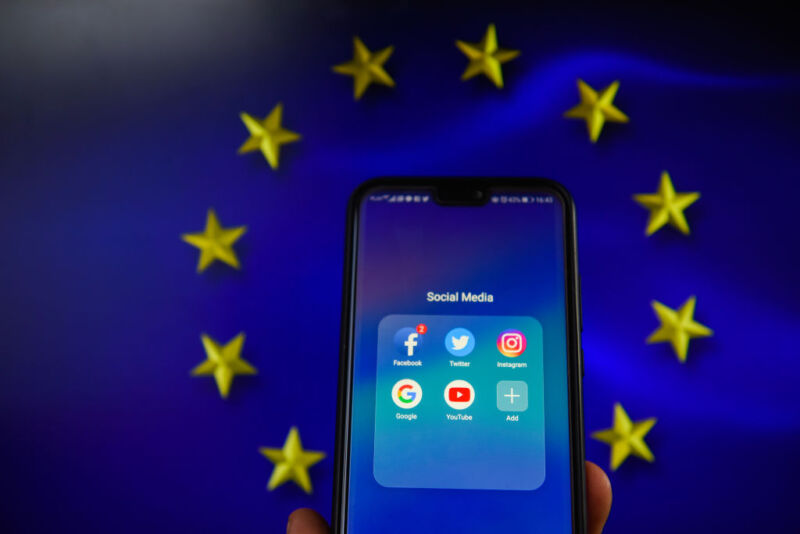
In February 2019, Spotify bought podcast production company Gimlet, which had a sizable stable of shows. Then it snapped up a couple more companies before making a high-profile acquisition of The Ringer, a podcast network founded by former ESPN sportswriter Bill Simmons. In May 2020, Spotify bought an exclusive license to past and future episodes of Joe Rogan’s show.

But in the process, Spotify had changed. Now the future of the company depended not on a better music-streaming widget but rather on the podcasts it produced and the ads it sold around them. Music existed to broaden the offering.

Other companies may not repeat Spotify’s transformation from platform to media company. It might be a one-off, a necessity given the vagaries of the music-streaming industry. But it could just as likely be a cautionary tale about what happens to platforms when they run out of room to grow.

Platforms’ advantages

Today, tech platforms generally have several advantages over media companies. While both use the Internet to reach potentially billions of users, platforms have an edge because they serve both consumers and producers. They handle the underlying software and infrastructure, and other entities make the content that makes the platform valuable. 

On platforms, users and customers are sometimes different. Facebook and Twitter, for example, famously sell their users’ data to advertisers, who are the customers. Spotify has muddied the waters a bit, selling subscriptions to users while also using listening data to sell companies ad space in podcasts. (Spotify also offers a free tier that plays more ads.)

In addition, platforms hold a regulatory edge over media companies. Section 230 of the Communications Decency Act gives platforms broad immunity for what gets published using their tools. That’s not the case for publishing companies, which are generally responsible for the content they produce. Platforms also don’t tend to be liable for voluntarily “blocking and screening of offensive material,” what we today call “content moderation.”

For years, Spotify claimed that middle ground, acting as an intermediary between music labels and distributors and their audiences. But unlike other platforms like Facebook and Twitter, which get nearly all of their content for free from users, Spotify is at a disadvantage because it has to pay for the content it streams.

After years of growth, Spotify faced a dilemma. The company had over 100 million paying subscribers, but it was still losing money. It wasn’t “making it up on volume,” so to turn a profit, it needed a way to lower its cost of production. One way would be to negotiate lower rates with record labels, but any gains there probably just nibble around the edges. Spotify needed a way to boost profits big time.

Enter podcasts. For in-house series, Spotify can control their production, which can help lower per-minute costs. But the real gusher has been ad sales. Podcast ads are relatively good at reaching audiences—most people don’t skip over them—and as a result, they command a hefty premium. Spotify has also been automating their placement, fine-tuning which listeners hear which ads in the hopes of boosting rates further.

The bet has paid off. Ad revenue was up 75 percent year over year in the last quarter, and the company turned a profit, not something it usually does. While podcasts are still a drag on margins, growth is such that the company expects the situation will flip before long.

That profit may have come at a cost, though. By getting into the production business, Spotify is no longer just a neutral platform. Even if it hasn’t attracted the attention of regulators, it has raised the ire of its subscribers, which at this point may pose more of a risk. Spotify has been in a race to capture as many subscribers as possible, likely hoping that its commanding market share will give it more leverage in negotiations with record labels. Producing controversial content like Rogan’s podcast can attract one type of subscriber, but it can also drive others away. Push too many away, and Spotify risks losing its competitive advantage.

https://arstechnica.com/?p=1830845