Facebook extends Trump ban, ends exemptions for politicians’ posts [Updated]

Facebook extends Trump ban, ends exemptions for politicians’ posts [Updated]
Chris Ratcliffe/Bloomberg via Getty Images

Update, 12:54 pm EDT: Facebook announced today that Donald Trump will remain banned from the company’s platforms through January 7, 2023. On that day, Facebook will evaluate current events and ask experts “to assess whether the risk to public safety has receded,” wrote Facebook Vice President of Global Affairs Nick Clegg. Factors Facebook will consider include “instances of violence, restrictions on peaceful assembly, and other markers of civil unrest.”

If the company still thinks there’s a risk, it will extend Trump’s ban. “When the suspension is eventually lifted, there will be a strict set of rapidly escalating sanctions that will be triggered if Mr. Trump commits further violations in future, up to and including permanent removal of his pages and accounts,” Clegg wrote.

Original story: Facebook has given politicians extreme leeway with what they can post, essentially treating them as a special class of user. Now, that policy will reportedly change, perhaps as early as today.

The impetus for the change seems to be a looming deadline that Facebook’s Oversight Board gave the company regarding its suspension of former President Donald Trump’s accounts in the wake of the January 6 insurrection at the US Capitol. The board gave Facebook until June 5 to respond to recommendations that it clarify how influential users are treated relative to the rest of the site’s user base. The forthcoming updates were first reported by The Verge.

Under the new policy, politicians’ posts would be treated like everyone else’s, at least initially. If Facebook reviews a post and decides it’s both legal and newsworthy, even if it violates site policy, moderators will allow the post to appear on the site and flag it so users can see that the newsworthiness exemption was applied. It’s unclear exactly how that newsworthiness notice will appear or what standards Facebook will use to determine newsworthiness. Ars has reached out to Facebook for comment, and we’ll update this story if we hear back.

Facebook will also introduce a “strikes” policy that could see politicians’ pages or accounts suspended if they repeatedly break the site’s rules regarding hate speech and inciting violence, for example. Presumably, strikes would not be issued if Facebook claims the newsworthiness exemption for a post. The company will also be reportedly clarifying how strikes are applied to all accounts, addressing a frequent criticism of the opaque policy. Among the changes, users will be alerted when they receive a strike.

Though Facebook’s newsworthiness policy will be updated, the company will not be altering its fact-checking policy regarding politicians, according to CNN.

Depending on the details, the new policy could represent a marked shift from Facebook’s stance toward politicians over the last several years. The social media company has been relatively hands-off when it comes to moderating politicians’ accounts and pages, claiming that anything they post that is not illegal is newsworthy and should remain on the site. Facebook executives, including CEO Mark Zuckerberg and Vice President of Global Affairs Nick Clegg, have insisted that politicians’ speech not be moderated the same as others’. “We will treat speech from politicians as newsworthy content that should, as a general rule, be seen and heard,” Clegg said in a 2019 post.

Trump, of course, tested those rules. Facebook banned Trump from Instagram and its eponymous service on January 7 in response to posts that voiced support for the rioters and insurrectionists who stormed the US Capitol. In the wake of the attack, Facebook reviewed those and earlier posts on Trump’s accounts and determined that, in Zuckerberg’s words, “the risks of allowing the President to continue to use our service during this period are simply too great. His decision to use his platform to condone rather than condemn the actions of his supporters at the Capitol building has rightly disturbed people in the US and around the world. We removed these statements yesterday because we judged that their effect—and likely their intent—would be to provoke further violence.” 

The company initially said the suspension would extend at least through January 20, Inauguration Day, but then clarified that it would be indefinite. On January 21, Facebook referred the matter to the Oversight Board, which issued its decision on May 5.

The Oversight Board said that Facebook should decide whether to permanently ban Trump’s page or to reinstate it—the open-ended nature of the suspension didn’t jibe with the site’s policies. Facebook has five more months to review its stance on Trump’s page.

https://arstechnica.com/?p=1769852


Antitrust Ue e Uk, al via indagine su Facebook per pratiche anticoncorrenziali

La Commissione Europea ha avviato un’indagine antitrust nei confronti di Facebook per verificare possibili comportamenti anti concorrenziali. Sotto indagine la raccolta di dati pubblicitari soprattutto da parte di pubblicitari, utilizzati per competere direttamente con loro in mercati dove Facebook è attiva come quello degli annunci economici. L’indagine formale ha l’obiettivo di stabilire anche se Facebook collega il suo servizio di annunci economici “Facebook Marketplace” al suo social network, in violazione delle norme Ue sulla concorrenza.   

Indagine anche in Uk

Anche la Competition and Markets Authority (CMA) del Regno Unito ha avviato oggi la propria indagine sull’utilizzo dei dati da parte di Facebook. La Commissione europea cercherà di lavorare a stretto contatto con la CMA man mano che le indagini indipendenti si sviluppano.

<!-- LARGE RECTANGLE POST - CORPO TESTO

-->

Margrethe Vestager, vicepresidente e commissario Ue alla Concorrenza, ha detto che: “Facebook è utilizzato da quasi 3 miliardi di persone su base mensile e quasi 7 milioni di aziende fanno pubblicità su Facebook in totale. Facebook raccoglie grandi quantità di dati sulle attività degli utenti del suo social network e anche al di là del social network, il che gli consente di rivolgersi a gruppi di clienti specifici. Analizzeremo in dettaglio se questi dati diano a Facebook un vantaggio competitivo indebito, in particolare nel settore degli annunci economici online, dove le persone acquistano e vendono beni ogni giorno e dove Facebook compete anche con le aziende da cui raccoglie dati. Nell’economia digitale di oggi, i dati non dovrebbero essere utilizzati in modi che distorcono la concorrenza”.

Facebook è un social network che consente agli utenti registrati di creare profili, caricare foto e video, inviare messaggi e collegarsi con altre persone.

Facebook offre anche  servizi di annunci pubblicitari online, denominati Facebook Marketplace, che di fatto è una piattaforma dove gli utenti possono vendere e acquistare beni fra loro.

Pubblicità online

Nell’ambito della sua indagine approfondita, la Commissione esaminerà in dettaglio se la posizione di Facebook nei social network e nella pubblicità online le consente di danneggiare la concorrenza nei mercati vicini, in cui Facebook è attiva anche grazie al suo social network, e in particolare negli annunci pubblicitari online.

Quando pubblicizzano i propri servizi su Facebook, le aziende, che competono direttamente anche con Facebook, possono fornirgli dati di valore commerciale. Facebook potrebbe quindi utilizzare questi dati per competere con le società che li hanno forniti.

Ciò vale in particolare per i fornitori di annunci economici online, le piattaforme su cui molti consumatori europei acquistano e vendono prodotti. I fornitori di annunci economici online pubblicizzano i loro servizi sul social network di Facebook. Allo stesso tempo, competono con il servizio di annunci economici online di Facebook, “Facebook Marketplace”.

Concorrenza falsata?

A seguito di un’indagine preliminare, la Commissione teme che Facebook possa falsare la concorrenza per i servizi di annunci economici online. In particolare, Facebook potrebbe utilizzare i dati ottenuti da fornitori concorrenti nel contesto della loro pubblicità sul social network di Facebook, per aiutare Facebook Marketplace a superarli. Facebook potrebbe, ad esempio, ricevere informazioni precise sulle preferenze degli utenti dalle attività pubblicitarie dei suoi concorrenti e utilizzare tali dati per adattare Facebook Marketplace.

La Commissione esaminerà inoltre se il modo in cui Facebook Marketplace è integrato nel social network costituisce una forma di collegamento che gli conferisce un vantaggio nel raggiungere i clienti e preclude i servizi di annunci economici online concorrenti.

Se accertate, le pratiche oggetto di indagine possono violare le regole di concorrenza dell’UE sugli accordi anticoncorrenziali tra imprese (articolo 101 del Trattato sul funzionamento dell’Unione europea (TFUE)) e/o sull’abuso di posizione dominante (articolo 102 TFUE).

https://www.key4biz.it/antitrust-ue-e-uk-al-via-indagine-su-facebook-per-pratiche-anticoncorrenziali/363388/


Class action europea contro Facebook finisce a tarallucci e vino

Tre anni fa un gruppo di consumatori europei aveva avviato una causa transnazionale, una class action contro Facebook, accusando il social media di raccogliere illegalmente i dati di milioni di utenti.

All’epoca, più di 300mila utenti di Facebook arrabbiati avevano aderito all’iniziativa collettiva, che prometteva un risarcimento danni di 200 dollari a testa se l’azienda fosse stata giudicata colpevole di qualche illecito.  

<!-- LARGE RECTANGLE POST - CORPO TESTO

-->

Ma venerdì scorso il dietrofront: tutte quelle accuse si sono all’improvviso trasformate in una alleanza degli utenti con Facebook.

Dietrofront di Euroconsumers

Protagonista di questa vicenda è Euroconsumers, (cui aderisce Altroconsumo) ombrello dietro le cause spagnole, italiane, belghe e portoghesi, che ha annunciato di aver stretto una partnership con l’azienda focalizzata sulla “sicurezza e privacy” degli utenti di Facebook (qui la notizia di Altroconsumo).

La mossa arriva dopo che Politico aveva riferito che Euroconsumers aveva risolto la sua causa con Facebook alla fine di aprile, sottolineando il fatto che le azioni legali collettive raramente arrivano alla fine in Europa, diversamente da quanto avviene invece in casi analoghi negli Usa.

Mega richiesta risarcimento ritirata

All’inizio, Euroconsumers aveva detto che tutte le persone lese nella privacy dei loro dati avrebbero ricevuto un risarcimento di 200 dollari.

Alla fine invece non ci sarà alcuna decisione in tribunale, nessuna ammissione di colpa da parte di Facebook e nessun pagamento diretto da parte dell’azienda ai consumatori.

Al contrario, i gruppi di consumatori e Facebook hanno fatto sapere che stanno formando un comitato congiunto incentrato su tre priorità: sostenibilità, potenziamento digitale e lotta alle truffe. Il tema della privacy — che era l’esplicito focus della querela — è l’“ombrello” sotto il quale cadono le tre priorità.

Ai consumatori è stato promesso un vago premio di consolazione, un non meglio precisato “pacchetto per aiutare i consumatori a stare sicuri online”. Niente soldi comunque.

La collaborazione durerà tre anni.

https://www.key4biz.it/class-action-europea-contro-facebook-finisce-a-tarallucci-e-vino/362763/


GDPR, l’anello debole del Garante irlandese accende le tensioni dei regolatori Ue

Tre anni dopo l’entrata in vigore del GDPR, i GAFA non hanno ancora subito alcuna sanzione di rilievo in Europa. Eppure il nuovo regolamento europeo attribuisce grandi poteri alle Autorità del Vecchio Continente, che possono multare i trasgressori fino al 4% del loro giro d’affari globale (o 20 milioni di euro). Lo scrive il quotidiano Le Figaro.

Ad oggi, però, la sanzione più elevata è stata irrogata dalla CNIL francese ad aprile 2019. Una multa di 50 milioni a Google per una mancata comunicazioni ai suoi utenti in materia di pubblicità.

<!-- LARGE RECTANGLE POST - CORPO TESTO

-->

Garante irlandese sotto i riflettori

E’ per questo motivo che tutta l’attenzione si è rivolta al Garante irlandese, responsabile unico della gestione della maggior parte dei GAFA che hanno scelto Dublino come loro sede europea. Si tratta in sostanza, fra gli altri, di Apple, Facebook, Microsoft, TikTok e Twitter.

Questo principio di “sportello unico” (one shop stop) concentra sul Garante irlandese tutti i rapporti con i GAFA presenti in Europa. Le altre autorità nazionali girano al Garante irlandese le denunce e i reclami che arrivano da aziende e cittadini.

Ma soltanto a dicembre scorso, il Garante irlandese (DPC) ha emesso la sua prima sanzione: 450mila euro si danni di Twitter. Briciole secondo gli altri garanti nazionali.

Trattato soltanto lo 0,07% delle denunce

Secondo i dati dell’associazione NOYB, soltanto lo 0,07% di tutte le denunce che sono arrivate sul tavolo del DPC irlandese si sono tramutate in decisioni finali nel 2020. Un dato esiguo, ribadito anche da latri studi analoghi.

Una lentezza finita nel mirino del Garante tedesco Ulrich Kelber, che a marzo se ne è lamentato pubblicamente davanti al Parlamento Europeo. Su 50 denunce ai danni di Whatsapp trasmesse dal Garante tedesco a quello irlandese, nessuna è andata a buon fine.

Troppa lentezza

Ed è per questo che diversi garanti nazionali chiedono di rivedere il principio dello “sportello unico” che accentra in Irlanda tutti i provvedimenti sui GAFA.

Intanto, la scorsa settimana il Garante tedesco ha bloccato per tre mesi la condivisione dei dati di Whatsappa con Facebook per tutti i cittadini tedeschi in Germania e ha chiamato in causa il Comitato dei garanti europei (EDPB) per arrivare ad una posizione comune e condivisa al riguardo.

Vedremo come andrà a finire. Dal canto suo, il Garante irlandese qualcosa lo ha fatto. Ad esempio, ha imposto a Facebook di bloccare il trasferimento di dati di cittadini europei negli Usa dopo l’abolizione del Privacy Shield l’estate scorsa. E Facebook si è dovuta adeguare alla recente decisione dell’Alta Corte irlandese che ha confermato lo stop.   

https://www.key4biz.it/gdpr-lanello-debole-del-garante-irlandese-accende-le-tensioni-dei-regolatori-ue/361667/


Whatsapp, lo stop tedesco alla nuova privacy policy si allarga in tutta la Ue?

La nuova controversa privacy policy di Whatsapp entrerà in vigore ovunque in Europa domani, tranne che in Germania. Il Garante privacy di Amburgo in base al GDPR ha sospeso per tre mesi la condivisione dei dati di Whatsapp con la casa madre Facebook.

Leggi anche: La Germania vieta per tre mesi a Facebook l’uso dei dati di Whatsapp

<!-- LARGE RECTANGLE POST - CORPO TESTO

-->

WhatsApp, spunta la nuova privacy policy. “Se non accetti non puoi usare l’app dopo il 15 maggio”. Ancora non c’è chiarezza

Ma il consenso non è libero

Il divieto è stato applicato dal Garante di Amburgo per la protezione dei dati e la libertà di informazione, Johannes Casper, secondo cui “le disposizioni sul trasferimento dei dati sono sparse a diversi livelli della privacy policy, sono poco chiare e difficili da distinguere nelle loro versioni europee e internazionali”.  Per Casper “i contenuti siano fuorvianti e mostrano notevoli contraddizioni. Anche dopo un’attenta analisi, non è chiaro quali conseguenze abbia l’approvazione per gli utenti. Inoltre, il consenso non è dato liberamente, poiché WhatsApp richiede l’accettazione delle nuove disposizioni come condizione per il continuo utilizzo delle funzionalità del servizio”.

Cosa deciderà il Garante Ue?

Il blocco tedesco vale per tre mesi e in questo lasso di tempo il Garante di Amburgo vuole portare il caso all’attenzione dell’organismo europeo che raccoglie tutti i garanti della Ue (European Data Protection Board). La decisione del Board potrebbe portare ad una sentenza legale a livello europeo, che potrebbe imporre di proteggere tutti i cittadini Ue di tutti gli stati membri dalla nuova privacy policy di Whatsapp.

E’ possibile inoltre che Facebook sia obbligato a ripensare la sua policy internazionale, il che potrebbe risultare però in una ulteriore frattura di internet fra diverse policy a livello internazionale. Whatsapp dal canto suo ha rispedito al mittente le contestazioni del Garante di Amburgo, sostenendo che sono basate su basi sbagliate. La maggior parte degli utenti ha già accettato le nuove regole, ha fatto sapere la società controllata da Facebook. E non potrebbe essere altrimenti, anche perché senza l’ok alla lunga l’account va chiuso perché le funzionalità vengono gradualmente ridotte.

https://www.key4biz.it/whatsapp-lo-stop-tedesco-alla-nuova-privacy-policy-si-allarga-in-tutta-la-ue/360432/


La Germania vieta per tre mesi a Facebook l’uso dei dati di Whatsapp

In vista dell’imminente e controverso cambiamento dell’informativa privacy di Whatsapp, il Garante Privacy della città tedesca di Amburgo ha ordinato a Facebook di sospendere per un periodo di tre mesi l’uso dei dati messi a disposizione dalla sua controllata Whatsapp.  

Il regolatore ha emesso un’ordinanza che impedisce a Facebook Irlanda di trattate i dati personali di Whatsapp nella misura in cui ciò avvenga per suoi scopi privati.

<!-- LARGE RECTANGLE POST - CORPO TESTO

-->

Secondo l’autorità di Amburgo, dove si trova la sede tedesca del social network americano, questa decisione è finalizzata a preservare i diritti e le libertà di milioni di utenti che danno il loro consenso alle condizioni di utilizzo in tutta la Germania. In latre parole, il provvedimento è valido su tutto il territorio tedesco.

Secondo Whatsapp questa ordinanza è basata su una fondamentale incomprensione delle nuove regole e non avrà conseguenze sulla sua entrata in vigore.

Di fatto, la procedura d’urgenza avrà durata di tre mesi. Il regolatore di Amburgo si rivolgerà nel frattempo al Garante Privacy europeo (Edps). L’obiettivo è allargare il blocco a tutti i 27 Stati Ue. 

Per approfondire:

WhatsApp, spunta la nuova privacy policy. “Se non accetti non puoi usare l’app dopo il 15 maggio”. Ancora non c’è chiarezza

WhatsApp: “Dal 15 maggio se non accetti la privacy policy non leggi e invii messaggi”

GDPR, WhatsApp rischia una multa fino a 50 milioni di euro per la nuova privacy policy

WhatsApp, la nuova privacy policy è fonte di equivoci

WhatsApp, aut aut sulla privacy: addio account se non condividi i dati con Facebook

https://www.key4biz.it/la-germania-vieta-per-tre-mesi-a-facebook-luso-dei-dati-di-whatsapp/360033/


Why Amy Klobuchar just wrote 600 pages on antitrust

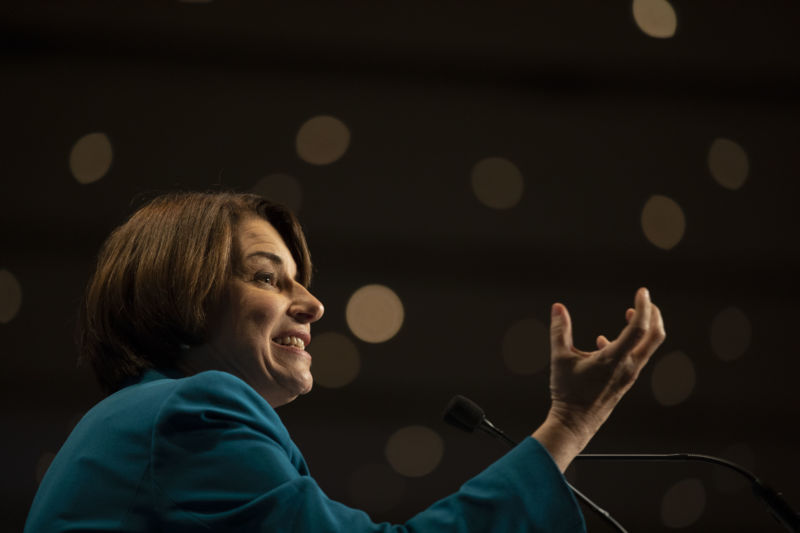
A woman gestures during a presentation.
Enlarge / Sen. Amy Klobuchar (D-Minn.)
Daniel Acker/Bloomberg via Getty Images

To promote her new book, Antitrust: Taking on Monopoly Power from the Gilded Age to the Digital Age, Sen. Amy Klobuchar of Minnesota gave a series of interviews this week, one of which was with me. She told me outright that our session was not her favorite of the tour—that honor went to her comedic exchange with Stephen Colbert a few days earlier, which she recounted to me line by line.

Nonetheless, I welcomed the chance to speak with her. Klobuchar has enjoyed a heightened profile since her presidential run and quick pivot to the eventual winner, Joe Biden, so she had her choice of book subjects to focus on. Ultimately, she produced 600 pages on the relatively arcane topic of antitrust law, a telling choice. Her goal is to make the subject less arcane, in hopes that a grassroots movement will support her effort to fortify and enforce the laws more vigorously. In the book, Klobuchar attempts to inspire readers with a history of the field, which in her rendering sprang from a spirited populist movement that included her own coal-mining ancestors. That’s why her book is stuffed with vintage political cartoons, typically portraying Gilded Age barons as bloated giants, hovering over workers like top-hatted Macy’s balloons. (Obviously those were the days before billionaires had Peloton.)

I’m not sure the downtrodden masses are about to become radicalized by thumbing through the 204 pages of footnotes in Antitrust. But as Klobuchar says, people are starting to realize that the wonderful products from sprightly startup founders have locked them into relationships with trillion-dollar, competition-killing behemoths. “In the beginning, consumers may have gotten a good deal, but history shows that in the end, monopolists do what monopolists want to do,” she says.

No wonder people feel helpless, especially when the government has done very little to curb consolidation and predatory practices in the past few decades. “Monopolies tend to have a lot of control, not just over consumers, but also over politics,” says Klobuchar. “People have just gotten beaten down. I wanted to show the public and elected officials that you’re not the first kids on the block with this. What do you think it was like back when trusts literally controlled everyone on the Supreme Court, or literally elected members of the Senate before they were elected by the public?”

I suppose it would be like… now. Where the power and political donations of big corporations have led to merger after merger, and where courts are dominated by jurists who cling to the pro-business dogma pioneered by Judge Robert Bork. (Klobuchar is excellent in describing how Bork provided a legal framework for anti-consumer conservatives to set the bar ridiculously high in enforcing competition.) Klobuchar admits that the current makeup of the Supreme Court, especially with corporate fanboy Neil Gorsuch in and Ruth Bader Ginsberg out, presents a considerable obstacle to reform. Her solution is to create new legislation that even our sitting judges will have to respect. That’s why the law she cosponsors has specific limits on the market power of big companies, including a ban on large mergers and acquisitions.

Klobuchar’s book comes just as her senate colleague, Josh Hawley of Missouri, released his own book about antitrust, as well as his own version of an antitrust law. In his treatise, Hawley expresses contempt for monopolies, a view that didn’t prevent him from accepting huge political donations from monopoly-defender Peter Thiel, who once wrote an op-ed for The Wall Street Journal headlined “Competition Is for Losers.” Hawley’s complaints are less rooted in history than Klobuchar’s and are seemingly motivated by his questionable belief that tech platforms stifle conservative speech. But even so, Klobuchar thinks there might be common ground.

Klobuchar takes pains to say she’s not anti-tech. “I am never saying, ‘Get rid of their products.’ But let’s have more of the products that give you more choices. You can keep one product, but it’s better to have other products, because we’re not China.” In other words, Facebook could keep it’s main app, but the public might benefit if Instagram and WhatsApp were not Mark Zuckerberg productions. She also notes that she’s concerned not only with tech, but also with other heavily consolidated industries like pharma.

While I have Klobuchar on the line, I ask her why legislators so often embarrass themselves in hearings with irrelevant partisanship, clueless technical questions, and time-wasting grandstanding. “Welcome to my life,” she says. “I get it—there’s going to be hearings that are irritating to people who know a lot. But that’s a great argument for tech to use because they don’t want this oversight.” She claims that lately the hearings have become more sophisticated and useful, citing a recent one she chaired that investigated the practices of Apple’s App Store and Google’s search results. Executives from smaller firms testified to apparently predatory practices from those trillion-dollar rivals. “We actually got to something,” she says.

I ask her to pick one thing that the tech companies have done in the past decade that she’d like to roll back. “I’m not going to pick one merger,” she says, but she does mention the Facebook acquisitions again, as well as Google’s preferential search functions. Oh, and she would have had companies build in better privacy. “I wouldn’t destroy those companies,” she says. “I would just do what antitrust laws are supposed to do, which is create a competitive environment and stop exclusionary behavior.”

At the end of her book, Klobuchar lists 44 suggestions for reform. The last is surprising: “Stop using the word antitrust.” The issues she addresses, she writes, are broader than those covered by that specific term. If you want to do that, I ask, why did you use that word as your book title? “Well, I thought antitrust was an interesting word,” she says. “It’s not only about this body of law; it’s also about not trusting anyone.”

Indeed, if Klobuchar had written a book about “trust,” it would be a much slimmer volume. And maybe that fact is an even bigger problem than the one posed by Big Tech.

This story originally appeared on wired.com.

https://arstechnica.com/?p=1763506


96% of US users opt out of app tracking in iOS 14.5, analytics find

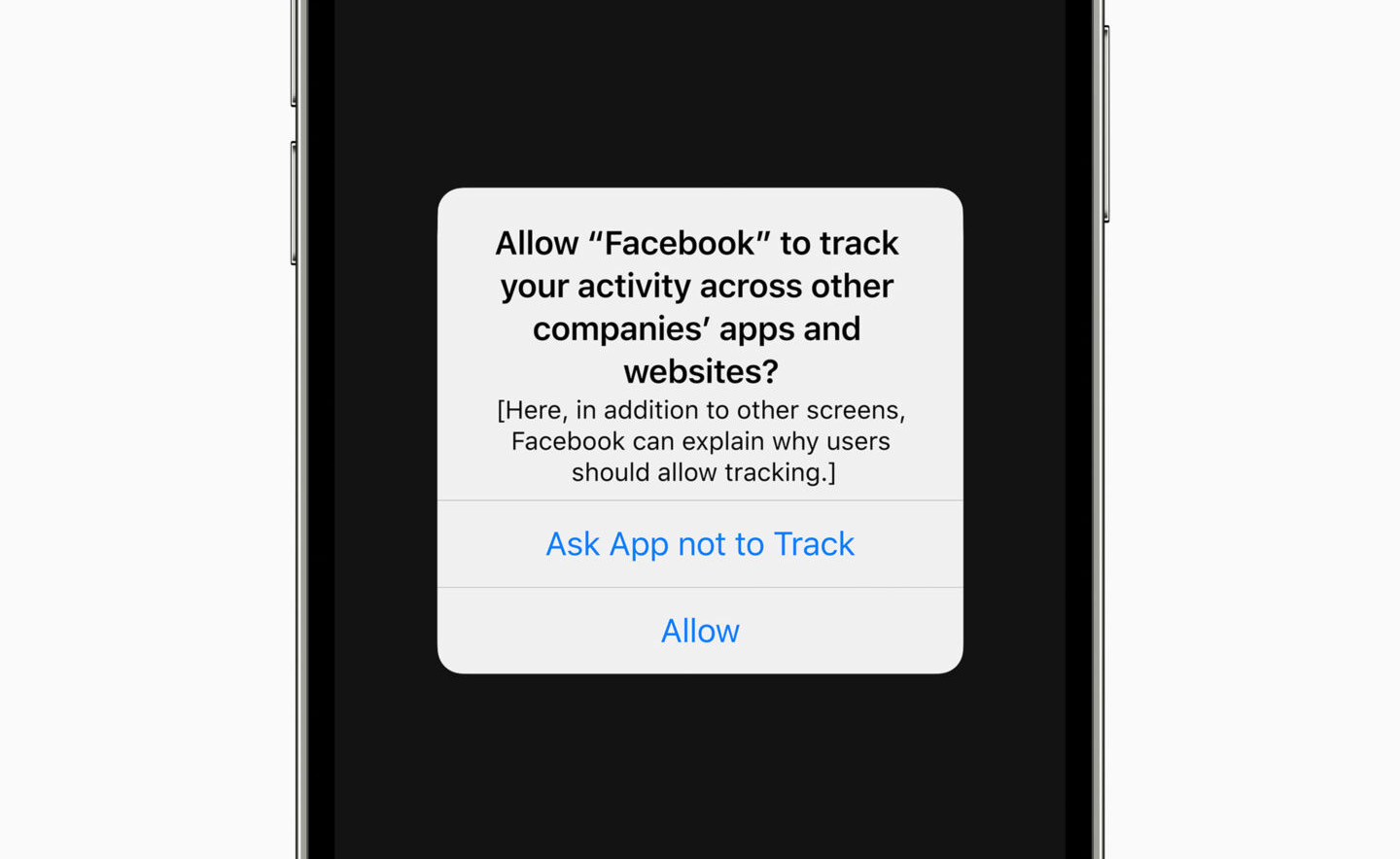
The Facebook iPhone app asks for permission to track the user in this early mock-up of the prompt made by Apple.
Enlarge / The Facebook iPhone app asks for permission to track the user in this early mock-up of the prompt made by Apple.

It seems that in the United States, at least, app developers and advertisers who rely on targeted mobile advertising for revenue are seeing their worst fears realized: Analytics data published this week suggests that US users choose to opt out of tracking 96 percent of the time in the wake of iOS 14.5.

When Apple released iOS 14.5 late last month, it began enforcing a policy called App Tracking Transparency. iPhone, iPad, and Apple TV apps are now required to request users’ permission to use techniques like IDFA (ID for Advertisers) to track those users’ activity across multiple apps for data collection and ad targeting purposes.

The change met fierce resistance from companies like Facebook, whose market advantages and revenue streams are built on leveraging users’ data to target the most effective ads at those users. Facebook went so far as to take out full-page newspaper ads claiming that the change would not just hurt Facebook but would destroy small businesses around the world. Shortly after, Apple CEO Tim Cook attended a data privacy conference and delivered a speech that harshly criticized Facebook’s business model.

Nonetheless, Facebook and others have complied with Apple’s new rule to avoid being rejected from the iPhone’s App Store, though some apps present a screen explaining why users should opt in before the Apple-mandated prompt to opt in or out appears.

This new data comes from Verizon-owned Flurry Analytics, which claims to be used in more than one million mobile apps. Flurry says it will update the data daily so followers can see the trend as it progresses.

Based on the data from those one million apps, Flurry Analytics says US users agree to be tracked only four percent of the time. The global number is significantly higher at 12 percent, but that’s still below some advertising companies’ estimates.

The data from Flurry Analytics shows users rejecting tracking at much higher rates than were predicted by surveys that were conducted before iOS 14.5 went live. One of those surveys found that just shy of 40 percent, not 4 percent, would opt in to tracking when prompted.

Flurry Analytics’ data doesn’t break things down by app, though, so it’s impossible to know from this data whether the numbers are skewed against app tracking opt-in by, say, users’ distrust of Facebook. It’s possible users are being more trusting of some types of apps than others, but that data is not available.

https://arstechnica.com/?p=1763464


Facebook and Big Pharma exploited disease “awareness” for personalized marketing

High angle close-up view still life of an opened prescription bottles with pills and medication spilling onto ae background of money, U.S. currency with Lincoln Portrait.

Pharmaceutical companies spend around $6.5 billion a year on advertising, and even though Facebook prohibits the use of “sensitive health information” in ad targeting, about $1 billion of that ad spending ends up in the companies’ pockets. Big Pharma, it turns out, has found some creative ways to work within Facebook’s rules.

Facebook’s ad targeting allows drug companies to zero-in on likely patients by aiming not for their conditions but for Facebook-defined interests that are adjacent to their illnesses, according to a report by The Markup. The site used a custom web browser to analyze what ads Facebook served to 1,200 people and why, and it found that Big Pharma frequently used illness “awareness” as a proxy for more sensitive health information.

The range of treatments advertised to potential patients ran the gamut. Novartis used “National Breast Cancer Awareness Month” to sell Facebook users on Piqray, a breast cancer pill that lists for $15,500 for a 28-day supply. AstraZeneca ran ads for Brilinta, a $405-per-month blood thinner, based on whether Facebook thought a user was interested in “stroke awareness.” And GlaxoSmithKline shows ads for Trelegy, a $600-per-month inhaler, if someone was flagged by Facebook for “chronic obstructive pulmonary disease [COPD] awareness.”

Facebook’s targeting allows pharmaceutical companies to get even more creative. GlaxoSmithKline served up ads for another COPD drug if a user showed interest in “oxygen” or “cigarettes.” COPD, of course, can be caused by emphysema, which can result from years of smoking. Merck used terms like “chemical industry,” “Corona beer,” and “bourbon” to select users for ads for Keytruda, a cancer immunotherapy that can be given to treat everything from melanoma to lung cancer, bladder cancer, and head and neck cancer. It costs $9,869.94 for a three-week course.

Capitalizing on the opportunity, Facebook has an entire section of its “Facebook for Business” site devoted to case studies in health and pharmaceutical advertising. One for AstraZeneca shows how companies might use social advertising in concert with TV commercials, which still constitute 75 percent of pharma ad spends. A “brand lift study” run on Facebook allowed AstraZeneca to “refine targeting solutions” for Symbicort, another COPD and asthma treatment.

Interest-based ad targeting on Facebook is widely used across a variety of industries, but it has raised flags among health privacy researchers when used to sell medical treatments. Even Google has steered clear of the practice, instead selling targeted advertising based on the content next to which an ad appears. Their practice is more in line with how pharmaceuticals are advertised on TV and in magazines, where drug companies buy slots based on the overall demographics of the audience rather than individuals.

Though it may exploit users’ privacy, targeting pharmaceutical ads based on Facebook-defined interests is not illegal. In a case decided by the US Court of Appeals in 2018, the judges ruled in favor of Facebook, saying that just because users “searched and viewed publicly available health information,” they were not entitled to privacy, because Facebook’s terms allowed the company to harvest the data, and that data “cannot, in and of itself, reveal details of an individual’s health status or medical history.” The large sum of ad spends on Facebook suggests that pharmaceutical companies believe otherwise. 

https://arstechnica.com/?p=1763427


Facebook conferma il bando all’ex Presidente USA e Trump lancia la sua nuova piattaforma social

È già online con i primi post pubblici la piattaforma web di Donald Trump, da cui l’ex Presidente degli Stati Uniti porterà avanti le sue attività politiche e non, ma soprattutto uno strumento efficace per aggirare i divieti imposti dai principali social media ai suoi messaggi, spesso provocatori e di incitamento all’odio e alla violenza.

Si chiama “From the desk of Donald J” e ogni contenuto, sia di testo, sia audiovisivo, sarà tranquillamente condivisibile su Facebook e Twitter da tutti i suoi fan.

<!-- LARGE RECTANGLE POST - CORPO TESTO

-->

Non sembra invece possibile interagire con i post sulla piattaforma privata, cioè non possibile commentare o lasciare messaggi.

Un modo semplice ed efficace di far sentire ancora la sua voce proprio all’interno di quei social che, all’indomani dell’attacco a Capitol Hill del 6 gennaio 2021, avevano deciso di oscurare i suoi profili ufficiali.

A riguardo, il comitato di supervisione del social network di Mark Zuckerberg, il Facebook Oversight board, ha annunciato proprio oggi la conferma dell’oscuramento dell’account di Trump.

La decisione arriva dopo quattro mesi di messa al bando dal social stabilito all’indomani dei gravi fatti di Washington, in cui è stato decisivo il ruolo svolto da Trump nell’incitare la folla all’assalto del Campidoglio.

Su Twitter, invece, Trump non potrà più rimettere piede a tempo indeterminato.

Tra i commenti più ironici c’è quello del New York Magazine che definisce la piattaforma “un triste Twitter privato“, o anche un esempio di web 1.0, dove gli utenti possono solo leggere i pensieri del boss, con la possibilità i riceverli anche via posta.

https://www.key4biz.it/facebook-conferma-il-bando-allex-presidente-usa-e-trump-lancia-la-sua-nuova-piattaforma-social/359057/