The Content Strategy Shift That’s Changing How Brands Connect With Audiences

Opinions expressed by Entrepreneur contributors are their own.

Key Takeaways

  • User-generated content (UGC), employer-generated content (EGC) and creator-generated content (CGC) each play a distinct role within a broader content strategy.
  • UGC brings authenticity, EGC adds credibility and CGC expands reach and brings a storytelling layer that helps your product break through to new audiences.
  • The most effective strategies blend all three, using them together to create a fuller, more holistic narrative.

In marketing, acronyms have a way of multiplying. Just when you’ve wrapped your head around one, two more seem to appear. UGC, EGC, CGC — it can feel like jargon for the sake of jargon. But if you step back, these three terms represent some of the most meaningful shifts in how brands are creating and distributing video content today.

UGC stands for user-generated content, EGC for employee-generated content and CGC for creator-generated content. At first glance, they look interchangeable. In reality, each brings its own strengths, weaknesses and role within a broader content strategy.

More importantly, the most effective brands aren’t choosing one and discarding the others. They’re experimenting across all three, figuring out where each voice adds value and blending them into a layered approach that combines authenticity, authority and reach.

Related: The Beginner’s Guide to User-Generated Content

The ongoing value of UGC

User-generated content isn’t new. Long before TikTok, Facebook or Instagram, customers were already talking about brands online — leaving reviews on early forums, posting photos on message boards or uploading shaky videos to YouTube. What’s changed is the speed and scale. Today, a single TikTok video of someone unboxing sneakers can rack up millions of views overnight.

The power of UGC lies in authenticity. People trust people more than they trust brands, and most can immediately tell the difference between a polished ad and a genuine recommendation. When a customer records a short video explaining why they love a product — or simply shows how they use it in real life — it resonates in a way no ad copy ever could.

The trade-off, of course, is unpredictability. Some UGC looks and sounds great … and some doesn’t. A flood of raw, unfiltered content doesn’t guarantee brand safety or consistency. But that’s not really the point. The role of UGC is not to be perfect — it’s to reflect the customer’s voice in all its variety.

Smart brands take on the role of curator. They amplify the best examples, highlight stories that align with their positioning and build campaigns around the real excitement people are already sharing. Done well, UGC provides a kind of grassroots credibility that money alone can’t buy.

Why EGC has become a trust multiplier

If UGC is the voice of the customer, then EGC is the voice of the people inside the company. Employee-generated content might be a product manager walking through a new feature, a nurse explaining a medical procedure in plain language or a customer service rep answering a question they hear every day.

What makes EGC so powerful is credibility. Employees live closest to the product or service. They see it in action, they know the details, and they can explain things with a level of depth that customers usually can’t. For a software company, a short video recorded by someone who helped build the product often feels more useful than a rehearsed sales pitch. For a hospital, a nurse sharing their perspective often feels more trustworthy than a glossy campaign.

The real challenge isn’t technical — it’s cultural. Not every employee is comfortable on camera. Some worry about saying the wrong thing. Others don’t feel confident representing the brand. And not every company creates an environment where employees are encouraged to share openly.

The organizations that succeed with EGC are the ones that do more than hand employees a ring light. They invest in building a culture where people feel proud to represent the company and safe to experiment. That doesn’t happen overnight, but when it does, EGC becomes more than a tactic — it becomes a trust multiplier.

Related: 5 Ways Employee Advocacy Benefits Brands

CGC: Borrowing reach and professional skill

Creator-generated content is the most recent addition to the mix, growing alongside the influencer economy. Unlike customers or employees, creators are professionals at making engaging content. They understand how to hold attention, tell stories and edit video in ways that feel native to each platform. And often, they bring their own audience with them.

For brands, this is an opportunity to borrow both craft and reach. Done thoughtfully, CGC can extend a brand’s story into new circles with credibility intact. It’s less about renting influence and more about partnering with someone whose expertise or community genuinely enhances the message.

Of course, there are risks. If a partnership feels transactional or mismatched, it can backfire. When a creator’s voice doesn’t align with the brand or when the relationship seems forced, the audience picks up on it quickly.

The best CGC partnerships are built on real alignment. A brand that collaborates with a creator who has spent years curating their audience and building trust will see far better results than one that chases the biggest follower count.

Related: 5 Things You Should Know Before Collaborating With An Influencer

Why the best strategies blend all 3

Part of the recent shift is that marketers no longer debate whether UGC, EGC or CGC is “best.” Instead, they’re recognizing that each fills a different role — and that the strongest strategies are layered.

Take the launch of a new product. UGC might capture the first wave of excitement, showing how real customers are using it in their daily lives. EGC might provide clarity and depth, with employees explaining features, addressing questions or offering tips. CGC might expand reach and bring a polished, storytelling layer that helps the product break through to new audiences.

Each type strengthens the others. Customers see themselves reflected in UGC. They build trust through EGC. They discover new ways to use the product through CGC. It’s the combination that creates a fuller, more holistic narrative.

The temptation in today’s content landscape is to chase volume. More videos, more posts, more impressions. But sheer quantity rarely creates lasting impact. The better question is: Whose voices are you elevating, and how do they complement one another?

UGC, EGC and CGC each provide different kinds of authenticity. Customers, employees and creators each bring perspectives that a brand can’t just manufacture on its own. And in a world where audiences are increasingly skeptical, that ecosystem may be the most durable advantage a brand can build.

Key Takeaways

  • User-generated content (UGC), employer-generated content (EGC) and creator-generated content (CGC) each play a distinct role within a broader content strategy.
  • UGC brings authenticity, EGC adds credibility and CGC expands reach and brings a storytelling layer that helps your product break through to new audiences.
  • The most effective strategies blend all three, using them together to create a fuller, more holistic narrative.

In marketing, acronyms have a way of multiplying. Just when you’ve wrapped your head around one, two more seem to appear. UGC, EGC, CGC — it can feel like jargon for the sake of jargon. But if you step back, these three terms represent some of the most meaningful shifts in how brands are creating and distributing video content today.

UGC stands for user-generated content, EGC for employee-generated content and CGC for creator-generated content. At first glance, they look interchangeable. In reality, each brings its own strengths, weaknesses and role within a broader content strategy.

More importantly, the most effective brands aren’t choosing one and discarding the others. They’re experimenting across all three, figuring out where each voice adds value and blending them into a layered approach that combines authenticity, authority and reach.

The rest of this article is locked.

Join Entrepreneur+ today for access.

https://www.entrepreneur.com/growing-a-business/how-to-strengthen-your-brands-connection-with-its-audience/497203



Here Are the New Tax Brackets for 2026, Adjusted for Inflation

Key Takeaways

  • The IRS just announced the new tax brackets for 2026.
  • The figures have been adjusted for inflation.
  • There are also changes to the standard deduction and the employer-provided child tax credit.

The IRS just revealed the new, higher federal income tax brackets and standard deductions for 2026, which have been adjusted for inflation.

On Thursday, the agency revealed the new marginal rates for the 2026 tax year and other changes affected by the “One, Big, Beautiful Bill,” the agency stated on its website.

The changes apply to the tax year for 2026, so the returns affected by these changes will be filed in 2027 (and not this upcoming April).

Related: What the New IRS Rules Mean for Your Business — And How to Come Out Ahead

Here are the new tax brackets for the 2026 tax filing year:

  • 37% for individuals with incomes over $640,600 ($768,700 for married couples filing jointly)
  • 35% for individuals with incomes over $256,225 ($512,450 for married couples filing jointly)
  • 32% for individuals with incomes over $201,775 ($403,550 for married couples filing jointly)
  • 24% for individuals with incomes over $105,700 ($211,400 for married couples filing jointly)
  • 22% for individuals with incomes over $50,400 ($100,800 for married couples filing jointly)
  • 12% for individuals with incomes over $12,400 ($24,800 for married couples filing jointly)
  • 10% for individuals with incomes of $12,400 or less ($24,800 for married couples filing jointly).

One of the biggest changes under the bill, the agency noted, is the Employer-Provided Childcare Tax Credit, which increases the credit for employers from $150,000 to $500,000 ($600,000 if the employer is an eligible small business).

The standard deduction is increasing from $31,500 to $32,200 for married couples filing jointly. Single taxpayers also get a boost: $16,100 instead of $15,750.

On Wednesday, the IRS announced that due to the government shutdown, it was furloughing almost half of its employees.

Related: You Sold Your Business — What Happens Next?

Key Takeaways

  • The IRS just announced the new tax brackets for 2026.
  • The figures have been adjusted for inflation.
  • There are also changes to the standard deduction and the employer-provided child tax credit.

The IRS just revealed the new, higher federal income tax brackets and standard deductions for 2026, which have been adjusted for inflation.

On Thursday, the agency revealed the new marginal rates for the 2026 tax year and other changes affected by the “One, Big, Beautiful Bill,” the agency stated on its website.

The changes apply to the tax year for 2026, so the returns affected by these changes will be filed in 2027 (and not this upcoming April).

The rest of this article is locked.

Join Entrepreneur+ today for access.

https://www.entrepreneur.com/business-news/irs-tax-brackets-2026-one-big-beautiful-bill-changes/498160


How to Keep Your Team’s Core Values Intact While Scaling Fast — or Risk Your Business Failing

Opinions expressed by Entrepreneur contributors are their own.

Key Takeaways

  • Businesses must balance the pursuit of growth with the preservation of their unique cultural identity to achieve long-term success.
  • Archiving origin stories, using heritage as a tool for innovation and integrating rituals into corporate culture can prevent companies from becoming mere commodities.
  • The concept of cultural sustainability should be incorporated into corporate strategies to maintain trust and resilience amid expansion.

In today’s marketplace, growth often means chasing speed, scale and disruption. But in the rush for expansion, leaders rarely ask: What is worth preserving?

I’ve seen this firsthand. Too many businesses chase the next product line or quick revenue gain, only to realize they’ve hollowed out the very culture that made them special. When employees and customers lose sight of a company’s deeper purpose, the organization risks becoming just another commodity.

As someone who built a business in luxury distribution while also curating cultural archives, I’ve learned that growth and preservation are not opposites. In fact, businesses that thrive over the long term are those that understand how to balance both.

This lesson doesn’t just apply to luxury or fragrance — it’s true for every sector. Whether you’re scaling a startup, managing a legacy brand or leading a service company, growth without cultural continuity risks becoming fragile.

Related: When Your Company Is Growing Fast, Your Culture Is at Risk. Here’s How to Protect It.

1. Archive your origin story

Every business has a founding moment — an origin story that explains not just what you do, but why. That story is more than marketing; it’s part of your cultural capital.

Think of Apple’s famous garage, or Walt Disney sketching ideas on a notepad before Disneyland ever existed. These stories aren’t just trivia — they’re fuel for trust and inspiration.

How to apply this:

  • Write down the founder’s story, including early struggles, decisions and inspirations.
  • Collect artifacts — first prototypes, early pitch decks, old photos — that show your evolution.
  • Share these stories with employees and customers to strengthen the connection.

Companies that lose touch with their origin stories risk losing credibility. The brands that last are the ones that carry their “founder’s DNA” forward while still evolving.

2. Treat heritage as an innovation tool

It may sound counterintuitive, but preservation fuels innovation. The past provides raw material for the future.

In fashion, heritage brands like Burberry and Gucci constantly reinvent archival designs for new collections. In hospitality, The Ritz-Carlton maintains traditions of service that date back decades while integrating modern experiences. Even in tech, Apple’s original focus on intuitive design still guides the user experience today.

How to apply this:

  • Revisit your archives quarterly. What old product, campaign or idea could inspire a new one?
  • Ask employees to bring one piece of company history into brainstorming sessions.
  • Consider creating a “living archive” — a digital hub where teams can access historic designs, notes or campaigns.

This practice not only generates fresh ideas but also grounds innovation in authenticity.

3. Build rituals into your culture

Numbers are easy to track, but rituals — how your team celebrates wins, how you onboard new hires, how you interact with customers — are harder to capture. Yet these are the practices that shape long-term identity.

For example, one global consulting firm I know starts every major meeting with a client story, reminding the team who they serve. Another retail company celebrates its “founder’s day” every year, connecting new employees to its heritage. These traditions outlast trends because they create belonging.

How to apply this:

  • Document key rituals in a simple playbook.
  • Encourage leaders at every level to preserve and adapt them as the company grows.
  • Use rituals to reinforce values — for example, starting meetings with a customer story or celebrating milestones with a consistent tradition.

Rituals make growth human. They remind teams that the company is not just an organization, but a culture.

Related: Beyond Logos and Colors — How to Create a Compelling Brand Identity

4. Balance innovation with continuity

Disruption alone doesn’t create lasting businesses. Preservation alone doesn’t create relevance. The future of leadership lies in combining both — the role of the archivist-innovator.

How to apply this:

  • Before launching something new, ask: How does this connect to our heritage?
  • Before discarding an old practice, ask: Does it still hold cultural value for our people or customers?
  • Model this balance for your team by honoring the past while encouraging bold ideas.

This mindset ensures growth doesn’t erase what made the business meaningful in the first place.

5. Make cultural sustainability part of your strategy

When we think about sustainability, we often focus on materials, carbon footprints and supply chains. But cultural sustainability matters, too. Every time a craft disappears, a sensory tradition fades or an archive is lost, the future loses a source of inspiration.

Consider how luxury watchmakers train apprentices in centuries-old techniques, or how food companies are reviving heritage grains to reconnect with authentic taste. These aren’t indulgences — they are strategic choices that protect long-term value.

How to apply this:

  • Identify what is culturally unique about your business — craft, design, rituals or knowledge.
  • Protect it through documentation, mentorship or partnerships with cultural institutions.
  • Communicate this preservation as part of your brand story — not as nostalgia, but as strategic foresight.

Customers value companies that protect meaning as much as they create innovation.

The payoff

Businesses that combine growth with preservation unlock a unique advantage: trust. Customers and employees alike can sense when a company has roots as well as wings.

Think of your company not just as a growth engine, but as a cultural archive in progress. Every decision you make adds a page to that archive. The stronger you preserve what matters, the more resilient your growth will be.

Related: Your Customers Won’t Trust You Unless You Embrace These 5 Strategies

Closing thought

In the end, business growth and cultural preservation are not two separate paths. They are one journey.

The leaders of tomorrow will not only innovate boldly but also safeguard the rituals, stories and values that anchor their organizations. By documenting your story, protecting your heritage and treating culture as a strategic asset, you ensure that your business is not only successful today — it is remembered tomorrow.

Key Takeaways

  • Businesses must balance the pursuit of growth with the preservation of their unique cultural identity to achieve long-term success.
  • Archiving origin stories, using heritage as a tool for innovation and integrating rituals into corporate culture can prevent companies from becoming mere commodities.
  • The concept of cultural sustainability should be incorporated into corporate strategies to maintain trust and resilience amid expansion.

In today’s marketplace, growth often means chasing speed, scale and disruption. But in the rush for expansion, leaders rarely ask: What is worth preserving?

I’ve seen this firsthand. Too many businesses chase the next product line or quick revenue gain, only to realize they’ve hollowed out the very culture that made them special. When employees and customers lose sight of a company’s deeper purpose, the organization risks becoming just another commodity.

As someone who built a business in luxury distribution while also curating cultural archives, I’ve learned that growth and preservation are not opposites. In fact, businesses that thrive over the long term are those that understand how to balance both.

The rest of this article is locked.

Join Entrepreneur+ today for access.

https://www.entrepreneur.com/leadership/how-to-keep-your-teams-core-values-intact-while-scaling/496327


This AI-Powered Microsoft Platform Lets Entrepreneurs Code Smarter, Faster, and for Less Money

Disclosure: Our goal is to feature products and services that we think you’ll find interesting and useful. If you purchase them, Entrepreneur may get a small share of the revenue from the sale from our commerce partners.

Hiring someone to build a very basic website can cost thousands of dollars. If you’re trying to cut some costs in Q4 or looking ahead to the future, it may be time to work on your coding skills and tackle it yourself.

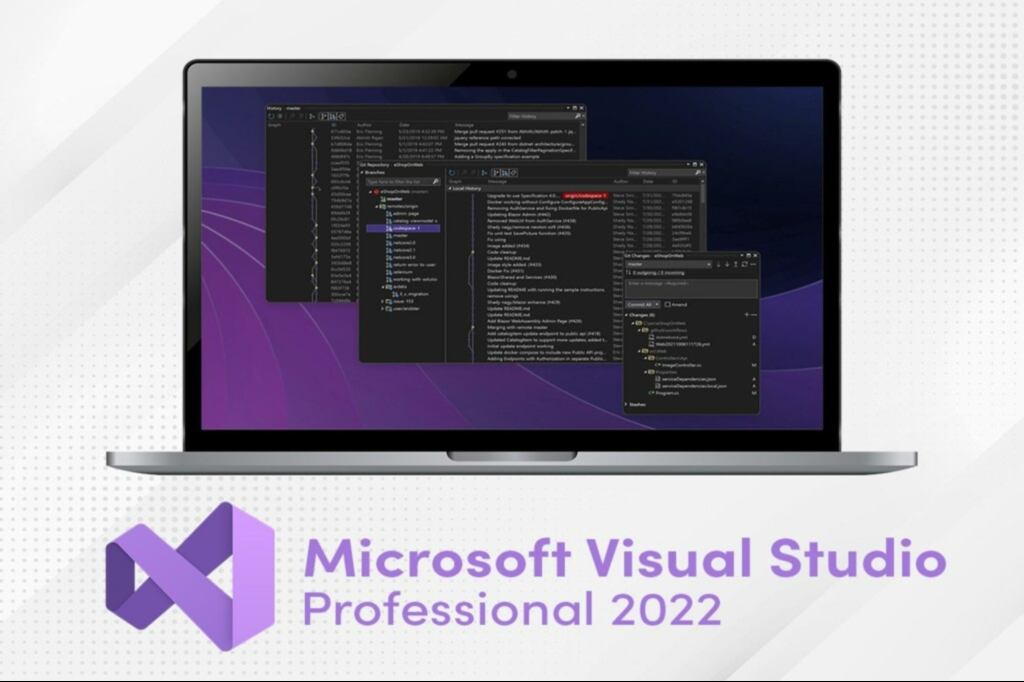
Whether you’re new to the skillset or have a little experience under your belt, Microsoft Visual Studio Professional 2022 for Windows can help. This handy tool makes it easy to code smarter and work faster, and right now it’s just $9.97 (reg. $499) through October 19.

This Microsoft platform makes coding quicker and easier

If you’re an entrepreneur hoping to bring your coding in-house, Microsoft Visual Studio Professional 2022 is a great tool for both new and veteran coders. It offers helpful features such as an AI-powered auto-complete called Intellicode, which can complete a line or block of code, or provide you a list of the next best options so you can code faster and more accurately.

Being a 64-bit IDE, it allows developers to handle both large and small projects efficiently. It enables you to write, edit, and debug in one convenient spot, streamlining your workflow. And you’re able to build across languages, so you can work with C++, C#, Python, JavaScript, and more.

If you’re working with colleagues, Microsoft Visual Studio offers helpful collaborative features like CodeLens, which lets you see who made recent changes, view tests, and review commit history. You can also collaborate in real-time using Live Share sessions, which help ensure everyone’s code stays consistent.

Streamline your coding workflow with Microsoft Visual Studio Professional 2022 for Windows, now just $9.97 (reg. $499) through October 19.

StackSocial prices subject to change.

Hiring someone to build a very basic website can cost thousands of dollars. If you’re trying to cut some costs in Q4 or looking ahead to the future, it may be time to work on your coding skills and tackle it yourself.

Whether you’re new to the skillset or have a little experience under your belt, Microsoft Visual Studio Professional 2022 for Windows can help. This handy tool makes it easy to code smarter and work faster, and right now it’s just $9.97 (reg. $499) through October 19.

This Microsoft platform makes coding quicker and easier

If you’re an entrepreneur hoping to bring your coding in-house, Microsoft Visual Studio Professional 2022 is a great tool for both new and veteran coders. It offers helpful features such as an AI-powered auto-complete called Intellicode, which can complete a line or block of code, or provide you a list of the next best options so you can code faster and more accurately.

The rest of this article is locked.

Join Entrepreneur+ today for access.

https://www.entrepreneur.com/technology/this-ai-powered-microsoft-platform-lets-entrepreneurs-code/498006


Your Fulfillment Process Could Be Draining Your Profits — Here’s How to Fix It Fast

Opinions expressed by Entrepreneur contributors are their own.

Key Takeaways

  • Mastering ecommerce fulfillment is crucial for scalability and avoiding customer dissatisfaction due to errors like stockouts or delayed shipments.
  • Effective utilization of technology like shipping software, IMS and WMS at appropriate growth stages prevents overhead bloat and maintains operational clarity.
  • Knowing when to level up your tech stack is essential and should factor in customer satisfaction, sales channel complexity and long-term growth goals.

Order fulfillment has the power to make or break an ecommerce business, whether you’re a garage-based startup or a seasoned online retailer trying to keep pace with growing consumer demand. Although getting orders to customers quickly, accurately and without friction is table stakes, it’s also one of the hardest things to scale.

As sales channels multiply and order volume expands, many ecommerce businesses hit a wall: manual processes fail, inventory data becomes unreliable, headcount starts to increase and customer service turns into firefighting. If this sounds familiar, don’t panic. With the right tools adopted at the right stage of growth, you’ll be able to master ecommerce fulfillment and scale seamlessly to keep orders moving and revenue flowing.

Related: Want to Scale Your Business? Start With These 3 Core Elements

Fulfillment technology: 3 stages of growth

Taming chaotic fulfillment processes isn’t about doubling headcount to handle surging order volumes or thinking you automatically need an enterprise resource planning (ERP) solution to manage operations. Instead, given that most ecommerce brands follow a predictable path when building their technology stack, recognizing where you are on your growth path can help you make better decisions — before fulfillment issues start costing customers and profits.

1. The DIY stage: Shipping software + ecommerce platform

At the outset, sellers typically connect their ecommerce platform (e.g., Shopify, BigCommerce, WooCommerce) to a shipping application (e.g. Descartes ShipRush™, ShipStation, Pirate Ship). This combo handles basic order flow and label printing — sufficient for a small team shipping out of a garage or a single warehouse.

But as sales grow across multiple channels — Amazon, Walmart and social platforms such as TikTok Shop and Meta Shops — the cracks appear. Orders get shipped late or with the wrong items. Inventory counts get out of sync. One channel says a product is in stock; another says it’s sold out. Customer complaints rise and your team spends more time fixing mistakes than growing the business. It’s time to rethink your tech stack.

2. The control stage: Inventory management system

Expanding to additional sales channels is a canny growth strategy, but without the right tech stack tools to streamline the complexities of inventory management, you risk fulfillment chaos rife with manual inventory updates for each channel (who has the time?), a disorienting lack of visibility into stock levels across your operations, and disgruntled customers frustrated by out-of-stock notifications.

To prevent overwhelm and protect profits, growing ecommerce brands typically implement an inventory management system (IMS) at this stage. With an IMS (e.g., Descartes Finale Inventory™, Descartes Sellercloud™, Linnworks) in your tech stack, you can synchronize inventory levels across multiple warehouses, online channels, third-party marketplaces, your storefront and shopping carts — dramatically reducing the time and labor spent managing inventory, while ensuring full operational clarity and removing human error from the equation.

Real-time visibility into stock levels is a competitive differentiator from both a customer satisfaction and bottom-line perspective. With an IMS, you can keep track of what you have and where you have it — whether physical, available or in-transit inventory — to prevent overselling, stockouts and costly deadstock. You can also reserve stock for preferred channels, seasonal campaigns or special promotions to ensure you don’t run out of merchandise at a critical juncture. Most importantly, with happy customers who know exactly what is available for purchase at all times, you can enhance retention and extend customer lifetime value.

As the business continues to expand, an IMS can also help your team optimize demand forecasting and inform future restocking and pricing decisions by tracking turnover ratios and considering historical sales data, inventory lead times and seasonal impact.

Related: Retailers Are Strapped for Time, Money and People. Here’s How AI Can Offer a Helping Hand

3. The scale stage: Dedicated WMS

Eventually, even the best IMS has limits. As order volume and warehouse complexity increase, you’ll need more powerful tools. Adding a cloud-based ecommerce warehouse management system (WMS) to your fulfillment tech stack is the key to scaling your business seamlessly and cost-effectively.

In this growth stage, a dedicated WMS unlocks deep operational efficiencies — bin-level inventory control, advanced wave picking, kitting, labor optimization, replenishment rules — to help you scale quickly with existing resources (even across multiple warehouses). It’s the move from managing fulfillment to mastering it.

With a purpose-built ecommerce WMS, you can scale quickly and efficiently to keep pace with increasing order volume. Onboarding new staff brought in for peak season is a simple, straightforward process: employees are trained within the hour, and with barcode scanners in hand and printed pick and pack lists are a thing of the past, you effectively remove any guesswork and can be confident your team won’t make costly errors that could compromise brand reputation.

A dedicated WMS also offers efficiency and cost-saving benefits across multiple ecommerce business models. Perhaps you’re a direct-to-consumer (D2C) brand using your own storefront as your primary sales channel and fulfilling orders in-house. With an ecommerce WMS built for scalability, you can ramp up quickly to handle any surges in orders; fulfillment performance isn’t limited by the less robust capabilities of, for example, a WMS add-on, app or extension from your existing order management or inventory management system.

If you’re selling on multiple platforms, connecting the IMS to WMS gives you control over the quantity of products for sale across different sales channels, whether that’s Amazon, Walmart, eBay or your own storefront, helping you adjust and balance inventory levels as required. If you work with third-party logistics providers (3PLs) such as Fulfilled By Amazon (FBA) or Walmart Fulfillment Services (WFS), a dedicated solution helps you orchestrate which orders should be sent via the 3PL or your own warehouse.

Ecommerce businesses with complex requirements around sourcing, manufacturing or finances may also elect to implement an ERP at this stage of growth, or connect a WMS to their ERP to increase warehouse efficiency, scale fulfillment productivity and centralize data across the supply chain to inform decision-making.

Regardless of your fulfillment model, a WMS enables you to scale quickly to handle peaks without big overhead, boosting performance, curtailing operational costs and ensuring a frictionless customer experience — even during the holiday buying frenzy or seasonal volume spikes that could cripple competitors that haven’t optimized their fulfillment tech stack for scalability.

Related: How Online Businesses Can Scale, Improve and Maximize Profitability — Even in a Volatile Economy

When is the right time to level up?

Here’s the catch: There’s no one-size-fits-all trigger. The right time to upgrade your tech stack depends on more than just order volume. Consider:

  • Customer satisfaction (repeat sales from happy customers are key)
  • Number of sales channels you operate
  • Complexity of your product mix (kits, bundles, sizes, etc.)
  • Market competitiveness
  • Cost of fulfillment errors and delays
  • Your growth goals over the next three to five years

If your current fulfillment tools and systems are straining under the pressure and you’re spending more time resolving operational hiccups and customer issues than growing the business, it’s probably time to re-evaluate your tech tools. By understanding the implications of what stage you’re at in the tech stack evolution, you can turn chaos into control and fulfillment into a driver of sustainable, profitable growth.

Key Takeaways

  • Mastering ecommerce fulfillment is crucial for scalability and avoiding customer dissatisfaction due to errors like stockouts or delayed shipments.
  • Effective utilization of technology like shipping software, IMS and WMS at appropriate growth stages prevents overhead bloat and maintains operational clarity.
  • Knowing when to level up your tech stack is essential and should factor in customer satisfaction, sales channel complexity and long-term growth goals.

Order fulfillment has the power to make or break an ecommerce business, whether you’re a garage-based startup or a seasoned online retailer trying to keep pace with growing consumer demand. Although getting orders to customers quickly, accurately and without friction is table stakes, it’s also one of the hardest things to scale.

As sales channels multiply and order volume expands, many ecommerce businesses hit a wall: manual processes fail, inventory data becomes unreliable, headcount starts to increase and customer service turns into firefighting. If this sounds familiar, don’t panic. With the right tools adopted at the right stage of growth, you’ll be able to master ecommerce fulfillment and scale seamlessly to keep orders moving and revenue flowing.

Related: Want to Scale Your Business? Start With These 3 Core Elements

The rest of this article is locked.

Join Entrepreneur+ today for access.

https://www.entrepreneur.com/growing-a-business/your-fulfillment-process-could-be-draining-your-profits/496841


You Sold Your Business — What Happens Next?

Opinions expressed by Entrepreneur contributors are their own.

Key Takeaways

  • Expect major operational, structural and cultural changes once new ownership takes control.
  • Protect your team by negotiating severance and transition terms before signing the sale agreement.
  • Letting go is tough — prepare mentally to move on and find your next passion.

Congratulations, you just sold your business! But don’t expect things to remain the same under the new ownership. Oftentimes, new owners have a different vision of what to do with your business to help achieve their needs, and they may have different ideas on how best to do certain things inside the organization, resulting in a ripple effect of chaos for the transitioning staff in its wake.

This article will help you figure out what to expect after a change in control, so the expectations of you and your team are properly managed ahead of time.

Related: 4 Ways to Stay on After Selling Your Business

Every single aspect of your business can change

Even if the buyer says nothing will change post-sale during their “romance” period of getting you to agree to a sale, that is rarely the case, as a buyer starts to put their own fingerprints all over your business.

This could be things like changing your product mix or website to better bias their products or other preferred vendors. Or, changing all the various systems your business uses for accounting, marketing or operations, that will be a learning curve for the legacy staff.

Or, the other specifics of your business, like the details of your sales and marketing plan, or the details of your sales commission plans, as the Buyer may have experience in doing these things in other ways that better sync with their current business. So, the point here is to get ready for a lot of change.

Get ready for potential layoffs

Even if a buyer says they plan on keeping everyone post-sale, that doesn’t mean they will. There are high odds that overlapping positions, especially in the management ranks, are likely candidates for the buyer to want to remove. And a buyer will be a lot less willing to carry any struggling staff members that you were more forgiving with.

If a salesperson is not hitting their sales quota, or the sales organization has too much excess capacity in relation to the leads coming in, those staff members will be a risk. So, prepare for this during your negotiation period, to make sure any severance packages are pre-negotiated for any layoffs in the first year, to protect your staff members.

Related: Why I Decided to Sell My Small Business: ‘I Still Choke Up’

Get ready for a lot of paper-pushing busy work

Everything is going to change post-sale. Your legal entity’s name, your bank accounts, your credit cards, your sales tax filing systems, your government contracts, your social media profiles, your about us pages, etc. Prepare to backburner your normal work for a while, as all this minutia gets sorted out, setting everything up for the new owner and communicating such changes to all of your staff, customers, vendors, partners, etc.

Your finance team is most likely going to be doing lots of post-sale report building and auditing for any working capital adjustments or other post-closing monies that are moving around between the parties. The first few months post-sale will not be your most efficient work months!

You need to prepare to let go of your baby

Your “baby” is grown up now and post-sale is somebody else’s “teenager” to worry about, not yours. Psychologically, this can be a very difficult time for the founders to transition through as the new owner starts to implement their vision and desired solutions, which most likely are different from how you were doing those same things before.

That is okay; let go and be flexible to the new owner’s needs, and don’t have any opinions that are set in stone. If you think they are screwing something up, that is their lesson to learn, even if you communicate your past learnings on such topics, and even if they are falling on “deaf ears”.

You may need to find a new passion

Nobody loves a business as much as its founder does. And that founder invests a lot of blood, sweat and tears in helping that business grow and succeed. But once you cash out, and you no longer have the economic upside you once had, your emotional ties to the business will start to fade over time.

When you feel that passionate flame starting to burn out, most likely within a few months of closing your transaction, that may be a good time to start looking for your next “baby” to raise, where you can get that passion back from your next venture.

It is very hard to simply be an “employee” in the buyer’s organization after you have been steering the ship for all the years prior.

Related: 7 Ways to Embrace the Change After Selling Your Business

Closing thoughts

I have been the CEO of three businesses that were scaled and sold to a new buyer. The themes discussed in this post come from firsthand experience of what happened in the wake of each of those changes in control.

So, before you sign your name to your pending sale agreement, make sure you can deal with the above issues raised, practically and psychologically. If you can’t, maybe you shouldn’t sell?

But, if you can, make sure you go into the sale process eyes wide open, and for anything that you feel could become post-sale issues you want to protect against, make sure you get it pre-negotiated in your sale agreement before you sign on the dotted line.

Good luck!

Key Takeaways

  • Expect major operational, structural and cultural changes once new ownership takes control.
  • Protect your team by negotiating severance and transition terms before signing the sale agreement.
  • Letting go is tough — prepare mentally to move on and find your next passion.

Congratulations, you just sold your business! But don’t expect things to remain the same under the new ownership. Oftentimes, new owners have a different vision of what to do with your business to help achieve their needs, and they may have different ideas on how best to do certain things inside the organization, resulting in a ripple effect of chaos for the transitioning staff in its wake.

This article will help you figure out what to expect after a change in control, so the expectations of you and your team are properly managed ahead of time.

Related: 4 Ways to Stay on After Selling Your Business

The rest of this article is locked.

Join Entrepreneur+ today for access.

https://www.entrepreneur.com/leadership/you-sold-your-business-what-happens-next/497642


JPMorgan Chase Is Saving $2 Billion a Year Using AI, According to CEO Jamie Dimon

Key Takeaways

  • Jamie Dimon is the CEO of JPMorgan Chase, the largest bank in the U.S.
  • In a new interview, Dimon said that JPMorgan is saving billions due to its investment in AI.
  • AI has provided “about $2 billion of benefit” to the bank, according to Dimon.

JPMorgan Chase, the biggest bank in the U.S. with $3.46 trillion in assets, invests about $2 billion a year into AI technology. According to CEO Jamie Dimon, that investment has already paid for itself.

Dimon told Bloomberg TV on Tuesday that the bank has saved roughly “$2 billion” every year from using AI in everything from risk management to customer service, and that AI is now helping with operations in nearly every part of the bank, from marketing to idea generation. About 150,000 employees a week use JPMorgan’s internal AI model, trained on the bank’s data, to conduct research, summarize reports and scan contracts, he said.

“We have shown that for $2 billion of expense, we have about $2 billion of benefit,” Dimon told the outlet. “Some we can do in real detail: We did this, we reduced headcount, we saved this time and money. Some you can’t: It just improved service.”

Related: Here’s How the CEO of the Biggest Bank in the U.S. Spends His Downtime: ‘This Gives Me Purpose in Life’

Dimon claimed that the $2 billion worth of cost savings was just “the tip of the iceberg.” He said the bank already has hundreds of use cases for the technology, including fraud detection and risk management, and that number is set to grow. One use case is a cash flow intelligence AI tool that cut human-oriented manual work by close to 90% last year.

However, Dimon also cautioned that AI carries the potential to eliminate some jobs, adding that the bank is focused on “retraining” and “redeploying” employees.

“For JPMorgan, if we’re successful, we’ll have more jobs — but there will probably be [fewer] jobs in certain functions,” he told Bloomberg TV.

JPMorgan Chase CEO Jamie Dimon during a Bloomberg Television interview on Tuesday, Oct. 7, 2025. Photographer: Jose Sarmento Matos/Bloomberg via Getty Images

Dimon also mentioned that JPMorgan has a long history with AI — the bank has been using and developing the technology since 2012. Currently, it employs around 2,000 AI and machine learning experts.

Related: JPMorgan CEO Jamie Dimon Just Made a Big Announcement About His Retirement Timeline: ‘I Love What I Do’

Dimon has previously weighed in on AI’s impact on humanity, predicting in October 2023 and a year later that the next generation will “live to 100” and “be working three-and-a-half days a week” thanks to the technology. He said AI is the next wave of technological progress, like the steam engine or the Internet.

Meanwhile, JPMorgan’s business is performing well. The bank’s most recent earnings report for the second quarter of the year was “strong,” Dimon stated in a July earnings press release, reporting a net income of $15 billion. The next earnings report date for the bank is Oct. 14.

Related: JPMorgan Chase CEO Jamie Dimon Shares Four Tips for Leaders

Key Takeaways

  • Jamie Dimon is the CEO of JPMorgan Chase, the largest bank in the U.S.
  • In a new interview, Dimon said that JPMorgan is saving billions due to its investment in AI.
  • AI has provided “about $2 billion of benefit” to the bank, according to Dimon.

JPMorgan Chase, the biggest bank in the U.S. with $3.46 trillion in assets, invests about $2 billion a year into AI technology. According to CEO Jamie Dimon, that investment has already paid for itself.

Dimon told Bloomberg TV on Tuesday that the bank has saved roughly “$2 billion” every year from using AI in everything from risk management to customer service, and that AI is now helping with operations in nearly every part of the bank, from marketing to idea generation. About 150,000 employees a week use JPMorgan’s internal AI model, trained on the bank’s data, to conduct research, summarize reports and scan contracts, he said.

“We have shown that for $2 billion of expense, we have about $2 billion of benefit,” Dimon told the outlet. “Some we can do in real detail: We did this, we reduced headcount, we saved this time and money. Some you can’t: It just improved service.”

The rest of this article is locked.

Join Entrepreneur+ today for access.

https://www.entrepreneur.com/business-news/jpmorgan-ceo-jamie-dimon-ai-saves-the-bank-billions-a-year/498115


This Retailer Once Had 1,500 Locations Before Going Bankrupt. Now It’s Betting on a New Comeback Strategy.

Key Takeaways

  • Bed Bath & Beyond went out of business in 2023 after 52 years.
  • The company reopened its first new store after bankruptcy called “Home” in Nashville in August.
  • Bed Bath & Beyond announced on Wednesday that it is launching a nationwide franchising program.

Over the summer, Marcus Lemonis, the executive chairman of Bed Bath & Beyond, helped launch the company’s first new store since shutting down in 2023. On social media, he teased more stores to come and crowdsourced where the next possible locations could be.

Now, the once-giant house of home goods has announced its future growth plans — through franchising. In a press release, Bed Bath & Beyond Inc., which also owns Overstock, buybuy BABY, and a blockchain asset portfolio, revealed that it is launching a national retail franchise system.

“Our goal is to grow Bed Bath and Beyond in the most capital-efficient manner,” Lemonis said in the release. “This system enables local owners to deliver personal service and local flavor while leveraging our national infrastructure, marketing, and technology.”

Related: Marcus Lemonis Became Famous for Fixing Businesses — Then Faced the One Problem He Couldn’t Ignore

According to the statement, the new model will focus on smaller stores that “feature turnkey formats of a traditional Bed Bath & Beyond, including Home, Kitchen Living, Storage & Organization, and Holiday Shoppe.” The stores will have a “neighborhood feel,” the statement says.

Franchisees will choose about 20% of the merchandise to “highlight regional products and designers,” while most of the store (80%) will be “curated” by Bed Bath & Beyond.

Meanwhile, BedBathandBeyond.com will serve as a “unifying in-store and online customer experience.”

In the statement, Lemonis added that franchisees will have a team of business, AI, legal, and financial experts behind them: “Together, they will provide franchisees with expert guidance, operational support, and oversight to ensure brand standards and execution remain consistent nationwide.”

Related: Forget Perfection — Marcus Lemonis Taught Me Why Being Real Wins in Business

In its prime, Bed Bath & Beyond had more than 1,500 locations. The company entered Chapter 11 proceedings in April 2023.

The company said final paperwork should be available within six months, per Retail Dive.

Key Takeaways

  • Bed Bath & Beyond went out of business in 2023 after 52 years.
  • The company reopened its first new store after bankruptcy called “Home” in Nashville in August.
  • Bed Bath & Beyond announced on Wednesday that it is launching a nationwide franchising program.

Over the summer, Marcus Lemonis, the executive chairman of Bed Bath & Beyond, helped launch the company’s first new store since shutting down in 2023. On social media, he teased more stores to come and crowdsourced where the next possible locations could be.

Now, the once-giant house of home goods has announced its future growth plans — through franchising. In a press release, Bed Bath & Beyond Inc., which also owns Overstock, buybuy BABY, and a blockchain asset portfolio, revealed that it is launching a national retail franchise system.

“Our goal is to grow Bed Bath and Beyond in the most capital-efficient manner,” Lemonis said in the release. “This system enables local owners to deliver personal service and local flavor while leveraging our national infrastructure, marketing, and technology.”

The rest of this article is locked.

Join Entrepreneur+ today for access.

https://www.entrepreneur.com/business-news/bed-bath-beyond-launches-nationwide-franchise-system/498114


Forget Perfection — Marcus Lemonis Taught Me Why Being Real Wins in Business

Opinions expressed by Entrepreneur contributors are their own.

Key Takeaways

  • Sharing the stage with Marcus Lemonis reminded me that vulnerability isn’t a weakness in business — it’s a powerful tool for building trust, connection and lasting relationships.
  • When leaders go first and show their human side, they create a culture where authenticity thrives and business becomes more meaningful than just transactions.

In business, we’re often taught to build walls: stay professional, stay polished, never show weakness. But more leaders today are discovering that true connection doesn’t come from perfection — it comes from vulnerability.

No one embodies this better than Marcus Lemonis, host of The Fixer and a successful entrepreneur known for his transparency, empathy and human connection.

I recently had the privilege of sharing the stage with Marcus, Jason Feifer (Executive Editor of Entrepreneur) and other household-name entrepreneurs at Entrepreneur Level Up in Las Vegas. Marcus spoke candidly about the power of vulnerability — and how it transforms leadership.

Related: 8 Powerful Lessons from Robert Herjavec at Entrepreneur Level Up That Every Founder Needs to Hear

Beyond contracts: trust that lasts

Business is built on contracts and agreements, but those are just the surface. As Marcus says, “If we’re going to do business together, we should have some level of trust.” Trust goes beyond signatures; it’s the belief that someone will show up, have your back and stand firm when challenges arise. Without trust, no contract can save a partnership.

Vulnerability isn’t weakness — it’s strength

Vulnerability is often mistaken for weakness, but it’s actually one of the greatest strengths a leader can show. It doesn’t mean oversharing or losing professionalism. It means revealing a bit of your humanity — your fears, your lessons, your failures.

You don’t have to start with your deepest struggles. Maybe share a past failure, admit a fear or simply acknowledge the emotional ups and downs of running a business. These small acts invite others to open up, turning transactional relationships into genuine connections.

The power of shared stories

Think about the most meaningful business relationships you’ve had — it probably wasn’t about numbers or contracts. It was about shared stories and common experiences. Marcus shares his childhood challenges openly, creating bridges with others who’ve faced similar struggles. These bonds transform how we negotiate, collaborate and build teams, making business about more than just profits.

Leaders need to lead with vulnerability

One of the hardest parts of being vulnerable is going first. When leaders share their stories, admit they don’t have all the answers or show their fears, they give others permission to do the same. This builds a culture of authenticity, which today’s customers and employees crave — and it’s a true competitive advantage.

Vulnerability on the entrepreneur’s journey

Entrepreneurship is a rollercoaster — victories and setbacks alike. Many hide the struggles and only share the wins. But as Marcus shows, it’s the scars and setbacks that build real credibility and resilience. Vulnerability doesn’t hurt your reputation; it strengthens it by showing you’re human and tenacious.

How to practice vulnerability in business

Want to bring vulnerability into your leadership without feeling uncomfortable? Try these:

  • Start small: Share a lesson from a past mistake or challenge.
  • Use storytelling: Stories create emotional bonds far beyond facts and figures.
  • Listen actively: Give others space to share and show you’re truly present.
  • Create safe spaces: Encourage openness by modeling acceptance and empathy.
  • Stay professional: Be authentic without oversharing or losing context.

The ripple effect

When vulnerability becomes part of leadership, the impact is profound:

  • Teams become stronger and more engaged.
  • Partnerships deepen and endure.
  • Customers connect on a personal level.
  • Leaders grow personally and professionally.

At its core, vulnerability builds connection — and connection is the foundation of every successful business.

Related: Marcus Lemonis Became Famous for Fixing Businesses — Then Faced the One Problem He Couldn’t Ignore

The courage to be real

Marcus Lemonis reminds us that vulnerability isn’t just a personal trait; it’s a powerful business strategy. By sharing his real story, he builds trust and bonds that contracts alone could never create.

If we want to move beyond mere transactions and build lasting trust, we must be willing to let people in. Start small: a story, a lesson, a moment of honesty.

Because business isn’t just about deals. It’s about people — and people connect through shared humanity. Vulnerability is the bridge.

As Marcus puts it, trust isn’t built in the fine print. It’s built on the courage to be real.

Key Takeaways

  • Sharing the stage with Marcus Lemonis reminded me that vulnerability isn’t a weakness in business — it’s a powerful tool for building trust, connection and lasting relationships.
  • When leaders go first and show their human side, they create a culture where authenticity thrives and business becomes more meaningful than just transactions.

In business, we’re often taught to build walls: stay professional, stay polished, never show weakness. But more leaders today are discovering that true connection doesn’t come from perfection — it comes from vulnerability.

No one embodies this better than Marcus Lemonis, host of The Fixer and a successful entrepreneur known for his transparency, empathy and human connection.

I recently had the privilege of sharing the stage with Marcus, Jason Feifer (Executive Editor of Entrepreneur) and other household-name entrepreneurs at Entrepreneur Level Up in Las Vegas. Marcus spoke candidly about the power of vulnerability — and how it transforms leadership.

The rest of this article is locked.

Join Entrepreneur+ today for access.

https://www.entrepreneur.com/leadership/forget-perfection-marcus-lemonis-taught-me-why-being/496331


No Politics. No Exceptions. Why I Banned Political Talk at My Company

Opinions expressed by Entrepreneur contributors are their own.

Key Takeaways

  • Allowing political expression at work can create tension, discomfort and division among employees.
  • A strict no-politics policy helps maintain a respectful, productive and inclusive workplace environment.

You want to have an open and friendly workplace. You want people to feel comfortable expressing their views in a safe space. You believe that everyone’s view should be respected and that, as a family of workers, it would be great for everyone to debate issues and share their thoughts. I would love this too. But I’ve learned that what I want is not possible.

A friend of mine is very political. He goes to rallies and contributes to politicians who support his interests. That’s fine. But then it becomes not fine. During election times, he puts campaign posters on his company’s front lawns. He shares his opinions freely in the office, which anyone within earshot can hear. He’s got his favorite news channel running on his computer all the time. Everyone knows his politics.

I have another friend who works at a regional marketing firm. She’s also very political and not afraid to wear shirts, buttons and hats with political slogans. Her posts to Instagram are full of these opinions. Everyone knows her politics, too.

Imagine working for these people. Imagine working alongside these people. It’s one thing if you agree with them. But what if you don’t? What if they know you don’t? You can’t tell me this doesn’t impact relationships. Or that it can cause significant conflict. None of this is good for business. And it certainly wouldn’t be good for my business. Which is why we have a specific policy in my company: no politics, period. No one I do business with should know my politics. And I shouldn’t know the politics of anyone working for me.

Related: 4 Major Reasons Why Entrepreneurs Should Not Mix Their Businesses with Politics

Here’s our policy in our employee handbook:

“To maintain a respectful, professional and inclusive workplace, political speech and activities are not permitted in the office or during work hours. This includes, but is not limited to, displaying political materials, campaigning, soliciting support or engaging in political discussions that may disrupt productivity or create discomfort among employees. Employees are expected to keep their personal political beliefs and activities separate from the workplace.”

What about the First Amendment? Doesn’t everyone have the right to free speech, even in the office? Of course, the First Amendment protects the right of free speech. But not necessarily in the workplace, and especially not my workplace.

“Private employers, by contrast (to public employers), generally have more leeway to regulate political expression that is unrelated to workplace conditions, subject to state or local laws that prohibit discrimination based on political affiliation or lawful off-duty conduct,” labor attorneys S. McKinley Gray, III and X. Lightfoot of the law firm Ward and Smith recently wrote. “A measured approach — paired with clear, narrowly tailored social media and conduct policies — can help reduce legal risk while maintaining a professional and respectful workplace.”

A measured approach? Not for me. Here’s some better advice: ban politics from the office. Ban it all. No signs. No discussions. No nothing. Violation of this policy results in suspension. Two suspensions result in employment termination. Sounds harsh? Not really.

I admit implementing this policy at my business is a little easier because my company is fully virtual. But your office is a place of business. Your employees’ political views have absolutely nothing to do with their jobs. People need to feel comfortable and safe coming to work. They shouldn’t have to fear retribution, bullying or mistreatment from some co-workers, their bosses or even the owner of the company because of their personal stand on issues important to them.

What about outside work? You can’t stop people from participating in political events, going to rallies and posting on social media. What people do in their personal lives isn’t your concern. But your policy should be clear that those activities — and any mention of them — need to be left at the reception desk.

This policy not only extends to senior management to owners but also needs to be demonstrated publicly by both. I have some clients who allow signs for a candidate to be hung above their desks. I have others who make it no secret that they contribute to a certain party. My client has his news station loudly playing in his office. Others are listening to political podcasts at their desks. Right now.

A recent survey by Morning Consult/BSR revealed that U.S. workers are three times more likely to prefer working for companies that actively support social justice causes over those that do not. People say you should be outright about what you stand for. Some of my clients believe that they have a moral duty to support certain political positions or candidates. I get it. Today’s employees prefer working at companies that are socially active and take a side.

Regardless, it’s a bad strategy.

That’s because today’s environment, politics are simply bad for business. Given the clear split of voters in this country, allowing employees — and owners — to discuss these options will automatically alienate half of your workforce. It will create an uncomfortable work environment. It will expose your company to bad employee reviews on Glassdoor or Indeed or simply negative social posts. The world sees this. And it’s not a good look for a company, like most companies, that are vying for talent in this era of tight labor.

Related: People Want Jobs That Align With Their Social Justice Beliefs. How Can Businesses Meet Those Expectations?

And it will impact your growth.

Being or allowing politics to seep into the workplace ultimately finds its way into your customers’ universe. And, like employees, you’ll find that half of these customers will disagree with whatever is being said by or supported by your company. I realize there are some contradictions (i.e., the huge popularity of Chick-fil-A by many younger, left-leaning people despite the company’s founder’s right-leaning views). But for the most part, you’re setting yourself up for boycotts, giving fuel to your competitor and at the very least creating potentially negative PR for your company.

For me, a better practice is to take a harder approach. No politics in the office. Period.

Key Takeaways

  • Allowing political expression at work can create tension, discomfort and division among employees.
  • A strict no-politics policy helps maintain a respectful, productive and inclusive workplace environment.

You want to have an open and friendly workplace. You want people to feel comfortable expressing their views in a safe space. You believe that everyone’s view should be respected and that, as a family of workers, it would be great for everyone to debate issues and share their thoughts. I would love this too. But I’ve learned that what I want is not possible.

A friend of mine is very political. He goes to rallies and contributes to politicians who support his interests. That’s fine. But then it becomes not fine. During election times, he puts campaign posters on his company’s front lawns. He shares his opinions freely in the office, which anyone within earshot can hear. He’s got his favorite news channel running on his computer all the time. Everyone knows his politics.

I have another friend who works at a regional marketing firm. She’s also very political and not afraid to wear shirts, buttons and hats with political slogans. Her posts to Instagram are full of these opinions. Everyone knows her politics, too.

The rest of this article is locked.

Join Entrepreneur+ today for access.

https://www.entrepreneur.com/leadership/no-politics-no-exceptions-why-i-banned-political-talk-at/497864