Why Investors Are Turning Their Attention to This Cocktail Bar’s Major Expansion

Disclosure: Our goal is to feature products and services that we think you’ll find interesting and useful. If you purchase them, Entrepreneur may get a small share of the revenue from the sale from our commerce partners.

On New Year’s Eve in 2006, 24-year-old David Kaplan opened the first Death & Co as a blink-and-you’d-miss-it cocktail bar in Manhattan’s East Village.

Five days later, a feature in the New York Times captured the imagination of the city’s cocktail lovers, and there’s been a line out the door to experience Death & Co ever since.

Today, Death & Co is one of the most recognized names in cocktails.

The bars welcome more than 10,000 visitors each week and the company is on track to do $20 million this year.

No surprise, considering they’re listed in “The World’s 50 Best Bars” and their cocktail book was the first drinks book to win the James Beard Award for “Book of the Year.”

Building off their iconic Death & Co brand, they have their sights set on a new frontier: Building a global hospitality business.

Close Company is a new cocktail bar brand that delivers the Death & Co experience in a more scalable, approachable format, while Midnight Auteur brings the group into boutique hotels, unlocking new, higher-margin verticals. They’re even branching into e-commerce and online cocktail education.

This expansion is catching the attention of the media and investors alike. Bloomberg called their plan “a shrewd and natural evolution for a company that has already mastered the art of experience.”

But what’s making this growth story even more compelling is the way Kaplan and Death & Co are funding it.

While most companies raise money from Wall Street, Death & Co decided to bring their community on board, a strategy that CNN recently spotlighted.

[embedded content]

The response to this opportunity has been overwhelming. More than 3,000 people have invested in Death & Co already, requiring the company to increase their max fundraising goal during their current funding round. They expect to exceed it again before the round closes on Oct. 30.

The investor support is a testament to both the brand and their ambitions.

With the company projecting 5.5X revenue growth in just four years, scaling 200% faster than leading hospitality brands, investors see a unique opportunity.

That growth is fueled by the pace of their openings. They’ve already opened three properties in 2025, and they plan to open five more locations in the coming months, including:

  • The Hot Eye, a basement bar at their new Municipal Grand hotel in Savannah, Ga.
  • Close Company cocktail bar in Atlanta.
  • The first international Death & Co locations in Melbourne and Brisbane, through a partnership with Australian Venue Co.
  • And a new Death & Co in Seattle’s Pioneer Square, just in time for the city to host the World Cup in 2026.

Unlike other hospitality brands that spend their growth capital on real estate and furnishings, Death & Co says it has found a powerful capital-light growth strategy, where the real estate developers are paying the upfront costs.

That lets Death & Co turn their growth into profits faster. They’ve already grown their margin dollars 7X, with a projected increase of $6.8M in net income by 2028.

How investors could see a return

For investors, one of the biggest questions is how a private company eventually delivers returns. Death & Co’s leadership is upfront about its long-term vision.

While an IPO could be one route, Kaplan believes a future sale to a larger hospitality group may be the most favorable option. It’s a strategy that mirrors respected industry acquisitions where the customer experience remained intact even after new ownership. Either way the goal is the same, Kaplan says: Build meaningful value before pursuing an exit when market conditions align.

Death & Co is raising at a $58.5 million valuation with a long-term target of $120–$150 million. The leadership team frames a potential exit in the three- to five-year range, though that timeline ultimately depends on market dynamics.

As Kaplan puts it, a future liquidity event would not only be about financial return, but also about honoring the community of investors who helped fuel the company’s growth from the start.

Investors get exclusive benefits, from priority reservations to discounts

For Death & Co, raising capital directly from the community forges deeper connections with the people who believe in the brand. Unlike most private investments, backing Death & Co comes with real benefits designed to make investors feel like insiders.

Anyone who invests more than $2,500 gets priority reservations at all Death & Co properties, invitations to exclusive investor happy hours and pre-opening events, and free access to Fashioned, the company’s forthcoming cocktail education platform and community hub.

As investment tiers increase, so do the experiences. Think signed books and artwork, 10% off every visit, or even enjoying cocktails for $12 for life (2007 menu pricing, a nostalgic nod to Death & Co’s earliest days). High-rolling investors can unlock once-in-a-lifetime opportunities, from hosting a private cocktail party at one of the company’s venues to collaborating with the team on a signature cocktail named in their honor.

The message is clear: At Death & Co, investors are a core part of the story.

How you can invest

For those who are interested, investing in Death & Co is simple. Shares are currently priced at $2.13 each, and you can participate directly through the company’s investment page.

But timing matters. The opportunity to invest ends on October 30, giving investors a limited window to claim their stake alongside the thousands who have already joined.

Learn more about the opportunity to invest in Death & Co here.

*This is a paid advertisement for Death & Company’s Regulation A offering. Past performance is not indicative of future results. Please read the offering circular at invest.deathandcompany.com

On New Year’s Eve in 2006, 24-year-old David Kaplan opened the first Death & Co as a blink-and-you’d-miss-it cocktail bar in Manhattan’s East Village.

Five days later, a feature in the New York Times captured the imagination of the city’s cocktail lovers, and there’s been a line out the door to experience Death & Co ever since.

Today, Death & Co is one of the most recognized names in cocktails.

The rest of this article is locked.

Join Entrepreneur+ today for access.

https://www.entrepreneur.com/money-finance/why-investors-are-turning-their-attention-to-this-cocktail/498046




Why Retirement Plans May Be the Next Big Crypto On-Ramp

Opinions expressed by Entrepreneur contributors are their own.

Key Takeaways

  • A small 401(k) allocation could inject hundreds of billions into digital assets.
  • Critics warn of higher fees and volatility, while supporters see diversification.

The White House sent shock waves through the retirement industry on August 7 when President Donald Trump signed an executive order instructing regulators to let 401(k) plans own alternative assets — such as crypto and property. Several government departments have been directed to revise long-standing fiduciary guidance that has kept most plans restricted to stocks, bonds and cash. If the rules change as written, every plan sponsor in America will be able to add a crypto sleeve beside the S&P 500 index fund.

I view the order as a watershed. 401(k) plans hold roughly $8.9 trillion in assets, according to the Investment Company Institute. Even a modest two-percent allocation would unlock more than $170 billion in fresh demand for digital assets. No voluntary on-ramp has ever promised that scale.

Related: Invested in Crypto? Here’s Everything You Need to Know About This Year’s Tax Rules

How the Executive Order works

The order directs the head of the Labor Department to ease the path for workers who manage their own 401(k)-style plans to invest in nontraditional assets. The SEC must study revisions to accredited-investor and qualified-purchaser rules so that everyday workers can hold vehicles that were once limited to institutions.

Regulators have 180 days to produce initial guidance. Nothing changes tomorrow, but the directive removes the biggest legal hurdle: the fear of breaching fiduciary duty by offering high-volatility assets.

Why $9 trillion matters

ICI data show that 401(k) plans controlled $8.9 trillion as of September 30 last year. Defined-contribution plans overall account for about $12 trillion. For comparison, the total market value of all publicly listed crypto assets hovers near $1.4 trillion.

If plan sponsors eventually route even five percent of 401(k) balances into digital assets, the crypto market cap could expand by hundreds of billions of dollars. Private-equity managers and real-estate sponsors stand to benefit as well, but crypto’s supply is finite; price impact could be dramatic.

Related: Why Everyday Transactions, Not Wall Street, Will Drive Crypto Adoption

Critics raise the risk flag

Senator Elizabeth Warren immediately blasted the order. In a formal statement released the same day, she warned that private equity’s opaque fees and crypto’s volatility threaten American savers. She portrayed the action as handing private-equity tycoons exactly what they have long desired, warning that it could leave retirement savings vulnerable to volatile assets with limited visibility and inadequate safeguards.

Warren urged regulators to preserve existing guardrails and questioned whether plan participants understand the complexity of blockchain assets.

Professional fiduciaries voiced similar concerns to Reuters. Several advisers noted that alternative investments carry higher costs, lower liquidity and steeper learning curves. They worry that plan committees will struggle to monitor due diligence on vehicles that update net-asset values monthly, not daily. Higher fees alone could shave thousands from long-term nest eggs.

Why plan sponsors might proceed anyway

From my vantage point, demand comes from two directions. Younger workers want growth and diversification beyond a 60-40 portfolio. Meanwhile, alternative-asset managers view defined-contribution flows as the last untapped pool of sticky capital. Those managers are prepared to tailor products: daily-priced crypto trusts that sit on top of qualified custodians or private-equity funds with simplified fee waterfalls.

The executive order asks the SEC to revisit accredited-investor thresholds. If the agency relaxes the net-worth test, plan participants could buy diversified venture funds inside target-date portfolios. Such structures would shift risk onto professionals and leave asset selection to experts, not individual employees.

What plan committees need to do now

First, review investment-policy statements. If those documents ban non-public assets outright, committees will need amendments before regulators finish rulemaking. Second, engage record-keepers early. Custody, valuation and reporting for digital assets differ from traditional funds. Third, plan sponsors must prepare a communication strategy. Explaining crypto basis risk to a workforce is harder than explaining an S&P 500 fund.

In this case, I expect early adoption to follow a barbell pattern. Mega-plans with deep resources will pilot limited crypto allocations, while small plans served by pooled employer providers could adopt turnkey solutions once fees fall. Middle-market sponsors will likely wait for regulatory clarity and peer examples.

Related: Why Crypto Traders Monitor BTC to USD Conversions Daily

The bigger picture for U.S. retirement policy

The order fits a broader push to democratize private markets. Earlier guidance in 2020 opened a narrow path to private equity through diversified pooled funds, yet uptake remained small because litigation fear overshadowed opportunity. By issuing a direct presidential mandate, the administration signals that diversification into alternatives is not only permissible but encouraged.

Whether this becomes a true revolution depends on final agency rules. If the Labor Department insists that plan fiduciaries document sophisticated monitoring procedures, smaller plans may still opt out. If fee disclosures mirror mutual-fund transparency, participants can make informed choices and lawsuits lose bite.

I always welcome the optionality. Traditional portfolios suffered in 2022 when both stocks and bonds fell. Crypto and private markets carry risk, but exclusion also carries risk: missing the next wave of returns. Education is key. Plan committees must move beyond headlines and learn custody mechanics, fair-value pricing and tax reporting for blockchains. Service providers should build tools that translate complex asset data into the plain language participants expect.

Change will not arrive overnight; it is a long-term game. Record-keepers must code new asset types, administrators need valuation feeds and regulators must finalize guidance. Yet the direction is set. For the first time, an executive order puts alternative assets on equal footing with index funds inside America’s most popular retirement vehicle. Diversification, once a buzzword, is becoming a policy mandate.

Key Takeaways

  • A small 401(k) allocation could inject hundreds of billions into digital assets.
  • Critics warn of higher fees and volatility, while supporters see diversification.

The White House sent shock waves through the retirement industry on August 7 when President Donald Trump signed an executive order instructing regulators to let 401(k) plans own alternative assets — such as crypto and property. Several government departments have been directed to revise long-standing fiduciary guidance that has kept most plans restricted to stocks, bonds and cash. If the rules change as written, every plan sponsor in America will be able to add a crypto sleeve beside the S&P 500 index fund.

I view the order as a watershed. 401(k) plans hold roughly $8.9 trillion in assets, according to the Investment Company Institute. Even a modest two-percent allocation would unlock more than $170 billion in fresh demand for digital assets. No voluntary on-ramp has ever promised that scale.

Related: Invested in Crypto? Here’s Everything You Need to Know About This Year’s Tax Rules

The rest of this article is locked.

Join Entrepreneur+ today for access.

https://www.entrepreneur.com/money-finance/why-retirement-plans-may-be-the-next-big-crypto-on-ramp/497499


Shaun Neff and Nick Gross Join the Ownership Team of Live Events Powerhouse Breakaway

Live music festival industry leader Breakaway announced that cultural architect Shaun Neff and entertainment-industry pioneer Nick Gross have officially joined its ownership group. The move comes as Breakaway wraps up its biggest festival season ever in 2025, with CEO and Co-Founder Adam Lynn describing the addition of Neff and Gross as “pouring gasoline on the fire” of the company’s growth.

“We hosted our biggest season yet — 12 cities nationwide, with record-breaking attendance numbers and our largest festival ever at Breakaway Carolina,” says Lynn. “This growth is the payoff of years of strategic expansion, partnerships, and earning trust in every market.” He says that the key to making Breakaway festivals great is creating fan experiences that uniquely connect people to the brand: “We carefully select partners, artists, and brands who share our culture and vision. Our goal is simple: deliver the best music experiences to the cities that crave them most, making them unforgettable and accessible.”

Breakaway Carolina 2024, Credit: Mike Kirschbaum

Shaun Neff is a serial entrepreneur who recently co-founded BEEUP with David Beckham and has exited companies such as SunBum and Neff Headwear, and is also a co-owner of the MLS team LAFC and the XGames. Neff’s background includes high-profile collaborations with celebrities like Snoop Dogg and Kevin Durant, advisory roles for major companies, and co-founding the brand incubator Beach House Group, which has backed celebrity-led ventures such as Moon Oral Beauty with Kendall Jenner and Odell Beckham, Jr. “A company wins when it can clearly tell a unique and exciting story that attracts consumers and delivers a great product,” says Neff. “Breakaway has done an incredible job creating an exciting product in the form of festivals, and I’m excited to bring my brand-building and product expertise to the team.”

Related: Kendall Jenner and Odell Beckham Jr Team Up on Oral-Care Beauty Brand

Nick Gross is the founder of Gross Labs, a musician and an entrepreneur. As a drummer, Nick Gross understands the artist perspective and is dialed in to the needs and dreams of music makers: “At the end of the day, artists want to be surrounded by authentic people and experiences, have their music heard by new audiences, and feel respected when they perform—all things Breakaway values deeply,” he says. Gross’s wide-ranging portfolio includes the record label Big Noise, educational platform Find Your Grind, and investments spanning music, sports, and entertainment. His focus on building lifestyle-driven cultural ecosystems will support Breakaway’s strategic expansion. “I look at return on time alongside return on investment to stay focused on projects that align philosophically and provide strategic value,” he says. “For Breakaway, that means everything from raising capital to building new IP.”

[embedded content]

Breakaway’s entrepreneurial energy was a key factor drawing both Neff and Gross to the group. Gross explains: “After meeting Adam and the team, the chemistry and alignment were undeniable. Pulling off one successful festival is hard enough, but doing it dozens of times a year shows vision and business acumen.” Neff agrees, recalling his own experience attending a Breakaway Festival: “The energy on site and the executive team convinced me I wanted to be involved. I’m very bullish on the live entertainment space, and Breakaway is just getting started.”

The live music and festival space is booming, and Breakaway’s success shows how independent festivals can scale nationally while preserving authentic fan experiences rooted in community and culture. “I’ve always loved being part of what’s next, finding what’s under the radar before everyone else does,” says Gross. “Providing a platform like Breakaway for both emerging and established talent to shine is what makes it such a true differentiator.”

Related: How David Beckham and Shaun Neff Are Creating Buzz Around Their New Snack Brand BEEUP

Live music festival industry leader Breakaway announced that cultural architect Shaun Neff and entertainment-industry pioneer Nick Gross have officially joined its ownership group. The move comes as Breakaway wraps up its biggest festival season ever in 2025, with CEO and Co-Founder Adam Lynn describing the addition of Neff and Gross as “pouring gasoline on the fire” of the company’s growth.

“We hosted our biggest season yet — 12 cities nationwide, with record-breaking attendance numbers and our largest festival ever at Breakaway Carolina,” says Lynn. “This growth is the payoff of years of strategic expansion, partnerships, and earning trust in every market.” He says that the key to making Breakaway festivals great is creating fan experiences that uniquely connect people to the brand: “We carefully select partners, artists, and brands who share our culture and vision. Our goal is simple: deliver the best music experiences to the cities that crave them most, making them unforgettable and accessible.”

Breakaway Carolina 2024, Credit: Mike Kirschbaum

The rest of this article is locked.

Join Entrepreneur+ today for access.

https://www.entrepreneur.com/business-news/shaun-neff-and-nick-gross-join-the-ownership-team-at-live/497983


Entrepreneurs Can Build More and Outsource Less With This Microsoft Tool

Disclosure: Our goal is to feature products and services that we think you’ll find interesting and useful. If you purchase them, Entrepreneur may get a small share of the revenue from the sale from our commerce partners.

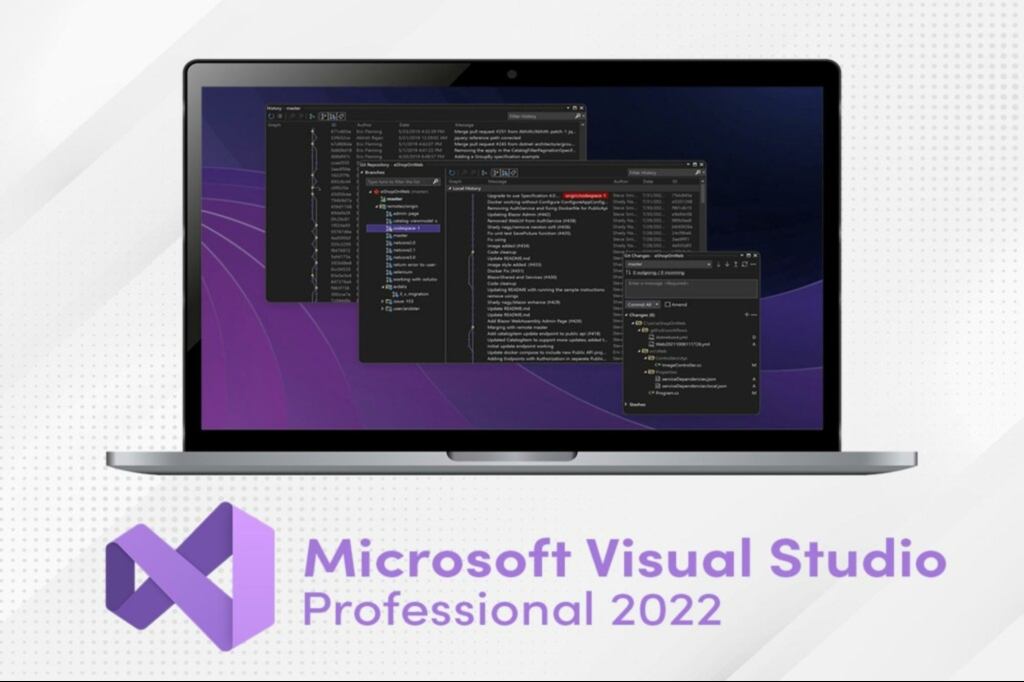
Tired of feeling like you have to outsource everything? If you’d like to bring your coding in-house, Microsoft Visual Studio Professional 2022 for Windows can help. This powerful tool can help you create your own apps, websites, software, and more. It’s currently on sale for just $9.97 (reg. $499) until October 19.

Stop outsourcing and start coding with Microsoft Visual Studio Professional

For entrepreneurs, hiring freelancers can be one of the most expensive costs. If you’re looking to tackle more tasks on your own, like coding and creating your own website, app, or even software, Microsoft Visual Studio Professional can help.

Think of this software as a one-stop workshop for programmers, providing everything a developer needs to tackle big projects and complex workloads as the first 64-bit IDE. Focus on what’s really important, while this tool provides code editors, debugging tools, and design features.

Microsoft Visual Studio Professional enables you to write, edit, and debug all in one place. You’re even able to build across languages so that you can work with C++, C#, Python, JavaScript, and more. It also offers IntelliCode, an AI-powered autocomplete that makes coding even smoother.

This platform is designed for collaborative work, featuring CodeLens that allows you to see who has made recent changes, view tests, and review commit history. You can also take advantage of Live Share’s real-time collaboration sessions, which help ensure everyone’s code stays consistent. You can offer personalized sessions, access controls, and custom editor settings.

Tackle your coding in-house with some help from Microsoft Visual Studio Professional 2022 for Windows, on sale now for just $9.97 (reg. $499) until October 19.

StackSocial prices subject to change.

Tired of feeling like you have to outsource everything? If you’d like to bring your coding in-house, Microsoft Visual Studio Professional 2022 for Windows can help. This powerful tool can help you create your own apps, websites, software, and more. It’s currently on sale for just $9.97 (reg. $499) until October 19.

Stop outsourcing and start coding with Microsoft Visual Studio Professional

For entrepreneurs, hiring freelancers can be one of the most expensive costs. If you’re looking to tackle more tasks on your own, like coding and creating your own website, app, or even software, Microsoft Visual Studio Professional can help.

Think of this software as a one-stop workshop for programmers, providing everything a developer needs to tackle big projects and complex workloads as the first 64-bit IDE. Focus on what’s really important, while this tool provides code editors, debugging tools, and design features.

The rest of this article is locked.

Join Entrepreneur+ today for access.

https://www.entrepreneur.com/science-technology/entrepreneurs-can-build-more-and-outsource-less-with-this/497936


Mark Zuckerberg Isn’t the Only CEO With a High-Risk Hobby — This One Races Cars

Key Takeaways

  • If you want to meet Shopify CEO Tobias Lütke, just head out to the race track.
  • Like Meta CEO Mark Zuckerberg, Lütke enjoys heart-pounding, high-risk sports when not at work.
  • Meta investors have previously been warned in official filings that its CEO participates in “various high-risk activities.”

In order to be a CEO, you need a variety of skills, from being able to stay calm under pressure to making tough decisions when it matters. That’s probably why so many seem to love participating in high-risk sports.

For example, Shopify CEO Tobias Lütke “immediately fell in love” with racing cars after visiting a track with a friend, he told Stripe’s “Cheeky Pint” podcast, which aired on Monday. His Instagram feed is a love letter to the sport. Business Insider reports that Lütke has already competed in various events, including the Daytona, Florida-held, endurance race, the Rolex 24.

“I don’t even try to win,” he said on the podcast. “I’m still competing against myself, and I see all of the other cars as obstacles.”

Related: This Is the Leadership Trick That Even Top CEOs Swear By

Like Lütke, OpenAI CEO Sam Altman also enjoys being in the driver’s seat. At one time, Altman owned at least five race cars, The New Yorker reported back in 2016. With OpenAI’s current $500 billion valuation, one can only guess how many he has now.

Meanwhile, The Information reported in 2023 that Altman is also getting his pilot’s license — and so is Meta CEO Mark Zuckerberg, and Tesla and SpaceX CEO Elon Musk.

Further, Zuckerberg is a huge fan of combat sports like MMA. He’s rented out entire arenas to watch the fights, sparred on a barge in the middle of the water, had major surgery to fix a fighting injury, won a gold medal in jiu jitsu, and even built a “backyard” octagon at his Ko’olau Ranch compound in Hawaii.

Related:‘I Love This Sport’: Mark Zuckerberg’s Meta Enters Into ‘Massive Partnership’ With UFC

All of this caused the company to warn investors about the “risk factors” in its 2023 10-K annual report: “Mr. Zuckerberg and certain other members of management participate in various high-risk activities, such as combat sports, extreme sports, and recreational aviation, which carry the risk of serious injury and death.”

Still, Lütke told the podcast that high-risk sports like racing help him perfect a variety of skills, from improving driving to anticipating what’s next.

“The immediacy and the adrenaline,” Lütke said. “It’s just a brilliant thing that I discovered for myself.”

Key Takeaways

  • If you want to meet Shopify CEO Tobias Lütke, just head out to the race track.
  • Like Meta CEO Mark Zuckerberg, Lütke enjoys heart-pounding, high-risk sports when not at work.
  • Meta investors have previously been warned in official filings that its CEO participates in “various high-risk activities.”

In order to be a CEO, you need a variety of skills, from being able to stay calm under pressure to making tough decisions when it matters. That’s probably why so many seem to love participating in high-risk sports.

For example, Shopify CEO Tobias Lütke “immediately fell in love” with racing cars after visiting a track with a friend, he told Stripe’s “Cheeky Pint” podcast, which aired on Monday. His Instagram feed is a love letter to the sport. Business Insider reports that Lütke has already competed in various events, including the Daytona, Florida-held, endurance race, the Rolex 24.

“I don’t even try to win,” he said on the podcast. “I’m still competing against myself, and I see all of the other cars as obstacles.”

The rest of this article is locked.

Join Entrepreneur+ today for access.

https://www.entrepreneur.com/business-news/shopify-ceo-tobias-lutke-races-cars-in-his-downtime/498053


One of America’s Oldest Seafood Chains Just Got a Menu Makeover — and It’s Betting Big on Chicken

Key Takeaways

  • Long John Silver’s new branding positions poultry as a co-lead with fish, reflecting changing consumer tastes.
  • The chain is shedding its nautical nostalgia for a cleaner, more contemporary look meant to attract new diners and franchisees.
  • Like Dunkin’, Subway and KFC before it, Long John Silver’s joins a growing list of major franchises using rebrands to stay relevant.

Long John Silver’s is charting a new course — and this time, it’s flying a different flag. The legacy seafood chain, long defined by its nautical theme and hand-battered fish, has unveiled a full-scale rebrand that puts chicken front and center. Gone are the heavy maritime motifs and pirate-style fonts; in their place is a cleaner, more contemporary design that highlights chicken.

Related: Considering franchise ownership? Get started now to find your personalized list of franchises that match your lifestyle, interests and budget.

After several seafood-focused decades, this latest refresh acknowledges a broader truth about what American diners crave today. Chicken is now the undisputed heavyweight of the fast-food industry. It’s the most-consumed protein nationwide and is driving innovation and menu growth across nearly every major chain — from sandwiches and nuggets to tenders and wraps.

Recognizing this, Long John Silver’s is no longer treating chicken as a sidekick. Its new visual identity, packaging and advertising put crispy chicken planks alongside the brand’s classic fish fillets as equal stars. Updated menu boards at remodeled stores now lead with chicken imagery, signaling that the brand is expanding its comfort-food appeal beyond seafood loyalists.

The move aims to reinvigorate a franchise system that has seen contraction in recent years. By leaning into a universally popular protein, Long John Silver’s hopes to attract a wider customer base while offering franchisees a stronger sales proposition. It’s a calculated bet that balancing land and sea could help modernize the brand and restore momentum.

Related: These Are the Top Franchise Suppliers of 2025

This rebrand follows a familiar playbook seen throughout franchising in recent years. Dunkin’ dropped the “Donuts” from its name to emphasize beverages and modern café culture in 2019. Pizza Hut brought back its iconic red-roof logo and doubled down on nostalgia to reconnect with lapsed customers. Subway launched its “Eat Fresh Refresh,” overhauling both its menu and restaurant design to signal a comeback. Even KFC has cycled through multiple logo, packaging and menu updates to maintain cultural relevance while celebrating its heritage.

Each of those efforts reflects a broader industry truth: In a crowded fast-food landscape, legacy brands can’t rely on memory alone. They must adapt to changing tastes and remind customers why they matter today.

For Long John Silver’s, the answer lies in a golden-brown piece of chicken. The rebrand is both a nod to the brand’s craftsmanship in hand-battered frying and a signal that it’s ready to compete in America’s favorite category.

Related: Fried, Fast And Franchised — These Are The Top 10 Chicken Franchises in 2025

Key Takeaways

  • Long John Silver’s new branding positions poultry as a co-lead with fish, reflecting changing consumer tastes.
  • The chain is shedding its nautical nostalgia for a cleaner, more contemporary look meant to attract new diners and franchisees.
  • Like Dunkin’, Subway and KFC before it, Long John Silver’s joins a growing list of major franchises using rebrands to stay relevant.

Long John Silver’s is charting a new course — and this time, it’s flying a different flag. The legacy seafood chain, long defined by its nautical theme and hand-battered fish, has unveiled a full-scale rebrand that puts chicken front and center. Gone are the heavy maritime motifs and pirate-style fonts; in their place is a cleaner, more contemporary design that highlights chicken.

Related: Considering franchise ownership? Get started now to find your personalized list of franchises that match your lifestyle, interests and budget.

After several seafood-focused decades, this latest refresh acknowledges a broader truth about what American diners crave today. Chicken is now the undisputed heavyweight of the fast-food industry. It’s the most-consumed protein nationwide and is driving innovation and menu growth across nearly every major chain — from sandwiches and nuggets to tenders and wraps.

The rest of this article is locked.

Join Entrepreneur+ today for access.

https://www.entrepreneur.com/franchises/this-fast-food-chain-is-betting-big-on-chicken/498009


What Every Business Leader Must Know About Data Management to Avoid a Compliance Nightmare

Opinions expressed by Entrepreneur contributors are their own.

Key Takeaways

  • Data loss is not just a problem for your company’s IT department. Failure to comply with regulations can result in substantial fines, legal costs and severe reputational damage.
  • Leaders must be proactive and integrate compliance into their overall risk management strategy.
  • If and when your business faces a cyber attack and data loss, you must demonstrate due diligence and prove that you took all reasonable steps to protect the data.

A loss of important data due to theft, malware, etc., is not just a problem limited to a company’s IT department. In today’s world, data loss is a significant compliance and regulatory issue that every organization must be aware of.

This article will dive deeper into what happens when compliance fails, what leaders should be aware of and how to prepare for the worst-case scenario.

Related: Compliance Is No Longer Just a Back-Office Function — It’s a Core Driver of Brand Trust. Here’s the Cost of Getting It Wrong.

Compliance and regulatory pitfalls

Regulations such as GDPR in Europe, HIPAA in the United States and CCPA in the State of California are some examples of how organizations can be held accountable for the way they store and manage customer data.

Failure to meet these regulations can result in substantial fines. For example, in 2023, Meta, the parent company of Instagram and Facebook, was fined €1.2 billion on the basis of illegally transferring data of millions of users. This is the largest GDPR fine ever.

More recently, in March 2025, Amazon was fined $812 million when the company breached GDPR laws by processing personal data.

Apart from just a steep fine, the cumulative impact of redress, legal costs, operational disruption, downtime, increased regulatory oversight and loss of trust among customers and other stakeholders can be immeasurable.

Prevention is better than a cure

Leaders need to be proactive and ensure that their company or organization is ready to integrate compliance into their overall risk management strategy. Again, this is not something that can be left to an “IT guy.” With so many businesses managing user data, it is essential to treat data like any other valuable asset.

One of the most important ways for businesses to manage customer data is to employ a robust technological infrastructure. For small companies, this might include using third-party providers, while for larger organizations, this can mean specialized departments and heavy investment into making sure all data management meets regulations and compliance.

All data needs to be secured with multiple backups, access limitations and a tested recovery system in case it is lost or corrupted.

Ransomware attacks usually make data inaccessible or corrupt, and as the name suggests, this is used as a ransom to extort huge amounts of money.

With a proper backup system and recovery tools, companies can be one step closer to safeguarding data.

However, to ensure you meet regulatory expectations, it is important to test incident response playbooks as well. These provide step-by-step measures that can be taken by a team in case of a cyber attack, helping to identify threats, ensure team coordination and reduce downtime, all the while adhering to expected industry standards.

Another crucial way to prevent data loss is to invest in employee training and governance. This doesn’t have to cost a lot of money and can even be done by a small enterprise. Employee training can include understanding the basic importance of data, how to handle it securely, how to identify phishing attacks and other cybercrime techniques and how to respond if an attack is successful.

Many organizations are already including this as part of basic employee onboarding and training.

Related: Why Proactivity With Data Security and Privacy Is More Important Than Ever — and How to Be on Top of It

Mitigating disasters

No system is 100% fail-proof. If and when your organization faces a cyber attack and data loss, you need to not only be aware of how to recover your data and keep operations running smoothly, but also make sure that when the regulators show up, you can prove that your organization took all “reasonable steps” to protect this data.

You need to have documentary evidence of your company’s data management strategy, policy documents, access control logs, IT infrastructure details, tools and software, any annual audits or training you provide, even certifications, vendor details and email logs.

Regulatory authorities take this very seriously, and your organization’s scrutiny can be wide and deep.

It also helps if all your policies and documentation are developed in the specific framework of your local or national regulatory body.

Provide regulators with complete transparency on your incident response reports. You should be able to provide timelines, notifications and all other components. This is important because it confirms your organization’s detailed response and efforts.

Overall, it’s important to demonstrate due diligence and your company’s strong policies and responsive measures.

The legal angle

Despite all internal politics and documentation, you need to have a good legal team that can start building a defense case for any inquiries that can come your way.

A good legal counsel that has experience and understands the regulations can cooperate with the authorities on your behalf, make settlements, negotiate and even reduce penalties.

Every organization has a right to defend, and it always pays to have a good legal team handle a case.

Related: This Company Accidentally Deleted Its Clients’ Data. Here’s How It Won Them Back.

Reputation management

Any loss of data or a cyber attack can impact a company’s reputation. Customers might never trust you with their personal data, investors might be cautious, your organization might get negative media coverage, and going forward, it can be under tighter regulatory scrutiny.

If there is an internal issue, your organization needs to take full responsibility, but also convince stakeholders to improve your security and systems so that this never happens again.

An effective media campaign can help mitigate reputational damage and improve confidence.

Non-compliance might save your organization some money in the short term, but the consequences can be devastating. Compliance nightmares can be avoided with foresight and leadership. This is why it’s up to the higher management to lead and build a compliance culture throughout the organization.

Key Takeaways

  • Data loss is not just a problem for your company’s IT department. Failure to comply with regulations can result in substantial fines, legal costs and severe reputational damage.
  • Leaders must be proactive and integrate compliance into their overall risk management strategy.
  • If and when your business faces a cyber attack and data loss, you must demonstrate due diligence and prove that you took all reasonable steps to protect the data.

A loss of important data due to theft, malware, etc., is not just a problem limited to a company’s IT department. In today’s world, data loss is a significant compliance and regulatory issue that every organization must be aware of.

This article will dive deeper into what happens when compliance fails, what leaders should be aware of and how to prepare for the worst-case scenario.

Related: Compliance Is No Longer Just a Back-Office Function — It’s a Core Driver of Brand Trust. Here’s the Cost of Getting It Wrong.

The rest of this article is locked.

Join Entrepreneur+ today for access.

https://www.entrepreneur.com/growing-a-business/how-to-protect-your-data-before-it-becomes-a-legal-nightmare/496991


Seniors Are Turning to ‘Silver Startups’ to Make Extra Cash — Here’s How

Key Takeaways

  • Around one-third of Americans in their 70s and 80s are running their own businesses, according to a new report.
  • The percentage of Americans ages 65 and older who are part of the workforce has almost doubled from 1985 to 2024.

Age isn’t stopping older entrepreneurs from launching new ventures.

About 30% of Americans in their 70s, roughly 1.3 million people, are running their own businesses, according to a recent Wall Street Journal report. That rate is almost twice as high as the percentage of self-employed Americans in their 60s, the outlet notes.

Meanwhile, Business Insider reports that around 27% of people in their 80s are also working for themselves, which is about the same as the national average for self-employment.

Related: The Labor Market Has Changed From the ‘Great Resignation’ to the ‘Great Stay’ Because ‘Workers Aren’t Going Anywhere’

While some of these older workers turned to entrepreneurship by choice, with 65% of Americans polled in the 2019 UPS Inside Small Business survey showing interest in starting a business in retirement, many of these “silver startups” were founded out of necessity. Business owners in their 80s told BI that they recently started their companies after being laid off, experiencing financial setbacks, or handling health issues that made full-time work unmanageable. They mentioned applying to jobs, but facing rejection in a “no-hire, no-fire” job market.

According to the U.S. Bureau of Labor Statistics, 19.5% of Americans aged 65 and older were part of the workforce by either working or looking for work in 2024 — nearly double from 10.8% back in 1985.

Finances have played a major role in this uptick; in recent years, the threshold for a comfortable retirement has been steadily increasing. A report released earlier this year by Northwestern Mutual found that Americans think they will need $1.26 million to retire by age 65, up from $1.05 million in 2021.

Related: Here Are the 10 States Where People Are Most At Risk of Running Out of Their Retirement Savings

Apart from earning extra cash, some entrepreneurial seniors hope to create a product or service that could improve lives. For example, 70-year-old George Koenig recently launched eCaregivers, a platform that connects families with care providers, based on his two decades of experience running a home-care agency.

“I started to see a trend where the cost of care was beyond the average person’s ability to afford it,” Koenig told WSJ. He estimated that eCaregivers can save families 30% to 50% on care costs.

Meanwhile, 81-year-old Dianne Michels juggles two jobs: She runs Possibility Partners, a consulting firm she founded that helps companies increase productivity and retention, and also works shifts at Trader Joe’s to help pay the bills. She hopes to focus on her business full-time one day, and says she wants people to focus on her message, not her age.

“Part of me never wants anybody to know how old I am because I don’t want them to treat me like I’m an old person,” Michels told BI.

Related: These Are the Highest-Paying Jobs for Older Adults (With the Least Physical Labor), According to a New Report

Cal Halvorsen, an associate professor of social work at Washington University in St. Louis, told BI that older Americans who start businesses are typically more active and “physically engaged” with their communities because they are going out to meet customers and build relationships.

However, Halvorsen pointed out that most of these older entrepreneurs aren’t hiring employees and are more likely to be solopreneurs, running the business themselves.

“They’re starting businesses because it provides them with supplemental income and something they care about,” Halvorsen told the outlet.

Key Takeaways

  • Around one-third of Americans in their 70s and 80s are running their own businesses, according to a new report.
  • The percentage of Americans ages 65 and older who are part of the workforce has almost doubled from 1985 to 2024.

Age isn’t stopping older entrepreneurs from launching new ventures.

About 30% of Americans in their 70s, roughly 1.3 million people, are running their own businesses, according to a recent Wall Street Journal report. That rate is almost twice as high as the percentage of self-employed Americans in their 60s, the outlet notes.

Meanwhile, Business Insider reports that around 27% of people in their 80s are also working for themselves, which is about the same as the national average for self-employment.

The rest of this article is locked.

Join Entrepreneur+ today for access.

https://www.entrepreneur.com/business-news/seniors-are-starting-businesses-in-their-70s-and-80s/498051


America’s Best-Selling Vehicle Will Likely See Production Delays After a Major Factory Fire

Key Takeaways

  • A fire that destroyed an aluminum plant in upstate New York three weeks ago is likely to delay production of the Ford F-150 and other vehicles.
  • Analysts estimate the plant supplies around 40% of the auto industry’s aluminum sheet.
  • The F-150 truck is the No. 1 selling vehicle in the U.S.

Last month, an aluminum plant in upstate New York went up in flames. Now, a new Wall Street Journal report says its effects will be felt for months for car buyers and sellers.

The plant, which analysts estimate supplies around 40% of the entire auto industry’s aluminum sheet, will be inoperable until at least 2026, according to its owner, Atlanta-based Novelis.

Meanwhile, the Journal reports that Ford is the plant’s biggest customer, and its F-150 pickup truck, the No. 1 selling vehicle in the U.S., uses a lot of aluminum from the plant. The outlet reports that, according to “people familiar with the matter,” when Ford releases its financial results in late October, the automaker will flag the issue to investors.

Related: A Data Breach Reportedly Affecting 18 Million Customers Hits Jeep, Chrysler, and Dodge Parent Company

In a statement, Ford representatives said: “Since the fire nearly three weeks ago, Ford has been working closely with Novelis, and a full team is dedicated to addressing the situation and exploring all possible alternatives to minimize any potential disruptions.”

Ford also noted that it has other aluminum suppliers. Still, it’s not the only automaker affected — at least 12 others use the plant for aluminum, including Toyota, Hyundai, and Stellantis.

A Toyota spokesman told the Journal that while they are “in pretty good shape” regarding the fire, the company is not “completely out of the woods.”

Related: Jaguar Land Rover Extends Production Shut Down Due to Cyberattack, Costing the Company More than a Billion So Far

Key Takeaways

  • A fire that destroyed an aluminum plant in upstate New York three weeks ago is likely to delay production of the Ford F-150 and other vehicles.
  • Analysts estimate the plant supplies around 40% of the auto industry’s aluminum sheet.
  • The F-150 truck is the No. 1 selling vehicle in the U.S.

Last month, an aluminum plant in upstate New York went up in flames. Now, a new Wall Street Journal report says its effects will be felt for months for car buyers and sellers.

The plant, which analysts estimate supplies around 40% of the entire auto industry’s aluminum sheet, will be inoperable until at least 2026, according to its owner, Atlanta-based Novelis.

Meanwhile, the Journal reports that Ford is the plant’s biggest customer, and its F-150 pickup truck, the No. 1 selling vehicle in the U.S., uses a lot of aluminum from the plant. The outlet reports that, according to “people familiar with the matter,” when Ford releases its financial results in late October, the automaker will flag the issue to investors.

The rest of this article is locked.

Join Entrepreneur+ today for access.

https://www.entrepreneur.com/business-news/aluminum-plant-fire-affects-ford-toyota-vehicle-production/498047


What Rebuilding After Disasters Taught Me About Leading Through Crisis

Opinions expressed by Entrepreneur contributors are their own.

Key Takeaways

  • The market shifts — but complacency does the real damage.
  • Leaders must challenge the status quo, foster a people-first culture and innovate in calm (not just in crisis).
  • It’s also important to provide clarity and transparency when uncertainty arises, plan ahead and stand on your values.

According to PwC’s 2024 CEO Survey, nearly half of CEOs are unsure their companies will survive the next decade without reinvention. While a sobering statistic, it’s not surprising.

I’ve seen what happens when businesses grow complacent — when they confuse stability with sustainability. Economies shift. Disasters strike. People exit. Trends change. The question isn’t whether disruption will come. It’s whether you’ve got the courage and grit to execute, embrace and inspire when it does happen.

At BELFOR, our teams activate and rebuild homes, schools and businesses after disasters. But the real work starts long before the floodwaters rise or the fires burn. It starts with mindset — refusing to get comfortable and living with an “all the time…can do…will do…whatever it takes to do…culture.” That’s how we rebuild communities.

Let me be clear: I’m not an economist or a futurist. I’m just a guy who grew up in Detroit, started working young and learned the hard way how to adapt when life throws curveballs. As I like to say: Got a plan? Well, get ready, because real life has a way of torching the playbook.

That perspective has shaped every decision I’ve made as CEO of BELFOR, a company that now spans 49 countries and employs more than 13,000 team members. Through decades of economic turbulence and natural disasters, we’ve progressed — not just because of what we do, but because of how we think. Our culture of constant adaptation has helped fuel growth.

Related: 7 Ways to Combat Workplace Complacency and Secure Success

The market shifts — but complacency does the real damage

I believe that no matter what your role is in a company, complacency has no seat at the table. For example, I keep my office walls bare — not because I don’t care about our company’s achievements, but because I never want to forget that things can change in an instant. By not hanging decor, it’s a constant reminder that I’ve never quite “settled in.” And I don’t want to ever settle!

Success can blur your mirrors. When things are good and the road feels smooth, it’s tempting to ease off the gas. Real resilience is keeping your hands on the wheel and eyes on the road, even when everything looks fine. Complacency could very well cause you to crash.

Netflix is a perfect example. We all remember those bright red envelopes showing up at our doors. But when the digital wave hit, Netflix didn’t cling to the past; it adapted to survive. The company has disrupted itself again and again, from mailing DVDs to streaming to creating its own award-winning content. Today, it’s an entertainment empire. That relentless mindset of evolution isn’t just innovation. It’s domination. 

From spare change to game change

I never thought I’d be running a multibillion-dollar business. I grew up in Detroit, the oldest of four boys, raised by a single mom. I started working at 11, and every dollar I made went straight to her to help keep the family afloat. The first tip I ever earned was $1 from waiting tables. I spent a dime of it to call my mom, proud to share the news. She lit me up for wasting 10% of my earnings. Lesson learned, quick. 

From flipping burgers and shining shoes to stocking vending machines, my early jobs taught me how to hustle, listen and stay humble. And when I finally got my start at BELFOR, I didn’t walk into a leadership role. I started at the bottom and worked my way up.

Those experiences shaped how I lead today. Resilience isn’t a corporate strategy — it’s something you live. And when you come from nothing, you never forget what it took to get where you are. 

Related: How Growing Up With Nothing Equipped Me to Run a Billion-Dollar Company

1. Push past predictable 

When we stop pushing ourselves, we stop growing. That’s true in both business and in life. Resilience starts with leaders who challenge the status quo, not out of fear, but out of commitment to long-term relevance. Create space for hard conversations. Challenge your assumptions. Disrupt your habits before the market disrupts you. 

2. People first isn’t a policy; it’s a culture 

There’s no success without people. They fight with you in crisis and guard against it before it starts. 

At BELFOR, I personally send a handwritten birthday card to every team member each year. It’s not a gimmick; it’s a reminder that we see every person as family. And when a crisis hits, whether it’s a hurricane or a personal emergency, people who feel supported show up with everything they’ve got. Because our people feel valued, they’re less inclined to resist change and necessary disruption. In fact, they embrace it and rise to it.

This approach is more crucial than ever. According to Gallup, employee engagement in the U.S. fell to a 10-year low in 2024, with only 31% of employees engaged and 17% actively disengaged. This decline underscores the importance of fostering a supportive and engaging work environment where people feel like people, not numbers. 

Related: How Being People-First Can Help You Succeed When Expanding Globally

3. Innovate in calm, not just crisis 

I’ve learned the worst time to start building a plan is when you’re already in the storm. Innovation shouldn’t only be reactive. In fact, some of our best ideas have come during quieter seasons when we had the bandwidth to experiment, rethink and build for the future. 

Remember how Netflix didn’t wait for a crisis to innovate? It created its own momentum.  Resilient businesses prepare before they’re forced to.

4. Keep things simple and be radically transparent 

When uncertainty arises, clarity matters more than ever. Complex plans and vague messaging fall apart quickly in a crisis. As leaders, we owe it to our teams to be honest, direct and accessible. In fact, 88% of leaders surveyed by Deloitte agree that increased transparency leads to greater workforce trust. 

In my experience, companies that overcomplicate things are often trying to mask fear. But fear thrives in confusion. If you don’t know something, say so. If you’re adjusting plans, explain why. Trust grows when people feel informed and included. 

5. Strong leaders plan ahead — and stand on values

At BELFOR, we’ve seen how fast the ground can shift. Floods, fires, pandemics, we’ve responded to it all. The most resilient leaders we work with aren’t the ones who have rigid strategies. They’re the ones who can pivot while staying grounded in their values. 

We build contingency plans like anyone else. But we also inspire our leaders to make value-driven decisions under pressure. Fast action isn’t useful if it’s not aligned with who you are and what you stand for.

Related: How to Lead and Manage Your Team During Times of Crisis

Thriving means choosing discomfort before it chooses you 

Resilience isn’t something you build once. It’s a muscle. And like any muscle, it only grows when you push it — when you step outside your comfort zone and do the work before the world demands it of you. 

If you’re a business owner reading this, I challenge you to start now. Not when the news gets worse. Not when the numbers dip. Now. Ask yourself: Where have I gotten too comfortable? What assumptions am I making about my team, my industry, my future? 

The secret to long-term success isn’t just riding out the storm — it’s letting it forge your strength. And the ones who come out strongest aren’t those who simply endure, but those who prepare and adapt long before the clouds roll in.

Key Takeaways

  • The market shifts — but complacency does the real damage.
  • Leaders must challenge the status quo, foster a people-first culture and innovate in calm (not just in crisis).
  • It’s also important to provide clarity and transparency when uncertainty arises, plan ahead and stand on your values.

According to PwC’s 2024 CEO Survey, nearly half of CEOs are unsure their companies will survive the next decade without reinvention. While a sobering statistic, it’s not surprising.

I’ve seen what happens when businesses grow complacent — when they confuse stability with sustainability. Economies shift. Disasters strike. People exit. Trends change. The question isn’t whether disruption will come. It’s whether you’ve got the courage and grit to execute, embrace and inspire when it does happen.

At BELFOR, our teams activate and rebuild homes, schools and businesses after disasters. But the real work starts long before the floodwaters rise or the fires burn. It starts with mindset — refusing to get comfortable and living with an “all the time…can do…will do…whatever it takes to do…culture.” That’s how we rebuild communities.

The rest of this article is locked.

Join Entrepreneur+ today for access.

https://www.entrepreneur.com/leadership/how-to-lead-through-any-crisis/497302