This CEO Runs a Company Worth $15 Billion. Here’s the Advice He Gives to All New Hires.

Duolingo CEO Luis von Ahn gives new hires five valuable tips.

Key Takeaways

  • Luis von Ahn has been the CEO of Duolingo for over 14 years.
  • In a new social media post, von Ahn detailed five tips for new hires to succeed at the company.
  • One tip he gave was avoiding toxic behavior, which the company “rejects.”

Duolingo accepts a cohort of new graduates every September as new hires. Now the company’s CEO, Luis von Ahn, is sharing how these new employees can succeed and best contribute to the company.

In a LinkedIn post released earlier this week, von Ahn mentioned that Duolingo had welcomed 42 new graduates to the company this fall. The language learning app had over 850 employees total as of April. Its valuation was about $15 billion at the time of writing.

Related: Duolingo Says AI Completed Work in 12 Months that Took Humans 12 Years

The new hires “always ask me how to succeed here,” von Ahn stated in the LinkedIn post. Von Ahn has led Duolingo for over 14 years and holds a doctorate in computer science from Carnegie Mellon University, per his LinkedIn.

Luis von Ahn, CEO of Duolingo. Photographer: Justin Merriman/Bloomberg via Getty Images

Here are the five tips he shares with new hires, according to his post:

1. Stay away from toxic behavior

Von Ahn warned new employees away from approaching their roles with “massive egos” and being untrustworthy by telling different people different things to try to accomplish a task.

“Don’t be a jerk,” he wrote.

Duolingo’s culture quickly pinpoints and “rejects” toxic behavior, he stated.

Related: ‘Continuing to Hire’: Duolingo’s CEO Clarifies AI Stance After Backlash — Read the Memo

2. Be proactive

Von Ahn explained that in its early days, Duolingo didn’t have a company blog. Two engineers approached the problem differently: One complained about it for months without doing anything about it, while another started the blog without being asked to.

The latter engineer “did way better at Duolingo,” von Ahn stated, adding that if new hires notice an issue at the company, they are always free to fix it.

3. Put the company’s mission above yourself

Von Ahn encouraged new hires to think first about what is best for the company and their team, and put those priorities ahead of what is best for themselves.

He cautioned that “this doesn’t mean work yourself to death,” but it does mean focusing on what’s good for Duolingo’s mission, which is to provide free language education to all.

Related: ‘Make Chess as Accessible as Possible’: Duolingo’s Next Move Is Teaching Users How to Play Chess

4. Become familiar with the product

It takes actually using Duolingo to know the product and why it’s important, according to von Ahn. The Duolingo app gamifies language learning and is available for hundreds of languages, including Spanish, French, Japanese and Mandarin.

Von Ahn mentioned that he still reports bugs on the app in an effort to improve the user experience.

5. Embrace that success takes hard work

Von Ahn stated that success is “65% luck” and “35% hard work for about two decades.” He wrote that new hires don’t have to be the most intelligent people in the room — they just have to be persistent and “show up” until luck finds them.

“If you stick with it, you’ll surprise yourself with how far you can go,” he wrote.

Related: Duolingo Put Its Sarcastic Teen Chatbot to Work on Its Earnings Call

Key Takeaways

  • Luis von Ahn has been the CEO of Duolingo for over 14 years.
  • In a new social media post, von Ahn detailed five tips for new hires to succeed at the company.
  • One tip he gave was avoiding toxic behavior, which the company “rejects.”

Duolingo accepts a cohort of new graduates every September as new hires. Now the company’s CEO, Luis von Ahn, is sharing how these new employees can succeed and best contribute to the company.

In a LinkedIn post released earlier this week, von Ahn mentioned that Duolingo had welcomed 42 new graduates to the company this fall. The language learning app had over 850 employees total as of April. Its valuation was about $15 billion at the time of writing.

Related: Duolingo Says AI Completed Work in 12 Months that Took Humans 12 Years

https://www.entrepreneur.com/business-news/duolingo-ceo-luis-von-ahn-heres-how-new-hires-can-succeed/497628


The One Thing I Wish I Had Before My $110 Million Business Collapsed

Opinions expressed by Entrepreneur contributors are their own.

Key Takeaways

  • The “go-for-broke” mentality is celebrated, but it can lead to personal fragility.
  • Being an entrepreneur is difficult enough without constantly worrying about your finances.
  • Your “sleep at night” fund needs to be liquid and secure. It is not an investment account.
  • The best place for this fund? A high-yield savings account.

Most of us have heard the story of the entrepreneur who made a big bet. They maxed out their credit cards, mortgaged their homes and poured every dollar into their business. It’s the kind of narrative that gets celebrated in books and on podcasts.

I lived that story. I’ve often shared how I grew my business to $110 million in revenue, with $92 million from Amazon. Unfortunately, Amazon launched a competing product, which ultimately shut down my business.

Although I learned valuable lessons from that experience, the crushing anxiety, sleepless nights and profound vulnerability of having no financial safety net are rarely discussed. Often, the “go-for-broke” mentality is celebrated, but it can lead to personal fragility. The entrepreneurial freedom spirit is not just about building a profitable business; it’s about having a fortress that protects you from the inevitable volatility that comes with it.

This is where the “sleep at night” comes in.

I’m not just talking about an emergency fund here. This is a strategic asset that offers ultimate protection from downturns, allows you to make informed decisions, and reduces the risk of being forced into a corner. In other words, it’s the difference between reacting to a crisis and responding to it calmly and deliberately.

Let’s explore why these funds are non-negotiable for all entrepreneurs and how to establish them.

Related: Have You Stashed Too Much Money in Your Emergency Fund?

The Volatility Paradox: High income, high risk

While entrepreneurs earn more than their salaried counterparts, their income is far less predictable and irregular. As a business grows and falls, so do a founder’s finances. After one strong quarter, months of lean revenue can follow, especially when profits are reinvested.

In addition to delayed client payments, surprise expenses and the constant pressure of covering operating costs, cash flow can become a guessing game. If a business owner is unable to secure a steady income, even a thriving business can become financially vulnerable. That’s why a “sleep at night” fund is essential. With it, you can ride out the inevitable volatility without panicking and focus on building the business instead of scrambling for cash.

Related: 6 Ways to Turn Market Volatility Into Consistent Profit

What a ‘Sleep at Night’ fund is (and is not)

Specifically designed to cover your living expenses, a “sleep at night” fund is a liquid cash reserve separate from your business accounts. It is:

  • Your personal safety net. If your business hits a rough patch, it’s there to cover the mortgage, groceries and your family’s essential needs.
  • Strategic assets. You can make strategic business decisions without feeling desperate. As a result, you will not be forced to take on bad debt or make rash decisions to cover your expenses if you’re late on a client’s payment or a deal falls through.
  • A psychological buffer. It gives you a deep sense of peace. Why? When you know your family is protected, you can focus on your business and not on yourself.

It is not:

  • Business capital. You shouldn’t use this fund to pay your employees, purchase new equipment or invest in marketing. That’s what your business’s operating capital is for.
  • Your long-term investment fund. This is not a growth fund that invests in stocks, cryptos or other assets. Rather than focusing on high returns, liquidity and safety should be the primary goals.
  • A “fun money” account. This is a serious reserve. To cover discretionary spending, consider paying yourself a salary; however, this fund is intended for emergencies only.

The crushing cost of not having a fund

In the absence of “sleep at night,” a domino effect of negative consequences begins to occur relatively quickly.

Forced decisions and bad deals

The less cash you have, the less negotiating power you have. Because you need cash now, you may have to take on a client at a low rate, partner with someone you don’t trust, or accept unfavorable financing terms. If this happens, your business culture can be poisoned, and you will regret it for a long time to come.

Increased debt and financial stress

Unexpected personal expenses, such as medical bills or home repairs, can force you into high-interest debt, such as credit cards or personal loans. In addition to eroding your wealth, this debt also adds another layer of stress, distracting you from your work.

The psychological toll

Being an entrepreneur is difficult enough without constantly worrying about your finances. After all, a staggering 87.7% of entrepreneurs struggle with at least one mental health issue. More than 30% of survey participants in a Founders Reports survey reported anxiety, high stress, financial worries, burnout and impostor syndrome.

When you live on the edge, you may experience burnout, depression and a loss of passion. If you’re constantly in survival mode, it’s hard to be creative and strategic. Everything in your life becomes hard. Be a good partner or spouse? Forget it. Great, fun, engaged dad (or mom), forget it. The toll is high!

Related: How Businesses Can Fight Financial Instability

How to build your ‘sleep at night’ fund

There is a method to building this fund. To create your business, you need the same discipline.

Step 1: Calculate your personal “runway”

The first step is to define your essential monthly personal expenses clearly. Included in this are your mortgage or rent, utilities, insurance, groceries and minimum debt payments. Add this number to the number of months you wish to be covered and multiply it by this number.

Ideally, you should start with 6 to 12 months’ worth of expenses. As a result, you’ll have plenty of time to pivot, come up with new ideas or ride out a tough market without panicking.

Step 2: Automate your contributions

The same way you pay yourself a salary from your business, you should automate a portion of that salary to your “sleep at night.” You should consider this contribution to be a non-negotiable expense. Be consistent, even if you have to start small. Over time, you want to develop a habit that becomes a substantial reserve.

Step 3: Choose the right account

Your “sleep at night” fund needs to be liquid and secure. It is not an investment account. The best place for this fund? A high-yield savings account. With it, your money is safe, easily accessible and you can earn a little interest without taking on any market risk.

Step 4: Maintain the fund

Creating the fund is just the beginning. You must also be committed to maintaining this fund. If you need to use some money out of your fund for a true emergency, replenish it as soon as possible. By doing so, you’ll always have a safety net when you need one.

Beyond an Emergency Fund: The Strategic Advantage

There’s more to “sleep at night” than just financial security; it’s a competitive advantage.

  • The power to say “no.” It’s easier to say “no” to problematic deals and toxic clients when your personal finances are in order. This enables you to protect yourself, your values, and the reputation of your business.
  • Freedom to innovate. Often, the most significant innovations emerge from experimentation and risk-taking. With a solid financial foundation, you can take calculated risks with new products or services without fear of ruining your finances.
  • Better negotiation. When negotiating a contract, partnership, or line of credit, confidence is your greatest asset. If you know you won’t need cash soon, you’re in a stronger position and can negotiate better terms.

Related: How I Taught Myself Financial Literacy — and How You Can, Too

Final thoughts: True wealth is freedom

Despite its power, the hero-risk-taking founder narrative often misrepresents what true success looks like. It’s not just about a high valuation or a big exit that defines success; it’s about being able to build a life that suits you.

You can achieve that freedom with a “sleep at night” fund. It keeps your well-being separate from your business’s daily struggles. In the long run, it’s the best investment you can make for yourself, your family, and your career. So, stop romanticizing financial fragility. Instead, begin building your fortress. As a result, your future self and your quality of sleep will be grateful.

Key Takeaways

  • The “go-for-broke” mentality is celebrated, but it can lead to personal fragility.
  • Being an entrepreneur is difficult enough without constantly worrying about your finances.
  • Your “sleep at night” fund needs to be liquid and secure. It is not an investment account.
  • The best place for this fund? A high-yield savings account.

Most of us have heard the story of the entrepreneur who made a big bet. They maxed out their credit cards, mortgaged their homes and poured every dollar into their business. It’s the kind of narrative that gets celebrated in books and on podcasts.

I lived that story. I’ve often shared how I grew my business to $110 million in revenue, with $92 million from Amazon. Unfortunately, Amazon launched a competing product, which ultimately shut down my business.

Although I learned valuable lessons from that experience, the crushing anxiety, sleepless nights and profound vulnerability of having no financial safety net are rarely discussed. Often, the “go-for-broke” mentality is celebrated, but it can lead to personal fragility. The entrepreneurial freedom spirit is not just about building a profitable business; it’s about having a fortress that protects you from the inevitable volatility that comes with it.

https://www.entrepreneur.com/money-finance/the-one-thing-i-wish-i-had-before-my-110-million-business/496374




Can Entrepreneurship Be Taught? After 20 Years Running Businesses, the Truth May Surprise You

According to the researchers, the answer seems to be yes. But here’s what I think.

Opinions expressed by Entrepreneur contributors are their own.

Key Takeaways

  • Denmark has been teaching entrepreneurship in schools for two decades — what the results reveal might surprise you.
  • Running a business can be taught, but what it truly takes to be an entrepreneur goes far beyond the classroom.

Since 2005, Denmark’s secondary schools have taught entrepreneurship classes covering marketing, accounting, mindset and valuation. Twenty years later, a new academic paper is asking a big question: can entrepreneurship be taught?

According to the researchers, the answer seems to be yes.

They found that students exposed to this content launched businesses at higher rates than earlier cohorts, and that the education itself was a key driver. These startups were of “higher quality” in some respects (though the paper is vague on the definition). The reform also influenced students’ post-graduation choices, from higher education to jobs, in ways that made later entrepreneurship more likely. In short, earlier exposure appeared to produce not just more but “better” entrepreneurship.

I’ve found that learning to be a good business person is achievable. But learning to be an “entrepreneur”? I’m not so sure.

Related: These 3 Questions Are Plaguing Small Business Owners in 2025 — and Here Are the Answers to Them

Running a business isn’t as complicated as people think. At its core, it’s about math and people. High schoolers can learn how to read a financial statement, understand cash flow and taxes, analyze sales and marketing campaigns and create organization charts. They can study how successful companies generate revenue, build brands and scale.

These are important academic skills. As a CPA, I’m often amazed at how many business owners don’t know this. They’d be much better at their jobs if they had. If you’re one of them, it’s never too late.

But running a business – like what’s being taught in Denmark – is not the same as being an entrepreneur. I’ve spent more than 20 years running and writing about small businesses, and I’ve met plenty of dreamers who called themselves entrepreneurs. Few succeeded. The true entrepreneurs I know are different.

Take Andrew, a client who runs a paper recycling business in New Jersey. It’s a dirty, unglamorous business. I once asked what he’d do if it failed. He said he’d work from his basement, buy a roll of paper here, sell it there, or broker a pallet between two parties. For him, like all true entrepreneurs, it’s about buying for a dollar and selling for three. What the product is doesn’t matter. That’s entrepreneurism.

Then there’s Cecilia, another client. She runs a commercial doors and windows company with nearly 300 employees. Is she “changing the world”? In her own way, yes. She tells her team their work keeps people warm, safe and secure. She knows her employees and their families. Her business may be boring, but her leadership isn’t. That kind of genuine care can’t be taught in school.

And there’s David, more of a cynic after a decade in business. He’s been lied to by suppliers, underpaid by customers and ghosted by employees. He fights for every penny. He’ll spend $100,000 on equipment because he knows it’ll make money, but selling him software took me two years. Entrepreneurs like him don’t buy dreams — they trust, but verify. You don’t learn that in a classroom. You learn it after being burned.

Entrepreneurs aren’t dreamers. They’re realists. They buy and sell. They connect with people. They have a vision, a plan and the grit to execute. A business education can improve their odds, but without that innate drive, they’ll only go so far.

Related: This Is the One Major Concern Small Business Owners Have Ahead of the Presidential Election, According to the Chamber of Commerce

That’s why true entrepreneurism can’t be taught.

What’s taught in Denmark is business: accounting, taxes, basic sales and marketing. Students study case studies of companies like Airbnb and Spotify. They’re encouraged to change the world. It’s no wonder they’re eager to launch businesses. But most have never been cheated, lied to or ghosted. They’re unprepared for the realities that test entrepreneurs. My bet is that many fail or just scrape by.

Sure, I can learn physics, but that won’t make me a physicist. I can swing a bat, but I’ll never play in the major leagues. Some things can be taught. But the most successful people have something deeper — an innate, maybe God-given ability they’ve sharpened over time.

I’m not against teaching business in schools. It’s valuable. But teaching entrepreneurism? That’s not possible.

Key Takeaways

  • Denmark has been teaching entrepreneurship in schools for two decades — what the results reveal might surprise you.
  • Running a business can be taught, but what it truly takes to be an entrepreneur goes far beyond the classroom.

Since 2005, Denmark’s secondary schools have taught entrepreneurship classes covering marketing, accounting, mindset and valuation. Twenty years later, a new academic paper is asking a big question: can entrepreneurship be taught?

According to the researchers, the answer seems to be yes.

They found that students exposed to this content launched businesses at higher rates than earlier cohorts, and that the education itself was a key driver. These startups were of “higher quality” in some respects (though the paper is vague on the definition). The reform also influenced students’ post-graduation choices, from higher education to jobs, in ways that made later entrepreneurship more likely. In short, earlier exposure appeared to produce not just more but “better” entrepreneurship.

https://www.entrepreneur.com/leadership/this-country-thinks-you-can-learn-entrepreneurship-in-class/497078


This 28-Year-Old AI Billionaire Says Teens Should Spend ‘All’ of Their Time Learning One Skill

Alexandr Wang is the founder of Scale AI, an AI training startup.

Key Takeaways

  • Alexandr Wang, 28, is Meta’s chief AI officer.
  • In a new interview, Wang recommended that young people learn how to vibe-code, or allow AI to write code based on instructions in plain English.
  • Wang predicted that AI would be able to write substantial amounts of code in the next five years, including all of the code he has ever written.

MIT dropout and AI billionaire Alexandr Wang, 28, says that the key to getting ahead is learning to use AI code creation tools — and he recommends that all teens get up to speed with using them.

On an episode of the TBPN podcast that aired earlier this month, Wang shared his advice for young people, especially as AI takes over coding at big tech companies. At Microsoft and Google, for example, AI is writing up to 30% of code for company projects.

Meanwhile, AI coding tools like Replit and Cursor, which can generate blocks of code from a prompt, have enabled the rise of “vibe-coding,” or allowing AI to write code based on instructions in plain English. Non-technical people have vibe-coded apps and websites. Even Google CEO Sundar Pichai admitted in June to using AI to vibe-code a webpage.

Related: Should High School Students Still Learn to Code? ‘Absolutely,’ Says OpenAI Engineer

Wang said that young people should spend “all” of their time vibe-coding and make it a way of life.

“If you are, like, 13 years old, you should spend all of your time vibe-coding,” Wang said on the podcast. “That’s how you should live your life.”

He mentioned that if teenagers spend “10,000 hours” getting familiar with AI coding tools, “that’s a huge advantage.”

Meta Chief AI Officer Alexandr Wang. Photo by Drew Angerer/Getty Images

Wang co-founded Scale AI, a data labeling startup for AI training, in 2016, after dropping out of MIT following his freshman year. He led the company for nearly a decade as CEO. The startup’s growth made him the world’s youngest self-made billionaire, with a net worth of $2 billion, per Forbes.

Related: The CEO of a Billion-Dollar Vibe Coding Startup Says You Can Break Into Tech Without a Computer Science Degree

Wang announced in June that he would be leaving the company to join Meta, which made a $14.3 billion investment in Scale AI in exchange for a 49% stake in the startup and access to new talent, including Wang. The investment more than doubled Scale AI’s valuation from $14 billion to $29 billion.

Wang, who is now Meta’s chief AI officer, said on the podcast that AI being able to write code was a game-changer that “radicalized” him.

“It’s impossible to understate the degree to which I’ve been radicalized by AI coding,” Wang said. “I think that fundamentally, the role of an engineer is very different now than it was before.”

Wang predicted that AI models will be able to produce substantial amounts of code within the next five years, including “literally all the code” he has ever written.

Related: The CEO of the World’s Most Valuable Company Says This Would Be His College Major in 2025

Wang’s remarks echo those made by Jensen Huang, the CEO of Nvidia, the world’s most valuable company. Huang said in June that it no longer matters if someone never learned how to code — “there’s a new programming language” called natural language that they can use to prompt AI.

Key Takeaways

  • Alexandr Wang, 28, is Meta’s chief AI officer.
  • In a new interview, Wang recommended that young people learn how to vibe-code, or allow AI to write code based on instructions in plain English.
  • Wang predicted that AI would be able to write substantial amounts of code in the next five years, including all of the code he has ever written.

MIT dropout and AI billionaire Alexandr Wang, 28, says that the key to getting ahead is learning to use AI code creation tools — and he recommends that all teens get up to speed with using them.

On an episode of the TBPN podcast that aired earlier this month, Wang shared his advice for young people, especially as AI takes over coding at big tech companies. At Microsoft and Google, for example, AI is writing up to 30% of code for company projects.

Meanwhile, AI coding tools like Replit and Cursor, which can generate blocks of code from a prompt, have enabled the rise of “vibe-coding,” or allowing AI to write code based on instructions in plain English. Non-technical people have vibe-coded apps and websites. Even Google CEO Sundar Pichai admitted in June to using AI to vibe-code a webpage.

https://www.entrepreneur.com/business-news/ai-billionaire-founder-says-teens-should-hone-this-skill/497624


Great Leaders Make Fewer, Better Decisions. Here’s How You Can Do the Same.

Opinions expressed by Entrepreneur contributors are their own.

Key Takeaways

  • Effective leadership is defined by the quality and impact of decisions, not the number of decisions they make.
  • Making fewer, but more strategic and intentional, decisions is more effective than constant, reactive motion.
  • By creating frameworks, reducing noise and knowing when to pause, they sharpen execution and strengthen team confidence.

Leadership isn’t a game of volume. The best leaders don’t pride themselves on the number of decisions they make each day; they pride themselves on the quality of those decisions. In a culture that often celebrates speed and boldness, the true edge comes from discipline: knowing when to pause, when to filter and when to commit with clarity.

In my time as the founder of ButterflyMX, I’ve learned that leaders who master this discipline don’t just make choices; they create confidence in their teams and consistency in their execution.

Related: 7 Tips for Making Quality Business Decisions

Context or observation

Modern leadership is a barrage of decisions. Which markets to enter, who to hire, what to prioritize, when to pivot, the flow never stops. Many leaders confuse decisiveness with activity, believing that constant motion signals strength. But in reality, piling on choices often creates clutter and weakens focus. Each “yes” drags resources in a new direction, and each unresolved “maybe” lingers as a distraction.

The science backs it up: Decision fatigue is real. Studies show our cognitive performance declines as decision volume increases, leading to rushed calls, emotional bias and avoidable mistakes. Instead of driving momentum, an unchecked decision load drains both the leader’s mental energy and the team’s confidence. The result? More movement, less progress.

Insight or leadership POV

Great leaders know that decisiveness isn’t about answering every question; it’s about setting the rules of the game. They create filters so that only the most meaningful decisions reach their desk. This discipline transforms leadership from reactive to intentional.

At its core, every “yes” carries the weight of countless “nos.” Leaders who forget this risk spreading themselves and their teams too thin. Those who remember it conserve their energy for the few choices that truly shape their direction. They treat decision-making less like a reflex and more like a craft: guided by principles, grounded in priorities and protected from noise.

The paradox is simple: By making fewer decisions, leaders actually lead more effectively. They gain conviction in the calls they do make, and their teams gain trust in the clarity that follows.

Related: A 3-Step Process to Making Better Decisions

Application or tactic

Turning decision discipline into practice requires a structured approach. Leaders who excel here don’t rely on willpower alone; they build systems that make good decisions easier and bad ones harder to make.

Start with a framework. Define the criteria that matter most for your business, whether that’s customer impact, strategic alignment or long-term growth, and use them as filters. If a choice doesn’t align, it shouldn’t reach your plate.

Second, reduce noise by delegating. Not every decision deserves your attention. The more your team owns repeatable, lower-stakes calls, the more energy you conserve for the ones only you can make. Empowering others this way not only sharpens your focus but also strengthens their confidence.

Finally, learn to calibrate speed. Some decisions require immediate action, while others deserve reflection. The Type 1 vs. Type 2 model is a useful reminder: Reversible decisions should be made quickly, while irreversible ones warrant patience and deeper scrutiny. A deliberate pause at the right moment can prevent years of costly course correction.

When you apply these practices, decision-making stops feeling like a blur of constant demands. Instead, it becomes a strategic lever, one that channels your focus toward fewer, better calls that move the business forward.

Counterpoint or nuance

Of course, not every leader has the luxury of slowing down. In startups, crises or high-velocity markets, hesitation can be more dangerous than a misstep. Speed matters. But discipline doesn’t mean dragging your feet; it means knowing which decisions deserve depth and which can be made quickly, even imperfectly.

The art is in triage: separating the signal from the noise, the reversible from the irreversible. Leaders who master this balance avoid paralysis without falling into chaos. They prove that discipline and speed aren’t opposites; they’re complementary forces that, when combined, create resilient decision-making.

Culture and team impact

A leader’s decision habits set the tone for the entire organization. When every choice feels urgent, teams scramble, priorities blur and burnout follows. But when leaders model discipline, filtering decisions, aligning them with core values and focusing on what matters most, they create a culture of clarity.

Teams learn that not every problem requires a new policy or pivot. They feel empowered to act within clear guardrails, knowing the big calls will be made with intention. The result is a more confident, focused workforce that moves in unison instead of chasing conflicting directives.

In this way, disciplined decision-making isn’t just a leadership tactic; it’s a cultural advantage that compounds over time.

Related: How to Make Better Decisions to Move Your Business Forward

In the end, great leadership isn’t defined by the number of decisions you make, but by the quality of the ones that stick. The discipline of deciding is about clearing away the noise, conserving your energy and focusing on the choices that shape the future.

When you commit to fewer, better decisions, you create clarity for yourself and confidence for your team. That’s how leaders move from constant motion to lasting impact. The challenge, and the opportunity, is to bring that discipline into every day you lead.

Key Takeaways

  • Effective leadership is defined by the quality and impact of decisions, not the number of decisions they make.
  • Making fewer, but more strategic and intentional, decisions is more effective than constant, reactive motion.
  • By creating frameworks, reducing noise and knowing when to pause, they sharpen execution and strengthen team confidence.

Leadership isn’t a game of volume. The best leaders don’t pride themselves on the number of decisions they make each day; they pride themselves on the quality of those decisions. In a culture that often celebrates speed and boldness, the true edge comes from discipline: knowing when to pause, when to filter and when to commit with clarity.

In my time as the founder of ButterflyMX, I’ve learned that leaders who master this discipline don’t just make choices; they create confidence in their teams and consistency in their execution.

Related: 7 Tips for Making Quality Business Decisions

https://www.entrepreneur.com/leadership/why-great-leaders-make-fewer-decisions/496679


People Are Looking to Spend Less Time Online — Here’s How to Reach Your Audience Anyway

Opinions expressed by Entrepreneur contributors are their own.

Key Takeaways

  • Invest in the least irritating marketing channel — it also has an 800% higher response rate.
  • Create events in real life to generate more revenue and brand loyalty.
  • Integrate online and offline marketing to ensure you aren’t being left behind by competitors.

Digital detoxing is trending this year. But what the heck is it? For those not in the know, a digital detox is a period of time where people consciously reduce or completely eliminate the use of their digital devices and online platforms.

It isn’t that surprising — millions of people are reporting digital overwhelm. Pinterest recently reported that searches for “digital detox vision board” are trending up by 273% and “digital detox ideas” by 72%. Another study is projecting that digital detox apps will reach about $19.44 billion by 2032, up from $0.39 billion in 2023.

More and more, people are seeking out ways to be screen-free and enjoy new, IRL (in-real-life) experiences.

But what does this trend mean for digital marketing, and how will it affect your business? If you’ve been marketing primarily online, you’ve probably seen costs increasing while returns are diminishing.

If you haven’t already, it’s time to start strategizing offline tactics.

I’ve grown my business, PostcardMania, to $119 million in annual revenue using a delicate balance of online and offline marketing. Here are my top tips to increase leads and revenue using this strategy.

Related: I’ve Helped 124,393 Entrepreneurs With Their Advertising — Here Are My Top 3 Secrets Proven to Generate Results

Invest in the least irritating marketing channel — it also has an 800% higher response rate

When it comes to marketing communications, studies show that people view certain channels as more annoying than others. In fact, email and text were found to be the most irritating channels when consumers were bombarded with excessive messages. And according to another study, 46% of people said they received emails too frequently, while direct mail was the least likely to be rated as overwhelming.

Direct mail is an underrated and underutilized marketing channel. Not only is it less irritating and invasive, but many buyers report they trust marketing mail more than digital advertisements. One survey found 76% of people rated direct mail as trustworthy, while online pop-up ads were seen as least trustworthy at 25%.

Perhaps most importantly, research found that direct mail has a response rate of up to 9% compared to less than 1% for email — an 800% difference.

There are two ways to incorporate direct mail into your marketing mix: Bulk mailings for lead generation or automated trigger mailings for lead follow-up.

With bulk mailings for lead generation, you’ll find more accurate targeting options than on any digital platform. While Google and Meta continue to remove targeting options due to privacy issues, you’ll find ample options available when you target with direct mail. Home values, the ages of children living in the household, the year the home was built, credit scores and much more.

With laser-focused targeting and well-established credibility, direct mail reliably delivers an impressive ROI across hundreds of industries. We found that, last year, each direct mail lead spent about 500% more revenue on average than digital leads.

The second and newest way brands are incorporating direct mail is through automated trigger-based mailings that follow up with prospects and customers at different points in the buying cycle. With trigger mailings, you only pay for each piece as it’s triggered — the key is creating the right automations.

Triggers can be powerful, and the options are nearly endless: for example, when an anonymous website visitor leaves your site without converting or abandons their shopping cart. Both would automatically receive a mail piece a day or two later. Triggered mail can also be used for customers who don’t reorder in a set amount of time, or for new prospects to introduce them to their account representative with a physical business card.

Some trigger options combine real-time data with your campaign to target new movers who just entered your service area or the neighbors of a job that your company just completed.

In most cases, any use case you can think of can be programmed and will run on autopilot as easily as email automation. The real difference is the response you can expect — up to 9 times higher than email marketing.

Related: How to Boost Your Business With Direct Mail Automation and Retargeting — a Detailed Beginner’s Guide

Create events in real life to generate more revenue and brand loyalty

As the Pinterest Summer Trend Report noted, people are looking for new and engaging experiences in real life, not online. When was the last time your business connected with leads and customers in person?

My company started an in-house event for clients, our Small Business Owners’ Growth Summit, in 2014. It’s turned out to be a great success and sells out every time. We’ve continued the tradition twice a year since because it fosters lifetime relationships for us.

The statistics also back this up: About 85% of customers are more inclined to buy a product or service after attending a live event.

Ask yourself, what is the best way my company can connect in person with leads and customers? Whether it is at your headquarters, like what we do at PostcardMania, or out in the community at a local event, these in-person meetings are likely to make a huge difference in your long-term revenue.

Related: Why Live Events Are Rocket Fuel for Business Growth

Integrate online and offline marketing to ensure you aren’t being left behind by competitors

If you’re already using direct mail or considering adding it to your marketing mix, make sure it’s integrated with coordinated digital ads, and you’ll see even better results. For maximum results, your prospects should see coordinated ads on Facebook, Instagram, Google, YouTube, Gmail and Connected TV during your mailing campaign.

Over 91% of marketers agree that integrating direct mail and digital channels has a positive impact on campaign performance. And consumers agree — 60% said they are extremely or very likely to respond to a promotion when they see it across multiple channels.

The most important factor to successfully integrating your online and offline campaigns is cohesion. You want cohesive brand elements, messaging and promotions across each ad, your landing page(s) and your website. This way, it’s easier for people to associate each ad with your business — you want all of these ad impressions to “add up” into one larger, multichannel campaign that will generate leads and new customers.

One of my clients launched an integrated marketing campaign that ran digital ads on Facebook, Instagram and Google, and they mailed postcards at the same time. They generated an additional $120,000 in revenue as a result. Their digital ads matched the postcards so that prospects could recognize the messaging immediately.

Despite these changing trends, your marketing should never stop. Stay consistent, and you’ll make it to the end of the year with more revenue than you anticipated.

Key Takeaways

  • Invest in the least irritating marketing channel — it also has an 800% higher response rate.
  • Create events in real life to generate more revenue and brand loyalty.
  • Integrate online and offline marketing to ensure you aren’t being left behind by competitors.

Digital detoxing is trending this year. But what the heck is it? For those not in the know, a digital detox is a period of time where people consciously reduce or completely eliminate the use of their digital devices and online platforms.

It isn’t that surprising — millions of people are reporting digital overwhelm. Pinterest recently reported that searches for “digital detox vision board” are trending up by 273% and “digital detox ideas” by 72%. Another study is projecting that digital detox apps will reach about $19.44 billion by 2032, up from $0.39 billion in 2023.

More and more, people are seeking out ways to be screen-free and enjoy new, IRL (in-real-life) experiences.

https://www.entrepreneur.com/growing-a-business/how-to-reach-customers-who-are-going-screen-free/496649


The Leadership Lessons Every Entrepreneur Can Learn From Culver’s CEO

Julie Fussner, CEO of Culver’s, talks about the state of leadership today, what makes a brand truly great and how she’s managing growth while protecting the brand’s values and identity.

[embedded content]

Opinions expressed by Entrepreneur contributors are their own.

When I sat down with Julie Fussner, CEO of Culver’s, I wasn’t looking to dissect earnings reports or PR strategy. I wanted to understand how a Midwest-based burger chain has quietly built one of the most respected — and trusted — brands in fast food. And I wanted to get a sense of the leadership style behind that. What I found in Julie was a grounded, thoughtful executive who, despite taking the top seat only recently, speaks about the brand with the reverence of someone who’s been part of it forever.

Fussner didn’t grow up dreaming of becoming a CEO. Her path took her through marketing and branding — eventually leading her to Culver’s, where she served as CMO before stepping into the CEO role. That marketing lens still shows up in how she talks about the company: not just what they serve, but how they make people feel. “We don’t take that trust for granted,” she said, referencing the fiercely loyal customer base Culver’s has built in small towns and big cities alike.

Related: How Morning Brew’s CEO Succeeds With Clarity and Restraint in Today’s Noisy Media Landscape

One thing that stood out was how much Fussner credits the brand’s success to its franchise partners. Many of them are embedded in their communities. They coach little league, support local schools and know customers by name. It’s not manufactured authenticity — it’s real. Fussner emphasized that the company’s job at headquarters isn’t to control franchisees, but to empower them. That’s a leadership insight that scales far beyond fast food: Trust your people to deliver the experience in their own voice, especially if the brand values are deeply understood.

We also talked about scale and how Culver’s has been able to grow without losing its core identity. Fussner acknowledged the tension: Growth brings opportunity, but also risk. “We’re careful about where we go,” she said, referring to market expansion. The goal isn’t to be everywhere; it’s to be somewhere with meaning. That patient, values-first approach may be what’s made Culver’s different from its peers chasing velocity.

Our conversation wasn’t just about brand ethos — it also touched on broader cultural themes. Fussner reflected on the state of leadership today, noting how companies are expected to stand for something more than profit. At Culver’s, that often looks like community investment and long-term thinking. But it also requires a calm, consistent voice in a noisy, fast-moving world. For leaders, that’s a tough balance: responding to the moment without losing your foundation.

There’s also something to be said about the role of humility in leadership. Fussner didn’t frame herself as a visionary or a disruptor. She was clear, grounded and realistic about her role: to serve the brand, the franchisees and the customers. In a business landscape where ego can often overshadow impact, that kind of presence is refreshing.

Related: From Barista to CEO: A Conversation With Smashburger’s Leader on Her Inspiring Journey, How She’s Transforming the Brand and Her Vision for the Future

For other business leaders tuning into this conversation, the takeaway is simple but powerful: Culture doesn’t happen by accident. It’s earned through consistency, reinforced by the people closest to the customer and safeguarded by leaders who know that trust isn’t a given — it’s a responsibility.

When I sat down with Julie Fussner, CEO of Culver’s, I wasn’t looking to dissect earnings reports or PR strategy. I wanted to understand how a Midwest-based burger chain has quietly built one of the most respected — and trusted — brands in fast food. And I wanted to get a sense of the leadership style behind that. What I found in Julie was a grounded, thoughtful executive who, despite taking the top seat only recently, speaks about the brand with the reverence of someone who’s been part of it forever.

Fussner didn’t grow up dreaming of becoming a CEO. Her path took her through marketing and branding — eventually leading her to Culver’s, where she served as CMO before stepping into the CEO role. That marketing lens still shows up in how she talks about the company: not just what they serve, but how they make people feel. “We don’t take that trust for granted,” she said, referencing the fiercely loyal customer base Culver’s has built in small towns and big cities alike.

Related: How Morning Brew’s CEO Succeeds With Clarity and Restraint in Today’s Noisy Media Landscape

https://www.entrepreneur.com/leadership/what-culvers-ceo-thinks-makes-a-brand-truly-great/497356


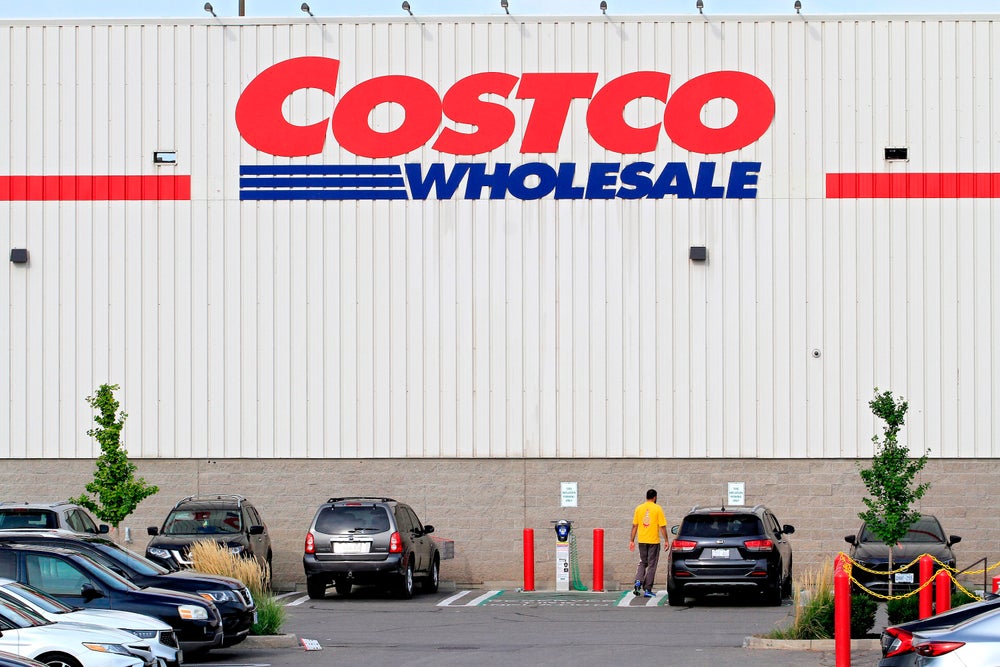
Costco Beat Earnings Expectations. Here Are the Key Areas Where the Wholesale Giant Is Growing the Fastest.

Costco’s latest earnings report shows double-digit growth in its e-commerce division and membership income.

Key Takeaways

  • According to its latest quarterly earnings report, released Thursday, Costco surpassed analyst predictions for revenue.
  • The wholesaler also saw growth in its membership income, which increased by 14% from the same time a year prior.
  • One growth factor is the presence of younger shoppers in Costco’s aisles.

Costco is performing better than ever, posting strong financial results for its latest quarter. The wholesale giant is exceeding analyst expectations for revenue as it continues to attract members, especially younger shoppers.

Costco reported results on Thursday for the fourth quarter of its 2024 fiscal year, which ended on August 31. According to CNBC, revenue for the quarter increased by 8% year-over-year to $86.16 billion, surpassing analyst expectations of $86.06 billion.

Net income was $2.61 billion for the quarter, higher than $2.09 billion at the same time last year, and same-store sales (a metric that removes factors like store openings and closures) grew by 6.4% during the quarter.

Related: Here’s How Tariffs Will Affect Costco’s Prices, According to the Company’s CEO

Remarkably, e-commerce sales for the year increased by 15% year-over-year to $19.6 billion, comprising 7% of Costco’s net sales for the year. Costco CEO Ron Vachris said on an earnings call on Thursday that the company is upgrading the search features on its website and app to make it easier for customers to shop online.

“We remain confident in our ability to grow market share by continuing to deliver exciting, high-quality items at the best value for our members,” Vachris said on the call.

Costco store in Brampton, Ontario. Photo by Mike Campbell/NurPhoto via Getty Images

Membership fee income also saw double-digit growth, increasing by about 14% year-over-year for the quarter to $1.72 billion. The jump represents a rise in paying shoppers, more members upgrading to higher-priced memberships and a higher annual fee. Costco raised its membership fee last year for the first time since 2017, increasing its annual Gold Star membership by $5, from $60 to $65, and its Executive Membership by $10, from $120 to $130.

Younger shoppers are also flocking to Costco. The company’s Chief Financial Officer, Gary Millerchip, told CNBC earlier this year that the average age of Costco members had decreased, and about half of its new members each year are under 40 years old. Last year, close to 137 million people globally paid for a Costco membership, with 47% opting for an Executive membership.

How Costco plans to improve the customer experience

Costco is opening new locations in response to demand. Vachris said on the earnings call that Costco has opened 27 new warehouses in the past quarter and plans to open an extra 35 stores in the new fiscal year.

Millerchip noted on the same call that foot traffic to stores and visits to Costco’s website increased by 3.7% during the quarter, while the size of the average transaction grew 2.6% globally.

Costco is planning to improve the shopping experience at stores by rolling out a new checkout technology that makes it easier for employees to scan items while the member is still in line.

“Upon reaching the cashier, nothing has to be removed from the cart; only payment is needed,” Vachris said on the call.

Related: Gold Prices Are Higher Than Ever. Here’s How Much a Costco Gold Bar Purchased in 2024 Is Worth Today.

On the digital storefront side, Costco has introduced a virtual waiting room on its website during high-traffic times for high-demand items, like Pokémon cards, he said. The company is also planning to introduce passwordless sign-in to its mobile app.

How extended hours are impacting Costco’s sales

Costco made a change earlier this year, announcing that higher-tier Executive members would have exclusive access to stores at earlier times in the day. By September, the wholesaler had extended its hours at all stores for Executive members, adding an hour in the morning from 9 a.m. to 10 a.m. on weekdays and Sundays and a half hour from 9 a.m. to 9:30 a.m. on Saturdays.

The extended hours have driven a 1% weekly sales lift in the U.S., Vachris said on the call on Thursday.

“This has been very well received by our members,” he said. “Since announcing these new executive benefits, we’ve seen a meaningful increase in upgrades from Gold Star members to Executive membership.”

Related: Costco’s Early Extended Hours Have Made It Easier to Shop at Peak Times, According to a New Report

Costco operates 914 warehouses throughout the world, including 629 in the U.S. and Puerto Rico, the company stated in its Thursday earnings report.

Key Takeaways

  • According to its latest quarterly earnings report, released Thursday, Costco surpassed analyst predictions for revenue.
  • The wholesaler also saw growth in its membership income, which increased by 14% from the same time a year prior.
  • One growth factor is the presence of younger shoppers in Costco’s aisles.

Costco is performing better than ever, posting strong financial results for its latest quarter. The wholesale giant is exceeding analyst expectations for revenue as it continues to attract members, especially younger shoppers.

Costco reported results on Thursday for the fourth quarter of its 2024 fiscal year, which ended on August 31. According to CNBC, revenue for the quarter increased by 8% year-over-year to $86.16 billion, surpassing analyst expectations of $86.06 billion.

Net income was $2.61 billion for the quarter, higher than $2.09 billion at the same time last year, and same-store sales (a metric that removes factors like store openings and closures) grew by 6.4% during the quarter.

https://www.entrepreneur.com/business-news/costco-earnings-beat-expectations-heres-why-its-growing/497622


Being Laid Off Isn’t the End — Here’s Why It Might Be Time to Try Freelancing

Opinions expressed by Entrepreneur contributors are their own.

Key Takeaways

  • The freelance workforce has expanded substantially, with over one-third of the U.S. workforce now freelancing.
  • Layoffs, while emotionally challenging, are increasingly becoming the catalyst for professionals to transition to freelancing — a realm offering more control and flexibility.
  • While freelancing poses its own challenges, such as unclear positioning and isolation, treating it as a business from the start can forge a sustainable and rewarding career.

Layoffs are rarely just about losing a paycheck. They can feel like a loss of identity, routine and stability, and for many professionals, they trigger a period of shock, grief or even anger.

But here’s the other side of the story: Layoffs have also become one of the biggest gateways into freelancing. What looks like a career setback often turns into an opportunity to build a more flexible, self-directed path.

I know this firsthand. When I was suddenly laid off, I felt blindsided. But that experience pushed me to try freelancing, and 13 years later, it’s become the foundation of a business I never could have imagined at the time. In fact, when I was laid off again in 2024, this time from a high-paying remote role, I turned back to freelancing full-time and scaled my business back up.

While it’s certainly true that freelancing carries its own stability risks, the experience of losing my source of income in 2024 taught me that I’d rather be in control of creating my own paycheck. It took me seven months to rebuild my business after that layoff and in many cases, I kicked myself throughout that for “trusting” that full-time role.

So why do layoffs so often lead to freelancing? And what can professionals do to make the transition sustainable?

Related: Why a 260% Jump in Freelance Hiring Signals Changing Times in North America

The rise of the “layoff entrepreneur”

The numbers tell the story. In the past five years, U.S. companies, particularly in tech and startups, have carried out multiple rounds of mass layoffs. At the same time, the freelance workforce has surged, now making up over a third of the American workforce. While tech obviously has lots of pathways into freelancing, it’s not the only sector from which people can make a pivot into freelance work.

That’s not a coincidence. When people are laid off, freelancing is often the most accessible next step. It doesn’t require waiting months for job applications, interviews, and rejections. Instead, it allows you to immediately monetize the skills you already have.

And while many start freelancing as a stopgap, a growing number find it offers more income security than a traditional job. After all, if you lose one client, you don’t lose your entire income stream, which is a major psychological shift after the experience of being laid off.

The emotional pivot: From shock to ownership

Layoffs are emotional. Online communities like Reddit are filled with stories of professionals who describe feeling embarrassed, lost or angry after being let go. Many also mention how difficult it is to navigate unemployment benefits or re-enter the job market. In fact, 73% of professionals say layoffs have made freelance work more appealing, while 64% have lost trust in traditional full-time roles, according to A.Team’s 2024 survey.

But here’s the turning point: freelancing allows you to regain a sense of agency. Instead of waiting for someone else’s HR department to decide your future, you get to choose who you work with, what projects you take on and how you structure your day.

That shift from “something was done to me” to “I get to decide” is one of the most powerful mindset changes freelancers experience after a layoff.

Related: How Laid-Off Corporate Workers Are Becoming Free-Thinking Entrepreneurs

Why freelancing works after a layoff

Freelancing isn’t just a backup plan. It actually fits the moment in three key ways:

  1. Speed. You can start immediately by reaching out to your network, setting up a profile or pitching projects.
  2. Flexibility. Unlike a traditional job search, freelancing lets you test different industries, project types and clients until you find what clicks.
  3. Skill alignment. Layoffs often happen for financial reasons, not because of performance. Freelancing lets you continue using the skills you’ve built — while proving your value directly in the market.

Common challenges new freelancers face

Of course, freelancing isn’t a magic cure-all. New freelancers often hit roadblocks such as:

  • Unclear positioning. They struggle to explain what they do and who they help.
  • Underpricing. Out of fear of rejection, they take on low-paying work.
  • Isolation. After years of a steady workplace routine, working alone can feel destabilizing.
  • Business basics. From taxes to contracts, freelancers suddenly wear all the hats.

These challenges are real, but they’re also solvable. The key is to treat freelancing as a business from day one, not just a temporary hustle.

How to turn a layoff into a freelance career

If you’ve recently been laid off and are considering freelancing, here’s a framework to get started:

  1. Take stock of your skills. List out the projects, tools and strengths you used in your last role. These are your first freelance services.
  2. Define your offer. Create a clear, specific way to package your skills. For example: “I help startups streamline their HR processes with better onboarding documentation.”
  3. Leverage your network. Send personal notes to former colleagues, managers or clients. Let them know you’re available for project-based work.
  4. Start small, build systems. Take on initial projects, but use them to create templates, contracts and processes that make future work easier.
  5. Balance income and exploration. Use early freelancing to generate income, but also experiment with what types of projects you enjoy most.

Related: There’s a Major Shift Happening With Independent Workers — and Business Owners Who Ignore It Are at Risk

From laid off to lift-off

I often tell freelancers this: The scariest moment can become the most liberating.

A layoff is a shock, yes. But it’s also a reset button. It forces you to ask: What do I really want from my work? How can I design a career that protects me from this kind of instability in the future?

For me, freelancing wasn’t just a way to replace my paycheck. It became a way to build a career with flexibility, autonomy and resilience. And for many professionals facing layoffs today, freelancing offers the same opportunity. What begins as a setback can become the start of something far more sustainable.

Final word: If you’ve been laid off, freelancing may feel like a leap into the unknown. But it’s also a chance to turn your skills into your safety net, and maybe even into the business you were meant to build.

Key Takeaways

  • The freelance workforce has expanded substantially, with over one-third of the U.S. workforce now freelancing.
  • Layoffs, while emotionally challenging, are increasingly becoming the catalyst for professionals to transition to freelancing — a realm offering more control and flexibility.
  • While freelancing poses its own challenges, such as unclear positioning and isolation, treating it as a business from the start can forge a sustainable and rewarding career.

Layoffs are rarely just about losing a paycheck. They can feel like a loss of identity, routine and stability, and for many professionals, they trigger a period of shock, grief or even anger.

But here’s the other side of the story: Layoffs have also become one of the biggest gateways into freelancing. What looks like a career setback often turns into an opportunity to build a more flexible, self-directed path.

I know this firsthand. When I was suddenly laid off, I felt blindsided. But that experience pushed me to try freelancing, and 13 years later, it’s become the foundation of a business I never could have imagined at the time. In fact, when I was laid off again in 2024, this time from a high-paying remote role, I turned back to freelancing full-time and scaled my business back up.

https://www.entrepreneur.com/starting-a-business/laid-off-it-might-be-the-best-time-to-become-a-freelancer/496155


Your Brand Needs to Be Easily Recognizable — Here’s Why

Opinions expressed by Entrepreneur contributors are their own.

Key Takeaways

  • Establishing trust through consistency and transparency is vital for gaining customer confidence, especially among younger consumers.
  • Creative approaches and partnerships can lead to expanded market reach and economic influence, even for small businesses.
  • Differentiating your brand from competitors and cultivating brand loyalty through exceptional experiences pays off with lasting consumer relationships.

In today’s highly competitive market, brand recognition plays a critical role in the longevity of any business venture. And standing out has grown more challenging as a small business owner, given that customers are being bombarded with constant and countless options.

However, by fostering strong brand awareness and consistently delivering exceptional customer experiences, entrepreneurs can carve out a distinct identity and ensure lasting consumer loyalty. Here are my four reasons why prioritizing brand perception is an essential part of your long-term business strategy and why showing up in an unexpected way proves to be a timeless tactic.

Related: 7 Powerful Ways to Improve Your Brand Reputation and Recognition

Forming trust and credibility

Being a go-to business for consumers requires more than awareness — customers need to know they can trust your ability to serve their needs. Customers are increasingly taking to the digital world for information, making an active online presence critical for brands of all sizes. Though it may seem fundamental, consistency in logos, colors, email signatures and tone of voice matters to all audiences. Applying the same principles to all parts of your brand signals professionalism and reliability.

Younger consumers (think Gen Z and Alpha), in particular, value transparency, ethics and social responsibility when it comes to their online decision-making. More specifically, these groups gravitate toward intentional, relatable social-impact work by brands.

From a brand recognition perspective, keep in mind that younger generations are more skeptical of traditional advertising than their predecessors. Strong branding, however, enhances engagement and provides for more effective, sought-after storytelling. Small businesses have leverage in this area, as communications frequently come from a smaller team, cultivating a human element and creating an authentic voice. Use personability to your advantage by sharing your motivation for starting your business, responding personally to customer inquiries and reviews or collaborating with other small businesses on a charitable effort.

Expanding market reach and influence

Expanding your reach pushes your brand to the forefront, ensuring consumers understand the unique value your products and services provide. Even for small businesses, some offerings can get overshadowed in an oversaturated market. But forging a new path to reach new customer segments can make all the difference.

For example, to increase customer awareness of The UPS Store’s document-shredding services, we launched a campaign focused on this service, with additional advertising in a priority market. In our usual fashion of showing up unexpectedly, we made our mark in New York City with taxi toppers and digital billboards, garnering nearly 155 million impressions and generating more than $700,000 in brand value. This campaign reminded consumers that sensitive information can and should stay private, thanks to shredding services at The UPS Store. To further amplify, we partnered with influencers to share our services and promotions with TikTok audiences.

From a small business standpoint, driving brand recognition doesn’t necessarily require a massive undertaking. Consider a strategic partnership with a fellow entrepreneur or capitalizing on an emerging trend with your customer base. “Unexpected” is in the eye of the beholder.

Ousting the competition

Competitive differentiators help a brand stand out from their competitors. Whether it is the personal relationships you build with customers, community impact initiatives that cultivate local connections or a novel product that meets an overlooked need, finding your unique value proposition can elevate your brand.

Interestingly, customer trust in large corporations continues to decline. Just 52% of consumers say they trust big brands in 2024, down from 66% in 2021, according to a Gartner survey on consumer values. This data shows that being known isn’t enough; consumers want meaning. More specifically, they crave relevance, personalization and connection — areas where small business owners shine due to the deep relationships they build with their communities and other stakeholders.

When looking to get ahead, your competitive differentiator becomes your enduring signature. When people know they can count on you for restocks of bestsellers, your presence at a local art fair or reliable customer service, their buying dollar is likely to follow.

Related: How to Use Storytelling to Increase Customer Engagement

Driving customer loyalty and repeat business

With customer trust comes brand loyalty. Brand loyalty, just as trust, must be constantly earned by ensuring an exceptional experience remains constant. Delivering reliable, high-quality experiences or products in line with customer feedback has undeniable benefits for the business bottom line. Being a brand of excellence generates unforgettable customer experiences. And when mistakes do happen, ownership is critical.

Whether you’re building your customer loyalty base or recovering from an error, I’ve found that quick, transparent empathy goes furthest. This approach may not solve the issue immediately, but rather address it as soon as possible with the mindset of, if you were in your customer’s shoes, what would set you at ease? In a world where people have endless choices, the brands that consistently listen, adapt and stand behind their promises are the ones that not only succeed — but thrive exponentially.

Identity, differentiation and ownership are the cornerstones of lasting brand recognition. By embodying these principles — not just promoting them — your organization can break through the noise and build lasting relationships with both current and future customers.

Key Takeaways

  • Establishing trust through consistency and transparency is vital for gaining customer confidence, especially among younger consumers.
  • Creative approaches and partnerships can lead to expanded market reach and economic influence, even for small businesses.
  • Differentiating your brand from competitors and cultivating brand loyalty through exceptional experiences pays off with lasting consumer relationships.

In today’s highly competitive market, brand recognition plays a critical role in the longevity of any business venture. And standing out has grown more challenging as a small business owner, given that customers are being bombarded with constant and countless options.

However, by fostering strong brand awareness and consistently delivering exceptional customer experiences, entrepreneurs can carve out a distinct identity and ensure lasting consumer loyalty. Here are my four reasons why prioritizing brand perception is an essential part of your long-term business strategy and why showing up in an unexpected way proves to be a timeless tactic.

Related: 7 Powerful Ways to Improve Your Brand Reputation and Recognition

https://www.entrepreneur.com/leadership/your-brand-needs-to-be-easily-recognizable-heres-why/497484