U.S. Billionaires Are Collectively Worth About $5.7 Trillion. Here’s How They Made Their Fortunes — And Surprisingly Most Are Not in Tech.

Some of the richest people in the world — Elon Musk, Jeff Bezos, and Mark Zuckerberg — made their fortunes in Silicon Valley. However, a new report in the Wall Street Journal suggests that most U.S. billionaires did not amass their wealth in tech. Instead, it’s the banking and finance fields that have produced most of the country’s super-rich.

According to data shared with the WSJ from wealth intelligence company Altrata, there were 1,135 billionaires in the U.S. last year, up from 927 in 2020. Approximately 300 billionaires made their money in banking and finance, while an estimated 110 came from the tech sector. Meanwhile, 75 billionaires earned their money in real estate.

Many, of course, got a head start by inheriting wealth. One-third of U.S. billionaires received some or all of their wealth from an inheritance, per Altrata.

Related: This 30-Year-Old Billionaire Says Life ‘Hasn’t Really Changed That Much’ After Making Billions. Here’s Where She Spends Money.

The data shows that U.S. billionaires are worth $5.7 trillion in total. Musk, Bezos, and Zuckerberg alone comprise about $1 trillion, or nearly one-sixth, of that wealth.

Altrata also found that billionaires tend to live in one state above all others: California. The highest percentage of them, about 255 people, live in the Golden State. However, they have primary businesses in nearly every U.S. state, except for Wyoming and Alaska.

The list of U.S. billionaires includes some recognizable names, including Oracle founder Larry Ellison and Google co-founder Sergey Brin, as well as some more private individuals, like Diane Hendricks, co-founder of ABC Supply, North America’s biggest distributor of building products.

Hendricks, who is the richest self-made woman with a net worth of $22.3 billion, is one of 150 female billionaires based in the U.S., joining stars like Taylor Swift and Selena Gomez. Most of the list, 86%, is comprised of men.

Related: Is Selena Gomez the Next Beauty Billionaire?

When it comes to philanthropy, Altrata data shows that billionaires have donated or pledged to donate about $185 billion to charitable organizations over the past decade. Among them is Berkshire Hathaway CEO Warren Buffett, who donated a record $6 billion to different foundations in June.

Nearly half of all overall donations from billionaires, $90 billion, went towards two causes: education and medical research. Some of the most popular organizations that received donations were the Central Park Conservancy in New York City, which received funds collectively worth about $100 million from 89 individuals, and Johns Hopkins University, which received donations from about 30 individuals totaling $7.5 billion.

However, charitable giving isn’t a priority for all billionaires. One in four has donated less than a million dollars each since 2015.

Some of the richest people in the world — Elon Musk, Jeff Bezos, and Mark Zuckerberg — made their fortunes in Silicon Valley. However, a new report in the Wall Street Journal suggests that most U.S. billionaires did not amass their wealth in tech. Instead, it’s the banking and finance fields that have produced most of the country’s super-rich.

According to data shared with the WSJ from wealth intelligence company Altrata, there were 1,135 billionaires in the U.S. last year, up from 927 in 2020. Approximately 300 billionaires made their money in banking and finance, while an estimated 110 came from the tech sector. Meanwhile, 75 billionaires earned their money in real estate.

Many, of course, got a head start by inheriting wealth. One-third of U.S. billionaires received some or all of their wealth from an inheritance, per Altrata.

The rest of this article is locked.

Join Entrepreneur+ today for access.

https://www.entrepreneur.com/business-news/heres-how-us-billionaires-got-rich-from-tech-to-finance/496687


American Parents Are Loaning Their Kids Money — Sometimes With Serious Strings Attached: ‘Even Generosity Comes With Boundaries’

As young Americans struggle with high costs of living and salaries that haven’t kept pace with inflation, some of them rely on loans to make ends meet.

Nearly half (46%) of Gen Z between the ages of 18 and 27 depend on financial assistance from their family, according to a 2024 report from Bank of America.

What’s more, even though some parents are willing to help their kids out with cash, those loans don’t always come without strings attached — sometimes in the form of interest.

Related: Gen Z Is Turning to Side Hustles to Purchase ‘the Normal Stuff’ in ‘Suburban Middle-Class America’

Financial media company MarketBeat.com‘s new report, which surveyed more than 3,000 parents, found that an increasing number are charging their adult children interest on family loans.

“The Bank of Mom and Dad has always been generous, but even generosity comes with boundaries,” says Matt Paulson, founder of MarketBeat.com. “What’s striking is that while most parents don’t expect repayment — and certainly not at commercial interest rates — inflation and rising costs are starting to reshape how families think about money.”

The average interest rate charged by parents was 5.1%, according to the data. That’s still well below the costs their children might incur elsewhere: The average personal loan rate is 12.49% for customers with a 700 FICO score, $5,000 loan amount and three-year repayment term, per Bankrate.

Related: This Stat About Gen Alpha’s Side Hustles Might Be Hard to Believe — But It Means Major Purchasing Power. Here’s What the Kids Want to Buy.

Only 15% of parents would be comfortable with lending their kids $5,000 or more at one time, according to MarketBeat’s research.

Family loan repayment terms can also vary significantly by location. The top five toughest state lenders based on the interest rates parents charge were Nebraska (6.8%), Oregon (6.8%), Mississippi (6.5%), Georgia (6.4%) and Arkansas (6.3%), the report found.

Parents in Delaware and Maine tended to be the most lenient when it came to charging their children interest on loans, with 2% and 4% rates, respectively, according to the findings.

Related: Baby Boomers Over 75 Are Getting Richer, Causing a ‘Massive’ Wealth Divide, According to a New Report

Many parents who expect repayment also have a fast-tracked timeline in mind. Twenty-one percent anticipated seeing their loan repaid in one month, 15% within one year and just 8% more than a year later, per the survey.

Although 59% of parents reported being happy to help their kids with money, 27% said they would only do it if necessary, and 4% admitted to feeling resentful.

In many cases, family loans don’t just provide financial support — they’re also “emotional transactions that test trust, responsibility and family dynamics,” Paulson notes.

As young Americans struggle with high costs of living and salaries that haven’t kept pace with inflation, some of them rely on loans to make ends meet.

Nearly half (46%) of Gen Z between the ages of 18 and 27 depend on financial assistance from their family, according to a 2024 report from Bank of America.

What’s more, even though some parents are willing to help their kids out with cash, those loans don’t always come without strings attached — sometimes in the form of interest.

The rest of this article is locked.

Join Entrepreneur+ today for access.

https://www.entrepreneur.com/money-finance/us-parents-charge-kids-interest-on-loans-heres-how-much/496684


1 in 4 Job Listings on LinkedIn Are Likely ‘Ghost Jobs,’ According to a New Report. Here Are the Cities Impacted the Most.

According to U.S. Bureau of Labor Statistics data published Wednesday, job openings in July fell to the lowest level in 10 months — 7.18 million from 7.36 million in June. Now, a new report by career website ResumeUp.AI suggests a whole bunch of those openings might not even be real.

The analysis found that 27.4% of all U.S. job listings on LinkedIn are likely ghost jobs with no intentions to hire. According to the Congressional Research Service report on ghost jobs, the term is defined as “online job postings for positions that do not exist, or that employers are not planning to fill immediately.”

Related: AI Can Now Apply to 1,000 Jobs While You Sleep. Here’s How Many Interviews an AI Bot Creator Got in One Month.

Although ghost jobs are not a new phenomenon — there’s documentation of “ghost jobs” on the Internet as far back as 2003, the uptick in recent years has been a source of stress for job seekers. And it isn’t just LinkedIn. Earlier this year, hiring platform Greenhouse reported that 18% to 22% of the jobs on its site were ghost jobs, too.

At 27.4%, the report found the U.S. had the most ghost jobs of all other countries, compared to Canada (24.9%), the U.K. (14.2%), and Australia (10.9%).

Why Do Companies Post Ghost Jobs?

The Congressional Research Service report on ghost jobs says employers do this for several reasons: as a signal of growth to attract potential investors; to make current employees feel replaceable; to pretend they are open to external applications but really have an internal candidate in mind; or simply casting a wider net to find extraordinary talent.

According to the Society of Human Resource Management, the average time to fill open roles was 41 days in 2024.

The U.S. Cities with the Highest Percentages of Ghost Jobs

ResumeUp.AI analyzed job postings on LinkedIn from the last 30, 60, 90, 120, and 233 days — since the beginning of 2025. Jobs posted more than 30 days ago were considered likely “ghost jobs” based on typical hiring timelines. Analysts divided the number of jobs posted more than 30 days ago by the total number of jobs posted this year.

Los Angeles topped the list with 30.5%, suggesting nearly one in every three job postings is fake.

Philadelphia was No. 2 with 30.1%, and Indianapolis ranked third with 27.8%.

Related: I Quit My Corporate Job to Start a Business. Here’s How I Went From Having $35,000 Credit Card Debt to Making $4 Million.

Although New York had the highest number (volume) of ghost jobs (23,000), it only led the Big Apple to come in at No. 4, with 26.7%.

Finally, San Francisco rounded out the top 5 with 26.0%.

The U.S. Cities with the Lowest Percentage of Ghost Jobs

Seattle had the lowest percentage of ghost jobs, at 16.6%.

Boston, meanwhile, had the second-lowest percentage of ghost jobs with 18.7%, and Dallas came in with the third-lowest at 20.1%.

The report found that Chicago (21.6%) was the No. 4 lowest, and Atlanta was fifth with 21.9%.

Related: These Are the 10 Highest-Paying Jobs With the Lowest Stress, According to a New Report

https://www.entrepreneur.com/business-news/one-quarter-of-jobs-posted-online-are-fake-ghost-jobs-study/496683


My Business Hit $1 Million — Then a $46,000 Mistake Exposed the Biggest Bottleneck to Explosive Growth

Opinions expressed by Entrepreneur contributors are their own.

I’ll never forget the day I realized I couldn’t do it all anymore.

My business had just crossed the million-dollar mark, but I was still trying to handle everything myself — coaching clients, selling, leading my team and running the accounting. Then, one day, I discovered I’d accidentally overcharged our biggest client $46,000 over nine months because I’d set up auto-pay and never double-checked it.

The wave of panic that hit me was overwhelming. It was one of the worst moments of my professional life. I immediately owned the mistake, apologized and worked out a plan to credit the money back over six months. Thankfully, the client was incredibly gracious. But in that moment, I knew something had to change — I had to stop trying to do everything and start leading like a CEO.

Related: 10 Growth Strategies Every Business Owner Should Know

Stop doing — start leading

When you launch a business, you wear every hat. You create the product, send invoices, post on social media and answer every email. That scrappy hustle is necessary to get off the ground — but it won’t get you to the next level.

Scaling means an identity shift. You have to stop being the “doer” and become the delegater. Instead of asking, “How can I do this?” start asking, “Who can do this better than I can?”

This is easier said than done. But holding onto control keeps you stuck. You’ll stay buried in day-to-day tasks instead of focusing on big-picture moves that grow your business.

For me, stepping into the CEO role meant redefining leadership on my own terms. I didn’t want to follow a corporate playbook written by men. I wanted to lead in a way that aligned with my values and strengths — building flexibility into my schedule, doubling down on coaching and sales (my superpowers) and empowering my team to own the rest.

Build the right team — and trust them

Hiring an assistant to manage my schedule, emails and admin was one of the smartest moves I made. It freed up hours I could now spend coaching clients and bringing in new business.

Delegating is scary. You worry they won’t do it as well as you can. Sometimes, that’s true. But growth only happens when you give others space to learn. If they stumble, you help them recover — and they get stronger. That’s leadership.

Ask yourself: What are your superpowers? Are you a sales rockstar? A client relationship builder? Then be honest: How much of your time is lost in tasks that drain you — digging out of your inbox, chasing invoices?

If those tasks pull you away from your strengths, it’s time to delegate. When you operate in your zone of genius and let others handle the rest, your business will finally grow the way it’s meant to.

As your team grows, get to know them as people. We have every team member take the Enneagram test to understand communication styles and personalities. It’s taught me the power of listening and meeting people where they are.

Create systems that set you free

If your business lives only in your head, you can’t scale. Every process — client onboarding, social media posting, monthly reporting — needs to be documented so someone else can follow it.

At our company, we use Asana for task management and Slack for communication. Everyone knows the flow, and it keeps us aligned.

When I sell a client, I immediately hand them off to our onboarding team. Why? Because I know I’m the worst at follow-up. I know my strengths—and where I tend to get in my own way.

We use Stripe for payments and Go High Level for email automations. These simple systems keep us running like a well-oiled machine.

Related: Most Entrepreneurs Fail Because They Ignore These 3 Business Stages

Think like a CEO

If your calendar is full of urgent tasks, there’s no time for strategic thinking. But that’s exactly where CEOs live.

Everyone on my team works from home on Fridays. I use that day to strategize and focus on the future. Where are we headed? Who do we need to become to get there? I take walks, listen to industry podcasts, and brainstorm new ideas.

I also use this time to vet opportunities. It’s tempting to say yes to everything, especially early on. But now, before I commit, I ask: Is this worth my time? Does it align with our vision? Will it deliver a real return on investment?

You belong in the CEO seat

For too long, I thought being a great business owner meant doing everything myself. But real growth started when I stepped into the CEO seat — hiring for my weaknesses, trusting my team and making decisions from a long-term perspective.

You don’t have to run your business like anyone else. Define what leadership means for you. Build a business that supports your strengths—and let go of what’s holding you back.

You didn’t start your business to stay small. So take your CEO seat… you’ve earned it.

I’ll never forget the day I realized I couldn’t do it all anymore.

My business had just crossed the million-dollar mark, but I was still trying to handle everything myself — coaching clients, selling, leading my team and running the accounting. Then, one day, I discovered I’d accidentally overcharged our biggest client $46,000 over nine months because I’d set up auto-pay and never double-checked it.

The wave of panic that hit me was overwhelming. It was one of the worst moments of my professional life. I immediately owned the mistake, apologized and worked out a plan to credit the money back over six months. Thankfully, the client was incredibly gracious. But in that moment, I knew something had to change — I had to stop trying to do everything and start leading like a CEO.

The rest of this article is locked.

Join Entrepreneur+ today for access.

https://www.entrepreneur.com/leadership/my-business-hit-1-million-then-a-46000-mistake/495031


My Profitable Company Is Worthless to Investors — Here’s Why That Works in My Favor

Opinions expressed by Entrepreneur contributors are their own.

Over the past few months, I’ve received a surprising number of emails and even phone calls from private equity firms asking if I’d consider selling my business.

“Gene,” they all say, “we’ve followed your growth in the technology space and believe we can help you unlock value while preserving your legacy and team. Would you be open to a 20-minute call to discuss mutual opportunities?”

It’s flattering, sure. And it makes sense. According to Harvard’s Corporate Governance site, private equity exits jumped from $754 billion in 2023 to $902 billion in 2024 — about a 20% increase. Other reports show deal value rising by 50% in the first half of 2024 alone, with strategic acquisitions leading the way.

Private equity is everywhere — scooping up contractors, manufacturers, distributors and yes, even tech companies like mine.

Why? Because many business owners are aging out. The average small business owner in the U.S. is over 55, according to the Small Business Administration — and that was back in 2020. So a wave of exits is underway, and investors are eager to buy businesses with strong financials, recurring revenue and growth potential.

But my business? I don’t think I’m sellable. Not because I wouldn’t entertain an offer — but because once a buyer looks under the hood, they’ll realize the uncomfortable truth: My company has no real value.

Related: Want to Maximize the Sale Price of Your Business? Start with These 5 Value Drivers

The balance sheet no one wants

Let’s start with the basics. My business has no hard assets. No buildings, no equipment, no physical property. Just a bit of cash and accounts receivable.

Sure, we also have very few liabilities. In fact, most of our “payables” are actually prepaid client deposits — blocks of time that customers purchase in advance. It’s a great way to boost cash flow and reduce risk, but it creates a liability a buyer would need to honor. Not exactly attractive.

No contracts, no guarantees

We don’t lock clients into long-term contracts. We’ve never sold maintenance agreements or recurring support plans. Our clients use us when they need us — and leave when they don’t.

There’s no proprietary process or secret sauce. What we do isn’t complicated. In fact, anyone could learn it online. Our clients hire us not because we’re unique, but because they don’t have the bandwidth to do it themselves.

So if a private equity firm were to evaluate my company, they’d quickly realize there’s no predictable revenue stream to base a valuation on. No recurring income. No clear multiple to apply. We go project to project, client to client.

That might work for me. But it doesn’t work for them.

A team that disappears when I do

I do have employees. But most of the work is handled by independent contractors. That comes with its own risk — from worker classification issues to a lack of long-term commitment.

Our setup has always been virtual. We’ve been remote since 2005. No office. No shared culture. No in-person meetings. Everyone works independently, and I check in as needed. It works for us — but it doesn’t scream “scalable organization.”

The reality? This business doesn’t run without me. I do the selling. I do the marketing. I oversee projects, handle accounting, manage admin and lead the day-to-day. If I were hit by a bus tomorrow, this business would fold within 30 days — with contractors and staff likely splintering off to do their own thing.

No IP, no exclusivity, no moat

We implement CRM platforms. It’s a crowded, competitive space. The very vendors we represent are often our biggest competitors. There’s no barrier to entry. Competitors appear regularly — usually cheaper, often younger and sometimes better.

We don’t have any intellectual property, documented systems or defined processes. Every project is different, and it rarely makes sense to create templates or workflows that won’t apply next time.

So there’s nothing here to “buy.” No assets. No exclusivity. No edge.

So, what do I have?

I have a business that works for me.

For more than 25 years, it’s paid the bills, put my kids through college and built a retirement plan for my wife and me. It’s also supported dozens of employees and contractors along the way. That’s something I’m proud of.

My model has always been simple: do the work, bill for it, generate cash, save what you can. Rinse and repeat. And for me, it’s worked beautifully.

But let’s be honest: this model doesn’t build transferable value. There’s no goodwill. No buyer-ready systems. No brand equity. No enterprise value. Just a highly functional, one-person-driven operation that disappears without me.

Related: Starting a New Business? Here’s How to Leverage Transferable Skills From Your Prior Careers and Drive Success

If your business looks like mine

Don’t be discouraged. But do be realistic.

You may be generating cash — and that’s great. You may be living well — even better. But unless you’ve intentionally built for scale, structure and succession, your business may not be worth much to anyone else.

And that’s okay — as long as that’s the plan.

For me, it is.

Over the past few months, I’ve received a surprising number of emails and even phone calls from private equity firms asking if I’d consider selling my business.

“Gene,” they all say, “we’ve followed your growth in the technology space and believe we can help you unlock value while preserving your legacy and team. Would you be open to a 20-minute call to discuss mutual opportunities?”

It’s flattering, sure. And it makes sense. According to Harvard’s Corporate Governance site, private equity exits jumped from $754 billion in 2023 to $902 billion in 2024 — about a 20% increase. Other reports show deal value rising by 50% in the first half of 2024 alone, with strategic acquisitions leading the way.

The rest of this article is locked.

Join Entrepreneur+ today for access.

https://www.entrepreneur.com/growing-a-business/my-profitable-company-is-worthless-to-investors-heres/496409


Anthropic Is Now One of the Most Valuable Startups of All Time: ‘Exponential Growth’

Anthropic, the AI startup behind the chatbot Claude, finalized a deal on Tuesday for a new, $13 billion Series F funding round that catapults its valuation from $61.5 billion to $183 billion, making it one of the most valuable startups ever.

Anthropic has more than 300,000 business customers and has seen a sevenfold increase in its number of large clients with projects above $100,000 in the past year, the company said in a statement.

“We are seeing exponential growth in demand across our entire customer base,” Anthropic CFO Krishna Rao said.

Related: ‘We Don’t Negotiate’: Why Anthropic CEO Is Refusing to Match Meta’s Massive 9-Figure Pay Offers

The funding round, which was led by investment firm Iconiq Capital, with Fidelity Management and Lightspeed Venture Partners, was one of the largest financing rounds so far for an AI startup, Bloomberg notes.

Anthropic was initially planning to raise $5 billion, but raised the target to $10 billion following strong demand. The end $13 billion figure arose from more investors wanting to get a stake in the popular startup.

In the statement, Anthropic noted that its run-rate revenue makes it “one of the fastest-growing technology companies in history,” skyrocketing from $1 billion at the start of the year to more than $5 billion in August. (Run-rate revenue refers to a company’s future annual revenue based on a shorter period of current performance.)

Anthropic CEO and co-founder Dario Amodei. Photo by Chesnot/Getty Images

Anthropic joins startups like SpaceX (valued at $350 billion in December) and TikTok’s parent company, ByteDance (valued at $300 billion in November), in the high valuation club.

While Anthropic may be raising ample funds, its main competitor is further ahead. OpenAI, the creator of ChatGPT, announced in March that it had raised $40 billion in the biggest tech funding round for a private company, elevating its valuation to $300 billion.

Anthropic was founded four years ago by former OpenAI staff and has since differentiated itself from its competitors with an emphasis on AI safety. It launched its chatbot Claude in March 2023 and Claude Code, an AI coding tool that enables users to generate, edit, and debug code, in February.

Related: The CEO of $61 Billion Anthropic Says AI Will Take Over a Crucial Part of Software Engineers’ Jobs Within a Year

Creating functional AI is a costly endeavor, requiring startups like Anthropic to raise as much funding as possible. In July 2024, Anthropic CEO Dario Amodei told Norges Bank CEO Nicolai Tangen in an “In Good Company” podcast episode that training an AI model costs around $100 million, but there are models today that cost “more like a billion.”

“I think there is a good chance that by [2027] we’ll be able to get models that are better than most humans at most things,” Amodei said in the podcast.

Anthropic, the AI startup behind the chatbot Claude, finalized a deal on Tuesday for a new, $13 billion Series F funding round that catapults its valuation from $61.5 billion to $183 billion, making it one of the most valuable startups ever.

Anthropic has more than 300,000 business customers and has seen a sevenfold increase in its number of large clients with projects above $100,000 in the past year, the company said in a statement.

“We are seeing exponential growth in demand across our entire customer base,” Anthropic CFO Krishna Rao said.

The rest of this article is locked.

Join Entrepreneur+ today for access.

https://www.entrepreneur.com/business-news/anthropic-is-one-of-the-most-valuable-startups-ever/496677


How AI Is Turning High School Students Into the Next Generation of Entrepreneurs

Opinions expressed by Entrepreneur contributors are their own.

This is the third installment in the “1,000 Days of AI” series. I’ve had a front-row seat to K-12 education’s transformation — working with school systems worldwide as an AI education consultant to develop school district AI strategies and watching something remarkable unfold. The change didn’t come from curriculum committees or federal mandates, but from students who, as always, refused to wait for permission.

While educators debated whether ChatGPT constituted cheating, 17-year-old high schooler Zach Yadegari built an AI app generating $1.12 million in monthly revenue. He began coding at age seven, initially creating a gaming website to bypass his elementary school’s firewalls. By 16, he’d already sold his first company for $100,000.

Related: How AI Is Transforming Education Forever — and What It Means for the Next Generation of Thinkers

The stark reality: AI has already changed everything

Within 1,000 days, ChatGPT has fundamentally challenged traditional K-12 education. According to ACT research, 70% of high school students used AI tools in 2023-24, up from 58% the previous year. Pew Research confirms ChatGPT usage for schoolwork doubled from 2023 to 2024. But these statistics miss the real story: Students aren’t just using AI to complete assignments — they’re using it to build businesses, forcing schools to rapidly develop AI policies that balance innovation with responsible AI use in education.

The traditional model assumed knowledge was scarce and teachers were gatekeepers. AI shattered both assumptions overnight. Every student now has access to infinite tutoring, instant expertise and tools that turn ideas into products in hours, not years. The question isn’t whether students should learn entrepreneurship — they already are.

From high school hallways to revenue streams

The most successful young entrepreneurs started as intrapreneurs within the school system itself. High school students across the country are transforming their AI skills into real businesses. Students nationwide are selling AI-generated study guides to classmates for $50-$500 monthly.

The irony isn’t lost on me: What adults call cheating, these students call market research. What teachers label shortcuts, investors recognize as minimum viable products. In my work helping districts with developing AI policy for schools, I’ve seen how these entrepreneurial students actually exemplify AI education best practices — they’re solving real problems with real tools.

The intrapreneurs inside our schools

Not all innovation happens outside school walls. Student intrapreneurs are creating AI tutoring programs for struggling peers, building attendance apps for their schools and developing mental health chatbots for counselors. They see school problems as product opportunities, transforming education while living it.

Teachers are becoming intrapreneurs, too. Forward-thinking educators use AI to create personalized learning paths, automate grading to spend more time with students and build tools that spread district-wide. These educator-intrapreneurs bridge institutional requirements and student innovation, creating space for experimentation within existing structures while contributing to AI curriculum development for K-12.

Related: Why We Shouldn’t Fear AI in Education (and How to Use It Effectively)

The federal framework meets grassroots reality

In April 2025, President Trump signed “Advancing Artificial Intelligence Education for American Youth,” establishing the White House Task Force on AI Education. The executive order creates the Presidential AI Challenge to “encourage and highlight student and educator achievements in AI” across multiple age categories. This isn’t just another science fair — it’s federal recognition that K-12 students are already AI practitioners, validating the school district AI strategies that forward-thinking administrators have been developing.

Crucially, the Presidential AI Challenge calls for students to “use AI to address community challenges,” validating what student entrepreneurs have been doing all along. The framework emphasizes that AI education must “spark curiosity and creativity,” but students aren’t preparing to participate — they’re already leading. This federal backing provides the cover innovative schools need to transform detention into incubation and homework into hackathons, establishing new AI education best practices along the way.

3 practical steps for schools right now

1. Implement “innovation hours” aligned with the Presidential AI Challenge:

Dedicate weekly time for students to work on AI projects addressing real community problems. Let students form ventures, not just groups. Let them pursue customers, not just grades. Schools implementing this now will have students ready when the Presidential AI Challenge launches. This approach to AI curriculum development for K-12 turns theory into practice.

2. Transform detention into incubation:

Every student “caught” using AI creatively should be redirected, not punished. Create an “AI Innovation Council” where rule-benders become rule-makers. Have them develop your school’s AI policy and teach AI literacy to younger students. The White House Task Force calls for student-educator collaboration — make your “problem students” your problem solvers. This is responsible AI use in education at its best.

3. Create intrapreneurship pathways:

Establish formal recognition for students improving school operations through AI. Give course credit for building tools the school actually uses. Partner with local businesses for real-world projects. Every pizza shop and dental office needs AI help. Your students can provide it while earning money and credits. These pathways should be central to any school district AI strategy.

The next 1,000 days: Bigger challenges, bigger opportunities

The first 1,000 days proved that students could use AI. The next 1,000 days will prove they can lead with it. As AI becomes more powerful, the gap between students with access and support versus those without will widen exponentially. A student with ChatGPT, supportive teachers and entrepreneurial parents will build companies. A student with restricted access and punitive policies will fall behind — not by years, but by generations.

The mental health implications are staggering. When 14-year-olds can build million-dollar businesses, what happens to those who can’t? When AI can do homework in seconds, how do we measure learning? These aren’t distant philosophical questions; they’re immediate challenges requiring thoughtful approaches to developing AI policy for schools.

The next 1,000 days will see AI-native students enter the workforce. I can’t wait to see how they reshape entire industries. The concept of “entry-level” will dissolve when teenagers arrive with more AI experience than senior executives.

Related: What The UAE’s AI Education Revolution Could Mean for the Future of Classroom Activities: Insights from a Young Entrepreneur

The entrepreneurial imperative

Schools that thrive won’t be those with the best AI policies or detection tools. They’ll be those cultivating intrapreneurs — students and teachers who transform systems from within. Every student who builds a tool to help classmates is an intrapreneur. Every teacher experimenting with AI to improve outcomes is an intrapreneur. Every administrator creating space for innovation enables intrapreneurship.

After 1,000 days of ChatGPT in K-12 education, one truth emerges: Students who embraced AI as a tool for creation rather than completion are building the future economy. They’re intrapreneurs transforming schools from within and entrepreneurs building alternatives from without.

The next 1,000 days will be exponentially more complex. AI will become more powerful, accessible and essential. Students who start building now will have compounded advantages. For educators, parents and policymakers seeking guidance from an AI keynote speaker for education or looking to establish AI education best practices, the path forward is clear: Embrace intrapreneurship, enable entrepreneurship, and expect transformation. The federal government has provided the framework through the Presidential AI Challenge. Now it’s time for local action.

The kids aren’t just alright — they’re already ahead. The question for the next 1,000 days isn’t whether students will use AI to transform education and the economy. They will. The question is whether we’ll help them build something better or watch them build around us.

Coming next in the “1,000 Days of AI” series: Legal’s AI transformation — where precedent meets algorithms, and why your next lawyer might be an AI that passed the bar exam on its first try.

https://www.entrepreneur.com/science-technology/how-ai-is-turning-hugh-school-students-into-entrepreneurs/495506





How Entrepreneurs Can Master Resilience and Protect Their Mental Health

Opinions expressed by Entrepreneur contributors are their own.

It’s an almost daily occurrence: It’s 2:37 a.m., and while staring at your laptop, you’re wondering to yourself if your current coffee consumption has changed course and has gone from a habit to a full-blown personality trait. The investor call tomorrow looms heavily, and your inbox has become a minefield while your “to-do” list has begun to grow to the point it’s developing its own gravitational pull.

Have you guessed it yet? Yep, welcome to being an entrepreneur, where the highs are exhilarating but infrequent, and the lows are humbling and an almost daily occurrence, now to where the pressure is relentless.

Being an entrepreneur isn’t for everyone. Building a business is hard, but it’s a privilege and an adventure with great rewards that requires a strong, sustainable mental fortitude to last the emotional marathons — because there’s no sprinting a marathon. Those founders who “make it” aren’t just labeled as talented or lucky; rather, they’re resilient. These founders have found the secret sauce; they’ve learned through the ups and downs that protecting their mental health, adapting under extreme pressures and keeping going is absurdly tough.

Related: 5 Practical Strategies Founders Can Use to Improve Their Mental Health

Pressure, resilience and the entrepreneur’s mind

Entrepreneurship inherently comes with its own stress profile. Financial uncertainty is consistently identified as one of the most stressful burdens an entrepreneur deals with, especially early on. Couple that with the ongoing leadership isolation effect and the reality that your decisions could potentially make-or-break the company, piles on. Add in one more layer called “hustle culture,” and you’ve now somehow turned isolation and exhaustion into a competitive sport, complete with its own LinkedIn medals to showcase, “Sleeps Less Than You.”

Resilience in this aspect isn’t just a word; it’s the definition of not ignoring stress or toughing it out until you absolutely break. It’s feeling like Mike Tyson going 13 rounds, taking the punch, adapting and continuing to push forward without losing sight of the ultimate goal and bigger picture. The American Psychological Association continually correlates resilience to making better decisions, higher performance and more effective leadership — all of which are non-negotiables for an entrepreneur trying to stabilize and survive turbulence.

Related: 7 Ways Successful Entrepreneurs Deal With Stress and Pressure

Building resilience through mental health practices

Here’s the good thing, though: Resilience is learned. It’s a skill that can be picked up and trained for in the same way some professional runners train for a big 10K — only the running mainly takes place mentally in your head (and occasionally between back-to-back meetings).

1. Mindset shifts:

Remember that setbacks as an entrepreneur aren’t career-ending; they’re really just expensive learning opportunities, sort of like paying tuition for a real-life MBA you didn’t realize you’ve signed up for. The challenges you take on and reframing them into data points versus failures can be all you need for a momentum builder that keeps the panic at bay.

2. Mind-body maintenance:

Remembering that your brain is an essential part of your body is crucial; treating it accordingly goes a long way. Be sure to build in exercise, even if just a simple walk, mindfulness and rhythmic breathing techniques can help regulate stress and improve cognitive ability. Numerous neuroscience studies showcase how regular mindfulness practice has the ability to reshape the brain, shaping it to handle curveballs more effectively, practice it, live it and turn it into a routine.

3. Support networks:

This should be as clear as day. Find the Alfred to your Batman. Having a person there you trust to help support your path. Whether it’s a mentor, peer group or personal coach, it can make the difference in putting things into perspective, solving problems faster and just reminding you that you’re not alone in the trenches.

4. Boundaries and recovery:

Thinking downtime is laziness is a waste of your energy; it’s preventive maintenance that you should embrace. Would you run your car engine 24/7, low on oil? Of course not, unless you like paying for repair bills. Your brain is no different. Ensuring you schedule whitespace, dedicated time to reflect on your current state, use it to create something non-business related or just zone out staring at a wall without guilt — it’s what you need it to be.

Related: Resilience Is One of the Most Essential Entrepreneurial Traits. Practicing This Can Help You Build It.

Resilience as a competitive edge

As an entrepreneur, the pressure is inevitable from various angles. The way you accept it, face it and come through with a response when it arrives doesn’t have to add to your stress, especially on a Monday right before a critical investor pitch. Those entrepreneurs who endure and thrive are not the ones who are tallying the most hours in the day; they’re the ones who have understood that mental health isn’t just “self-care” and have built systems to protect their mental health and solidify their resilience.

So take it by the horns, treat your mental health like your financials, monitoring them, investing in them and pivoting before a small problem becomes a major crisis. Because with this game, being resilient isn’t just about being able to survive the storm; it’s the ability to dance in the rain, and preferably with a cup of coffee that now isn’t doubling as your personality.

It’s an almost daily occurrence: It’s 2:37 a.m., and while staring at your laptop, you’re wondering to yourself if your current coffee consumption has changed course and has gone from a habit to a full-blown personality trait. The investor call tomorrow looms heavily, and your inbox has become a minefield while your “to-do” list has begun to grow to the point it’s developing its own gravitational pull.

Have you guessed it yet? Yep, welcome to being an entrepreneur, where the highs are exhilarating but infrequent, and the lows are humbling and an almost daily occurrence, now to where the pressure is relentless.

Being an entrepreneur isn’t for everyone. Building a business is hard, but it’s a privilege and an adventure with great rewards that requires a strong, sustainable mental fortitude to last the emotional marathons — because there’s no sprinting a marathon. Those founders who “make it” aren’t just labeled as talented or lucky; rather, they’re resilient. These founders have found the secret sauce; they’ve learned through the ups and downs that protecting their mental health, adapting under extreme pressures and keeping going is absurdly tough.

The rest of this article is locked.

Join Entrepreneur+ today for access.

https://www.entrepreneur.com/living/how-to-master-resilience-and-protect-your-mental-health/493458


A Movie About Sam Altman’s Ouster and Wild Week at OpenAI Is Currently Filming. Here’s Who’s Portraying the Tech CEO (and His Nemesis, Elon Musk).

In November 2023, the board of ChatGPT-maker OpenAI fired its Chief Executive and cofounder, Sam Altman, after determining that he “was not consistently candid in his communications.” The then-Chief Technology Officer, Mira Murati, was named interim CEO. Staff rebelled — 95% of the company signed a letter threatening to quit unless Altman was reinstated, and after a wild few days in the OpenAI offices (we imagine), Altman was back in the CEO role.

It’s the kind of story that feels made for Hollywood — and now it will be, with a director and acting lineup that screams Oscar contender before the film is even in post-production. The movie has been shooting all over San Francisco this summer, per The San Francisco Standard.

The actors portraying Mira Murati and Sam Altman, Monica Barbaro and Andrew Garfield, attend day seven of the Wimbledon Tennis Championships at the All England Tennis and Croquet Club on July 06, 2025, in London, England.

Related: This New AI Startup Led By a Former OpenAI Exec Is Offering $500,000 Salaries

The film is being directed by Luca Guadagnino (“Call Me By Your Name,” “After the Hunt”), and the cast is a who’s who of awards show acting nominees: Andrew Garfield is playing Altman, Monica Barbaro plays Murati, and Ike Barinholtz is OpenAI cofounder and Altman nemesis, Elon Musk.

Puck got a hold of the screenplay and compares it to the 2010 mega-hit “The Social Network,” a fictionalized take on the origins of Facebook. (The Garfield casting is a coincidence, we also imagine.)

Since those fateful few days, many cofounders have left OpenAI. Murati stepped down in 2024 and now heads Thinking Machine Lab, a secretive AI startup that has raised billions and is expected to announce a product in the next couple of months. Others have moved to Meta’s AI teams.

Related: OpenAI CEO Sam Altman Thinks We’re in an AI Bubble Because Investors Are ‘Overexcited’ About Artificial Intelligence

In November 2023, the board of ChatGPT-maker OpenAI fired its Chief Executive and cofounder, Sam Altman, after determining that he “was not consistently candid in his communications.” The then-Chief Technology Officer, Mira Murati, was named interim CEO. Staff rebelled — 95% of the company signed a letter threatening to quit unless Altman was reinstated, and after a wild few days in the OpenAI offices (we imagine), Altman was back in the CEO role.

It’s the kind of story that feels made for Hollywood — and now it will be, with a director and acting lineup that screams Oscar contender before the film is even in post-production. The movie has been shooting all over San Francisco this summer, per The San Francisco Standard.

The rest of this article is locked.

Join Entrepreneur+ today for access.

https://www.entrepreneur.com/business-news/openai-ceo-sam-altmans-firing-retold-as-hollywood-movie/496670


Take Your Business Online With This $50 Hosting Platform

Disclosure: Our goal is to feature products and services that we think you’ll find interesting and useful. If you purchase them, Entrepreneur may get a small share of the revenue from the sale from our commerce partners.

More than 70% of small businesses worldwide have a website, according to the Market Data Report 2024. If you’re hoping to join the ranks but aren’t sure where to start, PawnHoster can be a great tool for entrepreneurs who are looking to build and grow their online presence. Right now, you can secure a lifetime subscription to PawnHoster for just $49.99 (reg. $69).

Build, host, and grow your business online with ease with this affordable platform

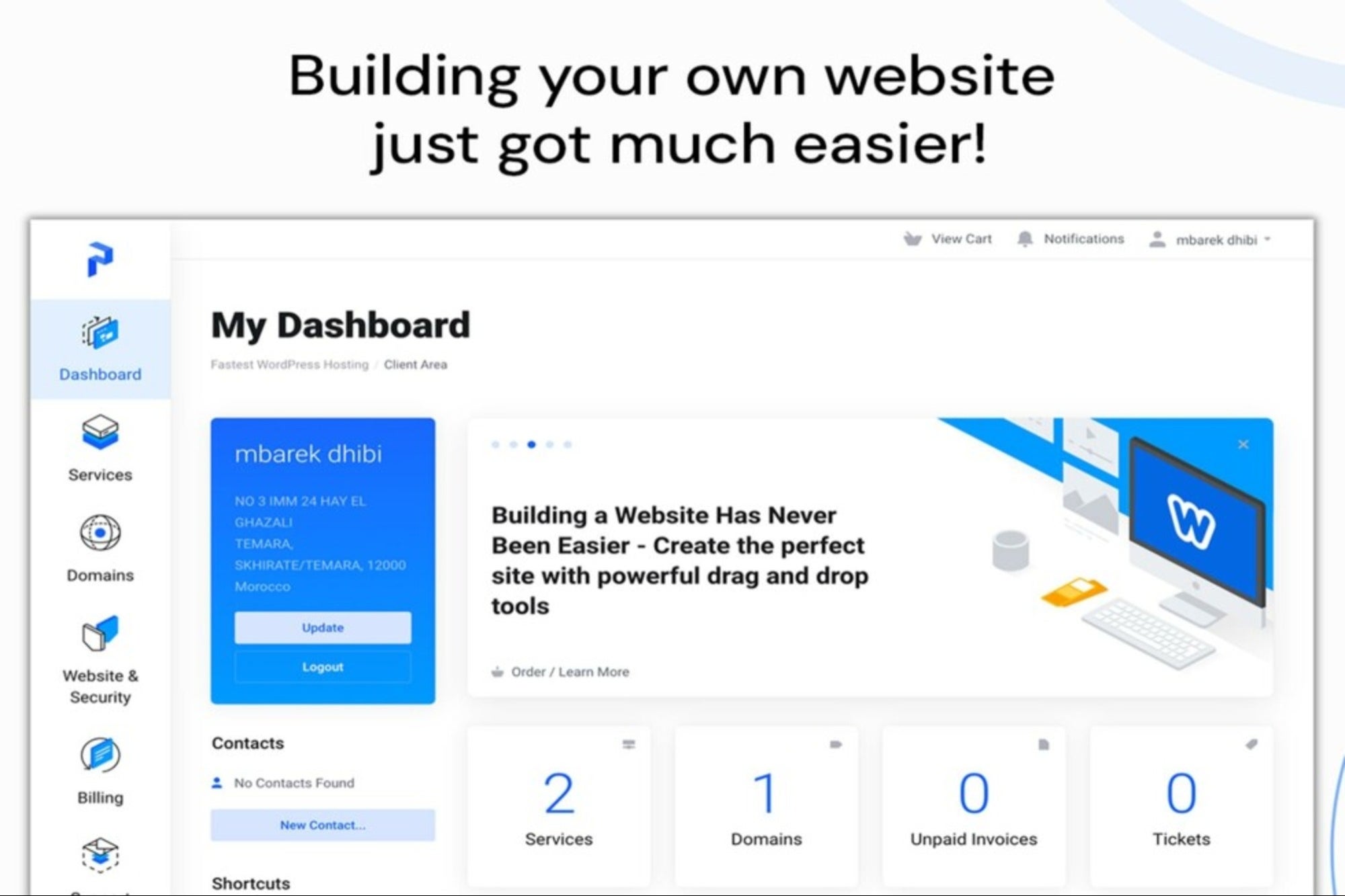
Entrepreneurs often juggle everything themselves — but building a website doesn’t have to be one of those challenges. If building your own website has been on your to-do list, make it happen with some assistance from PawnHoster. This handy platform provides all the resources and tools you’ll need to get your site up and running.

PawnHoster delivers fast, reliable web hosting and even includes a free domain for your first year. Launch and manage more than 400 platforms — including WordPress, Joomla, and Magento — with simple one-click installation. Easily manage websites, servers, mailboxes, and billing through an intuitive control panel.

Already have a website? PawnHoster makes migration simple — and it won’t cost you a thing. And if you encounter any issues, PawnHoster offers round-the-clock expert support for all technical matters.

This lifetime subscription gives you an entry-level hosting package that can be perfect for entrepreneurs. You’ll get firewall and DDoS protection, faster page loading, and a free SSL certificate included, the company says.

If you need a professional email address, PawnHoster also lets you create custom email addresses with enhanced spam protection that you can easily access with IMAP, POP3, or Webmail.

Take your company online with this lifetime subscription to PawnHoster for just $49.99 (reg. $69).

StackSocial prices subject to change.

More than 70% of small businesses worldwide have a website, according to the Market Data Report 2024. If you’re hoping to join the ranks but aren’t sure where to start, PawnHoster can be a great tool for entrepreneurs who are looking to build and grow their online presence. Right now, you can secure a lifetime subscription to PawnHoster for just $49.99 (reg. $69).

Build, host, and grow your business online with ease with this affordable platform

Entrepreneurs often juggle everything themselves — but building a website doesn’t have to be one of those challenges. If building your own website has been on your to-do list, make it happen with some assistance from PawnHoster. This handy platform provides all the resources and tools you’ll need to get your site up and running.

The rest of this article is locked.

Join Entrepreneur+ today for access.

https://www.entrepreneur.com/science-technology/take-your-business-online-with-this-50-hosting-platform/496539