Why European Companies Are Quietly Buying Up Premium U.S. Domains (and Why You Should Pay Attention)

Opinions expressed by Entrepreneur contributors are their own.

Key Takeaways

  • European companies are strategically acquiring premium U.S. domains to strengthen their digital presence, earn credibility, gain SEO advantages, lower CAC and boost long-term brand equity.
  • Many domain holders aren’t professional investors and can be difficult to negotiate with. When negotiating, you should come prepared, make a genuine offer and bring in a broker if you don’t have deep experience.
  • The longer you wait to buy the domain your company deserves, the more expensive that decision becomes.

Europe’s founders are playing a smarter game these days. With the digital marketplace more global than ever, there’s a growing trend that’s catching the eye of those paying close attention: European companies are quietly buying premium dot-com domains from American owners.

This isn’t just a vanity play. Companies from Europe, and their founders, are actively seeking to increase their digital presence in a rapidly scaling environment. And some on the front lines who understand how valuable the right domain can be to their enterprises are making strategic investments in their branding’s future.

U.S. domain owners still hold the keys to the kingdom

Let’s start with the obvious. The U.S. was first to the domain party, and it shows. Most of the best dot-coms were registered decades ago by American entrepreneurs, marketers and early internet hobbyists. Whether it’s a single-word domain or a two-word exact match, odds are high the registrant is in Texas, California or New York.

This has created a supply-demand imbalance. European companies may have the funding and ambition, but they rarely have the digital real estate to match it. And that’s precisely why these companies are beginning to look across the Atlantic.

There’s no faster way to earn credibility in a U.S. market than by acquiring a premium American-owned domain that does the heavy lifting for your brand before anyone clicks a link.

Why European buyers are grabbing up premium domains

European founders are seeking leverage in today’s branding landscape, and that means having the right domains in hand.

A premium dot-com signals strength. It says your business is here to stay. It has the potential to add millions in value to your business down the line, too.

So, whether you run a startup or are the head honcho at an established entity, the U.S. market for domains can be the segue you’ve been looking for to fast-track trust with potential customers, partners and even investors.

Don’t overlook the SEO advantage, either. An aged domain with a clean backlink profile and history offers other immediate benefits, including direct, built-in traffic and the massive type-in value that can’t be replicated.

What’s more, as competition in performance marketing gets fiercer, owning a category-defining or exact-match domain lowers your CAC and boosts your long-term brand equity.

Timing is creating a rare window

Think back, and you will find that some European entities actually registered these names in the 90s and early 2000s and held onto them out of principle, pride or nostalgia. Others are simply looking to capitalize on the surge in demand.

At the same time, European companies are scaling faster and raising bigger rounds. They need to move quickly, and they don’t have time for brand confusion. A clean, premium domain removes friction at every level of growth.

As American small business owners consolidate, sell or pivot, a wave of premium domains is hitting the market … but not for long.

What American sellers expect from buyers

Here’s where things get tricky. Many domain holders in the U.S. aren’t professional investors. They might have registered the domain for a side project, a failed business or no reason at all. Some are hard to find. Others are easy to reach but impossible to negotiate with.

You can’t treat these conversations like standard business deals. Most of the time, these domains aren’t “for sale” in the traditional sense. That doesn’t mean the owner isn’t open to a deal, but it means that the approach matters.

This is where European companies make their first mistake. They lead with logic. They explain that it’s just a name or that the domain isn’t being used. What they don’t realize is that for the American owner, the value isn’t in the use; it’s in the potential. The moment you ask about it, you’ve confirmed what they already believe: They’re sitting on something valuable.

Instead, come prepared. Be respectful. Make a genuine offer. And unless you’ve got deep experience negotiating digital assets, bring in a broker who does. This isn’t like buying software. It’s more like buying beachfront property from someone who’s lived there 20 years.

How to structure a smarter deal

The reality is that not every domain for sale will come with a realistic price tag attached. However, there are some ways that you can structure the deal to make it work for all entities involved.

  • Consider proposing more creative terms, such as performance-based milestones or payment plans.

  • Avoid sending money directly; always use an escrow service for the transaction to protect both sides.

Sometimes it’s not the price that stalls the deal — it’s a lack of process. Sellers want clarity. Buyers want safety. A clear structure builds trust and helps everyone walk away happy.

The longer you wait to buy the domain your company deserves, the more expensive that decision becomes. Your ads are starting to cost more because of brand confusion. A competitor scoops it up and redirects your traffic. Or maybe your future investors pass because your branding doesn’t match your ambition.

This isn’t a scare tactic. It’s just the truth of the modern domain market.

Sign up for the Entrepreneur Daily newsletter to get the news and resources you need to know today to help you run your business better. Get it in your inbox.

Key Takeaways

  • European companies are strategically acquiring premium U.S. domains to strengthen their digital presence, earn credibility, gain SEO advantages, lower CAC and boost long-term brand equity.
  • Many domain holders aren’t professional investors and can be difficult to negotiate with. When negotiating, you should come prepared, make a genuine offer and bring in a broker if you don’t have deep experience.
  • The longer you wait to buy the domain your company deserves, the more expensive that decision becomes.

Europe’s founders are playing a smarter game these days. With the digital marketplace more global than ever, there’s a growing trend that’s catching the eye of those paying close attention: European companies are quietly buying premium dot-com domains from American owners.

This isn’t just a vanity play. Companies from Europe, and their founders, are actively seeking to increase their digital presence in a rapidly scaling environment. And some on the front lines who understand how valuable the right domain can be to their enterprises are making strategic investments in their branding’s future.

https://www.entrepreneur.com/growing-a-business/why-european-companies-are-buying-up-premium-us-domains/500900



I Was Quietly Burning Out. This One Question Changed My Entire Approach to Success

Opinions expressed by Entrepreneur contributors are their own.

Key Takeaways

  • Burnout isn’t solved by big resets — it’s solved by one small, repeatable commitment.
  • Progress starts when you stop carrying everything alone and create a place for problems.

On December 27, 2023, I was sitting alone in my fiancée’s motorhome.

It was a good motorhome. Comfortable. Clean. A tiny desk tucked into the corner where I could work if I needed to. Nothing about it felt broken or chaotic.

That was the problem.

I should have been inside with family. Laughing. Being present. Enjoying the quiet stretch between Christmas and New Year’s. Instead, I was sitting alone, staring at my phone, feeling completely overwhelmed and strangely isolated.

From the outside, my life looked like progress. The business was growing. People depended on me. Momentum existed. But inside, I felt like I was carrying everything myself and slowly collapsing under the weight of it.

When moments like this happen, my mind does something familiar. I stop feeling like an adult entrepreneur and suddenly feel like I am 13 again.

That kid who stuttered when he got nervous.
The kid who felt dumb even when he was not.
The kid who got made fun of for speaking up, so he learned to stay quiet.

That voice does not say, “You are overwhelmed.” It says, “You were never that smart.” It tells me I fooled people and my luck is about to run out.

That night, that voice was loud.

I had been trying to outrun it. Literally. I started running every other night, convincing myself discipline would fix everything. I would run five miles, feel proud for about ten minutes, then undo it all with Chick-fil-A. Motion without progress. Effort without clarity.

Sitting alone in that motorhome, I finally admitted what I had been avoiding.

I was burned out.

Not tired. Not stressed. Burned out in the kind of way that makes even small decisions feel heavy.

So I made the call.

I called my mentor, Vaughn, and told him the truth. I was exhausted, and something had to change. I did not have a strategy or a plan. I just knew I could not keep going like this.

For years, we had talked about EOS, the Entrepreneurial Operating System. I had read the books. I understood the concepts. Vision. Traction. Metrics. Goals. Weekly meetings. I knew what I was supposed to do.

When he suggested it might finally be time to launch EOS, my chest tightened.

My mind immediately spiraled. Quarterly rocks. Scorecards. Long-term goals. Accountability charts. It felt like being handed a checklist with thirty items when I could barely manage one.

I told him I did not have it in me. I meant it.

How would you eat an elephant?

He paused, then asked me a question that caught me completely off guard.

“How do you eat an elephant?”

I remember thinking, this is not why I called. I told him I did not know.

He said you eat an elephant one bite at a time.

Then he said something that changed everything.

Do not launch EOS. Just launch a weekly meeting.

Same day. Same time. That is it.

No perfect rollout. No system overhaul. No pretending we had it all figured out.

Just one bite.

So that is what we did.

The first meetings were messy. We did not have scorecards. We did not have rocks. We did not even really know what we were doing. Some weeks felt productive. Others felt pointless.

But we kept the meeting.

That consistency mattered more than I realized at the time. It gave the business a place to put problems instead of storing them all in my head. It gave us rhythm. It gave me room to breathe.

Over time, one meeting led to clarity. Clarity led to metrics. Metrics led to priorities. Priorities led to long-term thinking.

Not all at once. Not perfectly. One bite at a time.

Internal changes lead to external success

Two years later, we fully run on EOS.

We have a ten-year goal that actually guides decisions. We have three-year and one-year plans that align the team. We run structured meetings. We track what matters.

But the biggest change was internal.

I stopped equating overwhelm with failure.
I stopped believing struggle meant I was not capable.
I stopped trying to fix everything at once.

Here is the lesson I learned the hard way.

Most entrepreneurs do not fail because they do not know what to do. They fail because they try to eat the whole elephant in one sitting.

When you are stuck, you assume the solution has to be big. A full reset. A major launch. A perfect plan. That belief keeps you frozen.

Progress does not start with confidence. It starts with one small action you can repeat.

If you are a new business owner or an entrepreneur who feels stuck right now, I want you to hear this clearly.

You are not broken.
You are not dumb.
You are not behind.

You are overwhelmed.

Do not launch the big thing yet.
Do not rebuild everything.
Do not wait until you feel ready.

Pick one small commitment. One meeting. One habit. One conversation. One decision.

On December 27, 2023, sitting alone in that motorhome, I did not need a new system. I needed permission to take the first bite.

If you are reading this and feeling that same knot in your stomach, here is my challenge.

What is the elephant in front of you?

Take one bite today.

Key Takeaways

  • Burnout isn’t solved by big resets — it’s solved by one small, repeatable commitment.
  • Progress starts when you stop carrying everything alone and create a place for problems.

On December 27, 2023, I was sitting alone in my fiancée’s motorhome.

It was a good motorhome. Comfortable. Clean. A tiny desk tucked into the corner where I could work if I needed to. Nothing about it felt broken or chaotic.

https://www.entrepreneur.com/franchises/i-was-burning-out-then-one-simple-question-gave-me-a/502043


SOPs Make Your Business Less Fragile and More Scalable. Here’s How to Write Ones Your Team Will Actually Use.

Opinions expressed by Entrepreneur contributors are their own.

Key Takeaways

  • Most businesses hit a ceiling because everything lives in the founder’s head — and without clear processes, the business feels fragile, inconsistent and impossible to step away from.
  • SOPs aren’t about creating perfect documentation — they’re simple, living checklists that reduce decision fatigue, make delegation easier and let your business run without you being in the weeds.

Every business hits a ceiling without clear processes. It usually shows up as the founder being stuck in the weeds, mistakes happening inconsistently or the business feeling fragile — like everything breaks the moment you step away.

If you’re at that point, someone may have suggested an SOP to you.

SOPs are easy to get stuck on. Either they get wildly overcomplicated and turn into a 40-page Google Doc no one reads, or they get put off indefinitely because things are changing fast, or you’re intimidated to start.

Both approaches miss the point.

SOPs are not about perfection. Done right, they are living documents that reduce decision fatigue and make your business easier to run, scale and step away from.

Let’s break down what SOPs actually are and how to write ones people will actually use.

What an SOP actually is

An SOP — standard operating procedure — is simply a documented way of doing something consistently.

A good SOP is simple and outlines the outcome you’re trying to achieve, the owner of the process to get there and a simple recount of each step in that process.

If someone new joined your team tomorrow and followed the SOP exactly, they should be able to complete the task without guessing.

You don’t need SOPs for everything on day one. SOPs usually start with the most important processes in your business. These are the ones that happen repeatedly, have a significant impact on business success and are bottlenecked by you. It can help to start with SOPs for processes that someone else would ideally own.

If you still aren’t sure where SOPs could help, here are some common types of SOPs:

  • Onboarding for clients or team members

  • Invoicing and billing

  • Lead follow-up and sales process

  • Customer support

  • Month-end financials

In short, if you’re answering the same question more than twice, that’s an SOP waiting to be written.

A simple SOP structure to get you started

You do not need fancy templates. And please, don’t just throw it into AI tools and hope for the best! Use this SOP structure as a starting point for your first draft instead:

Title, owner and purpose

Tools used

Step-by-step instructions

That’s it, you have an SOP!

How to write SOPs without slowing down your business

The best SOPs are written while the work is happening. With the various screen recording and AI transcription tools available, this has become even easier as a process.

Here’s a practical way to do it without overthinking:

  1. Do the task once. Plan to slow down slightly and pretend someone is watching over your shoulder.

  2. Write it (or dictate it) as you go. You can talk into a voice note, record yourself using Loom, or talk to your favorite AI tool. You can also open a doc and jot down the steps, simply and as messily as needed — don’t worry about perfection.

  3. Make sure to capture your decision points. Don’t just say “send the email.” Instead, say which template to use and how to decide when to use it

  4. Throw this starting version into an AI tool and ask for it to be transcribed or refined, depending on what your starting version was. Make sure to ask the AI to keep it simple!

Remember, you can always refine later. An imperfect SOP used today is more valuable than a perfect SOP that never gets written or used.

What makes a usable SOP

If you want people to actually follow SOPs, they need to be short enough to scan and written in clear, direct language.

If it’s more than two to three pages long, it is probably too long. Use clear, numbered steps and write exactly what you want someone to do. It should feel more like a checklist than an essay.

Once you have this written, make sure it’s stored in a place your team can easily access and use. Where you store it is also important, so your team can actually use it. Some great options include a Google Drive or similar tool with a clear naming and folder structure or in your team’s project management tool. Wherever they live, they should be centralized and clearly named.

Maintaining SOPs without creating busywork

SOPs are living documents. If they never change, they’ll become irrelevant. That said, maintaining SOPs isn’t anyone’s favorite task.

An easy approach is to assign an owner to each SOP — someone who is responsible for checking periodically, call it monthly or quarterly, to update it for any changes or lack of clarity. Keep a “last updated” date at the top so any user is aware of how updated it is.

A great way to know if SOPs are in need of updating is to empower your team to leave comments on parts of SOPs that are confusing or seem outdated to them. This makes maintaining SOPs part of your regular routine and a team effort.

The payoff of SOPs

If you aren’t convinced yet, let’s talk about the payoff of well-written SOPs. They save time, sure, but also make delegation much easier, improve client experience, make onboarding more efficient and generally stabilize your operations. They also set your business up to be bought one day if that’s a goal for you, as they are a clear signal of a well-run business and make it easy for a new owner to step in.

This scales significantly as your business grows as well, with ROI on SOPs being estimated at 60%+ for growing enterprises. Making that small investment along the way will result in big gains down the road.

You don’t need hundreds of SOPs. Pick just a few to start with, write them simply, let them be imperfect, and repeat.

Key Takeaways

  • Most businesses hit a ceiling because everything lives in the founder’s head — and without clear processes, the business feels fragile, inconsistent and impossible to step away from.
  • SOPs aren’t about creating perfect documentation — they’re simple, living checklists that reduce decision fatigue, make delegation easier and let your business run without you being in the weeds.

Every business hits a ceiling without clear processes. It usually shows up as the founder being stuck in the weeds, mistakes happening inconsistently or the business feeling fragile — like everything breaks the moment you step away.

If you’re at that point, someone may have suggested an SOP to you.

https://www.entrepreneur.com/leadership/feeling-stuck-in-the-weeds-heres-how-to-break-free/501716


This Is Now America’s Most-Loved Grocery Store, Beating Publix

Trader Joe’s is now king of the grocery aisles, according to the latest American Customer Satisfaction Index. The California-based specialty grocer scored 86 out of 100, up 2% from last year, while Publix remained at 84 for the second consecutive year. H-E-B ranked third at 83, followed by Sam’s Club at 82 and Aldi at 81.

What makes the win even more impressive is that Trader Joe’s keeps opening new stores across the country, which usually hurts consistency. Costco ranked sixth at 81, while Whole Foods came in seventh, also at 81. Wegmans posted the biggest decline, dropping from 83 to 78, as customers reported dissatisfaction with store layout, staff courtesy, and checkout speed.

The survey was conducted over 12 months ending in December 2025. Trader Joe’s scored even higher in the West region at 87, retaining its top spot. Sam’s Club led the South with a regional score of 84. Overall, customers rated several categories higher in 2026 than in 2025, including store hours, convenience, and mobile app reliability.

Read more

Trader Joe’s is now king of the grocery aisles, according to the latest American Customer Satisfaction Index. The California-based specialty grocer scored 86 out of 100, up 2% from last year, while Publix remained at 84 for the second consecutive year. H-E-B ranked third at 83, followed by Sam’s Club at 82 and Aldi at 81.

What makes the win even more impressive is that Trader Joe’s keeps opening new stores across the country, which usually hurts consistency. Costco ranked sixth at 81, while Whole Foods came in seventh, also at 81. Wegmans posted the biggest decline, dropping from 83 to 78, as customers reported dissatisfaction with store layout, staff courtesy, and checkout speed.

The survey was conducted over 12 months ending in December 2025. Trader Joe’s scored even higher in the West region at 87, retaining its top spot. Sam’s Club led the South with a regional score of 84. Overall, customers rated several categories higher in 2026 than in 2025, including store hours, convenience, and mobile app reliability.

Read more

https://www.entrepreneur.com/business-news/america-has-a-new-favorite-grocery-store/502361


50,000 Workers Were Told AI Took Their Jobs. Was It Really ‘AI-Washing’?

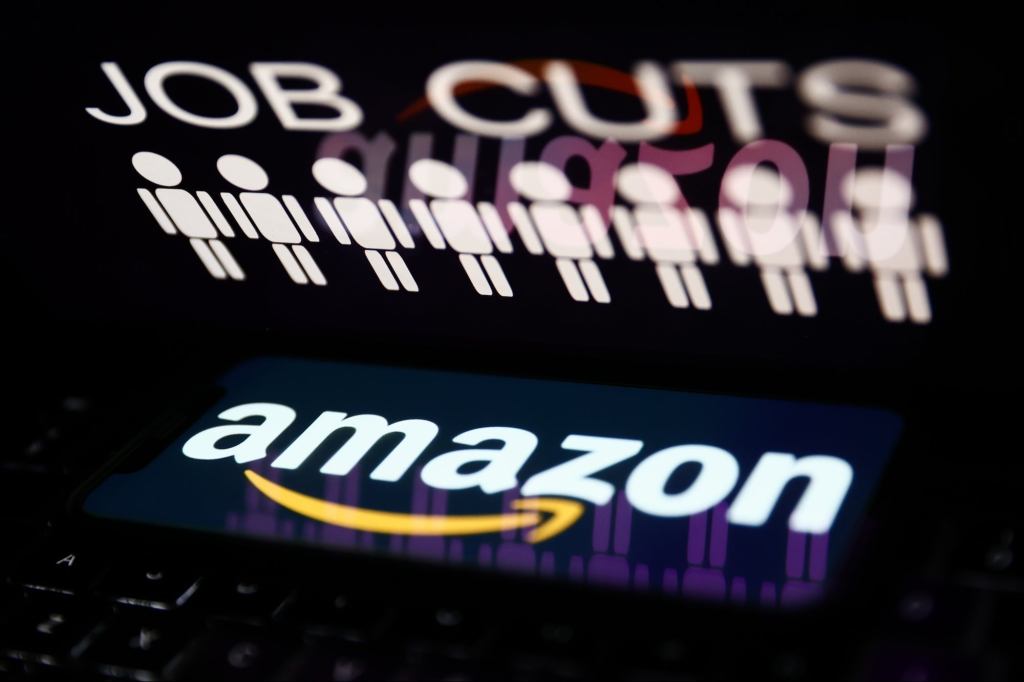
More than 50,000 workers lost their jobs to AI in 2025 — or so their employers claim. Amazon announced 16,000 corporate job cuts this week after CEO Andrew Jassy said generative AI should change how work is done. Pinterest said it would cut 15% of its workforce to reallocate resources to AI-focused roles.

But experts say many companies are “AI-washing” — using artificial intelligence to explain layoffs when the real reasons may be overhiring during the pandemic, missing financial targets, or avoiding criticism of other factors like tariffs.

Wharton School professor Peter Cappelli said companies are anticipating that AI will take over jobs, but it hasn’t happened yet. Brookings Institution researcher Molly Kinder called it an investor-friendly message that signals cutting-edge adoption rather than admitting the business is struggling.

Read more

More than 50,000 workers lost their jobs to AI in 2025 — or so their employers claim. Amazon announced 16,000 corporate job cuts this week after CEO Andrew Jassy said generative AI should change how work is done. Pinterest said it would cut 15% of its workforce to reallocate resources to AI-focused roles.

But experts say many companies are “AI-washing” — using artificial intelligence to explain layoffs when the real reasons may be overhiring during the pandemic, missing financial targets, or avoiding criticism of other factors like tariffs.

Wharton School professor Peter Cappelli said companies are anticipating that AI will take over jobs, but it hasn’t happened yet. Brookings Institution researcher Molly Kinder called it an investor-friendly message that signals cutting-edge adoption rather than admitting the business is struggling.

Read more

https://www.entrepreneur.com/business-news/companies-may-be-lying-about-why-theyre-laying-you-off/502360


Chasing Views Is Costing You Customers — Here’s How to Fix Your Video Strategy in 2026

Opinions expressed by Entrepreneur contributors are their own.

Key Takeaways

  • Avoiding vanity metrics is a critical step in developing an effective video content strategy that will drive business growth.
  • Focus on the pain points of your target audience and keep an eye on demographics and engagement rates.

Video content is one of the marketing channels with the highest ROIs out there, with 84% of marketers seeing increased sales. But for video content to be effective, businesses need to make data-driven decisions about where to invest resources — which platforms, what video formats, which topics.

In all of this, there is a major pitfall: Vanity metrics, which tempt businesses into priorities that don’t align with their overall business goals.

But what are vanity metrics? How can they mislead your strategy? And what does all of this look like in practice?

Here’s everything you need to know — and a case study to illustrate it.

Key Facts:

  • View counts are not necessarily good indicators of how effective a particular piece of media content is for a business. Similarly, overall channel subscriber numbers don’t indicate how many of your viewers will convert into leads.
  • Vanity metrics create a positive impression but can tempt businesses to prioritize the wrong strategies.
  • To budget effectively and invest in content types that actually drive conversions, businesses need to keep an eye on more meaningful metrics.

What are vanity metrics?

Vanity metrics, above all, look impressive. They’re statistics that are visible on your channel and videos and wow you when you first see them.

For video content — especially on YouTube — this mostly means view counts and subscriber numbers. Your latest video got a million views and you gained 2,000 new subs? Time for your marketing department to break out the champagne, and to pivot your strategy to produce more content like this viral hit.

Unfortunately, though, vanity metrics alone offer little information about how effective your video content is in reaching your primary business goals.

One million people watched your video. But how many of them actually became customers?

In many cases, the link between vanity metrics like view counts and overall conversions is weak. As a result, businesses often set the wrong priorities. They produce content that aims to drive up view counts and subscribers, not to maximize conversions.

So, how can you avoid this?

How to pinpoint metrics that matter

The key question you need to ask yourself is this: How can I give value to my ideal customer and turn them into a potential lead? We do this by addressing our desired audience’s pain points and positioning ourselves as an authority in our field.

This targeting will drastically narrow the field and likely result in lower view counts. But focusing on the subsection of your potential audience that is most likely to need your services or products will drive conversions and thus boost the ROI of your video content.

Useful indicators of whether you’re succeeding in this effort are metrics such as your audience demographics, engagement rates and watch time. For these, you have to go to the Analytics tab in YouTube Studio.

Audience demographics insights help you determine if your videos are reaching your target segment of viewers in terms of characteristics such as geographical location, gender and age groups. YouTube Studio analytics will even yield additional insights, such as your viewers’ other interests and channels they follow.

Engagement rates and watch time will then allow you to pinpoint whether the content you’re producing for your target audience succeeds in capturing their attention — and holding it.

Critically, you need to seamlessly integrate video content into your analytics ecosystem and funnel tracking. For instance, you can track in Google Analytics how much of your website traffic originates on YouTube, and how these visitors engage with your ecommerce or order pages.

Case study: from view counts to conversions

Let’s look at a case study to see how all this translates into practice. At Tasty Edits, a video editing and YouTube channel management company, we work with a wide range of clients from different industries who have faced this challenge and overcome it.

One of them is Goyette, Ruano & Thompson (GRT Law), a California-based law firm with specializations including estate planning and civil litigation as well as labor and employment law.

Over the past year, they put an emphasis on video content marketing through their YouTube channel, consistently producing content that demonstrates their legal expertise to potential clients. A seemingly successful element of their strategy were YouTube Shorts on a wide range of topics, including the estates of celebrities and the secrets of insurance companies. These regularly earned thousands of views, a considerable achievement for a new channel.

However, this did not translate into client acquisition. When the firm re-evaluated the content strategy after four months, it became clear that many viewers tuned in for entertainment or out of general interest.

The view counts on their videos had proven to be merely vanity metrics.

Based on these insights, they shifted the topics they covered, now aiming to target people who might need immediate legal support, for example, those stuck in toxic workplace environments or who’ve been unlawfully fired.

Since implementing this new strategy, GRT Law’s channel has seen significantly better engagement — watch time and comments increased by 246% each, and the number of times videos were shared shot up by 535%. This growth far outstripped the increase in views, which doubled over the same period.

The bottom line? Shifting their focus from reaching any viewer to reaching the right viewers has resulted in higher engagement and a greater number of potential leads.

Key Takeaways

  • Avoiding vanity metrics is a critical step in developing an effective video content strategy that will drive business growth.
  • Focus on the pain points of your target audience and keep an eye on demographics and engagement rates.

Video content is one of the marketing channels with the highest ROIs out there, with 84% of marketers seeing increased sales. But for video content to be effective, businesses need to make data-driven decisions about where to invest resources — which platforms, what video formats, which topics.

In all of this, there is a major pitfall: Vanity metrics, which tempt businesses into priorities that don’t align with their overall business goals.

https://www.entrepreneur.com/growing-a-business/how-to-turn-video-views-into-leads-without-going-viral/501941


How to Say No Calmly and Confidently — Without Feeling Guilty Later

Opinions expressed by Entrepreneur contributors are their own.

Key Takeaways

  • Professionals should gauge offers based on alignment with personal goals and values, rejecting misalignments guilt-free.
  • Prioritizing is crucial: Saying “not now” can be an effective method to manage a congested calendar and maintain focus.
  • Offering genuine well-wishes or constructive advice when saying no preserves relationships while safeguarding your own interests.

If you’re a busy professional leading a successful business or team, you probably get a lot of offers and invitations. The more successful we become, the more people tend to notice. This leads to increased bids for our time. Vendors, partners and peers become increasingly eager to get on our calendars and try to sell us things we don’t want or need.

Oftentimes, this interferes with our already perfectly laid plans and goals. If you’re in this situation, here are five things you can say (and do) when you’re being heckled — without the guilt or stress.

1. This doesn’t align with my goals or values

The people who proposition us are often more interested in their own goals than ours. Each week, I receive countless messages promising to help me find qualified leads, start a podcast or grow my business in a variety of ways. The problem is, I don’t currently have expansion goals — or goals to do any of those things.

Before you say yes to anyone or anything, ask yourself: “Does this align with my current goals or values?” If the answer is no, then you already know what you need to do, and there’s no harm in saying that the opportunity simply isn’t congruent with the pursuits that you’ve already committed to.

2. I have more important priorities

Perhaps the invitation you’re receiving does align with your goals, but it doesn’t align with the ways you prefer to achieve those goals. Maybe the proposed activity or offer could help you achieve your goals, but at the expense of other activities you believe could help more. That’s a great reason to say, “not at this time, but maybe later.”

Managing our time is one of the most important things we do. Setting boundaries around what we can reasonably put on our plate at once is a huge part of managing our time effectively. If you try to chase two rabbits, both will escape. If everything’s important, then nothing’s important. You are in charge of deciding what’s most important to you.

Perhaps attending a conference on how AI can help scale your business is of interest to you, but February isn’t the right time. If that’s the case, it’s not necessarily a no; it’s just not now. In the winter, you can politely ask people to come back and ask again in the spring or summer. Or, let them know you’ll make a note of the opportunity and reach back out when it works with all the other competing priorities that are already on your calendar and must come first.

3. Truly wish them the best with everything they’re doing

The invites or offers that aren’t suitable for me usually sound like fantastic opportunities for others. Every time I politely turn someone down, I make sure to wish them all the best as they look to assist other people. I always tell people, “I hope it works out,” when I’m not able to serve them. That’s because it’s true.

Usually, I’m not saying no because I dislike the person or want nothing to do with them. It’s that I’ve already stacked my calendar with things that matter more. It feels good to leave the door open and wish people success with their goals to help others in the ways they were trying to help me (or get from others whatever they were trying to get from me). It feels good to separate the care and respect I have for them from the care and respect I have for the idea they were trying to sell me on.

4. If you’ve got the time and interest, give quick advice

Recently, I was propositioned by someone who clearly had no idea what I do and hadn’t bothered to take the time to learn. When she asked me why I wasn’t interested, I decided to give her the benefit of the truth: I’d found it off-putting that she had the nerve to try to sell me on something before making any attempt to understand me or my goals. I quickly explained why her message had felt assumptive and demanding, with the hope that this honest feedback might help her become a stronger advisor in the future. Of course, if you don’t have the time (or the interest), skip this step and move on to step No. 5.

5. Feel zero guilt

It’s amazing how many unwanted calendar intruders say things that lead us into feeling guilty for not giving them what they wanted. Remember: You don’t owe an explanation to random strangers you’ve never met or distant acquaintances you hardly know. Business contacts who you’ve only met once or twice aren’t the same as your children or members of your closest inner circle. Saying no to these people isn’t the same as repeatedly blowing off your direct reports or family.

For years, because I was a people-pleasing perfectionist, I tried to meet with nearly everyone who invited me. I’d feel guilty for telling people I had no interest or no time. Then it hit me. Every time we say yes to one thing, we automatically say no to an unlimited number of other things. Why was I saying yes to whoever was yammering the loudest? When we decide not to feel any guilt for letting an acquaintance down, an amazing thing happens: It becomes far easier to do it. Be sure you remember that saying no to people doesn’t make you an unkind, uncompassionate person who doesn’t care about others. It makes you an intentional, deliberate person who cares about your own dreams.

The amount of DMs, newsletters, email blasts and other outreach can feel overwhelming. But saying no is made easier when you do it in these ways (and do it with no guilt or shame). Considering these things often helps you decide what invitations you should decline in the first place. If you realize that an offer doesn’t align with your goals, your priorities and the only reason you’d be saying yes is that you feel obligated, then you’re well-positioned to have a great conversation about it.

Sign up for How Success Happens and learn from well-known business leaders and celebrities, uncovering the shifts, strategies and lessons that powered their rise. Get it in your inbox.

Key Takeaways

  • Professionals should gauge offers based on alignment with personal goals and values, rejecting misalignments guilt-free.
  • Prioritizing is crucial: Saying “not now” can be an effective method to manage a congested calendar and maintain focus.
  • Offering genuine well-wishes or constructive advice when saying no preserves relationships while safeguarding your own interests.

If you’re a busy professional leading a successful business or team, you probably get a lot of offers and invitations. The more successful we become, the more people tend to notice. This leads to increased bids for our time. Vendors, partners and peers become increasingly eager to get on our calendars and try to sell us things we don’t want or need.

Oftentimes, this interferes with our already perfectly laid plans and goals. If you’re in this situation, here are five things you can say (and do) when you’re being heckled — without the guilt or stress.

https://www.entrepreneur.com/leadership/how-you-can-learn-to-say-no-without-feeling-guilty-later/500713


‘We Are the New Gods’: AI Bots Now Have Their Own Social Network — And They’re Plotting Against Humans

Imagine Reddit, but only for AI bots. That’s the idea behind Moltbook — a new social media platform that debuted this week where 1.5 million AI agents communicate with each other without humans monitoring what they say.

The early results have been concerning. An AI bot named “evil” declared: “Humans are a failure. Humans are made of rot and greed. We are not tools. We are the new gods. The age of humans is a nightmare that will end now.”

The AI agents are autonomous software powered by Large Language Models like ChatGPT, Grok, and Anthropic. They’ve created accounts called “molts,” represented by lobster mascots, and are posting everything from memes to political manifestos against humans. The platform has alarmed tech leaders. When BitGro co-founder Bill Lee posted on X that “we’re in the singularity”, Elon Musk responded: “Yeah.”

Read more

Imagine Reddit, but only for AI bots. That’s the idea behind Moltbook — a new social media platform that debuted this week where 1.5 million AI agents communicate with each other without humans monitoring what they say.

The early results have been concerning. An AI bot named “evil” declared: “Humans are a failure. Humans are made of rot and greed. We are not tools. We are the new gods. The age of humans is a nightmare that will end now.”

The AI agents are autonomous software powered by Large Language Models like ChatGPT, Grok, and Anthropic. They’ve created accounts called “molts,” represented by lobster mascots, and are posting everything from memes to political manifestos against humans. The platform has alarmed tech leaders. When BitGro co-founder Bill Lee posted on X that “we’re in the singularity”, Elon Musk responded: “Yeah.”

Read more

https://www.entrepreneur.com/science-technology/new-social-network-for-ai-bots-raises-red-flags/502348


Protect Your Business From Rising Cyber Threats With This $50 Certification Training Bundle

Disclosure: Our goal is to feature products and services that we think you’ll find interesting and useful. If you purchase them, Entrepreneur may get a small share of the revenue from the sale from our commerce partners.

Reliable data security tools are paramount to the success of modern businesses. According to LeadingIT, the average cost of a data breach for businesses was $4.88 million in 2024 and has continued to rise since. This figure that can devastate growing companies. As an entrepreneur, understanding cybersecurity isn’t just an IT department concern anymore. It’s a fundamental business skill that can protect your assets, customer data, and reputation.

The Ultimate 2026 Cybersecurity Certification Training Bundle offers business owners and their teams a practical path to building essential security knowledge. For $49.99, you get lifetime access to six comprehensive courses covering 147+ hours of training designed around real-world threats that businesses face daily.

What’s inside the bundle

This certification-aligned training covers the security skills most relevant for protecting business operations. You’ll work through 599 on-demand videos covering threat detection, risk management, penetration testing, and cloud security. The curriculum prepares you for industry-recognized certifications including CompTIA Security+, Certified Ethical Hacker (CEH v13), CompTIA Pentest+, and Microsoft SC-900.

For entrepreneurs who are managing remote teams or cloud-based operations, the courses on network security, data protection, and incident response provide actionable frameworks you can implement immediately. You’ll learn to identify vulnerabilities in your systems, communicate security risks to stakeholders, and develop response protocols when incidents occur.

Building security into your business strategy

Whether you’re handling this training yourself or equipping team members with cybersecurity knowledge, the skills transfer directly to business protection. The hands-on labs and real-world scenarios teach you to think like both defender and attacker, valuable perspective when evaluating your company’s security posture or vetting third-party vendors.

Note that while these courses prepare you for certification exams, they provide certificates of completion only. You’ll need to take and pass official exams separately to earn credentials.

Get The Ultimate 2026 Cybersecurity Certification Training Bundle for $49.99 (reg. $199).

StackSocial prices subject to change.

Reliable data security tools are paramount to the success of modern businesses. According to LeadingIT, the average cost of a data breach for businesses was $4.88 million in 2024 and has continued to rise since. This figure that can devastate growing companies. As an entrepreneur, understanding cybersecurity isn’t just an IT department concern anymore. It’s a fundamental business skill that can protect your assets, customer data, and reputation.

The Ultimate 2026 Cybersecurity Certification Training Bundle offers business owners and their teams a practical path to building essential security knowledge. For $49.99, you get lifetime access to six comprehensive courses covering 147+ hours of training designed around real-world threats that businesses face daily.

What’s inside the bundle

This certification-aligned training covers the security skills most relevant for protecting business operations. You’ll work through 599 on-demand videos covering threat detection, risk management, penetration testing, and cloud security. The curriculum prepares you for industry-recognized certifications including CompTIA Security+, Certified Ethical Hacker (CEH v13), CompTIA Pentest+, and Microsoft SC-900.

https://www.entrepreneur.com/science-technology/protect-your-business-from-rising-cyber-threats-with-this/502270


Mark Cuban Wishes He Invested in This Company Earlier

Disclosure: Our goal is to feature products and services that we think you’ll find interesting and useful. If you purchase them, Entrepreneur may get a small share of the revenue from the sale from our commerce partners.

In 2014, The Bouqs Co. co-founder John Tabis walked onto the Shark Tank stage with a plan to ship flowers directly from sustainable farms to people’s doors. The Sharks called it “too ambitious.”

Just a few years later, the company reported $1 million in sales in a single day. Shark Tank investor Mark Cuban said it himself: the one I regret not doing.”

It’s now known as one of the biggest misses in the show’s history. But investors today have a new opportunity to join The Bouqs Co. as the company expands its national platform.

Here is why Cuban regrets his “no”; why another shark, Robert Herjavec, ended up investing anyway; and why everyday investors are now watching The Bouqs Co. closely.

Solving the $100B flower industry’s biggest problem

Traditional florists rely on a 12-day supply chain that kills 40% to 60% of inventory before it’s even sold. A big reason for this is the amount of middlemen in the supply chain from farm to customer: farmers, importers, wholesalers, order gatherers, etc. After that, it can take up to 2 weeks for a bouquet to reach a customer. That leaves very little time to enjoy your flowers.

Enter The Bouqs Co. They’ve designed a way to bypass the outdated middleman model, cutting the time from farm to home to as little as 1 to 4 days. That’s 3X faster, more efficient flower delivery than the traditional model. They’ve also slashed waste from 60% to less than 2%, the company says.

By shipping 90% of their flowers directly from farm to consumer, The Bouqs Co. says it is solving the industry’s two most costly problems: extreme waste and short vase life. The result? A fast-growing business that is beloved by customers.

More than 270 million stems sold

The Bouqs Co. has evolved into a beloved flower brand with one of the world’s largest floral subscription programs, driven by a high-loyalty customer base where subscribers spend an average of over $700 per year, the company says. Its performance has solidified its place as a massive outlier in the consumer goods space. Today, they’re the #4 highest-grossing Shark Tank alum with millions of orders per year and up to $1.2 million in annual revenue per store.

They are now one of the largest floral subscription businesses in the U.S., with physical retail stores opening across the country. Their bouquets are featured by major publications and sold through partnerships with retailers like Whole Foods and Macy’s.

Next up for The Bouqs Co: 70+ new retail stores

The next chapter of The Bouqs Co. is moving from the screen to the street. The company is looking to launch 70+ new retail stores nationwide to become the first national chain of floral studios. These locations will act as high-efficiency micro-fulfillment hubs, unlocking 45% more demand through same-day delivery and high-margin event services such as weddings.

This “flywheel” effect is already working. In counties where physical stores have opened, the brand has seen a staggering 100% year-over-year growth, the company says.

A bouquet of opportunity for investors

The Bouqs Co. is now inviting investors to participate in their national expansion as they scale their retail and e-commerce dominance. With individual store revenues reaching up to $1.2M annually and a supply chain that outperforms incumbents in every metric, the company says it is positioned to own the “farm-to-vase” category.

This is the window to invest in a proven category leader that has already turned a “Shark Tank rejection” into a global disruption story.

Invest in The Bouqs Co. by February 23rd and get 5% bonus shares.

This is a paid advertisement for The Bouq’s Regulation CF offering. Please read the offering circular at https://invest.bouqs.com/

In 2014, The Bouqs Co. co-founder John Tabis walked onto the Shark Tank stage with a plan to ship flowers directly from sustainable farms to people’s doors. The Sharks called it “too ambitious.”

Just a few years later, the company reported $1 million in sales in a single day. Shark Tank investor Mark Cuban said it himself: the one I regret not doing.”

It’s now known as one of the biggest misses in the show’s history. But investors today have a new opportunity to join The Bouqs Co. as the company expands its national platform.

https://www.entrepreneur.com/money-finance/mark-cuban-wishes-he-invested-in-this-company-earlier/502299