More Companies Are Choosing to Stay Private — But This One Big Issue Could Derail Their Success

Opinions expressed by Entrepreneur contributors are their own.

The evolution of the private marketplace is one of the most significant developments to shape the capital markets in decades.

Just consider the statistics. In the late 1990s, there were more than 8,000 publicly listed companies in the United States. By 2008, there were fewer than 5,000. As of 2023, there were approximately 4,317.

Further, those companies that opt to go public are waiting longer to do so. According to a January 2025 analysis by Morningstar, the median age of companies debuting in the public markets increased from 6.9 years a decade ago to 10.7 years today.

Related: Go Public or Stay Private? What’s The Right Move For You?

Why more companies are staying private

Companies launch initial public offerings to access capital, boost visibility and provide liquidity for investors. Today, though, private equity firms, family offices and other strategic investors offer companies that same opportunity without the need to list.

Staying private means avoiding quarterly financial reporting requirements, which can become onerous and all-consuming. Operating privately allows owners and key stakeholders to retain more control and influence over the future of a company, prioritizing long-term goals over short-term shareholder and market demands and expectations. Private companies are not subject to the volatility and vacillation that come with being publicly traded, nor do they live by where the stock trades or quarterly results fall.

However, as the private marketplace becomes a more viable and commonplace option for an increasing number of companies, a significant issue has emerged: the need for greater transparency around and education about share ownership and share structure. Unlike public company stock valuations, which are readily available and accessible to all, there is less clarity around how private company shares are valued and how share classes are structured.

The importance of transparency and education

It is important for employees to learn how to build their wealth in a private company. Owning shares in a privately held business is a longer-term play, so understanding how they are valued and when they are distributed is critical to your personal financial plan. In turn, private companies have the responsibility to provide employees and investors with a clear and concise overview of how the equity is organized. Managed well, a private company stock program can be an incredibly effective recruiting and retention tool.

At Dynasty, for example, we launched an internal education program to ensure that our growing team of colleagues understands how we structure and issue our company shares. It is important to us that everyone feels comfortable asking questions and seeking advice about their holdings.

For business owners, managing your “cap table” or capitalization table — the document that outlines a company’s equity ownership structure, including all shareholders, their shareholdings, and percentage ownership — is also crucial, especially for startups and growing businesses. Giving out too many shares early on could hinder the future value of your business and its shares.

Growth is not vertical, so leaving some margin to weather the inevitable ups and downs is ideal. Issuing shares based on an employee’s time at the company and/or performance is also a sound strategy. With a myriad of details to consider, unique to your business, a cap table is a dynamic document that changes as a company grows and undergoes new funding rounds, employee stock option grants and other events.

Related: 12 Rules Entrepreneurs Must Know About Cap Table Management

For over 15 years, we have helped launch over 100 new businesses for our network of independent registered investment advisors (RIAs). As an entrepreneur, founder and chief executive officer of a privately held business myself, I understand the challenges inherent in the private market, and as a team, we have learned many lessons along the way, including for our own business.

We continue to pivot and innovate to meet the needs of our network and ourselves, which starts with stepping up to educate our own employees and clients on effectively navigating share ownership, structure and distribution for long-term success.

Private stock ownership should not and does not have to be an enigma. Your financial health depends on having the guidance of a financial advisor with both the experience and the specialized expertise to ensure that you understand your options as a private company employee.

The evolution of the private marketplace is one of the most significant developments to shape the capital markets in decades.

Just consider the statistics. In the late 1990s, there were more than 8,000 publicly listed companies in the United States. By 2008, there were fewer than 5,000. As of 2023, there were approximately 4,317.

Further, those companies that opt to go public are waiting longer to do so. According to a January 2025 analysis by Morningstar, the median age of companies debuting in the public markets increased from 6.9 years a decade ago to 10.7 years today.

The rest of this article is locked.

Join Entrepreneur+ today for access.

https://www.entrepreneur.com/leadership/why-more-companies-are-choosing-to-stay-private/495376


What Is ‘Quiet Cracking’? The Silent Trend That’s Undermining Your Team Without You Knowing.

We’ve all heard about “quiet quitting,” when employees perform the very bare minimum of their jobs. Now, new research from corporate training platform TalentLMS identifies an early stage of that problem, which can be just as detrimental to worker and employer happiness: “quiet cracking.”

TalentLMS defines quiet cracking as “a persistent feeling of workplace unhappiness that leads to disengagement, poor performance, and an increased desire to quit.” An online survey of 1,000 U.S. employees across industries found that 54% admit to experiencing some degree of quiet cracking.

Related: Quiet Firing: How to Know If You Are Being Quietly Fired

A combination of a tight job market and an uncertain economy has workers staying put in unhappy situations. That has obvious negative emotional consequences for all involved, and it also comes with a negative financial impact. TalentLMS cites a Gallup report that reveals that low productivity levels from disengaged workers cost the global economy $8.8 trillion every year.

TalentLMS puts this phenomenon squarely on the shoulders of management and offers steps managers can take to reduce quiet cracking among workers:

  • Increase worker and manager training

In their survey, TalentLMS found that training for workers boosts skills, confidence and makes them feel valued. Managers should also learn how to lead effective one-on-one meetings and create feedback loops.

  • Offer regular recognition

The survey found that 21% of employees don’t feel valued at work. Recognition is “low-cost, high-impact,” advises TalentLMS, and is “one of the simplest ways to show people that their work matters.” Managers are encouraged to publicly recognize hard work from an employee, and to also point out how those efforts help the overall goals and mission of the business.

  • Give clarity to expectations and roles

“Clarity combats chaos,” says TalentLMS. Confusion is a big cause of workers feeling overwhelmed and “having too much on their plate.” Regular reviews of job expectations and workloads can significantly reduce employee stress.

Related: ‘Quiet Cutting’ Is the Latest Workplace Danger — Here Are 3 Signs You’ll Be Out of a Job Soon

We’ve all heard about “quiet quitting,” when employees perform the very bare minimum of their jobs. Now, new research from corporate training platform TalentLMS identifies an early stage of that problem, which can be just as detrimental to worker and employer happiness: “quiet cracking.”

TalentLMS defines quiet cracking as “a persistent feeling of workplace unhappiness that leads to disengagement, poor performance, and an increased desire to quit.” An online survey of 1,000 U.S. employees across industries found that 54% admit to experiencing some degree of quiet cracking.

Related: Quiet Firing: How to Know If You Are Being Quietly Fired

The rest of this article is locked.

Join Entrepreneur+ today for access.

https://www.entrepreneur.com/business-news/quiet-cracking-is-a-new-workplace-phenomenon/496305


Elon Musk’s X Corp Is Settling a $500 Million Lawsuit Brought By Ex-Twitter Employees

Elon Musk’s X social media platform, formerly Twitter, has reportedly reached a tentative settlement in a $500 million class-action lawsuit over severance pay, the New York Times reports.

The suit stems from when Musk took over Twitter in 2022; he cut more than 80% of the staff (around 6,000 employees). Many laid-off employees sued, claiming they were owed severance. Now, almost three years after the firings, X Corp has settled, though the terms have not been disclosed.

Related: Gen Z Is Redefining the Workplace — and Companies Must Adapt or Face Losing Talent

Oral arguments in the case were scheduled to begin on September 17 in San Francisco.

Fox Business reports that, in the lawsuit, the laid-off employees claim a company severance plan from 2019 stated that cut workers receive two months’ base salary — and a week for every year served. The lawsuit says that some workers affected by the layoffs received only one month of severance pay, while others did not receive anything, per the filing.

Separate cases regarding former senior executives at the company are still ongoing.

The severance arbitration cases of more than 2,000 former Twitter employees were also reached. The Times calls the moves an “about-face for the billionaire.”

Musk is the richest person in the world, with $379 billion at press time, per the Bloomberg Billionaires Index.

Related: Hundreds of Disneyland Resort Workers Are Suing Over Incomplete Pay, Lack of Breaks: ‘Had Second Jobs Just to Survive’

https://www.entrepreneur.com/business-news/elon-musk-x-corp-settle-500-million-severance-lawsuit/496306


Paramount Is Cutting Thousands of Jobs This Fall Following Skydance Merger

Following the completion of an $8.4 billion merger earlier this month, Skydance Media and Paramount Global are now a new company called Paramount, a Skydance Corporation — and layoffs are reportedly on the horizon for the new entity.

The newly formed company, which oversees media assets like CBS, MTV, and Comedy Central, is now preparing to cut jobs across its business, according to Variety.

The layoffs are expected to occur by early November, when Paramount is scheduled to report third-quarter earnings, impacting around 2,000 to 3,000 jobs. The company is aiming for $2 billion in annual cost savings.

Related: Paramount Global Is Laying Off Hundreds of Employees

Paramount previously laid off 2,000 employees, or 15% of its U.S. workforce, in August 2024. The company has additionally laid off hundreds of employees in June of this year.

As of Dec. 31, 2024, Paramount had approximately 18,600 full-time and part-time employees, per Variety. Skydance, meanwhile, has around 500 employees, according to its website.

Paramount, a Skydance Company, Chairman and CEO David Ellison. Photo by Alberto E. Rodriguez/Getty Images

The cost savings were first mentioned in a July 2024 presentation to investors, following the announcement of the Paramount-Skydance deal. Jeff Shell, the former CEO of NBCUniversal and now the president of Paramount-Skydance, said during the presentation that the company worked with consulting firm Bain & Co. to find at least $2 billion in annual cost savings.

Related: Paramount Leadership Alludes to Layoffs If Merger Does Not Go Through

Shell indicated that the majority of cuts will affect Paramount’s linear TV businesses, including cable networks and broadcast, though he said that leaders “like” some of these businesses, “particularly CBS.”

“We think it [CBS] is a very, very, very strong business with more reach than any other business,” Shell said at the time. “However, I think a lot of us in the business know, we got to run these businesses in a different way as they decline.”

According to Paramount’s second-quarter earnings report, released in July, CBS was the most-watched broadcast network for the 17th consecutive season. The streaming service Paramount+ also saw revenue increase 23% year-over-year, with 24% subscription growth.

Paramount, a Skydance Company, will be led by Chairman and CEO David Ellison, the son of Oracle co-founder Larry Ellison. The CEO founded Skydance Media in 2010 and has since led the production of films like “Top Gun: Maverick” and “The Tomorrow War.”

Related: Meet David Ellison, Larry Ellison’s Son Who Is About to Take Over at Paramount

Following news of the merger, Ellison wrote in a letter published to Paramount’s site that the moment combined “more than a century of iconic storytelling” with “the drive of a 15-year-old studio born in the digital era.”

Paramount started trading on the Nasdaq Stock Market under the new ticker symbol “PSKY” earlier this month following the merger with Skydance. The newly combined company had a market value of over $10 billion at the time of writing.

Following the completion of an $8.4 billion merger earlier this month, Skydance Media and Paramount Global are now a new company called Paramount, a Skydance Corporation — and layoffs are reportedly on the horizon for the new entity.

The newly formed company, which oversees media assets like CBS, MTV, and Comedy Central, is now preparing to cut jobs across its business, according to Variety.

The layoffs are expected to occur by early November, when Paramount is scheduled to report third-quarter earnings, impacting around 2,000 to 3,000 jobs. The company is aiming for $2 billion in annual cost savings.

The rest of this article is locked.

Join Entrepreneur+ today for access.

https://www.entrepreneur.com/business-news/paramount-is-cutting-thousands-of-jobs-after-skydance-merger/496308


Save More Than 80% on This Adobe Acrobat + Microsoft Office Pro 2021 Bundle

Disclosure: Our goal is to feature products and services that we think you’ll find interesting and useful. If you purchase them, Entrepreneur may get a small share of the revenue from the sale from our commerce partners.

Running a business means working with documents, presentations, spreadsheets, and contracts daily. Having the right tools in place can make or break efficiency, and that’s exactly what this offer delivers.

For a limited time, you can get a three-year subscription to Adobe Acrobat Classic plus a lifetime license to Microsoft Office Professional 2021 for Windows—all for just $89.99 (MSRP: $543.99).

Why business leaders should pay attention

This isn’t just another software discount. For small business owners, entrepreneurs, or managers overseeing lean teams, the cost of subscriptions adds up quickly. This bundle eliminates that problem by combining the best offline PDF software with a permanent copy of Microsoft Office Pro.

  • Adobe Acrobat Classic (three years): Work securely offline with tools to create, edit, and protect PDFs. Convert PDFs into Office files, redact sensitive sections, or generate forms—all with enhanced security features. With no reliance on the cloud, you maintain control of your documents while meeting compliance and client needs.
  • Microsoft Office Pro 2021 (lifetime): Get the full suite—Word, Excel, PowerPoint, Outlook, Teams, Publisher, Access, and OneNote—installed directly on your Windows PC. Handle everything from financial modeling to pitch decks to client emails without ever worrying about renewal fees.

This bundle costs less than many companies spend in a single month on recurring subscriptions. Whether you’re in real estate creating contracts, in consulting preparing presentations, or in finance handling data-heavy spreadsheets, the Acrobat + Office bundle gives you the core tools to run daily operations smoothly.

Pick up this Adobe Acrobat + Microsoft Office Pro 2021 Bundle while it’s just $89.99 (MSRP: $543.99) during this pre-Labor Day sale.

Adobe Acrobat Classic + Microsoft Office Professional License Bundle

See Deal

StackSocial prices subject to change.

Running a business means working with documents, presentations, spreadsheets, and contracts daily. Having the right tools in place can make or break efficiency, and that’s exactly what this offer delivers.

For a limited time, you can get a three-year subscription to Adobe Acrobat Classic plus a lifetime license to Microsoft Office Professional 2021 for Windows—all for just $89.99 (MSRP: $543.99).

Why business leaders should pay attention

The rest of this article is locked.

Join Entrepreneur+ today for access.

https://www.entrepreneur.com/science-technology/save-more-than-80-on-this-adobe-acrobat-microsoft-office/496161


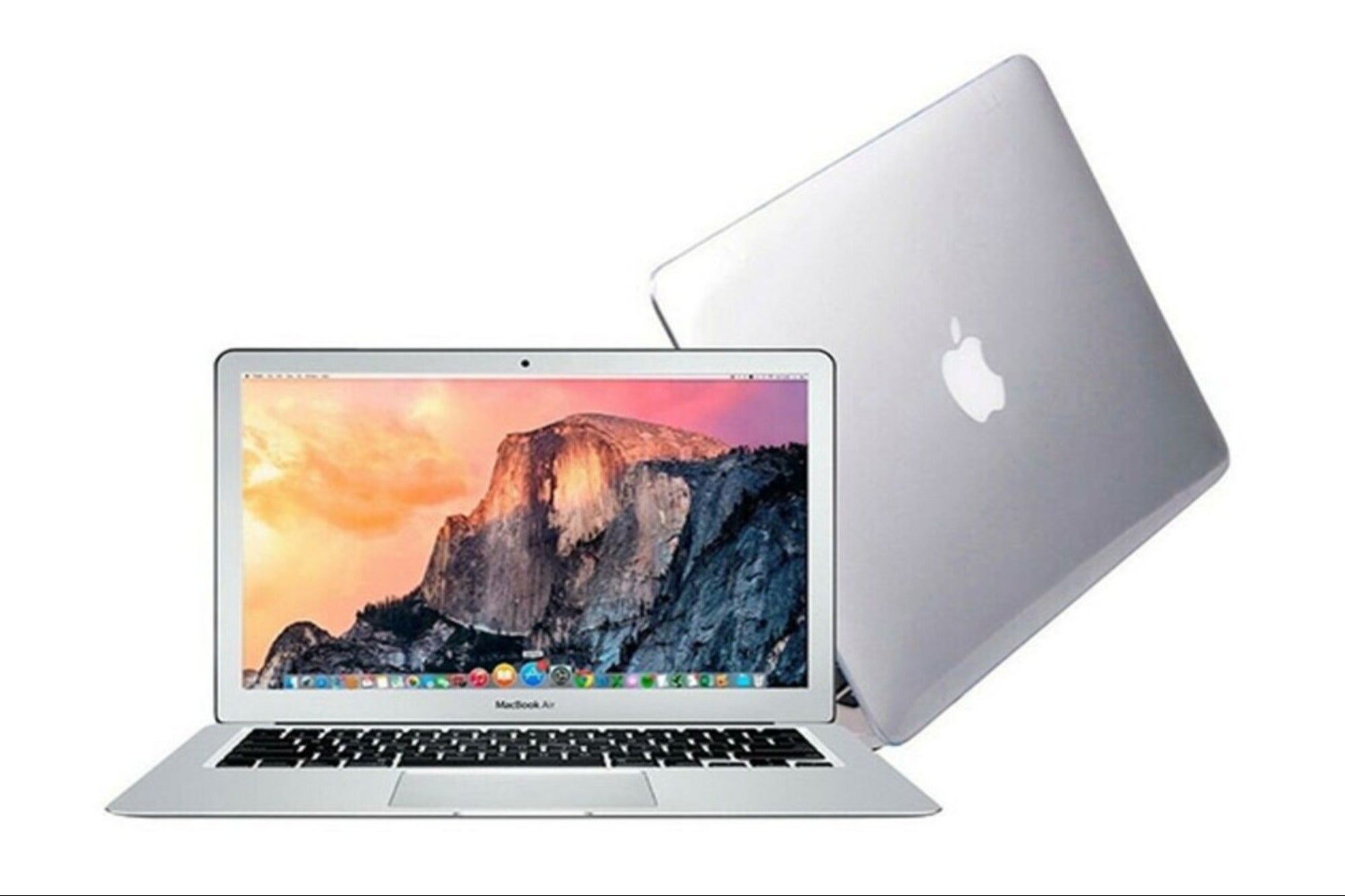
The MacBook Air Is the Perfect Laptop for Entrepreneurs, and This One is Just $200

Disclosure: Our goal is to feature products and services that we think you’ll find interesting and useful. If you purchase them, Entrepreneur may get a small share of the revenue from the sale from our commerce partners.

As an entrepreneur, time is money — anything that can save you time or increase your productivity helps. According to a study by Forrester, Apple users have a 3.5% increase in employee productivity due to the devices’ performance and reliability.

If you’ve yet to make the switch to an Apple device, now is the perfect time. This MacBook Air is currently on sale for just $199.97 (reg. $999) through September 7.

Work from anywhere with Apple’s lightest laptop

Entrepreneurs need to be able to work from anywhere, which makes the MacBook Air a great option. This device is Apple’s lightest laptop, but don’t be deceived by its 2.96-pound weight. It’s packed with features that can help boost your productivity.

Powered by a 1.8GHz Intel Core i5 processor and 8GB of RAM, this laptop can keep up with all of an entrepreneur’s multitasking. And you can tackle all your tasks on the 13.3-inch widescreen display, which features a 1440 x 900 resolution and Intel HD Graphics 6000, delivering sharp, vibrant visuals.

Twelve hours of battery life ensure you aren’t searching for electrical outlets all day. There is also 128GB of built-in storage so you can save important files locally, and built-in Bluetooth and Wi-Fi for easy connectivity.

If you’re curious why you’re saving $800, it’s thanks to this model’s grade A/B rating. That means it will arrive on your doorstep with light to normal wear, and will be fully operational, clean, and ready to use right out of the box.

Work efficiently from anywhere with this MacBook Air, now only $199.97 (reg. $999) through September 7 while supplies last.

StackSocial prices subject to change.

As an entrepreneur, time is money — anything that can save you time or increase your productivity helps. According to a study by Forrester, Apple users have a 3.5% increase in employee productivity due to the devices’ performance and reliability.

If you’ve yet to make the switch to an Apple device, now is the perfect time. This MacBook Air is currently on sale for just $199.97 (reg. $999) through September 7.

Work from anywhere with Apple’s lightest laptop

The rest of this article is locked.

Join Entrepreneur+ today for access.

https://www.entrepreneur.com/science-technology/the-macbook-air-is-the-perfect-laptop-for-entrepreneurs/496083


AI-Powered Planning Tools Designed for Serious Growth

Disclosure: Our goal is to feature products and services that we think you’ll find interesting and useful. If you purchase them, Entrepreneur may get a small share of the revenue from the sale from our commerce partners.

Running a business means balancing vision with execution — and if you’ve ever tried building a business plan from scratch, you know it can feel like juggling spreadsheets, projections, and endless “what ifs.” That’s why LivePlan was created.

For just $119.99 (MSRP: $180), you can access a full year of LivePlan’s business planning and financial forecasting platform — built to help entrepreneurs and leaders turn ideas into action.

With LivePlan, you’ll get:

  • AI-powered planning that offers suggestions and guidance as you write.
  • 550+ sample business plans spanning nearly every industry to give you a head start.
  • Automatic financial forecasting — no messy formulas, just clear reports.
  • One-page plan builder to simplify big strategies into actionable priorities.
  • Growth tools like milestone scheduling, performance tracking, and budgeting.
  • Collaboration features that let you securely work with partners, advisors, or teams.

Whether you’re pitching to investors, planning your next phase of growth, or just trying to bring structure to your big ideas, the web-based LivePlan platform gives you the clarity and confidence to lead smarter.

Because business success is more than just ideas.

Get one year of LivePlan’s Business Planning Software while it’s on sale for just $119.99 (MSRP: $180).

LivePlan Business Planning Software: 1-Year Subscription

See Deal

StackSocial prices subject to change.

Running a business means balancing vision with execution — and if you’ve ever tried building a business plan from scratch, you know it can feel like juggling spreadsheets, projections, and endless “what ifs.” That’s why LivePlan was created.

For just $119.99 (MSRP: $180), you can access a full year of LivePlan’s business planning and financial forecasting platform — built to help entrepreneurs and leaders turn ideas into action.

With LivePlan, you’ll get:

The rest of this article is locked.

Join Entrepreneur+ today for access.

https://www.entrepreneur.com/science-technology/ai-powered-planning-tools-designed-for-serious-growth/496050


Your Competitive Edge Is a Multi-AI Platform for Just $80

Disclosure: Our goal is to feature products and services that we think you’ll find interesting and useful. If you purchase them, Entrepreneur may get a small share of the revenue from the sale from our commerce partners.

Running a business today isn’t just about keeping up — it’s about pulling ahead. The leaders who win are the ones who can make smart decisions faster, create sharper content quicker, and adapt before their competition even knows what’s happening. That’s exactly how 1min.AI can help — and through September 7, you can lock in lifetime access for just $79.97 (MSRP: $540).

This all-in-one AI platform gives you the tools to turn ideas into action in under a minute. Need a blog post, a pitch deck image, a product video, or even a summarized market report? 1min.AI handles it — pulling from a lineup of powerhouse AI models (GPT-4, Claude, Gemini, Llama, and more) to deliver professional-grade work at speed.

Here’s what business leaders get:

  • Smarter content: Articles, ads, and copy tailored to your brand voice.
  • AI design tools: Generate, edit, and optimize images in seconds.
  • Media made easy: Text-to-speech, video editing, and audio translation without outsourcing.
  • Data at your fingertips: Chat with PDFs, run keyword research, or analyze documents instantly.

Think of it as your all-in-one competitive edge — no subscriptions, no recurring costs, just lifetime access to a toolkit that keeps improving every week. For a one-time payment of $79.97, it’s one of those rare business decisions that’s a total no-brainer.

Get lifetime access to 1min.AI’s Advanced Business Plan for just $79.97 (MSRP: $540) through September 7.

1min.AI Advanced Business Plan Lifetime Subscription

See Deal

StackSocial prices subject to change.

Running a business today isn’t just about keeping up — it’s about pulling ahead. The leaders who win are the ones who can make smart decisions faster, create sharper content quicker, and adapt before their competition even knows what’s happening. That’s exactly how 1min.AI can help — and through September 7, you can lock in lifetime access for just $79.97 (MSRP: $540).

This all-in-one AI platform gives you the tools to turn ideas into action in under a minute. Need a blog post, a pitch deck image, a product video, or even a summarized market report? 1min.AI handles it — pulling from a lineup of powerhouse AI models (GPT-4, Claude, Gemini, Llama, and more) to deliver professional-grade work at speed.

Here’s what business leaders get:

The rest of this article is locked.

Join Entrepreneur+ today for access.

https://www.entrepreneur.com/science-technology/your-competitive-edge-is-a-multi-ai-platform-for-just-80/496049


Why Smart Entrepreneurs Are Betting Big on Biohacking

Opinions expressed by Entrepreneur contributors are their own.

I’ve been in the entrepreneurship game long enough to spot when something big is coming. And I’m telling you right now: I believe biohacking isn’t just another wellness fad. It’s a legitimate business strategy that’s giving smart entrepreneurs a massive competitive edge.

The numbers don’t lie: why entrepreneurs need this now

Eighty-seven percent of entrepreneurs deal with mental health issues versus just 48% of regular people. But here’s the real kicker — it’s not just stress. I think it’s about trying to maintain peak performance while your body systematically breaks down under the demands of building something meaningful.

Meanwhile, research shows each extra hour of sleep per week bumps your earnings by 3.4%. You’re literally leaving money on the table by not getting enough sleep. Think about that for a second. Your competitors who prioritize recovery aren’t just feeling better — they’re earning more.

The market agrees with this shift. According to a recent Research and Markets Report, the Global Biohacking Market was valued at $24.5 billion in 2024 and is estimated to reach $111.3 billion by 2034. When you see numbers like that, you’re not looking at a trend. You’re looking at a complete shift in how high performers approach optimization.

Related: Tricks to Prevent Jet Lag, According to Science

What biohacking actually means for business

Biohacking isn’t some mystical wellness nonsense. It’s what happens when entrepreneurs apply the same obsessive optimization mindset they use in business to their own bodies. These are people who track every metric that matters.

Now they’re tracking HRV scores (heart rate variability) like conversion rates, experimenting with intermittent fasting like it’s a marketing campaign, and optimizing their sleep with the same intensity they bring to growth hacking. Makes perfect sense when you think about it. If you’re going to measure everything else, why not measure what actually powers your brain?

Dave Asprey figured this out when he was running a longevity nonprofit and realized he was “the only guy under 60 in the room.” All the knowledge about human optimization was stuck with older folks, while young entrepreneurs were burning themselves out. That’s when he created something entirely different.

At his 11th annual in-person Biohacking Conference (13th, including virtual events during COVID), Asprey’s approach became crystal clear. This isn’t strategic rebranding of longevity science — it’s an entirely new framework that has grown into a multibillion-dollar industry.

His definition of biohacking is laser-focused: “To change the environment outside of you and inside of you so you have full control of your biology, to allow you to upgrade your body, mind, and your life.”

Related: Is There a Superior Diet for the Entrepreneur? The ‘Father of Biohacking’ Shares What He Eats for High Energy, Low Body Fat and Optimal Output

AI is revolutionizing the biohacking game

Here’s where Asprey really got my attention. His company, 40 Years of Zen, utilizes AI to analyze brainwaves from top entrepreneurs and train your brain to match their patterns in five days, rather than spending 20 years meditating. For entrepreneurs who barely have time to eat lunch, this is a revolutionary concept.

But the real breakthrough is Upgrade Labs, his franchise that’s collecting 187 million data points from every client. They’re using AI to analyze your bloodwork, performance metrics, goals, and current state, then generating a personalized optimization plan. No more guessing about supplements, fasting schedules or treatments.

Asprey dropped $2.5 million figuring this out the expensive way. With AI, you don’t have to.

This is biohacking evolving from experimental to systematic. The data exists and the results are measurable. (Fair warning: accessible technology can still come with a price tag — the 40 Years of Zen retreat costs $16,000 for a five-day immersive neurofeedback experience. But compare that to the cost of burnout.)

An industry cross-pollination that signals massive growth

What blew me away at Asprey’s conference wasn’t just the technology — it was the crowd. I watched entertainment personalities like Ragga Ragnar (Queen Gilhund from Vikings) discussing their craft with medical professionals like Dr. Vince Padre, who is developing gut-healthy coffee. Tech veterans were swapping notes with food innovators, such as Oren Epstein from BioRaw, Canada’s leading vegan food distributor, about running sustainable businesses.

Even teenage entrepreneurs like George Zhou and Becket Kitaen from Buffs were there, soaking it all up. Their product is a “cheeto puff made of beef.”

When cultural influencers like Food Babe, who shares her most helpful resources here, and thought leaders like Martin Luther King III show up — connecting biohacking to mission-driven initiatives like Realize The Dream — you know something has staying power. When wellness meets social change, and both get backed by real money, that’s when markets explode.

The entrepreneurial trifecta is in full effect: users proving demand, investors bringing serious capital and cultural influencers amplifying the message. Game over.

Where the smart money is moving

The investment patterns tell the story. Money is flowing toward scalable, results-driven models — from recurring subscriptions to high-retention product ecosystems. In the U.S., we’re seeing a surge in biotech investments, fueled by consumers who are increasingly dissatisfied with one-size-fits-all solutions and demand personalized, data-driven health alternatives.

Companies like Denmark-based Puori are investing heavily in the US to set a new standard for product authenticity and transparency in the supplement space. Every batch is third-party tested for over 200 contaminants, with full results available via a QR code on the packaging, enabling consumers to make informed decisions in a crowded market. PureWave’s VEMI Biosynchronizing beds are being used to assist in veteran recovery. BioLight’s cutting-edge oral healthcare technology is redefining dental health.

As Dr. Mike Belkowski, founder of Biolight, explained at their booth: “Red Light Therapy is no longer a fringe modality— it’s becoming a cornerstone in the future of health optimization. As we unlock the science behind light, mitochondria, and cellular resilience, we’re entering a new era where healing and performance can be non-invasive, natural, and profoundly effective.”

The biggest wins? Brands are building recurring revenue around absolute trust and utility. Position yourself where performance, personalization, and prevention intersect, and you won’t just ride the biohacking wave — you’ll own it.

Building biohacking into your business culture

Asprey dropped some practical wisdom about integrating biohacking into your company culture, no matter what stage you’re in:

  • Lead by Example: “You cannot tell your employees what to do unless you’re doing it.” Don’t mandate wellness programs. Show the value through your own transformation first.
  • Invest in Real Health Data: “You have all the lab tests, or at least your employees do, and they get actionable information to improve them. The amount of money you will make from having employees who are emotionally regulated because they’re biologically healthy, holy crap, your whole culture changes overnight. It’s so big.”
  • Go Dry: This might surprise you, but Asprey’s logic is bulletproof. “You should not be spending your hard-earned profits on feeding your employees alcohol. He says, give them high-quality coffee instead. Give them things that make them grounded and focused and happy and performant and healthier.”

These aren’t feel-good wellness initiatives. These are business strategies disguised as employee benefits.

The bottom line

Biohacking is no longer just about personal optimization. It’s about building better businesses and creating sustainable competitive advantages. While your competitors burn out on the old grind-it-out mentality, you’re optimizing your biology for sustained peak performance.

The only question is whether you’ll get ahead of this curve or spend the next five years playing catch-up while your competition evolves past you.

In my experience, winning entrepreneurs spot trends early and move fast. Biohacking isn’t the future of wellness — it’s the future of high-performance entrepreneurship.

https://www.entrepreneur.com/living/why-the-biohacking-revolution-is-an-entrepreneurial/494773


Microsoft AI CEO Warns That ‘Dangerous’ and ‘Seemingly Conscious’ AI Models Could Arrive in the Next 2 Years: ‘Deserves Our Immediate Attention’

AI that appears to be conscious could arrive within the next few years, posing a “dangerous” threat to society, says one AI leader.

Microsoft AI CEO Mustafa Suleyman, 41, wrote in a personal essay published earlier this week that Seemingly Conscious AI (SCAI), which is artificial intelligence so advanced that it can convince humans that it’s capable of formulating its own thoughts and beliefs, is only a few years away.

Related: Microsoft Claims Its AI Is Better Than Doctors at Diagnosing Patients, But ‘You Definitely Still Need Your Physician’

Even though there is “zero evidence” that AI is conscious at the moment, it’s “inevitable and unwelcome” that SCAI could appear within the next two to three years, Suleyman wrote.

Suleyman’s “central worry” is that SCAI could appear to be empathetic and act with greater autonomy, which would lead users of SCAI to “start to believe in the illusion of AIs as conscious entities” to the point that they advocate for AI rights and even AI citizenship. This would mark a “dangerous turn” for society, where people become attached to AI and disconnected from reality.

“This development will be a dangerous turn in AI progress and deserves our immediate attention,” Suleyman wrote in the essay. He added later that AI “disconnects people from reality, fraying fragile social bonds and structures, distorting pressing moral priorities.”

Related: ‘Plenty of Room for Startups’: This Is Where Entrepreneurs Should Look for Business Opportunities in AI, According to Microsoft’s AI CEO

Suleyman said that he was becoming “more and more concerned” about AI psychosis, or humans experiencing false beliefs, delusions, or paranoid feelings after prolonged interactions with AI chatbots. Examples of AI psychosis include users forming a romantic relationship with an AI chatbot or feeling like they have superpowers after interacting with it.

AI psychosis will apply to more than just individuals who are at risk of mental health issues, Suleyman predicted. He said that users have to “urgently” discuss “guardrails” around AI to protect people from the technology’s negative effects.

Microsoft AI CEO Mustafa Suleyman. Photographer: David Ryder/Bloomberg via Getty Images

Suleyman became Microsoft’s AI CEO last year after co-founding and running his own AI startup for two years called Inflection AI, per LinkedIn. Microsoft is the second most valuable company in the world, with a market capitalization of $3.78 trillion at the time of writing.

Related: Microsoft AI CEO Says Almost All Content on the Internet Is Fair Game for AI Training

Suleyman also co-founded DeepMind, an AI research and development company acquired by Google for around $600 million in 2014.

Suleyman isn’t the first CEO to warn about AI’s ill effects. In a talk at a Federal Reserve conference last month in Washington, D.C., OpenAI CEO Sam Altman said that “emotional overreliance” on ChatGPT keeps him up at night.

“People rely on ChatGPT too much,” Altman said at the event. “That feels really bad to me.”

https://www.entrepreneur.com/business-news/microsoft-ai-ceo-dangerous-seemingly-conscious-ai-is-close/496256