Airbnb Just Made a Big Change to Its Payment Policy. Here’s What to Know.

Airbnb guests in the U.S. can now book their stays without paying up front using the company’s new “Reserve Now, Pay Later” policy.

Traditionally, Airbnb guests had to pay when booking or through a payment plan, which can lead to headaches when it comes to canceling trips. Now, guests can book and pay later, giving them more time to work out finances with others in their group or finalize travel plans.

Related: Airbnb CEO Brian Chesky Says Customer Service Is the Company’s ‘Hardest Problem.’ Here’s How They’re Using AI to Fix It.

But don’t worry, hosts: Airbnb isn’t going to turn into the Wild West of cancellations. Guests still pay the full amount, it just happens a little later, before the end of the listing’s free cancellation period, which you set yourself (and guests are reminded of before the deadline).

Airbnb

The program is for U.S. guests (on listings in the States) with “moderate or flexible” cancellation policies.

Can hosts decide how guests pay?

Yes, if you’re a host, your preferred cancellation policy remains unchanged. Airbnb notes that hosts who are hesitant to try the new “Reserve Now, Pay Later” policy have some built-in security to help motivate them.

Guests using “Reserve Now, Pay Later” still must pay before the free cancellation period ends, so that gives hosts time to secure another booking.

Related: ‘I Can’t Get Everyone to Move Here’: Why Airbnb’s CEO Is Sticking With a Once-a-Month Hybrid Schedule

Why is Airbnb introducing Reserve Now, Pay Later?

Airbnb conducted a customer experience survey to get a better understanding of what guests want when booking a stay.

According to the report, 60% of respondents noted that having a flexible payment option was important when making a reservation, and more than half of respondents (55%) said they use flexible payment options for travel.

Related: This Couple Started Renting Rooms in Their House As a Side Hustle. Now They Run 11 Airbnb Units Full Time.

Join top CEOs, founders and operators at the Level Up conference to unlock strategies for scaling your business, boosting revenue and building sustainable success.

https://www.entrepreneur.com/business-news/airbnb-offering-reserve-now-pay-later-payment-plan/495920


How to Fire a Hire You Love and Move Your Business Forward

Opinions expressed by Entrepreneur contributors are their own.

As a recovering toxic boss, one of the cruelest contradictions of leadership is this: Sometimes, you have to let go of someone you genuinely care about. Not because they did something wrong. Not because they weren’t loyal. But because the business — your business — just needs something else, something they’re not providing in their role.

I’ve had to let go of people I’ve liked. Really, really liked. People I mentored, advocated for and rooted for. People who reminded me of a younger version of myself. And I’ve got to tell you, it doesn’t get easier with experience. But it can get cleaner, kinder and more purposeful — if you do it the right way.

Here’s what I’ve learned about firing a hire you love and how to do it with empathy, clarity and integrity.

Recognize that a good vibe doesn’t always mean a good fit

As a leader, you’re constantly hiring for potential — for what you see in job candidates, their attitude, their energy, their fit with your culture. You’re not just filling roles; you’re building a team to call your own that you can be proud of. So when someone’s vibe feels right, it’s easy to want to invest in their potential.

But potential doesn’t always translate to performance. Or the needs of your company evolve in such a way that what seemed like a great fit is no longer aligning with the direction in which you’re heading. In other words, appreciating someone’s spirit doesn’t always equate to them being the right person for the job anymore.

And this is where things get cloudy, because you start rationalizing in your mind. You think, “But they’ve been with us so long” … “But they’re trying so hard” … “But I like them so much.” All of that may be true, but if your business instincts are whispering (or yelling) that the relationship just isn’t working, you owe it to both yourself and your employee to listen to your internal sensibilities.

Heed your gut

What does it mean to listen to that inner voice that tells you something is off? It means not waiting too long to make the decision. Most leaders do; I’ve done it myself. I’ve dragged my feet, silently hoping the situation would resolve itself through performance changes or through the employee resigning.

But effective leaders know that, almost always, things don’t fix themselves. Rather, leaders need to acknowledge the gap between what needs to be done and what’s actually getting done … and then take action to narrow or fully close that gap.

When determining if it’s time to let someone go, I evaluate three specific factors:

  • Performance: Is this person sufficiently and consistently delivering what’s needed?
  • Potential: Are they growing in a way that aligns with your company’s objectives?
  • Impact: What effect are they having on your overall team, your culture and your outcomes?

If someone you love isn’t measuring up in these areas — after you’ve provided guidance and support to them — it might be time to make the hard call.

Related: Terminating an Employee? Don’t Make These Legal Mistakes

Prepare for the conversation

The most compassionate firings I’ve been a part of were those where the boss came to the meeting well prepared. When you’re vague or overly emotional, the employee doesn’t get the right message. Instead, clarity translates to kindness — the more intentional and on point you can be, the clearer the employee will be on where you stand and what’s happening.

Here are some ways to prepare:

  • Document instances when performance didn’t meet business goals
  • Create a transition plan that clearly explains the employee’s termination date and what their responsibilities will be until then
  • Offer support in all ways you can: severance pay, a letter of recommendation, introductions to others in your industry

In terms of what to actually say, you want to stay focused but also thoughtful, professional but also gracious. To lessen the sting, you can say things like, “This isn’t about you as a person at all — it’s about what the business needs right now” and “I’ll continue to support you in your next steps because I know what you bring to the table, even if this is no longer the right table for you.”

Related: I Fired an Employee After Finding Their Secret Second Job

Display your humanity

Letting someone go is a very difficult thing to do. And as much as you want to be direct to minimize the discomfort, you want to remain empathetic and generous-minded; you’re dealing with a person’s self-esteem and livelihood, after all, so do your best to treat them the way you’d want to be treated if the roles were reversed.

Avoid making the encounter seem transactional by:

  • Allowing space for emotions (without taking them on as your own)
  • Letting the employee respond to you — don’t make it a one-way discourse on how they fell short; grant them a real person-to-person conversation so they can get closure (with a reasonable time limit to not elongate the awkwardness for both parties)
  • Offering to be a reference or a source of networking, if appropriate
  • Showing genuine appreciation and gratitude for the contributions they did make

It’s not your responsibility to secure the next step for them, but you can handle their exit with grace and magnanimity.

Let yourself grieve

A firing isn’t just a loss for the employee; it’s a loss for you too. And some losses are truly worthy of grieving. Don’t deny your feelings of sadness, but don’t confuse them with regret or second-guess your decision either.

You can wallow in feelings of guilt, self-blame, playing the bad guy. Or you can choose to let the experience be a valuable lesson in leadership. Ask yourself: “What did I learn here about my hiring process?” “Why did I wait so long to act on my inner knowing?” “How can I become a better leader from this?”

You can’t escape the pain of letting someone go, but you can expand your leadership skills and increase your emotional intelligence as a result of it.

Love and let go

You can be someone’s fan and still release them from a fit that wasn’t right for either of you. You can believe in someone’s future and still recognize that the future isn’t with your company. And you can like someone tremendously — even love them — and still realize you can’t keep them on your team just for personal reasons.

When you make the purely professional assessment that it’s time to let someone go, it can be the most loving thing you can do for all involved. Doing so for the right reasons maintains your integrity and their dignity. Most of all, it sets them farther down the path of finding where they truly belong. And that’s something that everybody deserves.

As a recovering toxic boss, one of the cruelest contradictions of leadership is this: Sometimes, you have to let go of someone you genuinely care about. Not because they did something wrong. Not because they weren’t loyal. But because the business — your business — just needs something else, something they’re not providing in their role.

I’ve had to let go of people I’ve liked. Really, really liked. People I mentored, advocated for and rooted for. People who reminded me of a younger version of myself. And I’ve got to tell you, it doesn’t get easier with experience. But it can get cleaner, kinder and more purposeful — if you do it the right way.

Here’s what I’ve learned about firing a hire you love and how to do it with empathy, clarity and integrity.

The rest of this article is locked.

Join Entrepreneur+ today for access.

https://www.entrepreneur.com/growing-a-business/can-i-be-a-great-leader-and-still-fire-someone-i-love/495144


What Does Your Boss Really Think About You? Ask Yourself These 6 Questions to Find Out

Opinions expressed by Entrepreneur contributors are their own.

Exactly 25 years ago, the movie What Women Want starring Mel Gibson and Helen Hunt was released. After being electrocuted by a hairdryer in his bathtub, Gibson’s character suddenly possesses an exceptionally bizarre talent: He can literally hear the private and unedited thoughts of every woman he encounters. Gibson uses his newfound abilities to progress his career and win business deals.

How useful would it be if all of us could hear the unheard thoughts of our boss, especially the ones about us? While these skills don’t exist, there are a series of ways to know what your boss really thinks of you, even if you’re not a mind reader. If you want to know where you stand with your boss, here’s what to consider.

1. What does your boss talk about with you?

What your boss spends time speaking with you about says everything. If your boss talks with you about your future goals or your current growth, not just as an employee but as a human, that’s a great sign. If your boss is actively engaged in your development, it’s likely that they think you’re capable of doing more and can contribute at higher levels. If your boss encourages you to pursue educational opportunities, get additional certifications or attend conferences or workshops, that means they want you to continue becoming stronger so you’re ready for more. If your boss asks you about your dreams or long-term plans, it means they’re interested in where you’d like to end up and how you’re going to get there.

When your boss only speaks with you about their goals or your task list, it’s likely a sign that they don’t care much or aren’t interested in you as a person, only what you can do for them. Bosses like this should be avoided, since they tend to stunt the growth and improvement of those around them.

Related: The 5 Worst Leadership Qualities: How Many Does Your Boss Have?

2. How much does your boss ask for your opinion?

If your boss engages in dialogues with you, instead of just monologues, that’s a great sign. When a boss regularly asks for a direct report’s opinion, it’s a sign they respect and trust that person. When a boss thinks highly of someone, they frequently ask for that person’s input or ideas on various projects or possible courses of action. That’s because they know the individual is sharp, smart and has something worthwhile to contribute. They see that person as a key contributor, not just someone to be “managed.”

If your boss never asks about your thoughts or feelings, it’s likely that they believe they have all the best answers and have little to learn from you. Bosses who value their employees don’t just bark orders or issue instructions. They curiously ask questions to learn. If the only questions you’re asked about are administrative (for example, about your timecard), it’s likely a sign that your boss is more interested in the hours you work rather than the job that you do.

3. Does your boss give you challenging work or new opportunities?

Does your boss ask you to take the lead on new or exciting opportunities? Does your boss ask you to do more complex or challenging things than what you’ve been doing? If so, your boss is probably interested in grooming you for the future, rather than being focused on maintaining the status quo. Bosses who see their people as highly capable of more will find opportunities to stretch them. If your boss isn’t doing this, it’s an indication that they don’t care if you stay in the same role for the foreseeable future, perhaps even years. Bosses who care about, believe in and trust their employees will always find opportunities to empower them. Bosses who don’t, won’t.

4. What happens when you make a mistake?

If your boss completely loses it when something goes wrong or is quick to show anger and frustration, it’s a sign that your boss expects you to be perfect and is highly concerned with how you both look to others. Bosses who see their people as long-term players and know their people are also human allow for a certain degree of missteps or failed experiments. Bosses who berate and criticize every small error or mistake don’t tend to value creativity, innovation and experimentation for the sake of learning. They’d rather hire people who follow suit and do things the way they’ve always been done rather than push the envelope and find new paths. Since erring is a normal part of the human condition, bosses who don’t allow for this are extremely difficult to work for.

5. How much say do you get?

Bosses who see their people as future colleagues or peers of themselves extend a considerable amount of latitude in how the work gets done. If your boss doesn’t let you make any of your own decisions and constantly wants you to ask for permission, it’s likely that they see you as inferior or beneath them. If your boss tells you not to ask permission or get their approval for every decision, it’s a sign that your boss sees you as a future version of themselves, an equal and they trust you. Great bosses allow their best people choices in how they lead or do their work.

Related: I Was the Toxic Boss I Swore I’d Never Be — Here are 4 Confessions from My Leadership Recovery

6. How much recognition do you get?

If you can’t remember the last time your boss made time to give you a specific compliment on a job well done, that’s another bad sign. When bosses notice their people doing a stellar job, they acknowledge it. If your boss hasn’t recently told you they value and appreciate you, it’s probably because they don’t.

Looking for these six things in your interactions with your boss will tell you everything about how they see you and how likely it is that you’ll flourish and grow underneath them. If you can’t answer these questions in a positive way, it’s probably time you either directly ask your boss where you stand or find a new boss.

Exactly 25 years ago, the movie What Women Want starring Mel Gibson and Helen Hunt was released. After being electrocuted by a hairdryer in his bathtub, Gibson’s character suddenly possesses an exceptionally bizarre talent: He can literally hear the private and unedited thoughts of every woman he encounters. Gibson uses his newfound abilities to progress his career and win business deals.

How useful would it be if all of us could hear the unheard thoughts of our boss, especially the ones about us? While these skills don’t exist, there are a series of ways to know what your boss really thinks of you, even if you’re not a mind reader. If you want to know where you stand with your boss, here’s what to consider.

1. What does your boss talk about with you?

The rest of this article is locked.

Join Entrepreneur+ today for access.

https://www.entrepreneur.com/leadership/how-to-know-what-your-boss-really-thinks-about-you/494501


Hurry and Get This $440 MacBook Pro Before It’s Gone

Disclosure: Our goal is to feature products and services that we think you’ll find interesting and useful. If you purchase them, Entrepreneur may get a small share of the revenue from the sale from our commerce partners.

If you run a business, you know that reliable tech isn’t a luxury—it’s the backbone of getting things done. Whether you’re meeting clients, coding late into the night, editing high-res media, or simply trying to keep your email inbox from turning into a black hole, your laptop has to keep up.

Right now, you can pick up a Grade A refurbished Apple MacBook Pro 13″ (2020) for just $439.97 (MSRP $1,580). That’s like getting high-end, professional-grade performance for the price of a budget-friendly laptop—and still walking away with money left in the budget for other investments.

Powered by a 10th Gen Intel Core i5 processor, 16GB RAM, and a lightning-fast 512GB SSD, this MacBook Pro is ready for whatever your business day throws at it. The 13.3″ Retina display with True Tone technology ensures your presentations, spreadsheets, and creative projects look stunning, while the Magic Keyboard keeps you typing comfortably during those marathon work sessions.

Business travel? No problem. Its all-day battery means you can work from the office, the coffee shop, or the airport without constantly hunting for an outlet. With four Thunderbolt 3 ports, you’ll have no shortage of connectivity—whether you’re plugging into external displays for presentations or transferring files at blazing speeds.

This is a Grade A refurb, so it’s in near-mint condition with minimal to zero cosmetic flaws. You’re essentially getting like-new quality with none of the brand-new price tag.

For entrepreneurs, creatives, and professionals who live on their laptops, this MacBook Pro delivers the speed, storage, and style you need to look sharp and work smarter, all while keeping your budget in check.

Power your business like a pro—without paying pro prices.

Don’t miss getting this Grade A refurbished Apple MacBook Pro 13″ (2020) for just $439.97 (MSRP $1,580) while stock is still available.

Apple MacBook Pro 13″ i5 2GHz (2020) 4 Thunderbolt 3 Ports 16GB RAM 1TB SSD Silver (Refurbished)

See Deal

StackSocial prices subject to change.

If you run a business, you know that reliable tech isn’t a luxury—it’s the backbone of getting things done. Whether you’re meeting clients, coding late into the night, editing high-res media, or simply trying to keep your email inbox from turning into a black hole, your laptop has to keep up.

Right now, you can pick up a Grade A refurbished Apple MacBook Pro 13″ (2020) for just $439.97 (MSRP $1,580). That’s like getting high-end, professional-grade performance for the price of a budget-friendly laptop—and still walking away with money left in the budget for other investments.

Powered by a 10th Gen Intel Core i5 processor, 16GB RAM, and a lightning-fast 512GB SSD, this MacBook Pro is ready for whatever your business day throws at it. The 13.3″ Retina display with True Tone technology ensures your presentations, spreadsheets, and creative projects look stunning, while the Magic Keyboard keeps you typing comfortably during those marathon work sessions.

The rest of this article is locked.

Join Entrepreneur+ today for access.

https://www.entrepreneur.com/science-technology/blink-and-this-440-macbook-pro-is-gone/495752


If You Don’t Know These 6 Industry-Backed Secrets, You’re Probably Losing Customers Every Day

Customer loyalty is tough to earn and even harder to keep.

You want your customers to feel heard and valued, but it’s not always simple. We asked six business leaders from six successful companies to share the strategies they use to keep customers happy, engaged and coming back for more. No matter your industry, these insights are practical, impactful and worth borrowing.

1. Take the hit in hard times.

“Loyalty is built not during times of success, but when things don’t go as planned. One client’s business model needed to pivot due to unforeseen challenges. Despite the significant cost to us, we helped them restructure their team and adapt their strategy, at no additional charge. This decision reinforced our long-term commitment to the relationship, and as a result, that client has since expanded their team with us by 5X and continues to grow the scope of services they trust us with.” — ALEX ROSS, cofounder and chief operating officer, Horatio

2. Lean into unexpected places.

“In the summer of 2023, a TikTok trend exploded our business and created an entirely new consumer set. It was called the ‘flat belly challenge,’ and in it, women in southern states showed each other that if they drank kombucha on an empty stomach for seven days, they felt less bloated. It yielded a huge uptick in sales at Aldi and Walmart, places we hadn’t considered to be hotbeds of demand for kombucha. It taught me that loyalty can come from anywhere — we can’t be too precious about who we target or speak to — and that real, actual benefits can be a driving force.” — CHARLOTTE MOSTAED, chief marketing officer, Health-Ade

Related: Want Loyal Customers? Try These 5 Ways to Inspire Them

3. Make customers feel heard.

“A product like tea is tied to experience, ritual, and the feeling it brings people. So when we make customers feel heard and valued, they keep coming back. Once, a longtime customer reached out about their favorite tea we had discontinued. They were disappointed. So we took the time to understand what they loved about it and our team then curated a selection of teas that closely matched what they were looking for. They were so moved by the effort that they became an even more loyal customer, and shared their experience with others.” — STEVE SCHWARTZ, founder, master blender, and CEO, Art of Tea

4. Relentlessly improve your product.

“We’ve always been hyperfocused on establishing a deep understanding of our customer and providing purpose-driven products that embody our ‘fewer, better’ ethos. We’ve done this by constantly listening to our audience and evolving our product selection, which allows us to foster long-term relationships. A great example is our iconic System Tote. While it’s been a bestseller for years, we’ve refined it over time to grow with our customers and consistently exceed expectations.” — KARLA GALLARDO, cofounder, Cuyana

Related: Your Business Doesn’t Need to Be Perfect — Here’s How Customer Loyalty Really Works

5. Treat customers like partners.

“When we started out, barely anyone in our industry offered transparent pricing. But we committed to never nickel-and-diming customers and publishing our prices online. We answer the phone in 45 seconds or less, 24/7 — whether to help customers move through a win like adding a new hire they’ve been courting for a month to their team, or go through something painful like a workforce reduction. These things might seem small, but together they really matter to the small businesses we serve.” — MICHAEL SECKLER, CEO, Justworks

Related: Customer Loyalty Is Your Holy Grail for Success. Here’s How to Cultivate It.

6. Watch for customer pain points.

“One of the most painful yet valuable things you can do is watch a customer use your product in real time. It can be humbling, even frustrating, to see where they struggle or get confused, but it’s also one of the fastest ways to understand their true experience. The moments where a customer stumbles are the biggest opportunities to improve, and fixing those pain points is what builds long-term loyalty.” — VIVEK RAGHUNATHAN, senior vice president of engineering, Snowflake

Ready to break through your revenue ceiling? Join us at Level Up, a conference for ambitious business leaders to unlock new growth opportunities.

Customer loyalty is tough to earn and even harder to keep.

You want your customers to feel heard and valued, but it’s not always simple. We asked six business leaders from six successful companies to share the strategies they use to keep customers happy, engaged and coming back for more. No matter your industry, these insights are practical, impactful and worth borrowing.

1. Take the hit in hard times.

The rest of this article is locked.

Join Entrepreneur+ today for access.

https://www.entrepreneur.com/growing-a-business/what-builds-true-customer-loyalty-6-business-leaders-share/494346


Warren Buffett Made 95% of His Wealth After Age 65. Here’s How Much His Net Worth Has Grown Past Retirement Age.

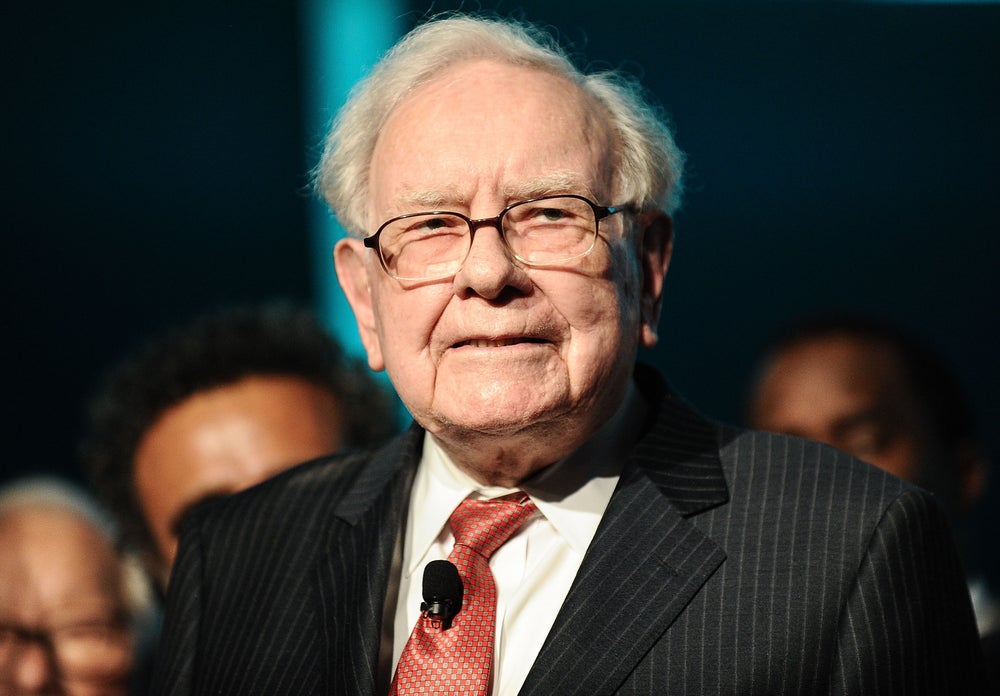
About one in five Americans works past the traditional retirement age, according to Pew Research. And billionaire Warren Buffett has proven that it can be quite lucrative to keep working in older age — the 94-year-old Berkshire Hathaway CEO earned close to 95% of his personal wealth after age 65, per Barron’s.

Buffett turned 65 on Aug. 30, 1995. At that time, his Berkshire stock was worth about $12 billion (about $25.3 billion today with inflation). In the three decades since, Buffett’s net worth has skyrocketed as Berkshire’s stock price has grown nearly 30-fold.

Related: ‘It Was Unfair’: Warren Buffett Reveals the Real Reason He Stepped Down as CEO

Buffett is now worth $141 billion, according to the Bloomberg Billionaires Index, with 99% of his wealth, or $140 billion of his fortune, tied to his interest in Berkshire Hathaway. The Index places him as the eleventh-wealthiest person in the world, at the time of writing.

Berkshire Hathaway CEO Warren Buffett. Photo by Daniel Zuchnik/WireImage

Buffett’s wealth has grown nearly 12-fold from 1995 to 2025, despite his extensive charitable giving. In June, Buffett made his biggest annual donation yet to five organizations, dividing up $6 billion between the Gates Foundation and four family charities: the Susan Thompson Buffett Foundation, the Howard G. Buffett Foundation, the Sherwood Foundation, and the NoVo Foundation.

Buffett began making annual contributions to these organizations starting in June 2006 and has donated a total of over $60 billion to these foundations so far.

Related: Warren Buffett Is Making a Big Change to Next Year’s Berkshire Hathaway Annual Meeting

Barron’s estimates that if Buffett hadn’t given away a portion of his wealth, his fortune would have more than doubled at this point, reaching $300 billion.

Buffett has held the position of CEO of Berkshire Hathaway for 55 years, beginning his tenure in 1970. At Berkshire’s annual meeting earlier this year, he announced that he would be stepping down, and Greg Abel, 62, Berkshire’s vice chairman of non-insurance operations, will assume the role of CEO on Jan. 1, 2026.

Berkshire Hathaway’s market value was a little over $1 trillion at the time of writing.

Join top CEOs, founders and operators at the Level Up conference to unlock strategies for scaling your business, boosting revenue and building sustainable success.

About one in five Americans works past the traditional retirement age, according to Pew Research. And billionaire Warren Buffett has proven that it can be quite lucrative to keep working in older age — the 94-year-old Berkshire Hathaway CEO earned close to 95% of his personal wealth after age 65, per Barron’s.

Buffett turned 65 on Aug. 30, 1995. At that time, his Berkshire stock was worth about $12 billion (about $25.3 billion today with inflation). In the three decades since, Buffett’s net worth has skyrocketed as Berkshire’s stock price has grown nearly 30-fold.

Related: ‘It Was Unfair’: Warren Buffett Reveals the Real Reason He Stepped Down as CEO

The rest of this article is locked.

Join Entrepreneur+ today for access.

https://www.entrepreneur.com/business-news/warren-buffetts-wealth-grew-more-after-turning-65/495874


JPMorgan’s New ‘Supertall’ Office Offers Perks Like High-End Restaurants and a High-Tech Gym. Here’s What Else to Expect.

JPMorgan Chase really wants its employees back in the office five days a week, and it’s offering a shiny, amenity-packed new tower, located at 270 Park Avenue in New York, as a perk.

The just-built 60-story “supertall” skyscraper in Midtown Manhattan is expected to open in the next few weeks. It’s 1,389 feet high and will serve as the company’s U.S. headquarters for its 14,000 employees in the area. It’s also the tallest structure in New York that will be 100% powered by hydroelectric energy.

Related: JPMorgan CEO Jamie Dimon Says Only One Group Is Complaining About Returning to the Office

Getty Stock | 270 Park Ave in Manhattan under construction.

The new tower features a gym with state-of-the-art cardio, strength, and recovery equipment, daily group exercise classes, and a fancy new locker room. According to the New York Post, employees were complaining on Reddit about having to actually pay for the new gym, but no price has been set as of yet.

“Everything is still being finalized,” a JPMorgan rep told the outlet.

When it comes to food, the standard skyscraper cafeteria fare just won’t do for employees of the biggest bank in the U.S. Instead, Head of JPMorgan Real Estate, David Arena, originally said the goal was to create something “like Eataly or even better.” That came to fruition in the form of a 19-restaurant food hall curated by Danny Meyer’s Hospitality Group (the company behind Shake Shack, Union Square Cafe, Gramercy Tavern, and others).

Related: JPMorgan Chase CEO Jamie Dimon Regrets Cursing at Company Town Hall But Stands By Return-to-Office Mandate: ‘We’re Not Going to Change’

According to photos seen by Business Insider, there is also an Irish Pub, a plethora of outdoor and communal spaces, and conference rooms with city views so grand that employees might have a hard time focusing on the presentation.

JPMorgan first announced its return-to-office (RTO) mandate in January and began its implementation in the spring. Although it was met with some internal opposition (more than 1,900 workers signed a petition calling for a hybrid work schedule), the bank has pushed ahead.

Related: RTO Mandates Have Workers Looking for Alternatives to Companies like Amazon and JPMorgan

JPMorgan Chase really wants its employees back in the office five days a week, and it’s offering a shiny, amenity-packed new tower, located at 270 Park Avenue in New York, as a perk.

The just-built 60-story “supertall” skyscraper in Midtown Manhattan is expected to open in the next few weeks. It’s 1,389 feet high and will serve as the company’s U.S. headquarters for its 14,000 employees in the area. It’s also the tallest structure in New York that will be 100% powered by hydroelectric energy.

Related: JPMorgan CEO Jamie Dimon Says Only One Group Is Complaining About Returning to the Office

The rest of this article is locked.

Join Entrepreneur+ today for access.

https://www.entrepreneur.com/business-news/jpmorgans-new-supertall-office-offers-major-perks/495860


Two Industry Leaders Share Their Best Advice for Restaurant Owners – And Reveal the Exact Amount You Can Raise Prices Without Losing Customers

Opinions expressed by Entrepreneur contributors are their own.

Inflation and rising costs post-pandemic have hit restaurateurs hard, forcing many to evolve their business strategies to stay afloat. According to Dr. Anne McBride, vice president of impact at the James Beard Foundation, and chef D’Andre Carter, owner of Soul & Smoke, the industry’s resilience stems from a shared commitment to hospitality, culture and community.

“On average, independent restaurants make 3-5% profit margins, and that’s on good days,” McBride says. “You are getting into this business because you truly believe in hospitality. Restaurants are so central to anything that we do outside the house. And that’s what I think drives that resilience, this cultural importance that they place in our lives.”

Related: This Is What the CEO of Kickstarter Wishes Aspiring Entrepreneurs Knew

At Soul & Smoke, a Chicago-based restaurant business with three brick-and-mortar locations and two food trucks, Carter says customer connection is core to its mission.

“We are 100% connected to our customers and the community,” Carter says. “Independent restaurants are vital to the community. We live here, work here and source here. Just like [McBride] mentioned, all the revenue that comes in gets spent back into the community.”

Carter also values transparency, especially when it comes to rising costs. His strategies for staying attuned to customer sentiment include connecting via social media, creating new menu items and paying attention to demand. “I want guests to be able to dine at Soul & Smoke,” he says. “I don’t want anyone to feel like they can’t afford to come have a dining experience.”

Related: She Created the Dance Studio She Was Looking For. Now, It’s a Nationwide Brand.

One way restaurants can do this is by using data. The James Beard Foundation releases a report every year about the state of the industry, which can help entrepreneurs make informed decisions.

“One of the key pieces of data of the 2025 [Independent Restaurant Industry Report] was that almost everyone increased their prices,” McBride says. “But there is a drop-off after 15% — up to 15% increased profits. Anything higher than that, and profits drop. So this is actionable information that owners can use when they’re looking at their menus.”

Carter relies on data to drive daily operations and long-term planning. “We have to use our sales history to determine how to run a business,” he says. “We use data on how to schedule the employees for work. We use data to inform us on how much food we need to order, how much food we need to prep. That’s the only way you’re gonna be successful in today’s industry.”

Still, numbers are just one piece of the puzzle. For Carter, using technology intentionally helps to create connections both inside and outside the kitchen. “Social media is how we stay connected with our community,” he says. “[It allows us to be] authentic and more natural [in showing the] reason why we do the things that we do.”

From showcasing what’s on the smoker to letting customers know where the truck will be parked, Carter sees social media as a powerful tool that helps Soul & Smoke stay top-of-mind. Still, being on camera didn’t come naturally.

“That was something I had to grow into,” he says. “Being a chef these days is not just about cooking the food. You’ve got to learn how to work with technology. You have to learn. You have to be comfortable with social media. You have to be a mentor. You have to be a community activist. [There are] so many different layers of being a chef in today’s world. It shows that the industry is growing and evolving.”

Related: She Went From Teacher to Owning a Business in an Unexpected Industry – And Wants Others to Do the Same: ‘There Is So Much Opportunity’

For Carter, showing up for his neighborhood is part of the business model, not an afterthought. “Being there for the community, supporting the causes that people really care about — people don’t forget that,” he says.

One example of this commitment is Soul & Smoke’s community fridge, where the team donates fresh meals every day and encourages others to do the same. According to McBride, this kind of community engagement not only builds loyalty but also creates a lasting brand identity.

“You have to make the experience of visiting you a differentiator,” she says. “The key element is authenticity and engagement. Today’s customers, more and more, want to patronize businesses that they feel match their values.”

On top of engagement, Soul & Smoke also differentiates itself by collaborating with local businesses. “No one’s really running a business by themselves,” Carter says. “We partner with different dessert companies [and] a local brewery. That way, anytime we want to announce something, [those partners have] the incentive to push that out as well.”

Related: He Went From Customer to CEO of a Rapidly-Expanding Dessert Chain By Following This Process

Partnerships, technology, data and storytelling all play a role, but none of them work without listening to feedback. That’s why Carter and his team take every online review seriously.

“We read every review,” he says. “We take every review seriously, and we discuss it as a team. Sometimes we get really good reviews on how my gumbo reminded them of when they were in New Orleans, and they’ll always make me feel good.”

Even critical reviews can offer opportunities to grow. When customers complained that the brisket was too fatty, for example, Carter didn’t push back. He simply added a less fatty option to accommodate those preferences. “We offered the customer different cuts of the brisket, and honestly, the bad reviews kinda went away,” he says.

It’s that kind of flexibility that defines how independent restaurants like Soul & Smoke are not just surviving but evolving.

“Don’t give up. Be flexible,” Carter says. “Try your best to be a people person. Listen to the customers. Listen to your staff. That goes a long way.”

Carter and McBride offer clear, tested advice for business owners.

  • Lead with purpose. Your business is part of the neighborhood. Show up for your community, support causes you believe in and build something that gives back.
  • Choose the best tools for your business. From data collection to social media, technology is essential. Use it to inform decisions, connect with customers and tell your story in real time.
  • Stay rooted in authenticity. People want to support businesses that reflect their values. Be transparent, be human and don’t be afraid to show what’s happening behind the scenes.
  • Listen and adapt. Not every piece of feedback will be easy to hear, but it can help you grow. Read, respond to and use reviews to identify patterns and evolve your business.
  • Build something bigger than the product. A great product draws people in, but culture, connection and care are what keep them coming back. When you lead with heart, the audience will follow.

Watch the episode above to hear directly from McBride and Carter, and subscribe to Behind the Review for more from new business owners and reviewers every Wednesday.

Editorial contributions by Jiah Choe and Kristi Lindahl

This article is part of our ongoing America’s Favorite Mom & Pop Shops™ series highlighting family-owned and operated businesses.

Ready to break through your revenue ceiling? Join us at Level Up, a conference for ambitious business leaders to unlock new growth opportunities.

https://www.entrepreneur.com/growing-a-business/the-best-advice-for-restaurant-owners-right-now/495757


Power Up with Windows 11 Pro: The Full OS Experience for Less Than $15

Disclosure: Our goal is to feature products and services that we think you’ll find interesting and useful. If you purchase them, Entrepreneur may get a small share of the revenue from the sale from our commerce partners.

If you’re still running an outdated version of Windows — or building a new system from scratch — this might be the best $15 you ever spend. Microsoft Windows 11 Pro is designed for professionals who need speed, reliability, and modern security without the bloated price tag.

Whether you’re an entrepreneur juggling multiple workflows, a remote worker seeking smooth multitasking, or a creative pro needing performance that keeps up, Windows 11 Pro delivers. And right now, you can get a verified lifetime license for just $14.97.

Windows 11 Pro builds on the familiar Windows 10 interface with smarter organization, faster load times, and improved productivity features like snap layouts, custom desktops, and voice typing. But it also levels up with pro-tier tools: Hyper-V virtualization, BitLocker encryption, Windows Sandbox, and support for Azure AD. You’ll also benefit from cutting-edge security measures like TPM 2.0, biometric login, and Smart App Control — essential for keeping your work and identity safe.

This version also includes access to Microsoft’s AI assistant, Copilot. Whether you’re troubleshooting, organizing, or generating code or content, Copilot helps you move faster. And the integrated support for Microsoft Teams, Widgets, and multi-touch makes this OS feel perfect for business.

You don’t need a subscription. You don’t need to overpay. You just need a PC that meets the minimum requirements. If you’ve got 4GB of RAM and 40GB of storage, you’re ready to go.

Level up your device with Windows 11 Pro for just $14.97 for a limited time.

StackSocial prices subject to change.

If you’re still running an outdated version of Windows — or building a new system from scratch — this might be the best $15 you ever spend. Microsoft Windows 11 Pro is designed for professionals who need speed, reliability, and modern security without the bloated price tag.

Whether you’re an entrepreneur juggling multiple workflows, a remote worker seeking smooth multitasking, or a creative pro needing performance that keeps up, Windows 11 Pro delivers. And right now, you can get a verified lifetime license for just $14.97.

Windows 11 Pro builds on the familiar Windows 10 interface with smarter organization, faster load times, and improved productivity features like snap layouts, custom desktops, and voice typing. But it also levels up with pro-tier tools: Hyper-V virtualization, BitLocker encryption, Windows Sandbox, and support for Azure AD. You’ll also benefit from cutting-edge security measures like TPM 2.0, biometric login, and Smart App Control — essential for keeping your work and identity safe.

The rest of this article is locked.

Join Entrepreneur+ today for access.

https://www.entrepreneur.com/science-technology/power-up-with-windows-11-pro-the-full-os-experience-for/495610


‘No Shoes and No Pants Culture’: There Are at Least 26 Tech Companies Where Shoes Are Left at the Office Door, Including a $9.9 Billion AI Startup

Stepping into Cursor’s San Francisco office means stepping out of your shoes.

Ben Lang, a Cursor employee who joined the $9.9 billion AI coding startup earlier this year, posted two pictures to X on Tuesday showing racks filled with shoes, plus sneakers and slip-ons strewn across the floor. The destination was not someone’s home, but rather the Cursor office in San Francisco, which has a no-shoes policy.

And while this might seem odd to the typical 9-to-5er, it’s actually quite common in Silicon Valley.

Related: This AI Startup Spent $0 on Marketing. Its Revenue Just Hit $200 Million in March.

“I’ve only worked at startups that have a no-shoes in office policy,” Lang posted, adding that he had worked at Notion, an AI workspace startup, in addition to Cursor. “Curious which other companies do this.”

Lang compiled what he called a “comprehensive” list of 26 startups with no-shoes policies, including Lovable, a company that helps users build websites and apps with AI, and reMarkable, a paper tablet startup.

Andrew Hsu, co-founder of language-acquisition app Speak, chimed in on Lang’s post on X, stating that Speak had “done this for years,” even offering employees a stipend for slippers. Lang wrote on X that Cursor also provides slippers to wear around the San Francisco office and offers shoe covers as well.

Speak’s no-shoes policy began in 2019 because its first market was South Korea. The startup wanted to “pay homage to the traditional Asian culture of no shoes inside,” a Speak spokesperson told Business Insider.

Another reason why no-shoe policies are popular in Silicon Valley is that many startups begin in someone’s home, where shoes aren’t worn inside. According to a 2023 CBS News/YouGov survey, the majority of Americans (nearly two-in-three) take off their shoes when they are in their own homes.

Related: The Fastest-Growing Startup Ever Just Surpassed $500 Million in Annual Revenue. Here’s Why It Keeps Growing, According to Its CEO.

Experts say taking off your shoes can leave unhealthy contaminants at the door, but that still doesn’t mean you should be barefoot, which could lead to injury and infection. However, despite the drawbacks, the trend of not wearing shoes in the office has persisted for a number of years, beginning before the pandemic.

BI reported in 2019 that companies like Notion and Gusto, a payroll platform, offered workers the perk of slipping off their shoes at the front door.

One startup founder, Kyle Sherman of software platform Flowhub, went even further than no shoes by banning pants in the office as well (though shorts are mandatory).

“We are no shoes and no pants culture,” Sherman wrote in a post on X. “Shorts are required though.”

Join top CEOs, founders and operators at the Level Up conference to unlock strategies for scaling your business, boosting revenue and building sustainable success.

Stepping into Cursor’s San Francisco office means stepping out of your shoes.

Ben Lang, a Cursor employee who joined the $9.9 billion AI coding startup earlier this year, posted two pictures to X on Tuesday showing racks filled with shoes, plus sneakers and slip-ons strewn across the floor. The destination was not someone’s home, but rather the Cursor office in San Francisco, which has a no-shoes policy.

And while this might seem odd to the typical 9-to-5er, it’s actually quite common in Silicon Valley.

The rest of this article is locked.

Join Entrepreneur+ today for access.

https://www.entrepreneur.com/business-news/ai-startup-cursor-has-a-no-shoes-policy-in-the-office/495859