Executive Branding Isn’t Vanity — It’s Visibility. Here’s How It Unlocks Opportunities You Never Knew Existed.

Opinions expressed by Entrepreneur contributors are their own.

Let’s be honest. For many executives, the term “personal branding” feels a little off. It sounds like something influencers care about, not seasoned professionals who have built careers leading companies and making decisions in boardrooms.

But here’s the truth I’ve seen time and again at Boardsi: Executive branding isn’t about ego. It’s not about attention for attention’s sake. It’s about visibility. And in today’s world, visibility is what opens doors, builds credibility and positions you for opportunities you might not even know exist yet.

If you’re not visible, you’re invisible. And if you’re invisible, you’re being passed over.

Related: Every Executive Needs to Be a Thought Leader — Here’s How to Become an Influential Voice in Your Industry

What executive branding actually means

Let me clear something up right away. Executive branding isn’t about having a flashy website or posting daily motivational quotes on social media. It’s not about selfies or slogans. It’s about building a clear, authentic and searchable presence that reflects your value as a leader.

Think about it this way: When a company considers you for a board seat or advisory role, the first thing they’re going to do is Google you. They’ll look at your LinkedIn, any articles you’ve written, press mentions or public appearances. If what they find doesn’t match the caliber of your experience, they move on.

And it happens every day.

Branding isn’t fluff. It’s your first impression.

Why visibility equals opportunity

The boardroom isn’t what it used to be. Today, boards are actively searching for leaders who bring diverse insights, global perspectives, technical fluency and experience scaling businesses across industries. But they’re not just going through old Rolodexes. They’re searching online, relying on platforms like Boardsi and looking at thought leadership content to identify the right voices for the future.

If your professional identity doesn’t reflect who you are today — and where you’re headed — you’re missing out.

At Boardsi, we see it happen in real time. Executives join our network, and after we build out their Board-Ready Bio, create their Executive Impact Report and position their brand across channels, they go from overlooked to in demand. They’re not chasing the opportunity. The opportunity finds them.

That’s what branding unlocks. Not attention, but access.

The ROI of executive branding

Still not convinced it matters? Let’s talk results.

Here’s what happens when you invest in executive branding:

  • You gain credibility immediately. People trust what they can understand and verify.

  • You create leverage. When you’re branded well, you’re seen as a thought leader, not just another résumé.

  • You open doors to advisory roles, board seats and consulting opportunities that might never be publicly posted.

  • You differentiate yourself. In a competitive leadership landscape, being great isn’t enough. You have to be known.

Branding isn’t about making noise. It’s about making it clear why you are the right person for the opportunity.

Related: To Become a Top Executive, Take Control of Your Personal Brand Today

Our model: Branding as the foundation

At Boardsi, we take branding seriously. In fact, it’s the foundation of our ecosystem. We don’t just match executives with companies. We prepare them to stand out.

Every executive goes through a process that starts with positioning. We craft a compelling narrative through a Board-Ready Biography, then we generate an Executive Impact Report that showcases your leadership style, strengths and measurable value. It’s not just what you’ve done. It’s how you do it, why it matters and what kind of outcomes you create.

This is more than just a branding exercise. It’s the blueprint for how companies see you — and why they say yes to the interview.

That’s why we also offer continuing education. Because branding isn’t static. Your growth should be reflected in your presence. If your last public win was five years ago, you’re not being seen as current. Our education tools help executives evolve their thinking, stay relevant and position themselves at the forefront of leadership.

Common branding mistakes (and how to fix them)

Let me share a few patterns I see too often:

1. Outdated digital footprint

An inactive LinkedIn profile, no Google results and a website with a five-year-old headshot sends the wrong message. Fix it by refreshing your platforms with consistent messaging that reflects where you are now — not where you were.

2. Generic, overused language

“Experienced leader” doesn’t tell me anything. What industries? What impact? What change have you driven? Be specific and use data wherever possible.

3. No content presence

If you’re not sharing insights, you’re not part of the conversation. Even one article a quarter on a platform like Leadafi, LinkedIn or your company blog can show strategic thinking and keep your voice active in your domain.

My journey: Branding beyond the title

This isn’t just theory. It’s personal. I’ve worked with thousands of executives who had the credentials but not the visibility. That’s why I wrote Beyond the Title. I wanted to reframe how leaders think about career growth.

Your career is your business. And like any business, it needs branding.

It’s not about hype. It’s about being discovered for the opportunities you’re qualified for — and prepared to take on. Because preparation and presence go hand in hand.

Related: Traditional Leadership Credentials Are No Longer Cutting It. Here’s What You Should Be Developing Instead.

What this means for entrepreneurs and future board members

If you’re an entrepreneur or business leader looking to transition into advisory or board roles, branding is your bridge. You already have the experience. Now you need to package it in a way that makes sense for where you want to go next.

Think about what makes you uniquely valuable. Then make sure the world can see it. That’s the essence of executive branding.

You don’t need to go viral. You need to be seen by the decision-makers who are searching for someone like you.

That’s what we do at Boardsi. We don’t just connect companies and executives. We make sure both sides are ready for the connection. Branding is how we turn potential into presence.

It’s time to stop hiding behind your achievements. Bring them forward. Own your story. And let the right people find you.

That’s not vanity. That’s strategy.

Let’s be honest. For many executives, the term “personal branding” feels a little off. It sounds like something influencers care about, not seasoned professionals who have built careers leading companies and making decisions in boardrooms.

But here’s the truth I’ve seen time and again at Boardsi: Executive branding isn’t about ego. It’s not about attention for attention’s sake. It’s about visibility. And in today’s world, visibility is what opens doors, builds credibility and positions you for opportunities you might not even know exist yet.

If you’re not visible, you’re invisible. And if you’re invisible, you’re being passed over.

The rest of this article is locked.

Join Entrepreneur+ today for access.

https://www.entrepreneur.com/starting-a-business/why-executive-branding-is-the-key-to-unlocking-opportunities/494766


Learn How to Use ChatGPT to Automate Your Business

Disclosure: Our goal is to feature products and services that we think you’ll find interesting and useful. If you purchase them, Entrepreneur may get a small share of the revenue from the sale from our commerce partners.

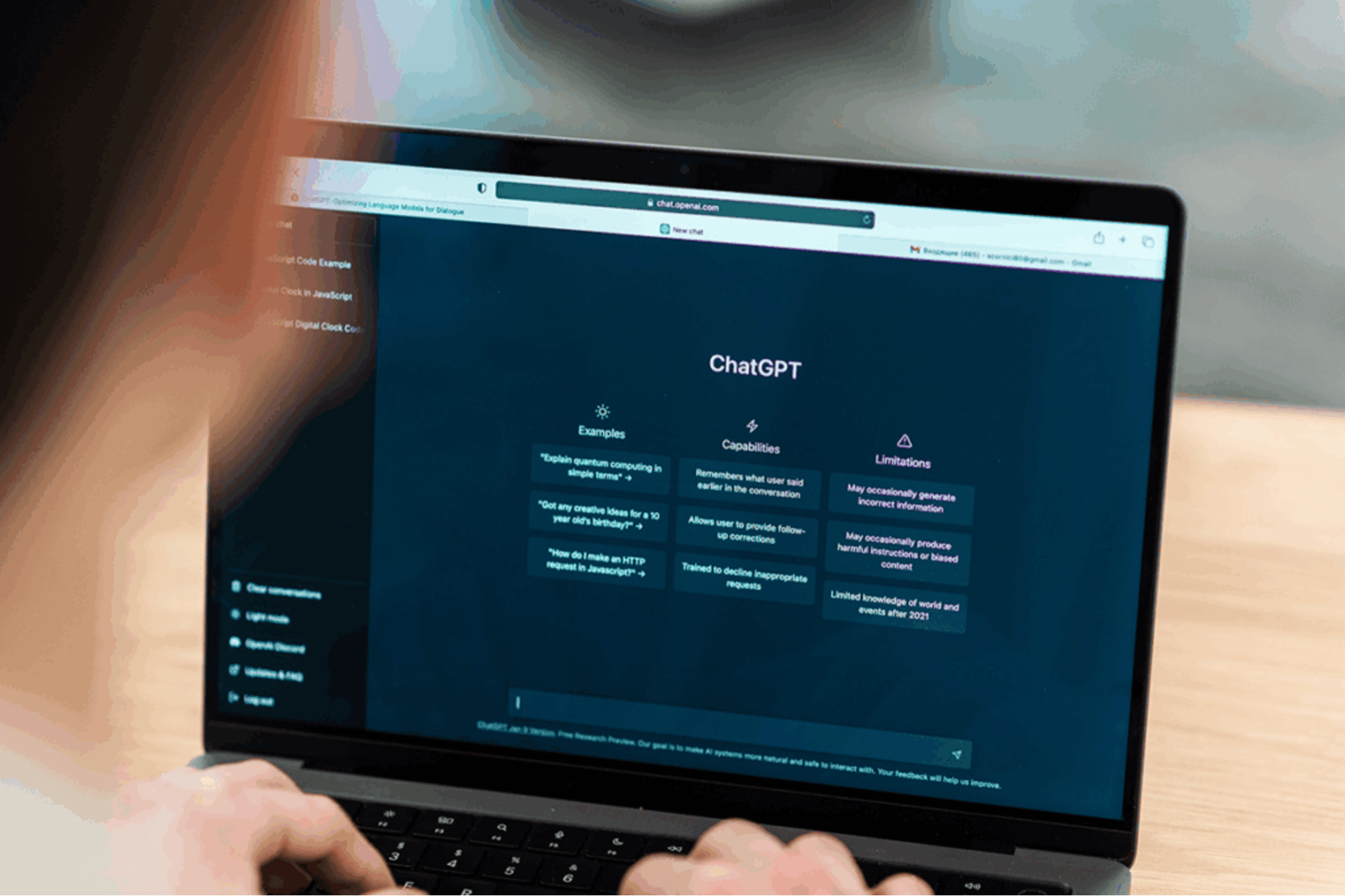
Smart professionals aren’t just learning to use AI — they’re using it to take back their time. If your day is filled with repetitive tasks, disjointed workflows, or too many tools that don’t talk to each other, this ChatGPT and Automation E-Degree could be the pivot point you need.

Designed for entrepreneurs, freelancers, and business pros, this $19.97 course bundle covers more than 25 hours of hands-on training across 12 lectures. You’ll go beyond the basics of ChatGPT and explore how more than 20 top AI tools can help you solve real-world challenges in business, marketing, and development.

From building customized GPT workflows to automating routine processes and visualizing data in a more impactful way, the content is tailored to actual use cases, not just theory. You’ll learn how to communicate better with AI tools, use automation to streamline your workload, and even discover how generative AI can help with creativity for your brand or product.

Even better, this deal includes lifetime access. That means you can return to the material whenever you’re ready to tackle a new project or apply what you’ve learned in a new context.

Whether you’re looking to sharpen your tech skills, improve productivity, or future-proof your career, this course helps you get there with tools and strategies you can implement right away.

Grab the full ChatGPT and Automation E-Degree on sale for $19.97 and start building a smarter, faster business.

StackSocial prices subject to change.

https://www.entrepreneur.com/science-technology/learn-how-to-use-chatgpt-to-automate-your-business/495015


More Than 1,000 Business and Tech Courses Can Be Yours Forever for Just $20

Disclosure: Our goal is to feature products and services that we think you’ll find interesting and useful. If you purchase them, Entrepreneur may get a small share of the revenue from the sale from our commerce partners.

In the current business climate, adaptability can be considered currency. Whether you’re a small-business owner trying to understand your next move, a founder moonlighting as your own IT team, or a manager building out a marketing department on a budget, one thing’s clear: learning is no longer optional. It’s your ongoing edge.

That’s what makes this limited-time deal on EDU Unlimited by StackSkills so exciting for professionals—it’s just $19.97 for lifetime access to 1,000+ high-quality courses that cover everything from growth hacking and coding to graphic design and entrepreneurship.

Let’s put it in perspective. Hiring a consultant to help with your digital transformation? That could run you a few thousand. Want your team to take a one-day workshop on SEO? That’s easily a few hundred bucks a head. But with this one-time purchase, you can get your team—or just yourself—access to a full library of continuously updated courses, taught by 350+ top-rated instructors.

This isn’t just for solopreneurs or tech founders either. StackSkills EDU Unlimited includes courses across a wide range of industries and skill levels—from finance and project management to app development and design (personal growth courses, too). So whether you’re leveling up your own resume or training internal talent for bigger roles, it’s a strategic investment with serious ROI.

Plus, it’s easy to access on any device, with features like progress tracking, quarterly Q&A webinars, and certifications that make it simple to stay accountable and goal-oriented.

The business world doesn’t wait—and neither should you. Get ahead, stay sharp, and save major money while doing it.

Because smart leaders never stop learning. They just stop overpaying for it.

Get lifetime access to all the courses in StackSkills while it’s just $19.97 (reg. $600) for a limited time.

EDU Unlimited by StackSkills: Lifetime Access

See Deal

StackSocial prices subject to change.

In the current business climate, adaptability can be considered currency. Whether you’re a small-business owner trying to understand your next move, a founder moonlighting as your own IT team, or a manager building out a marketing department on a budget, one thing’s clear: learning is no longer optional. It’s your ongoing edge.

That’s what makes this limited-time deal on EDU Unlimited by StackSkills so exciting for professionals—it’s just $19.97 for lifetime access to 1,000+ high-quality courses that cover everything from growth hacking and coding to graphic design and entrepreneurship.

Let’s put it in perspective. Hiring a consultant to help with your digital transformation? That could run you a few thousand. Want your team to take a one-day workshop on SEO? That’s easily a few hundred bucks a head. But with this one-time purchase, you can get your team—or just yourself—access to a full library of continuously updated courses, taught by 350+ top-rated instructors.

The rest of this article is locked.

Join Entrepreneur+ today for access.

https://www.entrepreneur.com/living/more-than-1000-business-and-tech-courses-can-be-yours/494877


Step Away From Subscriptions and Access Windows 11 Pro and Microsoft Office Pro 2019 for $46

Disclosure: Our goal is to feature products and services that we think you’ll find interesting and useful. If you purchase them, Entrepreneur may get a small share of the revenue from the sale from our commerce partners.

The subscription economy has grown by more than 435% over the last decade, leaving companies to adjust their offerings to fit this new experiential, scarcity-based model, according to The Subscription Economy Index. But as a business owner, why are you adding recurring monthly fees when you could purchase a product outright? For just $45.97, get a lifetime license for Windows 11 Pro and Microsoft Office 2019 Pro.

Instead of paying monthly fees to access these programs remotely, this bundle offers instant delivery and activation to your software keys, so you can go nose to the grind as soon as you complete your purchase. Each license can be redeemed for one eligible PC for home or work. Access your favorite Microsoft applications, including:

  • Word
  • Excel
  • PowerPoint
  • Outlook
  • OneNote
  • Publisher
  • Access

In addition to these powerful programs, upgrade your operating system to Microsoft’s latest — Windows 11 Pro. The seamless interface, advanced security features, and AI-powered optimizations bring a world of improvement to your personal and professional life. Microsoft Copilot answers queries and helps you to streamline your workflows to work more efficiently.

Unlock the power of some of our favorite programs for just $45.97 with the Microsoft Office 2019 Pro and Windows 11 Pro Bundle from StackSocial.

The All-in-One Microsoft Office Pro 2019 for Windows: Lifetime License + Windows 11 Pro Bundle

See Deal

StackSocial prices subject to change.

The subscription economy has grown by more than 435% over the last decade, leaving companies to adjust their offerings to fit this new experiential, scarcity-based model, according to The Subscription Economy Index. But as a business owner, why are you adding recurring monthly fees when you could purchase a product outright? For just $45.97, get a lifetime license for Windows 11 Pro and Microsoft Office 2019 Pro.

Instead of paying monthly fees to access these programs remotely, this bundle offers instant delivery and activation to your software keys, so you can go nose to the grind as soon as you complete your purchase. Each license can be redeemed for one eligible PC for home or work. Access your favorite Microsoft applications, including:

  • Word
  • Excel
  • PowerPoint
  • Outlook
  • OneNote
  • Publisher
  • Access

The rest of this article is locked.

Join Entrepreneur+ today for access.

https://www.entrepreneur.com/science-technology/step-away-from-subscriptions-and-access-windows-11-pro-and/494886


They May Look Mundane, But They Distract Employees, Compromise Security, and Slow Your Internet

Disclosure: Our goal is to feature products and services that we think you’ll find interesting and useful. If you purchase them, Entrepreneur may get a small share of the revenue from the sale from our commerce partners.

Online security and a clean browsing experience are essential for business owners, especially when work and family life share the same devices. If constant ads, pop-ups, and hidden trackers are slowing you down or putting your data at risk, the AdGuard Family Plan has a practical solution, and it’s only $15.97 right now (normally $169.99).

What does AdGuard do?

AdGuard removes ads across websites and apps, filters out pop-ups and autoplay videos, and helps pages load faster. That means fewer distractions when you’re trying to stay focused and more protection from sneaky scripts that collect your data.

It also offers a strong privacy layer. AdGuard hides your activity from trackers and analytic tools, reducing the risk of data being collected and sold without your knowledge. On top of that, it includes protection from malware and phishing sites, which helps safeguard your personal and business information.

The family plan supports up to nine devices, making it a good fit for households or offices where phones, tablets, and computers are all in play. AdGuard also includes content filters so you can block adult content and restrict access to inappropriate sites, all from the same dashboard.

AdGuard works on Windows, macOS, iOS, and Android. It syncs across your devices and runs quietly in the background. One purchase gives you lifetime access with regular updates, so there are no subscription fees to worry about.

Use code FAMPLAN to get an AdGuard Lifetime Family Plan on sale for $15.97.

Sale ends soon.

AdGuard Family Plan: Lifetime Subscription

See Deal

StackSocial prices subject to change

Online security and a clean browsing experience are essential for business owners, especially when work and family life share the same devices. If constant ads, pop-ups, and hidden trackers are slowing you down or putting your data at risk, the AdGuard Family Plan has a practical solution, and it’s only $15.97 right now (normally $169.99).

What does AdGuard do?

AdGuard removes ads across websites and apps, filters out pop-ups and autoplay videos, and helps pages load faster. That means fewer distractions when you’re trying to stay focused and more protection from sneaky scripts that collect your data.

The rest of this article is locked.

Join Entrepreneur+ today for access.

https://www.entrepreneur.com/science-technology/they-may-look-mundane-but-they-distract-employees/494931


Why I Almost Always Choose Referrals When Hiring — And You Should Too

Opinions expressed by Entrepreneur contributors are their own.

Many ask me, “Why focus your business growth on referrals?” My answer is simple: referrals are the fastest and most effective way to bring the right people on board while minimizing risk.

In the rush to hire quickly or cut costs, companies often bypass referrals in favor of cold applications or mass job boards. While casting a wide net might seem efficient, it actually exposes your business to significant risks. This approach can create dangerous blind spots that put your company’s most valuable assets — security, data and intellectual property — at risk.

Referrals are more than convenience — they’re a critical layer of security

Building and nurturing professional networks isn’t just good career advice; it’s essential for business security. When someone refers a candidate, they’re putting their own reputation on the line. This inherent accountability acts as a first line of defense. In contrast, applicants from job boards or open applications often come without shared connections or any built-in accountability. That increases risks ranging from candidates misrepresenting themselves to malicious insiders or even competitors planting infiltrators.

Related: 5 Surprising Benefits of Professional Networking That You Need to Know About

Insider threats are a real and costly danger

Studies show that insider threats account for over 34% of data breaches. These threats aren’t always malicious — many stem from negligent hires unfamiliar with security protocols. Cold hires are harder to vet thoroughly. Referrals, however, come with firsthand insights into a candidate’s professionalism and ethical standards. This added context can be the difference between a secure organization and one vulnerable to expensive intellectual property theft, data leaks or reputational damage.

How to maximize referrals in your hiring strategy:

  1. Nurture your professional network: Build genuine relationships by engaging with others and understanding their experiences. Benefit: Trusted connections lead to higher-quality referrals with built-in credibility.

  2. Set clear hiring goals: Define the culture and skills you want in your team to ensure referral candidates align well. Benefit: Referrals come with insights into character and fit, backed by trusted networks.

  3. Maintain regular, thoughtful communication: Connect consistently — not just when you need something. Benefit: Active relationships keep your network engaged and ready to support mutual referrals.

  4. Leverage online platforms that facilitate referrals: Use tools designed to streamline referral-based hiring and expand your reach. Benefit: Discover more qualified candidates through trusted, structured referral channels.

Related: How to Lower the Risks to Your Brand Reputation (and Build an Image that Wins New Business)

A smarter, safer hiring strategy

In today’s high-risk business environment, hiring through referrals is more than a cultural advantage — it’s a vital security strategy. Building your team through trusted networks adds accountability and trust that anonymous hires simply can’t provide. This approach protects your company’s brand, reputation and long-term growth.

If you want to grow securely, safeguard your intellectual property, and minimize avoidable risks, centering your hiring strategy on trusted referrals isn’t just smart — it’s necessary.

Ready to break through your revenue ceiling? Join us at Level Up, a conference for ambitious business leaders to unlock new growth opportunities.

Many ask me, “Why focus your business growth on referrals?” My answer is simple: referrals are the fastest and most effective way to bring the right people on board while minimizing risk.

In the rush to hire quickly or cut costs, companies often bypass referrals in favor of cold applications or mass job boards. While casting a wide net might seem efficient, it actually exposes your business to significant risks. This approach can create dangerous blind spots that put your company’s most valuable assets — security, data and intellectual property — at risk.

Referrals are more than convenience — they’re a critical layer of security

The rest of this article is locked.

Join Entrepreneur+ today for access.

https://www.entrepreneur.com/growing-a-business/why-i-almost-always-choose-referrals-when-hiring-and/493155


Stop Using ChatGPT Like an Amateur — Turn It Into a $100K Business Strategist

Opinions expressed by Entrepreneur contributors are their own.

Most entrepreneurs think they’re using AI the right way — asking ChatGPT for catchy headlines, content ideas or maybe even a basic funnel outline.

But here’s the truth: That surface-level use? It’s holding you back.

What if you could train ChatGPT to think like a $100,000 business strategist — and audit your business like a pro? This video reveals the real reason your content isn’t converting, your email campaigns are underperforming, and your revenue is plateauing — even though you’re working harder than ever.

You’ll discover:

  • The one prompt that turned ChatGPT into a full-time business advisor — helping triple revenue in just 30 days.
  • A setup that transforms AI into a decision-making machine — not a glorified assistant.
  • The exact system that uncovers what’s actually working (and what’s quietly sabotaging your growth).

If you’ve ever felt like you’re doing all the right things and still falling behind, this video might just be the turning point.

Watch now — before you waste another month stuck in the cycle of overthinking, overwhelm, and underperformance.

The AI Success Kit is available to download for free, along with a chapter from my new book, The Wolf is at The Door.

Most entrepreneurs think they’re using AI the right way — asking ChatGPT for catchy headlines, content ideas or maybe even a basic funnel outline.

But here’s the truth: That surface-level use? It’s holding you back.

What if you could train ChatGPT to think like a $100,000 business strategist — and audit your business like a pro? This video reveals the real reason your content isn’t converting, your email campaigns are underperforming, and your revenue is plateauing — even though you’re working harder than ever.

The rest of this article is locked.

Join Entrepreneur+ today for access.

https://www.entrepreneur.com/science-technology/one-chatgpt-prompt-30-days-3x-revenue-heres-the-exact/494965


Venus Williams Just Played in Her First Professional Tennis Tournament in Years — to Keep Her Health Insurance

Venus Williams, 45, hadn’t played professional tennis in a year and a half. But she played in the Mubadala Citi DC Open in Washington, D.C. this week, and for a surprising reason.

“I had to come back for the insurance,” Williams said after winning the first round. (She lost in the second round on Thursday.)

Related: Serena Williams Launches a New Company That She’s Been Working on for 6 Years

“They informed me this year that I’m on COBRA, so it’s like, I got to get my benefits on,” Williams added.

The crowd laughed, but Williams appeared to be serious.

“I’m always at the doctor, so I need this insurance,” she said.

Williams has been open about her struggle with uterine fibroids, telling NBC News Now earlier this month that the condition has affected her for 30 years.

MarketWatch reports that Women’s Tennis Association (WTA) players are offered insurance plans that provide global coverage for the tour’s extensive travel requirements, but athletes need to meet certain requirements to qualify.

“Player members that are eligible for such access to health insurance must be inside the rankings of 500 in singles or 175 in doubles and have played a minimum of three WTA 250-level and above events, including Grand Slams, in the last year,” a WTA spokesperson told MarketWatch.

Related: Alexis Ohanian Says This Is His Best Investment So Far: $10,000 Turned Into More Than $17 Million

This means we could see Williams on the professional court again soon. It’s also raised many questions and comments, especially on Reddit, which was co-founded by Venus’s brother-in-law, Alexis Ohanian, about the price of health care in the U.S.

According to ESPN, Williams made more than $42 million playing professional tennis, during which she won 49 singles titles, including five Wimbledon and two U.S. Open Championships. Williams also won four Olympic gold medals.

Join top CEOs, founders and operators at the Level Up conference to unlock strategies for scaling your business, boosting revenue and building sustainable success.

https://www.entrepreneur.com/business-news/venus-williams-returns-to-tennis-to-keep-health-insurance/495074


Intel Is Laying Off 33,000 Employees in Turnaround Plan: ‘Scale Back the Company’

At the end of 2024, Intel had 108,900 employees. Now the chipmaking giant is planning to cut over 33,000 jobs to cut the workforce to 75,000 employees by the end of the year.

Intel CEO Lip-Bu Tan, 65, said in a memo to staff on Thursday that Intel is implementing a plan to reduce its workforce by 15%. The layoffs are in addition to the approximately 21,000 roles (about 20% of Intel’s workforce) the company let go from April to June, which mainly focused on cutting down layers of middle management.

Intel previously announced in August that it was laying off 15% of its workforce, or over 15,000 employees, last year.

Related: Intel Requires Employees to Work From the Office More Often: ‘This Action Is Necessary’

In its second-quarter earnings report released on Thursday, Intel reported a sixth consecutive quarterly loss of $2.9 billion, nearly double its $1.6 billion loss at the same time a year earlier. The increased loss was mainly due to restructuring costs of $1.9 billion due to job cuts.

Tan stated in a conference call with analysts and investors following the report that over the past three months, he had completed “a systematic review” of Intel’s headcount and spending.

“Our goal is to reduce inefficiencies and redundancies and increase accountability at every level of the company,” Tan stated on the call. “We need to right-size and scale back the company.”

Intel CEO Lip-Bu Tan. Photographer: Annabelle Chih/Bloomberg via Getty Images

Tan, who was previously CEO of chip software company Cadence Design Systems from 2009 to 2021, is now tasked with turning Intel around after three years of declining revenue. He became Intel’s CEO on March 18, replacing former CEO Pat Gelsinger.

Intel faces competition from rival companies like Nvidia, which captured a greater share of the AI chip market. Nvidia had between 70% and 95% of the market share for AI chips last year, compared to Intel’s less than 1%, per CNBC.

Related: How Nvidia CEO Jensen Huang Transformed a Graphics Card Company Into an AI Giant: ‘One of the Most Remarkable Business Pivots in History’

However, Intel is trying to catch up. The company plans to launch more efficient chips later this year to better compete with Nvidia and other rivals, per The Wall Street Journal.

Intel stock was down over 7% this past month, but up nearly 2% year-to-date.

Join top CEOs, founders and operators at the Level Up conference to unlock strategies for scaling your business, boosting revenue and building sustainable success.

At the end of 2024, Intel had 108,900 employees. Now the chipmaking giant is planning to cut over 33,000 jobs to cut the workforce to 75,000 employees by the end of the year.

Intel CEO Lip-Bu Tan, 65, said in a memo to staff on Thursday that Intel is implementing a plan to reduce its workforce by 15%. The layoffs are in addition to the approximately 21,000 roles (about 20% of Intel’s workforce) the company let go from April to June, which mainly focused on cutting down layers of middle management.

Intel previously announced in August that it was laying off 15% of its workforce, or over 15,000 employees, last year.

The rest of this article is locked.

Join Entrepreneur+ today for access.

https://www.entrepreneur.com/business-news/intel-laying-off-tens-of-thousands-of-employees-ceo-memo/495070


How the Next Generation of Entrepreneurs Is Outpacing Us — and Why

Opinions expressed by Entrepreneur contributors are their own.

When I launched my first startup, hustle culture was the playbook. You worked nonstop, obsessed over the product and hoped customers would show up later. Everything revolved around the grind.

But the next generation of founders? They’re building smarter — not just harder.

They’re rejecting outdated startup myths, reshaping what success looks like and, frankly, doing it better. Here’s what they’re getting right — and what every founder should learn from them.

Related: How To Use Entrepreneurial Creativity For Innovation

They build community before product

We used to build first, sell later. The customer was an afterthought. As a result, we built in silos and hoped it resonated. Today’s founders flip that. They gather an audience early and then co-create solutions with them.

Take LEGO. Even with a global fan base, they invited users to collaborate on designs. That shift from selling to users to building with them turns buyers into loyal advocates and drives better products from day one.

They lead with purpose, not just profit

For my generation, business started and ended with revenue. Culture, wellbeing and ethics were nice-to-haves — not priorities.

But today’s founders build companies that stand for something. Whether it’s sustainability, mental health or social impact, they align their mission with their market. Profit follows purpose and creates deeper, longer-lasting loyalty.

They choose authenticity over polish

Back then, founders were expected to be polished and perfectly poised — especially in public. I remember prepping endlessly for interviews, trying to appear “flawless.”

Now? Founders are showing up as themselves. No suits, no script, just transparency. And audiences love them for it. People don’t want curated personas — they want someone real they can relate to.

They use data as a compass, not a crutch

We treated data like gospel. If the numbers said no, the conversation ended. But younger founders use data more intuitively. It’s a compass — not a cage.

They combine analytics with gut instinct and on-the-ground feedback, leading to more human-centered decisions and better company cultures.

They start digital and scale smart

We defaulted to physical spaces, then added digital as an extra. Today’s founders do the opposite. They build digital-first businesses — fast to launch, easier to test and scale and designed to reach global audiences from day one.

They prioritize inclusion from the start

Our hiring playbook focused on “culture fit.” Today’s leaders prioritize diversity of thought, background and experience — not as a checkbox but as a core strength.

The result? More creativity, stronger teams and products that speak to broader markets.

They’re not afraid to say, ‘I don’t know’

Founders used to believe they had to be the smartest person in the room. Decisions were top-down. Feedback was limited.

Now, the best leaders are learners. They listen, ask, adapt and bring their teams into the process. That humility isn’t a weakness — it’s a competitive edge.

Related: Gen Z Is Quitting Corporate for a Different Kind of Business Opportunity: ‘The W-2 World Doesn’t Hold the Same Allure’

The future belongs to the flexible

The game has changed. Startups aren’t won by those who work the longest hours or chase the biggest valuations. They’re won by those who lead with intention, build with empathy and adapt with the times.

If you’re still building the way we used to, it’s time to evolve. The future belongs to founders who listen more, assume less and build not just for their users, but with them.

Ready to break through your revenue ceiling? Join us at Level Up, a conference for ambitious business leaders to unlock new growth opportunities.

When I launched my first startup, hustle culture was the playbook. You worked nonstop, obsessed over the product and hoped customers would show up later. Everything revolved around the grind.

But the next generation of founders? They’re building smarter — not just harder.

They’re rejecting outdated startup myths, reshaping what success looks like and, frankly, doing it better. Here’s what they’re getting right — and what every founder should learn from them.

The rest of this article is locked.

Join Entrepreneur+ today for access.

https://www.entrepreneur.com/growing-a-business/how-the-next-generation-of-entrepreneurs-is-outpacing-us/493366