Why Forward-Thinking Companies Are Betting Big on Part-Time Talent

Opinions expressed by Entrepreneur contributors are their own.

For decades, companies have concentrated their resources on full-time employees. But that model is overdue for an update. New data shows that part-time workers and independent contractors aren’t just filling gaps — they’re fueling growth, boosting productivity and helping businesses adapt faster than traditional employment structures allow.

In a recent study conducted by my company FORE, we analyzed workforce performance at an IT firm and uncovered a surprising truth: part-time and contingent workers consistently outperformed full-time staff across key metrics — including revenue per head and speed of delivery. In fact, losing one of these high-performing contractors often costs more than replacing a full-time hire. In today’s economy, where agility is critical, flexible talent might be your most underappreciated asset.

Related: Ask the Right First Question When You Hire Part-Time Employees

Why part-time talent delivers more

Part-time workers operate like precision tools. They bring ready-made expertise, deliver clear outcomes quickly and integrate without disrupting the broader team. When speed matters, waiting weeks to hire or upskill full-timers isn’t viable — but part-time specialists can start contributing immediately.

They also bring a fresh perspective. Many part-time professionals work across industries and companies, which sharpens their creativity and ability to challenge assumptions. Without being entrenched in company politics or legacy systems, they often identify smarter ways of working.

Their efficiency is another edge. With fewer meetings and less bureaucracy, part-time contributors tend to stay focused, outcome-driven and error-resistant. At FORE, we’ve seen this concentrated approach consistently lead to faster execution and lower costs.

And when you’re scaling — launching a new initiative, entering a market or testing a product, contingent talent offers flexibility. You can scale up or down without long-term overhead, giving your company agility in unpredictable markets.

Financially, their value holds. While hourly rates may seem higher, the savings on benefits, bonuses and infrastructure typically make up for it. What you gain in precision and speed often outweighs the upfront investment.

Loyalty is a two-way street

Just because someone isn’t a full-time employee doesn’t mean they should be treated as expendable. The companies that get the most from part-time workers are the ones that invest in them.

Treat them like part of the team — include them in key meetings, recognize their contributions and offer access to relevant tools. When they feel valued, they’re more likely to return and deliver at a high level.

Building a bench of trusted freelancers also pays off. A go-to roster saves ramp-up time and allows you to leverage their growing familiarity with your systems and culture.

And don’t overlook compensation. Independent workers face greater financial risks and fewer protections. Paying fair and timely rates shows respect, and keeps your projects top of mind.

Most importantly, ask what they want. More hours? More autonomy? A path to full-time work? Don’t assume. Ask, listen and adapt when you can.

Use data to drive better decisions

Smarter workforce strategies start with data. AI and analytics can help pinpoint exactly where flexible talent will have the greatest impact — from clearing recurring bottlenecks to bridging skills gaps or filling roles with high churn.

Look for patterns: Are hybrid part-time workers more engaged? Are certain conditions triggering burnout? These insights not only help manage contractors more effectively but can also improve full-time retention and productivity.

Related: Hiring This Type of Employee Can Protect Your Business From a Volatile Market

Rethink what “workforce” means

Part-time workers aren’t just stopgaps — they’re a strategic, scalable layer of your workforce. In a business landscape shaped by speed, specialization and constant change, they offer adaptability that full-time models often can’t match.

Companies that embrace flexible talent can build more agile teams, foster resilient cultures and set themselves up for long-term success. Because when you invest in people — regardless of contract type — you’re investing in the future of your business.

Ready to break through your revenue ceiling? Join us at Level Up, a conference for ambitious business leaders to unlock new growth opportunities.

For decades, companies have concentrated their resources on full-time employees. But that model is overdue for an update. New data shows that part-time workers and independent contractors aren’t just filling gaps — they’re fueling growth, boosting productivity and helping businesses adapt faster than traditional employment structures allow.

In a recent study conducted by my company FORE, we analyzed workforce performance at an IT firm and uncovered a surprising truth: part-time and contingent workers consistently outperformed full-time staff across key metrics — including revenue per head and speed of delivery. In fact, losing one of these high-performing contractors often costs more than replacing a full-time hire. In today’s economy, where agility is critical, flexible talent might be your most underappreciated asset.

Related: Ask the Right First Question When You Hire Part-Time Employees

The rest of this article is locked.

Join Entrepreneur+ today for access.

https://www.entrepreneur.com/growing-a-business/why-forward-thinking-companies-are-betting-big-on-part-time/490900




The Real Estate Market Is a Nightmare Right Now

It’s supposed to be the busiest time of the year for real estate — but instead, it’s crickets.

June existing home sales fell to a nine-month low, and one in seven potential deals fell through, according to new data from Redfin and the National Association of Realtors (NAR).

With 30-year mortgage rates around 6.67% at press time, and median home prices rising 2% from a year ago (now around $435,300), being a buyer is a tough draw in 2025. Daryl Fairweather, chief economist at Redfin, told the New York Times that buyers are staying on the sidelines.

Related: Barbara Corcoran Says the Best Entrepreneurs Are Good at This One Thing

“What it really comes down to, as always, is affordability,” Fairweather told the outlet.

However, even with the housing supply increasing 15.9% from one year ago, many sellers still think they can get top dollar, dreaming of pandemic days when things skyrocketed (home prices increased 40% on average from 2020 to 2022, and even higher—58%—in some markets like South Florida, per TD Bank).

And though some markets have since cooled, especially on Florida’s west coast, many sellers are choosing to delist rather than cut prices, says Joel Berner, a senior economist for Realtor.com, per the New York Times.

Related: This Is the Newest Real Estate Trend You Can’t Miss — and It’s Worth $438 Billion

“Sellers still have pretty high expectations of what they can get for their homes,” Berner told the outlet.

Of the contract cancellations, Jacksonville, Florida, had the most, with more than one in five (21.4%) of home-purchase agreements canceled in June, per Redfin data. Las Vegas came in second with (19.7%) followed by Atlanta (19.6%).

Join top CEOs, founders, and operators at the Level Up conference to unlock strategies for scaling your business, boosting revenue, and building sustainable success.

It’s supposed to be the busiest time of the year for real estate — but instead, it’s crickets.

June existing home sales fell to a nine-month low, and one in seven potential deals fell through, according to new data from Redfin and the National Association of Realtors (NAR).

With 30-year mortgage rates around 6.67% at press time, and median home prices rising 2% from a year ago (now around $435,300), being a buyer is a tough draw in 2025. Daryl Fairweather, chief economist at Redfin, told the New York Times that buyers are staying on the sidelines.

The rest of this article is locked.

Join Entrepreneur+ today for access.

https://www.entrepreneur.com/business-news/good-luck-trying-to-buy-a-home-right-now/494977


She Created the Dance Studio She Was Looking For. Now, It’s a Nationwide Brand.

Opinions expressed by Entrepreneur contributors are their own.

Jami Stigliano’s vision for DivaDance started when she realized the dance classes she was going to weren’t helping her achieve her goals of having fun and meeting new people.

“I was determined to create an experience that inspired confidence and built community — the two very important things that I was looking for in that experience. So I just started teaching my own classes,” Stigliano says.

Related: Considering franchise ownership? Get started now to find your personalized list of franchises that match your lifestyle, interests and budget.

At the time, Stigliano was working in the music industry in New York City, but the classes she taught after hours started to take on a life of their own. She looked at her small business and saw something bigger. That’s when she turned to franchising, with hopes of bringing the community-based experience of DivaDance to more cities.

“It turns out, when you give something the best you have to offer, good things typically happen,” she says.

Related: She Went From Teacher to Owning a Business in an Unexpected Industry – And Wants Others to Do the Same: ‘There Is So Much Opportunity’

Although it wasn’t always easy, Stigliano persevered through challenges, such as raising the capital to pursue her dreams. Some are lucky enough to have family support, but not all aspiring entrepreneurs do.

Stigliano encourages future business owners to seek out other avenues of funding, like Small Business Administration (SBA) loans or angel investors. “Don’t feel defeated if you don’t have access,” she says. “If you don’t think you have access to that capital, go find it.”

From there, Stigliano built DivaDance step by step, with a clear mission rooted in her core values and passions: confidence and community. “I wanted to create an experience that nailed both of those. We’re intentionally creating community between people, not just in the studio, but beyond,” she says.

Related: He Went From Customer to CEO of a Rapidly-Expanding Dessert Chain By Following This Process

That mission didn’t just fuel the company’s growth but also shaped its identity. Stigliano says much of DivaDance’s expansion has happened organically, thanks to the unique experience clients have and their desire to share it with others.

“There’s no class like ours, what we do and the experience we create,” she says.
So that’s how we get folks going: ‘Oh, they franchise. I’m interested in that.'”

Stigliano takes pride in organic, mission-driven growth that is rooted in authenticity. Even as a franchise model, DivaDance emphasizes local connection and a personal touch. “I didn’t invent the dance class,” she says. “I just made it more accessible for folks.”

The DivaDance team creates a consistent, authentic experience for dancers from day one. “It has to be real, and that starts even before someone becomes a member,” Stigliano says. “One question we love to ask folks is, ‘Why today?'”

This one question opens the door to real connection. Because behind every new signup is a story: a breakup, a cross-country move, a need for joy. “We all have a real reason that we do things,” Stigliano says. “It’s not always just like, ‘Oh, I signed up.'”

Related: He Started a Business and Ended Up on the Brink of Bankruptcy. He Fixed His Mistakes – and Now Teaches Entrepreneurs What He Wishes He Knew When Starting Out.

This sense of community extends to the classes’ structure and culture. “We all know it’s hard to make friends as an adult,” Stigliano says. “We celebrate people’s milestones, how many classes you take. We even have Sweet 16. We don’t wait until you’ve been coming to class for a year. At your 16th class, we’re gonna recognize you.”

Another small but powerful ritual is learning everyone’s name, which lets people know you see them, recognize them and care about their experience.

“I can’t think of anything less authentic in community than you not knowing someone’s name or [just saying], ‘Oh, I’m bad at names,'” Stigliano says.

For Stigliano, building community and scaling a national franchise aren’t separate goals. Instead, they’re the same mission playing out in different arenas. Whether she’s setting the vision at headquarters or leading a class in person, the throughline is the same: confidence, connection and a culture of care.

Related: Her Show Was Canceled – But the Setback Taught Busy Philipps a Powerful Lesson for Creators and Entrepreneurs

After building a national franchise rooted in movement, mindset and meaningful community, Stigliano’s advice to current and future business leaders is clear:

  • Start before everything’s perfect. You don’t need a polished logo or website to launch a dream business. Put your idea out there, run the class, gather feedback and build as you go.
  • Lead with heart and clarity. Authenticity is a business strategy. Know why your clients show up, and ask the deeper questions about what it takes to keep them as customers.
  • Build community with intention. From celebrating milestones to hosting social events, creating space for connection outside of transactions builds loyalty that lasts.
  • Let feedback guide you. Whether it’s a five-star review or a tough critique, every piece of feedback is a chance to learn, improve and show up for your community.
  • Don’t let the old story define you. You don’t need to fit a certain mold to belong. In movement and business, there’s space for everyone. You just have to start.

Watch the episode above to hear directly from Jami Stigliano, and subscribe to Behind the Review for more from new business owners and reviewers every week.

Editorial contributions by Jiah Choe and Kristi Lindahl

Join top CEOs, founders and operators at the Level Up conference to unlock strategies for scaling your business, boosting revenue and building sustainable success.

https://www.entrepreneur.com/growing-a-business/how-she-created-a-community-focused-dance-studio/494922


Not Getting New Clients Through Referrals? This Invisible Mistake Could Be Why

Opinions expressed by Entrepreneur contributors are their own.

You bought the franchise or launched your business. You have the signs, staff and systems in place. But there’s one critical element many overlook: visibility where it truly counts — in your own community.

Maybe you’ve noticed your leads have flattened, referrals have dried up and you’re left wondering, “What happened?”

Here’s a surprising truth: Consumers aren’t loyal to brands anymore. They’re loyal to people. In today’s crowded marketplace, the businesses that thrive are the ones with owners who are visible, relatable and genuinely invested in their neighbors’ lives. Not flashy influencers or TikTok famous — just present, authentic and connected.

Humanizing your business requires a mindset shift. Your future customers want to know the real you. What drives you? Why did you start or buy this business in their neighborhood?

I get it. You’re thinking, “I’m not a marketer, and I have zero time for social media.” But here’s the secret — when you push past the fear of putting yourself out there and start showing up consistently, the results will surprise you. You’ll wonder why you didn’t start sooner.

Don’t overcomplicate it. Let your involvement flow naturally from your passions and life. Share simple weekly tips based on your expertise or sponsor your kid’s local sports team. These small, authentic actions have big ripple effects on referrals and reputation.

Related: How to Better Manage Your Brand’s Reputation in the Digital Age

Visibility isn’t vanity — it’s vital

This isn’t about becoming a social media star. It’s about stepping out from behind your brand and showing up as yourself — in your neighborhood, your industry and in the lives of your customers.

When people think of the services you offer, they should think of you by name — not because you spent a fortune on ads, but because you’re a familiar, trusted presence where it matters most.

Show up where your community already gathers:

  • Sponsor local sports teams.
  • Greet homeowners personally when you arrive on site.
  • Attend ribbon cuttings, block parties and community events.

This isn’t “networking.” It’s about being known and trusted because you show up consistently.

Pro tip: Hate marketing? Great. Just do good work in your neighborhood, and let that be your marketing.

Your personal brand keeps you in the game

Your franchise or company name opens doors, but how you show up keeps you there.

If you’re a local service provider, don’t let your team handle the job without you making a personal appearance. Meet your customers at the final inspection. Shake hands. Thank them. Recognize your crew in front of the client. Small gestures of appreciation build lasting loyalty and generate powerful word-of-mouth.

This approach doesn’t need a complicated content calendar — just genuine, consistent connection.

Pro tip: Share stories about your team, community involvement, or customer successes rather than hard sales pitches. When people respect you, you don’t need to sell.

Use storytelling to make your business memorable

People remember stories, not slogans.

Want to stand out? Share why you started your business, how customer feedback changed your approach or lessons learned while serving your neighborhood. Real stories create emotional connections, build trust and drive referrals.

Ways to share your story:

  • A short video about your journey.
  • A blog post or LinkedIn article with a valuable lesson.
  • A talk at local clubs or service organizations—no sales pitch, just connection.
  • Brief posts on social media celebrating milestones.

Pro tip: Keep a running list of meaningful customer experiences to turn into stories when the moment is right.

Related: Creating a Brand: How To Build a Brand From Scratch

Stop being invisible — start being known

Flat leads, stalled growth, and dry referral streams aren’t always about the economy or competitors. Sometimes, it’s simply that no one knows who’s behind the business.

Here’s the fix: Get involved locally. Join service clubs, attend chamber events, support neighborhood charities and festivals. Meet other business owners, refer them and let them refer you.

When people know you, they trust you. That trust multiplies, and your reputation grows exponentially. Get your whole team involved — each person becomes an ambassador who extends your reach.

Pro tip: Don’t treat every interaction as a sales opportunity. Just be someone people want to support.

Get out there and show up

Marketing requires time and money, but so does community engagement — and one feels authentic, the other doesn’t.

Stop hiding behind your brand. Invest in your neighbors’ lives. Stop chasing attention and start earning it.

You don’t need to be a social media rock star. You just need to be present and known in your corner of the world.

Ready to break through your revenue ceiling? Join us at Level Up, a conference for ambitious business leaders to unlock new growth opportunities.

You bought the franchise or launched your business. You have the signs, staff and systems in place. But there’s one critical element many overlook: visibility where it truly counts — in your own community.

Maybe you’ve noticed your leads have flattened, referrals have dried up and you’re left wondering, “What happened?”

Here’s a surprising truth: Consumers aren’t loyal to brands anymore. They’re loyal to people. In today’s crowded marketplace, the businesses that thrive are the ones with owners who are visible, relatable and genuinely invested in their neighbors’ lives. Not flashy influencers or TikTok famous — just present, authentic and connected.

The rest of this article is locked.

Join Entrepreneur+ today for access.

https://www.entrepreneur.com/growing-a-business/not-getting-new-clients-through-referrals-this-invisible/492376


Smart Entrepreneurs Aren’t Just Building Businesses Anymore — They’re Building Ecosystems. Here’s How It’s Accelerating Their Success.

Opinions expressed by Entrepreneur contributors are their own.

Every entrepreneur faces a fundamental choice: Build everything from scratch, or create something others want to build upon. Now, the smartest founders are discovering a third option that’s accelerating their growth faster than either traditional approach.

They’re building ecosystems — business models where multiple players contribute to and benefit from the same infrastructure. Instead of just selling to customers or licensing to partners, they’re creating systems where everyone involved has skin in the game.

Related: 3 Business Models That Will Shape the Future of Entrepreneurship in 2025 and Beyond

From platform to ecosystem

Most entrepreneurs understand platforms. Apple’s App Store is a platform — developers build apps, Apple takes a cut, and everyone benefits. Shopify is a platform — merchants sell products, and Shopify provides the infrastructure and takes fees.

Ecosystems go deeper. Instead of just allowing others to use your infrastructure, you give them a stake in its development and success. The difference is ownership versus participation.

Take Airbnb’s evolution. It started as a simple booking platform. Property owners list spaces, travelers book them, and Airbnb takes a cut. However, over time, Airbnb shifted toward an ecosystem mindset.

Super Host programs give top performers special benefits and advisory roles. Host advisory boards let property owners influence platform decisions. Community centers provide local support. The more invested hosts become in Airbnb’s success, the better the service gets for everyone.

The Web3 revolution in business thinking

Web3 may sound like tech jargon at times, but it represents a fundamental shift in how businesses operate. Traditional web businesses are centralized, meaning one company owns the platform, makes all the decisions and retains most of the profits.

Web3 flips this by distributing ownership and decision-making among users. Instead of Uber owning everything, imagine if the most active drivers and frequent riders had voting rights on new features and shared in the company’s profits based on their contributions.

Companies are already using Web3 principles without the technical complexity. Patagonia‘s “1% for the Planet” program empowers customers and suppliers to have a voice in environmental decisions. REI’s co-op model gives members actual ownership stakes and voting rights.

The core insight: When people feel like co-owners rather than just customers, they become your biggest advocates and contributors.

Related: The World Of Web3: A Beginner’s Guide To A Space That’s Set To Change The World As The Internet Once Did

DePIN: Infrastructure without the infrastructure costs

Decentralized Physical Infrastructure Networks (DePIN) represent one of the most practical applications of ecosystem thinking. Instead of building massive infrastructure yourself, you coordinate individuals and businesses to provide pieces of a larger system.

Here’s how it works in practice: Instead of a telecom company spending billions on cell towers, a DePIN approach would incentivize individuals to install small cell equipment on their buildings. Contributors get paid based on the data they help transmit. The network grows organically without massive upfront investment.

Spacecoin demonstrates this model. Rather than building traditional satellite internet infrastructure like SpaceX’s Starlink, Spacecoin is creating a decentralized network using blockchain technology built on Creditcoin. They coordinate small, cheap satellites to provide global internet coverage of up to 5G.

Individual contributors can participate by running network nodes, and the blockchain automatically manages payments, governance and data transmission. The result: Internet access for underserved regions at just $1-2 per month, compared to traditional satellite internet that costs hundreds of dollars per month.

The same principle of coordinating distributed infrastructure applies beyond tech, though with different levels of decentralization. Airbnb coordinates property owners to provide rooms, and DoorDash coordinates drivers for delivery. However, these remain centralized platforms that control payments and governance. They can set commission rates unilaterally, change terms of service, suspend participants and retain all decision-making power about features and policies.

This creates dependency where contributors have little say despite providing the actual service. True DePIN goes further by also decentralizing the payment systems and decision-making. Participants vote on network changes, fees are determined by consensus rather than corporate decree, and blockchains automatically distribute payments based on contribution rather than a company taking a predetermined cut. This removes the need for a central company to take fees and make all the rules.

When every new user makes the system better

Traditional businesses often struggle with scale — more customers mean more complexity, higher costs and operational headaches. Ecosystems flip this dynamic. In a well-designed ecosystem, each new participant makes the system more valuable for everyone else. The key is designing systems where growth creates value for existing participants, not just the company at the center.

Building your ecosystem

Creating an ecosystem requires rethinking how your business creates and shares value. Here’s how to approach it:

  • Start with interdependence: Look for situations where your success depends on others’ success. If you’re a software company, your success depends on customers getting results. If you’re a service business, your success depends on suppliers delivering high-quality products and services. These dependencies are opportunities for ecosystem thinking.

  • Make participation profitable: Don’t ask people to contribute for free while promising future rewards. Early ecosystem participants need immediate value — whether that’s revenue, cost savings or competitive advantage.

  • Design for contribution: Traditional businesses are designed for consumption — customers buy products and leave. Ecosystems are designed for contribution — participants improve the system through their involvement.

Related: How AI Ecosystems Are Transforming the Future of Business

The competitive advantage

Ecosystems are becoming a competitive necessity in today’s business landscape. Customer acquisition costs are rising. Traditional advertising is becoming less effective. Markets are becoming more fragmented.

In this environment, businesses that can turn customers into advocates, suppliers into partners and even competitors into collaborators have a massive advantage. They have lower marketing costs, better market intelligence, faster innovation and more resilient business models.

The shift from traditional business to ecosystem thinking requires a fundamental mindset change. Instead of asking “How do we capture more value?” the question becomes “How do we create more value for everyone involved?” It means recognizing that sustainable growth comes from making everyone in your system more successful, not just your own company.

The entrepreneurs who master this approach are movements — and movements scale faster than companies ever could.

https://www.entrepreneur.com/science-technology/why-smart-founders-are-ditching-traditional-business-models/494781


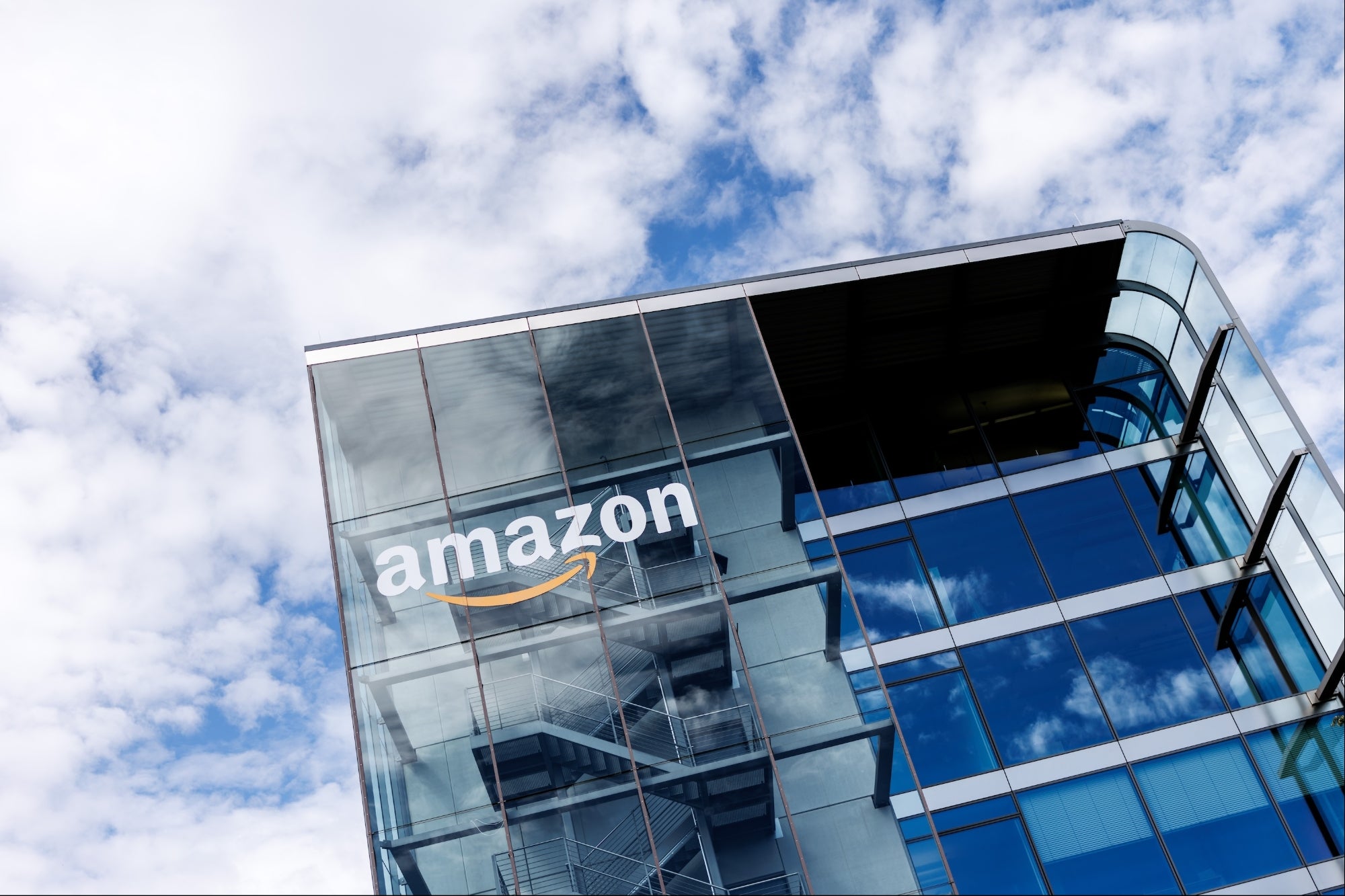
Here’s How Much Money Amazon Employees — From Software Engineers to Product Managers — Make in a Year

How well does e-commerce giant Amazon pay its employees? Newly available public documents revealed the salary ranges Amazon paid software engineers, data scientists, product managers, and other staff.

According to the filings, obtained by Business Insider, Amazon is paying software engineers in its Amazon Web Services cloud division as much as $185,000, while software developers working at Amazon.com make up to $263,700.

Related: Here’s How Much a Typical Nvidia Employee Makes in a Year

The filings also show that Amazon pays Amazon.com data scientists as much as $230,900. Financial analysts take home a maximum of $204,028, and technical product managers can make up to $235,200.

The data is drawn from 11,300 documents that Amazon filed with the U.S. Department of Labor in the first quarter of the year while onboarding foreign workers. The data only pertains to foreign hires and only includes base salary, not signing bonuses, stock options, or other forms of compensation.

In comparison, Meta pays $120,000 to $480,000, Google pays $109,180 to $340,000, and Microsoft pays $82,971 to $284,000 for software engineering talent.

The filings show that Amazon pays other roles on the Amazon.com team as follows:

  • Applied Scientist: $83,491 to $260,000
  • Business Analyst: $79,518 to $143,100
  • Data Engineer: $70,262 to $236,344
  • Product Manager: $109,782 to $200,000
  • Program Manager: $81,600 to $162,700
  • Quality Assurance Engineer: $86,320 to $185,000

While these roles can pay in the six figures, they are outside the norm for most Amazon workers. Approximately 65% of Amazon’s workforce is employed in operations and fulfillment roles in its warehouses, including positions like warehouse associates and delivery drivers.

That composition is reflected in more general measures of Amazon’s pay levels. For example, according to Amazon’s annual proxy statement filed with the U.S. Securities and Exchange Commission this year, the median global Amazon employee made $37,181 in 2024.

The same document showed that Amazon paid CEO Andy Jassy $1,596,889 in 2024, or about 43 times more than the median global employee.

Related: Here’s How Much a Typical Google Employee Makes in a Year

U.S.-based Amazon employees are compensated better than their global counterparts. The annual proxy statement revealed that the median annual compensation was $47,990 for full-time U.S. employees, an approximately $10,000 increase from the pay of a median global employee.

According to Amazon’s latest quarterly earnings report, released in May, the company employs 1.56 million people worldwide.

Join top CEOs, founders and operators at the Level Up conference to unlock strategies for scaling your business, boosting revenue and building sustainable success.

How well does e-commerce giant Amazon pay its employees? Newly available public documents revealed the salary ranges Amazon paid software engineers, data scientists, product managers, and other staff.

According to the filings, obtained by Business Insider, Amazon is paying software engineers in its Amazon Web Services cloud division as much as $185,000, while software developers working at Amazon.com make up to $263,700.

Related: Here’s How Much a Typical Nvidia Employee Makes in a Year

The rest of this article is locked.

Join Entrepreneur+ today for access.

https://www.entrepreneur.com/business-news/how-much-do-amazon-employees-make-salaries-revealed/494974


The Most Dangerous Digital Marketing Mistakes New Entrepreneurs Make

Opinions expressed by Entrepreneur contributors are their own.

If I build it, they will come. One of the most egregious mistakes new entrepreneurs make is ascribing to this cardinal, early-stage marketing assumption. In crowded verticals, which is nearly every vertical, save for those few emerging technologies that hit the market every so often, this is a grave strategic error. This is also common across development- and product-oriented startups and companies.

The truth is, a company must start with market orientation, now called customer centricity. In 1998, Rohit Deshpande, a Baker Foundation Professor and Emeritus at Harvard Business School, introduced the term. Renowned “Father of Management” Peter Drucker, in The Practice of Management, published in 1954, stated, “It is the customer who determines what a business is.” Let’s dig in.

Related: 5 Mistakes To Avoid in Your Digital Marketing

Start with market orientation

Customer obsession is the key to great marketing. And marketing is far more than advertising and tactics. The “Promotion” tenet of the Four Ps of marketing, now termed omnichannel or integrated marketing communications, is not where you should start.

Returning to Drucker, he defines marketing, whether digital or traditional, as “The whole business seen from the point of view of its final result, that is, from the customer’s point of view.”

Start with getting market-oriented. In other words, don’t jump straight into tactics such as social media planning and campaign building.

Reflect on the 2003 research put out by Deshpande and the late John U. Farley, a former director of Wharton’s Lauder Institute and emeritus professor of marketing, in the International Journal of Research in Marketing.

The study looked at the top-performing firms, over 600 of them, across industrialized nations and compared them to the largest, most successful firms in the then-B.R.I.C. (Brazil, Russia, India, China) economies.

The researchers concluded, regardless of location, those top, high-performing organizations all had the same “success profile.”

The profile, of course, centered around being customer-obsessed, rather than product or technology-centric.

Talk to your market

Another common, and dangerous, pitfall new entrepreneurs make is not taking the time to connect with their target market before developing a software product and marketing plan.

When personas evolve from authentic stories relayed by actual buyers in the form of one-on-one interviews, you can best capture the buyer’s expectations.

Too often, development teams and product-led organizations fall into the trap of making sweeping assumptions about their market.

Relaying past experience, this can end up wasting resources and valuable time in the market as you grapple with a product or service that fails to meet customer expectations.

Don’t make the mistake of assuming you know your market better than the buyers themselves.

Weak strategic positioning

Weak positioning will kill your idea from the start. It is one of the most overlooked strategic marketing pillars new entrepreneurs make in marketing, including myself, years before I founded Selzy.

From a high-level perspective, positioning is your outward-facing why. Why should a buyer — B2C, B2B or otherwise — purchase from you instead of competitors?

Customer behavior — human behavior — searches for reference points. Then our brains catalog, sort, assess and then make a purchase based on personal or advised (think B2B buying groups) criteria.

Reflect on this because the essence of your positioning lives within your company’s messaging, website copy, sales collateral, one-on-one conversations and so on. It’s embedded in everything, and in the beginning, it will be tantamount to how your brand is perceived as a whole until market awareness takes hold.

So take heed and don’t make the mistake of glossing over this strategic pillar within your digital marketing strategy.

To build strong positioning, start by assessing the market category in which you are competing. Scan the competitive landscape and take comprehensive notes on competing products, product names, key selling points and features. And review competitor ads and creative, if available.

From this, you can then build a SWOT analysis, or use a similar analysis framework, to assess internal strengths and weaknesses against available market opportunities and threats.

This market research and competitive analysis is the only route to establishing a strong position in the market that stands out from the competition. And remember, positioning isn’t just about the messaging and product.

Pricing, promotional activities and distribution all affect how consumers perceive your product in the market. Be authentic and be customer-centric.

Related: 5 Steps to Position Your Brand for Maximum Success

Nail, then scale

This is a critical adage most entrepreneurs may know from the 2011 bestselling book, Nail It Then Scale It by Nathan Furr and Paul Ahlstrom. However, the principle isn’t just to be applied generally to a lean startup or product launch.

It’s easy to get caught up in blitzkrieg tactics. With enough capital and proper resource allocation, you can dominate impression-share, run advertising across a multitude of channels and drive awareness to global heights.

Not only can this get expensive, but what are the future ramifications? What if your messaging doesn’t resonate? What if onboarding isn’t a smooth process? What if things within your product are rough around the edges or broken?

You risk tarnishing your brand reputation and unnecessarily generating chaos for your entire go-to-market team.

Start with what I call “sample-size marketing.” Test your marketing assumptions, the market research and positioning. Allocate your budget in phases until you see digital activation, conversions or trial users.

Once you recognize something resonating, and you feel like your process is ironed out, then you scale your spend and shoot for more lofty goals.

When placing dollar-figure allocations to your digital marketing program, you don’t ever want to spray-and-pray. Return on investment is the name of the game.

The lifeblood of trust

Content entrepreneur and speaker Joe Pulizzi, author of over a half-dozen content marketing books, consistently discusses the value transfer in content marketing.

The key to competitive advantage is being proactively trustworthy.

High-quality content drives trust. The issue in the market today is that content carries very little value, save for those thought leaders who really get it. You see them on LinkedIn, at times on Instagram and TikTok, and they’re the ones you tend to follow back and whose content you print out, save and share with colleagues.

But it’s rare. It’s rare because it’s difficult to do on a regular basis.

For that very reason, top-quality content marketing can drive business growth, help establish a market position and build trust in an audience in a format that competitors will often struggle to imitate. What’s more, don’t underestimate the power of original, authentic brand content in an era of AI copy and blogging currently diluting the value to readers and consumers.

Content marketing is the lifeblood of organizations big and small. Don’t make the mistake of overlooking this powerful, brand-building vehicle.

Related: How New Businesses Can Create a Content Marketing Strategy

Emerging from a sea of noise

Successful marketing isn’t about bold assumptions, loud promotions, or racing to scale — it’s about discipline, insight and connection.

It begins with a deep market orientation. It demands that you listen to and learn from your buyers before building or branding. It requires strategic positioning that makes your value unmistakable.

It asks you to validate before you amplify. And throughout it all, it depends on creating meaningful, trust-building content that sets you apart in a sea of noise. The entrepreneurs who win aren’t the ones who just build — they’re the ones who build with their market, not apart from it.

Join top CEOs, founders and operators at the Level Up conference to unlock strategies for scaling your business, boosting revenue and building sustainable success.

https://www.entrepreneur.com/growing-a-business/the-most-dangerous-marketing-mistakes-new-entrepreneurs-make/494602


Turn YouTube Into a Business Growth Engine With These Easy Tactics

Opinions expressed by Entrepreneur contributors are their own.

YouTube is full of opportunity, but also a lot of noise. For entrepreneurs looking to grow their brand, attract leads or build trust at scale, YouTube can be an invaluable asset. But getting started can feel overwhelming when subscriber counts and views don’t come quickly.

The good news? You don’t need to go viral or become a full-time creator to see meaningful results. With the right strategy, consistent execution and a willingness to learn as you go, YouTube can become a powerful tool for your business.

Here are five beginner-friendly ways to build traction — without spending all your time editing videos.

1. Develop a consistent content calendar

Consistency is one of the most important drivers of YouTube growth. While top creators often post several times a week, even beginners should aim for at least one video per week.

Start by planning a content calendar that aligns with your production capacity and your audience’s interests. Use keyword research tools to identify long-tail topics your audience is already searching for. This will help guide your video ideas and ensure you’re creating content that drives discovery.

A clear content calendar helps avoid gaps in publishing and keeps your viewers engaged.

Related: YouTube Is the Tool You Need to Build Your Customer Base — and Your Credibility. Here’s How.

2. Use tools to optimize titles, SEO and thumbnails

Small details — like titles, tags and thumbnails — can make or break your video’s visibility. YouTube’s algorithm prioritizes content that gets clicks and watch time, so optimization matters.

Fortunately, there are tools out there that can help automate this process. They let you test different titles, analyze thumbnails and suggest keywords based on performance data.

Creators who use these tools tend to grow faster. The right tools save time and help your videos perform better from the start.

3. Make the most of end screens

End screens are clickable elements you can add to the last 5 to 20 seconds of your video. They’re a powerful yet underused tool for boosting engagement and guiding viewers to your next piece of content.

By linking to other videos or adding a subscribe button, you increase watch time and encourage channel growth. YouTube rewards longer viewer sessions, so strategically linking your own content creates a positive feedback loop.

Always include end screens in your videos — it’s a simple, low-effort way to keep viewers on your channel longer.

4. Use YouTube Shorts to increase visibility

Shorts are YouTube’s answer to TikTok — and they’re one of the fastest ways to get discovered by new viewers.

A smart way to use Shorts is by repurposing clips from your long-form videos. Shorts that get more than 10,000 views typically generate 12 to 18 new subscribers. With their short runtime and high completion rate, they’re a low-cost way to grow your channel and introduce viewers to your brand.

5. Share your content across other platforms

Your Shorts and long-form videos can do double duty. By posting clips to Instagram, X and TikTok, you expand your reach and attract viewers who may not find you on YouTube alone.

Sharing repurposed video content across platforms builds brand awareness and funnels new followers back to your YouTube channel. This cross-platform traffic can also help your channel perform better in YouTube’s own algorithm.

And since the content is already created, it doesn’t require much additional effort—just smart repurposing.

Related: 6 Reasons Every Business Needs to Start a YouTube Channel Today

Unlock growth without chasing virality

Growing a YouTube channel takes time, but it doesn’t require going viral or grinding out endless edits. With consistent effort, optimized content and strategic distribution, you can build a loyal audience and position your business as a trusted voice in your niche.

Ready to break through your revenue ceiling? Join us at Level Up, a conference for ambitious business leaders to unlock new growth opportunities.

YouTube is full of opportunity, but also a lot of noise. For entrepreneurs looking to grow their brand, attract leads or build trust at scale, YouTube can be an invaluable asset. But getting started can feel overwhelming when subscriber counts and views don’t come quickly.

The good news? You don’t need to go viral or become a full-time creator to see meaningful results. With the right strategy, consistent execution and a willingness to learn as you go, YouTube can become a powerful tool for your business.

Here are five beginner-friendly ways to build traction — without spending all your time editing videos.

The rest of this article is locked.

Join Entrepreneur+ today for access.

https://www.entrepreneur.com/growing-a-business/turn-youtube-into-a-business-growth-engine-with-these-easy/493943


Here’s What ‘Terrifies’ OpenAI’s CEO About Financial Institutions Today: ‘This Is a Huge Deal’

Sam Altman, the CEO of $300 billion AI startup OpenAI, is asking finance industry leaders to stay ahead of AI trends — and to avoid voice authentication at all costs.

At the Federal Reserve’s Regulatory Capital Framework Conference on Tuesday in Washington, D.C., Altman told a crowd of financial regulators and industry experts that “a thing that terrifies” him is banks that still accept voices to authenticate identity. AI voice cloning hoaxes can copy a person’s voice in three seconds and use the cloned voice to empty bank accounts.

“A thing that terrifies me is apparently there are still some financial institutions that will accept a voice print as authentication for you to move a lot of money or do something else,” Altman said at the event, per Business Insider.

Related: I Called Klarna’s New AI Hotline to Talk to the Company’s ‘CEO’ — Here’s What Happened

Altman said voice authentication was “a crazy thing to still be doing” and that AI has “fully defeated” many ways financial institutions currently confirm identity.

He also warned that AI has the potential to cause a “significant impending fraud crisis,” and predicted that institutions are going to have to transform the way they verify identity in response.

“People are going to have to change the way they interact,” Altman said. “They’re going to have to change the way they verify. This is a huge deal.”

OpenAI CEO Sam Altman speaks at the Federal Reserve’s Regulatory Capital Framework Conference on Tuesday. Photo by Andrew Harnik/Getty Images

During a Q&A session at the Federal Reserve event, Altman was also asked about what keeps him up at night. He said a widespread financial crisis where an adversary uses AI to launch an attack on the U.S. The bad actor could “break into financial systems and take everyone’s money,” and there would be little we could do about it, Altman said. It would be difficult to uphold protective measures against an adversary with smarter AI, Altman explained.

Related: Nearly Half of Americans Think They Could Be Duped By AI. Here’s What They’re Worried About.

Altman’s fears that AI could be misused in the wrong hands are echoed by financial leaders. According to a survey released in March by consulting firm Accenture, 80% of bank cybersecurity leaders state that AI allows bad actors to launch attacks faster than banks can respond. In other words, the leaders can’t keep up with the rapid pace of AI scams targeting personal bank accounts.

Consumers reported losing more than $12.5 billion to scams in 2024, a 25% increase from the previous year, according to the Federal Trade Commission. More people fell for scams and lost money to them last year, with $2.95 billion lost to imposter scams.

Still, some top executives at OpenAI are convinced it has the power to do a lot of good, from eradicating diseases to helping support equal pay initiatives.

Join top CEOs, founders and operators at the Level Up conference to unlock strategies for scaling your business, boosting revenue and building sustainable success.

Sam Altman, the CEO of $300 billion AI startup OpenAI, is asking finance industry leaders to stay ahead of AI trends — and to avoid voice authentication at all costs.

At the Federal Reserve’s Regulatory Capital Framework Conference on Tuesday in Washington, D.C., Altman told a crowd of financial regulators and industry experts that “a thing that terrifies” him is banks that still accept voices to authenticate identity. AI voice cloning hoaxes can copy a person’s voice in three seconds and use the cloned voice to empty bank accounts.

“A thing that terrifies me is apparently there are still some financial institutions that will accept a voice print as authentication for you to move a lot of money or do something else,” Altman said at the event, per Business Insider.

The rest of this article is locked.

Join Entrepreneur+ today for access.

https://www.entrepreneur.com/business-news/openai-ceo-sam-altman-is-terrified-about-ai-bank-fraud/494927


Chili’s Is Selling Boots Made from Its Red Booths — And It Will Cost You a Lot More than a Triple Dipper

Chili’s Grill & Bar is partnering with Texas-footwear brand Tecovas to launch a limited-edition collection of “Booth Boots,” which is exactly what it sounds like — cowboy boots made with the same material as its classic red booths.

In a statement, Chili’s said that this “first-of-its-kind collaboration” turns its “iconic” red booths, which have been around for 50 years, into “handcrafted boots made with time-honored techniques and heritage craftsmanship.” The company is also selling a matching Booth Belt.

Related: ‘Gen Z Is Obsessed’: Chili’s Sales Are Skyrocketing Thanks to the Triple Dipper and Turbo Chefs

“We thought it would be fun to celebrate this familiar piece of the Chili’s experience by turning it into something truly unexpected for our fans,” said Jesse Johnson, Chili’s vice president of marketing, in the statement. “Our new friends at Tecovas have been the perfect partners in bringing this wild idea to life with their handcrafted boots now reimagined with our booth material.”

Still, it will cost you a lot more than the popular Triple Dipper. Booth Boots (both women’s and men’s styles) will retail for $345, and the Booth Belt, with its “brass buckle in a matte nickel finish,” will sell for $75.

The limited-edition collection of Booth Boots and a matching Booth Belt will be available on Tecovas.com on July 29 at 10 a.m. CT.

Chili’s has 1,600 restaurants in 29 countries, according to Nation Restaurant News.

Chili’s Grill & Bar is partnering with Texas-footwear brand Tecovas to launch a limited-edition collection of “Booth Boots,” which is exactly what it sounds like — cowboy boots made with the same material as its classic red booths.

In a statement, Chili’s said that this “first-of-its-kind collaboration” turns its “iconic” red booths, which have been around for 50 years, into “handcrafted boots made with time-honored techniques and heritage craftsmanship.” The company is also selling a matching Booth Belt.

Related: ‘Gen Z Is Obsessed’: Chili’s Sales Are Skyrocketing Thanks to the Triple Dipper and Turbo Chefs

The rest of this article is locked.

Join Entrepreneur+ today for access.

https://www.entrepreneur.com/business-news/chilis-is-selling-boots-belts-made-from-its-red-booths/494924