Olive Garden’s Sold Out Pasta-Shaped Pool Noodles Are Selling for Double on Resale Sites

In June, Olive Garden began selling pool noodles shaped like some of their most popular pastas. And if you were lucky enough to snag one, you may have picked up a sound investment — the pool floats are selling for almost double on resale sites.

The pasta-shaped pool noodles were available in three designs: Floatin’ Fettuccine, Relaxin’ Rigatoni, and Takin’ It Easy Tortelloni. Each sold for $40 and came with an additional piece of summer-themed branded merchandise — a bucket hat, tote bag, or floating drink holder.

An Olive Garden spokesperson told Entrepreneur that the tortelloni-shaped float sold out a couple of hours after the sale began, while the fettuccine and rigatoni-shaped noodles sold out after two days. Though the company says it is “thrilled” at how popular the floats were, they are “sold out for this summer.” The statement did leave the door open for another drop next year.

“Olive Garden has always been known for going big — big portions, big value, and never-ending first courses,” said Jaime Bunker, Senior Vice President of Marketing, in a statement at the time of the launch. “This summer, we’re bringing that same spirit of abundance to the pool. Our pasta-inspired floats are a larger-than-life way to celebrate the dishes our guests love, and just like in our restaurants, every order starts with a first course.”

There’s currently a tortelloni-shaped float for sale on eBay for $95, and one has already sold somewhere in the $70-$80 range. A fettuccine was listed at $80 (looks like it didn’t sell), but another seller in Livonia, Michigan, is selling the same shape for the original price ($39.99).

In the exact opposite direction, a different seller has listed one of the free gift-with-purchase items (the pasta-float cup holder) for $30.

Related: People Are Reselling This Trader Joe’s Item for $500 Online

In June, Olive Garden began selling pool noodles shaped like some of their most popular pastas. And if you were lucky enough to snag one, you may have picked up a sound investment — the pool floats are selling for almost double on resale sites.

The pasta-shaped pool noodles were available in three designs: Floatin’ Fettuccine, Relaxin’ Rigatoni, and Takin’ It Easy Tortelloni. Each sold for $40 and came with an additional piece of summer-themed branded merchandise — a bucket hat, tote bag, or floating drink holder.

An Olive Garden spokesperson told Entrepreneur that the tortelloni-shaped float sold out a couple of hours after the sale began, while the fettuccine and rigatoni-shaped noodles sold out after two days. Though the company says it is “thrilled” at how popular the floats were, they are “sold out for this summer.” The statement did leave the door open for another drop next year.

The rest of this article is locked.

Join Entrepreneur+ today for access.

https://www.entrepreneur.com/business-news/olive-garden-pool-noodles-pasta-shaped-floats-sell-out/494491



I Had Customers, Revenue and Momentum — And Still No Cash. This Is the Fix I Wish I’d Known Sooner

Opinions expressed by Entrepreneur contributors are their own.

When I started my first business, I had everything going for me — or so I thought. I was young, confident and raised on grit. Growing up on a farm in Idaho taught me how to work hard from the time I could walk. By college, I already had industry experience from working at an electric sign company, and now I was launching one of my own.

I figured my work ethic and expertise would carry the day. And for a while, they did.

But what no one tells you — what I learned the hard way — is that you can be doing everything right, and still be broke. On paper, my business was successful. In reality, I was one bad invoice away from disaster.

When the real struggle began

Within a month of opening, I applied for an SBA loan and got rejected. I assumed I’d be able to get trade credit from vendors — no luck there either. I had no credit history. Not bad credit. No credit. I’d been raised to believe that debt was dangerous, so I avoided it altogether. I’d paid cash for everything, even my car. I thought that was responsible. Turns out, it made me invisible to lenders.

And that’s when reality hit: every dollar had to come out of my own pocket. I was constantly cash-strapped. Hundreds of thousands in accounts receivable — and nothing in the bank to cover payroll or rent. I remember the sleepless nights, the stress headaches, the panic of waiting for payments I couldn’t speed up. I was doing good work, but I couldn’t prove to anyone that I was worth trusting.

Related: SBA Loans: A Complete Guide for Small Business Owners

How I turned it around

Eventually, I realized the problem wasn’t personal — it was systemic. Lenders and vendors weren’t being unfair. They just had no data to go on. No one knew if I paid bills on time, because I had never given them the chance to find out.

So I started building my credit history, step by step. I applied for credit cards. I opened small lines of credit. I paid everything on time, every time. I learned how business credit scores work — and how to separate personal and business credit properly. Back then, good information was hard to come by. Today, there’s no excuse. Tools, platforms and expert guidance are everywhere.

What I once had to figure out through trial and error, most entrepreneurs can now learn in a weekend.

Why credit isn’t optional

If you’re building a business, strong credit isn’t just “nice to have.” It’s a growth engine. It lets you borrow money at lower rates. It unlocks trade credit so you can stock up without draining your bank account. It improves your insurance rates and lease terms. It strengthens your reputation with vendors, customers and partners. Want to win government contracts or work with large clients? Good luck without a solid business credit score.

Even payment processing gets easier and cheaper when your credit is in good shape.

Bottom line: your credit tells the world whether you’re trustworthy — and in business, trust is everything.

Related: How to Fund Your Business With an SBA Loan

The takeaway

Hard work matters. So does expertise. But if you ignore your credit, you’re stacking the odds against yourself from day one.

I learned that lesson the painful way. You don’t have to.

Start building your credit history now—personally and professionally. Don’t wait until you need financing to realize you’re invisible to lenders. Learn how business credit works. Use the tools available to you. And take control of the one thing that can make or break your business long before your product ever sees the light of day.

Trust me: one sleepless night over cash flow is one too many.

Ready to break through your revenue ceiling? Join us at Level Up, a conference for ambitious business leaders to unlock new growth opportunities.

https://www.entrepreneur.com/growing-a-business/i-had-customers-revenue-and-momentum-and-still-no/491394


What My First Failed Startup Taught Me — and How I Finally Got It Right 20 Years Later

Opinions expressed by Entrepreneur contributors are their own.

They say timing is everything — and that’s a lesson I’ve learned the hard way.

Today, I’m building a startup I truly believe in. But the truth is, this journey didn’t start last year. It began more than 20 years ago — with a big idea, the wrong timing and some painful but necessary lessons that would shape everything I’m doing now.

How it started

In 2007, inspired by platforms like Craigslist and LinkedIn, I set out to bring a new kind of online platform to life. I had a strong concept, but not the technical skills to build it alone. So I partnered with a close friend who could fill that gap.

At first, we were excited. But over time, cracks formed — our visions didn’t align, our strategies drifted, and financial pressure mounted. Eventually, we had to walk away.

It was disappointing, even devastating. But I never stopped believing in the core idea. Instead, I paused to reflect on what went wrong, what I’d learned, and what I needed to do differently next time.

That reflection helped shape both who I am and how I operate today.

Related: When My Startup Failed, I Was Hopeless and Left in Tears. Here Are the Lessons That Helped Me Restart and Launch Three Successful Companies.

What I learned (the first time around)

  • Learning never stops: Your best insights often come from others. Lean into your network — mentors, peers, even critics. Learning from others and sharing your own experience creates a powerful loop of growth.
  • Be willing to adapt: Even with a great idea, you have to stay flexible. Whether you’re launching or scaling, being able to pivot when needed isn’t a weakness — it’s a survival skill.

Getting it right the second time

  • Start with clarity: A shared vision is critical. Before launching, make sure you and your co-founder(s) are aligned on goals, roles, and long-term expectations. Misalignment early on will cost you later.
  • Be honest with yourself and your team: Ask the hard questions up front: Why are we doing this? What problem are we solving? Who are we solving it for? If your answers don’t match, it’s time to regroup.
  • Culture matters as much as code: Yes, you need technical talent. But you also need people who share your values, collaborate well, and grow with the company. Don’t underestimate cultural fit — it makes or breaks teams.

If you build it, will they come?

This time around, I approached things differently. I didn’t just assume the idea was good — I tested it. I asked:

Are we solving a real problem?
Does the market need this now?
What’s our unique value proposition (UVP)?
Why would anyone choose us?

Customer-first thinking became the foundation. Instead of building what we thought was valuable, we built what the market actually needed — and made sure our solution stayed relevant.

Getting tactical: what every founder needs to consider

  • Do your homework: Understand your industry, track trends, study user behavior and know your competition.
  • Create a strategy: Write a business plan. Forecast your finances. Know your funding options.
  • Formalize the business: Register your company, get your EIN, licenses, permits, and build your legal foundation properly.
  • Build the right team: Use your network to find people who align with your mission and culture.
  • Sell the vision: Know your customer, refine your message and create a product or service they actually want.

Related: 10 Lessons I Learned From Failing My First Acquisition

Final thoughts

Be both sales-driven and market-aware. Know your audience — where they get information, what problems they face, what resonates with them. Your customer acquisition strategy should be informed by real data, not just instinct.

And most importantly, keep an open mind. Inspiration can come from anywhere — a conversation, a failure, a new connection. The more you listen, the more likely you are to spot those game-changing ideas.

Building something meaningful takes time. For me, it took over 20 years. But every setback, misstep and restart has made this journey — and this version of the startup — infinitely more grounded and more real.

Ready to break through your revenue ceiling? Join us at Level Up, a conference for ambitious business leaders to unlock new growth opportunities.

https://www.entrepreneur.com/starting-a-business/what-my-first-failed-startup-taught-me-and-how-i/492936


Nobody Was Talking About Nasal Breathing for Sleep Until This Former NFL Player Built a Brand Around It: ‘You Feel So Much Better’

Opinions expressed by Entrepreneur contributors are their own.

As a former NFL player and lifelong high performer, Todd Anderson was obsessed with optimization. He’d tried every hack, supplement, and tool he could find. But when he began taking a closer look at sleep, he noticed a glaring gap in the wellness conversation.

That shift started when he began working with Dr. Jennifer Martin, a leading sleep researcher at UCLA. After learning he had mild sleep apnea, he began taping his mouth shut at night to encourage nasal breathing. The results, he said, “were life-changing.”

What began as a personal breakthrough soon turned into a mission. After experiencing the effects of nasal breathing firsthand, Anderson launched Dream Performance & Recovery, which enhances sleep through products such as mouth tape and nasal strips. He joined me on the One Day with Jon Bier podcast to talk about how he built the brand from scratch.

Learn on the fly

Anderson had no background in business, just a personal breakthrough and a drive to build. But that was just fine.

“I think if I had all the funding in the world, I probably would’ve done it the wrong way. Instead, we had to figure it out, build slowly, and then scale once we knew it worked,” he said.

With no outside funding, Anderson bootstrapped every step of the way. “We were writing checks every month, paying for all this stuff,” he said. “Because of that, I think it allowed us to learn at a really rapid pace.”

He points to a quote from Spanx founder Sara Blakely as his guiding principle: “Start small, dream big, and scale fast.”

The result was Dream Mouth Tape, then Second Wind Nasal Strips. One product keeps your mouth closed for improved oxygen uptake, and the second maximizes airflow into your nose.

Related: 5 Lessons I Wish I Didn’t Learn the Hard Way During My 20 Years in Business

Let the product speak for itself

In the early days, the team leaned heavily on Anderson’s own social following and podcast appearances. He accepted every opportunity he could: “I said yes to every event, every speaking thing, every podcast, and it ended up paying off.”

Awareness happened organically. On a 46-mile run through the Grand Canyon, Anderson brought the first prototypes of his nasal strips to the event. “Everyone tried them and they were blown away.”

That approach helped build a customer base that spread the word on its own. “When people do buy into it and they start sleeping better, and it does change their life… they tell everybody,” Anderson said.

Focus on retention

A major turning point came when Anderson moved manufacturing from overseas to the U.S. The goal wasn’t just faster shipping—it was better quality. “Our product got exponentially better,” he said.

In a low-trust category like wellness, consistency matters more than hype. “We had no choice but to get it right,” Anderson said. “If people didn’t come back, the business wouldn’t work.”

Related: 5 New Tech Products Worth Showing Off to Houseguests

Find the right partners

Eventually, Anderson found some heavy-hitting investors who believed in the product and could offer valuable branding expertise. “We brought on Sara Blakely and Jesse Itzler as pretty substantial partners,” he said. “They own a good chunk of the business.”

Blakely is the founder of Spanx and one of the most successful female entrepreneurs in history. Her husband, Jesse Itzler, is a serial entrepreneur, bestselling author, and part-owner of the Atlanta Hawks.

“Their values are lined up exactly how I would want to have my values lined up. And so knowing that’s how they operate, and then getting advice through that lens, I don’t think we could ask for anything better.”

Anderson is starting to see the cultural shift he hoped for. What once felt like a niche message is now gaining traction. “I think people realize it’s not about having the most hours in the day,” he said. “It’s about having the best hours in the day.”

Related: A Bad Business Partner Could Cost You Millions — Here’s How to Avoid a Toxic Partnership

As a former NFL player and lifelong high performer, Todd Anderson was obsessed with optimization. He’d tried every hack, supplement, and tool he could find. But when he began taking a closer look at sleep, he noticed a glaring gap in the wellness conversation.

That shift started when he began working with Dr. Jennifer Martin, a leading sleep researcher at UCLA. After learning he had mild sleep apnea, he began taping his mouth shut at night to encourage nasal breathing. The results, he said, “were life-changing.”

What began as a personal breakthrough soon turned into a mission. After experiencing the effects of nasal breathing firsthand, Anderson launched Dream Performance & Recovery, which enhances sleep through products such as mouth tape and nasal strips. He joined me on the One Day with Jon Bier podcast to talk about how he built the brand from scratch.

The rest of this article is locked.

Join Entrepreneur+ today for access.

https://www.entrepreneur.com/living/this-former-nfl-player-built-a-brand-around-nasal-breathing/494507


Here’s How Much Google Software Engineers, Product Managers, and Data Scientists Make in a Year

How well does a leading tech giant compensate staff?

Amid the ongoing AI talent wars, Google is paying top dollar for talent in all areas, from software engineering to design. According to data from federal filings, obtained by Business Insider on Thursday, Google is paying software engineers a range of $109,180 to $340,000 in base salary. That’s comparable to the $120,000 to $480,000 made by software engineers at Meta.

Meanwhile, Google user experience designers can earn up to $230,000 while product managers take home salaries of up to $280,000. Research scientists on Google’s staff can make up to $303,000, while the highest-paid data engineers are compensated $175,000.

Related: ‘The Market Is Hot’: Here’s How Much a Typical Meta Employee Makes in a Year

The data comes from 6,800 filings Google submitted to the U.S. Department of Labor during the first quarter of the year. The tech giant has to submit work visa data to the federal government when hiring foreign workers through the H-1B visa program, which allows highly skilled employees to work in specialized occupations.

The filings are specific to base annual salaries and do not include signing bonuses, stock options, and other forms of compensation.

The data shows that Google compensates other roles as follows:

  • Business Systems Analyst: $141,000 to $201,885
  • Customer Engineer: $85,009.60 to $228,000
  • Data Scientist: $133,000 to $260,000
  • Electrical Engineer: $119,000 to $203,000
  • Program Manager: $125,000 to $236,000
  • Security Engineer: $97,000 to $233,000
  • Technical Solutions Consultant: $110,000 to $253,000

While Google tries to keep salary data private and refrains from announcing figures publicly, other federal filings also offer a peek into the tech giant’s competitive compensation for employees. Google submitted a report to the U.S. Securities and Exchange Commission in April, which showed that a mid-level employee made $331,894 in 2024, a 5% increase from 2023.

The same document showed that Google CEO Sundar Pichai made over $10.7 million in 2024, or about 32 times more than the median employee.

Google CEO Sundar Pichai. Photo by Camille Cohen / AFP

Tech companies are competing for a limited pool of AI talent, leading to compensation packages that rival those offered to top executives. Meta reportedly poached former Apple engineer Ruoming Pang with an over $200 million pay package, and offered other major Meta hires for its new superintelligence team similar compensation.

At the end of 2024, Google’s parent company, Alphabet, employed 183,323 full-time workers. Alphabet was the fifth most valuable company in the world at the time of writing, with a market capitalization of $2.16 trillion.

For the full list of roles and salaries at Google for H-1B workers, click here.

Related: Here’s How Much a Typical Nvidia Employee Makes in a Year

How well does a leading tech giant compensate staff?

Amid the ongoing AI talent wars, Google is paying top dollar for talent in all areas, from software engineering to design. According to data from federal filings, obtained by Business Insider on Thursday, Google is paying software engineers a range of $109,180 to $340,000 in base salary. That’s comparable to the $120,000 to $480,000 made by software engineers at Meta.

Meanwhile, Google user experience designers can earn up to $230,000 while product managers take home salaries of up to $280,000. Research scientists on Google’s staff can make up to $303,000, while the highest-paid data engineers are compensated $175,000.

The rest of this article is locked.

Join Entrepreneur+ today for access.

https://www.entrepreneur.com/business-news/heres-how-much-google-pays-software-engineers-designers/494506


How to Recover from a Bad Business Decision (and Rebuild Trust)

Opinions expressed by Entrepreneur contributors are their own.

One of the first things you notice when you start working for yourself is that you work for yourself. It’s not just a motivational poster anymore. It’s you, alone, steering the ship. Every decision matters. Every mistake is yours. This realization can feel exhilarating — and terrifying.

Over time, you get better at managing the chaos. The panic subsides, and the wins get bigger. But the mistakes? They don’t stop. They just change shape.

I still remember standing up during an all-hands meeting at Nav, the company I co-founded, to reaffirm our commitment to equality across gender, race, and identity. I referenced our generous maternity leave policy as a proud example. A young dad in the back raised his hand. Calmly, he pointed out that our paternity leave was dramatically shorter. It hit me immediately: he was right. Without realizing it, we had built inequality into our policy.

Right there in the meeting, I made the call — we’d change the policy to make it equitable for all parents. It wasn’t a small move. It caused chaos in HR and finance. But it was the right thing to do.

The experience taught me something every founder eventually learns: it’s not whether you’ll make bad calls — it’s how you respond when you do.

Here’s a framework I’ve used and seen work repeatedly — for solo founders, small teams and even larger companies navigating costly missteps.

1. Own it — out loud

The instinct to hide or downplay a mistake is strong. Resist it. Whether it’s a pricing misstep, a bad hire or an ineffective product rollout, the fastest way to regain trust is to say: “I made the wrong call — and here’s what I’m doing about it.” Blame kills credibility. Accountability builds it.

2. Understand what actually happened

Look deeper than the surface. Was the decision based on incomplete data? A rushed timeline? A blind spot in your understanding of the customer? Map out not just what went wrong, but why. This is where long term growth happens — not just in cleaning up, but in preventing repeat mistakes.

3. Bring in real feedback

You don’t have to go through it alone. Talk to your team, customers or peers. Ask them what they saw. What would they have done differently? Mistakes are humbling, yes — but they’re also an opportunity to listen in a way you might not have before.

4. Fix what you can — fast

Not every mistake can be undone. But most can be softened. Offer refunds. Roll back changes. Update your policy or product. Even symbolic actions — like a personal message to an affected customer — can carry massive weight. The goal isn’t perfection. It’s restoration.

5. Document the lesson

Take 20 minutes to write down what happened and what you’d do differently next time. Share it with your team if you have one. You’re not just solving a short-term issue — you’re building a culture that’s resilient and self-correcting. That’s a huge advantage.

6. Refocus on what’s working

A mistake can knock you off balance. That’s normal. Once the cleanup is underway, shift your attention back to your strengths — what your customers love, what your team does best, what you know works. Recovery isn’t just about fixing the wrong move — it’s about re-centering on the right direction.

Mistakes will follow you at every stage of your business, whether you’re solo and scrappy or managing dozens of employees. The key is to treat each one like a checkpoint, not a dead end. If you can develop the habit of learning quickly, responding clearly and acting with integrity, those mistakes will actually build trust rather than erode it.

You may not be facing HR-level headaches yet. But that mindset — of owning your decisions, course-correcting fast, and staying human throughout — is one of the most powerful assets you can bring to the table.

Join top CEOs, founders and operators at the Level Up conference to unlock strategies for scaling your business, boosting revenue and building sustainable success.

One of the first things you notice when you start working for yourself is that you work for yourself. It’s not just a motivational poster anymore. It’s you, alone, steering the ship. Every decision matters. Every mistake is yours. This realization can feel exhilarating — and terrifying.

Over time, you get better at managing the chaos. The panic subsides, and the wins get bigger. But the mistakes? They don’t stop. They just change shape.

I still remember standing up during an all-hands meeting at Nav, the company I co-founded, to reaffirm our commitment to equality across gender, race, and identity. I referenced our generous maternity leave policy as a proud example. A young dad in the back raised his hand. Calmly, he pointed out that our paternity leave was dramatically shorter. It hit me immediately: he was right. Without realizing it, we had built inequality into our policy.

The rest of this article is locked.

Join Entrepreneur+ today for access.

https://www.entrepreneur.com/leadership/how-to-recover-from-a-bad-business-decision-and-rebuild/491408


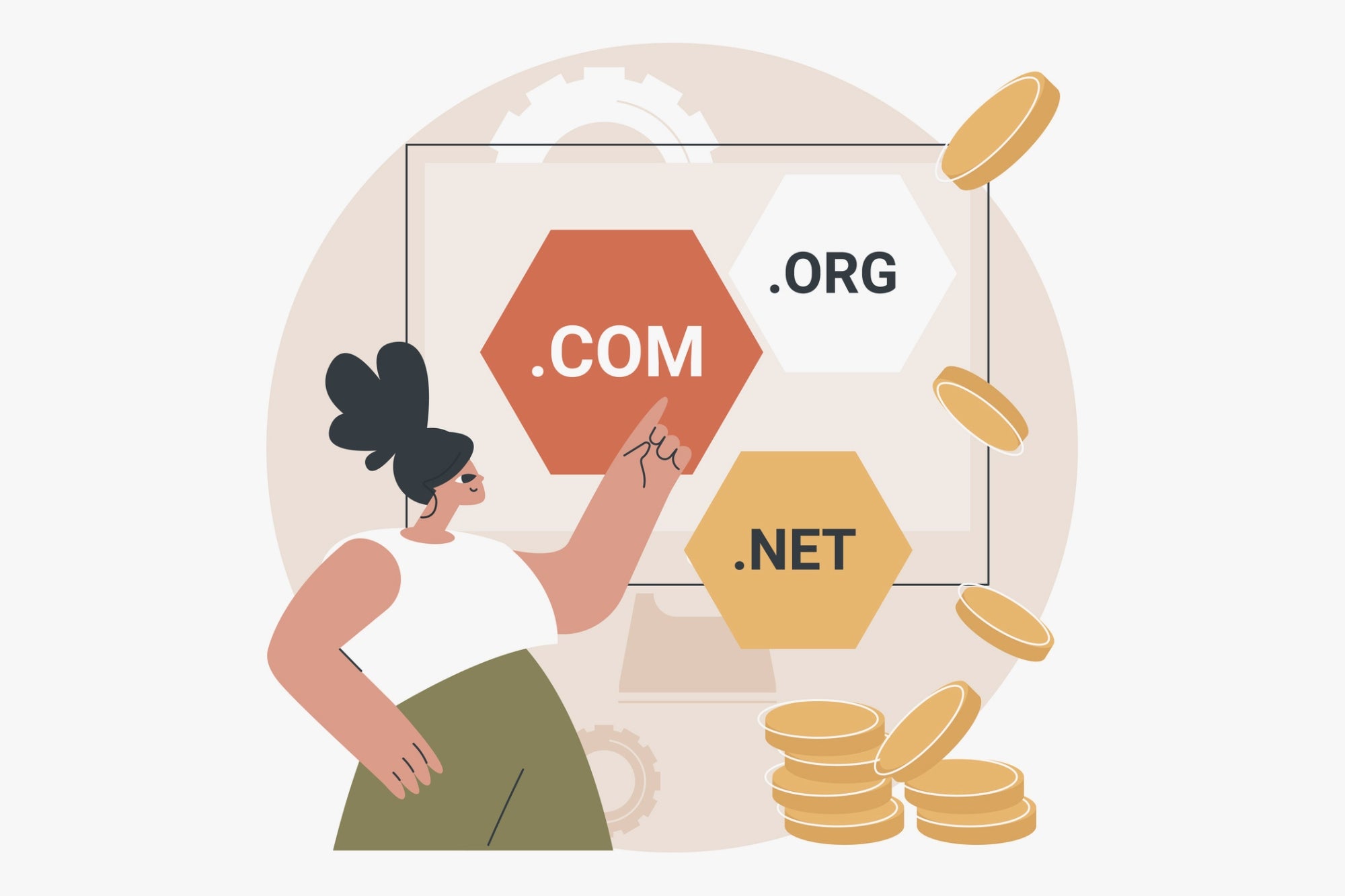
The Best Domains Are Gone — But Here’s How Savvy Founders Still Snag Them

Opinions expressed by Entrepreneur contributors are their own.

Getting a premium domain isn’t just a branding decision — it’s a strategic asset. The right domain builds instant credibility, drives trust and can drastically reduce long-term marketing costs.

The problem? The best names aren’t sitting around unclaimed. They’re owned, guarded and in high demand. And when they do hit the market, they’re often priced in the six- to seven-figure range.

That leaves founders with a choice: navigate the domain minefield alone or hire a broker who knows how to win high-stakes digital real estate deals.

Here’s why that decision matters — and how to approach it strategically.

What makes a domain “premium” — and why it matters

Premium domains are short, memorable, easy to spell and usually end in .com. Think Stripe.com, Tesla.com, or Voice.com. Some are exact-match keywords like Insurance.com, others are powerful brand names.

These domains aren’t just easy to remember — they signal legitimacy, authority and long-term vision. A great domain improves brand recall, boosts SEO, and lowers customer acquisition costs. That’s why companies often spend millions acquiring them.

It’s not just a name — it’s trust at first sight.

Related: A Great Domain Name Can Add Millions to Your Business — Here’s How to Get One (Even If It’s Already Taken)

Why founders struggle to secure premium domains

1. Premium domains are already taken: Unlike social handles, domains can’t just be claimed. Most of the best .coms were bought years ago — often by investors or companies who know their value and aren’t eager to sell.

2. Interest drives up price fast: If a domain owner senses a high-growth startup is interested, the price can skyrocket. Elon Musk famously paid $11 million for Tesla.com — but that deal would’ve cost far more had he negotiated directly without anonymity.

3. Poor negotiation can backfire: Without experience or leverage, founders risk signaling desperation. That can double the asking price — or kill the deal entirely.

4. Transfers are complicated and risky: Even after a deal is made, getting the domain safely transferred involves contracts, escrow and legal protection. One misstep can cost a fortune.

Why domain brokers give founders an edge

A great broker doesn’t just make introductions — they bring strategy, discretion and negotiating power.

  • Off-market access: Top brokers often know about domains that aren’t publicly listed and can unlock private deals others can’t.
  • Anonymity: Sellers don’t know who the buyer is, eliminating emotional markups or inflated expectations.
  • Speed and structure: Founders don’t have time for slow back-and-forth. Brokers drive the deal, navigate seller psychology and close fast.
  • Creative financing: From lease-to-own models to equity trades, brokers know how to structure win-win deals when cash isn’t the only currency.

What happens when you go it alone

Trying to acquire a premium domain solo often leads to:

  • Overpaying by two to three times more due to inexperience or lack of anonymity.
  • Losing the deal to faster, better-prepared buyers.
  • Legal mistakes that put your money — or your domain — at risk.
  • Settling for a second-tier domain that weakens your brand for years.

Related: 5 Unforgettable Lessons I Learned Spending $1 Million on a Domain Name

What to look for in a broker

If you’re hiring a domain broker, make sure they bring:

  • A proven track record of high-value, successful deals.
  • Transparent fees — no vague commissions or surprise markups.
  • Industry access and relationships that open doors.
  • Clear communication and experience with legal, escrow and brand protection.

In 2025, your domain is your identity

As AI, crypto and global e-commerce scale, digital real estate is becoming scarcer and more valuable. The best names are being scooped up by startups, holding companies and corporations with cash to spend.

If you’re building a serious business, don’t leave your domain strategy to chance. A great name can elevate your brand. The wrong one, or worse, missing out on the right one, can hold you back for years.

Smart founders treat domain acquisition like M&A: strategic, high-impact and worth getting right.

Join top CEOs, founders and operators at the Level Up conference to unlock strategies for scaling your business, boosting revenue and building sustainable success.

https://www.entrepreneur.com/growing-a-business/the-best-domains-are-gone-heres-how-savvy-founders/490353


Here’s When the New Apple iPhone 17 and MacBooks Are Being Released

Apple is reportedly launching a slew of new products (iPhones, new iPads, a home device) in the first half of 2026, according to Bloomberg.

New MacBook Airs, reportedly with the code names (J813 and J815), may also be released at the time as a device for the home, which was first reported in fall 2024. The home device from Apple is expected to look like a square iPad and be around the size of two iPhones. It will also have wall-mounting capabilities and function as a smart command center for the home, with control over locks, lights, sprinklers, speakers, and other smart home appliances.

Related: Apple Is Making a Major Change to Its Operating Systems Across All Products. Here’s What We Know.

News of a super-thin iPhone 17 was first reported in January. It’s expected to be only 6.25mm thick, which is about 20-25% thinner than all available iPhone 16 models, according to MacRumors. That phone is expected to be released at Apple’s annual event in the fall. The iPhone 17e, which is being called the budget smartphone, is expected in the spring.

Apple did not comment to Bloomberg regarding the release dates.

MacRumors notes several products will be getting updated chips, including the MacBook Air and Pro (M5 chips), Apple Display, a low-cost iPad (faster chip), and the iPad Air (M4 chip).

Related: Apple Is Reportedly Creating New Foldable iPads and iPhones. Here Are the Details.

Apple is reportedly launching a slew of new products (iPhones, new iPads, a home device) in the first half of 2026, according to Bloomberg.

New MacBook Airs, reportedly with the code names (J813 and J815), may also be released at the time as a device for the home, which was first reported in fall 2024. The home device from Apple is expected to look like a square iPad and be around the size of two iPhones. It will also have wall-mounting capabilities and function as a smart command center for the home, with control over locks, lights, sprinklers, speakers, and other smart home appliances.

Related: Apple Is Making a Major Change to Its Operating Systems Across All Products. Here’s What We Know.

The rest of this article is locked.

Join Entrepreneur+ today for access.

https://www.entrepreneur.com/business-news/thin-iphone-17-apple-smart-home-device-expected-in-spring/494504


Why Your Old Marketing Tactics Are Killing Your Growth in 2025

Opinions expressed by Entrepreneur contributors are their own.

Let’s cut to the chase: If you’re still clinging to marketing strategies from two years ago, you’re not just behind — you’re invisible.

Welcome to 2025. Algorithms have shifted, audiences have evolved and that old playbook? It’s a liability. After 25 years in the marketing trenches — leading campaigns that have scaled brands across industries — I can confidently say this: If your current strategy feels “safe,” it’s probably killing your growth.

It’s time to evolve. Here’s what’s working in 2025, what’s falling flat, and how to build a marketing strategy that survives today’s brutal digital battlefield.

The brutal truth about organic content: it’s not enough anymore

Meta’s organic reach on Facebook and Instagram? On life support. Blaming the algorithm won’t help. These platforms have gone full pay-to-play — your content needs backup.

Enter the Organic Plus approach: high-quality organic content amplified with paid media — not to sell, but to spark engagement. Visibility first. Then conversion. If you’re still in the “I don’t pay for ads” camp, expect your digital presence to flatline.

Good content without reach is like shouting into a void. Organic Plus hands your brand the microphone.

Related: 5 Telltale Signs These Outdated Strategies Are Killing Your Business (and How to Get With the Times)

AI fatigue? You’re going to miss the revolution

I get it. There’s a lot of noise around AI. But dismissing it because of one bad ChatGPT session? That’s like quitting the gym after a single burpee.

AI isn’t here to replace your marketing team — it’s here to equip them. From predictive analytics to customized content and streamlined workflows, AI is the ultimate assistant when trained right.

Clients have boosted performance by aligning AI tools with brand voice and business goals. Stop treating AI like a gimmick. It’s the smartest intern you’ll ever hire.

Video content is mandatory, not optional

TikTok, Instagram Reels, YouTube Shorts: short-form video is the internet’s dominant language. Still posting static graphics and long captions? You’re speaking Morse code in a TikTok world.

Here’s the kicker: it’s not about perfection. It’s about the point of view. Audiences crave authenticity — thought-provoking takes, behind-the-scenes grit and genuine personality. Filters and corporate scripts won’t cut it.

Especially on LinkedIn, where B2B audiences want relatable, human content. Sales pitches? No one’s watching. Real voices win.

TikTok is a goldmine — with landmines

TikTok can explode your brand awareness — but only if you play by its rules. Too many brands waste time and money throwing ads at users without a native content strategy.

Newsflash: TikTok users sniff out sales pitches faster than you can say “influencer collab.” If you’re not building community alongside paid strategy, you’re throwing money away.

Be authentic. Be fast. Be culturally fluent — or get ignored.

Email marketing isn’t dead. Yours just needs a lifeline

If your email campaigns aren’t delivering, the problem isn’t the medium—it’s you.

Email is quietly thriving. My agency generated over $47,000 from a single email campaign in 2024. No gimmicks. Just smart segmentation, compelling copy, and respect for inboxes.

In 2025, inboxes are sacred. Earn your place with value. Not spam. Not fluff. Not “just checking in.”

LinkedIn: still the B2B powerhouse — if you get real

If you’re still pitching cold, posting lifeless updates, or running buzzword bingo on LinkedIn, you’re done. Today’s LinkedIn is about genuine thought leadership—not TED Talks or ten-paragraph manifestos.

Real stories. Specific insights. A little vulnerability. That’s how you build trust and visibility where buyers pay attention. One client boosted outreach response rates to 75% just by ditching corporate speak and having real conversations. Try it.

Related: 5 Telltale Signs These Outdated Strategies Are Killing Your Business (and How to Get With the Times)

What needs to end in 2025

Here’s what I’m personally canceling this year:

  • Spray-and-pray content: no strategy, no shot.
  • Fake followers and vanity metrics: everyone can tell.
  • AI-generated fluff masquerading as thought leadership: the world wants real POVs, not SEO soup.
  • Obsession with likes over leads: impressions don’t pay bills. ROI rules.

The trends that actually matter

What’s worth your time and budget in 2025?

  • Organic Plus: marrying visibility with ROI.
  • Marketing automation: beyond emails into full-funnel personalization.
  • LinkedIn content: that connects, not just converts.
  • Video marketing: that makes people stop scrolling.
  • Smart AI use: for audience insights, content repurposing, and scaling efficiently.

The final word: stop waiting for the algorithm to save you

If you’re clinging to old strategies, hoping for one more good quarter before you change, let me be the one to break it to you: that moment is gone.

2025 is not the year to play it safe. It’s the year to sharpen your edge, evolve your tactics, and take your message seriously.

Be human. Be strategic. Be relentless. Your brand’s survival depends on it.

Join top CEOs, founders and operators at the Level Up conference to unlock strategies for scaling your business, boosting revenue and building sustainable success.

https://www.entrepreneur.com/growing-a-business/why-your-old-marketing-tactics-are-killing-your-growth-in/493546


Microsoft Executive Says Using AI Has Saved $500 Million in Productivity Costs, as the Company Conducts Mass Layoffs

Microsoft internally shared that it is using AI to save hundreds of millions of dollars, even as the tech giant lays off thousands of workers.

During a presentation to staff this week, which was leaked to Bloomberg, Microsoft’s Chief Commercial Officer Judson Althoff said that AI tools are helping workers be more productive across the board, from sales to customer service. For customer service workers, Althoff noted that Microsoft saved more than $500 million last year in call center productivity and boosted employee and customer satisfaction with the interactions.

Related: Microsoft Claims Its AI Is Better Than Doctors at Diagnosing Patients, But ‘You Definitely Still Need Your Physician’

As of January, Microsoft was on track to invest approximately $80 billion in AI infrastructure and other AI efforts for the fiscal year 2025. More than half of this investment is centered in the U.S. Microsoft’s most recent earnings, released in April for the quarter ending March 31, showed that revenue was $70.1 billion, up 13% year-over-year. CEO Satya Nadella attributed the results to “cloud and AI” growth.

On the sales side, Microsoft employees are using the company’s Copilot AI assistant to yield 9% more revenue by helping salespeople find more leads and close deals faster, Althoff said. However, Copilot has lagged behind ChatGPT in terms of mainstream adoption, drawing about 20 million weekly users globally compared to ChatGPT’s 500 million weekly users.

For software engineers, Althoff said that AI generates 35% of new code at Microsoft, shortening the time it takes new products to launch. Microsoft’s AI coding tool, GitHub Copilot, is a market leader, with 15 million users.

Althoff additionally stated Microsoft is generating tens of millions of dollars with a new effort to use AI to take over communication with smaller customers.

Microsoft Chief Commercial Officer Judson Althoff. Photographer: David Paul Morris/Bloomberg via Getty Images

As Microsoft doubles down on incorporating AI into its daily operations, the company is laying off employees. Last week, Microsoft announced that it was cutting around 9,000 staff members, about 4% of its global workforce. In May, the company laid off 6,000 employees, cutting hundreds more in June.

In June 2024, before the recent layoffs, Microsoft reported having a total global workforce of 228,000 employees, with 126,000 located in the U.S.

However, Microsoft denies that AI has led to layoffs. According to Bloomberg, Microsoft’s main lawyer, Brad Smith, said on Wednesday that AI was “not a predominant factor” in recent job cuts.

Microsoft is one of the most valuable companies in the world, second only to Nvidia, with a market value of $3.71 trillion at the time of writing.

Related: Xbox Producer Tells Laid-Off Workers to Turn to AI For Advice If They’re Feeling ‘Overwhelmed’

https://www.entrepreneur.com/business-news/microsoft-leverages-ai-to-save-500-million-amid-layoffs/494489