‘Let’s Just See What Happens’: Comedian Mary Lynn Rajskub on Risk-Taking and Success

For comedian and actor Mary Lynn Rajskub, creating a steady stream of comedy since the 1990s has been both fun and a form of therapy. Plus, as she told me,  ”Being a woman and getting paid less, I don’t have time to stop. You just keep going!”

True to her word, Mary Lynn has not stopped. She’s been on such iconic shows as 24, It’s Always Sunny in Philadelphia, Mr. Show, The Larry Sanders Show, and her new hit, North of North, just got picked up for a second season on Netflix. She’s also got multiple standup specials, including her new one, Mary Lynn Rajskub: Road Gig, which you can watch for free on YouTube as soon as you finish reading this.

Related: Best-Selling Author and Cartoonist Stephan Pastis on His Creative Process: ‘I Often Look Down to Make Sure I Have Pants On’

I love talking with comedians for our How Success Happens podcast because, to me, their profession is the most personal form of entrepreneurship imaginable — you and the words coming out of your mouth are the product. And it’s a product that needs constant updates and iterations, and you have to be more than comfortable with risk. You never know when a joke is going to unite everyone with a good laugh, or cancel you into oblivion.

Mary Lynn talked about developing her material, as well as collaborating with comedy powerhouses, like Bob Odenkirk, David Cross, Paul Thomas Anderson and Amy Sherman-Paladino. And we discussed the literal smell of success. A recent news story where Jamie Foxx revealed that Eddie Murphy’s home has the scent of pomegranate pumped into every room, Mary Lynn described the defining scent of her home: “Well, today was my son’s last day of school, so I cooked breakfast. So we probably have a nice bacon and dog scent going on here.”

You can listen to our full interview here, and check out 3 success takeaways below, which have been edited for length and clarity:

1. Success means only leaving the house when you want.

“I still do a lot of live comedy. But it means I have to drive out of my house at night, and it’s hard. I don’t want to leave and be in a place, but then once I do it, it reminds me that I love it, and I’m doing it as a workout. I’m doing it to hear material. A lot of times for local shows, I’m not getting paid. And I am in the position that I get to do that. Success for me now is being able to do it because I love it.”

2. Having a “let’s see what happens” attitude can serve you well.

“Our show, North by North, is filmed in the Canadian Arctic, in the real town of Iqaluit. As you fly there, at a certain point, all the trees disappear and all you see is ice and snow. And that’s when the crew of Canadian North Airlines offered me a ‘special coffee.’ I say, ‘Oh, no thank you.’ And they said, ‘I think you do want a special coffee.’ Because they knew that the booze and the sugar would help soften the edges for a Southerner who’s not prepared for what’s going to happen in this completely different climate extreme. So it seemed like the thing to do, so I figured ‘When in Rome…’ let’s see what happens. And I was glad I did.”

3. You’ll never know if it works until you try.

“There are a lot of little things that happen throughout the day that I think, ‘Oh, that’ll be funny.’ And sometimes it is and sometimes it isn’t. Sometimes I’ll say it on stage and I’m like, oh, that was dumb, or that didn’t translate. The second half of writing is always on stage for me. I’ve got to just say it out loud and figure out, oh, that’s trash, or, oh, there’s something there, let me work it. Or sometimes if you’re lucky, it just comes out the right way the first time.”

Related: Comedian David Cross on His New Tour, Dealing With Criticism and If ‘Arrested Development’ Should Come Back

Speed round!

When she’s on the road, she does not want BBQ recommendations: “Especially when I’m traveling alone. I’m like, you think I’m gonna go sit at a loud barbecue and order a beer and a big plate of meat? Who do you think I am?”

She was once roommates with Sarah Silverman. “Sarah Silverman was absolutely the better roommate — I was a mess. She was so great, I was lucky that she allowed me to be there.”

Learning from the greats. “ Garry Shandling had such a specific confidence in his humor and how he knew he wanted the world to be. I  remember reading the Larry Sanders script and going, ‘Oh no, I don’t see the jokes. I’m not sure if I’m getting this.’ And then when we did the table read and people were reading in character, then it was like, ‘Oh, this is my favorite humor ever.’ It is so specific to the character that it really doesn’t work until you hear them deliver it.”

Follow Mary Lynn Rajskub on Instagram and subscribe to How Success Happens: Apple | Spotify | YouTube

For comedian and actor Mary Lynn Rajskub, creating a steady stream of comedy since the 1990s has been both fun and a form of therapy. Plus, as she told me,  ”Being a woman and getting paid less, I don’t have time to stop. You just keep going!”

True to her word, Mary Lynn has not stopped. She’s been on such iconic shows as 24, It’s Always Sunny in Philadelphia, Mr. Show, The Larry Sanders Show, and her new hit, North of North, just got picked up for a second season on Netflix. She’s also got multiple standup specials, including her new one, Mary Lynn Rajskub: Road Gig, which you can watch for free on YouTube as soon as you finish reading this.

Related: Best-Selling Author and Cartoonist Stephan Pastis on His Creative Process: ‘I Often Look Down to Make Sure I Have Pants On’

The rest of this article is locked.

Join Entrepreneur+ today for access.

https://www.entrepreneur.com/leadership/comedian-mary-lynn-rajskub-on-risk-taking/494155


Gallup’s Chief Scientist Says Only 20% of People Trust Leadership — Here’s How to Fix That Problem

Opinions expressed by Entrepreneur contributors are their own.

What happens when you spend four decades studying how people interact with their workplace, leaders and each other? You discover some uncomfortable truths about the state of modern leadership.

Dr. Jim Harter is the Chief Scientist for Gallup’s Workplace Management and Well-Being practices. For almost 40 years, Jim has been studying the way we interact with our workplace, with our leaders and with each other. His latest book, Culture Shock, is a fascinating look at how the pandemic has affected the modern workplace environment, our ability to lead people and keep them engaged with their work and with each other.

Related: This Navy SEAL Commander Says Leaders Aren’t Born or Made — They’re Chosen Based on One Thing

In this interview, we asked him to distill decades of research into seven fundamental questions about leadership. His answers reveal a striking trust deficit in modern organizations, why 70% of team engagement comes down to one role, and how his approach to sharing scientific insights has evolved over time.

Q1: What is the role of a leader from your perspective?

Harter: We’ve done a lot of research on leadership over the years, and I’d say four pieces go into it.

  • Purpose — They’ve got to define a clear purpose for the organization
  • People — They’ve got to motivate people
  • Inspire — They’ve got to inspire people in the organization
  • Decisions — They need to make great decisions and drive performance

Q2: What’s the one thing that every leader needs to know?

Harter: I think for right now, 20% of people strongly agree that they trust the leadership of their organization. That’s a problem. And it flows through layers of management. So it starts with leaders really listening versus purely delegating and listening to people close to the customer so that they can get those messages right.

Q3: What is your most important habit?

Harter: I would say making sure that I am intentional about one-on-one conversations that happen regularly with each person that I work with and with an extended group of people that our team works with, that builds cadence, and there’s nothing more valuable than one-on-one conversations.

Q4: What’s the most important thing for building an effective team?

Harter: Highly talented and skilled managers. 70% of the variance in team engagement comes right back to the manager. So there’s nothing more important than having highly skilled and talented managers in your organization.

Q5: What’s the biggest mistake you see other leaders make?

Harter: I think not recognizing their blind spots and, interestingly, creating awareness around blind spots starts with knowing your own strengths and knowing the strengths of the people around you. And I think leaders can close those blind spots by leveraging the strengths of other people and knowing when to slow down, when to speed up in terms of making decisions.

Q6: What’s the best way to deliver bad news?

Harter: Well, I would say from my own experience and from the research we’ve done, but particularly for me, it’s context. You put it in the right context. You make sure it’s transparent, and you build a future around it. So, you help people see how any decision you’re making today affects the future. So, they can feel like they’re a part of something bigger than just that one decision.

Related: How to Make Smarter Decisions Under Pressure, From an ER Doctor Who’s Done It for 20 Years

Q7: What is something you’ve changed your mind about recently?

Harter: This has been more gradual, recently gradual — let’s call it that — but I’m a scientist, and so I’ve been used to learning what works, what doesn’t work, and communicating that. You need to tell people this is what works and this is what doesn’t work. But I’ve kind of adjusted that a bit; my approach to science is that it’s really about informing leaders. And when you inform leaders and educate them, and not just tell them what to do, they can individualize it for themselves. They can follow the principle and individualize it. So, really informing and educating through science is a different perspective and communicating from what I’ve learned about.

The full interview with Dr. Jim Harter can be found here:

[embedded content]

What happens when you spend four decades studying how people interact with their workplace, leaders and each other? You discover some uncomfortable truths about the state of modern leadership.

Dr. Jim Harter is the Chief Scientist for Gallup’s Workplace Management and Well-Being practices. For almost 40 years, Jim has been studying the way we interact with our workplace, with our leaders and with each other. His latest book, Culture Shock, is a fascinating look at how the pandemic has affected the modern workplace environment, our ability to lead people and keep them engaged with their work and with each other.

Related: This Navy SEAL Commander Says Leaders Aren’t Born or Made — They’re Chosen Based on One Thing

The rest of this article is locked.

Join Entrepreneur+ today for access.

https://www.entrepreneur.com/leadership/only-20-of-people-trust-leadership-but-theres-a-way-to/494202


5 Generations, 1 Team — Heres How to Lead a Multigenerational Workforce

Opinions expressed by Entrepreneur contributors are their own.

Five generations of employees are currently engaged in the global workforce, likely due to longer life expectancy, delays in retirement and technological advancements. This dynamic is expected to continue; as older workers are winding down, the youngest generation, current babies to teens, are in line to offset those retirements.

While an age-diverse workforce is remarkable, leading a multigenerational team can pose notable challenges due to each group’s inherent talents, communication styles and workplace preferences.

Successfully managing a mixed-age team requires an understanding of generational differences and a flexible leadership style that recognizes and leverages the natural strengths and styles of each group.

The Silent Generation (Born 1925-1945)

The Silent Generation grew up during the Great Depression and World War II. The economic conditions and societal norms of the day heavily influenced this group’s long-term communication style and workplace preferences.

The Silent Generation respects authority and leadership. They possess strong employer loyalty. They aimed for a gold watch at the end of their career. They mostly missed the technology boom. They prefer straight talk and defined roles.

Related: How to Connect With Younger People to Build Better Audiences

The Baby Boomers (Born 1946-1964)

Baby Boomers were raised in the post-war era, which was far more economically stable than two decades earlier. Boomers benefited from an increased focus on higher education. While not second nature, Boomers mostly adapted to new technologies.

The group possesses a strong work ethic. They more readily express their opinions and prefer in-person communication in the workplace. They often have an aversion to rapid change unless clearly mapped out.

Generation X (Born 1965-1980)

Gen X were the latchkey kids and far more likely than earlier generations to be raised by single or divorced parents. They were introduced to computers in elementary school and were generally welcoming of the digital revolution. Gen X were the dotcom guys in the 1990s and among the first social media users in the early aughts.

Xers tend to be autonomous and hate being micromanaged. They are self-sufficient, independent thinkers who prefer respectful but informal communication.

Related: Gen Z Expects Employers to Treat Them Differently. Here’s How to Bridge the Generational Gap.

The Millennials (Born 1981-1996)

Millennials are devoted to personal health and wellness, and have really moved the work-life balance needle forward for the entire labor force. They were the first generation with exceptional and highly sought-after technology skills, and thus, they strongly influenced workplace norms, culture and hiring dynamics. They were the pioneers of remote work. They expect reasonable autonomy on how and where they perform their jobs.

Millennials value collaboration. They prefer working with transparent and communicative leadership.

Generation Z (Born 1997-2012)

Gen Z is the most educationally competitive generation in history. They are driven by purpose and activism and were molded by social consciousness and global sustainability. Their aptitude for technology is breathtaking, as they grew up on smartphones, iPads and laptops. Generation Z prioritizes mental health, workplace wellness and inclusivity.

Gen Z appreciates constructive communication styles, but also expects recognition and may struggle without positive feedback. They want to work for forward-thinking, values-driven employers.

Challenges of managing a multigenerational team

From a broad-brush perspective, each generation is energized by different motivators and possesses differing predilections for workplace norms and culture.

Due to these conflicting preferences, a multigenerational team often comes with its share of managerial hurdles. Your Gen Zees are likely quick to ask questions or drop comments in a shared document, while your Gen Xers prefer more autonomy. Turnover might be greater among younger talent who tend to job hop, while older workers are more likely to stay put. Younger generations might feel your company isn’t involved enough in community causes, while older team members may balk at participation, particularly if it feels performative.

The point is that each generation approaches their roles and engagement with your business differently, making your job as a business leader more difficult. This is not to suggest you refrain from hiring a multigenerational workforce, but rather underscores the importance of embracing and leveraging age differences to create a culture in which employees of all ages want to work and thrive.

Successfully leading a generationally diverse team

Now that you better understand the characteristics, styles, and norms of a multigenerational workforce, the following are important considerations as you manage an age-diverse team:

  1. Generational Insights Aren’t Absolute. It is important to acknowledge employees as individuals with their own unique talents and inclinations. You might employ an 80-year-old technology wunderkind or a fiercely loyal Gen Z employee. Generational differences matter, but embracing individual contribution matters more.
  2. Leverage Generational Strengths. Need a new employee handbook focused on process and compliance? Maybe turn to your Silent Generation to lead the project. Have software adoption issues? Why not select a Gen Z to oversee technology training? Your Millennials can probably run a fantastic social media campaign without even blinking. Celebrate your team’s natural talents.
  3. Foster Diversity Among the Ages. It is relatively common for workers to bond based on generation. This is fine socially, but might kneecap innovation and collaboration. Role assignments based on generational fortes might still make sense, but also remember to push preconceived boundaries and urge higher thinking when possible.
  4. Avoid Generational Silos. Fragmentation based on age is a danger to your business. Silos of any type create inefficiency and are often a wrecking ball to employee wellbeing and company culture. Create opportunities for collaboration and connection among everyone on your team, including mentorship programs and workshops that foster intergenerational teamwork and togetherness.
  5. Adapt Your Leadership Style. While it is not your job to accommodate every individual need or preference, the onus is on you to create a workspace in which every team member feels connected, respected and valued. Recognize that an age-diverse team requires fairness, flexibility, and sometimes a little finesse on your part to ultimately succeed together as a team.

While it might come with its share of challenges, leading a multigenerational team can be exceptionally rewarding for you, your people and your entire organization.

Five generations of employees are currently engaged in the global workforce, likely due to longer life expectancy, delays in retirement and technological advancements. This dynamic is expected to continue; as older workers are winding down, the youngest generation, current babies to teens, are in line to offset those retirements.

While an age-diverse workforce is remarkable, leading a multigenerational team can pose notable challenges due to each group’s inherent talents, communication styles and workplace preferences.

Successfully managing a mixed-age team requires an understanding of generational differences and a flexible leadership style that recognizes and leverages the natural strengths and styles of each group.

The rest of this article is locked.

Join Entrepreneur+ today for access.

https://www.entrepreneur.com/entrepreneurs/5-generations-1-team-heres-how-to-lead-a/493686


Create Visuals, Content, and Presentations That Land with This $25 Bundle

Disclosure: Our goal is to feature products and services that we think you’ll find interesting and useful. If you purchase them, Entrepreneur may get a small share of the revenue from the sale from our commerce partners.

Building a business in 2025 means wearing a lot of hats—strategist, marketer, designer, communicator, and leader. If you’re looking to sharpen your edge across these roles without spending months (or thousands), the 2025 Complete Entrepreneur’s AI Branding & Business Skills Bundle is designed for you.

This five-course bundle delivers real, actionable training on the tools and techniques today’s entrepreneurs need to stand out in a crowded market. Whether you’re building your first brand or refining your pitch deck for investors, this package teaches practical skills that actually matter.

At the heart of the bundle is a course on using ChatGPT for business branding and marketing—yes, a real AI application, not just hype. You’ll learn how to quickly generate branding assets like logos, typography, and social media templates that align with your business identity.

Then there’s the Branding Fundamentals course—perfect for founders who want a solid foundation in how to create trust and recognition across every touchpoint of their business. It’s your chance to stop “guessing” your way through brand strategy.

Next up: speaking and presenting like a leader. Public Speaking Mastery and Presentation Skills for Freelancers & Entrepreneurs offer pro techniques for overcoming nerves, structuring your message, and connecting with audiences—skills you’ll use in pitches, meetings, videos, and team calls.

Finally, the Entrepreneurship & Freelancing Business Blueprint offers workflow tips and productivity habits you can implement immediately, whether you’re bootstrapping your first business or scaling your side hustle.

For just $24.99 (reg. $100), this Entrepreneur’s AI Branding & Business Skills Bundle gives you the tools to show up like a pro across every aspect of your business.

The 2025 Complete Entrepreneur’s AI Branding & Business Skills Bundle

See Deal

StackSocial prices subject to change

Building a business in 2025 means wearing a lot of hats—strategist, marketer, designer, communicator, and leader. If you’re looking to sharpen your edge across these roles without spending months (or thousands), the 2025 Complete Entrepreneur’s AI Branding & Business Skills Bundle is designed for you.

This five-course bundle delivers real, actionable training on the tools and techniques today’s entrepreneurs need to stand out in a crowded market. Whether you’re building your first brand or refining your pitch deck for investors, this package teaches practical skills that actually matter.

At the heart of the bundle is a course on using ChatGPT for business branding and marketing—yes, a real AI application, not just hype. You’ll learn how to quickly generate branding assets like logos, typography, and social media templates that align with your business identity.

The rest of this article is locked.

Join Entrepreneur+ today for access.

https://www.entrepreneur.com/growing-a-business/create-visuals-content-and-presentations-that-land-with/494162


Microsoft Office Pro 2021 Gives Your Team the Edge at a One-Time $40 Cost

Disclosure: Our goal is to feature products and services that we think you’ll find interesting and useful. If you purchase them, Entrepreneur may get a small share of the revenue from the sale from our commerce partners.

For any business leader, startup founder, or freelancer who is managing overhead, one of the smartest moves you can make is cutting recurring software costs without sacrificing the tools your team relies on daily.

To that end, Microsoft Office Professional 2021 for Windows is a full productivity suite, now available for a one-time purchase of just $39.97 through July 15.

You’re getting Word, Excel, PowerPoint, Outlook, Publisher, Access, Teams, and OneNote — the exact lineup trusted by professionals around the world to write proposals, crunch numbers, design reports, manage email, and collaborate across teams. It’s the software backbone of modern business.

For entrepreneurs and small business owners, the deal is especially sweet. Instead of paying $70–$100 a year per user (as with Microsoft 365), this lifetime license installs on one Windows PC and never asks for another dollar. It’s the difference between renting your desk and owning the building.

Need to track finances in Excel? Done. Build pitch decks in PowerPoint? Easy. Write job offers in Word, or manage clients in Outlook? You’ve got it. Even niche tools like Access and Publisher are included — ideal for those working in sales, design, or HR.

There’s no learning curve either. The classic ribbon interface, rich formatting options, and deep integration between apps are familiar and reliable — ideal for fast-paced work environments where tools just need to work.

Whether you’re launching a solo consultancy, running a small agency, or upgrading the tools your office manager uses every day, this is the rare kind of tech deal that pays for itself before lunchtime.

And with instant digital delivery, you can have Office downloaded and running in minutes — no IT team required.

Get Office Professional 2021 for Windows for just $39.97 through July 15.

Microsoft Office Professional 2021 for Windows: Lifetime License

See Deal

StackSocial prices subject to change.

For any business leader, startup founder, or freelancer who is managing overhead, one of the smartest moves you can make is cutting recurring software costs without sacrificing the tools your team relies on daily.

To that end, Microsoft Office Professional 2021 for Windows is a full productivity suite, now available for a one-time purchase of just $39.97 through July 15.

You’re getting Word, Excel, PowerPoint, Outlook, Publisher, Access, Teams, and OneNote — the exact lineup trusted by professionals around the world to write proposals, crunch numbers, design reports, manage email, and collaborate across teams. It’s the software backbone of modern business.

The rest of this article is locked.

Join Entrepreneur+ today for access.

https://www.entrepreneur.com/science-technology/microsoft-office-pro-2021-gives-your-team-the-edge-at-a/493942


Squeeze a Whole Business Book into Your Lunch Break

Disclosure: Our goal is to feature products and services that we think you’ll find interesting and useful. If you purchase them, Entrepreneur may get a small share of the revenue from the sale from our commerce partners.

If you’re running a business, leading a team, or scaling a side hustle, chances are your “books to read” list is growing faster than the actual reading time you have available. But, there are ways around the time it takes to read an entire book.

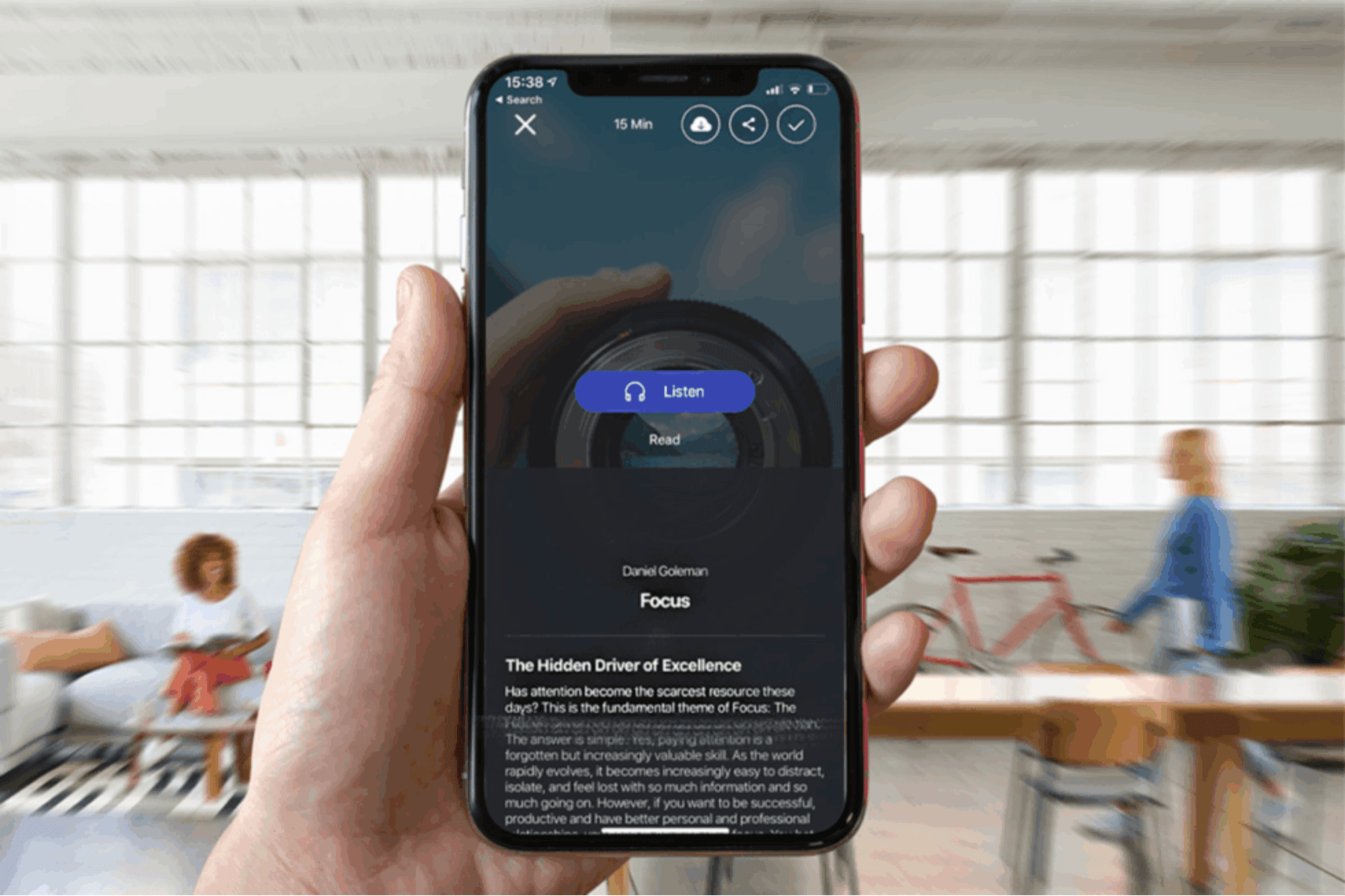
This modern app, 12min, is a productivity tool that distills the key insights from more than 1,800 bestselling titles into bite-size, 12-minute reads or audio summaries that are designed to fit your schedule. They call them micro-reads.

This isn’t just another summary app. It’s a business resource for leaders who want to sharpen their thinking, strengthen their strategy, and keep pace with new ideas—without carving hours out of their day. Whether you’re revisiting the classics like The 7 Habits of Highly Effective People or exploring the latest in marketing, leadership, or personal development, 12min helps you soak up game-changing lessons while you’re commuting, working out, or waiting for your next meeting.

Each micro book is crafted by real editors—not AI bots—so you get clear, accurate takeaways. Plus, you can access them offline, listen on the go, or send them straight to your Kindle.

You’ll get access to 30 new titles each month, unlimited downloads, and full access to categories like Leadership, Startups, Productivity, Sales, and Psychology. It’s everything you’ve wanted to read, but finally made manageable. That means your reading list evolves with the business world, from new books on AI strategy and remote leadership to emerging insights on personal productivity.

For a one-time payment, you’ll have lifetime access to a resource that makes you a sharper entrepreneur, smarter manager, and more well-rounded thinker.

Don’t miss getting a lifetime of 12min’s Premium Subscription for just $39.99 (reg. $399.90) while you can.

12min Micro Book Library: Lifetime Premium Subscription

See Deal

StackSocial prices subject to change

If you’re running a business, leading a team, or scaling a side hustle, chances are your “books to read” list is growing faster than the actual reading time you have available. But, there are ways around the time it takes to read an entire book.

This modern app, 12min, is a productivity tool that distills the key insights from more than 1,800 bestselling titles into bite-size, 12-minute reads or audio summaries that are designed to fit your schedule. They call them micro-reads.

This isn’t just another summary app. It’s a business resource for leaders who want to sharpen their thinking, strengthen their strategy, and keep pace with new ideas—without carving hours out of their day. Whether you’re revisiting the classics like The 7 Habits of Highly Effective People or exploring the latest in marketing, leadership, or personal development, 12min helps you soak up game-changing lessons while you’re commuting, working out, or waiting for your next meeting.

The rest of this article is locked.

Join Entrepreneur+ today for access.

https://www.entrepreneur.com/living/squeeze-a-whole-business-book-into-your-lunch-break/494113


How to Remove or Bury Negative Articles on Google

Opinions expressed by Entrepreneur contributors are their own.

Building a strong brand means recognizing potential reputation crises and knowing how to handle online articles that misrepresent you or your business. Negative press on Google can erode customer trustand disrupt your operations.

Burying negative search results can be complex, time-consuming and cost a fortune that in the long run will negatively affect the financials of your company or your career. Fortunately, there are branding experts who specialize in removing or burying unfavorable articles from the Google search engine. Whether you’re an individual or a business, it’s important to have a good reputation by removing any negative content as soon as possible.

Related: 5 Tactics to Bury Bad Press and Reclaim Your Brand Reputation

Benefits of deleting negative online articles

The public perception of your brand greatly depends on your ability to know how to remove bad search results. False reviews and misleading articles damage your credibility in many ways. Harmful content can even lower your search rankings when it increases your bounce rates and decreases click-through rates.

This means you’ll have fewer people visiting your site, which can significantly affect purchases and revenue. A lot of customers who may have wanted to do business with you may no longer want to after they read a bad article about your company. And the longer the bad information stays up on the internet, the worse the reputation damage will be.

Reach out to the website to report a breach of its content policies

Many websites enforce strict rules for the content they publish. If you discover an article about your brand that contains false or incorrect information, first review the site’s content policy. If the article appears to violate its rules, you may request its removal by providing proof that the article breaches a specific policy that they have.

Contact the site by providing clear facts why this article breaches the policy, and ask that they update it or remove it completely from the site.

Related: How to Remove Negative Reviews Online and Protect Your Online Reputation

Ask Google to take down the content from the search results

If you reach out to the website administrator and have no luck getting the content taken down, you can always ask Google to remove it for you. Google does a great job of helping users delete negative links that contain false information, fake content, or serious defamation, if the content qualifies for removal. You’ll have to explain your case and provide proof to support it.

Get in touch with the writer directly to discuss the issue

In many cases, contacting the author who wrote a specific piece directly is the most effective approach. Look up the email on the website, craft a nice email and explain what part of the article you believe is unfair or untrue. Make sure to include lots of facts and screenshots to back up your request. The writer might agree to edit or remove the article to maintain accuracy and credibility.

Related: The 5 ‘Cs’ Approach to Conflict Resolution in the Workplace

What does it mean to remove negative online articles?

Suppressing negative online content is much different than having it deleted, but it can still help your brand’s credibility in lots of ways. The search engine suppression process involves a mixture of unique approaches, like adding more positive content to the internet about your company, publishing press releases and optimizing SEO across multiple platforms.

When done strategically, the good content about your brand will take the place of the bad articles in search results.

Search engines often display social media profiles on Facebook, LinkedIn, Instagram and Twitter on the first page of results. You should definitely sign up for these services now if you haven’t already. Be sure to utilize your company name consistently across all of your profiles and to fill them out to the fullest.

Related: How to Better Manage Your Brand’s Reputation in the Digital Age

Build new websites focused on branded search terms

Building a new website is another way to suppress negative articles about your brand. The new site should be full of information that praises your company and all of its offerings. Highlighting the strengths in the webpages you publish will boost your credibility and search visibility.

It’s also a good idea to include a page that clearly outlines positive reviews provided by current and former customers. Over time, these pages will rise in their search rankings, suppressing the harmful articles that damage your brand image.

Publish articles on trusted external platforms

Next, you’ll want to create high-quality material on popular websites that have high search rankings. You can do this through contributions, insightful analyses and thought leadership articles. Pick subjects that are relevant to your field, and be sure to mention your company name subtly throughout. Upon publication, these pieces will bolster your brand’s credibility and redirect focus from previous negative mentions.

Build a presence with links

Having a strong brand presence on authoritative websites that have relevant articles to your industry is essential for suppressing negative information about your individual brand or your company. We live in a world where people use Google on a daily basis, and they always research the company before they want to work with it. That’s why links not only help build trust with potential customers but also push down unwanted or harmful search results on Google.

Research keywords that trigger a negative result

Find out what keywords bring up the bad article by Googling your name or company. Once you know which terms lead to the bad content, you can make new pages that employ the same keywords positively. Doing this will result in the new, positive content coming up first in search results by causing the unfavorable information to fall in the rankings.

Building a strong brand means recognizing potential reputation crises and knowing how to handle online articles that misrepresent you or your business. Negative press on Google can erode customer trustand disrupt your operations.

Burying negative search results can be complex, time-consuming and cost a fortune that in the long run will negatively affect the financials of your company or your career. Fortunately, there are branding experts who specialize in removing or burying unfavorable articles from the Google search engine. Whether you’re an individual or a business, it’s important to have a good reputation by removing any negative content as soon as possible.

Related: 5 Tactics to Bury Bad Press and Reclaim Your Brand Reputation

The rest of this article is locked.

Join Entrepreneur+ today for access.

https://www.entrepreneur.com/starting-a-business/how-to-deal-with-negative-articles-on-google/493404


Final Hours to Get Windows 11 Pro with Copilot for Just $10

Disclosure: Our goal is to feature products and services that we think you’ll find interesting and useful. If you purchase them, Entrepreneur may get a small share of the revenue from the sale from our commerce partners.

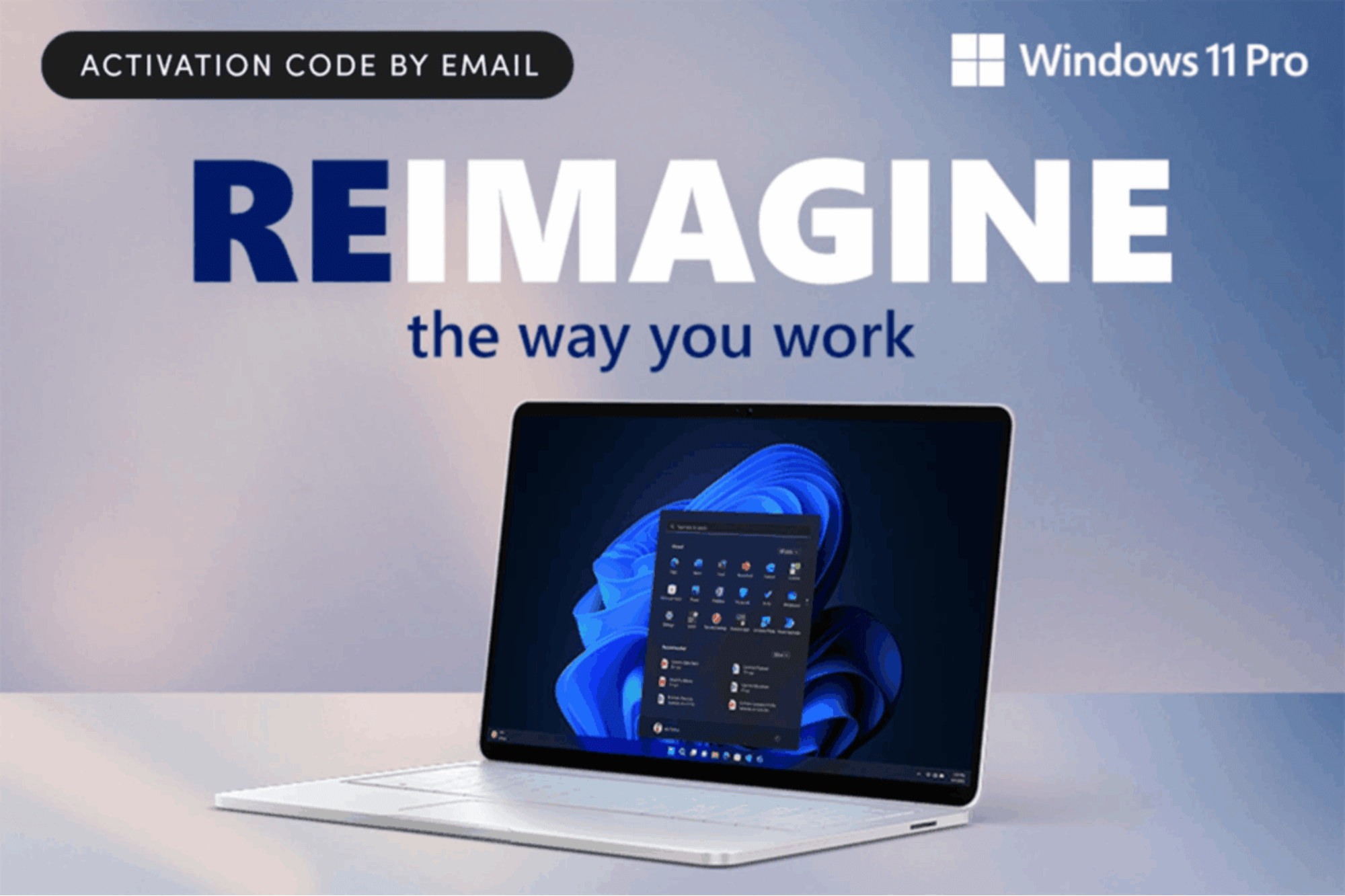
If your computer is still running Windows 10, the clock is ticking. Microsoft announced that it is ending support for the beloved OS later this year, meaning it will no longer offer free software updates or security releases. Rather than scramble to upgrade at full price later, get Windows 11 Pro at an all-time low price now.

While you may be able to install Windows 11 Home, the basic version, at no cost, you won’t get remote desktop access, BitLocker device encryption, Hyper-V, or other exclusive features. Besides, at only $9.97, this Windows 11 Pro key can upgrade two compatible PCs (reg. $199). This price is only valid through July 15.

Features designed to support professionals and remote workers

Like many, you may be procrastinating this upgrade because you think you won’t like the new user design, but there’s a lot to love. It’s not too unlike Windows 10, and you’ll have new productivity tools like snap layouts, an improved search function, and widgets to streamline your workdays.

Upgrading to Windows 11 also means you get Copilot, the AI assistant. Powered by a custom version of GPT-4, it’s basically like having the premium version of Open AI living in your PC for generating text, images, code, and answering questions.

Almost instantly after completing your purchase, you’ll receive an email with a download link and activation code to install Windows 11 Pro on up to two PCs, like your work and personal computers. Enjoy software upgrades as long as Microsoft supports this OS.

Why this deal is worth it

Operating systems aren’t just background software—they shape how efficiently (and securely) you work. With Windows 10 sunsetting soon, this Windows 11 Pro deal is a rare chance to modernize your tech stack without the usual price tag. For just $10, you can streamline two machines with pro-grade features typically reserved for business users. It’s also a smart hedge against future compatibility issues, software lockouts, or the rising cost of digital tools. Think of it as preventative maintenance that actually saves you money.

Don’t miss this Windows 11 Pro discount: $9.97 until July 15 at 11:59 p.m. PT (reg. $199). No coupon is needed to get this price.

Microsoft Windows 11 Pro

See Deal

StackSocial prices subject to change.

If your computer is still running Windows 10, the clock is ticking. Microsoft announced that it is ending support for the beloved OS later this year, meaning it will no longer offer free software updates or security releases. Rather than scramble to upgrade at full price later, get Windows 11 Pro at an all-time low price now.

While you may be able to install Windows 11 Home, the basic version, at no cost, you won’t get remote desktop access, BitLocker device encryption, Hyper-V, or other exclusive features. Besides, at only $9.97, this Windows 11 Pro key can upgrade two compatible PCs (reg. $199). This price is only valid through July 15.

Features designed to support professionals and remote workers

The rest of this article is locked.

Join Entrepreneur+ today for access.

https://www.entrepreneur.com/science-technology/final-hours-to-get-windows-11-pro-with-copilot-for-just-10/493940


101 Small Business Ideas to Match Your Personality, Investment, Skills & Goals

Opinions expressed by Entrepreneur contributors are their own.

Still stuck asking, “What business should I start?” You’re asking the wrong question.

Most entrepreneurs waste months chasing random business ideas that don’t fit their personality, skills, or lifestyle — then wonder why they burn out or get stuck.

But what if you could flip the script — and use AI to uncover 101 small business ideas that are custom-built for you?

In this video, I’ll show you exactly how to turn AI into your personal business strategist to:

  • Unlock 101 personalized, profitable small business ideas tailored to your skills, personality, time, and income goals.

  • Identify your top 3 business ideas that align with your values, energy, and long-term vision.

  • Use AI-powered scenario modeling to simulate real-world results before you commit — eliminating guesswork and costly mistakes.

  • Design a business that fits your life — not the other way around — with a custom 90-day AI game plan that includes your niche, monetization, automation tools, and ideal routine.

By the end, you won’t just have ideas — you’ll have clarity, focus, and a personalized roadmap to build a business that actually works for you.

If you’ve read The Wolf is at The Door or used my AI Starter Kit, you already know: The key to success isn’t random invention — it’s strategic reinvention, powered by AI.

Everything is broken down step-by-step — no tech skills required.

The AI Success Kit is available to download for free, along with a chapter from my new book, The Wolf is at The Door.

Still stuck asking, “What business should I start?” You’re asking the wrong question.

Most entrepreneurs waste months chasing random business ideas that don’t fit their personality, skills, or lifestyle — then wonder why they burn out or get stuck.

The rest of this article is locked.

Join Entrepreneur+ today for access.

https://www.entrepreneur.com/science-technology/101-small-business-ideas-to-match-your-personality/494206


How to Build a Side Hustle That Stands on Its Own — Without Burning Out

Opinions expressed by Entrepreneur contributors are their own.

Almost half of the U.S. workforce now juggles a side hustle alongside their day job. But starting one isn’t as simple as it sounds — especially when time and money are tight. The biggest challenge? Figuring out how to build a recognizable brand and generate steady cash flow without sacrificing your sanity.

If you want a side hustle that not only survives but thrives, you need a clear plan that plays to your strengths, solves real problems and grows steadily without overcomplicating things. Here’s a practical step-by-step guide to help you get there.

Related: 50 Side Hustle Ideas to Make Extra Money in 2025

Identify the problems your skills can solve

Your side hustle shouldn’t just be about what you like doing. It has to solve urgent problems that people are actively searching solutions for — and are willing to pay to fix. Start by honestly assessing your talents and how they can help others quickly and efficiently.

For example, if you’re skilled in accounting, don’t try to offer every possible service under the sun. Instead, focus on the three most common financial headaches your ideal customers face — maybe expense tracking, invoicing or monthly reporting. Develop simple, repeatable processes for each that deliver reliable results every time.

The key is to think like your customer: what problems do they want solved fast? What kind of solution would they find clear, trustworthy and easy to use? Focus on delivering exactly that — nothing more, nothing less.

Build a brand that’s simple, trustworthy and self-sustaining

Once you’ve defined your core services, package them clearly. Give each service a straightforward name that sticks in the mind without sounding gimmicky. Then develop a clear promise — a specific guarantee about the results customers can expect.

But remember: your brand is more than a logo or a website. It’s the full experience you provide, from first contact to finished service. That means consistent quality, clear communication and processes designed around your customers’ needs.

Keep your operations simple so your side hustle can run smoothly even when you’re not hands-on every minute. This consistency builds trust and helps your brand stand out as reliable and professional.

Resist the urge to expand too quickly

It’s tempting to chase every opportunity once your side hustle starts gaining traction. But adding new services or clients too fast can stretch your time thin and hurt the quality your customers expect.

Remember, your side hustle’s strength lies in its focus and consistency. Stick to your core services and deliver them exceptionally well. This approach not only protects your time but also creates strong word-of-mouth referrals — your most valuable marketing tool.

Expand only when you have the capacity and systems to maintain the same quality your customers trust.

Related: From Side Gig to 6-Figure Success — How I Built a Thriving Home-Based Business as a Busy Family Man

Stay consistent — that’s how growth happens

Consistency is your most powerful growth strategy. When your processes and results are predictable and dependable, your reputation spreads naturally.

If your workload grows, consider bringing in help — but only if the new team members add clear value or save you significant time. Think virtual assistants, freelancers or part-time help who can plug into your existing model without adding complexity.

Keep refining your core services and customer experience. This steady, consistent growth builds a sustainable side hustle that can one day become a full-time business — but on your terms.

Final thoughts

A side hustle doesn’t have to be overwhelming or chaotic. By focusing on solving real problems with simple, repeatable processes and maintaining a trustworthy, consistent brand, you can build something that lasts.

Avoid the common pitfalls of over-expansion and time overload by keeping your offerings focused and your operations lean. When the time is right, growth will come — and so will profitability.

With the right approach, your side hustle can stand strong, generate steady income, and maybe even become your next big success.


https://www.entrepreneur.com/starting-a-business/how-to-build-a-side-hustle-that-stands-on-its-own/490292