How Smart Entrepreneurs Turn Mid-Year Tax Reviews Into Long-Term Financial Wins

Opinions expressed by Entrepreneur contributors are their own.

We’re halfway through the year. The plans you set in motion back in January are hopefully moving along — and let’s be honest, the sunshine is calling. For most entrepreneurs, tax planning won’t resurface until the year-end scramble or next spring’s filing season.

But if you’re serious about improving your financial picture, now is the time for a mid-year tax strategy check-in. It doesn’t have to eat up your summer. Carve out a day or a few afternoons to look at these four areas, then schedule a meeting with your tax advisor. You might be surprised how far a little mid-year focus can take your business — and your finances.

Related: 5 Tips for Finding the Tax Advisor Who Will Save You Millions

1. Know your numbers

You can’t improve what you don’t understand. Start by reviewing your core financial metrics — revenue, expenses, cash flow and customer acquisition costs. Compare these to your business plan. Are you on track? Are there red flags or overlooked opportunities?

Also, come prepared to your advisor meeting with a clear estimate of your taxable income and projected tax liability. The last thing you want is a nasty surprise in April.

2. Maximize your deductions

Running a business comes with plenty of expenses — and many of them are deductible. That means they reduce your taxable income and, ultimately, your tax bill. It’s the government’s way of incentivizing reinvestment into your business.

Common deductible expenses include:

  • A reasonable salary for yourself
  • Travel related to business
  • Equipment, software, and other depreciable assets
  • Home office expenses
  • Continuing education

To prepare, make a list of your 2025 business expenses so far, plus projected spending through year-end. Then ask:

  • Is there a clear business purpose?
  • Is this a typical expense in your industry?
  • Is it necessary (i.e., does it drive profit or growth)?
  • Do you have proper documentation?

Bring any questionable items to your advisor for clarification. There could be savings you’re missing.

3. Explore available tax credits

While deductions reduce your taxable income, tax credits reduce your tax bill dollar-for-dollar — and in some cases, can even increase your refund.

Ask your advisor if you’re eligible for any of these common credits:

  • Providing child care for employees
  • Offering paid family and medical leave
  • Using individual-choice HRAs
  • Creating jobs in economically distressed areas
  • Investing in research and development

Tax credits are often underutilized, and a knowledgeable advisor will help you take full advantage of them.

Related: Why Mid-Year Tax Reviews Are a Must for First-Time Entrepreneurs

4. Think beyond this year

Yes, this review should help lower your 2025 tax bill. But the bigger win is long-term planning. Use this mid-year moment to zoom out: Are you building a system for long-term, tax-efficient wealth? Are you investing in ways that align with your growth strategy and the broader economy?

The tax code is full of incentives designed to reward entrepreneurs. That’s not a loophole — it’s a signal: the government wants you to grow, because you create jobs and fuel the economy.

So don’t settle for a CPA who just files your paperwork. Find an entrepreneurial advisor who can help you build a lasting, proactive strategy — someone who acts as a true financial partner, not just a form-filler.

A mid-year review could be the most lucrative move you make all year Taking a few hours to revisit your numbers, check for missed opportunities, and talk strategy could save you thousands — and set your business up for a stronger finish to the year. More than that, it helps you lead with clarity, confidence, and control over your financial future.

We’re halfway through the year. The plans you set in motion back in January are hopefully moving along — and let’s be honest, the sunshine is calling. For most entrepreneurs, tax planning won’t resurface until the year-end scramble or next spring’s filing season.

But if you’re serious about improving your financial picture, now is the time for a mid-year tax strategy check-in. It doesn’t have to eat up your summer. Carve out a day or a few afternoons to look at these four areas, then schedule a meeting with your tax advisor. You might be surprised how far a little mid-year focus can take your business — and your finances.

Related: 5 Tips for Finding the Tax Advisor Who Will Save You Millions

The rest of this article is locked.

Join Entrepreneur+ today for access.

https://www.entrepreneur.com/money-finance/how-smart-entrepreneurs-turn-mid-year-tax-reviews-into/492285


Tired of ‘Culturally Obtuse’ Products, This 27-Year-Old Took His Side Hustle From $1,000 a Month to 7-Figure Revenue: ‘Pick the Right Opportunity to Pursue’

It’s the era of the side hustle, and if you’ve ever considered starting one to earn some extra cash outside of your 9-5, you’re in good company. These days, more than one-third of U.S. adults have side hustles, and their supplemental gigs make an average of $891 a month, according to recent research from Bankrate. Of course, the most successful side hustlers see much higher earnings, especially when they start a business that brings in nearly as much as — or significantly more than — their full-time sources of income.

Victor Guardiola, 27, of Austin, Texas, is one of them. Learn more about Guardiola’s business journey, here. Responses have been edited for length and clarity.

Want to read more stories like this? Subscribe to Money Makers, our free newsletter packed with creative side hustle ideas and successful strategies. Sign up here.

What was your day job or primary occupation when you started your side hustle?
I was working at another CPG (consumed packaged goods) startup at the time, assisting the founder with fundraising and working on the marketing team. I worked as his right hand in fundraising primarily, and that helped me develop the skillset to fundraise for my brand.

Related: Her Postpartum-Inspired Side Hustle Hit $30,000 Revenue in 2 Months — Now It’s Making About $500,000 a Year: ‘I Truly Love Everything About It’

Where did you find the inspiration for your side hustle turned full-time business?
There were two primary reasons why I started Bawi. First, the nostalgic Mexican beverages my community and I were drinking were significantly impacting health. I dove into the academic literature around sugar-sweetened beverages (SSBs) and found that they were causing devastating metabolic health issues for millions of Latinos. This lack of health innovation was a strong motivator to bring a novel better-for-you, culturally relevant product to market. The second motivator was the lack of cultural representation in the CPG industry.

Image Credit: Garnish Studios

The cost to start a physical goods company is very high, and this results in less participation from minority groups who find it much more difficult to fund their startup. Nearly all startup funding comes from friends and families, and when you have a socioeconomic group with 5x less wealth than an average white household, you get less cultural innovation. To add insult to injury, the cultural innovators who are able to scale their products are rarely from the communities of the products’ origin. This means that you often find culturally obtuse products made from a board room as diverse as a summer in the Hamptons, competing against minority groups who are trying to represent their culture’s flavors on shelf.

Secondly, agua fresca is a ubiquitous product that has yet to be successfully commercialized for a mass market. This felt like a huge opportunity as the agua fresca category has wide consumer recognition and is culturally salient for many Latinos and non-Latinos alike. We began experimenting with a lower-sugar agua fresca that was fruit juice forward and used minimal ingredients. After taking the concept through an entrepreneurship practicum at The University of Texas at Austin, I realized that a better-for-you, culturally significant product like Bawi has legs to stand on. Health innovation and cultural representation were the two flagship motivations for starting Bawi.

What were some of the first steps you took to get your business off the ground?
Starting a business for anyone is tumultuous. The largest hurdle for most entrepreneurs in my category is fundraising. In order to have an investable business, we had to show signs of traction. We quickly launched into farmers markets to test the product-market fit. Nick Mares from Kettle & Fire actually gave us a grant to buy our initial farmers market setup. We wanted to know that a better-for-you agua fresca was a significant enough offering to be innovative within the beverage category. We spent about six months in the farmers markets tweaking the formula, trying to generate cash to fund the business, then the pandemic reared its head and on-site consumption was no longer allowed.

Related: After a 12-Year-Old’s Side Hustle Made Over $4,000 in 1 Day, He and His Dad Grew the Business to Nearly $50,000 a Month: ‘It Takes Commitment’

We had to pivot as I was beginning my role at the startup that would ultimately change my life. I learned to fundraise from my former boss, and in about a year, I landed my first investor. That investor was Patrick Terry from P. Terry’s Burger Stand, an Austin icon and restaurateur. That was enough capital for 20-year-old me to quit my job and pursue this full-time. After Patrick, many other investors got involved, including Michael Rypka from Torchy’s Tacos, and many former CPG executives.
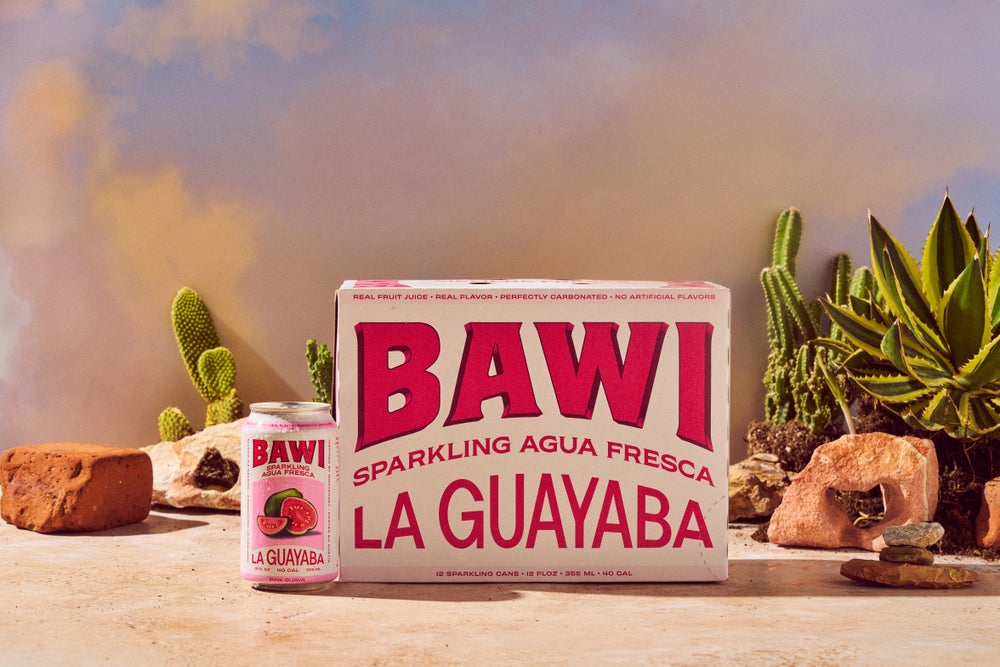
Image Credit: Garnish Studios

I aggressively cold-emailed for years to effectively raise capital for Bawi and add more significant subject-matter experts and notable names in the industry. I had followed up with my initial batch of investors at least a dozen times before I received a response — and that was a hard skill to learn. I learned to add value to each and every follow up, nurture relationships and create win-win outcomes for all stakeholders.

Are there any free or paid resources that have been especially helpful for you in starting and running this business?
I am a bit jaded with most incubators, as most of these programs and pitch competitions don’t speak to the actual needs of most entrepreneurs. Joining a community to network is one thing, but I would not rest your laurels on an accelerator changing the trajectory of your business. Many of these programs offer accounting or finance workshops, and when they’re genuinely helpful to you, use them. Most of the entrepreneurs I mentor and coach who have already established some semblance of product-market-fit struggle with fundraising squarely, as their core constraint. They are not able to get to the next threshold without outside investment.

The most compelling piece of advice I would give is to network genuinely and intentionally. Reach out to anyone and everyone out of genuine interest and make it as easy as possible for someone to pick up the phone or answer your email. You need to build a golden bridge for others to walk across, and you do that by having a small ask (15 minutes of your time) and being direct and concise. It is much more effective to reach out to someone who has scaled their business and ask for advice, as opposed to leading with your investment deck and asking for funding. If someone wants to be helpful and is excited about what you’re doing, they’ll communicate it. Send more cold emails — they are all additive. Building a network from zero is remarkably difficult for first-generation immigrants, but if I can do it…anyone certainly can. Fundraising and networking are skills just like anything else.

If you could go back in your business journey and change one process or approach, what would it be, and how do you wish you’d done it differently?
I wish that I would have hired the right people sooner, even if they were a bit more expensive. Those early-stage hires have a tremendous impact on the trajectory of the business, and having the wrong people involved can hamstring you in such profound ways. Every entrepreneur should think of the next hire sooner. The cost of having the wrong people involved in your team is extraordinarily high at an early stage. If anyone is causing friction in the business and not adding value, you need to move on. The cost of letting someone go only compounds with time.

Related: This Nashville Mom Started a Flexible Side Hustle on Facebook — Then Grew It From $1,000 to $275,000 a Month: ‘Like a Scavenger Hunt’

When it comes to this specific business, what is something you’ve found particularly challenging and/or surprising that people who get into this type of work should be prepared for, but likely aren’t?
The sheer amount of relationships to manage in the CPG business is immense. Scaling a business requires you to point your attention at the right problems, as you likely don’t have the team to attend to any and every opportunity. This goes to my earlier point of networking, too. The entrepreneurs in my circles who fall flat when faced with a steep challenge often lack the network and context to address the issue.

How long did it take you to see consistent monthly revenue? How much did the side hustle earn?
My side hustle became a full-time position in 2022. That was when we were starting to go from farmer’s markets doing about $1,000 to $2,000 per month to our canned beverage business that began doing $10,000 per month in our first year. This was enough traction to realize that we were onto something.

Related: These Married Doctors Used ChatGPT to Start a Side Hustle That Has Nothing to Do With Healthcare — and It’s on Track to Hit $75,000

What does growth and revenue look like now?
Growth is significantly more aggressive now that we raised our series seed last year and added a few important team members. We had our best month in March 2025, broke that record again in May and are on track to surpass seven figures this year.
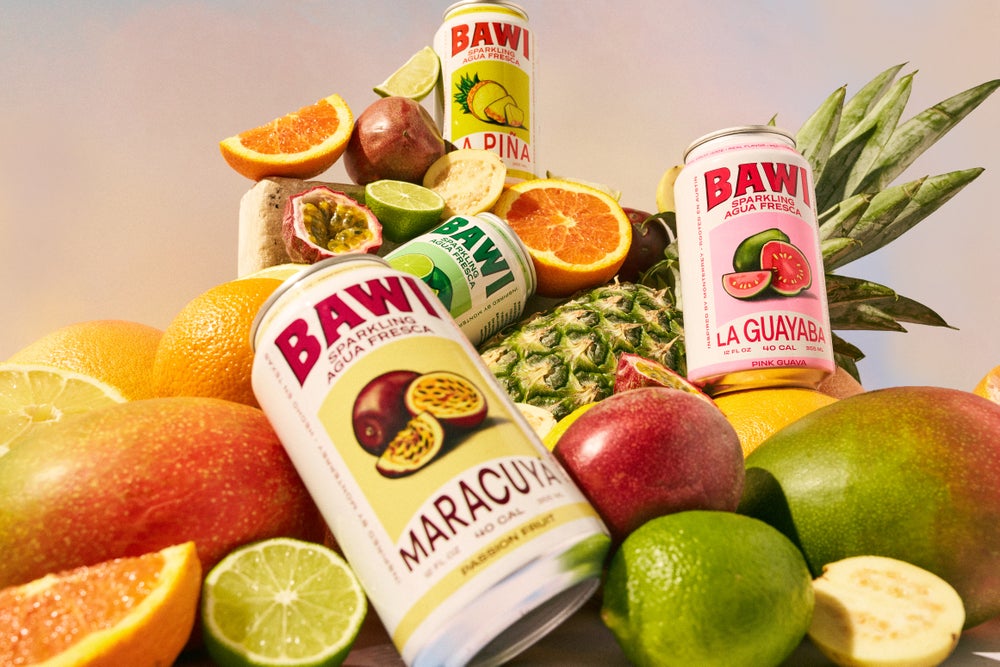
Image Credit: Garnish Studios

How much time do you spend working on your business on a daily, weekly or monthly basis? How do you structure that time; what does a typical day or week of work look like for you?
At a minimum, I am working on Bawi roughly 50 hours per week. My typical day includes meeting with my team members in their respective departments, doing business development (pitching us for new sales opportunities) and taking care of miscellaneous administrative tasks across the company. Every week, I am focused on getting one to three major projects across the finish line, and I find that focusing on any more than that reduces the quality of my output. Investor relations are a key component of my role, as all our investors ultimately reach out to me for any opportunities or questions.

My usual Monday through Friday schedule follows:

  • 5:30 a.m. – 7:00 a.m. – Wake up, hydrate, tidy up, emails
  • 7:00 a.m. – 8:45 a.m. – gym, sauna, meditate
  • 9:00 a.m. – 5:00 p.m. – Bawi HQ

I am usually pulled into events on the weekend and have one or two calls with investors or team members. Small teams are effective but require more management and that’s simply the stage we’re at right now.

I also want to note that I am vehemently against excessive hustle culture. You can work hard and take care of yourself at the same time. In fact, taking care of yourself makes you better at your job. This schedule works for me, after trying every amalgamation of a morning routine and work day possible. This is all subject to change with time; it’s vital to work hard but not be so rigid in your lifestyle. Everything in moderation, even moderation.

What do you enjoy most about running this business?
Every can of Bawi is a vessel of culture. We are reshaping attitudes around Hispanicity, cultural innovation and representation. I truly enjoy being at the forefront of shaping the landscape of how my community interacts with our cuisine. It has been wonderful to receive messages from my hispanic consumers who feel seen by our package design and heard by our nutritional profiles. We are causing the industry to change for the better, one Bawi at a time.

Related: This Husband and Wife’s ‘Happy Accident’ Side Hustle Hit $467,000 Revenue Fast — Now It Makes Over $1 Million a Year: ‘We’re Scrappy’

What is your best piece of specific, actionable business advice?
Pick the right opportunity to pursue. Many entrepreneurs embark on their journey with grandiose ambitions of scaling a seven-figure company into a massive exit. These opportunities only exist if there is exceptional product-market fit and best-in-class execution. The TAM (total addressable market) for the opportunity has to be big enough to attract a large market. Before even beginning the fundraising conversation, you need to ensure that your innovation fits a large enough opportunity to be worth pursuing. I started officially hosting office hours for minority entrepreneurs last year, and I’d say less than 5% have a business innovative enough to be worth pursuing.

This isn’t to take away from the passion behind an entrepreneurial idea that captivates someone; this is just necessary context and perspective before embarking on this journey. As soon as you raise capital for your concept, you have to do right by your backers and pursue the opportunity aggressively. As an example, if I were pitched an Ashwaganda-infused probiotic Zebra milk, I’d take pause. The beverage market for Zebra milk doesn’t seem compelling enough to pursue. Think long and hard about how innovative your product really is within its category and establish traction before putting real time or energy behind anything.

This article is part of our ongoing Young Entrepreneur® series highlighting the stories, challenges and triumphs of being a young business owner.

https://www.entrepreneur.com/starting-a-business/how-this-man-grew-his-beverage-side-hustle-from-1k-a-month/493447





Why Every Entrepreneur Must Prioritize Ethical AI — Now

Opinions expressed by Entrepreneur contributors are their own.

It’s not a secret to the world that artificial intelligence is here, and it’s no longer just a buzzword — it’s quickly becoming a fundamental force that’s reshaping thought processes and actual landscapes for entrepreneurs everywhere. Whether streamlining operations, enhancing customer experiences, unlocking innovation within the workforce or just dabbling and playing around with what AI can do, it is occurring at an unprecedented scale today.

The technology presents boundless opportunities and exponential value … once tamed. However, with all of this innovation, opportunity and great potential comes even more responsibility. As we rapidly accelerate the adoption of AI, many, many entrepreneurs are facing significant, urgent questions revolving around the ethics, fairness and responsibility of such technology.

Countless entrepreneurs are now asking themselves, “How can I harness the power of AI without losing sight of the ethical principles?” How can early-stage startups today continue to grow quickly while ensuring they’re also thinking of responsible, socially conscious decisions? With every new technology, the ethical repercussions are always a part of the decision to adopt. They’re not theoretical; they’re very practical, critical if missed, as today, customers, investors and regulators are increasingly focusing on how startups are answering this very important question.

Related: 4 Steps Entrepreneurs Can Take to Ensure AI Is Being Used Ethically Within Their Companies

Do you understand ethical AI and what it means today?

If you’re thinking ethical AI is simply just a matter of avoiding harm, you’d be a ways away from fully understanding the overall concept. Ethical AI isn’t simply avoiding harm; it’s facing it head-on and understanding what to do in the moment. It’s actively ensuring that AI systems are fair, transparent and accountable as they can be from development into the hands of consumers. Today, there’s too much ambiguity and uncertainty within systems, whereas consumers and stakeholders of the organization expect it to align with the values of fairness, inclusivity and transparency, especially in the face of utilizing AI.

In a 2023 study, Deloitte revealed that a majority of consumers would stop buying from companies found using AI irresponsibly or unethically. Today, ethical AI is imperative, and embracing it doesn’t just minimize risks for entrepreneurs; it could potentially enhance brand value and customer trust over others.

Quick check:

  1. Does your AI application being developed respect the privacy of users and adhere to the transparency standards of your respective country or location?

  2. Are you clearly communicating with customers and internal employees on how your AI makes decisions?

Fairness and bias: It isn’t subsiding — it’s a growing concern

When it comes to bias within a system, many think of different things and different outcomes. When algorithmic biases are prevalent, AI systems unintentionally introduce and reinforce existing societal biases. This is quickly becoming one of the biggest ethical concerns of the AI industry as it continues to grow. Many biases are completely hidden, and you would never know you’ve been introduced to them. Many times, these biases often appear extremely subtle, such as within hiring algorithms that feed ATS systems, financial approvals within banks and personalized marketing programs.

MIT’s Media Lab is no stranger to AI. Research from the institute highlights instances where biased AI has negatively impacted hiring, explicitly disproportionately excluding women and minorities within qualified job applications. This is crucial to identify and recognize early on within AI applications. A company that proactively audits their AI algorithms being developed for fairness, unbiased results and analysis not only helps mitigate such risks but also positions your organization as a responsible and forward-thinking trusted party.

Related: Avoid AI Disasters and Earn Trust — 8 Strategies for Ethical and Responsible AI

Transparency builds trust

In today’s AI marketplace, transparency isn’t optional — it’s essential to ensure consumers of your products know how decisions that could affect their lives are being made. Regulators worldwide are increasingly identifying ways to require businesses to disclose AI processes in a clear and understandable way. Whether these regulations stay around or not, the concept of regulating this new emerging technology was still there.

You must look at transparency as building credibility and trust, two increasingly important aspects for brand reputation. You don’t need to go far to see a major player within the AI game promoting just this concept. OpenAI CEO Sam Altman underscores the importance by saying, “AI must be understandable to earn trust; transparency isn’t a burden — it’s a strategic advantage.”

Privacy and data responsibility

We’re in the age of Big Data, and it’s data that fuels AI like wildfire — but mishandled and inaccurate data can turn AI into a quick reputational disaster. Entrepreneurs must be ethical when obtaining data. They must balance company and product innovation with a rigorous effort on privacy protections, ensuring the security of personal data within frameworks such as GDPR and CCPA.

Apple has one of the most stringent proactive privacy stances within the industry, highlighting a competitive advantage: a 2022 Consumer Reports study found that 82% of customers prefer brands that actively protect their data privacy. Prioritizing consumer privacy, whether a customer or not, isn’t just responsible — it’s good business practice.

Taking a stand for ethical AI: Your entrepreneurial imperative

Ultimately, emerging technologies with such potential as AI inherently come paired with significant responsibilities for those developing such technology. Entrepreneurs with ideas that thrive within the age of AI won’t simply be those who utilize the most advanced systems but instead those who fully and completely understand the inherent risks and ethical implications that come with it.

Related: What Will It Take to Build a Truly Ethical AI? These 3 Tips Can Help.

The call to action here is clear: For those creating and developing such technologies, proactively embedding ethical standards into your AI strategies now will go a long way, safeguarding not only your customers but also your business continuity, reputation and future growth.

If you take one thing away here, it is to remember that ethical AI isn’t about avoiding the problems that will present themselves; it’s about seizing opportunities. The ethical image and leadership that you portray can define your brand, differentiate you from your competitors and position your startup as one of the premier AI companies seeking to succeed responsibly and sustainably in the ever-fast-changing world.

It’s not a secret to the world that artificial intelligence is here, and it’s no longer just a buzzword — it’s quickly becoming a fundamental force that’s reshaping thought processes and actual landscapes for entrepreneurs everywhere. Whether streamlining operations, enhancing customer experiences, unlocking innovation within the workforce or just dabbling and playing around with what AI can do, it is occurring at an unprecedented scale today.

The technology presents boundless opportunities and exponential value … once tamed. However, with all of this innovation, opportunity and great potential comes even more responsibility. As we rapidly accelerate the adoption of AI, many, many entrepreneurs are facing significant, urgent questions revolving around the ethics, fairness and responsibility of such technology.

Countless entrepreneurs are now asking themselves, “How can I harness the power of AI without losing sight of the ethical principles?” How can early-stage startups today continue to grow quickly while ensuring they’re also thinking of responsible, socially conscious decisions? With every new technology, the ethical repercussions are always a part of the decision to adopt. They’re not theoretical; they’re very practical, critical if missed, as today, customers, investors and regulators are increasingly focusing on how startups are answering this very important question.

The rest of this article is locked.

Join Entrepreneur+ today for access.

https://www.entrepreneur.com/science-technology/why-every-entrepreneur-must-prioritize-ethical-ai-now/489807


Your Contracts Could Be Limiting Your Revenue Potential and Increasing Risk in Your Business. Here’s How to Take Control.

Opinions expressed by Entrepreneur contributors are their own.

For growing companies, especially those navigating long-term service contracts, standardized sales contracts are more than paperwork … they’re a strategic tool for managing risk and maximizing revenue. Yet many organizations still suffer from costly inconsistencies, miscommunication between teams and untracked contract terms that result in lost income and avoidable legal exposure.

Gone are the days of contracts scribbled on napkins. Modern contract management relies on formal processes and documentation.

Here are some insights for a proactive approach to contract standardization, starting with bridging the gap between the sales and legal teams.

Related: 5 Simple, Proven Ways to Improve Contract Management

1. Contracts are risk management and revenue tools

At their core, contracts are commitments. That means they’re just as much about risk management as they are about revenue generation.

If your sales team over-promises — perhaps offering more services than your team can deliver or ignoring necessary protections like indemnification clauses — they could expose your business to legal liability or reputational harm. On the revenue side, failing to include pricing escalators in multi-year contracts or not tracking tiered pricing models accurately can leave serious money on the table.

In my experience, a contract without proper safeguards and missing price escalators is a legal minefield fraught with exposure for an entire organization from sales to legal operations.

Key takeaway: You must know what’s in the contract and ensure the whole organization knows it, too.

2. Cross-team visibility prevents pitfalls

One of the biggest pain points in many organizations is a lack of inter-departmental communication. The sales team might know a contract was signed, but legal, finance or operations may not understand the terms the sales team and client agreed to.

Without standardized language and a clear handoff process, your business risks:

Best practice: Make the contract visible and actionable across departments, not just sales and legal, but also finance, customer success and operations.

3. Technology enables contract lifecycle management (CLM)

Platforms like Salesforce, when integrated with CLM tools, can streamline contract creation, negotiation, approval and execution. With the right setup:

This reduces friction for sales reps eager to close a deal while ensuring legal safeguards for the organization at large remain intact.

Related: 6 Mistakes to Avoid When Creating Client Contracts

4. Create incentives for legal-sales collaboration

Salespeople’s primary function within an organization is to generate revenue and drive business growth, but that shouldn’t come at the expense of your company’s legal position. By incentivizing collaboration with legal, you can turn contract compliance into a shared goal.

Ideas to consider:

  • Provide legal-approved “talking points” to the sales team to address clients’ questions or attempts to negotiate key provisions. Offer training so the salesperson or team understands the rationale behind key clauses (e.g., indemnification from all but gross negligence)

This builds a culture of shared accountability, rather than bottlenecks or blame.

5. Give your team the right language

Legal teams can empower sales by equipping them with scripts and tools to handle tough conversations. For example, if a client’s attorney wants to revise an indemnity clause, sales should be prepared with:

Idea: Require your legal department to create standardized messaging for sales reps so they can confidently represent the organization’s position without overstepping.

Related: Do You Know Where Your Contracts Are

Standardizing contracts isn’t just about reducing paperwork; it’s about creating sustainable growth. When contracts are uniform, enforceable and visible across your organization, you’re better positioned to avoid risk, capture full revenue and scale smoothly.

If you’re still relying on ad hoc contract editing and siloed communication, it’s time to rethink the process. The return on investment for collaboration between sales and legal isn’t just compliance; it’s peace of mind and profit.

For growing companies, especially those navigating long-term service contracts, standardized sales contracts are more than paperwork … they’re a strategic tool for managing risk and maximizing revenue. Yet many organizations still suffer from costly inconsistencies, miscommunication between teams and untracked contract terms that result in lost income and avoidable legal exposure.

Gone are the days of contracts scribbled on napkins. Modern contract management relies on formal processes and documentation.

Here are some insights for a proactive approach to contract standardization, starting with bridging the gap between the sales and legal teams.

The rest of this article is locked.

Join Entrepreneur+ today for access.

https://www.entrepreneur.com/growing-a-business/what-you-need-to-know-before-you-sign-another-contract/493495


Thousands of Lottery Players Were Mistakenly Told They Won Millions

All you need is a dollar and a dream…and a forgiving heart.

CBS News reports that thousands of people in Norway who played the Eurojackpot lottery were incorrectly told that they had won big money — millions! — when, in fact, they won much smaller amounts.

Norsk Tipping, the state-owned gambling company, explained that the mistake was made due to a currency conversion error. The winnings come to the company from Germany in Euros. And when they were converted to Norwegian kroner, they were multiplied by 100 instead of divided by 100.

Related: New York Man Wins $10 Million Lottery Scratch Off. Twice.

Tonje Sagstuen, CEO of Norsk Tipping, said in a statement that they were “terribly sorry to have disappointed so many” and detailed some of the not-very-happy missives they’ve received.

“I have received many messages from people who had managed to make plans for holidays, buying an apartment, or renovating before they realized that the amount was wrong,” Sagstuen said. “To them I can only say: Sorry! But I understand that it is a small consolation.”

One winner said she began a renovation project after receiving a notification that she had won 1.2 million kroner ($119,000), but received much less, per the BBC.

And when Sagstuen says she’s sorry, she really means it. Following the debacle, she announced she was stepping down as CEO and leaving the company she had worked at since 2014.

All you need is a dollar and a dream…and a forgiving heart.

CBS News reports that thousands of people in Norway who played the Eurojackpot lottery were incorrectly told that they had won big money — millions! — when, in fact, they won much smaller amounts.

Norsk Tipping, the state-owned gambling company, explained that the mistake was made due to a currency conversion error. The winnings come to the company from Germany in Euros. And when they were converted to Norwegian kroner, they were multiplied by 100 instead of divided by 100.

The rest of this article is locked.

Join Entrepreneur+ today for access.

https://www.entrepreneur.com/business-news/thousands-of-lottery-players-mistakenly-told-they-won/494036


Warren Buffett Donates a Record $6 Billion to Various Foundations. Here’s How the Money Is Being Split Up.

Warren Buffett, 94, donated a record $6 billion worth of Berkshire Hathaway stock to five foundations on Monday, his largest annual donation since he started his philanthropic journey in 2006.

The Berkshire Hathaway CEO donated about 12.36 million Berkshire Class B shares, bringing his overall lifetime giving to the charities to over $60 billion.

He donated 9.43 million shares to the Gates Foundation, 943,384 shares to the Susan Thompson Buffett Foundation, and 660,366 shares to each of the three organizations led by his children, Howard, Susie, and Peter Buffett: the Howard G. Buffett Foundation, the Sherwood Foundation, and the NoVo Foundation.

Related: Warren Buffett Says to Forget About 10,000 Hours of Practice — If You Want to Master Something, Do This Instead

The donations were delivered on Monday.

Warren Buffett. Photo by Paul Morigi/WireImage
Buffett noted in a press release that he first made lifetime commitments to the five foundations on June 26, 2006, when he owned about $43 billion worth of Berkshire shares, which represented more than 98% of his net worth.

Related: Warren Buffett’s Successor, Greg Abel, Outlined Berkshire Hathaway’s Critical Values at the Company’s Annual Meeting. Here’s What You Missed.

In the nearly two decades since that commitment, Buffett has “neither bought nor sold” any Berkshire shares, and stated that he does not intend to do so in the future. Over the past five years alone, Berkshire stock has grown by over 170% and Buffett’s fortune has grown along with it.

After Monday’s donation, Buffett still owns about $145 billion worth of Berkshire shares, which comprise the vast majority of his net worth.

“I have no debts and my remaining A shares are worth about $145 billion, well over 99% of my net worth,” Buffett stated in the press release.

Before the donations on Monday, the Bloomberg Billionaires Index estimated that Buffett was the eighth richest person in the world, with a net worth of $152 billion. A net worth of around $145 billion would make him the eleventh richest person.

Related: Warren Buffett’s Berkshire Hathaway Sells Nearly Half of Its Apple Stake, Cuts Holdings 3 Quarters in a Row

Buffett’s donation this year is higher than his previous record of $5.3 billion last June. Buffett changed his will last year such that 99.5% of his fortune would be placed in a charitable trust overseen by his three children upon his death. Buffett’s children will have about a decade to decide where the money will go and must make the decisions unanimously. Susie Buffett is 71, Howard Buffett is 70, and Peter Buffett is 67.

Each of their organizations has a different focus. Susie Buffett helms the Susan Thompson Buffett Foundation, which supports reproductive health, and the Sherwood Foundation, which focuses on Nebraska nonprofits and early childhood education. The Howard Buffett Foundation, named after its lead, emphasizes ending global hunger and conflicts, while the NoVo Foundation, led by Peter Buffett, supports marginalized women and indigenous communities.

Warren Buffett has led Berkshire since 1965. The conglomerate, worth over $1 trillion at the time of writing, owns more than 60 companies, including Geico, Duracell, and Dairy Queen. Buffett announced in May that he would be retiring as Berkshire’s CEO in January, and his successor, Greg Abel, 62, would take over.

Warren Buffett, 94, donated a record $6 billion worth of Berkshire Hathaway stock to five foundations on Monday, his largest annual donation since he started his philanthropic journey in 2006.

The Berkshire Hathaway CEO donated about 12.36 million Berkshire Class B shares, bringing his overall lifetime giving to the charities to over $60 billion.

He donated 9.43 million shares to the Gates Foundation, 943,384 shares to the Susan Thompson Buffett Foundation, and 660,366 shares to each of the three organizations led by his children, Howard, Susie, and Peter Buffett: the Howard G. Buffett Foundation, the Sherwood Foundation, and the NoVo Foundation.

The rest of this article is locked.

Join Entrepreneur+ today for access.

https://www.entrepreneur.com/business-news/berkshire-hathaway-ceo-warren-buffett-donates-6-billion/494032


This AI-Powered Stock Picker Could Make You the Next Warren Buffett

Disclosure: Our goal is to feature products and services that we think you’ll find interesting and useful. If you purchase them, Entrepreneur may get a small share of the revenue from the sale from our commerce partners.

Even the most business-savvy self-starters can feel out of their depth in the stock market. With charts, ratios, earnings calls, and today’s insane volatility to navigate, it’s no wonder many people avoid investing altogether. However, you may be missing out on financial freedom or an early retirement if you continue to put it off.

Sterling Stock Picker breaks down those barriers using smart, strategic AI that personalizes your portfolio and teaches you while you invest. You’ll feel more confident before investing your first dollar and understand when it’s time to pull out. You can use code SAVE20 at checkout to get lifetime access for $55.19, regularly $486.

How it works: Invest in 3 simple steps

Sterling makes it surprisingly simple to start investing in stocks, even if this is your first time. Start by taking a 5-minute quiz to assess your risk tolerance, so the platform understands how bold or cautious you want to be. This ensures all future recommendations are tailored to your comfort level.

Second, you can use the intuitive stock picker to explore companies that match your values, investment goals, and risk appetite. You don’t need to know what a PEG ratio is or how to read a balance sheet—Sterling does the number crunching for you and gives you a clear “buy,” “sell,” or “hold” recommendation using its patent-pending North Star tech.

Once you’re ready, the platform helps you build a diversified stock portfolio automatically. And if you have questions, like whether a certain sector is a good bet right now or if a trending stock is too risky, you can ask Finley, your built-in AI investment coach powered by ChatGPT. It’s like having a financial advisor and mentor rolled into one.

Whether you’re investing $100 or $10,000, Sterling helps you invest with purpose, clarity, and confidence.

Use code SAVE20 at checkout for a limited time to get a Sterling Stock Picker lifetime subscription for $55.19 (reg. $486).

Sterling Stock Picker: Lifetime Subscription

See Deal

Why this deal is worth it

In 2025, the stock market has been anything but predictable. Between tech surges, inflation swings, and ongoing global shifts, there’s been no shortage of volatility—and with that, opportunity. For self-starters who want to capitalize on market dips and sudden upswings, having an AI stock picking app to guide your decisions is more valuable than ever.

StackSocial prices subject to change.

Even the most business-savvy self-starters can feel out of their depth in the stock market. With charts, ratios, earnings calls, and today’s insane volatility to navigate, it’s no wonder many people avoid investing altogether. However, you may be missing out on financial freedom or an early retirement if you continue to put it off.

Sterling Stock Picker breaks down those barriers using smart, strategic AI that personalizes your portfolio and teaches you while you invest. You’ll feel more confident before investing your first dollar and understand when it’s time to pull out. You can use code SAVE20 at checkout to get lifetime access for $55.19, regularly $486.

How it works: Invest in 3 simple steps

The rest of this article is locked.

Join Entrepreneur+ today for access.

https://www.entrepreneur.com/technology/try-this-ai-powered-stock-picker/493739


Lifelong Access to 1,000+ Skill Courses Is Now Just $20

Disclosure: Our goal is to feature products and services that we think you’ll find interesting and useful. If you purchase them, Entrepreneur may get a small share of the revenue from the sale from our commerce partners.

If you’re leading a business—or building one from the ground up—here’s a tip: your competitive edge is only as sharp as the skills you keep refining. With EDU Unlimited by StackSkills, you can do just that—for $19.97.

That’s not a monthly fee. That’s lifetime access to over 1,000 curated courses designed to help business leaders, freelancers, and side hustlers gain an edge in today’s fast-moving landscape.

This platform offers a curated mix of high-impact content in tech, design, development, marketing, finance, and even soft skills that boost leadership and communication. Whether you want to better understand cloud security before your next pitch meeting or finally wrap your head around growth hacking to boost user acquisition, EDU Unlimited has you covered.

Led by 350+ vetted, elite instructors, each course is self-paced, practical, and focused on real-world applications—not fluff. You’ll also get certifications to show off your new skills, monthly course updates to keep the learning fresh, and quarterly webinars with instructors who’ve walked the walk.

Think of it as the Netflix of business skills—but instead of binge-watching dramas, you’re building the skillset that powers your next big business leap. From a Manhattan co-working space to a suburban home office, the lessons apply across industries, stages, and time zones.

Skip the expensive boot camps and recurring fees and get lifetime access to a world of growth to use whenever, wherever.

Just $19.97 (reg. $600) gets you StackSkills Unlimited for life—through July 20 only.

EDU Unlimited by StackSkills: Lifetime Access

See Deal

StackSocial prices subject to change.

If you’re leading a business—or building one from the ground up—here’s a tip: your competitive edge is only as sharp as the skills you keep refining. With EDU Unlimited by StackSkills, you can do just that—for $19.97.

That’s not a monthly fee. That’s lifetime access to over 1,000 curated courses designed to help business leaders, freelancers, and side hustlers gain an edge in today’s fast-moving landscape.

This platform offers a curated mix of high-impact content in tech, design, development, marketing, finance, and even soft skills that boost leadership and communication. Whether you want to better understand cloud security before your next pitch meeting or finally wrap your head around growth hacking to boost user acquisition, EDU Unlimited has you covered.

The rest of this article is locked.

Join Entrepreneur+ today for access.

https://www.entrepreneur.com/science-technology/access-to-1000-skill-courses-is-now-just-20/493738


17 Surprising Ways 7-Figure Solopreneurs Are Using AI — And You’re Not

Opinions expressed by Entrepreneur contributors are their own.

If you’re still using ChatGPT to write Instagram captions or answer surface-level questions, you’re leaving serious growth on the table.

In this video, you’ll uncover 17 high-leverage AI strategies designed to scale your solo business, increase profitability, and eliminate guesswork.

You’ll discover how to:

  • Audit your website and landing pages using Google AI’s Realtime Feedback — like having a 24/7 marketing analyst
  • Analyze your last six months of email campaigns to uncover revenue leaks and performance goldmines
  • Write higher-converting subject lines, sales pages and ads — based on what’s proven to work
  • Reverse-engineer viral competitor content, pricing models and bonus stacks
  • Perform deep market research without paying $200 per month for bloated SEO software
  • Extract customer pain points from Amazon reviews and turn them into powerful marketing angles
  • Automate onboarding, voiceovers and short-form content using tools
  • Streamline your business using pre-built GPTs and personalized AI workflows to save hours each week

These are the same tools and tactics I’ve used to dramatically boost conversions, free up time and run a lean, high-impact business.

No tech skills required — just a smarter way to grow. This isn’t about saving time. It’s about gaining leverage. If you’re ready to turn AI into your unfair advantage, this video is your roadmap.

Save it for later — and let’s dive in.

The AI Success Kit is available to download for free, along with a chapter from my new book, The Wolf is at The Door.

If you’re still using ChatGPT to write Instagram captions or answer surface-level questions, you’re leaving serious growth on the table.

In this video, you’ll uncover 17 high-leverage AI strategies designed to scale your solo business, increase profitability, and eliminate guesswork.

You’ll discover how to:

The rest of this article is locked.

Join Entrepreneur+ today for access.

https://www.entrepreneur.com/science-technology/17-wild-ai-use-cases-fuelling-7-figure-solopreneurs-youve/493933


Here’s How Difficult It Is to Get a Goldman Sachs Summer Internship

Goldman Sachs’ famed summer internship program began last week. The 10-week program allows college students to “spend the summer learning from the firm’s leaders, working on the most consequential challenges in finance, and growing as professionals,” according to the company.

But you’ll have an easier time getting accepted into Harvard University than becoming a Goldman Sachs summer intern. While Harvard boasted a low 3.6% acceptance rate for its undergraduate class of 2028, Goldman Sachs had an even lower acceptance rate for its 2025 summer internship: 0.7%.

Related: Goldman Sachs Asks Some Managers to Move From Major Hubs Like New York City to Emerging Regions Like Dallas — Or Quit

Over 360,000 global applicants applied for 2,600 seats in offices around the world, marking “the most competitive intern class” in the bank’s history, the firm noted in a LinkedIn post. Over 500 schools were represented, with more than 85 languages spoken among the accepted batch.

Since David Solomon took over as Goldman Sachs CEO in 2018, the number of applicants for the bank’s coveted summer internship program has grown more than 300%, according to Fox Business. Compared to a year ago, the applicant pool has expanded by 15%.

Goldman isn’t the only bank with a less than 1% acceptance rate for its summer internship. JPMorgan reported receiving 493,000 applications last year for 4,000 seats, marking an acceptance rate of 0.8%.

The interview process for Goldman internships involves two steps: First, a 30-minute video interview with HireVue, and second, a “superday” final round of interviews with two to five interviewers. Engineering candidates additionally have to pass an online skills assessment.

According to Glassdoor, interns were asked questions like “Walk me through your resume,” “Explain banking like you were five,” and “Why Goldman Sachs?”

Related: Goldman Sachs CIO Says Coders Should Take Philosophy Classes — Here’s Why

The application process for Goldman’s intern program begins over a year in advance, in the spring of the previous year. Final round interviews are already underway for candidates for next year’s internship class. Applicants have typically completed their junior year of college by the time the internship starts, making them sophomores at the time they apply.

What’s harder than landing an internship at JPMorgan or Goldman Sachs? Being a NASA astronaut, which only accepted 10 out of 12,000 applicants when it opened up selection in 2020, for an acceptance rate of 0.083%.

Goldman Sachs stock was up over 20% year-to-date.

Goldman Sachs’ famed summer internship program began last week. The 10-week program allows college students to “spend the summer learning from the firm’s leaders, working on the most consequential challenges in finance, and growing as professionals,” according to the company.

But you’ll have an easier time getting accepted into Harvard University than becoming a Goldman Sachs summer intern. While Harvard boasted a low 3.6% acceptance rate for its undergraduate class of 2028, Goldman Sachs had an even lower acceptance rate for its 2025 summer internship: 0.7%.

Related: Goldman Sachs Asks Some Managers to Move From Major Hubs Like New York City to Emerging Regions Like Dallas — Or Quit

The rest of this article is locked.

Join Entrepreneur+ today for access.

https://www.entrepreneur.com/business-news/goldman-sachs-internship-acceptance-harder-than-harvard/493960