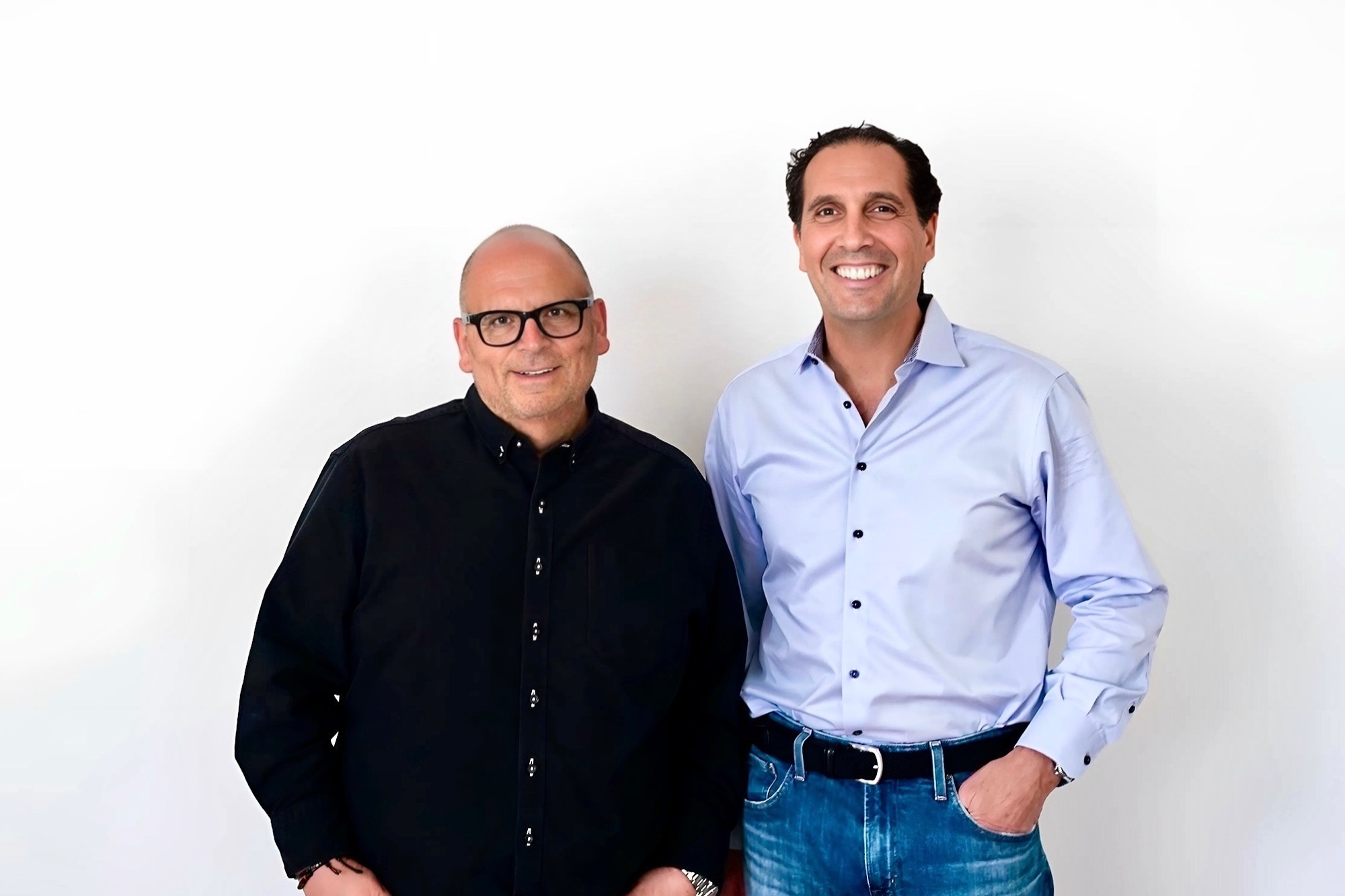
Bumble Is Laying Off 30% of Its Staff: ‘Our Path Forward Is Clear’

Dating app company Bumble is laying off 30% of staff, or nearly one in three employees.

In a U.S. Securities and Exchange Commission filing submitted earlier this week, Bumble disclosed that it was reducing its global workforce by approximately 240 roles in the latter half of the year.

The company expects to spend $13 million to $18 million on severance payments and benefits for impacted employees. However, the layoffs will result in up to $40 million in annual cost savings, the company claims. According to the filing, Bumble intends to reinvest “the substantial majority of these savings” in initiatives like “product and technology development.”

The last time Bumble had a round of layoffs was in January 2024, when the company reduced its workforce by around 30%, or 350 employees at the time.

Related: Bumble Founder Whitney Wolfe Herd’s Daily Routine: 5 A.M. Wake-Ups and Dialing Into Meetings After Dropping Her Son Off at School

Bumble shares were up over 20% following the news of workforce reductions.

Also in the filing, Bumble increased its revenue forecast for the current quarter. The dating app company updated its second-quarter revenue forecast to a range of $244 million to $249 million, up from the previous prediction of $235 million to $243 million.

The layoffs arrive months after Bumble founder Whitney Wolfe Herd returned to the company as CEO. Wolfe Herd founded the app in 2014 and served as CEO from January 2020 to January 2024. Lidiane Jones, who was previously the CEO of workplace messaging app Slack, took over as CEO of Bumble from January 2024 to March 2025 before stepping down for “personal reasons.” Wolfe Herd stepped back in, rejoining the company as CEO in March.

“Bumble needs me back,” Wolfe Herd said in an interview last month with The New York Times. “Watching it fall from its peak has been very hard.”

Related: Former Youngest Self-Made Billionaire Surprises Employees With Full Week Off

Bumble went public in 2021. Its market value has plummeted from $7.7 billion in early 2021 to about $661 million at the time of writing. Low user retention and fewer paying users have led to decreased revenue, causing the app to decline, per Business Insider.

Bumble CEO Whitney Wolfe Herd. Photographer: David Paul Morris/Bloomberg via Getty Images

Last month, Bumble released its most recent earnings report for the first quarter of the year. The report was disappointing: total revenue decreased 7.7% year-over-year to $247 million, with Bumble app revenue dropping 6.5% to $202 million, and Bumble app paying users decreasing 1% to 2.7 million users.

Wolfe Herd reassured investors in the report that Bumble is on “an accelerated path to return to sustainable, long-term growth” with “more quality and relevant matches” for users.

“Our path forward is clear,” Wolfe Herd stated in the report.

Dating app company Bumble is laying off 30% of staff, or nearly one in three employees.

In a U.S. Securities and Exchange Commission filing submitted earlier this week, Bumble disclosed that it was reducing its global workforce by approximately 240 roles in the latter half of the year.

The company expects to spend $13 million to $18 million on severance payments and benefits for impacted employees. However, the layoffs will result in up to $40 million in annual cost savings, the company claims. According to the filing, Bumble intends to reinvest “the substantial majority of these savings” in initiatives like “product and technology development.”

The rest of this article is locked.

Join Entrepreneur+ today for access.

https://www.entrepreneur.com/business-news/bumble-is-cutting-almost-one-third-of-its-global-staff/493796


Your Startup’s Most Powerful Growth Driver Might Be Happening Behind the Scenes — But Here’s How You Can Harness It Anyway

Opinions expressed by Entrepreneur contributors are their own.

In the early days of building a startup, most founders obsess over metrics: website traffic, social engagement, ad conversions, CAC. Every dashboard becomes a compass, every click a signal. But here’s the kicker: Some of your most important growth moments? You’ll never see them coming — and you’ll never be able to track them.

That’s because they’re happening in what marketers call dark social: the invisible web of private messages, DMs, forwarded emails and group chats where people share your product, talk about your service and recommend you to their inner circles. It’s the stuff that happens in the digital equivalent of whispers — and it can be more influential than anything you can buy with an ad budget.

It’s messy. It’s unmeasurable. And it might just be the most powerful growth channel your startup has.

Related: How Small Businesses Can Leverage Dark Social to Drive Word-of-Mouth Marketing

What is dark social?

Dark social refers to any online sharing that happens privately — outside the scope of traditional analytics. Think a friend texting a link to your site, a founder posting your blog in a private Slack group or a happy customer DM’ing your demo video to their boss. These referrals are happening in backchannels you don’t have access to, and they’re often far more trusted than a public review or paid ad.

It doesn’t show up in Google Analytics. It doesn’t get captured in UTM parameters. But it drives real behavior — and real business. In fact, studies suggest that as much as 80% of all content sharing happens through dark social. If you’re not paying attention to it, you’re missing a massive part of the growth picture.

Why founders struggle with it

Startups are built on lean teams, short runways and the need to show results fast. Founders are taught to optimize for what’s measurable and ignore what isn’t. That makes sense … until it doesn’t.

Here’s the blind spot: If you only invest in channels that give you clean data, you may overlook the messy, emotional conversations that are actually driving your brand’s momentum. You may spend thousands optimizing an ad funnel while your most effective growth is happening in a WhatsApp group you don’t even know exists.

Here’s the mindset shift: Just because you can’t track it doesn’t mean it’s not working. In fact, some of your most powerful brand advocates are likely spreading the word behind the scenes — no strings attached, no attribution pixel required.

Related: 4 Growth Hacks That Helped My Startup Increase Revenue And Profitability

How to harness dark social — without measuring it

You don’t need to fight dark social. You need to fuel it. Here’s how:

1. Create emotionally shareable content

People don’t forward pitch decks. They forward things that make them feel something — a short video that makes them laugh, a case study that surprises them or a meme that perfectly sums up a pain point. The emotional hook is what gets people to hit “send” in a group chat.

Focus on emotional resonance: nostalgia, humor, inspiration or even frustration. Your job is to spark conversation, not just convey information.

Bonus tip: Make all your content mobile-first, linkable and easy to share. If someone has to jump through hoops to forward your post, they won’t.

2. Build for belonging

Dark social doesn’t thrive in isolation — it thrives in tight-knit communities. The more you build a brand around a shared identity, the more likely people are to bring others into the fold. This isn’t about broadcasting; it’s about bonding.

You can encourage this by:

  • Creating branded Slack or Discord channels

  • Hosting intimate AMAs or roundtables for niche audiences

  • Collaborating with micro-influencers who are trusted voices in specific communities

When people feel like they’re part of something, they naturally talk about it. That’s dark social in action.

3. Make it exclusive (but shareable)

Scarcity and exclusivity are catnip for dark social. People love being the one who’s “in the know.” Launch perks, limited drops or early access programs that feel personal — these are easy to share in a DM with a simple: “Thought you’d love this.”

Make it frictionless to share that access:

  • “Invite a friend and both of you get a discount”

  • “Use this code to unlock something special”

  • “Here’s a hidden page — don’t share it publicly”

You’re giving people a reason to whisper about you and rewarding them for doing it.

4. Use tools to read the room (not the clicks)

You can’t measure every share, but you can sense the ripple effects. Social listening tools like Brandwatch, Sprout Social and Reddit keyword trackers can help you detect when people are talking about you — even if the original source is a private message.

Newer AI-driven tools can surface emerging themes, tone shifts and frequently asked questions across forums and comment threads. If people are suddenly talking about your pricing or a recent feature, you’ll know, and you can respond accordingly.

Use these insights to:

  • Guide your content strategy

  • Improve your messaging

  • Jump into the right conversations at the right time

Related: Want to Know What Your Customers Really Think? Here’s How to Implement a Successful Social Listening Strategy.

Dark social isn’t a problem to solve. It’s a signal that you’ve built something worth sharing. You won’t always see the referrals. You won’t always know who clicked what. But if you deliver value, show up with authenticity and make your message easy to pass along, your audience will do the work for you.

In the end, growth isn’t just about attribution — it’s about trust. And that’s the one thing no dashboard can measure.

So yes, track your clicks. Run your tests. Optimize your funnels. But also, make something worth talking about. Then sit back, and let the dark social magic do its thing.

In the early days of building a startup, most founders obsess over metrics: website traffic, social engagement, ad conversions, CAC. Every dashboard becomes a compass, every click a signal. But here’s the kicker: Some of your most important growth moments? You’ll never see them coming — and you’ll never be able to track them.

That’s because they’re happening in what marketers call dark social: the invisible web of private messages, DMs, forwarded emails and group chats where people share your product, talk about your service and recommend you to their inner circles. It’s the stuff that happens in the digital equivalent of whispers — and it can be more influential than anything you can buy with an ad budget.

It’s messy. It’s unmeasurable. And it might just be the most powerful growth channel your startup has.

The rest of this article is locked.

Join Entrepreneur+ today for access.

https://www.entrepreneur.com/growing-a-business/the-growth-driver-you-cant-track-but-cant-afford-to-ignore/493393


Is 2025 the Year to Go Brick-and-Mortar? Here’s Why More Startups Think So

Opinions expressed by Entrepreneur contributors are their own.

Digital channels carried thousands of start-ups through the pandemic. Apps, pop-ups and delivery vans generated revenue quickly while keeping overhead low. Five years later, customers still enjoy tap-to-buy speed, yet they increasingly want the reassurance that only a physical place and a committed team can provide.

From the vantage point of a company that began with online consultations and mobile services, we’ve seen how a physical hub can convert online momentum into durable market leadership. If you lead a digital-first company, here’s how to open a location that repays itself from day one.

Related: Thinking of Opening a Physical Location for Your Online Store? Ensure Success With These 4 Tips.

Build demand before investing in a physical space

A storefront should open only after you know exactly which customers will walk through the door. The fastest way to learn that is to serve them where they already are and pay close attention to the patterns that emerge.

For example, measurable demand tied to a specific geography could include repeat orders for your core services and a growing waitlist for offerings that require a dedicated facility. At that point, the logical next step is to sign a lease to serve an audience with whom you already have a relationship.

This sequence strategically converts a business’s early adopters into its most effective ambassadors. The customers who justified the expansion in the first place become advocates who champion the grand opening as a shared success. Earning loyalty first and locking in real estate second ensures that a physical location serves as an extension of proven demand rather than a speculative investment built on fixed costs.

Use behavioral data to pinpoint growth opportunities

Pinpoint your best growth opportunities by watching what customers do, not just what they say. For any entrepreneur, your operational data reveals true demand in a way surveys cannot. Operational signals like clicks, page views, reschedules, mileage and other first-party behaviors now outrank surveys and polls when teams gauge true demand. For example, an online store reports that the most frequent search term on their website was for a product they didn’t carry. While customers were buying other items, their search behavior revealed a clear, unmet need.

This insight is far more powerful than a survey asking, “What should we sell next?” as it provides a data-driven path to a profitable product expansion. This approach is crucial because in any business, resources are finite. Grounding a major decision, such as launching a new product line or signing a lease, in observed behavior guarantees that your investment aligns with proven interest rather than relying solely on intuition.

Related: Why Online Retailers Are Opening Brick-And-Mortar Stores

Choose a location that fosters belonging, not just visibility

Demand maps would usually tell us where a clinic should stand, but choosing the exact spot requires a different lens. Traditional retail says chase foot traffic and bright signage; our experience says chase belonging. Clients already interact with us on their phones and in their neighborhoods, so the clinic must feel like the natural next stop to that digital journey.

We narrowed our search to the same blocks our mobile teams serve every day while looking for a building that strengthens the loop we have with those families.

Once you have circled the right few blocks, evaluate each address for its ability to feel like home to the customers you already serve. Look for a building that commuters, local shoppers and parents on school runs can reach without changing their daily route.

Check whether delivery vans can slip in and out easily and whether the space can be configured for both hands-on service and small community gatherings. A site that blends into the neighborhood’s rhythm does more than just house your business — it signals that your brand belongs there as naturally as the corner café.

Related: 4 Ways to Deliver an Authentic Experience in a Brick & Mortar Space

Seize the 2025 opportunity to show up in person

Five years of rapid ecommerce growth have shown that while digital convenience wins the first sale, it seldom secures the next one. As shoppers return to workplaces and community venues, they gravitate toward brands that can serve them both online and across a counter. A storefront has shifted from being a discovery tool to a loyalty machine while offering demos and face-to-face guidance that deepen trust.

Real estate conditions also favor quick movers. While retail vacancies remain low, many landlords are still willing to negotiate flexible terms with businesses that can demonstrate an existing customer base. Locking in space now allows digital-first brands to plant themselves near their busiest delivery routes and convert online rapport into walk-in traffic.

This brief alignment of consumer expectations and accessible leases is unlikely to last. Acting in 2025 lets founders turn a well-chosen storefront into the physical heartbeat of their brand — an anchor that closes the loop on your customers’ digital journey.

Digital channels carried thousands of start-ups through the pandemic. Apps, pop-ups and delivery vans generated revenue quickly while keeping overhead low. Five years later, customers still enjoy tap-to-buy speed, yet they increasingly want the reassurance that only a physical place and a committed team can provide.

From the vantage point of a company that began with online consultations and mobile services, we’ve seen how a physical hub can convert online momentum into durable market leadership. If you lead a digital-first company, here’s how to open a location that repays itself from day one.

Related: Thinking of Opening a Physical Location for Your Online Store? Ensure Success With These 4 Tips.

The rest of this article is locked.

Join Entrepreneur+ today for access.

https://www.entrepreneur.com/growing-a-business/digital-got-you-here-but-a-store-might-take-you-further/493285


‘Build Because Something Is Missing’: These Serial Entrepreneurs Share Their ‘Single-Product Philosophy’ for Standing Out in a Crowded Market

David Wolfe, co-founder and CEO of luxury mattress brand Tiami, discusses the company’s launch and growth plan. “This is our second act, he told Entrepreneur. “I’m building it alongside my longtime business partner Jamie Diamonstein, our Chief Product Officer. Together, we bring over 50 years of industry experience. We’ve built a successful mattress brand before. This time, we’re not chasing disruption — we’re focused on refinement.”

Please give the elevator pitch of your business.
We’re challenging the traditional luxury mattress category. Customers will spend on a Rolex or a Birkin because of the prestige. They’ll switch from Lululemon to Vuori because it’s cool. But when it comes to a mattress, what matters most is how it performs. Tiami is built for that buyer. Handcrafted in the U.S. with premium materials, it’s designed to outperform traditional luxury mattresses, often priced at $5,000, $10,000, or more, at a far more accessible price point. This is real luxury: no gimmicks, no noise, just intentional design that works.

Related: ‘Consumers Are Frustrated, and So Are We’: How These Founders Built a Platform to Fight Fake AI-Generated Product Reviews

What inspired you to create this business?
After we sold our last mattress company, we kept getting the same question from smart, thoughtful people: “Which mattress should I buy now?” And the answer kept getting harder. The category has evolved from the Wild West of retail to the Wild West of online—saturated with noise, loaded with affiliate-driven reviews, and burdened by overwhelming choice.

Consumers who bought a mattress 10 years ago, thankfully, often with us, are now ready to upgrade. But the luxury space hasn’t evolved with them. It’s full of legacy brands charging premium prices for outdated products. We saw the gap and decided to fill it. And we made the purchase experience simpler, too. No product quiz and no long list of products that leaves you paralyzed by choice. Just one beautifully constructed mattress that meets the needs of every sleeper. We went for intelligent simplicity over marketing noise.

Any lessons about effective marketing you can share?
Focus beats frenzy. You don’t need to say more. You need to say what matters. The best marketing starts with a product that works, a clear story, and a brand that earns trust. We’re focused on building community through real referrals, word-of-mouth, and meaningful partnerships, like our exclusive retail relationship with Design Within Reach. It’s about showing up where your customer already is, not shouting at them to pay attention. We believe transparency is still the most powerful currency.

Related: ‘I Got the Feeling I Was Hitting the Glass Ceiling’: This Entrepreneur Quit Her Corporate Job to Start Her Own Agency. It’s Projected to Make $31.5 Million in Revenue This Year.

What does the word “entrepreneur” mean to you?
Being an entrepreneur isn’t about having a title — it’s a way of seeing the world. As I wrote in a Medium piece a few years ago, “The decisions we take look like risks to others, but to us, the biggest risk is standing still.”

We build because something’s missing. We’re problem-solvers. We’re bridge-builders. We’re not chasing headlines, we’re focused on crafting something better for people who care about what they bring into their homes. Entrepreneurship is about moving forward, even when it’s hard. Especially when it’s hard.

What is something many aspiring business owners think they need that they really don’t?
Complexity. A big product line. Fancy features. Startup “rules.” It’s easy to get distracted by what everyone else is doing. But most of the time, the real answer is restraint. Simplicity is a luxury. You don’t need more, you need better.

And here’s a take that may be a little controversial, too many founders buy into advice that only makes sense after you’ve made it. Everyone loves to talk about work-life balance. But when you’re building something from nothing, there is no off switch. You integrate. You make it work. I never missed a single important moment with my kids, but I was also fully present with my teams. You show up. You go all in. And if you do it right, the hard parts teach you everything. And the good parts? You’ll remember them forever.

Related: He Hated Furniture Shopping. So He Built a Business to Do It for Him. Here’s How This Unconventional Founder Is Finding New Customers and Growth.

David Wolfe, co-founder and CEO of luxury mattress brand Tiami, discusses the company’s launch and growth plan. “This is our second act, he told Entrepreneur. “I’m building it alongside my longtime business partner Jamie Diamonstein, our Chief Product Officer. Together, we bring over 50 years of industry experience. We’ve built a successful mattress brand before. This time, we’re not chasing disruption — we’re focused on refinement.”

Please give the elevator pitch of your business.
We’re challenging the traditional luxury mattress category. Customers will spend on a Rolex or a Birkin because of the prestige. They’ll switch from Lululemon to Vuori because it’s cool. But when it comes to a mattress, what matters most is how it performs. Tiami is built for that buyer. Handcrafted in the U.S. with premium materials, it’s designed to outperform traditional luxury mattresses, often priced at $5,000, $10,000, or more, at a far more accessible price point. This is real luxury: no gimmicks, no noise, just intentional design that works.

Related: ‘Consumers Are Frustrated, and So Are We’: How These Founders Built a Platform to Fight Fake AI-Generated Product Reviews

The rest of this article is locked.

Join Entrepreneur+ today for access.

https://www.entrepreneur.com/starting-a-business/tiamis-single-product-sales-philosophy/493679


Think You Need Millions to Buy a Business? Think Again. Here’s How to Do It Without Raising Any Capital.

Opinions expressed by Entrepreneur contributors are their own.

Most people assume that to succeed in private equity, you need to raise a multimillion-dollar fund first. But what if you could flip that script?

A new generation of dealmakers is doing just that, acquiring and growing businesses without a traditional PE fund. This “fundless sponsor” model isn’t just a workaround for those who can’t raise capital. It’s become one of the most agile and operator-friendly paths to long-term wealth creation.

If you’re a founder, operator or emerging investor, here’s how you can scale like a private equity firm without ever raising a fund.

Related: 10 Factors To Consider When Making An Acquisition

What is a fundless sponsor?

A fundless sponsor (also known as an independent sponsor) is someone who sources, negotiates and structures a business acquisition without having pre-committed capital from investors. Instead, they raise equity on a deal-by-deal basis.

In simple terms, you find a good business to buy, lock in the terms with the seller and then bring in investors and lenders to finance the deal.

This model has exploded in popularity, especially for deals in the lower middle market (companies with $1M–$10M EBITDA), where valuations are lower, sellers are more flexible, and larger funds typically don’t play.

Want to explore live deals? Platforms like Axial and MicroAcquire offer vetted deal flow for buyers.

Why fundless is the new fund smart

This strategy offers some unique advantages:

  • No blind pool: Investors commit capital to specific deals they like.

  • Faster to launch: You don’t need a track record or institutional LPs, just hustle, judgment and one good deal.

  • Alignment with investors: Equity backers get deal-level transparency and control.

  • High upside for you: Fundless sponsors typically earn 10%-30% of profits (a “promote”), plus acquisition and management fees.

It’s not surprising that even experienced GPs are shifting toward this model. It allows them to stay lean, focus on execution and build trust with investors one win at a time.

Anatomy of a fundless buyout

Let’s break down a basic deal structure:

Once the deal is done, you (as the sponsor) lead strategy, oversee operations and align incentives with your investors. You earn your upside by creating value, not by charging annual management fees like a fund.

SBA loans are a common tool here, especially the 7(a) loan program, which allows you to borrow up to $5 million with as little as 10% down.

Related: A Beginner’s Guide to Private Equity

Who are the investors?

Fundless sponsors typically raise capital from:

  • Family offices that want direct ownership in operating businesses

  • High-net-worth individuals (HNWIs) who prefer cash-flowing deals over speculative VC bets

  • Former operators looking for passive income and equity exposure

  • Private credit and small-cap PE firms open to co-investments

One big plus: These investors are often more collaborative and flexible than institutional LPs. But you must be ready to show them a clear plan for value creation and downside protection.

What makes this work?

Here are four factors that separate successful fundless sponsors from the rest:

  1. Relentless sourcing: You’ll need to look at 50-100 businesses to find one worth pursuing. Build relationships with brokers, run cold outreach campaigns, and use your industry insight to find overlooked gems.

  2. Deal de-risking: Validate financing early. Soft-circle investors. Confirm that seller expectations are realistic before going deep.

  3. Operational playbook: You’re not just a buyer, you’re a builder. Have a 100-day plan post-close. Know how you’ll grow revenue, improve margins or professionalize the team.

  4. Repeatable system: Your first deal is your track record. Document everything. Treat every step — outsourcing, diligence and investor communications — as a template for your next acquisition.

Common pitfalls to avoid

While the fundless model is accessible, it’s not easy. Here are some common mistakes to sidestep:

  • Overvaluing the deal: Don’t fall in love with a business that doesn’t pencil out. Keep discipline on price and debt terms.

  • Underestimating operations: Buying is one thing, running a business (or managing a team that does) is a whole other challenge.

  • Weak investor alignment: Choose equity partners who are patient, aligned with your vision and comfortable with the inherent risks.

Remember: Raising money deal by deal is about trust and clarity. If you communicate clearly and deliver results, capital will follow.

Related: What You Need to Know to Buy the Right Business and Acquire Your Empire

When (and if) to raise a fund

Many sponsors eventually raise funds, but not always.

Only raise a fund when:

  • You’ve closed a few successful deals

  • You’re bottlenecked by capital, not deal flow

  • Your LPs ask for it

  • You’re ready for the admin, compliance and investor expectations that come with it

Otherwise, staying fundless gives you flexibility and control. You can scale at your own pace and even build a portfolio of cash-flowing businesses before raising a dollar of committed capital.

You don’t need a $100 million fund to build wealth through private equity.

You need a great deal, the right partners and a clear strategy to create value. Fundless buyouts are the entrepreneurial version of PE — scrappy, focused and aligned.

In today’s economy, where capital is cautious and execution matters more than ever, that may be the smartest strategy of all.

Most people assume that to succeed in private equity, you need to raise a multimillion-dollar fund first. But what if you could flip that script?

A new generation of dealmakers is doing just that, acquiring and growing businesses without a traditional PE fund. This “fundless sponsor” model isn’t just a workaround for those who can’t raise capital. It’s become one of the most agile and operator-friendly paths to long-term wealth creation.

If you’re a founder, operator or emerging investor, here’s how you can scale like a private equity firm without ever raising a fund.

The rest of this article is locked.

Join Entrepreneur+ today for access.

https://www.entrepreneur.com/starting-a-business/think-you-need-millions-to-buy-a-business-think-again/493328


The Average Cost of a College Education Is $153,080. These Are the Majors and Careers That Provide the Highest Return on Investment.

A typical student graduating from high school in 2025 could take on an estimated $40,000 in student loan debt before they finish their college education, and interest rates on undergraduate federal student loans are the highest they’ve been in more than 10 years, Nerdwallet reported.

The price tag that comes with a college degree has ballooned steadily over the past several decades — with a staggering rise in the past 15 years.

Between 2000 and 2022, average tuition and fees increased by 60%, from $9,204 to $14,688 per year, and those costs spiked 13% in just 12 years between 2010 and 2022 alone, according to BestColleges.

Related: These Are the College Majors With the Lowest Unemployment Rates — and Philosophy Ranks Higher Than Computer Science

Today’s college graduates can expect to spend $153,080 by the end of their undergraduate education, per Student Choice, an organization that partners with more than 300 credit unions to facilitate student lending solutions.

But which college majors — and the careers they make possible for new graduates — provide the highest return on students’ investment?

Student Choice examined data from the Bureau of Labor Statistics to pinpoint the median earnings for the top 20 most popular college majors in the U.S. The analysis assumed five years in the workforce and four years spent paying the average annual cost of college.

Related: Goldman Sachs CIO Says Coders Should Take Philosophy Classes — Here’s Why

According to the report, engineering emerged as the degree with the highest five-year return on investment at 326.6%, and computer science/technology came in close second at 310.3%.

Computer and information systems managers and advertising, promotions and marketing managers snagged the top spots for careers with the highest five-year return on investment, at 553.7% and 511.4%, respectively, per the data.

Related: These 3 Professions Are Most Likely to Vanish in the Next 20 Years Due to AI, According to a New Report

Take a look at Student Choice’s infographic below for the full picture of its report on the majors and careers offering the highest return on investment for the price of a college education:


Image Credit: Courtesy of Student Choice

A typical student graduating from high school in 2025 could take on an estimated $40,000 in student loan debt before they finish their college education, and interest rates on undergraduate federal student loans are the highest they’ve been in more than 10 years, Nerdwallet reported.

The price tag that comes with a college degree has ballooned steadily over the past several decades — with a staggering rise in the past 15 years.

Between 2000 and 2022, average tuition and fees increased by 60%, from $9,204 to $14,688 per year, and those costs spiked 13% in just 12 years between 2010 and 2022 alone, according to BestColleges.

The rest of this article is locked.

Join Entrepreneur+ today for access.

https://www.entrepreneur.com/money-finance/college-majors-and-careers-that-make-the-most-money-report/493734


This Startup Built the Future of Fast Food – Now It’s Scaling Nationwide

Disclosure: Our goal is to feature products and services that we think you’ll find interesting and useful. If you purchase them, Entrepreneur may get a small share of the revenue from the sale from our commerce partners.

A recent Nasdaq report says, “The robotics industry is poised for unprecedented growth in 2025.”

As a first-mover in the space, few companies have more robotic know-how than Miso Robotics. Their AI-powered kitchen robot was honed in live kitchens for top brands like White Castle and Jack in the Box. Now, they’re officially past the prototype phase and ready to begin scaling production of their recently released new generation of Flippy Fry Station, a robot twice as fast and half as big as before.

Its first production run sold out in one week. Considering the fast-food industry is grappling with 144% labor turnover, that should come as no surprise. But it’s Miso’s entire business model that has people so excited about the company’s newly opened investment opportunity (and chance to secure bonus shares).

The Fast Food Industry Is in Crisis

The $1 trillion U.S. fast food industry is at a breaking point. Operators are sounding alarms on rising labor costs, unprecedented employee turnover, and operational inefficiencies eating away at margins.

  • 98% of operators say rising labor costs are hurting business
  • $8B+ is lost annually across U.S. fast food due to labor inefficiencies, food waste, and slow service
  • Up to $4B of that loss comes from fry station inefficiencies alone

Without automation, restaurants are burning money just trying to stay afloat. That’s why brands are racing to adopt Flippy.

Flippy Fry Station: The Scalable Fix

Across more than 200,000 hours in real kitchens, Flippy’s early prototypes learned from real-world operations, refining the product, building a massive proprietary data advantage, and mastering the intensity of quick-service restaurants. Now, Miso’s first fully commercial robot, Flippy Fry Station, is here. And it’s built for mass adoption.

  • Developed in collaboration with NVIDIA and validated by third-party restaurant research leaders like WD Partners
  • Can boost industry profits by up to $7.6 billion per year
  • Can cut fry station labor time by 89% vs. human-operated stations

It installs overnight, takes up half the footprint of previous models, and requires very little employee retraining. Just push a button and pick up perfect fries minutes later. This progression sets the stage for Miso’s scalable business model to thrive.

A Business Model Built to Scale

With the newest Flippy Fry Station, Miso is introducing the foundation of a revenue engine built for rapid growth and long-term value.

  • Robot-as-a-Service (RaaS): Restaurants lease Flippy through multi-year contracts that bundle hardware, software, support, and service into a single monthly fee, creating predictable, recurring revenue.
  • Service & Support: Each deployment includes installation, maintenance, software upgrades, and 24/7 support — strengthening margins and ensuring uptime for customers.
  • AI & Data Monetization: Flippy captures proprietary kitchen performance data, fueling future product improvements, predictive AI tools, and licensing opportunities for kitchen optimization and LLM training.

Invest in the Future of Fast Food

Customers like Jack in the Box and White Castle are already on board, and a new major national QSR partner is currently being finalized. That’s part of what makes the company’s current investment opportunity so enticing.

As restaurants race to cut costs, improve quality, and stay competitive, Miso offers an automation model that grows with the industry and delivers returns as it does. There just so happens to be 100,000+ U.S. fast-food locations, and the race to automate them is underway.

With new partners, real-world validation, and scaling in motion, this may be the last chance to join Miso before Flippy Fry Station is all over the country.

Invest in Miso Robotics today at $5.22/share today and unlock up to 5% bonus shares.

*Disclosure: This is a paid advertisement for Miso Robotics’ Regulation A offering. Please read the offering circular at invest.misorobotics.com.

A recent Nasdaq report says, “The robotics industry is poised for unprecedented growth in 2025.”

As a first-mover in the space, few companies have more robotic know-how than Miso Robotics. Their AI-powered kitchen robot was honed in live kitchens for top brands like White Castle and Jack in the Box. Now, they’re officially past the prototype phase and ready to begin scaling production of their recently released new generation of Flippy Fry Station, a robot twice as fast and half as big as before.

Its first production run sold out in one week. Considering the fast-food industry is grappling with 144% labor turnover, that should come as no surprise. But it’s Miso’s entire business model that has people so excited about the company’s newly opened investment opportunity (and chance to secure bonus shares).

The rest of this article is locked.

Join Entrepreneur+ today for access.

https://www.entrepreneur.com/finance/miso-robotics-investment-window-is-open/493683


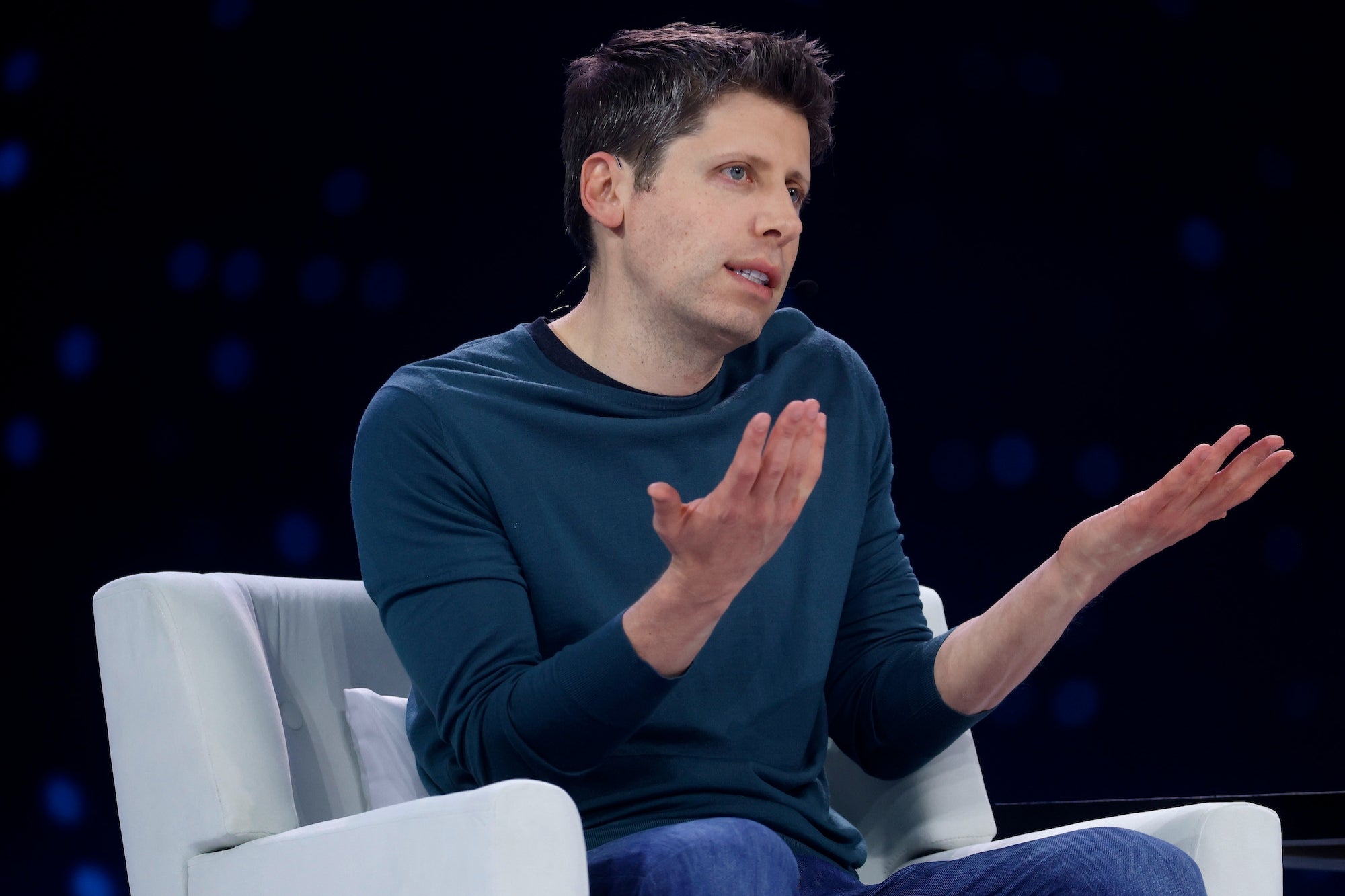
‘Not Cool’: Sam Altman Says Lawsuit Over Secret Jony Ives Project Is ‘Silly’

On Monday, OpenAI scrubbed the news of its partnership with famed former Apple designer Jony Ive from its website and social media due to a trademark infringement lawsuit brought by the CEO of a device company, Iyo. (Ive’s company is called “io”.)

One day later, Altman responded to the news on X, writing that before bringing the lawsuit, Iyo CEO Jason Rugolo had been “persistent” in his efforts to get OpenAI to acquire or invest in his company. He also added four screenshots of emails for proof.

Related: ‘The Coolest Piece of Technology the World Has Ever Seen’: OpenAI Is Acquiring Former Apple Designer Jony Ive’s Startup for $6.5 Billion

“We passed and were clear along the way,” Altman wrote regarding the non-deal. “Now he is suing OpenAI over the name. This is silly, disappointing and wrong.”

Altman added more context (and defended try-hards everywhere), writing that he did “talk” with Rugolo on “his repeated outreaches,” and that Altman and OpenAI passed on buying his company just “a few days before the lawsuit.”

“It is cool to try super hard to raise money or get acquired and to do whatever you can to make your company succeed,” Altman wrote. “It is not cool to turn to a lawsuit when you dont get what you want. Sets a terrible precedent for trying to help the ecosystem.”

About an hour after Altman’s Tweets, Rugolo wrote on X that “there are 675 other two-letter names they can choose that aren’t ours.”

Though the post on X was not directly responding to Altman, it was part of a thread from earlier in the week, when he wrote why they are suing.

“You can’t start a company called ‘appl’ or ‘googl’,” he wrote.

“I welcome their competition in the market, we’re all trying to build dope products,” Rugolo wrote. “They just can’t use our name.”

The suit is ongoing.

Related: Steve Jobs Gave Jony Ive an ‘Impossible Task’ the First Time They Met. It Saved Apple from Bankruptcy.

https://www.entrepreneur.com/business-news/sam-altman-lawsuit-over-jony-ives-io-name-is-silly/493788


Federal Judge Rules It’s Legal to Train AI on Copyrighted Books, Marking Major Win for AI Companies

A federal judge ruled for the first time that it was legal for $61.5 billion AI startup, Anthropic, to train its AI model on copyrighted books without compensating or crediting the authors.

U.S. District Judge William Alsup of San Francisco stated in a ruling filed on Monday that Anthropic’s use of copyrighted, published books to train its AI model was “fair use” under U.S. copyright law because it was “exceedingly transformative.” Alsup compared the situation to a human reader learning how to be a writer by reading books, for the purpose of creating a new work.

“Like any reader aspiring to be a writer, Anthropic’s [AI] trained upon works not to race ahead and replicate or supplant them — but to turn a hard corner and create something different,” Alsup wrote.

According to the ruling, although Anthropic’s use of copyrighted books as training material for Claude was fair use, the court will hold a trial on pirated books used to create Anthropic’s central library and determine the resulting damages.

Related: ‘Extraordinarily Expensive’: Getty Images Is Pouring Millions of Dollars Into One AI Lawsuit, CEO Says

The ruling, the first time that a federal judge has sided with tech companies over creatives in an AI copyright lawsuit, creates a precedent for courts to favor AI companies over individuals in AI copyright disputes.

These copyright lawsuits rely on how a judge interprets the fair use doctrine, a concept in copyright law that permits the use of copyrighted material without obtaining permission from the copyright holder. Fair use rulings depend on how different the end work is from the original, what the end work is being used for, and if it is being replicated for commercial gain.

The plaintiffs in the class action case, Andrea Bartz, Charles Graeber, and Kirk Wallace Johnson, are all authors who allege that Anthropic used their work to train its chatbot without their permission. They filed the initial complaint, Bartz v. Anthropic, in August 2024, alleging that Anthropic had violated copyright law by pirating books and replicating them to train its AI chatbot.

The ruling details that Anthropic downloaded millions of copyrighted books for free from pirate sites. The startup also bought print copies of copyrighted books, some of which it already had in its pirated library. Employees tore off the bindings of these books, cut down the pages, scanned them, and stored them in digital files to add to a central digital library.

From this central library, Anthropic selected different groupings of digitized books to train its AI chatbot, Claude, the company’s primary revenue driver.

Related: ‘Bottomless Pit of Plagiarism’: Disney, Universal File the First Major Hollywood Lawsuit Against an AI Startup

The judge ruled that because Claude’s output was “transformative,” Anthropic was permitted to use the copyrighted works under the fair use doctrine. However, Anthropic still has to go to trial over the books it pirated.

“Anthropic had no entitlement to use pirated copies for its central library,” the ruling reads.

Claude has proven to be lucrative. According to the ruling, Anthropic made over one billion dollars in annual revenue last year from corporate clients and individuals paying a subscription fee to use the AI chatbot. Paid subscriptions for Claude range from $20 per month to $100 per month.

Anthropic faces another lawsuit from Reddit. In a complaint filed earlier this month in Northern California court, Reddit claimed that Anthropic used its site for AI training material without permission.

A federal judge ruled for the first time that it was legal for $61.5 billion AI startup, Anthropic, to train its AI model on copyrighted books without compensating or crediting the authors.

U.S. District Judge William Alsup of San Francisco stated in a ruling filed on Monday that Anthropic’s use of copyrighted, published books to train its AI model was “fair use” under U.S. copyright law because it was “exceedingly transformative.” Alsup compared the situation to a human reader learning how to be a writer by reading books, for the purpose of creating a new work.

“Like any reader aspiring to be a writer, Anthropic’s [AI] trained upon works not to race ahead and replicate or supplant them — but to turn a hard corner and create something different,” Alsup wrote.

The rest of this article is locked.

Join Entrepreneur+ today for access.

https://www.entrepreneur.com/business-news/federal-judge-anthropic-acted-legally-with-ai-book-training/493745


After This LGBTQ Couple Lost Their Jobs Within 30 Days of Each Other, They Started a Business — With Goats. It Led to More Than $150 Million.

In 2006, Josh Kilmer-Purcell and Brent Ridge didn’t have visions of becoming entrepreneurs with a goat milk skincare and body care brand. The New York City-based couple went on an apple-picking getaway upstate one weekend and stumbled on a little town called Sharon Springs. They fell in love with the town, and on their drive out, with a property for sale: Beekman Farm, its house built in 1802.

Image Credit: Courtesy of Beekman 1802. Josh Kilmer-Purcell, left, and Brent Ridge, right.

Kilmer-Purcell and Ridge were far from professional farmers — Kilmer-Purcell worked in advertising, and Ridge was a physician who’d started the health and wellness division of Martha Stewart Omnimedia — but they thought the farm would be the perfect weekend place, so they cashed in their savings and purchased the property.

Not long after they moved in, they received a note from their neighbor, a farmer named John, who was losing his farm and had no place for his 80 goats. Would the couple mind moving the animals into the empty barn on their property? They agreed and invited John to live in a small cottage on the farm and be its caretaker.

Related: This Founder Noticed a Stark Change at a Local Pride Parade — and Says It Creates a ‘Real Opportunity’ for Small Businesses

“Everything was great,” the co-founders recall. Then the 2008 recession hit.

“We lost our jobs within 30 days of each other, and we had this new mortgage — we had to pay [off] the farm,” Kilmer-Purcell says. “So we literally Googled, ‘What can we make with goat milk?’ And the first thing that came up was goat milk soap.”

The co-founders note that while many entrepreneurs today start a business with the goal of eventually selling it, that was the furthest thing from their minds when they launched their brand in 2009 — they were “just trying to survive.”

“ I remember calculating that if we sold $80 worth of soap a day, that would be enough to pay the mortgage for that month,” Kilmer-Purcell says, “so some nights we’d be sitting there at like 10 p.m. in bed being like, ‘Come on, just one more order. Come in.'”

Now, Beekman 1802 has sold more than 60 million bars of that soap and surpassed $150 million in sales. Beekman 1802 sells its premium skincare and body care products via its website, QVC, Ulta Beauty, Amazon, Target, the LaGuardia Airport Kindness Shop, its flagship mercantile in Sharon Springs, independent retailers and more.

Related: The ‘Hustle’ He Started Out of His Station Wagon Became a Nationwide Business That’s About to Hit $300 Million: ‘Everything We Do Is Pretty Simple’

Kilmer-Purcell and Ridge have also published three cookbooks, and their first business book, G.O.A.T. Wisdom: How to Build a Truly Great Business, will be released on July 1.

Image Credit: Courtesy of Harvard Business Review

“We started selling the bars of soap on our website.”

One of the first steps was to build a website for the brand; back then, direct-to-consumer (DTC) sales were just starting to gain traction.

“ We were one of the very first beauty brands to be DTC,” Ridge says. “Josh learned how to code. He coded the first website, [and] we started selling the bars of soap on our website. But back then, of course, you were not going to make a fortune off of selling stuff on a website. It just wasn’t the environment.”

The co-founders wanted to take their all-natural, goat milk soap product where it had never been before — the luxury retail space. So Ridge cold-called luxury department stores on Fifth Avenue in New York City: Bergdorf Goodman, Barneys New York, Saks Fifth Avenue and Henri Bendel.

The buyer at Henri Bendel told Ridge that if he could commit to coming to the store every day for the next eight weeks ahead of the holiday season, the retailer would give them a three-foot by three-foot table on its main floor, where the brand could engage with the customers. If the product was a hit, then the store would stock its products going forward.

 ”So that’s what I did,” Ridge recalls. “I would get up every morning at the farm. It’s about a three-and-a-half-hour drive from the city. I would bring in all the soaps. I was set up on the little table. I would stay until closing at 8 or 9 p.m., drive all the way back three-and-a-half hours to the farm. I did it every day for eight weeks.”

Related: There Are Three Types of ‘No,’ Says the World’s Leading Door-to-Door Sales Expert. Here’s How to Know Which One You’re Hearing

As a physician and scientist, Ridge admits he didn’t know much about how to sell a product back then. However, through exposure to other salespeople on the floor and “osmosis,” he figured out how to do it effectively. Another major breakthrough came during that time: A buyer for Anthropologie stopped by on a scouting mission and “fell in love” with Beekman 1802’s story.

“That’s how we got our first big order,” Ridge recalls. “Our first big break was going national with Anthropologie.”

“[Reality TV] helped us grow a really loyal, manageable fan base quickly.”

For the first decade of the company’s growth, Beekman 1802 didn’t take any outside funding. The co-founders were committed to starting the business the “old-fashioned way,” not “spending $1 until they’d made $1.50,” in the wake of a recession where financial institutions had let so many people down.

As a result, the entrepreneurs didn’t have the money to market their brand in the early days. Well-aware of the value of media, Kilmer-Purcell and Ridge seized every opportunity to get Beekman 1802 in front of an audience, from local news programs to blogs.

Then the co-founders had the exciting and unexpected opportunity to star in their own reality TV show. Kilmer-Purcell was interviewing for a creative director position at a network when the president told him that she didn’t know if he was right for the job — but would he and Ridge consider appearing in a reality TV show about their life on the farm and launch of their business?

Related: What the C-Suite Needs to Know About the True Power of Earned Media

The co-founders embraced the opportunity to generate awareness for their brand, and within five months, The Fabulous Beekman Boys was airing.

“It helped us grow a really loyal, manageable fan base quickly,” Kilmer-Purcell explains. “But we weren’t distracted [by] becoming reality TV stars and trying to get another show and another show. It was just a really good free commercial that helped us start the business.”

The Fabulous Beekman Boys ran for two seasons, and although the co-founders weren’t seeking out more reality TV opportunities after it wrapped, another one came to them after a serendipitous encounter at one of their book signings: The chance to compete on CBS’s The Amazing Race.

“The Amazing Race story was so authentic to the brand that it was a multiplier.”

It was 2013, and Kilmer-Purcell and Ridge figured that even if they only made it halfway through the competition, the number of viewers tuning in would bring the Beekman brand significant exposure. In the first episode, they introduced themselves as “The Beekman Boys” to get the ball rolling and make sure “that was always what people would hear.”

“We were the underdogs the whole season,” Ridge recalls. “We were two middle-aged gay guys. We’re not going to beat the athletes and younger people. In the third or fourth leg, we were in Indonesia and thought we were going home. It was like 120 degrees; we had been struggling the whole day and were trying to finish up this task, carrying 100 pounds of bamboo and thought we were pulling up last. So we thought, You know what? Let’s just make the most of this.”

The couple happened to be walking down a street where a school was letting out; with a lot of kids around and curious about the camera crew, Ridge started chanting “Beekman Boys,” and the crowd joined in. “We just thought, Oh, what a great way to go out of The Amazing Race,” Ridge says.

Then the co-founders pulled off something they’d never expected: They won the entire race. Before the win, Beekman 1802 received about 100 orders per day on its website. Immediately after, that number surged to thousands.

“What was great about the fact that we were always in last place and called the ultimate underdogs the entire race [was that] it fit in with our founder’s story: having lost our jobs and starting on the farm, two gay New York City guys in a small town in rural New York and starting with nothing,” Kilmer-Purcell says. “The Amazing Race story was so authentic to the brand that it was a multiplier.”

Image Credit: Courtesy of Beekman 1802

Related: How to Scale a Business Without Wasting Millions (Or Collapsing Under Your Own Growth)

Beekman 1802’s next big growth milestone came shortly after the co-founders’ success on The Amazing Race when the brand launched on TV retail. The entrepreneurs recognized the platform’s potential to tell Beekman 1802’s story and sell its products, but they knew they had to come up with a hook to halt viewers in their tracks.

So the couple opted to bring baby goats on air.

“It’s disruptive,” Ridge explains, “and makes you stop. If you get people’s attention, then you have a much higher likelihood of selling something. That was a real trick that we still use to this day. Now we’re the No. 1 skincare brand that crosses QVC and HSN.”

Beekman 1802 continued to scale, landing in Ulta Beauty, Target and Amazon. The brand’s Ulta rollout, set for approximately 1,500 stores, coincided with the pandemic and led the co-founders to seek their first outside investment for the company.

Eurazeo, a leading global investment group, acquired a controlling stake in the company with a $62 million investment in 2021.

“You have to go back to the fundamentals of what it takes to build a great brand.”

The co-founders have learned a lot growing their business over the years. Although they enjoy watching Shark Tank, the TV show where hopeful entrepreneurs can pitch their business ideas to the judges for potential investment, they warn aspiring founders not to fall for what they call “the Shark Tank effect” — the belief that they can’t start a business without raising money.

 ”What we found is businesses that start their life by raising money never actually become businesses,” Kilmer-Purcell says. “They just become fundraising businesses because they start by raising money and then a few months later, they raise more money, and then they have to raise more money — and they get better at raising money than running their own business.”

Seeing that pattern play out motivated the entrepreneurs to write G.O.A.T. Wisdom and share the lessons they’ve learned with the world.

“There are plenty of ways to have a good business where you can make money,” Ridge says, “but if you want a great business that’s going to have legacy and last, you have to go back to the fundamentals of what it takes to build a great brand.”

According to Ridge, ignoring trends is one key to success in the skincare and body care space, as copycat products will find it difficult to stand out in a market saturated with similar offerings.

“The world doesn’t need another vitamin C cream,” Ridge explains. “There are already a thousand vitamin C serums out there. What is the true innovation? How are you going to bring something new to customers that’s going to improve their lives?”

Related: Your Innovation Won’t Succeed Without Authentic Demand. Here’s How to Find It

The original act of kindness that came with the opportunity to host Farmer John and his goats remains Beekman 1802’s driving force, the co-founders say.

The company has donated hundreds of thousands of dollars in product and financial support to hundreds of worthy causes. The brand has also established a Kindness Krew: a community of skincare content creators and community influencers who are “passionate about spreading kindness to skin, animals, community and the planet.”

 ”Selling the product is the next level down,” Ridge says, “because we know that if we are successful in spreading kindness, then the product will have more value to [people].”

https://www.entrepreneur.com/starting-a-business/lgbtq-couple-started-a-business-with-80-goats-see-150m/493685