Amazon Is Expanding Same-Day Delivery to Thousands of Small Towns and Rural Areas

Amazon is expanding its Same-Day and Next-Day Delivery options to 4,000 smaller cities and rural communities by the end of 2026, the company announced Tuesday.

“Everybody loves fast delivery,” said Doug Herrington, CEO of Worldwide Amazon Stores. “So, whether you live in Monmouth, Iowa, or downtown Los Angeles, now you’re going to have the same fantastic Amazon customer experience: the ability to get the wide variety of items you need to keep your household running every day, delivered the same or next day.”

Related: Amazon Turns Its ‘Prime Day’ Sale Into a 4-Day Event

Other communities named as examples in the statement were North Padre Island, Texas; Asbury, Iowa; Lewes, Delaware; Fort Seneca, Ohio; Dubuque, Iowa; Findlay, Ohio; and Sharptown, Maryland. Visit amazon.com/samedaystore for the full list of areas with the new, fast delivery service.

Amazon noted that the number of items delivered the same or next day in the U.S. has increased by over 30% compared to the same period last year. Prime members have access to unlimited free Same-Day Delivery when spending over $25 at checkout.

The news comes with an investment of over $4 billion to handle the new routes. Amazon estimates this will triple the size of its network by the end of 2026.

Related: Amazon Tells Thousands of Employees to Relocate or Resign

Amazon is expanding its Same-Day and Next-Day Delivery options to 4,000 smaller cities and rural communities by the end of 2026, the company announced Tuesday.

“Everybody loves fast delivery,” said Doug Herrington, CEO of Worldwide Amazon Stores. “So, whether you live in Monmouth, Iowa, or downtown Los Angeles, now you’re going to have the same fantastic Amazon customer experience: the ability to get the wide variety of items you need to keep your household running every day, delivered the same or next day.”

Related: Amazon Turns Its ‘Prime Day’ Sale Into a 4-Day Event

The rest of this article is locked.

Join Entrepreneur+ today for access.

https://www.entrepreneur.com/business-news/amazon-expands-same-day-delivery-to-small-towns-rural-areas/493736


Nvidia CEO Jensen Huang Will Make Nearly $1 Billion This Year Just from Selling Stock

Nvidia CEO Jensen Huang, 62, has begun selling Nvidia shares under a new trading plan that allows him to dispose of up to $865 million worth of stock by the end of the year.

According to a Monday filing with the Securities and Exchange Commission, Huang offloaded 100,000 Nvidia shares, worth $14.4 million, between Friday and Monday, his first sale of the year. Another filing shows that Huang sold another 50,000 shares on Monday, valued at over $7 million.

The transactions fall under a new 10b5-1 plan adopted on March 20 and disclosed last month in Nvidia’s quarterly report. The plan allows Huang to sell six million shares in total by December 31, which would equal $865 million worth of shares at Monday’s closing price of $144.17.

Related: ‘The Decade of Autonomous Vehicles’: Nvidia CEO Predicts Major Growth in Robotics, Self-Driving Cars

Nvidia’s quarterly report also revealed that the company’s Chief Financial Officer, Colette M. Kress, and its Director, A. Brooke Seawell, also adopted 10b5-1 plans in March. Kress has the option to sell 500,000 Nvidia shares by March 24, 2026, and Seawell can sell over 1.1 million shares by July 31.

Huang’s trading plan gives him and other executives the option to cash in on stock on a pre-arranged plan. Huang has sold more than $1.9 billion in Nvidia shares to date, per Bloomberg.

Nvidia co-founder and CEO Jensen Huang. Photo by Chesnot/Getty Images

Huang is the 12th richest person in the world, according to the Bloomberg Billionaires Index, with a net worth of $126 billion at the time of writing. Most of his fortune, or about $124 billion worth, consists of Nvidia shares, and the rest is cash. Huang, who co-founded Nvidia in 1993 and has been leading it ever since, owns about 3.5% of the AI chipmaker as of March.

Related: How Nvidia CEO Jensen Huang Transformed a Graphics Card Company Into an AI Giant: ‘One of the Most Remarkable Business Pivots in History’

Nvidia recently reported strong earnings. For the first quarter of fiscal year 2026, ending April 27, the AI giant reported revenue of $44.1 billion, up 12% from the previous quarter and up 69% from the same period last year. Nvidia expects revenue to be even higher for the second quarter of 2026, predicting $45 billion.

Nvidia shares have been climbing for the past month and are up over 8%. The company is the No. 2 most valuable in the world, with a market capitalization of $3.58 trillion, second to Microsoft.

Nvidia CEO Jensen Huang, 62, has begun selling Nvidia shares under a new trading plan that allows him to dispose of up to $865 million worth of stock by the end of the year.

According to a Monday filing with the Securities and Exchange Commission, Huang offloaded 100,000 Nvidia shares, worth $14.4 million, between Friday and Monday, his first sale of the year. Another filing shows that Huang sold another 50,000 shares on Monday, valued at over $7 million.

The transactions fall under a new 10b5-1 plan adopted on March 20 and disclosed last month in Nvidia’s quarterly report. The plan allows Huang to sell six million shares in total by December 31, which would equal $865 million worth of shares at Monday’s closing price of $144.17.

The rest of this article is locked.

Join Entrepreneur+ today for access.

https://www.entrepreneur.com/business-news/nvidia-ceo-starts-selling-stock-865m-by-end-of-year/493732


I Dismissed This Unconventional Leadership Practice — Until It Transformed My Business and My Life

Opinions expressed by Entrepreneur contributors are their own.

There’s no shortage of leadership advice online. Scroll your feed and you’ll find endless tips on optimizing your calendar, sharpening your pitch or making better decisions. After 38 years of building and funding growth companies, riding the waves of the capital markets, IPOs, crashes and reinventions, I’ve learned the real starting line isn’t my calendar or pitch deck; it’s my energy, the cadence of my breath and the weight of my feet on the floor.

I didn’t come to this realization in a moment of calm clarity or on a meditation cushion. It slammed in hard during one of the most chaotic times in my life, after the Great Recession wiped out nearly everything I had built. I wasn’t just facing business losses; my balance sheet bled, real estate values flipped, but the real deficit was unraveling physically and emotionally. On the outside, I still wore the leader’s mask, yet I was reactive and spent. Strategy couldn’t reach that place; only presence could.

That’s when I discovered embodied leadership.

Related: 5 Ways to Be Present With Your Startup, Not Pestered By It

From surviving to leading with presence

Embodied leadership is the practice of leading not just from intellect or strategy, but from the integration of mind, body and emotion. It is grounded in neuroscience and used in elite performance environments, including special-ops military and Fortune 500 boardrooms. At its core, it teaches leaders to feel what is happening inside before they act outside.

At first, I was skeptical and dismissed it as woo-woo. Coming from the world of capital markets and hard metrics, the idea of breathing techniques and posture awareness felt too soft and intangible. But then I tested it when I began practicing it, three slow breaths before investor meetings and grounding myself before making a high-stakes call, I noticed something. I made better decisions. I communicated more clearly. My presence started speaking louder than my pitch.

The science behind the shift

This isn’t just personal insight. It is backed by research. A study published by Yale found that even short breathing interventions reduced anxiety and improved executive performance. Other research has shown that adopting an expansive posture for just two minutes can elevate testosterone, reduce cortisol and enhance confidence and clarity.

In real-time leadership, this translates to sharper thinking under pressure, more grounded decision-making and improved team trust. For me, it also meant less burnout. I no longer lived in a constant state of mental overdrive.

Related: This One Overlooked Habit Could Transform How You Lead, Connect and Grow Your Business

What changed in my business

Once I started leading from an embodied state, subtle shifts created powerful results.

  • Investor meetings became more authentic and effective.

  • My team responded more to how I showed up than to what I said.

  • Conflict resolution became less reactive and more relational.

  • I made fewer fear-based decisions and better strategic ones.

One vivid example: During a tense discussion, I paused a boardroom conversation and took a few centering breaths. Just 30 seconds, but that short pause settled the energy in the room. What could have escalated into a heated debate shifted into a focused, solution-driven dialogue. Had I stayed on autopilot, that moment would’ve gone very differently.

How entrepreneurs can use this now

You don’t need to become a breathwork or meditation expert to lead this way. If you’re an entrepreneur dealing with uncertainty, team dynamics or nonstop decisions, this is for you. Try these simple shifts:

  1. Start with the body, not the spreadsheet: Before your next big decision, pause. Feel your breath. Relax your shoulders. Plant your feet on the ground. This five-second check-in can help you respond rather than react.

  2. Reframe stress as physical data: When you feel tension such as a tight jaw (a bygone for me), racing heart or clenched fists, don’t ignore it. That is data. Your body is showing you what needs attention. Listening to them gives you clarity.

  3. Lead with grounded presence: Walk into the room with your breath low and posture strong. You’ll speak less and land more. People respond to how you enter before you say a word.

  4. Integrate regular practices: Whether it is daily movement, breathwork or stillness, it’s about doing it daily. It is not about perfection. It is about consistency.

Why this matters more than ever

In a world of constant disruption, information overload and AI-driven decisions, what sets leaders apart isn’t just intelligence or innovation. It’s presence. The ability to stay grounded is a competitive advantage. It helps you build resilient teams, navigate volatility and make authentic decisions.

I’ve worked with dozens of CEOs through IPOs, pivots and exits. The ones who lead best aren’t always the loudest or the boldest. They’re the steadiest. They are the most embodied. These are the leaders who can stay steady in the storm and lead with clarity when the stakes are highest.

Related: 4 Mindful Leadership Practices That Transformed My Management and Company Culture

Leadership is not just what you say. It is how you show up. And how you show up begins in your body.

If there is one thing I wish I had embraced earlier in my career, it is this: You don’t need to have all the answers. But you do need to be present. And presence is something you practice, not a performance.

Because at the end of the day, companies rise and fall on decisions. But great leadership? It lives in the presence.

There’s no shortage of leadership advice online. Scroll your feed and you’ll find endless tips on optimizing your calendar, sharpening your pitch or making better decisions. After 38 years of building and funding growth companies, riding the waves of the capital markets, IPOs, crashes and reinventions, I’ve learned the real starting line isn’t my calendar or pitch deck; it’s my energy, the cadence of my breath and the weight of my feet on the floor.

I didn’t come to this realization in a moment of calm clarity or on a meditation cushion. It slammed in hard during one of the most chaotic times in my life, after the Great Recession wiped out nearly everything I had built. I wasn’t just facing business losses; my balance sheet bled, real estate values flipped, but the real deficit was unraveling physically and emotionally. On the outside, I still wore the leader’s mask, yet I was reactive and spent. Strategy couldn’t reach that place; only presence could.

That’s when I discovered embodied leadership.

The rest of this article is locked.

Join Entrepreneur+ today for access.

https://www.entrepreneur.com/leadership/stop-leading-from-your-head-try-this-approach-instead/493357


Why The Most Effective Leaders Don’t Yell the Loudest — They Conduct

Opinions expressed by Entrepreneur contributors are their own.

Are you The Wizard of Oz or The Great Gatsby? Behind the curtain or in front of the crowd?

Most founders pause when I ask them this. Some smirk. All of them get it.

Early on, you have to be both.

You’re pulling the strings and selling the show. But eventually, the lines blur. And it becomes critical to know your zone of genius (and more importantly, your blind spots).

Every time I meet with an early-stage founder, I’m looking for two things: self-awareness and clarity. Not just “what’s your product” or “how big your market is,” I want to know if they’ve taken the time to really learn themselves.

I’ve learned my strengths and weaknesses over the years. That is one of the best things that a founder can do for themselves (and their investors). It’s not glamorous, but it’s the work that lasts.

The faster you admit what you’re not good at, the faster you can build a company that doesn’t depend on you doing everything. A business is an orchestra. A founder is a conductor.

Conductors know the notes. They don’t play them all.

Conductors aren’t guessing up there. They know the music. They’ve studied every instrument. They could jump in and play. But they don’t. Their job is to lead the performance.

The same goes for founders. You might know how to code. Sell. Market. Fundraise. But that doesn’t mean you should do it all forever. You’re not supposed to be a solo act.

You’re the one setting the tempo and keeping the vision clear. Making sure everyone hits their mark. If you’re the smartest person in every room, you’ve stopped growing. Hire people who play their parts better than you ever could. Then trust them to deliver.

Startups don’t die from a lack of hustle. They die from a lack of harmony. Leadership isn’t about control. It’s about coordination.

Related: 8 Tips for Running a Startup Like a True Leader

Music isn’t just a sound. It’s a story.

My company’s named after Van Morrison and Bob Seger. My daughters are named after Phil Collins and Don Henley.

Music has always been personal for me. It’s not just what I listen to. It’s how I lead. Every album tells a story. Every track carries a truth. Music is storytelling. Every lyric is a snapshot. A single thought. One moment frozen in time.

Yet somehow, millions of people hear the same song and make it their own.

That’s leadership.

You don’t need to yell louder. You need to say something real. The best founders don’t just build companies. They write stories people want to be part of. There’s a reason some brands have lifelong fans and others get forgotten in six months.

It’s not about ad spend. It’s about resonance.

My favorite thing about music?

Music is the great equalizer. You step into a concert, and everything else fades.

You’re not a CEO. Not a parent. Not a whatever-your-resume-says. You’re just a person in a crowd, feeling something.

It doesn’t matter who you worship or what you believe. When the lights go down and the music hits, you’re part of something bigger. Cheesy? Sure. True? Definitely.

That applies directly to business. Create something that lets people belong. Build something they can feel. Lead in a way that brings people together. That’s how you build brand loyalty, not with transactions, but with transformation.

Don’t confuse the spotlight with the sound

You’ve got to decide something early on: Do you want the attention, or do you want the impact?

Both are possible. But chasing one often kills the other.

The conductor isn’t louder than the orchestra. He’s not front and center, chest out, hands in the air. He’s present. Tuned in. He guides from where he’s needed most.

Same with great founders.

You don’t have to be the loudest in the room. You just have to know how to lead one. The right tempo is quiet confidence. It’s not about being seen. It’s about being felt.

No one remembers perfect. They remember powerful.

Have you ever left a concert and remembered one off-key note? Didn’t think so.

You remember the emotion. The silence before the beat dropped. People don’t follow you because you’re perfect. They follow you because you make them feel something. If your team trusts you, if your brand has rhythm, if your vision makes people stop and listen, you’ve already won.

Founders who obsess over perfection miss the point. People connect with the real. Not rehearsed.

Founders who succeed don’t try to play every part. They conduct. They know the song. They build the team. They guide the energy. They lead so others can perform.

You don’t need to be everywhere. You need to be in sync.

Great Gatsby or Wizard of Oz? A little bit of both? Either way, be well-rehearsed when it comes to balancing life behind the curtains, in the pit, or on the stage.

Mic drop.

Are you The Wizard of Oz or The Great Gatsby? Behind the curtain or in front of the crowd?

Most founders pause when I ask them this. Some smirk. All of them get it.

Early on, you have to be both.

The rest of this article is locked.

Join Entrepreneur+ today for access.

https://www.entrepreneur.com/growing-a-business/why-the-best-leaders-dont-yell-the-loudest/493286


Traditional Leadership Credentials Are No Longer Cutting It. Here’s What You Should Be Developing Instead.

Opinions expressed by Entrepreneur contributors are their own.

Leadership isn’t what it used to be. And that’s a good thing. There was a time when the corner office, the credentials on the wall and a polished resume were enough to signal executive credibility. Today, those things are merely the starting point. Now, people want more from leaders. More transparency. More values. More humanity. And perhaps most of all — more clarity about what those leaders stand for.

That’s where executive branding enters the picture.

Executive branding is no longer a buzzword or a luxury reserved for public-facing CEOs. It has become a strategic leadership asset. It’s the way executives translate who they are into influence, trust and opportunity. In today’s environment, your personal brand is not just a reflection of your reputation — it is a critical lever for business growth, cultural impact and long-term relevance.

At Boardsi, we’ve worked with thousands of executives navigating the path from operational leadership to boardroom influence. Time and time again, one truth rises to the surface: The leaders who grow fastest and go furthest are the ones who know how to articulate their story — and back it up with substance.

Related: Why Personal Branding Is Crucial for CEOs in Today’s World

Why executive branding matters more than ever

We’re living in an age of noise. Information is everywhere, and attention spans are shorter than ever. People don’t just want information; they want connection. They want leaders who are clear, consistent and authentic.

That’s what makes executive branding so powerful.

A strong executive brand doesn’t mean you’re constantly promoting yourself. It means you’re building a reputation rooted in values and purpose. It’s a way of showing up consistently — online, onstage and in every stakeholder conversation — as the leader you truly are.

But here’s the catch: If you don’t define your brand, the world will do it for you. And in today’s fast-moving landscape, lack of clarity can be costly.

When your personal values align with your professional voice, people don’t just notice you — they believe in you. That belief is what opens doors, builds trust and creates long-term strategic advantage.

The business case for executive branding

Let’s talk ROI — not in abstract terms, but in measurable outcomes. Here’s what a well-developed executive brand unlocks:

1. Credibility that compounds

Authenticity is magnetic. Leaders who consistently live their values earn trust faster and hold it longer. Whether you’re negotiating deals, presenting to a board or rallying a team through change, a trusted personal brand provides a baseline of credibility that can’t be faked.

2. A talent magnet

Top talent isn’t just looking for jobs — they’re looking for leaders. They want to work for people who inspire them, who share their values and who model the kind of integrity and courage they admire. A compelling executive brand makes it easier for the right people to say yes — to your company, your mission and your vision.

3. Influence with real reach

Influence isn’t just about being visible. It’s about being heard — and remembered. Leaders with strong brands are invited to speak, collaborate and contribute. Their words carry weight because people believe they come from a place of conviction, not performance.

4. Boardroom advantage

At Boardsi, we’ve seen firsthand how executive branding becomes a difference-maker in board recruitment. When you can articulate your leadership philosophy, show evidence of impact and demonstrate thought leadership, you stand out. Not because you’re louder, but because you’re clearer.

Related: Every Executive Needs to Be a Thought Leader — Here’s How to Become an Influential Voice in Your Industry

How to build a brand that actually reflects you

There’s no one-size-fits-all blueprint, but there are a few principles that every executive can apply:

1. Start with purpose

What drives you? What do you believe about leadership, about people, about innovation? Your personal brand should begin where all great leadership begins: with purpose. If you’re unclear, take the time to reflect. If you’re confident, take the time to articulate it.

2. Communicate with consistency

Your brand lives wherever people encounter you — LinkedIn, board meetings, conferences, interviews. It should feel like a throughline, not a highlight reel. You don’t need to post daily or chase attention. But when you do speak, be thoughtful. Be generous. Be real.

3. Live the brand internally

The strongest personal brands are aligned from the inside out. If you say you value transparency, be the first to own a mistake. If you believe in mentorship, show up for your team in meaningful ways. Your internal credibility is the foundation of your external brand.

4. Show up where it matters

Your voice has more power when it’s shared in the right rooms. Speak at events. Contribute to industry conversations. Say yes to interviews, panels and mentoring opportunities. These aren’t just chances to be seen — they’re opportunities to serve and shape your ecosystem.

5. Think long-term

Executive branding isn’t a campaign — it’s a leadership commitment. It’s the story people will tell about you when you’re not in the room. It’s how you continue to lead, even when your title changes or your company evolves.

Related: To Become a Top Executive, Take Control of Your Personal Brand Today

Beyond the title: Building a brand that lasts

When I wrote Beyond the Title, my mission was simple: to give leaders a roadmap for building a brand that reflects more than their resume. It’s about understanding that leadership is personal, and your identity as a leader is one of your most valuable assets.

The book breaks down how to define your leadership philosophy, express it with clarity and grow your influence in a way that’s both authentic and strategic. Because at the end of the day, people don’t follow titles. They follow leaders who show up consistently with purpose.

And that’s what we do at Boardsi — help leaders go beyond their roles and into the influence and impact they’re capable of. From board education to placement, we equip executives to lead at the highest level, with brands that stand for something real.

In today’s world, trust is currency. Visibility is velocity. And executive branding is how you earn one and accelerate the other. So, ask yourself not just what do I do, but what do I stand for? Your answer might just become your most powerful leadership tool.

Leadership isn’t what it used to be. And that’s a good thing. There was a time when the corner office, the credentials on the wall and a polished resume were enough to signal executive credibility. Today, those things are merely the starting point. Now, people want more from leaders. More transparency. More values. More humanity. And perhaps most of all — more clarity about what those leaders stand for.

That’s where executive branding enters the picture.

Executive branding is no longer a buzzword or a luxury reserved for public-facing CEOs. It has become a strategic leadership asset. It’s the way executives translate who they are into influence, trust and opportunity. In today’s environment, your personal brand is not just a reflection of your reputation — it is a critical lever for business growth, cultural impact and long-term relevance.

The rest of this article is locked.

Join Entrepreneur+ today for access.

https://www.entrepreneur.com/leadership/why-executive-branding-matters-now-more-than-ever/493276


WhatsApp Has Been Banned on U.S. House of Representatives Devices: ‘Security Risks Involved With Its Use’

Meta’s popular messaging app, WhatsApp, has been banned from the U.S. House of Representatives, the Chief Administrative Officer (CAO) Catherine Szpindor told staff there on Monday.

“The Office of Cybersecurity has deemed WhatsApp a high-risk to users due to the lack of transparency in how it protects user data, absence of stored data encryption, and potential security risks involved with its use,” the email said, seen by Axios.

Related: Microsoft Employees Are Banned From Using This Popular AI App

The note said the app is banned from all government devices, including phones and computers.

“House staff are NOT allowed to download or keep the WhatsApp application on any House device, including any mobile, desktop, or web browser versions of its products,” the email added. “If you have a WhatsApp application on your House-managed device, you will be contacted to remove it.”

Meanwhile, Meta spokesperson Andy Stone responded on X that the tech giant disagrees “in the strongest possible terms.”

“We know members and their staffs regularly use WhatsApp and we look forward to ensuring members of the House can join their Senate counterparts in doing so officially,” Stone wrote.

“Messages on WhatsApp are end-to-end encrypted by default, meaning only the recipients and not even WhatsApp can see them,” Stone added. “This is a higher level of security than most of the apps on the CAO’s approved list that do not offer that protection.”

Szpindor told CNBC in a written statement that “protecting the People’s House is our topmost priority,” and this was enacted after “monitoring and analyzing for potential cybersecurity risks that could endanger the data of House Members and staff.”

It’s not the first tech ban that the CAO has enacted, either. ChatGPT is restricted, and there have been full and partial bans on several tools and apps, including DeepSeek, TikTok, and Microsoft Copilot.

Related: ‘President Trump Does Not Want TikTok to Go Dark’: The TikTok Ban Deadline Was Extended Again. Here Are the Top Bidders.

Meta’s popular messaging app, WhatsApp, has been banned from the U.S. House of Representatives, the Chief Administrative Officer (CAO) Catherine Szpindor told staff there on Monday.

“The Office of Cybersecurity has deemed WhatsApp a high-risk to users due to the lack of transparency in how it protects user data, absence of stored data encryption, and potential security risks involved with its use,” the email said, seen by Axios.

Related: Microsoft Employees Are Banned From Using This Popular AI App

The rest of this article is locked.

Join Entrepreneur+ today for access.

https://www.entrepreneur.com/business-news/heres-why-whatsapp-was-banned-on-us-house-devices/493726


Job Search Pioneers CareerBuilder and Monster File for Bankruptcy Less than a Year After Merger: ‘Challenging and Uncertain Macroeconomic Environment’

After decades in business as separate entities, the recently merged company CareerBuilder + Monster has filed for bankruptcy.

The company announced on Tuesday that it had initiated a voluntary Chapter 11 process in the U.S. Bankruptcy Court for the District of Delaware as business continues to decline. Chapter 11 allows a company to continue operating while it reorganizes its finances and develops a plan to repay its creditors.

“Our business has been affected by a challenging and uncertain macroeconomic environment,” Jeff Furman, CEO of CareerBuilder + Monster, said in a press release. “We determined that initiating this court-supervised sale process is the best path toward maximizing the value of our businesses and preserving jobs.”

The bankruptcy plan suggested on Tuesday proposes selling CareerBuilder + Monster’s assets to various companies. The firm’s job board business would be sold to job app JobGet, Monster Media Properties would be transferred to media company Valnet, and Monster Government Services would be bought by investment firm Valsoft. The transactions, which are of undisclosed value, are subject to court approval and are expected to close in the coming weeks.

Related: CEO of Tesla Rival Drops Salary to $1 to Cover Bankruptcy Costs

CareerBuilder + Monster is also undertaking restructuring efforts across its U.S. businesses. Furman stated that the company was “making difficult but necessary” changes to reduce its workforce. It’s unclear how many employees will be affected by the job cuts, which are intended to bring down costs.

CareerBuilder and Monster were both pioneers in the online job hunting space, launching in the 1990s and popularizing the search for a job online. The two merged in September 2024 to create a unified job board with more options and greater reach. However, the joint company still faced declining sales. CareerBuilder’s revenue fell to $49.2 million in 2024, a 40% drop compared to 2023, according to Moody’s Ratings.

The company has recently faced stiff competition from LinkedIn and Indeed, which have both experienced notable growth in the past decade. Indeed claims to be the top job site in the world based on total visits, with more than 580 million users across 60 countries and over 3.5 million employers who use the site to find new hires.

Meanwhile, LinkedIn says it is “the world’s largest professional network” with more than one billion users in 200 countries. The company, which was acquired by Microsoft in 2016, generated an estimated $16.37 billion in revenue in 2024, up from around $7 billion in 2019.

Related: LinkedIn’s AI Writing Tool Isn’t as ‘Popular’ as the CEO Thought It Would Be. Here’s Why He Thinks Users Are Shunning It.

After decades in business as separate entities, the recently merged company CareerBuilder + Monster has filed for bankruptcy.

The company announced on Tuesday that it had initiated a voluntary Chapter 11 process in the U.S. Bankruptcy Court for the District of Delaware as business continues to decline. Chapter 11 allows a company to continue operating while it reorganizes its finances and develops a plan to repay its creditors.

“Our business has been affected by a challenging and uncertain macroeconomic environment,” Jeff Furman, CEO of CareerBuilder + Monster, said in a press release. “We determined that initiating this court-supervised sale process is the best path toward maximizing the value of our businesses and preserving jobs.”

The rest of this article is locked.

Join Entrepreneur+ today for access.

https://www.entrepreneur.com/business-news/careerbuilder-monster-files-for-chapter-11-bankruptcy/493727


Why Storytelling Beats Bullet Points and Facts Every Time

Opinions expressed by Entrepreneur contributors are their own.

People don’t remember bullet points. They remember what happened. The moment. The metaphor. The story about how a customer hacked your product into a completely new use case, and you turned it into a breakthrough. That’s the kind of stuff that gets passed around. Because stories don’t just deliver information, they create meaning, they connect and they get remembered.

Communication isn’t just about getting the message out. It’s about getting it to land. And that’s where storytelling earns its keep. It helps people not only understand but also care. It moves your ideas from the ears to action.

Not with fluff. With structure.

The good news? You don’t need to be Hemingway to be effective. There are proven frameworks anyone can use to turn dry content into something people will engage with — and maybe even repeat. Here are five that do the heavy lifting, each with its own angle depending on your audience, goal and context.

Read More: The Top 5 Reasons Why People Buy a Business

1. The Pixar pitch

Once upon a time…
Every day…
Until one day…
Because of that…
Because of that…
Until finally..
.

This one comes straight from the pros at Pixar. You know, the folks who made grown adults cry over a lamp and a fish. It works because it follows the universal arc of transformation: something changes, and the character adapts. And that is exactly what strategy, product and business communication should be about.

Use it when: You’re selling a vision. Whether it’s a new initiative or a culture shift, use this format to show the arc: where we were, what changed and how we’re winning now.

2. And, But, Therefore (ABT)

We do X and Y,
But Z is in our way,
Therefore, we’re doing this.

Short. Clean. High impact. ABT cuts through the noise by establishing context, identifying the tension and driving toward action. It works because it forces narrative tension — the thing that makes people lean in.

Use it when: You’re writing an executive summary, a funding pitch or even a strong social post. Any time you want to hook fast, get to the point and frame a compelling case in under 30 seconds.

Related: 3 Brand Story Frameworks to Grow Your Business

3. StoryBrand’s framework

There’s a character
Who has a problem
And meets a guide
Who gives them a plan
And calls them to action
That leads to success (or avoids failure).

Donald Miller’s StoryBrand flips the script. You’re not the hero — your audience is. Your brand, product or idea? You’re the guide. You’ve got the map, the flashlight and the granola bars.

Use it when: You’re writing anything external — marketing copy, onboarding flows and campaign strategies. Put your audience at the center, highlight their challenge and show how you help them win.

4. What? So what? Now what?

What: Here’s what’s happening.
So what: Here’s why it matters.
Now what: Here’s what we’re going to do.

This one is the gold standard for clarity. It forces relevance and urgency into every message. No spiraling. No academic detours. Just crisp communication.

Use it when: You’re debriefing after a meeting, writing internal updates or getting a cross-functional team aligned. It’s especially useful when dealing with data — this format turns numbers into decisions.

5. Minto’s pyramid principle

Start with the answer.
Support it with grouped arguments.
Back each with data or examples.

Structured thinking meets strategic storytelling. Minto’s Pyramid is the consultant’s best friend, and with good reason — it respects time, prioritizes logic and builds trust fast.

Use it when: You’re pitching to the C-suite, making a recommendation or writing a proposal. This isn’t a narrative arc — it’s a laser beam. Start with your conclusion, then walk through your logic with elegance and precision.

Related: I’ve Helped Over 1,000 Brands With Their Marketing — Here Are 11 Social Media Secrets Every Business Should Be Using in 2025

This isn’t about being “creative.” It’s about being effective.

Storytelling isn’t about making things sound pretty. It’s about making things clear, compelling and human. It’s how you make dry data come alive. How do you make change feel exciting instead of terrifying? And how you lead without preaching.

So, whether you’re leading a transformation, launching a product or just trying to get someone to answer your email, remember facts tell. Stories sell. And the best communicators? They’re not just analysts or strategists. They’re storytellers in disguise.

Now go tell the damn story.

People don’t remember bullet points. They remember what happened. The moment. The metaphor. The story about how a customer hacked your product into a completely new use case, and you turned it into a breakthrough. That’s the kind of stuff that gets passed around. Because stories don’t just deliver information, they create meaning, they connect and they get remembered.

Communication isn’t just about getting the message out. It’s about getting it to land. And that’s where storytelling earns its keep. It helps people not only understand but also care. It moves your ideas from the ears to action.

Not with fluff. With structure.

The rest of this article is locked.

Join Entrepreneur+ today for access.

https://www.entrepreneur.com/starting-a-business/how-to-get-people-to-remember-and-repeat-your/493166


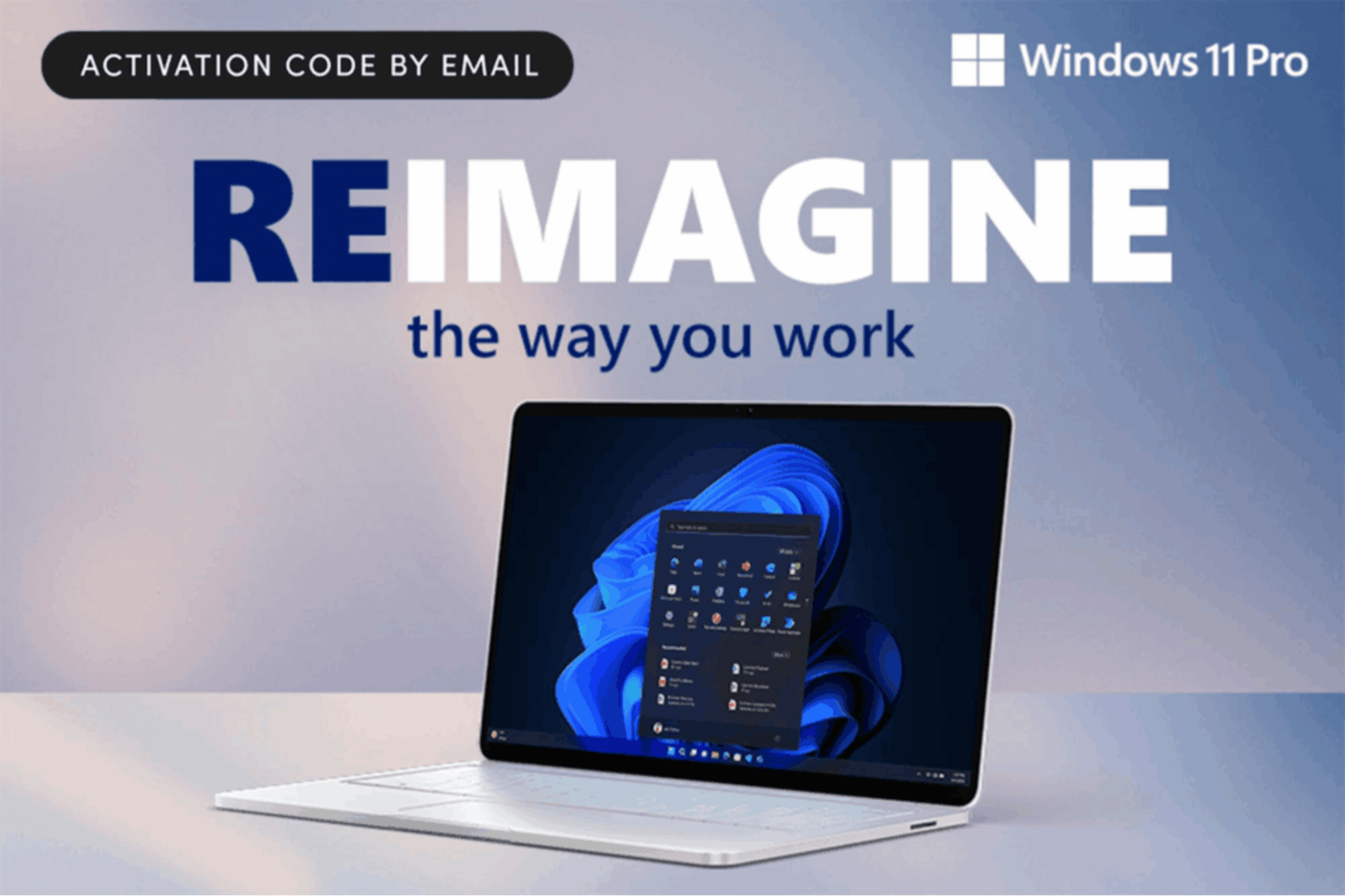
This Windows 11 Pro Upgrade Is a No-Brainer at $15

Disclosure: Our goal is to feature products and services that we think you’ll find interesting and useful. If you purchase them, Entrepreneur may get a small share of the revenue from the sale from our commerce partners.

You don’t need to overhaul your company’s hardware to boost performance. Sometimes, the smartest investment is in the operating system itself. Right now, business leaders can grab a lifetime license to Microsoft Windows 11 Pro for just $14.97 (regularly $199) through July 20—a powerful upgrade for any professional environment.

Whether you’re running a solo consultancy, scaling a startup, or managing a growing remote team, Windows 11 Pro offers the security, productivity, and performance enhancements your operation demands. It’s designed for power users and professionals who can’t afford downtime, slow systems, or limited features.

With tools like BitLocker encryption, Hyper-V virtualization, Azure AD support, and Windows Sandbox, this version goes far beyond the home edition. For entrepreneurs juggling sensitive data or developers working in isolated environments, these are necessities.

The modernized interface and snap layouts make multitasking a breeze, while Windows Copilot, the built-in AI assistant, helps you summarize content, generate code, or change settings in seconds. It’s a productivity win, especially when paired with Teams and voice-to-text capabilities.

For small business owners navigating hybrid teams or IT managers juggling multiple devices, Windows 11 Pro also simplifies device management. With features like Group Policy support and remote desktop functionality, you can easily configure, monitor, and secure multiple machines from a single point of control.

This is especially useful for businesses with distributed teams or those handling sensitive client data. Plus, compatibility with Microsoft Intune and third-party endpoint management tools means you can streamline onboarding and enforce security policies—without having to invest in expensive IT infrastructure.

This is a lifetime license, so you only pay once, and never worry about renewals or subscriptions again.

Get Windows 11 Pro for just $14.97 (reg. $199) through July 20.

Microsoft Windows 11 Pro

See Deal

StackSocial prices subject to change.

You don’t need to overhaul your company’s hardware to boost performance. Sometimes, the smartest investment is in the operating system itself. Right now, business leaders can grab a lifetime license to Microsoft Windows 11 Pro for just $14.97 (regularly $199) through July 20—a powerful upgrade for any professional environment.

Whether you’re running a solo consultancy, scaling a startup, or managing a growing remote team, Windows 11 Pro offers the security, productivity, and performance enhancements your operation demands. It’s designed for power users and professionals who can’t afford downtime, slow systems, or limited features.

With tools like BitLocker encryption, Hyper-V virtualization, Azure AD support, and Windows Sandbox, this version goes far beyond the home edition. For entrepreneurs juggling sensitive data or developers working in isolated environments, these are necessities.

The rest of this article is locked.

Join Entrepreneur+ today for access.

https://www.entrepreneur.com/science-technology/this-windows-11-pro-upgrade-is-a-no-brainer-at-15/493445


AI Is an Incredible Customer Service Asset — But It’s Not Flawless. Here’s How to Avoid 4 Common Mistakes.

Opinions expressed by Entrepreneur contributors are their own.

AI is omnipresent in 2025 in all areas of the business sphere, including customer service. And for good reason. Used right, AI can provide invaluable insights into your customers’ behaviors and preferences, boost the efficiency of your customer service team and increase overall satisfaction.

Between dynamic personalization, streamlined purchase processes and predictive customer support, many small businesses are leveraging AI to level the playing field and provide enterprise-grade customer service.

However, despite AI’s massive potential, there are several potential pitfalls when using AI in customer service. At worst, AI can scare off customers or generate frustration, rather than helping to streamline processes.

Here are the four most common mistakes — and how to avoid them.

Related: How Small Businesses Can Leverage AI Without Breaking the Bank

1. Frustrating generic chatbots

To start with, chatbots can be a great asset to your team members and customers alike. They can speedily handle routine queries, free up your agents’ capacities, respond to customers even outside regular business hours and reduce wait times.

However, to be effective, chatbots need to be well-trained and personalized.

Unfortunately, many companies — in a rush to stay ahead in the AI race — deployed chatbots that ask too many questions, give generic answers and fail to solve queries.

In one hilarious example, NYC’s MyCity chatbot kept giving wrong answers even six months post-deployment and after $600,000 in investments, misinforming users about legal requirements for business owners and even basic facts such as the minimum wage.

Overall, 80% of people reported that interactions with chatbots have increased their frustration rather than leading to quicker solutions to the issues they were facing.

To avoid this, it’s crucial that chatbots are trained well on company-internal data. Ideally, they should be able to leverage customer-specific data across a number of different channels in order to provide personalized, efficient support to every person who reaches out.

2. Unaccessible siloed data

On that note, another common pitfall to avoid when implementing AI in customer service is data siloing. One of AI’s greatest strengths is its capacity to process huge amounts of data and unearth patterns and trends, condensed into actionable insights. These insights can then be leveraged for personalization and targeted strategy adjustments.

However, that’s only possible if AI actually has access to all the necessary data elements — and that is a challenge many small businesses are currently facing.

In fact, a recent study by Nextiva, a market leader in customer experience software solutions, found that among company leadership, data siloing was identified as one of the most common barriers to AI implementation. In the study, 39% of respondents agreed that they “struggled with accessibility, aggregation, integration and structure of real-time and historical data.”

To avoid this limitation, it’s essential to audit data storage and integration as soon as you start planning your AI implementation strategy. Making sure from the start that the systems you are considering integrate well — or that bridge solutions are at least available — will avoid unnecessary siloing and frustration down the line.

Related: AI Can Give You New Insights About Your Customers for Cheap. Here’s How to Make It Work for You.

3. Going overboard on hyper-personalization and automation

On the other end of the spectrum are businesses that go overboard in their enthusiasm for AI, to a degree that can appear off-putting to many customers. This includes hyper-personalization and automation processes.

While personalization is a key advantage of AI and can boost the efficiency of customer service agents and the satisfaction of the people they interact with, you don’t want to appear omniscient either. Having the impression that a company knows everything about them before they even talk to you is seen as acutely creepy by many customers.

Salesbots, in particular, often trigger the uncanny valley effect, or scare off potential customers by leveraging information they don’t feel they ought to have access to.

To steer clear of this particular pitfall, it’s essential to carefully calibrate the level of personalisation you implement and weigh its potential benefits in boosting conversions against customers’ perception of intrusiveness.

4. Forgetting human escalation options

Finally, a widespread mistake small businesses make in leveraging AI for customer service is to neglect human escalation options, especially in customer support. No matter what your AI can do, it’s always necessary to offer customers the option to talk to a human agent instead.

There is nothing more frustrating for a customer facing an urgent problem than being stuck in an ineffective conversation loop with a chatbot or a virtual phone agent when an actual person would clearly help them reach a solution far more efficiently.

Outside business hours, when AI is the only one holding down the fort, it’s often enough to offer customers the option to leave a message and assure them you will contact them as soon as possible. Other than that, though, you need to give people the option of a human lifeline to help put out an urgent fire.

Related: Does AI Deserve All the Hype? Here’s How You Can Actually Use AI in Your Business

Conclusion

In 2025, AI is an incredible asset that small businesses can leverage to elevate their customer service. It is, however, not a panacea.

To effectively harness the potential of AI and avoid common pitfalls, it’s necessary to carefully plan and train the systems you’re deploying, exercise discretion with respect to personalization and implement a human failsafe option.

By sticking to these tenets, though, you’ll be able to make the most of the opportunities AI has to offer for small businesses in customer service and increase your overall customer satisfaction.

AI is omnipresent in 2025 in all areas of the business sphere, including customer service. And for good reason. Used right, AI can provide invaluable insights into your customers’ behaviors and preferences, boost the efficiency of your customer service team and increase overall satisfaction.

Between dynamic personalization, streamlined purchase processes and predictive customer support, many small businesses are leveraging AI to level the playing field and provide enterprise-grade customer service.

However, despite AI’s massive potential, there are several potential pitfalls when using AI in customer service. At worst, AI can scare off customers or generate frustration, rather than helping to streamline processes.

The rest of this article is locked.

Join Entrepreneur+ today for access.

https://www.entrepreneur.com/science-technology/using-ai-in-customer-service-dont-make-these-4-mistakes/492487