How to Build the Ultimate Partner Network for Your Startup

Opinions expressed by Entrepreneur contributors are their own.

When you’re launching a startup, especially in the early stages, the temptation is often to keep your head down, build your product or service and focus solely on perfecting your core offering. But the reality is, no business thrives in isolation. As you scale, one of the most powerful accelerators for growth isn’t just internal execution; it’s the strength and depth of your network of partners.

Surrounding yourself with the right partners who share your vision and complement your capabilities can dramatically amplify your market presence and accelerate your growth trajectory.

Related: How Strategic Partnerships Catapulted My Business to 200% Growth — and How They Can Help You, Too.

The power of synergistic partnerships

Why is this partner network so crucial? The simple answer: synergy. A strong partner network doesn’t merely add incremental value; it multiplies the collective impact. Synergistic partnerships create new opportunities, expanding your potential far beyond what you can achieve alone. They enable access to broader audiences, new markets and technologies that might otherwise be out of reach.

In the earliest days, you’re deeply involved in developing your core product or service. However, as you evolve, reaching new audiences becomes vital. Strategic partnerships allow you to tap into established distribution channels, dramatically reducing your time-to-market. For instance, integrating your service with an established platform or becoming a recommended provider within a partner’s ecosystem opens doors quickly and efficiently, giving you immediate credibility and access to pre-vetted customer bases.

Leveraging collaborative innovation

Bolt-on applications and integrations represent another significant benefit. Consider how platforms like Shopify or Salesforce became global leaders. They didn’t rely exclusively on internal development. Instead, they empowered an entire ecosystem of partners to build complementary applications and integrations. This strategy significantly enhanced their product offerings, making them indispensable to their customers. By fostering these types of collaborations, startups can extend their product capabilities rapidly without overextending internal resources, thereby accelerating customer adoption and loyalty.

But it’s not only about technology integrations and distribution. Collaborative event participation and joint marketing efforts can also have transformative impacts. Industry conferences and events represent key opportunities to amplify your message, gain visibility and establish credibility.

Participating jointly with trusted partners can help you stand out, maximize the return on investment from events and reinforce your position within the industry. Moreover, these events facilitate invaluable face-to-face interactions that deepen relationships, spark innovation and lead directly to business opportunities.

Related: How to Use Strategic Partnerships for More Explosive Growth

Real-world examples and strategic execution

A great example can be seen in how tech giants like Microsoft and IBM evolved. These companies understood early that growth wasn’t just about internal product innovation but also about building expansive partner networks. IBM’s partner ecosystem spans software providers, consultants and service integrators globally, significantly contributing to its longevity and sustained relevance. Microsoft’s Azure cloud platform similarly thrives through extensive partnerships, allowing it to rapidly expand capabilities and customer reach.

This approach applies equally to startups. Take the fintech sector, where startups frequently partner with established banks or financial institutions to gain immediate market access, regulatory support and credibility. These partnerships allow startups to bypass costly and lengthy market entry processes, accelerating growth and customer trust.

For startups in emerging sectors like AI, Web3 or green technology, partnerships aren’t just strategic; they’re often necessary. Emerging industries face unique challenges such as regulatory uncertainty, technological complexity and customer education barriers. Collaborating closely with complementary businesses can help mitigate these challenges, pool resources and accelerate market readiness. Joint efforts can more effectively educate customers, shape industry standards and foster wider adoption.

Building a robust partner network requires intentional effort and strategic foresight. Start by clearly understanding your core strengths and areas where partners could add value. Prioritize alignment, choose partners who share your vision, values and commitment to quality. Approach partnerships with a mindset of mutual benefit, ensuring both sides see clear value from the collaboration. Transparent communication and clearly defined expectations are critical for long-term success.

As you grow, continuously reassess your partnership ecosystem. Your network should evolve with your business, adapting to new goals, market opportunities and customer needs. Regularly evaluate existing partnerships for effectiveness, and proactively seek new collaborations that align with your strategic objectives.

Related: I’ve Partnered With 15 Companies — Here’s What I’ve Learned About Strategic Collaborations

Building and nurturing a network of strategic partners is not merely an option; it’s a necessity for sustainable growth. Whether it’s enhancing product offerings through integrations, accelerating market entry through joint distribution efforts or amplifying your message through collaborative marketing, partnerships provide powerful leverage. For startups looking to scale efficiently and effectively, investing in a strong network of synergistic partners isn’t just smart; it’s essential.

When you’re launching a startup, especially in the early stages, the temptation is often to keep your head down, build your product or service and focus solely on perfecting your core offering. But the reality is, no business thrives in isolation. As you scale, one of the most powerful accelerators for growth isn’t just internal execution; it’s the strength and depth of your network of partners.

Surrounding yourself with the right partners who share your vision and complement your capabilities can dramatically amplify your market presence and accelerate your growth trajectory.

Related: How Strategic Partnerships Catapulted My Business to 200% Growth — and How They Can Help You, Too.

The rest of this article is locked.

Join Entrepreneur+ today for access.

https://www.entrepreneur.com/growing-a-business/how-to-build-the-ultimate-partner-network-for-your-startup/490935





Cut Through Digital Noise With These 4 Kinds of Creative Content

Opinions expressed by Entrepreneur contributors are their own.

Fresh ideas capture attention, and that’s especially true today. With more and more content from friends, family, businesses and influencers competing for your audience, it can be challenging to gain traction. How can brands succeed in an increasingly crowded landscape?

One answer is to strategically stand out with your content by expanding it to a wider variety of content forms. While traditional tactics like blogs, ebooks and articles are invaluable, they’re only the tip of the marketing iceberg. Diversifying your content helps you connect with different audience preferences and consumption habits, increasing your chances of leaving a lasting impression in a fast-scrolling world.

Read on to discover four unique content forms your brand can leverage to better engage audiences.

1. Interactive experiences

Digital experiences that immerse their audiences in sights, sounds and interactivity can go a long way toward increasing engagement and building loyalty. In a culture where humans value interaction, imbuing your content with interactivity is a fresh way to surprise and delight customers.

Empower users to make choices on your web pages or social media and make them feel as if they’re on a journey, with your brand as their guide. For instance, build an interactive game that illustrates a problem your product or service solves, and encourage users to share screenshots and videos documenting their time with these experiences. It’s not only interactive in the moment, but also allows that experience to live on as user-generated content.

Here are some other examples: a financial services company might build an interactive budgeting calculator, helping customers visualize their savings goals. A fitness brand could also develop a quiz that recommends personalized workout plans based on user input. These kinds of interactive experiences help differentiate your brand so your business is more likely to be top-of-mind to your customer.

2. Mobile-friendly videos

A staggering 98% of millennials and Gen Zers watch mobile videos every day. While videos might already be part of your content marketing strategy, it’s important to make sure they’re mobile-friendly. Old-school horizontal videos on Vimeo and YouTube may work on a laptop, but not in the phone-friendly vertical format that has made TikTok, Reels and Shorts so popular. As you’re making video content, plan for different versions that follow the aspect ratios and guidelines set forth by each channel.

You should also consider accessibility concerns, whether it’s a viewer who’s hearing impaired or simply in an environment that isn’t conducive to watching with the sound on. In either case, subtitles allow users to follow the video’s content. They’re a best practice that can help your video’s search rankings.

Related: How To Create Engaging Video Content for Your Brand

3. Descriptive domains

Have you ever thought of a great name for something, only to find out someone else had the same idea? These days, chances are your winning business or product name has already been claimed. For a while, the same was true when registering a website domain name, but fortunately, descriptive domains with keywords before and after the dot — software.company or boutique.hotel, for example — are now helping brands embrace creativity and individuality.

Domain extensions like .florist and .restaurant describe what your business offers, simplifying a customer’s search for anniversary flowers or a good meal. By threading keywords into your domain name, you can not only boost memorability but also potentially increase your site’s SEO ranking. Whether you’re creating a landing page for a new marketing campaign or building a mini portfolio website to add to your social media bio, a descriptive domain is perfect for showcasing innovative content forms and separating your brand from the crowd.

4. Time-limited content

Nothing inspires immediate customer engagement like a deadline. Polls, sweepstakes and limited-time offers communicate a sense of urgency to your customers. If they know they have only a few days, hours or even minutes to complete a task, they’re more likely to prioritize it instead of saving it for later, and potentially forgetting it.

Transparency is key here: Explicitly communicate up-front how long customers have to engage with the content so you don’t risk surprising or frustrating them later on. You may also want to deploy time-limited content sparingly so you don’t risk exhausting users or making something that should feel special seem more like an everyday occurrence.

Attract audiences to your brand with engaging content

With knowledge of a variety of content forms, you can start crafting a wider spectrum of tailored content to help build brand recognition, broadcast your organization’s strengths, and keep consumers engaged longer. By leveraging interactive experiences, descriptive domains and other memorable forms in your marketing strategy, you can position your brand for success.

Don’t be afraid to test new approaches and track what resonates with your audience. Engaging, original and creative content can spark meaningful connections, encourage shares, inspire action and foster long-term brand loyalty across every channel and touchpoint. That’s the power of unique content.

Fresh ideas capture attention, and that’s especially true today. With more and more content from friends, family, businesses and influencers competing for your audience, it can be challenging to gain traction. How can brands succeed in an increasingly crowded landscape?

One answer is to strategically stand out with your content by expanding it to a wider variety of content forms. While traditional tactics like blogs, ebooks and articles are invaluable, they’re only the tip of the marketing iceberg. Diversifying your content helps you connect with different audience preferences and consumption habits, increasing your chances of leaving a lasting impression in a fast-scrolling world.

Read on to discover four unique content forms your brand can leverage to better engage audiences.

The rest of this article is locked.

Join Entrepreneur+ today for access.

https://www.entrepreneur.com/growing-a-business/how-to-break-through-digital-noise-with-these-4-creative/488691


How to Access the Inner Power That Makes You Irreplaceable in an AI-Driven World

Opinions expressed by Entrepreneur contributors are their own.

The drumbeat of AI breakthroughs is relentless — and almost always accompanied by the question: What does this mean for our jobs? Across classrooms, boardrooms, and dinner tables, the same fear keeps surfacing: Will AI replace me? What will happen to my job, my career, my purpose?

Instead of shrinking in fear, what if we embraced this as our moment to grow? What if we could reframe the question entirely? Rather than seeing AI as a looming threat, what if we saw it as an opportunity — and reflected on our unexplored potential instead of brooding on our obsolescence?

Perhaps a better question might be: What can I do that AI can never replicate? The answer lies not in competing with machines, but in leaning deeper into what makes us human.

Related: AI Is an Answer, But Not the Only Answer — Here’s Why It Can’t Replace Humans

Absolute Intelligence

This is the moment to awaken our Absolute Intelligence: the uniquely human capacity for creativity, compassion and consciousness. While AI can generate answers in milliseconds, only humans can generate meaning. It’s our ability to connect ideas, feel empathy and imagine new realities that gives AI its context — and its direction.

We must help the next generation understand that they were not just born with intelligence, but with Absolute Intelligence — an intelligence that machines cannot replicate. Their creativity, their empathy, their ability to connect deeply with others — these are the gifts that will carry us through the AI era towards a brighter future for us all.

This idea has been explored in depth by international humanitarian and spiritual leader Gurudev Sri Sri Ravi Shankar, who draws a clear distinction between AI and what he calls “Absolute Intelligence” — our innate, limitless human potential.

Now the question arises: How do we access this Absolute Intelligence?

How to access Absolute Intelligence

It begins with mastering our own minds. The ability to observe and manage our thoughts and emotions is the first step. Breathing techniques and meditation are invaluable tools — simple yet profound — that help settle the mind and connect with our inner source strength. When we are in touch with this inner reservoir of energy, we are not only able to better manage our stress and negative emotions, but we are also able to connect with others in more meaningful ways, thus enhancing mutual trust and strengthening community.

With regular practice of meditation, we can overcome fear of the unknown, navigate uncertainty with greater clarity and cultivate a calm, centered awareness. This inner stillness is the wellspring of creativity and intuition — and the gateway to Absolute Intelligence.

We’ve all heard of the old saying, “Your attitude determines your altitude.” I would say this makes a lot of sense in our current context. We would do well to embrace a critical shift in our mindset: to move from reacting with anxiety to responding with awareness when faced with challenges and uncertainty.

History shows us what happens when societies resist innovation. In the 1990s, the U.S. leaned into the internet and digital tools, while parts of Europe hesitated, and the resulting innovation gap still echoes today. We cannot afford to let fear or hesitation hold us back. The real opportunity with AI isn’t just to keep up; it’s to lead with integrity, curiosity and conscience. That’s how we don’t just adapt to the future — we help define it.

Related: Thriving in the Age of AI: Where Humans Have the Advantage

I recall the early discussions in one of my graduate AI classes at the University of Southern California, back when the field was still in its infancy. At the time, our challenge was to model fundamental aspects of brain function — particularly in areas like machine vision and image processing. We explored whether biologically inspired visual systems could be applied to complex problems like automatic target detection in cluttered environments or autonomous navigation for robots, on land and underwater.

What once felt like theoretical exploration has now become a practical reality, with these innovations playing a critical role in enhancing security, advancing exploration and improving the quality of life through real-world applications in medicine and beyond.

Shaping the future

At its core, AI is a tool — an extraordinary one. But it is still just a reflection of the intelligence that created it. And that’s the deeper truth: The future doesn’t belong to artificial intelligence alone. It belongs to those who know how to ask the right questions, build with wisdom and lead with the uniquely human characteristics that machines can never mimic.

And while AI can mimic language and predict behavior, it cannot replicate the foundation of trust that underpins human society. Trust is built on the two pillars of connectedness and competence. And no algorithm can replace the warmth of a friend, the presence of a mentor or the sense of belonging that comes from shared human experience.

We are not here to fear what we’ve created. We are here to evolve with it.

AI is not the enemy of human progress; it is a catalyst. It offers us a rare opportunity to leap ahead — accelerating innovation, deepening insight and expanding our collective potential. But to harness this fully, we must drop the adversarial lens through which we often view the unknown.

Related: The Perfect Blend: How to Successfully Combine AI and Human Approaches to Business

Instead of bracing for disruption, what if we welcomed discovery? What if we replaced fear with curiosity, resistance with openness and anxiety with awareness? When we meet the future with confidence in our deeper intelligence, we not only shape technology — we elevate it.

By harnessing Absolute Intelligence as our guide, we can move toward a future that is not just faster but more meaningful. A future where AI amplifies human ingenuity, not replaces it. A future defined not by competition with machines, but by collaboration — with purpose, with heart and with the highest vision of what humanity can become.

The drumbeat of AI breakthroughs is relentless — and almost always accompanied by the question: What does this mean for our jobs? Across classrooms, boardrooms, and dinner tables, the same fear keeps surfacing: Will AI replace me? What will happen to my job, my career, my purpose?

Instead of shrinking in fear, what if we embraced this as our moment to grow? What if we could reframe the question entirely? Rather than seeing AI as a looming threat, what if we saw it as an opportunity — and reflected on our unexplored potential instead of brooding on our obsolescence?

Perhaps a better question might be: What can I do that AI can never replicate? The answer lies not in competing with machines, but in leaning deeper into what makes us human.

The rest of this article is locked.

Join Entrepreneur+ today for access.

https://www.entrepreneur.com/science-technology/how-to-become-irreplaceable-in-todays-ai-driven-world/490436


Why Business Growth Today Demands More Than Just Traditional Marketing

Opinions expressed by Entrepreneur contributors are their own.

Early in my career, I was a key contributor on a global product launch for a client. On paper, everything looked tight. The positioning was sharp, the creative was compelling and the media plan was thorough. But something didn’t sit right. Our pricing felt arbitrary. Our dealers weren’t prepped. And the onboarding flow — the experience that customers would actually live — wasn’t in sync with what we were promising.

The launch flopped.

It was disappointing — and it was embarrassing. We had crafted a compelling story, but overlooked the foundation upon which it was built. That experience taught me a lesson I would never forget: marketing can’t fix a broken product, a confused value proposition or a fragmented customer journey. No matter how polished the campaign, if the reality doesn’t live up to the promise, marketing will always be fighting an uphill battle.

It forced me to rethink marketing’s place in the business. I stopped seeing it as a downstream function and started embracing it as the role of a growth architect — someone who doesn’t just amplify value but helps shape it from the very beginning.

Related: Want to Work With Influencers? Here’s What Small Business Owners Need to Know.

The CMO’s upstream shift

This shift didn’t happen overnight — for me, or for the industry. Historically, marketing has operated downstream: focusing on messaging, media and creative, often reacting to decisions made upstream about product, pricing, and experience. A cynic might call it the “crayon department.”

But today’s customer expects coherence, not just communication. They notice when the brand promise matches their lived experience, and even more when it doesn’t.

The modern CMO can’t afford to stay downstream. We have to move upstream, embedding customer insights into product development, shaping pricing strategies that align with perceived value, collaborating with operations and IT to orchestrate seamless journeys, and building data systems that don’t just report outcomes but inform better decisions.

Real growth today isn’t about driving more awareness — it’s about designing better alignment across the business. And that requires CMOs to step fully into the role of cross-functional growth architects.

Related: Why the CMO — Not CEO — Should Create the Company Mission

Where CMOs must lead to drive growth

In my experience, four business-critical domains stand out where marketing leaders must engage deeply to unlock the full revenue engine:

1. Product Development. The product is often the first brand interaction a customer has, long before they see an ad or download a whitepaper. CMOs need to bring the outside-in perspective to product teams, ensuring that what we build matches market needs and brand promises.

2. Pricing & Packaging. Pricing shapes the story customers hear about your value. It frames expectations and signals market positioning. CMOs must ensure pricing strategies reflect not only margin goals but also customer psychology and brand integrity.

3. Customer Experience (CX). Every interaction is part of the brand narrative. CMOs must orchestrate a consistent, emotionally resonant experience that reinforces the story marketing tells.

4. Analytics & Data Infrastructure. Growth demands clarity. CMOs must help design systems that capture actionable customer insights, ensure clean attribution, and drive smarter decisions across the organization.

Related: Why Your Small Business Growth Stalled — And How to Kickstart It Again

Turning insight into influence

But of course, stepping into these domains isn’t automatic. Influence has to be earned—and that realization didn’t come easily for me.

Earlier in my career, I remember walking out of yet another cross-functional meeting feeling deflated. I had presented what I thought was a sharp campaign strategy, only to be met with indifference—and worse, resistance. It felt like marketing was always expected to execute, but rarely invited to shape the thinking.

When I vented to a mentor, I told him, “They just don’t get it.”

He didn’t flinch. Instead, he offered a truth that I wasn’t ready for at the time: “That’s not their fault. That’s a failure to influence.”

It stung. But he was right. Influence isn’t something you’re granted—it’s something you build.

So I stopped trying to prove the value of marketing in isolation and started focusing on relevance—on speaking the language of my peers, aligning around shared goals, and showing up as a partner, not a department.

Here’s how I’ve learned to do that:

  • Frame marketing goals as business goals. Tie efforts directly to revenue, retention, and profitability.
  • Co-create solutions. Engage peers early in strategy, not just execution.
  • Speak operationally. Understand and align with the KPIs and realities of other teams.
  • Use data as a bridge. Shared truths build shared trust.

And this is why today, I like to think of the CMO role as the Chief Dot Connector—the one who aligns internal teams around external value.

Related: Why Every Entrepreneur Should Make CMO As A Top Advisor

The HubSpot example

But if you want a real-world example of marketing moving upstream and driving true business growth, look at HubSpot.

Under CMO Kipp Bodnar, marketing wasn’t treated as the end of the assembly line—it was embedded in the value creation process from the start.

Take their decision to introduce a free CRM. That wasn’t just a lead-generation tactic—it fundamentally reshaped their entire funnel strategy, opening the door to millions of users and future customers.

Or look at their tiered packaging approach. Instead of treating pricing as an afterthought, marketing worked alongside product and finance to structure value ladders that met customer needs at different stages of growth.

And then there’s HubSpot Academy. What started as a customer education initiative evolved into a powerful growth engine, boosting adoption, reducing churn and building a loyal, advocate community.

HubSpot’s success didn’t happen because marketing was louder. It happened because marketing was embedded where it mattered most—inside product, pricing, customer experience, and success.

That’s the future. And it’s the blueprint modern CMOs need to study.

Marketing leadership future

If you’re a CMO who wants to expand your influence, start by finding the places where outcomes are stuck but ownership is unclear — look for:

  • A conversion gap between sales and onboarding.
  • A pricing model is misaligned with customer perception.
  • A churn spike that no one has mapped to root causes.

These “white space” problems are opportunities. Solve them — not for marketing’s sake, but for the business’s sake — and you’ll earn trust that transcends org charts.

Because the future of marketing leadership won’t be built on louder campaigns. It will be built on deeper integration.

And the CMOs who succeed won’t settle for a seat at the strategy table.

They’ll lead the conversation.

https://www.entrepreneur.com/growing-a-business/why-the-best-cmos-dont-wait-for-a-seat-at-the-table/490759


President Donald Trump Cuts the De Minimis Tariff

On Monday, the White House announced that after meeting with China last weekend, the two countries agreed to cut the high tariffs on each other’s goods. The reductions are a pause of 90 days “while talks continue,” according to the statement.

The Trump Administration said that the United States and China will “each lower tariffs by 115% while retaining an additional 10% tariff,” while other measures remain in place. The deal goes into effect on or before May 14, 2025.

However, Reuters noted that the de minimis loophole, which ended on May 2, was initially left out of the deal, and language surrounding the provision had been “absent.”

Related: What Is Temu, the Amazon Rival Rapidly Gaining Popularity?

The rule, which has been around since the 1930s, previously allowed packages worth less than $800 to be sent to the U.S. duty-free, allowing low-price, online retailers like Temu and Shein to sell items cheaper than products made in the U.S.

But later on Monday, the Trump administration announced an executive order that also cuts tariffs on the low-price packages under the de minimis loophole from China to 54%, down from 120%.

According to U.S. Customs and Border Protection Agency data, the U.S. processed more than 1.3 billion de minimis shipments in 2024 worth more than $48 billion. For comparison, 10 years ago in 2015, that number was 139 million.

Trade talks are ongoing, the White House notes.

On Monday, the White House announced that after meeting with China last weekend, the two countries agreed to cut the high tariffs on each other’s goods. The reductions are a pause of 90 days “while talks continue,” according to the statement.

The Trump Administration said that the United States and China will “each lower tariffs by 115% while retaining an additional 10% tariff,” while other measures remain in place. The deal goes into effect on or before May 14, 2025.

However, Reuters noted that the de minimis loophole, which ended on May 2, was initially left out of the deal, and language surrounding the provision had been “absent.”

The rest of this article is locked.

Join Entrepreneur+ today for access.

https://www.entrepreneur.com/business-news/how-will-the-china-tariff-trade-deal-affect-prices/491464


We Don’t ‘Need More Masculine Energy’ in Business, Says the CEO of a Growing Femtech Company. Here’s How the Mother of 2 Leads for Success.

“I’ve been thinking a lot about leadership models,” Sarah O’Leary, CEO of femtech company Willow, tells Entrepreneur. “ There’s been a lot of noise and news around, ‘We need more masculine energy in the workplace.’ It makes you question as a leader: What is my style? How effective is my style? I don’t believe that we need more masculine energy.”

Image Credit: Courtesy of Willow

O’Leary characterizes her leadership style and the culture at Willow, the brand behind “patented leak-proof” wearable breast pumps and their accessories, as one that centers transparency and empathy to build trust within the workplace. According to the CEO, teams that have trust in each other — and in their leaders — are more likely to function in a way that’s conducive to success.

Related: Strong Leaders Use These 4 Strategies to Build Trust in Their Workplace

“I believe [flexibility in the workplace] makes us more productive.”

Instilling trust within team members means emphasizing a level of autonomy, O’Leary says. Willow is a “very flexible workplace,” O’Leary explains, noting that the company has never given its employees return-to-office mandates. As a mother of two herself, O’Leary is particularly cognizant of the everyday hurdles team members who are also parents face, and she wants to support them in any way possible.

“ If my kids’ elementary school concert is happening at 10 a.m., I’m going to sign off,” O’Leary says. “I’m going to go to that, then come back and keep going with my day. I don’t believe that makes us any less productive. I believe it makes us more productive. I feel very passionately that we can build a tremendously successful business while also operating in ways that feel authentic to our leadership and team.”

Related: This Mother of 6 Created a Hit Children’s Brand Without Any Industry Experience — Here’s Her No. 1 Secret for Entrepreneurial Parents Who Want to Achieve Big Goals

Willow is navigating its next growth chapter with O’Leary at the helm. The company recently announced its acquisition of UK-based femtech innovator Elvie, which is expected to boost revenue by 50%. Willow also continues to partner with organizations that support parents. To kick off its Mother’s Day campaign this year, the company announced a partnership with Canopie, a preventive maternal health care platform, to donate one million hours of maternal mental health support.

“[Being CEO is] a responsibility as much as it is a cool title.”

Prior to stepping into the CEO role at Willow, O’Leary served as the company’s chief commercial officer and “loved” the work. O’Leary has reflected a lot over the past year on her decision to become CEO, and she says that ambition wasn’t her primary motivator; instead, she recognized that she was the right person for the job at this moment.

“I cared deeply about our mission,” O’Leary explains. “I had a vision for where we could go. I understood the commercial operations of the business and could bring that together with our product teams. In some sense, [becoming CEO] has put me in a servant leader kind of role — It’s a responsibility as much as it is a cool title.”

Related: 10 Leadership Lessons From Successful CEOs — An Insightful Guide for the Ambitious Entrepreneur

At the end of the day, O’Leary suggests that leaders make sure their motivation is authentic to them — because that’s what will help them lead through the most difficult times.

“New tariffs are announced, and you’ve got to figure that out,” O’Leary says. “It is challenge after challenge, and the organization looks to you and says, ‘What are we going to do?’ This role is really about being willing to take responsibility for the people, products and customers. It’s not all glitz and glamor. You’re the first person who gets all the tough questions.”

“I’ve been thinking a lot about leadership models,” Sarah O’Leary, CEO of femtech company Willow, tells Entrepreneur. “ There’s been a lot of noise and news around, ‘We need more masculine energy in the workplace.’ It makes you question as a leader: What is my style? How effective is my style? I don’t believe that we need more masculine energy.”

Image Credit: Courtesy of Willow

The rest of this article is locked.

Join Entrepreneur+ today for access.

https://www.entrepreneur.com/leadership/femtech-ceo-on-leadership-dont-need-more-masculine/490429


Dear Mompreneur, Remember These 4 Things This Mother’s Day

Opinions expressed by Entrepreneur contributors are their own.

Dear Mompreneur,

How are you? We’re almost halfway through the year, summer is knocking on the door and I don’t know about y’all’s kids, but mine seem to be fighting a different bug every week — so I wanted to check in on my mompreneurs this Mother’s Day.

Have you ever Googled the definition of entrepreneurship? I did it recently, and according to Google, it is “the activity of setting up a business or businesses, taking on financial risks in the hope of profit.”

At least they put the word ‘hope’ in there!

Entrepreneurship can be hard. So, I want to know… how are you, really?

If you’re like me, you’re always thinking about your business, your goals, next week, payroll, content, your family, dinner plans and the list, truly, goes on and on.

Do you also have 37 tabs open right now at 5:56 PM on a Friday? Are you thinking about what needs to be done/ordered/created/etc. even while trying to sign off and “shut off” your business brain for a bit?

Do you also feel like today was great and balanced, but somewhere in the back of your mind, you’re wondering if a storm lurks on the horizon? Do you feel like you’re not doing enough, but then (almost simultaneously) also worry you’re not spending enough time with your kids, family and friends?

Do you worry that business will dry up? That you won’t bring in new business? Do you worry that you’re really not good enough to be doing what you’re doing, and people will eventually figure it out?

I have talked with hundreds of entrepreneurs over the years (and have been an entrepreneur myself since 2007), and I can tell you that the majority of us feel this way.

But the crazy thing is that most of us keep going. Despite the feelings, thoughts, stress and anxiety that entrepreneurship can bring.

So, I just wanted to send a quick note to remind you (and maybe me, ha!) of a few things:

Related: How Being a ‘Mompreneur’ Prepared Me to Run a Multi-Million-Dollar Business

1. What you are doing is important

You wouldn’t have felt the urge to do what you do if it weren’t important.

You are providing a service or product that people need. Just because you might not be where you want to be or have the sales you desire, doesn’t mean it isn’t great. It likely means they just don’t know about it yet!

Whether you put sparkles in someone’s hair to help them feel beautiful or you share your mama’s recipe in a restaurant to make people feel loved, you are providing something special.

Please don’t stop.

2. What you’re doing is hard

Remember those paychecks every 2 weeks? Paid vacation time? A tax refund? I won’t even bring up insurance…

Please know that you’re stronger than most, and don’t ever forget it. Many people dream of being their own boss, but many, if not most, will not pursue this dream.

Because it’s freaking hard.

“A comfort zone is a beautiful place, but nothing ever grows there,” John Assaraf said. Humans love to feel safe and comfortable, and diving into entrepreneurship is the exact opposite, so it can feel really hard and uncomfortable.

With discomfort comes impostor syndrome (it’s real, y’all) and not feeling super confident sometimes. Please know that we all encounter this and re-read #1.

3. What you’re doing is changing the world

Even if it doesn’t seem like it.

You should be really, really proud of yourself. You started a business to help people, and that is one of the greatest things someone can do. Yes, we need to make money, but the root of starting a business is to help solve a problem for people.

And, please don’t forget about the positive impact you have on your employees and their families. You are literally helping people put food on their tables. Send their kids to school. Save for retirement. That is amazing, friend!

Related: This Working Mom Overcame Decades of Employment Bias to Become The CEO of Her Own 6-Figure Company. Here’s How She Did It.

4. What you’re doing is setting an example

For your kids, your family, your friends and people you don’t even know.

I can promise you that you are inspiring people daily, even if they don’t tell you. When you show up every day, you have a ripple effect on so many and in many different ways.

Adversity, resilience and grit are part of entrepreneurship and if we can lead by example, we are showing those around us that they can do hard things, too. Joy, happiness and celebration are also part of the journey.

Let’s continue to show people that we can endure and enjoy the peaks and valleys so others know that it’s possible.

So, friend, how do you feel now? Do you remember your greatness? Do you know how appreciated you are? Do you realize how special you really are?

I hope so. You inspire me every day.

Sincerely,

Your Fellow Mompreneur Friend

P.S. Happy Mother’s Day! Close those tabs and just enjoy today, you deserve it!

https://www.entrepreneur.com/growing-a-business/4-reminders-every-mompreneur-needs-this-mothers-day/491203


Boost Your Resume with ChatGPT & Automation E-Degree, Now $19.97

Disclosure: Our goal is to feature products and services that we think you’ll find interesting and useful. If you purchase them, Entrepreneur may get a small share of the revenue from the sale from our commerce partners.

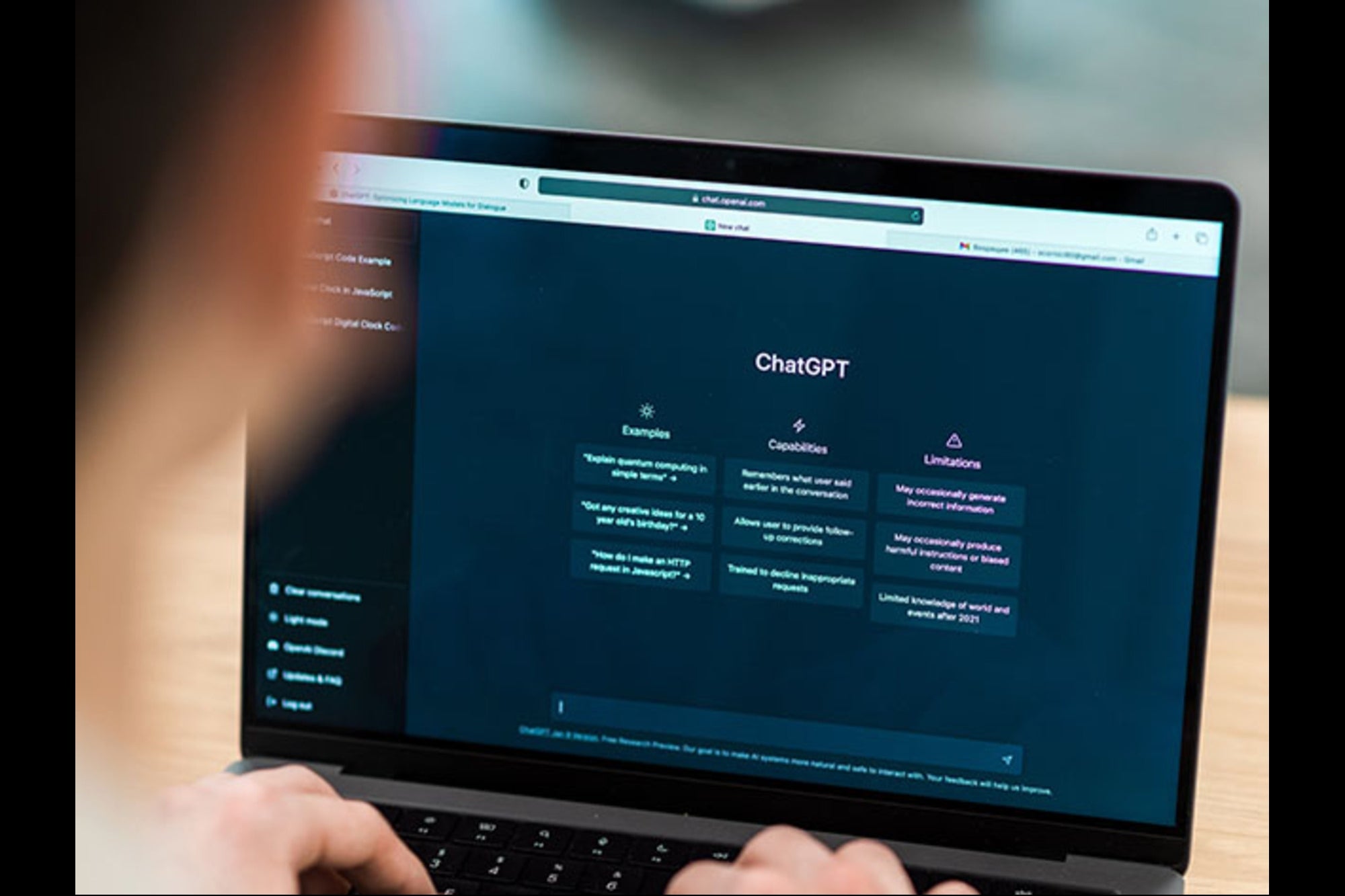
Feeling like you need to head back to college to understand all this ChatGPT, AI assistant, automation integration business stuff? Get the crash course you need in this new tech to optimize efficiency in your workforce when you enroll in ChatGPT & Automation E-Degree offered by Eduonix Learning Solutions. Valued at $790, you can earn a certificate of completion for just $19.97 with this e-degree.

What’s in the 12 courses of this e-degree?

You’ll get to spend 25 hours over 12 lectures, pinning down how AI assistants and automation can work, which ones to use when, and how to integrate these tools in your professional life to work better, faster, and smarter.

Across industries, professionals are offloading their busy or repetitive work to AI assistants. When you learn which options exist with this course, you can explore whether an AI-powered calendar scheduling app will help with your time blocking, for example.

No matter your field, there are AI-powered tools worth learning about. Creative fields can benefit from AI editing and design programs to polish their work and reduce proofing time. Data scientists benefit from data analysis and automated visualization tools. Those in sales can use ChatGPT and other AI assistants to practice their pitches or presentations. And the series of courses in this e-degree can help you discover which of these tools is right for you.

Business insider instructors

The experts behind this ChatGPT course are chosen from a professional team of trainers at Eduonix Learning Solutions for their knowledge in different tech subjects, such as mobility, web to enterprise, database, and server administration. Students rate Eduonix Learning Solutions 4 stars, so you can feel confident that others have found Eduonix courses valuable.

An e-degree’s certification of completion is much more affordable than going back to school to understand the AI revolution, so sign up for the ChatGPT & Automation E-Degree for only $19.97.

StackSocial prices subject to change.

Feeling like you need to head back to college to understand all this ChatGPT, AI assistant, automation integration business stuff? Get the crash course you need in this new tech to optimize efficiency in your workforce when you enroll in ChatGPT & Automation E-Degree offered by Eduonix Learning Solutions. Valued at $790, you can earn a certificate of completion for just $19.97 with this e-degree.

What’s in the 12 courses of this e-degree?

You’ll get to spend 25 hours over 12 lectures, pinning down how AI assistants and automation can work, which ones to use when, and how to integrate these tools in your professional life to work better, faster, and smarter.

The rest of this article is locked.

Join Entrepreneur+ today for access.

https://www.entrepreneur.com/science-technology/boost-your-resume-with-chatgpt-automation-e-degree-now/491287


Klarna Is Hiring Customer Service Agents After AI Couldn’t Cut It on Calls, According to the Company’s CEO

Months after touting AI’s potential to replace human work, Klarna CEO Sebastian Siemiatkowski is backtracking and reversing an AI-induced hiring freeze to bring on more human staff.

Siemiatkowski, 43, told Bloomberg on Thursday that Klarna is hiring human workers again to ensure that customers always have a human presence to talk to, if needed.

“From a brand perspective, a company perspective, I just think it’s so critical that you are clear to your customer that there will always be a human if you want,” Siemiatkowski told the outlet.

Related: Klarna CEO Says AI Could Help Reduce Company Headcount By 50%

Siemiatkowski tells Bloomberg that the AI-focused strategy Klarna employed for the past few years wasn’t the right path. He says that while AI customer service chatbots were cheaper to employ than human staff, they resulted in a “lower quality” output.

So now Klarna is recruiting a new batch of customer service employees, and the company will now focus on providing “quality” human support for customers, he said. In its recruitment drive, the company is targeting students, rural populations, and dedicated Klarna users who are passionate about the company. The roles are fully remote.

“Really, investing in the quality of human support is the way of the future for us,” Siemiatkowski told Bloomberg.

Klarna CEO Sebastian Siemiatkowski. Photographer: Chris Ratcliffe/Bloomberg via Getty Images

In December, Klarna paused all hiring a year prior as it focused on AI investments. The company’s headcount dropped 22% in that time frame to 3,500 employees, mostly because of attrition, Siemiatkowski disclosed at the time. He asked Klarna’s employees to turn to AI to help fill in the gaps left by their departing colleagues.

In February 2024, the company claimed AI could do the work of 700 customer service agents and had taken on 75% of the company’s customer chats, or about 2.3 million conversations, within a month of launch. The bot handled questions about topics like refunds, returns, and payments in more than 35 languages.

Related: There Are New Rules for ‘Buy Now, Pay Later’ Programs — Here’s What to Know

Early tests with Klarna’s customer service AI chatbot showed that the AI churned out exact answers from existing documentation and passed on customers to human support agents quickly. Gergely Orosz, an author and writer at The Pragmatic Engineer, wrote on X last February that Klarna’s AI chatbot acted “basically as a filter” to reach human customer support agents when he tested it.

Klarna is valued at $14.6 billion. Since its founding in 2005, the company has helped buy-now, pay-later loans go mainstream. In March, Klarna became Walmart’s exclusive buy now, pay later provider.

Months after touting AI’s potential to replace human work, Klarna CEO Sebastian Siemiatkowski is backtracking and reversing an AI-induced hiring freeze to bring on more human staff.

Siemiatkowski, 43, told Bloomberg on Thursday that Klarna is hiring human workers again to ensure that customers always have a human presence to talk to, if needed.

“From a brand perspective, a company perspective, I just think it’s so critical that you are clear to your customer that there will always be a human if you want,” Siemiatkowski told the outlet.

The rest of this article is locked.

Join Entrepreneur+ today for access.

https://www.entrepreneur.com/business-news/klarna-ceo-reverses-course-by-hiring-more-humans-not-ai/491396


Here’s What It Really Takes to Lead a Bootstrapped Business

Opinions expressed by Entrepreneur contributors are their own.

When you’re leading a bootstrapped business, it’s not luck or magic that drives success. Building something from scratch takes a deliberate mindset and consistent resilience to tackle unique challenges head-on.

When I reflect on Terakeet’s journey as a company, I’m reminded of the grit and determination it took to get where we are today. Without the cushion of external funding, every decision carries weight, every risk feels deeply personal, and every success is a hard-won milestone.

Along the way, I’ve learned (and relearned) invaluable lessons that have shaped my approach to both leadership and business.

Related: What I Wish I Knew Before Bootstrapping My Startup

Turning missteps into milestones

In the early days of co-founding Terakeet, mistakes were plentiful and sometimes costly. We fell into the trap of micromanaging, unintentionally stifling our team’s growth and creating a culture that left little room for innovation.

As a result, we lost talented team members, customers and the agility to adapt when it mattered most. This kept us in a cycle of reactive tactics instead of sustained growth.

External challenges only compounded the pressure. We launched the company just before 9/11 and, during the dot-com bust, Google algorithm updates dismantled our early websites. In the beginning, we struggled to stay afloat and often borrowed money just to survive. By the time the 2008 financial crisis hit, we were already so battle-worn, it barely registered to our young company (and co-founders).

I eventually came to realize an important thing about failure. It’s often not external forces that drive it, but self-inflicted missteps. Owning that truth was pivotal for us — it’s what ultimately allowed us to take accountability, adapt and grow into the company we are today.

Channeling fear of failure into motivation

The fear of failure is natural and universal. Running a bootstrapped business can amplify this fear. With no safety net to fall back on, the stakes are higher, and failure can have far-reaching consequences.

But there’s a crucial distinction between fear that holds us back and fear that pushes us forward.

When fear is a barrier, it paralyzes us and prevents us from making bold decisions. But when we use fear as a motivator, it sharpens our focus, fuels our determination and empowers us to lean into the unknown.

Understanding that difference in your professional life is key. It’s what turns fear into a powerful catalyst for growth, rather than an obstacle to success. As a CEO of 20 years, I now recognize fear as an indicator to innovate and not an emotion to shy away from.

Empower others to take ownership

When you build a business from the ground up, it’s natural to feel deep, personal responsibility for its success. Every decision weighs on your shoulders, and every risk feels like yours alone to bear.

But you can’t scale success on your own. You need to recognize the power of delegation and trust. As your team grows, employees become true stakeholders, and ownership over your company’s future becomes a collective responsibility.

Without the experts on our team in those early days, Terakeet wouldn’t be the company it is today. They were the ones who encouraged us to embrace analytics, helped develop our software and laid the groundwork for our core values.

They were also the ones brave enough to challenge me, to speak up when they thought I was wrong and to push us toward better decisions. Their courage, expertise and commitment were instrumental to our journey.

Related: The Complete 10-Step Guide to Bootstrapping for Entrepreneurs

Remain strategically agile

Terakeet was born in the early days of the internet, a time of immense opportunity and rapid change. Our inexperience may have limited our ability to fully capitalize on that moment, but it also proved to be a hidden advantage that set us up to succeed.

Our youth made us agile and bold in our decision-making. When we recognized shifting consumer needs during the dot-com boom, we embraced this uncertainty, pivoting Terakeet’s focus from speech recognition to SEO.

Sixteen years later, we shifted again to enterprise SEO. Then, to owned asset optimization in 2023, which encompasses online brand management strategies like generative engine optimization and reputation protection.

Complacency is the single greatest threat to both personal growth and business success. For bootstrapped organizations, adaptability is a competitive advantage that allows you to outpace larger, slower-moving companies.

By remaining flexible to changing consumer behavior and market trends, we’ve been able to carve out a competitive offering. So, embrace experimentation, learn from failures, and pivot quietly when needed.

In the end, the willingness to innovate will keep your business thriving regardless of the challenges ahead.

When you’re leading a bootstrapped business, it’s not luck or magic that drives success. Building something from scratch takes a deliberate mindset and consistent resilience to tackle unique challenges head-on.

When I reflect on Terakeet’s journey as a company, I’m reminded of the grit and determination it took to get where we are today. Without the cushion of external funding, every decision carries weight, every risk feels deeply personal, and every success is a hard-won milestone.

Along the way, I’ve learned (and relearned) invaluable lessons that have shaped my approach to both leadership and business.

The rest of this article is locked.

Join Entrepreneur+ today for access.

https://www.entrepreneur.com/leadership/heres-what-it-really-takes-to-lead-a-bootstrapped-business/490654