Most Entrepreneurs Never Practice This Skill — and It’s Why They Panic Under Pressure

Opinions expressed by Entrepreneur contributors are their own.

Key Takeaways

  • Most entrepreneurial struggle isn’t about skill. It’s about unfamiliar emotions. Experience matters, not because it makes you smarter, but because it makes difficult situations familiar.
  • Emotional rehearsal creates real confidence. Entrepreneurs should visualize and mentally prepare for how challenges will feel before they happen in real-time.
  • Confidence comes from recognition. The founders who endure aren’t those who avoid discomfort. They’re the ones who’ve practiced the feelings, rehearsed hard moments and didn’t confuse emotion with danger.

Most of us grew up hearing the same phrase over and over again: Practice makes perfect.

You heard it in sports, music lessons, school and any activity that required repetition. You weren’t expected to be good the first time. Or even the tenth. The assumption was simple: The more you practiced, the more familiar it became — and the better you performed under pressure.

What’s interesting is how that lesson completely disappears when we become entrepreneurs.

Suddenly, we expect ourselves to know how to handle things we’ve never experienced before. We judge ourselves harshly for emotional reactions to situations we’ve never rehearsed. And we mistake discomfort for incompetence.

But the truth is this: Most entrepreneurial struggle isn’t about skill. It’s about unfamiliar emotions.

Experience isn’t just knowledge — it’s emotional memory

When people say someone is “seasoned,” they’re rarely talking about intelligence. They’re talking about exposure.

A seasoned entrepreneur has:

  • Seen deals fall apart

  • Lived through cash-flow stress

  • Been misunderstood publicly

  • Had launches flop

  • Made decisions that aged poorly

  • Carried responsibility longer than felt comfortable

What looks like confidence from the outside is often something much quieter: recognition.

They’ve felt this before. Their nervous system knows the terrain.

That’s why experience matters so much. Not because it makes you smarter — but because it makes situations familiar.

Why “practice makes perfect” worked so well

As kids, practice wasn’t just about improving technique. It was about training our relationship to discomfort.

When you practiced piano or played sports, you learned:

Eventually, those feelings stopped being alarming. You didn’t quit because your fingers hurt or you missed a shot. You expected it.

That expectation created calm.

Entrepreneurship, however, throws people into high-stakes emotional environments with no rehearsal. And then we wonder why founders burn out, freeze or self-sabotage when things get hard.

The missing skill: Emotional rehearsal

We prepare for meetings.
We prepare for launches.
We prepare for strategy.

But we rarely prepare for how something is going to feel.

And that’s where emotional rehearsal comes in.

Joe Dispenza has spoken extensively about the idea that the brain and body do not sharply distinguish between real experiences and vividly imagined ones. When we repeatedly imagine a situation with emotional detail, we begin to train our nervous system to recognize it as known rather than threatening.

This isn’t abstract neuroscience. It’s practical conditioning.

And it shows up everywhere once you notice it.

Learning from the world’s toughest climbs

I was reminded of this concept recently when I watched Alex Honnold’s brutal ascent of Taipei 101.

What stood out wasn’t just the physical preparation; he also talked about the mental preparation.

Before the climb, he rehearsed obsessively:

  • How his muscles would burn

  • How his breathing would change

  • When his mind would want to quit

  • What fear would feel like mid-climb

By the time he was actually climbing, nothing surprised him.

The pain wasn’t pleasant — but it was familiar.

And familiarity breeds control.

Entrepreneurship is an emotional endurance sport

Entrepreneurship is not a sprint. It’s not even a marathon. It’s closer to an unpredictable climb where the terrain changes mid-ascent.

At different stages, you encounter entirely new emotional experiences:

  • The shock of responsibility when people rely on you for income

  • The loneliness of leadership when decisions can’t be crowdsourced

  • The vulnerability of visibility as your brand grows

  • The pressure of success when expectations rise faster than capacity

None of these emotions means something is wrong. They mean something is new.

The problem is when founders encounter these feelings for the first time in real-time — with real consequences — and interpret them as failure.

Why familiar discomfort is easier than new discomfort

Your nervous system is designed to protect you from novelty. It doesn’t care whether something is objectively dangerous — only whether it’s unfamiliar.

That’s why:

  • First-time founders panic more easily

  • New levels of success can feel destabilizing

  • Growth can trigger anxiety instead of confidence

The emotion itself isn’t the issue. The novelty is.

When you’ve already “been there” emotionally — even in rehearsal — your body responds differently. You stay present instead of reactive. You make decisions instead of freezing.

How entrepreneurs can practice before the moment arrives

Emotional rehearsal isn’t about avoiding difficulty. It’s about normalizing it. Here’s how founders can actually apply this:

1. Rehearse failure, not just success

Visualize what it feels like when something doesn’t work. Sit with the disappointment without spiraling. Practice staying grounded.

2. Practice being misunderstood

Growth often means people project assumptions onto you. Rehearse the discomfort of not correcting the narrative — and surviving anyway.

3. Prepare for the weight of wins

Success brings pressure, scrutiny and expectation. Many founders don’t realize how destabilizing growth can feel until they’re in it.

4. Name emotions before they show up

When you expect fear, it loses power. Anticipation turns panic into information.

5. Train your nervous system, not just your intellect

You don’t need more logic in hard moments. You need emotional familiarity.

Why this creates real confidence

Confidence isn’t bravado. It isn’t loud. It isn’t pretending things don’t affect you.

Real confidence comes from recognition:

“I know this feeling.”
“I’ve survived this before.”
“I don’t need to escape this moment.”

That’s what experience actually gives you — not perfection, but steadiness.

The entrepreneurs who last

The founders who endure aren’t the ones who avoid discomfort. They’re the ones who expected it.

They practiced the feelings.
They rehearsed the hard moments.
They didn’t confuse emotion with danger.

Just like we learned as kids: Practice doesn’t make things painless. It makes them familiar.

And in entrepreneurship, familiarity is often the difference between panic and leadership.

Key Takeaways

  • Most entrepreneurial struggle isn’t about skill. It’s about unfamiliar emotions. Experience matters, not because it makes you smarter, but because it makes difficult situations familiar.
  • Emotional rehearsal creates real confidence. Entrepreneurs should visualize and mentally prepare for how challenges will feel before they happen in real-time.
  • Confidence comes from recognition. The founders who endure aren’t those who avoid discomfort. They’re the ones who’ve practiced the feelings, rehearsed hard moments and didn’t confuse emotion with danger.

Most of us grew up hearing the same phrase over and over again: Practice makes perfect.

You heard it in sports, music lessons, school and any activity that required repetition. You weren’t expected to be good the first time. Or even the tenth. The assumption was simple: The more you practiced, the more familiar it became — and the better you performed under pressure.

https://www.entrepreneur.com/leadership/do-you-panic-under-pressure-youre-missing-this-skill/502223




The Secret to Winning Sales Before Your Competitors Even Show Up

Opinions expressed by Entrepreneur contributors are their own.

Key Takeaways

  • Intent arbitrage means capturing a buyer’s interest before they even start evaluating competitors — and thanks to AI, this capability is available to every business.
  • AI detects emerging intent by processing millions of data points and continuously monitoring intent signals, letting companies respond faster than traditional, reactive demand-generation methods.
  • Turning early intent signals into a competitive advantage requires leadership buy-in and coordination between marketing, sales and product teams.

What if you could influence a buyer’s choice before they even realize they are making one? That’s intent arbitrage — capturing a buyer’s interest before they even start evaluating competitors. Today, timing is a critical aspect of digital demand generation. The companies winning deals show up first and set the direction of the conversation.

Think about Amazon and how they predict your battery needs before your remote even dies. Companies like this have mastered anticipating buyer needs early. Today, thanks to AI, this capability is available to every business.

Understanding buyer intent signals

Explicit signals are the obvious ones, like search queries, keyword trends or a series of related searches demonstrating an intent to buy. When someone types, “best CRM for remote teams,” they are waving a flag. But by then, competitors have mobilized.

Implicit signals offer richer opportunities. These show up in a sales call, where prospects mention adjacent challenges, social chatter revealing industry frustrations and forum discussions where users troubleshoot related problems. Identifying pain points early transforms reactive selling into proactive positioning.

Now the question is: How quickly can you catch the signals? Most teams detect patterns only after trends crystallize and competition intensifies.

Why traditional approaches miss early intent

Traditional methods of demand generation rely on lagging analytics, such as pageviews, conversions and form fills. You are tracking engagement after prospects land, analyzing interest after it has peaked. By this time, buyers have already formed opinions and shortlisted alternatives.

Waiting for form fills and account engagements means joining the conversations late. The cost? Longer sales cycles, lost early mindshare and competitive positioning where you are being compared rather than consulted.

How AI detects emerging intent

AI excels at sifting massive patterns from noise. While your team reviews quarterly reports, AI processes millions of data points in real time, like search behavior shifts, sales transcript patterns, social sentiment changes and community discussion evolution.

Real-time trend detection across search, social and sales data reveals opportunities before they appear in your CRM. Agentic AI autonomous systems are designed to monitor intent signals continuously and provide decision support. These agents flag opportunities the moment they emerge, transforming raw signals into strategic action within shopping and intent contexts.

Intent arbitrage in practice: Detecting signals early

Successful intent arbitrage monitors three signal sources:

  • Search behavior shifts: Rising keywords before competitors notice and phrases prospects use before formalizing needs into RFPs

  • Sales call patterns: Recurring questions showing emerging pain points your solution could address

  • Market chatter: Forums, communities and review sites where users express frustration with current solutions

Turning signals into strategy

Prioritizing actionable AI-inferred intent signals requires precision. Not every pattern deserves resources. AI should rank opportunities by strength, market potential and strategic alignment.

Aligning teams:

Success demands coordination. Marketing, content, product and sales must unite behind identified trends. Fast creation of targeted assets before demand peaks means content matching nascent search intent, sales enablement speaking the buyer’s emergent language and positioning that preempts vendor comparisons.

AI tools and services for intent arbitrage

You need three AI capabilities: monitoring, analysis and synthesis. These systems track signals across platforms, separate meaningful patterns from noise and connect insights to business opportunities.

For many organizations, AI services augment internal teams with specialized expertise. These services operationalize early intent insights, from data pipelines to strategy execution, transforming technical capabilities into competitive advantage.

Case study: Personalized content before demand peaks

A startup used AI to create personalized children’s content based on early audience signals. By analyzing browsing patterns, they tailored coloring storybooks to emerging preferences.

Early signals shaped experiences, driving engagement because content arrived when interest sparked.

Building an intent arbitrage workflow

Operationalization follows four steps:

  1. Signal collection sources: Connect search data, CRM transcripts, social listening and community monitoring

  2. AI-driven prioritization: Let algorithms rank opportunities by strength and strategic fit

  3. Strategy and content sprint: Rapidly develop assets addressing identified opportunities

  4. Execution and measurement: Deploy quickly while tracking impact on buyer journeys

Getting leadership buy-in requires demonstrating how early intent detection shortens cycles and improves win rates. Cross-functional alignment follows when executives understand the strategic value.

Metrics that matter

Leading indicators reveal early impact: early click signals, rising search intent and form abandonment insights. These predict success before it appears in pipelines.

Lagging indicators (downstream influence on deals, reduced time to decision) confirm the strategy’s value. Measuring the ROI of capturing intent early requires connecting both metrics.

Challenges and best practices

Avoiding noise and false positives requires discipline. Not every signal represents an opportunity. Balance automation with strategic human oversight.

AI detects patterns, but experienced strategists validate them. Establish guardrails for AI-generated insights and content to maintain quality and brand consistency.

Future of intent arbitrage

We’re moving toward predictive intent models that forecast needs before signals emerge. Autonomous real-time content adaptation will respond to micro-behaviors instantly. Buyer behavior forecasting will become a standard business capability, separating market leaders from followers who still rely on reactive approaches.

Intent arbitrage matters because winning early means shaping the buyer’s frame of reference before comparisons begin. When you understand what prospects need before they formalize their search, you provide valuable guidance rather than defensive positioning.

The opportunity exists now. Your competitors aren’t listening systematically. Buyers are leaving intent signals everywhere. Start listening, start acting sooner. In a world where attention is scarce and skepticism is high, showing up first with genuine value isn’t just smart marketing — it’s survival!

Sign up for the Entrepreneur Daily newsletter to get the news and resources you need to know today to help you run your business better. Get it in your inbox.

Key Takeaways

  • Intent arbitrage means capturing a buyer’s interest before they even start evaluating competitors — and thanks to AI, this capability is available to every business.
  • AI detects emerging intent by processing millions of data points and continuously monitoring intent signals, letting companies respond faster than traditional, reactive demand-generation methods.
  • Turning early intent signals into a competitive advantage requires leadership buy-in and coordination between marketing, sales and product teams.

What if you could influence a buyer’s choice before they even realize they are making one? That’s intent arbitrage — capturing a buyer’s interest before they even start evaluating competitors. Today, timing is a critical aspect of digital demand generation. The companies winning deals show up first and set the direction of the conversation.

Think about Amazon and how they predict your battery needs before your remote even dies. Companies like this have mastered anticipating buyer needs early. Today, thanks to AI, this capability is available to every business.

https://www.entrepreneur.com/growing-a-business/the-secret-to-winning-sales-before-competitors-even-show-up/502210


Is AI Actually Making a Difference in Your Company? Most Executives Aren’t Seeing the Whole Picture.

Opinions expressed by Entrepreneur contributors are their own.

Key Takeaways

  • AI promises speed, precision and productivity — but does it actually make everything better or more efficient within your company? It depends on who you ask.
  • Approximately 75% of top executives are excited about their AI investment. However, only slightly more than 30% of workers express excitement over AI.
  • The real competitive advantage doesn’t come from adopting the newest tools first; it comes from listening to the people using them every day and knowing when human judgment still wins the point.

Advancements in AI technology make our personal and work lives easier and more efficient. Or so they say. From search engines to customer service chatbots to athletic facilities, AI platforms are being introduced at a rapid pace. However, does AI make everything better or more efficient within your company? It depends on who you ask.

As a competitive adult tennis player, I enjoy following professional tennis, especially the top men and women players. The 2026 professional tennis season begins in mid-January with the Australian Open. What I enjoy most is behind-the-scenes footage and documentaries on how players train and prepare for the intense season. More importantly, the latest professional technology is also helping amateurs like me improve their game.

Technology is essential to practically every business. While I love experimenting with the latest AI and software advancements, the reality is that human involvement and buy-in remain vital to our company’s success.

Professional tools for pros and amateurs

AI-generated tennis technology brings an entirely new dimension to the court. Tennis, much like golf, is a skill sport. Upon learning the basics, such as what size racquet or club is needed, how to hold or grip it and the fundamentals of the swing, countless hours must be invested to move from beginner to novice.

Most tennis and golf players wanting to rapidly improve their game will invest in clinics and/or private lessons. After all, “repetition is the mother of skills,” or so the saying goes. While there is no shortage of new technologies to advance our skills, AI-generated technology is replacing humans when it comes to scoring and making line calls.

If you’ve followed the major tennis tournaments for the past few years or so, you may have noticed that most have replaced human line judges with automated line-calling technology. The French Open, played on red clay courts, is the lone exception.

To my delight, French Open officials recently announced human line judges would continue in 2026, citing tradition and the ability to see ball marks on the clay surface. I suspect that tradition will end in the coming years, so I’m enjoying the last crumb of traditional tennis. Just imagine if automated lines were available during the 1970s and 80s when the legendary John McEnroe famously berated umpires and line judges.

I play a lot of competitive adult tennis, and just like the friendly game at your local courts, each side is responsible for calling long or wide shots. Sure, we all make mistakes and erroneously miscall the occasional shot.

Unfortunately, a small minority of players seem to call balls out for their own benefit. I’ve lost plenty of points I felt I should have won due to what I consider unsportsmanlike conduct. Even if you don’t play tennis, I’m sure you have encountered coworkers or associates who continuously operate “outside the lines.”

A couple of months ago, Elliott McDermed, the KCUT Academy Director, invited me to play at the Overland Park Racquet Club near Kansas City. The club recently installed the new PlayReplay technology that not only makes accurate line calls but also allows players and instructors to see vital shot information, such as ball speed, height and placement. As an assistant coach for a local private high school, the teaching and instruction component impressed me the most.

Most of my fellow CEOs are avid golfers, and there is certainly no shortage of AI-generated gadgets and systems designed to lower their score or handicap. Yet one question I frequently ask myself involves the overall perception of AI in the workplace. In other words, do frontline office workers believe that AI is improving their productivity? According to at least one recent survey, the answer is no.

Frontline versus C-suite

A recent Wall Street Journal survey of 5,000 white-collar workers indicates that C-suite executives are far more excited about the benefits of AI than those on the ground floor. For example, approximately 75% of top executives are excited about their AI investment. However, that number drops significantly as only slightly more than 30% of workers express excitement over AI.

So where is the disconnect? I believe implementation remains the largest hurdle for most office workers. Non-management employees said they saved less than two hours per week when using AI, compared with more than 40% of executives who said they saved at least eight hours per week. The discrepancy in these numbers leads me to believe that executives aren’t using AI tools as much as their ground-floor staff.

Employees say that AI doesn’t save nearly as much time as their bosses think. Plus, many of those same workers feel overwhelmed by how to incorporate AI tools into their daily routine. The bottom line is that executives seem to have blinders on when it comes to AI’s efficacy. Nonetheless, companies are spending small fortunes on AI tools to boost productivity at every level.

Where the rubber meets the road

As the founder and CEO of a transcription company, I enjoy discovering and learning about new software solutions that can potentially improve productivity and our bottom line. In addition, I made the decision several years ago that incurring the time and expense to stay current on the latest tools and technology is critical to my company’s success.

My experienced, trained human transcriptionists still outperform any AI-generated transcription tool on the market today. Using human transcriptionists allows me to extend a 99% accuracy guarantee to our clients. If I relied on AI transcription platforms, I would lose money with that same commitment.

I think we can all agree that AI technology continues to advance rapidly. And yes, there will come a time in the not-so-distant future when AI platforms will deliver the same accuracy and efficiency as our human transcriptionists deliver today. However, I also believe that new AI advancements should come from those on the front lines who are the most knowledgeable about real-world implementation.

Listen to the front line

As CEOs and top-level executives, it’s easy to fall into the trap of believing we know what is best for our company. The one lesson I recognized from The Wall Street Journal survey I referenced above is that listening to and learning from frontline employees is essential.

Fortunately, our company is small, so that isn’t an issue. Yet I sense that many of my colleagues in larger organizations are out of touch with frontline staff.

Here is my challenge to each of you (including myself). Walk around your office and ask employees how they use the tools they have access to. Here are a few questions to consider:

  • Which software systems do employees use the most and why?

  • Do employees feel the organization provides enough training when new software or hardware is introduced?

  • Are more seasoned employees intimidated by new AI technology, and what can be done to alleviate their concerns?

  • Are younger employees too dependent on AI platforms at the expense of understanding the basic tenets of your business?

Some business experts worry that AI or new technology will remove our human touch. I’m confident that we can implement new tools while still maintaining positive contact with customers and employees alike. However, understanding how our frontline employees view our decisions will ultimately benefit everyone.

Sign up for the Entrepreneur Daily newsletter to get the news and resources you need to know today to help you run your business better. Get it in your inbox.

Key Takeaways

  • AI promises speed, precision and productivity — but does it actually make everything better or more efficient within your company? It depends on who you ask.
  • Approximately 75% of top executives are excited about their AI investment. However, only slightly more than 30% of workers express excitement over AI.
  • The real competitive advantage doesn’t come from adopting the newest tools first; it comes from listening to the people using them every day and knowing when human judgment still wins the point.

Advancements in AI technology make our personal and work lives easier and more efficient. Or so they say. From search engines to customer service chatbots to athletic facilities, AI platforms are being introduced at a rapid pace. However, does AI make everything better or more efficient within your company? It depends on who you ask.

As a competitive adult tennis player, I enjoy following professional tennis, especially the top men and women players. The 2026 professional tennis season begins in mid-January with the Australian Open. What I enjoy most is behind-the-scenes footage and documentaries on how players train and prepare for the intense season. More importantly, the latest professional technology is also helping amateurs like me improve their game.

https://www.entrepreneur.com/science-technology/how-to-tell-if-ai-is-making-a-difference-in-your-company/502160


6 Powerful Leadership Lessons From Past U.S. Presidents That Still Hold Up Today

Opinions expressed by Entrepreneur contributors are their own.

Key Takeaways

  • While markets, technology and economic cycles constantly change, the fundamental principles of strong leadership remain timeless.
  • The patterns that past American presidents relied on under enormous stakes and uncertainty can still be applied today.
  • From crisis management to long-term bets and technological inflection points, the presidency offers a masterclass in leadership under pressure.

Leadership doesn’t go out of style. Markets shift. Technology moves fast. Economies expand and contract. But the traits that actually define strong leadership — integrity, clear vision, resilience, focus and smart timing — don’t really change.

Throughout history, American presidents have led through war, financial collapse, major technological shifts and periods of national uncertainty. The stakes were enormous. The pressure was relentless. And yet, the leadership patterns they relied on aren’t that different from what founders and executives deal with today.

Here are six lessons from past presidents that still hold up in business today.

George Washington: Integrity as strategy

When George Washington stepped down after two terms in 1797, no one forced him to. There were no term limits written into the Constitution. He could have stayed in power. Instead, he chose to walk away, reinforcing the idea of civilian leadership and a peaceful transfer of authority.

At a time when many revolutionary leaders held onto control for as long as they could, Washington did the opposite. That decision shaped expectations around presidential leadership for nearly 150 years, until formal term limits were added in 1951. More than any speech, that choice defined his character.

Washington seemed to understand something that still applies in business: Credibility builds slowly and proves itself through action. Trust doesn’t come from positioning. It comes from decisions — especially the ones that cost you something in the short term. Today, that trust has measurable economic value. According to Edelman’s 2023 Trust Barometer, 71% of respondents say they will buy from or advocate for brands they trust.

The business lesson: Integrity isn’t just a moral trait; it’s a strategic advantage. Leaders who consistently act on principle build trust that compounds over time — and in business, reputation often becomes your most durable asset.

Ronald Reagan: Communicate with vision

Ronald Reagan earned the nickname “The Great Communicator” not because he explained policy in technical detail, but because he made direction feel clear and understandable. Whether he was speaking about economic changes or Cold War tensions, he returned to simple, consistent themes — optimism, growth, strength, renewal.

The 1980s brought major shifts in the U.S. economy, from fighting inflation to restructuring taxes and regulations. Regardless of political views, Reagan understood that large-scale change only works when people understand where they’re headed. People don’t rally around spreadsheets. They rally around stories that make sense.

His strength wasn’t complexity. It was clarity. He framed policy decisions as part of a bigger narrative about confidence and long-term direction. That kind of clarity is rarer than it should be. According to Gallup, only 23% of employees strongly agree that their organization’s leadership provides clear direction for the company.

Business leaders face similar situations — pivots, restructurings, tech shifts, downturns. In those moments, raw data isn’t enough. Teams need context. They need to understand what’s changing and why.

The business lesson: Vision has to be spoken out loud. A strategy that lives only in a slide deck creates confusion. Leaders who communicate clearly and consistently reduce uncertainty and help their teams move forward with conviction, not hesitation.

Andrew Johnson: Buying what others mocked

In 1867, President Andrew Johnson approved the purchase of Alaska from Russia for $7.2 million — roughly two cents per acre. The deal was negotiated by Secretary of State William H. Seward and quickly mocked in the American press as “Seward’s Folly” and “Seward’s Icebox.” Critics believed the United States had just bought a remote, frozen wilderness with no clear economic value and no immediate strategic benefit.

But long-term asset data suggests a different perspective. According to Koukyuu, property assets, including land, have delivered roughly 6-7% average annual real returns over very long periods. Alaska didn’t just quietly appreciate. It later generated enormous wealth through oil production, gold discoveries, natural resources and strategic military positioning.

Johnson approved a deal that looked irrational in the short term but created a structural advantage for generations.

The business lesson: The best investments are often misunderstood at the moment of execution. Visionary leaders are willing to endure criticism today in exchange for asymmetric upside tomorrow. Long-term value rarely looks obvious — until it compounds.

Abraham Lincoln: Steady leadership in national crisis

When Abraham Lincoln took office in 1861, the United States was on the brink of collapse. Within weeks, the Civil War began. Eleven states eventually seceded. The nation was politically fractured, economically strained and militarily unprepared. Public pressure intensified as early military defeats fueled uncertainty and criticism.

Lincoln faced enormous pressure to respond aggressively. Instead, he balanced urgency with restraint. He replaced ineffective generals when necessary, listened to dissenting voices within his cabinet and remained focused on preserving the Union as the central objective. Even under extraordinary stress, he projected steadiness rather than panic.

That kind of composure is rarer than it should be. According to PwC’s Global Crisis Survey, 95% of business leaders expect to face a crisis within the next two years — yet far fewer feel fully prepared to handle one effectively.

Lincoln seemed to understand something many leaders learn the hard way: Crisis amplifies reaction.

The business lesson: In moments of severe uncertainty, emotional stability becomes a competitive advantage. Leaders who remain calm under pressure make clearer decisions, protect morale and prevent disruption from turning into long-term damage.

Theodore Roosevelt: Ruthless energy and the economics of time

Theodore Roosevelt governed with relentless intensity. He read a book a day, wrote prolifically, boxed, hunted and still pushed through sweeping reforms — from trust-busting to conservation policy. He compressed more action into a single day than most leaders manage in a week. For Roosevelt, time wasn’t something to pass. It was something to deploy.

Modern executives operate under a similar principle, but now the math is explicit. According to Detailed Drivers, top executives often value their time between $500 and $5,000+ per hour, depending on compensation and equity stakes. At that rate, spending hours on low-leverage tasks — including driving — can translate into $250,000 to over $1 million in lost productive value annually. The same analysis shows that for executives earning $500K+ per year, delegating non-core activities can generate 300-600% ROI, particularly when that reclaimed time is reinvested into strategic decisions.

Roosevelt lived this principle instinctively. He focused his energy on decisions that reshaped markets, institutions and national policy — not on operational trivialities.

The business lesson: Productivity is not about doing more. It’s about protecting the hours that move outcomes. When your time carries strategic weight, delegation isn’t a luxury — it’s leverage.

Dwight D. Eisenhower: Prioritize what truly matters

Before becoming president, Dwight D. Eisenhower served as Supreme Allied Commander during World War II, coordinating one of the most complex military operations in modern history. Managing massive logistical networks, multinational alliances and high-stakes timelines required ruthless clarity in decision-making. Eisenhower famously observed, “What is important is seldom urgent, and what is urgent is seldom important.”

He understood that reacting to noise destroys strategy. His leadership depended on separating immediate pressure from long-term objectives — a discipline that later inspired what is now known as the Eisenhower Matrix.

Modern productivity thinkers have echoed this principle for decades. Brian Tracy, author of Eat That Frog, argues that high performers focus relentlessly on their most important tasks first, not the most urgent ones. The ability to distinguish between activity and impact is what separates busy leaders from effective ones.

The business lesson: Not all tasks deserve your attention. Leaders who consistently separate urgency from importance protect their strategic focus. Growth rarely fails because of a lack of effort — it fails because attention is misallocated.

Bill Clinton: Build during the technological inflection point

When Bill Clinton took office in 1993, the internet was still a niche academic and government network. By the time he left office in 2001, it had become the backbone of global commerce. His administration oversaw the Telecommunications Act of 1996, which deregulated major parts of the telecom industry and accelerated competition, infrastructure expansion and digital adoption.

The 1990s didn’t just produce dot-com startups. They laid the foundation for Amazon, Google, PayPal and the modern digital economy.

Every technological revolution compounds.

The internet wave of the 1990s led to mobile.
Mobile led to cloud computing.
Cloud led to artificial intelligence.

According to FollowersPanda, OpenAI — founded in 2015 — is now valued at approximately $157 billion. In less than a decade, a company built on AI infrastructure has grown to a valuation exceeding the annual GDP of some mid-sized economies — a clear example of how quickly value concentrates at technological inflection points.

Clinton didn’t invent the internet. But his presidency aligned with a foundational platform shift, and those who positioned early during that transition captured disproportionate upside.

The business lesson: The biggest fortunes are built during technological shifts. Leaders who recognize inflection points early — and position themselves accordingly — don’t compete in incremental markets. They ride exponential curves.

Different eras. Different pressures. Same leadership fundamentals. The tools in 2026 may look nothing like they did decades ago, but long-term thinking, steady decision-making, disciplined focus, clear communication and smart positioning around major shifts still separate real leaders from the rest. The environment changes. The mechanics don’t.

Sign up for the Entrepreneur Daily newsletter to get the news and resources you need to know today to help you run your business better. Get it in your inbox.

https://www.entrepreneur.com/leadership/6-lessons-from-past-us-presidents-that-still-hold-up-today/502670


Every Business Needs a Website—This Service Makes It Affordable

Disclosure: Our goal is to feature products and services that we think you’ll find interesting and useful. If you purchase them, Entrepreneur may get a small share of the revenue from the sale from our commerce partners.

For most businesses today, the website isn’t marketing — it is the business. Whether you’re selling products, booking clients, publishing content, or validating a startup idea, uptime and speed directly affect revenue.

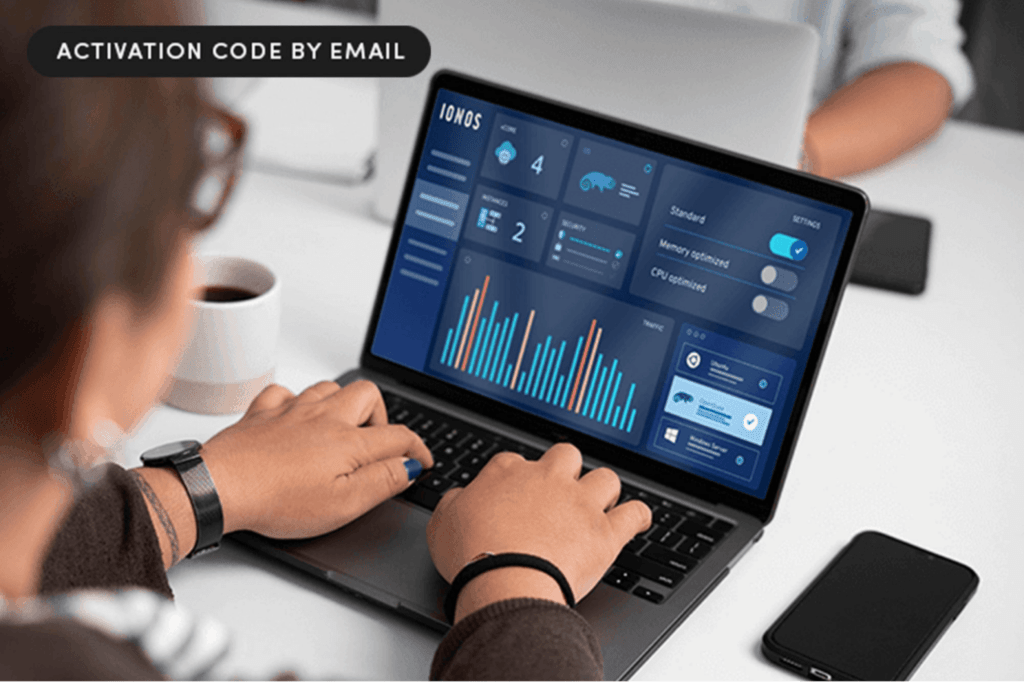
That’s why infrastructure matters. However, monthly hosting bills add up fast. The IONOS Web Hosting Plus Plan’s 3-year subscription is on sale for $49.97 (MSRP $288). Instead of treating hosting like another subscription, it becomes a fixed cost you can forget about while you focus on growth.

The plan supports unlimited websites, databases, and storage, which makes it especially useful for entrepreneurs who are running multiple projects: landing pages, test brands, client builds, or niche sites. Agencies can host client sites in one place, creators can spin up new ideas quickly, and small businesses get enterprise-style reliability without enterprise pricing.

Reliability is where it earns its keep. Geo-redundant infrastructure keeps sites online, daily backups protect work, and a wildcard SSL plus malware scanning adds baseline security without extra plugins. Load speeds benefit from HTTP/2 optimization, which helps conversion rates as much as search engine optimization.

You also get a free domain for the first year, professional email, 1-click installs for major platforms, and 24/7 support — the operational basics businesses usually piece together from multiple vendors.

In practice, it removes friction. Instead of debating whether a new idea is “worth hosting,” you just launch it.

For founders, that mindset shift matters because experimentation is less expensive when infrastructure already exists.

Get a 3-year subscription to IONOS Web Hosting’s Plus Plan for just $49.97 (MSRP $288).

StackSocial prices subject to change.

For most businesses today, the website isn’t marketing — it is the business. Whether you’re selling products, booking clients, publishing content, or validating a startup idea, uptime and speed directly affect revenue.

That’s why infrastructure matters. However, monthly hosting bills add up fast. The IONOS Web Hosting Plus Plan’s 3-year subscription is on sale for $49.97 (MSRP $288). Instead of treating hosting like another subscription, it becomes a fixed cost you can forget about while you focus on growth.

The plan supports unlimited websites, databases, and storage, which makes it especially useful for entrepreneurs who are running multiple projects: landing pages, test brands, client builds, or niche sites. Agencies can host client sites in one place, creators can spin up new ideas quickly, and small businesses get enterprise-style reliability without enterprise pricing.

https://www.entrepreneur.com/science-technology/every-business-needs-a-website-this-service-makes-it/502704


5 Mistakes Top Executives Make Managing Their Weaknesses — and What Actually Works Instead

Opinions expressed by Entrepreneur contributors are their own.

Key Takeaways

  • Viewing weaknesses as opportunities for strategic upgrades can transform leadership effectiveness.
  • Sustainable management of leadership weaknesses requires a methodical and root-cause focused approach, rather than quick fixes.
  • Leveraging the support of executive coaches and peer networks is critical for senior leaders to navigate career challenges successfully.

Navigating your weaknesses as a leader is tricky. As an executive, you’re likely hard-working and results-driven, so you naturally want to apply this same approach to overcoming your weak spots. While this sounds good in theory, it tends to backfire.

So how do you actually manage your weaknesses as a leader? As an executive coach, I’ve found that leaders tend to make the same handful of mistakes when it comes to navigating their weak spots.

1. They treat weaknesses like flaws

Leaders often feel like a weakness defines them. Weaknesses aren’t personal failures. This sounds simple in concept, but is much more challenging to embody.

Because many of the leaders I work with are in tech, I encourage them to think of a weakness as being like outdated hardware. There’s nothing inherently wrong with you; you just need an upgrade to run more efficiently. Consider thinking of weaknesses as being like a signal that reveals where you can leverage your strengths more strategically.

Sign up for How Success Happens and learn from well-known business leaders and celebrities, uncovering the shifts, strategies and lessons that powered their rise. Get it in your inbox.

2. They try to fix it quickly

Executives are often successful because they can quickly identify problems and act swiftly to solve them. While this trait helps them deal with business challenges or difficult stakeholders, it’s not always the best approach when working with a weakness. In fact, trying to quickly fix a weakness can lead to short-term solutions that don’t stick or that just create new stress points.

I often encourage leaders to approach weaknesses as if they were a critical error message in a complex system. Yes, you can technically fix the error quickly, but doing so can backfire and cause more issues down the line. You’re much more successful in addressing a persistent weakness if you’re methodical and take extra time to ensure you understand the root cause and build a sustainable strategy around it.

3. They try to overcome weaknesses instead of understanding them

Slowing down allows you to identify what’s causing the weak spot in the first place. You can’t understand your struggle — and what might be causing it — if you’re in a rush to fix it. You want to understand whether it’s because of your work environment, a stressor or personal habits that have gone unnoticed. Without this knowledge, your weakness is likely to persist until you get to the root cause.

I recall a leader who was struggling with missing deadlines. He asked how he could get better at time management. While the request makes sense on the surface, as we zoomed out and looked at the larger situation, it wasn’t a time management concern; it was that he had too much on his plate. Instead, he needed to set realistic expectations, delegate and learn to say no. Any time management techniques I taught him would have been a Band-Aid for a much larger cultural issue.

4. They try to turn weaknesses into superpowers

Many leaders want to excel at everything, but this isn’t possible at the executive level. When taking a strengths-based approach, you don’t try to turn weaknesses into superpowers. Instead, you bring in a complementary strength to manage or mitigate the weakness.

I recall a leader who said one of his greatest weaknesses was small talk. He was fine in one-on-one conversations, but he didn’t enjoy networking events. Rather than forcing him to become a networking expert, we doubled down on his skill at building deep one-to-one relationships, and he brought this with him to company meetings, conferences and other professional settings, which allowed him to create new relationships without exhausting himself.

5. They try to do it alone

Executives assume that because they have a multi-decade career, they should have it “all figured out.” This can lead them to avoid seeking guidance when they feel stuck in their careers. Yet the support of executive peers and coaches becomes increasingly valuable as you climb the corporate ladder, since your decisions impact larger teams, budgets, and organizations.

It’s worth noting that mentors can be harder to come by when you reach the highest levels of leadership, since you might be one of the most senior people at your level in the industry. Many of my executive clients turn to networks like Young Presidents Organization (YPO), Chief and TroopHR to receive support, since these organizations allow them to confidentially connect with senior leaders in similar situations. Instead of looking to someone who was in your shoes years ago, you can learn from others who are currently navigating the same challenges as you are.

Final thoughts

Weaknesses aren’t personality flaws, and they don’t have to define you. You also don’t need to turn them into superpowers. Slow down, try to get to the root cause of your weak spots and see where you might manage them by leveraging one of your strengths. Lean into the support of coaches and community rather than going at it alone. You’ve got this!

Sign up for Entrepreneur’s Franchise Bootcamp, a free, 5-day email course on how to find and invest in your first profitable
franchise — no business experience required.

Key Takeaways

  • Viewing weaknesses as opportunities for strategic upgrades can transform leadership effectiveness.
  • Sustainable management of leadership weaknesses requires a methodical and root-cause focused approach, rather than quick fixes.
  • Leveraging the support of executive coaches and peer networks is critical for senior leaders to navigate career challenges successfully.

Navigating your weaknesses as a leader is tricky. As an executive, you’re likely hard-working and results-driven, so you naturally want to apply this same approach to overcoming your weak spots. While this sounds good in theory, it tends to backfire.

So how do you actually manage your weaknesses as a leader? As an executive coach, I’ve found that leaders tend to make the same handful of mistakes when it comes to navigating their weak spots.

https://www.entrepreneur.com/leadership/5-mistakes-top-executives-make-managing-their-weaknesses/500414


The Flexible Fitness App That Works Around Your Calendar

Disclosure: Our goal is to feature products and services that we think you’ll find interesting and useful. If you purchase them, Entrepreneur may get a small share of the revenue from the sale from our commerce partners.

Running a business usually means managing time in 15-minute blocks — and fitness is often the first thing that gets pushed aside. Between meetings, deadlines, and decision fatigue, finding time for structured workouts can feel unrealistic.

However, flexible platforms like FitFusion At-Home Workouts fit into modern professional life pretty easily, giving professionals a reliable way to keep up with their fitness goals.

FitFusion gives users access to more than 1,000 on-demand workouts across multiple training styles, including HIIT, strength training, yoga, Pilates, cycling, dance, and kickboxing.

Instead of locking users into one trainer or workout style, the platform offers a roster of elite instructors, allowing professionals to adapt workouts based on schedule, energy level, or training goals.

Flexibility really is key. Some days allow for a full workout, while others might only allow for a 10-minute reset session between calls. FitFusion supports both without sacrificing workout quality.

The platform also includes progress tracking, milestone achievements, and personalized recommendations, helping users stay consistent, which is often the biggest challenge for busy professionals.

Another major advantage is access anywhere. Workouts stream across desktop, mobile, and smart TV platforms, making it easy to stay consistent while traveling, working remotely, or managing long office days.

For professionals who are focused on performance, longevity, and sustainable routines, building fitness into an on-demand model often makes consistency far more realistic.

FitFusion lifetime access is available for a one-time payment of just $149.99 (MSRP $449.97) for a limited time.

StackSocial prices subject to change.

Running a business usually means managing time in 15-minute blocks — and fitness is often the first thing that gets pushed aside. Between meetings, deadlines, and decision fatigue, finding time for structured workouts can feel unrealistic.

However, flexible platforms like FitFusion At-Home Workouts fit into modern professional life pretty easily, giving professionals a reliable way to keep up with their fitness goals.

FitFusion gives users access to more than 1,000 on-demand workouts across multiple training styles, including HIIT, strength training, yoga, Pilates, cycling, dance, and kickboxing.

Instead of locking users into one trainer or workout style, the platform offers a roster of elite instructors, allowing professionals to adapt workouts based on schedule, energy level, or training goals.

Flexibility really is key. Some days allow for a full workout, while others might only allow for a 10-minute reset session between calls. FitFusion supports both without sacrificing workout quality.

The platform also includes progress tracking, milestone achievements, and personalized recommendations, helping users stay consistent, which is often the biggest challenge for busy professionals.

Another major advantage is access anywhere. Workouts stream across desktop, mobile, and smart TV platforms, making it easy to stay consistent while traveling, working remotely, or managing long office days.

For professionals who are focused on performance, longevity, and sustainable routines, building fitness into an on-demand model often makes consistency far more realistic.

FitFusion lifetime access is available for a one-time payment of just $149.99 (MSRP $449.97) for a limited time.

StackSocial prices subject to change.

https://www.entrepreneur.com/living/the-flexible-fitness-app-that-works-around-your-calendar/502703


Run Your Business Smarter With This Microsoft Office Bundle

Disclosure: Our goal is to feature products and services that we think you’ll find interesting and useful. If you purchase them, Entrepreneur may get a small share of the revenue from the sale from our commerce partners.

It can be difficult to stay motivated as an entrepreneur. After all, you don’t have a boss breathing down your neck or superiors keeping you accountable. If you’re in need of some fresh tools to get things done, it may be time to go back to the basics with Microsoft Office.

Right now, this Microsoft Office Professional 2021 for Windows lifetime license, plus free Microsoft Training Bundle, can be yours for just $34.97 through February 22.

Get more done with this Microsoft Office bundle

PC users can give their devices a major productivity boost with this Microsoft Office license and training bundle. You can equip your computer with eight new tools, then learn how to use them efficiently with a free training bundle.

This lifetime license gives you permanent access to eight Microsoft Office essentials. Tackle document creation with Word, build spreadsheets with Excel, manage your emails with Outlook, and design presentations with PowerPoint.

You’ll also receive some of Microsoft Office’s newer favorites — Teams to stay connected with others, OneNote to upgrade your note-taking, Publisher to design professional marketing materials, and Access to manage large databases easily. This license lets you avoid monthly subscription fees, and instant delivery and download allow you to work offline as needed.

Once you download the apps, learn how to use them effectively with a free Microsoft Training Bundle. It includes six courses from LearningWhile Practicing that show you the best ways to work with Excel, Word, Access, and PowerPoint.

Get this Microsoft Office Professional 2021 for Windows lifetime license, plus free Microsoft Training Bundle for just $34.97 now through February 22.

StackSocial prices subject to change.

It can be difficult to stay motivated as an entrepreneur. After all, you don’t have a boss breathing down your neck or superiors keeping you accountable. If you’re in need of some fresh tools to get things done, it may be time to go back to the basics with Microsoft Office.

Right now, this Microsoft Office Professional 2021 for Windows lifetime license, plus free Microsoft Training Bundle, can be yours for just $34.97 through February 22.

Get more done with this Microsoft Office bundle

PC users can give their devices a major productivity boost with this Microsoft Office license and training bundle. You can equip your computer with eight new tools, then learn how to use them efficiently with a free training bundle.

https://www.entrepreneur.com/science-technology/run-your-business-smarter-with-this-microsoft-office-bundle/502702


ConvergeHub Replaces Sales Chaos with a Clear Pipeline

Disclosure: Our goal is to feature products and services that we think you’ll find interesting and useful. If you purchase them, Entrepreneur may get a small share of the revenue from the sale from our commerce partners.

Business leaders know all too well that running the show means juggling a lot of moving parts — and sales shouldn’t be the messiest one.

Yet for many founders, agencies, and growing teams, lead tracking still lives across spreadsheets, inboxes, sticky notes, and half-connected tools. That’s exactly the problem ConvergeHub Sales CRM Pro is designed to solve.

ConvergeHub brings your entire sales process into a centralized customer relationship management (CRM) system. From the first interaction to the final close, every lead, conversation, task, and follow-up lives in one place. Visual deal pipelines give business leaders instant clarity into what’s moving forward, what’s stalled, and what needs attention next.

Where ConvergeHub really stands out is automation. Smart workflows handle routine follow-ups, reminders, and task assignments automatically. This helps to reduce manual work and prevent leads from going cold.

AI-assisted tools help prioritize actions so teams spend time closing deals instead of managing admin.

The platform is also built to adapt. Whether you’re a solopreneur, consultant, agency, or growing sales team, ConvergeHub can be customized to match your exact sales process with custom fields, workflows, and layouts.

Setup is refreshingly fast, with most teams up and running in hours rather than weeks. And because everything lives in one dashboard, sales teams waste less time switching tools and more time selling.

For business leaders who are focused on growth, organization, and efficiency, this kind of CRM clarity can make a noticeable difference — quickly.

Don’t miss out on lifetime access to the ConvergeHub Sales CRM Pro Plan for $49.99 (MSRP $499) for a limited time, exclusively for new users.

StackSocial prices subject to change.

Business leaders know all too well that running the show means juggling a lot of moving parts — and sales shouldn’t be the messiest one.

Yet for many founders, agencies, and growing teams, lead tracking still lives across spreadsheets, inboxes, sticky notes, and half-connected tools. That’s exactly the problem ConvergeHub Sales CRM Pro is designed to solve.

ConvergeHub brings your entire sales process into a centralized customer relationship management (CRM) system. From the first interaction to the final close, every lead, conversation, task, and follow-up lives in one place. Visual deal pipelines give business leaders instant clarity into what’s moving forward, what’s stalled, and what needs attention next.

https://www.entrepreneur.com/science-technology/convergehub-replaces-sales-chaos-with-a-clear-pipeline/502701


Upgrade Your Brand Images with This Easy-to-Use AI Editing Tool

Disclosure: Our goal is to feature products and services that we think you’ll find interesting and useful. If you purchase them, Entrepreneur may get a small share of the revenue from the sale from our commerce partners.

Strong visuals are no longer optional for businesses. They’re part of how brands communicate credibility, quality, and professionalism. From website banners and product images to social media campaigns, high-quality visuals can directly impact customer trust and conversion rates.

That’s where tools like the Luminar Neo Lifetime Bundle fit beautifully into modern business workflows.

Luminar Neo combines advanced photo editing with AI-driven automation, helping teams create polished visuals without needing a full creative department.

Tools like EnhanceAI, SkyAI, and RelightAI can transform images quickly, while features like background removal, noise reduction, and upscaling help make older or lower-quality assets usable again.

For entrepreneurs and marketing teams, speed matters. Luminar Neo allows fast editing with presets and batch-style workflows, while still offering advanced tools like layers, masking, and local adjustments when needed.

The software also integrates with existing creative stacks. It works on Mac and Windows and can be used as a plugin inside Photoshop or Lightroom, which makes adoption easy for teams already using those platforms.

Another underrated advantage for business teams is consistency. Maintaining a recognizable visual style across websites, social media, ads, and presentations can be surprisingly time-consuming, especially when multiple people touch the same assets.

Luminar Neo’s presets, LUTs, and AI-assisted adjustments help teams create a repeatable visual look without building everything from scratch each time.

The included extensions — like Panorama Stitching, Focus Stacking, HDR Merge, and Magic Light AI — expand what teams can do without adding additional software costs. And it comes with a video on editing techniques, as well as six add-ons.

For teams focused on scaling content creation while controlling costs, tools like this can quickly become part of the core marketing stack.

Don’t miss the Luminar Neo Lifetime Bundle while it’s on sale for just $69.97 (MSRP $682) through Feb. 22.

StackSocial prices subject to change.

Strong visuals are no longer optional for businesses. They’re part of how brands communicate credibility, quality, and professionalism. From website banners and product images to social media campaigns, high-quality visuals can directly impact customer trust and conversion rates.

That’s where tools like the Luminar Neo Lifetime Bundle fit beautifully into modern business workflows.

Luminar Neo combines advanced photo editing with AI-driven automation, helping teams create polished visuals without needing a full creative department.

https://www.entrepreneur.com/science-technology/upgrade-your-brand-images-with-this-easy-to-use-ai-editing/502700