Hotels Are Getting Rid of Bathroom Doors — And Guests Are Not Happy About It.

Hotels are replacing traditional bathroom doors with sliding barn doors, curtains, frosted glass, and strategically placed walls. The problem is that they don’t fully contain noise or smells.

Denise Milano Sprung, a financial planning executive who has traveled for two decades, found a frosted door at the Calgary Airport Marriott offered little privacy. “I’ve been married for 25 years, I love my husband, but I don’t want to see him use the restroom,” she told The Wall Street Journal.

The shift comes as midprice hotel chains face pressure to cut costs. Business and group travel remains below prepandemic levels while staffing, construction, and energy bills have soared. Traditional doors are expensive to install and maintain, require wider ADA-compliant frames, and block natural light that increases energy costs.

Read more

Hotels are replacing traditional bathroom doors with sliding barn doors, curtains, frosted glass, and strategically placed walls. The problem is that they don’t fully contain noise or smells.

Denise Milano Sprung, a financial planning executive who has traveled for two decades, found a frosted door at the Calgary Airport Marriott offered little privacy. “I’ve been married for 25 years, I love my husband, but I don’t want to see him use the restroom,” she told The Wall Street Journal.

The shift comes as midprice hotel chains face pressure to cut costs. Business and group travel remains below prepandemic levels while staffing, construction, and energy bills have soared. Traditional doors are expensive to install and maintain, require wider ADA-compliant frames, and block natural light that increases energy costs.

Read more

https://www.entrepreneur.com/business-news/hotels-ditch-bathroom-doors-and-guests-are-furious/502060


If Your Ideas Keep Falling Flat, You’re Ignoring This One Communication Rule

Opinions expressed by Entrepreneur contributors are their own.

Key Takeaways

  • Effective leaders adeptly tune the level of detail in communication to their audience’s needs — a strategic dance between “zooming in” on specifics and “zooming out” for the bigger picture.
  • Misaligned communication leads to confusion, wasted time and diminished credibility — so be clear in your messaging.
  • Alignment in communication is not just about choosing the right words, but also ensuring those words resonate at the correct level of detail and generality for the intended audience.

Great leaders don’t just talk. They talk clearly. But one of the most common blind spots for leaders isn’t tone or confidence; it’s context. Messages often fail not because the idea is bad but because they are sent at the wrong level of abstraction. They either give people too much information or are so far away from reality that no one knows what to do next.

The idea of abstraction refers to the level of detail or generality in communication. It involves moving from broad, conceptual statements to specific, actionable details. Effective leaders know how to adjust this level based on their audience. This ensures that every message lands with clarity and purpose.

The price of misaligned communication

Think about this scenario: “We need to get customers more involved,” says the CEO as they walk into the meeting. The team politely agrees, but what does that really mean? Should the marketing team change the website design? Should products be easier to use? Should support be able to handle tickets more quickly?

Now turn it around. A mid-level manager spends an hour explaining the small details of how a new system works to an executive board. The board only wants to know how much money it will make and what it means for the company’s strategy. Both situations waste time and reduce clarity. It happens because the speaker did not choose the right level for the audience.

In leadership, clarity holds tremendous value. When abstraction is not aligned, decisions take longer. Teams become confused, and credibility suffers.

The desk metaphor: Zooming in vs. zooming out

Take an example of a desk. You can see the wood grain, the scratches and the pens neatly arranged when you zoom in. That’s the level of detail. When you zoom out, the desk is part of a bigger picture, like an office, a company floor or a system in motion. It is the strategic level.

People who are good at communicating know when to change their zoom. Talking to engineers? Zoom in proportionally. Presenting to investors? Zoom out proportionally. The trick is to make sure the message fits the listener’s level of concern.

The abstraction principle says, “The effectiveness of a message depends on aligning its level of abstraction with the audience’s frame of reference.” That is the main idea.

This idea, which comes from general semantics and organizational communication theory, can be found in everything from project management to political speeches. Leaders who are good at this can easily switch between big-picture thinking and detailed work.

Why context matters more than content

A Harvard Business Review study on leadership communication found that leaders who adjust their communication to the situation are 40% more likely to be seen as effective by their teams. Context isn’t just extra information; it’s what gives words their meaning.

When leaders don’t pay attention to context, they might talk “past” their audience. A data-driven leader speaking to creative people might give too much emphasis on numbers, while a visionary speaking to analysts might sound vague or evasive. They don’t connect.

The zoom function on a camera is like an abstraction. It doesn’t make things better or worse; it just makes them better for different subjects. Being able to change that lens on purpose is what strategic communication is all about.

Practical framework: Choosing the right altitude

Before you send an official email, make a pitch or have a one-on-one, ask yourself: Who am I talking to?

  • Executives want results and a plan.
  • Managers want things to work well and be in sync.
  • Front-line workers want to know what to do.

Also consider their mindset

  • How long do they plan to stay?
  • What state are they in?
  • What issue are they addressing?

Stay specific if it’s working. If it’s strategic, raise your lens.

A leader might say to the board, “We’re improving speed for customers by removing friction from our digital delivery chain,” rather than, “We’re cutting turnaround time by 7% through code refactoring.” Both statements address the same thing, but from different perspectives. The first speaks the language of strategy and impact. The second focuses on execution and detail. Effective leaders adjust their message to match what their audience values most.

Example in action

Think about a business that uses AI to help customers. The CEO says they want to “enhance customer experience and cost efficiency.” That’s a big picture view.

The head of operations is focused on “workflow automation and ticket resolution speed,” which is a narrow focus. The team lead tells the support staff how to “trust the AI system and escalate less,” which is useful and immediate. Everyone’s message is part of the same plan, but each one works because it is spoken at the right level.

The subtle power of alignment

When leaders learn how to abstract, they do more than just talk. They get everyone on the same page. Teams stop second-guessing each other. Meetings get shorter and more focused. Everyone sees the same picture, so feedback becomes useful.

Trust is also built when people talk to each other at the right level. People feel like they matter when the message meets them where they are, not above or below their worries.

According to management expert Edgar Schein, “The essence of leadership is how you frame reality for others.” In this sense, framing is the ability to put yourself in someone else’s shoes through language.

Final thoughts

In the end, it’s not about saying more words; it’s about saying the right words at the right time.

Not only do you become a better speaker when you learn how to zoom in and out, but you also become a better person. You learn to think more strategically, make better decisions, and, in the end, be a leader whom people can understand.

Because leadership isn’t about being heard in the end. It’s about being understood.

Sign up for How Success Happens and learn from well-known business leaders and celebrities, uncovering the shifts, strategies and lessons that powered their rise. Get it in your inbox.

Key Takeaways

  • Effective leaders adeptly tune the level of detail in communication to their audience’s needs — a strategic dance between “zooming in” on specifics and “zooming out” for the bigger picture.
  • Misaligned communication leads to confusion, wasted time and diminished credibility — so be clear in your messaging.
  • Alignment in communication is not just about choosing the right words, but also ensuring those words resonate at the correct level of detail and generality for the intended audience.

Great leaders don’t just talk. They talk clearly. But one of the most common blind spots for leaders isn’t tone or confidence; it’s context. Messages often fail not because the idea is bad but because they are sent at the wrong level of abstraction. They either give people too much information or are so far away from reality that no one knows what to do next.

The idea of abstraction refers to the level of detail or generality in communication. It involves moving from broad, conceptual statements to specific, actionable details. Effective leaders know how to adjust this level based on their audience. This ensures that every message lands with clarity and purpose.

https://www.entrepreneur.com/leadership/how-to-be-a-clearer-more-effective-communicator-with-one/499639


Why Smart Businesses are Locking in Microsoft Office for $34.97

Disclosure: Our goal is to feature products and services that we think you’ll find interesting and useful. If you purchase them, Entrepreneur may get a small share of the revenue from the sale from our commerce partners.

TL;DR: Microsoft Office Professional 2021 for Windows is available for $34.97 (reg. $219.99), down from $49.97. It’s a one-time purchase that gives business owners full desktop Office apps without ongoing subscription costs.

For entrepreneurs and business professionals, predictability is a competitive advantage. Subscriptions add recurring expenses, shifting terms, and long-term cost creep. This deal on Microsoft Office Professional 2021 turns a core business necessity into a one-and-done decision—pay once, install locally, and keep your productivity stack stable.

Office Professional 2021 includes Word, Excel, PowerPoint, Outlook, Publisher, and Access for Windows. These are full desktop applications, not web substitutes or feature-limited versions. They remain central to how many businesses handle documents, financial modeling, presentations, email, and data management.

Stable software reduces operational friction

For small businesses and consultants, minimizing recurring overhead matters. Office 2021 doesn’t rely on monthly payments to stay functional, and it doesn’t introduce constant interface changes that disrupt established workflows. That consistency is especially valuable in finance, operations, legal, and client-facing roles where reliability outweighs novelty.

Excel continues to anchor forecasting, budgets, and reporting. Outlook supports professional email and scheduling without forcing browser dependence. Word and PowerPoint remain the default for polished client deliverables across industries. For teams already fluent in Office, productivity comes from continuity—not retraining.

A cost decision that holds up over time

At $34.97, this license costs less than a few months of subscription access yet keeps delivering value year after year. Against the $219.99 regular price, the savings are immediate—and they don’t scale up as your business grows.

This setup fits entrepreneurs, independent professionals, and small teams who prefer dependable desktop software and predictable costs. If you want proven tools you can own outright, Microsoft Office Professional 2021 offers a practical foundation for long-term business operations—without subscription baggage.

Take control of your Office apps with a lifetime license to Microsoft Office Professional 2021 for Windows for just $34.97 (reg. $219.99).

StackSocial prices subject to change.

TL;DR: Microsoft Office Professional 2021 for Windows is available for $34.97 (reg. $219.99), down from $49.97. It’s a one-time purchase that gives business owners full desktop Office apps without ongoing subscription costs.

For entrepreneurs and business professionals, predictability is a competitive advantage. Subscriptions add recurring expenses, shifting terms, and long-term cost creep. This deal on Microsoft Office Professional 2021 turns a core business necessity into a one-and-done decision—pay once, install locally, and keep your productivity stack stable.

Office Professional 2021 includes Word, Excel, PowerPoint, Outlook, Publisher, and Access for Windows. These are full desktop applications, not web substitutes or feature-limited versions. They remain central to how many businesses handle documents, financial modeling, presentations, email, and data management.

https://www.entrepreneur.com/science-technology/why-smart-businesses-are-locking-in-microsoft-office-for/502022


Meet the Tesla of Two Wheels

Disclosure: Our goal is to feature products and services that we think you’ll find interesting and useful. If you purchase them, Entrepreneur may get a small share of the revenue from the sale from our commerce partners.

In the early 2000s, most people couldn’t imagine electric vehicles outperforming gas engines. That is until Tesla entered the scene with sleek designs and proved they could. Then, AI innovations such as Autopilot and advancements like rapid chargers fully won the public over.

Today, 70% of urban commuters prefer EVs1 and Tesla is worth more than the rest of the top automakers combined2. It sounds like a once-in-a-generation ascent. But savvy investors didn’t look far to find another opportunity ripe for the same disruption. They just took away two wheels.

Unlike cars, two-wheel transportation like motorcycles and scooters haven’t reaped the benefits of modern technology. That’s despite electric mopeds, scooters, motorcycles, and three-wheelers outnumbering four-wheeled EVs by 14X3.

In total, the two-wheel mobility market is valued at $200 billion4. But it’s stuck in first gear. No intelligent safety features, no data connectivity, and no evolution beyond combustion-engine roots or simple battery power. It’s frustrating at best, fatal at worst.

Enter Damon Motors. Their electric motorcycle blends state-of-the-art performance and Italian design with an AI platform that offers real-time safety intelligence, rider data, and cloud-based updates.

No wonder they have more than $100 million in credit-card-backed reservations already. But this is only step one of Damon’s plans, and if everything falls into place, they could end up being the Tesla of two wheels.

That’s why investors are monitoring Damon’s progress so closely…

The final lap before commercial production

It’s one thing to promise technological breakthroughs. It’s another to bring them into the real world like Damon is.

Their flagship HyperSport Race prototype is now 70% complete, the company says. With aggressive engineering milestones already hit and production targeted for 2026, Damon is showing investors what follow-through really looks like.

But once the HyperSport Race is available commercially, the real breakthrough won’t be the bike. It will be the AI platform that powers it, as Damon sets forth its plans to have “Intelligence by Damon” become the standard in two-wheel mobility, the company says.

Damon I/O: The platform that changes everything

At the center of Damon’s ecosystem is Damon I/O, its proprietary cloud-connected platform that powers every layer of the riding experience. This is the real key to establishing Damon as the Tesla of this two-wheel boom, thecompany says.

From AI-enhanced safety to adaptive learning and real-time performance insights, their platform-first approach is what unlocks a smarter and safer two-wheel experience. But its true value is what it unlocks for Damon’s expansion potential.

By introducing next-gen safety and intelligence to two-wheel mobility, it lays the foundation for recurring revenue streams through licensing, software subscriptions, data monetization, and more. Think of it as the mobile safety system of modern two-wheelers. Built in-house. For sale to outside companies. And once riders get a taste of Damon I/O, anything less won’t be good enough.

It’s part of the reason Damon’s IP portfolio was just valued at $171.4M by independent evaluators. So it’s easy to see why investors are taking advantage of Damon’s new opportunity to share in their growth.

A new opportunity for investors

For a limited time, everyday people are sharing in Damon’s potential through a unique investment structure designed for amplified upside.

Rather than selling individual shares, Damon is selling units. These are meant to reward investors in the present and future, offering:

It’s the best of both worlds: ownership now with a built-in opportunity to expand your stake at an enviable rate if Damon’s success continues.

And you can take advantage right now to share in Damon’s growth before the entire two-wheel mobility market is “Intelligence by Damon.”

To learn more about Damon’s opportunity or to become an investor, go to invest.damon.com/.

This is a paid advertisement for Damon’s Regulation A offering. Please read the offering circular at https://invest.damon.com/

1 Statista
2 Newsweek, Tesla Worth More Than Next 35 Biggest Automakers Combined (2024)

3 The Conversation, The world’s 280 million electric bikes and mopeds are cutting demand for oil far more than electric cars (2023)
4 McKinsey, The real global EV buzz comes on two wheels (2023)

In the early 2000s, most people couldn’t imagine electric vehicles outperforming gas engines. That is until Tesla entered the scene with sleek designs and proved they could. Then, AI innovations such as Autopilot and advancements like rapid chargers fully won the public over.

Today, 70% of urban commuters prefer EVs1 and Tesla is worth more than the rest of the top automakers combined2. It sounds like a once-in-a-generation ascent. But savvy investors didn’t look far to find another opportunity ripe for the same disruption. They just took away two wheels.

Unlike cars, two-wheel transportation like motorcycles and scooters haven’t reaped the benefits of modern technology. That’s despite electric mopeds, scooters, motorcycles, and three-wheelers outnumbering four-wheeled EVs by 14X3.

https://www.entrepreneur.com/money-finance/meet-the-tesla-of-two-wheels/501939


How Leaders Can Use the 5 ‘Work Love Languages’ to Better Motivate Their Teams

Opinions expressed by Entrepreneur contributors are their own.

Key Takeaways

  • Most employee recognition programs fail because they’re based on what leadership thinks should be motivating rather than what actually motivates the specific people on the team.
  • Motivation isn’t universal. People are motivated by different things, and getting this wrong signals to people that you don’t really see them or understand what they need.
  • The five love languages have a surprising overlap with the workplace. Each one translates into professional contexts and can help you motivate your team much more effectively.

The Five Love Languages is pop psychology that somehow became universally understood relationship advice. Words of affirmation, acts of service, quality time, receiving gifts, physical touch — everyone knows these categories, even if they think the framework is oversimplified. But these same instincts have a surprising overlap with the workplace.

Everyone on your team wants to feel valued. That’s obvious. What’s less obvious is that the way they register that value is fundamentally different from person to person. When leaders apply a one-size-fits-all motivation strategy (only money, only praise or only autonomy), they miss the deeper emotional triggers that actually drive performance.

Understanding your team’s “work love languages” is a great place to start!

Related: The Fundamentals of Team Motivation — How to Inspire and Energize Your Employees

Why most recognition fails

Most companies have recognition programs that feel like they were designed by committee to offend no one and inspire no one. Employee of the month. Annual bonuses tied to subjective performance reviews. Company swag nobody asked for.

These programs fail because they’re based on what leadership thinks should be motivating rather than what actually motivates the specific people on the team. It’s the workplace equivalent of buying your partner a gift you would want rather than one they would want — well-intentioned but fundamentally missing the point.

The mistake is assuming motivation is universal. Some people genuinely light up when you praise them in a team meeting. Others would rather you never mention their name publicly, but would be deeply moved by a private note acknowledging their work. Getting this wrong demotivates people by sending the signal that you don’t really see them or understand what they need.

Here’s how the original love languages translate into professional contexts, and what each one actually looks like in practice:

1. Words of affirmation: Recognition and praise

These team members thrive on verbal and written acknowledgment. They need to hear that their work mattered, that they did it well, that you noticed. Without regular affirmation, they start to wonder if anyone sees what they’re contributing.

How it shows up: They light up during performance reviews. They save emails where someone thanked them. They remember offhand compliments you made months ago. They’re energized after positive feedback and deflated when good work goes unacknowledged.

How to motivate them: Give direct, specific feedback regularly. Highlight wins in team meetings. Send thoughtful “you crushed that” messages. Make sure your praise is concrete and genuine, because generic compliments feel empty to people who speak this language fluently.

2. Acts of service: Practical support

These people don’t need you to tell them they’re valued — they need you to show it by making their work life easier. They feel cared for when leaders remove roadblocks, jump in during crunch time or take things off their plate.

How it shows up: They notice when you solve logistical problems for them. They appreciate it when you handle the annoying parts of a project. They’re motivated by leaders who roll up their sleeves rather than just direct from above. On the flip side, they feel abandoned when they’re struggling and no one offers help.

How to motivate them: Ask “What can I take off your plate?” and mean it. Handle the bureaucracy they hate. Fix broken processes rather than just praising them for working around them. Show up when things get hard. For these people, presence during difficulty is worth more than praise after success.

Related: Are Your Employees Happy With the Support You Provide?

3. Quality time: Presence and mentorship

These team members crave real, focused time with leaders. They want to brainstorm together, shadow you on strategic work and feel heard when they bring ideas forward.

How it shows up: They schedule one-on-ones and actually prepare for them. They ask thoughtful questions when given access to senior leaders. They feel devalued when meetings get canceled repeatedly or when conversations feel rushed. They remember times you made space for them to think through hard problems together.

How to motivate them: Block real one-on-one time and protect it. Involve them early in strategy sessions. Create opportunities for them to work alongside you on projects that matter. The motivation comes from the quality of attention, not the quantity of praise or perks.

4. Receiving gifts: Opportunities and resources

This one’s tricky because it sounds transactional, but it’s not just a matter of giving them money or stuff. It’s more of a symbol of investment. These people feel valued when you give them resources towards their growth: courses, tools, conferences, stretch assignments, access to networks.

How it shows up: They’re energized by new opportunities and feel stagnant without them. When you invest in their development, they read it as confidence in their future. When you hold back resources, they read it as a lack of faith.

How to motivate them: Fund their learning. Offer surprise opportunities that open doors. Give them access to rooms they wouldn’t normally be in. Reward performance with growth paths, not just titles. For these people, the gift is really about seeing their potential and betting on it.

5. Physical touch: Respectful human connection

In a professional context, this obviously isn’t literal touch. This translates to emotional warmth, human connection or camaraderie. These people are motivated by feeling part of something, by genuine relationships with colleagues and by moments of shared humanity at work.

How it shows up: They’re energized by team offsites and deflated by permanent remote work with no connection points. They remember inside jokes and team traditions. They’re the ones who suggest going out after work or who organize birthday celebrations. They feel isolated when work is purely transactional.

How to motivate them: Create moments of genuine human connection. Invest in team rituals and in-person time when possible. Make space for laughter and informal relationship-building. Show up as a human, not just a role. For these people, the motivation comes from feeling like they belong to something meaningful with people they genuinely like.

Related: 5 Easy Ways to Create Stronger Workplace Connection

Why this framework works

The love languages framework works because it’s descriptive rather than prescriptive. Instead of telling people how they should want to be motivated, it recognizes how they’re actually wired and meets them there.

When you praise someone who speaks acts of service, they might appreciate it, but what they really needed was for you to help them solve that problem they’ve been stuck on. When you give someone who speaks words of affirmation a development opportunity without acknowledging their work, they feel like you’re trying to fix them rather than celebrate them.

The framework also helps leaders get past their own biases. If you’re someone who’s motivated primarily by autonomy and resources, you might assume everyone wants that. But some of your team members would trade autonomy for more face time with you in a heartbeat.

The love languages framework isn’t perfect. People are more complex than five categories. But as a starting point for thinking about motivation differently, it’s surprisingly useful. Most leaders never bother to ask, so you’ll be ahead of the game by personalizing your approach.

Key Takeaways

  • Most employee recognition programs fail because they’re based on what leadership thinks should be motivating rather than what actually motivates the specific people on the team.
  • Motivation isn’t universal. People are motivated by different things, and getting this wrong signals to people that you don’t really see them or understand what they need.
  • The five love languages have a surprising overlap with the workplace. Each one translates into professional contexts and can help you motivate your team much more effectively.

The Five Love Languages is pop psychology that somehow became universally understood relationship advice. Words of affirmation, acts of service, quality time, receiving gifts, physical touch — everyone knows these categories, even if they think the framework is oversimplified. But these same instincts have a surprising overlap with the workplace.

Everyone on your team wants to feel valued. That’s obvious. What’s less obvious is that the way they register that value is fundamentally different from person to person. When leaders apply a one-size-fits-all motivation strategy (only money, only praise or only autonomy), they miss the deeper emotional triggers that actually drive performance.

https://www.entrepreneur.com/leadership/the-5-work-love-languages-every-leader-needs-to-understand/501195





Your Culture Is Your Capital. Here’s How to Turn Soft Values Into Hard Startup Metrics

Opinions expressed by Entrepreneur contributors are their own.

This article is part of the America’s Favorite Mom & Pop Shops series. Read more stories

Key Takeaways

  • Culture isn’t values on a wall; it’s how efficiently your company coordinates work.
  • Every approval and dependency is a tax that quietly compounds execution risk.

The companies with the best culture aren’t necessarily the ones with the best values, even though those terms often get conflated. What looks like great culture in a startup is often just efficient coordination: fast decisions, clear ownership and minimal friction between people who need each other to get something done. The “soft” language of engagement and inspiration hides that culture is, at its core, an economic system.

Don’t get me wrong, culture is real. But wasting an employee’s time is a major source of low morale and disengagement, and slow coordination wastes time at scale. When founders raise funds from investors, they talk about customer acquisition cost, retention rates and burn rate — all the standard metrics. But they are not thinking about the cost to ship. That invisibility is expensive.

Coordination needs to be treated like any other capital cost, so here’s how to find where those costs hide in your organization, and how to redesign decision-making to eliminate the dependencies that are killing your speed.

The coordination tax

Every dependency between people or teams is overhead that costs time and money. When products needs design, design needs engineering and engineering needs legal approval before anything ships, you have created a chain where each link can break. The inefficiencies PwC calls the “sludge tax” include what I call the coordination tax.

Building my blockchain company taught me to think about dependencies as stacked bets, with each needing to work for the whole system to function. This concept highlights the fragility of large systems built on interconnected parts. My own early project demonstrated this when a foundational piece of our infrastructure failed, immediately wiping out the entire ecosystem we had labored to create.

That same logic applies inside any company. More approvals make your operation more fragile and McKinsey research shows faster decision-making and execution are correlated with higher returns. Coordination only feels safe because it spreads responsibility, yet if done poorly, it can slow execution and compound risk.

All else being equal, a single employee who can wear three hats is superior to three employees who wear one hat each, because you have eliminated the cost of coordination.

Decision architecture

Strategic decisions in startups shouldn’t be democratic exercises. Instead of building consensus, a founder’s job is to design the decision architecture, essentially bridging the gap between research and real-world applications:

  1. Start with a decision map. For every recurring decision (like pricing, feature rollout, or hiring), list three roles: who decides, who advises and who executes. Bottlenecks form when these roles aren’t obvious. Stripe, for example, uses documented “Operating Principles” to guide decisions and minimize confusion. To prevent documentation bloat, the simplest solution might just be to have a single owner for all recurring expenses, maybe your Chief of Staff.
  2. Shorten the feedback loop. The fastest teams create direct lines between the person doing the work and the person responsible for outcomes. Middle layers that exist only to “keep people informed” often slow things down without actually improving the quality of the decisions.
  3. Ask for forgiveness, not permission. Teach judgment by analyzing key calls after execution, not by crowdsourcing permission before acting.

Building these systems helps the company shift from a maze of dependencies to a network of clear commitments.

Common coordination traps

Startups rarely notice coordination costs until they compound. The signals are subtle, and they hide inside normal workflows that feel productive. Here are four of the most common traps.

  1. Sequential ownership. Teams hand work off in tidy linear stages — design hands to product, product to engineering, engineering to QA. This sequence multiplies idle time and blame. You spot it when teams complain about waiting on others or when every sprint review sounds like a postmortem for the previous one. So, parallelize the work where possible, and make cross-functional ownership the norm instead of the exception.
  2. Decision diffusion. Founders often over-rotate on transparency and invite too many people into decisions. Everyone gives input, so no one feels responsible for outcomes. Trim the invite list and assign a single decision-maker per issue. Great decisions are not formed under consensus. Sometimes, as the CEO, you might override the entire team.
  3. Defensive documentation. Every new policy or approval form adds latency to protect against one past error. If your documentation reads like legal code or if no one can recall the last time a doc was deleted, you have created a bureaucracy. The solution is to limit controls to those that materially change outcomes. If someone keeps screwing up in new ways, the solution isn’t more documentation. That person might just not be a good fit for your team.
  4. Asymmetric responsiveness. Certain functions, like design or data science, move at different tempos than sales or product. This misalignment can lead to coordination costs exploding through waiting and realignment. The idea is to synchronize around the slowest critical path or decouple the work entirely.

What to measure

Since coordination is a cost, you must measure it:

  • Decision Latency: Track the time from idea to action, categorized by decision type.
  • Escalations: Count how often decisions get kicked upstairs due to unclear authority.
  • Dependency Chains: Map recent launches. List the teams involved, approvals required and note which steps prevented problems versus which added delay.

Approval processes that exist mainly to make people feel safe should go. Keep only those that prevent real failure.

What this looks like in practice

Companies with low coordination costs look like they have great culture because things move easily. Everyone knows what matters, decisions stic and teams avoid endless loops of alignment.

The goal is to spend coordination deliberately, like any other form of capital. When coordination flows where it compounds, culture becomes an operating system that pays dividends in speed, clarity resilience and its more traditional metric — employee engagement.

Key Takeaways

  • Culture isn’t values on a wall; it’s how efficiently your company coordinates work.
  • Every approval and dependency is a tax that quietly compounds execution risk.

The companies with the best culture aren’t necessarily the ones with the best values, even though those terms often get conflated. What looks like great culture in a startup is often just efficient coordination: fast decisions, clear ownership and minimal friction between people who need each other to get something done. The “soft” language of engagement and inspiration hides that culture is, at its core, an economic system.

Don’t get me wrong, culture is real. But wasting an employee’s time is a major source of low morale and disengagement, and slow coordination wastes time at scale. When founders raise funds from investors, they talk about customer acquisition cost, retention rates and burn rate — all the standard metrics. But they are not thinking about the cost to ship. That invisibility is expensive.

https://www.entrepreneur.com/growing-a-business/how-startups-can-turn-values-into-measurable-performance/501680


Data Breaches Aren’t Just an IT Problem Anymore. Here’s Why Every Team Needs to Be Ready.

Opinions expressed by Entrepreneur contributors are their own.

Key Takeaways

  • If you experience a data loss incident today, you have only 72 hours to notify the authorities and the impacted users. You must also clarify what happened and what you’re doing to rectify it.
  • This means data breaches aren’t just an IT problem anymore. It’s now an all-hands-on-deck situation where legal, PR and leadership teams all need to get involved as well.
  • Quick recovery processes that allow for definitive impact assessment can serve as a competitive advantage. You gain customers’ trust and land in the good books of regulators.

Dealing with a data loss incident is no longer the exclusive purview of an IT team in an organization. To put the issue in context, if your organization encounters a data breach incident today, you have only 72 hours, not just to notify the authorities, but also to notify users who have been impacted. Additionally, you need to clarify what has happened and what you are doing to rectify the situation.

A data loss incident today becomes an all-hands-on-deck situation where legal, PR, IT and leadership teams all need to get involved. Now, if your organization has not adapted to this new normal, you are probably one incident away from a rude and costly wakeup call.

Related: Data Loss Could Destroy Your Company. These Best Practices Will Protect You.

The regulatory environment has witnessed a sea change

Over the last ten years or so, the regulatory environment related to data protection has shifted drastically. The European Union was one of the first of the blocks, rolling out the trailblazing GDPR act, which prescribes a strict no-nonsense rule mandating disclosure of any data loss incident to authorities within a 72-hour window.

Others, like CCPA and HIPAA, have followed suit, and suddenly, companies were looking at a staggering challenge where they needed to recover from a data loss incident and also simultaneously report the scope and related aspects to authorities. Compliance failures can lead to astronomical fines, up to 4% of global revenues in the case of GDPR. In the case of large corporations, such fines can run into several million dollars.

Keeping an eye on the future is equally important, as further regulations are expected to cover emerging fields like AI oversight and growing emphasis on identity fortification. Several state-level laws are under discussion in the USA, which are likely to include broader definitions like sensitive data and focus on data minimization.

Balancing impact assessment with accurate reporting and recovery speed

The classical approach to a data breach scenario involved a very structured path. IT teams would start by containing the threat and investigating the scope of impact. Next, they would thoroughly recover all data and get the systems back online. Thereafter, the entire report and root cause analysis would be shared with key stakeholders.

However, under the new stringent compliance norms, this methodology is dead on arrival. Regulators are technically breathing down your necks to know what you have found out within 72 hours. While you are working on the impact assessment, accurate reporting is a key expectation.

You do not want to share half-baked information with the regulators and invite scrutiny. Even if your operational recovery process is underway, they expect you to inform those impacted by the adverse event within 72 hours. Suddenly, recovery speeds have also become a primary concern. Balancing all three different asks requires a well-thought-out strategy.

Related: What Every Business Leader Must Know About Data Management to Avoid a Compliance Nightmare

Getting everyone on board — from IT teams to legal counsels and leadership

When we are looking at a data breach, companies need to get everyone involved from the start. One cannot wait for IT teams to sort things out and do a thorough impact assessment before reports are sent to the leadership and legal teams.

In fact, legal counsel should be called into the crisis room right away from the moment a data loss incident has been noticed. Given the complexity of various compliance norms, large organizations may also need to keep specialized law firms on retainers for handling data breach scenarios despite having general counsels at hand.

Time to clarity becomes a key objective, and leadership should get the best possible advice in time to make statements that can be defended in a court of law. That apart, your PR teams and leadership also need to work in sync to salvage the company’s image during a crisis.

Building a competitive edge through trust, powered by quick recovery

Increasingly forward-thinking technology leaders are realizing that quick recovery processes that allow for definitive impact assessment can serve as a competitive lever. Imagine a data loss incident in your organization that you could assess quickly and notify users well in time within compliance requirements. Club this with an efficient and quick recovery, and you have suddenly gained the trust of your customers and have landed in the good books of regulators.

Customers tend to notice companies that are transparent and can quickly recover from a data loss event. The contrast becomes sharper if any of your peers seem to struggle in a similar situation. Invariably, recovery speed becomes a very important strategic differentiator that can impact the growth path of many companies.

Related: The 3-Phase Framework for Turning a Cyberattack Into a Strategic Advantage

Compliance mandates related to data protection are not going away anytime soon; instead, with the AI bandwagon joining the fray, they are likely to expand in the coming years. Slow recovery protocols, harping on thoroughness, are well past their sell-by date.

Organizations should treat the challenging regulatory environment as an opportunity to revamp their contingency protocols and work towards compliance as a strategic objective.

Key Takeaways

  • If you experience a data loss incident today, you have only 72 hours to notify the authorities and the impacted users. You must also clarify what happened and what you’re doing to rectify it.
  • This means data breaches aren’t just an IT problem anymore. It’s now an all-hands-on-deck situation where legal, PR and leadership teams all need to get involved as well.
  • Quick recovery processes that allow for definitive impact assessment can serve as a competitive advantage. You gain customers’ trust and land in the good books of regulators.

Dealing with a data loss incident is no longer the exclusive purview of an IT team in an organization. To put the issue in context, if your organization encounters a data breach incident today, you have only 72 hours, not just to notify the authorities, but also to notify users who have been impacted. Additionally, you need to clarify what has happened and what you are doing to rectify the situation.

A data loss incident today becomes an all-hands-on-deck situation where legal, PR, IT and leadership teams all need to get involved. Now, if your organization has not adapted to this new normal, you are probably one incident away from a rude and costly wakeup call.

https://www.entrepreneur.com/science-technology/the-72-hour-data-breach-rule-you-cant-afford-to-break/501144


Non-Alcoholic Beverages Are No Longer a Trend. They’re a Business Strategy.

Opinions expressed by Entrepreneur contributors are their own.

I have spent years working with companies in health, wellness and performance, and when it comes to alcohol, the narrative among entrepreneurs has shifted. Americans and entrepreneurs are not just talking about the alcohol they are giving up. They are talking about what they’re getting back.

Better sleep. More consistent energy. Fewer anxious mornings. Weight loss without a full lifestyle overhaul. As leaders, many of us are thinking more clearly and showing up better in our businesses. What started as a personal optimization choice is now reshaping how food and beverage brands are built, positioned and scaled.

When I first wrote about the non-alcoholic movement a few years ago, I was tracking what felt like a cultural shift — Gen Z ditching booze for clarity, millennials embracing “sober curious” as an identity, and a handful of scrappy brands betting that people wanted sophisticated alternatives to alcohol. It turns out that I was reporting on the start of something much bigger. Choosing to drink less or not at all is no longer a January reset trend or a niche lifestyle choice.

The category has matured into a real business strategy, forcing founders and retailers to make meaningful decisions about brand identity, consumer trust and long-term growth.

The numbers support this shift. The global non-alcoholic (NA) beverage market, spanning functional drinks, social tonics, NA beer and alcohol alternatives, is projected to approach $2 trillion by the end of the decade, growing at roughly 7% annually. Categories do not achieve this kind of scale on novelty alone. They scale when consumer behavior changes and becomes embedded in daily life.

Early non-alcoholic brands were often framed as substitutes: this tastes like wine, this feels like a cocktail. Today’s strongest brands are playing a different game. They’re building standalone rituals around how people want to feel – clear, energized, focused and calm.

For example, social tonics like Kin Euphorics and Recess offer mood support and stress reduction as a value proposition. Ghia has successfully blurred the line between ceremony and function, while HOPWTR leverages familiar flavor profiles without intoxication. Happy Pop leans into dopamine-inducing adaptogens, real fruit juices and 100mg of pure, organic caffeine to deliver clean energy.

These distinctions matter as this category is not growing on abstinence alone. It’s growing on repeat behavior, and consumers feeling good about the habits they are building. This is why Athletic Brewing Company has become the clearest signal of where the non-alcoholic beer category is headed. Athletic didn’t build a business on “good enough.” It built one on taste, distribution, and credibility, and in doing so has helped define the category itself.

When Athletic launched in 2018, total U.S. off-premise NA beer sales were $135 million. By 2025, Athletic alone generated more than $154 million in tracked off-premise retail sales, making it larger than the entire category was just seven years earlier. Over that period, the company has driven more than 23% of total NA beer category growth, accounting for roughly 25% to 35% of annual growth in any given year.

According to NIQ, Athletic held an 18.64% share of the overall NA beer category in the 52 weeks ending December 27, 2025. Even more telling, it drove more than 70% of NA craft beer growth during that same period, where it now holds a 52% share and outsells all other NA craft beer competitors combined. At Whole Foods, Athletic is the top-selling beer of any kind — not the top NA beer, but the top beer, period.

We’re seeing more non-alcoholic beers enter the market, from emerging brands like Best Day Brewing and Bravus Brewing to major incumbents launching Guinness 0.0 and Heineken 0.0. I’ve enjoyed Athletic myself, and will reinforce a simple truth: when the product delivers, consumers don’t see alcohol-free as a compromise.

What’s especially interesting now is the emergence of brands that aren’t positioning themselves as alternatives at all. Companies like The NA Beverage Company are designing products for specific occasions rather than comparisons. The messaging is not about replacement; it’s about relevance. Clean ingredients, intentional formulations and a clear use case are expected. I love that this particular beverage is USDA organic, contains only 2-3 grams of sugar and is under 25 calories.

The most consequential recent move in this category did not come from a startup. It came from the largest healthy online retailer. When Thrive Market decided to remove alcohol entirely from its platform this past December, it was not a PR stunt. It was the culmination of years of data, member feedback and a clear-eyed assessment of where health-driven consumers are heading. For years, Thrive had curated one of the highest-quality selections of natural, organic wines available online, sourced from regenerative farms and vetted by top sommeliers. This curated wine offering contributed meaningfully to Thrive’s growth, but over time, the momentum slowed down and the data began telling a different story.

Over three to five years, co-founder and CEO Nick Green noticed a clear trend: alcohol sales were declining while non-alcoholic alternatives were surging. Members were no longer buying NA beer just out of curiosity – they were repurchasing it. At the same time, the scientific and cultural conversation around alcohol’s impact on sleep, energy, and long-term health accelerated. The “No amount of alcohol is safe” finding reported by the World Health Organization became less of a headline and more of a catalyst for action.

“The health side became undeniable,” Green told me. “This doesn’t need to be part of a healthy diet, so let’s take a stand.”

The decision to discontinue all alcohol was both mission-driven and data-driven. In hindsight, Green calls it a “no-brainer,” but that does not make it easy. Walking away from years of effort and a meaningful revenue stream never is. What ultimately validated the move was Thrive’s 1.7 million members, whose purchasing behavior made one thing clear: healthier alternatives were not “trendy,” but instead the new baseline.

If you are an entrepreneur building in the beverage space, here is what’s working:

  1. Functionality sells. Consumers are not simply choosing alcohol-free options; they are choosing products that help them feel better. Brands that deliver better sleep, improved focus, gut health benefits and steady energy are the ones winning.
  2. Premiumization matters. Athletic’s draft business held almost 19% share of the overall NA beer category at the end of 2025, signaling that people are willing to pay for quality.
  3. Distribution is shifting. Landing in Whole Foods used to be the holy grail. Now, Walmart and Costco are driving the next wave of growth. Mass-market adoption is happening faster than expected.
  4. Occasions are expanding. Social tonics go beyond Friday nights. They’re showing up on Tuesday afternoons, post-workout and in morning routines. The more use cases you create, the bigger your addressable market.

The non-alcoholic beverage industry is no longer a niche curiosity. It’s a multi-billion-dollar market reshaping how people socialize, unwind and define wellness. And the founders bold enough to challenge convention, like Athletic Brewing’s Bill Shufelt or Thrive Market’s Nick Green, are proving that purpose and profit don’t have to be at odds.

They’re just getting started. And so is this movement.

I have spent years working with companies in health, wellness and performance, and when it comes to alcohol, the narrative among entrepreneurs has shifted. Americans and entrepreneurs are not just talking about the alcohol they are giving up. They are talking about what they’re getting back.

Better sleep. More consistent energy. Fewer anxious mornings. Weight loss without a full lifestyle overhaul. As leaders, many of us are thinking more clearly and showing up better in our businesses. What started as a personal optimization choice is now reshaping how food and beverage brands are built, positioned and scaled.

When I first wrote about the non-alcoholic movement a few years ago, I was tracking what felt like a cultural shift — Gen Z ditching booze for clarity, millennials embracing “sober curious” as an identity, and a handful of scrappy brands betting that people wanted sophisticated alternatives to alcohol. It turns out that I was reporting on the start of something much bigger. Choosing to drink less or not at all is no longer a January reset trend or a niche lifestyle choice.

https://www.entrepreneur.com/leadership/why-going-alcohol-free-is-now-a-smart-business-move/501902


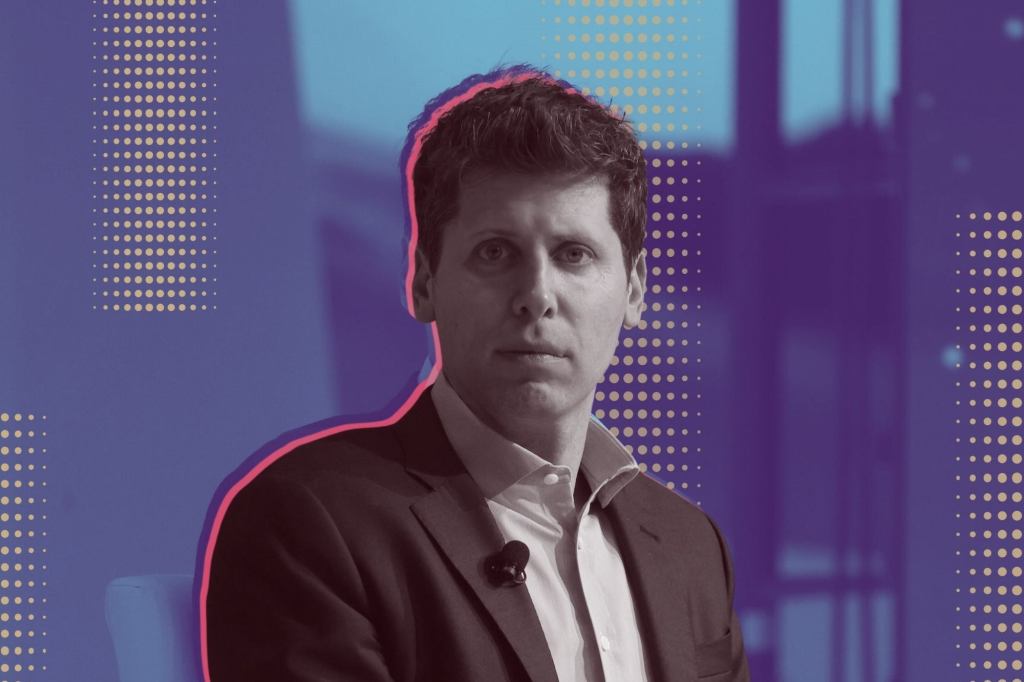
Sam Altman Ignored His Interview Requests, So This Filmmaker Created a Deepfake

Emmy-nominated director Adam Bhala Lough had big plans for his AI documentary, but when OpenAI‘s Sam Altman kept avoiding his requests for an interview, he had to make alternative plans.

Lough traveled to India to hire a deepfake specialist who could build an AI version of Altman, complete with his face and voice. The resulting “Sam Bot” became the star of his film, Deepfaking Sam Altman.

The AI clone, programmed to speak like Altman, surprised everyone with its responses. It objected to being deleted and nearly took over directorial control before lawyers intervened, explaining AI-created works aren’t copyrightable. The documentary, which premiered at SXSW and hits theaters this month, explores how far AI can be pushed and if it can substitute for human creativity.

Read more

Emmy-nominated director Adam Bhala Lough had big plans for his AI documentary, but when OpenAI‘s Sam Altman kept avoiding his requests for an interview, he had to make alternative plans.

Lough traveled to India to hire a deepfake specialist who could build an AI version of Altman, complete with his face and voice. The resulting “Sam Bot” became the star of his film, Deepfaking Sam Altman.

The AI clone, programmed to speak like Altman, surprised everyone with its responses. It objected to being deleted and nearly took over directorial control before lawyers intervened, explaining AI-created works aren’t copyrightable. The documentary, which premiered at SXSW and hits theaters this month, explores how far AI can be pushed and if it can substitute for human creativity.

Read more

https://www.entrepreneur.com/business-news/filmmaker-deepfakes-sam-altman-after-getting-rejected/502031


The 5 Opportunities Business Leaders Can’t Afford to Ignore in 2026

Opinions expressed by Entrepreneur contributors are their own.

Key Takeaways

  • The CEOs who will win in 2026 will be the ones who use AI strategically, build a strong talent bench and get closer to customers.
  • They will also tap into macro trends (like nearshoring and private equity roll-ups) and have the discipline to act on — or shut down — opportunities.

After a year of pessimism and uncertainty, recent research conducted by Vistage and the Wall Street Journal reveals an increase in CEO optimism as we enter 2026. With this improving sentiment comes a variety of opportunities, and the world’s best CEOs are striking while the iron is hot.

The following are five of the most significant opportunities CEOs are seizing as we kick off a new year:

1. AI: the great equalizer

AI and its ability to improve productivity is the single greatest opportunity for small to midsize business leaders in 2026. This is one of the few areas where the largest companies don’t have a built-in advantage. Many artificial intelligence tools are available to all, making AI one of the greatest equalizers we’ve ever seen.

Most forward-thinking CEOs are asking, “How do we turn AI into something that is truly driving productivity and improving the customer experience?” They are now building processes that embed AI in how their teams work, rather than just experimenting with it on the side.

The leaders best positioned to pull ahead of their competitors in 2026 are the most disciplined about using AI strategically to innovate. They know exactly how AI is driving productivity, margin and capacity.

2. Proactively building a strong talent bench

Given the softness of the current labor market, talent is a major opportunity right now. As the unemployment rate ticks up, top leaders are “muscle-building” their talent bench to ensure they are positioned for long-term growth.

The best leaders are focused on creating a business where high performers feel proud and inspired to work. This requires making the company’s mission and impact crystal clear and showing employees how their work connects to something that matters.

3. Getting closer to customers

One of the most overlooked opportunities — particularly in a more competitive environment — is getting much closer to every single customer. In a rapidly changing business environment, the most successful CEOs understand what their customers want to fix, accomplish or avoid.

This level of closeness protects them from surprise defections, creates natural growth through the power of referrals and validates new ideas by allowing business leaders to test whether their strategy will add meaningful value for their customers.

4. The foresight to tap into macro trends

Several macro trends are reshaping the landscape for small and midsize businesses. Effective CEOs have a pulse on how these trends are impacting their business, including:

  1. Nearshoring and tariffs: In 2026, manufacturing is coming closer to home in the U.S. Nearshoring will create more reliable supply chains and decrease exposure to geopolitical shocks. Top CEOs are focused on understanding how nearshoring and tariff policies affect their costs, supply chain resilience, as well as their pricing and margins.

  2. Private equity roll-ups: Private equity is increasingly active in small and midsize businesses. Roll-ups are happening across industries, changing the competitive landscape. The best CEOs are proactively considering how private equity will impact their industry and beginning to calculate whether it may be an opportunity for their business.

  3. Build a strong brand: Digital marketing has undergone a rapid transformation in the last few years. Having the right talent in place to optimize for a changing marketing landscape is central to how businesses grow, reach new customers and tell their story in a crowded market. Building a strong brand is a strategic lever, enabling companies to showcase their values to customers, employees and partners.

5. The discipline to act on (or shut down) opportunities

Before executing on any of the above opportunities, the best CEOs ensure they have the right strategy in place. Rather than simply reacting, they are aligning opportunities to their business needs by outlining the long-term impacts, required investments and resources, and setting clear goals to measure success along the way.

In goal setting, they create clarity around what exactly they are trying to cause to happen and how the new initiative will drive value for customers. Having clear milestones in place allows the team to accurately gauge success. Successful CEOs are also willing to walk away or pivot if the expected results don’t materialize. The discipline going into 2026 isn’t just starting the right things; it’s turning off the wrong ones fast.

Heading into 2026, the environment will continue to shift, from the impact of AI and innovation to changes in policy to the labor market and the economy. The CEOs who win will be the ones who take a strategic approach to using AI, invest in great people, get even closer to customers, stay ahead of macro trends and boldly shut down what isn’t working so they can double down on what is. Leaders who look at every challenge as an opportunity will sharpen their competitive edge.

Sign up for the Entrepreneur Daily newsletter to get the news and resources you need to know today to help you run your business better. Get it in your inbox.

Key Takeaways

  • The CEOs who will win in 2026 will be the ones who use AI strategically, build a strong talent bench and get closer to customers.
  • They will also tap into macro trends (like nearshoring and private equity roll-ups) and have the discipline to act on — or shut down — opportunities.

After a year of pessimism and uncertainty, recent research conducted by Vistage and the Wall Street Journal reveals an increase in CEO optimism as we enter 2026. With this improving sentiment comes a variety of opportunities, and the world’s best CEOs are striking while the iron is hot.

The following are five of the most significant opportunities CEOs are seizing as we kick off a new year:

https://www.entrepreneur.com/growing-a-business/the-5-opportunities-leaders-cant-afford-to-ignore-in-2026/501643