The New Fiscal Year is Calling. Get QuickBooks for $500 Off.

Disclosure: Our goal is to feature products and services that we think you’ll find interesting and useful. If you purchase them, Entrepreneur may get a small share of the revenue from the sale from our commerce partners.

With Q4 drawing to a close, are your books ready? If the answer is “I’m not sure,” you need help from accounting software like QuickBooks. Intuit’s accounting software for small business is a comprehensive solution for bookkeeping, expenses, and invoicing.

Monthly subscriptions to even the basic version of QuickBooks’ online start at almost $400 for a full year, but right now you can get a lifetime license to QuickBooks Desktop Pro Plus 2024 for Windows for just $194.97 — that’s 72% off the suggested price of $699, and less than half the cost of a year of basic access online.

QuickBooks has the tools to help address a number of common small-business pain points. It can process job costing to assess profitability; track depreciation and current value of your fixed assets; and create invoices. If inventory management is your issue, QuickBooks Pro Plus 2024 has upgraded features that help track your goods and costs, and you and your team can use the program to create sales orders and manage them throughout the process.

The software can keep your business on track with the reports and tracking data you need to monitor your cash flow and assets. It works seamlessly with Excel and previous versions of QuickBooks, too, so you can transfer your data back and forth. And with the lifetime license, you get all the functionality you need to run your business for life: No subscriptions, no recurring payments.

This deal is good for one license for Intuit QuickBooks Desktop Pro Plus 2024 for a single user, new or existing. The software can be installed on up to two devices, but both versions can’t be used at the same time. Integrations to cloud-based functions like QuickBooks Payments and TurboTax are not included with your subscription, and the version is good for Windows devices only.

Arm yourself for the new fiscal year. QuickBooks has the bookkeeping and accounting power that can give you and your team the insights and reports they need to turbocharge your growth, for a price that will make your CFO smile.

Get a lifetime license to Intuit QuickBooks Desktop Pro Plus 2024 for Windows for $194.97 (reg. $699).

StackSocial prices subject to change.

With Q4 drawing to a close, are your books ready? If the answer is “I’m not sure,” you need help from accounting software like QuickBooks. Intuit’s accounting software for small business is a comprehensive solution for bookkeeping, expenses, and invoicing.

Monthly subscriptions to even the basic version of QuickBooks’ online start at almost $400 for a full year, but right now you can get a lifetime license to QuickBooks Desktop Pro Plus 2024 for Windows for just $194.97 — that’s 72% off the suggested price of $699, and less than half the cost of a year of basic access online.

QuickBooks has the tools to help address a number of common small-business pain points. It can process job costing to assess profitability; track depreciation and current value of your fixed assets; and create invoices. If inventory management is your issue, QuickBooks Pro Plus 2024 has upgraded features that help track your goods and costs, and you and your team can use the program to create sales orders and manage them throughout the process.

https://www.entrepreneur.com/money-finance/the-new-fiscal-year-is-calling-get-quickbooks-for-500-off/500967





You’re Saving, Budgeting, and Cutting Expenses — So Why Do You Still Feel Financially Powerless? Here’s the Fix

Opinions expressed by Entrepreneur contributors are their own.

If 2025 taught us anything, it’s that Americans are far more financially disciplined than they get credit for.

The majority of Americans prioritized financial responsibility in 2025. But even with smart habits in place, many Americans still felt a nagging sense that some of the biggest financial decisions in their lives are beyond their control. It boils down to a crisis of confidence.

That’s what Scott Ford, Head of Wealth Management at U.S. Bank, told me on my podcast Money Rehab. “People are doing a lot of the right thing,” Scott said. “They’re saving, they’re budgeting, they’re cutting expenses where they can. It’s the things that are outside of their control — like the economy, inflation — that’s what’s causing a lot of anxiety for folks right now.”

So instead of reliving what felt uncertain in 2025, let’s talk about what actually matters going forward. Here are three financial challenges that showed up for a lot of people this past year — and the practical, confidence-building moves you can make in 2026 to take back the driver’s seat.

#1: Financial Success Feels Out of Reach

The 2025 problem: Many Americans still believe that homeownership is the actualization of the American Dream. In fact, 88% say homeownership is a key indicator of financial success, yet 23% have given up on buying a home due to cost.

The 2026 fix: Scott says you have to stay the course and focus on the things that are in your control— keep saving, even if it takes a little longer to buy a home. Pushing back the timeline on a dream can feel discouraging, but here’s the secret to staying motivated: visualize your goals.

Studies show that when you visualize your goals, you’re more likely to achieve them. I recommend creating a separate sub-account within your savings account and labeling it “Home Downpayment.” Seeing that nest egg grow over time, with a big “Home Downpayment” label staring back at you, will help you stay motivated in 2026.

#2: Retirement Feels Uncertain

The 2025 problem: As the cost of living continues to rise, Americans are putting their retirement goals on the back burner. Only 37% of non-retired adults are actively planning and saving for retirement, and 16% of Americans are giving up on retiring due to financial reasons.

The 2026 fix: Good news — we’re living longer. That means, though, that we need to have more retirement funds saved than generations prior. To build momentum towards your retirement goals, take advantage of the IRA contribution limit hikes; in 2026, the annual Individual Retirement Account (IRA) contribution limit rose to $7,500, and if you’re 50 or older, you can make an additional “catch-up contribution” of $1,100.

You can do this even if your company offers a 401(k). Scott reminds us: if your company has a 401(k) match, make sure you’re contributing enough to max out the match. Don’t leave free money on the table.

#3: Credit Card Debt Is a Big Source of Anxiety

The 2025 problem: As prices climbed in 2025, Americans put more expenses on their credit cards. In the third quarter of this year, credit card balances hit $1.23 trillion— up $24 billion from the second quarter. That’s caused 73% of Americans to worry about credit card debt.

The 2026 fix: Paying down credit card debt is impossible without a strategy. When I was in credit card debt, the avalanche method is what enabled me to pay it down. That method involves prioritizing debt payments with the highest interest rate. That means, if you have credit card debt at 20% and student loans at 7%, you’d prioritize your credit card debt.

Scott personally preferred the snowball method, where you pay off smaller balances first because “psychologically it felt like a win.” Which strategy should you take? Scott says, “It’s like a diet. All of them work if you follow the method.”

My Two Cents on 2026

We can’t predict, nor control, the macroeconomy. But what we can focus on is our own wallet— our own microeconomy. When I struggled with my own confidence crisis, I reminded myself that it’s not important whether I’m making a big step or a small step, the important thing is to take the next step. That’s how you get to the finish line on your financial goals.

If 2025 taught us anything, it’s that Americans are far more financially disciplined than they get credit for.

The majority of Americans prioritized financial responsibility in 2025. But even with smart habits in place, many Americans still felt a nagging sense that some of the biggest financial decisions in their lives are beyond their control. It boils down to a crisis of confidence.

That’s what Scott Ford, Head of Wealth Management at U.S. Bank, told me on my podcast Money Rehab. “People are doing a lot of the right thing,” Scott said. “They’re saving, they’re budgeting, they’re cutting expenses where they can. It’s the things that are outside of their control — like the economy, inflation — that’s what’s causing a lot of anxiety for folks right now.”

https://www.entrepreneur.com/money-finance/youre-saving-budgeting-and-cutting-expenses-so-why/501410


Why Your Startup’s Best Idea Can Be Copied in 48 Hours — and What Really Protects You

Opinions expressed by Entrepreneur contributors are their own.

Key Takeaways

  • The article explores how the rise of AI is reshaping the rules for startup success.
  • It highlights the importance of focusing on aspects of a business that technology cannot easily replicate.

What determines the success of any given startup has changed. Over the years, I’ve helped build tech companies, and I’ve seen a revealing shift in how the value of these companies is created and fought for. If you’re basing the product quality or the speed of launch as your main selling point, you have already fallen too far behind in today’s AI world.

The reality is straightforward. AI can now imitate almost any startup within 24 to 48 hours. Websites, apps, funnels, branding, messaging and customer journey flows all can be copied, packaged and launched by someone else faster than most founders can deliver a meaningful update.

And this is already happening.

The copycat era has arrived

It used to be that if you moved quickly and created something great, you’d succeed. That approach no longer holds. With the rise of generative AI and automated tools, the product you dedicated months of effort to can be copied and reshaped in just a weekend.

This extends well beyond the front end. AI tools can recreate your entire user experience, imitate your pricing strategy, and even duplicate the content you use to attract customers. They can do it nimbly and quickly.

Anyone with access to the right tools and a bit of effort can create a copy of your business without writing a single line of original code.

Once your business gains traction, you become a target. Whether it’s a feature going viral or a press mention, attention now comes with risks. Some copycats may have more capital, better marketing or less hesitation to bend the rules.

That’s a fight many founders are unprepared to win.

Related: What Every Entrepreneur Needs to Know About Intellectual Property

Focus on what AI can’t clone

Here’s what I’ve experienced firsthand: technology can be copied, but trust cannot.

Your brand, customer relationships and the culture you establish around your business are the only defenses that genuinely matter. I’ve seen technically stronger startups fail because they lacked a clear audience and a genuine human connection. Conversely, I’ve observed founders with modest technical skills succeed because people believed in them and stayed loyal.

If you’re starting a startup in this new era, focus your energy on things that AI can’t replicate. Cultivate an audience you control, including your email list, customer communities and private partnerships. Be present. Be authentic.

Build brand value from day one

Copycats can clone your product. They can’t replicate how your customers feel about you.

Speed is still vital, but for a new reason

Launching quickly used to mean being first to market. Now it means having a short time before your idea is copied.

That doesn’t mean you should rush. It means you need to be intentional. Launch quietly. Collect signals privately. Avoid premature exposure until you know you’ve got something that works and a way to defend it.

Once you’ve built momentum and validated the offer, move quickly. Just ensure you’ve done the work to protect your upside. Speed alone won’t save you if your idea can be easily copied.

Not every idea should be built

This is a brutal truth, but it can save you months or even years of wasted effort. If your idea is easily copied and doesn’t have a built-in advantage, consider shelving it.

Before you go all-in, ask yourself a few questions:

  • Can someone with more money and zero ethics copy this and out-market me?
  • Do I have a built-in community or distribution plan that they cannot access?
  • Is my value delivery tied to me, or is it tied to something anyone can replicate?

If your answer makes you uncomfortable, you’re not seeing a business. You’re seeing a feature waiting to be stolen.

Related: Your Big Idea Is Worth Protecting — That’s Why You Need to Patent Your Invention

Value is being redefined right now

I no longer believe that the best tech wins. That belief used to influence how I thought about building companies, but it no longer holds.

What’s winning now is distribution. What matters is how many people trust you, follow you and want to buy from you, regardless of the competition. Startups with no community are sitting ducks. Startups with loyal followings and strong voices are building defensibility that goes beyond code.

We are entering a new era, one where delivery matters more than development. Having an excellent product alone isn’t enough to get you to the finish line. Reputation is also crucial in protecting your product along the way.

Build more than a product

If you’re a founder in today’s landscape, stop focusing solely on your product. Begin considering what you’re building around it.

Ask yourself these critical questions first:

  1. Are you building a brand that customers are proud to support?
  2. Are you forging relationships that competitors can’t imitate?
  3. Are you designing systems that prioritize depth over speed?

Focus on what AI cannot take from you: your voice, your presence, your people and your integrity.

The next generation of winners won’t just create great products.

I predict that they’ll develop ecosystems that no machine can replicate. For the founders and visionaries who are on board, the sky’s the limit.

Key Takeaways

  • The article explores how the rise of AI is reshaping the rules for startup success.
  • It highlights the importance of focusing on aspects of a business that technology cannot easily replicate.

What determines the success of any given startup has changed. Over the years, I’ve helped build tech companies, and I’ve seen a revealing shift in how the value of these companies is created and fought for. If you’re basing the product quality or the speed of launch as your main selling point, you have already fallen too far behind in today’s AI world.

The reality is straightforward. AI can now imitate almost any startup within 24 to 48 hours. Websites, apps, funnels, branding, messaging and customer journey flows all can be copied, packaged and launched by someone else faster than most founders can deliver a meaningful update.

https://www.entrepreneur.com/growing-a-business/why-your-startups-best-idea-can-be-copied-in-48-hours/499412


Innovation Will Stall in Your Company If You Don’t Fix This Cultural Problem

Opinions expressed by Entrepreneur contributors are their own.

Key Takeaways

  • Most leaders equate innovation with technology, speed or big disruption, but that’s not the whole picture.
  • Real innovation depends on people feeling safe enough to question how things are done, suggest new ideas and challenge assumptions.
  • Leaders must lower the social cost of speaking up, make change predictable through context, give people a reason to stay, and make experimentation everyone’s job.

Every company says it’s innovating right now. New AI pilots, new platforms, new “transformations” built for speed. But recent retention data shows why that story keeps breaking down.

The Work Institute’s 2025 Retention Report found that 63% of job exits in 2024 were preventable, driven by issues such as career stagnation, work-life imbalance and weak manager support. When preventable turnover sits that high, innovation doesn’t stall because the tech is wrong. Innovation stalls because the people carrying it don’t feel supported enough to stay, stretch and build on what came before.

The long view matters. Most leaders equate innovation with technology, speed or big disruption. That framing isn’t incorrect, but it’s not the whole picture. Real innovation depends on people feeling safe enough to question how things are done, suggest new ideas and challenge assumptions.

AI adds a quiet layer of fear. Employees wonder if a good idea will eliminate a job or make a role irrelevant. If innovation feels intimidating or exclusive, people hold back. And a few elite teams can’t sustain growth alone. The most meaningful ideas often come from someone with a different or unexpected perspective, provided the culture gives them room to speak.

The education sector has lived inside this tension for decades. Colleges and universities modernize continually while staying anchored to mission, community and identity. That same balancing act applies in every industry that’s facing rapid change. The question isn’t whether teams adopt new tools; it’s whether culture lets teams keep improving long after the rollout.

Here’s how to facilitate innovation that lasts:

Related: Your Business Will Fail Without Innovation — Here’s How to Weave It Into Your Culture

Lower the social cost of speaking up

Psychological safety is the precondition for durable innovation. Julia Rozovsky, leader of Google’s Project Aristotle, found that teams innovate best when people trust that their mistakes won’t be punished and ideas won’t be mocked. In other words, the highest-performing teams were the ones with the strongest psychological safety. Despite the benefits, psychological safety is still low in some workplaces. Almost half (49%) of employees surveyed for the American Psychological Association’s 2024 Work in America Survey experienced low psychological safety.

So, if psychological safety is the fuel, the immediate question is how leaders build more of it in everyday work. Encourage dissent early instead of rewarding agreement late. Treat experiments as learning cycles, rather than verdicts on competence. Name smart risks even when results miss. Those behaviors lower the social cost of speaking up, which raises the supply of ideas. Innovation thrives when fear stays low and curiosity stays high.

Make change predictable through context

Adaptability keeps growth alive through transitions, but adaptability doesn’t appear in a vacuum. People lean into change when context is clear and communication is steady. Trust builds when leaders share the “why” behind shifts, not just the “what.” Transparency builds when tradeoffs are explained in plain language. Clarity builds when teams know where they have freedom to act and where they don’t.

Higher ed offers a useful template for making change feel navigable instead of destabilizing. Education leadership culture tends to rely on shared governance, visible mission and consistent language, creating continuity even as platforms and policies evolve.

At Liaison, we recently reorganized a division within Client Success to improve efficiency and support growth. Rather than issue a new structure, we explained the “why,” engaged leaders in shaping the message and held all-hands meetings for questions — acknowledging uncertainty and anchoring communication in continuity. This made the change feel collaborative and helped teams align more quickly.

Borrow that rhythm: Establish shared goals, make decision rules explicit and keep the story consistent as tools change. Continuity of meaning makes room for continuity of effort.

Related: Why You Should Care About Psychological Safety in the Workplace

Give people a reason to stay and stretch

Turnover disrupts innovation. High churn wipes organizational memory and turns every new initiative into a restart, while longer employee tenure gives teams the stability to keep iterating instead of abandoning work midstream. That stability is getting harder to count on. The U.S. Bureau of Labor Statistics reported that the median number of years wage and salary workers had been with their current employer was 3.9 years in January 2024, down from 4.1 years in January 2022 and the lowest level since January 2002.

In a labor market shaped by shorter stays, workplace loyalty doesn’t come from perks or slogans. It comes from feeling seen, valued and invested in — and the relationship with a direct manager sits at the center of that commitment. The aforementioned Work Institute’s 2025 Retention Report found that management behavior accounted for 9.7% of preventable departures, driven by poor leadership, lack of support or ineffective communication from managers.

When managers provide meaningful work, real career conversations, visibility beyond the current role and opportunities to stretch, people want to stay. Engaged employees naturally contribute fresh ideas and become more adaptable, which means innovation shows up as a byproduct of trust rather than a demand.

Related: The Leadership Practice That Dramatically Improves Employee Retention and Performance

Make experimentation everyone’s job

A culture of innovation can’t depend on a single executive’s energy. It has to survive leadership changes, market turns and new tool cycles. One way to do that is to formalize space where exploration is expected. 3M’s long-running 15% Culture gives employees dedicated time to pursue ideas beyond their usual responsibilities, and the company credits this permission with fueling products such as Post-It Notes. The exact percentage matters less than the policy-level message: Experimentation is part of the job, not a side hustle that requires special approval.

Pair that permission with guardrails. Define user problems worth solving. Encourage cross-functional pairings. Track learning rather than just outcomes. Those moves keep innovation inclusive and repeatable instead of heroic and rare. Cultural leadership in education shows the same pattern: Mission-anchored experimentation gives institutions the confidence to modernize without losing themselves.

As we all know, technology will keep advancing and making teams faster, but it can’t replace heart. People remain the heartbeat of culture and the source of sound judgment, empathy and purpose. Investing in people as intentionally as tools is what future-focused leadership looks like in practice — hiring early-career talent, growing the employees already in the room and helping them apply innovation in responsible, meaningful ways. Build those leadership skills now, and progress will keep compounding through the next platform shift.

Key Takeaways

  • Most leaders equate innovation with technology, speed or big disruption, but that’s not the whole picture.
  • Real innovation depends on people feeling safe enough to question how things are done, suggest new ideas and challenge assumptions.
  • Leaders must lower the social cost of speaking up, make change predictable through context, give people a reason to stay, and make experimentation everyone’s job.

Every company says it’s innovating right now. New AI pilots, new platforms, new “transformations” built for speed. But recent retention data shows why that story keeps breaking down.

The Work Institute’s 2025 Retention Report found that 63% of job exits in 2024 were preventable, driven by issues such as career stagnation, work-life imbalance and weak manager support. When preventable turnover sits that high, innovation doesn’t stall because the tech is wrong. Innovation stalls because the people carrying it don’t feel supported enough to stay, stretch and build on what came before.

https://www.entrepreneur.com/leadership/innovation-will-stall-in-your-company-unless-you-do-this/501022


‘The Big Short’ Investor Michael Burry Bet $10 Million That AI Stocks Will Crash By 2027

Michael Burry, immortalized by Christian Bale in The Big Short, revealed bets against Nvidia and Palantir worth about $10 million, The Wall Street Journal reported.

His wager pays off if Nvidia drops 37 percent to $110 by 2027 (it’s around $190 now) and Palantir falls to $50 from roughly $200. Burry announced his AI prediction in his new Substack newsletter.

He argues the AI market has “detached from reality,” comparing it to the dot-com bubble. He also compares Nvidia to Enron, saying the company is using tactics that exaggerate chip life expectancy and accounting to inflate earnings.

Is he correct? Although Burry made $700 million betting against the housing market before the 2008 crash, many of his predictions over the past 15 years have not panned out.

Read more

Michael Burry, immortalized by Christian Bale in The Big Short, revealed bets against Nvidia and Palantir worth about $10 million, The Wall Street Journal reported.

His wager pays off if Nvidia drops 37 percent to $110 by 2027 (it’s around $190 now) and Palantir falls to $50 from roughly $200. Burry announced his AI prediction in his new Substack newsletter.

He argues the AI market has “detached from reality,” comparing it to the dot-com bubble. He also compares Nvidia to Enron, saying the company is using tactics that exaggerate chip life expectancy and accounting to inflate earnings.

Is he correct? Although Burry made $700 million betting against the housing market before the 2008 crash, many of his predictions over the past 15 years have not panned out.

Read more

https://www.entrepreneur.com/business-news/big-short-investor-bets-10-million-ai-stocks-will-crash/501375


AI Is Paying Off in Finance — But Only for Leaders Who Use It the Right Way

Opinions expressed by Entrepreneur contributors are their own.

Key Takeaways

  • AI delivers real ROI when it strengthens human judgment, not when it simply automates tasks.
  • Finance leaders see results when they own AI strategy instead of delegating it solely to IT.

AI is changing the way finance teams operate, but the real value isn’t just faster reports or automated reconciliations. It’s how leaders use that time and insight to make smarter, faster and more confident decisions. The companies seeing real ROI aren’t the ones chasing every new tool. But they’re the ones using AI in Finance to strengthen human judgment, without replacing it.

Over the past few years, I’ve watched the finance industry invest billions into artificial intelligence, and I’ve had countless conversations with finance leaders, founders and peers who all ask the same thing: Is it actually paying off?

The answer is short and simple — Yes, but not for everyone.

The difference between companies that see real ROI from AI and those that don’t usually comes down to how they use it. Buying the right tools is only the first step. Real results come when leaders know where AI fits into their processes, their people’s work and their decision-making.

Related: Entrepreneurs Can Invest Smarter With This AI Stock Picking Tool

Where most companies go wrong

Many organizations treat AI like a magic switch. They buy a platform, connect their data and expect transformation overnight.

But finance isn’t just numbers. It’s more. It’s timing, context and judgment, altogether.
AI can process faster than any person, but it can’t replace the way leaders think about risk, compliance and opportunity.

The biggest mistake I see is that AI projects are handed entirely to IT or data science teams. That’s like letting the mechanic drive the car just because they built the engine. Finance AI only works when finance leaders own it, when they decide what questions AI should help answer and how those insights are used.

What real ROI looks like

The first thing AI gives you is time. Automating reconciliations, reports or expense matching can cut manual work by nearly half. That alone is a win, but it’s not the full story.

The real ROI is reflected when finance teams use that saved time to make smarter decisions.
When people stop spending days cleaning data and start using it to forecast trends, assess risk, or plan investments, AI stops being a tool and becomes a partner.

Across the industry, the numbers tell a clear story.

According to KPMG’s 2024 Global Finance AI Report, most finance leaders already see measurable returns from AI. 57% of leaders report that their ROI exceeds their expectations, compared to 29% of others. Many are reporting 30–40% faster closes and higher forecast accuracy as automation takes hold.

Banks that have rolled out AI-powered compliance systems have reduced manual checks by more than half, while improving detection rates and audit quality. At the enterprise level, the results are becoming clear.

JPMorgan Chase, for example, is seeing real returns on its AI investments. As Jamie Dimon shared, the bank’s $2 billion annual spend on AI is already paying off, proving that when large-scale investments are backed by strategy and strong leadership, the business impact follows.

These aren’t hypothetical projections anymore. They’re the early results of applying AI with purpose, not just to speed up processes, but to elevate how finance teams think, plan and make decisions.

Related: Using AI Gave Me Free Time — So I Turned It Into My Competitive Edge

The ROI you can’t always measure

Not every return shows up on a balance sheet.

When finance teams spend less time fixing spreadsheets, they start solving bigger problems. They catch risks earlier, see patterns faster and make decisions with more confidence.

That confidence becomes its own kind of ROI, the one that shows up in culture, speed and trust. Teams start feeling less reactive and more predictive. They spend less time firefighting and more time shaping strategy.

That shift isn’t measured in percentages, but every leader feels it when it happens.

Lessons I’ve learned along the way

After years of watching AI evolve across industries, here’s what separates companies that talk about ROI from those that actually achieve it:

  1. Start small and make it real.
    Don’t launch a giant AI initiative. Pick one pain point and prove the value there first.

  2. Fix your data before you fix your process.
    AI can’t fix bad data. Clean, connected data is 80% successful.

  3. Keep humans in the loop.
    Always have experts review what AI suggests. That’s how you maintain high accuracy and trust.

  4. Measure outcomes, not activity.
    Track forecast accuracy, faster closing and reduced error rates, not just hours saved.

  5. Invest in your people.
    The best AI results come from teams that are confident using it, not just those who are trained on it.

These steps sound simple, but they’re what separate pilot projects from lasting transformation.

What I tell other leaders…

When fellow COOs and CFOs ask me about AI ROI, I tell them this:

  • If you want quick returns, automate simple tasks.
  • If you want real, lasting returns, build systems that help people make better decisions.

AI will give you insights. But only your people can turn those insights into outcomes. AI can process the numbers, but only your people can interpret them.
The smartest algorithms in the world won’t move your business forward if your leaders don’t know what to do with what they see.

ROI isn’t just about efficiency. It’s about better, faster and more confident decisions made by people who understand the business behind the data.

The road ahead for finance AI

AI is changing finance faster than any technology before. But it’s not the hero of the story.

The real advantage comes from leaders who know how to use it wisely, balancing data with judgment and keeping people at the center of transformation. AI will keep getting faster. But it still takes human leadership to turn speed into strategy.

That’s where the real ROI happens.

Key Takeaways

  • AI delivers real ROI when it strengthens human judgment, not when it simply automates tasks.
  • Finance leaders see results when they own AI strategy instead of delegating it solely to IT.

AI is changing the way finance teams operate, but the real value isn’t just faster reports or automated reconciliations. It’s how leaders use that time and insight to make smarter, faster and more confident decisions. The companies seeing real ROI aren’t the ones chasing every new tool. But they’re the ones using AI in Finance to strengthen human judgment, without replacing it.

Over the past few years, I’ve watched the finance industry invest billions into artificial intelligence, and I’ve had countless conversations with finance leaders, founders and peers who all ask the same thing: Is it actually paying off?

https://www.entrepreneur.com/growing-a-business/the-real-roi-of-ai-in-finance-isnt-automation-its/500850


This AI-Powered Stock Picker is Helping Entrepreneurs Make Smarter Investments, Now 89% Off

Disclosure: Our goal is to feature products and services that we think you’ll find interesting and useful. If you purchase them, Entrepreneur may get a small share of the revenue from the sale from our commerce partners.

TL;DR: Get Sterling Stock Picker’s lifetime subscription for just $55.19 (reg. $486) with AI-driven stock-choosing insights and automated portfolio building.

The average entrepreneur wears multiple hats, but a portfolio manager shouldn’t have to be one of them. Yet with most small-business owners relying on personal investments to fund their ventures, making smart investment decisions has never been more critical. The challenge? Finding time to research stocks while running a business.

Sterling Stock Picker addresses this exact pain point. This award-winning platform handles the heavy lifting of stock analysis, letting you focus on what you do best (growing your business) while your investments work smarter in the background. A lifetime subscription just went on sale for $55.19 (reg. $486).

Award-winning platform helps entrepreneurs build wealth

At the core of the platform is Finley, your personal AI financial coach. Think of Finley as having a financial advisor on call 24/7. The AI provides real-time market data, strategic investment advice, and risk assessments tailored to your specific portfolio and goals. Whether you’re diversifying income streams or building wealth for your next venture, Finley offers guidance that evolves with your financial situation.

The patent-pending North Star technology cuts through market noise with clear buy, sell, hold, or avoid recommendations for individual stocks. For entrepreneurs who need quick, informed decisions, this eliminates paralysis by analysis. The platform’s Stock Rockets feature specifically highlights companies with more than 50% quarterly revenue growth (the kind of momentum-driven picks that align with an entrepreneurial mindset).

The Done-For-You Portfolio Builder is the real value for busy founders. After a quick 5-minute risk tolerance assessment, the system constructs a diversified portfolio matched to your investment goals and provides ongoing data-driven adjustments to optimize returns. The intuitive interface also lets you search for stocks aligned with your personal values, ensuring your investments reflect your principles.

Use code STOCKS20 to get a Sterling Stock Picker Lifetime Subscription for $55.19 (reg. $486).

StackSocial prices subject to change.

TL;DR: Get Sterling Stock Picker’s lifetime subscription for just $55.19 (reg. $486) with AI-driven stock-choosing insights and automated portfolio building.

The average entrepreneur wears multiple hats, but a portfolio manager shouldn’t have to be one of them. Yet with most small-business owners relying on personal investments to fund their ventures, making smart investment decisions has never been more critical. The challenge? Finding time to research stocks while running a business.

Sterling Stock Picker addresses this exact pain point. This award-winning platform handles the heavy lifting of stock analysis, letting you focus on what you do best (growing your business) while your investments work smarter in the background. A lifetime subscription just went on sale for $55.19 (reg. $486).

https://www.entrepreneur.com/money-finance/this-ai-powered-stock-picker-is-helping-entrepreneurs-make/500966


Get a Lifetime of 1TB Secure Cloud Storage for Just $130

Disclosure: Our goal is to feature products and services that we think you’ll find interesting and useful. If you purchase them, Entrepreneur may get a small share of the revenue from the sale from our commerce partners.

The average cost of cloud storage subscriptions can reach $120 annually for 1TB of space, a Statista report reveals. If you’re managing client files, project documents and media assets on multiple platforms, those recurring fees can add up quickly while data remains scattered. Fortunately, you can now affordably keep a lifetime of files in one place with a lifetime subscription to the 1TB Koofr Cloud Storage Plan for just $129.99, with code KOOFR — that’s $70 off.

Centralized storage without the subscription burden

Koofr connects to your existing Dropbox, Google Drive, OneDrive, and Amazon Cloud accounts, creating a unified hub where you can access and manage everything from one interface. Instead of logging into multiple platforms to find files, you get a single dashboard that works on all your devices. This consolidation saves time when you’re switching between client projects or need quick access to specific documents.

The 1TB capacity handles substantial business needs. Store client presentations, high-resolution images, video content, software backups and project archives without worrying about running out of space. The Duplicate Finder identifies redundant files automatically, freeing up space you didn’t know you had.

Unlike consumer-focused cloud services that analyze your data for advertising, Koofr doesn’t track your activity or scan your files, the company says. Your data is encrypted both during transfer and at rest, which is crucial when you’re storing client information, financial documents or proprietary business materials. You can still easily share large files with clients or team members without email attachment limits and control how long those links remain active.

This plan gives you lifetime access for roughly the same price as 20 months of storage would normally cost. If you’re a solopreneur or small business owner who carefully monitors recurring expenses, you’ll appreciate being able to eliminate a monthly subscription while gaining more control over your data.

Get a lifetime subscription to the 1TB Koofr Cloud Storage Plan today, while it’s on sale for just $129.99 (MSRP $810), with code KOOFR.

Koofr Cloud Storage: Lifetime Subscription (1TB)

See Deal

StackSocial prices subject to change.

The average cost of cloud storage subscriptions can reach $120 annually for 1TB of space, a Statista report reveals. If you’re managing client files, project documents and media assets on multiple platforms, those recurring fees can add up quickly while data remains scattered. Fortunately, you can now affordably keep a lifetime of files in one place with a lifetime subscription to the 1TB Koofr Cloud Storage Plan for just $129.99, with code KOOFR — that’s $70 off.

Centralized storage without the subscription burden

Koofr connects to your existing Dropbox, Google Drive, OneDrive, and Amazon Cloud accounts, creating a unified hub where you can access and manage everything from one interface. Instead of logging into multiple platforms to find files, you get a single dashboard that works on all your devices. This consolidation saves time when you’re switching between client projects or need quick access to specific documents.

The 1TB capacity handles substantial business needs. Store client presentations, high-resolution images, video content, software backups and project archives without worrying about running out of space. The Duplicate Finder identifies redundant files automatically, freeing up space you didn’t know you had.

https://www.entrepreneur.com/science-technology/get-a-lifetime-of-1tb-secure-cloud-storage-for-just-130/500832


Ditch the Subscription: Get Lifetime Access to Windows 11 Pro for Just $10

Disclosure: Our goal is to feature products and services that we think you’ll find interesting and useful. If you purchase them, Entrepreneur may get a small share of the revenue from the sale from our commerce partners.

Seventy-one percent of businesses cite security as their top concern when choosing operating systems, according to research from Statista. If you’re running a company on outdated Windows software, you’re not just dealing with slower performance; you’re exposing your company to security vulnerabilities that cybercriminals actively exploit. Fortunately, you can now protect your business with enterprise-grade security through Windows 11 Pro at a price your budget will barely notice.

Professional-grade features that actually matter for business

Windows 11 Pro includes BitLocker device encryption to protect sensitive business data, Azure AD integration for employee access management, Hyper-V for virtual machines and Windows Sandbox for testing software before company-wide deployment.

The redesigned interface isn’t just cosmetic; snap layouts and virtual desktops mean you can organize multiple projects simultaneously without constantly minimizing windows or losing track of open applications. Enhanced voice typing and improved search functionality reduce the small friction points that add up to wasted time throughout your workday.

Copilot, Windows 11’s AI assistant, handles tasks that typically require switching between applications. It changes settings, summarizes documents and generates code suggestions directly from the taskbar without breaking your workflow.

If you occasionally use your work machine for gaming during downtime, DirectX 12 Ultimate delivers graphics that maximize your hardware capabilities without requiring additional software installations. You can completely eliminate recurring OS costs and own Windows 11 Pro permanently. Enjoy all the extra security features forever with no surprise charges, no subscription management and no wondering if your access will expire mid-project.

Your purchase includes the full Windows 11 Pro operating system with Copilot AI integration, Microsoft Teams, touchscreen support and all professional features like BitLocker and Hyper-V. Verify your hardware meets the system requirements of 4GB RAM and 64GB hard drive space before purchasing.

Get lifetime access to Windows 11 Pro for just $9.97 while this offer lasts.

Microsoft Windows 11 Pro

See Deal

StackSocial prices subject to change.

Seventy-one percent of businesses cite security as their top concern when choosing operating systems, according to research from Statista. If you’re running a company on outdated Windows software, you’re not just dealing with slower performance; you’re exposing your company to security vulnerabilities that cybercriminals actively exploit. Fortunately, you can now protect your business with enterprise-grade security through Windows 11 Pro at a price your budget will barely notice.

Professional-grade features that actually matter for business

Windows 11 Pro includes BitLocker device encryption to protect sensitive business data, Azure AD integration for employee access management, Hyper-V for virtual machines and Windows Sandbox for testing software before company-wide deployment.

The redesigned interface isn’t just cosmetic; snap layouts and virtual desktops mean you can organize multiple projects simultaneously without constantly minimizing windows or losing track of open applications. Enhanced voice typing and improved search functionality reduce the small friction points that add up to wasted time throughout your workday.

https://www.entrepreneur.com/science-technology/ditch-the-subscription-get-lifetime-access-to-windows-11/500830


This $300 MacBook Pro With Touch Bar Gives You Pro-Level Performance Anywhere

Disclosure: Our goal is to feature products and services that we think you’ll find interesting and useful. If you purchase them, Entrepreneur may get a small share of the revenue from the sale from our commerce partners.

Sixty-five persent of professionals want to work remotely full-time, a FlexJobs survey says. That means having a pro-level laptop isn’t just convenient, it’s essential for productivity.

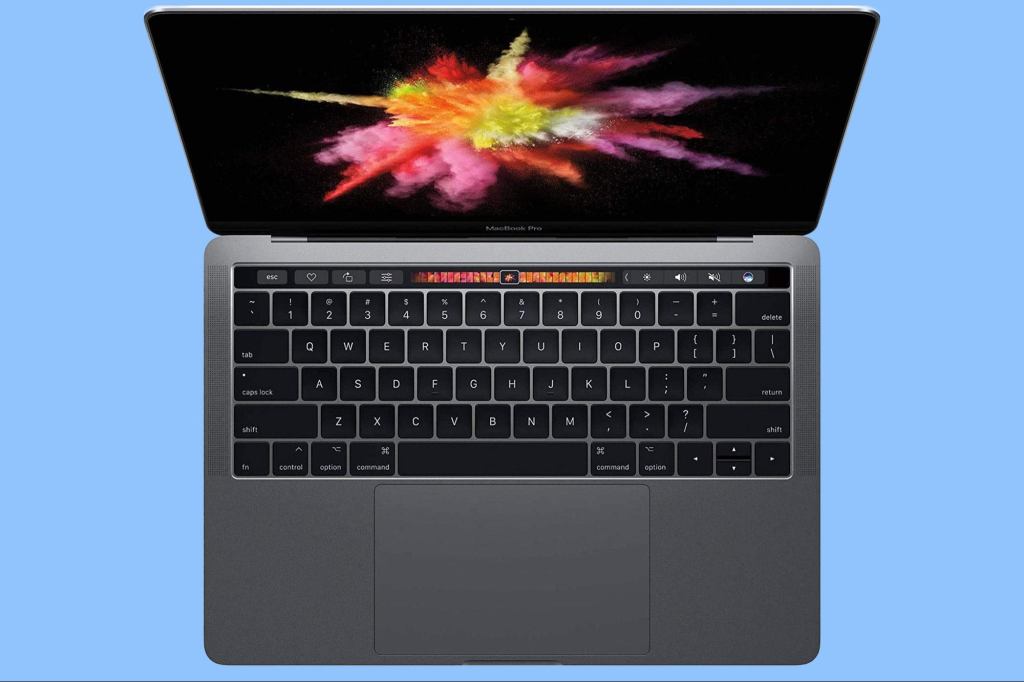
If you need an affordable, powerful ultralight laptop, this refurbished 2017 13″ MacBook Pro delivers enterprise-grade specs without the enterprise price tag, and you can have one right now for just $299.97.

Professional power in a portable package

This MacBook Pro runs on an Intel Core i5 processor clocked at 3.1GHz, paired with 8GB RAM, and a 512GB SSD. That combination handles video calls, presentations, spreadsheets and creative work without lag. The solid-state drive means faster boot times and quicker file access when you’re jumping between client meetings or working from different locations throughout the day.

The 13.3-inch Retina display delivers sharp visuals that you’ll truly appreciate when editing marketing materials, presenting to clients or even just reviewing contracts. At just 3.1 pounds, this MacBook slips into any bag without weighing you down during commutes or business travel.

The Touch Bar provides contextual shortcuts that adapt to whatever app you’re using. Instead of hunting through menus, you get quicker access to formatting tools in documents, playback controls during video reviews or emoji selections in Messages. Touch ID lets you authenticate purchases and log in securely without typing passwords, which speeds up your workflow when switching between tasks.

Four Thunderbolt 3 ports give you flexibility for charging, connecting external displays, or transferring files at high speeds. You can set up a full workstation at your desk, then unplug and head to a coffee shop with up to 10 hours of battery life, keeping you productive.

This MacBook has a Grade-A refurbished rating, meaning it arrives in near-mint condition with minimal to zero scuffing. If you need a dependable secondary laptop or want to upgrade without breaking the budget, this is your chance to get premium performance at a practical price point.

Get this refurbished 2017 13″ Apple MacBook Pro with 3.1GHz i5 processor, 8GB RAM, 512GB SSD and Touch Bar for just $299.97 while inventory lasts.

Apple Macbook Pro (2017) 13″ i5 3.1GHz Touchbar 8GB RAM 512GB SSD Space Grey (Refurbished)

See Deal

StackSocial prices subject to change.

Sixty-five persent of professionals want to work remotely full-time, a FlexJobs survey says. That means having a pro-level laptop isn’t just convenient, it’s essential for productivity.

If you need an affordable, powerful ultralight laptop, this refurbished 2017 13″ MacBook Pro delivers enterprise-grade specs without the enterprise price tag, and you can have one right now for just $299.97.

Professional power in a portable package

This MacBook Pro runs on an Intel Core i5 processor clocked at 3.1GHz, paired with 8GB RAM, and a 512GB SSD. That combination handles video calls, presentations, spreadsheets and creative work without lag. The solid-state drive means faster boot times and quicker file access when you’re jumping between client meetings or working from different locations throughout the day.

https://www.entrepreneur.com/science-technology/this-300-macbook-pro-with-touch-bar-gives-you-pro-level/500829