Don’t Ignore Skeptics — Here’s How You Can Make Them Your Biggest Brand Advocates

Opinions expressed by Entrepreneur contributors are their own.

Key Takeaways

  • The first step to overcoming skeptics in your industry is to learn who doesn’t believe in you and why.
  • You shouldn’t fear skepticism because it often masks interest. Work on proving your value and building a foundation of credibility.
  • Learning to see what skeptics can’t is the key to winning them over.

Not everyone is going to love your business right away. That’s just a fact of life. But the way you engage with people who are initially skeptical can have a major impact on your eventual success.

This is especially true if you’re doing something relatively unprecedented, like pioneering a brand new category within an established industry. When I started Roof Maxx with my brother Todd, no one else had an eco-friendly roof restoration product for residential properties. And not everyone we pitched it to believed it would work.

Instead of simply ignoring those voices or openly fighting them, we set out to educate. Today, many of those original skeptics openly advocate for the kind of roof restoration solutions we introduced.

Here’s how we did it, and how you can do the same if you run into doubters.

Related: Double Your Sales by Turning Skeptics Into Customers

Knowing who your naysayers are tells you a lot about their motivations

I got an email this morning from an insurance carrier in Texas who expressed interest in learning more about our product. This is particularly meaningful to me because insurance carriers were initially some of the most skeptical voices about what Roof Maxx could do. That’s clearly no longer the case — but what changed?

In a word, time. Insurance carriers have always been conservative because their livelihood depends on avoiding unnecessary risk. That means they don’t support new technologies or solutions until there’s ample evidence that they work.

When roof restoration was brand new to the residential market, insurance companies never recommended it. We knew there was nothing we could do to change that overnight. But we also predicted that insurers would eventually start recommending alternatives to roof replacement, because we noticed that the number of roofs being replaced by insurance was climbing significantly year over year, and we recognized that this couldn’t possibly be sustainable for the carriers paying out the policies.

When those carriers started looking for other solutions to recommend, we wanted roof restoration to be the natural choice. So we focused on amassing as much evidence as we possibly could that the science behind Roof Maxx was solid. As it turned out, this had the added benefit of helping us educate skeptics among the homeowners we served directly.

You shouldn’t fear skepticism because it often masks interest

In those early days, some homeowners were understandably a bit incredulous about the idea that spraying a plant-based solution on their existing shingles could help them put off an expensive replacement for years. We could tell that a lot of them were intrigued, especially when they learned it cost up to 80% less than replacing their shingles outright. The trouble was that most of them had never heard of the concept.

Even if people had heard of roof restoration, their local contractors weren’t offering it back then. So we needed as many other ways as possible to show them our solution worked.

There was no silver-bullet tactic that got everyone on side. It was a combination of many different initiatives, including:

  • A study by Ohio State University verified that our product could extend the lifespan of asphalt shingles by restoring their flexibility and durability for up to 15 years with repeat applications.

  • ASTM (American Society of Testing Materials) certification, which is required for all construction materials in North America and is looked for by most engineers and architects.

  • Requesting testimonials from every homeowner who would try our product and sharing them on social media. As I’ve written elsewhere, word-of-mouth is one of the best tools there is for building brand awareness.

  • Reaching out to traditional media personalities like Mike Rowe and inviting them to work with us. Social media gets you reach, but being on TV gets you credibility.

Slowly building that foundation of credibility helped us grow the business even without the endorsements of contractors or insurers. It also meant that we were a natural fit when carriers eventually needed to change their business model.

Related: I’ve Earned Nearly 19,000 Glowing Reviews for My Business. Here Are the Strategies That Made It Possible.

Learning to see what skeptics can’t is the key to winning them over

I said earlier that I predicted carriers would eventually need something to recommend instead of roof replacements, and I was right. That’s because the number of roof replacements in the country was quickly getting out of control.

When I started out in roofing, somewhere between 3-5% of roofs in America were being replaced by insurance annually. Today, I’ve heard from various contacts that the number is closer to 1 in 3.

Early on, I noticed two major trends contributing to this dramatic increase, and neither of them had anything to do with storms getting worse:

  1. Shingle quality was noticeably declining over time. Newer asphalt shingles were made with significantly less material than older ones and simply didn’t last as long as they used to.

  2. Contractors started recommending full roof replacements anytime a roof had even minor damage. Many wanted to sell the solutions with the largest profit margins, even if they weren’t necessary.

The result of all this was the current insurance crisis. The costs for carriers to pay for all these replacements have become unsustainable, and if they raise premiums too much, homeowners become furious. So instead, many insurers have started looking for other options they can recommend.

Related: How 15 Years of Almost Failing Helped Me Find a Pathway to Success

All of which brings me back to this morning’s email. Insurance carriers, who used to be some of the hardest people for us to win over, are now embracing roof restoration and reaching out to us unprompted to learn more about the product they once ignored. As more of them come on board and accept our technology, we’re also seeing thousands of roofs being restored that would have been replaced just a few years ago.

So, the first step toward overcoming skeptics in your industry is to learn who doesn’t believe in you and why. Consider the problems they’re most likely to face in the future. Until then, work on proving your value to the people around them. When those headwinds eventually appear, you’ll go from being an option they never considered to being their ace in the hole.

Key Takeaways

  • The first step to overcoming skeptics in your industry is to learn who doesn’t believe in you and why.
  • You shouldn’t fear skepticism because it often masks interest. Work on proving your value and building a foundation of credibility.
  • Learning to see what skeptics can’t is the key to winning them over.

Not everyone is going to love your business right away. That’s just a fact of life. But the way you engage with people who are initially skeptical can have a major impact on your eventual success.

This is especially true if you’re doing something relatively unprecedented, like pioneering a brand new category within an established industry. When I started Roof Maxx with my brother Todd, no one else had an eco-friendly roof restoration product for residential properties. And not everyone we pitched it to believed it would work.

https://www.entrepreneur.com/growing-a-business/how-to-turn-skeptics-into-your-biggest-brand-advocates/500532



The HR Shortcut That Saves Founders Early — But Can Cost Them Later

Opinions expressed by Entrepreneur contributors are their own.

Key Takeaways

  • As companies grow, evolve, or prepare for major transitions, the HR structures that once made sense can begin to create unexpected constraints.
  • Founders who periodically reassess their people, benefits and compliance strategies are better positioned to support long-term scale and flexibility.

As your company grows, the systems that once made life easier can quietly start holding you back — and HR is often one of the first places this shows up.

Professional Employer Organizations (PEOs) are a popular solution for early-stage businesses. A PEO allows a company to outsource payroll, benefits, HR administration and certain compliance responsibilities in exchange for a per-employee monthly fee. For many founders, this setup delivers immediate relief: better benefits, fewer headaches and lower upfront costs than building HR in-house.

But growth changes everything.

What works beautifully at 20 or 30 employees doesn’t always scale to 75, 100 or beyond — especially if you’re hiring across state lines, planning an acquisition or competing for top talent. At that point, founders often realize they’ve outgrown their PEO — even if they didn’t see it coming.

Related: Local Entity or PEO — What to Choose When Expanding Your Business Globally

Why founders choose PEOs in the first place

PEOs tend to deliver the most value to companies in the 10–50 employee range. At this stage, founders are focused on product, revenue and hiring — not HR infrastructure.

Because PEOs bundle services and operate on a per-employee-per-month model, they’re often more cost-effective than hiring an internal HR professional early on. They also give small businesses access to larger-company benefits and retirement plans, which can help attract talent without overextending cash flow.

For many entrepreneurs, a PEO is the fastest way to “professionalize” HR while keeping the team lean.

When PEOs start to lose their advantage

As companies approach — or surpass — 100 employees, the math and the flexibility begin to change.

At that size, per-employee fees often exceed the cost of building an internal HR function. More importantly, founders begin to feel the limitations of a one-size-fits-most model:

  • Benefits that no longer reflect your company culture
  • Limited customization as your workforce becomes more complex
  • Less control over compliance as you expand across states
  • Slower decision-making because HR lives outside your organization

There’s also the issue of ownership. With a PEO, employee records, payroll data and benefits administration sit partially outside your company. For founders focused on scale, brand and autonomy, that can feel increasingly restrictive.

Growth is about control — and many entrepreneurs realize they want HR to grow with the business, not alongside it.

What founders in M&A need to consider

If you’re preparing for a merger, acquisition or private equity transaction, HR structure matters more than ever.

Combining companies with different benefit plans, systems and employment structures can create friction — especially when one entity operates under a PEO and the other does not. These misalignments can slow deals, frustrate employees and introduce unnecessary risk.

In one case, my company helped unify two companies post-transaction — one operating under a PEO and the other working with a broker — by consolidating them into a single, modern benefits platform with minimal disruption and stronger offerings for employees.

For founders and investors, the right HR structure can be a competitive advantage during a transaction — or a hidden obstacle if left unexamined.

So, when is the right time to leave a PEO?

There’s no universal trigger point.

For some companies, it’s around 50 employees, when remote hiring introduces multi-state compliance challenges. For others, it’s closer to 100 employees, when costs and inflexibility outweigh convenience. And for many founders, it’s simply the moment when benefits and culture feel constrained by an external model.

The key is not timing — it’s alignment.

At Bryson, we help founders step back and evaluate where their business is today, where it’s headed next, and which HR structure best supports that trajectory. These aren’t easy decisions, but with the right guidance, they become far more strategic — and far less stressful.

Related: Retention Isn’t an HR or Employee Issue — It’s the Leadership Test You Take Every Day

Why founders work with a broker instead of going directly to a PEO

The PEO market isn’t standardized. Pricing models, benefit quality, compliance support, technology and contract terms vary widely — often in ways that aren’t obvious during a sales pitch.

Working with a broker gives founders an independent advocate. Instead of seeing one solution through a PEO’s lens, you gain access to multiple options, objective comparisons, negotiated terms and clarity around what will — and won’t — scale with your business.

For entrepreneurs who care about growth, flexibility, and long-term value, that perspective can make all the difference.

Key Takeaways

  • As companies grow, evolve, or prepare for major transitions, the HR structures that once made sense can begin to create unexpected constraints.
  • Founders who periodically reassess their people, benefits and compliance strategies are better positioned to support long-term scale and flexibility.

As your company grows, the systems that once made life easier can quietly start holding you back — and HR is often one of the first places this shows up.

Professional Employer Organizations (PEOs) are a popular solution for early-stage businesses. A PEO allows a company to outsource payroll, benefits, HR administration and certain compliance responsibilities in exchange for a per-employee monthly fee. For many founders, this setup delivers immediate relief: better benefits, fewer headaches and lower upfront costs than building HR in-house.

https://www.entrepreneur.com/money-finance/the-hr-shortcut-that-saves-founders-early-but-can-cost/499872


The Competitive Advantage No One Is Talking About — and How to Capitalize on It Today

Opinions expressed by Entrepreneur contributors are their own.

Key Takeaways

  • Treating accessibility as a core product requirement, not a compliance checkbox, is a competitive advantage that most of your competitors are overlooking.
  • Building it in from day one costs 90% less than retrofitting and opens doors to enterprise deals, 70 million users and better product quality.
  • Accessible websites also outperform in search rankings. Furthermore, websites with accessibility scores 75/100 consistently outperformed their peers in revenue.

Last month, I spoke with a SaaS founder who was six months from Series A. Her product was elegant, her traction was solid, and her pitch deck was polished. But during due diligence, a potential lead investor asked a single question that derailed conversations: “Is your platform accessible to users with disabilities?”

She didn’t have an answer. The deal didn’t happen.

This scenario plays out more often than most founders realize. While established companies treat ADA compliance as a retrofitting exercise, often prompted by lawsuits or explicit requirements, startups have a different opportunity. Building accessibility into your product and website from day one isn’t just about risk mitigation. It’s a genuine competitive advantage that most of your competitors are overlooking.

Related: 5 Steps to Make Sure Your Website Is ADA-Compliant

The market reality: Size matters

Let’s talk numbers. More than 70 million U.S. adults, 28.7% of the population, have some type of disability. That’s not a niche demographic. That’s roughly one in four potential customers, users and advocates for your product.

When I work with early-stage companies on go-to-market strategy, I point out that they’re building businesses in a market where a quarter of potential users face barriers accessing most digital products. The startups that remove those barriers don’t just do the right thing; they access a substantial market that incumbents have largely ignored.

Here’s what makes this particularly relevant for B2B startups: About 13% of working-age adults have disabilities, and employment rates for people with disabilities are rising. Your users, your customers’ employees and your potential enterprise buyers include people who rely on accessible technology. If your product creates barriers for them, you’re limiting your addressable market.

The enterprise sales advantage

I’ve helped startups prepare for enterprise RFPs, and accessibility requirements are increasingly standard. Large organizations, particularly government agencies, healthcare providers and educational institutions, explicitly require WCAG 2.1 Level AA compliance in their procurement processes.

The Department of Justice’s April 2024 final rule under ADA Title II requires state and local governments to meet WCAG 2.1 Level AA standards by April 2026 for larger jurisdictions and April 2027 for smaller ones. If you’re selling to government, higher education or healthcare sectors that represent massive B2B opportunities, accessibility compliance isn’t optional. It’s a gate you must pass through to even be considered.

I worked with an education technology startup last year that lost three major university deals because they couldn’t provide a VPAT (Voluntary Product Accessibility Template) demonstrating compliance. Their competitors, including much larger vendors, had the documentation. They didn’t. Each lost deal represented $200,000+ in annual recurring revenue.

For startups targeting enterprise customers, investing in accessibility early isn’t a nice-to-have. It’s table stakes for winning contracts.

The cost argument: Build it in vs. bolt it on

Every founder I talk to is hyper-focused on efficient capital deployment. So let’s talk about the real costs of accessibility and why building it in from the start is dramatically cheaper than retrofitting later.

Scenario A: Building accessibility in

When you incorporate WCAG standards into your initial design and development process, the incremental cost is modest. I’ve seen this firsthand working with startups at various stages:

  • Accessible design systems: 10-15% additional design time

  • Accessible component libraries: 15-20% additional development time upfront

  • Testing with assistive technology: 5-10 hours per sprint

For a typical MVP development timeline, we’re talking about an additional two to three weeks of work and perhaps $10,000-$15,000 in additional development costs if you’re working with external developers.

Scenario B: Retrofitting later

Now consider retrofitting accessibility after you’ve built your product. I recently audited a fintech app that had been in the market for three years. The accessibility debt was substantial:

  • Frontend rebuild required for semantic HTML: 400+ development hours

  • Keyboard navigation implementation: 200+ hours

  • Screen reader compatibility: 300+ hours

  • Testing and iteration: 200+ hours

Total cost: $150,000-$200,000, plus four to six months of engineering time diverted from your roadmap. And that’s assuming you don’t face a lawsuit first, which would add legal costs, settlement payments and reputational damage.

The economics are clear: Building accessibility in costs a fraction of what retrofitting requires.

Related: 4 Resources To Make Your Website More Accessible

The legal reality: Small companies are targets

There’s a dangerous misconception among startups that ADA lawsuits only target large companies. The data says otherwise. In 2024, 67% of website accessibility lawsuits targeted companies with annual revenue below $25 million. Plaintiff attorneys often prefer smaller companies because they’re more likely to settle quickly rather than engage in prolonged litigation.

Over 4,000 accessibility lawsuits were filed in 2024, representing only a slight increase from 2023’s total but maintaining the intense legal pressure on businesses of all sizes. Even more concerning: 41% of federal cases in 2024 were against companies that had already faced previous accessibility litigation. Getting sued once doesn’t resolve the issue; it often makes you a known target.

The good news for startups? Unlike established companies with years of accumulated technical debt, you can build accessible digital properties from the start and avoid this risk entirely.

The product quality signal

I’ve noticed something interesting when evaluating startups from an investor or acquirer perspective: Accessibility implementation correlates strongly with overall product quality and engineering discipline.

Startups that prioritize accessibility tend to have better codebases, more robust QA processes and stronger attention to user experience details. Why? Because accessibility forces you to think systematically about edge cases, user diversity and systematic approaches to quality.

When your developers learn to write semantic HTML, implement proper focus management and test with keyboard navigation and screen readers, they’re building skills that improve overall code quality. When your designers learn to create high-contrast color schemes and clear visual hierarchies, they’re applying principles that benefit all users.

Accessibility isn’t a separate checklist. It’s an indicator of engineering and design maturity.

Practical implementation: The startup-friendly approach

Based on my work with early-stage companies, here’s a practical, capital-efficient approach to building in accessibility:

Phase 1: Foundations (week 1-2)

Start with education. Before writing a line of code, ensure your founding team and early engineers understand WCAG 2.1 Level A and AA principles. The W3C provides comprehensive documentation, and I recommend spending four to six hours in team workshops reviewing real examples of accessible and inaccessible implementations.

Establish design system foundations with accessibility baked in: proper color contrast ratios, logical heading hierarchies, keyboard-accessible interactive elements. Document these standards in your style guide.

Phase 2: Development practices (ongoing)

Integrate accessibility into your development workflow:

  • Use semantic HTML elements (button, nav, main, article) instead of divs for everything

  • Implement keyboard navigation for all interactive elements (Tab, Enter, Space, Arrow keys)

  • Add ARIA labels and roles where semantic HTML isn’t sufficient

  • Test with at least one screen reader (NVDA on Windows is free, VoiceOver on Mac is built-in)

The key is making accessibility a standard part of your definition of done, not something you check after the fact.

Phase 3: Testing and iteration (monthly)

Run automated accessibility scans using free tools like WAVE or axe DevTools to catch obvious issues. But understand that automated tools only catch 30-40% of accessibility problems. Budget four to six hours per month for manual testing with actual assistive technology.

Phase 4: Documentation (before sales)

Before approaching enterprise customers, prepare basic accessibility documentation:

  • Accessibility statement on your website

  • VPAT (if targeting government or education)

  • Summary of testing methodologies and compliance level

The SEO multiplier effect

Here’s a benefit most founders don’t anticipate: Accessible websites outperform in search rankings.

While accessibility isn’t a direct Google ranking factor, it improves every metric that Google does measure. Semantic HTML helps search engines understand content structure. Descriptive alt text provides indexable content. Clear navigation reduces bounce rates. Video captions create text content where previously there was only media.

I’ve worked with startups that saw 40-60% increases in organic search traffic after implementing comprehensive accessibility improvements. For bootstrapped startups relying on organic growth, this can be transformative.

A 2024 study analyzing over 63,000 websites found that sites with accessibility scores above 75/100 consistently outperformed their peers in revenue. Better accessibility leads to better user experience, which drives better business outcomes.

When to prioritize what

I’m pragmatic about early-stage realities. If you’re a two-person team building your MVP, you need to balance accessibility against other priorities. Here’s how I recommend thinking about it:

Must-haves from day one:

  • Semantic HTML structure

  • Keyboard navigation for all interactive elements

  • Sufficient color contrast (4.5:1 for normal text)

  • Descriptive alt text for images

  • Proper form labels

These requirements take minimal additional time but prevent the most common accessibility barriers.

Should-haves before public launch:

  • Screen reader testing

  • Comprehensive keyboard accessibility

  • Skip navigation links

  • Accessible error messages and validation

  • Captions for video content

Nice-to-haves for scaling

  • Advanced ARIA implementations

  • Comprehensive accessibility documentation

  • User testing with people who have disabilities

  • Accessibility statement with feedback mechanism

The key is avoiding costly technical debt while managing resource constraints. Building the foundation right costs little extra; neglecting it costs massively later.

The talent advantage

One more benefit I’ve observed: Startups that prioritize accessibility attract better engineering and design talent.

Accessibility demonstrates values-driven product development. Top engineers and designers want to work on products that reach everyone, not products that create barriers. When recruiting, emphasizing your commitment to accessibility can differentiate you from competitors in a tight talent market.

Related: How Website Accessibility Affects Your Brand’s Reputation and Success

Taking action

If you’re building a startup in 2025, here’s my recommendation: treat accessibility as a core product requirement from day one, not a compliance checkbox you’ll address later.

Start by reviewing WCAG 2.1 Level AA guidelines and understanding what they mean for your specific product. Integrate accessibility into your design system and development workflow. Test with screen readers and keyboard-only navigation regularly.

The investment is modest. The returns, in market reach, enterprise sales capability, legal risk mitigation and product quality, are substantial.

Your competitors are overlooking this advantage. Don’t make the same mistake.

https://www.entrepreneur.com/growing-a-business/the-competitive-advantage-no-one-is-talking-about/500349


Meta’s Threads Launches New Feature to Lure Podcasters and Their Fans

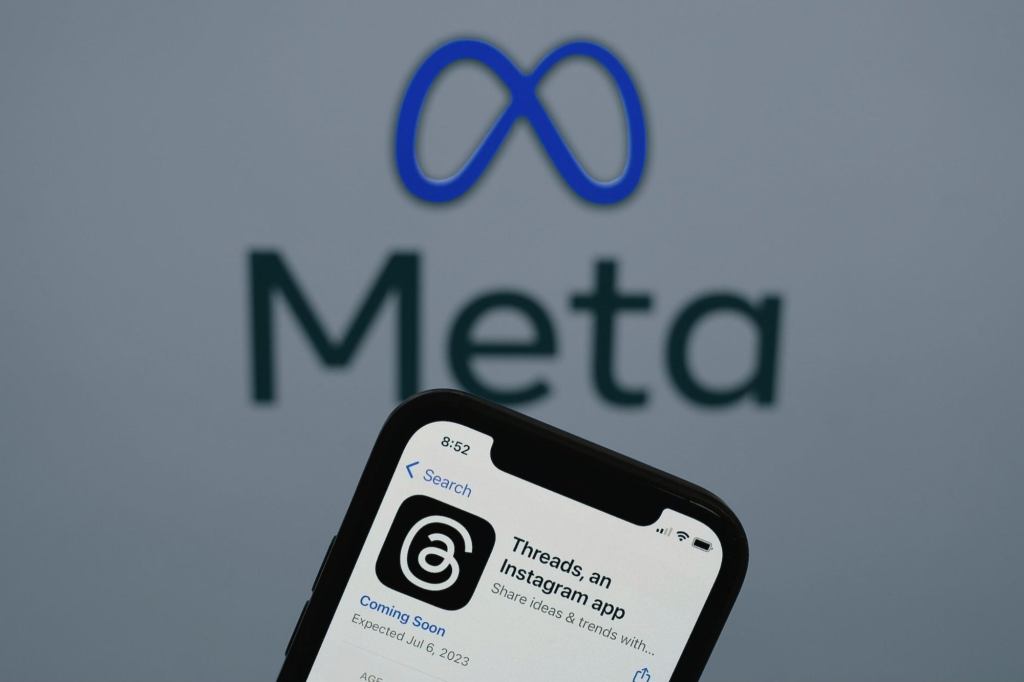
Meta’s Threads wants to become the place where people talk about podcasts. The social network will launch podcast previews that play directly in user feeds to encourage podcasters and their fans to spend more time on the platform, Bloomberg reported.

Threads already lets users link to shows on their profiles that open in Apple Podcasts, iHeart or Spotify. Connor Hayes, head of Threads, said the goal is to make Threads the “place where you’re talking about and engaging with other fans about what’s going on in a podcast.”

The company is hosting live podcast events to draw creators, including a recent taping of basketball podcast All The Smoke, where influencers attended and posted about the show. Threads has reached more than 150 million daily active users since launching in 2023, but faces competition from Reddit, Discord groups and newsletter platforms like Substack and Patreon, which have become key homes for podcast discussion.

Read more

Meta’s Threads wants to become the place where people talk about podcasts. The social network will launch podcast previews that play directly in user feeds to encourage podcasters and their fans to spend more time on the platform, Bloomberg reported.

Threads already lets users link to shows on their profiles that open in Apple Podcasts, iHeart or Spotify. Connor Hayes, head of Threads, said the goal is to make Threads the “place where you’re talking about and engaging with other fans about what’s going on in a podcast.”

The company is hosting live podcast events to draw creators, including a recent taping of basketball podcast All The Smoke, where influencers attended and posted about the show. Threads has reached more than 150 million daily active users since launching in 2023, but faces competition from Reddit, Discord groups and newsletter platforms like Substack and Patreon, which have become key homes for podcast discussion.

Read more

https://www.entrepreneur.com/business-news/threads-launches-new-feature-to-attract-podcast-fans/501240


This Convicted Fraudster Billed JPMorgan $529 for Gummy Bears

When JPMorgan acquired Charlie Javice‘s start-up Frank for $175 million in 2021, it agreed to pay her legal fees if she got in trouble. Then she got into trouble. Javice told the bank she had millions of customers, but she’d faked a big part of her customer list.

She was convicted of fraud in September and sentenced to 85 months in prison. Now JPMorgan is fighting to stop paying her legal costs after her 147-member legal team racked up questionable expenses, including $529 in gummy bears, a $581 dinner for two, nearly $1,000 in laundry fees, a Cookie Monster toy and 57 hotel room upgrades at $300 each.

JPMorgan is asking a Delaware judge for permission to cut her off, citing “blatant disdain” and “unchecked billing practices.” The bank said Javice had asked for over $43 million for one law firm alone, with 29 lawyers in the courtroom at one point during her trial.

Read more

When JPMorgan acquired Charlie Javice‘s start-up Frank for $175 million in 2021, it agreed to pay her legal fees if she got in trouble. Then she got into trouble. Javice told the bank she had millions of customers, but she’d faked a big part of her customer list.

She was convicted of fraud in September and sentenced to 85 months in prison. Now JPMorgan is fighting to stop paying her legal costs after her 147-member legal team racked up questionable expenses, including $529 in gummy bears, a $581 dinner for two, nearly $1,000 in laundry fees, a Cookie Monster toy and 57 hotel room upgrades at $300 each.

JPMorgan is asking a Delaware judge for permission to cut her off, citing “blatant disdain” and “unchecked billing practices.” The bank said Javice had asked for over $43 million for one law firm alone, with 29 lawyers in the courtroom at one point during her trial.

Read more

https://www.entrepreneur.com/growing-a-business/fraudster-billed-jpmorgan-73-million-for-legal-fees/501207


Why This Business Model Is Opening the Door to Entrepreneurship for People With Almost No Capital

Opinions expressed by Entrepreneur contributors are their own.

Key Takeaways

  • Micro-franchising lowers capital, risk and skill barriers, turning proven brands into accessible paths to ownership.
  • Collaborative and micro-franchise models expand entrepreneurship, create jobs and strengthen local economies sustainably.

It’s a tale as old as time: the rich keep getting richer while the poor struggle to break free from financial hardship. For many, the cycle of poverty feels impossible to escape, with debts passing from one generation to the next. Traditional entrepreneurship can be a way out, but launching a business requires capital, experience and market trust — resources that many struggling individuals simply don’t have.

One possible solution? Micro-franchising and collaborative franchises — business models designed to help individuals with limited resources become business owners. While traditional franchises often require hefty investments, micro-franchises provide a more accessible, cost-effective alternative, helping more people take control of their financial future.

Related: Big Things Come in Small Packages – The Value of Micro-Franchise Brands

Why franchises are more successful than independent retail shops

Franchises offer a major advantage over independently owned retail shops: they leverage an established brand and business model. In a world where consumers trust familiarity, this brand recognition makes it significantly easier to attract customers and drive sales.

Consider this: when given the choice between an unknown local store and a well-known brand, most people will opt for the brand they recognize. This is because a trusted brand comes with:

  • A proven track record of service and quality.
  • Standardized business processes that ensure reliability.
  • Stronger marketing and advertising power.

For first-time entrepreneurs, starting from scratch can be incredibly challenging. Many independent businesses struggle to gain traction, as they lack the reputation, resources and consumer trust that franchises provide from day one.

This is where micro-franchising comes in — offering the same benefits of a franchise, but at a much lower cost and on a smaller, more manageable scale.

MSMEs tapping into micro-franchising to fight poverty

Recognizing the potential of micro-franchising, governments and organizations worldwide are encouraging small and medium-sized enterprises (MSMEs) to adopt this model.

For example, in Nigeria, the government is urging MSMEs to expand their businesses through micro-franchising, providing low-income individuals with opportunities to become franchisees.

The idea is simple:

  • Franchisors provide training to franchisees, equipping them with the necessary business knowledge and operational skills.
  • Marketing materials and branding support are provided to ensure consistency across franchise locations.
  • A proven business model helps franchisees avoid the common pitfalls of starting a business from scratch.

By following this approach, more people — especially those with limited resources — can enter the business world, improving their financial stability while also strengthening the local economy.

Micro-franchising benefits

Aside from branding and operational support, micro-franchising offers several key advantages that make it an attractive option for aspiring entrepreneurs.

1. Lower startup costs. One of the biggest barriers to entrepreneurship is access to capital. Traditional franchises require huge investments, often reaching hundreds of thousands of dollars. Micro-franchises, however, operate on a much smaller scale, making them more affordable and accessible.

2. Easier access to financial assistance. Many governments, non-profits and microfinance institutions recognize the potential of micro-franchising and provide funding opportunities to support aspiring business owners. These include:

  • Low-interest loans.
  • Government grants.
  • Private investment initiatives aimed at empowering low-income individuals.

This financial accessibility allows more people to pursue business ownership without taking on overwhelming debt.

3. Reduced business risks. Starting a new business from scratch is risky — about 20% of small businesses fail within their first year, and 50% don’t make it past five years. Micro-franchises, on the other hand, operate on proven business models, significantly reducing the chances of failure.

Instead of experimenting with untested strategies, franchisees follow a structured plan, benefiting from the experience, guidance and resources of the franchisor.

4. Brand recognition and customer trust. Strong branding is central to success in today’s market. A clear, consistent identity and message reduces the effort required to win customer trust and stand out. This is one of the biggest advantages of micro-franchising: franchisees don’t need to build a brand from scratch. Instead, they benefit from an established reputation, which can make it easier to attract customers and reach profitability more quickly.

Related: From Poop Scooping to Dryer-Vent Cleaning: Why Hyper-Niche, ‘Micro’ Franchises Are Booming

5. Job creation and economic growth. Micro-franchising doesn’t just help individual business owners — it strengthens local economies. These small-scale franchise models create jobs, keep money circulating within communities and expand access to entrepreneurship in underserved areas.

For governments and organizations focused on economic development, investing in micro-franchising offers a practical, self-sustaining way to drive growth.

Alongside this model, collaborative franchising is gaining traction. Instead of a single owner, multiple partners share the cost, responsibilities and rewards of running a franchise.

Each partner contributes based on their strengths — such as operations, marketing or finance — making ownership more accessible and resilient, especially in developing economies.

Together, micro-franchising and collaborative franchising lower the barriers to business ownership. By combining proven business models with shared risk and support, they offer a scalable path to income, job creation and long-term community impact. The future of entrepreneurship isn’t just about large corporations — it’s about practical models that empower more people to participate and succeed.

Key Takeaways

  • Micro-franchising lowers capital, risk and skill barriers, turning proven brands into accessible paths to ownership.
  • Collaborative and micro-franchise models expand entrepreneurship, create jobs and strengthen local economies sustainably.

It’s a tale as old as time: the rich keep getting richer while the poor struggle to break free from financial hardship. For many, the cycle of poverty feels impossible to escape, with debts passing from one generation to the next. Traditional entrepreneurship can be a way out, but launching a business requires capital, experience and market trust — resources that many struggling individuals simply don’t have.

One possible solution? Micro-franchising and collaborative franchises — business models designed to help individuals with limited resources become business owners. While traditional franchises often require hefty investments, micro-franchises provide a more accessible, cost-effective alternative, helping more people take control of their financial future.

https://www.entrepreneur.com/franchises/why-this-business-model-works-better-than-starting-a/500836


Gen Z Is Buying Themselves Toys in Record Numbers This Holiday Season. Here’s Why.

Gen Z can’t afford houses, so they’re buying stuffed animals instead. A Circana report found that 76% of Gen Z shoppers between the ages of 18 to 34 bought a toy for themselves or another adult this year, driven by a craze for Labubu dolls from Chinese company Pop Mart and soft toys from British brand Jellycat, CNBC reported.

Pop Mart posted a nearly 400% surge in net profit in the first half of 2025, with $423 million in revenue from Labubu dolls alone.

Experts call it the “Peter Pan effect” — Gen Z longing for childhood joy in the midst of skyrocketing costs and unaffordable milestones like homes. Many are “doom spending” on small luxuries because bigger goals like houses or families feel out of reach. Around 85% of British Gen Z reported experiencing loneliness, and collecting toys helps them feel part of a community through online groups and pop-up experiences.

Read more

Gen Z can’t afford houses, so they’re buying stuffed animals instead. A Circana report found that 76% of Gen Z shoppers between the ages of 18 to 34 bought a toy for themselves or another adult this year, driven by a craze for Labubu dolls from Chinese company Pop Mart and soft toys from British brand Jellycat, CNBC reported.

Pop Mart posted a nearly 400% surge in net profit in the first half of 2025, with $423 million in revenue from Labubu dolls alone.

Experts call it the “Peter Pan effect” — Gen Z longing for childhood joy in the midst of skyrocketing costs and unaffordable milestones like homes. Many are “doom spending” on small luxuries because bigger goals like houses or families feel out of reach. Around 85% of British Gen Z reported experiencing loneliness, and collecting toys helps them feel part of a community through online groups and pop-up experiences.

Read more

https://www.entrepreneur.com/business-news/why-gen-z-is-buying-toys-for-themselves-this-holiday/501205


Skip the Subscription: Get Microsoft Office 2021 Professional for Less Than $35

Disclosure: Our goal is to feature products and services that we think you’ll find interesting and useful. If you purchase them, Entrepreneur may get a small share of the revenue from the sale from our commerce partners.

TL;DR: Ditch the monthly Microsoft 365 fees and get a lifetime license to Microsoft Office Professional 2021 for Windows at 84% off, just $34.97 instead of $219.99.

Small-business owners and entrepreneurs know the drill: software subscriptions add up fast. Between project management tools, accounting software, and communication platforms, those monthly fees can quietly drain your budget. Microsoft 365 alone runs $69.99 per year for basic access, and that’s a recurring cost that never stops.

But here’s a smarter play for your bottom line. Microsoft Office Professional 2021 for Windows offers a one-time purchase that gives you lifetime access to all the essential productivity tools your business needs, without the ongoing subscription headache.

For $34.97, you get the full professional suite: Word for proposals and contracts, Excel for financial modeling and data analysis, PowerPoint for investor pitches, and Outlook for email management. The package also includes Teams (free version), OneNote for project planning, Publisher for marketing materials, and Access for database management. That’s eight Microsoft applications for less than the cost of two months of Microsoft 365.

High-end productivity apps

This isn’t some stripped-down version, either. Office 2021 Professional includes the ribbon-based interface professionals know and trust, with all the formatting tools, customization options, and features you need to create polished documents, compelling presentations, and detailed spreadsheets. Whether you’re crunching numbers for quarterly reports or designing client proposals, you get enterprise-level functionality without enterprise-level costs.

The math is simple: spend $34.97 once, or spend $69.99 every single year. Over five years, that’s a savings of more than $300. For bootstrapped startups and lean operations watching every dollar, that difference matters.

The license installs on one Windows PC (Windows 10 or 11) and is verified through Microsoft’s official partnership program. You’ll receive your redemption code instantly via email, and setup takes about 15 minutes.

Get Microsoft Office Professional 2021 for Windows for $34.97 (reg. $219.99) today.

StackSocial prices subject to change.

TL;DR: Ditch the monthly Microsoft 365 fees and get a lifetime license to Microsoft Office Professional 2021 for Windows at 84% off, just $34.97 instead of $219.99.

Small-business owners and entrepreneurs know the drill: software subscriptions add up fast. Between project management tools, accounting software, and communication platforms, those monthly fees can quietly drain your budget. Microsoft 365 alone runs $69.99 per year for basic access, and that’s a recurring cost that never stops.

But here’s a smarter play for your bottom line. Microsoft Office Professional 2021 for Windows offers a one-time purchase that gives you lifetime access to all the essential productivity tools your business needs, without the ongoing subscription headache.

https://www.entrepreneur.com/science-technology/skip-the-subscription-get-microsoft-office-2021/500823


3 Tax Moves Entrepreneurs Need to Make Before 2025 Ends

Opinions expressed by Entrepreneur contributors are their own.

Key Takeaways

  • New tax law updates make the fourth quarter a critical window for entrepreneurs to reassess how their businesses are structured and taxed.
  • Strategic year-end planning around deductions and state taxes could unlock meaningful savings if reviewed before the calendar closes.

The clock is ticking for entrepreneurs to take full advantage of the new tax law changes. With the One Big Beautiful Bill Act introducing significant updates, there’s never been a better time to revisit your tax strategy.

Here are three actions I’m recommending every entrepreneur take in the fourth quarter.

Related: I Work With High-Earning Entrepreneurs — This Year-End Practice Prevents Money Issues

1. Review your entity structure

Choosing the wrong entity structure is the single biggest mistake that I see investors and entrepreneurs make. Luckily, these mistakes aren’t irreversible. In fact, I’ve seen entrepreneurs save $100,000 or more just by making a strategic change. With the recent changes in the tax law, it’s more important than ever to review this foundational part of your business.

The government taxes your business in one of three categories:

  • As a corporation (either a C corporation or an S corporation)
  • As a partnership (general or limited)
  • As a sole proprietorship

The right choice depends on how you operate your business, how you pay yourself and whether you’re reinvesting profits or taking money out regularly.

A C corporation is a great option for entrepreneurs who keep their business’s money in the business. The corporate tax rate is just 21%, significantly lower than most personal income tax rates, and is set to permanently remain so.

If, like many small business owners, you need to draw income from your business, a C corporation likely isn’t your best choice. First, the corporation will pay taxes at the 21% rate. Then, you’ll essentially pay a double tax by paying your income tax rate on any distributions you receive.

For entrepreneurs who take money out of their business regularly, pass-through entities, including sole proprietorships, partnerships and S corporations, are often the better choice. These entities “pass through” their income to the owner’s personal tax return, avoiding the double taxation of a C corporation.

The new tax law contained a big win for pass-through entities by making the 20% qualified business income deduction permanent. However, there are some important limitations to the QBI deduction. It is tied to the wages paid by the business and phases out for high-income earners, so you’ll need to work closely with your CPA or tax advisor to ensure your business is structured and operated in a way that maximizes your benefit.

Before the end of the year, review the structure of all your taxable entities with your CPA. There is time to make adjustments if needed, and even to add new entities if that makes sense for your goals.

2. Use bonus depreciation strategically to maximize tax savings

Bonus depreciation is a powerful tool governments use to encourage businesses to invest in certain assets. It allows entrepreneurs to deduct a larger portion of the purchase price of qualifying assets in the year they are acquired, rather than spreading the deduction out over the asset’s useful life.

Before President Trump signed the One Big Beautiful Bill Act on July 4, bonus depreciation was set to be just 40% in 2025 and sunset in 2027. In some of the best news for entrepreneurs in the legislation, 100% bonus depreciation is back for qualifying property acquired and placed in service after Jan. 19.

If you’ve invested in real estate, bonus depreciation becomes even more valuable when paired with cost segregation.

With a proper cost segregation analysis, you will be able to take 100% bonus depreciation on the portions of your property that have a shorter useful life. This can give you a massive tax deduction in the year you purchase a property, creating significant tax savings you can use on other investments.

I work with a lot of real estate investors through my tax education company WealthAbility®, and I’m continually surprised by the number of people who avoid cost segregation because they think it will create problems with the IRS. That’s simply not the case. When done correctly, cost segregation allows you to properly depreciate your real estate investments.

Just be sure to work closely with both your tax advisor and an expert in cost segregation. You want to make sure the analysis is done correctly and be sure to reduce your taxable income as much as possible without creating an excessive net operating loss that you won’t be able to use to offset future income. Getting started on this before the end of the year gives you more time to plan your future purchases and deductions strategically across 2025, 2026 and beyond.

Related: These Are the Smartest Tax Strategies in 2025, According to a CPA

3. Look closely at your state and local income taxes

Ever since the passage of the 2017 Tax Cuts and Jobs Act, entrepreneurs living in high-tax states have felt the pain of a $10,000 cap on deductions of state and local taxes.

Thanks to the new tax legislation, entrepreneurs can take a SALT deduction of up to $40,000 in 2025, depending on their modified adjusted gross income. The deduction will increase to $40,400 in 2026 and 1% each year until 2030, when it drops back to $10,000. It is a welcome shift, but it still requires careful analysis to ensure you pay the lowest tax necessary.

Back when the federal government lowered the SALT deduction, almost all of the states with an income tax created “workarounds” that allowed pass-through entities to pay state taxes at the entity level, so the state tax could be deducted as a business expense, just as corporations can.

Because these workarounds are still in place, you’ll want to rerun your numbers to ensure that you are making the optimal choices this year. Depending on your personal tax situation, the workaround may still give you a better benefit than the SALT deduction.

Your Q4 action items

Make sure to complete a full review of your tax strategy and make necessary adjustments in time to enjoy all the benefits of recent tax law changes. Schedule a meeting with your CPA or tax advisor to review these three points as well as your overall tax strategy. Ask them to run all the numbers so you can make an informed decision. And, of course, include your short- and long-term business and personal goals in your analysis.

By prioritizing this work in the fourth quarter, you’ll set yourself up for greater financial success both for this tax year and the years to come.

Key Takeaways

  • New tax law updates make the fourth quarter a critical window for entrepreneurs to reassess how their businesses are structured and taxed.
  • Strategic year-end planning around deductions and state taxes could unlock meaningful savings if reviewed before the calendar closes.

The clock is ticking for entrepreneurs to take full advantage of the new tax law changes. With the One Big Beautiful Bill Act introducing significant updates, there’s never been a better time to revisit your tax strategy.

Here are three actions I’m recommending every entrepreneur take in the fourth quarter.

https://www.entrepreneur.com/money-finance/3-tax-moves-entrepreneurs-need-to-make-before-2025-ends/497895


Free Webinar | January 7: 5 Steps to Get Ahead in 2026

If you want 2026 to be a breakout year, you don’t need more motivation. You need a proven strategy that works.

Join Kim Perell, a serial entrepreneur who has built and scaled multiple companies and achieved numerous exits, including a $235M acquisition, on January 7th at 3:00 PM EST for a live webinar designed for founders ready to level up.

Kim is hosting 5 Steps to Get Ahead in 2026, where she’ll break down the exact planning and execution framework she uses at the start of every year to scale businesses with intention.

In this session, you’ll learn:

  • How growth-stage founders proactively design their year instead of reacting to it

  • How to identify the few priorities that actually drive scale

  • How to turn strategy into execution with accountability and focus

  • How to build the right inner circle as you grow

  • And Kim will share her personal Success Plan live, so you leave with a real roadmap—not just ideas

This isn’t theory. It’s the process Kim has used repeatedly to build, scale, and exit companies.

If you’re serious about taking your business or leadership to the next level in 2026, this session is for you.

Save your spot and build 2026 like a founder who knows how to scale.

Sign Up Now

About the Speaker:

Kim Perell is 9X founder, 2X best-selling author, investor in 100+ companies, acclaimed speaker and a proud mom of four. She started her first company from her kitchen table at 23 years old, became a multi-millionaire by the time she was 30, and sold her last company for $235 million. While simultaneously running multimillion dollar companies, Kim has dedicated her life to empowering the next generation of business leaders. She shines as a dynamic TV and media personality on Entrepreneur Magazine’s hit show Elevator Pitch. Kim regularly appears in media, including Good Morning America, The Today Show, The Drew Barrymore Show, CNBC, Fox, MSNBC, CNN Money, The New York Times, Forbes, Inc, and The Huffington Post. In her upcoming book, Mistakes That Made Me A Millionaire, Kim Perell shares the raw, unfiltered truth about the journey to success—proving that every mistake holds the potential for million-dollar lessons.

If you want 2026 to be a breakout year, you don’t need more motivation. You need a proven strategy that works.

Join Kim Perell, a serial entrepreneur who has built and scaled multiple companies and achieved numerous exits, including a $235M acquisition, on January 7th at 3:00 PM EST for a live webinar designed for founders ready to level up.

Kim is hosting 5 Steps to Get Ahead in 2026, where she’ll break down the exact planning and execution framework she uses at the start of every year to scale businesses with intention.

In this session, you’ll learn:

  • How growth-stage founders proactively design their year instead of reacting to it

  • How to identify the few priorities that actually drive scale

  • How to turn strategy into execution with accountability and focus

  • How to build the right inner circle as you grow

  • And Kim will share her personal Success Plan live, so you leave with a real roadmap—not just ideas

This isn’t theory. It’s the process Kim has used repeatedly to build, scale, and exit companies.

If you’re serious about taking your business or leadership to the next level in 2026, this session is for you.

Save your spot and build 2026 like a founder who knows how to scale.

Sign Up Now

About the Speaker:

Kim Perell is 9X founder, 2X best-selling author, investor in 100+ companies, acclaimed speaker and a proud mom of four. She started her first company from her kitchen table at 23 years old, became a multi-millionaire by the time she was 30, and sold her last company for $235 million. While simultaneously running multimillion dollar companies, Kim has dedicated her life to empowering the next generation of business leaders. She shines as a dynamic TV and media personality on Entrepreneur Magazine’s hit show Elevator Pitch. Kim regularly appears in media, including Good Morning America, The Today Show, The Drew Barrymore Show, CNBC, Fox, MSNBC, CNN Money, The New York Times, Forbes, Inc, and The Huffington Post. In her upcoming book, Mistakes That Made Me A Millionaire, Kim Perell shares the raw, unfiltered truth about the journey to success—proving that every mistake holds the potential for million-dollar lessons.

https://www.entrepreneur.com/starting-a-business/free-webinar-january-7-5-steps-to-get-ahead-in-2026/500941