7 Hidden Costs That Are Eating Up Your Small Business

Opinions expressed by Entrepreneur contributors are their own.

Key Takeaways

  • Small businesses rarely fail from one big mistake — it’s usually the slow bleed of tiny, overlooked costs that pile up until profitability disappears.
  • If your margins feel tighter than they should, these seven hidden expenses could be to blame.

Small businesses that fail, oftentimes fail after the accumulation of tiny, silent, boring expenses that slowly choke profitability — and by the time you realize it, it’s too late.

If you’re in the 35% of small businesses that aren’t profitable, or if you’ve ever felt like your business should be more profitable than it is, this is for you. Let’s break down the hidden costs that quietly eat into your margins, how to spot them and what to do to get your margin back.

Related: Need To Cut Costs? Start With These 10 Money Saving Ideas

1. The cost of not knowing your numbers

The fastest way a small business loses money is simple — you don’t know your numbers, or you aren’t paying attention to them.

The point of having any kind of numbers in your business is to give you clarity to use for your decision-making. If you don’t, it’s way too easy to make reactive decisions or hold onto things.

Two common outcomes I’ve seen from not knowing your numbers are overspending or not charging enough. If you just assume you’ll have enough in your account, it’s possible the day will come when you don’t.

Another area where a lack of metrics can really impact businesses is any kind of pivot that needs to be done — hiring or firing, adding or removing an offer, or changing your marketing channels.

There are so many examples of this, but in short, a business that doesn’t know its numbers is a business that accidentally leaks money all year long.

One small way to get your numbers back on track? Get your bookkeeping caught up and look at your P&L at least once per month. Let it guide your decisions for the next few months and see how it impacts your business.

2. The cost of doing everything yourself

Most entrepreneurs wait far too long to delegate. They think hiring support is a luxury instead of the thing that creates capacity for growth.

When you’re overextended, overwhelmed and doing tasks that fall far below your hourly value, that’s simply a very expensive choice.

Every hour you spend on tasks someone else could do cheaper is an hour you’re not generating revenue or leading the business. This cost slowly adds up.

Try delegating just one or two tasks at a time to a team member whose hourly rate is less than yours, and use your newly freed-up time to generate additional revenue!

3. The cost of poor systems

If your processes live inside your head, your business is already paying for it.

Inconsistent workflows lead to missed deadlines, customer dissatisfaction and expensive training processes for new team members.

Systems are the backbone of scalable businesses. Without them, every task is custom, every decision requires your brain, and your team never fully operates independently, constantly costing you in your time and your team’s time.

Create just one or two new systems per month to start gaining some of that time and cost back.

Related: You Might Spend Unnecessary Money If You Don’t Stay on Top of Your Expenses. Here’s How to Manage Them.

4. The cost of outdated or poorly utilized tools

Software is supposed to make life easier. For many business owners, it just becomes another monthly subscription quietly auto-charging on the company card.

Hidden tech-related costs typically fall into three categories:

  1. You’re paying for tools you barely use — an expense with no ROI

  2. You’re using the wrong tools for what you actually need — an expense with limited ROI, while maybe adding extra cost

  3. You’re using the right tools, but inefficiently — an expense plus extra labor cost

A quick check you can do is to pull all subscriptions that have been charged to your business account in the last six months. Go through each and look for things you aren’t using or things that are potentially duplicative. Really scrutinize each of these expenses and be convicted about cancelling the ones you don’t use, or hold yourself accountable to start using them within the next few weeks.

5. The cost of no marketing analytics

When a business owner isn’t tracking ROI, CAC or LTV, the marketing budget setting becomes guesswork, which is costly.

It is absolutely critical to get clear on your marketing numbers so that you aren’t throwing money at channels that are underperforming or are even losing you money. If you need to bring in a marketing analyst to help you with this, that choice will easily pay for itself.

6. The cost of underpricing

Most small business owners don’t raise their prices enough, or their prices don’t include all of their costs.

Make sure that your pricing is truly incorporating the cost of any input cost increases, labor cost that goes into delivery and any special-situation costs that don’t always occur but should be considered in overall pricing over time.

Even a small miscalculation on pricing can tank margins, especially in low-margin industries like hospitality. Against the backdrop of an uncertain economy and changing prices, underpricing becomes a hole that is really difficult to dig out of.

Related: How to Cut Costs in the Right Places and Do More With Less

7. The cost of slow or inefficient sales operations

You’d be shocked at how many businesses lose revenue simply because proposals go out late, leads aren’t nurtured and customers aren’t given a clear view into next steps once they purchase.

This is purely a systems problem, and the good news is it’s very fixable. Commit to improving your sales and marketing systems one at a time, giving yourself a deadline for each part, so you start to see measurable impact quickly.

I know these are a lot of costs — so what should you do about it?

Choose one or two of the above costs that resonate the most with you. Quantify the cost in your business, and take two or three actions to reduce it in the next month. Reap the benefits of those changes, and let it motivate you to do it again!

Key Takeaways

  • Small businesses rarely fail from one big mistake — it’s usually the slow bleed of tiny, overlooked costs that pile up until profitability disappears.
  • If your margins feel tighter than they should, these seven hidden expenses could be to blame.

Small businesses that fail, oftentimes fail after the accumulation of tiny, silent, boring expenses that slowly choke profitability — and by the time you realize it, it’s too late.

If you’re in the 35% of small businesses that aren’t profitable, or if you’ve ever felt like your business should be more profitable than it is, this is for you. Let’s break down the hidden costs that quietly eat into your margins, how to spot them and what to do to get your margin back.

https://www.entrepreneur.com/money-finance/7-hidden-costs-that-are-eating-up-your-small-business/500542





Governments Are Starting to Compete Like Startups — And That Changes Everything for Entrepreneurs

Opinions expressed by Entrepreneur contributors are their own.

Key Takeaways

  • Governments are competing for capital, signaling faster reform and easier market access.
  • Citizenship programs often precede business-friendly regulation and streamlined investment processes.
  • Early entrepreneurs benefit most when states begin acting like market players.

Africa is stepping into the “golden passport” arena, with nations such as Botswana and Egypt introducing citizenship-by-investment programs to attract wealthy foreigners. However, if you are not seeking a second passport, you may assume that this trend does not affect you.

In reality, the rise of these programs signals a broader and more significant development for founders and investors: African governments are beginning to compete for capital, much like startups compete for customers. They are packaging their most valuable assets, reducing barriers, experimenting with pricing and working to attract interest in their products.

Essentially, the state is starting to function like a market player, and this shift could redefine the emergence of the next wave of business opportunities.

Botswana exemplifies this trend in Africa. Its decision to launch a CBI program is not about creating a luxury product; it is a response to an economic shift. Diamond revenue, historically the backbone of the economy, is declining as lab-grown alternatives become increasingly popular. To fill this gap, the government is marketing stability, governance and predictable regulation, which investors value. When a country begins offering these through citizenship, it is also preparing to provide them through faster licensing, clearer investment rules and enhanced institutional support for businesses to attract foreign investors.

Egypt’s trajectory follows a similar rationale. Amid a foreign currency shortage and significant IMF pressure, the government expedited citizenship pathways linked to property acquisition and capital investment.

The aim was not to court global elites but to attract liquidity, diversify revenue streams and demonstrate its capacity for innovation during economic strain. When a state commodifies citizenship, it underscores its urgent need to modernize and compete with other states.

Related: Why Having Multiple Passports Will Soon Be a Financial Flex

Why is this significant for entrepreneurs? Citizenship by Investment (CBI) programs often precede or accompany broader reforms that directly impact business operations. A government bold enough to commercialize citizenship is typically also preparing to simplify incorporation processes, streamline investor visas, digitize its bureaucracy and clarify tax regulations.

These are early indicators that a market is becoming more accessible, creating new opportunities for early entrants to enter the market.

There is another reason the business community should take notice: CBI programs reveal governance quality. A well-regulated program indicates robust due diligence frameworks, effective screening and reliable institutions, whereas a poorly managed program exposes structural weaknesses. For founders considering expansion, partnerships or hiring across African markets, these signals help assess where execution risks are lower or where potential red flags may occur.

This trend indicates the emergence of a broader strategy across the continent. As nations gear up for deeper integration under the African Continental Free Trade Area (AfCFTA), they are beginning to carve out distinct national identities. Some aim to become regional logistics hubs, whereas others position themselves as financial gateways or manufacturing centers.

Citizenship is merely one tool in a comprehensive toolkit that includes digital payment reforms, tax incentives, startup visas and new, special economic zones. When a government starts marketing citizenship, it is also setting the stage to promote every other aspect of its economy, including tourism.

For investors, this shift serves as an early indicator. It highlights where governments are most actively seeking to attract capital, where regulatory systems are likely to advance next and which markets could offer the highest returns for businesses that enter before the masses do. The passport itself is not the focus; the policy direction is.

Related: How Golden Visas and Second Passports Are Transforming Wealth Strategies

For entrepreneurs, the message is clear: do not be sidetracked by the passport alone. What truly matters is what it reveals about a country’s economic progress. Africa’s new CBI wave signals that states are becoming aware of the realities of global competition and are willing to rethink outdated bureaucratic structures to become more attractive to investors.

When governments act as market players, entrepreneurs often discover markets worth developing.

Key Takeaways

  • Governments are competing for capital, signaling faster reform and easier market access.
  • Citizenship programs often precede business-friendly regulation and streamlined investment processes.
  • Early entrepreneurs benefit most when states begin acting like market players.

Africa is stepping into the “golden passport” arena, with nations such as Botswana and Egypt introducing citizenship-by-investment programs to attract wealthy foreigners. However, if you are not seeking a second passport, you may assume that this trend does not affect you.

In reality, the rise of these programs signals a broader and more significant development for founders and investors: African governments are beginning to compete for capital, much like startups compete for customers. They are packaging their most valuable assets, reducing barriers, experimenting with pricing and working to attract interest in their products.

Essentially, the state is starting to function like a market player, and this shift could redefine the emergence of the next wave of business opportunities.

Botswana exemplifies this trend in Africa. Its decision to launch a CBI program is not about creating a luxury product; it is a response to an economic shift. Diamond revenue, historically the backbone of the economy, is declining as lab-grown alternatives become increasingly popular. To fill this gap, the government is marketing stability, governance and predictable regulation, which investors value. When a country begins offering these through citizenship, it is also preparing to provide them through faster licensing, clearer investment rules and enhanced institutional support for businesses to attract foreign investors.

https://www.entrepreneur.com/growing-a-business/governments-are-starting-to-compete-like-startups-and/500606


Your Language Matters More Than You Think. Here’s How to Use Your Words to Build the Culture You Want.

Opinions expressed by Entrepreneur contributors are their own.

Key Takeaways

  • Language is one of the most powerful levers for shaping culture. The words you repeat (without even realizing it) set the tone for how teams think, communicate and act.
  • Repeated phrases operationalize values, setting default behaviors and norms that stand even when you’re not in the room.
  • To drive culture with your language, identify the behaviors that are essential to your company’s success, distill them into phrases your team can remember and repeat, and use them everywhere.

Culture isn’t built in company offsites. It’s built in the micro-moments; the quick calls, the team huddles, the words you repeat without even realizing it.

Every founder has a few go-to phrases. Maybe it’s “own the outcome” or “progress over perfection.” Maybe it’s “tighten the loop” or “we write it down.” At first, they sound like shorthand. Over time, they become doctrine.

In my time as the founder of ButterflyMX, I’ve observed that the language leaders use most often sets the tone for how teams think, communicate and act. And if you’re not being intentional about that language, you’re missing one of your most powerful levers for shaping culture.

Related: Words Matter: Tips to Boost Leadership Communications

Why language matters more than we think

Startup culture tends to get romanticized: ping-pong tables, mission statements, quirky rituals. But in practice, culture is far less visible and far more verbal.

The truth is, your team is always scanning for cues about what’s valued. And they take those cues from what you emphasize, especially in how you speak. Repetition signals importance. If you say “we move fast” often enough, your team will start prioritizing speed. Say “don’t ship junk,” and you’ll start seeing more polish.

It’s not just about being motivational. It’s about being consistent. In a fast-paced environment where context shifts quickly, repeated language becomes an anchor. It helps align decision-making, build shared norms and reduce ambiguity.

But here’s the trap: Leaders often underestimate how much weight their words carry. That offhand remark in a standup? It might become gospel. The phrase you use to wrap a meeting? It could turn into the team’s default lens. The gap between what you say and what you mean is where culture gets built or broken.

So the question is: What are you reinforcing without realizing it?

Your vocabulary is a cultural lever

Culture isn’t just what you believe; it’s what your team repeats when you’re not in the room. That’s why language matters.

The phrases you use consistently don’t just communicate values; they operationalize them. They become mental shortcuts for how your team makes decisions under pressure. When you say “progress over perfection” enough times, you’re not just giving permission to move fast; you’re setting a default operating mode.

This is where a lot of leaders miss the point. They try to shape culture with grand statements or one-off speeches. But it’s the recurring language that really sticks. Language is infrastructure. And like any good infrastructure, it scales, especially when it’s repeated by others.

Think of it this way: Every phrase you repeat is a line of cultural code. Use it intentionally, and you can design for clarity, accountability and speed. Let it happen by accident, and you’ll end up debugging behaviors that don’t align with your values.

If you want to shift how your team acts, start by shifting what you say.

Related: The Strongest Cultures Are Built Through Consistency. Here’s Why — and What Leaders Should Be Doing Every Day.

Create a leadership lexicon that reinforces your values

So, how do you use language to drive culture? Start by building your own leadership lexicon, not as branding, but as behavioral reinforcement.

These aren’t slogans. They’re cultural anchors. The right words, repeated with consistency and backed by action, can shape how people show up, make decisions and solve problems, even when you’re not in the room.

Here’s how to do it:

Step 1: Name what matters

Start by identifying the specific behaviors that are essential to your company’s success. Not just abstract values like “integrity” or “excellence” but the day-to-day behaviors that drive progress.

Ask yourself:

  • What do you praise most often?

  • What frustrates you when it’s missing?

  • What do high-performers consistently do well?

Maybe it’s extreme ownership — people taking responsibility beyond their swimlane. Maybe it’s speed with thoughtfulness — moving fast, but not recklessly. Maybe it’s clear communication — writing things down, closing loops, avoiding ambiguity.

Get specific. Vague values create vague behavior.

Step 2: Craft your shorthand

Once you know what behaviors matter, distill them into language your team can remember and repeat. These phrases should be short, sticky and behavior-driven, not fluffy mission statements.

Examples:

  • “We own the outcome.” Ownership doesn’t stop at handoff.

  • “Progress over perfection.” Momentum beats polish.

  • “Write it down.” Clarity lives on paper.

  • “Assume positive intent.” Trust until proven otherwise.

  • “Disagree and commit.” Argue hard, then align fast.

Great phrases act like mental macros, a few words that trigger a whole set of behaviors. You don’t need a hundred of them. You need a handful that mean something and say a lot.

Step 3: Use them everywhere

Repetition turns language into culture. These phrases need to show up everywhere, not just on posters or onboarding slides.

  • Say them in standups to reinforce priorities.

  • Reference them in one-on-ones to coach behavior.

  • Include them in performance reviews to tie outcomes to expectations.

  • Drop them into Slack, Notion docs and project retros so they become ambient.

  • Use them in hiring to signal what you value from day one.

The more contexts they show up in, the more your team internalizes them — not as rules, but as shared instincts.

Over time, you’ll hear your team start to echo the language back. That’s when you know it’s working. It’s not just what you say; it’s what they say to each other that builds culture at scale.

Related: Company Culture Comes From Good Leadership

The words you repeat as a leader do more than communicate; they compound. They shape how your team thinks, how they act and what they believe is expected of them.

So, edit your language with intention. Build a vocabulary that reflects the culture you want — and then live it, say it, reinforce it until it sticks.

Because if you’re not defining the culture in your words, something else will.

Key Takeaways

  • Language is one of the most powerful levers for shaping culture. The words you repeat (without even realizing it) set the tone for how teams think, communicate and act.
  • Repeated phrases operationalize values, setting default behaviors and norms that stand even when you’re not in the room.
  • To drive culture with your language, identify the behaviors that are essential to your company’s success, distill them into phrases your team can remember and repeat, and use them everywhere.

Culture isn’t built in company offsites. It’s built in the micro-moments; the quick calls, the team huddles, the words you repeat without even realizing it.

Every founder has a few go-to phrases. Maybe it’s “own the outcome” or “progress over perfection.” Maybe it’s “tighten the loop” or “we write it down.” At first, they sound like shorthand. Over time, they become doctrine.

https://www.entrepreneur.com/leadership/how-you-can-use-your-words-to-build-the-culture-you-want/500338


How Luxury Real Estate Is Using AI and Augmented Reality to Unlock $1 Billion in Sales

Opinions expressed by Entrepreneur contributors are their own.

Key Takeaways

  • In premium markets, early insight and experiential clarity beat scale, noise and raw volume.
  • AI creates real advantage when it reveals opportunity sooner, not when it merely automates.

Luxury real estate is often treated as an outlier industry, relationship-driven, slow to change and insulated from technology disruption. In fast-growth markets, that assumption no longer holds. Beneath the surface, leaders are using artificial intelligence, augmented reality, immersive digital experiences and predictive data to gain advantages in ways that translate well beyond real estate.

For brokers, learning to scale a business model could influence how the next generation of high-end real estate entrepreneurs build global empires. It’s about understanding how decision-making, trust and access are evolving in premium markets and what that means for any business competing on value rather than volume.

Growth markets insight

Population and wealth migration are reshaping where opportunity concentrates. Arizona, for example, has become one of the fastest-growing luxury housing markets in the U.S., attracting affluent buyers seeking space, tax advantages and lifestyle upgrades.

In 2023 alone, more than 256,000 people moved to the state, many from California, Illinois and New York, according to the U.S. Census Bureau. The Phoenix metro area added nearly 85,000 residents between 2023 and 2024, while the National Association of Realtors ranks Arizona among the top states for inbound migration of high-net-worth buyers.

The National Association of Realtors found that Arizona now ranks among the top five for inbound migration of affluent buyers. In enclaves like Paradise Valley, where average home prices exceed $3.2 million, per Zillow, competition intensifies quickly. In these environments, scaling marketing spend or expanding inventory alone rarely creates a durable advantage.

Related: The No. 1 Thing Wealthy People Want in Luxury Real Estate, According to a ‘Selling Sunset’ Agent

Data + AI + Luxury

Founders in any growth market face the same reality when demand accelerates, clarity and timing outperform volume. For example, America One Luxury Real Estate, co-founded by Maximilian de Melo and Patrick Niederdrenk, has surpassed $1 billion in lifetime sales, fueled by a distinctive fusion of predictive AI, cinematic digital media and a sharply tuned market strategy.

One of the clearest shifts in luxury real estate is the move toward immersive digital experiences. Buyers increasingly expect to understand not just a product or asset, but the context around it, including lifestyle fit, long-term value and emotional resonance before engaging directly.

This isn’t theoretical. A Coldwell Banker survey found that 77% of luxury home buyers want virtual experiences before visiting a property in person. For international buyers who account for tens of billions in U.S. real estate purchases annually, immersive digital environments are often the first and only filter.

For founders, the takeaway is simple: experiential clarity reduces hesitation. When customers can experience outcomes earlier, decision cycles compress and trust forms faster.

Related: She’s Selling Wealthy People $175,000 Dogs. Here’s Why They Cost So Much — And What the Adoption Process Looks Like.

Predictive AI access

In high-value markets, the most attractive opportunities are rarely public. Leaders increasingly rely on AI-driven models that analyze ownership patterns, equity positions and behavioral signals to anticipate supply before it surfaces broadly.

In the case of a company like America One, it relies on a hybrid of proprietary tools and third-party data sources like the Cromford Market Report, which tracks hyperlocal real estate trends in real time, including supply, demand, sales velocity and price fluctuations. Their in-house AI engine is the “Equity Propensity Model,” a system that identifies homes likely to hit the market within the next 12 months.

This approach highlights a broader entrepreneurial lesson that AI creates the most leverage when it helps you see opportunity sooner, not when it merely increases efficiency. Early signal detection, whether applied to customers, inventory, partnerships or capital, shifts competition away from crowded channels and toward informed action.

Related: 7 Secrets Luxury Home Buyers Need to Know

From persuasion to alignment

Luxury buyers are not responding to louder narratives; they’re responding to more precise ones. High-end storytelling today blends data, design and emotional intelligence to help buyers assess fit, identity and long-term strategy.

For founders, this reinforces an important shift that storytelling is no longer about hype, it’s about alignment. The strongest narratives help customers understand why a product or service fits into their broader goals, not just why it exists.

Scaling local depth for global reach

Another pattern emerging in premium markets is the pairing of deep local expertise with global distribution. Businesses that earn trust in a specific geography are increasingly extending their reach through carefully chosen partnerships and networks that preserve credibility while expanding access.

This kind of hybrid growth model allows companies to scale without losing relevance — a tension many founders face as they move beyond their original market. The winners tend to be those who grow their footprint while protecting the local knowledge, relationships and reputation that made them successful in the first place.

Do this:

  • Design for decision making, not just discovery. Help clients understand outcomes earlier through immersive, experience-driven touchpoints.
  • Use AI to see sooner, not shout louder. Focus on predictive insight that reveals opportunity before competitors see it.
  • Build narratives that align with customer identity and strategy. Precision beats persuasion in high-trust markets.
  • Pair local credibility with scalable distribution. Depth first, then reach, not the other way around.

Avoid:

  • Avoid treating AI as a bolt-on tool. Its value comes from integration into strategy, not surface-level automation.
  • Avoid generic storytelling in premium markets. High-value customers expect relevance, discretion and context.
  • Avoid scaling visibility before insight. Growth without foresight leads to crowded competition and weaker margins.

What’s unfolding in luxury real estate reflects a broader shift across industries. Competitive advantage is increasingly defined by how early you recognize opportunity, how clearly you help customers decide and how effectively you blend human judgment with intelligent systems.

The next era of luxury real estate won’t be led by firms stuck in the past. It will be driven by those who can see around the corner. By blending aesthetics with analytics, local knowledge with global reach and innovation with identity.

Founders who treat AI, immersive experiences and data as strategic infrastructure, rather than marketing embellishments, are better positioned to compete in markets where trust, timing and precision matter most.

That’s not a real estate lesson. It’s a leadership one.

Key Takeaways

  • In premium markets, early insight and experiential clarity beat scale, noise and raw volume.
  • AI creates real advantage when it reveals opportunity sooner, not when it merely automates.

Luxury real estate is often treated as an outlier industry, relationship-driven, slow to change and insulated from technology disruption. In fast-growth markets, that assumption no longer holds. Beneath the surface, leaders are using artificial intelligence, augmented reality, immersive digital experiences and predictive data to gain advantages in ways that translate well beyond real estate.

For brokers, learning to scale a business model could influence how the next generation of high-end real estate entrepreneurs build global empires. It’s about understanding how decision-making, trust and access are evolving in premium markets and what that means for any business competing on value rather than volume.

https://www.entrepreneur.com/starting-a-business/how-luxury-real-estate-is-using-ai-and-augmented-reality-to/500597


Elon Musk Is Now $139 Billion Richer After His ‘Unfathomable’ Pay Package Is Restored

The Delaware Supreme Court handed Elon Musk a $139 billion Christmas present on Friday.

The Tesla CEO’s net worth surged to $749 billion after the court reinstated Tesla stock options worth $139 billion that were voided last year, according to Forbes’ billionaires index. A lower court had ruled in 2022 that the 2018 pay package was “unfathomable” and struck it down. But the Supreme Court said that ruling had been “improper and inequitable” to Musk.

Earlier this month, Musk became the first person ever to surpass $600 billion in net worth. Musk is now worth nearly $500 billion more than the world’s second-richest person, Google co-founder Larry Page.

Read more

The Delaware Supreme Court handed Elon Musk a $139 billion Christmas present on Friday.

The Tesla CEO’s net worth surged to $749 billion after the court reinstated Tesla stock options worth $139 billion that were voided last year, according to Forbes’ billionaires index. A lower court had ruled in 2022 that the 2018 pay package was “unfathomable” and struck it down. But the Supreme Court said that ruling had been “improper and inequitable” to Musk.

Earlier this month, Musk became the first person ever to surpass $600 billion in net worth. Musk is now worth nearly $500 billion more than the world’s second-richest person, Google co-founder Larry Page.

Read more

https://www.entrepreneur.com/business-news/elon-musk-just-became-139-billion-richer/501189


Meet the Company With a Leg Up in the $9 Trillion Flying Car Market

Disclosure: Our goal is to feature products and services that we think you’ll find interesting and useful. If you purchase them, Entrepreneur may get a small share of the revenue from the sale from our commerce partners.

After more than a century, flying cars are finally transitioning from promise to reality, creating an industry preparing for liftoff.

Consider this. Today, the global market for urban air mobility is worth $4.5 billion. But by 2040, it is projected by analysts to reach $1 trillion. By 2050, it could potentially reach $9 trillion. That’s a 199,900% increase in 25 years.

To put that in perspective, that would make it nearly 3X more valuable than the current global automotive market.

Why so optimistic? Because the conditions making flying cars possible are finally falling into place.

Cities are choking with gridlocked traffic, and as urban populations rise, road capacity can’t scale forever. Battery tech is advancing and becoming more affordable. Regulators are opening doors to technology like electric vertical takeoff and landing (eVTOL) aircrafts.

So with an opportunity this big, it’s no surprise major players are getting involved. Airbus, Boeing, Embraer, Honda, and Hyundai are investing into fleets of autonomous or piloted air taxis, competing for city contracts and commercial flight networks.

But one company is quietly building for a segment with serious untapped potential: personal flight for everyday people.

After all, the average person spends up to 9 days’ worth of time stuck in a car commuting. And 4,000+ investors believe in the vision of a company called Doroni to solve this.

What sets Doroni apart? Their H1-X aircraft is designed for everyday life.

It’s an eVTOL built to fit in a two-car garage and take off from the driveway. It plugs in like an EV and recharges in as little as 25 minutes. It comes with an AI assistant with flight planning and in-air awareness. It operates using intuitive joystick controls and requires just 25 hours of training to pilot.

No wonder 600+ people reserved one already, representing $175M+ in potential revenue. And with major product development milestones around the corner, the appeal to investors is clear.

Now, as Doroni plans to open up flight to everyone, they’re giving you the opportunity to help power their charge to capture this massive opportunity as an early-stage investor.

Tailwinds creating a perfect storm

After eight years of research and development, Doroni has officially completed the full-scale showroom model prototype of its H1-X personal eVTOL aircraft. It is set to be unveiled at the company’s “Soul of the Sky” event in early 2026.

This prototype now joins a list of milestones that includes more than 70 successful test flights, the latest major step from concept to reality. But it’s more than the company’s progress proving advantageous. Recent federal changes provide even more wind in Doroni’s sails.

The FAA just finalized its long-awaited MOSAIC rule, modernizing outdated certification barriers and opening a new regulatory pathway for electric aircraft like the H1-X. This ruling means:

  • Pilot training can be completed in as little as 25 hours (vs. a full license)
  • Personal-use eVTOLs like Doroni’s can be certified under the Light Sport Aircraft category
  • Barriers to production and adoption are now significantly reduced

The result: a rare alignment of technical breakthrough and policy reform, right as the market for personal aviation takes shape. And with deliveries targeted for 2028, and a projected $1.4B in annual revenue by 2032, the timing for investors couldn’t be better.

A new opportunity to invest

Doroni has already welcomed more than 4,000 retail investors who believe in and are helping power this charge.

With the unveiling of their showroom prototype just ahead, investors now have a new chance to back Doroni at this early stage and get a piece of this emerging opportunity for just $3.10 per share.

Even better, the earliest investors can receive up to 30% bonus stock and earn exclusives like an invitation to the H1-X’s unveiling.

But this offer won’t last forever. To access these bonuses, you must invest by January 4.

To learn more about Doroni, their roadmap for growth, or the investment opportunity, head to their website by clicking here.

This is a paid advertisement for Doroni’s Regulation CF offering. Please read the offering circular at https://invest.doroni.io/

After more than a century, flying cars are finally transitioning from promise to reality, creating an industry preparing for liftoff.

Consider this. Today, the global market for urban air mobility is worth $4.5 billion. But by 2040, it is projected by analysts to reach $1 trillion. By 2050, it could potentially reach $9 trillion. That’s a 199,900% increase in 25 years.

To put that in perspective, that would make it nearly 3X more valuable than the current global automotive market.

https://www.entrepreneur.com/money-finance/meet-the-company-with-a-leg-up-in-the-9-trillion-flying/501127


California Pizza Kitchen Just Sold for $300 Million—And the New Owners Are Ready to Deliver

California Pizza Kitchen, known for its unconventional toppings like BBQ chicken, is changing hands again. An investor group led by Consortium Brand Partners plans to acquire the chain.

The deal, scheduled to close this month, is valued at just under $300 million, according to Reuters. The new owners say CPK is positioning itself for “a new era of growth” with franchise expansion, new products and enhanced retail presence.

Founded in 1985 in Beverly Hills by two former federal prosecutors, CPK brought twists like Thai chicken and California Club to pizza. The chain filed for bankruptcy in 2020 during the pandemic, but CPK has since recovered and now operates more than 120 restaurants in 10 countries, plus sells frozen pizzas in over 10,000 grocery stores and is piloting vending machines in airports.

Read more

California Pizza Kitchen, known for its unconventional toppings like BBQ chicken, is changing hands again. An investor group led by Consortium Brand Partners plans to acquire the chain.

The deal, scheduled to close this month, is valued at just under $300 million, according to Reuters. The new owners say CPK is positioning itself for “a new era of growth” with franchise expansion, new products and enhanced retail presence.

Founded in 1985 in Beverly Hills by two former federal prosecutors, CPK brought twists like Thai chicken and California Club to pizza. The chain filed for bankruptcy in 2020 during the pandemic, but CPK has since recovered and now operates more than 120 restaurants in 10 countries, plus sells frozen pizzas in over 10,000 grocery stores and is piloting vending machines in airports.

Read more

https://www.entrepreneur.com/business-news/california-pizza-kitchen-just-sold-for-300-million/501152


Master AI-Powered Financial Analysis for Life at Just $60

Disclosure: Our goal is to feature products and services that we think you’ll find interesting and useful. If you purchase them, Entrepreneur may get a small share of the revenue from the sale from our commerce partners.

Investment professionals spend up to 40% of their time gathering and organizing market data rather than analyzing it, according to Deloitte. If you’re managing portfolios in addition to running businesses, that time drain becomes a critical bottleneck.

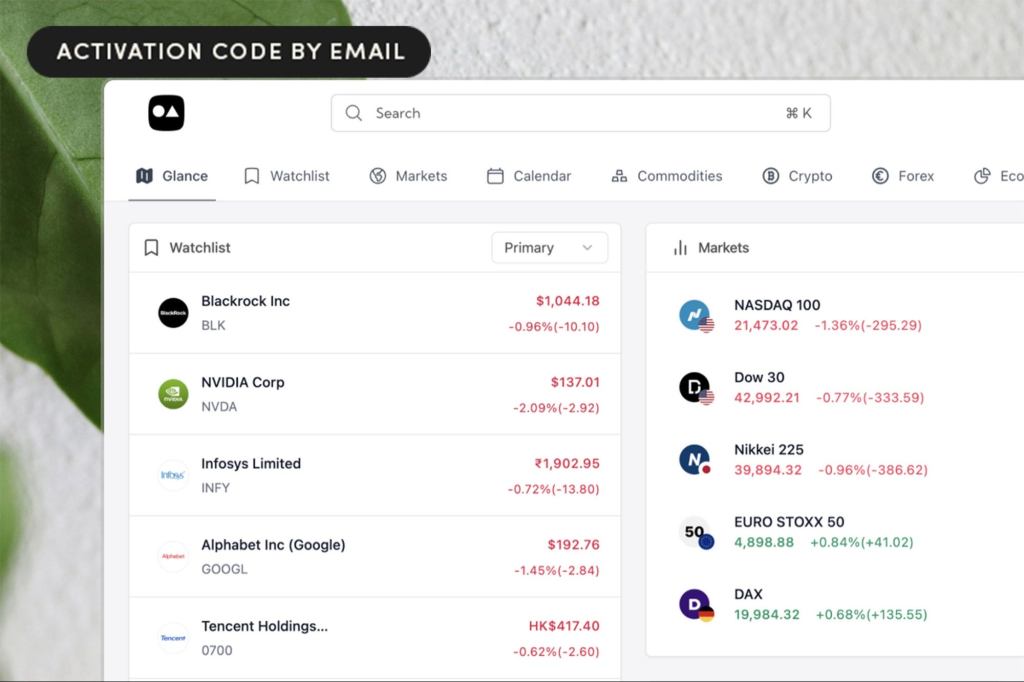
Fortunately, Amsflow AI Financial Analysis can help you eliminate the data collection burden with AI-driven financial market intelligence for stocks, crypto, forex and commodities. Best of all, a lifetime subscription to the Pro Plan is currently available to new users for only $59.99 (MSRP $599).

AI agents that actually understand your investment questions

The Financial Analysis Pro Plan puts two specialized AI tools at your disposal. Lisa Screener Agent processes natural-language queries to find stocks matching complex criteria without requiring you to learn query syntax. Ask Lisa to “find tech stocks with strong cash flow and low debt in emerging markets,” and she delivers results instantly with relevant columns automatically populated.

X-Ray provides multi-timeframe analysis that identifies critical support and resistance zones. The platform monitors more than 70,000 assets with historical data spanning more than 100 years, giving you depth that rivals institutional-grade terminals.

The screener offers more than 550 metrics and 8,000 filters for precise asset discovery. Team collaboration features let you share stock screeners and watchlists with partners or advisors, keeping everyone aligned on portfolio strategy.

Real-time alerts track price movements, technical indicators, and fundamental shifts on all your holdings. Configure notifications via email, SMS, or webhooks based on RSI changes, ADX signals, or P&L thresholds that align with your risk tolerance. Portfolio monitoring runs 24/7, sending customizable digests with performance summaries and key holding changes.

Amsflow Dash takes customization further with more than 10 widgets, including analyst ratings, returns heatmaps and multi-asset tracking. The Lisa Dash Agent builds custom financial research dashboards using natural language, letting you create layouts that display the exact metrics you check daily.

The Pro Plan includes 7,000 AI credits per month, 120 SMS credits, 300 active fundamental alerts, 100 technical alerts, and 150 price alerts. You get comprehensive earnings call transcripts, insider activity tracking and analyst ratings.

Get a lifetime subscription to Amsflow AI Financial Analysis Pro Plan now, while it’s available to new users for just $59.99 (MSRP $599).

Amsflow AI Financial Analysis: Pro Plan (Lifetime Subscription)

See Deal

StackSocial prices subject to change.

Investment professionals spend up to 40% of their time gathering and organizing market data rather than analyzing it, according to Deloitte. If you’re managing portfolios in addition to running businesses, that time drain becomes a critical bottleneck.

Fortunately, Amsflow AI Financial Analysis can help you eliminate the data collection burden with AI-driven financial market intelligence for stocks, crypto, forex and commodities. Best of all, a lifetime subscription to the Pro Plan is currently available to new users for only $59.99 (MSRP $599).

AI agents that actually understand your investment questions

The Financial Analysis Pro Plan puts two specialized AI tools at your disposal. Lisa Screener Agent processes natural-language queries to find stocks matching complex criteria without requiring you to learn query syntax. Ask Lisa to “find tech stocks with strong cash flow and low debt in emerging markets,” and she delivers results instantly with relevant columns automatically populated.

The rest of this article is locked.

Join Entrepreneur+ today for access.

https://www.entrepreneur.com/money-finance/master-ai-powered-financial-analysis-for-life-at-just-60/500822


This $28 App Does What Your Office Scanner Never Could

Disclosure: Our goal is to feature products and services that we think you’ll find interesting and useful. If you purchase them, Entrepreneur may get a small share of the revenue from the sale from our commerce partners.

If your workflow still relies on scattered scanning apps or aging office hardware, this deal on a lifetime subscription to the iScanner app for iOS and Android is just $27.99 with code FLASH (reg. $199.90) through Jan. 11, 2026 at 11:59 p.m. PT.

Why iScanner strengthens business operations

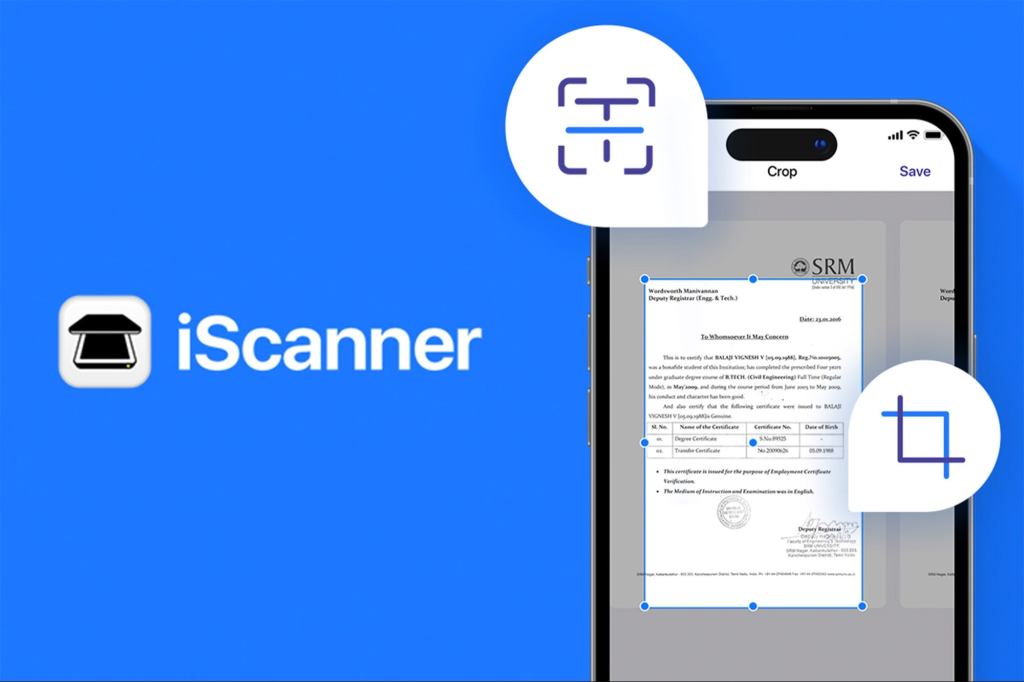
iScanner uses auto-edge detection, distortion correction, and accurate optical character recognition to convert invoices, contracts, IDs, and receipts into clean digital files. That means fewer manual errors, smoother workflow handoffs, and a more reliable documentation trail, the company says. It’s a practical upgrade for finance teams, field workers, consultants, and anyone managing paperwork across departments or clients. Because it works seamlessly on iPhones, iPads, and Android phones, it adapts easily to mixed-device teams.

The lifetime plan is 86% off and just $27.99 with code FLASH, down from $199.90. Paying once for permanent access removes recurring subscription friction and helps businesses stabilize software budgets—especially useful for teams consolidating tools and eliminating low-value monthly apps.

Where the app creates measurable value

iScanner is most impactful when documentation volume is high or distributed across teams. It’s especially valuable for:

  • Small-business owners who need dependable scanning and PDF editing without ongoing fees.
  • Consultants, contractors, and remote teams capturing signatures, receipts, or forms on the go.
  • Finance and operations teams aiming to improve accuracy and reduce administrative cycles.
  • Professionals who want searchable, organized digital files accessible.

A smarter, lower-overhead workflow

iScanner turns everyday mobile devices into capable scanning hubs—reducing task time, improving documentation quality, and centralizing essential tools in one permanent purchase.

Get a lifetime subscription to iScanner app for iOS and Android for $27.99 (reg. $199.90) with code FLASH before the deal ends Jan. 11 at 11:59 p.m. PT.

StackSocial prices subject to change.

If your workflow still relies on scattered scanning apps or aging office hardware, this deal on a lifetime subscription to the iScanner app for iOS and Android is just $27.99 with code FLASH (reg. $199.90) through Jan. 11, 2026 at 11:59 p.m. PT.

Why iScanner strengthens business operations

iScanner uses auto-edge detection, distortion correction, and accurate optical character recognition to convert invoices, contracts, IDs, and receipts into clean digital files. That means fewer manual errors, smoother workflow handoffs, and a more reliable documentation trail, the company says. It’s a practical upgrade for finance teams, field workers, consultants, and anyone managing paperwork across departments or clients. Because it works seamlessly on iPhones, iPads, and Android phones, it adapts easily to mixed-device teams.

The lifetime plan is 86% off and just $27.99 with code FLASH, down from $199.90. Paying once for permanent access removes recurring subscription friction and helps businesses stabilize software budgets—especially useful for teams consolidating tools and eliminating low-value monthly apps.

The rest of this article is locked.

Join Entrepreneur+ today for access.

https://www.entrepreneur.com/science-technology/this-28-app-does-what-your-office-scanner-never-could/500820


This Is the One Question That Cuts Through Analysis Paralysis

Opinions expressed by Entrepreneur contributors are their own.

Key Takeaways

  • Entrepreneurs often hinder their potential by overthinking risks, which leads to analysis paralysis and missed opportunities.
  • The simple, probing question “If I don’t do it, will I regret it?” can provide clarity, aligning decisions with future goals and values.
  • Fear should serve as a tool for growth, not a barrier, guiding leaders to take actionable steps towards their ambitions.

Most entrepreneurs and leaders know how to set goals. You write them down, create action plans and chase metrics with determination. However, many entrepreneurs often fall into the same trap: analysis paralysis. You overthink readiness, risk and perception until you talk yourself out of the very opportunities that could transform your career or business.

It’s easy to focus on what you should achieve without evaluating the true cost of inaction. Don’t sacrifice fulfillment for what feels safe. The cost is too high.

The antidote to this noise isn’t another complicated matrix; it’s a single, powerful question designed to force alignment with your future self: “If I don’t do it, will I regret it?”

Related: Let Go of These 10 Things and Start Making Better, Faster Decisions

The cost of getting stuck in analysis

Decision-makers are conditioned to manage risk, but sometimes, that management turns into self-sabotage. You spend so much time weighing the “what ifs” that you neglect the “what could be.” When you are thinking about a big move (a pivot, a new venture, a major investment) your brain defaults to seeking comfort and validation. This often looks like needing more preparation, more data or more external approval.

I’ve learned this the hard way. I remember being ready to leave a highly successful career at Windermere Real Estate to join a small, virtual company, eXp, with only 200 agents at the time. I was performing well, surrounded by friends and everyone I respected advised me to stay put. The external world was signaling safety. I had to ask myself: If I don’t take this leap, will I regret it?

My answer was clear. I felt so excited for what might happen next. I knew I would regret rejecting this opportunity more than I could ever be afraid to fail at it. That clarity got rid of any remaining doubt, and I was able to walk confidently into that next chapter.

Related: 3 Clarity Questions That Will Help You Redesign Your Entire Life

Unpacking the regret answer to reveal your values

This question is so effective because it forces you to evaluate inaction against your future self. When you ask, “If I don’t do this, will I regret it?” you aren’t just getting a yes or no; you are triggering a mental audit of your current values versus the goals you’ve set for yourself.

The trick is to analyze the texture of the regret. What specific feelings come up when you imagine not moving forward?

For instance, when I debated launching my first major leadership retreat, I could have reasoned myself out of it. If I hadn’t hosted it, would I regret it? Yes. But why? I felt that I would be playing small, staying comfortable and waiting for perfection.

Those negative responses revealed my purpose. The opposite of regret is what you truly want. I wanted to take bigger steps. I needed to feel connected. I wanted to prove that things don’t have to be perfect before I take action. By identifying what you would regret missing, you are uncovering the next step you need to take and, most importantly, why.

Treating fear as a signpost, not a stop sign

Fear is the most common enemy you’ll face when examining regret. Fear will tell you, “I failed at something similar before” or “I feel too exposed.” Many view that discomfort as a danger flag — a sign to pull back.

Here is the crucial mindset shift: Fear is a tool. Fear is a part of this process. Fear will be a part of every venture and every opportunity. Accept that a certain amount of discomfort, fear and even failure is inherent in achieving anything worthwhile. Your choices will determine if your purpose and the positive contribution you want to make, whether to your own life or your industry, are more important than protecting yourself from temporary discomfort.

If used as a tool, fear points to the questions you need to ask. What if I fail? What am I willing to give up to succeed? Fear gives you information that you need to make decisions, to understand your values and move forward.

Related: The 5 Fears Every Entrepreneur Must Face — and Overcome

Commit to the path forward

Once you’ve analyzed your answer to the regret question, the next step isn’t to craft a perfect blueprint on how to complete your goal. Ward off analysis paralysis by focusing on one small step. One action item at a time. If hosting the retreat is the goal, the first step might just be reserving a date or drafting an outline. Let your actions build and the success compound, until sustainable momentum is achieved.

Deciding to take on a challenge or begin a project at the beginning can feel like a Big Thing. Something that demands your full attention and commitment. Not being 100% ready can feel like a safe way out of trying hard things. But a simple question like this can bring relieving clarity. Something is driving you at your core, and sometimes all it takes is to be reminded of what you could lose to begin.

Key Takeaways

  • Entrepreneurs often hinder their potential by overthinking risks, which leads to analysis paralysis and missed opportunities.
  • The simple, probing question “If I don’t do it, will I regret it?” can provide clarity, aligning decisions with future goals and values.
  • Fear should serve as a tool for growth, not a barrier, guiding leaders to take actionable steps towards their ambitions.

Most entrepreneurs and leaders know how to set goals. You write them down, create action plans and chase metrics with determination. However, many entrepreneurs often fall into the same trap: analysis paralysis. You overthink readiness, risk and perception until you talk yourself out of the very opportunities that could transform your career or business.

It’s easy to focus on what you should achieve without evaluating the true cost of inaction. Don’t sacrifice fulfillment for what feels safe. The cost is too high.

The rest of this article is locked.

Join Entrepreneur+ today for access.

https://www.entrepreneur.com/leadership/this-one-question-cuts-through-analysis-paralysis/498824