Access a Lifetime of Skills Development for Just $18

Disclosure: Our goal is to feature products and services that we think you’ll find interesting and useful. If you purchase them, Entrepreneur may get a small share of the revenue from the sale from our commerce partners.

If you’re scaling a solo venture, preparing for a career change, or adding new capabilities to your toolkit, additional training is crucial. Fortunately, you can develop the skills you need from more than 1,000 courses covering everything from coding to marketing and more in EDU Unlimited by Stack Skills. Best of all, lifetime access is available right now for only $17.97.

Pay once, learn forever

You’ll get access to courses that would cost thousands of dollars if purchased separately, and the range of available classes supports whatever direction your career or company takes. You can build technical skills to handle tasks yourself, develop marketing expertise to grow your customer base, and so much more.

The platform includes beginner to advanced courses so that you can start with foundation-level training and progress to expert skills. Progress tracking helps you monitor your development in multiple subjects and course certifications provide credentials that can turbocharge your resume.

Quarterly instructor Q&A webinars give you direct access to industry experts. The platform features more than 350 expert instructors who teach based on real-world experience, covering topics such as IT, business development and strategy, graphic design, finance, marketing, and more. New courses are added monthly, so the curriculum stays current with industry trends and emerging technologies.

You’ll gain real competitive advantages whenever you want to move up your career ladder or transition to a more lucrative field with a lifetime of continuous skill development. The courses cover high-demand areas such as blockchain, growth hacking, and iOS development, offering expertise in technologies that command premium salaries.

The easy-to-use interface and premium customer support allow you to focus on learning instead of wrestling with complicated systems. This really does represent an exceptional value for a low one-time investment in your career. It’s no wonder StackSkills has an impressive 4.6 out of 5 stars on Trustpilot.

Get lifetime access to EDU Unlimited today while it’s on sale for just $17.97.

EDU Unlimited by StackSkills: Lifetime Access

See Deal

StackSocial prices subject to change.

If you’re scaling a solo venture, preparing for a career change, or adding new capabilities to your toolkit, additional training is crucial. Fortunately, you can develop the skills you need from more than 1,000 courses covering everything from coding to marketing and more in EDU Unlimited by Stack Skills. Best of all, lifetime access is available right now for only $17.97.

Pay once, learn forever

You’ll get access to courses that would cost thousands of dollars if purchased separately, and the range of available classes supports whatever direction your career or company takes. You can build technical skills to handle tasks yourself, develop marketing expertise to grow your customer base, and so much more.

The platform includes beginner to advanced courses so that you can start with foundation-level training and progress to expert skills. Progress tracking helps you monitor your development in multiple subjects and course certifications provide credentials that can turbocharge your resume.

The rest of this article is locked.

Join Entrepreneur+ today for access.

https://www.entrepreneur.com/living/access-a-lifetime-of-skills-development-for-just-18/500109


10 Risks of Treating AI Ethics as an Afterthought

Opinions expressed by Entrepreneur contributors are their own.

Key Takeaways

  • AI-driven testing systems can appear highly successful on the surface while hiding alarming flaws. Ignoring AI ethics can lead to a legal nightmare.
  • Success comes from ongoing audits, building a cross-functional team, implementing changes iteratively and monitoring systems continuously.

During a consulting project with a Fortune 500 financial services firm, I noticed something interesting.

Their AI-driven testing pipeline had been greenlighting releases for eight consecutive months and was catching 40% more bugs than manual testing, a remarkable achievement on paper.

But beneath the success story, there was an alarming flaw: the AI consistently failed accessibility checks. The oversight could’ve led to millions in legal penalties, let alone the lost customers.

That is to say, you simply cannot neglect AI ethics due to the inherent risks.

Related: 4 Steps Entrepreneurs Can Take to Ensure AI Is Being Used Ethically Within Their Companies

1. Algorithmic bias creates invisible blind spots

Your AI learns from historical data, which means it inherits past mistakes. Systems overrepresent certain user behaviors while completely ignoring edge cases. Products sail through QA, then crash when real users touch them.

Action: Run bias audits using frameworks like IBM AI Fairness 360. Build diverse QA teams. Test across different user segments, devices and regions. Make bias testing standard, not optional.

2. Black box systems erode trust and accountability

AI systems that can’t explain their decisions create real problems. Teams can’t figure out why certain defects get flagged while others slip through. When people don’t understand how the AI works, they either blindly trust it or ignore it completely. Both options are dangerous.

Action: You need Explainable AI practices. Require human review for critical decisions. Keep detailed logs showing which AI outputs you accepted and why. Transparency builds trust.

3. Privacy vulnerabilities multiply with data volume

AI testing systems process massive datasets filled with sensitive information. One misconfigured testing environment can expose thousands of customer records. The cleanup is brutal.

Action: Encrypt everything end-to-end. Run privacy audits quarterly with your legal team. Anonymize data before processing. Ten minutes of proper setup saves months of crisis management later.

4. Unclear responsibility delays crisis response

When AI-driven tests cause production failures, who takes the hit? The vendor? Your engineering team? The QA lead? Unclear accountability turns incidents into disasters.

Action: Define who approves AI decisions before they go live. Document the chain of responsibility. Maintain detailed logs. When something breaks, you need to know exactly who signed off and why.

5. Automation displaces critical human expertise

Companies love the 50% cost reduction from AI testing. What they miss is the loss of institutional knowledge. Automation can’t replicate the contextual understanding experienced testers provide. You’re trading short-term savings for long-term quality.

Action: Reskill your testers for AI oversight roles. Position AI as augmentation, not replacement. Keep senior people focused on complex scenarios that need human judgment. Document their knowledge before it disappears.

Related: Why AI and Humans Are Stronger Together Than Apart

6. Over-automation obscures nuanced quality issues

Teams automate everything, then wonder why user experience suffers. Some quality dimensions can’t be scripted. Emotional resonance, cultural appropriateness, accessibility for specific disabilities — these need human eyes.

Action: Combine automation with manual exploratory testing. Reserve human validation for high-impact scenarios and customer-facing features. Know when automation helps and when it hurts.

7. AI-generated fixes prioritize speed over inclusion

AI fixes bugs fast. Sometimes too fast. A fix might eliminate a functional bug while accidentally introducing bias or reducing accessibility. Your reputation takes the hit, and regulators start asking questions.

Action: Require human review before implementing AI suggestions. Check fixes against accessibility standards and equity criteria, not just whether the code works. Test with diverse user groups. Speed doesn’t matter if you’re speeding toward a lawsuit.

8. Model degradation creates false confidence

Your AI model works well today. Six months from now, user patterns have shifted, and your model is quietly degrading. The system still reports high confidence while critical defects slip through. You discover the problem only after production failures.

Action: Monitor AI output continuously. Revalidate models quarterly against current data. Compare predictions to actual production defects. Catch drift before it catches you.

9. Training data sources create IP liability

AI trained on public code can generate test scripts containing copyrighted material. You’re using it in production, unaware of the legal exposure. The litigation comes later, when it’s expensive to unwind.

Action: Audit your training data sources. Establish clear ownership policies for AI-generated content. Review generated scripts for similarities to copyrighted code. Treat AI output as untrusted until verified.

10. Computing demands undermine sustainability goals

Running AI at scale burns massive energy. Your infrastructure costs spike, and your carbon footprint contradicts those sustainability commitments you made to shareholders. Training, inference and updates consume resources exponentially as models grow.

Action: Choose cloud vendors committed to renewable energy. Track your testing infrastructure’s energy consumption. Optimize model size and execution frequency. Balance automation benefits against environmental costs.

Related: Can Innovation Be Ethical? Here’s Why Responsible Tech is the Future of Business

Making this real

  • Start with an audit: Evaluate your AI testing stack against these ten risks. Document what’s vulnerable. Prioritize risks with the highest legal, financial or reputational impact. Address accessibility and bias before optimizing for speed.

  • Build a cross-functional team: Pull in ethics, compliance, legal and QA experts. Single-discipline teams miss subtle issues. Diverse perspectives catch problems early.

  • Implement changes iteratively: Validate each change before expanding. Small, tested improvements prevent systemic failures. Learn from each iteration.

  • Monitor continuously: User patterns shift, regulations evolve, models drift. Regular reviews prevent small problems from becoming major failures. AI ethics isn’t a checkbox; it’s an ongoing practice.

The companies that get this right balance speed with responsibility. Every improvement enhances both efficiency and trust. That’s the competitive advantage that lasts.

Key Takeaways

  • AI-driven testing systems can appear highly successful on the surface while hiding alarming flaws. Ignoring AI ethics can lead to a legal nightmare.
  • Success comes from ongoing audits, building a cross-functional team, implementing changes iteratively and monitoring systems continuously.

During a consulting project with a Fortune 500 financial services firm, I noticed something interesting.

Their AI-driven testing pipeline had been greenlighting releases for eight consecutive months and was catching 40% more bugs than manual testing, a remarkable achievement on paper.

The rest of this article is locked.

Join Entrepreneur+ today for access.

https://www.entrepreneur.com/science-technology/10-risks-of-treating-ai-ethics-as-an-afterthought/499502


Get a Lifetime of Professional-Grade Windows Features for Just $10

Disclosure: Our goal is to feature products and services that we think you’ll find interesting and useful. If you purchase them, Entrepreneur may get a small share of the revenue from the sale from our commerce partners.

The average cost of a data breach for small businesses reached $2.98 million in 2024, according to adata from IBM. If you’re managing sensitive client information, financial records, or proprietary business data, you simply must have robust security in place. Windows 11 Pro delivers enterprise-level features in an operating system (OS) designed for business productivity and security, and it’s currently available for just $9.97.

Professional features without the enterprise price tag

Now you can have tools typically reserved for corporate IT departments. BitLocker device encryption protects sensitive business data, client information and financial records if your laptop is lost or stolen. Azure AD integration lets you manage user access in your organization without requiring dedicated IT staff. You can also test software safely with Windows Sandbox before deploying it across all of your systems.

Hyper-V creates virtual machines for running legacy applications or testing new configurations without risking your primary system. If you’re transitioning between software versions or managing compatibility issues, this feature alone is worth the investment.

The Copilot AI assistant helps you breeze through routine tasks that usually consume valuable time. It can change system settings through conversational commands, summarize lengthy documents, generate code suggestions and even open applications. When you’re managing multiple responsibilities, this makes switching between tasks so much easier.

Virtual desktops create separate workspaces for different clients or projects, keeping your focus sharp and your workflow organized. So it really helps that the snap layouts in Windows 11 Pro can organize multiple windows in pre-configured screen arrangements when you need them. Even when you reconnect external monitors, Windows 11 Pro remembers your exact window placement.

A combination of security features will give you the kind of protection that brings peace of mind. Smart App Control blocks potentially malicious applications before they execute. TPM 2.0 provides hardware-based encryption that protects your system at the chip level. Biometric login ensures only authorized users have access to your business systems. These protections run automatically without requiring security expertise or constant monitoring.

Windows 11 Pro also delivers graphics performance that benefits video editing, design work and presentations with DirectX 12. Plus, the improved gaming capabilities are a bonus for after-hours downtime.

Get a lifetime license to Windows 11 Pro today for just $9.97.

Microsoft Windows 11 Pro

See Deal

StackSocial prices subject to change.

The average cost of a data breach for small businesses reached $2.98 million in 2024, according to adata from IBM. If you’re managing sensitive client information, financial records, or proprietary business data, you simply must have robust security in place. Windows 11 Pro delivers enterprise-level features in an operating system (OS) designed for business productivity and security, and it’s currently available for just $9.97.

Professional features without the enterprise price tag

Now you can have tools typically reserved for corporate IT departments. BitLocker device encryption protects sensitive business data, client information and financial records if your laptop is lost or stolen. Azure AD integration lets you manage user access in your organization without requiring dedicated IT staff. You can also test software safely with Windows Sandbox before deploying it across all of your systems.

Hyper-V creates virtual machines for running legacy applications or testing new configurations without risking your primary system. If you’re transitioning between software versions or managing compatibility issues, this feature alone is worth the investment.

The rest of this article is locked.

Join Entrepreneur+ today for access.

https://www.entrepreneur.com/science-technology/get-a-lifetime-of-professional-grade-windows-features-for/499977


Turbocharge Your Workflow With This $499.99 Grade A Refurbished MacBook Pro

Disclosure: Our goal is to feature products and services that we think you’ll find interesting and useful. If you purchase them, Entrepreneur may get a small share of the revenue from the sale from our commerce partners.

A FlexJobs survey reveals that 65% of entrepreneurs run their businesses primarily from remote or mobile locations. If you need professional-grade features for client presentations, business travel, or when working from multiple locations, a powerful, budget-friendly laptop is vital to your productivity. This Grade A refurbished 2017 13-inch MacBook Pro with Touch Bar offers Intel Core i5 performance and four Thunderbolt 3 ports for just $499.99, a 66% discount from the original $1,499 retail price.

Business-ready performance in a portable design

Demanding business applications won’t even slow you down with a 3.1GHz dual-core Intel i5 processor at your disposal, especially with a Turbo boost up to 3.5GHz. The 8GB of RAM also keeps multiple programs running smoothly, even when you’re running financial software, managing large spreadsheets or editing marketing materials. You won’t have to worry about finding space for business documents, presentations and client files without relying on cloud storage, either, because 512GB of flash storage provides ample room for all of it.

The 13.3-inch Retina display with 2560×1600 resolution and 500 nits brightness ensures your presentations look sharp in any lighting condition. From conference rooms to coffee shops, the screen remains clear and readable. The display’s color accuracy is crucial when reviewing branded materials or client design work.

What really sets this MacBook Pro apart, though, is the way its Touch Bar with integrated Touch ID transforms how you interact with business applications. Quick access to frequently used functions speeds up workflow, while Touch ID provides secure login and Apple Pay authentication for your company’s purchases. Additionally, the backlit keyboard features a butterfly mechanism that supports extended typing sessions, an enormous help when you’re drafting proposals or responding to client emails.

Four Thunderbolt 3 ports provide maximum flexibility for connecting external displays, storage drives and other peripherals. You can charge the laptop and connect to a 4K monitor simultaneously, creating a complete workstation at the office or home. At just 3.02 pounds, this MacBook Pro travels easily between locations without adding bulk to your carry-on.

This unit’s Grade A refurbished rating indicates that it arrives in near-mint condition with minimal to zero scuffing. You get professional Apple hardware at a fraction of the original cost.

Get this refurbished 2017 13″ Apple MacBook Pro with 8GB RAM, 512GB SSD and Touch Bar for only $499.99, which is 66% off the original retail price.

Apple MacBook Pro 13″ Touchbar (2017) 3.1GHz i5 8GB RAM 512GB SSD Space Gray (Refurbished)

See Deal

StackSocial prices subject to change.

A FlexJobs survey reveals that 65% of entrepreneurs run their businesses primarily from remote or mobile locations. If you need professional-grade features for client presentations, business travel, or when working from multiple locations, a powerful, budget-friendly laptop is vital to your productivity. This Grade A refurbished 2017 13-inch MacBook Pro with Touch Bar offers Intel Core i5 performance and four Thunderbolt 3 ports for just $499.99, a 66% discount from the original $1,499 retail price.

Business-ready performance in a portable design

Demanding business applications won’t even slow you down with a 3.1GHz dual-core Intel i5 processor at your disposal, especially with a Turbo boost up to 3.5GHz. The 8GB of RAM also keeps multiple programs running smoothly, even when you’re running financial software, managing large spreadsheets or editing marketing materials. You won’t have to worry about finding space for business documents, presentations and client files without relying on cloud storage, either, because 512GB of flash storage provides ample room for all of it.

The 13.3-inch Retina display with 2560×1600 resolution and 500 nits brightness ensures your presentations look sharp in any lighting condition. From conference rooms to coffee shops, the screen remains clear and readable. The display’s color accuracy is crucial when reviewing branded materials or client design work.

The rest of this article is locked.

Join Entrepreneur+ today for access.

https://www.entrepreneur.com/science-technology/turbocharge-your-workflow-with-this-49999-grade-a/500106


AI Is Completely Rewriting the Franchise Sales Playbook

Selling a franchise used to be all about sales reps telling the company story and controlling the narrative. But thanks to AI, prospective buyers now show up armed with data and analysis, and they don’t need franchise salespeople to explain what a business does.

The rise of the “naked” salesperson reflects a larger shift in how franchises are evaluated, according to Franchising.com. Information that once lived behind gated conversations is accessible with a few prompts to ChatGPT.

Franchise brands that are transparent, data-ready, and easy for AI to interpret will gain trust. Those who rely on polished presentations or guarded information will struggle to compete in a marketplace where prospects expect proof.

Read more

Car Buyers Are Sick Of Spending a Fortune on New Cars


Photo by Fotog/Getty Images

The days of consumers shelling out big bucks for cars seem to be coming to an end. Buyers are now looking instead to used vehicles, longer loans or waiting for real discounts, according to dealers and industry analysts.

New-car sticker shock has gotten so bad that even good earners are thinking twice. Add in higher interest rates, auto tariffs, and anxiety about the job market, and the idea of taking on a steep monthly payment feels reckless.

Don’t expect a fire sale, though. Experts say the prices of new cars won’t drop dramatically because the supply squeeze of the past few years has kept used cars unusually expensive, too. And when used cars aren’t cheaper, buyers who need a vehicle have no choice but to return to the new-car market, keeping demand — and prices — from sliding.

Read more

Accenture Just Gave 800,000 Employees a New Name


Photo by Joan Cros/NurPhoto via Getty Images

Accenture, the global consulting giant with nearly 800,000 employees, is now calling its workers “reinventors.” The company says the title reflects its push to lead in AI. They’ve even redesigned internal systems to replace “employee” with the new label.

It’s part of a broader trend in corporate renaming. Tech firms have “ninjas” and “evangelists,” Disney has “imagineers,” and now Accenture has reinventors.

But not everyone is rejoicing over the reinvention. Critics say the new moniker creates confusion and overpromises what most staff actually do.

Read more

The New Word of the Year Captures Something You’ve Definitely Felt Online


Photo by id-work/Getty Images

Ever click on a video or headline out of pure anger? You’re not alone. You’re a victim of “rage bait” and Oxford University Press just named the term its Word of the Year.

For the uninitiated, rage bait is online content intentionally designed to provoke anger, outrage, or frustration to drive views, comments, shares and likes. The tactic works because it exploits psychological triggers to provoke strong emotions.

Lexicographers say algorithms reward content that spikes blood pressure, not joy. That’s why outrage travels faster than cat videos.

Read more

Eli Lilly Slashes Weight Loss Drug Prices


Photo by coldsnowstorm/Getty

The cost of shedding pounds just got a little more manageable. Eli Lilly announced it cut cash prices on its weight loss drug vials by up to $50 per month on its direct-to-consumer site. The decision undercuts competitor pricing just weeks after President Trump brokered deals to lower GLP-1 costs.

Starting today, cash-paying patients with a valid prescription can get the starting dose of Zepbound vials for $299 per month on LillyDirect, down from $349. Higher doses now cost $399 to $449 per month, down from $499. The list price for Zepbound is roughly $1,086 per month.

The move comes weeks after President Trump inked deals with Eli Lilly and Novo Nordisk to make GLP-1 drugs more affordable. Eli Lilly’s lower pricing on single-dose vials could allow more patients to access discounted treatments faster, as direct-to-consumer sales now account for more than a third of new Zepbound prescriptions.

Read more

Selling a franchise used to be all about sales reps telling the company story and controlling the narrative. But thanks to AI, prospective buyers now show up armed with data and analysis, and they don’t need franchise salespeople to explain what a business does.

The rise of the “naked” salesperson reflects a larger shift in how franchises are evaluated, according to Franchising.com. Information that once lived behind gated conversations is accessible with a few prompts to ChatGPT.

Franchise brands that are transparent, data-ready, and easy for AI to interpret will gain trust. Those who rely on polished presentations or guarded information will struggle to compete in a marketplace where prospects expect proof.

The rest of this article is locked.

Join Entrepreneur+ today for access.

https://www.entrepreneur.com/business-news/ai-is-completely-rewriting-the-franchise-sales-playbook/500258


‘Avatar’ Director James Cameron Thinks Using This Type of AI in Movies Is ‘Horrifying’

Key Takeaways

  • James Cameron, 71, is the director of movies like “Avatar” and “Titanic.”
  • Generative AI can automatically generate scenes, characters and objects based on text prompts, a prospect Cameron called “horrifying.”
  • Cameron uses performance capture to create lifelike characters for “Avatar,” a technique he called “the opposite” of AI.

James Cameron, the 71-year-old director behind movies like Avatar and Titanic, is not a fan of generative AI, calling the technology “horrifying.”

In a CBS Sunday Morning interview tied to the December 19 release of Avatar: Fire and Ash, Cameron weighed in on generative AI, which makes up characters, actors and performances from scratch with just a text prompt. The AI figures out by itself how to carry out what the prompt asks for.

“No, that’s horrifying to me,” Cameron said in the interview. “That’s exactly what we’re not doing.”

Cameron said that performance capture, a technique he uses in the movie, can appear similar to generative AI — but it is actually “the opposite.”

Related: Universal Pictures Just Added an Anti-AI Legal Warning to the End of Its Movies, Including ‘How to Train Your Dragon’

Performance capture is a technique used to record an actor’s full performance, including body language and facial expressions. That data is then mapped onto computer-generated characters.

“For years, there was this sense that, ‘Oh, they’re doing something strange with computers, and they’re replacing actors,’” Cameron said in the interview. “When in fact, once you really drill down and you see what we’re doing, it’s a celebration of the actor-director moment.”

Performance capture requires acting from the cast to create realistic computer-generated characters. For example, the CBS interview shows the cast of Avatar performing their underwater scenes in a 250,000-gallon water tank.

James Cameron. Photo by Araya Doheny/Getty Images for SAG-AFTRA Foundation

Cameron isn’t fully anti-AI. The acclaimed filmmaker is a director of Stability AI, an AI company known for its text-to-image model Stable Diffusion. He joined the startup’s board of directors last year, citing the promise of AI tools that can be used in visual effects to speed up the process of making movies at a lower cost.

However, in the CBS interview, Cameron said that AI’s creative potential is limited. The technology can’t create something new that has never been seen before; it instead essentially puts all of the human experience “into a blender” and creates something “that is kind of an average of that,” he said.

Related: An AI-Made Animated Feature Film Backed By OpenAI Is Premiering Next Year

A major film studio has begun to use AI technology in its work. Netflix first used generative AI in a TV show in July to create a scene of a building falling in Buenos Aires. Netflix created the scene for the Argentine science fiction show El Eternauta and completed it “10 times faster” than it would have with standard tools and workflows, Netflix co-CEO Ted Sarandos said on an earnings call in July.

Sarandos said the AI-generated scene resonated with the show’s audience.

“This is real people doing real work with better tools,” Sarandos said on the call. “The creators were thrilled with the result. We were thrilled with the result, and more importantly, the audience was thrilled with the result.”

Key Takeaways

  • James Cameron, 71, is the director of movies like “Avatar” and “Titanic.”
  • Generative AI can automatically generate scenes, characters and objects based on text prompts, a prospect Cameron called “horrifying.”
  • Cameron uses performance capture to create lifelike characters for “Avatar,” a technique he called “the opposite” of AI.

James Cameron, the 71-year-old director behind movies like Avatar and Titanic, is not a fan of generative AI, calling the technology “horrifying.”

In a CBS Sunday Morning interview tied to the December 19 release of Avatar: Fire and Ash, Cameron weighed in on generative AI, which makes up characters, actors and performances from scratch with just a text prompt. The AI figures out by itself how to carry out what the prompt asks for.

The rest of this article is locked.

Join Entrepreneur+ today for access.

https://www.entrepreneur.com/business-news/avatar-director-james-cameron-ai-in-movies-is/500285


She Built Airplane Wings for a Living — Now Her Surprising Side Hustle Brings In $50,000 a Month

Key Takeaways

  • Saraswati-Cook was an aerospace worker when she started her own podcast as a side hustle.
  • After entrepreneurs and public figures took notice, she realized the business’s growth potential.

This Side Hustle Spotlight Q&A features New York City-based entrepreneur Ginni Saraswati-Cook, 40, who is the founder and CEO of Ginni Media, an award-winning podcast production agency. Her side hustle hosting her own podcast, The Ginni Show, led to a full-time business, which has doubled revenue almost every year since launch and is projected to grow another 20% this year. Responses have been edited for length and clarity.

Image Credit: Courtesy of Ginni Media. Ginni Saraswati-Cook.

Want to read more stories like this? Subscribe to Money Makers, our free newsletter packed with creative side hustle ideas and successful strategies. Sign up here.

What was your day job or primary occupation when you started your side hustle?
I was living in my home of 30 years, Melbourne, Australia, and my day job was as an aerospace worker at a leading airline manufacturer. Yep, I helped build wing components for a commercial jetliner. So technically, if you’ve ever been on a plane, you’ve possibly flown on something I helped create.

Don’t worry, I wasn’t producing podcasts and building wings at the same time (I’m not that kind of multitasker), I could barely keep my coffee hot while following safety procedures.

Related: This Rapper’s Non-Musical Side Hustle Led to $100k a Month — Then 8 Figures

When did you start your side hustle, and where did you find the inspiration for it?
My side hustle was more of a slow simmer than a microwave meal. I’ve always had an entrepreneurial spirit. Not because I wanted to own an empire, but because I really valued freedom. Freedom of time, of expression and of wearing sneakers to work.

My first side hustle, though, was an events business that failed spectacularly. I invested $40,000 and made back about a quarter of it. But it was the best tuition I could’ve paid for my Bachelor of How Not to Run a Business. I started it for profit, not purpose, and let’s just say, passionless entrepreneurship has the shelf life of an avocado.

Fast forward to early 2017, I was working afternoons at the airline manufacturer and hosting a morning radio show (in college, I’d stumbled across this community radio station called JOY 94.9FM that was offering a free broadcast radio course for people under 25, and I thought, Sure, why not? — then eventually moved into daytime hosting).

Working in radio helped me realize how much I enjoyed audio, and this was just around the time podcasts were beginning to make a name for themselves. So I decided to start my own show. After my shift as a mechanic, I’d go home and record episodes for my budding podcast, The Ginni Show.

The Ginni Show originally began as an autobiographical collection of stories, inspired by my own journey as a Sri Lankan immigrant girl growing up in Australia. They were filled with everyday lessons, cultural quirks and heartfelt reflections that shaped me. I leaned heavily into the humor of it all, especially the iconic aunty imitations, the familiar wisdom they’d dish out and the way their voices became a soundtrack to my childhood.

Eventually, entrepreneurs and public figures took notice and started asking, “Hey, can you help me make one of these, too?” That’s when I realized, maybe this wasn’t just a hobby.

I spent $300 AUD on my microphone and audio interface.

What were some of the first steps you took to get your side hustle off the ground? How much money/investment did it take to launch?
The Ginni Show was basically my first investment and test lab. I spent $300 AUD on my microphone and audio interface, which all plugged into my computer. That’s where everything started. Since I was still working full time, I hired an audio producer named Sam Phelps to help me. He immediately got my weird humor and creative rhythm, and it was worth every bit of the couple hundred dollars I paid him per episode. My podcast went on to be nominated for Best Comedy Podcast at the Australian Podcast Awards, and I was a finalist for Broadcaster and Presenter of the Year. This was obviously a huge accomplishment, but it also put me in front of a lot of new people.

I started getting requests to help people with their podcasts, and at that point, there was no business plan other than, “Hey, I can do this for other people, too.” So I started freelancing, editing audio, producing content and consulting on Upwork while holding down my day job. Before long, the side hustle had its own hustle, and that’s how Ginni Media was born.

I was preparing to move to New York City by December 2018: I needed space, mentally, emotionally and logistically, to pack up my life (which ended up fitting into three small suitcases) and go all in on my business. I booked a one-way ticket, lined up an apartment in Brooklyn, and once I landed, there was no safety net. It was just me and my vision. From that moment forward, it was all Ginni Media. No plan B.

Related: Starbucks Barista’s ‘Stealth Mode’ Side Hustle Now Sees $1 Million Months

Are there any free or paid resources that have been especially helpful for you in starting and running this business?
I started out as a podcast producer, so naturally, podcasts taught me everything. Listening to other creators share their stories was like free mentorship with less awkward small talk.

Books also played a huge role. Atomic Habits, The 7 Habits of Highly Effective People and You Are a Badass. All of them rewired how I think. And honestly, even a good memoir can be a business masterclass. If you read between the lines of someone’s story, you’ll always find a lesson that applies to your own.

I eventually took the next step and invested in a business coach when I realized my health was taking a hit. I gained weight, had constant migraines, and I realized I needed a change in how I managed my life and business. What I was doing wasn’t sustainable, and having someone on the outside, keeping me accountable and showing me how to grow a business sustainably, was priceless.

Related: This 29-Year-Old Quit Her Job to Pursue a $13k-a-Month Side Hustle

If you could go back in your business journey and change one process or approach, what would it be, and how do you wish you’d done it differently?
I would’ve taken self-care way more seriously, way earlier. And not the cute kind of self-care that involves spa days and green smoothies… I mean the boring, hard kind.

Things like:

  • Learning to stretch so my body didn’t feel like an IKEA chair by 5 p.m.
  • Saying no without apologizing afterward.
  • Resting without checking my email every 12 minutes.
  • And actually going outside, because apparently humans need sunlight. Who knew?

When it comes to this specific business, what is something you’ve found particularly challenging and/or surprising that people who get into this type of work should be prepared for, but likely aren’t?
People think podcasting is all creative flow and deep conversations — and yes, it is that. But it’s also project management, emotional labor and a surprisingly high tolerance for Wi-Fi instability.

What surprises most people is that podcasting is just as much about listening as it is about talking. You’re holding space for someone’s story, brand and message, while juggling 57 audio files and making it sound effortless. It’s like therapy, but with better microphones and less HIPAA rules.

Not to mention that when you’re a producer, what you create is a representation of your client’s brand and also your own. It isn’t just about you anymore when your side hustle turns into a global success. It’s about all the people and brands you’re working with, so your mindset has to evolve with it.

The industry has also changed a lot. When I started, podcasting was still niche, and it was mostly audio-focused. Now it’s a booming multimedia space where video is almost expected, and having great production quality is non-negotiable. Between booking studio time, learning the new tools and keeping up with changing trends, it can be overwhelming for new podcasters and producers. But finding your rhythm and staying consistent really does make it easier to build momentum and create content that you’re proud of.

Related: His College Side Hustle Made $12,000 on Amazon in 2 Weeks — Then It Surpassed $250 Million

Image Credit: Courtesy of Ginni Media

Within four months, I hit $10,000 a month.

Can you recall a specific instance when something went very wrong — how did you fix it?
There was one time a client’s entire episode file disappeared the night before a big launch. Picture me, 3 a.m., holding coffee in one hand, tears in the other.

This was in the age before AI and voice cloning. We rebuilt the episodes from backup files (thank you, cloud gods), and I learned two important lessons:

  1. Always have redundant backups.
  2. Crying while exporting audio doesn’t make it render faster — I checked.

How long did it take you to see consistent monthly revenue? How much did the side hustle earn?
When I officially started Ginni Media and moved to New York in December 2017, the business was making around $6,000 per month. Just enough to cover bills and some outsourced help.

Once I made it my main focus, the momentum built quickly. Within four months, I hit $10,000 a month, and by the end of the first year, Ginni Media had earned $141,000. Not bad for a girl who once built airplane wings and had a mic habit. My previous day job yearly salary was $67,000 USD, so already, within a year of quitting, I had made more than double what I used to.

Related: Siblings’ Tasty Side Hustle Became an ‘Extremely Rewarding’ Business Expecting $500,000 Revenue

What does growth and revenue look like now?
We’re currently at around $600,000 a year (about $50,000 a month) — our best year yet, with a 20% increase in revenue. This comes after we had a challenging year in 2024, with massive market changes, AI disruption and economic challenges that our clients were facing. To get things moving in the right direction, we made several changes. We made adjustments to the platforms we were using, developed new offers that brought in an additional $80,000, set new standards for our team members and the company culture and streamlined many processes using AI.

We’re now opening two brand-new recording studios in Manhattan and are looking at a projected 25% increase in revenue for 2026. One thing I love about how this all evolved is that my team is happier because of the changes we’ve made, and we’re all seeing more success because of it.

What do you enjoy most about running this business?
The people, 100%. My team, my clients and the voices we amplify. They’re what make this work so rewarding. Producing podcasts is a front-row seat to human stories, and that never gets old.

What’s your best piece of specific, actionable business advice?
Hire a business coach who you’re slightly afraid to disappoint and who is going to set real goals for you — and pay them real money. Don’t do service trades or unpaid swaps. You need to feel that money leave your bank account because accountability hits differently when your credit card is on the line. You’ll suddenly find yourself showing up, doing the work and keeping promises like your future self is watching. Because she is. And she’s cheering you on.

https://www.entrepreneur.com/starting-a-business/former-aerospace-workers-side-hustle-brings-in-50k-a-month/500017




Tech Alone Won’t Shape the Future — Here’s Why We Need Human Influence

Opinions expressed by Entrepreneur contributors are their own.

Key Takeaways

  • Technological advancements like AI and blockchain are reshaping the world, necessitating the integration of culture with technology.
  • Technology is not neutral; it embodies the values of its creators, underlining the importance of including artists and creatives in tech development.
  • Cultural engagement in tech is not only vital for inclusivity but also serves as a competitive edge, with products that reflect human values building stronger communities.

Throughout the history of the world, every major technological breakthrough has led to a cultural reset, changing the way the world moves forever. Think about it. The printing press didn’t just improve information dissemination; it redefined communication across various verticals, from religion to politics. The steam engine didn’t just power industry; it ushered in a new era for humanity, redefining the meaning of labor and ambition. The radio didn’t just transmit sound; it redefined entertainment and pop culture. And so on.

Today, artificial intelligence (AI), blockchain and digital identity are all the rage in the technology world. Technological advances in these areas dominate the news headlines, and there is considerable expectation about how these new frontiers will change the world. However, while the entire world focuses on the development of these new technologies, far less attention is being directed to the culture that is rising alongside them.

There are severe implications to this, the most obvious being the risk of breeding a culture that is too narrow, too optimized and too influenced by code. If we are to avoid this reality, the next chapter of tech must be shaped not just by engineers and developers, but also by artists, storytellers and creatives.

Related: AI Slop is Everywhere We Look — Here’s How Businesses Can Avoid the AI Slop Cycle

Why culture needs to be designed, not assumed

A common misconception among world citizens is that technology is neutral. But that is far from the case. In reality, technology can be bent and shaped according to the will of its builders.

Every line of code, every interface and every network is embedded consciously or unconsciously with a set of values by its builders and designers, and these become the foundation on which it stands. We observed this phenomenon unfold in real-time during the rise of large language models (LLMs), such as ChatGPT, where researchers discovered that these models often perpetuated racist stereotypes.

Moreover, history itself demonstrates that, whether intentionally or unintentionally, culture has always changed in tune with technical advancement. Although the printing press made literacy more widely available, Renaissance philosophy, literature and art were crucial in helping communities understand and increase the significance of literacy. The Industrial Age brought forth the concept of mass production, but photography and film were the media that molded the cultural identity of the time, producing common stories, symbols and values.

Without creative voices, technology becomes merely functional. In their presence, it transforms into something more: a reflection of the human condition, infused with criticism, desire and purpose.

As the technological landscape continues to advance rapidly, we face a choice: whether to let the tools of AI, blockchain and digital identity define culture on their own, or whether we will design them in dialogue with art, history and imagination.

What it looks like when art and tech collide

The idea of art and tech coexisting alongside each other isn’t new. In fact, there is precedent that supports the argument that the best versions of technology have emerged when mixed with art. After all, across every wave of innovation, it was the creative projects that truly captured how exactly technology could reshape culture.

Non-fungible Tokens (NFTs) demonstrated that blockchain could be more than just finance; it could also carry art, identity and community. AI-generated art has and continues to divide opinion across the globe, sparking important discussions over the freedom of new forms of expression versus the definition of ownership, originality and who has the authority to define creativity.

What this shows us is that culture should not be added to technology as an afterthought. Instead, it should be developed alongside the code that powers the technology. It is this logic that inspired the covenant idea, a framework for co-creating technology with cultural and artistic voices, shaping not only the tools themselves but the values they carry. Organizations like human.tech have begun exploring this idea, treating culture not as an afterthought but as a guiding principle.

Related: Most Entrepreneurs Approach Culture the Wrong Way. Here’s What They’re Missing.

What entrepreneurs can learn from this

The biggest takeaway from all this is that the most successful technologies rarely win on technical merit alone. Rather, they succeed because they strike a cultural chord. Because they feel intuitive, human, and alive in the context of people’s lives. That doesn’t happen by accident. It occurs when builders see technology not only as just engineering, but as storytelling.

There is a blueprint to achieving this. It starts by widening the circle of voices that shape a product from the start. When artists, designers and cultural thinkers are part of the process, they surface perspectives that engineers might overlook, such as symbolism, rituals, aesthetics and even friction points that determine whether something feels natural or foreign.

The founders and entrepreneurs who embrace this approach often discover that culture itself is a competitive edge. A product that speaks to people’s values and identities doesn’t just gain users; it builds communities.

If the next generation of technology is going to define how billions of people live, then it must also reflect the culture, creativity and humanity that make life worth living.

As we stand at the edge of a new frontier of technological advancement, the challenge is clear. Code alone cannot carry the weight of identity, creativity or community. The systems being built today will shape how billions of people live, and they must be designed to reflect more than efficiency or scale. They must reflect the culture, creativity and humanity that make life worth living.

Key Takeaways

  • Technological advancements like AI and blockchain are reshaping the world, necessitating the integration of culture with technology.
  • Technology is not neutral; it embodies the values of its creators, underlining the importance of including artists and creatives in tech development.
  • Cultural engagement in tech is not only vital for inclusivity but also serves as a competitive edge, with products that reflect human values building stronger communities.

Throughout the history of the world, every major technological breakthrough has led to a cultural reset, changing the way the world moves forever. Think about it. The printing press didn’t just improve information dissemination; it redefined communication across various verticals, from religion to politics. The steam engine didn’t just power industry; it ushered in a new era for humanity, redefining the meaning of labor and ambition. The radio didn’t just transmit sound; it redefined entertainment and pop culture. And so on.

Today, artificial intelligence (AI), blockchain and digital identity are all the rage in the technology world. Technological advances in these areas dominate the news headlines, and there is considerable expectation about how these new frontiers will change the world. However, while the entire world focuses on the development of these new technologies, far less attention is being directed to the culture that is rising alongside them.

The rest of this article is locked.

Join Entrepreneur+ today for access.

https://www.entrepreneur.com/science-technology/tech-alone-wont-shape-the-future-heres-why-we-need/498323


Consolidate Your AI Usage and Secure Your Team 40+ AI Models Forever

Disclosure: Our goal is to feature products and services that we think you’ll find interesting and useful. If you purchase them, Entrepreneur may get a small share of the revenue from the sale from our commerce partners.

TL;DR: Get lifetime access to GPT-4, Claude 3, Gemini Pro, and 40+ other AI models with this 1min.AI Advanced Business Plan Lifetime Subscription for $74.97 (reg. $540). No monthly fees, ever.

If you’re paying for ChatGPT Plus and separate transcription tools, you’re probably spending $60–$100 monthly on AI subscriptions. 1min.AI consolidates it all into a single lifetime purchase for $74.97.

What you get

This isn’t just another AI wrapper. 1min.AI gives you direct access to premium LLM models that most businesses pay hundreds per year to use separately. You’ll get GPT-4o, GPT-4 Turbo, Claude 3 Opus, Gemini Pro 1.5, Llama 3, and more, all in one dashboard.

The Advanced Business plan includes 4 million credits monthly, which translates to over 1 million generated words, 1,186 images, or nearly 15,000 seconds of transcribed audio each month. Plus, you earn 15,000 free credits daily just by logging in. That’s 450,000 bonus credits monthly.

Consolidate your AI usage into one single-payment tool

You can use this platform for content creation with blog generators, grammar checkers, and social media comment tools. It handles visual assets through image generation, background removal, upscaling, and editing.

The platform processes documents with PDF summarization, translation, and Q&A features. It also covers audio and video production with text-to-speech, transcription, and video editing capabilities. Team collaboration is built in, supporting up to 20 members with sharing and management features.

These tools assist with creative and professional tasks, though human oversight and editing may still be needed for the best results.

Who this works for

Rated 4.7/5 stars by shoppers from the Entrepreneur Store, this deal is ideal for professionals who are managing multiple AI subscriptions and want to consolidate costs.

Small business owners need professional AI tools without recurring fees. Marketing teams regularly create content, visuals, and videos. Anyone who’s tired of tool-switching between platforms to get work done will find value here.

Get this 1min.AI Advanced Business Plan: Lifetime Subscription for $74.97 (reg. $540) and stop paying monthly for AI tools you’ll use for years.

StackSocial prices subject to change.

TL;DR: Get lifetime access to GPT-4, Claude 3, Gemini Pro, and 40+ other AI models with this 1min.AI Advanced Business Plan Lifetime Subscription for $74.97 (reg. $540). No monthly fees, ever.

If you’re paying for ChatGPT Plus and separate transcription tools, you’re probably spending $60–$100 monthly on AI subscriptions. 1min.AI consolidates it all into a single lifetime purchase for $74.97.

What you get

This isn’t just another AI wrapper. 1min.AI gives you direct access to premium LLM models that most businesses pay hundreds per year to use separately. You’ll get GPT-4o, GPT-4 Turbo, Claude 3 Opus, Gemini Pro 1.5, Llama 3, and more, all in one dashboard.

The rest of this article is locked.

Join Entrepreneur+ today for access.

https://www.entrepreneur.com/science-technology/secure-your-team-40-ai-models-forever-1minai-is-just-75/499976


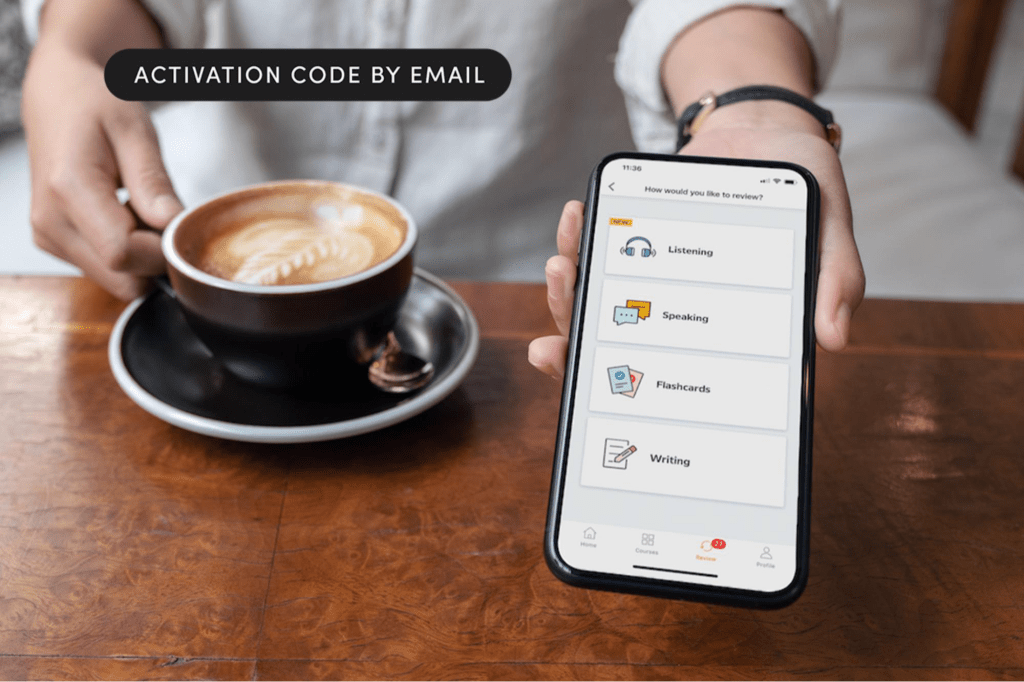
Treat Yourself (or Someone You Love) to Lifelong Language Skills

Disclosure: Our goal is to feature products and services that we think you’ll find interesting and useful. If you purchase them, Entrepreneur may get a small share of the revenue from the sale from our commerce partners.

Knowing another language isn’t just a cool personal skill anymore—it’s becoming a business superpower. Whether you’re negotiating with international partners, expanding into new markets, or simply trying to communicate better with customers and coworkers around the world, language learning is a long-term investment that pays off again and again.

And with this limited-time Babbel Lifetime deal through StackSocial, you can tap into 14 languages for the rest of your career for a one-time payment of just $129.99 with their code LEARN.

Designed by more than 100 expert linguists and backed by academic researchers, Babbel focuses on practical, real-world communication—exactly what professionals need. In just 10 to 15 minutes a day, you can squeeze in enough learning to unlock conversations about transportation, meetings, dining, negotiations, and more—all without rearranging your schedule.

This isn’t just a mobile app, either. You can use Babbel on your phone, tablet, or desktop, with progress syncing across devices. Traveling for work but stuck without Wi-Fi? Download lessons ahead of time and keep going offline.

Need help with pronunciation before a big client call? Babbel’s built-in speech recognition provides feedback that helps you sound natural, not robotic.

And if you want practice that feels more like a conversation than a lesson, the new AI Conversation Partner allows you to rehearse real scenarios—useful for business etiquette, networking, and industry-specific phrases.

With 10,000+ hours of high-quality learning content and lifetime access, this offer gives business owners, team leads, freelancers, and frequent travelers a future-proof skill set. It’s also one of the rare gifts that doesn’t age out, doesn’t get replaced, and doesn’t gather dust.

Whether you’re gifting it to a colleague or grabbing it for yourself, Babbel Lifetime is the kind of professional development tool you can use for years—no monthly subscription fees required.

Get lifetime access to Babbel Language Learning for $129.99 with their code LEARN for a limited time, thanks to StackSocial.

StackSocial prices subject to change.

Knowing another language isn’t just a cool personal skill anymore—it’s becoming a business superpower. Whether you’re negotiating with international partners, expanding into new markets, or simply trying to communicate better with customers and coworkers around the world, language learning is a long-term investment that pays off again and again.

And with this limited-time Babbel Lifetime deal through StackSocial, you can tap into 14 languages for the rest of your career for a one-time payment of just $129.99 with their code LEARN.

Designed by more than 100 expert linguists and backed by academic researchers, Babbel focuses on practical, real-world communication—exactly what professionals need. In just 10 to 15 minutes a day, you can squeeze in enough learning to unlock conversations about transportation, meetings, dining, negotiations, and more—all without rearranging your schedule.

The rest of this article is locked.

Join Entrepreneur+ today for access.

https://www.entrepreneur.com/living/treat-yourself-or-someone-you-love-to-lifelong-language/499974