Maximize Your Business Portfolio With This Award-Winning Stock Picker for Just $55.19

Disclosure: Our goal is to feature products and services that we think you’ll find interesting and useful. If you purchase them, Entrepreneur may get a small share of the revenue from the sale from our commerce partners.

TL;DR: Get lifetime access to Sterling Stock Picker, an award-winning AI-powered investment platform with portfolio building tools, for just $55.19 with code STOCKS20 through December 7th (reg. $486).

Entrepreneurs who are seeking smarter investment strategies without sacrificing time away from running their businesses now have a smart and remarkably efficient solution.

This Sterling Stock Picker: Lifetime Subscription features an award-winning platform that eliminates the complexity of stock market investing while delivering results that appeal to time-strapped entrepreneurs.

Sterling’s software handles technical calculations and analysis, allowing business owners to make informed investment decisions without extensive research time. Through December 7th only, this lifetime subscription is available for just $55.19 with promo code STOCKS20.

AI-powered investment strategy

This stock-picking platform’s standout feature is Finley, a personal AI financial coach that provides real-time market data, strategic investment advice, and risk assessment. For entrepreneurs who understand the value of leveraging technology, Finley functions like having a financial analyst on retainer without the overhead costs.

This patent-pending North Star technology cuts through market noise by providing clear buy, sell, hold, or avoid signals for individual stocks. This decisive guidance aligns with an effective entrepreneurial mindset of making confident decisions quickly, the company says.

Done-for-you portfolio building

Business owners appreciate systems that work efficiently, and Sterling’s Done-For-You Portfolio Builder delivers exactly that. After completing a five-minute risk tolerance questionnaire, this software constructs a diversified portfolio tailored to your specific investment goals and risk acceptance.

The Sterling platform’s Stock Rockets feature identifies companies with over 50% quarterly revenue growth, the kind of high-potential opportunities that resonate with entrepreneurs familiar with rapid business scaling.

One user reported achieving a 200% return on investment within a year, while another first-time investor gained 32% in their inaugural year.

Sterling Stock Picker earned recognition as a SaaS Awards Winner, with judges noting its ability to consistently outperform market averages.

Get this Sterling Stock Picker: Lifetime Subscription for $55.19 (reg. $486) with promo code STOCKS20 through December 7th only and access the platform across desktop and mobile devices for life.

StackSocial prices subject to change.

TL;DR: Get lifetime access to Sterling Stock Picker, an award-winning AI-powered investment platform with portfolio building tools, for just $55.19 with code STOCKS20 through December 7th (reg. $486).

Entrepreneurs who are seeking smarter investment strategies without sacrificing time away from running their businesses now have a smart and remarkably efficient solution.

This Sterling Stock Picker: Lifetime Subscription features an award-winning platform that eliminates the complexity of stock market investing while delivering results that appeal to time-strapped entrepreneurs.

The rest of this article is locked.

Join Entrepreneur+ today for access.

https://www.entrepreneur.com/money-finance/maximize-your-business-portfolio-with-this-award-winning/499428


How Founders Can Build Lasting Trust with Investors

Opinions expressed by Entrepreneur contributors are their own.

Key Takeaways

  • In venture capital, trust — not charisma or hype — is what separates enduring founders from the rest.
  • Founders earn that trust through clarity, transparency and consistent follow-through long after the pitch ends.

In venture capital, trust is the invisible currency that keeps the system running. A great pitch may capture attention, but lasting relationships are built through transparency and follow-through.

When I began investing, I assumed success came from backing the smartest founders or chasing the biggest markets. Over time, I learned that the founders who endure share one quality: They earn trust through consistent actions. These individuals communicate clearly, deliver on promises and treat every dollar of capital with respect.

Begin with clarity

A strong pitch needs to be clear and direct. Don’t fall prey to theatrics. Early in my career, I witnessed founders who could captivate a room with their charisma but lost credibility once real questions began. They relied on energy instead of substance.

Trust starts when founders explain what they plan to do with the capital they raise, who will be responsible for execution, and what success will look like in measurable terms. Many founders come to investors with excitement, but often lack a clear framework. They talk about growth without describing how they will reach it.

A credible founder can outline the next ninety days of operations. They can describe how they plan to acquire customers, which roles will be filled, and how they will track progress. That kind of preparation shows discipline. It tells investors that the founder understands both the opportunity and the responsibility that come with funding.

Choose transparency over optics

The habit that distinguishes trustworthy founders from others is openness. It is tempting to share only good news. Press mentions, new hires and rising user numbers all feel safer than admitting when things have gone wrong.

The founders who earn lasting support are those who report both the difficult updates and the positive ones in the same presentation. They acknowledge missed goals, explain what they are learning and maintain steady communication. That honesty allows investors to step in with perspective or connections that might make a difference.

No investor expects perfection. What matters is awareness and communication. The ability to face a challenge and speak about it clearly is what preserves — and augments — confidence. Silence damages relationships faster than failure ever could.

Related: How to Build Trust and Transparency With Your Customers While Taking Their Data

Follow through consistently

When I began writing checks, I often made small requests after early meetings. I might ask a founder for a document, a reference or a short follow-up call. Those small moments revealed almost everything I needed to know about how they would perform later.

The founders who responded quickly and delivered on their promises stood out immediately. Their behavior showed respect and reliability. Venture capital rewards those qualities over time. Credibility grows the same way savings grow, through small, steady deposits of consistency.

Founders sometimes forget that they are building both a company and a reputation. The way they handle the first investment determines whether future investors will believe in them again.

Treat every dollar as earned

I have seen what happens when founders lose perspective once the money arrives. After months of pitching, they finally received funding and began spending more freely. Reporting slowed, and urgency faded.

Money behaves differently when it feels distant. The best founders never allow that distance to develop. They make careful decisions, track every expense and communicate frequently. They remember that investor capital is a gesture of trust. Respecting it proves maturity.

I remind fund managers of the same principle. “Other people’s money” still carries your name. Handle it carefully, and people will continue to back you. Treat it casually, and the confidence disappears.

Related: Trust Should Be the Foundation of Your Business — Here’s How to Earn It.

Keep the relationship beyond the round

Some of my strongest relationships with founders came from companies that did not survive. The product may have failed, but the communication never broke down. They stayed honest, open, and grateful for the support.

Years later, many of those same founders started new ventures, and when they reached out, I invested again. The outcome of their first company mattered less than how they behaved during difficult moments. Reputational trust becomes the most valuable asset in venture capital.

This world is smaller than most people realize. Reputation moves faster than results. When founders handle disappointment with professionalism, others notice. The next investor meeting becomes easier because the story carries integrity.

Build trust between the updates

While trust can lead to more productive board meetings or fundraising rounds, it grows during the quiet periods between those moments. Investors take note of how founders respond to feedback, how they lead their teams and how they manage uncertainty.

One founder I backed in the AI space faced a sudden market shift that forced him to rethink everything. Over several months, he pivoted multiple times, invested his own money and kept every investor informed as the challenges grew. His updates were calm, honest and detailed. He explained what was working, what wasn’t, and what he was learning through each turn. Eventually, he made the difficult decision to shut down the company. The way he handled that moment — with transparency and composure — left a lasting impression on me. I told him I would back him again without hesitation.

Stay patient and consistent

No single transaction builds lasting trust. It develops through a pattern of clear communication and dependable behavior. Over time, those patterns become your professional identity.

In Your Emergency Contact, I wrote that trust drives success in venture capital. I meant that money follows belief, and belief follows proof. Proof does not require perfect results. It requires reliable conduct. When you say you will send an update, do it. When you cannot, explain why and set a new date. Small, honest actions accumulate into long-term confidence.

Venture capital remains a human-driven business. Behind every check and every term sheet is a person deciding whether to believe in you again. Founders who treat investors as partners rather than sources of money build relationships that extend far beyond a single company.

To earn that kind of trust, start by doing the simple things well. Communicate clearly. Deliver on commitments. Respect the capital you receive. Share the truth, even when it feels uncomfortable.

In an industry obsessed with speed and scale, consistency becomes the most decisive advantage a founder can have. Markets shift and valuations rise and fall, but trust remains the one measure that never loses value.

Key Takeaways

  • In venture capital, trust — not charisma or hype — is what separates enduring founders from the rest.
  • Founders earn that trust through clarity, transparency and consistent follow-through long after the pitch ends.

In venture capital, trust is the invisible currency that keeps the system running. A great pitch may capture attention, but lasting relationships are built through transparency and follow-through.

When I began investing, I assumed success came from backing the smartest founders or chasing the biggest markets. Over time, I learned that the founders who endure share one quality: They earn trust through consistent actions. These individuals communicate clearly, deliver on promises and treat every dollar of capital with respect.

The rest of this article is locked.

Join Entrepreneur+ today for access.

https://www.entrepreneur.com/growing-a-business/how-founders-can-build-lasting-trust-with-investors/498909


After Days of Travel Turmoil, Flights Are (Mostly) Back on Track

U.S. airlines cancelled nearly 900 flights today, the fewest in six days, after improved staffing among air traffic controllers reduced delay rates to 1 % on Tuesday from an average of 5 %.

The Federal Aviation Administration (FAA) is currently enforcing a flight-capacity cap of 6 % at the nation’s 40 busiest airports, down from a planned 8 % cut scheduled for Thursday. Some carriers expect the cap may rise to 10 % by Friday if the staffing situation worsens.

The staffing issues are the result of a sustained federal government shutdown, which has left many air traffic controllers working without pay and contributed to a shortage of approximately 3,500 controllers.

Read more

Mega Millions Jackpot Nears $1 Billion as Lottery Fever Sweeps the Country

Image Credit:

Image Credit: Photo by Joe Raedle/Getty Images class=”lazyload” loading=”lazy” src=”https://assets.entrepreneur.com/images/misc/1762979116_GettyImages-2191508905_megamillions.jpg?width=1000″ style=”height:400px; width:600px” />

(Photo by Joe Raedle/Getty Images)

No one hit Tuesday night’s Mega Millions jackpot, sending the prize soaring to an estimated $965 million for Friday’s drawing. This is the eighth-largest bounty in the game’s history. The cash option stands at about $445 million, before taxes. The winning numbers were 10, 13, 40, 42, 46 and Mega Ball 1. While millions of players are hoping to strike it rich, the odds of taking home the top prize remain a sobering 1 in 290 million. The surge in ticket sales is filling state coffers and fueling national lottery fever as another billion-dollar drawing looms.

Read more

Skims Scores $225 Million as Valuation Jumps to $5 Billion

Photo by TheStewartofNY/WireImage

Kim Kardashian’s shapewear and apparel brand Skims has raised $225 million in a new funding round led by Goldman Sachs Alternatives, boosting its valuation to $5 billion. The company, co-founded by Kardashian and entrepreneur Jens Grede, plans to use the investment to expand beyond its signature shapewear into beauty, activewear, and physical retail stores worldwide. Skims is on track to surpass $1 billion in net sales this year, outpacing legacy rivals like Victoria’s Secret and Under Armour. The deal cements Kardashian’s transformation from reality star to serious business mogul, and it positions Skims as a global lifestyle powerhouse.

Read more

The Penny Is About to Drop Out of Circulation

Photo by Matthew Hatcher/Getty Images)

The U.S. Mint has officially struck its final penny, ending more than two centuries of production for America’s smallest coin. The decision comes after years of debate over cost. It now takes nearly four cents to make a single one. While pennies will stay in circulation for the foreseeable future, no new ones will be minted, saving taxpayers an estimated $50 million a year. The change marks the quiet death of fishing for spare change at the register. Some stores are already rounding prices to the nearest nickel, signaling the start of a post-penny era.

Read more

Atlanta Fed Head Raphael Bostic Announces He Will Retire

Photographer: Desiree Rios/Bloomberg via Getty Images

Raphael Bostic is calling it quits. The president of the Federal Reserve Bank of Atlanta announced he will retire at the end of his term on February 28, 2026. His departure creates an open seat on the key monetary policy body Federal Open Market Committee one position the organization will fill through its internal process. Bostic has served since 2017 and is noted for his dual focus on price stability and employment within the dual mandate. He emphasized that inflation remains his primary concern amid a slowing labor market.

Read more

Legendary Brooch Once Lost by Napoleon Sells for $4.4 Million at Sotheby’s

Photo by PIERRE ALBOUY / AFP) (Photo by PIERRE ALBOUY/AFP via Getty Images

A diamond brooch that Napoleon left behind during his retreat after the Battle of Waterloo sold for more than 3.5 million Swiss francs (about $4.4 million) at Sotheby’s Geneva auction Wednesday. The piece features an oval diamond over 13 carats, surrounded by smaller cut diamonds, and was once part of Napoleon’s personal possessions left behind in a carriage stuck in muddy roads during his flight. The brooch later entered the collection of the Prussian royal House of Hohenzollern for over two centuries.

Read more

U.S. airlines cancelled nearly 900 flights today, the fewest in six days, after improved staffing among air traffic controllers reduced delay rates to 1 % on Tuesday from an average of 5 %.

The Federal Aviation Administration (FAA) is currently enforcing a flight-capacity cap of 6 % at the nation’s 40 busiest airports, down from a planned 8 % cut scheduled for Thursday. Some carriers expect the cap may rise to 10 % by Friday if the staffing situation worsens.

The staffing issues are the result of a sustained federal government shutdown, which has left many air traffic controllers working without pay and contributed to a shortage of approximately 3,500 controllers.

The rest of this article is locked.

Join Entrepreneur+ today for access.

https://www.entrepreneur.com/living/us-flight-cancellations-delays-fall-to-lowest-rate-in-a/499532


Your Marketing Budget Is Going to Waste If You’re Making These Common Mistakes

Opinions expressed by Entrepreneur contributors are their own.

Key Takeaways

  • Marketers waste 26% of their total budget, and there are four common mistakes I see every day that explain these losses.
  • These costly mistakes include measuring engagement instead of conversion or ROI, relying solely on digital ads, investing in a beautiful website that doesn’t convert and focusing too much on new leads while neglecting existing customers.

Do you ever wonder if your marketing dollars are truly paying off? No one wants to pour money into campaigns that go nowhere — especially when growth is on the line.

Unfortunately, the truth is sobering: One study found that marketers waste 26% of their total budget. That’s essentially $1 out of every $4 down the drain.

After nearly three decades of building a $119 million business, I’ve learned how to turn those losses into wins. Today, my company consistently generates 3,000-4,000 leads per week for ourselves, serving over 127,179 business owners and marketers across all industries and growth stages.

Here are the most common — and costly — marketing mistakes I see every day, along with how to fix them.

Related: How to Actually Get Returns in Your Marketing Efforts

1. Measuring engagement instead of conversion or (more importantly) ROI

It’s easy to get excited about big engagement numbers — impressions, likes, clicks — but those are vanity metrics. They may look impressive, but they don’t always translate to sales.

Think about it: Would you assume every influencer with 50,000 followers is wealthy? Probably not. The same principle applies to your marketing. The only metrics that matter are revenue and return on investment (ROI).

To find your true ROI, calculate the total revenue your campaign generated, subtract your total spend and divide the difference by your spend. A positive ROI means profit; a negative one means it’s time to adjust. Generally, 10%+ ROI is good and 30%+ is great.

If you aren’t already tracking where your revenue comes from, start immediately. Use:

  • Unique links or promo codes tied to each campaign

  • Conversion tracking pixels from Google or Meta

  • Or simply ask customers how they heard about you

This process, called attribution, is the foundation of marketing success.

2. Relying solely on digital ads despite less than 1 in 3 people agreeing that they influence purchase decisions

Digital ads are getting more expensive and less effective. In fact, only 31% of consumers agree that online ads influence their purchase decisions — and just 4% say they strongly agree.

At the same time, the cost per lead for search ads rose 25% from 2023 to 2024, while the average price per ad increased 10% year over year. Rising costs and shrinking attention mean your ROI will inevitably decline if you rely only on digital channels.

The solution? Mix it up! Diversify your marketing.

Traditional advertising methods — like direct mail and connected TV (CTV) ads — continue to outperform digital in trust and engagement. Research shows:

  • Print ads (82%), TV ads (80%) and mailers (76%) are the most trusted ad formats.

At my business, PostcardMania, we track ROI across every channel. Our data shows direct mail leads consistently generate about 500% more revenue per lead than digital leads, a difference of $253.54 per mail lead and $41.60 per digital lead last year. We also found that the revenue generated per direct mail lead grew 28% faster last year than the revenue per digital lead.

This information is gold for me — and as a result, I mail over 230,000 postcards per week just to advertise my own business, but you need to find what’s successful for you and optimize it.

Whether you choose mailers, CTV ads or another offline method, make sure you’re reaching prospects across multiple touchpoints. That’s because 60% of consumers say they’re more likely to respond when they see a brand across several channels.

Related: Cross-Channel Marketing Can Transform Your Small Business — Here’s How to Build a Winning Strategy

3. Investing in a beautiful website that doesn’t convert

A great-looking website isn’t necessarily a great sales tool. Many designers focus on aesthetics, not conversion optimization.

Instead, that responsibility often falls to you. Visitors come to your site seeking information, and it’s your job to guide them toward taking action.

Test one page against another — this is called A/B testing (when you test version A against version B) to find what works best. Test different page layouts, calls to action or form placements, and keep what converts more visitors.

Also, make sure you have:

  • A little bit of code on your site that lets you automatically serve follow-up ads to visitors once they leave your site (aka retargeting)

  • Lead capture forms that are simple (not too many fields) and featured prominently on key pages

  • Calls to action that clearly direct the visitor toward the next step

And don’t forget to retarget your website visitors — both online and offline.

Keep in mind: People are 70% better at recalling direct mail ads than online ads. With direct mail retargeting, you can automatically send postcards to recent website visitors (even anonymous ones) within 24-48 hours using a direct mail automation platform.

Start by targeting visitors who stay on your site for at least 20 seconds, and be sure to exclude your existing customers to avoid wasting budget.

Related: How to Boost Your Business With Direct Mail Automation and Retargeting — a Detailed Beginner’s Guide

4. Focusing too much on new leads — and neglecting existing customers

Many businesses make the mistake of chasing new leads while overlooking the customers they already have.

Yet the probability of selling to an existing customer is 60-70%, compared to just 5-20% for a new prospect. Existing customers are also 50% more likely to try new products and spend 31% more than new customers.

The key is consistent communication. Use your Customer Relationship Management (CRM) system to automate outreach through email, SMS and direct mail. Keep your brand top-of-mind, and don’t let valuable relationships fade away.

By correcting these mistakes, you can immediately improve your marketing efficiency, increase ROI and stretch your budget further.

Once you stop wasting money on underperforming tactics and start doubling down on what works, you’ll have the financial flexibility to reinvest, scale and accelerate your business growth by moving more budget to the marketing that is actually working for your business.

Key Takeaways

  • Marketers waste 26% of their total budget, and there are four common mistakes I see every day that explain these losses.
  • These costly mistakes include measuring engagement instead of conversion or ROI, relying solely on digital ads, investing in a beautiful website that doesn’t convert and focusing too much on new leads while neglecting existing customers.

Do you ever wonder if your marketing dollars are truly paying off? No one wants to pour money into campaigns that go nowhere — especially when growth is on the line.

Unfortunately, the truth is sobering: One study found that marketers waste 26% of their total budget. That’s essentially $1 out of every $4 down the drain.

The rest of this article is locked.

Join Entrepreneur+ today for access.

https://www.entrepreneur.com/growing-a-business/your-marketing-budget-is-wasted-if-you-make-these-4-mistakes/498718


Looking for a Job? Mark Cuban Has Some Simple Advice for You.

Key Takeaways

  • Mark Cuban is a serial entrepreneur worth $9.2 billion.
  • Cuban’s advice for job-seekers is to work at small-to-medium-sized companies instead of large corporations, to allow their AI skills to shine.
  • Cuban told his children to learn as much as they can about AI, especially about how to implement the technology at work.

Serial entrepreneur Mark Cuban’s simple advice for job-seekers is to look for work at small companies rather than large corporations, especially if you have AI skills.

Cuban, 67, believes that at a big firm, your ability to use AI is lost because everyone in the company’s well-staffed IT department knows how to use the technology.

However, small-to-medium-sized companies usually “don’t have that depth” and often lack the resources and technical know-how to implement AI, Cuban told CNBC Make It earlier this week. They need help from people adept at using AI.

“They are typically entrepreneurially driven and don’t have the flexibility to have people research things,” Cuban told the outlet. “Bringing on a new graduate to work on agentic AI projects is inexpensive for them and can get them immediate results.”

Related: Mark Cuban Has 60 AI Apps on His Phone

Working at a small or medium-sized business offers job-seekers with AI skills the opportunity to make a real impact and build their careers, according to Cuban. In a podcast episode of The Dumbest Guy In the Room, published on September 30, Cuban said that small companies “have to compete differently.”

“Just like we saw with the early days of the internet, you hired young kids who were more comfortable with it, who learned it already and could come in and implement new things,” Cuban said on the podcast.

Mark Cuban. Photo by Andrew Harnik/Getty Images

Even large firms are hiring more college graduates specifically because they know how to use AI. Data analytics firm Databricks, which employs 8,000 people, is hiring three times as many recent graduates this year as last year because of their ability to use AI. Junior employees who make a “big impact” with AI are “getting paid a lot” at the firm, in some cases up to $1 million, Databricks CEO Ali Ghodsi told The Wall Street Journal in August.

Cuban tells his children that adopting AI is critical to companies staying in business. He has three children: Alexis, 22, Alyssa, 19, and Jake, 15.

“I tell [my children], like I tell every young kid, there’s going to be two types of companies in this country: There’s going to be those who are great at AI and those who used to be in business,” Cuban said on the podcast.

Related: This Is What Mark Cuban Is Telling His College-Aged Kids About Job Searching in the AI Era

Cuban told his children to learn as much as they can about AI, especially about how to implement the technology at work.

Most companies have yet to see returns from investing in AI. According to a report earlier this year from the Massachusetts Institute of Technology, 95% of companies have not yet seen a measurable return from AI investments.

Cuban was worth $9.2 billion at the time of writing.

Key Takeaways

  • Mark Cuban is a serial entrepreneur worth $9.2 billion.
  • Cuban’s advice for job-seekers is to work at small-to-medium-sized companies instead of large corporations, to allow their AI skills to shine.
  • Cuban told his children to learn as much as they can about AI, especially about how to implement the technology at work.

Serial entrepreneur Mark Cuban’s simple advice for job-seekers is to look for work at small companies rather than large corporations, especially if you have AI skills.

Cuban, 67, believes that at a big firm, your ability to use AI is lost because everyone in the company’s well-staffed IT department knows how to use the technology.

The rest of this article is locked.

Join Entrepreneur+ today for access.

https://www.entrepreneur.com/business-news/this-is-mark-cubans-simple-advice-for-job-seekers/499531


Claim Your Share of $960 Billion — 5 Ways Small Businesses Can Win the Holiday Season

Opinions expressed by Entrepreneur contributors are their own.

Key Takeaways

  • Small businesses thrive during holidays by focusing on emotional connection and curated seasonal offerings.
  • Personalized promotions, omnichannel readiness and flexible strategies outperform giant retailers’ broad discount tactics.

The holiday season is always about a rush, and for businesses, it’s a billion-dollar battleground. While corporate giants catch the wave with their huge budgets and already infrastructure, smaller businesses often stumble, with one in three losing up to 20% of revenue due to stock shortages or shipping snags.

Meanwhile, U.S. holiday sales in 2024 hit $960 billion, with over half coming from just three categories: electronics, apparel and home goods.

Still, smaller businesses have their own unique advantage – agility, creativity and a personal touch. Today, I will share five proven strategies to help small businesses thrive amid the festive rush and turn the holidays into their most successful season yet.

Related: Americans Will Spend $979 Billion This Holiday Season — Here’s How Your Business Can Claim a Bigger Share

1. Adapt your product offerings to seasonal changes

The easiest yet the most effective tip while getting ready for the high season is to stay focused, prioritising precision over quantity. Use your previous years’ sales data and current trend reports to narrow your inventory. Instead of trying to offer everything, spotlight your top products and create high-demand, limited-edition offerings or gift sets.

Key categories during the Christmas 2024 season were electronics, apparel and home goods, which accounted for over half of holiday sales, with groceries, cosmetics and toys also ranking high as gifting destinations.

Last Christmas, IKEA curated 3 limited collections around three themes: Vinterfint, a cosy range inspired by Swedish folklore that tapped into the interest for tradition and warmth; Stråla, a simple collection of LED lights perfect for creating a festive atmosphere; and Vintersaga, which offered traditional Swedish consumable goods like gingerbread.

By focusing on these emotional seasonal product lines, IKEA successfully fulfilled demand, all while creating a unique and festive experience for its clients.

2. Be flexible about pricing and discounts

Small businesses simply can’t, and shouldn’t, attempt to match the discount levels of commerce giants. Your competitive edge lies in using creativity and personalisation to make every promotion meaningful. Zendesk report confirms that this approach pays off: 77% of business leaders believe personalised offers directly drive customer retention.

Experiment with different formats: exclusive discounts for your most loyal customers, time-limited offers or special shopping experiences. This strategy is even more critical this year as external factors, like the 10–20% increase in import costs on popular decor, squeeze margins with retailers being cautious about overbuying the stock.

Maveron created an interactive gift guide, categorising products by interests, like ‘foodie’, ‘cat-person’, making it so much easier for customers to find a perfect present for their friends or for their own wish-lists. Offerings from this list seem more relatable, thus boosting both sales and brand loyalty.

3. Invest in omnichannel stability

The holiday season is that exact time of the year when customers get extra picky over their service expectations. Any friction, slow delivery, out-of-stock items, poor communication — can kill future purchases. At the same time, nearly 80% of holiday gift spending is likely to happen before Cyber Monday, pushing brands to stretch the season with early promotions starting in September and October.

This data calls for quality preparations even before the beginning of the holiday season. Stress-test your logistics, packaging and payment systems as early as September. If you only have a physical shop, offer delivery or, at least, an online reservation feature.

For e-commerce businesses, implement a Click & Collect. It’s also worth it to start overthinking potential Plan B’s for any occasion: stock problems, additional courier services and technical support.

Before the Black Friday rush, F&J Outdoors expanded its customer service team and upgraded its CRM systems to handle the increased volume of queries efficiently. Furthermore, they successfully implemented Click & Collect at their physical shops. These steps saved the brand from delivery issues and made shopping more convenient for clients, resulting in higher sales and greater customer satisfaction during the peak period.

Related: 5 Black Friday Strategies to Turn Holiday Browsers into Instant Buyers

4. Get ready for returns and the post-holiday slump

The holiday season doesn’t end with Christmas; it simply shifts into the high-stakes period of returns and the inevitable January sales slump, especially in categories like fashion and electronics. In 2023, shoppers returned a massive $211.76 billion of online purchases, a large share purchased during the holiday season.

Knowing this, small businesses must get ready for this ‘return wave’ as part of their holiday strategy, not as an afterthought. After-holiday sales can be a great opportunity to beat the revenue lull.

Take Macy’s ‘New Year, New Style’ clearance events that bring up to 70% off winter merchandise. They highlight the whole sales season as a time to refresh and get ready for the warmest days. The limited-time offers and messaging around fresh starts drive strong revenue recovery after Christmas.

Related: Don’t Bank on Holiday Sales to Save Your Bottom Line — Here’s How to Engage the Discount-Driven Customer Year-Round

5. Monitor retention, not just purchases

The festive season always comes with lots of new customers, but long-term growth depends on retention. Consider this key statistic: during the 2025 holiday season, 40% of all purchases are expected to come from loyal repeat customers.

Even a simple CRM strategy can make all the difference in turning first-time buyers into brand lovers. Think targeted email campaigns, loyalty schemes, tailored ads and deeply personalised offers to nurture those new relationships.

Outsmarting big brands isn’t about competing on scale — it’s competing on emotions. When small businesses make people feel something, that’s when they win.

Key Takeaways

  • Small businesses thrive during holidays by focusing on emotional connection and curated seasonal offerings.
  • Personalized promotions, omnichannel readiness and flexible strategies outperform giant retailers’ broad discount tactics.

The holiday season is always about a rush, and for businesses, it’s a billion-dollar battleground. While corporate giants catch the wave with their huge budgets and already infrastructure, smaller businesses often stumble, with one in three losing up to 20% of revenue due to stock shortages or shipping snags.

Meanwhile, U.S. holiday sales in 2024 hit $960 billion, with over half coming from just three categories: electronics, apparel and home goods.

The rest of this article is locked.

Join Entrepreneur+ today for access.

https://www.entrepreneur.com/growing-a-business/how-small-businesses-can-capture-960-billion-this-holiday/498044


Why Businesses Fail Financially Even When They’re Profitable — and What to Do About It

Opinions expressed by Entrepreneur contributors are their own.

Key Takeaways

  • Profit doesn’t equal liquidity. A company can be profitable while still struggling to pay its bills, usually because of how cash moves through the business.
  • Underneath most cash flow problems is a poorly designed capital stack — the blend of funding sources that keep your business running (equity, retained earnings, debt and working capital facilities).
  • Founders must use working capital tools to smooth operations, match growth investments with long-term capital, keep a liquidity buffer and establish capital relationships before they need them.

For many founders, “profitability” feels like the finish line. You’ve built something that finally sells more than it spends. On paper, everything looks healthy, margins are up, costs are under control, and growth is steady.

And yet, your bank balance tells a different story. Payroll’s tight. Supplier payments are late. You’re constantly juggling timing to avoid a shortfall.

How can a profitable business still run out of money? The answer sits at the intersection of cash flow and capital design.

Related: Smart Business Owners Know the Difference Between Profit and Cash Flow. If You Want to Make Money You Should, Too.

Profit doesn’t equal liquidity

Profit is a measure of performance. Cash is a measure of survival.

A company can show substantial profits while still struggling to pay its bills, usually because of how cash moves through the business. The problem isn’t in the income statement; it’s in the timing.

Consider a B2B manufacturer doing $10 million a year in revenue with a 15% net profit margin. On paper, that’s $1.5 million in profit. But if the company offers 60-day payment terms, most of that cash is sitting in accounts receivable — money earned, but not yet received. Meanwhile, suppliers, rent and salaries demand real cash today.

That disparity produces what’s called a working capital shortfall, and it’s the quiet assassin of good businesses. In a U.S. Bank study, 82% of business failures were caused by inadequate cash flow management, not bad profitability.

The hidden problem: A weak capital stack

Underneath most cash flow problems is something deeper, a poorly designed capital stack.

Your capital stack is the blend of funding sources that keep your business running: equity, retained earnings, debt and working capital facilities. Each source has a cost and a time horizon. The problem arises when those timelines don’t match your business cycle.

Many founders make the mistake of using long-term capital for short-term needs or short-term loans for long-term projects.

That’s like using a 30-year mortgage to pay for groceries or a credit card to buy a factory. It works for a moment, but it breaks under stress.

A SaaS startup, for instance, might raise equity to cover customer acquisition costs. In reality, those costs could be financed with short-term, revenue-backed funding options.

The result of this mismatch? Unnecessary dilution and long-term cost.

How a smarter capital stack bridges the gap

To prevent profitable businesses from collapsing under cash pressure, founders must match the life of their capital to the life of their assets.

In simple terms:

This alignment turns profit into usable liquidity, ensuring that operational success doesn’t get trapped in accounting limbo.

Related: You’re Growing Fast — But Is Your Money Keeping Up? Here’s the Capital Strategy You Need.

1. Use working capital tools to smooth operations

Working capital is the heartbeat of your business. The faster it circulates, the healthier you are. Rather than employing equity to provide short-term cash liquidity, astute operators use flexible financing instruments planned for operational flow. Some of the common examples include:

1. Invoice financing: Spinning invoices for early payment

2. Revolving credit lines: Lending on receivables

3. Supplier credit: Negotiating longer payment terms

Software platforms such as Clearco and Pipe enable companies to release working capital from upcoming or outstanding revenue without forgoing ownership. This enables founders to scale without raising equity repeatedly or depleting profits.

2. Match growth investments with long-term capital

When funding expansion, new product lines, marketing pushes or acquisitions, use capital that mirrors the payback timeline. If a project will generate returns over 24 months, avoid financing it with a six-month bridge loan.

Venture debt and revenue-based financing are two modern solutions that effectively fill this gap. Companies like Capchase and Arc offer financing tied to predictable ARR (Annual Recurring Revenue), allowing founders to access capital that grows with their business rather than against it.

This approach not only stabilizes cash flow but also reduces dilution, a major win for profitable founders who don’t want to sell equity just to cover timing issues.

3. Keep a liquidity buffer

With a flawless stack, unforeseen delays and shocks occur with a late-paying customer, a supply chain glitch or a macroeconomic downturn. That’s why having a liquidity buffer is crucial.

Strive to keep two to three months of fixed operating expenses in reserve through:

1. Undrawn credit facilities

2. Short-term treasury investments

3. Pre-approved working capital lines

As Harvard Business Review has noted, firms with liquidity cushions not only get through downturns in better shape but also take advantage of opportunities when others are out of cash.

4. Establish capital relationships before you need them

The worst moment to seek capital is when you really need it!

By that point, your choices narrow and prices increase. Founders who maintain active relationships with banks, lenders and investors long before a crunch hits enjoy far more flexibility. They have the trust and transparency needed to secure capital on favorable terms.

Treat your financial relationships like strategic assets. Keep lenders updated with quarterly performance, forecasts and cash flow reports. In return, you’ll earn credibility, which often translates into extended limits or faster approvals when it matters most.

Related: 21 Ways Startups That Have Used Capital Efficiency to Stay Ahead

Profit isn’t the goal — capital efficiency is

In modern business, profit is only half the story. The real metric of strength is capital efficiency — how well your business converts capital into cash and cash into sustainable growth.

Most efficient companies:

  • Monitor working capital cycles closely

  • Design capital stacks that align with operational timelines

  • Keep liquidity on standby

  • And treat financing partners as part of their long-term ecosystem

That combination creates resilience and the ability to stay liquid, agile and scalable through growth and uncertainty alike.

Businesses rarely fail because their product isn’t good or because the market isn’t big enough. They fail because their financial architecture can’t handle the timing of growth.

A smart capital stack does more than fund operations; it aligns your financial rhythm with your business rhythm. It ensures profit becomes power, not paperwork.

In the end, profitability makes you successful. But a well-structured capital stack is what keeps you alive long enough to enjoy it.

Key Takeaways

  • Profit doesn’t equal liquidity. A company can be profitable while still struggling to pay its bills, usually because of how cash moves through the business.
  • Underneath most cash flow problems is a poorly designed capital stack — the blend of funding sources that keep your business running (equity, retained earnings, debt and working capital facilities).
  • Founders must use working capital tools to smooth operations, match growth investments with long-term capital, keep a liquidity buffer and establish capital relationships before they need them.

For many founders, “profitability” feels like the finish line. You’ve built something that finally sells more than it spends. On paper, everything looks healthy, margins are up, costs are under control, and growth is steady.

And yet, your bank balance tells a different story. Payroll’s tight. Supplier payments are late. You’re constantly juggling timing to avoid a shortfall.

The rest of this article is locked.

Join Entrepreneur+ today for access.

https://www.entrepreneur.com/money-finance/why-businesses-fail-financially-even-when-theyre-profitable/498845



Make Confident Stock Market Trades as an Entrepreneur with This $50 AI-Powered Tool

Disclosure: Our goal is to feature products and services that we think you’ll find interesting and useful. If you purchase them, Entrepreneur may get a small share of the revenue from the sale from our commerce partners.

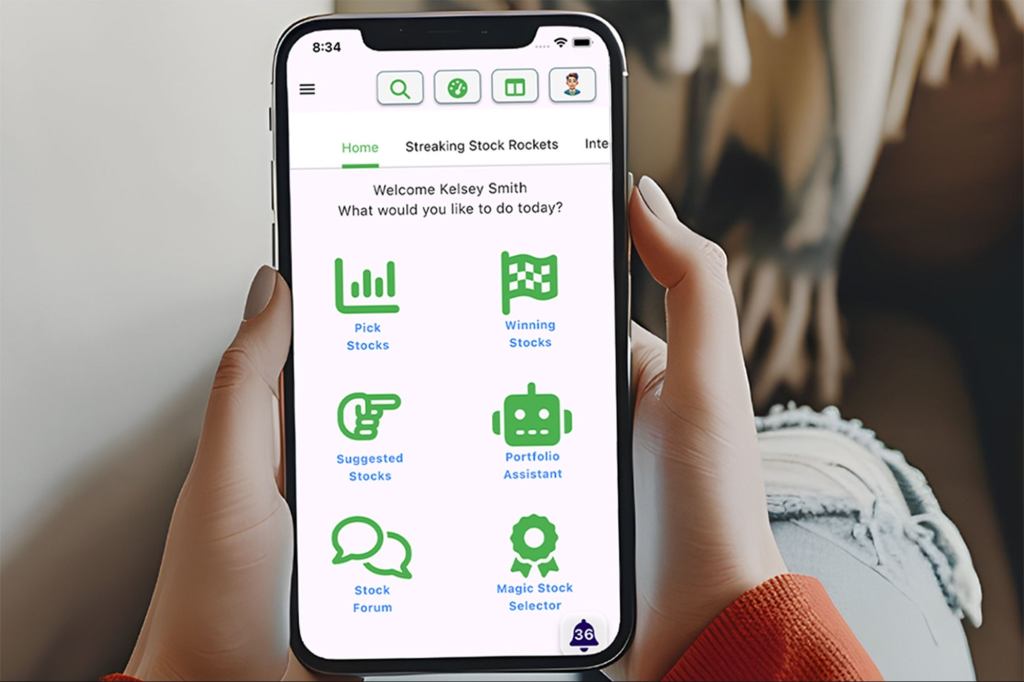
If you’ve always wanted to dabble in the stock market as an entrepreneur but haven’t known where to start, there’s now an AI-powered tool that can help. StratPilot AI serves as your stock-picking assistant, providing analysis and strategies that empower you to trade smarter and with confidence.

Right now, you can secure a lifetime subscription to the StratPilot AI Pilot Plan for just $49.99 (reg. $684).

Entrepreneurs can invest with confidence using StratPilot AI

    Ready to tackle the stock market? Entrepreneurs typically don’t have much free time to research the best market moves, but you can invest confidently with some help from StratPilot AI. This tool serves as your very own intelligent options trading assistant that can help provide insight into the mysterious world of Wall Street.

    StratPilot AI was developed by an 11-year veteran of the Chicago options market, and it employs the same analysis and strategies that are trusted by firms like Citadel and DRW. That means you can use it to help you trade smarter and faster, as you’ll have institutional-level analysis without any expensive subscription fees.

    Develop your risk profile, and let StratPilot AI help recommend specific strikes, expirations, and strategies. There’s always risk involved in investing, but you’ll have access to real-time market analysis so that you can stay on top of things, thanks to AI-powered instant news scanning and market regime assessments.

    You can join more than 10,000 people who are already trading with the help of StratPilot AI. Real-life user Sarah raved, “The confidence scores and risk analysis are game-changers. I’ve increased my win rate from 55% to 78% in just 3 months.” And David emphasized the time it saved, revealing, “It analyzes spreads, condors, and complex strategies in seconds. What used to take me 30 minutes now takes 30 seconds.”

    Get a lifetime subscription to the StratPilot AI Pilot Plan for just $49.99 (reg. $684).

    StackSocial prices subject to change.

    If you’ve always wanted to dabble in the stock market as an entrepreneur but haven’t known where to start, there’s now an AI-powered tool that can help. StratPilot AI serves as your stock-picking assistant, providing analysis and strategies that empower you to trade smarter and with confidence.

    Right now, you can secure a lifetime subscription to the StratPilot AI Pilot Plan for just $49.99 (reg. $684).

    Entrepreneurs can invest with confidence using StratPilot AI

      Ready to tackle the stock market? Entrepreneurs typically don’t have much free time to research the best market moves, but you can invest confidently with some help from StratPilot AI. This tool serves as your very own intelligent options trading assistant that can help provide insight into the mysterious world of Wall Street.

      The rest of this article is locked.

      Join Entrepreneur+ today for access.

      https://www.entrepreneur.com/money-finance/make-confident-stock-market-trades-as-an-entrepreneur-with/499425


      5 Local Business Opportunities That Could Make You a Fortune in 2026

      Opinions expressed by Entrepreneur contributors are their own.

      This article is part of the America’s Favorite Mom & Pop Shops series. Read more stories

      Key Takeaways

      • Service-based local businesses are thriving, and those that combine innovation, data and customer trust will win in 2026 and beyond.
      • Five local business sectors are poised for explosive growth across North America in 2026, including home improvement and renovation, pet care and mobile grooming, smart-home installation and more.

      As the North American economy continues to adapt to post-pandemic consumer habits, one clear trend stands out: Service-based local businesses are thriving. Homeowners, pet owners and health-conscious consumers are spending more than ever on convenience and quality.

      At the same time, technology and AI are reshaping how local entrepreneurs attract customers and operate efficiently. As this Entrepreneur article on AI and marketing explains, “AI won’t replace marketers; it will replace bad marketing.” The same logic applies to local services: The businesses that combine innovation, data and customer trust will win in 2026 and beyond.

      Below are five local service business ideas backed by real market data that are poised to grow rapidly across North America in the coming year.

      Related: 91 Service Business Ideas to Start Today

      1. Home improvement and renovation services

      The home improvement sector continues to be one of the most profitable service-based industries, as homeowners increasingly choose to remodel rather than relocate. Rising mortgage rates and the push for comfort and sustainability are driving steady demand.

      • The North American home improvement market was valued at $301.5 billion in 2024 and is projected to reach $375.7 billion by 2033, according to Market Data Forecast.

      • In the U.S., the market stood at $522 billion in 2023 and is expected to grow to $615 billion by 2029.

      Home renovation, eco-friendly retrofits and aging-in-place modifications are among the fastest-growing categories. Entrepreneurs can succeed by focusing on niche services such as bathroom remodels, insulation upgrades or smart home integrations while using modern local SEO strategies to attract customers.

      As outlined in this Entrepreneur article on the marketing formula fueling small-business success, consistent visibility and lead generation are key drivers of growth for local service companies.

      2. Pet care and mobile grooming services

      Pet ownership reached record highs during the pandemic, and the demand for quality care hasn’t slowed. Pet owners are now spending more on convenience and premium services, creating a booming market for entrepreneurs who can deliver mobile or personalized experiences.

      • The North American pet services market was worth $6.8 billion in 2023 and is projected to hit $11.7 billion by 2030, growing at over 8% CAGR.

      • Globally, the broader pet care industry is forecast to grow from $226.9 billion in 2023 to $340.7 billion by 2029.

      Mobile grooming, pet daycare and subscription-based wellness plans are becoming standard in urban and suburban markets. Entrepreneurs can differentiate by combining online booking with local reviews and referral programs, turning pet care into a scalable neighborhood brand.

      Related: A Locksmith Who Shows Up in 15 Minutes, Eco-Friendly Pest Control and Flat-Rate Plumbing Fees: America’s 15 Favorite Local Home Service Businesses

      3. Smart-home installation and tech-support services

      Smart-home technology is no longer limited to high-end homes. Devices like smart locks, connected thermostats and video doorbells are becoming household staples, yet most consumers still need help with installation and integration.

      • The North American smart home market generated $35.7 billion in 2023 and is expected to reach $145.6 billion by 2030, representing a 22% CAGR.

      • The smart home installation service market itself is projected to grow from $4.6 billion in 2024 to $22.8 billion by 2032.

      This is a prime opportunity for small, mobile service providers. Offering installation, troubleshooting and subscription-based maintenance plans can deliver recurring revenue. Adding eco-upgrade options like smart thermostats or EV chargers also enhances long-term growth potential.

      4. Wellness and in-home recovery services

      Health and wellness have evolved from luxury to lifestyle, and many consumers now prefer professional services in the comfort of their homes. From massage therapy to physiotherapy and recovery-focused amenities like home saunas, this space is booming.

      • The global home-services market, which includes wellness and therapeutic services, is expected to expand by $1 trillion between 2024 and 2029, with a 10.5% CAGR.

      • Meanwhile, the wellness industry overall has surpassed $5 trillion globally, with continued growth projected across personal care and physical activity segments.

      Entrepreneurs can tap into this by offering specialized in-home health and wellness experiences, mobile physiotherapy, recovery programs or home wellness installations. Partnering with local gyms, sports clinics or chiropractors can create strong referral networks.

      Related: Small, Local Businesses Have a Competitive Advantage Over the Amazons and Ubers of the World, According to a New Report

      5. Senior home-maintenance and “age-in-place” services

      North America’s aging population is driving one of the most consistent and underserved local service trends: aging in place. Most seniors prefer to stay in their own homes, which means they need help with maintenance, accessibility and safety upgrades.

      • The senior home-modification segment of the home-improvement industry is growing faster than average, as more than 77% of adults over 50 want to remain in their homes long-term.

      • The home-services market supporting these upgrades is part of a sector expected to exceed $1 trillion by 2029.

      Entrepreneurs can offer grab-bar installations, zero-threshold showers, lighting upgrades and smart-home safety systems tailored to older adults. As this demographic expands, these services will see steady, recession-resistant demand.

      By 2026, local service businesses will thrive in industries that blend convenience, personalization and trust. Whether you’re installing smart-home systems or running a mobile pet spa, your success will depend on mastering digital visibility and operational efficiency.

      Key Takeaways

      • Service-based local businesses are thriving, and those that combine innovation, data and customer trust will win in 2026 and beyond.
      • Five local business sectors are poised for explosive growth across North America in 2026, including home improvement and renovation, pet care and mobile grooming, smart-home installation and more.

      As the North American economy continues to adapt to post-pandemic consumer habits, one clear trend stands out: Service-based local businesses are thriving. Homeowners, pet owners and health-conscious consumers are spending more than ever on convenience and quality.

      At the same time, technology and AI are reshaping how local entrepreneurs attract customers and operate efficiently. As this Entrepreneur article on AI and marketing explains, “AI won’t replace marketers; it will replace bad marketing.” The same logic applies to local services: The businesses that combine innovation, data and customer trust will win in 2026 and beyond.

      The rest of this article is locked.

      Join Entrepreneur+ today for access.

      https://www.entrepreneur.com/starting-a-business/5-local-business-sectors-poised-for-explosive-growth-in-2026/498842


      She Revolutionized Social Drinking With Her Invention. Now It’s a $60B Opportunity.

      Disclosure: Our goal is to feature products and services that we think you’ll find interesting and useful. If you purchase them, Entrepreneur may get a small share of the revenue from the sale from our commerce partners.

      The “sober-curious” movement is reshaping how people unwind and it’s giving rise to an industry projected to reach $60 billion by 2030.

      Kin Euphorics CEO, Jen Batchelor, grew up watching her father distill alcoholic spirits underground in Saudi Arabia. She loved the ritual, the gathering, and the chemistry of creation. She saw how something as simple as a drink could bring people together, but also saw how alcohol often dulled the very connection it was meant to create.

      Years later, she started experimenting with different elixirs in her NYC kitchen. She shared them around friends and family and people couldn’t get enough. Over time, recipes were perfected, leading to the creation of an entirely new drink category: the “social tonic,” a blend of adaptogens (for balance), nootropics (for focus), and botanicals (for flavor). Kin was born.

      Today, the company is a category leader in sales at retailers. They are the leading premium brand at Target, outselling all competitors combined, the company says.

      Image credit: Kin Euphorics

      Kin is growing fast, with $11 million in net revenue in 2024 and expecting double-digit growth in 2025. A freshly inked contract in hand with the country’s largest wine and spirits distributor, Southern Glazer’s, they are expected to start the new year with $10 million in fresh retail expansion revenue while doubling growth with their existing channel mix.

      Kin’s products are a ‘high priority’ for today’s adults

      Millennials and Gen Z are redefining what it means to “go for a drink.” According to Gallup, 48% of adults under 35 do not consume alcohol today. A McKinsey report calls Gen Z “obsessed with wellness,” with 56% ranking fitness and health as a “very high priority.”

      That obsession has spilled into every corner of consumer culture, especially the $1.5 trillion global wellness economy. But this opportunity has only been tapped by a select few, and Kin Euphorics is positioned to lead. They were the first brand to coin and create the “euphoric” category: functional, non-alcoholic drinks designed to make you feel better in every sense.

      How’s the Kin approach different from a “mocktail” or other non-alcoholic beverage? “I’m not interested in glorified juice dressed up in a wine bottle,” Batchelor says. That’s why she met with actual neuropharmacologists, endocrinologists, and more to create a drink that truly enhances mood, focus, and relaxation.

      To their customers, Kin is more than a product. It’s a part of who they are. They’re building a true lifestyle brand, which explains why they’re opening an investment opportunity for true fans and customers.

      Rapid sales growth for Kin Euphorics

      They’ve also landed distribution through Southern Glazer’s Wine & Spirits, the largest alcohol distributor in the U.S. It’s a landmark partnership signaling that even “Big Alcohol” sees the writing on the wall.

      The numbers speak for themselves:

      • $50 million in lifetime sales
      • $11 million net revenue in 2024
      • $10 million revenue potential in year 1 of their Southern Glazer’s partnership
      • 50% gross margins with profitability expected in early 2026
      • 115% higher sales velocity at Sprouts than competing non-alcoholic brands

      Beyond retail shelves, Kin’s products have appeared at music festivals and boutique hotels. That growing cultural presence has helped the company transcend its “non-alcoholic” label and lead a much bigger lifestyle movement.

      The opportunity: Be part of the future of social drinking

      Kin is now inviting investors to join them in defining the functional beverage market.

      [embedded content]

      Investor funds will accelerate:

      • National retail expansion and global distribution partnerships
      • Recurring revenue growth through subscription and hospitality channels
      • Margin expansion through advanced functional ingredient tech
      • New flavor launches and product line extensions in 2026

      Early investors can even access exclusive perks, including bonus shares and invitation-only Kin Table dinners hosted by the team.

      “Connecting people is what Kin is all about. That ‘BAM! Did we just become best friends?’ kind of feeling.” — Jen Batchelor, CEO

      The beverage market is about to see a major wellness shift. For millions of people, that shift is already underway. That’s why Kin expects to reach profitability in 2026. Learn more about how you can become a Kin shareholder here.

      This is a paid advertisement for Kin Euphorics Regulation CF offering. Please read the offering circular at https://invest.kineuphorics.com/

      The “sober-curious” movement is reshaping how people unwind and it’s giving rise to an industry projected to reach $60 billion by 2030.

      Kin Euphorics CEO, Jen Batchelor, grew up watching her father distill alcoholic spirits underground in Saudi Arabia. She loved the ritual, the gathering, and the chemistry of creation. She saw how something as simple as a drink could bring people together, but also saw how alcohol often dulled the very connection it was meant to create.

      Years later, she started experimenting with different elixirs in her NYC kitchen. She shared them around friends and family and people couldn’t get enough. Over time, recipes were perfected, leading to the creation of an entirely new drink category: the “social tonic,” a blend of adaptogens (for balance), nootropics (for focus), and botanicals (for flavor). Kin was born.

      The rest of this article is locked.

      Join Entrepreneur+ today for access.

      https://www.entrepreneur.com/money-finance/she-revolutionized-social-drinking-with-her-invention-now/499468