Free Webinar | December 4: Low-Cost Marketing Tactics: How to Build Buzz Without a Big Budget

Struggling to find a way to grow your brand that doesn’t involve throwing a ton of money at ads? You’re not alone. Many small businesses and startups hit a ceiling because traditional marketing feels out of reach — and expensive.

Join us on December 4th at 3:00 PM ET as Sahand Dilmaghani, Founder and CEO of Terra Kaffe, shares how his company grew over 100% year-over-year using organic marketing strategies, word-of-mouth, and smart design — without a massive budget. Learn how Terra Kaffe became a buzz-worthy brand featured by top press outlets and embraced by celebrities, all while keeping costs low.

You’ll learn how to:

  • Use press and media storytelling as a free marketing engine.

  • Design products that naturally spark shareability and social buzz.

  • Attract celebrity and influencer attention without paid deals.

  • Leverage real customer feedback to evolve your brand story.

Reserve your spot and discover how to grow your brand smarter, not harder.

Register Now

About the Speaker:

Sahand Dilmaghani is the founder and CEO of Terra Kaffe. Equipped with a global perspective, Sahand earned his MBA in France, worked as Head of Corporate Development at Unu (an electric scooter startup in Berlin), and is fluent in Mandarin, Farsi, German, and English. His entrepreneurship started young and never wavered and his enterprising attitude has inspired a wide range of diverse ideas. Throughout it all, he’s been obsessed with high-quality coffee, believing that finding it should be simple and sustainable. In founding Terra Kaffe, he was inspired to blend the best of European coffee culture and the pioneering spirit of the US start-up scene. A son of two architects, it was only a matter of time before he found his way back to design.

Struggling to find a way to grow your brand that doesn’t involve throwing a ton of money at ads? You’re not alone. Many small businesses and startups hit a ceiling because traditional marketing feels out of reach — and expensive.

Join us on December 4th at 3:00 PM ET as Sahand Dilmaghani, Founder and CEO of Terra Kaffe, shares how his company grew over 100% year-over-year using organic marketing strategies, word-of-mouth, and smart design — without a massive budget. Learn how Terra Kaffe became a buzz-worthy brand featured by top press outlets and embraced by celebrities, all while keeping costs low.

You’ll learn how to:

The rest of this article is locked.

Join Entrepreneur+ today for access.

https://www.entrepreneur.com/growing-a-business/free-webinar-december-4-low-cost-marketing-tactics-how/499052


Upgrade Your Work PC and Boost Your Productivity for Just $10

Disclosure: Our goal is to feature products and services that we think you’ll find interesting and useful. If you purchase them, Entrepreneur may get a small share of the revenue from the sale from our commerce partners.

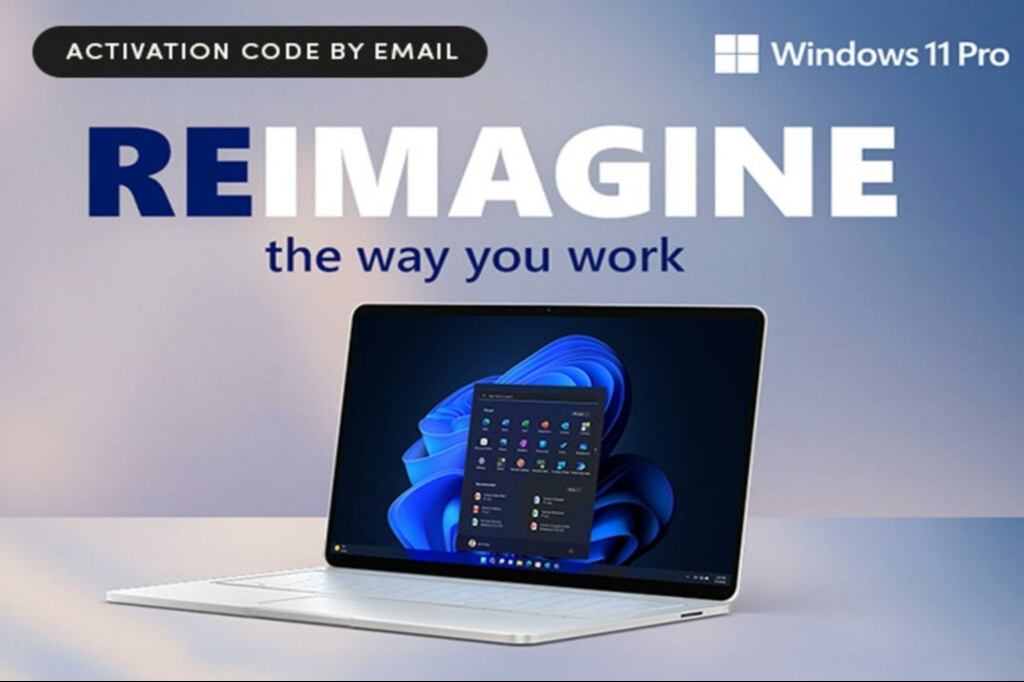
If you’re a PC-using entrepreneur with a busy workload, it may be time to make sure you’ve updated your operating system lately. If it’s been a while, you’re in luck. This Microsoft Windows 11 Pro license is on sale now for just $9.97 (reg. $199) until November 16.

Upgrade your work computer for just $10 with this new operating system

Whether you’ve yet to update your desktop in your home office or your trusty, dusty laptop could use a refresh, you need to make sure you’re running an efficient operating system. This Microsoft Windows 11 Pro license helps you get your PC set up for success, with features that can improve the workflow of today’s entrepreneur.

Windows 11 Pro was made with the modern professional in mind. That makes it essential for entrepreneurs, as features like a seamless interface, a more powerful search experience, improved voice typing, snap layouts, and seamless redocking can all help improve your workflow.

Use AI in your daily routine? You can cancel your current subscription, as Windows 11 Pro includes Copilot, your very own AI-powered assistant located right on your desktop. You’ll also have access to Microsoft Teams, Azure AD, Windows Sandbox, and BitLocker device encryption.

If you want to take a break and have some fun, you’ll appreciate DirectX 12 Ultimate, which delivers lifelike graphics to elevate your gaming experience.

You can rest a little easier knowing that Windows 11 Pro also prioritizes cybersecurity. Biometric logins, encrypted authentication, and enhanced antivirus protection are all additions that help keep your system secure.

Get this Microsoft Windows 11 Pro license on sale now for just $9.97 (reg. $199) through November 16.

StackSocial prices subject to change.

If you’re a PC-using entrepreneur with a busy workload, it may be time to make sure you’ve updated your operating system lately. If it’s been a while, you’re in luck. This Microsoft Windows 11 Pro license is on sale now for just $9.97 (reg. $199) until November 16.

Upgrade your work computer for just $10 with this new operating system

Whether you’ve yet to update your desktop in your home office or your trusty, dusty laptop could use a refresh, you need to make sure you’re running an efficient operating system. This Microsoft Windows 11 Pro license helps you get your PC set up for success, with features that can improve the workflow of today’s entrepreneur.

Windows 11 Pro was made with the modern professional in mind. That makes it essential for entrepreneurs, as features like a seamless interface, a more powerful search experience, improved voice typing, snap layouts, and seamless redocking can all help improve your workflow.

The rest of this article is locked.

Join Entrepreneur+ today for access.

https://www.entrepreneur.com/science-technology/upgrade-your-work-pc-and-boost-your-productivity-for-just/499297


Running a Business? This AI-Powered ERP Agency Platform Might be Exactly What You Need.

Disclosure: Our goal is to feature products and services that we think you’ll find interesting and useful. If you purchase them, Entrepreneur may get a small share of the revenue from the sale from our commerce partners.

The average entrepreneur spends a massive amount of time each week on administrative tasks such as invoicing and data entry. That’s time that could be spent elsewhere, like building client relationships. Instead of relying on a short-staffed team or hiring multiple contractors to keep your business running smoothly, Sellful ERP Agency Plan was built to streamline everything you need to scale an agency into one dashboard.

Right now, you can grab a lifetime subscription to Sellful for $349.97 (reg. $1,479) until November 20.

An all-in-one platform for your business needs

There are plenty of moving parts that keep a business running. You’ve got website builders, invoicing software, marketing platforms—just to name a few. Sellful’s ERP Agency Plan pulls every piece of the puzzle into one place. Build websites, manage clients, automate outreach, and even handle payroll all in one system, for one price.

As a white-label platform, businesses can brand the entire platform as their own. Generate passive income by creating online courses, membership programs, subscriptions, and so much more. If you’re looking to keep things in-house, the platform is equipped with all-in-one marketing – manage email subscription lists, newsletters, SMS, and social automation.

Have a big team? Sellful can help you manage that, too. With a built-in human resources and account suite, you can oversee payroll, time tracking, recruitment, and expense tracking.

Sellful makes cutting back on costs easier. Instead of turning to multiple contractors or weaving together multiple subscription packages to streamline your business, you can do it all in one place.

It’s time to focus on your business. For a limited time, you can get a lifetime license to Sellful’s ERP Agency Plan for $349.97 (reg. $1,479) until November 20th at 11:59 p.m. PT. No coupon required.

StackSocial prices subject to change.

The average entrepreneur spends a massive amount of time each week on administrative tasks such as invoicing and data entry. That’s time that could be spent elsewhere, like building client relationships. Instead of relying on a short-staffed team or hiring multiple contractors to keep your business running smoothly, Sellful ERP Agency Plan was built to streamline everything you need to scale an agency into one dashboard.

Right now, you can grab a lifetime subscription to Sellful for $349.97 (reg. $1,479) until November 20.

An all-in-one platform for your business needs

There are plenty of moving parts that keep a business running. You’ve got website builders, invoicing software, marketing platforms—just to name a few. Sellful’s ERP Agency Plan pulls every piece of the puzzle into one place. Build websites, manage clients, automate outreach, and even handle payroll all in one system, for one price.

The rest of this article is locked.

Join Entrepreneur+ today for access.

https://www.entrepreneur.com/science-technology/running-a-business-this-ai-powered-erp-agency-platform/499295


Get Japanese Master Chef Knives for Your Home or Business for $130

Disclosure: Our goal is to feature products and services that we think you’ll find interesting and useful. If you purchase them, Entrepreneur may get a small share of the revenue from the sale from our commerce partners.

Whether you’re running a restaurant, operating a catering business, building a food entrepreneurship venture, or just enjoy using top-grade cookware at home, professional-grade Japanese chef knives can transform every dish you serve. The Seido Japanese Master Chef’s 8-piece Knife Set offers handcrafted high-carbon steel blades for $129.97, a 67percent discount off the regular $429 price.

Superior construction for demanding professional use

Seido knives feature high-carbon stainless steel construction with 15-degree blade angles instead of the standard 25-degree angles found on Western knives. This sharper edge creates noticeably cleaner cuts through proteins, vegetables and baked goods. The acute angle is essential for precision work like filleting fish, slicing sushi or creating uniform vegetable cuts that cook evenly.

The forged construction features sloped bolsters that gradually transition onto the blade face, enhancing comfort during extended prep sessions. For chefs and cooks working through busy service periods, this ergonomic design reduces hand fatigue while maintaining control Pakka wood handles provide a comfortable grip even when they’re wet.

You get every knife style needed for professional food preparation in the 8-piece set. The 8-inch chef’s knife handles everyday slicing and chopping. The 8-inch slicing knife saws through crusts without compressing tender interiors. The 7-inch cleaver hacks through bones and tough cuts.

Two Santoku knives (7-inch and 5-inch) feature granton edges and hammer-forged finishes that prevent food from sticking during chopping. The 6-inch boning knife’s curved, flexible blade separates meat from bones with precision. The 3.5-inch paring knife handles detail work requiring attention and accuracy.

Damascus-etched blades provide both visual appeal and functional benefits. The distinctive pattern comes from the forging process and indicates quality construction. These knives are handcrafted by expert blacksmiths with over 100 years of combined experience using premium materials.

Seido can deliver professional-grade knives at accessible prices because it eliminates the middleman and sells directly to consumers. The included gift box protects your investment and makes storage convenient. Plus, the knives come with a manufacturer’s lifetime warranty, an indication of complete confidence in the quality you’ll receive.

Get the Seido Japanese Master Chef’s 8-piece Knife Set with Gift Box for just $129.97, a 67 percent discount off the regular $429 retail price.

StackSocial prices subject to change.

Whether you’re running a restaurant, operating a catering business, building a food entrepreneurship venture, or just enjoy using top-grade cookware at home, professional-grade Japanese chef knives can transform every dish you serve. The Seido Japanese Master Chef’s 8-piece Knife Set offers handcrafted high-carbon steel blades for $129.97, a 67percent discount off the regular $429 price.

Superior construction for demanding professional use

Seido knives feature high-carbon stainless steel construction with 15-degree blade angles instead of the standard 25-degree angles found on Western knives. This sharper edge creates noticeably cleaner cuts through proteins, vegetables and baked goods. The acute angle is essential for precision work like filleting fish, slicing sushi or creating uniform vegetable cuts that cook evenly.

The forged construction features sloped bolsters that gradually transition onto the blade face, enhancing comfort during extended prep sessions. For chefs and cooks working through busy service periods, this ergonomic design reduces hand fatigue while maintaining control Pakka wood handles provide a comfortable grip even when they’re wet.

The rest of this article is locked.

Join Entrepreneur+ today for access.

https://www.entrepreneur.com/living/get-japanese-master-chef-knives-for-your-home-or-business/499294


Master AI Automation for Business Growth for $25

Disclosure: Our goal is to feature products and services that we think you’ll find interesting and useful. If you purchase them, Entrepreneur may get a small share of the revenue from the sale from our commerce partners.

Businesses that implement artificial intelligence (AI) automation see productivity gains of 20% to 40% across various functions, McKinsey research says. If you’re an entrepreneur who is trying to scale operations without dramatically increasing payroll, AI-powered business automation skills become a serious competitive advantage. The ChatGPT & Automation E-Degree delivers 25 hours of training on ChatGPT and more than 20 indispensable AI tools for just $24.97.

Practical AI applications for real business challenges

This e-degree includes 12 courses covering AI applications in marketing, business operations, and coding. The curriculum extends beyond ChatGPT basics to explore practical implementations that address real-world business problems. Learn how to automate repetitive tasks, streamline workflows and optimize resource utilization across your operations.

The training emphasizes customization for specific industries. You’ll discover how to tailor ChatGPT to meet your unique demands, whether you’re running an e-commerce business, consulting practice or service company. This is crucial because generic AI knowledge doesn’t translate directly to business value – you need industry-specific applications that address your particular challenges.

Data visualization techniques transform raw business data into compelling visual narratives. For entrepreneurs tracking metrics across sales, marketing and operations, these skills transform spreadsheets into actionable insights that inform strategic decisions. The course demonstrates how AI amplifies creativity and contributes to innovative projects beyond basic automation.

ChatGPT’s communications skills help entrepreneurs craft better emails, proposals and client communications. This will naturally improve how you interact with customers, partners and team members while saving time on routine correspondence.

The business process automation modules teach techniques for streamlining operations. Learn to identify automation opportunities, implement solutions and measure results. These skills directly impact efficiency and profitability by eliminating bottlenecks and reducing manual work.

Access all 12 lectures and 25 hours of content at any time through the online platform. The beginner-friendly curriculum includes real-world scenarios tailored to professional applications. You gain experience that transfers directly to your business operations with practical exercises and examples.

This course is presented by Eduonix Learning Solutions, which creates and distributes high-quality technology training content. Its team of industry professionals has been training professionals for more than a decade, teaching technology the way it’s used in the industry and professional world.

Get the ChatGPT & Automation E-Degree for just $24.97.

StackSocial prices subject to change.

Businesses that implement artificial intelligence (AI) automation see productivity gains of 20% to 40% across various functions, McKinsey research says. If you’re an entrepreneur who is trying to scale operations without dramatically increasing payroll, AI-powered business automation skills become a serious competitive advantage. The ChatGPT & Automation E-Degree delivers 25 hours of training on ChatGPT and more than 20 indispensable AI tools for just $24.97.

Practical AI applications for real business challenges

This e-degree includes 12 courses covering AI applications in marketing, business operations, and coding. The curriculum extends beyond ChatGPT basics to explore practical implementations that address real-world business problems. Learn how to automate repetitive tasks, streamline workflows and optimize resource utilization across your operations.

The training emphasizes customization for specific industries. You’ll discover how to tailor ChatGPT to meet your unique demands, whether you’re running an e-commerce business, consulting practice or service company. This is crucial because generic AI knowledge doesn’t translate directly to business value – you need industry-specific applications that address your particular challenges.

The rest of this article is locked.

Join Entrepreneur+ today for access.

https://www.entrepreneur.com/science-technology/master-ai-automation-for-business-growth-for-25/499291


Leadership Without Humanity Is Failing — Here’s How to Fix It in 3 Steps

Opinions expressed by Entrepreneur contributors are their own.

Key Takeaways

  • Despite high technical connectivity, real human connection is essential and increasingly elusive in modern workplaces.
  • Leaders who prioritize face-to-face meetings and live by company values create a more engaged workforce.
  • Fostering genuine relationships and listening to employees can combat burnout and prevent the loss of humanity in the workplace.

We’ve never had more ways to stay connected at work. Yet, genuine connection feels more difficult to find. Slack and AI can keep you online, but they can’t replace culture. If leaders don’t unplug, they risk losing the heart of their business.

That’s why I trade screen time for a “walk and talk” meeting. Beyond the obvious health benefits and beautiful backdrops of Silicon Slopes, those walks provide insights no dashboard can deliver. In a time where AI dominates the headlines, the smartest thing a leader can do is to show up and listen to the humans doing the work.

BambooHR platform data shows we are seeing the highest employee satisfaction scores in years. However, beneath that optimism, a quarter of employees admit to quiet quitting, 15% say they make an effort to look productive, nearly three-quarters are working harder just to be noticed and 44% (especially Gen Z and millennials) are staying online after hours. Those aren’t signs of thriving engagement; they’re signals of burnout and fear.

You can’t prescribe an antidote to solve for the erosion of human-ness in the workplace. But we can talk to each other about what’s working.

Related: How to Preserve Your Brand’s Humanity in the Era of AI

Ground culture in values

When I started at BambooHR, I asked every team member to send me an email about why they were excited to be at the company. More people pointed to the company values than anything else, by far. Since then, company values have remained the top three considerations to happiness as identified in our internal eNPS.

We’ve always been intentional about leading with our values, using them to guide how we work because of their powerful uniting influence. Regardless of how their job function might be further enabled with AI or if they’re fearing the stability of their role given geopolitical happenings, values help to ground team members in how their work is contributing and how the company views those contributions.

Our commitment to our values has helped us keep turnover low, sparing the steep costs that come with replacing key team members, which research shows can reach 150-200% of their salary. This employee stability also supports BambooHR’s sustained high customer satisfaction scores. While the true value of people is unquantifiable, the impact of shared values clearly is.

Build genuine connections

Human connection has quietly been at the forefront of any good leader’s playbook, despite it being so difficult to prescribe. It makes sense, though; humans are unquantifiable.

When he accepted the role as CEO of Microsoft, Satya Nadella had to figure out how to restart a company that had once ruled the tech sector. Rather than proclaiming changes, he flipped the usual process by undertaking “listening tours” with managers across the company, making connections throughout the organization, and helping surface ideas from the ground level.

What I love about human connection is that something so simple can be quite profound. Listening without distraction or sending a handwritten note can go so far in shaping the lifecycle of a team member.

At BambooHR, one of my favorites was “Breakfast with Brad,” where I sat down with small groups of team members over their favorite cereal. We debated which sugar-filled cereal from our childhoods is the best. Even though it’s not business talk, it’s where the trust-building happens. These conversations help us connect on a personal level, so when we face tough business challenges, we already have a foundation of understanding.

Conversely, imagine if your manager only interfaced via a messaging app or a performance review platform. You don’t need data to tell you how much of a chasm that creates.

Related: Why You Should Treat Team Members as People, Not Employees

Embrace your strengths

There is no template for great culture. Patagonia leans into environmental responsibility. A fertility benefits company might center its culture on family support.

For me, it’s about helping HR leaders strengthen the relationship between employees and employers and, in doing so, help organizations achieve their unique missions. At BambooHR, our strength lies in our HR insights and leadership, so it only makes sense that we build a workplace that reflects the same principles we share with others.

Ensuring an HR organization has a prominent seat at the table is the tie that connects your unique strengths to company-wide programs that drive positive engagement. One way we do this is by hosting quarterly leadership summits with senior leaders. These sessions are intended for professional and leadership development, with a mix of business updates, learning a new leadership skill and solving a business challenge.

The path forward

Leading with humanity creates connection and prevents problems better than any tech solution. The key is finding your company’s identity in the context of what your team members value. So ask yourself: Are your values visible in how your people work? Do your leaders build connection before correction? Are you using technology to enable your people or replace touchpoints?

What’s undeniable to me is that we will all be better served in our businesses by putting humanity back in human capital. This isn’t about perks; it’s about unlocking the power of human potential.

Key Takeaways

  • Despite high technical connectivity, real human connection is essential and increasingly elusive in modern workplaces.
  • Leaders who prioritize face-to-face meetings and live by company values create a more engaged workforce.
  • Fostering genuine relationships and listening to employees can combat burnout and prevent the loss of humanity in the workplace.

We’ve never had more ways to stay connected at work. Yet, genuine connection feels more difficult to find. Slack and AI can keep you online, but they can’t replace culture. If leaders don’t unplug, they risk losing the heart of their business.

That’s why I trade screen time for a “walk and talk” meeting. Beyond the obvious health benefits and beautiful backdrops of Silicon Slopes, those walks provide insights no dashboard can deliver. In a time where AI dominates the headlines, the smartest thing a leader can do is to show up and listen to the humans doing the work.

The rest of this article is locked.

Join Entrepreneur+ today for access.

https://www.entrepreneur.com/growing-a-business/are-modern-leaders-forgetting-what-it-means-to-be-human/497584


4 AI Tools I Used to Go from Side Hustle to 7 Figures in 12 Months (Step-by-Step)

Opinions expressed by Entrepreneur contributors are their own.

Most “AI workflows” save minutes. This one replaced a team. In this breakdown, I reveal the exact four-tool stack I used to take a solo side hustle to seven figures in 12 months — no code, no hires, just disciplined systems you can copy.

What you’ll get:

  • The Demand Radar — How I spot topics, keywords and trends before competitors, then turn them into traffic that compounds.
  • Revenue Autopilot — The follow-up engine that qualifies, personalizes and closes while I’m off the clock.
  • The Workflow Orchestrator — Turning messy, manual tasks into clean, repeatable automations across my calendar, docs and CRM.
  • The Content Command Center — How I generate hooks, titles, and a full publishing cadence in minutes—then test and iterate for lift.

Inside, I’ll show you:

  • My step-by-step setup, from blank slate to first automation.
  • The exact prompts, checklists and handoff points between tools.
  • Where people waste time (and the two tweaks that unlocked most of my growth).
  • Templates you can duplicate to launch in a weekend.

If you’re a solo entrepreneur who’s doing everything yourself, this is the operating system that lets you scale faster, work fewer hours and keep your margins intact. Copy the stack, run the playbook and watch the numbers move.

The AI Success Kit is available to download for free, along with a chapter from my new book, The Wolf is at The Door.

The rest of this article is locked.

Join Entrepreneur+ today for access.

https://www.entrepreneur.com/growing-a-business/4-ai-tools-i-used-to-go-from-side-hustle-to-7-figures-in-12/499285


AI Won’t Replace You — But Your Predictability Will. Here’s How to Stay Irreplaceable.

Opinions expressed by Entrepreneur contributors are their own.

Key Takeaways

  • Efficiency is no longer a safeguard — AI thrives on predictability, and the more routine your work becomes, the easier it is to automate.
  • To stay irreplaceable, cultivate curiosity, challenge your own patterns, and build the creative, cross-disciplinary habits machines can’t mimic.

Last week, I took a prospect call with a director who proudly told me that her team could “do their jobs in their sleep.”

She meant it as a compliment to their efficiency. I heard a death sentence.

Because here’s what I’m seeing across enterprise clients right now: AI doesn’t replace jobs — it replaces predictability.

The “boring” people getting automated out aren’t dull personalities. They’re the ones who’ve turned themselves into human flowcharts.

The analyst who runs the same reports every Monday.
The manager who gives the same feedback using the same template.
The developer who writes the same type of code that Copilot can now generate.

They’ve optimized themselves into obsolescence.

Related: How Small Businesses Can Break Free From the ‘Efficiency Trap’

Efficiency used to be the goal — now it’s the risk

For years, the highest compliment you could give a professional was that they were “consistent.” That they “followed process.” That they “never missed a step.”

Those were the hallmarks of reliability. But automation doesn’t value consistency — it feeds on it.

AI thrives on repeatability. It studies your process, learns your steps and executes them faster than you ever could. When your strength is doing the same thing, the same way, every day, you’ve already trained your replacement.

The ones who thrive are the pattern breakers

These are the professionals who refuse to let their work go stale:

  1. The data scientist who notices that customers buy umbrellas with their morning coffee — but only on Tuesdays.
  2. The HR director who scraps performance reviews and replaces them with peer recognition.
  3. The engineer who spends half her time talking to artists because “creativity patterns transfer.”

They aren’t just creative people. They’re curious people.

AI can copy best practices, but it cannot question them. It can replicate what works — but it can’t tell you when the “right” answer is wrong.

Machines optimize for probability — humans optimize for possibility

That’s the new competitive edge.

If your role depends on repeating proven steps, you’re standing on fragile ground. But if your value comes from curiosity, perspective and synthesis, automation becomes your amplifier — not your replacement.

Let’s be honest: we built this problem.

For decades, companies rewarded predictability. We prized compliance, process, and repeatability. We measured performance in output, not originality. Now we’ve deployed technology that thrives on that exact behavior.

The new competitive edge — be impossible to automate

If you want to stay relevant, stop trying to outwork AI. Start out-humaning it.

Here’s how:

  1. Ask better questions. Machines answer — they don’t wonder. Curiosity is the new intelligence.
  2. Challenge your own patterns. If you can describe your daily routine like an instruction manual, so can an algorithm.
  3. Mix disciplines. Innovation happens at the edges — where data scientists talk to designers, or engineers to artists.
  4. Turn mistakes into momentum. AI doesn’t take risks. Humans can, and that’s where discovery happens.

These aren’t soft skills. They’re survival skills.

Related: AI Won’t Replace Humanity — It Can Help You Build Deeper Connections. Here’s How.

The courage to be unpredictable

We’ve spent years being rewarded for predictability — for doing things the “right” way, for being steady, for never surprising anyone.

But AI doesn’t care about your reliability. It learns from your routines. Then it automates them.

So yes, the predictable will be automated out — not because they lack personality, but because they lack the one thing machines can’t imitate: the courage to be unpredictable.

That courage is now the most valuable skill in business.

You don’t need to be louder or flashier. You just need to stay awake, stay curious, stay uncomfortable.

Because the future doesn’t belong to the efficient. It belongs to the ones brave enough to ask, “What if we did it differently?”

Key Takeaways

  • Efficiency is no longer a safeguard — AI thrives on predictability, and the more routine your work becomes, the easier it is to automate.
  • To stay irreplaceable, cultivate curiosity, challenge your own patterns, and build the creative, cross-disciplinary habits machines can’t mimic.

Last week, I took a prospect call with a director who proudly told me that her team could “do their jobs in their sleep.”

She meant it as a compliment to their efficiency. I heard a death sentence.

The rest of this article is locked.

Join Entrepreneur+ today for access.

https://www.entrepreneur.com/growing-a-business/ai-wont-replace-you-but-your-predictability-will/498524


Jamie Dimon Avoids This ‘Disrespectful’ Habit During the Work Day

Key Takeaways

  • JPMorgan Chase CEO Jamie Dimon minimizes cell phone use during work hours, only allowing notifications from his children.
  • He keeps his phone in his office or tucked away during meetings or appointments.
  • Dimon has previously said that he considers checking devices during meetings to be “disrespectful.”

Jamie Dimon rarely has his cell phone with him throughout the workday. Instead, the JPMorgan Chase CEO, who leads the biggest U.S. bank, has people call his office to reach him.

“If you need me and it’s important, call my office, and they’ll come get me,” Dimon, 69, said in an interview earlier this week with CNN.

Dimon explained that he keeps his phone in his office and doesn’t have it in front of him when he goes to meetings or appointments. He turns his notifications off, except for texts from his three adult daughters, Julia, Laura and Kara.

“If you send me a text during the day, I probably do not read it,” Dimon said.

Related: Here’s How the CEO of the Biggest Bank in the U.S. Spends His Downtime: ‘This Gives Me Purpose in Life’

Not having his phone on hand means that Dimon is fully present and “100% focused” during meetings, as opposed to being distracted and “thinking about other things,” he explained.

JPMorgan Chase CEO Jamie Dimon. Photographer: Samuel Corum/Bloomberg via Getty Images

Dimon has previously emphasized how important it is to be distraction-free during meetings, which means no checking emails or Slack messages on personal devices.

“None of this nodding off, none of this reading my mail,” Dimon said at Fortune‘s Most Powerful Women Summit last month. “If you have an iPad in front of me and it looks like you’re reading your email or getting notifications, I tell you to close the damn thing. It’s disrespectful.”

Related: ‘This Has to Stop’: JPMorgan CEO Jamie Dimon Outlines How to Run a Successful Meeting

IBM CEO Arvind Krishna takes a more flexible approach to using devices during meetings. Krishna told CNN in an interview last week that in meetings of two to 10 people, he expects participants to be engaged, but in large meetings, checking messages is not an issue because those meetings are more “a communication vehicle” where “you’re just informing people.”

Meanwhile, Dimon said that he always comes prepared to meetings by doing the pre-reads in advance and giving the event 100% of his focus. He stated at the summit that if he couldn’t give his full focus to his work, then it would be time to move on.

At JPMorgan’s Investor Day last year, Dimon noted that his retirement was “less than five years” away. At the 2025 Investor Day in May, Dimon confirmed his plans to retire as CEO within the next several years, though he has yet to publicly name a successor.

JPMorgan is the largest bank in the U.S., with $3.9 trillion in assets. With a market value of over $800 billion, JPMorgan is worth more than its three biggest rivals, Wells Fargo, Citigroup and Bank of America, combined.

Related: JPMorgan Will Fire Junior Bankers Over a Common Practice That CEO Jamie Dimon Calls ‘Unethical’

Key Takeaways

  • JPMorgan Chase CEO Jamie Dimon minimizes cell phone use during work hours, only allowing notifications from his children.
  • He keeps his phone in his office or tucked away during meetings or appointments.
  • Dimon has previously said that he considers checking devices during meetings to be “disrespectful.”

Jamie Dimon rarely has his cell phone with him throughout the workday. Instead, the JPMorgan Chase CEO, who leads the biggest U.S. bank, has people call his office to reach him.

“If you need me and it’s important, call my office, and they’ll come get me,” Dimon, 69, said in an interview earlier this week with CNN.

The rest of this article is locked.

Join Entrepreneur+ today for access.

https://www.entrepreneur.com/business-news/jpmorgan-ceo-jamie-dimon-i-dont-bring-my-phone-to-meetings/499344


Leaders Aren’t Judged on Effort — They’re Judged on Their Judgment. Here’s How to Sharpen Yours.

Opinions expressed by Entrepreneur contributors are their own.

Key Takeaways

  • Slow down the fast decisions. Take time to debate assumptions, pressure-test options and breathe.
  • Balance confidence with curiosity. The higher you go in your career, your role shifts from having the answers to asking the right questions.
  • Before you zoom in on tactical moves, zoom out and consider the long-term impact.
  • Anchor your judgment in principles, not just gut feelings, and rely on experience, data and feedback (not expertise alone).

According to PwC’s 28th Annual Global CEO Survey, 40% of CEOs believe their company won’t be viable in 10 years if it continues on its current path. That’s not just angst. It’s proof that leaders are under pressure to make decisions that matter more than ever. Early in your career, effort and output count. But as you rise, you’re evaluated less on what you do and more on how wisely you decide.

Boards, investors, employees and even markets don’t just look at your process. They watch the outcomes. Were you courageous yet thoughtful? Did you weigh trade-offs? Did your decision protect culture, advance the business and create long-term value?

At the top, judgment is no longer about efficiency. It’s about impact. And it’s harder than ever. Here are five ways to sharpen it:

Related: This Is the Simple 5-Question Template You Need to Make Better Decisions

1. Slow down the fast decisions

The higher you climb, the faster everything feels. Urgent emails, investor demands, breaking crises — every situation screams “decide now.” But fast rarely means wise.

Strong leaders know when to buy time (not weeks, but hours or days) to debate assumptions, pressure-test options and breathe. That pause can be the difference between a knee-jerk move and a durable one.

Satya Nadella, for example, has been praised for resisting the urge to make snap calls at Microsoft. His deliberate approach to restructuring by slowing down enough to ask big-picture questions set the company up for its revival. Slowing down around material decisions isn’t weakness. It’s discipline.

2. Balance confidence with curiosity

Yes, people want decisive leaders. But overconfidence kills judgment. Leaders who assume they’re the smartest person in the room miss blind spots that everyone else can see.

The irony? The higher you go, the less you’re actually the subject expert. Specialists surround you. Your role shifts from having the answers to asking the right questions. Great leaders balance conviction with curiosity. They ask: What am I missing? Who else should weigh in?

Research backs this up. A Behavioral Science & Policy journal article on overconfidence bias argued that leaders who place excessive trust in their own judgment and disregard expert advice and outside perspectives are more likely to underperform in decision outcomes. Strong judgment isn’t solo genius; it’s knowing when to widen the circle.

Related: Are You Asking the Right Questions as a Leader? How Curiosity and Intelligence Gathering Drive Organizational Success

3. Zoom out before you zoom in

A decision that looks smart this quarter can look disastrous three years from now. Short-termism is a judgment trap, and leaders who fall into it often pay the price.

In a recent discussion with a franchisor leader about franchisee profitability during a difficult economic cycle, the immediate fix seemed to be distributing next quarter’s rebates early. However, after considering the long-term impact, it became clear that “borrowing” from the future wasn’t a sustainable choice and that better solutions existed for lasting success.

The lesson: Before you zoom in on tactical moves, zoom out and check your horizon. Ask yourself: How will this play in six months? Three years? 10?

4. Use principles, not just gut

Gut instinct can be powerful. But gut without guardrails is dangerous. Potentially material decisions demand consistency, and consistency comes from principles.

Amazon’s famous Leadership Principles are a great example. They give leaders across the company a framework for making choices under pressure, ensuring judgment calls align with values such as customer obsession and long-term thinking.

When leaders anchor their judgment in principles — whether cultural values, strategic filters or red lines — they prevent decisions from swinging wildly with emotion or politics. Gut still matters, but it’s gut tethered to something that guides the potential upsides and downsides of all key judgment calls.

Related: Holding True to Your Values Is an Essential Decision-Making Metric

5. Rely on experience, data and feedback — not expertise alone

While “time on earth” provides overall wisdom, with every promotion, you become less of a subject expert. That’s the paradox. You’re further from the details but closer to the calls that matter most. Which is why the “how” of decision-making becomes critical.

Strong judgment rests on three anchors:

Experience gives perspective. You’ve seen patterns, survived mistakes and know that delaying tough choices rarely helps.

Data grounds you. It won’t decide for you, but it prevents rationalizing what you wish were true.

Feedback balances you. Diverse voices reveal blind spots while still leaving you the courage to make the final call.

I once coached a CEO of a $500 million company who had to decide whether to shut down a division employing 200 people. Her team was split. Half wanted to cut it; half wanted to keep it. She used this framework: reflecting on past mistakes (experience), reviewing six straight quarters of missed targets (data) and honoring her team’s cultural concerns (feedback).

Her instinct was to delay. But she slowed down, zoomed out and leaned on her principle of capital discipline. The decision: Shut it down. It was unpopular at the moment, but the capital saved was reinvested in growth initiatives that doubled revenue within two years. Her takeaway? Leadership isn’t about being liked in the moment. It’s about judgment that earns respect when people look back.

The paradox of leadership is this: The higher you rise, the fewer tactical decisions you make, but the more material and lasting the judgment calls you face. You won’t be remembered for how many choices you made. You’ll be remembered for the judgment you applied to the few that mattered most. Because at the top, you are judged on your judgment.

Key Takeaways

  • Slow down the fast decisions. Take time to debate assumptions, pressure-test options and breathe.
  • Balance confidence with curiosity. The higher you go in your career, your role shifts from having the answers to asking the right questions.
  • Before you zoom in on tactical moves, zoom out and consider the long-term impact.
  • Anchor your judgment in principles, not just gut feelings, and rely on experience, data and feedback (not expertise alone).

According to PwC’s 28th Annual Global CEO Survey, 40% of CEOs believe their company won’t be viable in 10 years if it continues on its current path. That’s not just angst. It’s proof that leaders are under pressure to make decisions that matter more than ever. Early in your career, effort and output count. But as you rise, you’re evaluated less on what you do and more on how wisely you decide.

Boards, investors, employees and even markets don’t just look at your process. They watch the outcomes. Were you courageous yet thoughtful? Did you weigh trade-offs? Did your decision protect culture, advance the business and create long-term value?

The rest of this article is locked.

Join Entrepreneur+ today for access.

https://www.entrepreneur.com/leadership/5-ways-to-sharpen-your-judgment-as-a-leader/498638