This 29-Year-Old Quit Her Job to Pursue a $13k-a-Month Side Hustle

Key Takeaways

  • Hu came up with the idea for her beauty organizer brand Etoile in November 2016.
  • In 2019, she left her full-time job to grow the online business, using Shopify to do it.

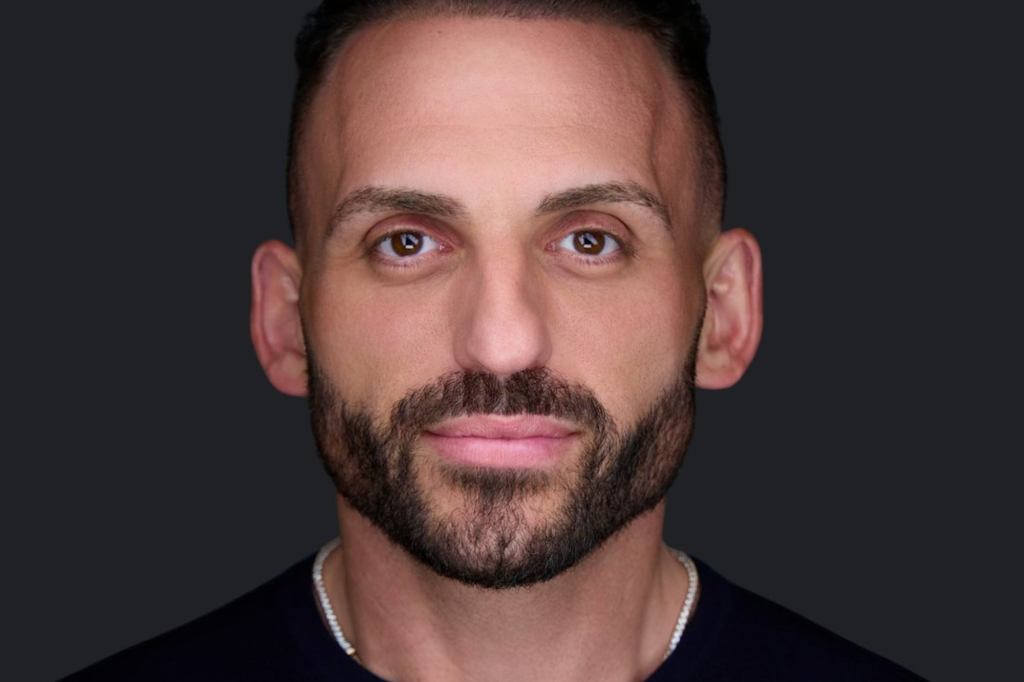
This Side Hustle Spotlight Q&A features New York City-based entrepreneur Michelle Hu, 29. Hu was living in Australia and working as an investment banking analyst at Citi when she started the side hustle that would become her beauty organizer brand Etoile. Responses have been edited for length and clarity.

Image Credit: Courtesy of Etoile. Michelle Hu.

Want to read more stories like this? Subscribe to Money Makers, our free newsletter packed with creative side hustle ideas and successful strategies. Sign up here.

Related: His College Side Hustle Made $12,000 on Amazon in 2 Weeks — Then It Surpassed $250 Million

When did you start your side hustle, and where did you find the inspiration for it?
The idea for Etoile hatched in November 2016 out of a passion and love for beauty. After years of accumulating products, I wanted the accessories and tools that could organize and bring a sense of calm to my daily routine. A few years later, in 2019, I left my full-time job to pursue Etoile.

“We ordered about 50 units for less than $2,000.”

What were some of the first steps you took to get your side hustle off the ground? How much money/investment did it take to launch?
I spent less than $500 and, within a day, had started Instagram, posted mood-board-style imagery, registered my ABN (Australian Business Number) and opened a Shopify store. Our first PO (purchase order) was also quite small — it was an acrylic organizer. We ordered about 50 units for less than $2,000.

Related: My Business Tapped Into a Misunderstood Market and Made $760,000 in Year 1

Are there any free or paid resources that have been especially helpful for you in starting and running this business?
Shopify! I remember a huge decision back then being whether I chose to open the store on Shopify or Square, and that that would have everlasting consequences and high switching costs at a later date. I’m so glad I went with Shopify, as it really is the best platform for a predominantly online business.

Image Credit: Courtesy of Etoile

If you could go back in your business journey and change one process or approach, what would it be, and how do you wish you’d done it differently?
In the very beginning, I completely underestimated the value of professional photography. I thought it was expensive and unnecessary, so I borrowed my dad’s camera, got a white bed sheet and shot the products myself. I then sent them off to have the background removed. It took me so long, and the images were awful. It would absolutely not fly in today’s consumer landscape.

When it comes to this specific business, what is something you’ve found particularly challenging and/or surprising that people who get into this type of work should be prepared for, but likely aren’t?
The amount of content you have to produce and the parameters under which it has to be produced — engaging, cuts through and on brand. To be able to create a consistent content flywheel for various channels (Instagram, TikTok, email, etc.) is super challenging and expensive.

Related: Siblings’ Tasty Side Hustle Became an ‘Extremely Rewarding’ Business Expecting $500,000 Revenue

Can you recall a specific instance when something went very wrong? How did you fix it?
So many! We’ve had a few product nightmares, but the one I remember most was from these really large lighted vanity mirrors we used to carry. We had just gotten this new product, and the first customers to receive it all complained of this blue light that would stay on even when the mirror was off, which was a nuisance at night. We opened a mirror to investigate the issue, and it turned out, it was because one of the back screw holes hadn’t been covered. So my mum and I had to unbox every mirror, tape up the hole, and then rebox it. It took us about two weeks to get through all 200 mirrors.

“This year, we are hoping to crack $10 million.”

How much did the side hustle earn?
When I left my finance job in late 2018, we were at about $13,000 in monthly revenue.

What does growth and revenue look like now?
In 2022, I moved to New York to expand and launch in the U.S., which has been the best business decision I’ve made. This year, we are hoping to crack $10 million, which will be a significant step up from where we were when we were Australia-only.

Related: Her $4,000-a-Month Side Hustle Landed in Home Depot: ‘Not Bad for a Niche Product’

What do you enjoy most about running this business?
I love being able to dabble in so many different areas and use both sides of my brain — from content and organic marketing, to digital advertising, thinking of product roadmap and campaign ideas, and then being able to switch to a more analytical focus: profitability, pricing and demand planning.

What is your best piece of specific, actionable business advice?
Know your unit economics and be conservative with how that is calculated (so rather than only including the cost of your product to work out gross profit, include packaging, freight, fees, etc.). Although content is the life of most businesses, knowing your numbers and making sure that you’re not creating content to then lose money on every sale is the most important part.

Key Takeaways

  • Hu came up with the idea for her beauty organizer brand Etoile in November 2016.
  • In 2019, she left her full-time job to grow the online business, using Shopify to do it.

This Side Hustle Spotlight Q&A features New York City-based entrepreneur Michelle Hu, 29. Hu was living in Australia and working as an investment banking analyst at Citi when she started the side hustle that would become her beauty organizer brand Etoile. Responses have been edited for length and clarity.

Image Credit: Courtesy of Etoile. Michelle Hu.

Want to read more stories like this? Subscribe to Money Makers, our free newsletter packed with creative side hustle ideas and successful strategies. Sign up here.

The rest of this article is locked.

Join Entrepreneur+ today for access.

https://www.entrepreneur.com/starting-a-business/29-year-old-quit-her-job-to-pursue-13k-a-month-side-hustle/499172


If Your Product Isn’t Gaining Traction, Don’t Rebuild. There’s a Better, Cheaper Solution.

Opinions expressed by Entrepreneur contributors are their own.

Key Takeaways

  • Instead of rebuilding or pivoting your product when it’s not selling, try selling it to different customers. Often, the product is fine — you’re just selling it to the wrong people.
  • Product-market fit is not a fixed equation. The same product can succeed wildly in one market and fail in another.
  • The next time you’re tempted to rebuild: Take your exact product, as it exists today, and pitch it to five completely different customer segments.

Everyone knows the pivot story. Startup builds Thing A, nobody wants it, so they build Thing B instead. Twitter started as a podcasting platform. Instagram was a check-in app called Burbn. The narrative is always the same: Throw out your code, start fresh, find product-market fit.

Here’s what nobody tells you: Sometimes the product is fine. You’re just selling it to the wrong people.

Related: Before You Pivot, Make Sure You’re Pitching to the Right Audience

The expensive mistake everyone makes

Consider what happened to Superhuman, the $30/month email client. Early on, they tried selling to everyone who hated email. Most people balked at the price. Instead of rebuilding their product or cutting prices, they focused exclusively on power users who email for 3+ hours daily. Same product, different customer, path to $30 million ARR.

Meanwhile, countless B2B startups waste millions rebuilding platforms because enterprise customers demand endless features. Often, these same “inadequate” products would thrive with mid-market companies that value simplicity over customization.

The pattern repeats everywhere: Companies spend fortunes fixing products that aren’t broken. They just have the wrong customers.

Why we’re addicted to product pivots

Product pivots feel productive. You’re writing code! You’re shipping features! You’re doing something! It’s much harder to admit you’ve been talking to the wrong people for six months.

There’s also ego involved. As product people, we want to believe we can build our way out of any problem. Customer doesn’t like the product? We’ll make it better. Still doesn’t like it? We’ll add more features. Still no? Complete rebuild.

We rarely ask: What if this customer is just wrong for us?

The customer pivot playbook

Here’s how you actually pull off a customer pivot without touching your codebase:

Look for the accidents: Every product has accidental users who weren’t your target market but somehow found you anyway. Notion was built for internal documents, but creative professionals adopted it for mood boards. Same product, different story.

Find the desperate users: Your best new customer segment is whoever’s putting up with your product’s current limitations because they have no better option. If someone’s using your half-baked MVP despite its flaws, you’ve found your real market.

Change your marketing, not your features: Basecamp and Monday.com are both project management tools. Basecamp targets small teams who hate process. Monday.com targets larger teams who love customization. The core functionality overlaps significantly, but the positioning determines the customer.

Price your way to the right customer: Sometimes the fastest customer pivot is a price change. Double your price, and enterprise customers suddenly take you seriously. Cut it in half, and SMBs flood in. The product stays the same; the buyer changes.

Related: SimpliSafe Chased the Wrong Customer. This Pivot Saved The Business.

The uncomfortable truth about product-market fit

We treat product-market fit like it’s a fixed equation: one product, one market, one solution. But markets aren’t monolithic. That same product that enterprises hate might be perfect for startups. The feature that power users complain about might be why beginners love you.

Canva is the perfect example. Professional designers initially mocked its limitations compared to Adobe Creative Suite. Instead of adding professional features, Canva leaned into simplicity for non-designers. They built a $40 billion company by serving the “wrong” customer.

How to know if you need a customer pivot

The signs are usually obvious if you’re looking:

  • Your customers constantly ask for features that would fundamentally change your product

  • You’re competing on features with established players (and losing)

  • Customer support is explaining workarounds more than core functionality

  • Your happiest customers use maybe 20% of your product

  • Sales cycles are painful because you’re forcing a fit

The brutal reality? Most struggling products don’t need a pivot. They need different customers.

The hidden advantage of customer pivots

When you pivot your product, you start from zero. New codebase, new bugs, new technical debt. When you pivot your customer, you keep all your institutional knowledge. You know every edge case, every limitation and every strength.

Plus, customer pivots are reversible. Didn’t work out with the new market? Your old customers don’t even know you left. Try pivoting your product back to its original state. Good luck with that.

Related: How To Identify Your Business Audience

The next time you’re tempted to rebuild

Before you write a single line of code, try this: Take your exact product, as it exists today, and pitch it to five completely different customer segments. Freelancers instead of enterprises. Marketers instead of engineers. Schools instead of businesses.

Slack started as an internal tool for a gaming company. They didn’t rebuild when the game failed. They found customers who needed what they’d already built. The gaming company’s internal communication tool became a $27 billion business communication platform.

The best pivot isn’t always building something new. Sometimes it’s finding the people who already love what you’ve built.

Key Takeaways

  • Instead of rebuilding or pivoting your product when it’s not selling, try selling it to different customers. Often, the product is fine — you’re just selling it to the wrong people.
  • Product-market fit is not a fixed equation. The same product can succeed wildly in one market and fail in another.
  • The next time you’re tempted to rebuild: Take your exact product, as it exists today, and pitch it to five completely different customer segments.

Everyone knows the pivot story. Startup builds Thing A, nobody wants it, so they build Thing B instead. Twitter started as a podcasting platform. Instagram was a check-in app called Burbn. The narrative is always the same: Throw out your code, start fresh, find product-market fit.

Here’s what nobody tells you: Sometimes the product is fine. You’re just selling it to the wrong people.

The rest of this article is locked.

Join Entrepreneur+ today for access.

https://www.entrepreneur.com/growing-a-business/5-signs-youre-targeting-the-wrong-customers/498223


How I’m Using AI to Grow My Business and Empower (Not Replace) My Team

Opinions expressed by Entrepreneur contributors are their own.

Key Takeaways

  • We use AI to revamp our training programs, improve communication across teams and handle time-consuming tasks. Instead of threatening jobs, it has allowed our talent to achieve a higher degree of success.
  • AI’s primary business value lies in reducing friction. That translates into more business and more employees doing more work.
  • AI isn’t just for multibillion-dollar tech companies. Even traditional, hands-on industries like roofing can leverage AI to grow, innovate and improve the customer experience.

It’s not surprising that conversations around AI in business often come with a fair level of apprehension. Every disruptive new technology has the potential to create problems as well as opportunities.

I should know; as the co-founder and CEO of Roof Maxx, I helped introduce a new product to the roofing industry that gave North American homeowners a cost-effective alternative to roof replacement. As you can imagine, that created waves in an industry that had focused almost exclusively on offering roof replacements until that point in time.

The point is, I’ve always been cautiously optimistic about new technology, as long as it can be used for good. And AI is no exception. That’s why I directed my company to embrace AI as a way of supporting our dealer network by creating systems that fill in training or resourcing gaps for them.

Here’s what I did, along with some ideas on how you can leverage AI to achieve the same kind of results.

Related: Don’t Be Afraid Of AI — Your Fears Are Unfounded, and Here’s Why

Don’t worry: AI won’t make us obsolete

We already know there are some things AI can’t do better than humans. In fact, there are many such things. That’s largely because AI doesn’t have the context of living in the real world. It may work faster than we do, but it can only work with the information it’s given. It can’t infer or associate the way we do, because, unlike us, it’s not constantly processing the insane amount of complex stimuli that we get just from being alive.

To put it another way: Our life experience is what makes us uniquely valuable. You can’t reverse engineer that.

But the sheer variety of life experiences that exist between different people can also work against us. We all have different backgrounds and different skillsets, and sometimes that creates communication gaps.

If you’re running a business, those communication gaps can impact things like training and operations. That’s especially true if you’re running a company like Roof Maxx, which relies on a dealer network distributed across North America.

AI can’t (and shouldn’t) replace all those talented individuals — but it can be used to help them stay on the same page.

Related: AI Won’t Replace You — But an AI-Equipped Professional Will. Here’s Why.

Don’t use AI to replace your talent — use it to enhance their value

To show you what I mean, here are a few specific ways we’ve started using AI at Roof Maxx to support our dealers.

Using AI notetakers for internal meetings has allowed attendees to be fully present rather than scrambling to take notes or hoping they have time to review a call recording later. One particularly useful feature of the program we use, which is called Fathom, is that it also allows users to ask questions based on transcripts. So if one of our team members is in the process of reviewing a potential new hire, they can ask questions like “What would this applicant’s biggest challenge be in the role?” and get tailored insights.

We also use AI to crunch massive datasets, which makes it easier to draw meaningful conclusions when we have valuable information from different sources. This has helped us make better strategic decisions in messaging, media buying, production and much more.

More recently, we were able to develop a completely revamped training program for our dealers in a fraction of the time it would have taken a team of e-learning authors to do so. We still went through manual versions and reviews of the information, but AI provided the framework and helped us make sure all of the essential information was included. It also made it more efficient to separate that content into various learning modules, which improved the user experience by making it easier for dealers to find the information they needed to succeed.

Beyond that, our tech team uses AI to assist in coding, updates and debugs for our proprietary dealership management system, “Roof Maxx Connect.” Instead of threatening jobs for our team, it has allowed talent across our organization to achieve a higher degree of success.

Related: How to Use AI to Amplify the Potential of Your Team

AI isn’t just for multibillion-dollar tech companies

Most people don’t associate roofing companies like ours with AI. You’d be forgiven for thinking of the people who run home service businesses as folksy Luddites who would rather work with their hands than do anything involving a keyboard and a screen.

But technology like this is a huge part of what’s allowed me to grow Roof Maxx so quickly over the last few years, and here’s why: The trick to scaling any business is to reduce friction, and that is what AI is best at doing.

We want to create the most friction-free home service business on the planet. That’s what Amazon did for online shopping, what Uber did for ride sharing and what Airbnb did for booking accommodations. We’re in the process of doing it for roofing.

Friction in roofing comes from trying to find someone you can trust who will show up, perform, warranty and guarantee the work. Ultimately, we want customers to be able to come to our website, click a button and have an interactive conversation that helps them discover through Q and A whether the product makes sense for them and what the price for the service might be, all in real time. That won’t replace jobs; it will actually mean more business and more dealers doing more work.

What we don’t want is to imitate the business models of traditional hotel chains or taxi companies. Those are antiquated and don’t work for today’s world. And that’s where we’re likely to see the economy shrink in the coming years — not because some companies use new technology, but because others choose not to embrace the possibilities new technology can offer.

Key Takeaways

  • We use AI to revamp our training programs, improve communication across teams and handle time-consuming tasks. Instead of threatening jobs, it has allowed our talent to achieve a higher degree of success.
  • AI’s primary business value lies in reducing friction. That translates into more business and more employees doing more work.
  • AI isn’t just for multibillion-dollar tech companies. Even traditional, hands-on industries like roofing can leverage AI to grow, innovate and improve the customer experience.

It’s not surprising that conversations around AI in business often come with a fair level of apprehension. Every disruptive new technology has the potential to create problems as well as opportunities.

I should know; as the co-founder and CEO of Roof Maxx, I helped introduce a new product to the roofing industry that gave North American homeowners a cost-effective alternative to roof replacement. As you can imagine, that created waves in an industry that had focused almost exclusively on offering roof replacements until that point in time.

The rest of this article is locked.

Join Entrepreneur+ today for access.

https://www.entrepreneur.com/science-technology/how-im-using-ai-to-empower-not-replace-my-team/498214


Private Debt Can Be a Powerful Growth Tool — If You Use It Wisely. Here’s What Founders Need to Know.

Opinions expressed by Entrepreneur contributors are their own.

Key Takeaways

  • Private debt has quietly stepped out of the shadows. What used to be a niche corner of finance has become one of the fastest-growing investment plays for big institutions.
  • For founders, that shift is both exciting and daunting. It opens a fresh source of capital beyond banks and venture firms, but it also comes with heavier demands around reporting, governance and financial discipline.

Private debt is on the rise. The roots go back to the 2008 financial crisis. As banks tightened lending to small and mid-sized businesses, large investors — pension funds, insurers, sovereign wealth funds — were left hunting for returns in a low-interest world.

According to statistics, private debt assets under management surpassed $1.5 trillion globally in 2024, with no signs of slowing the growth trajectory. Private debt has stayed steady through tough times — from the pandemic to rising inflation. While other markets rose and fell, it kept attracting money, showing investors trust it as a stable, long-term bet.

For entrepreneurs, this wave of capital means private credit funds are no longer operating on the fringes. They now have a main character moment, but they play by different rules than either venture capitalists or banks.

Related: How to Pick the Right Debt Provider for Your Business

The entrepreneur’s reality

Here’s where things get interesting. A venture capitalist may accept a certain level of chaos in pursuit of growth, while a bank generally offers standardized terms with minimal engagement beyond credit risk. Private debt funds sit in the middle. They want structured deals, covenants that can be enforced and reliable performance.

In one of my own ventures, I learned this the hard way. We had secured a loan from a non-bank lender and assumed quarterly reports would be enough. Instead, they expected rolling forecasts, customer churn data and stress scenarios for downturns. At the time, our finance function wasn’t built to handle that level of scrutiny. The result was sleepless nights trying to backfill reporting systems that should have been in place from day one.

That experience taught me something simple but critical: If you’re considering private debt, you need to start thinking like an institutional investor yourself. Robust accounting, disciplined forecasting and clearly defined KPIs are no longer optional — they are the price of admission.

Where private debt can help

Used wisely, private debt can be an excellent tool for entrepreneurs. Unlike equity, it doesn’t dilute ownership, allowing founders to keep control. For businesses with recurring revenue or steady cash flows, it can unlock growth opportunities that might otherwise be out of reach.

I’ve seen a SaaS company use private credit to fund expansion into new regions without ceding equity, and an ecommerce business cover seasonal working capital gaps with tailored debt structures. In both cases, debt was used not as a crutch but as a lever — financing initiatives with predictable payback periods rather than speculative bets.

Another advantage is flexibility. Unlike banks, private lenders are often willing to shape repayment terms around how your business actually works — seasonal schedules for retailers or milestone-based payments for a software company rolling out new features. That kind of tailoring makes the debt feel less like a burden and more like a tool that moves in step with your cash flow.

Related: Struggling to Get a Bank Loan for Your Small Business? Try This Flexible Financing Option Instead.

The risks you can’t ignore

Of course, debt cuts both ways. Equity investors share risk; debt holders expect to be repaid no matter what. Institutional lenders can be far less flexible than angel investors when things go wrong.

I once managed a company that hit a sudden regulatory roadblock. Our debt covenants required minimum revenue levels, and when we fell short, we triggered a technical default. Negotiating with the lender drained energy that should have gone into fixing the business. The real error wasn’t the debt itself — it was our failure to negotiate enough cushion in the covenants upfront.

How to prepare as a founder

If you’re weighing private debt, preparation matters as much as the deal itself:

  1. Build financial maturity early: Get your accounting in order and bring in people who can produce investor-grade reporting.

  2. Understand every covenant: Push for terms that allow breathing room in case of a setback.

  3. Match debt to predictable outcomes: Expansion into proven markets makes sense; experimental moonshots do not.

  4. Keep your use of debt in check: It can be a powerful growth tool, but overloading your balance sheet can suddenly box you in with no room to maneuver.

  5. Lenders don’t like surprises, so communicate: Honest updates — good and bad — go a long way.

Related: This Non-Traditional Financing Solution Lends Money to People Rejected By Banks

Looking ahead

Private debt isn’t going away. If anything, its role in financing growth companies will expand as institutional investors continue to pour capital into the space. For founders, the question isn’t whether private credit is good or bad — it’s whether you’re ready for the level of rigor it demands.

In my own experience, debt forced us to professionalize faster than we otherwise might have. It pushed us to create real forecasting models, implement proper governance and be accountable in ways that ultimately strengthened the business.

The best way to look at private debt is not just as another source of money but as a discipline. For entrepreneurs who embrace that discipline, it can become a powerful tool to grow while maintaining control. For those who don’t, it can quickly become a trap.

Key Takeaways

  • Private debt has quietly stepped out of the shadows. What used to be a niche corner of finance has become one of the fastest-growing investment plays for big institutions.
  • For founders, that shift is both exciting and daunting. It opens a fresh source of capital beyond banks and venture firms, but it also comes with heavier demands around reporting, governance and financial discipline.

Private debt is on the rise. The roots go back to the 2008 financial crisis. As banks tightened lending to small and mid-sized businesses, large investors — pension funds, insurers, sovereign wealth funds — were left hunting for returns in a low-interest world.

According to statistics, private debt assets under management surpassed $1.5 trillion globally in 2024, with no signs of slowing the growth trajectory. Private debt has stayed steady through tough times — from the pandemic to rising inflation. While other markets rose and fell, it kept attracting money, showing investors trust it as a stable, long-term bet.

The rest of this article is locked.

Join Entrepreneur+ today for access.

https://www.entrepreneur.com/money-finance/what-founders-must-know-about-the-rise-of-private-debt/498145


How He Built a $230 Million Sports Nutrition Brand ‘Without Spending a Dollar on Ads’

Opinions expressed by Entrepreneur contributors are their own.

Key Takeaways

  • Giving Chris Bumstead (CBum) equity turned an endorsement into ownership.
  • Patience in retail ultimately gave RAW leverage.
  • Learning to say no kept the brand focused.

RAW Nutrition happened by accident. In 2019, Dom Iacovone and his partner, Matt Jansen, were running Revive MD, a small vitamin company built on ingredient transparency.

When fans of his product kept asking for pre-workouts and protein powders, Iacovone had to decide whether to stay in the vitamin lane or cross over into the cutthroat sports nutrition space. “If we were going to do it, we were going to do it right,” he says.

The turning point came when Iacovone partnered with burgeoning bodybuilder Chris Bumstead (known as CBum). At the time, Bumstead wasn’t yet a six-time Mr. Olympia champion, but he had that rare mix of authenticity and social media savvy.

Iacovone saw an opportunity to collaborate with CBum that others missed. “Chris was getting paid well by other companies, but he didn’t own anything,” Iacovone says. “I didn’t want to build a brand on someone who’d leave a year later. I wanted to build one together.” So he gave Bumstead equity in the company, making him a true partner instead of a paid muscle.

Related: How Celebrity Partnerships Can Take Your Brand to the Next Level

The investment delivered results. RAW Nutrition brought in about $300,000 in its first few months, then jumped to $7 million in year two.

But the success didn’t come via traditional marketing. “We didn’t spend a dollar on Facebook ads,” Iacovone says. “Everything was word of mouth” and funny social media clips. Within months, RAW was pulling in $2 million a month in direct-to-consumer sales, landing “Brand of the Year” honors at Vitamin Shoppe, then GNC, and soon after launching into Walmart and Sam’s Club.

Iacovone credits the rapid success to four things:

Patience

In an industry where most founders chase quick deals, he took the opposite approach. “Most companies rush into retail and give away their margins,” Iacovone says. “We waited until the retailers came to us, and when they did, we named our price.” That patience gave RAW leverage and helped the team grow on their own terms.

In fact, the one time they rushed into a deal, they paid the price.

Early on, a major retailer asked for an exclusive product. “We said yes too fast,” Iacovone recalls. “It ended up hurting our margins and confusing our customers.” The experience reinforced what he already suspected: saying no can be just as powerful as saying yes.

Related: In the Age of Instant, Here’s Why Leaders Must Learn the Art of Patience

Strategy

While many brands chase shelf space at big box stores like Walmart, Sam’s Club, and Vitamin Shoppe, Iacovone sees retail as a testing ground, not the finish line. “When we first got into Vitamin Shoppe, it was actually taking customers away from our direct-to-consumer business,” he said. “Now we use it to test innovation. If something hits there, then we roll it out to Walmart or Costco.”

He’s seen too many brands fail by saying yes to every retailer. “You can’t fit your brand into every store,” he said. “Your Walmart customer isn’t your Target customer. You have to know which products belong where.”

Perspective

Despite the success, Iacovone admits the journey took a toll. “For three years, I was mentally unhealthy,” he said. The cutthroat work schedule took a toll on his marriage and personal life. Now, at 35, with a one-year-old son toddling around the house, he’s focused on balance. Says Iavacone,” You want to win by any means necessary, but at some point you realize it’s not just about the company. It’s about your family, your peace of mind, your life.”

Related: How to Build a Business That Serves Your Life, Not the Other Way Around

Purpose

After years of operating at full throttle, Iacovone has shifted some of his focus to mentorship. “I only do it a few days a month, but I love helping people avoid the mistakes I made,” he said. “At some point, giving back is part of the job.” That drive to teach, rather than just build, is one decision that’s definitely not an accident.

Key Takeaways

  • Giving Chris Bumstead (CBum) equity turned an endorsement into ownership.
  • Patience in retail ultimately gave RAW leverage.
  • Learning to say no kept the brand focused.

RAW Nutrition happened by accident. In 2019, Dom Iacovone and his partner, Matt Jansen, were running Revive MD, a small vitamin company built on ingredient transparency.

When fans of his product kept asking for pre-workouts and protein powders, Iacovone had to decide whether to stay in the vitamin lane or cross over into the cutthroat sports nutrition space. “If we were going to do it, we were going to do it right,” he says.

The rest of this article is locked.

Join Entrepreneur+ today for access.

https://www.entrepreneur.com/starting-a-business/how-he-built-a-230-million-sports-nutrition-brand-without/499171


Strengthen Professional Recall with a Memory-Training Platform

Disclosure: Our goal is to feature products and services that we think you’ll find interesting and useful. If you purchase them, Entrepreneur may get a small share of the revenue from the sale from our commerce partners.

In a workplace where information flows faster than focus can follow, memory has become more than a biological function—it’s a professional skill. The memoryOS Expert Plan treats recall not as something you’re born with, but as something you can build. Designed for business professionals, it’s a cognitive-training platform that strengthens the way you retain, process, and retrieve information under pressure. Get a 1-year subscription to memoryOS’ Expert Plan for $49.99 (reg. $149.99).

At its core, memoryOS is structured around scientifically validated techniques such as spaced repetition and the “method of loci,” known better as the mind palace approach, the company says. The app’s guided lessons, led by a two-time World Memory Champion, teach users how to mentally map information so it’s easier to recall in moments that matter. Instead of simply learning faster, the goal is to remember smarter. For professionals who are juggling multiple projects, clients, or teams, this can mean fewer mental lapses during meetings, sharper presentations, and faster onboarding for new processes or frameworks.

The interface gamifies what might otherwise feel like rote learning, breaking memory training into short, interactive sessions that fit easily into a workday. Its virtual mind palaces act as digital architecture for complex ideas, allowing users to visualize data, frameworks, or talking points in structured mental spaces. Over time, this builds not just short-term recall but long-term cognitive resilience—a useful trait in industries where adaptability is everything.

While many professional-development tools focus on technical upskilling, memoryOS occupies a different lane: it’s about improving the underlying hardware of your mind. A sharper memory enables faster strategic decisions, stronger relationships through name and detail recall, and the confidence to lead conversations without depending on notes or screens. The real return on investment lies in the compounded effect of better mental efficiency across your professional life.

For executives, consultants, or knowledge workers who are managing heavy information loads, memoryOS can help reframe mental clarity as a competitive advantage. In the modern workplace, remembering what matters isn’t a luxury—it’s leadership.

Get a 1-year subscription to memoryOS’ Expert Plan for $49.99 (reg. $149.99).

StackSocial prices subject to change.

In a workplace where information flows faster than focus can follow, memory has become more than a biological function—it’s a professional skill. The memoryOS Expert Plan treats recall not as something you’re born with, but as something you can build. Designed for business professionals, it’s a cognitive-training platform that strengthens the way you retain, process, and retrieve information under pressure. Get a 1-year subscription to memoryOS’ Expert Plan for $49.99 (reg. $149.99).

At its core, memoryOS is structured around scientifically validated techniques such as spaced repetition and the “method of loci,” known better as the mind palace approach, the company says. The app’s guided lessons, led by a two-time World Memory Champion, teach users how to mentally map information so it’s easier to recall in moments that matter. Instead of simply learning faster, the goal is to remember smarter. For professionals who are juggling multiple projects, clients, or teams, this can mean fewer mental lapses during meetings, sharper presentations, and faster onboarding for new processes or frameworks.

The interface gamifies what might otherwise feel like rote learning, breaking memory training into short, interactive sessions that fit easily into a workday. Its virtual mind palaces act as digital architecture for complex ideas, allowing users to visualize data, frameworks, or talking points in structured mental spaces. Over time, this builds not just short-term recall but long-term cognitive resilience—a useful trait in industries where adaptability is everything.

The rest of this article is locked.

Join Entrepreneur+ today for access.

https://www.entrepreneur.com/science-technology/strengthen-professional-recall-with-a-memory-training/498859


TikTok Is Launching Its First U.S. Awards Show. Here’s How to Vote.

Key Takeaways

  • TikTok is hosting a live awards show on December 18 at the Hollywood Palladium in Los Angeles.
  • Fans have from November 18 to December 2 to vote for their favorite creators.
  • Even though this is TikTok’s first U.S. awards show, it has held similar events in other countries.

TikTok’s 170 million American users will be able to tune in to the social media app’s first-ever awards event in the U.S., the company announced in a press release on Monday.

The show will occur on Thursday, December 18 at the Hollywood Palladium in Los Angeles and feature a red carpet, live performances and a live audience of creators.

TikTok says that users will be able to vote for their favorite creators in a new portal on the app, called the awards hub, launching November 18. Voting opens for nominees of 14 categories, including “Creator of the Year” and “Breakthrough Artist of the Year.” The voting portal closes on December 2, giving fans a few weeks to make their choices. Winners will be revealed live at the event.

Related: TikTok Is Laying Off Some U.S.-Based Employees. Here’s What We Know.

“Creator of the Year” nominees are adamw, alixearle, brookemonk_, keith_lee125 and kristy.sarah, while “Breakthrough Artist of the Year” candidates are alexwarren, katseyeworld, laufey, ravynlenae and sombr.

“Video of the Year” nominees are bretmanrock, chrisandfinck, ronclark__, taylortiminskas and turkuazkitchen, while “Rising Star of the Year” belongs to calebsaysthings, drewkey5000, findjeremiah, soyeddynieblas and thatgirlsydjo.

The awards show will be livestreamed on the TikTok app and on Tubi starting at 6 p.m. PST on December 18 and will be available to stream on Tubi on December 19.

Related: A TikTok Deal Is ‘Approved’ But Not Yet Finalized, President Donald Trump Reveals

Even though this is TikTok’s first U.S. awards show, it has held similar events in other countries, such as Mexico and Korea, according to TechCrunch. The fourth edition of the annual TikTok Awards Mexico took place in January in Mexico City, while TikTok held its first awards ceremony in Korea in November 2024 in Seoul.

“Premiering the TikTok Awards in the U.S. marks the start of a new era for our community — honoring creators who’ve turned passion into purpose across every category,” TikTok wrote in the press release.

Related: President Donald Trump Extends TikTok Ban Deadline Again. Here’s What We Know About Who’s Buying the App.

TikTok is still embroiled in a struggle over its U.S. ownership. After Congress passed a law last year requiring TikTok to separate from its parent company, Beijing-based ByteDance, or face a permanent ban in the U.S., TikTok has been seeking a U.S. buyer. In September, President Donald Trump extended the deadline for a TikTok deal for another 90 days for the fourth time, according to an executive order. TikTok has until December 16 to find a buyer, with Trump indicating in September that a potential deal is in the works, according to a post he wrote that month on Truth Social.

Key Takeaways

  • TikTok is hosting a live awards show on December 18 at the Hollywood Palladium in Los Angeles.
  • Fans have from November 18 to December 2 to vote for their favorite creators.
  • Even though this is TikTok’s first U.S. awards show, it has held similar events in other countries.

TikTok’s 170 million American users will be able to tune in to the social media app’s first-ever awards event in the U.S., the company announced in a press release on Monday.

The show will occur on Thursday, December 18 at the Hollywood Palladium in Los Angeles and feature a red carpet, live performances and a live audience of creators.

The rest of this article is locked.

Join Entrepreneur+ today for access.

https://www.entrepreneur.com/business-news/tiktok-is-launching-its-first-us-awards-show/499166


This Is the Telltale Sign That Your Idea Is Worth Going After

Key Takeaways

  • Serial entrepreneur and investor Jack Davis is a

Jack Davis is a serial entrepreneur and investor with a knack for spotting early trends in media, sports, and food, and growing consumer-facing brands just before they go mainstream. His track record includes Crypt TV, which he launched with horror filmmaker Eli Roth; Pop-Up Bagels; Jomboy Media, now in partnership with MLB; Dave’s Hot Chicken, which was sold for $1 billion; and the experiential dining brand Chain, which he co-founded with actor/comedian B.J. Novak.

Not too shabby.

Davis joined the How Success Happens podcast and shared the methodology for picking winners, which he says really comes down to one metric: organic demand. “I try to be in spaces where I believe that there’s going to be natural growth in the space,” he told Entrepreneur. “You can’t buy demand.”

While he’s obviously done well in the investing game, Davis was very open about the businesses that didn’t work out, explaining what he (and you) can learn from those projects that looked great on paper but not so much in reality. “Once you start spending a certain amount of money and aren’t seeing proportionate results from the money, that’s probably a really bad sign,” he says. (On the subject of struggle, be sure to read his open and honest Entrepreneur article about the mental and financial anguish that came with a last-ditch effort to save one of his companies. Spoiler: it all works out in the end!)

Listen to the entire conversation here, and check out Jack’s three success tips below, including a technique for answering the age-old question: Is this idea actually going to make any money?

It’s All About Organic Demand
Davis emphasizes that truly successful businesses have one thing in common: they are built on “organic demand” rather than manufactured hype. He advises, “Everything I’ve ever succeeded with has come from people believing in something, putting an idea together, and then building off of what we see from authentic organic demand.” In Davis’s experience, organic demand means seeing people standing in line in parking lots to buy Dave’s Hot Chicken or to try Chain. “You can’t fabricate organic demand,” he says. “We are not in a boardroom world anymore, where people can sit there and decide what people want. In the social media age, demand has become democratized.” Seeing engagement that outperforms your marketing budget (or lack thereof) is the green light that you are onto something great. “Thinking you can throw money at something to create demand is dangerous,” he warns.
Takeaway: Focus on building a product or service people genuinely want—paid advertising should never be your main engine for growth.

Related: Celebrity Chef Andrew Zimmern Says Social Media Is Ruining Food

Learn from Failure
Davis candidly shares that he is not batting 1.000. “You probably never heard of Bakoshop because that investment went down very quickly—and it’s no fault of anyone.” The food was amazing, he says of the quick service concept, but it “just didn’t work.” Davis admits he was surprised by the restaurant’s failure, given the chef’s loyal following, but says the experience reinforced the importance of organic demand for a product and made him think about what he can bring to the table in an investment. “You have to be careful that you’re fitting your skill sets” to each new venture, he says.
Takeaway: Treat setbacks as valuable education—embracing failure sharpens your judgment and focus.

Scaling With Friends Is Fun
Reflecting on the Dave’s Hot Chicken deal, he jokes, “The second best thing in life is making money with your best friends…The best thing would’ve been if I had done it all myself!” Whether launching a new venture or investing in an existing business, he says it is vitally important to work with people who share a vision and the drive to continually grow. “The business world is a pie-eating contest where the first-place winner gets the reward of more pie,” he says. “If you win the pie-eating contest, you get to go eat more pie.”
Takeaway: Building businesses with people who align with your values is a recipe for lasting success.

Key Takeaways

  • Serial entrepreneur and investor Jack Davis is a

Jack Davis is a serial entrepreneur and investor with a knack for spotting early trends in media, sports, and food, and growing consumer-facing brands just before they go mainstream. His track record includes Crypt TV, which he launched with horror filmmaker Eli Roth; Pop-Up Bagels; Jomboy Media, now in partnership with MLB; Dave’s Hot Chicken, which was sold for $1 billion; and the experiential dining brand Chain, which he co-founded with actor/comedian B.J. Novak.

Not too shabby.

The rest of this article is locked.

Join Entrepreneur+ today for access.

https://www.entrepreneur.com/leadership/this-is-the-sign-your-idea-is-worth-pursuing/499103


Nvidia Just Hit a Record-High Market Value — Now a Leading Analyst Says It’s Poised to Go Even Higher

Key Takeaways

  • Loop Capital Markets, an investment bank, brokerage and advisory firm, raised its price target for Nvidia stock from $250 to $350 on Monday.
  • The move implies a market capitalization of $8.5 trillion if Nvidia hits that target.
  • Loop Capital analyst Ananda Baruah said that the tech industry is entering a “Golden Wave” of AI adoption, with Nvidia leading the acceleration in demand.

Last week, Nvidia made history as the first company to reach a $5 trillion market value. Now an analyst is predicting that the AI chipmaker will add trillions more to its valuation.

On Monday, Loop Capital Markets, a full-service investment bank, brokerage and advisory firm raised its price target for Nvidia stock to $350, up from $250, per Bloomberg. The move reflects more than 70% upside from its latest closing price of $202.49 and implies a market capitalization of $8.5 trillion if that target is achieved. The average target price for Nvidia is $231, placing Loop Capital’s target well above the norm.

Loop Capital analyst Ananda Baruah explained his rationale for the target, writing, “We are entering the next ‘Golden Wave’ of Gen AI adoption and NVDA is at the front-end of another material leg of stronger-than-anticipated demand,” per Bloomberg.

Related: Nvidia’s CEO Jensen Huang Says He’s ‘Created More Billionaires’ Than Anyone Else

Nvidia is increasing production of its Blackwell AI chips, which are expected to double in shipments over the next 12 to 15 months. The tech giant has also reportedly raised prices for its AI chips by 10% to 15% this year. Nvidia has a massive pipeline of AI orders lined up: Nvidia CEO Jensen Huang announced last week that the company has secured $500 billion in AI chip orders through 2026.

Nvidia CEO Jensen Huang. Photo by Ezra Acayan/Getty Images

While Bloomberg notes that Loop Capital’s $350 price target is the highest among Wall Street institutions, other major firms have also raised their targets, citing Nvidia’s leadership in the AI sector as the key to further growth. Rosenblatt Securities, for example, raised its price target on Nvidia from $215 to $240 on Monday.

“We continue to be impressed by Nvidia’s AI platform rapidly expanding into other markets beyond the hyperscale data centers,” Kevin Cassidy, senior research analyst at Rosenblatt Securities, wrote, per Bloomberg.

Related: How Nvidia CEO Jensen Huang Transformed a Graphics Card Company Into an AI Giant: ‘One of the Most Remarkable Business Pivots in History’

Nvidia reports earnings on November 19 after market close for the fiscal quarter ending October 2025. Last week, earnings reports from major Nvidia customers, including Microsoft, Meta, Alphabet and Amazon, showed that the tech giants were committed to spending on AI.

Those companies were among the top buyers of Nvidia’s AI chips last year. In a financial report filed in August, Nvidia disclosed that this year, two mystery customers accounted for 39% of revenue in the company’s July quarter, raising concerns about if Nvidia’s growth is primarily driven by a few large tech firms.

“We have experienced periods where we receive a significant amount of our revenue from a limited number of customers, and this trend may continue,” Nvidia wrote in the filing.

Nvidia’s stock was up over 55% year-to-date at the time of writing.

Key Takeaways

  • Loop Capital Markets, an investment bank, brokerage and advisory firm, raised its price target for Nvidia stock from $250 to $350 on Monday.
  • The move implies a market capitalization of $8.5 trillion if Nvidia hits that target.
  • Loop Capital analyst Ananda Baruah said that the tech industry is entering a “Golden Wave” of AI adoption, with Nvidia leading the acceleration in demand.

Last week, Nvidia made history as the first company to reach a $5 trillion market value. Now an analyst is predicting that the AI chipmaker will add trillions more to its valuation.

On Monday, Loop Capital Markets, a full-service investment bank, brokerage and advisory firm raised its price target for Nvidia stock to $350, up from $250, per Bloomberg. The move reflects more than 70% upside from its latest closing price of $202.49 and implies a market capitalization of $8.5 trillion if that target is achieved. The average target price for Nvidia is $231, placing Loop Capital’s target well above the norm.

The rest of this article is locked.

Join Entrepreneur+ today for access.

https://www.entrepreneur.com/business-news/nvidia-is-on-track-for-85-trillion-valuation-loop-capital/499112


5 Ways to Counter Fraud During Peak Online Shopping Season

Opinions expressed by Entrepreneur contributors are their own.

Key Takeaways

  • Although you’re under pressure to boost conversions during peak season, you must resist the temptation to lower security standards.
  • Thoroughly vet third-party suppliers, as these relationships introduce potential security risks.
  • As the year winds down, brand impersonation ramps up. You must monitor and protect your online brand name usage.
  • Prepare for AI-enhanced social engineering, and be sure to regularly back up your key files.

The last quarter of every year is the peak season for ecommerce retailers and cybercriminals alike. Recent analysis found that 4.6% of attempted ecommerce transactions globally were suspected to be digital fraud during the 2024 Black Friday period. In the UK alone, consumers lost over £11.5 million to fraud last holiday season. During the brief window from November 2023 to January 2024, a staggering 16,000 reports were filed, alerting authorities to instances of online shopping fraud.

Meanwhile, as many as 75% of merchants surveyed in a 2024 study reported feeling overwhelmed by the scale of policy abuse, and 84% agreed that it is becoming harder to detect fraudulent activity.

Thus, here are five tips and considerations on how to protect yourself, your brand and your customers during peak ecommerce season.

Related: The 7 Types of Ecommerce Fraud Schemes You Should Know About

1. Resist the temptation to lower security standards

When peak season rolls around, retailers are under pressure to boost conversions and hit end-of-year goals. In attempting to do so, however, many are tempted to cut corners on security: The number of authentication steps is reduced, the checkout process is simplified, and every transaction, no matter how questionable, is approved.

This is a very unwise strategy. Any gains made in December with this approach will be lost during a deluge of chargebacks in January. One analysis shows that 64% of U.S. consumers were “moderately,” “very” or “extremely” concerned about digital fraud during the holiday shopping season.

In other words, consumers value a rigorous approach to security. Thus, merchants who resist the temptation to chase short-term gains and continue to prioritize security may be more competitive, not less, especially in the longer term.

2. Thoroughly vet third-party suppliers

Every third-party relationship — be it with a payment processor, software provider or logistics partner — introduces potential security risks. The seriousness of this is underlined by a 2024 Global Ransomware Survey, which found that over 60% of the businesses questioned experienced a ransomware attack originating from a supply chain partner.

Clearly, surface-level vetting is not sufficient. To mitigate the risk from third-party suppliers, retailers should:

  • Verify that all certification dates remain current

  • When in doubt, inspect credentials directly with issuing organizations

  • Compare security standards against industry benchmarks

  • Request comprehensive documentation of data handling procedures, incident response protocols and breach notification processes

The sophistication of modern supply chain attacks can only be countered by equally sophisticated vetting.

Related: 7 Ways Ecommerce Businesses Can Prevent Holiday Fraud

3. Monitor and protect your online brand name usage

As the year winds down, brand impersonation ramps up. In August-October of 2024, digital security experts recorded a 110% increase in domains hosting fake stores. Another study found 198,000+ spam messages containing the term “Black Friday” in the first two weeks of November alone. In all of these messages, the cybercriminals pretended to be a bank, a payment system or an e-shop.

The first defense for merchants is to deploy automated tools to track unauthorized use of trademarks, logos and product descriptions across websites, social media and marketplaces. Setting up Google Alerts for brand mentions might be a good, readily accessible starting point. Comprehensive monitoring, especially as the business is growing, will require more advanced services or solutions.

Registering common domain variations is the main way to prevent domain squatting. Of course, catching and preventing all domain fraud opportunities in advance is unlikely. Thus, it is crucial to establish rapid takedown procedures.

4. Prepare for AI-enhanced social engineering

AI advances, especially with LLMs, have made sophisticated fraud techniques accessible to everyone. This includes targeting bargain hunters with authentic-looking storefronts and duping shoppers with convincing phishing emails in perfect English. Lately, fraudsters have even become proficient in generating realistic customer service scripts and increasingly convincing urgency narratives.

To head off the seasonal scam wave, start preparing early. The most important activity is to train employees so they understand how AI helps fraudsters make successful impersonation attempts, create realistic fake documentation and generate plausible pretexts for information requests.

Finally, merchants should ensure they have a clear escalation path that employees can actually use upon detecting suspicious communications.

Related: Here’s How Your Business Can Stop Fraud in Its Tracks

5. Back up key files

About 59% of all cyberattacks faced by organizations are ransomware attacks, in which companies are locked out of their most important files or forced to pay hefty ransoms just to keep their businesses running. During peak ecommerce season, the pressure to pay is, of course, higher, which can lead to rash decisions or higher payouts. The solution is to regularly make backups.

Simple data replication is a good starting point, but it has its limits. When possible, it is better to follow the so-called 3-2-1 rule: Maintain at least three copies of critical data, store two copies at separate locations and keep one copy offline.

For extra peace of mind, retailers can also set up a schedule for testing restoration procedures and store all copies using the “write once, read many” (WORM) format. This makes it impossible for anyone to modify, encrypt or delete these copies for a specific period, while enabling businesses to restore their data even if their primary systems have been compromised.

Robust security during the holiday shopping season is not a needless expense or a barrier to sales, but an enabler of sustainable growth. While some short-term sales opportunities may indeed be missed, it is important to remember that these opportunities could well cost far more in the long run. Following the advice outlined in this article can help merchants make the most of this year’s holiday season without the dark cloud of online fraud hanging over them.

Key Takeaways

  • Although you’re under pressure to boost conversions during peak season, you must resist the temptation to lower security standards.
  • Thoroughly vet third-party suppliers, as these relationships introduce potential security risks.
  • As the year winds down, brand impersonation ramps up. You must monitor and protect your online brand name usage.
  • Prepare for AI-enhanced social engineering, and be sure to regularly back up your key files.

The last quarter of every year is the peak season for ecommerce retailers and cybercriminals alike. Recent analysis found that 4.6% of attempted ecommerce transactions globally were suspected to be digital fraud during the 2024 Black Friday period. In the UK alone, consumers lost over £11.5 million to fraud last holiday season. During the brief window from November 2023 to January 2024, a staggering 16,000 reports were filed, alerting authorities to instances of online shopping fraud.

Meanwhile, as many as 75% of merchants surveyed in a 2024 study reported feeling overwhelmed by the scale of policy abuse, and 84% agreed that it is becoming harder to detect fraudulent activity.

The rest of this article is locked.

Join Entrepreneur+ today for access.

https://www.entrepreneur.com/science-technology/5-ways-to-counter-fraud-during-peak-online-shopping-season/498726