The Crypto Industry Is a Mess — But Its Mistakes Hold Lessons for Every Entrepreneur

Opinions expressed by Entrepreneur contributors are their own.

Key Takeaways

  • Hype around crypto is at an all-time high, but it is still met with confusion, as over half of U.S. adults still don’t fully grasp the concept.
  • Entrepreneurs must communicate their products/services in clear, relatable terms that make sense to non-experts, investors and everyday users.
  • Companies must also connect innovation to a larger purpose, which sometimes requires getting creative and making bold statements.

Crypto sucks. The industry is flooded with over 37 million cryptocurrencies, and the media is inundated with stories about the next 1000X and how crypto made people rich. If it isn’t the story of going from rags to riches, it’s a story of going from riches to rags with rug pulls and scams. The hype is at an all-time high, but the value is questionable at best, and the credibility crumbles with every scam story.

I knew the digital world of Web3 could make a difference, but the noise covered the value it offered. My journey started with an eviction from the college dorm for mining ETH, the native currency of the Ethereum network. Along the way, I learned that the difficulties of this industry can only be resolved with simplicity that conveys its value.

But these lessons don’t just apply to crypto — they reflect broader challenges most business leaders face when introducing a new product or service into the market. Whether you’re a crypto native or are avoiding the industry like the plague, these same lessons still apply.

Related: Assume Potential Customers Don’t Know Anything About Anything

Know your own bias

While people saw computers, I saw an infinite amount of opportunity pulsating through the chips and wires, a universe that I knew would catalyze our evolution. My interest took me to the top of Call of Duty’s global rankings and started me on my journey in Web3. But for those who don’t share this same passion, these achievements mean very little.

The truth is, as necessary as passion is to pursue ventures, it can be a slippery slope to failure if people don’t understand it. The biggest bias you can have is the assumption that people innately understand what you’re talking about. The reality is often that new concepts need to be conveyed in a language that makes sense to a wider audience.

This isn’t just speculation. Investors without prior industry knowledge simply lack the willingness to invest, not because the product lacks value, but because it is obscured by layers of jargon. Even with crypto, despite gaining national support, it is still met with confusion, as over half of U.S. adults still don’t fully grasp the concept. However, those in the crypto industry somehow expect people to know all about seed phrases and smart contracts.

For those aspiring entrepreneurs, it’s important to recognize how your own understanding of the service will differ from that of an end user, business partner or investor. Stepping outside the day-to-day will ensure you’re communicating in a way people will understand.

Related: Customers and Investors Don’t Want Products. They Want Solutions.

Profitable products aren’t always trustworthy ideas

But even if you’re communicating clearly, in simple language and concepts, it doesn’t mean people will automatically buy into your product. It’s not uncommon for a passionate business leader to meet a wall of mistrust despite the clear benefits their offering provides. The answer is simple — new ideas are often scary.

We’re seeing this now with the growing application of AI. Less than half (46%) of people globally are willing to trust AI systems, despite 66% of them regularly using them. Even when an innovation is gaining adoption, it doesn’t mean people fully trust its effectiveness.

I experienced this firsthand. Mining crypto in my dorm led my college board to suspect I was some kind of hacker. It didn’t matter how much I tried to explain the concept of crypto and ETH to them. Ultimately, they didn’t trust what I was engaging with, and it led to me being kicked out.

When it comes to trust, no one cares what the product does; they only care how it impacts them. The technical nuances in the back-end are discussions for developers, not general audiences. It doesn’t matter how the AI works, but it matters that it answers accurately and maintains people’s privacy.

Engaging with a new technology or system is going to be met with fear and suspicion from users. But that doesn’t mean you have to do a big campaign to educate the masses. Instead, you have to focus on the actual benefits rather than showing off about what’s under the hood.

Take telecoms, for example. Globally, over 7.2 billion people use smartphones, but few know the technical intricacies that go into the manufacturing of their phones or the code that goes into developing the apps they use. Trust in a technology takes shape when technology becomes deeply embedded in people’s day-to-day lives, with a clear functionality that gives them value and the assurance of privacy.

Related: 3 Essential Traits for Earning the Trust of Your Customers

Vision over product

Focusing on the benefits your offering has to users is just the first step. Making your business more than just “another product” and elevating it into a purpose-driven organization will set you apart from the competition. To do this, you sometimes need to get a bit creative and make bold statements.

For me, this was when I chose to burn a $90,000 Banksy to mint it as an NFT. The concept of burning a piece of art was going to shock a lot of people, but it was a means to demonstrate the value that this industry has to offer. And it worked, with the NFT selling for almost $380,000.

From there, my journey scaled to raising $36 million to launch XION, a consumer-first blockchain network that has onboarded over 150 global brands, including Uber and BMW.

Now this isn’t telling all business leaders to set fire to a piece of art. Instead, it’s about recognizing what your company is offering to the market and showcasing it in a way that grabs people’s attention. If you simply rely on customer adoption through conventional means, your brand will never be seen as impacting the market.

Whether it’s crypto, AI or another type of innovation, there’s a huge amount of opportunity out there. But it’s easy for these pioneering companies to fall into traps that limit their growth, scare away the customer base or simply fail to resonate with the broader market. Recognizing the biases you may have, communicating effectively and engaging with a broader mission can overcome these barriers and allow your business to excel.

Key Takeaways

  • Hype around crypto is at an all-time high, but it is still met with confusion, as over half of U.S. adults still don’t fully grasp the concept.
  • Entrepreneurs must communicate their products/services in clear, relatable terms that make sense to non-experts, investors and everyday users.
  • Companies must also connect innovation to a larger purpose, which sometimes requires getting creative and making bold statements.

Crypto sucks. The industry is flooded with over 37 million cryptocurrencies, and the media is inundated with stories about the next 1000X and how crypto made people rich. If it isn’t the story of going from rags to riches, it’s a story of going from riches to rags with rug pulls and scams. The hype is at an all-time high, but the value is questionable at best, and the credibility crumbles with every scam story.

I knew the digital world of Web3 could make a difference, but the noise covered the value it offered. My journey started with an eviction from the college dorm for mining ETH, the native currency of the Ethereum network. Along the way, I learned that the difficulties of this industry can only be resolved with simplicity that conveys its value.

The rest of this article is locked.

Join Entrepreneur+ today for access.

https://www.entrepreneur.com/leadership/how-crypto-lost-its-way-and-what-it-can-teach-founders/498317


Before You Hire International Employees, Run This 5-Point Audit (It Could Save Your Company)

Opinions expressed by Entrepreneur contributors are their own.

Key Takeaways

  • Start by ensuring your strategy is crystal clear. Don’t hire offshore workers without connecting their roles to core business objectives.
  • Ensure you have legal infrastructure that protects you and a strong security stack as well.
  • You’ll experience turnover if your international hires feel disposable and disconnected from your workplace culture.
  • Leaders must understand cultural context and be trained on cultural differences.

Most companies rush into global hiring. They find a provider, sign a contract and then discover the gaps. By then, they’re locked into bad contracts, dealing with security breaches or watching their best people quit because they feel like second-class citizens.

The talent shortage we’re facing isn’t going away anytime soon. We’re dealing with a structural problem. Global outsourcing could be the solution, but most companies rush into it just to save money, ignoring the risks that can backfire badly.

As the CEO of DOXA Talent®, where we manage over 800 team members across six countries without a single office, I’ve seen how demographic shifts and changing employee expectations continue to transform the world of talent and hiring. Today, 77% of companies can’t find the talent they need, a metric that’s more than doubled since 2010.

The result is faster turnover and wage inflation that adds pressure to margins. Beyond shrinking profitability for businesses, it also means local employees struggle to afford working and living in their own city — a phenomenon we’ve seen play out across the U.S. We’re looking at a decade-long reality we need to adapt to now, not a post-pandemic blip.

When outsourcing fails, it’s rarely because the idea was bad. Usually, one of five critical risks was overlooked. Before you sign any global talent contract, run this five-point audit. If you can’t check all five boxes, you’re not ready. Full stop.

Related: 5 Things to Remember When Hiring International Employees

Audit point #1: Is your strategy crystal clear?

Too many companies hire offshore workers without connecting their roles to core business objectives. That’s strategic misalignment waiting to explode.

Start by being brutally honest about your objectives. Are you looking for speed or strategy? If you simply need to knock out a project, the gig economy is your friend. If you’re buying back executive bandwidth, virtual assistants are the best perk you’ll ever give your leadership team. But if you’re scaling core business functions with full-time remote hires, that requires a different approach.

You need to consider capacity and culture alongside the financial benefits. The clearer you are on the “why,” the clearer your downstream decisions become. Without this clarity, you’ll make expensive mistakes that no amount of cost savings can offset.

Audit point #2: Do you have legal infrastructure that protects you?

I see companies all the time mixing employees, contractors and third-party vendors without realizing the legal mess they’re creating. Getting your structure right is just as important as your strategy, and each option has its pros and cons.

Owning your entity gives you full control, but it doesn’t make sense unless you’re bringing on 100+ team members. Independent contractors are cheaper but loaded with security risks and international misclassification landmines. EOR platforms help with payroll, but leave you responsible for recruiting. Outsourcing firms shield you from legal exposure but may come with seat minimums.

I need to warn you about something critical: Misclassifying employees as contractors isn’t just a U.S. issue. International agencies like the Philippines’ BIR or the UK’s HMRC are imposing their own sanctions. Beyond fines, misclassifications can hold up M&A transactions, stall funding rounds and force expensive retroactive benefits.

Treat global workers with the same legal diligence you apply at home, or partner with someone who will. If you don’t have a clear legal structure decided, you’re not ready.

Related: The Entrepreneur’s Guide to Strategic Outsourcing

Audit point #3: Can your security infrastructure handle this?

From loose computer policies to weak controls that expose your company to breaches, data and security vulnerabilities are everywhere in global hiring.

The post-Covid outsourcing gold rush has lured many new providers who cut corners by misclassifying workers, letting team members bring their own devices and skipping endpoint monitoring. The “threat surface” keeps widening, and the blast radius of a breach gets bigger over time. Doing the bare minimum is a false economy. One incident will wipe out years of savings.

Your minimum viable security stack must include:

  • Managed devices and identity: MDMs, encryption and single sign-on

  • Endpoint protection: Real-time threat detection and security support

  • Virtual workspaces: Cloud desktops for sensitive apps and phishing drills

If your provider can’t show comparable controls in writing, move on. This is non-negotiable.

Audit point #4: Will your culture survive going global?

High turnover happens when remote teams feel disposable or like “the outsourced workers.” This bifurcated culture with “us versus them” silos erodes engagement and performance faster than any other factor.

Sourcing global talent is table stakes. The real differentiator is how you knit international hires into a single high-performing culture. At DOXA Talent®, we measure connection across five touchpoints: purpose, leaders, clients, team and career path. We create a menu of engagement that requires participation in core activities while allowing cultural personalization.

For example, I host monthly calls with team members who want to connect directly with leadership. We also host DocsCon, where clients travel to the Philippines or Colombia for three days of learning, volunteering and relationship-building.

The result is a high-touch journey that feels intentional, regardless of where someone logs in from. If you’re planning to treat global talent as second-class citizens, you’re not ready. The resulting turnover will destroy any savings.

Audit point #5: Do your leaders understand cultural context?

Great global teams don’t happen by accident. They’re developed through cultural awareness. Without it, you’ll face constant miscommunication and eroded trust.

We teach leaders to map cultures using Erin Meyer’s framework from The Culture Map, examining differences across communicating, evaluating, leading, deciding, trusting, disagreeing and scheduling.

For instance, the U.S. has a low-context communication style, where we’re direct. One sentence that feels politely brief in America can land as blunt in the high-context Philippines, where communication is more nuanced.

Similarly, in the U.S., trust is task-based. In the Philippines, trust is built through relationships. Have we broken bread together? Do I know your family? Without this understanding, you’ll never get real buy-in from your global teams.

If your leaders haven’t been trained on cultural differences, or worse, don’t believe it matters, you’re not ready. The miscommunications will compound until they explode.

Related: 5 Ways to Build a Thriving Global Culture in Your Business

Running your five-point assessment

The companies that win will redesign where they source global talent, mixing onshore, nearshore and offshore teams in ways that protect culture, data and margins.

Run through this audit honestly:

  1. Clear strategy connecting global talent to business objectives

  2. Legal structure that protects you from classification risks

  3. Security infrastructure that matches or exceeds local standards

  4. A cultural integration plan that prevents bifurcation

  5. Leadership trained in cultural intelligence

Missing even one means you’re gambling with your company’s future.

As AI continues to change the way work is done, the human-in-the-loop future will call for global team members who oversee systems and leverage their creativity rather than just executing tasks. AI will handle volume, but people will provide oversight and critical thinking across cultural contexts.

Companies that adopt a borderless talent strategy create a competitive advantage that their competitors can’t easily copy. Think globally by sourcing talent wherever the strongest talent for the roles can be found, but anchor your approach to a workspace that is intentional and secure.

The global talent crisis isn’t going away, but jumping in unprepared is worse than not jumping at all. Run this audit and fix any gaps before you sign that contract. Your company’s future depends on getting this right the first time.

Key Takeaways

  • Start by ensuring your strategy is crystal clear. Don’t hire offshore workers without connecting their roles to core business objectives.
  • Ensure you have legal infrastructure that protects you and a strong security stack as well.
  • You’ll experience turnover if your international hires feel disposable and disconnected from your workplace culture.
  • Leaders must understand cultural context and be trained on cultural differences.

Most companies rush into global hiring. They find a provider, sign a contract and then discover the gaps. By then, they’re locked into bad contracts, dealing with security breaches or watching their best people quit because they feel like second-class citizens.

The talent shortage we’re facing isn’t going away anytime soon. We’re dealing with a structural problem. Global outsourcing could be the solution, but most companies rush into it just to save money, ignoring the risks that can backfire badly.

The rest of this article is locked.

Join Entrepreneur+ today for access.

https://www.entrepreneur.com/growing-a-business/before-you-hire-globally-run-this-5-point-audit/498036


Kimberly-Clark Will Buy Tylenol Maker Kenvue in a $48.7 Billion Deal: ‘Powerful Next Step’

Key Takeaways

  • Kimberly-Clark, which owns Kleenex and Huggies, agreed to buy Kenvue, the maker of Tylenol and Band-Aid, on Monday in a $48.7 billion deal.
  • The combined business projects an annual revenue of $32 billion.
  • The acquisition requires shareholder approval and is expected to close in the second half of 2026.

On Monday, Kimberly-Clark, the company behind Kleenex, Huggies and Kotex, agreed to acquire Kenvue, the owner of Tylenol, Band-Aid and Neutrogena, in a cash and stock deal valued at approximately $48.7 billion. The move will create one of the world’s largest consumer staples and health goods companies, per CNBC.

The companies said in a news release that the combined business will drive annual revenue of $32 billion and annual cost savings of about $2.1 billion. The acquisition brings together 10 billion-dollar brands, including Johnson’s baby products and Listerine mouthwash, and is positioned to become one of the biggest deals this year, according to CNBC.

The new company will manufacture products that “touch nearly half the global population through every stage of life,” the companies said in the release.

Related: Acquisitions Fail When Leaders Ignore These Drivers of Business Value

The deal has Kimberly-Clark paying $21.01 for each Kenvue share, a premium over its Friday closing price of $14.37. Upon the transaction’s close, Kimberly-Clark shareholders are expected to own about 54% of the combined company, while Kenvue shareholders will own about 46%, per CBS.

The acquisition is subject to shareholder approval and is expected to close in the second half of 2026.

Tylenol, a brand owned by Kenvue. Credit: VALERIE MACON/AFP via Getty Images

Kimberly-Clark Chairman and CEO Mike Hsu said in the news release that, “Over the last several years, Kimberly-Clark has undertaken a significant transformation to pivot our portfolio to higher-growth, higher-margin businesses while rewiring our organization to work smarter and faster.”

“We have built the foundation, and this transaction is a powerful next step in our journey,” Hsu said in the news release.

Related: This AI Startup Just Received $900 Million From Nvidia to Hire Its CEO and License Its Technology

Shares of Kenvue were up over 16% at the time of writing, while shares of Kimberly-Clark were down nearly 12%.

Kenvue, a portfolio of consumer health brands, has been under public scrutiny after President Donald Trump’s administration linked Tylenol pain reliever medication to autism in September. Kenvue has denied the administration’s claims, per CNN.

The company reported its third-quarter 2025 results on Monday, showing that organic sales dropped 4.4%, worse than expected. Meanwhile, Kimberly-Clark announced its third-quarter 2025 results last week, showing organic sales growth of 2.5% and net sales of $4.2 billion.

Kenvue was originally part of Johnson & Johnson, but it spun off from the company in May 2023. Since that point, Kenvue shares have dropped over 30%. At the time of writing, Kenvue traded at about $16 per share for a market capitalization of about $32 billion. Kimberly-Clark had a market capitalization of about $35 billion.

Related: Warren Buffett Just Made His Largest Deal in 3 Years, Likely His Last as CEO

Key Takeaways

  • Kimberly-Clark, which owns Kleenex and Huggies, agreed to buy Kenvue, the maker of Tylenol and Band-Aid, on Monday in a $48.7 billion deal.
  • The combined business projects an annual revenue of $32 billion.
  • The acquisition requires shareholder approval and is expected to close in the second half of 2026.

On Monday, Kimberly-Clark, the company behind Kleenex, Huggies and Kotex, agreed to acquire Kenvue, the owner of Tylenol, Band-Aid and Neutrogena, in a cash and stock deal valued at approximately $48.7 billion. The move will create one of the world’s largest consumer staples and health goods companies, per CNBC.

The companies said in a news release that the combined business will drive annual revenue of $32 billion and annual cost savings of about $2.1 billion. The acquisition brings together 10 billion-dollar brands, including Johnson’s baby products and Listerine mouthwash, and is positioned to become one of the biggest deals this year, according to CNBC.

The rest of this article is locked.

Join Entrepreneur+ today for access.

https://www.entrepreneur.com/business-news/kimberly-clark-agrees-to-buy-tylenol-maker-kenvue/499108


Americans Will Spend $979 Billion This Holiday Season — Here’s How Your Business Can Claim a Bigger Share

Opinions expressed by Entrepreneur contributors are their own.

Key Takeaways

  • Get ahead of holiday fatigue with fresh messaging. Test some new ideas against your traditional messaging and increase the budget on whichever performs better.
  • You miss two-thirds of holiday shoppers if you only advertise online, so test offline tactics as well.
  • Reactivate past customers to maximize ROI. You can do this by sending personal reminders, using future spending hooks and rewarding loyalty.

Every holiday season, people across the U.S. open their wallets — and not just for gifts under the tree. Purchases this time of year range from festive home décor and extravagant grocery hauls to driveway cleanings, light installations and even last-minute doctor or dentist visits before benefits expire.

Holiday spending touches nearly every sector — not just retail — and it keeps climbing year after year.

In fact, U.S. holiday spending is expected to hit a record-breaking $979 billion this season. Even during recessions, holiday shopping proves resilient. For many small businesses, this period is critical: About 50% report generating more than a quarter of their annual revenue during the holidays.

At PostcardMania, my $119 million marketing technology company, Q4 and Q1 are consistently our strongest quarters. It’s always a top priority of mine to maximize our sales during this time. Over the years, I’ve refined strategies that maximize holiday revenue, and I want to share some of those with you here.

Related: 3 Tactics to Turn One-Time Holiday Shoppers Into Year-Round Buyers

Get ahead of holiday fatigue with fresh messaging

Shopping behavior is shifting. Consumers no longer separate Halloween, Thanksgiving and Christmas the way they once did. According to recent research:

  • 88% of consumers want holiday promotions early.

  • 64% plan to shop before Halloween.

  • 55% are tired of holiday marketing by October.

  • 71% are tired of holiday marketing by late November.

What does this mean for you? Start marketing early, but don’t rely on the same stale offers all season. It may be tempting to recycle the same promotions year in and year out, but you could be losing out on top-line growth by not optimizing your messaging.

I suggest A/B testing a few fresh angles against your traditional messaging and scaling up what works.

Some ideas to test:

  • Swap “gifts for everyone” with “gifts for coworkers you barely know” or “gifts you don’t have to think about.”

  • A bar or restaurant could launch “Bah Humbug Wednesdays” or promote cozy “holiday takeout nights.”

  • Position your offers around convenience: “Get It All Out of the Way Early” or “Actually Relax in December.”

Test some new ideas against your tried-and-true messaging and increase the budget on whichever performs better.

This doesn’t just go for email. Test messaging on every channel, from digital ads and social media posts to TV commercials and mailers. Keep analyzing throughout the holiday season. As the results come in, move budget to the ads that are working best.

Related: Why Your Content Messaging Isn’t Converting — And What to Do About It

You miss two-thirds of holiday shoppers if you only advertise online, so test offline tactics

Here’s the reality: Only 31% of consumers shop exclusively online during the holidays. That means relying on digital ads alone leaves over two-thirds of your potential customers untapped.

And let’s face it, holiday digital fatigue is real:

  • 63% ignore at least half their marketing emails

  • 82% unsubscribe from brands during online shopping

  • 40% unsubscribe from four or more brands during the holidays

One proven way to break through the noise? Direct mail.

  • 84% of marketers say it delivers their highest ROI out of all the channels.

  • Consumers rated direct mail 74% more likely to catch their attention than email.

  • 62% of consumers who responded to mail in the last three months did so with a purchase.

And keep in mind: Modern direct mail is new and improved. You can now introduce fully scalable, responsive direct mail into your sales funnel that’s as easy to set up and run on autopilot as email.

If you’re new to direct mail, I recommend integrating your CRM with a direct mail automation platform. It will allow you to trigger personalized postcards based on actions like:

  • A new lead or contact is created → trigger an introduction postcard

  • A quote is sent → trigger a personalized follow-up card

  • No response for 10 days → trigger a re-engagement offer

You only pay for the mail you send, and each piece is customized, making it one of the most efficient and personalized ways to reach shoppers where they are most receptive — at home.

Related: What Our Digital World Is Missing — and How I Turned It Into $100 Million After Dropping Out of High School

Reactivate past customers to maximize ROI

Acquiring a new customer costs up to five times more than reactivating an existing one. That means your holiday goldmine is likely already in your customer list.

Turn them into repeat buyers with these ideas:

  • Send personal reminders: “Sarah, don’t forget — you’ve got a free massage waiting! Use it before December 31.”

  • Use future spending hooks: Offer discounted gift cards (“$100 gift cards for $80”) to lock in revenue now and encourage repeat visits later.

  • Reward loyalty: Create VIP offers, early-access sales or “thank you” discounts to make past customers feel valued.

The holiday season is a huge opportunity to supercharge your revenue. By refreshing your messaging, diversifying your channels beyond digital and reactivating past customers, you’ll position your business to capture your share of America’s $979 billion holiday spending.

Work smarter, not harder — and finish the year stronger than ever.

Key Takeaways

  • Get ahead of holiday fatigue with fresh messaging. Test some new ideas against your traditional messaging and increase the budget on whichever performs better.
  • You miss two-thirds of holiday shoppers if you only advertise online, so test offline tactics as well.
  • Reactivate past customers to maximize ROI. You can do this by sending personal reminders, using future spending hooks and rewarding loyalty.

Every holiday season, people across the U.S. open their wallets — and not just for gifts under the tree. Purchases this time of year range from festive home décor and extravagant grocery hauls to driveway cleanings, light installations and even last-minute doctor or dentist visits before benefits expire.

Holiday spending touches nearly every sector — not just retail — and it keeps climbing year after year.

The rest of this article is locked.

Join Entrepreneur+ today for access.

https://www.entrepreneur.com/growing-a-business/how-to-maximize-your-holiday-revenue-this-year/498026


Fat Joe Doesn’t Believe In the 9-to-5 — His Latest Venture Will Help Everyday People Build Financial Freedom

Opinions expressed by Entrepreneur contributors are their own.

Artist and entrepreneur Joe Cartegna, AKA Fat Joe, may not have taken the traditional founder’s path, but he knows exactly what it takes to build something from the ground up. After his 1993 hit single, Flow Joe, took off, he used his platform to launch Terror Squad — a collective of ’90s hip-hop heavyweights that included breakout stars like the late Big Pun.

“When I grew up, we didn’t have much opportunity,” the Bronx native says. “There were people who’d walk up to the playground when I was five or six years old and say, ‘He’s going to jail. He’s going to die young.’”

Instead of letting that define him, Cartegena used it as motivation to chase financial freedom — and now he’s helping others do the same through his latest venture, Policy Pulse Innovations.

Related: Inside The Montana Town Where Entrepreneurs Are Rebuilding the American Dream

Turning workers into owners

Co-founded with entrepreneur Matt Herman, the multi-channel insurance agency helps everyday people earn their insurance licenses, build financial literacy and start their own businesses in the insurance space. Through a partnership with Family First Life, Policy Pulse connects aspiring agents with mentorship, competitive products and client leads — helping them build sustainable careers rather than rely on unstable nine-to-fives.

“For a lot of people, there’s just nothing out there for them,” Cartegena says. “You work a nine-to-five, but the boss is the one making the real money. We’re giving people a chance to be their own boss — to control their time, their schedule and their future.”

Not everyone can have the kind of career Cartenga’s had, but he believes Policy Pulse can show everyday people that financial security doesn’t have to come from a nine-to-five — or a chart-topping single. “I always tell this story,” he says. “My wife’s aunt, Amalia, worked for the same company for 30 years. Every day, she’d show up early, make coffee for everyone and take care of people. She practically helped raise the kids of the people in charge — watched them in the summers, on weekends, everything.

Then one day, those same kids — now grown up and running the company — came to her and said, ‘Amalia, you’ve got to go.’ Just like that. She couldn’t believe it. She was depressed for months.”

That story stuck with him. “You can give a company your whole life, and they can still let you go,” Cartegena says. “The only real security comes from ownership and hard work. That’s why I always emphasize the importance of building something of your own.”

From microphone to megaphone

That self-starter mentality feels especially relevant in today’s economy, where the cost of living keeps climbing and job turnover is at an all-time high. The recent government shutdown only made things worse, flooding food pantry lines with furloughed federal employees — including soldiers and police officers.

“They work hard, they serve, they protect us,” Cartegena says. “But because the government isn’t sending them a check, they have to get in line just to feed their families.”

For Cartegena, that’s exactly what Policy Pulse is about — creating a path to independence. “It’s about being an entrepreneur, being your own boss, and never having to rely on someone else for your security,” he says. “You need to be a boss, whether you’re selling policies or selling oranges.”

Related: This Ex-Amazon AI Leader Reveals How Entrepreneurs Can 10x Their Output With AI

Policy Pulse is the latest in a long line of business ventures for Cartegena, including Sonrisa Rum, Rewind It 10 hair dye, and the Joe and Jada podcast. He’s proven himself to be far more than just a bankroller — helping promote Rewind It 10 to become the top-selling men’s hair dye in CVS and Sally Beauty. He’s also made a conscious effort to give back with everything he does. Sonrisa Rum, for example, donates $1 from every bottle sold to mom-and-pop businesses in Puerto Rico, many of which are still recovering from Hurricane Maria.

As Cartegena slows down his artistic output, he’s become increasingly focused on the business opportunities he’s created for himself through that same platform. But one thing’s for sure — whether it’s through a rapper’s microphone or a spokesperson’s megaphone, Fat Joe knows how to make his message heard.

Artist and entrepreneur Joe Cartegna, AKA Fat Joe, may not have taken the traditional founder’s path, but he knows exactly what it takes to build something from the ground up. After his 1993 hit single, Flow Joe, took off, he used his platform to launch Terror Squad — a collective of ’90s hip-hop heavyweights that included breakout stars like the late Big Pun.

“When I grew up, we didn’t have much opportunity,” the Bronx native says. “There were people who’d walk up to the playground when I was five or six years old and say, ‘He’s going to jail. He’s going to die young.’”

Instead of letting that define him, Cartegena used it as motivation to chase financial freedom — and now he’s helping others do the same through his latest venture, Policy Pulse Innovations.

The rest of this article is locked.

Join Entrepreneur+ today for access.

https://www.entrepreneur.com/starting-a-business/fat-joes-latest-venture-will-help-everyday-people-build/498930


Why Real Connections Are the Strongest Currency in Business

Opinions expressed by Entrepreneur contributors are their own.

Key Takeaways

  • Relationships outlast money — they are the most stable form of wealth.
  • Authentic connections create opportunities long before you feel ready for them.
  • Invest in people consistently — trust and reputation become your real safety net.

I’ve always been a people person.

Growing up, I was the outgoing kid. The friendly one. The class clown. I wasn’t the smartest guy in the room, but I could talk to anyone. Relationships came naturally to me before I even knew what that meant. What I didn’t realize back then was that being good with people would become my greatest business skill. It would turn into the foundation for everything I’ve built.

What’s the most valuable kind of wealth that nobody talks about? Relationship equity.

I’ve been in business long enough to watch money come and go. Markets swing. Deals fall apart. Industries evolve. The one thing that never loses value is people.

Relationships are the real currency.

Before the real estate signs, before the venture firm, before anything that looked like success, I built everything on relationships. Not contacts. Not followers. Real relationships. They’re the reason doors opened before I was ready. They’re the reason my business survived when it shouldn’t have.

You can fake a brand. You can’t fake connection.

Every big break has a name on it

When I look back at my career, every turning point has a person behind it. Opportunities come from relationships.

When you don’t have a budget, talk to people. When you don’t have experience, outwork everyone. When you don’t have a strategy, find believers.

Early on, I’d spend weekends walking into open houses that weren’t even mine just to meet people. I’d talk to neighbors walking their dogs. I wasn’t trying to sell anything. I was trying to build something that couldn’t be taken away.

That foundation still pays dividends today. Because the truth is, your next big opportunity probably isn’t coming from a marketing campaign. It’s coming from a conversation.

The real ROI

Most people think ROI means “return on investment.” I think it means return on intention.

Every time you show up with integrity, every time you check in with no agenda, you’re making a deposit. That client who disappeared will remember how you treated them when they come back years later. That investor who passed might be the one who opens your next door.

That’s relationship equity.

I look at hundreds of deals every day. I respond to all of them, but we only invest in a few. Even when it’s a no, I remember the people who reached out. Some of the best deals I’ve ever done started as passes. They came back around years later, better and more aligned. Timing changed. People grew. The story got better.

You never know which opportunities will circle back. Treat everyone like it matters. That’s how you build a reputation. That’s how you earn trust.

Real always wins

I believe in the power of social media. I’ve seen what it can do for a business, a brand, and a dream. But here’s the thing. It only works if you show up as your authentic self.

I never wanted to be the guy who looked different online than in real life. The captions, the clips, the posts. They’re all real. What you see is what you get.

Authenticity travels further than algorithms.

If people follow you for the highlight reel but don’t recognize you in person, you’re building the wrong kind of brand. I’d rather have ten real connections than a hundred thousand fake followers.

That’s not old-school. That’s sustainable. Real connection doesn’t need a filter. It just needs follow-through.

Related: Seeking Career or Life Advice? Here’s How These 3 Options Could Help

Your network is your insurance policy

Success looks safe until it isn’t. Markets crash. Plans change. Deals die. When that happens, your safety net isn’t your savings. It’s your relationships.

The people who know your work ethic, who’ve seen your consistency, who trust your word are the ones who keep you in the game when things get hard.

I’ve had seasons where I didn’t know if the business would make it another month. What kept me going wasn’t a loan or a lead. It was a call from someone I helped years before. A client who became a friend. A believer who saw my effort when no one else did.

That’s what relationships do. They sustain you when everything else feels shaky.

Build relationships beyond work

It’s easy to think relationship equity stops at your office door. It doesn’t.

The relationships outside of work matter just as much, maybe more. Be friends with your pastor. Check in with your old professors. Get to know the students at your alma mater. Stay connected to the people who shaped you before your title ever did.

Those relationships keep you grounded. They remind you that your identity is bigger than your business card.

It’s easy to collect contacts. It’s harder to build community. But that’s where the real growth happens. When you invest in people outside your bubble, you bring perspective, humility, and gratitude back into everything you do.

Your personal relationships are the roots that keep your professional ones standing tall.

Related: How to Create a Relationship with Anyone You Meet

Build networks, not pipelines

Everyone loves to talk about pipelines. Sales pipelines. Investor pipelines. Content pipelines. Here’s what I’ve learned. When you focus on people, the pipelines take care of themselves.

Every major opportunity I’ve had came from a relationship I built when I wasn’t looking for one. Every door that opened started with trust.

That’s why I remind my team all the time. We’re in the people business.

And the best part? Relationships don’t depreciate. They appreciate. If you keep watering them, they’ll outlast every trend, every market cycle, and every competitor.

Final takeaway

If you want to future-proof your career, invest in people the way you invest in everything else. Follow up. Say thank you. Show up when it’s inconvenient. Build a reputation that speaks for you when you’re not in the room.

Because when the market shifts, and it always will, the people who built real relationships are the ones who last.

Money fades. Titles change. Relationships don’t.

That’s the real currency.

Key Takeaways

  • Relationships outlast money — they are the most stable form of wealth.
  • Authentic connections create opportunities long before you feel ready for them.
  • Invest in people consistently — trust and reputation become your real safety net.

I’ve always been a people person.

Growing up, I was the outgoing kid. The friendly one. The class clown. I wasn’t the smartest guy in the room, but I could talk to anyone. Relationships came naturally to me before I even knew what that meant. What I didn’t realize back then was that being good with people would become my greatest business skill. It would turn into the foundation for everything I’ve built.

The rest of this article is locked.

Join Entrepreneur+ today for access.

https://www.entrepreneur.com/leadership/the-one-business-skill-that-never-loses-value-people/498588


Your Big Idea Is Worth Protecting — That’s Why You Need to Patent Your Invention

Opinions expressed by Entrepreneur contributors are their own.

Key Takeaways

  • Obtaining a patent is crucial for securing exclusive rights to your invention and fending off potential copycats.
  • A patent not only protects your idea but also bolsters credibility with investors, potentially leading to significant business opportunities.
  • Patents enable inventors to generate revenue through licensing deals, even without personally mass-producing their invention.

You know that feeling when a lightbulb goes off in your head and an amazing idea just pops into existence? That’s the spark every entrepreneur dreams of. Suddenly, you’re imagining new gadgets, epic games or the next big thing. But here’s the real talk — what makes the difference between a fleeting daydream and a legacy that lives on? (Spoiler: it’s protection, my friend!)

Let me spill some secrets from my own family’s playbook. My son Derek, better known in the TCG universe as “Derek From TMeck“, invented an exciting new card game called TMeck. Not only is this game a great way to connect at family night, but it also comes with a twist: a one-of-a-kind, patent-pending toy component. Watching Derek build TMeck from idea to reality was pure entrepreneurial magic, but I knew we needed to put a shield around his brilliance before it could truly shine. So, we jumped into the patent process together and wow, what a rollercoaster!

If you’re sitting on the next TMeck, here’s why you should protect your invention and look into securing a patent now!

Related: 5 Steps for Turning Your Invention Idea Into a Product

1. Call dibs — officially

Getting a patent is basically the world’s most serious “dibs.” It says, “Hands off, this genius idea is mine!” That’s so important in today’s world, because the minute something fun, creative or even a little wild hits the scene, copycats want in. Derek’s toy gadget is so innovative that, without a patent, it would have been open season for giant toy companies to clone it. Not on our watch! We filed the patent, built that legal force field and now any would-be copycats have to steer clear. There’s something seriously empowering about telling Derek, “No one can take this away from you.”

2. Become the boss of your niche

Picture this: You launch your game, your gadget, whatever it is, and suddenly, you’re the only show in town. That’s the magic of a patent! It’s like starting a race with everyone else stuck behind the starting line tape. While we were bringing TMeck out to the TCG community, the patent-pending badge gave Derek confidence and created buzz. No one else could ride that same creative wave. For startups and solo inventors, this is your golden ticket to standing out, even up against the big names!

3. Investors will actually listen (and value) you

Let’s face it: Investors want more than just a cool idea. They want something solid, like, “look, we have the legal paperwork to prove this belongs to us” solid. With TMeck, Derek’s patent application became our not-so-secret weapon in every conversation about business growth. People light up when they realize “Derek From TMeck” isn’t just another TCG hopeful, he’s got an original concept locked down. For a lot of tech and toy startups, those patents are worth more than all the stuff in their office put together!

4. Get investors excited (and maybe a little jealous)

Speaking of sharks (the investor kind, not the plush-toy kind), a patent or even just a “patent pending” status is like a magnet for serious money. Investors hear a million pitches every week, but what makes them perk up? A proven, protected concept. When Derek shows up — cards, toy and patent-pending status in hand, people pay attention. It’s that extra credibility boost that says, “We thought this through and got a patent pending status before we showed the invention to anyone to secure it!” Sometimes, it’s the only thing standing between you and someone writing you a check, if you’re looking for investors.

5. Unlock epic revenue combos

Here’s something we learned on the TMeck journey: A patent isn’t just about stopping copycats; it’s about launching entirely new revenue streams! Imagine this: You’re juggling school, work or other projects, and don’t have time to mass-produce your invention. With a patent, you can license your idea to a toy company (or anyone else) and collect royalty checks while you focus on the next big thing. For TMeck, that opens doors to partner with the heavy hitters of the game and toy industry. Your idea goes big-time, you get paid and you didn’t have to set up a single assembly line. Talk about a win-win!

Related: 11 Ways to Stop Companies From Ripping Off Your Invention

Give your ideas the superhero treatment

Take it from me and “Derek From TMeck”— inventing something new is a wild ride, but patenting it is what turns your idea into a legend. Whether you’re rolling out a card game, an innovative gadget or something totally out-there, don’t let it go out into the world unprotected! Filing for a patent is way less scary than it sounds, and it’s the best defense for you and your future.

Who knows? Maybe the next big thing on the scene will have your name on it.

Key Takeaways

  • Obtaining a patent is crucial for securing exclusive rights to your invention and fending off potential copycats.
  • A patent not only protects your idea but also bolsters credibility with investors, potentially leading to significant business opportunities.
  • Patents enable inventors to generate revenue through licensing deals, even without personally mass-producing their invention.

You know that feeling when a lightbulb goes off in your head and an amazing idea just pops into existence? That’s the spark every entrepreneur dreams of. Suddenly, you’re imagining new gadgets, epic games or the next big thing. But here’s the real talk — what makes the difference between a fleeting daydream and a legacy that lives on? (Spoiler: it’s protection, my friend!)

Let me spill some secrets from my own family’s playbook. My son Derek, better known in the TCG universe as “Derek From TMeck“, invented an exciting new card game called TMeck. Not only is this game a great way to connect at family night, but it also comes with a twist: a one-of-a-kind, patent-pending toy component. Watching Derek build TMeck from idea to reality was pure entrepreneurial magic, but I knew we needed to put a shield around his brilliance before it could truly shine. So, we jumped into the patent process together and wow, what a rollercoaster!

The rest of this article is locked.

Join Entrepreneur+ today for access.

https://www.entrepreneur.com/starting-a-business/your-big-idea-is-worth-protecting-so-make-sure-you/497376


Take Work Anywhere With This $190 MacBook Air, the Lowest Price Ever

Disclosure: Our goal is to feature products and services that we think you’ll find interesting and useful. If you purchase them, Entrepreneur may get a small share of the revenue from the sale from our commerce partners.

When more than 800 entrepreneurs were polled by CNBC, it was revealed that 92% of them worked while they were on vacation. If you’re among those who are guilty of taking your work everywhere, you’re going to need a truly portable laptop. That’s where a MacBook Air comes in — Apple’s lightest weight laptop that still offers plenty of power.

Right now, you can take work anywhere with this 13.3″ MacBook Air, on sale now for the lowest price ever, just $189.97 (reg. $999).

Take your work anywhere with this sleek MacBook Air

When you’re an entrepreneur, it can be difficult to escape work. Since you’re liking lugging your laptop everywhere, you might as well make sure it’s a pleasant experience with a sleek, portable MacBook Air. This model weighs just 2.96 pounds, so it’s easy to pack in a carry-on or toss into a tote for a weekend getaway.

Despite its sleek stature, this MacBook Air is still packed with power and impressive features you know and love from Apple. A powerful 1.8GHz Intel Core i5 processor and 8GB of RAM help you handle all the multitasking an entrepreneur handles. You’ll also have plenty of space to store important files locally with 128GB of storage.

Tackle all your work tasks on the ample 13.3-inch widescreen display, which features Intel HD Graphics 6000 to ensure crystal-clear visuals. This model has Bluetooth and Wi-Fi capabilities for easy connecting anywhere, and an impressive 12-hour battery life so you can handle a full day of work without needing a recharge.

This model comes with a grade A refurbished rating, which means it will arrive on your doorstep in near-mint condition, with virtually no signs of prior use, while you save over $800.

Act fast to get this 13.3″ MacBook Air for only $189.97 (reg. $999), while supplies last.

StackSocial prices subject to change.

When more than 800 entrepreneurs were polled by CNBC, it was revealed that 92% of them worked while they were on vacation. If you’re among those who are guilty of taking your work everywhere, you’re going to need a truly portable laptop. That’s where a MacBook Air comes in — Apple’s lightest weight laptop that still offers plenty of power.

Right now, you can take work anywhere with this 13.3″ MacBook Air, on sale now for the lowest price ever, just $189.97 (reg. $999).

Take your work anywhere with this sleek MacBook Air

When you’re an entrepreneur, it can be difficult to escape work. Since you’re liking lugging your laptop everywhere, you might as well make sure it’s a pleasant experience with a sleek, portable MacBook Air. This model weighs just 2.96 pounds, so it’s easy to pack in a carry-on or toss into a tote for a weekend getaway.

The rest of this article is locked.

Join Entrepreneur+ today for access.

https://www.entrepreneur.com/science-technology/take-work-anywhere-with-this-190-macbook-air-the-lowest/498937


I’ve Managed Over 150 Ecommerce Stores — Here’s How to Actually Win Cyber Monday Sales

Opinions expressed by Entrepreneur contributors are their own.

Key Takeaways

  • Success on Cyber Monday requires early preparation, with strategies focusing on improving consumer experience and leveraging data from previous years.
  • With the right approach to preparation and promotion, sellers can navigate the Cyber Monday frenzy and turn one-time buyers into loyal customers.

Cyber Monday is not merely another date on the retail calendar anymore. It’s the Super Bowl of online sales. In 2025, it’s projected to be bigger, bolder and more competitive than ever.

Adobe Analytics forecasts U.S. online holiday spending to reach $253.4 billion, a 5.3% year-over-year increase with Cyber Monday alone expected to break $14.2 billion in sales. For sellers on Amazon and across ecommerce platforms, that’s both thrilling and intimidating.

I’ve lived through my fair share of Cyber Mondays. IYKYK… the server crashes, Amazon Seller Central abrupt policy changes, the surprise sellouts, the campaigns that went viral overnight… and the one thing I’ve learned is that success on Cyber Monday is won in the weeks before it happens.

Related: What 25 Years in Ecommerce Taught Me About Building Businesses That Last

The game has changed, and so have shoppers

Consumers are smarter and faster than ever. Nearly 57% of Cyber Monday purchases last year were made on mobile and Buy Now, Pay Later options generated nearly $1 billion in transactions. Shoppers expect smooth, instant experiences like one-click checkout, transparent shipping (usually free shipping too) and personalized offers (or bundles) that actually make sense.

If you’re selling online in 2025, your competition isn’t just the store next door; it’s the 8-million-plus other ecommerce sellers who are optimizing, automating and advertising on the same platforms you are. But here’s some good news. You don’t need a massive team or million-dollar ad budget to stand out. You just need to prepare with precision.

Prep like a pro

Start early. I mean now. Cyber Monday is no longer a one-day event; it’s a season. Shoppers begin browsing weeks in advance, adding to wishlists, comparing prices and hunting for early deals. That means your prep work should start in October. You may already notice sales trickling in at a faster pace like some of our clients.

Begin by analyzing last year’s data. Which products sold fastest? Which ads performed best? Which SKUs ran out of stock too soon? Forecast your demand based on real performance, not assumptions. Then check your infrastructure: your site speed, mobile responsiveness and checkout process. Even a two-second delay in load time can reduce conversions by up to 20%… yes, seriously.

And don’t neglect your Amazon listings. If you’re a brand owner, update your A+ Content, refresh product imagery with holiday-themed visuals and optimize titles and bullet points with Cyber-related keywords (“Cyber Monday Deal 2025” performs surprisingly well for SEO).

Related: Running an Online Business Is Tough — But Doing These 4 Things Will Make It Easier

Build momentum before the rush

One of the biggest mistakes I see sellers make is waiting until the weekend of Cyber Monday to promote. By then, it’s too late — consumers have already spent their money. Other brands/sellers/advertisers’ ad campaigns have gained momentum before yours. The smart move is to warm up your audience early.

  • Launch teaser campaigns on social media announcing upcoming deals.
  • Segment your email list into VIPs, one-time buyers and browsers who never converted.
  • Offer early access or “exclusive previews” to make people feel special.
  • Start advertising and collecting data with Amazon PPC (Amazon Sponsored) ads in advance.

If you sell on Amazon, apply for Lightning Deals or coupons now. They take time to approve and can massively increase visibility. On your own site, use pop-ups or push notifications that drive urgency without being annoying.

Affiliate marketing and influencer partnerships are another underutilized lever. In 2024, nearly 20% of all Cyber Monday revenue in the U.S. came from affiliate channels. That’s proof that a trusted voice can still drive traffic faster than an ad.

Dominate the day without burning out

Once Cyber Monday arrives, the goal isn’t chaos. It’s controlled intensity. Instead of discounting everything at once, try tiered deals that drop at specific hours. This not only manages web traffic but also creates urgency that keeps people checking back.

Shopify sellers, make sure your mobile checkout is super easy for the customer. Minimal form fields, clear shipping options and fast payment methods like Apple Pay or Shop Pay will be helpful. Test your cart abandonment sequences ahead of time; the hours between 8 p.m. and midnight are still peak conversion periods!

Customer service also becomes your secret weapon. I’ve found that using a mix of live chat and AI automation during Cyber Week can cut response time by 60% and prevent refund requests before they even happen. A quick, empathetic response can turn a stressed buyer into a loyal (and possibly repeat) customer.

Related: 6 Ways to Make Money Online in 2025

What happens next matters most

Many sellers collapse after Cyber Monday (myself included, lol). Exhausted from fulfillment and customer questions, they’re ready for a lull. But the post-Cyber period is where you turn one-time buyers into long-term customers.

Follow up with a simple “thank you” email that includes product recommendations or bundle offers. Launch retargeting ads to re-engage visitors who browsed but didn’t buy. And most importantly, study your data. Which ads had the highest ROI? Which products caused the most returns? Every insight becomes fuel for next year’s game plan!

Returns are inevitable, but how you handle them shapes your brand reputation. Make the process easy and clear: prepaid labels, self-service returns and quick exchanges go a long way.

My closing advice

If you remember one thing, let it be this: Cyber Monday rewards preparation!

Start enhancing your listings, planning your inventory and for Shopify sellers or sellers who own their own website, nurturing your audience now. Even one small improvement (i.e. a faster checkout, a sharper offer or a more engaging email flow) can add thousands (or more) in extra revenue.

As someone who’s built and managed countless Amazon and Shopify stores, I can promise you: Every winning Cyber Monday starts with deliberate steps and prep taken weeks ahead.

So get moving, because in the world of ecommerce, momentum is your greatest advantage!

Key Takeaways

  • Success on Cyber Monday requires early preparation, with strategies focusing on improving consumer experience and leveraging data from previous years.
  • With the right approach to preparation and promotion, sellers can navigate the Cyber Monday frenzy and turn one-time buyers into loyal customers.

Cyber Monday is not merely another date on the retail calendar anymore. It’s the Super Bowl of online sales. In 2025, it’s projected to be bigger, bolder and more competitive than ever.

Adobe Analytics forecasts U.S. online holiday spending to reach $253.4 billion, a 5.3% year-over-year increase with Cyber Monday alone expected to break $14.2 billion in sales. For sellers on Amazon and across ecommerce platforms, that’s both thrilling and intimidating.

The rest of this article is locked.

Join Entrepreneur+ today for access.

https://www.entrepreneur.com/starting-a-business/cyber-monday-2025-how-to-win-the-battle-of-ecommerce-giants/498457


Power Up Your PC With Word, Excel, PowerPoint, and More for $40

Disclosure: Our goal is to feature products and services that we think you’ll find interesting and useful. If you purchase them, Entrepreneur may get a small share of the revenue from the sale from our commerce partners.

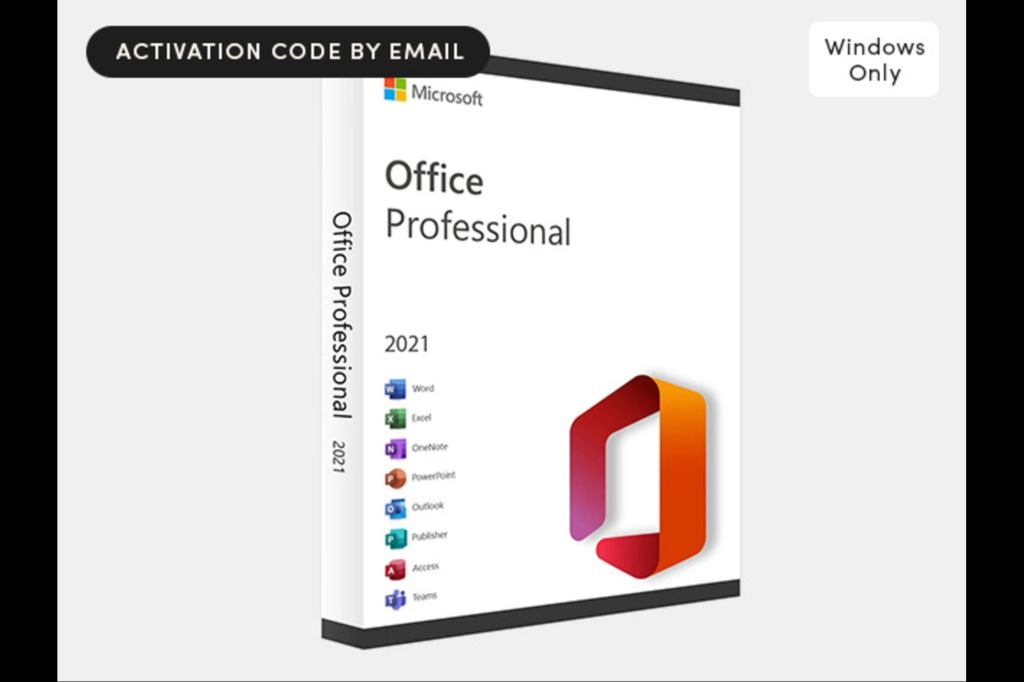
Eighty-three percent of companies are using a version of Microsoft Office in their daily operations, according to data from Spiceworks. If you’d like to join the majority, it’s a great time to save big on a lifetime license to Microsoft Office Professional 2021 for Windows. Right now, you can outfit your PC with eight helpful Microsoft apps for just $39.97 (reg. $219.99).

Boost your productivity with Microsoft Office Professional 2021 for Windows

Ready to streamline your workflow with some help from Microsoft Office? This deal on a lifetime license for Microsoft Office Professional 2021 gives you a much-needed productivity boost on your PC with eight powerful apps.

This edition of Microsoft Office gives you access to old classics like Word to help you draft documents, Excel to assist with spreadsheets, and PowerPoint to design show-stopping presentations.

You’ll also be able to manage your communications more easily with Outlook, connect with coworkers via Teams, take digital notes with OneNote, and manage databases with Access.

No need to worry about this version’s release year. The apps included have been redesigned and are ready to help everyone from data analysts to designers. You’ll receive an instant download, allowing you to install the apps on your device and work offline without relying on the cloud. Just make sure your device is running Windows 10 or 11 for compatibility.

Upgrade your PC with this lifetime license to Microsoft Office Professional 2021 for Windows, now just $39.97 (reg. $219.99).

StackSocial prices subject to change.

The rest of this article is locked.

Join Entrepreneur+ today for access.

https://www.entrepreneur.com/science-technology/power-up-your-pc-with-word-excel-powerpoint-and-more-for/498857