Redfall convinced me that always-online for single-player is just stupid
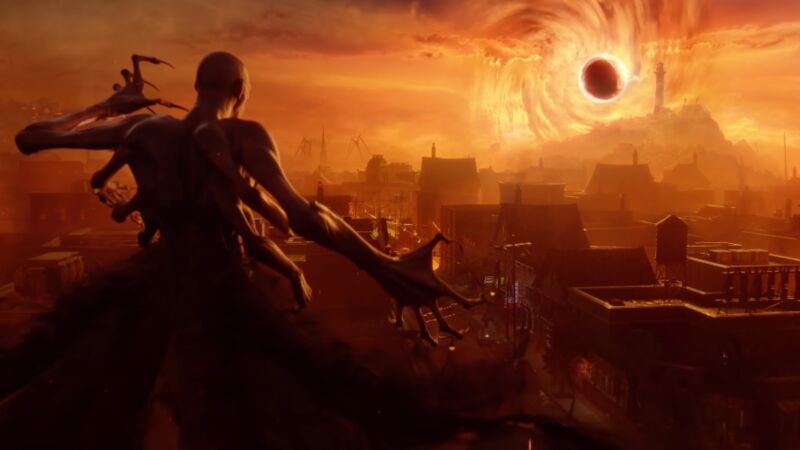
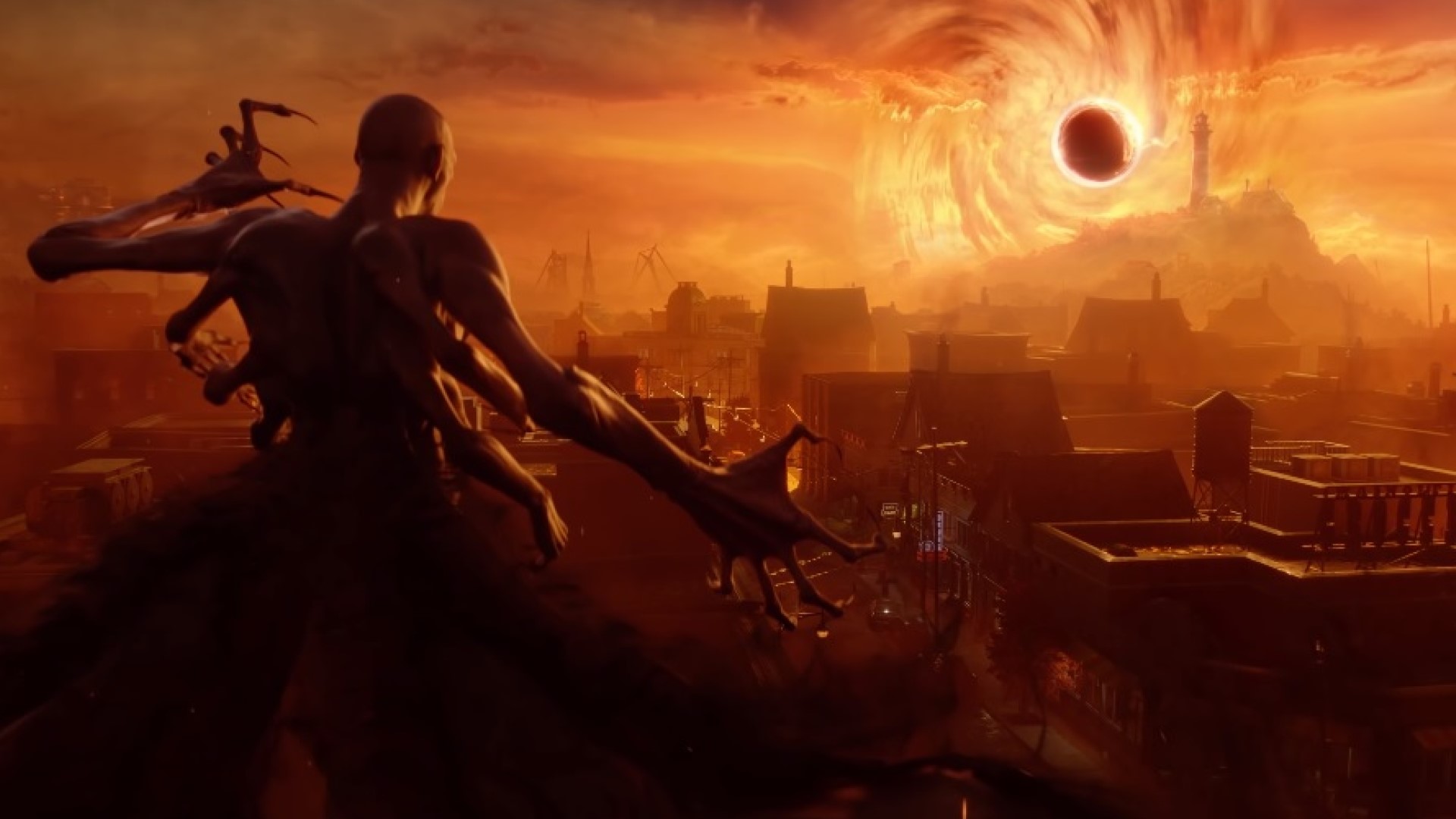
A vampire beholding an occluded sun in an orange-washed cityscape
Enlarge / The author, awakening to a horrific era in which he finds himself eternally lusting after games you can play without a connection, driven mad by his impulses to the point where he can no longer keep up his human facade.
Arkane/Bethesda

I have played Arkane’s new co-op vampire loot-shooter Redfall for about five hours. From what I’ve seen and experienced, the reviews are right: The set design, art, music, sound, and voice acting are all solid, sometimes splendid. But the actual gameplay is mostly uninspired marker quests, inventory stat comparisons, and brain-dead-enemy shooting with awkward-feeling guns.

I might have liked to play more. We received our review codes at Ars mid-day Thursday, with an embargo set for Monday night. Being a fan of Prey, the whole Dishonored series, and Deathloop, I planned to pack in as much time as I could in what I assumed would be a rich world. I had to travel over the weekend, but no matter: I’d bring my trusty Steam Deck and a good-enough laptop and get some time in on trains, planes, and idle hotel moments.

But Redfall does not want you to spend any time offline in its haunted, leaf-strewn New England town, nor on a slow connection. You need a Bethesda.net account to play Redfall, even though the platforms it’s available on, Xbox and Steam on PC, both have their own matchmaking and voice chat capabilities. All the buttons and “host/join” prompts make starting a single-player game feel like starting a multiplayer game, just lonelier. But eventually, you can play Redfall by yourself after a few clicks.

Until your Bethesda connection drops. Then, within a few steps of your character’s feet, you’ll be booted out to the title screen, with a warning: “Arknet Connection Lost” or “Connection Error.” The first time I tried to play Redfall on my Steam Deck on a train, I got this warning. The next time was on a laptop in our hotel, which had typically spotty, login-required Wi-Fi, after about 10 minutes of play.

Figuring that making a connection once to verify my account would suffice, I started the game while tethered to my phone, launched a session, slept the Steam Deck, then woke it up on a plane. I was able to start playing again for about the distance of half a fire hall basement, then I got the big red error boot again. If you’re not online, you’re not playing. This extended even to Monday morning, when Redfall was inaccessible because Arkane was readying a Day One patch.

I’ve emailed Arkane’s press representatives to ask if non-connected single player is something that might arrive in a future patch. [Update: Redfall‘s director told Eurogamer in late March that the developer was “looking into” and “working actively” to allow offline play]. In the meantime, I’ve come around to the argument that single-player games with an always-online requirement, especially those tied to a single company’s server, are all but indefensible.

Given the emergence of portable PC gaming devices like the Steam Deck, with even more devices on the way, making people either tether their phones or wave their hands around for Wi-Fi strength doesn’t seem like good gaming business strategy. This requirement also doesn’t consider the segment of the US population without a solid Internet connection, who are effectively locked out of exploring such games.

There’s a game preservation angle, too. Regardless of whether Redfall finds its audience (perhaps after numerous patches), someone might want to play the game in the far future, long after Bethesda has stopped maintaining servers for it. Interesting failures, after all, are often an important part of history. Maybe someone will reverse-engineer a server that can trick Redfall into thinking Bethesda is cool with it. Maybe, as Ars noted previously, Arkane, Bethesda, and Microsoft can change their minds, as with Back 4 Blood and EA’s SimCity.

But that seems unlikely. The more I think about it, the more I agree with Engadget’s review premise. You can technically buy this game for $70 on PC or Xbox, but, really, it’s a Game Pass game. It’s meant to be downloaded by those looking for a new co-op experience, tried out, and maybe kept around as its somewhat empty and underdeveloped areas are filled in and DLC drips out. It’s a AAA tentpole for the service, however rushed and forced its development.

I’ll always feel a bit disappointed with Redfall, having previously enjoyed Arkane’s arresting worlds and intriguing mechanics. But being locked out of the chance to play this new game when I could have most enjoyed it, separated from the constant web connection that pervades my work and life, adds another layer of failure to the experience.

https://arstechnica.com/?p=1935993


I, for one, welcome our new Steam Deck-killing, Windows-running overlords

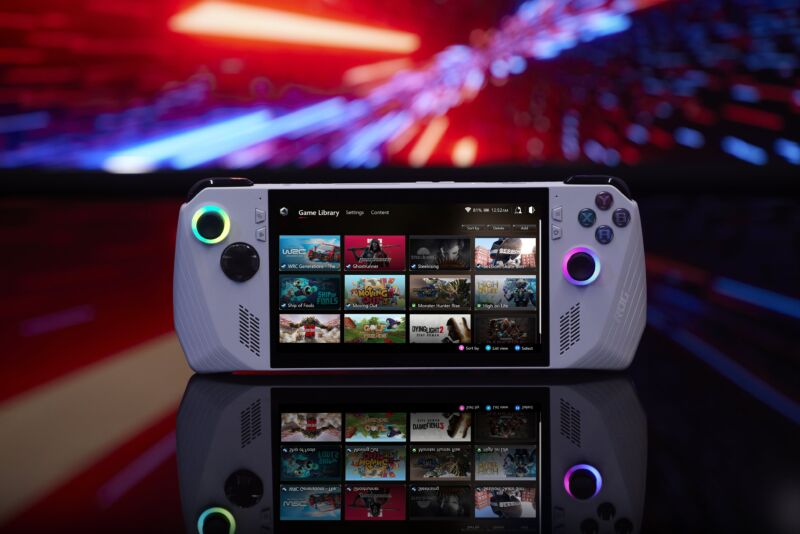
ASUS Rog Ally on a trippy background

I held off on buying the Steam Deck after it came out a little more than a year ago. At the time, it had lots of bugs, long shipping delays, and some uncertainty about how much commitment its maker, Valve, really had for its latest hardware experiment. I gave in and bought one about two months ago, and I’ve been enjoying this much-improved device ever since.

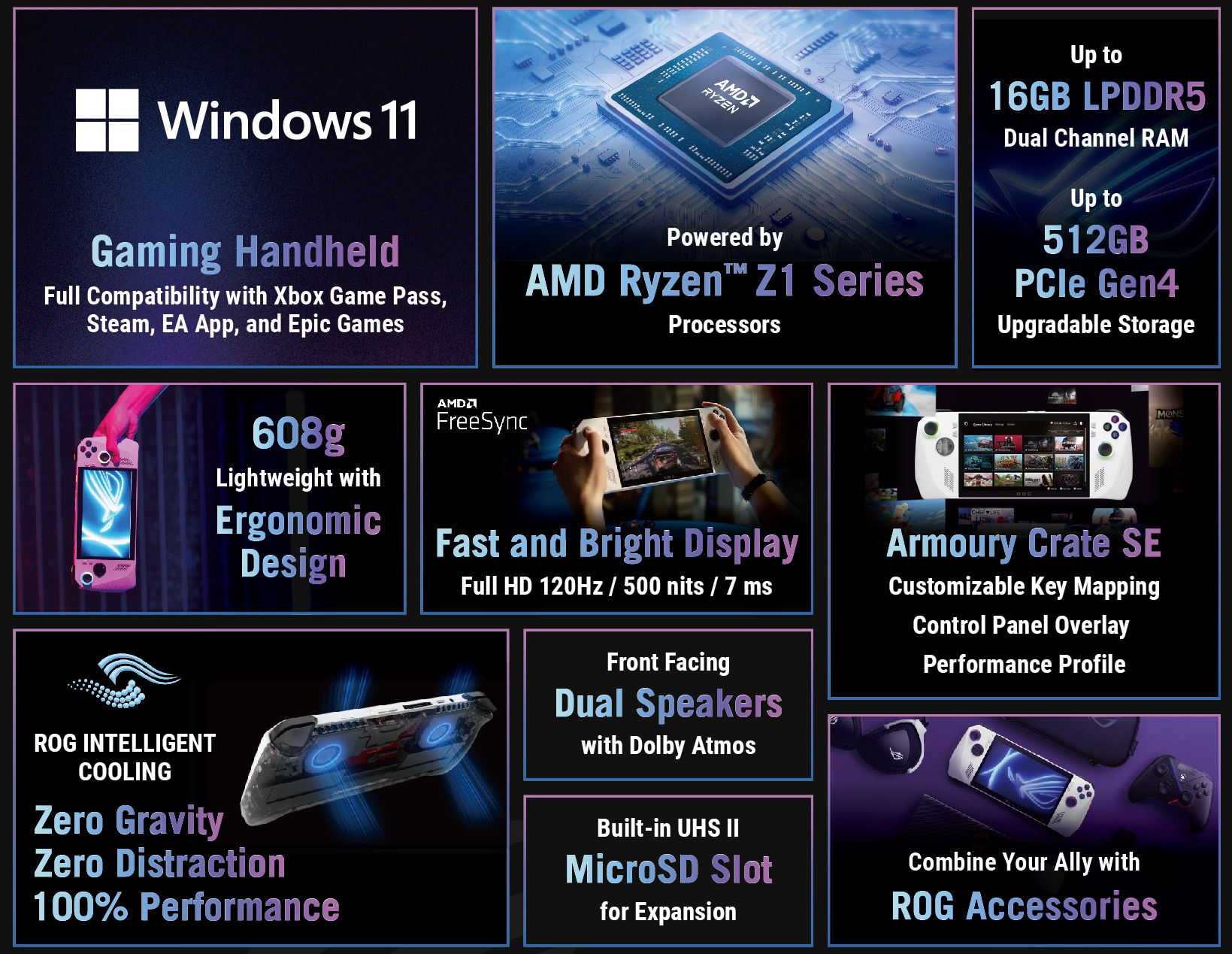
But now comes the Asus ROG Ally, which is powered by a new 55 percent faster AMD Ryzen Z1 chip yet costs only $50 more than the highest-end Steam Deck at a purported (store-leaked) $700. It also runs Windows 11 (perhaps in “handheld” mode), making it easier to run many games, including blockbuster AAA titles and massive online titles like Fortnite. The Ally is seemingly a bit flatter and lighter than the Steam Deck, and it has a sharper and brighter screen and a refresh rate of up to 120 Hz. It might even run cooler and quieter, according to brief hands-on experiences posted by reporters. It will seemingly arrive in early May or shortly thereafter.

Nearly every one of these specs shows a notable improvement over the Steam Deck, and yet I, a new Deck owner, remain sanguine.
Enlarge / Nearly every one of these specs shows a notable improvement over the Steam Deck, and yet I, a new Deck owner, remain sanguine.

As you might expect, the gaming press—which, like all press, is fundamentally geared toward conflict—is cheering to see another combatant enter the arena. Asus’ device is “gunning straight for the Steam Deck,” “bad news for Steam Deck,” and “big trouble for the Steam Deck.” It has one writer “ready to ditch my Steam Deck.” The ROG Ally, Giovanni Colantonio writes at Digital Trends, “fixes almost every single problem I have with the Steam Deck.”

Normally, I might feel dismayed at this news. I am predisposed to impulse purchases of weird little computers and deep regret upon considering them in hindsight. And yet seeing that a seemingly much-improved version of my handheld PC would be available just two months after I gave in? I’m OK with it.

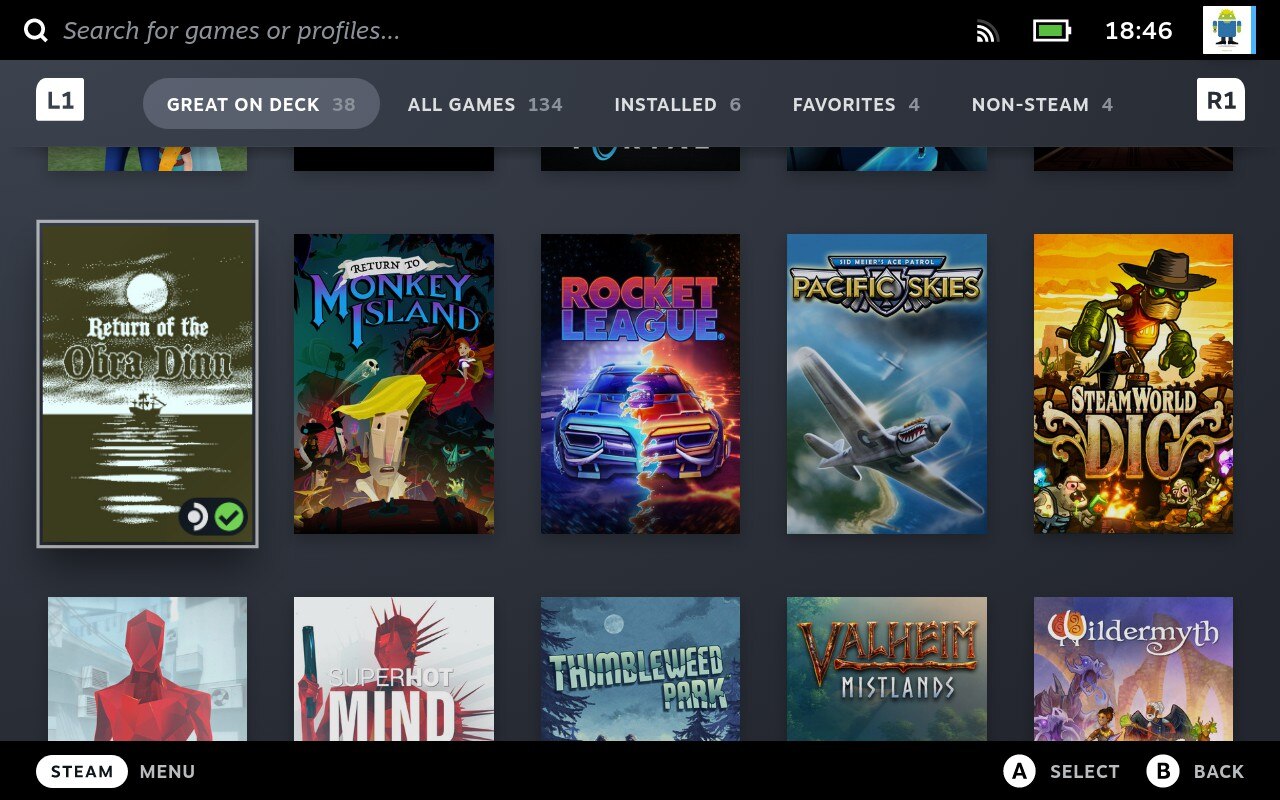
Who's ready for some dead sailors, car soccer, point-and-click adventures, or procedurally generated RPGs?
Enlarge / Who’s ready for some dead sailors, car soccer, point-and-click adventures, or procedurally generated RPGs?
Kevin Purdy / Valve

Defining what you want from handheld gaming

Consider the Switch. What makes Nintendo’s system great for me is not its graphical prowess, which was already a bit underwhelming at its 2017 launch. For most people, it’s Nintendo’s games, the system’s portability, and its deeply embedded pick-up/put-down nature. Nearly every game can be stopped and resumed at a moment’s notice (a developer friend once told me that implementing this was the toughest part of his game’s Nintendo certification). The Switch was my system for airports, couches, vacations, and other uncertain spans of idle time. The Steam Deck now serves much the same purpose for me, albeit with 150 percent more weight, plus Linux and many more buttons.

If I want to play a game with a truly comfortable controller or keyboard-and-mouse setup at the highest fidelity possible (within my budget), good headphones or surround speakers, and maybe even voice chat, I play it on my gaming PC. Sometimes, that means streaming my PC to my TV and playing it there; you could easily substitute a PlayStation 5 or Xbox Series S/X for this mode. In my early middle age, I don’t lack ways to play games. I lack the ability to play a game for a carefree length of time, at least without ruining my sleep schedule. I lack calendar-appointment gaming. When I can’t get that, I’m happy to get some Steam Deck time, but usually with different games.

The Steam Deck has blurred these lines a bit, sure. There are some games that work as both lean-back couch fare and settle-in experiences. But it’s never without friction. Elden Ring runs weirdly well on the Steam Deck, but playing a game that deep, requiring split-second timing, a lot of menus, and a huge field of view, never feels fully right on the Deck. Playing first-person shooters can be fun, but I usually feel like I’m performing at something like 70 percent capability—and not solely because of the frame rate and controller. That’s even more true for games that require a lot of mouse-pointer action, like John Wick Hex and BattleTech. The Steam Deck’s trackpads (something missing from the ROG Ally) certainly help. But even with them, I feel like I’m playing a demo of what the full game must be like.

https://arstechnica.com/?p=1934897


Despite UK ruling, Microsoft/Activision merger might not be dead just yet

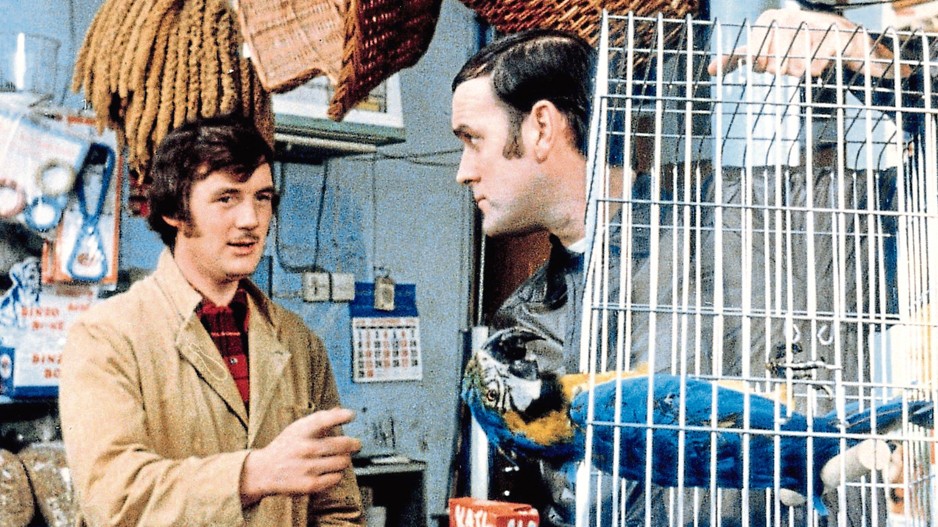
Is the Microsoft/Activision deal still "pining for the fjords"? Or has it "ceased to be"? (If you don't get this reference, what is is like to be young?)
Enlarge / Is the Microsoft/Activision deal still “pining for the fjords”? Or has it “ceased to be”? (If you don’t get this reference, what is is like to be young?)
Python (Monty) Pictures | BBC


Wednesday’s decision by the UK’s Competition and Markets Authority (CMA) to block Microsoft’s purchase of Activision may seem to be a fatal blow for the $69 billion deal. But Microsoft and Activision say they still see a path forward for their proposed merger, even if it’s now a longer road than anticipated.

An unappealing appeals process

Bloomberg reports that in an all-hands meeting for the gaming division Thursday, Xbox chief Phil Spencer said Microsoft’s interest in the deal “hasn’t wavered” in the wake of the UK’s decision. Spencer reportedly still sees a way forward for the deal despite acknowledging that the UK decision will “slow the approval process.”

Though the Competition and Markets Authority’s (CMA) release was the regulator’s final report on the proposed merger, that doesn’t necessarily represent the UK government’s absolute final say on the deal. The CMA decision can be appealed to the UK’s Competition Appeal Tribunal (CAT), and both Microsoft and Activision instantly signaled their intent to do so in statements following the report’s release on Wednesday.

“It was just a flawed ruling in every respect… these regulators really don’t understand our business,” Activision CEO Bobby Kotick said in an interview with CNBC. “It was so flawed in every way that it is going to create a lessening of competition. We think the tribunal will see that and rule in our favor.”

“I think the appeals process will work in our favor,” Kotick added in a Bloomberg TV interview on Thursday.

Some industry watchers feel the companies shouldn’t put too much hope in the UK’s regulatory appeals process, though. Sheridans Associate Anna Poulter-Jones told Why Now Gaming that “the CMA tends to come out on top in appeals.” And TD Cowen analyst Doug Creutz said in an investor note that the chances of a reversal at the CAT are “no more than 10%” (as reported by Axios).

Even if an appeal eventually goes Activision’s way, though, the process timeline may not work in its favor. In an FAQ, the CAT says it generally “aims to complete ‘straightforward’ cases in less than nine months.” Even after that, a successful appeal would mean that the matter would be sent back to the CMA, which could take additional time to approve specific proposed remedies to fix any identified issues.

That would push any merger well past a reported contractual deadline of July 18 for Microsoft and Activision to fully close the deal. Microsoft could technically be on the hook for a $3 billion termination fee after that date, though the parties would more likely simply head back to the table to renegotiate a new contract if they’re both still interested.

What about the rest of the world?

Even if a CAT appeal eventually fails, the CMA itself only has jurisdiction over the United Kingdom market. Even if the merger is blocked in the UK, could a merged Microsoft-Activision entity still operate in other countries?

The CMA doesn’t seem to think so. “Activision is intertwined through different markets—it can’t be separated for the UK,” the regulator told the BBC. “So this decision blocks the deal from happening globally.”

In terms of total global land area, the CMA decision has a pretty small footprint.
Enlarge / In terms of total global land area, the CMA decision has a pretty small footprint.

But industry analysts see a path for a carveout that satisfies the CMA’s concerns in the UK while allowing the merger to go forward elsewhere. Such a carveout could be made easier because the CMA’s decision is focused solely on cloud gaming competition rather than the overall effects on the rest of the console market.

“If the decision stands and the deal receives approval in other jurisdictions, Microsoft could geofence the Activision games [on its cloud service] out of the UK,” Gamma Law Managing Partner David Hoppe told Why Now Gaming. “That would presumably address the CMA’s concerns.”

Wedbush Morgan analyst Michael Pachter agreed, telling GameSpot that Microsoft could “carve out Game Pass in the UK and keep all Activision Blizzard content off of the service and commit that they will keep the price of Game Pass at the current price plus no more than the rate of inflation… for the next 10 years. If they commit to that, they can appeal the UK’s inevitable approval with those carveouts, and they will win.”

Of course, this kind of carveout depends on the merger deal being approved in other major markets. EU regulators are set to issue their own decision on the merger by May 22 and are widely expected to approve the deal. In the US, meanwhile, a Federal Trade Commission lawsuit attempting to block the deal is set for an evidentiary hearing on August 2.

https://arstechnica.com/?p=1935332


Super Smash Bros. retro demake puts Wi-Fi into an NES cartridge

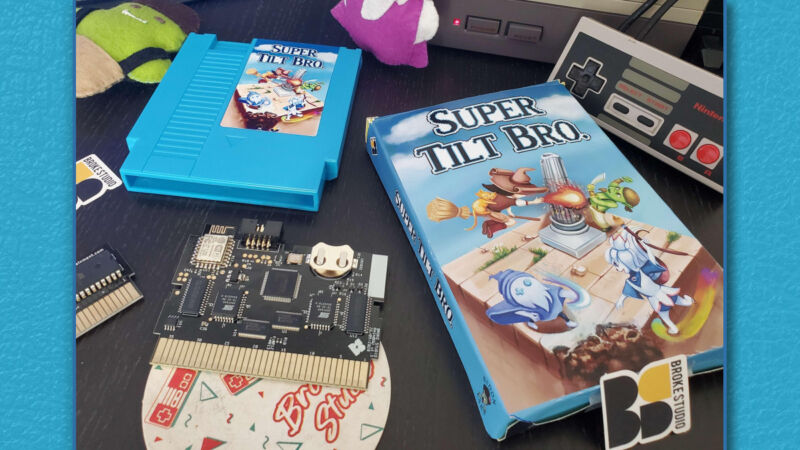
The Super Tilt Bro. cartridge contains Wi-Fi hardware for online gaming using Nintendo's 1985 NES console.
Enlarge / The Super Tilt Bro. cartridge contains Wi-Fi hardware for online gaming using Nintendo’s 1985 NES console.
Sylvain Gadrat

In the heyday of the NES, if you didn’t have a human nearby to play games with, you were out of luck for multiplayer gaming. But thanks to a new NES cartridge inspired by Super Smash Bros. for Nintendo’s 8-bit console, you’ll be able to play a new homebrew game with anyone on the Internet.

On Wednesday, Super Tilt Bro. reached its Kickstarter funding goal within 48 hours of its launch. Its NES cartridge, developed by Paris-based independent developer Sylvain Gadrat and published by Broke Studio, will include a Wi-Fi chipset and antenna that lets it connect to the Internet for one-on-one online play.

As Gadrat tells the story on the Super Tilt Bro. website, the game’s history began in 2016 when Gadrat rediscovered his old NES console in a storeroom and became fascinated with the 8-bit processor that powered it. His interest led to an ambitious project: porting Super Smash Bros. to the NES. Over time, the project evolved, and by 2018, Gadrat released the first version of Super Tilt Bro. as a homebrew game developed entirely in assembly language.

[embedded content]
Super Tilt Bro. Kickstarter trailer.

After presenting the game to friends, Gadrat received valuable feedback and continued to develop the game. He produced the first physical edition of nine cartridges in 2018, which sold out quickly. He followed that with 50 more cartridges and was met with equal enthusiasm from the retro-gaming community.

In 2019, Gadrat focused on improving the game engine, with the second version of Super Tilt Bro. introducing multiple characters, new stages, moddable content, and an online mode. The online mode, made possible thanks to a patched emulator and a prototype Wi-Fi cartridge, launched in 2020.

Today, Gardat feels the online version of the game is ready for prime time, so Broke Studio launched the Kickstarter, seeking $44,182 to produce a run of the physical cartridges, which integrate an ESP8266 Wi-Fi chipset and an FPGA to handle communications between the NES and the Wi-Fi chipset.

<img alt="A look inside the Kickstarter Super Tilt Bro. cartridge.” src=”https://rassegna.lbit-solution.it/wp-content/uploads/2023/04/super-smash-bros-retro-demake-puts-wi-fi-into-an-nes-cartridge.gif” width=”600″ height=”338″>
A look inside the Kickstarter Super Tilt Bro. cartridge.
Broke Studio

One of the key tricks of the NES back in the day was that game developers could include custom expansion hardware called memory management controllers (MMCs) in the cartridges that extended the capabilities of games on the system. So it’s interesting to see a similar internal expansion technique taken to an extreme with a full Wi-Fi adapter and antenna that fits within a standard NES cartridge shell.

Super Tilt Bro. deals with network latency by using “rollback netcode,” which guesses your remote opponent’s inputs in advance. When the actual inputs arrive, the game compares its prediction with the actual remote player input. If it’s incorrect, it quickly corrects it within a flicker of the screen. If it was correct, everything continues as usual. Ideally, this should result in a nearly seamless online match that balances the realities of Internet latency with the need for immediate action on-screen.

The game itself is a fun brawler with an obviously retro feel that shines when played on a real NES and CRT television set. We have not evaluated the online gameplay, but we tried a demo version on a flash cart in a real NES.

As of this writing, the Kickstarter stands at just over $57,000 and is rising. You can also download a free demo or purchase the Super Tilt Bro. ROM for play on emulators or flash carts on Itch.io. Thanks to continued game development for this 38-year-old game console, gaming on the NES lives on as more than a retro curiosity.

https://arstechnica.com/?p=1934890


UK government says the Nintendo Switch can’t handle Call of Duty

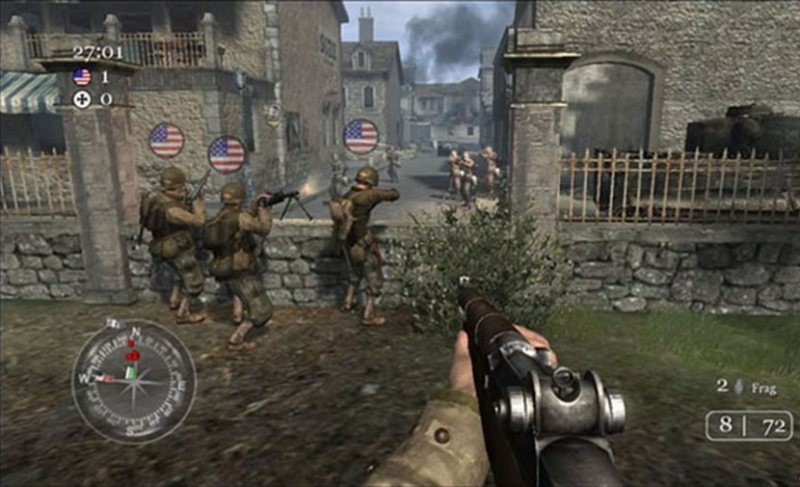
<img src="https://rassegna.lbit-solution.it/wp-content/uploads/2023/04/uk-government-says-the-nintendo-switch-cant-handle-call-of-duty.png" alt="If the Xbox 360 could handle Call of Duty 2, then the Switch could handle a scaled-down modern CoD port, right?”>
Enlarge / If the Xbox 360 could handle Call of Duty 2, then the Switch could handle a scaled-down modern CoD port, right?
Activision


Since their surprise December announcement of a 10-year deal to bring Call of Duty to Nintendo consoles, Microsoft and Activision have expressed confidence that the Switch hardware can handle their popular shooter series. But that confidence didn’t convince the UK government, which says that it has “seen no evidence to suggest that [Nintendo] consoles would be technically capable of running a version of CoD that is similar to those in Xbox and PlayStation in terms of quality of gameplay and content.”
That blunt assessment is just a minor part of the Competition and Markets Authority’s sprawling, 418-page final report on Microsoft’s proposed Activision purchase. That report blocked the proposed merger over concerns surrounding the cloud gaming market, but when it comes to judging Microsoft’s console competition, the government body clearly considers the Switch in a class by itself.

“Overall, the evidence shows that the product characteristics of Nintendo Switch are significantly different from those of Xbox and PlayStation, including its technical specifications, capability to host graphically intensive games and prices,” the CMA writes. “Xbox and PlayStation are more similar in this respect.”

The CMA cites a number of unnamed third-party publishers to establish the differences between the Switch and other consoles in terms of both technical capabilities and audience. But the CMA also cites a “Microsoft internal document [that] points to the differences in the technical strategies of Xbox/PlayStation and Nintendo consoles.”

While the CMA report acknowledges that the Switch is capable of running “some major games” like Doom Eternal, overall, the regulators say the Switch “does not currently offer the same suite of graphically intensive games that PlayStation and Xbox compete on… [and] may not be capable of offering certain graphically intensive multiplayer games (such as CoD).”

The report does allow that the Switch hardware could easily host a cloud-streamed version of a Call of Duty game, as it has in the past for franchises such as Resident Evil. But such a version would suffer in comparison to locally run versions on other consoles because “there are currently significant differences between cloud gaming and gaming on consoles (e.g., the need for an Internet connection to stream games from cloud gaming services),” the regulator writes.

Anything you can do, I can do slightly worse

The feasibility of a Switch CoD isn’t a completely new concern for the CMA. The regulator’s February preliminary findings report explicitly noted the “technical limitations” of “the Switch’s limited graphics and storage” and “evidence that large shooter games do not run as well on Nintendo’s consoles due to its technical differentiation.”

In Microsoft’s February response to those preliminary findings, though, the company insisted that it was “confident” that premium Call of Duty titles “can be optimized to run on the Nintendo Switch in a timely manner using standard techniques which have been used to bring games such as Apex Legends, Doom Eternal, Fortnite, and Crysis 3 to the Switch.”

<a href="https://cdn.arstechnica.net/wp-content/uploads/2017/11/2017110820395900-CF035A1DEF1D6DADE285B7ACA9873642.jpg" class="enlarge" data-height="720" data-width="1280" alt="Doom on Nintendo Switch runs well below 1080p resolution but is still suitably creepy.”><img alt="Doom on Nintendo Switch runs well below 1080p resolution but is still suitably creepy.” src=”https://rassegna.lbit-solution.it/wp-content/uploads/2023/04/uk-government-says-the-nintendo-switch-cant-handle-call-of-duty.jpg” width=”640″ height=”360″ srcset=”https://rassegna.lbit-solution.it/wp-content/uploads/2023/04/uk-government-says-the-nintendo-switch-cant-handle-call-of-duty-1.jpg 2x”>
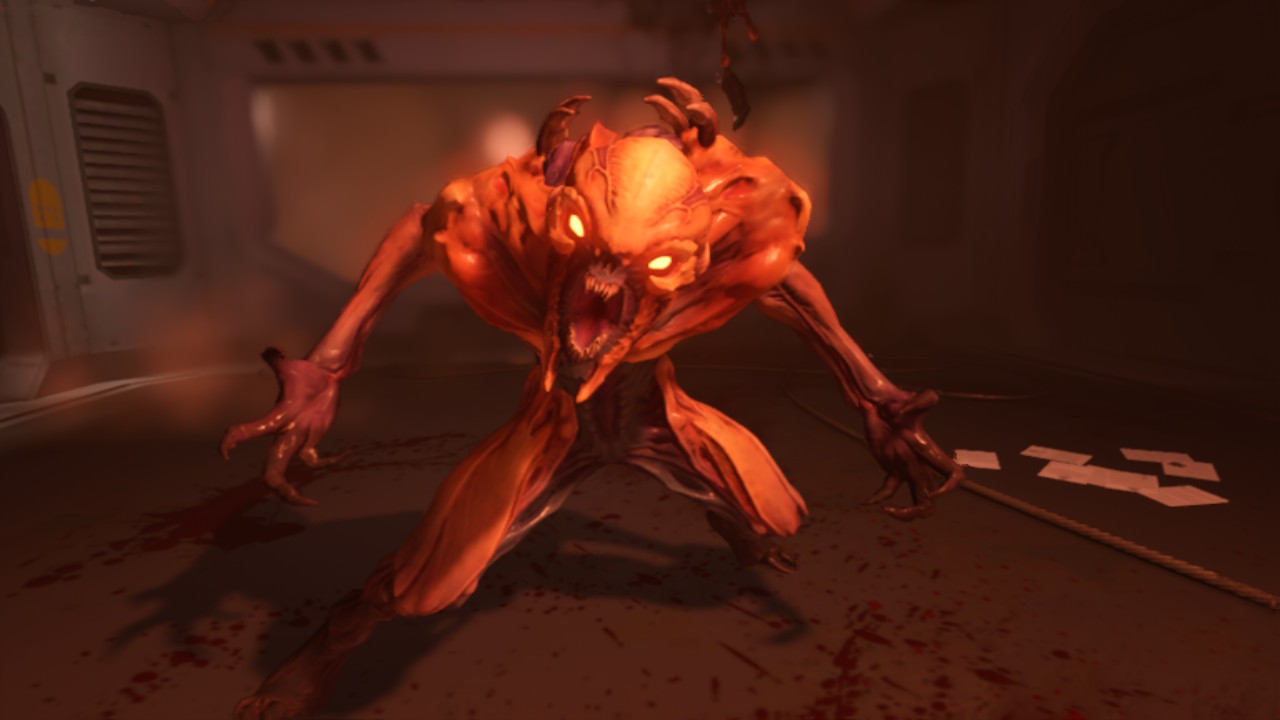
Enlarge / Doom on Nintendo Switch runs well below 1080p resolution but is still suitably creepy.
Nintendo / Bethesda

Microsoft noted at the time that Activision’s current Warzone engine has been optimized to work with PC GPUs released as far back as 2015, years before the Switch’s 2017 launch. More than that, “the Activision development team have a long history of optimizing game performance for available hardware capabilities,” Microsoft wrote.

In a Digital Foundry analysis of the viability of a potential Switch Call of Duty, analyst Richard Leadbetter suggested that a scaled-down port’s “inevitable drop to 30 fps would be a step too far in compromising the core experience.” But that might be less true of a port made for a rumored and anticipated Switch successor, which could be available by the time any significant Call of Duty porting effort would be complete (“You can imagine if [the deal] closed on [some date], starting to do development work to make that happen would likely take a little bit of time,” Microsoft’s Phil Spencer told The Washington Post in December).

Of course, a primary focus of Microsoft and Activision’s decade-long deal with Nintendo was to expand Call of Duty’s reach to over 100 million Switch owners, thus blunting any anti-competitive concerns that might be raised by government regulators. Bringing a Call of Duty game to a new Nintendo console with a less established consumer base might have significantly less impact on that score.

(Left unsaid in the CMA report is the fact that Activision has had six years to release a Call of Duty Switch port that could reach the console’s massive audience. The fact that it hasn’t speaks to the potential difficulty of that porting effort and the potential appeal of a technically limited port for the Switch audience.)

Regardless, it seems the UK government’s official position is that any Switch port of Call of Duty would be a practical non-factor in a competitive analysis of the current console gaming market. “We consider that while the Switch may be a substitute to either PlayStation or Xbox for some gamers, overall it is likely to be less so,” the regulator writes. “Gamers more often own a Nintendo console and an Xbox or PlayStation than own an Xbox and a PlayStation. This suggests that Nintendo is less substitutable with Xbox or PlayStation than the latter are with each other.”

https://arstechnica.com/?p=1934895


Star Wars Jedi: Survivor review: An immense sequel that aims high and hits

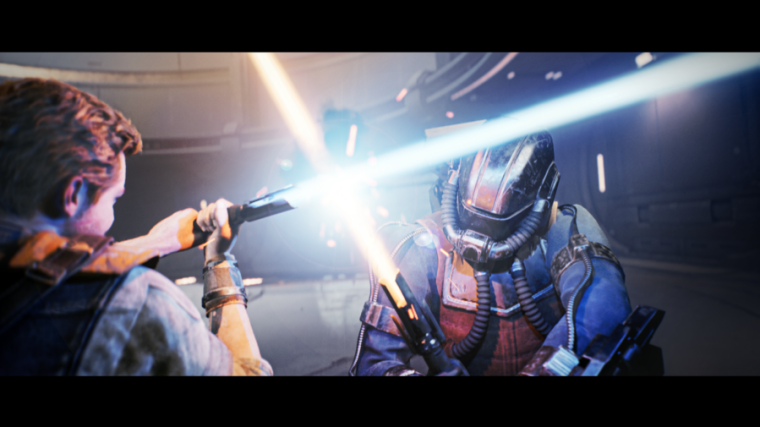
En garde.
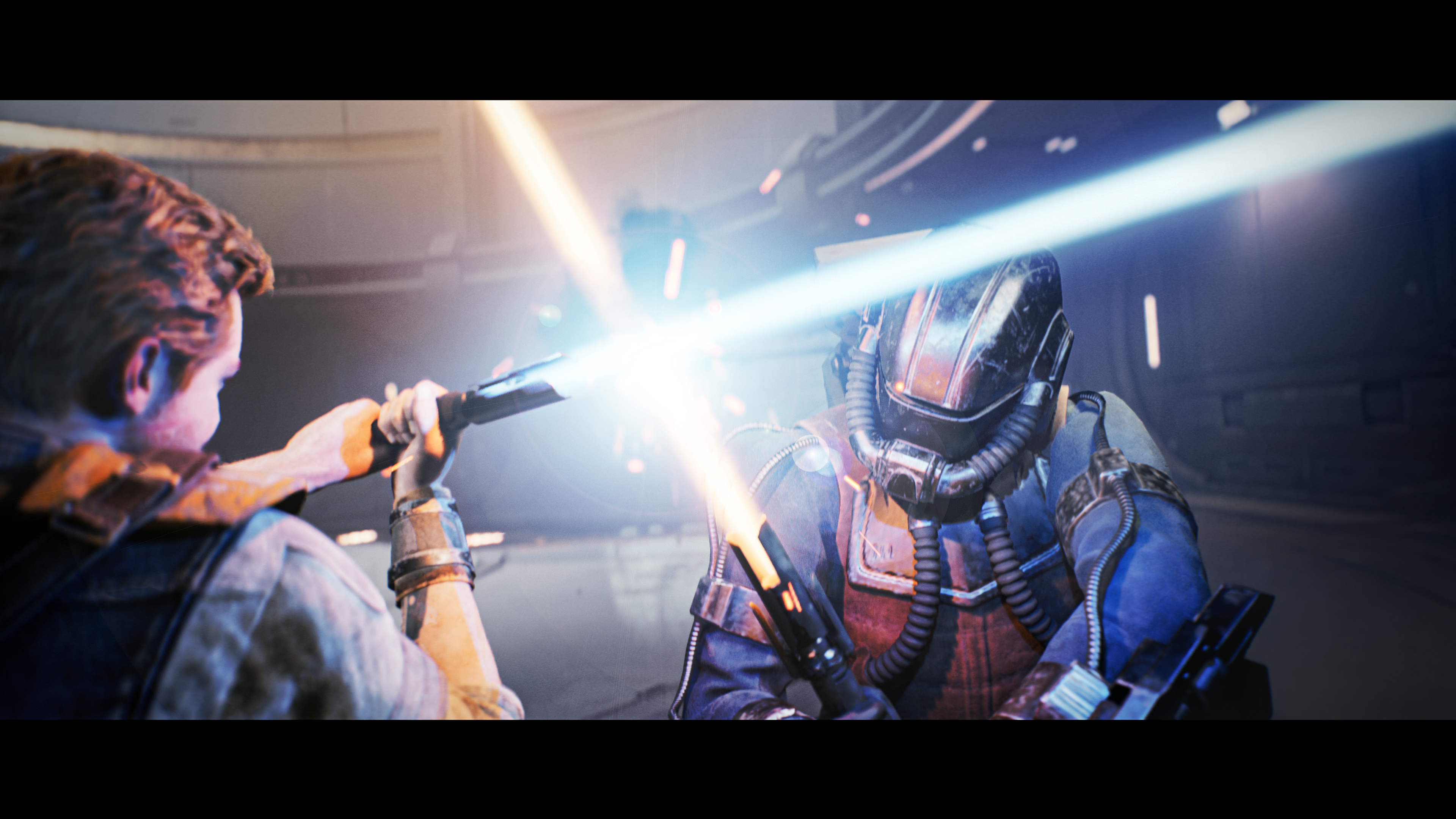
Enlarge / En garde.

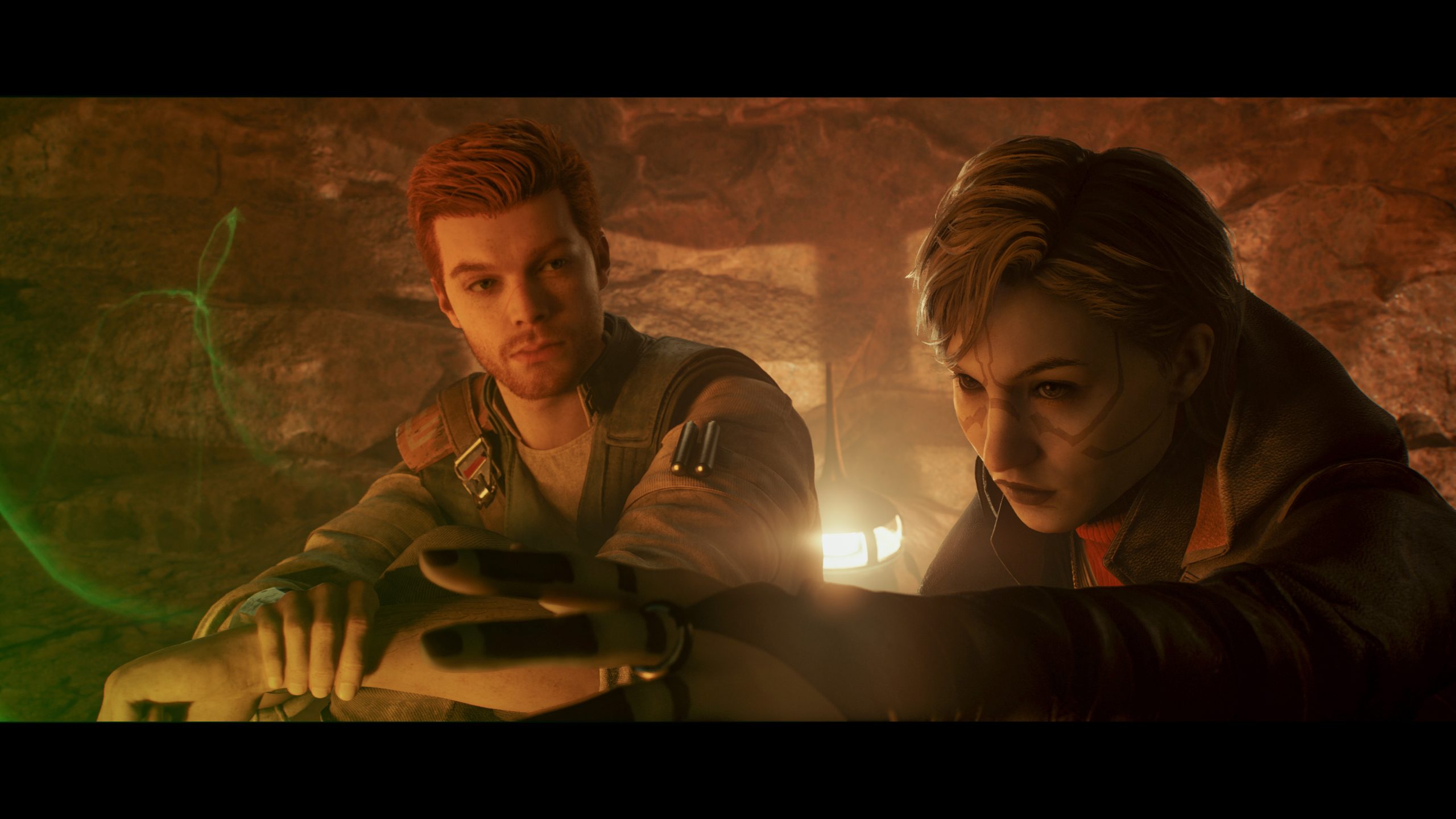
2019’s Star Wars Jedi: Fallen Order was one of the rare Star Wars games to capture the thrills and the spirit of adventure that come with being a Jedi exploring the galaxy. With AAA production flair, the game blended a very ’90s Star Wars expanded universe setup with the scale of a modern action-adventure game to great effect. The sequel Star Wars Jedi: Survivor significantly ups its predecessor’s scale, continuing Cal Kestis’ story while expanding the suite of Jedi powers and worlds to explore.

In many ways, Star Wars Jedi: Survivor is the best of both worlds for classic and modern Star Wars. By blending the focus on a traditional galaxy-hopping adventure with the sprawling scope of a AAA adventure game, the follow-up to Fallen Order succeeds in offering a compelling and dense universe to explore. Although this sequel has some rough edges that can dull its main story, Star Wars Jedi: Survivor is a confident sequel that shows off the best of what a Star Wars game can aspire to be.

A Jedi knight story

As the second story of a Star Wars trilogy, Survivor keeps with the franchise’s tradition of taking the characters and plot into darker territory. Picking up five years after the end of Fallen Order, Cal Kestis is now a full-fledged rebel and Jedi knight who has become one of the galaxy’s most wanted. After a botched mission on Coruscant, Cal escapes to the frontier planet Koboh, leading to a new adventure where he unearths lost artifacts from the early days of the Jedi Order, builds new alliances, and reunites with old friends as he continues his fight against the Empire.

Survivor focuses on Cal Kestis’ growth as a Jedi knight and the bonds he forms—and breaks—with the characters he encounters. The game’s story presents a generally introspective look at what a Jedi must do to survive in the galaxy’s darkest times.

A serious conversation.
Enlarge / A serious conversation.

That comes through in the way Cal bends the rules of how a Jedi is expected to operate, an interesting story angle that plays out as plot threads unravel throughout the game. Though Cal still comes off as a bit of a plain protagonist during interactions with the more interesting and personable characters in the game, he possesses an endearing and likable sense of hope through it all.

What I enjoyed most about the sequel’s expanded scope is how it pulls plot threads and lore from different eras of Star Wars to bolster Cal’s story. This isn’t to say that this sequel is another round of “greatest hits” that many other franchise games tend to be. Rather, it uses common details from the prequel and original trilogy eras to add context to Cal’s story.

Survivor‘s plot also leans heavily into lore from The High Republic, a recent series of books focused on the golden age of the Jedi Order. This forms an intriguing core part of the main story, with the highly principled age of the High Republic contrasting nicely with the morally gray era of the Galactic Civil War.

https://arstechnica.com/?p=1934747


AMD’s Ryzen Z1 chips could power a new wave of handheld Steam Deck clones

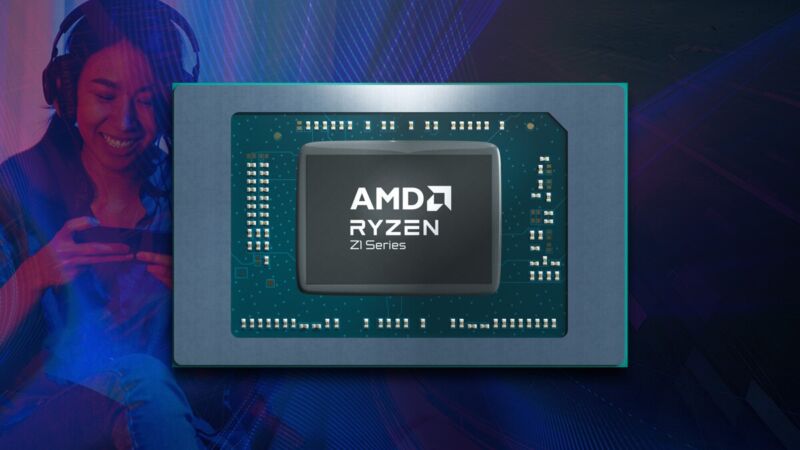
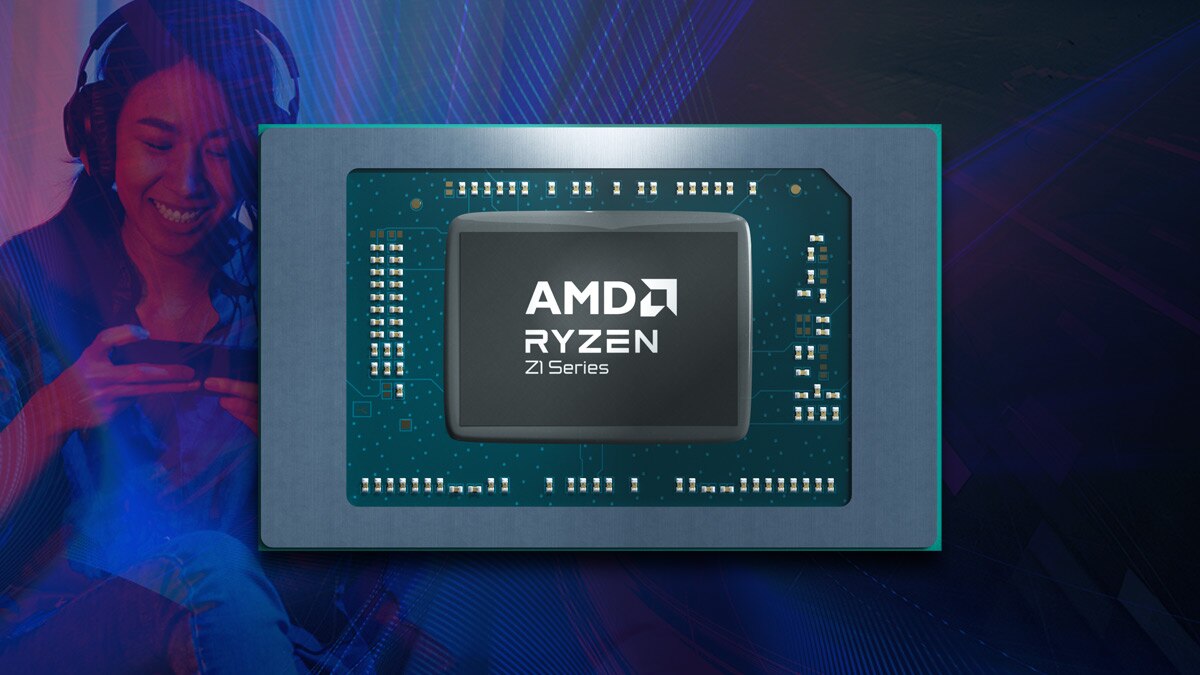
AMD's Ryzen Z1 chips are APUs tuned specifically for handheld gaming PCs.
Enlarge / AMD’s Ryzen Z1 chips are APUs tuned specifically for handheld gaming PCs.

Nvidia GPUs power the vast majority of gaming PCs, but for more integrated game systems like consoles and handhelds, AMD’s ability to offer tightly integrated Ryzen CPUs and Radeon GPUs has earned it many customers (and lots of revenue). The most notable of these is Valve’s Steam Deck, which combines a Zen 2-based CPU and RDNA 2-based GPU cores to provide passable performance for most games.

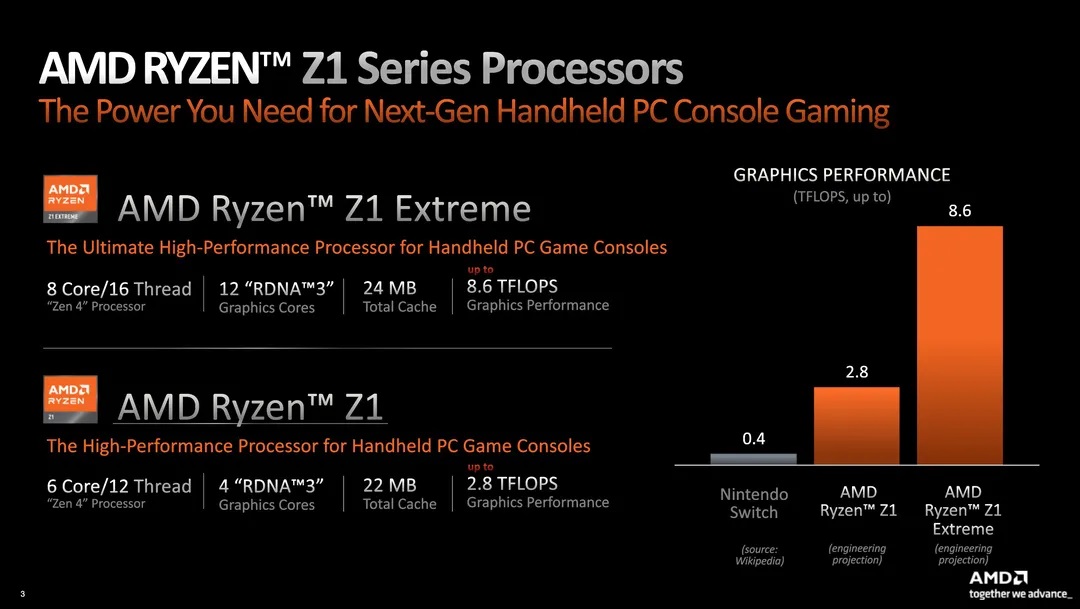
Though AMD designed the Steam Deck’s chip exclusively for Valve, today, the company is announcing a pair of Ryzen chips aimed at the growing number of Steam Deck-esque handheld PCs from other companies. The Ryzen Z1 and Z1 Extreme (respectively) combine 6 or 8 Zen 4-based CPU cores with 4 or 12 RDNA 3-based GPU cores, using AMD’s latest architectures and a 4 nm manufacturing process to outrun the Steam Deck’s APU.

The Z1 and Z1 Extreme are new APUs made specifically for handheld gaming PCs like the Steam Deck.

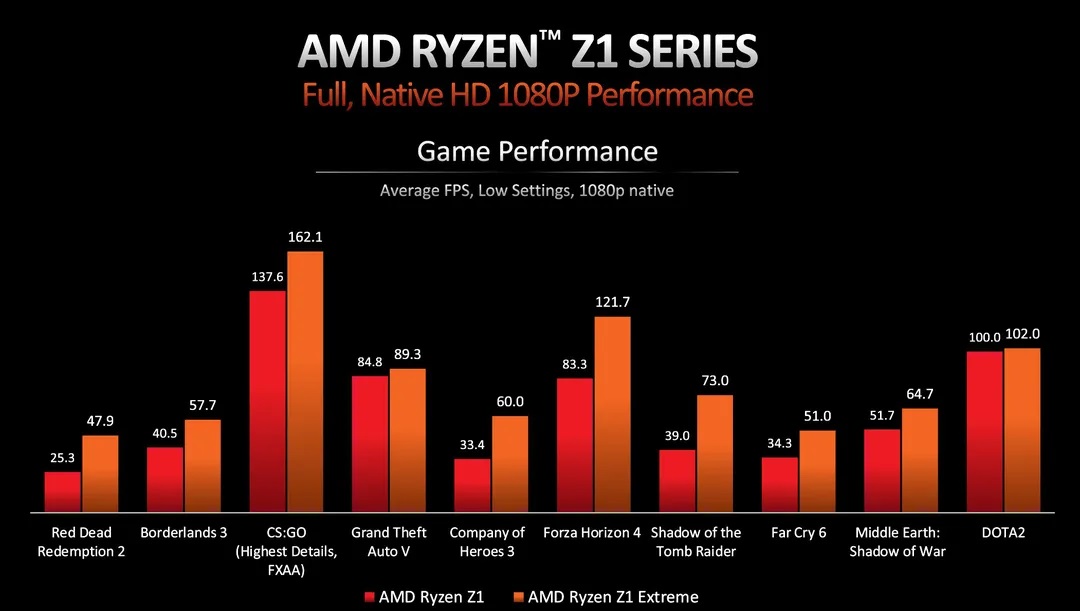
AMD says (via The Verge) that the Ryzen Z1 can run games about 55 percent faster than the Steam Deck, reflecting the improved performance and efficiency of the newer architectures and manufacturing process. Interestingly, the Z1 Extreme’s extra GPU cores (12, up from 4 in the Z1) improve gaming performance, but they don’t come anywhere near tripling or even doubling it. The extra hardware helps, but we’re still dealing with integrated GPUs here, attached to a relatively slow pool of DDR5 that they share with the rest of the system rather than dedicated GDDR6 or GDDR6X memory.

The specs of the Z1 chips appear similar to some of AMD’s upcoming Ryzen 7000U processors for ultrabooks and thin-and-light gaming notebooks, but AMD says the Z1 chips use “customized power and voltage curves” and “other differences” that make them better-suited for handheld systems.

The Z1 Extreme has three times as many GPU cores as the Z1, but memory bandwidth limits mean that performance doesn't scale linearly.
The Z1 Extreme has three times as many GPU cores as the Z1, but memory bandwidth limits mean that performance doesn’t scale linearly.

The Ryzen Z1 chips will initially power the Asus ROG Ally, an upcoming handheld gaming PC that Asus confusingly decided to announce on April 1. Many companies use April Fools’ Day as an excuse to make “funny” prank announcements, and Asus had to reassure people after the fact that “it’s real” and was “not an April Fool’s [sic] joke.”

AMD says that Asus will announce more about the ROG Ally on May 11. AMD’s performance numbers are all from a ROG Ally prototype running in “Turbo Mode,” which allows the APU to draw up to 30 W of power; modes that cut performance in favor of better battery life may not perform as well.

Though Ryzen Z1-based handhelds should be capable of faster overall performance than the Steam Deck, Valve’s SteamOS may still have a competitive advantage. Other handheld PCs like the AYA Neo have shipped with Windows, which has great game compatibility, but its mouse-and-keyboard-centric user interface isn’t a great fit for small-screened handhelds. Some engineers within Microsoft have tested a “handheld mode” that would solve some of these problems, but we don’t know when (or whether) it will see the light of day.

https://arstechnica.com/?p=1934141


From the original series to Picard, we’ve ranked every starship Enterprise [Updated]

These are the voyages...
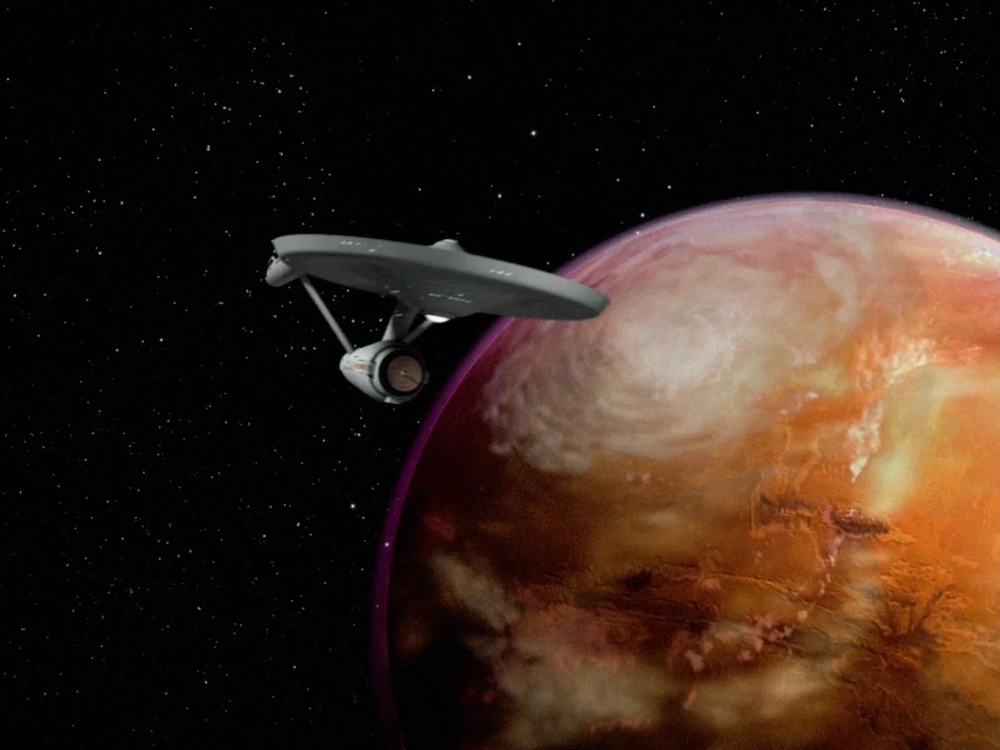
Enlarge / These are the voyages…

Update: The events of the Star Trek: Picard finale has required a slight re-ordering of our list. Accordingly, the list contains some major spoilers for Star Trek: Picard. We’ve left most of the original text as-is.

Original story: It’s the day Star Trek: Picard fans have been waiting for all season: this week we finally get to Frontier Day! A fleet-wide celebration of the Federation and Starfleet, where everything goes according to plan and nothing surprising happens!

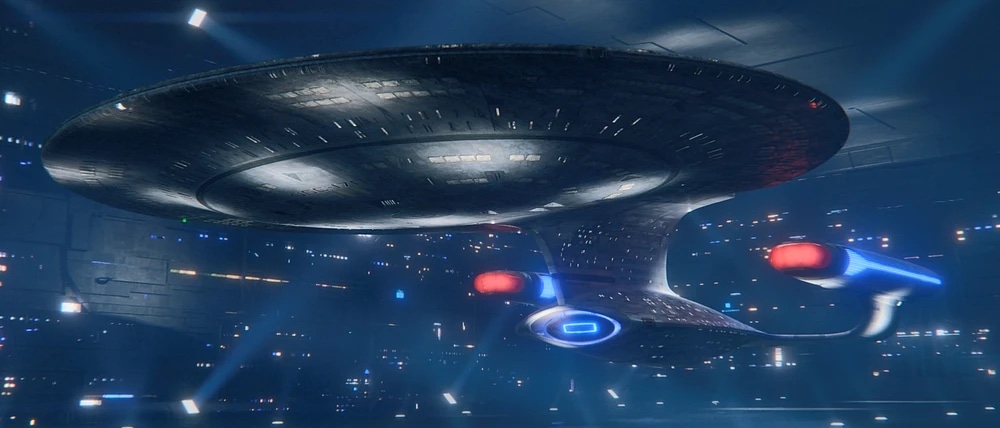
As part of the festivities, the episode gives us a good look at USS Enterprise-F, a ship which has existed for a decade-plus in Star Trek Online but is only making its first canonical appearance in Picard. It is, depending on how you count, the newest and most advanced version of the Enterprise we’ve seen in action in any Trek movie or TV show (yes, we talk about the Enterprise-J later).

A new Enterprise means a new opportunity to re-evaluate the many canonical Enterprises that have existed in the last half-century; to that end, we’ve assembled a completely scientific and objectively correct ranked listing of every starship Enterprise, from the original ’60s show to Picard. For good measure, we’ve also ranked various versions of different Enterprises from reboots, updates, and alternate timelines, plus a few Enterprises that didn’t log much screen time but did deserve a quick mention.

#12: Alternate future anti-time Enterprise-D

<img alt="A far-future Enterprise-D caused by an "anti-time disruption." God, I do love Star Trek.” src=”https://rassegna.lbit-solution.it/wp-content/uploads/2023/04/from-the-original-series-to-picard-weve-ranked-every-starship-enterprise-updated-1.jpg” width=”1000″ height=”755″>
A far-future Enterprise-D caused by an “anti-time disruption.” God, I do love Star Trek.

The Next Generation has a nearly perfect finale episode, one that nicely wraps up the week-to-week televised adventures of the crew while leaving the door open to what looked like (and, on rare occasions, actually was) a promising movie franchise.

It also gave us a look at an “anti-time” far-future version of the Enterprise-D, where it was still in service after extensive refits rather than being crashed into the surface of a planet. And it… just has a bunch of extra stuff stuck to it? Including a third weird centrally mounted nacelle? It certainly makes it easy to tell the difference between the regular Enterprise and the future Enterprise when they’re both in the same shot, but it’s just way too busy and slapped-together looking.

Fun fact: The events of Star Trek: Picard are taking place even later than the events of this anti-time future. If anyone sees a Galaxy-class ship with three nacelles flying around, let me know.

#11: Kelvin-timeline Enterprise

It's just not for me, is all.
It’s just not for me, is all.

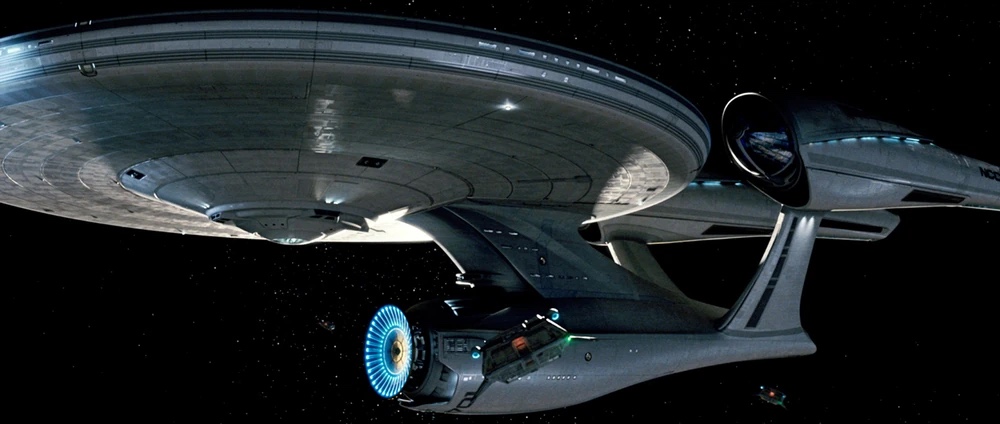
The first of a few different riffs on the original Enterprise that will appear on this list, the J.J. Abrams “Kelvin-timeline” version of the Enterprise leaves me cold. I think it’s mostly the gigantic, bulbous nacelles, which are each nearly as big as the secondary hull (the part below the saucer with the circular deflector dish attached to the front, for people who don’t spend a ton of time on Memory Alpha studying starship designs). They make the whole ship look top-heavy and bug-eyed.

Every light on the ship is also a glowing whiteish-blue, giving it a monochromatic appearance that just isn’t as fun to look at. It’s a slick, sterile, Apple Store Enterprise. I don’t hate it, but I can’t defend it, either.

#10: NX-01 Enterprise

It's been a long road.
It’s been a long road.

The retconned “first starship Enterprise” is a flat little thing. It does look like an old, simple predecessor of the starships that would come later, and the red tips on the nacelles do a little spinny thing that calls forward to the nacelles on the ’60s Enterprise model.

I understand that they couldn’t make this forerunner to Kirk’s Enterprise look more fancy and advanced than the ship that replaced it, but understanding why the NX-class Enterprise looks the way it does isn’t enough to make me fall in love with it.

https://arstechnica.com/?p=1929356


In the end, Picard became the fan-service TNG reunion it always should have been

<img src="https://rassegna.lbit-solution.it/wp-content/uploads/2023/04/in-the-end-picard-became-the-fan-service-tng-reunion-it-always-should-have-been.jpg" alt="The Enterprise-D rides again.”>
Enlarge / The Enterprise-D rides again.
Major spoilers for the third season of Star Trek: Picard are below.

Among the many sins of the 2002 film Star Trek Nemesis is the fact that its box-office bombing killed the still-nascent plans for a fifth and final The Next Generation outing, one that would have been designed as a finale in the same way that Star Trek VI: The Undiscovered Country was for the original cast.

I have no reason to believe that this film is some great lost gem of Star Trek canon; it was being written by the same people who wrote the awful Nemesis, and it was set up to be a kind of Search for Spock retread about reviving Data and restoring the status quo. But its absence meant a lack of closure for the TNG crew—a story that wasn’t allowed to end on its own terms.

So when Patrick Stewart got on a stage in 2018 to announce that “Jean-Luc Picard is back,” it was exciting! Closure at last. And, hopefully, a show that felt more confident and tonally consistent than Discovery had so far.

The first two seasons of Star Trek: Picard failed to make good on that promise. They were wildly uneven, and while their best moments almost always involved other TNG characters, the show actively resisted becoming a TNG reboot. But its third season, also preemptively announced as its final season, would finally reunite every member of the TNG crew for one last ride (and also Raffi would be there).

I still had misgivings for the first half of the season, and criticism I stand by. Paramount sent out screeners of the first six episodes, and while those six episodes were doing some things I liked, Picard was still struggling with some of the things it had always struggled with: not-quite-right characterization, an obsession with plot twists and bombast, and a focus on Picard to the exclusion of most other characters.

But in the season’s last four episodes, something unexpected happened: the show finally delivered on its original promise.

It was Data and Geordi that tipped me over the edge, looking back. In both Nemesis and Picard‘s first season, we experience Data’s loss almost exclusively from Picard’s perspective. Picard was Data’s friend, and Picard was a mentor to Data as he explored his humanity. But the season’s eighth episode finally thought to ask how Data’s best friend would have experienced his loss, rather than focusing on how Data’s boss would have felt. LeVar Burton sells the hell out of the Geordi performance he finally gets to give.

(It’s also nice to have Brent Spiner back in his Data mode; Spiner was in both of Picard‘s first two seasons as different unpleasant Soong family members, and the slimy register that Spiner uses to play those characters is just not very fun to watch.)

It’s emblematic of something those last few Picard episodes do well that the movies never really figured out—every character has something to do. Gates McFadden is particularly underutilized in every single TNG film, but there are moments in all of them where the non-Picard, non-Data characters are present simply to provide an extra body in a scene or rattle off some Treknobabble. Picard is still first among equals—the show has his name on it, after all—but once all the old TNG characters are finally back on the board, Stewart and Picard both feel more like players in an ensemble again.

https://arstechnica.com/?p=1932606


When a plan comes together: Inside a massive Eve Online corporate heist

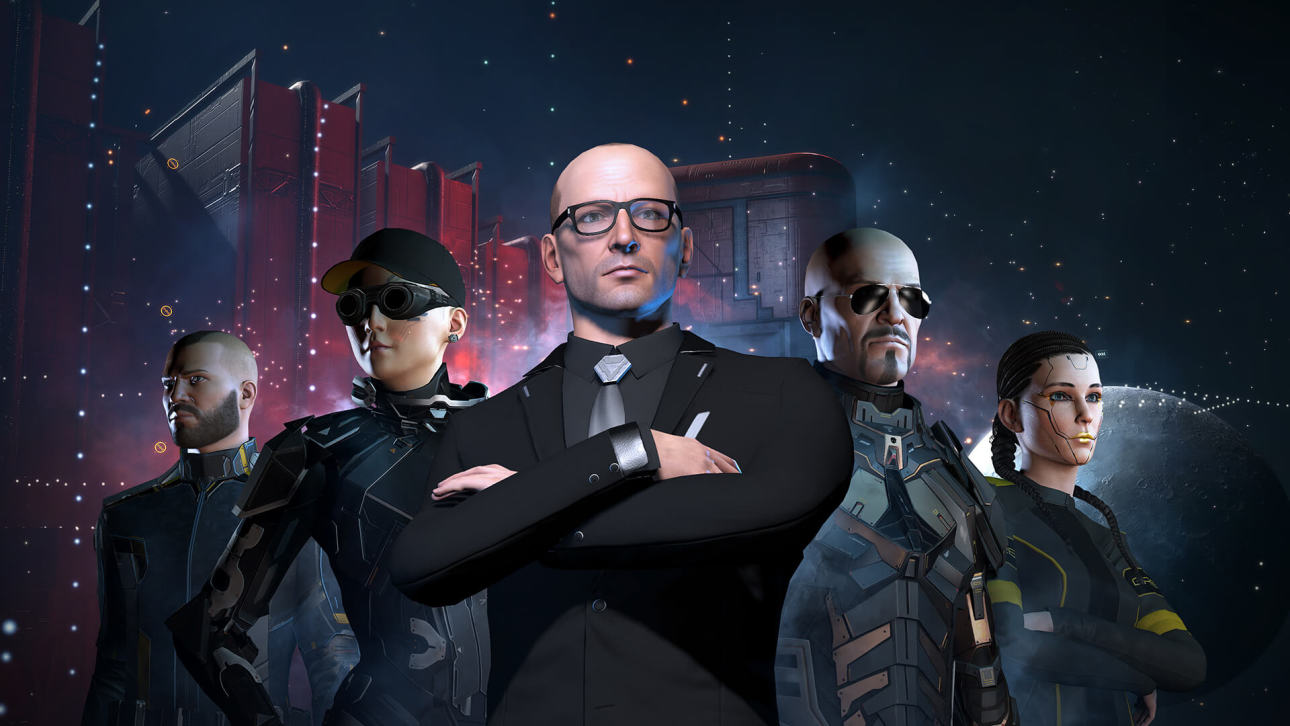
<img src="https://rassegna.lbit-solution.it/wp-content/uploads/2023/04/when-a-plan-comes-together-inside-a-massive-eve-online-corporate-heist.jpg" alt="A stock image from CCP Games' "Player Corporations" web page, or a potential movie posted for an Eve-themed heist film? Who can say, really?”>
Enlarge / A stock image from CCP Games’ “Player Corporations” web page, or a potential movie posted for an Eve-themed heist film? Who can say, really?


Last week, we marveled at the story of an Eve Online player who used the game’s arcane corporate share voting system to take control of in-game assets worth tens of thousands of dollars. Still, as we noted at the time, there were some important questions remaining over how mastermind “Flam_Hill” was able to secure the voting shares necessary to call a CEO vote in the first place.

<img alt="Player card for Sienna d'Orion, the original CEO of Eve Online‘s EHEXP.” src=”https://rassegna.lbit-solution.it/wp-content/uploads/2023/04/when-a-plan-comes-together-inside-a-massive-eve-online-corporate-heist.png” width=”285″ height=”586″>
Player card for Sienna d’Orion, the original CEO of Eve Online‘s EHEXP.
Dave/ Eve Online

As it turns out, Flam_Hill is just one alias of Dave (last name withheld), a long-time Eve player who previously served as the CEO of the Event Horizon Expeditionairies corporation (EHEXP). And Dave tells Ars that his recent “hostile takeover” started as an attempt to reclaim assets from a corporation he felt had lost its way.

The motive

The story of Dave’s EHEXP coup goes all the way back to 2011, when he founded EHEXP under the control of his Eve Online character Nikki Shea. Dave says he quickly transferred the CEO role to his “original and first” character, Sienna d’Orion.

Sienna quit the corporation in April 2018, naming Dave’s friend and long-time player Mackkenzie Hawkwood as the new CEO. Crucially, though, that transfer of corporate control did not include a transfer of those 1,000 corporate voting shares, which Dave had earlier moved from a corporate wallet to Sienna’s character “for security.”

By 2020, Mackkenzie had resigned as EHEXP CEO, naming character Chi Aki as the new head of the corporation. That’s where things stood in November 2022 when Dave said he came back to the game to find EHEXP had “sadly” become part of the massive Pandemic Horde alliance.

Eve is a game of Alliances, and we play in many differing fashions,” Dave told Ars. “I was never a fan of Pandemic Horde, so for me it was disappointing EHEXP had joined them.”

Dave said Sienna officially quit EHEXP in disgust just three weeks after returning. He said he reached out at one point to corporate leadership via in-game messaging “to say hello and ask if [Sienna] could have some of her assets back that were left in [the corporation].”

When that request “was greeted by silence,” Dave said he and some friends in a new corporation started “a discussion… about how to get these assets back. One of our new friends suggested [corporate] shares… so we began to investigate how.”

“I toyed with the idea for a week as it’s not really how I play, but I resigned myself to the view that EHEXP had been run into the ground and was a husk of its former self,” Dave told PC Gamer. “So I gave… the green light to infiltrate.”

https://arstechnica.com/?p=1933280