The real-life gentleman pirate behind HBO Max’s new series Our Flag Means Death

A nervous man in 18th-century garb.
Enlarge / Rhys Darby stars as gentleman pirate Stede Bonnet in the upcoming HBO Max comedy series Our Flag Means Death.

It’s no secret that Ars staffers are big Taika Waititi fans. He always brings his distinctly quirky sensibility to his projects, from What We Do in the Shadows, Wellington Paranormal, and Hunt for the Wilderpeople, to JoJo Rabbit, Reservation Dogs, and Thor: Ragnarok. After filming wrapped on Thor: Love and Thunder last year, Waititi somehow found time to develop a new period comedy series for HBO Max.

It’s called Our Flag Means Death, and HBO just dropped the first teaser. The series is about an aristocrat who abandons his comfy life to become a “gentleman pirate.” Even better: the main character, Stede Bonnet (played by Rhys Darby), is based on a real person who sailed with the infamous 18th-century pirate Blackbeard (played by Waititi in the series).

The real Stede Bonnet was born on the island of Barbados in 1688 to a wealthy English family and inherited a 400-acre estate when his father died in 1694. By some accounts, he was a bookish sort, and his early life was unremarkable. He married, fathered three sons and a daughter, and briefly served in the military as a major, although there is no record that he engaged in active combat.

But at 29, Bonnet experienced some kind of midlife crisis and decided to abandon his family and become a pirate, even though he had zero experience with ships and sailing. Apparently, he was fed up with his wife’s nagging, or as one account put it, he became disillusioned with the “discomforts he found in a married state.” Most pirates seized their ships; Bonnet was a man of means, so he hired a local shipyard to build him a 60-ton sloop with 10 guns. He dubbed the ship Revenge and hired a crew of more than 70 men. Bonnet actually paid the men regular wages rather than splitting plunder with them like a normal pirate.
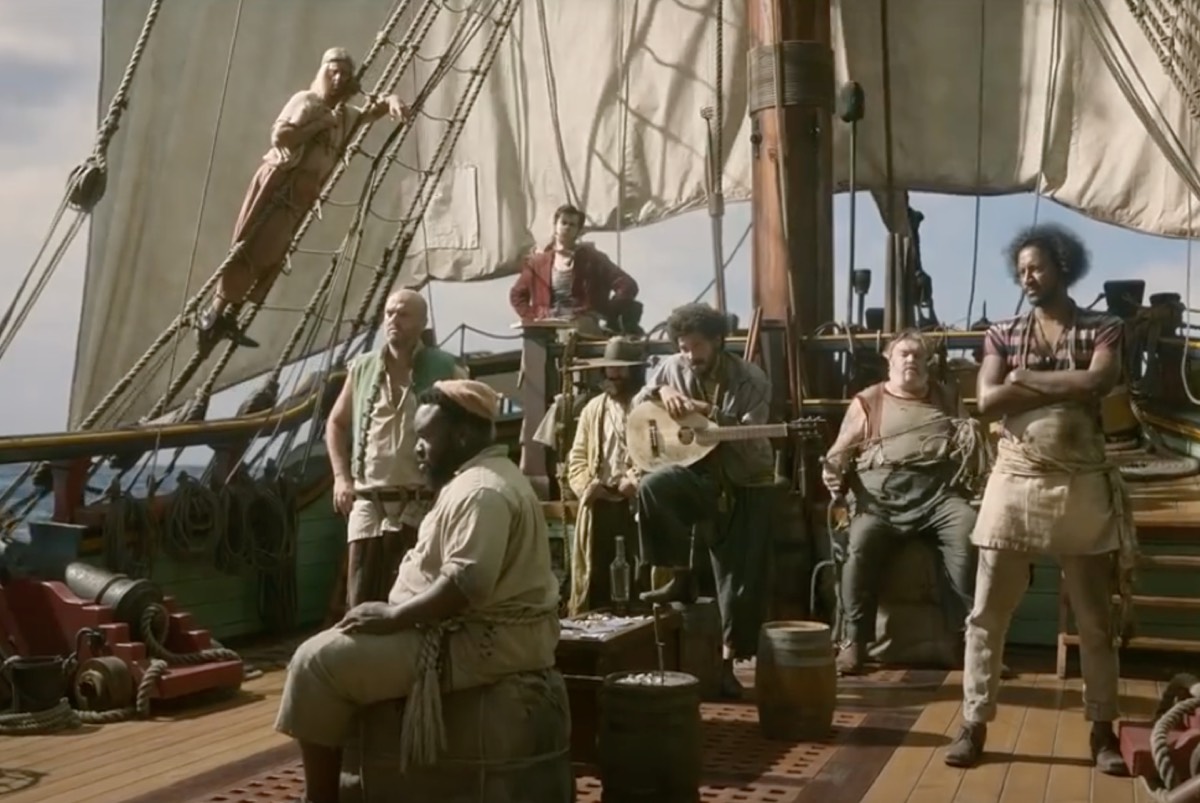
Bonnet's motley crew is ready to loot and plunder.
Enlarge / Bonnet’s motley crew is ready to loot and plunder.
YouTube/HBO Max

Given Bonnet’s lack of experience, much of the day-to-day sailing operations were handled by his quartermaster and officer, and he doesn’t seem to have won much respect from his crew over the course of his short pirating career. (In fairness, piracy was a dangerous profession, and few pirates lived to a ripe old age.) The piracy went well at first: the Revenge captured and plundered some half-dozen vessels between spring and September 1717. But a battle with a Spanish man-of-war left both Bonnet and the ship in a bad way, although both ultimately escaped.

The Revenge next limped into port at Nassau in the Bahamas for repairs, which is when Bonnet met Blackbeard, aka Edward Teach. Given the disabling nature of his injuries, Bonnet ceded command of the Revenge (temporarily, he thought) to Blackbeard. For the next few months, they plundered a lot of ships, and Blackbeard seized and took command of a 200-ton vessel called La Concorde, which he renamed Queen Anne’s Revenge.

Eventually, Bonnet’s frustrated crew deserted him and joined Blackbeard in the spring of 1718, and Blackbeard betrayed Bonnet, placing one of his own henchmen in charge of the Revenge. By now, Bonnet longed to retire from the pirate life, and he actually received a pardon from the governor of North Carolina on condition that he renounce piracy forever. Bonnet tried to keep his promise, but food became scarce right as the Atlantic hurricane season was in full swing, so he resorted to piracy once again under the alias “Captain Thomas.” He gave Revenge a new name, too: Royal James.
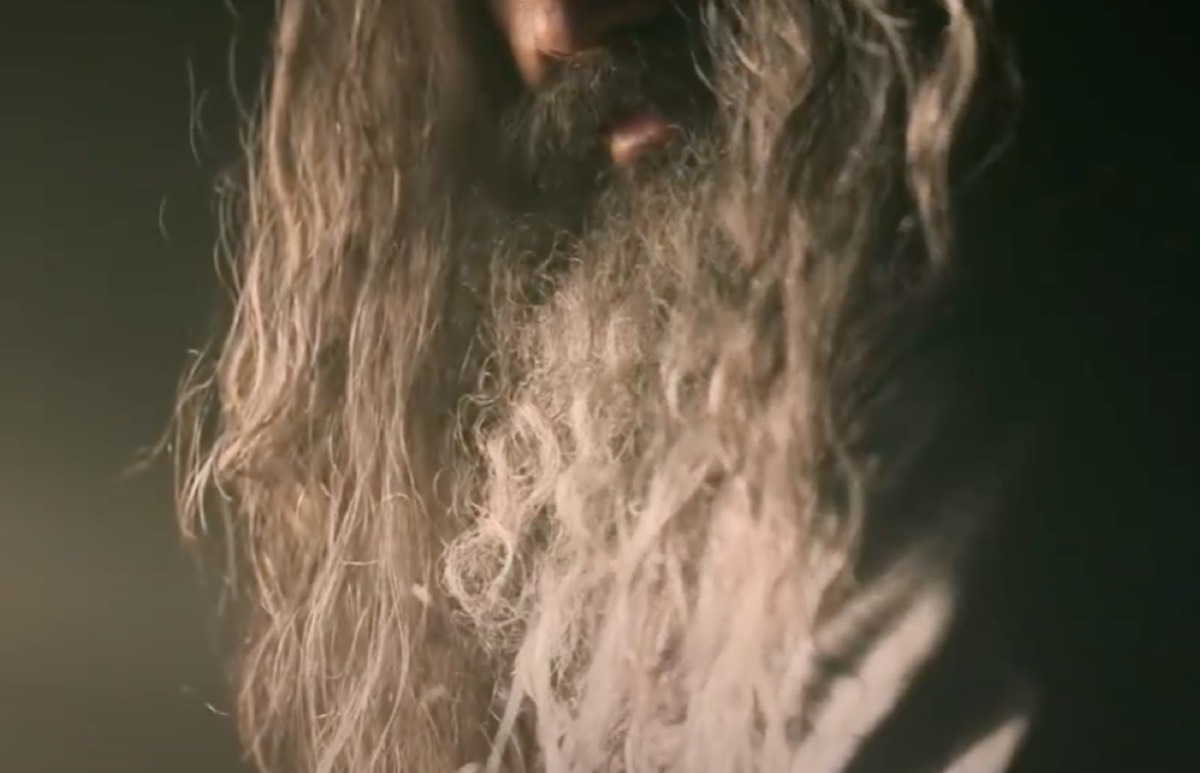
Taika Waititi co-stars as Blackbeard.
Enlarge / Taika Waititi co-stars as Blackbeard.
YouTube/HBO Max

All the battles once again took their toll on Royal James, and after it was repaired, Bonnet decided to moor in the Cape Fear River to wait out the hurricane season. News of his presence soon spread to the relevant government authorities, sealing the gentleman pirate’s fate. Bonnet and his men put up a fight against Col. William Rhett’s naval forces, but they lost, and the entire crew was arrested on October 3, 1718. Bonnet was convicted and eventually hanged (after briefly escaping and being recaptured) on December 10, 1718. All told, Bonnet’s life as a pirate lasted less than two years. Then again, if he had just stayed in Barbados and lived out a life of quiet desperation, we likely would not know his name.

Bonnet’s mentor, Blackbeard, didn’t fare much better. In November 1718, just one month before Bonnet was hanged, Teach and his crew engaged in a fierce battle with a small group of sailors led by Lt. Robert Maynard. Eventually, Teach found himself surrounded by Maynard’s men, one of whom slashed him across the neck before the rest of the crew joined in the attack. When Maynard examined the body, he found Teach had been shot five times and cut some 20 times. His head was placed on a pole in Chesapeake Bay for several years to serve as a warning for other pirates.

Based on the teaser for Our Flag Means Death, the series is unlikely to attempt much in the way of historical accuracy, which is the right decision. Tonally, it evokes something along the lines of Hulu’s extraordinary period comedy series, The Great, which takes historical characters and facts and embellishes them, complete with the odd deliberate anachronism. (The credits for The Great claim the show—just renewed for a third season—is “an occasionally true story.”) The Great is a high bar to clear, but this is Taika Waititi we’re talking about, and we have faith in his idiosyncratic vision. We’ll definitely be tuning in.

Our Flag Means Death debuts on HBO Max in March.

[embedded content]
Teaser for HBO Max’s new original comedy series, Our Flag Means Death.

https://arstechnica.com/?p=1826745


Amazon’s The Lord of the Rings TV series gets a name and a teaser video

[embedded content]
The Lord of the Rings: The Rings of Power teaser video.

Amazon has been hyping its Lord of the Rings TV series for a while now, but details have been scarce. That changed a bit this week, as Amazon finally announced the name of the series and released its first teaser video.

The name of the series is The Lord of the Rings: The Rings of Power.

The title is a mouthful (and maybe redundant), but it ties in with the time period in which the show is set. Amazon has previously said the series is set in the Second Age, the era preceding the events depicted in author J.R.R. Tolkien’s most famous books (The Hobbit and the Lord of the Rings trilogy).

In the Second Age, the leaders of Middle Earth wore rings of power, but some of those rings were controlled by Sauron’s “one ring,” which is, of course, the subject of much drama in the books and films most people know so well.

The title of this series implies that it will tell the story of how those leaders fell to Sauron’s forces or influence. That assumption is backed up by a statement from the series’ showrunners in an Amazon press release:

This is a title that we imagine could live on the spine of a book next to J.R.R. Tolkien’s other classics. The Rings of Power unites all the major stories of Middle-earth’s Second Age: the forging of the rings, the rise of the Dark Lord Sauron, the epic tale of Númenor and the Last Alliance of Elves and Men. Until now, audiences have only seen onscreen the story of the One Ring but before there was one, there were many… and we’re excited to share the epic story of them all.

The teaser video isn’t much help if you’re looking for more information or actual footage, though. It just shows vague imagery (similar to a modern prestige-TV credits sequence) depicting the forging of one of the rings of power. Meanwhile, voiceover shares that famous quote you’ve seen before if you’ve read the books or seen other adaptations:

Three rings for the Elven kings under the sky. Seven for the Dwarf-lords in their halls of stone. Nine for Mortal Men, doomed to die. One for the Dark Lord on his dark throne in the land of Mordor where the shadows lie.

Amazon has been leaning heavily on genre content to bolster its Prime Video streaming service of late. In addition to the new Tolkien adaptation, Amazon recently premiered a series based on Robert Jordan’s The Wheel of Time books.

Adaptations extend to video games, too: Amazon is moving forward with a TV adaptation of the Fallout franchise, and a recent report claimed that Amazon is close to landing a deal to adapt Mass Effect.

While Fallout and Mass Effect don’t yet have premiere dates, The Lord of the Rings: The Rings of Power does. It’s slated to begin streaming on Amazon Prime Video on September 2, 2022.

Listing image by Amazon

https://arstechnica.com/?p=1826952


Oscar Isaac finally enters the MCU with official Moon Knight trailer

[embedded content]
Oscar Isaac plays Steven Grant/Marc Spector, who becomes the conduit for an Egyptian god in Moon Knight.

Fans finally get to welcome Oscar Isaac to the MCU. As promised, Marvel Studios dropped the official trailer for its forthcoming series, Moon Knight, during the NFL Super Wild Card matchup, along with a new poster. Isaac plays the title role: a former mercenary with multiple personalities who becomes the avatar of an Egyptian moon god.

Moon Knight is one of the lesser known characters in the Marvel Comics pantheon. The son of a rabbi, Marc Spector is marked at a young age by the Egyptian moon god Khonshu to be the god’s avatar on Earth. But Khonsu is a supernatural entity with many aspects to his nature—and also exists out of phase with normal time and space—so forging a psychic connection with the human Marc has a bad effect on the young man’s mental health.

Marc develops dissociative identity disorder (DID), eventually becoming a mercenary with his buddy, Jean-Paul “Frenchie” DuChamp. He is hired by the ruthlessly amoral Raoul Bushman for a job, in which the latter kills an archaeologist who has uncovered an Egyptian tomb. Marc saves the archaeologist’s daughter, Marlene, leading to a major fight with Bushman. Marc loses the fight and is left for dead, but the locals carry him into the tomb and leave him in front of a statue of Khonshu. Khonshu revives and heals the dying Marc.

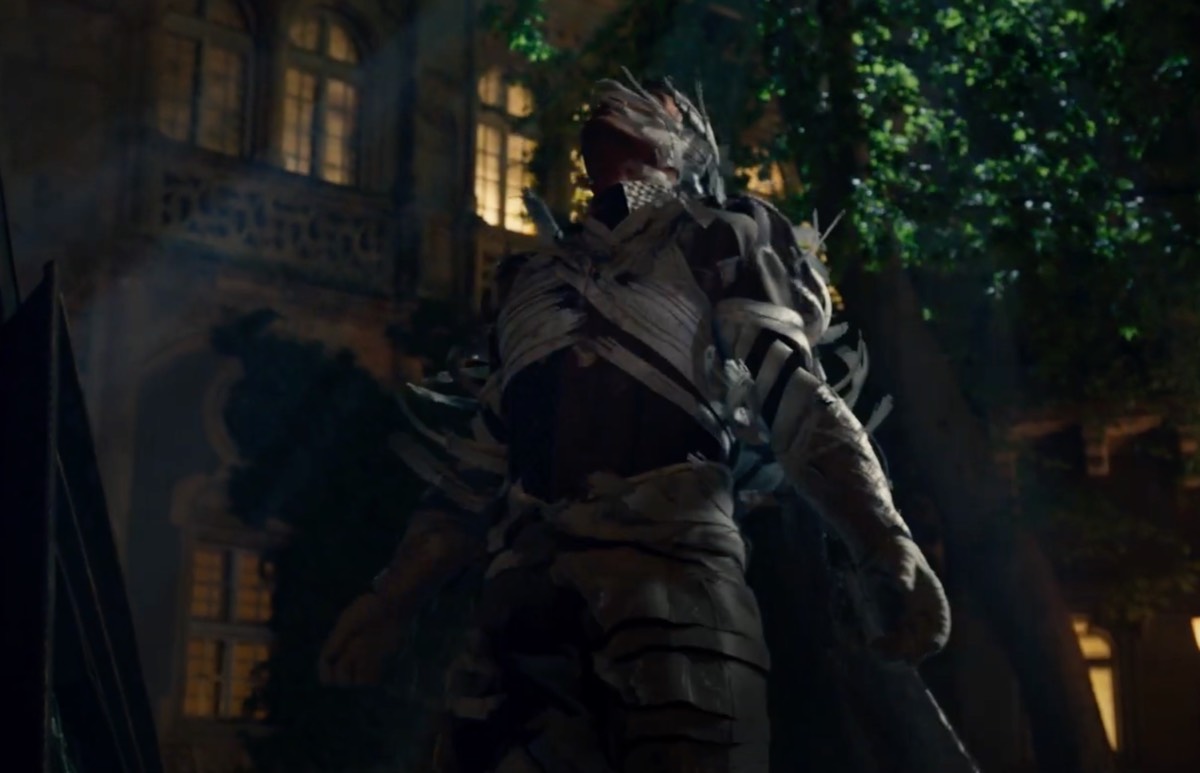
Steven Grant—or is it Marc Spector?—mid-transformation.
Enlarge / Steven Grant—or is it Marc Spector?—mid-transformation.
YouTube/Marvel Studios

When Marc returns to the US, he channels all the money he made from being a mercenary into fighting crime as Moon Knight, recognizable by his silver cape. He has four distinct identities in the comics: a billionaire businessman named Steven Grant, a taxi driver named Jake Lockley, a suited consultant named Mr. Knight, and a little red-haired girl simply called Inner Child.

That’s the basic origin story according to the comics, at least, and chances are the new series will incorporate a good chunk of it, while also taking a few liberties (as it should). Plans to introduce the character of Moon Knight into film and TV adaptations have been around since at least 2006, when Blade: The Series aired. The intent was to introduce the character then. Instead, the series was cancelled, and a potential spinoff series never transpired. James Gunn admitted in 2017 that he’d pitched a Moon Knight film to Marvel, but ended up not having the time to develop it further.

Meet Moon Knight.
Enlarge / Meet Moon Knight.
YouTube/Marvel Studios

It wasn’t until the 2019 D23 conference that Marvel announced there was a Moon Knight series in development for Disney+, created by Jeremy Slater. Isaac was cast in October 2020, and last February we learned that unlike the standalone WandaVision (a one shot miniseries intended to lead into the MCU Phase Four feature films), Moon Knight was among the Marvel series that might get additional seasons on the streaming platform.

Marvel debuted the first footage from the six-episode series last November during its Disney+ Day, briefly showing Isaac in character, musing about how he couldn’t tell the difference between his waking life and dreams. There wasn’t much in the way of detail, but we did catch a glimpse of what looked like a golden statue of Khonshu reflected in a mirror.  And on Monday we got a brief teaser with much of the same footage.

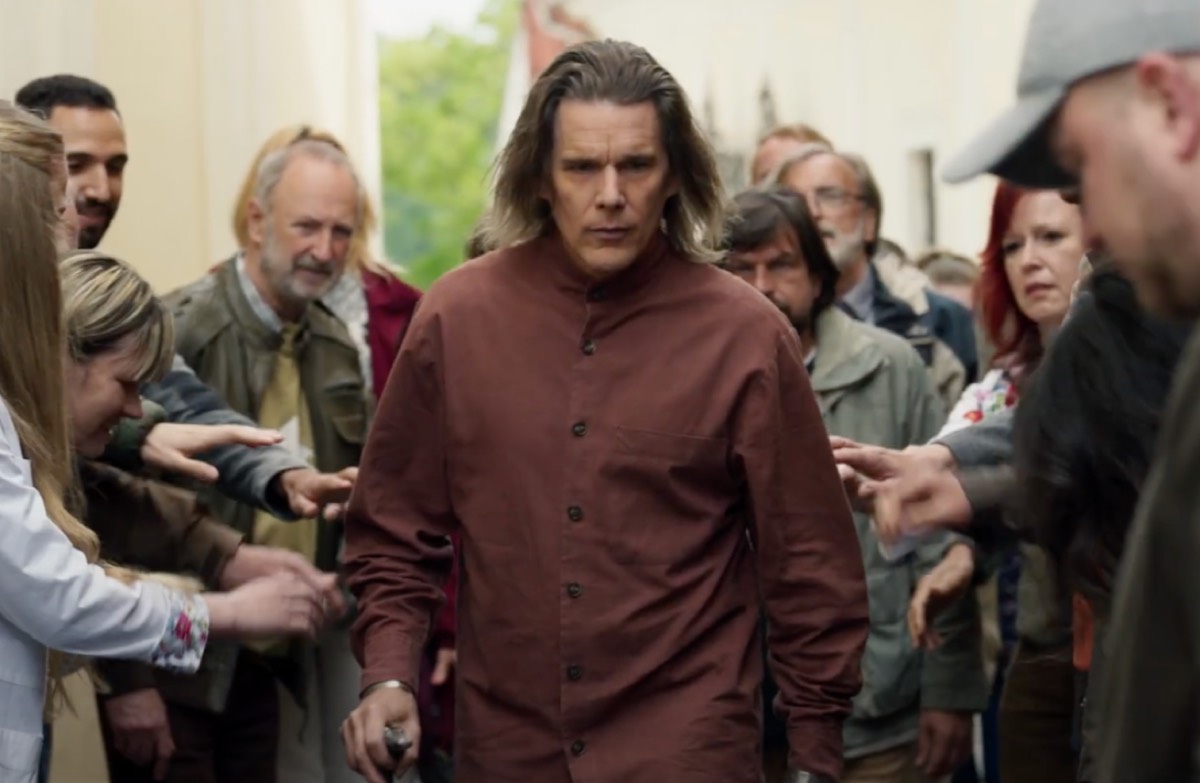
Ethan Hawke said he found inspiration for his character in cult leader David Koresh.
Enlarge / Ethan Hawke said he found inspiration for his character in cult leader David Koresh.
YouTube/Marvel Studios

We know that the series will share continuity with all the films in the MCU. May Calamawy and Ethan Hawke play as-yet-undisclosed roles, although Hawke has said he found inspiration for his character in cult leader David Koresh. Also, Marvel CEO Kevin Feige (the executive producer) has compared the series to the Indiana Jones franchise, with a focus on Egyptology (so, like 1999’s The Mummy.) And we now have an official synopsis:

The series follows Steven Grant, a mild-mannered gift-shop employee, who becomes plagued with blackouts and memories of another life. Steven discovers he has dissociative identity disorder and shares a body with mercenary Marc Spector. As Steven/Marc’s enemies converge upon them, they must navigate their complex identities while thrust into a deadly mystery among the powerful gods of Egypt.

The new trailer opens, again, with Steven (Isaac) lying awake in bed tossing a Rubik cube into the air as he muses on his “sleep disorder”—before waking up suddenly from that “dream” in a panic. We see him disoriented and barely staying awake on the subway and at his museum job. Then he finds a cell phone and some keys in a cubbyhole; when the phone rings and he answers, a woman’s voice calls him “Marc.”

“The voices in your head—there’s chaos in you,” Hawke’s character (who does indeed resemble Koresh) tells Marc/Steven. “Embrace the chaos.” That seems to be the secret to merging all those disorienting personalities into Moon Knight, as we see the telltale cape and body armor cover his body—followed by one brief shot of the caped figure leaping, Batman-like, across two rooftops.

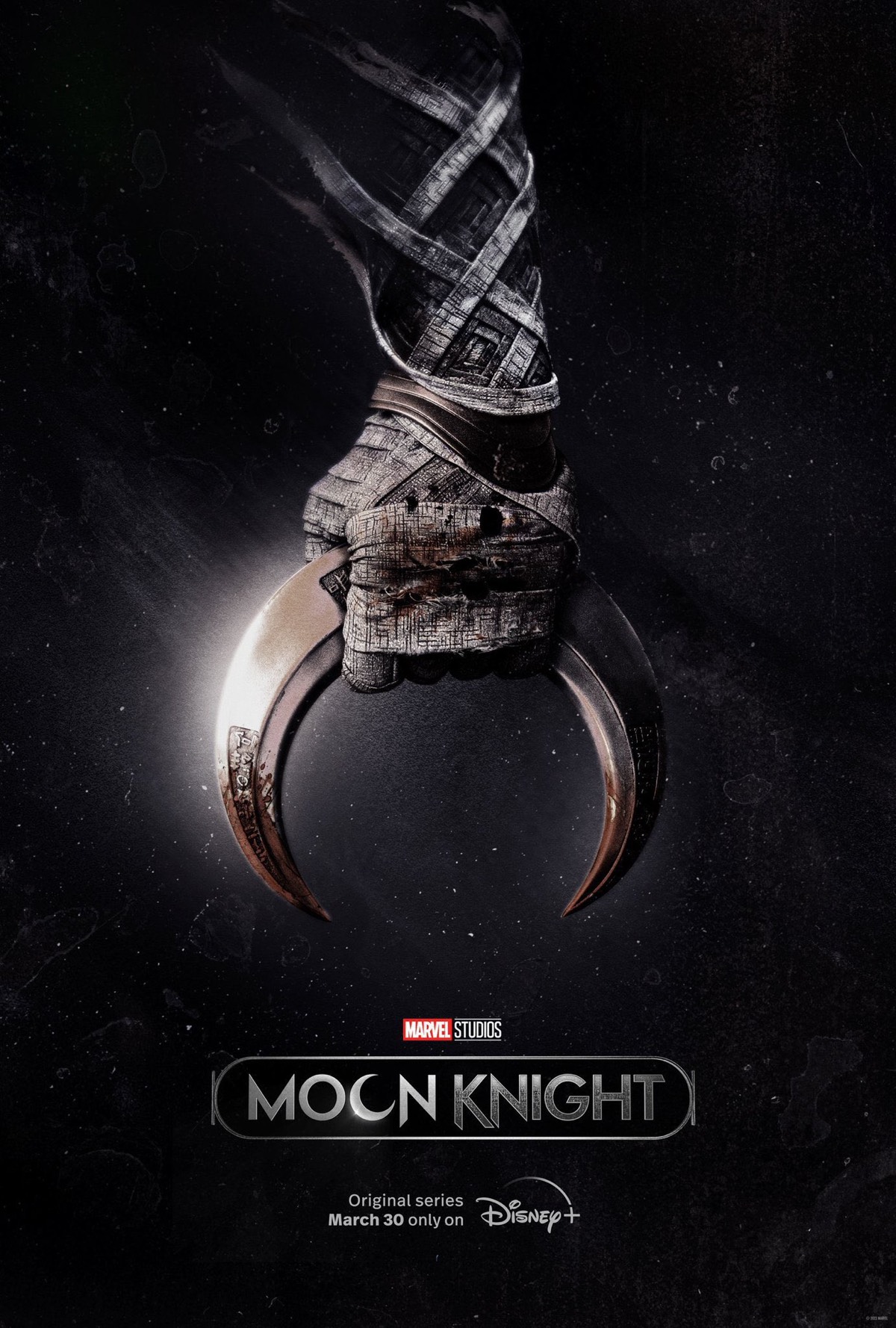
Moon Knight will premiere on Disney+ on March 30, 2022.

Moon Knight poster art.
Enlarge / Moon Knight poster art.
Marvel Studios

Listing image by YouTube/Marvel Studios

https://arstechnica.com/?p=1826311


Fan does Blizzard’s job, releases remastered WarCraft III campaign files

A cinematic intro to the WC3 human campaign? That's cool. Too bad fans had to step in to create this, since Blizzard doesn't appear poised to add anything substantial to WC3R ever again.
Enlarge / A cinematic intro to the WC3 human campaign? That’s cool. Too bad fans had to step in to create this, since Blizzard doesn’t appear poised to add anything substantial to WC3R ever again.


WarCraft III: Reforged has not received a patch or official announcement since April 2021, and the game’s handlers at Blizzard have remained eerily quiet about anything previously announced for this so-called “remaster” of an RTS classic. Official matchmaking ladders, leaderboards, and user profiles never came to pass, prompting the game’s remaining community to cobble together its own solution—and that’s on top of the re-release’s utter lack of single-player updates. (To date, custom WC3 campaign files still aren’t formally supported.)

Thus, just as fans previously built their own online gameplay updates in the form of WC3Champions, so too has the game’s remaining community stepped up to make the single-player campaign better resemble Blizzard’s initial pitch for the project.

[embedded content]
WarCraft III: Re-Reforged 2022 update.

WarCraft III: Re-Reforged is a fan-made project apparently led by a single designer who goes by the handle InsaneMonster. It received its second substantial update on Saturday, following its original January 2021 launch as a downloadable pack of WC3R campaign files. The project is now up to 10 in-game chapters: the five chapters of WC3‘s Horde-specific prologue, which already launched last year, and the first five chapters of its human-focused first act. You can now access both parts of Re-Reforged as free downloads at Hive Workshop (part one, part two).

Like the prologue portion, this week’s fan-made patch includes custom camera angles for cinematic in-game content, not only between missions but also for important mid-campaign conversations. These shots much better resemble the originally teased version of WC3R, and they include pauses and careful camera framing to better showcase Blizzard’s original campaign content. Additionally, InsaneMonster has remixed the affected campaign maps without changing their primary objectives or flow. Some changes emphasize a cinematic moment, while others reflect lessons learned from the campaigns in Blizzard’s StarCraft II and guide brand-new players more nimbly through how the game works.

The patches also add instructions and lore as new, front-and-center on-screen text between objectives. These popups are handy, especially since WC3 laid the groundwork for years of lore and character-based plotlines in World of WarCraft. If you’re a WC3 novice who wants to see how this game connects to the WarCraft universe at large, InsaneMonster’s patches take considerable steps toward delivering that information.

In a 2021 interview, InsaneMonster expressed his surprise and dismay at discovering how much proper lip sync was applied to WC3R‘s full cast of characters—yet, for some reason, it was hidden from obvious player view. He didn’t have to rig any brand-new animations with his patch; instead, he simply coded custom camera angles and timings. InsaneMonster does add custom visual files to his patches, to be clear, though these revolve around colors and textures that better resemble the clearer paths and battlefields found in the original game than in the retouched WC3R versions.

The project may very well continue beyond these 10 campaign levels, though its creator says that future progress is contingent on Patreon support. You’ll need to mind InsaneMonster’s instructions to get the patched campaign to load properly—and make your peace with prerendered cut scenes not playing at their expected times, since Re-Reforged is working outside of the game’s intended mod ecosystem.

Today’s news follows a Twitter outcry over Blizzard Classic’s other recent major release, Diablo II: Resurrected, as more users are running into one of its more curious restrictions. The game’s console versions require an online check-in with Activision’s Battle.net service every 30 days, even if you play the game exclusively offline.

https://arstechnica.com/?p=1826297


iOS developer donates unexpected windfall from unrelated Wordle app

<a href="https://cdn.arstechnica.net/wp-content/uploads/2022/01/wordlecharity.jpg" class="enlarge" data-height="2048" data-width="946" alt="Wordle! may have no relation to the viral hit Wordle, but it’s enjoying a spike of popularity just the same.”><img alt="Wordle! may have no relation to the viral hit Wordle, but it’s enjoying a spike of popularity just the same.” src=”https://rassegna.lbit-solution.it/wp-content/uploads/2022/01/ios-developer-donates-unexpected-windfall-from-unrelated-wordle-app.jpg” width=”300″ height=”649″ srcset=”https://rassegna.lbit-solution.it/wp-content/uploads/2022/01/ios-developer-donates-unexpected-windfall-from-unrelated-wordle-app-1.jpg 2x”>
Enlarge / Wordle! may have no relation to the viral hit Wordle, but it’s enjoying a spike of popularity just the same.

Last week, we wrote about the legal status of a spate of shameless Wordle clones that briefly clogged the iOS App Store with attempts to cash in on the trendy web game. Today, we get to focus on a story that’s almost the complete opposite of that, as the developer behind a pre-existing app named Wordle! is donating the proceeds from an unexpected windfall driven by the unrelated viral hit.

Developer Steven Cravotta wrote about how he created a game called Wordle! five years ago, at the age of 18, “mostly for fun, to sharpen my coding skillz, and maybe make a quick buck.” That game—which asks players to build as many words as they can from a set of letters in a strict time limit—drew about 100,000 free downloads in a matter of months before Cravotta “stopped updating and promoting the app,” he wrote on Twitter.

Imagine Cravotta’s surprise when the usual pace of one or two legacy downloads a day suddenly increased to a reported 200,000 downloads per week. That spike was the result of the popularity of the other Wordle, a daily in-browser word-guessing game created by Josh Wardle that happens to share the same name (and no other relationship).

Cravotta chalks up the sudden increase to “major publications” failing to specify “that this was an ‘Internet browser’ only game, so naturally people went to the App Store to search Wordle.” Apart from press attention, though, the sudden outbreak of hard-to-parse, link-free tweets promoting the browser game probably got plenty of people assuming it was a reference to a mobile app.

Cravotta isn’t simply reveling in his good luck and going on a shopping spree, though. Cravotta and Wardle have both confirmed that any proceeds from in-app purchases in the iOS game will be going to Boost Oakland, a youth-mentoring and tutoring partnership. Cravotta told The Verge that the windfall amounts to $2,000 so far, a number that could easily increase by the time of the planned donation at the end of the month.

Wordle! is one of a handful of unrelated iOS word games with similar names remaining on the iOS App Store, all of which predate the newer viral game by years. While Apple purged a handful of apps that aped Wordle‘s basic gameplay and design last week, new clones have popped up in the days since. These can be troublingly easy to find in an App Store search thanks in part to reviews that refer to a “great version of Wordle,” or “it’s not the real Wordle,” to cite just a few examples. https://arstechnica.com/?p=1826309


The underground network bringing Japan’s arcades to the US

The underground network bringing Japan’s arcades to the US
Julian Berman

Last October, Phil Arrington precariously balanced a dream on the cargo bed of his 2002 Ford Ranger pickup. It was a stupid dream, but it did not deserve to die on a dolly behind a beige warehouse.

Arrington was hunched over the dolly, gold chain dangling over a tight gray tee. Between his arms, leaned at a 45-degree angle, was a video game arcade machine; its title, MUSECA, could be glimpsed over his shoulder. The machine had come a long way—from an arcade in Tokyo to an anonymous warehouse in Osaka and then, after a long wait on a container ship outside Long Beach, California, to Arrington’s warehouse in San Pedro. Arrington effortfully wheeled the 6-foot-tall cabinet toward the pickup’s hatch. On the concrete 3 feet below lay a thin, blue blanket. Nearby, a phone was recording.

Scuttling, repositioning, crouching, grunting, Arrington pushed the machine’s weight centimeter by centimeter, second after second. Suddenly, the dolly’s wheels slid off the edge. His whole body spilled forward, and the arcade cabinet plunged to the ground with a fractious crash. Under the video Arrington uploaded to Twitter, gamers expressed their alarm. “This is the scariest thing I’ve seen on the Internet,” said one. Said another, vividly, “I don’t think my asshole has ever puckered harder.”

Watching the video from across the country in Brooklyn, I screamed. It was my machine.

Phil Arrington.
Enlarge / Phil Arrington.
Julian berman

Arrington chose his moment to explain himself, and it was a couple of days later, live on Twitch, squatting in a red bucket, fishing out the dusty remnants from a half-empty bag of Flamin’ Hot Doritos. His tone was not contrite. He had intentionally cut the video at its most dramatic moment, he said. The machine was, in fact, intact. Arrington stood up, revealing athletic short-shorts, and, tossing the bag of Hot Doritos aside, made his way over to the Museca cabinet.

Museca was a glowing anime beacon. A neon red coil shot up through its base like a spine, supporting a console of five pastel-lit buttons, each the size of an adult hand. To the rhythm of a peppy beat, a player would press and spin these buttons at just the right time to amass points—that is, if the game worked. The cabinet, thankfully, had booted into a menu screen. “When you get something like this, you’ve got to take care of it. This is not like a Cadillac from the ’60s or ’70s, where people are making parts for it,” said Arrington. He pressed Start. The display went blank. “Oh shit,” he said. But then baby-voice pop music blared from the speakers. “Nevermind.”

These days, Museca is an extraordinary find, Arrington said. Like the other machines Arrington helps import, it’s primarily sold and played at arcades in Japan. On top of that, Museca’s publisher, Konami, discontinued the game a few years ago. The machines were recalled from across Japan, and their parts repurposed into an entirely new game called Bishi Bashi. Not many Museca cabinets survived, making them a particular prize for devoted fans of Japan’s storied arcade scene.

The country’s self-sizzling pleasure palaces have attracted millions of native and foreign otaku for decades, luring them in with the promise of competition and escape for the price of just one 100-yen coin. Taito Corporation’s Space Invaders marked the industry’s launch in 1978, and in the following years, Japan’s arcade scene blossomed, giving rise to classics like Donkey Kong, Contra, and Street Fighter II. Tens of thousands of arcades sprang up, packed tight with crane games filled with wide-eyed Pokemon plushies; greasy racing sims; shimmering fantasy role-playing or strategy games; scuffed-up fighting games; and of course, the full-body high of rhythm games like Konami’s Dance Dance Revolution or Museca.

Some titles, like DDR, got officially licensed or released overseas, where they’ve become cultural touchstones. But Konami, Taito, and other arcade game makers designed their best stuff exclusively for Japan, on idiosyncratic arcade hardware that was meant to stay there. “They don’t want these machines to be sold outside Japan,” says Serkan Toto, CEO of Japanese consulting company Kantan Games. A lot of machines, including Museca, stipulate on their title screens that they are only meant to be played in Japan. In recent years, publishers like Konami have enforced this by ensuring their arcade games only function when networked to their proprietary server with a proprietary protocol.

The logistics and price of licensing is a big reason why—music, distribution, and payment. It’s also a commercial calculation, Toto adds. “The arcade machines are not stand-alone anymore—they have to be connected to a server, which makes maintaining them, controlling them, and operating them more complex. They don’t want the hassle of providing that knowledge and those maintenance services to companies outside Japan.” Lately, the Japanese arcade chain Round1 has installed locations across the US; but outside of that, the typical American has almost no access to the thousands of authentic arcade machines that brought glory to Japan as the holy land of gaming.

Today, though, Japan’s arcades are in crisis. Game centers are shuttering with heartbreaking rapidity, due in part to competition from home gaming consoles and a tax hike that raised the price of a single play. Between 2006 and 2016, the number of arcades deflated from 24,000 to 14,000. Covid accelerated this trend, emptying the arcades of regulars and tourists alike. Between October 1 and November 24, 2021, 20 arcades closed in Japan.

When arcades close, their video games face one of three fates, only two of which are sanctioned by a Japanese trade association of game manufacturers. The first is getting junked in a landfill. The second is getting gutted and sold for pieces, and then junked in a landfill. (Arrington calls this “the mafia treatment.”) Finally, the third: A Japanese distributor swoops in and buys up all of a dying arcade’s machines. Some get sent around Japan to smaller arcades. Others, on the down-low, are sourced to enterprising Westerners like Arrington, a self-described “muscle guy” for the gray-market entrepreneurs who import thousands of cabinets from Japan every year.

Over the last five years, as Japanese arcade machines have become more available than ever, Western demand for Japanese machines has exploded. To support that demand, an underground network of gamers has risen to the challenge of evacuating these cabinets from Japan, hauling them across the world, and hacking their code so fans like me can finally, after all these years, play.

https://arstechnica.com/?p=1825983


Harken back to the late 1990s with this re-creation of the dialup Internet experience

[embedded content]
A demonstration of the late 1990s dialup experience using nearly period-accurate hardware, connecting to modern websites using outdated browsers over a 31.2kbit/s dialup connection. Be forewarned: page loads are in real time.

We all found our coping strategies for riding out the pandemic in 2020. Biomedical engineer Gough Liu likes to tinker with tech—particularly vintage tech—and decided he’d try to recreate what it was like to connect to the Internet via dialup back in the late 1990s. He recorded the entire process in agonizing real time, dotted with occasional commentary.

Those of a certain age (ahem) well remember what it used to be like: even just booting up the computer required patience, particularly in the earlier part of the decade, when one could shower and make coffee in the time it took to boot up one’s computer from a floppy disk. One needed a dedicated phone line for the Internet connection, because otherwise an incoming call could disrupt the connection, forcing one to repeat the whole dialup process all over again. Browsing the web was equally time-consuming back in the salad days of Netscape and Microsoft Explorer.

So much has changed since then, as the Internet has gone from a curiosity to a necessity, reshaping our culture in the process. As Liu noted on his blog:

The internet has become a vital part of our everyday lives, but the way we experience it now through broadband high-speed connections is not the way it was in my childhood. Back in the late 90’s to early 2000’s, I was dialling up from my Pentium 133MHz non-MMX machine equipped with 48MB of RAM running Windows 98SE (and later, Windows 2000 Professional). This experience was in itself, reflective of the fact that “always on” internet was not considered a necessity or normality—back then, “ttyt,” short for “talk to you tomorrow,” was a thing.

Liu needed to use a miniProxy to connect to modern websites.
Enlarge / Liu needed to use a miniProxy to connect to modern websites.
YouTube/Gough Liu

The video opens by showing Liu’s Techway Endeavor II computer (circa 1995) booting up, free of commentary for best dramatic effect. The tongue-in-cheek “credits” provide the basic specs: an Intel Pentium I 100 MHz CPU, 32MB of RAM, and Fujitsu 2.6GB hard drive, augmented with a Sony 3.5-inch floppy disk drive, and 65k voice modem. Featured software includes Microsoft Windows 98 SE, Netscape Communicator 4.8, and Microsoft Internet Explorer 5.5.

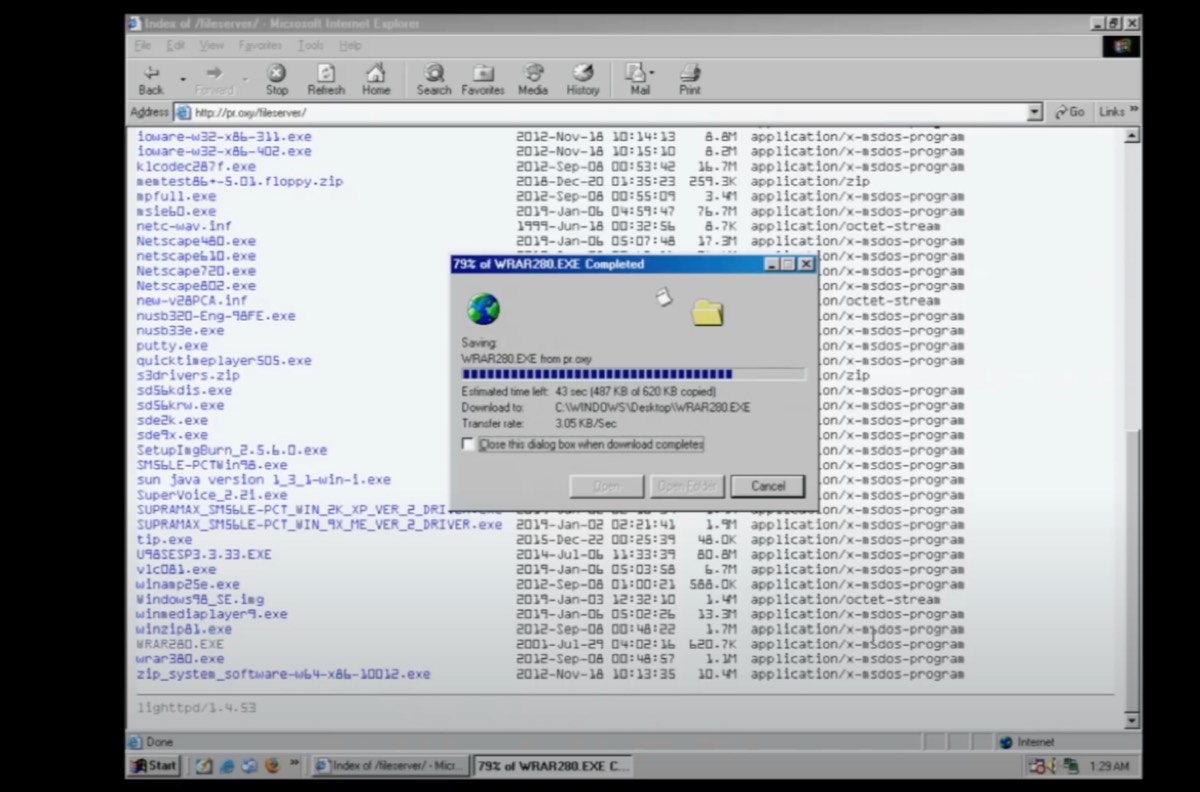
Then come the telltale static sounds of dialing up to connect to the Internet, and voila! We’re ready to start surfing with your blazing 31.2k connection. (As Liu explains, “56k is not possible because of the analog nature of the connection.”) Here’s where things get interesting. It’s actually not possible to visit most modern websites directly because the changes in https protocols make it impossible to negotiate a common cipher. So Liu uses a miniProxy, which connects to the site in https, downloads the content, and sends it back to Liu’s computer with all the links rewritten so they can go through the proxy.

It took 3 minutes and 27 seconds to download an executable file.
Enlarge / It took 3 minutes and 27 seconds to download an executable file.
YouTube/Gough Liu

It takes a while to download a sample page from Slashdot, as the status bar at the bottom helpfully provides updates on our progress. “Web browsing technology has advanced quite dramatically over the years, and same with the html standards; things like CSS and certain sorts of Javascript were not around at the time that Navigator was, so the site loads up, but it looks very different from how you would experience it today in a modern browser,” Liu says.

The rest of the journey includes a visit to the Australian Government Bureau of Meteorology (which still uses http), google.com, Wikipedia, xkcd (“we will be waiting a while for this comic”), and others, with everything loading in real time. It takes a full 3 minutes and 27 seconds to download an executable 120kb file for a simple software update. The whole video will make you grateful for all the technological advances over the last 20 years—especially for the comparatively vast amounts of bandwidth we enjoy today. Kids today don’t know how good they have it.

Listing image by YouTube/Gough Liu

https://arstechnica.com/?p=1824715


Netflix cites “more entertainment choices than ever,” raises prices again

Netflix cites “more entertainment choices than ever,” raises prices again
Aurich Lawson | Getty Images

On Friday, Netflix confirmed plans to raise prices for its video-streaming services in North America for the seventh time in 11 years.

Unlike many previous Netflix price hikes, this year’s bump hits all three subscription options. In the United States, the “basic” tier, which is capped at 720p and includes other limits, receives its first increase in three years, jumping $1 to $9.99 per month. The 1080p “standard” tier goes up $1.50 to $15.49 per month. And the 4K “premium” tier jumps $2 to $19.99 per month. Canadian customers can expect similar jumps in prices for all three tiers as well.

Netflix says the price increases will roll out in phases to existing customers based on their billing cycles, and all customers will get no fewer than 30 days’ notice before the higher prices go into effect. Brand-new customers must begin paying the higher prices immediately.

Paying more for “an even better experience”

In a statement given to various outlets, a Netflix representative offered a curious explanation for the price hike. “We understand people have more entertainment choices than ever, and we’re committed to delivering an even better experience for our members,” the statement said. “We’re updating our prices so that we can continue to offer a wide variety of quality entertainment options. As always, we offer a range of plans so members can pick a price that works for their budget.” (Ars Technica asked Netflix representatives questions about the announcement but did not receive an immediate response.)

That explanation reminds customers about the growing selection of affordable streaming options available in North America. As of press time, the following popular streaming services all cost less per month than Netflix’s $15.49-per-month “standard” 1080p tier: Amazon Prime Video, Apple TV Plus, Disney Plus, HBO Max, Hulu, Paramount Plus, and Peacock. Nearly all of those include 4K viewing options by default for no additional fee (Peacock remains the 4K exception on that list).

In terms of exclusive content, Netflix has been bullish on both producing its own films and series and signing big-ticket deals with popular content producers. In its biggest 2021 licensing deal, Netflix secured the exclusive streaming rights to Seinfeld for five years at a reported cost of over $790 million. This comes as other streamers open their pocketbooks to lock down their own exclusive licensed film and TV libraries.

The company’s Friday statement leaves out Netflix’s other unique selling point: a growing, exclusive games library for iOS and Android devices. So far, Netflix has merely dipped its toe into this market by rolling out a selection of simple, family-friendly smartphone games, which are all free of microtransactions and ads. That’s no small selling point depending on the customer, since it gives families a simple, ad-free source of games that can be easily handed to children. None of the other streaming services listed offer anything comparable, with the exception of Apple One—a bundle that combines Apple TV+, Apple Arcade, and other services starting at $14.99 per month, which is less than Netflix’s current “standard” tier.

A brief look at Netflix’s price-hike history

Netflix is in a position to weigh the pros and cons of price increases at any time, given how much data it has already accumulated about subscriber drop-off after any of its prior hikes. The first true “hike” to its streaming service came in 2011, when Netflix stopped offering a combination bundle of physical DVD rentals and streaming access to US subscribers for $9.99. Instead, customers were told at the time that they could access each service separately for $7.99 a pop. (Physical DVD and Blu-ray rentals are still available for Netflix users in the US, with $9.99-per-month or $14.99-per-month options.)

In the years since that decoupling, Netflix has delivered a mix of new tiers and price increases to those tiers, with its “premium” plan going live in 2013 at $11.99 per month and its “basic” plan emerging as a lower-fidelity option in 2014—at the same time that its “standard” plan rose to $8.99 per month. Ars Technica previously covered Netflix price increases in 2017 and 2019 (but not 2015), and we published a report about Netflix’s subscriber drop-off in 2021, which could have been due to a 2020 price hike, a changing streaming consumption pattern as the pandemic temporarily eased, more streaming competition, or other factors.

https://arstechnica.com/?p=1826062


Old stone toilet reveals Jerusalem’s wealthy elite had intestinal parasites

A 2,700-year-old toilet seat made of stone revealed the poor sanitary conditions of a 7th-century Jerusalem luxury villa.
Enlarge / A 2,700-year-old toilet seat made of stone revealed the poor sanitary conditions of a 7th-century Jerusalem luxury villa.
Yoli Schwartz, The Israel Antiquities Authority

The wealthy, privileged elite of Jerusalem in the 7th century BCE were plagued by poor sanitary conditions and resulting parasitic intestinal diseases, according to a recent paper published in the International Journal of Paleopathology. An analysis of soil samples collected from a stone toilet found within the ruins of a swanky villa revealed the presence of parasitic eggs from four different species. The work should help document the history of infectious disease in the region, providing additional insight into the daily lives of the people who once lived there.

“The findings of this study are among the earliest observed in Israel to date,” said author Dafna Langgut of Tel Aviv University and the Steinhardt Museum of Natural History, who is a leading researcher in the emerging field of archeoparasitology. “These are durable eggs, and under the special conditions provided by the cesspit, they survived for nearly 2,700 years. Intestinal worms are parasites that cause symptoms like abdominal pain, nausea, diarrhea, and itching. Some of them are especially dangerous for children and can lead to malnutrition, developmental delays, nervous system damage, and, in extreme cases, even death.”

Yes, it sounds gross, but archaeologists can actually learn a great deal by studying the remains of intestinal parasites in ancient feces. For instance, per Langgut, prior studies have compared fecal parasites found in hunter-gatherer and farming communities, thereby revealing dramatic dietary changes, as well as shifts in settlement patterns and social organization coinciding with the rise of agriculture. The domestication of animals in particular led to more parasitic infections in farming communities, while hunter-gatherer groups were exposed to fewer parasites and transmissible diseases given their nomadic lifestyle. This is even reflected in modern nomadic communities of hunter-gatherers.

There are references to intestinal parasites in many ancient texts from the Israel region, and “the Fertile Crescent most probably predates other regions in the appearance of intestinal parasitic infection,” Langgut wrote. In 2019-2020, the Israel Antiquity Authority began excavating the ruins of a large estate known as Armon Hanatziv, or the Commissioner’s Palace, dating back to the mid-7th century BC—i.e., the First Temple period, likely falling between the reigns of King Hezekiah and King Josiah.

Artist's representation of the toilet room that once stood in the garden of the Armon Hanatziv royal estate.
Enlarge / Artist’s representation of the toilet room that once stood in the garden of the Armon Hanatziv royal estate.
Yaniv Korman

The architectural elements of the limestone structures reflected the “Porto-Aeolian” style, per Langgut, and included lavish window frames and balustrades showing expert workmanship. The spectacular views from the site include the City of David to the north, and the Judean Desert to the south. A preliminary pollen investigation revealed that there was a garden of fruit trees and decorative plants adjacent to the estate.

When the garden was excavated, archaeologists found evidence of a large water reservoir and a cubical limestone object with a hole in the center—likely the remains of a primitive toilet seat. Air pollen from pine at the site suggests that the toilet was housed in a small room with either windows or without a roof for better ventilation, while the pine would help mask the pungent aromas.

There is limited archaeological evidence of toilets in ancient Israel, according to Langgut, with the earliest three examples dating back to the Late Bronze Age—all located in palatial areas, indicating that toilets were a privilege afforded primarily to members of ruling groups. But there have been only two studies examining possible parasitic remains at any of the toilets found thus far, only one of which reported the recovery of the eggs of intestinal parasites. Langgut saw a prime opportunity to add to the scientific literature with the discovery of the toilet at Armon Hanatziv.

https://arstechnica.com/?p=1824309


PUBG maker sues mobile clone, Apple, Google for copyright infringement

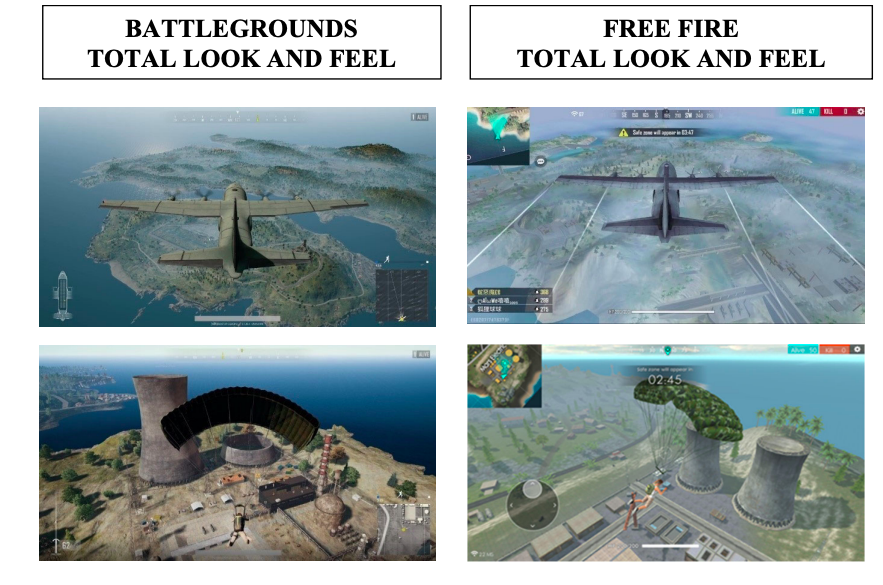
<img src="https://rassegna.lbit-solution.it/wp-content/uploads/2022/01/pubg-maker-sues-mobile-clone-apple-google-for-copyright-infringement.png" alt="Screenshot comparisons like these do make Free Fire look very similar to PUBG.”>
Enlarge / Screenshot comparisons like these do make Free Fire look very similar to PUBG.


Shortly after the 2017 release of PlayerUnknown’s Battlegrounds (PUBG), creator Brendan Greene publicly aired his exasperation at just how many developers were releasing shameless clones of the game’s then-unique battle royale concept and how hard it was to stop those copycats. Now, PUBG‘s Korean publisher Krafton has filed a lawsuit against one PUBG clone it says has engaged in “rampant, willful copyright infringement” of the popular game.

In the lawsuit, Krafton alleges that mobile hits Free Fire and Free Fire Max “extensively copy numerous aspects of Battlegrounds, both individually and in combination.” Those games attracted over 100 million daily users at the end of 2020, according to the lawsuit, and brought in the majority of Singaporean publisher Garena’s more than $2 billion in revenue for that year.

Krafton also makes Apple and Google party to the suit for listing the infringing game in their mobile app stores and for ignoring a recent request to take them down. In addition, Google is allegedly liable for hosting YouTube videos showing Free Fire‘s infringing gameplay on its service.

Look and feel

Proving copyright infringement in games can be difficult, as we recently discussed when looking at a wave of Wordle clones on the iOS App Store. While the specific “expression” of a game’s audiovisual elements (i.e., its overall “look and feel”) can be copyrighted, gameplay mechanics and general ideas are usually not protected under US law (though there can be exceptions when many gameplay features are copied directly and in concert).

Krafton’s lawsuit thus goes into great detail laying out specific and general elements of PUBG that it says are illegally copied in Free Fire. That includes everything from weapons and weapon attachments to armor, clothing, equipment, backpacks, and even “the overall choice of color schemes, materials, and textures.” PUBG‘s unique building designs also come into play, because, the lawsuit says, “although buildings have been used in prior games, the façades and layouts of the buildings in Free Fire are strikingly similar to those in Battlegrounds.”

Krafton also notes the similarities between the maps in the two games, both of which feature “a graveyard, a port with shipping containers and a crane, a Southeast Asia coastal village, a shooting range, a small village, a farm, an airstrip, and a trestle bridge leading to a large adjacent island, among others.” PUBG‘s in-game village of “Pochinoki” is even mimicked by a village in Free Fire named “Pochinok,” the lawsuit says.

The maps in the two games aren't identical, but they sure are similar.
Enlarge / The maps in the two games aren’t identical, but they sure are similar.

Even allusions to PUBG‘s famous “Winner Winner Chicken Dinner” victory message can be signs of copyright infringement, according to the lawsuit. In Free Fire, the game displays a roast chicken on screen for a winning player, allegedly showing that “Garena copied Krafton’s expressive use of a chicken dinner theme to designate victory where other depictions could have been used to inject joy and whimsy into a game upon winning.”

https://arstechnica.com/?p=1825933