Luma AI’s AI Agents Promise to End the Multi-Tool Mess


Brands and agencies have no shortage of AI tools for creative tasks—what they lack is cohesion. Creative teams often jump between image generators, video tools and language models, stitching outputs together manually and coordinating across departments. That patchwork process is what Luma AI says it wants to fix.

The Palo Alto–based company, founded in 2021, is launching a new category of end-to-end “creative agents” designed to coordinate and execute professional creative work across text, image, video and audio.

Luma spent its first three years building native 3D, image and video models. Now, the company is developing unified systems that work across modalities, with a specific focus on creative output for brands and agencies. The move signals Luma’s ambition to become a core part of the workflows for enterprise creative teams. 

“A couple of years back, most foundational model companies made the bet that the way toward intelligence was large language models,” said Caroline Ingeborn, COO of Luma AI. “While that’s true—with coding and deep research—that’s a sliver.”

The company has beta tested the agent with more than 100 clients since December. Launch partners include Serviceplan Group and Publicis Groupe Middle East & Turkey. 

From linear to agent-led

Until now, Ingeborn said, most creative teams have used AI tools for isolated parts of the creative process—generating an image, drafting copy or editing a video. She described the process as a “fragmented” approach.

The new agents are designed to collaborate across the entire workflow.

The system integrates Luma’s proprietary image and video models alongside third-party systems such as Veo, DeepSeek, ElevenLabs and Kling, with the ability for teams to toggle specific models on or off. The goal, Ingeborn said, is to eliminate the constant switching between tools.

Today’s creative production, she argued, remains highly sequential.

“It’s upending this process that has been very linear and very expensive, from ‘I have a script, then I do a mood board, then I do a video,’” Ingeborn said. “And for every one of these steps your project either gets killed, or you get more money.”

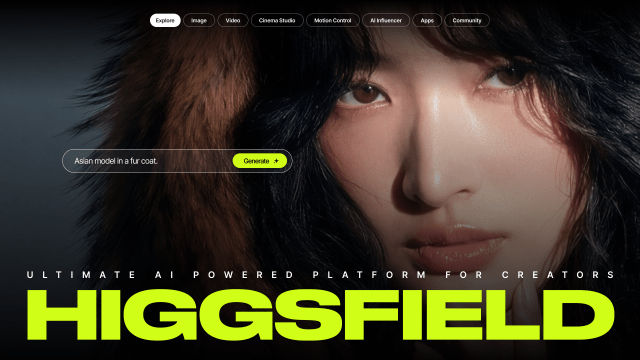
Luma, which has raised a total of $1.1 billion at a $4 billion valuation, positions itself as building toward multimodal general intelligence. Its latest offering arrives as more companies push into creative AI infrastructure, including Higgsfield, founded by Snap’s former generative AI chief.

However, Ingeborn argued Luma’s differentiation lies in its end-to-end execution layer.

“We are seeing that the process is moving from being very linear to being non linear,” said Igenborn. “The mission is that we want to build intelligence that can generate and operate and create alongside us humans.”

https://www.adweek.com/media/luma-ai-agents-promise-to-end-the-multi-tool-mess/


OffBall and Togethxr Team Up on a New Playbook for Sports Media

/* ========================= Base container ========================= */ .article-body-promo-ad { border: 1px dotted #f53c60; border-bottom: 0.5px dashed #f53c60; background-color: rgba(245, 60, 96, 0.05); border-radius: 8px; margin: 1em max(13%, 26px); max-width: 680px; position: relative; padding: 30px 16px 16px 60px; } .ad-megaphone-icon::before { content: ""; background-image: url("https://static-www.adweek.com/wp-content/uploads/2026/02/Megaphone.svg"); background-size: contain; background-repeat: no-repeat; position: absolute; left: 15px; top: 50%; transform: translateY(-50%); width: 40px; height: 40px; } /* Floating label */ .article-body-promo-ad::after { content: "Register Now"; position: absolute; top: -14px; background: #fdebed; color: #f53c60; font-size: 13px; font-weight: 600; padding: 4px 12px; border-radius: 999px; letter-spacing: 0.04em; white-space: nowrap; } [data-bs-theme="dark"] .article-body-promo-ad::before { filter: invert(1) brightness(1); } /* Typography */ .article-body-promo-ad p { font-size: 17px; line-height: 28px; letter-spacing: 0.03em; margin: 0; } /* Links */ .article-body-promo-ad a { font-weight: 700; text-decoration: none; color: inherit; } .article-body-promo-ad a:hover { color: #F6486A; } /* Dark mode */ [data-bs-theme="dark"] .article-body-promo-ad { background-color: rgba(245, 60, 96, 0.12); } [data-bs-theme="dark"] .article-body-promo-ad::after { background: #2a0f14; } @media (max-width: 576px) { .article-body-promo-ad::after { transform: translateX(-50%); top: -10%; left: 50%; font-size: 12px; } } @media (max-width: 576px) { .article-body-promo-ad { display: flex; align-items: center; gap: 10px; padding: 14px; margin: 2em 0; } } @media (max-width: 576px) { .article-body-promo-ad::before { display: none; } } .article-body-promo-ad::before { width: 28px; height: 28px; background-size: 28px 28px; } }

This story was originally published in On Background with Mark Stenberg, a free, weekly newsletter that explores the key themes shaping the media industry. You can sign up for it here.

In digital media, nothing is certain except death and the enduring dominance of live sports.

In recent years, the frenzy surrounding athletic content has reached a fever pitch, as live sport remains the lone source of monoculture in an otherwise balkanized entertainment landscape. This leverage has enabled leagues to extract eye-watering sums for their broadcast rights. And superstar athletes—now some of the most consequential creators on the planet—are reshaping everything from geopolitics to anime. 

In the scramble to chronicle this growing influence, the startup sports publishers OffBall and Togethxr have staked their claims in its two most dynamic spaces, and this week they announced a partnership.

Togethxr, created in 2021, and OffBall, launched in 2024, are both small digital media outfits, but they cover, respectively, two of the fastest-growing areas in athletics: women’s sports and sports culture. 

The two share much in common, including lean but highly pedigreed teams. Togethxr was cofounded by the professional athletes Alex Morgan, Sue Bird, Simone Manuel, and Chloe Kim, alongside the sports media veteran Jessica Robertson. Last April, former Vice Media CEO and A+E Networks CEO Nancy Dubuc joined as its executive chair.

OffBall, which launched in September 2024, counts as its cofounders Michaela Hammond, part of the founding team of The Players’ Tribune; former Sports Illustrated editor-in-chief Chris Stone; and Adam Mendelsohn, whose communications firm Upland Workshop helped launch the media outlets Puck and LeBron James’ SpringHill Company.

.newsletter-subscription-form-wrapper p:empty{ display: none !important } .newsletter-subscription-form-wrapper button br{ display: none !important }

Both have also taken untraditional approaches to their editorial and commercial strategies, which have emphasized the predominance of social media, newsletters, video, and brand extensions.

In 2025, Togethxr brought in around $30 million in revenue and was profitable, chief business officer Tommy McQueen told ADWEEK. The roughly 40-person business generates revenue from three sources: creating custom content for brands; creating premium video content, like the recent series Surf Girls, for streamers and video platforms; and merchandising and commercial products.

That last line of business, which has generated upward of $6 million, stems largely from the success of its trademarked slogan: Everyone Watches Women’s Sports. The ubiquitous motto, which you have surely seen on a t-shirt or hat, has become a symbol of the growing interest in women’s sports, serving as both a promotion for female athletics and an avatar for the company itself. 

OffBall, similarly, has prioritized growing a loyal audience over chasing scale. 

The eight-person company has just a handful of editorial touchpoints, including 80,000 followers across social media and 20,000 newsletter subscribers, and its website intentionally eschews any use of artificial intelligence or personalization. Instead, a small group of editors curate the content on the site and across socials, keeping the cost of content production low while cultivating a distinct voice. 

The startup has grown revenue 105% over the last 12 months and will reach the mid-seven figures this year, according to cofounder Michaela Hammond, who declined to share further financial specifics. OffBall generates revenue almost exclusively by producing branded content, including programs with Nike, WhatsApp, and CashApp.

Through the partnership, both publishers will borrow from each other to fill in core needs, as well as share joint benefits, such as a larger combined audience that they can now pitch to brand clients. 

Togethxr, for instance, is limited in the volume of advertising inventory it has on offer, as it has historically only been able to sell against tentpole moments in the women’s sporting calendar, according to Dubuc. Offball, on the other hand, offers an always-on advertising opportunity through its culture of sports approach, which showcases athletes at moments unrelated to athletic contests, such as Art Basel.

Togethxr will also gain access to first-party data through OffBall newsletters and its logged-in website visitors, as well as its expanding slate of editorial IP and growing events portfolio. Offball hosted four events last year, with a total of six planned for this year. It also partnered with NBC News last month to produce original programming around NBA culture and has plans to introduce other such franchises in the near future.

For OffBall, aside from the expanded scale, the primary appeal of the partnership is the resources on hand at Togethxr, which include its sales, business development, and operations teams, according to cofounder Adam Mendelsohn. Going forward, OffBall will be able to use those capabilities as its own, providing it manpower without having to fundraise. 

“The challenge when you raise the money is that you put yourself under immense pressure to scale revenue, and that leads to a slippery slope,” Mendelsohn said. “We’re trying to figure out if there’s a different way to do that.”

The tie-up is explicitly not a merger, but Togethxr will receive a minority equity stake and revenue from OffBall tied to the performance of the partnership, according to a person familiar with the matter. 

The deal structure, which allows both firms to grow without raising any new capital, reflects the new logic of media entrepreneurship. No longer do outlets raise heaps of capital, hire outlandishly at the jump, and hope to make it up with scale—nobody other than The Messenger, that is. 

Instead, in this new era of niche, bootstrapped outlets, publishers focus on operating as inexpensively as they can while building up direct, engaged audiences through one-to-one channels like newsletters. Video and social media, meanwhile, act as top-of-funnel devices that reach broad audiences, which can then be funneled into stickier channels or monetized through the more attractive CPM rates those channels command.

The editorial focus of the two outlets, both of which offer a more cost-effective approach for tapping into sports fandom, also reflects an emerging workaround to the prohibitively high price of original content production. 

As publishers face downward revenue pressures, both institutional outlets, like The Washington Post, which recently shuttered its sports bureau, and startups are looking for ways to cover popular topics on smaller budgets. This phenomenon is hardly restricted to sports—lifestyle coverage has a particularly hard time justifying its ROI nowadays, hence the coming culling at Condé Nast—but it has proven material in the space, given how expensive it is to bankroll beat reporters or participate in sports rights. 

Steadily building up engagement with a free product with an opted-in audience has become the new first step for digital media upstarts. If the partnership between OffBall and Togethxr proves fruitful, perhaps such mutually beneficial tie-ups might become more commonplace as well. 

Talking Heds

Consumer Rapport (Exclusive): The 90-year-old publisher Consumer Reports unveiled a $3 million brand marketing campaign on Monday. The campaign is part of a broader push from the outfit to expand its base of 5 million paying members. The creative, which revolves around the tagline “We Never Stop Questioning,” aims to underscore the nonprofit’s consumer advocacy efforts, which have exposed the high levels of lead in certain protein powders and led to the recall of defective child car seats.

Surprisingly, Consumer Reports generates around 70% of its $266 million in revenue directly from memberships, with affiliate revenues making up the smallest line of its business—a stark contrast from peers like Wirecutter and The Strategist, for whom affiliate revenue is the primary play. Last year, it spent $33 million buying the products it tests, which it later auctions off to staff and their families, according to chief marketing officer Khalid El Khatib. Despite this high cost of content, the non-profit broke even in its most recent financial filings.

Beehiiv Goes to Market (Exclusive): In recent months, the creator economy platform Beehiiv has expanded dramatically beyond its origins as a newsletter platform. Given the shift in both its scale and scope, the company on Monday hired its first chief marketing officer, Darren Chait, most recently the vice president of growth at Calendly. Chait, who joined Calendly when it acquired his startup, has a strong track record of product-led marketing, a skillset that Beehiiv hopes to put to good use, according to CEO Tyler Denk. The hire is part of a broader growth spurt at the platform, which recently doubled its sales team, having set itself the goal of reaching $55 million in revenue this year.

Index Exchange and Audiochuck Glow Up (Exclusive): Chait is not the only executive stepping into a new office this week: The supply-side platform Index Exchange and the podcasting firm Audiochuck also named high-profile executive appointments this week. Index Exchange nabbed former Trade Desk whiz Catherine Patterson to serve as its new senior vice president of platform and partnerships, where she will focus on streaming and sell-side decisioning. 

Audiochuck, in a sign of the times, has brought on Matt Shanfield as its first head of TV and film—a telling hire for a podcast studio. At Audiochuck (which is fresh off a licensing deal with Fox Corp.’s streamer Tubi) Shanfield will work to transform podcast properties like Crime Junkie into television and film properties, while simultaneously building out an IP pipeline through acquisition. Both hires—an SSP hiring a DSP alumna, and a podcast studio hiring a television executive—showcase just how upside down modern media has become.

Social Media Week Returns: In just a few weeks, ADWEEK will once again be hosting Social Media Week, by far the coolest event in our portfolio and one whose insights can legitimately help make or break your brand. I will be on-site, moderating panels and trying not to look washed, and would love to see you there. So join ADWEEK, on April 14 – 16 in New York, to tap into the cutting-edge tactics powering social for the top brands, media outlets, agencies, and creators in the world. Click here to learn more.

Pulled Quotes

“This is how people are getting content today.”
Malcolm Harris, host of the What the Truck logistics industry live-stream, on the rise of niche live-streamers
READ MORE

“This is a race to the bottom, and it’s going to be bad for customers and for us.”
An anonymous credit card official, on the arms race amongst premium credit cards
READ MORE

“There are easier ways to make $2.8 billion.”
Netflix co-CEO Ted Sarandos, on the breakup fee that Paramount paid Netflix
READ MORE

“What if humans are something better than machines? For that matter, what if it isn’t close?”
The Atlantic’s Charles Finch, reviewing Michael Pollan’s new book exploring AI and consciousness
READ MORE

Quote/Unquote

Dan Suratt is the CEO of America’s Test Kitchen and, as of last week, the CEO of the newly created Culinary Media Group, which houses both ATK and Food52, after the former purchased the latter for around $10 million in a bankruptcy auction last month. 

This interview has been edited.

Mark Stenberg: Why did America’s Test Kitchen buy Food52?

Dan Suratt: We had liked the asset for years and had a strong conviction that we wanted to buy it. There was a sales process before Food52 went into bankruptcy, and during that process we had bid north of the number that we ended up offering during the auction. If you go back a few years, when ATK was acquired in 2023 by our current owners, Marquee Brands, it was seen as a foundational asset, something we would build around. We are currently looking for other acquisition opportunities—Food52 is the first of many, not the final.

Mark: What does the ATK business look like? 

Dan: Our biggest line of business is digital subscriptions to the ATK website and app, which number in the hundreds of thousands. We also have the cookbooks business, where we own about 5% of that market, as well as our CTV offering, media assets like Cook’s Illustrated, and our YouTube channel, which has 2.5 million subscribers. We also just inked a podcast deal with Netflix to produce three original series for the streamer, the last of which will debut this month. 

Mark: How does Food52 slot into that?

Dan: What we bought includes the website, socials, commerce business, YouTube channel, and brand. With Food52, we want to apply the same strategy we applied to ATK, which is to reach consumers across every form of media. The biggest audience touchpoints for Food52 are their website and Instagram account, but we want to do more on YouTube and get Food52 back into books. We’re going to be on every medium that you can imagine.

Mark: Could there ever be a Food52 subscription product?

Dan: I’m not ruling that out, but you won’t subscribe to ATK and see Food52 content. What we love most about the Food52 opportunity is that it is such a distinct brand from ATK—there is very little overlap. Food52 is female-oriented and younger, whereas ATK is more 50-50 in its gender makeup and oriented toward consumers aged 40 to 60. So this is an opportunity for us to reach a different audience.

Mark: What are the relationships like with previous leadership? Are you in touch with either of the cofounders, and is the former CEO Erika Ayers sticking around?

Dan: Amanda [Hesser] and I have had a conversation, and we will be talking in the future. I’ve found her to be amazing, and the community that she built around the brand is what gave it its value. Erika is working with the estate and doing some consulting for us, but then leaving.

Mark: A lot of digital media is in retreat, whereas some food media brands are actively investing in their assets. What do you think the future of the space is?

Dan: Everybody has to eat, so you’re always going to be relevant in food. We are seeing traffic declines, like everyone else, which is why we are building across all these different channels so that we can meet people wherever they are. When it comes to AI, we talk about this a lot internally: AI doesn’t have tastebuds. It can tell you how to boil an egg, but you don’t want to rely on it when you’re hosting a dinner party; you want proven recipes from a trusted source. That comes down to brand.
https://www.adweek.com/media/offball-togethxr-partnership-sports-media/


EXCLUSIVE: WPP Elevates Nancy Hall to CEO of WPP Media U.S.


/* ========================= Base container ========================= */ .article-body-promo-ad { border: 1px dotted #f53c60; border-bottom: 0.5px dashed #f53c60; background-color: rgba(245, 60, 96, 0.05); border-radius: 8px; margin: 1em max(13%, 26px); max-width: 680px; position: relative; padding: 30px 16px 16px 60px; } .ad-megaphone-icon::before { content: ""; background-image: url("https://static-www.adweek.com/wp-content/uploads/2026/02/Megaphone.svg"); background-size: contain; background-repeat: no-repeat; position: absolute; left: 15px; top: 50%; transform: translateY(-50%); width: 40px; height: 40px; } /* Floating label */ .article-body-promo-ad::after { content: "Register Now"; position: absolute; top: -14px; background: #fdebed; color: #f53c60; font-size: 13px; font-weight: 600; padding: 4px 12px; border-radius: 999px; letter-spacing: 0.04em; white-space: nowrap; } [data-bs-theme="dark"] .article-body-promo-ad::before { filter: invert(1) brightness(1); } /* Typography */ .article-body-promo-ad p { font-size: 17px; line-height: 28px; letter-spacing: 0.03em; margin: 0; } /* Links */ .article-body-promo-ad a { font-weight: 700; text-decoration: none; color: inherit; } .article-body-promo-ad a:hover { color: #F6486A; } /* Dark mode */ [data-bs-theme="dark"] .article-body-promo-ad { background-color: rgba(245, 60, 96, 0.12); } [data-bs-theme="dark"] .article-body-promo-ad::after { background: #2a0f14; } @media (max-width: 576px) { .article-body-promo-ad::after { transform: translateX(-50%); top: -10%; left: 50%; font-size: 12px; } } @media (max-width: 576px) { .article-body-promo-ad { display: flex; align-items: center; gap: 10px; padding: 14px; margin: 2em 0; } } @media (max-width: 576px) { .article-body-promo-ad::before { display: none; } } .article-body-promo-ad::before { width: 28px; height: 28px; background-size: 28px 28px; } }

British advertising titan WPP has named Nancy Hall CEO of WPP Media U.S. following a months-long search for a leader of the division helmed by WPP Media global CEO Brian Lesser. 

Hall is stepping into the role after a nine-month stint as the company’s chief client officer. Prior to that, she was North America CEO at Mindshare, a WPP-owned media agency. She brings nearly 25 years of experience to her new post, having worked across adland holding companies including IPG and Conversant, which as part of Epsilon was later acquired by Publicis. In those roles, Hall helped to build out programmatic and tech capabilities designed to drive client outcomes. 

“My priority is to accelerate our momentum through innovation—strengthening our data and technology foundation, deepening client impact, and cultivating a culture where our teams are supported, challenged, and able to achieve their highest aspirations,” Hall told ADWEEK in a statement. “When our people thrive, our clients do, too. I am committed to setting that standard in this next chapter.”

Lesser, to whom Hall will report directly, expressed his confidence in Hall’s appointment. Her record of pioneering data and technology capabilities to deliver strong client results, he said, aligns “perfectly with our strategic priorities across WPP.”

Beyond her expertise in leading tech-centric organizations, he added, “she is deeply committed to our people and cultivating an environment where they are able to reach their highest aspirations.”

The news comes five months after the departure of Sharb Farjami, who served in the role for less than two years. Since his exit, Lesser has helmed WPP Media U.S. in an interim capacity.

WPP, more broadly, is at a critical turning point. CEO Cindy Rose announced during its fourth-quarter earnings call last week that WPP is abandoning the holding company model and plans to consolidate its many parts into four key divisions: WPP Media, WPP Creative, WPP Production, and WPP Enterprise Solutions. It’s part of a $676 million annual cost-cutting effort that arrives on the heels of WPP’s worst annual financial results since the early days of the Covid-19 pandemic, with additional declines projected.

Rose also suggested the company is exploring the potential divestiture of specific business units, though she did not name these divisions.

The ad giant’s multiyear downturn has been marked by major client losses including Coca-Cola, Mars, and Paramount (all to rival Publicis), the unceremonious departure of seven-year CEO Mark Read, and a stock price slumping under macroeconomic pressures and widespread AI anxieties. 

As the incoming leader of WPP Media U.S., Hall will have her work cut out for her.

Some WPP Media clients signaled their support for her promotion.

“Nancy is a thoughtful and dedicated partner, passionate about driving the best work for her clients,” said Ryu Yokoi, Unilever’s chief media and marketing capability officer for North America, in a statement. “She consistently pushes those around her to consider how to innovate for the future, while maintaining focus on driving outcomes in the present.”

Brad Audet, Mazda Americas’ chief marketing officer, said that Hall “brings tremendous insight and dedication to the work that we do together, be it in AI transformation, new audience strategy, or media innovation—and always in the service of putting consumers first. This is an outstanding choice for WPP Media’s clients.”

Hall’s appointment is effective immediately.

Update Mar. 4 at 7:31 p.m. ET: A previous version of this story incorrectly stated that Hall worked at Publicis. She worked at Conversant before it was acquired by Publicis.

https://www.adweek.com/agencies/exclusive-wpp-elevates-nancy-hall-ceo-wpp-media-us/


Manifest Hires BarkleyOKRP Veteran to Lead Client Division


/* ========================= Base container ========================= */ .article-body-promo-ad { border: 1px dotted #f53c60; border-bottom: 0.5px dashed #f53c60; background-color: rgba(245, 60, 96, 0.05); border-radius: 8px; margin: 1em max(13%, 26px); max-width: 680px; position: relative; padding: 30px 16px 16px 60px; } .ad-megaphone-icon::before { content: ""; background-image: url("https://static-www.adweek.com/wp-content/uploads/2026/02/Megaphone.svg"); background-size: contain; background-repeat: no-repeat; position: absolute; left: 15px; top: 50%; transform: translateY(-50%); width: 40px; height: 40px; } /* Floating label */ .article-body-promo-ad::after { content: "Register Now"; position: absolute; top: -14px; background: #fdebed; color: #f53c60; font-size: 13px; font-weight: 600; padding: 4px 12px; border-radius: 999px; letter-spacing: 0.04em; white-space: nowrap; } [data-bs-theme="dark"] .article-body-promo-ad::before { filter: invert(1) brightness(1); } /* Typography */ .article-body-promo-ad p { font-size: 17px; line-height: 28px; letter-spacing: 0.03em; margin: 0; } /* Links */ .article-body-promo-ad a { font-weight: 700; text-decoration: none; color: inherit; } .article-body-promo-ad a:hover { color: #F6486A; } /* Dark mode */ [data-bs-theme="dark"] .article-body-promo-ad { background-color: rgba(245, 60, 96, 0.12); } [data-bs-theme="dark"] .article-body-promo-ad::after { background: #2a0f14; } @media (max-width: 576px) { .article-body-promo-ad::after { transform: translateX(-50%); top: -10%; left: 50%; font-size: 12px; } } @media (max-width: 576px) { .article-body-promo-ad { display: flex; align-items: center; gap: 10px; padding: 14px; margin: 2em 0; } } @media (max-width: 576px) { .article-body-promo-ad::before { display: none; } } .article-body-promo-ad::before { width: 28px; height: 28px; background-size: 28px 28px; } }

Chicago’s Manifest has tapped a longtime BarkleyOKRP executive and Chicago agency veteran to unify its client leadership following last year’s merger with Aisle Rocket.

Betsy Ross joins the midsize independent as chief client officer, the first major leadership hire since the two agencies formally integrated under a single brand. The move signals the agency’s next phase after consolidation: building a consistent client experience across the merged agency.

Ross, who spent seven years at BarkleyOKRP and more than two decades in Chicago agencies, will oversee Manifest’s client organization across its offices in Chicago, New York, Washington D.C., Boston, and Phoenix.

Phase two of integration

The 2025 merger united Manifest’s content strategy expertise with Aisle Rocket’s creative technology and ecommerce capabilities under a single brand, creating a roughly 200-person independent challenger built to own the “middle” of the customer journey, where consideration expands and brands risk losing momentum.

Now, the agency has to deliver. According to Manifest partner and chief growth officer Melissa Bouma, the integrated structure required a single leader to unify what had previously been two client service organizations.

“We are bringing together and creating a new Manifest that we truly hope is going to be that right size agency to serve what clients need at this moment,” Bouma said.

On ‘productized’ agencies

Both executives framed the hire as a response to changing client expectations, with advertisers consolidating their agency rosters under pressure to drive measurable business impact.

At the same time, many agencies are packaging services into standardized, fixed-price offerings. Some agencies, like Stagwell’s Code and Theory, are going further, building proprietary AI tools to handle work that once required large teams.

Ross suggested that trend is creating frustration. “I was coming from a world where the solution was getting a little templated,” she said. “I’m excited to be part of flipping it upside down a little bit to meet what our clients really need.”

Rather than selling lines of service, Ross said her focus is custom work tied to client results, not billable hours. “If I wanted to be in sales, I would have gone into sales,” she said. “I am in relationship management for a reason.”

Growth agenda for 2026

Manifest ended 2025 focused on defining what differentiated the newly integrated agency. In 2026, Bouma said the focus has shifted toward helping more clients take advantage of the integrated offering.

The agency has secured new business in the pharmaceutical, travel, and hospitality categories, with additional announcements expected later this year. Leadership is also exploring further acquisitions, according to Bouma.

Ross will remain based in Chicago as the agency competes nationally against holding companies. For Ross, the appeal was returning to an independent structure where she could remain close to the work. “My sweet spot is working in that world where you’re still small enough to really have your handprint on the way we do business,” she said.

Bouma said she’ll measure Ross’s impact not just in revenue growth, but in client retention. “It’s about their satisfaction and happiness,” she said, “and showing consistency with growth at the same time.”

https://www.adweek.com/agencies/manifest-hires-barkleyokrp-veteran-to-lead-client-division/


A+E Turns Brands Into Lifetime Movies as It Looks to Compete in Upfront Pitch


A+E is getting out in front of the upfront pitches.

Today, a year after rebranding from A+E Networks to A+E Global Media, the company is back with one of the year’s first upfront pitches, delivering a virtual presentation to clients that introduced a new brand creative studio, deeper relationships with talent and creators, and an expanded content slate across A&E, The History Channel, Lifetime, Home.Made.Nation, and VICE TV.

“Last year, we introduced A+E Global Media to reflect the full depth and breadth of who we are: a multi-faceted global media and entertainment company, reflected in the strength and scale of our content, talent, and global platforms’ reach,” Paul Buccieri, president and chairman, A+E Global Media, said. “Today, we are continuing to evolve on that foundation—delivering distinctive programming across the most popular genres and on every screen.”

Heading into his second time leading the A+E upfront, Toby Byrne, president of A+E Media Solutions, said one of the priorities is to lean into long-term relationships with advertisers and to pair creators and programming with brands, as the company did when creating Lifetime movies for Chili’s and global biopharma company GSK.

“Chili’s and GSK are two of our most recent collaborations, and we think there’s an opportunity to do more,” Byrne said. “It’s a complicated marketplace, and there is so much optionality, but we’re going to focus on the value we can deliver our clients in environments that they prefer.”

Following the success of Chili’s and GSK Lifetime movies, A+E is continuing to lean into making brands into content through a new brand studio, Storyground.

The new studio will produce bespoke, creative executions for brands across linear, digital, and social media. It will also help connect brands to creators through a new creator ambassador program, which is starting on Lifetime and History, according to Juliana Stock, president of marketing and digital, A+E Global Media.

“It’s going to span marketing, digital, and sales initiatives with creators leading broader brand storytelling across their social platforms,” Stock said. “We really enjoy working with creators because they’re very innovative, they have fans and followers that are important prospects to us, and they’re candid and prioritize authenticity.”

Heading into 2026, A+E is offering a diverse programming lineup, including traditional and alternative media, with major talent such as Tom Hanks, Kevin Bacon, Valerie Bertinelli, Toni Braxton, Queen Latifah, Taraji P. Henson, Derek Jeter, and more.

Among the shows in its content slate, The History Channel will feature several programs, including History’s Strange Fortunes with Kevin Bacon, Extraordinary Origins with Ted Danson, and Mistakes That Made America, a digital-first offering that examines blunders that reshaped the United States.

Meanwhile, Lifetime will dabble in microdramas with the vertical series Tides of Temptation. That will join more traditional movies like Angel in the Rubble, starring Sherri Shepherd, and Terry McMillan Presents: Paradise with You, starring Taye Diggs.

Among the other highlights, A&E will showcase projects such as K9 PD with Jim Belushi and documentary Scott Peterson: The New Evidence. Plus, Home.Made.Nation will have 150 hours of new and returning series, and VICE TV will add 300 hours of new content.

Byrne explained that, in addition to focusing on outcomes and transacting on whatever currency clients prefer, A+E is looking to bring brands to the platforms where viewers are, with more than half of A+E impressions coming outside of linear.

“When you take advantage of that full reach, it has great impact with a price point and cost of entry that is manageable, certainly relative to the big sports,” Byrne said. “It’s a reasonable investment. It’s a lot of impact. It’s efficient media, and we stand behind it by guaranteeing results.”

Want to lead CTV strategy instead of just executing it? Join the ADWEEK MiniMBA in Marketing and gain the MBA-level expertise that can accelerate your career. Sign up here.

https://www.adweek.com/convergent-tv/ae-turns-brands-lifetime-movies-upfront-pitch/


Netflix Taps Amazon’s Shopping Data to Sharpen Ad Targeting


Netflix is giving advertisers something they’ve been asking for: retail-grade data inside a premium streaming environment.

Starting in Q2 in the U.S., brands buying Netflix inventory through Amazon DSP will be able to apply Amazon Audiences—advertiser segments built from Amazon users’ shopping, browsing, and streaming behavior—to their campaigns. This allows brands to tap into what the company describes as “trillions” of shopping, browsing, and streaming signals to reach viewers based on real-world purchase behavior.

“By applying Amazon’s exclusive signals to Netflix’s highly engaged viewers, advertisers can reach the right audiences and drive even stronger performance,” the company said in a blog post announcing the update.

The move deepens Netflix’s push into performance advertising territory. Rather than relying solely on contextual or demographic targeting, advertisers can now reach members based on what they are actively shopping for on Amazon—bringing commerce data directly into connected TV. 

The offering will expand to additional ad-supported markets later this year.

A Netflix spokesperson told ADWEEK the new capabilities are not tied to the company’s upfront strategy.

Netflix is also broadening audience access through Yahoo DSP, allowing advertisers to activate deterministic Yahoo audiences built from global interest, behavioral, purchase, and life-stage signals.

Together, the integrations mark Netflix’s latest step toward making its ad-supported tier more interoperable with the broader programmatic ecosystem. The update builds on last year’s launch of the Netflix Ads Suite—its in-house ad-tech stack—and its decision to make inventory available via Amazon DSP.

To further bolster its performance pitch, Netflix is introducing its own Conversion API, designed to provide real-time campaign insights and clearer attribution. In early testing with Tinuiti, campaigns outperformed benchmarks by more than 75% across financial services, ed tech, and retail categories, according to Netflix.

As streaming platforms compete more directly for performance budgets, Netflix’s moves signals that its ad business courts more more performance dollars. 

Streaming moves fast—you should too. Enroll in The ADWEEK MiniMBA in Marketing before the April 7th cohort begins and build the foundation that your CTV investments demand. Sign up here.

https://www.adweek.com/convergent-tv/netflix-taps-amazons-shopping-data-to-sharpen-ad-targeting/


Ad Agencies Are Embracing ‘Vibe Coding’ to Build GEO Products for Clients


/* ========================= Base container ========================= */ .article-body-promo-ad { border: 1px dotted #f53c60; border-bottom: 0.5px dashed #f53c60; background-color: rgba(245, 60, 96, 0.05); border-radius: 8px; margin: 1em max(13%, 26px); max-width: 680px; position: relative; padding: 30px 16px 16px 60px; } .ad-megaphone-icon::before { content: ""; background-image: url("https://static-www.adweek.com/wp-content/uploads/2026/02/Megaphone.svg"); background-size: contain; background-repeat: no-repeat; position: absolute; left: 15px; top: 50%; transform: translateY(-50%); width: 40px; height: 40px; } /* Floating label */ .article-body-promo-ad::after { content: "Register Now"; position: absolute; top: -14px; background: #fdebed; color: #f53c60; font-size: 13px; font-weight: 600; padding: 4px 12px; border-radius: 999px; letter-spacing: 0.04em; white-space: nowrap; } [data-bs-theme="dark"] .article-body-promo-ad::before { filter: invert(1) brightness(1); } /* Typography */ .article-body-promo-ad p { font-size: 17px; line-height: 28px; letter-spacing: 0.03em; margin: 0; } /* Links */ .article-body-promo-ad a { font-weight: 700; text-decoration: none; color: inherit; } .article-body-promo-ad a:hover { color: #F6486A; } /* Dark mode */ [data-bs-theme="dark"] .article-body-promo-ad { background-color: rgba(245, 60, 96, 0.12); } [data-bs-theme="dark"] .article-body-promo-ad::after { background: #2a0f14; } @media (max-width: 576px) { .article-body-promo-ad::after { transform: translateX(-50%); top: -10%; left: 50%; font-size: 12px; } } @media (max-width: 576px) { .article-body-promo-ad { display: flex; align-items: center; gap: 10px; padding: 14px; margin: 2em 0; } } @media (max-width: 576px) { .article-body-promo-ad::before { display: none; } } .article-body-promo-ad::before { width: 28px; height: 28px; background-size: 28px 28px; } }

Ad agencies, like Havas, Broadhead and Supergood, are vibe-coding their own generative engine optimization (GEO) tools on top of large language models—often in a matter of hours.

Using coding assistants like Anthropic’s Claude Code, teams are building bespoke applications that analyze how brands appear in AI-generated responses, track competitors and, in some cases, package those tools into products sold to clients.

One example is Havas’s Brand Insights AI, a GEO product built using Claude Code and Replit. The tool generates prompts based on a client’s brand, runs them across multiple models, and analyzes how often a brand appears in responses, including citations—effectively simulating how a brand shows up in AI-driven discovery.

The platform has been rolled out globally, covering nearly 100 countries and more than 60 languages, and is licensed to clients as a SaaS product. It has also become a core part of the agency’s pitch strategy and helped win new business, according to Dan Hagen, Havas’ global chief data and technology officer.

The push to build GEO tools comes as brands try to influence how they appear in AI-generated answers, with more people turning to platforms like ChatGPT to find information. That shift has sparked a wave of startups—including Profound, Bluefish and Emberos—promising to help brands track and improve their visibility in AI responses. But three agencies interviewed for this story said they are increasingly building their own systems, arguing that off-the-shelf tools don’t fit how their teams work.

For Hagen, the appeal of building in-house comes down to control. Rather than adapting to third-party platforms, the agency can tailor features for specific use cases from brands managing multiple portfolios to teams in SEO or PR.

“You have so much control over the interface and the way you can build against it,” he said. 

Havas has so far opted against signing an exclusive enterprise agreement with Anthropic, which Hagen said can run into “multiple millions” annually. “It’s a combination of flexibility. It would be challenging for me to sign four or five enterprise agreements just from weight of cost,” he said, noting that pricing structures often fluctuate based on usage volumes, token consumption and model type.

Hagen also pointed to “cost control and management,” given the uneven adoption across the agency. While some employees are deeply embedded in AI workflows, others are still early in the learning curve. Committing to thousands of enterprise licenses, he said, risks paying for capacity that isn’t yet fully utilized. “We didn’t want to be in a position where we’re paying for ten thousand licenses that people are using once a week,” he said. “We didn’t want to get ourselves in a position where we’re sort of bedded in with one enterprise level deal with whoever and then that becomes a solution. What if they’re not frontier enough in six months–that puts us in a difficult situation.”

Creating an application within hours

The independent agency Broadhead is also experimenting with vibe coding GEO tools.

VP of product innovation Mitch Hislop said he “vibe coded” the first version of the agency’s GEO monitoring platform in a single evening using Claude Code. The tool analyzes how different AI providers rank a brand and its competitors.

One of its earliest features was what the team calls a “competitive intelligence vote,” where a user inputs a brand and location, and an LLM returns the competitors it is most likely to surface. The team then extended the feature by layering in audience personas—allowing the system to simulate how different types of consumers might query tools like ChatGPT or Claude, and how each brand ranks in those responses.

That upgrade took about two hours, Hislop said.

The result is a more dynamic form of competitive analysis, showing not just who a brand competes with, but how that competitive set shifts depending on user intent.

For Hislop, the advantage of building in-house is flexibility. “We could use what SEMrush provides, but we don’t like A, B and C about it. We don’t want to pay for SEMrush and Profound,” he said. “Instead, we have our own solution. We can make it work exactly how we want.”

Turning models into infrastructure

Other agencies are going further, adopting Anthropic’s models as part of their core infrastructure.

Mike Barrett, founder and chief strategy officer at Supergood, said the agency has an enterprise agreement with Anthropic and uses its models via API across a range of applications, including organizing internal knowledge graphs and shaping how brands show up in AI-generated search results.

In this setup, a model generates a response, evaluates it against predefined criteria, assigns a score and repeats the process until it reaches a target threshold—effectively acting as both creator and editor.

The process allows models to improve outputs over multiple passes without human intervention, Barrett said.

“Everybody’s making software right now,” Barret said. “In two years we are going to be delivering more software than actual documents.

https://www.adweek.com/media/ad-agencies-embrace-vibe-coding/


Havas Bets on AI Veteran Sharona Sankar-King to Lead Proprietary Tech Push


/* ========================= Base container ========================= */ .article-body-promo-ad { border: 1px dotted #f53c60; border-bottom: 0.5px dashed #f53c60; background-color: rgba(245, 60, 96, 0.05); border-radius: 8px; margin: 1em max(13%, 26px); max-width: 680px; position: relative; padding: 30px 16px 16px 60px; } .ad-megaphone-icon::before { content: ""; background-image: url("https://static-www.adweek.com/wp-content/uploads/2026/02/Megaphone.svg"); background-size: contain; background-repeat: no-repeat; position: absolute; left: 15px; top: 50%; transform: translateY(-50%); width: 40px; height: 40px; } /* Floating label */ .article-body-promo-ad::after { content: "Register Now"; position: absolute; top: -14px; background: #fdebed; color: #f53c60; font-size: 13px; font-weight: 600; padding: 4px 12px; border-radius: 999px; letter-spacing: 0.04em; white-space: nowrap; } [data-bs-theme="dark"] .article-body-promo-ad::before { filter: invert(1) brightness(1); } /* Typography */ .article-body-promo-ad p { font-size: 17px; line-height: 28px; letter-spacing: 0.03em; margin: 0; } /* Links */ .article-body-promo-ad a { font-weight: 700; text-decoration: none; color: inherit; } .article-body-promo-ad a:hover { color: #F6486A; } /* Dark mode */ [data-bs-theme="dark"] .article-body-promo-ad { background-color: rgba(245, 60, 96, 0.12); } [data-bs-theme="dark"] .article-body-promo-ad::after { background: #2a0f14; } @media (max-width: 576px) { .article-body-promo-ad::after { transform: translateX(-50%); top: -10%; left: 50%; font-size: 12px; } } @media (max-width: 576px) { .article-body-promo-ad { display: flex; align-items: center; gap: 10px; padding: 14px; margin: 2em 0; } } @media (max-width: 576px) { .article-body-promo-ad::before { display: none; } } .article-body-promo-ad::before { width: 28px; height: 28px; background-size: 28px 28px; } }

Havas Media Network North America has appointed Sharona Sankar-King as chief data and product officer, the agency told ADWEEK.

Sankar-King joins from marketing services firm Harte Hanks, where she served as chief customer and data officer, and will report directly to North America CEO Greg James. The hire gives Sankar-King oversight of Converged.AI, the agency’s proprietary AI platform, and its broader analytics practice across the U.S. and Canada.

Sankar-King’s appointment comes as Havas accelerates investment in AI infrastructure and positions Converged.AI as a differentiator in a market increasingly defined by data complexity and privacy fragmentation.

“The industry has shifted dramatically over the past 18 months, with AI, data, and product innovation converging at speed,” James said. “We conducted a thoughtful search to find a leader who could unify AI strategy, product development, and client impact under one vision. She brings a rare blend of consulting rigor, agency experience, and deep AI expertise to lead Converged.AI forward.”

Sankar-King brings more than 25 years of experience across agencies, consultancies, and marketing services firms. Before Harte Hanks, she spent over six years as an expert partner at Bain & Company, leading global work in customer engagement, marketing transformation, and AI-driven growth. Her agency background includes senior roles at BBDO, where she served as EVP and head of marketing science, and GroupM, where she led digital media optimization and advanced analytics across North America.

In her new role, Sankar-King will oversee Havas’ analytics practice and lead Converged.AI, the agency’s AI platform that connects 23,000 people across its global network. Since its launch two years ago, the platform has served as the foundation for tools like AVA, a no-code application launched at CES in January that lets staffers build and share AI workflows across the company. James describes it as the backbone of Havas’ AI-powered organization.

Sankar-King signaled her near-term focus will be on scaling what the agency has already built. “My focus is simple: accelerate our ability to deliver intelligence-led solutions at scale,” she said. “Clients aren’t looking for more noise; they’re looking for clarity, foresight, and solutions that actually solve real business problems.”

She was pointed about where the broader industry is falling short: “Most agencies focus on surface-level AI applications — automating tasks, building shiny demos, or experimenting in silos — without addressing the systemic issues that prevent AI from delivering real value: fragmented data, disconnected workflows, insufficient infrastructure, and a misunderstanding of AI’s role in augmenting human capability.”

https://www.adweek.com/agencies/havas-converged-ai-sharona-sankar-king-proprietary-tech-push/


X Will Penalize Creators Who Share AI-Generated War Videos Without Disclosure


/* ========================= Base container ========================= */ .article-body-promo-ad { border: 1px dotted #f53c60; border-bottom: 0.5px dashed #f53c60; background-color: rgba(245, 60, 96, 0.05); border-radius: 8px; margin: 1em max(13%, 26px); max-width: 680px; position: relative; padding: 30px 16px 16px 60px; } .ad-megaphone-icon::before { content: ""; background-image: url("https://static-www.adweek.com/wp-content/uploads/2026/02/Megaphone.svg"); background-size: contain; background-repeat: no-repeat; position: absolute; left: 15px; top: 50%; transform: translateY(-50%); width: 40px; height: 40px; } /* Floating label */ .article-body-promo-ad::after { content: "Register Now"; position: absolute; top: -14px; background: #fdebed; color: #f53c60; font-size: 13px; font-weight: 600; padding: 4px 12px; border-radius: 999px; letter-spacing: 0.04em; white-space: nowrap; } [data-bs-theme="dark"] .article-body-promo-ad::before { filter: invert(1) brightness(1); } /* Typography */ .article-body-promo-ad p { font-size: 17px; line-height: 28px; letter-spacing: 0.03em; margin: 0; } /* Links */ .article-body-promo-ad a { font-weight: 700; text-decoration: none; color: inherit; } .article-body-promo-ad a:hover { color: #F6486A; } /* Dark mode */ [data-bs-theme="dark"] .article-body-promo-ad { background-color: rgba(245, 60, 96, 0.12); } [data-bs-theme="dark"] .article-body-promo-ad::after { background: #2a0f14; } @media (max-width: 576px) { .article-body-promo-ad::after { transform: translateX(-50%); top: -10%; left: 50%; font-size: 12px; } } @media (max-width: 576px) { .article-body-promo-ad { display: flex; align-items: center; gap: 10px; padding: 14px; margin: 2em 0; } } @media (max-width: 576px) { .article-body-promo-ad::before { display: none; } } .article-body-promo-ad::before { width: 28px; height: 28px; background-size: 28px 28px; } }

X will temporarily bar creators from monetizing their content through its Creator Revenue Sharing program if they share AI-generated videos of an armed conflict without clearly disclosing that it was made with AI. The move comes three days after the U.S. and Israel launched strikes against Iran, sparking a chain of violent reactions.

X’s head of product Nikita Bier made the announcement in a post on X Tuesday morning, writing: “During times of war, it is critical that people have access to authentic information on the ground.” He added that AI platforms have lowered the bar to making “content that can mislead people.” 

Creators who post AI-made videos of armed conflict without adequate disclosure, Bier said, will be suspended from Creator Revenue Sharing for 90 days. Additional violations will lead to permanent suspension from the program.

Replying to one user, Bier explained that creators would need to click on the menu and select ‘Add Content Disclosures’ where they will find a ‘Made with AI’ label option.

X will be able to check whether videos are AI-generated using available metadata imbued by AI systems in combination with Community Notes, X’s crowd-sourced fact-checking tool, Bier added. 

X debuted its revenue-sharing initiative in mid-2023. Through the program, X Premium-subscribed creators or verified organizations with at least 5 million organic impressions in the past three months who have at least 500 verified followers are eligible to cash out on their content. These users to earn based on engagement—a 2024 departure from previous rules that determined payouts based on ad impressions. 

The policy update comes two days after a Wired investigation found X drowning in misinformation about the conflict in Iran. Various months- or years-old videos were presented as new, some posts included outright disinformation about specific attacks, and  AI-generated imagery and videos spread like wildfire, shared even by the Iranian newspaper Tehran Times.

X has been recently plagued with its own endemic issues related to AI-generated content, too. In late December and early January, the site was overwhelmed with nonconsensual sexualized deepfakes of real users after users prompted Grok AI, embedded within X, to produce the images. Though the platform eventually tweaked its rules, the changes were far from comprehensive, as users can still use various Grok interfaces to produce such content. 

Meanwhile, the company has also been signaling its willingness to crack down on content that might deter advertisers from spending on X. Last week, X held a webinar for advertisers—the presentation for which was obtained by ADWEEK—promoting its brand safety capabilities. X’s ad revenues are about half of what they were before billionaire Tesla boss Elon Musk acquired the platform for $44 billion in late 2022, according to data from Emarketer.

X did not comment by press time. 

https://www.adweek.com/media/x-war-ai-generated-videos-revenue-sharing/


Consumer Reports Just Dropped $3 Million on Its Biggest Ad Push in Five Years


Why is my laundry taking two hours? Is this sunscreen water-resistant? Will my dishes be dry when the dishwasher finishes?

In its first major marketing push in more than five years, the non-profit publisher Consumer Reports unveiled a $3 million, full-funnel brand marketing campaign on Tuesday rooted in addressing the everyday questions that pepper modern life.

The initiative, part of a broader effort from the 90-year-old non-profit to emphasize its utility in a rapidly shifting information landscape, was developed with branding agency Red Antler and media agency Kepler, according to chief marketing officer Khalid El Khatib. 

It will be fully live by March 6 and run through the end of May, spanning digital, social, connected TV, linear, and out-of-home placements across eight DMAs, including Chicago, Atlanta, Phoenix, and Miami.

Anchored in the tagline “We Never Stop Questioning,” the creative leans into the rigor of Consumer Reports’ testing, which has exposed protein powder contaminated with lead, defective child car seats, and recalled toys. The messaging also aims to communicate a broader transformation afoot at the brand, as it repositions itself from a ratings publisher to an independent consumer advocate.

While Consumer Reports enjoys high brand awareness, many consumers still associate it primarily with a print magazine.

“A lot of people know Consumer Reports, but they don’t necessarily know the Consumer Reports of today,” said El Khatib.

The organization publishes one of the top five magazines in the country by circulation and counts roughly 5 million paying members across digital and print tiers, according to El Khatib.

Membership, which costs $39 per year for digital and $64 per year for print and digital, remains its primary revenue driver, bringing in roughly 70% of its overall revenue. Its most recent financial statement, filed March 2025, shows that the organization generated $266 million in revenue and a net income of approximately $1.7 million. 

In addition to its membership program, Consumer Reports generates revenue, in descending order, from philanthropic donations, brand licensing through its CR Recommended program, and affiliate commerce. Unlike many publishers, it does not accept advertising and purchases every product it tests, spending around $33 million annually on independent evaluations, according to El Khatib.

A bifurcated funnel

Strategically, the campaign is designed as a case study in dual-audience targeting, according to Consumer Reports’ director of brand marketing Jennifer Evans.

The non-profit split its media investment between two cohorts: consumers 55 and older, who demonstrate high familiarity and affinity for the brand, and a 35-to-54 audience with lower awareness of its modern identity.

.newsletter-subscription-form-wrapper p:empty{ display: none !important } .newsletter-subscription-form-wrapper button br{ display: none !important }

The older segment is being served lower-funnel messaging designed to drive membership and donations, while the younger cohort is targeted with upper-funnel brand education, aimed at reframing Consumer Reports as an advocacy-oriented nonprofit rather than a legacy magazine brand.

“We have the gift of tremendously high awareness and affinity among older people,” El Khatib said. “Where we need to focus is moving people down the funnel and bringing younger audiences into the fold.”

The campaign is running in eight test markets, with placements optimized based on search, social, and household income data, according to Evans. Several of the placements will incorporate contextual relevance, such as promoting its protein powder exposé in gyms and its toy recall reporting in OOH mall displays.

The work, rooted in data from real consumers, aims to underscore the rigor of Consumer Reports’ testing.Consumer Reviews

To demonstrate return on investment, the organization aims to lower customer acquisition costs, while increasing newsletter signups and membership conversions. It is also conducting a cross-platform brand lift study and comparing performance in test and control markets.

A broader publisher push

Consumer Reports’ effort comes amid a wave of brand marketing campaigns from premium publishers, which have sought to bolster their relevance as referral traffic declines and AI disrupts search.

Chris Garbutt, co-president and chief creative officer of VIRTUE, said the timing reflects a convergence of pressures: fragmented media consumption, algorithmic discovery, and a growing need for brands to proactively assert their value.

Creatively, the work is solid but conventional, according to Garbutt, who noted that many publishers are leaning into traditional paid media pushes at a moment when cultural relevance may require deeper participation.

“If I were to optimize it, I’d think about how to make that platform more participative,” he said. “It’s less about share of voice and more about share of platform.”

For Consumer Reports, the campaign ultimately aims to reinforce its core value proposition, which is the trust it has engendered over decades of consumer advocacy.

In the modern media landscape, where consumers often fail to consider the source of the information they receive, Consumer Reports’ non-profit structure and refusal to accept advertising provide a clear narrative advantage.

The challenge, according to Garbutt, is articulating that difference quickly and memorably in a crowded environment.

“Positioning themselves as a trusted source in a world without a lot of trust makes a lot of sense,” Garbutt said. “You can’t just expect people to know what you’re about anymore. You have to tell them.”

https://www.adweek.com/media/consumer-reports-rebranding-new-generation/