A Last Look at Super Bowl 59: Safe Bets, Bizarre Bods, AI Infusion, Pharma Fever


.article-native-ad { border-bottom: 1px solid #ddd; margin: 0 45px; padding-bottom: 20px; margin-bottom: 20px; } .article-native-ad svg { color: #ddd; font-size: 34px; margin-top: 10px; } .article-native-ad p { line-height:1.5; padding:0!important; padding-left: 10px!important; } .article-native-ad strong { font-weight:500; color:rgb(46,179,178); }

Social media is evolving. Are you adapting? Connect with a community of brand pros and content creators at Social Media Week, May 12–14 in NYC, to learn how to keep pace with new trends and technology. Register now to save 20% on your pass.

Last night, some 37 million US households tuned in to watch the Philadelphia Eagles obliterate the Kansas City Chiefs, Samba TV data indicates. It was a star-studded event with appearances by everyone from President Trump to Samuel L. Jackson. 

And brands were out in full force, shelling out upwards of $8 million for a 30-second opportunity to capture fans’ attention during commercial breaks. 

The ads tapped into nostalgia, humor, celebrity power, and emerging industry trends—but in many instances also reflected the industry’s reluctance to take big risks in an era of heightened cultural sensitivity and economic uncertainty.

Here are the six themes from Super Bowl LIX’s advertising lineup:

1. Playing it safe with nostalgia and offend-nobody jokes

Super Bowl ads have long served as a cultural mood ring, and this year’s batch reflected a cautious approach, opting for nostalgia and broad, lighthearted humor over anything potentially divisive. Brands leaned heavily on familiar faces, funny mascots, and feel-good storytelling to maximize appeal while sidestepping controversy.

Budweiser’s Clydesdales made their grand return, evoking the brand’s traditional Americana spirit. Hellmann’s reunited Billy Crystal and Meg Ryan in a When Harry Met Sally throwback, banking on intergenerational recognition. Meanwhile, NerdWallet’s talking beluga whale—voiced by Oscar-nominated actor Kieran Culkin—provided a harmless comedic touch.

And of course there were bros and beers galore, classic Super Bowl tropes. Bud Light threw a block party with Peyton Manning, Shane Gillis, and Post Malone. Ram tapped a rough-and-tumble Glen Powell to drive trucks and punch dragons. Meanwhile, IndyCar went all-in on superhero-esque imagery with drivers Pato O’Ward, Josef Newgarden and Alex Palou.

All in all, many brands played a safe hand, betting on tried-and-true tactics. 

The effect? “The superficial bowl,” according to one industry vet. 

2. The old guard teams up with a new generation

This year, the Big Game’s commercial breaks were packed with older A-listers. In many cases, graying greats teamed up with younger talent to bridge generational gaps and maximize appeal.

Antonio Banderas led Bosch’s debut Super Bowl campaign alongside a ‘Macho Man’ Randy Savage doppelganger, while Schitt’s Creek star Eugene Levy showed off his comedic chops for Little Caesars.

Meanwhile, Martha Stewart and Charli XCX teamed up to try their hand at a popular TikTok trend for Uber Eats, while Willem Dafoe and Catherine O’Hara took center stage in Michelob Ultra’s pickleball-themed commercial. Even Seal, both in human and CGI form, found his way into a Mountain Dew ad alongside pop star Becky G.

Of the older celebrity contingent, Sandy Greenberg, co-founder and CEO of indie ad agency Terri & Sandy, said, “There’s an audience that grew up with this talent, and a new generation that didn’t. But no one has to dig through the attic to find out who these people are—the content is everywhere, which makes them relevant to multiple audiences and to brands.”

3. Pharma pops in—with a dose of backlash

Historically absent from the Super Bowl ad roster, pharmaceutical brands made a bold play this year, stepping onto the big stage with high-impact messages. But some of the messages have sparked controversy.

Novartis ran a breast cancer awareness spot featuring Hailee Steinfeld and Wanda Sykes. The effort earned praise for breaking the mold of traditional healthcare advertising. 

Pfizer took out its second consecutive Super Bowl spot with an emotional depiction of a young cancer survivor’s journey, set to LL Cool J’s “Knock You Out.” The ad was well-received by some audiences, but attracted backlash from others. 

But it was a Hims & Hers’ ad promoting GLP-1 weight loss drugs like Ozempic that sparked the most controversy. The direct-to-consumer telehealth provider took a provocative stance on the accessibility of weight loss treatments, drawing backlash from a pharmaceutical industry group and two U.S. senators for allegedly misleading consumers.

Nonetheless, some creatives were impressed by the category’s divergence from dry, formulaic messaging. “Pharma ads used to feel more like clinical PSAs—safe and focused on facts,” said Andrés Ordóñez, Global CCO at FCB. “This year, there’s a clear shift toward bold ideas designed to make a transformational impact. [Brands are] leaning into creative storytelling and human connections.”

4. Automakers put it in park

Once a Super Bowl staple, automotive brands took a noticeable step back this year. 

Jeep and Ram were the only major car manufacturers to run ads, a stark contrast to previous years when EV-focused campaigns dominated commercial breaks.

Besides Powell’s ad for Ram truck, Harrison Ford starred in Jeep’s two-minute spot. But the focus was less on electric vehicles and more on the rugged adventure that the brand has always championed. 

The decline in automotive advertising—and EV advertising in particular—comes amid industry-wide budget constraints and increasing regulatory uncertainty as the Trump administration considers cutting EV tax incentives.

In years past, Kia struck an emotional chord with an ad for its EV9, Will Ferrell pushed the U.S. to go head-to-head with Norway on EV adoption in a GM ad, and Ram likened EV worries to erectile dysfunction. 

5. Body get bizarre

In one of the more unexpected developments of this year’s Super Bowl, a number of ads embraced surreal, grotesque, body-morphing visuals. 

Seal’s transformation into a real seafaring mammal in Mountain Dew’s spot was just the beginning. Nothing will wipe from our minds Eugene Levy’s runaway eyebrows in Little Caesars’ spot. But Little Caesars was preceded—and potentially outshined—by Pringles’ exaggerated mustache mishap. Coffee Mate’s animated, sentient tongue also contributed to the trend of wacky, attention-grabbing imagery. Tubi’s commercial, featuring fleshy, moving hats, was another unexpected foray into the bizarre.

“I’m assuming the body shock exists because of the need to ‘shock’ people’s eyeballs on this stage. Lots of people are drinking and half watching/barely hearing the audio at Super Bowl parties, so sometimes you need something that grabs your eyeballs, like weird cowboy hat-shaped skulls covered perfectly in flesh, or a weird dancing tongue, or just Seal’s face on a seal,” said Gordy Sang, co-CCO at Quality Meats Creative.  

6. AI everywhere, of course

It was impossible to miss the abundance of AI-focused messaging in this year’s crop of Super Bowl ads. From OpenAI’s first foray into Super Bowl advertising to Google’s emotionally charged ‘Dream Job’ ad spotlighting Gemini’s talk features, the technology was front and center.

GoDaddy’s ad for its suite of AI tools emphasized automation for small business owners, though it struggled to leave a lasting impression. Meanwhile, Meta’s lighthearted campaign for its Ray-Ban smart glasses featured a star-studded lineup, including Chris Hemsworth, Chris Pratt, and Kris Jenner, but left some viewers questioning the product’s real-world appeal.

Even OpenAI’s highly anticipated Super Bowl debut faced mixed reactions. The ad, a minimalist and stylized piece on the evolution of AI, resonated with some viewers. Others felt it was too esoteric, while some suggested the brand should have pushed the boundaries further to show the platform’s vast capabilities. 

“Impossible to tell what it was the first half until it started saying random prompts like ‘write me a business plan.’ Two years in and they don’t have a better sales pitch than ‘summarise this article for me.’ Washed!,” wrote Ed Zitron, a tech PR leader, on X.

https://www.adweek.com/brand-marketing/a-last-look-at-super-bowl-59-safe-bets-bizarre-bods-ai-infusion-pharma-fever/


In a Bizarre and Unsettling Ad, Ye Makes His Super Bowl Appearance in a Dentist’s Chair


.article-native-ad { border-bottom: 1px solid #ddd; margin: 0 45px; padding-bottom: 20px; margin-bottom: 20px; } .article-native-ad svg { color: #ddd; font-size: 34px; margin-top: 10px; } .article-native-ad p { line-height:1.5; padding:0!important; padding-left: 10px!important; } .article-native-ad strong { font-weight:500; color:rgb(46,179,178); }

Social media is evolving. Are you adapting? Connect with a community of brand pros and content creators at Social Media Week, May 12–14 in NYC, to learn how to keep pace with new trends and technology. Register now to save 20% on your pass.

Kanye West has never been easy to figure out, even before he became radioactive goods following antisemitic rantings on social media in 2022 and an appearance on Alex Jones’ show InfoWars in which he announced, “I like Hitler.”

Over the years, the multiplatinum-selling rapper has also dined with white nationalist Nick Fuentes, announced that George Floyd had actually died from fentanyl, and opined that slavery was a “choice.”

Yet even from a figure as enigmatic as West—who has gone by Ye since 2021—the Super Bowl spot that he shot himself on his iPhone left many viewers baffled on Sunday night.

In the 27-second video, West is lying in a dentist’s chair, wearing a blue bib, and sporting diamond dentures.

“What’s up guys?” he says. “I spent all the money for the commercial on these new teeth, so, once again, I had to shoot it on the iPhone. Um… um… go to Yeezy.com.” The video closes with a gray screen with the goad, “Go to Yeezy.com.”

Hollywood Reporter speculated that the ad was a “local buy.”

Yeezy is the clothing brand that West founded in 2013. He’d already been designing for Nike, and Adidas wanted in on a Kanye deal of its own. But after a royalty dispute, Nike cut ties with West in 2014.

The association with West had been good for Adidas, which held onto the mercurial and capricious performer until the now-notorious 2022 incident, in which West appeared at his YZY SZN fashion show in Paris wearing a shirt emblazoned with “White Lives Matter.” That, and West’s tweet, “I’m going death con 3 on Jewish people,” finally prompted Adidas to rip up West’s contract, too.

Yeezy.com is a stripped-down e-commerce site that features a selection of hoodies, track pants and socks in white, gray, and black.

During its peak years with Adidas, the Yeezy brand cranked a reported $1.7 billion in sales. It’s unclear how much revenue it generates now.

The loss of brand partners including Gap, Balenciaga, Nike, and Adidas has cost West a hefty chunk of his personal fortune, but his net worth still stands at $400 million, according to Forbes.

It’s enough to afford 30 seconds of ad time in the Super Bowl.

https://www.adweek.com/brand-marketing/in-a-bizarre-and-unsettling-30-seconds-ye-makes-his-super-bowl-appearance-in-a-dentists-chair/


4 Brands That Showed Up During Kendrick Lamar’s Super Bowl 59 Halftime Show


.article-native-ad { border-bottom: 1px solid #ddd; margin: 0 45px; padding-bottom: 20px; margin-bottom: 20px; } .article-native-ad svg { color: #ddd; font-size: 34px; margin-top: 10px; } .article-native-ad p { line-height:1.5; padding:0!important; padding-left: 10px!important; } .article-native-ad strong { font-weight:500; color:rgb(46,179,178); }

Social media is evolving. Are you adapting? Connect with a community of brand pros and content creators at Social Media Week, May 12–14 in NYC, to learn how to keep pace with new trends and technology. Register now to save 20% on your pass.

Kendrick Lamar made history on Sunday (Feb. 9) as the first solo hip-hop artist to headline a Super Bowl halftime show.

At Super Bowl 59, the Compton rapper performed a slew of hits and deep cuts like “Humble,” “DNA,” “squabble up,” “Not Like Us,” and more. He was also accompanied by special guests like Samuel L. Jackson, SZA, Grammy award-winning producer Mustard, and Serena Williams.

Several brands like Buick, Nike, Converse, Heinz, and Lamar’s own pgLang also appeared during Lamar’s Apple Music-sponsored performance.

ADWEEK has rounded up how each brand showed up during Lamar’s set.

1. Buick

Jamie Squire/Getty Images

Lamar’s set design featured a black 1987 Buick GNX, riffing off the model he owns and his recent album of the same name.

2. Nike and Converse

Patrick Smith/Getty Images

Lamar’s background dancers, who were dressed in monochromatic red, white, and blue outfits, were spotted in both classic Converse and Nike Shox sneakers. The rapper is no stranger to both brands having has partnered with each for various silhouettes like the Converse Chuck 70, the Pro Leather, and Nike Cortez shoes.

During the performance, the artist also wore Nike Air DT Max ’96 sneakers, a homage to former NFL player and two-time Super Bowl champion Deion Sanders who made the shoes famous.

3. Heinz

Jamie Squire/Getty Images

Heinz showed up during the Lamar’s set by way of Mustard.

The producer, who is behind Lamar’s hit diss track “Not Like Us” and GNX song “tv off,” teased his collaboration with the condiment brand with a spot called “Mustard x Mustard.”

The teaser ad, which ran during the Grammys on Feb 2., appeared to be a simple Heinz ketchup ad before the viral “MUSTAAAAAARRRD!” soundbite blasted from the speakers. The screen quickly morphed into a teaser for the partnership and Mustard’s limited-edition flavor slated for release this summer.

While Heinz didn’t run an individual spot during the Big Game, Mustard’s appearance during Lamar’s performance was a marketing move in itself. The brand capitalized on the move on social, posting about the condiment on X throughout Kendrick’s performance.

The brand’s Wiener Dogs and Kool-Aid brands were also featured in Instacart’s ad.

4. pgLang

Gregory Shamus/Getty Images

The creative direction for Lamar’s halftime performance was led by his creative firm pgLang. The rapper co-founded the agency in 2020 with his manager and longtime friend Dave Free.

During his performance, Lamar sported a custom, blue Martine Rose leather jacket with “pgLang” embroidered across the back. SZA also wore a red leather jacket with the firm’s name stitched on the front.

https://www.adweek.com/brand-marketing/4-brands-that-showed-up-during-kendrick-lamars-super-bowl-59-halftime-show/


Super Bowl Instant Replay: Dove’s Work to Keep Girls on the Field Speaks for Itself

.article-native-ad { border-bottom: 1px solid #ddd; margin: 0 45px; padding-bottom: 20px; margin-bottom: 20px; } .article-native-ad svg { color: #ddd; font-size: 34px; margin-top: 10px; } .article-native-ad p { line-height:1.5; padding:0!important; padding-left: 10px!important; } .article-native-ad strong { font-weight:500; color:rgb(46,179,178); }

Social media is evolving. Are you adapting? Connect with a community of brand pros and content creators at Social Media Week, May 12–14 in NYC, to learn how to keep pace with new trends and technology. Register now to save 20% on your pass.

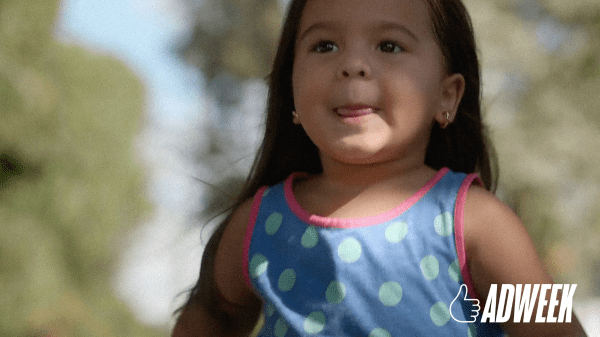
THE AD: “At three, these legs are unstoppable,” says Dove in its Super Bowl 59 ad, which shows a carefree little girl giggling and running. “At 14, she’ll think they’re unbearable.”

It’s a gut-punching message, but it’s true. Stats then flash on the screen explaining that 45% of girls drop out of sports due to low body confidence by age 14. Of those who do, 48% have been told they don’t have the “right body type” to play.

“1 in 2 girls who quit sports are criticized for their body type. Let’s change the way we talk to our girls,” Dove says in “Keep Her Confident” forgoing diagloue to deliver an important message.

MY HOT TAKE: The image of the girl running joyfully is a stark contrast to the reality that toxic body talk is impacting how young women view sports as they approach adulthood. The music, a reimagined version of Bruce Springsteen’s “Born to Run” by H.E.R., tugs at the heart strings, too.

It all adds up to something that feels very (and, sorry to use this word—but it’s the right one) authentic for a brand that has spent over 20 years challenging societal beauty standards through its commercially successful “Campaign for Real Beauty” and its education program the “Self Esteem Project.” The commercial is part of Dove’s “Body Confident Sport” initiative, which offers 11 to 17 year-old girls coaching tools to build body confidence and encourage them to stay in sports.

My only concern is that, among all the other high-octane ads featuring singing seals and flying eyebrows, this one was a little too subtle. However, where other brands have zigged away from purpose-driven marketing, Dove has zagged—and as a mom to a young kid myself, I’m here for it.

Watch Dove’s Super Bowl 59 ad, “Keep Her Confident” below. 

https://www.adweek.com/brand-marketing/super-bowl-instant-replay-doves-work-to-keep-girls-on-the-field-speaks-for-itself/


Fox to Drive IndyCar Viewership With Super Bowl Promo Blitz

The Kansas City Chiefs aren’t the only franchise going for a three-peat on Sunday. Fox has revealed to ADWEEK that it will air three different IndyCar promos before and during Super Bowl 59.

The spots will showcase the property on the world’s biggest stage before Fox’s inaugural IndyCar season, which airs on the network on March 2.

Among the entries, Fox will debut a new spot featuring Pato O’Ward during the game, introducing the IndyCar star as “the fastest 25-year-old on four wheels” and saying that he doesn’t have fans; “he’s got groupies.”

See it here:

IndyCar moved on from NBC last year to sign a multiyear deal with Fox, and Robert Gottlieb, president of marketing at Fox Sports, said it was a quick turnaround to build the strategy and targeting for the property.

“No pun intended, we were racing from the beginning,” Gottlieb said. “But sometimes, being quick, you don’t overthink things.”

In building the identity around the property, Fox focused on how IndyCar can be faster than NASCAR and F1, giving the campaign the theme of “The Fastest Racing on Earth.” The broadcaster also teamed with creative agency Special US to create several featurette promos showcasing its top drivers.

In addition to O’Ward’s installment, the campaign began on Jan.12 during the Eagles vs. Packers NFL playoff game with a piece on Josef Newgarden, a two-time defending Indy 500 champion, a two-time series champion, and the winningest American driver in the series.

Besides showcasing Newgarden, the promo included a cameo from Fox’s new broadcaster (and seven-time Super Bowl champion) Tom Brady, showing the full force of Fox Sports was behind the IndyCar push.

Another spot featured Alex Palou, a two-time defending IndyCar Series champion. This time, Fox aired the promo during the NFC Championship Game on Jan. 26.

Gottlieb explained the idea behind the initial push was to get reach and scale, so the NFL playoffs and the Super Bowl were obvious spots to hit the largest audience possible, especially with the Big Game receiving more than 120 million viewers last year. According to Gottlieb, Fox Sports’ priorities for promotion heading into the Super Bowl were the Daytona 500, airing Feb. 16, and IndyCar, and the network had enough promo time that the three spots made sense.

In its preliminary plans, Fox said the Palou spot will likely air pre-kick, the O’Ward spot will likely air in the first quarter, and Newgarden’s spot will show up around halftime.

In addition, NASCAR fans can also expect to see a little IndyCar promotion on the way, with Fox also looking to reach viewers that may be “a little closer” to being fans than general audiences, Gottlieb said.

Overall, the broadcaster is looking to rev up interest, and the company believes it has the talent to do it.

“Pato is this 25-year-old Instagram kid who’s living his best life but just killing it on the track, and Joseph’s this Terminator machine who just keeps winning,” Gottlieb said. “It was just very easy to go, OK, these guys are stars. Just not enough people know yet.”

https://www.adweek.com/convergent-tv/fox-indycar-super-bowl-promo/


Ad Buyers Blast Google, Amazon, and Others After Ads Appear on Site Hosting Child Abuse Content


.article-native-ad { border-bottom: 1px solid #ddd; margin: 0 45px; padding-bottom: 20px; margin-bottom: 20px; } .article-native-ad svg { color: #ddd; font-size: 34px; margin-top: 10px; } .article-native-ad p { line-height:1.5; padding:0!important; padding-left: 10px!important; } .article-native-ad strong { font-weight:500; color:rgb(46,179,178); }

Social media is evolving. Are you adapting? Connect with a community of brand pros and content creators at Social Media Week, May 12–14 in NYC, to learn how to keep pace with new trends and technology. Register now to save 20% on your pass.

Ad buyers are pointing the finger at Google, Amazon, and brand safety firms like Integral Ad Science and DoubleVerify after a report from research firm Adalytics claimed that ads for top brands like Sony, Pepsi, and the NFL appeared on ibb.co or imgbb.com—sites that have been flagged by the National Center for Missing & Exploited Children for hosting child sexual abuse material (CSAM).

Google and Amazon don’t provide enough data

On Friday, Senators Marsha Blackburn (R-TN) and Richard Blumenthal (D-CT) criticized Google and Amazon for obscuring ad placement data, preventing advertisers from seeing the exact URLs where their ads appeared on imgbb.com.

Neither company typically provides full URL-level reporting to advertisers, multiple sources told ADWEEK. 

Instead, most ad buyers receive domain-level reports, which reveal the broader website but not the specific webpage—preventing them from knowing, for example, whether their ads appeared next to a reputable article or on a subpage with objectionable content. 

Without access to exact URLs, senators said, advertisers can’t ensure their messages aren’t appearing next to illegal or policy-violating content.

Media executives at two different consumer brands whose ads appeared on ibb.co via Amazon’s demand-side-platform each confirmed to ADWEEK that Amazon provided them only with domain-level data about ad buys—and that multiple requests for URL-level data were not fulfilled. 

ADWEEK reviewed a recent email sent to one exec in which an Amazon representative said that the company cannot provide full URL-level reporting.

A spokesperson for Amazon did not respond to a question from ADWEEK about whether URL-level data is available to advertisers.

A Google spokesperson, however, said: “Advertisers can access campaign reporting in the Google Ads UI about where their ads run. This may include site and URL-level reporting depending on the ad inventory and campaign type.”

Both Amazon and Google told ADWEEK that they’ve blocked the site in question.

Two ad buyers at agencies and two at brands said they paid vendors including IAS and DoubleVerify for brand safety technology, and those vendors marked impressions on ibb.co or imgbb.com as entirely brand-safe. 

IAS and DoubleVerify are under fire

IAS and DoubleVerify are the biggest firms that sell brand safety tech, with market caps of $1.73 billion and $3.67 billion respectively.

“Their tech quite simply does not do what they say it does,” said one of the buyers who spoke to ADWEEK on the condition of anonymity.

“The blame lies … with any verification company that even pretends to offer brand safety products that could [allow ads to] appear on something so horrific,” said Jay Friedman, CEO of independent media agency Goodway Group, who reviewed an advance copy of Adalytics’ report. 

The industry bodies that certify vendors’ ad verification and safety practices are also being blamed. Both DoubleVerify and IAS have the TAG Brand Safety Certified Seal, signaling compliance with brand safety standards in digital advertising, as well as MRC certifications for meeting specific brand safety and suitability criteria. 

Letters published Friday by Senators Blackburn and Blumenthal, written in response to Adalytics’ report, called out the certification organizations’ failures to protect advertisers’ interests and uphold their own standards: “TAG has failed to enforce its standards and investigate non-compliance, resulting in the continued funding of CSAM and other criminal activity for years.”

“A lot of the blame here is on MRC and TAG, who are certifying these vendors,” said Arielle Garcia, chief operating officer of adtech watchdog Check My Ads, who advised the lawmakers. “I cannot fathom that any advertiser would expect a certified vendor to allow their ads to serve on a site that hosted CSAM, and not at least notify them of the risk.” 

Garcia believes TAG and MRC are complicit in the monetization of CSAM on imgbb.com and ibb.co.

TAG CEO Mike Zaneis said in a statement: “We have not been allowed to review this report, so we cannot comment on the accuracy of any claims made in it.”

MRC declined to comment on the record, but confirmed that IAS and DoubleVerify are only accredited for ad verification based on text and keywords, but not based on whether ads appear next to appropriate content.

Easy steps could prevent bad placements

Brand safety firms missed some obvious red flags that could have prevented ad buying on imgbb.com and ibb.co. For instance, the imgbb.com domain had been flagged by NCMEC.

“Brokers and ad network operators who onboard websites wanting to monetize web traffic can engage in much more robust KYC [Know Your Customer] practices when onboarding a website or platform,” said Jacques Marcoux, the director of research and analytics at the Canadian Centre for Child Protection. 

While the opacity of the adtech ecosystem makes it difficult to see the full scope of CSAM monetization, Garcia said “it’s fairly simple” to gauge the extent to which NCMEC-flagged websites are hosting advertising. 

She hopes that might serve as a starting point for future research and help the ad industry work toward resolving the inadvertent funding of CSAM on the internet.

Update Feb. 7, 4:25pm ET: DoubleVerify has issued a statement in response to the Adalytics report.

.font-primary { } .font-secondary { } #meter-count { position: fixed; z-index: 9999999; bottom: 0; width:96%; margin: 2%; -webkit-border-radius: 4px; -moz-border-radius: 4px; border-radius: 4px; -webkit-box-shadow: 0 0px 15px 4px rgba(0,0,0,.2); box-shadow:0 0px 15px 4px rgba(0,0,0,.2); padding: 15px 0; color:#fff; background-color:#343a40; } #meter-count .icon { width: auto; opacity:.8; } #meter-count .icon svg { height: 36px; width: auto; } #meter-count .btn-subscribe { font-size:14px; font-weight:bold; padding:7px 18px; color: #fff; background-color: #2eb3b2; border:none; text-transform: capitalize; margin-right:10px; } #meter-count .btn-subscribe:hover { color: #fff; opacity:.8; } #meter-count .btn-signin { font-size:14px; font-weight:bold; padding:7px 14px; color: #fff; background-color: #121212; border:none; text-transform: capitalize; } #meter-count .btn-signin:hover { color: #fff; opacity:.8; } #meter-count h3 { color:#fff!important; letter-spacing:0px!important; margin:0; padding:0; font-size:16px; line-height:1.5; font-weight:700; margin: 0!important; padding: 0!important; } #meter-count h3 span { color:#E50000!important; font-weight:900; } #meter-count p { font-size:14px; font-weight:500; line-height:1.4; color:#eee!important; margin: 0!important; padding: 0!important; } #meter-count .close { color:#fff; display:block; position:absolute; top: 4px; right:4px; z-index: 999999; } #meter-count .close svg { display:block; color:#fff; height:16px; width:auto; cursor:pointer; } #meter-count .close:hover svg { color:#E50000; } #meter-count .fw-600 { font-weight:600; } @media (max-width: 1079px) { #meter-count .icon { margin:0; padding:0; display:none; } } @media (max-width: 768px) { #meter-count { margin: 0; -webkit-border-radius: 0px; -moz-border-radius: 0px; border-radius: 0px; width:100%; -webkit-box-shadow: 0 -8px 10px -4px rgba(0,0,0,0.3); box-shadow: 0 -8px 10px -4px rgba(0,0,0,0.3); } #meter-count .icon { margin:0; padding:0; display:none; } #meter-count h3 { color:#fff!important; font-size:14px; } #meter-count p { color:#fff!important; font-size: 12px; font-weight: 500; } #meter-count .btn-subscribe, #meter-count .btn-signin { font-size:12px; padding:7px 12px; } #meter-count .btn-signin { display:none; } #meter-count .close svg { height:14px; } }

Enjoying Adweek’s Content? Register for More Access!

https://www.adweek.com/media/ad-buyers-blast-google-amazon-and-others-after-ads-appear-on-site-hosting-child-abuse-content/


Adam Devine’s Mission to Help His Wife Goes Awry in Cirkul’s Big Game Debut


Cirkul, a water bottle that allows you to flavor your water, is making its Big Game debut this year with an ad starring comedian Adam Devine.

Steve Battista, CMO of Cirkul, said the concept of the ad was created by founders Andy Gay and Garrett Waggoner.

“It seemed like it’s the right time to go big with it,” Battista said.

The 30-second ad titled “You Got Cirkul,” shows Devine grocery shopping when his wife calls, asking him to pick up Cirkul. Devine realizes that he can’t get it at the grocery store and travels throughout the town to fulfill her request, unintentionally assisting many others in the process. While talking about the brand’s more than 100 flavors, Devine’s phone inadvertently places an order for 100,000 bottles without his knowledge.

Similar to the ad’s premise, Cirkul is giving away 100,000 bottles that consumers can enter to win on the brand’s website.

The ad will run in the first quarter of the game.

The idea to use Devine comes from him owning a Cirkul himself, Battista said.

“He’s health conscious and was using the product ahead of time,” he said.

Cirkul’s primary goal for participating in the Big Game is to enhance brand awareness and capitalize on its growing popularity, Battista said.

Additionally, the brand plans to run a 30-second ad after the game and show behind-the-scenes clips featuring Devine on its social media channels.

Cirkul was founded in 2016 by Gay and Waggoner and competes with Stanley, Hydro Flask, and Owala. The Tampa-based brand has worked with creators like Mr. Beast and became an official partner to USA Swimming last year. Cirkul has raised $112 million, most recently with a Series C round of funding in 2022 that valued the company at $1 billion, reported Bloomberg.

https://www.adweek.com/commerce/adam-devines-mission-to-help-his-wife-goes-awry-in-cirkuls-big-game-debut/


If the Super Bowl Goes to Overtime, Prepare for a Wild Ad Bidding War


A Super Bowl overtime may be intense on the field, but it’s got nothing on what happens behind the scenes with the ads.

In an increasingly fragmented viewership landscape, Super Bowl commercials are more coveted than ever, with Fox selling several ads over the $8 million mark for the first time this year. And that historic demand doesn’t stop in regulation, with companies already vying for potential overtime spots in the upcoming Big Game between the Kansas City Chiefs and the Philadelphia Eagles on Feb. 9.

Overtime spots typically go for slightly less than the in-game ads, according to a source familiar with the matter; however, Fox leaves one or two potential ad slots open for the brands who want one last chance to get in the game.

“If there are 10 units to sell in overtime, we’ll sell eight in advance,” Mark Evans, executive vice president of ad sales at Fox Sports, told ADWEEK.

For those last one or two slots, the Super Bowl turns into a brand bidding war.

“If it gets close late in the game, there literally becomes like a stock market bidding war for the last spot or two for advertisers who want to get in to get the benefit of that huge rating,” Evans said. “We let those last one or two units not be sold so we can have a real-time marketplace in the fourth quarter.”

According to Evans, to help facilitate the bids, Fox has salespeople sitting with its biggest clients, whether they are in the suites or in the stadium.

“It’s happened in other Super Bowls that we could have gone to overtime but just didn’t. You’re still negotiating it,” Evans said. “So it becomes this crazy frenzy of phone calls and communication with our truck to make sure we have the commercial, that it’s cleared, and all those other things.”

And approvals are no small task. Evan said it’s a three-level process: Fox has its own standards and practices, major advertisers can’t try to sneak in other brands that didn’t buy into the game, and the NFL has to see and approve every commercial.

The game comes down to experience

Of course, the Super Bowl has only gone to overtime twice in its now-59-year history. Most recently, the game had extra minutes last year for Super Bowl 58, with the Kansas City Chiefs taking down the San Fransisco 49ers. Before that, the first overtime was in 2017 when Fox aired the Patriots’ comeback win against the Falcons.

Overtime rules have changed since 2017, moving from sudden death to now having both teams possess the ball at least once. Though that seems like it’s a positive for advertisers, Evans cautions that there are still several unknowns when it comes to overtime. For instance, an interception return would end the game, putting an immediate stop to any additional ad breaks.

For Evans, planning for the unknown comes down to years of experience broadcasting Super Bowls. The Fox Sports ad leader said he’s seen almost everything at this point, from having the first overtime game to seeing a drive last 13 minutes, which makes ads slide to different spots.

“As we sell these spots and as we set them up, the vernacular that we use—because it’s live sports and almost anything can happen—we explain those contingencies to every advertiser as we sell every unit, so there is full transparency,” Evans said.

When it comes to overtime, it’s another example of a “game within the game.”

“Those are the little things on game day that my team and I are deeply immersed in,” Evans said. “It’s super high-stress, but it’s insanely fun.”

https://www.adweek.com/convergent-tv/super-bowl-overtime-ad-bidding-war/


Glen Powell Stars as Goldilocks in Ram Super Bowl Teaser


.article-native-ad { border-bottom: 1px solid #ddd; margin: 0 45px; padding-bottom: 20px; margin-bottom: 20px; } .article-native-ad svg { color: #ddd; font-size: 34px; margin-top: 10px; } .article-native-ad p { line-height:1.5; padding:0!important; padding-left: 10px!important; } .article-native-ad strong { font-weight:500; color:rgb(46,179,178); }

Meet the creative minds behind viral social media campaigns at Social Media Week, May 12-14 in New York City. Register now to save 35% on your pass.

Glen Powell is going on a joyride, hijacking a truck, and putting the pedal to the metal.

In the first teaser for Ram’s upcoming Super Bowl 59 ad, the red-hot Hollywood actor sets up a testosterone-charged retelling of The Three Bears fairy tale and dons a flowing blonde wig for the Stellantis brand.

He’s…Goldilocks? Apparently so, but nothing like the character from the children’s storybooks.

Ram, along with sister nameplate Jeep, both return to the game after a year absence. In what has traditionally been a showcase for car brands, the two are the only auto manufacturers to commit so far to advertising during the Big Game on Feb. 9, with spots going for a record $8 million. 

Powell’s post on Instagram sets up the sneak peek: “The best part of any fairytale? When the hero skips the magic, ‘borrows’ a truck, and gets right into the action sequence.”

The short clip features Powell ripping a BABY BR license plate off a Ram truck, saying, “Don’t worry Baby Bear, I’ll bring it back.”

Slapping on a replacement that says G-LOCKS, Powell looks straight at the camera with a mischievous grin and says, “No I won’t.”

The classic rock anthem “Panama” from Van Halen provides the hard-driving soundtrack for the video that ends with Powell behind the wheel, speeding along a rugged landscape, yelling, “Whoooooooo!”

Ram’s commercial, from agency GSD&M, will air in the second quarter, per the brand.

Powell has an ongoing relationship with Ram that has included starring in an action-based miniseries and narrating ads. His storm-chaser character in the blockbuster flick Twisters drove a Ram truck.

Car category stalls out

Among car makers, there are far more bench sitters than players in Super Bowl LIX: Toyota, BMW, General Motors, Kia, Audi, Ford, Honda, Hyundai, Mercedes, Lexus, Nissan, and Volkswagen have all confirmed they will pass on Big Game ads this year.

The shrinking number of car and truck ads in the Super Bowl is a growing trend. In 2014, the auto category represented more than one-third of all Super Bowl commercials, according to television ad measurement and analytics company iSpot.tv. A decade later, the industry accounted for just 8%.

Auto brands have tightened their purse strings for a number of reasons: they are shifting traditional spend into digital avenues as they race to keep up with EV technology, while dealing with weakening demand, ongoing supply chain issues, and competition from China.

In 2024, only three marques—Kia, BMW, and Volkswagen—ran national ads. 

https://www.adweek.com/brand-marketing/glen-powell-stars-as-goldilocks-in-ram-super-bowl-teaser/


Verizon Punts Super Bowl Spot in Favor of Grammys Ad to Create Buzz


.article-native-ad { border-bottom: 1px solid #ddd; margin: 0 45px; padding-bottom: 20px; margin-bottom: 20px; } .article-native-ad svg { color: #ddd; font-size: 34px; margin-top: 10px; } .article-native-ad p { line-height:1.5; padding:0!important; padding-left: 10px!important; } .article-native-ad strong { font-weight:500; color:rgb(46,179,178); }

The stage is set! Advertisers, don’t miss this cultural moment. ADWEEK House The Big Game is headed to New Orleans on February 7. RSVP.

Verizon and Beyoncé essentially won the Super Bowl in 2024 with an ad that included a mysterious teaser campaign and an album announcement. This year, however, the company opted out of the game because it was crazy in love with a different idea.

Rather than compete against the noise of Super Bowl 59 ads, Verizon is debuting its new campaign, which stars Buzz Aldrin alongside the return of its original “Test Man,” Paul Marcarelli, during the 67th Grammys on Sunday.

Of course, the company isn’t abandoning the Big Game entirely.

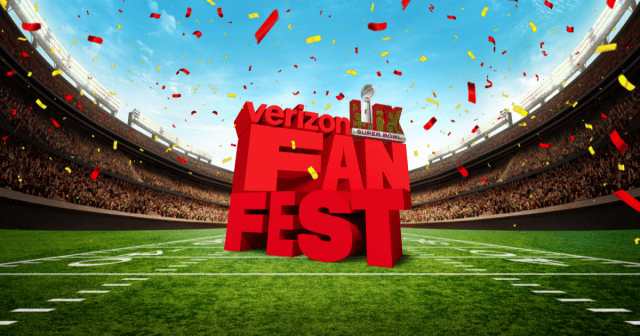
In addition to trying to create buzz with Buzz Aldrin, Verizon is marking Super Bowl 59 with a FanFest in all 30 NFL markets on Feb. 9. The company also recently unveiled its House of Verizon activation in New Orleans, running from Feb. 6 through 9, which will have a soundtrack by DJ Angie Vee and DJ Fannie Mae and appearances from NFL athletes, entertainers, and fashion industry luminaries, according to ADWEEK’s Jason Notte.

“Advertising in the Super Bowl is an incredible opportunity to reach large-scale audiences nationally. Verizon has done it in the past with great success, and we will continue to do so in the future,” a Verizon spokesperson said in a statement to ADWEEK. “Our goal this year, however, is to create something truly ambitious—national in scope yet deeply rooted in local communities.”

Can you hear Verizon now?

Verizon’s new Grammys ad is a homecoming of sorts for the Test Man.

Marcarelli’s Test Man started appearing on Verizon campaigns more than two decades ago, briefly defecting to Sprint in 2016 after the company went in a different direction with its ads. Now, he’s back to do a new twist on his classic catchphrase, “Can you hear me now?” In the spot, Marcarelli and Aldrin tackle the problem of cellphone “dead zones,” with Verizon helping to conquer the issue.

“It’s been 10 years since I last asked America, ‘Can you hear me now,’” Marcarelli said in a statement. “Back then, dead zones were everywhere, and it’s safe to say today they are only in the most remote places like the dark side of the moon.”

See the linear debut of Verizon’s Grammys ad on Sunday, Feb. 2, at 8 p.m. on CBS and Paramount+.

As for the Super Bowl, Beyoncé was great. But this year’s Big Game spots aren’t Verizon’s destiny, child.

AGENCY CREDITS: 

Creative Agency: Gut

Director: Calmatic
Production Company: Pretty Bird
Music: Music & Strategy
Sound: Human Worldwide
Post/VFX: JAMM
Photographer: Daniel Dorsa

https://www.adweek.com/convergent-tv/verizon-super-bowl-spot-grammys-ad/