Gemini 2.5 Pro is here with bigger numbers and great vibes

Just a few months after releasing its first Gemini 2.0 AI models, Google is upgrading again. The company says the new Gemini 2.5 Pro Experimental is its “most intelligent” model yet, offering a massive context window, multimodality, and reasoning capabilities. Google points to a raft of benchmarks that show the new Gemini clobbering other large language models (LLMs), and our testing seems to back that up—Gemini 2.5 Pro is one of the most impressive generative AI models we’ve seen.

Gemini 2.5, like all Google’s models going forward, has reasoning built in. The AI essentially fact-checks itself along the way to generating an output. We like to call this “simulated reasoning,” as there’s no evidence that this process is akin to human reasoning. However, it can go a long way to improving LLM outputs. Google specifically cites the model’s “agentic” coding capabilities as a beneficiary of this process. Gemini 2.5 Pro Experimental can, for example, generate a full working video game from a single prompt. We’ve tested this, and it works with the publicly available version of the model.

[embedded content]

Gemini 2.5 Pro builds a game in one step.

Google says a lot of things about Gemini 2.5 Pro; it’s smarter, it’s context-aware, it thinks—but it’s hard to quantify what constitutes improvement in generative AI bots. There are some clear technical upsides, though. Gemini 2.5 Pro comes with a 1 million token context window, which is common for the big Gemini models but massive compared to competing models like OpenAI GPT or Anthropic Claude. You could feed multiple very long books to Gemini 2.5 Pro in a single prompt, and the output maxes out at 64,000 tokens. That’s the same as Flash 2.0, but it’s still objectively a lot of tokens compared to other LLMs.

Naturally, Google has run Gemini 2.5 Experimental through a battery of benchmarks, in which it scores a bit higher than other AI systems. For example, it squeaks past OpenAI’s o3-mini in GPQA and AIME 2025, which measure how well the AI answers complex questions about science and math, respectively. It also set a new record in the Humanity’s Last Exam benchmark, which consists of 3,000 questions curated by domain experts. Google’s new AI managed a score of 18.8 percent to OpenAI’s 14 percent.

https://arstechnica.com/ai/2025/03/google-says-the-new-gemini-2-5-pro-model-is-its-smartest-ai-yet/





After borking my Pixel 4a battery, Google borks me, too

Within the space of three days, I went from 1) being mildly annoyed at the prospect of having my phone messed with remotely to 2) accepting that Google was (probably) doing it for my own safety and was committed to making things right to 3) berating Google for ruining my device and then using a hostile, data collecting “appeasement” program to act like it cared. This was probably not the impression Google hoped to leave in people’s minds when issuing the Pixel 4a update.

Pixel 4a, disassembled, with two fingers holding its battery above the front half.
Removing the Pixel 4a’s battery can be painful, but not as painful as catching fire. Credit: iFixit

Cheap can be quite expensive

The update itself does not appear to be part of some plan to spy on us or to extract revenue but rather to keep people safe. The company tried to remedy the pain with options that, on the surface, felt reasonable, especially given the fact that batteries are well-known as consumable objects that degrade over time. And I’ve had three solid years of service with the 4a, which wasn’t especially expensive to begin with.

That said, I do blame Google in general for the situation. The inflexibility of the approach, the options that aren’t tailored for ease of use in specific countries, the outsourced tech support—these are all hallmarks of today’s global tech behemoths.

It is more efficient, from an algorithmic, employ-as-few-humans-as-possible perspective, to operate “at scale” by choosing global technical solutions over better local options, by choosing outsourced email support, by trying to avoid fraud (and employee time) through preventing program changes, by asking the users to jump through your hoops, by gobbling up ultra-sensitive information because it makes things easier on your end.

While this makes a certain kind of sense, it’s not fun to receive this kind of “efficiency.” When everything goes smoothly, it’s fine—but whenever there’s a problem, or questions arise, these kinds of “efficient, scalable” approaches usually just mean “you’re about to get screwed.”

In the end, Google is willing to pay me $50, but that money comes with its own cost. I’m not willing to pay with my time nor with the risk of my financial information, and I will increasingly turn to companies that offer a better experience, that care more about data privacy, that build with higher-quality components, and that take good care of customers.

No company is perfect, of course, and this approach costs a bit more, which butts up against my powerful urge to get a great deal on everything. I have to keep relearning the old lesson—as I am once again with this Pixel 4a fiasco—that cheap gear is not always the best value in the long run.

https://arstechnica.com/gadgets/2025/03/how-google-nerfed-my-pixel-4a-then-stuck-it-to-me-too/


Google e Apple nel mirino di Antitrust Ue per violazione del Digital Markets Act

L’Antitrust Ue ha accusato Google di violazione delle regole Ue sul digitale e ha invece ordinato ad Apple di aumentare l’interoperabilità dei dispositivi iPhone e iPad per i concorrenti, mentre prosegue il pugno duro sulle Big Tech da parte delle autorità europee per la concorrenza.

La Commissione Europea ha agito nonostante le minacce del presidente degli Stati Uniti Donald Trump di imporre dazi contro i Paesi che sanzionano le aziende statunitensi.

Indagine di un anno

A marzo dello scorso anno sia Google che Apple sono finite sotto indagine della Commissione Europea, che ha voluto verificare che le due aziende rispettassero il Digital Markets Act, un insieme di norme che punta a contenere lo strapotere delle Big Tech.

Oggi l’Antitrust Ue ha pubblicato le sue conclusioni preliminari, da cui risulta che Google è accusata di aver violato il Dma in entrambi i punti esaminati, confermando quanto anticipato da Reuters.

Richieste modifiche di policy a Google e Apple

Il caso Google puntava a verificare se la società limita la possibilità per gli sviluppatori di app di informare gli utenti sulle offerte al di fuori dell’app store proprietario Google Play, e se favorisce i propri servizi di ricerca come Google Flights nel motore di ricerca Google a discapito della concorrenza.

La Commissione ha inoltre emesso due ordini ad Apple che richiedono di aprire il suo ecosistema proprietario ai concorrenti, sei mesi dopo aver avviato i cosiddetti ‘procedimenti di specificazione’ contro il produttore di iPhone.

In altri termini, Apple dovrà migliorare l’interoperabilità di iPhone e iPad con i dispositivi connessi di altre marche concorrenti.

La prima accusa nel caso Google riguarda le pratiche nell’app store Google Play. Alphabet impedisce tecnicamente agli sviluppatori di app di indirizzare liberamente gli utenti verso altri canali per le offerte migliori, contesta il regolatore europeo.

Muro contro muro

Inoltre, le commissioni addebitate dalla società per facilitare l’acquisizione iniziale di un nuovo cliente da parte di uno sviluppatore di app tramite Google Play vanno oltre ciò che è giustificato, contesta altresì il regolatore. E Google in questo secondo contesto è accusato di favorire i suoi propri servizi quali Google Shopping, Google Hotels e Google Flights.

Google ha risposto affermando che le regole sulla concorrenza dell’UE danneggiano i consumatori e le imprese.

“I risultati della Commissione ci impongono di apportare ulteriori modifiche al modo in cui mostriamo determinati tipi di risultati di ricerca, il che renderebbe più difficile per le persone trovare ciò che stanno cercando e ridurrebbe il traffico verso le aziende europee”, ha detto Oliver Bethell, direttore senior della concorrenza di Google, in un post sul blog.

Teresa Ribera, commissaria europea alla concorrenza, ha affermato in una dichiarazione che le misure “garantiscono che Alphabet rispetti le norme dell’UE su due servizi ampiamente utilizzati dalle imprese e dai consumatori nell’UE, Ricerca Google e telefoni Android”.

Leggi le altre notizie sull’home page di Key4biz

https://www.key4biz.it/google-e-apple-nel-mirino-di-antitrust-ue-per-violazione-del-digital-markets-act/525021/


Apple and Google in the hot seat as European regulators ignore Trump warnings

The European Commission is not backing down from efforts to rein in Big Tech. In a series of press releases today, the European Union’s executive arm has announced actions against both Apple and Google. Regulators have announced that Apple will be required to open up support for non-Apple accessories on the iPhone, but it may be too late for Google to make changes. The commission says the search giant has violated the Digital Markets Act, which could lead to a hefty fine.

Since returning to power, Donald Trump has railed against European regulations that target US tech firms. In spite of rising tensions and tough talk, the European Commission seems unfazed and is continuing to follow its more stringent laws, like the Digital Markets Act (DMA). This landmark piece of EU legislation aims to make the digital economy more fair. Upon coming into force last year, the act labeled certain large tech companies, including Apple and Google, as “gatekeepers” that are subject to additional scrutiny.

Europe’s more aggressive regulation of Big Tech is why iPhone users on the continent can install apps from third-party app markets while the rest of us are stuck with the Apple App Store. As for Google, the European Commission has paid special attention to search, Android, and Chrome, all of which dominate their respective markets.

Apple’s mobile platform plays second fiddle to Android in Europe, but it’s large enough to make the company subject to the DMA. The EU has now decreed that Apple is not doing enough to support interoperability on its platform. As a result, it will be required to make several notable changes. Apple will have to provide other companies and developers with improved access to iOS for devices like smartwatches, headphones, and TVs. This could include integration with notifications, faster data transfers, and streamlined setup.

The commission is also forcing Apple to release additional technical documentation, communication, and notifications for upcoming features for third parties. The EU believes this change will encourage more companies to build products that integrate with the iPhone, giving everyone more options aside from Apple’s.

Regulators say both sets of measures are the result of a public comment period that began late last year. We’ve asked Apple for comment on this development but have not heard back as of publication time. Apple is required to make these changes, and failing to do so could lead to fines. However, Google is already there.

https://arstechnica.com/apple/2025/03/eu-accuses-google-and-apple-of-stifling-competition-under-digital-markets-act/


Cloud, Google acquisisce Wiz per 32 miliardi di dollari per migliorare la cybersicurezza

Google ha ufficializzato l’acquisizione della startup israeliana Wiz per un valore di 32 miliardi di dollari, segnando l’operazione più costosa nella sua storia. Questa mossa strategica mira a rafforzare Google Cloud e a potenziare le sue capacità di sicurezza informatica, in risposta alla crescente concorrenza con Microsoft e Amazon.

Perché Wiz è così importante per Google?

Wiz, fondata nel 2020, si è rapidamente imposta nel settore della cybersicurezza grazie alla sua avanzata piattaforma di protezione per ambienti cloud. La startup ha registrato una crescita vertiginosa, raggiungendo 100 milioni di dollari di fatturato ricorrente in meno di due anni.

Con questa acquisizione, Google prevede di integrare Wiz nel suo ecosistema Google Cloud, migliorando la protezione delle infrastrutture digitali attraverso un’integrazione con Google Security Operations. L’obiettivo è offrire soluzioni di sicurezza all’avanguardia, sfruttando anche le potenzialità dell’intelligenza artificiale.

Dalla prima offerta rifiutata all’accordo definitivo

Nel 2024, Google aveva già tentato di acquisire Wiz con un’offerta di 23 miliardi di dollari, ma la startup aveva rifiutato, valutando una possibile IPO. Con la nuova proposta da 32 miliardi, Wiz ha deciso di accettare, segnando un punto di svolta nel settore della sicurezza informatica.

La cybersicurezza è diventata una priorità per le aziende tecnologiche, con Microsoft Azure e Amazon Web Services (AWS) che investono pesantemente in soluzioni avanzate di protezione dei dati. Google, con Wiz, punta a colmare il divario e a consolidare la propria presenza nel mercato della sicurezza cloud.

Quali saranno le conseguenze di questa acquisizione?

Gli esperti prevedono che questa operazione rafforzerà significativamente le capacità di Google nel settore della sicurezza informatica, permettendo un’ulteriore espansione nel mercato enterprise. Con la crescente domanda di protezione dei dati e prevenzione delle minacce digitali, l’integrazione di Wiz potrebbe rappresentare un elemento chiave per il futuro delle infrastrutture cloud di Google.

Leggi le altre notizie sull’home page di Key4biz

https://www.key4biz.it/cloud-google-acquisisce-wiz-per-32-miliardi-di-dollari-per-migliorare-la-cybersicurezza/524826/


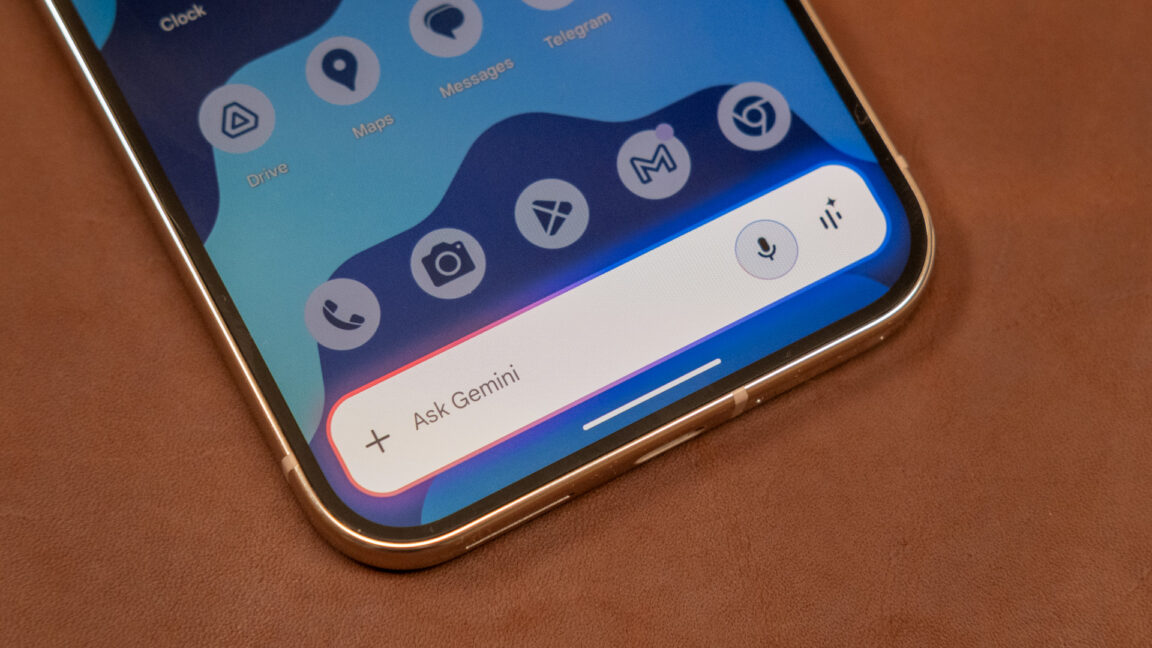
End of Life: Gemini will completely replace Google Assistant later this year

Not all devices can simply download an updated app—after almost a decade, Assistant is baked into many Google products. The company says Google-powered cars, watches, headphones, and other devices that use Assistant will receive updates that transition them to Gemini. It’s unclear if all Assistant-powered gadgets will be part of the migration. Most of these devices connect to your phone, so the update should be relatively straightforward, even for accessories that launched early in the Assistant era.

There are also plenty of standalone devices that run Assistant, like TVs and smart speakers. Google says it’s working on updated Gemini experiences for those devices. For example, there’s a Gemini preview program for select Google Nest speakers. It’s unclear if all these devices will get updates. Google says there will be more details on this in the coming months.

Meanwhile, Gemini still has some ground to make up. There are basic features that work fine in Assistant, like setting timers and alarms, that can go sideways with Gemini. On the other hand, Assistant had its fair share of problems and didn’t exactly win a lot of fans. Regardless, this transition could be fraught with danger for Google as it upends how people interact with their devices.

https://arstechnica.com/google/2025/03/end-of-life-gemini-will-completely-replace-google-assistant-later-this-year/


RCS texting updates will bring end-to-end encryption to green bubble chats

One of the best mostly invisible updates in iOS 18 was Apple’s decision to finally implement the Rich Communications Services (RCS) communication protocol, something that is slowly helping to fix the generally miserable experience of texting non-iPhone users with an iPhone. The initial iOS 18 update brought RCS support to most major carriers in the US, and the upcoming iOS 18.4 update is turning it on for a bunch of smaller prepaid carriers like Google Fi and Mint Mobile.

Now that Apple is on board, iPhones and their users can also benefit from continued improvements to the RCS standard. And one major update was announced today: RCS will now support end-to-end encryption using the Messaging Layer Security (MLS) protocol, a standard finalized by the Internet Engineering Task Force in 2023.

“RCS will be the first large-scale messaging service to support interoperable E2EE between client implementations from different providers,” writes GSMA Technical Director Tom Van Pelt in the post announcing the updates. “Together with other unique security features such as SIM-based authentication, E2EE will provide RCS users with the highest level of privacy and security for stronger protection from scams, fraud and other security and privacy threats. ”

https://arstechnica.com/gadgets/2025/03/rcs-texting-updates-will-bring-end-to-end-encryption-to-green-bubble-chats/


Google joins OpenAI in pushing feds to codify AI training as fair use

Google’s position on AI regulation: Trust us, bro

If there was any doubt about Google’s commitment to move fast and break things, its new policy position should put that to rest. “For too long, AI policymaking has paid disproportionate attention to the risks,” the document says.

Google urges the US to invest in AI not only with money but with business-friendly legislation. The company joins the growing chorus of AI firms calling for federal legislation that clarifies how they can operate. It points to the difficulty of complying with a “patchwork” of state-level laws that impose restrictions on AI development and use. If you want to know what keeps Google’s policy wonks up at night, look no further than the vetoed SB-1047 bill in California, which would have enforced AI safety measures.

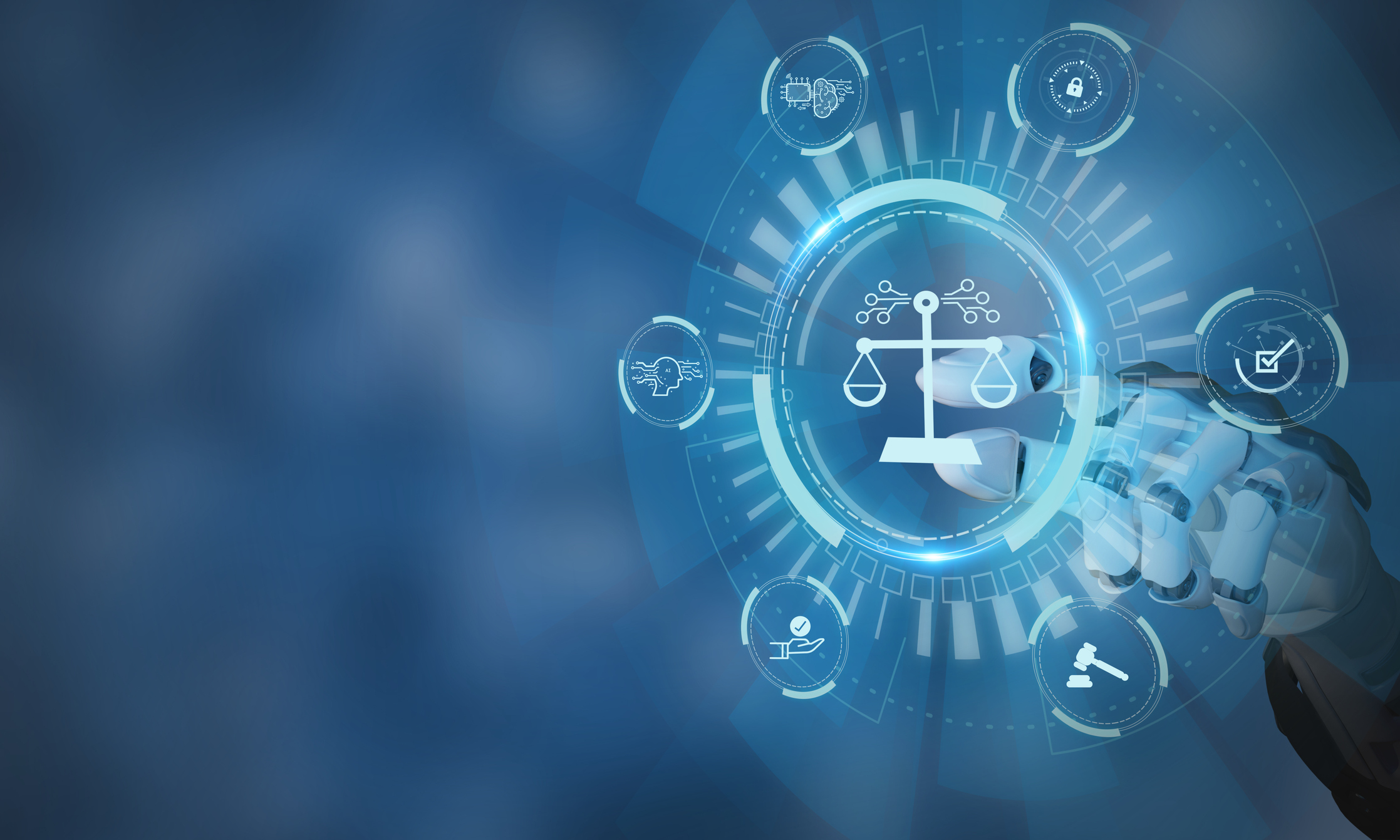
AI ethics or AI Law concept. Developing AI codes of ethics. Compliance, regulation, standard , business policy and responsibility for guarding against unintended bias in machine learning algorithms.

Credit: Parradee Kietsirikul

According to Google, a national AI framework that supports innovation is necessary to push the boundaries of what artificial intelligence can do. Taking a page from the gun lobby, Google opposes attempts to hold the creators of AI liable for the way those models are used. Generative AI systems are non-deterministic, making it impossible to fully predict their output. Google wants clearly defined responsibilities for AI developers, deployers, and end users—it would, however, clearly prefer most of those responsibilities fall on others. “In many instances, the original developer of an AI model has little to no visibility or control over how it is being used by a deployer and may not interact with end users,” the company says.

There are efforts underway in some countries that would implement stringent regulations that force companies like Google to make their tools more transparent. For example, the EU’s AI Act would require AI firms to publish an overview of training data and possible risks associated with their products. Google believes this would force the disclosure of trade secrets that would allow foreign adversaries to more easily duplicate its work, mirroring concerns that OpenAI expressed in its policy proposal.

Google wants the government to push back on these efforts at the diplomatic level. The company would like to be able to release AI products around the world, and the best way to ensure it has that option is to promote light-touch regulation that “reflects US values and approaches.” That is, Google’s values and approaches.

https://arstechnica.com/google/2025/03/google-agrees-with-openai-that-copyright-has-no-place-in-ai-development/


Gmail gains Gemini-powered “Add to calendar” button

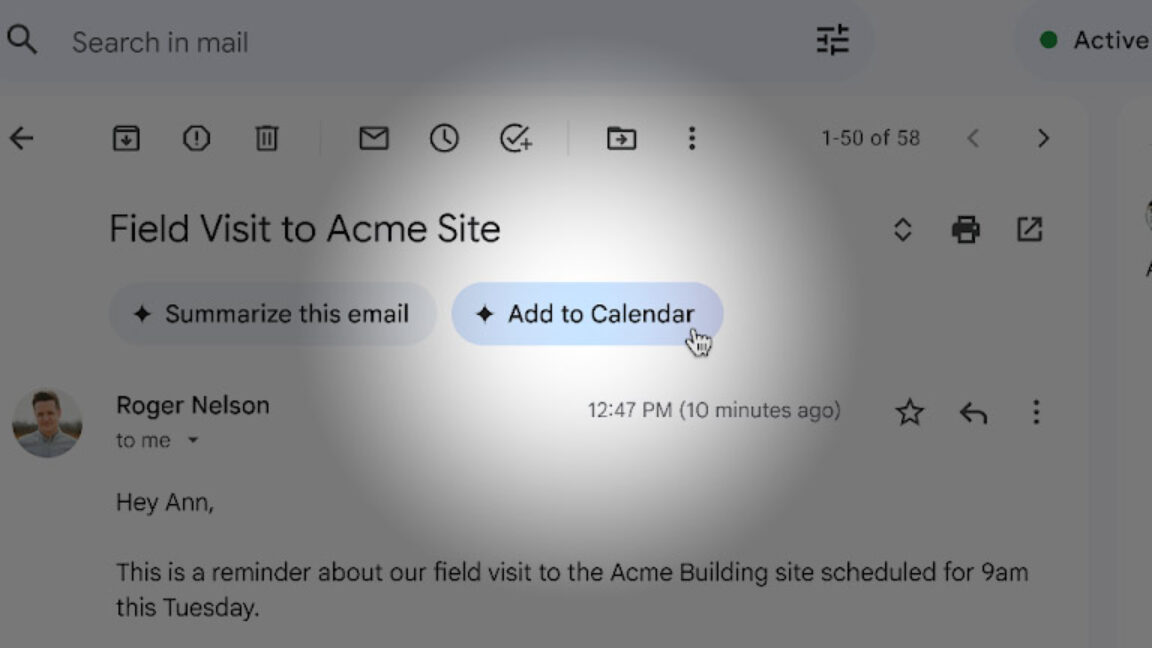
Google has a new mission in the AI era: to add Gemini to as many of the company’s products as possible. We’ve already seen Gemini appear in search results, text messages, and more. In Google’s latest update to Workspace, Gemini will be able to add calendar appointments from Gmail with a single click. Well, assuming Gemini gets it right the first time, which is far from certain.

The new calendar button will appear at the top of emails, right next to the summarize button that arrived last year. The calendar option will show up in Gmail threads with actionable meeting chit-chat, allowing you to mash that button to create an appointment in one step. The Gemini sidebar will open to confirm the appointment was made, which is a good opportunity to double-check the robot. There will be a handy edit button in the Gemini window in the event it makes a mistake. However, the robot can’t invite people to these events yet.

The effect of using the button is the same as opening the Gemini panel and asking it to create an appointment. The new functionality is simply detecting events and offering the button as a shortcut of sorts. You should not expect to see this button appear on messages that already have calendar integration, like dining reservations and flights. Those already pop up in Google Calendar without AI.

https://arstechnica.com/google/2025/03/gmail-gains-gemini-powered-add-to-calendar-button/


You knew it was coming: Google begins testing AI-only search results

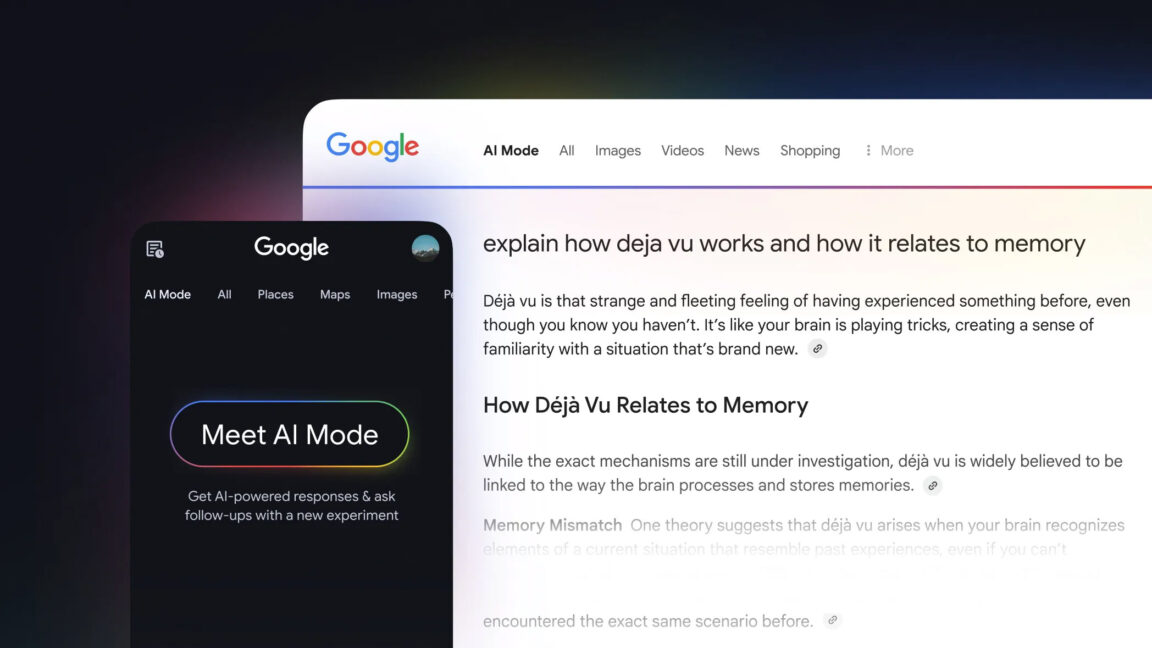
Google has become so integral to online navigation that its name became a verb, meaning “to find things on the Internet.” Soon, Google might just tell you what’s on the Internet instead of showing you. The company has announced an expansion of its AI search features, powered by Gemini 2.0. Everyone will soon see more AI Overviews at the top of the results page, but Google is also testing a more substantial change in the form of AI Mode. This version of Google won’t show you the 10 blue links at all—Gemini completely takes over the results in AI Mode.

This marks the debut of Gemini 2.0 in Google search. Google announced the first Gemini 2.0 models in December 2024, beginning with the streamlined Gemini 2.0 Flash. The heavier versions of Gemini 2.0 are still in testing, but Google says it has tuned AI Overviews with this model to offer help with harder questions in the areas of math, coding, and multimodal queries.

With this update, you will begin seeing AI Overviews on more results pages, and minors with Google accounts will see AI results for the first time. In fact, even logged out users will see AI Overviews soon. This is a big change, but it’s only the start of Google’s plans for AI search.

Gemini 2.0 also powers the new AI Mode for search. It’s launching as an opt-in feature via Google’s Search Labs, offering a totally new alternative to search as we know it. This custom version of the Gemini large language model (LLM) skips the standard web links that have been part of every Google search thus far. The model uses “advanced reasoning, thinking, and multimodal capabilities” to build a response to your search, which can include web summaries, Knowledge Graph content, and shopping data. It’s essentially a bigger, more complex AI Overview.

As Google has previously pointed out, many searches are questions rather than a string of keywords. For those kinds of queries, an AI response could theoretically provide an answer more quickly than a list of 10 blue links. However, that relies on the AI response being useful and accurate, something that often still eludes generative AI systems like Gemini.

https://arstechnica.com/google/2025/03/google-is-expanding-ai-overviews-and-testing-ai-only-search-results/