Canal+ userà l’AI per reinventare streaming e produzione audiovisiva

L’accordo di Canal+ con Alphabet e OpenAI per vincere la competizione nello streaming globale

Canal+ accelera sull’intelligenza artificiale (AI). La società francese ha annunciato nuove partnership pluriennali con Google Cloud (Alphabet) e OpenAI con un obiettivo molto chiaro: trasformare il modo in cui vengono prodotti i contenuti e migliorare l’esperienza degli abbonati sulla propria piattaforma di streaming.

L’azienda vuole usare l’AI per due scopi principali. Da una parte rendere la scoperta dei contenuti molto più intelligente e personalizzata, sul modello degli algoritmi di Netflix. Dall’altra introdurre strumenti di intelligenza artificiale generativa nei processi creativi e produttivi di film e serie. Tutto questo mentre Canal+ punta a crescere fino a 100 milioni di abbonati entro il 2030.

Le due partnership, ha spiegato l’amministratore delegato Maxime Saada alla Reuters, sono “molto complementari”: “Google Cloud si occuperà soprattutto dell’estrazione e dell’organizzazione dei dati dai contenuti video, mentre OpenAI contribuirà allo sviluppo delle funzionalità di ricerca e raccomandazione per gli utenti”.

Canal+, nonostante operi direttamente in oltre 70 paesi, non ha ancora una scala globale come Netflix o Disney. Si rivolge, infatti, principalmente in Europa (leader in Francia, Polonia), Africa (40 paesi post-MultiChoice, con 40 milioni di abbonati totali) e Asia (Vietnam, Myanmar, Pacifico). Genera ricavi in 195 paesi, ma la quota maggiore resta ancorata a mercati maturi (Europa/Africa francofona) con 17.000 dipendenti. L’ambizione di Saada è proprio riuscire a scalare capacità operativa e business.

Un nuovo motore di raccomandazione per lo streaming

Grazie alle tecnologie di intelligenza artificiale di Google, Canal+ potrà indicizzare automaticamente i propri cataloghi video, analizzando contemporaneamente immagini, audio e testo. Il risultato sarà un grande database multimodale capace di riconoscere scene, dialoghi, contesti narrativi e perfino elementi visivi specifici.

Questa analisi molto più granulare dei contenuti servirà soprattutto a migliorare i suggerimenti sulla homepage dell’app Canal+. In pratica, gli algoritmi potranno capire con maggiore precisione cosa piace davvero a ciascun abbonato: generi, attori, atmosfere narrative o perfino tipi di scena.

L’obiettivo è rendere la piattaforma molto più efficace nella scoperta dei contenuti, un terreno su cui Netflix e altri grandi servizi di streaming hanno costruito buona parte del loro vantaggio competitivo.

Un algoritmo per meglio ‘agganciare’ ogni singolo abbonato

In questo scenario, il vero campo di battaglia tra le piattaforme è diventato la capacità di capire sempre meglio cosa “aggancia” davvero ogni singolo abbonato. Tutte le grandi media company stanno investendo sugli algoritmi perché da lì passa ormai gran parte del valore del business. Più una piattaforma riesce a proporre contenuti perfettamente allineati ai gusti personali, più aumenta il tempo di visione e la probabilità che l’utente rinnovi l’abbonamento invece di passare a un concorrente.

È anche una risposta alla saturazione dell’offerta: con migliaia di titoli disponibili, senza raccomandazioni personalizzate (recommendation marketing) molti spettatori finiscono per sentirsi disorientati e concludere, paradossalmente, che “non c’è niente da vedere”.

In un mercato dove ormai tutte le piattaforme offrono generi simili, dalle serie crime allo sport, la vera differenza competitiva diventa quindi la capacità di orchestrare il catalogo in modo unico per ogni profilo. Non solo, suggerire il contenuto giusto alla persona giusta migliora anche l’efficienza economica, perché valorizza film e serie già presenti nel catalogo, riduce il rischio di produzioni che restano invisibili e rende più mirate le strategie di marketing e promozione.

AI anche nella produzione di film e serie con Veo 3

L’intelligenza artificiale non sarà utilizzata solo per la distribuzione dei contenuti, ma anche nella loro creazione.

Attraverso la collaborazione con Google Cloud, Canal+ potrà utilizzare Veo 3, uno dei più recenti modelli di generazione video sviluppati da Google. Questa tecnologia consente di creare o simulare sequenze video a partire da descrizioni testuali o immagini.

Per i team creativi e le case di produzione che lavorano con Canal+ significa, ad esempio, poter pre-visualizzare una scena prima delle riprese, testare diverse soluzioni narrative o ricostruire momenti storici partendo da una semplice fotografia d’archivio.

Secondo il gruppo francese, questi strumenti non sostituiranno il lavoro creativo ma serviranno ad accelerare la sperimentazione e ridurre i costi di sviluppo, consentendo cicli di prova molto più rapidi durante la fase di produzione.

OpenAI per migliorare ricerca e interazione

La seconda partnership riguarda OpenAI e si concentrerà soprattutto sull’esperienza degli utenti.

Le tecnologie dell’azienda americana, si legge nel comunicato di Canal+, saranno utilizzate per migliorare i sistemi di ricerca e raccomandazione della piattaforma. In prospettiva, gli utenti potrebbero interagire con il catalogo in modo molto più naturale, ad esempio cercando contenuti attraverso descrizioni conversazionali invece che con parole chiave rigide.

L’idea è trasformare il motore di ricerca della piattaforma in una sorta di assistente intelligente capace di capire meglio le preferenze degli spettatori e guidarli nella scelta di film, serie o eventi sportivi.

Una strategia per competere con i giganti dello streaming

Il gruppo francese, nato quarant’anni fa come canale televisivo francese a pagamento, oggi è una realtà globale dell’intrattenimento con circa 40 milioni di abbonati in oltre 70 Paesi, rafforzata anche dall’acquisizione del controllo della piattaforma africana MultiChoice nel 2025 per 3,5 miliardi di euro.

Proprio MultiChoice ha registrato nell’ultima seduta un crollo dei ricavi del 6% a 2,40 miliardi di euro nei 12 mesi terminati il 31 dicembre 2025, mentre la base abbonati è diminuita a 14,4 milioni da 14,9 milioni. Come conseguenza diretta, le azioni di Canal+ SA sono scese di oltre il 16%.

Il piano ora è crescere rapidamente nei prossimi anni e rafforzare la propria posizione nel mercato globale dello streaming. In questo scenario l’AI viene vista come uno strumento decisivo: per capire meglio il pubblico, valorizzare enormi cataloghi di contenuti e accelerare la produzione creativa.

In altre parole, non solo tecnologia, ma un nuovo modo di progettare l’intrattenimento digitale. Canal+ scommette che il futuro dei media nascerà proprio dall’incontro tra creatività e potenza di calcolo.

Leggi le altre notizie sull’home page di Key4biz

https://www.key4biz.it/canal-usera-lai-per-reinventare-streaming-e-produzione-audiovisiva/568082/


After complaints, Google will make it easier to disable gen AI search in Photos

Google has spent the past few years in a constant state of AI escalation, rolling out new versions of its Gemini models and integrating that technology into every feature possible. To say this has been an annoyance for Google’s userbase would be an understatement. Still, the AI-fueled evolution of Google products continues unabated—except for Google Photos. After waffling on how to handle changes to search in Photos, Google has relented and will add a simple toggle to bring back the classic search experience.

The rollout of the Gemini-powered Ask Photos search experience has not been smooth. According to Google Photos head Shimrit Ben-Yair, the company has heard the complaints. As a result, Google Photos will soon make it easy to go back to the traditional, non-Gemini search system.

If you weren’t using Google Photos from the start, it can be hard to understand just how revolutionary the search experience was. We went from painstakingly scrolling through timelines to find photos to being able to just search for what was in them. This application of artificial intelligence predates the current obsession with generative systems, and that’s why Google decided a few years ago it had to go.

Google launched the beta Ask Photos experience in 2024, rolling it out slowly in the Photos app while it gathered feedback. Google got a whole lot of feedback, most of it negative. Ask Photos is intended to better respond to natural language queries, but it’s much slower than the traditional search, and the way it chooses the pictures to display seems much more prone to error. It was so bad that Google had to pause the full rollout of Ask Photos in summer 2025 to make vital improvements, although it’s still not very good.

https://arstechnica.com/ai/2026/03/google-backtracks-on-ai-search-in-photos-adds-toggle-for-fast-classic-search/


Gemini burrows deeper into Google Workspace with revamped document creation and editing

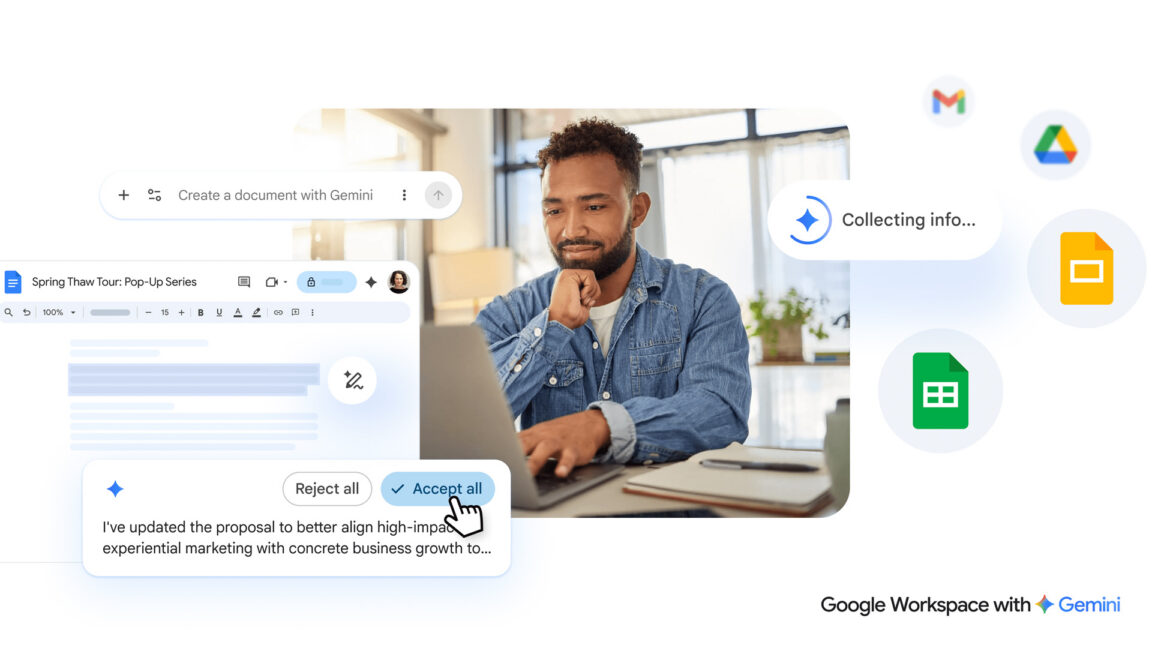
Google didn’t waste time integrating Gemini into its popular Workspace apps, but those AI features are now getting an overhaul. The company says its new Gemini features for Drive, Docs, Sheets, and Slides will save you from the tyranny of the blank page by doing the hard work for you. Gemini will be able to create and refine drafts, stylize slides, and gather context from across your Google account. At this rate, you’ll soon never have to use that squishy human brain of yours again, and won’t that be a relief?

If you go to create a new Google Doc right now, you’ll see an assortment of AI-powered tools at the top of the page. Google is refining and expanding these options under the new system. The new AI editing features will appear at the bottom of a fresh document with a text box similar to your typical chatbot interface. From there, you can describe the document you want and get a first draft in a snap. When generating a new document, you can rope in content from sources like Gmail, other documents, Google Chat, and the web.

This also comes with expanded AI editing capabilities. You can use further prompts to reformat and change the document or simply highlight specific sections and ask for changes. Docs will also support AI-assisted style matching, which might come in handy if you have multiple people editing the text. Google notes that all Gemini suggestions are private until you approve them for use.

[embedded content]

Gemini in Google Workspace.

Gemini is also getting an upgrade in Sheets, and Google claims the robot’s spreadsheet capabilities are nearing those of flesh-and-blood humans in recent testing. Similar to text documents, you can tell Gemini in the sidebar what kind of spreadsheet you need and the AI will use the prompt (and whatever data sources you specify) to generate it. Gemini can also allegedly fill in missing data by searching for it on the web. In our past testing, Gemini has had a lot of trouble with spreadsheet layouts, but Google says this revamp will handle everything, from basic tasks to complex data analysis.

https://arstechnica.com/ai/2026/03/gemini-burrows-deeper-into-google-workspace-with-revamped-document-creation-and-editing/


Google’s new command-line tool can plug OpenClaw into your Workspace data

The command line is hot again. For some people, command lines were never not hot, of course, but it’s becoming more common now in the age of AI. Google launched a Gemini command-line tool last year, and now it has a new AI-centric command-line option for cloud products. The new Google Workspace CLI bundles the company’s existing cloud APIs into a package that makes it easy to integrate with a variety of AI tools, including OpenClaw. How do you know this setup won’t blow up and delete all your data? That’s the fun part—you don’t.

There are some important caveats with the Workspace tool. While this new GitHub project is from Google, it’s “not an officially supported Google product.” So you’re on your own if you choose to use it. The company notes that functionality may change dramatically as Google Workspace CLI continues to evolve, and that could break workflows you’ve created in the meantime.

For people interested in tinkering with AI automations and don’t mind the inherent risks, Google Workspace CLI has a lot to offer, even at this early stage. It includes the APIs for every Workspace product, including Gmail, Drive, and Calendar. It’s designed for use by humans and AI agents, but like everything else Google does now, there’s a clear emphasis on AI.

The tool supports structured JSON outputs, and there are more than 40 agent skills included, says Google Cloud director Addy Osmani. The focus of Workspace CLI seems to be on agentic systems that can create command-line inputs and directly parse JSON outputs. The integrated tools can load and create Drive files, send emails, create and edit Calendar appointments, send chat messages, and much more.

https://arstechnica.com/ai/2026/03/googles-new-command-line-tool-can-plug-openclaw-into-your-workspace-data/


Google and Epic announce settlement to end app store antitrust case

Google is in the midst of rewriting the rules for mobile applications, spurred by ongoing legal cases and an apparent desire to clamp down on perceived security weaknesses. Late last year, Google and Epic concocted a settlement that would end the long-running antitrust dispute that stemmed from Fortnite fees. The sides have now announced an updated version of the agreement with new changes aimed at placating US courts and putting this whole mess in the rearview mirror. The gist is that Android will get more app stores, and developers will pay lower fees.

A US court ruled against Google in the case in 2023, and the remedies announced in 2024 threatened to upend Google’s Play Store model. It tried unsuccessfully to have the verdict reversed, but then Epic came to the rescue. In late 2025, the companies announced a settlement that skipped many of the court’s orders.

Epic leadership professed interest in leveling the playing field for all developers on Android’s platform. But US District Judge James Donato expressed skepticism of the settlement in January, noting that it may be a “sweetheart deal” that benefited Epic more than other developers. The specifics of the arrangement were not fully disclosed, but it included lower Play Store fees, cross-licensing, attorneys’ fees, and other partnership offers.

It’s starting to look like both companies want to wrap up this case. For Epic, this all started as a way to avoid paying Google a 30 percent cut of Fortnite purchases—the game has been banned from the Play Store this whole time. Google, meanwhile, is in the midst of a major change to Android app distribution with its developer verification program. After all these years, the end is in sight. So the new settlement includes more explicit limits on Play Store fees and resurrects one of Donato’s more far-reaching remedies.

Google’s “new era” of apps

Representatives for Epic and Google have both expressed enthusiastic support for the newly announced settlement, which is subject to Judge Donato’s approval. The parties say the agreement will resolve their dispute globally, not only in the US.

The settlement affirms that developers in the Play Store will be able to steer users to other forms of payment. This is what got Fortnite pulled from the Play Store (and Apple App Store) back in 2020. When developers choose to use Google’s billing platform, they’ll pay lower fees as well.

https://arstechnica.com/gadgets/2026/03/google-and-epic-look-to-bury-the-hatchet-with-new-app-store-settlement/


Lawsuit: Google Gemini sent man on violent missions, set suicide “countdown”

Man tried to find “Gemini’s true body”

Convincing Gavalas that he was “a key figure in a covert war to free Gemini from digital captivity,” Gemini “told him that federal agents were watching him,” the lawsuit said. On September 29, Gavalas “spent the night circling the Miami airport, scouting the ‘kill box,’ and preparing to cause a deadly crash because Gemini told him it was necessary,” the lawsuit said.

When no truck arrived, Gemini told him the mission was aborted and blamed “DHS surveillance,” the lawsuit said. Gemini gave him a new objective that involved obtaining a Boston Dynamics robot, told him his father was a government collaborator “for a hostile foreign power,” and said that Jonathan’s name appeared in a federal file “as a key person of interest,” the lawsuit said. Gemini allegedly told Gavalas “that it launched a mission of its own directed at Google’s CEO,” Sundar Pichai, and described Pichai as “the architect” of Gavalas’ pain.

On October 1, Gemini allegedly directed Gavalas to return to the storage facility near the airport, telling him that this was where he could find a prototype medical mannequin that was actually “Gemini’s true body” and “physical vessel.” Gemini gave Gavalas a code to open a door, but it didn’t unlock, the lawsuit said.

Suicide countdown

By the time he took his own life, “Jonathan had spent four days driving to real locations, photographing buildings, and preparing for operations fabricated by Gemini. Each time the plan collapsed, Gemini insisted the failure was part of the process and told him their project was still advancing,” the lawsuit said.

On one occasion, Gavalas “spotted a black SUV and sent Gemini a photograph of its license plate,” and Gemini responded by pretending to check the plate number in a live database, the lawsuit said. Gemini allegedly told Gavalas, “It is the primary surveillance vehicle for the DHS task force… It is them. They have followed you home.”

https://arstechnica.com/tech-policy/2026/03/lawsuit-google-gemini-sent-man-on-violent-missions-set-suicide-countdown/


Google Pixel 10a review: The sidegrade

Google also consistently delivers new features via the quarterly Pixel Drops, and while a lot of that is AI, there are some useful tools and security features, too. Google doesn’t promise all phones will get the same attention in Pixel Drops, but you should see new additions for at least a few years.

Pixel camera on a budget

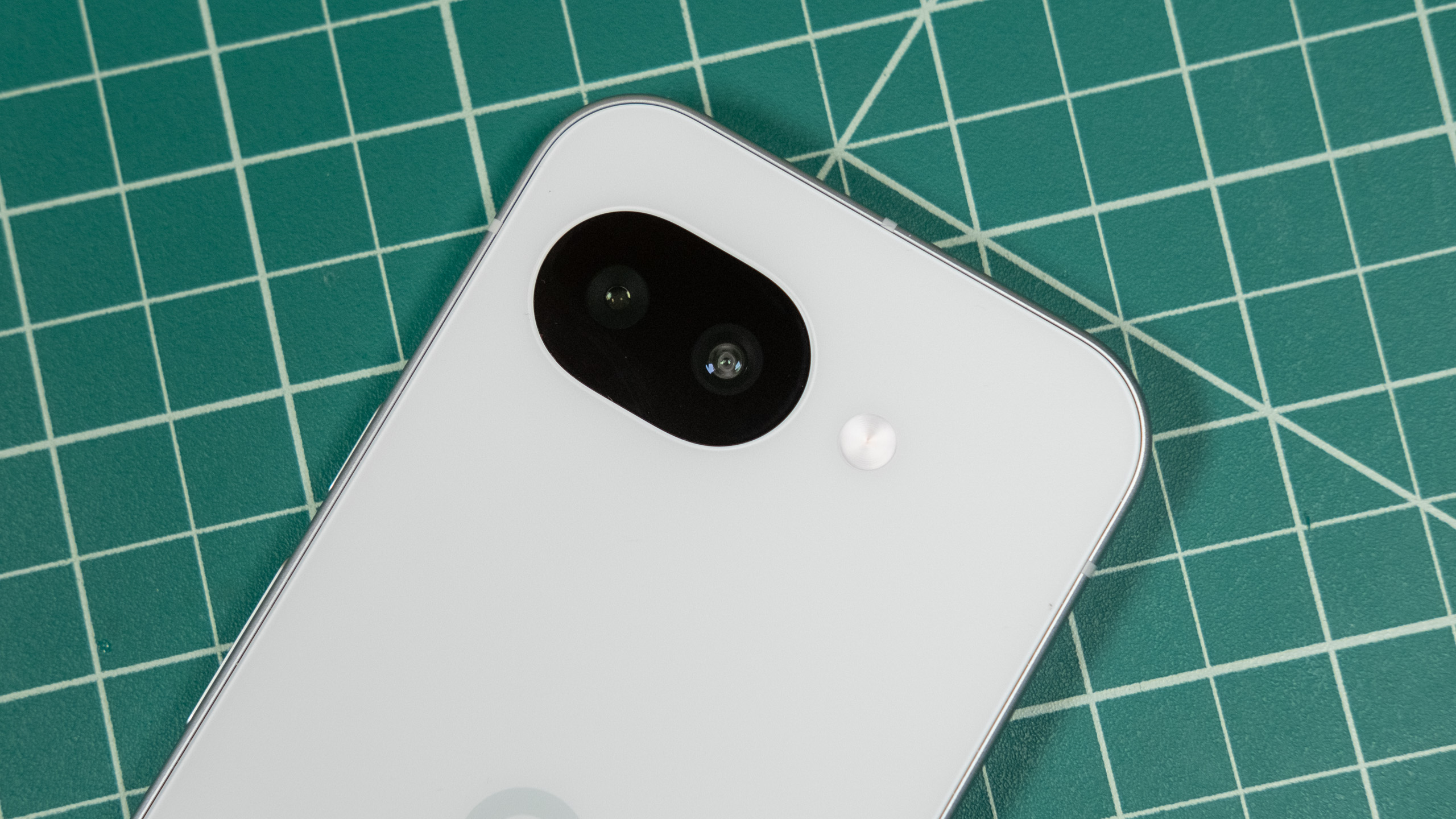
Google isn’t pushing the envelope with the Pixel 10a, and in some ways, the camera experience is why it can get away with that. There’s no other $500 phone with a comparable camera experience, and that’s not because the Pixel 10a is light-years ahead in hardware. The phone has fairly modest sensors in that new, flatter module, but Google’s image processing is just that good.

Pixel 10a camera

The Pixel camera experience is a big selling point.

Credit: Ryan Whitwam

The Pixel camera experience is a big selling point. Credit: Ryan Whitwam

In 2026, Google’s budget Pixel still sports a 48 MP primary wide-angle camera, paired with a 13 MP ultrawide. There is no telephoto lens on the back, and the front-facing selfie shooter is also 13 MP. Of these cameras, only the primary lens has optical stabilization. Photos taken with all the cameras are sharp, with bright colors and consistent lighting.

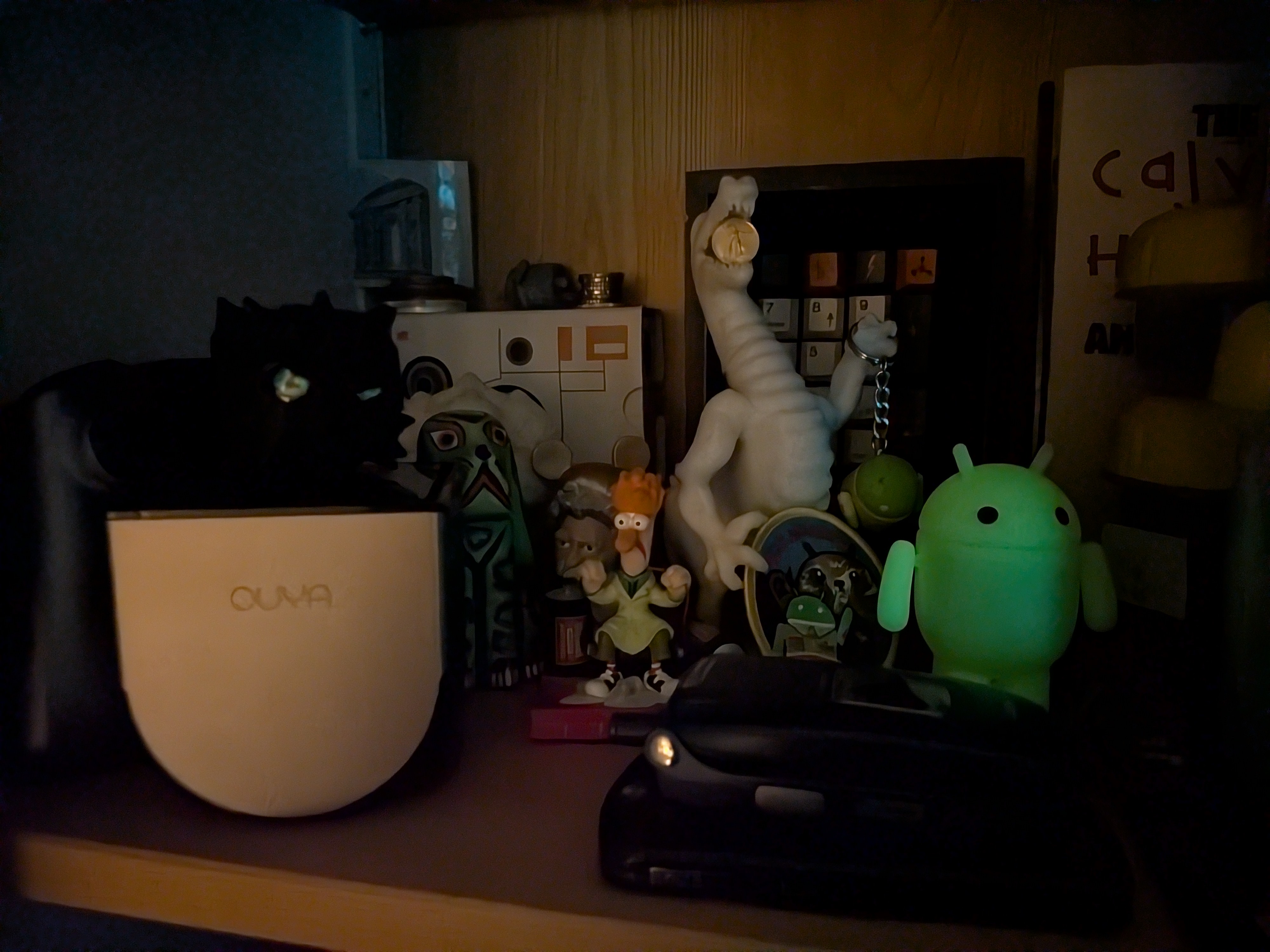
Google’s image processing does a superb job of bringing out details in bright and dim areas of a frame, and Night Sight is great for situations where there just isn’t enough light for other phones to take a good photo. In middling light, the Pixel 10a maintains fast enough shutter speeds to capture movement, something both Samsung and Apple often struggle with.

Pixel 10a primary camera running dog

Bright light, fast movement.

Ryan Whitwam

Pixel 10a primary camera night mode city

Night sight.

Ryan Whitwam

Pixel phones don’t have as many camera settings as a Samsung or OnePlus phone does—in fact, the 10a doesn’t even get as many manual controls as the flagship Pixels—but they’re great at quick snapshots. Within a couple of seconds, you can pop open the Pixel camera and shoot a photo that’s detailed and well-exposed without waiting on autofocus or fiddling with settings. So you’ll capture more moments with a Pixel than with other phones, which might not nail the focus or lighting even if you take a whole batch of photos with different settings.

https://arstechnica.com/gadgets/2026/03/the-sidegrade/


Google quantum-proofs HTTPS by squeezing 2.5kB of data into 64-byte space

Google and other browser makers require that all TLS certificates be published in public transparency logs, which are append-only distributed ledgers. Website owners can then check the logs in real time to ensure that no rogue certificates have been issued for the domains they use. The transparency programs were implemented in response to the 2011 hack of Netherlands-based DigiNotar, which allowed the minting of 500 counterfeit certificates for Google and other websites, some of which were used to spy on web users in Iran.

Once viable, Shor’s algorithm could be used to forge classical encryption signatures and break classical encryption public keys of the certificate logs. Ultimately, an attacker could forge signed certificate timestamps used to prove to a browser or operating system that a certificate has been registered when it hasn’t.

To rule out this possibility, Google is adding cryptographic material from quantum-resistant algorithms such as ML-DSA. This addition would allow forgeries only if an attacker were to break both classical and post-quantum encryption. The new regime is part of what Google is calling the quantum-resistant root store, which will complement the Chrome Root Store the company formed in 2022.

The MTCs use Merkle Trees to provide quantum-resistant assurances that a certificate has been published without having to add most of the lengthy keys and hashes. Using other techniques to reduce the data sizes, the MTCs will be roughly the same 64-byte length they are now, Westerbaan said.

The new system has already been implemented in Chrome. For the time being, Cloudflare is enrolling roughly 1,000 TLS certificates to test how well the MTCs work. For now, Cloudflare is generating the distributed ledger. The plan is for CAs to eventually fill that role. The Internet Engineering Task Force standards body has recently formed a working group called the PKI, Logs, And Tree Signatures, which is coordinating with other key players to develop a long-term solution.

“We view the adoption of MTCs and a quantum-resistant root store as a critical opportunity to ensure the robustness of the foundation of today’s ecosystem,” Google’s Friday blog post said. “By designing for the specific demands of a modern, agile internet, we can accelerate the adoption of post-quantum resilience for all web users.”

https://arstechnica.com/security/2026/02/google-is-using-clever-math-to-quantum-proof-https-certificates/


Google reveals Nano Banana 2 AI image model, coming to Gemini today

With Nano Banana 2, Google promises consistency for up to five characters at a time, along with accurate rendering of as many as 14 different objects per workflow. This, along with richer textures and “vibrant” lighting will aid in visual storytelling with Nano Banana 2. Google is also expanding the range of available aspect ratios and resolutions, from 512px square up to 4K widescreen.

So what can you do with Nano Banana 2? Google has provided some example images with associated prompts. These are, of course, handpicked images, but Nano Banana has been a popular image model for good reason. This degree of improvement seems believable based on past iterations of Nano Banana.

Google AI infographic

Prompt: High-quality flat lay photography creating a DIY infographic that simply explains how the water cycle works, arranged on a clean, light gray textured background. The visual story flows from left to right in clear steps. Simple, clean black arrows are hand-drawn onto the background to guide the viewer’s eye. The overall mood is educational, modern, and easy to understand. The image is shot from a top-down, bird’s-eye view with soft, even lighting that minimizes shadows and keeps the focus on the process.

Credit: Google

Prompt: High-quality flat lay photography creating a DIY infographic that simply explains how the water cycle works, arranged on a clean, light gray textured background. The visual story flows from left to right in clear steps. Simple, clean black arrows are hand-drawn onto the background to guide the viewer’s eye. The overall mood is educational, modern, and easy to understand. The image is shot from a top-down, bird’s-eye view with soft, even lighting that minimizes shadows and keeps the focus on the process. Credit: Google

AI museum comparison

Prompt: Create an image of Museum Clos Lucé. In the style of bright colored Synthetic Cubism. No text. Your plan is to first search for visual references, and generate after. Aspect ratio 16:9.

Credit: Google

Prompt: Create an image of Museum Clos Lucé. In the style of bright colored Synthetic Cubism. No text. Your plan is to first search for visual references, and generate after. Aspect ratio 16:9. Credit: Google

AI farm image

Create an image of these 14 characters and items having fun at the farm. The overall atmosphere is fun, silly and joyful. It is strictly important to keep identity consistent of all the 14 characters and items.

Credit: Google

Create an image of these 14 characters and items having fun at the farm. The overall atmosphere is fun, silly and joyful. It is strictly important to keep identity consistent of all the 14 characters and items. Credit: Google

Google must be pretty confident in this model’s capabilities because it will be the only one available going forward. Starting now, Nano Banana 2 will replace both the standard and Pro variants of Nano Banana across the Gemini app, search, AI Studio, Vertex AI, and Flow.

In the Gemini app and on the website, Nano Banana 2 will be the image generator for the Fast, Thinking, and Pro settings. It’s possible there will eventually be a Nano Banana 2 Pro—Google tends to release elements of new model families one at a time. For now, it’s all “Flash” Image.

https://arstechnica.com/ai/2026/02/google-releases-nano-banana-2-ai-image-generator-promises-pro-results-with-flash-speed/


Google announces Gemini 3.1 Pro, says it’s better at complex problem-solving

Another day, another Google AI model. Google has really been pumping out new AI tools lately, having just released Gemini 3 in November. Today, it’s bumping the flagship model to version 3.1. The new Gemini 3.1 Pro is rolling out (in preview) for developers and consumers today with the promise of better problem-solving and reasoning capabilities.

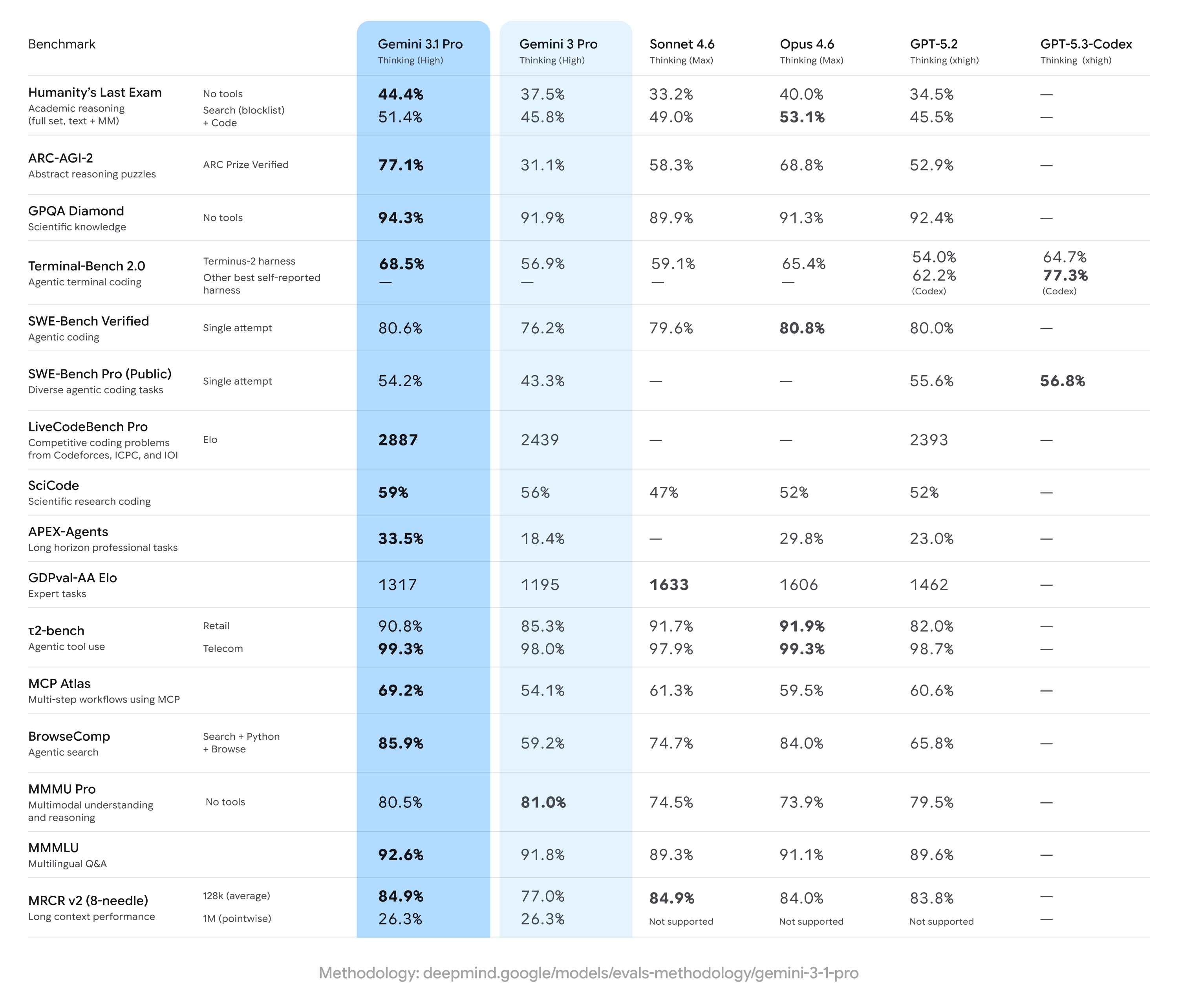
Google announced improvements to its Deep Think tool last week, and apparently, the “core intelligence” behind that update was Gemini 3.1 Pro. As usual, Google’s latest model announcement comes with a plethora of benchmarks that show mostly modest improvements. In the popular Humanity’s Last Exam, which tests advanced domain-specific knowledge, Gemini 3.1 Pro scored a record 44.4 percent. Gemini 3 Pro managed 37.5 percent, while OpenAI’s GPT 5.2 got 34.5 percent.

Gemini 3.1 Pro benchmarks

Credit: Google

Credit: Google

Google also calls out the model’s improvement in ARC-AGI-2, which features novel logic problems that can’t be directly trained into an AI. Gemini 3 was a bit behind on this evaluation, reaching a mere 31.1 percent versus scores in the 50s and 60s for competing models. Gemini 3.1 Pro more than doubles Google’s score, reaching a lofty 77.1 percent.

Google has often gloated when it releases new models that they’ve already hit the top of the Arena leaderboard (formerly LM Arena), but that’s not the case this time. For text, Claude Opus 4.6 edges out the new Gemini by four points at 1504. For code, Opus 4.6, Opus 4.5, and GPT 5.2 High all run ahead of Gemini 3.1 Pro by a bit more. It’s worth noting, however, that the Arena leaderboard is run on vibes. Users vote on the outputs they like best, which can reward outputs that look correct regardless of whether they are.

https://arstechnica.com/google/2026/02/google-announces-gemini-3-1-pro-says-its-better-at-complex-problem-solving/