Mini Settlers is a city builder that you can both enjoy and actually put down
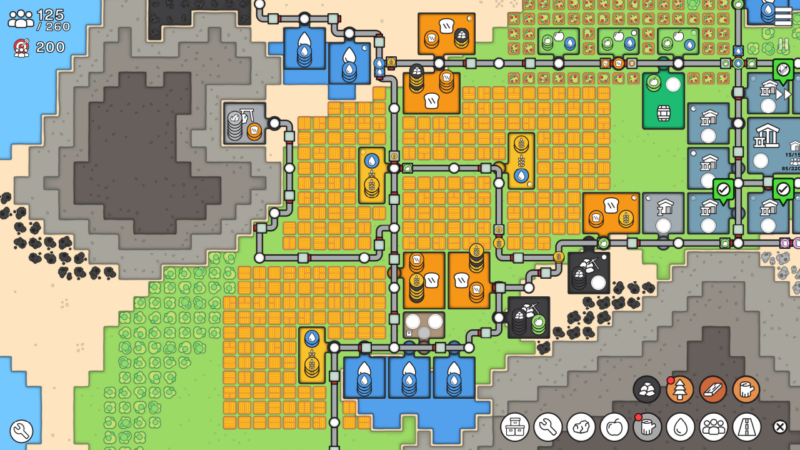
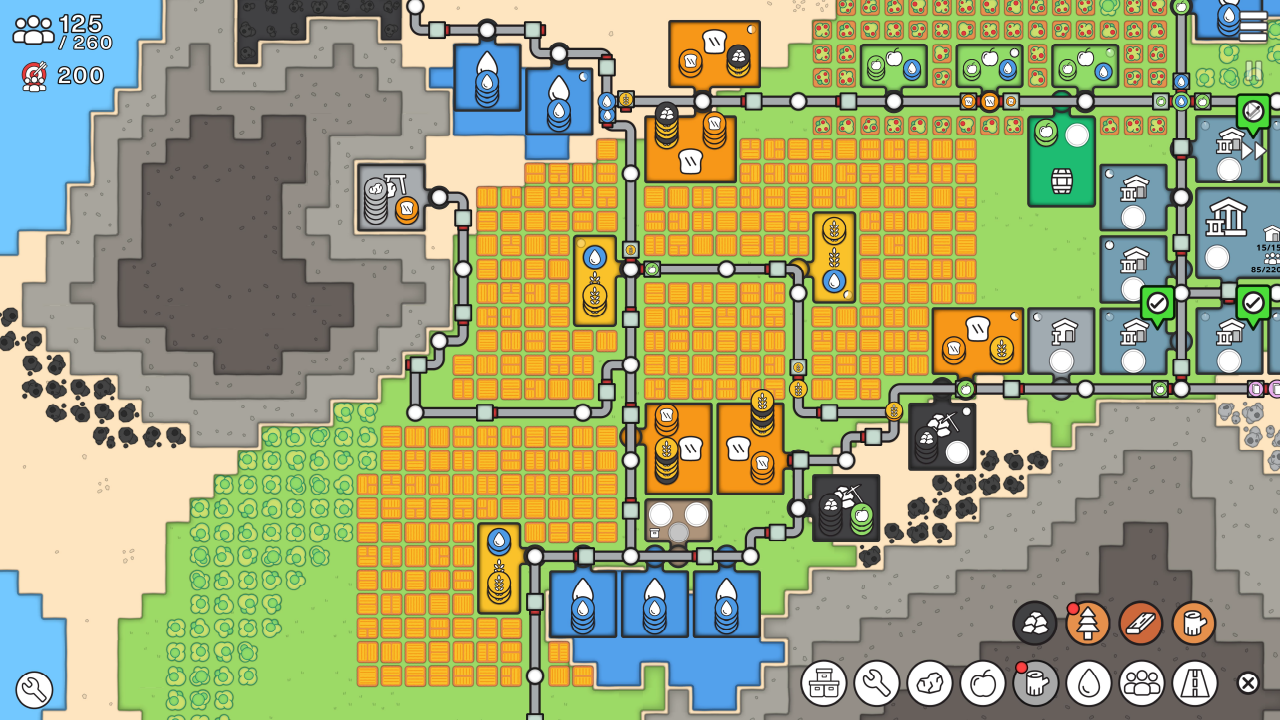
Mini Settlers screen showing rocks, fields, and lots of water pumps and farms.
Enlarge / Are you enticed by this kind of orderly madness with a clean graphical layout? Then I suggest you… settle in.
Goblinz Studio

You can’t buy Mini Settlers right now, but I think you should play the free “Prologue” demo and wishlist the full game if you dig it. It’s not quite like any other city builder I’ve played.

Mini Settlers is “mini” like minimalism. It is in the same genre, but quite far from, games like Cities: Skylines 2 (a choice with some proven merit). Your buildings are not 3D-rendered with real-time lighting. Your buildings are colored squares, sometimes with a few disc tokens stacked on them, tabletop-style. Your roads don’t have traffic, but they have drivers (tiny squares) that take resources between nodes. When things go wrong, you don’t get depressing news about pollution and riots; some people just leave their homes, but they’ll come back if you fix what’s wrong.

[embedded content]
Mini Settlers announcement video.

Mini Settlers is not the game to play to satisfy your long-running suspicion that urban planning was your missed calling. In the (non-progress-saving) Prologue-free demo out this week, the mines and quarries have infinite resources. There is no “money” to speak of, so far as I can tell. Apple farms must be placed near apple orchards and water pumps by water, and the rest is up to you. The interface looks like a thought experiment in how far you can get from traditional city sim HUDs, but then someone implemented it.

The biggest challenge I faced in my couple of sessions was textbook logistics, at least from a suburban or small-town perspective. Having developed SimCity Brain throughout prior decades, I tried to keep my residential areas (City Center and the Homes you build around it) away from anything resembling production, like rock quarries and lumber yards. Instead of bolstering housing values or improving aesthetics, which do not exist, this gave me a huge set of supply bottlenecks to try and work through.

Houses wanted regular supplies of apples and water, but spacing out everything made a ton of extra transit work. Every road is a maximum of seven tiles, and each one gets a worker that moves back and forth between waypoints, dropping off goods to buildings or leaving them for the next worker on the goods’ route. I had wanted to create a simple town of people building wood houses and eating apples, and instead, I had a micro-scale Wayfair job interview scenario, complete with tiny warehouses and delivery times.

But, here again, Mini Settlers is different, even when you’re flailing. You simply remove the roads and buildings that don’t work and put them in better places. The buildings take a bit to build again, but there’s no real game timer unless you want to enable one for personal bests. You can even enable a background mode so that the calm simulation keeps running while you absolutely do your best work on a Friday afternoon.

The “Prologue” is not verified for Steam Deck, but the developers have an official layout for it. I think it will do in a pinch, but there’s a lot of thumb-taxing trackpad pointing remaining in a game that seems grid-based enough to do with more gamepad controls. As for performance, it runs great. At 30 frames per second, my Deck guessed it could keep going for nearly five more hours.

Mini Settlers is due out in 2024, seemingly for PC only on Steam, for the moment. The minimum requirements are a Core i3, 4GB memory, and Intel HD Graphics 4000, but “Integrated cards also work.” As the developers at Knight Owl Games note, wishlisting the game helps it circulate inside Steam’s recommendation algorithm, even if you don’t ultimately play beyond the demo. I am going to note a second time here that the demo does not save your game when you exit, which is not another design choice to keep you calm but just a demo thing.

Between this and Against the Storm, I am enjoying the recent broadening of the “city builder” genre. It’s happening, weirdly enough, by going much smaller.

Listing image by Goblinz Studio

https://arstechnica.com/?p=2021093


Slay the Spire 2, Vampire Survivors meets Contra, and other “Triple-i” games

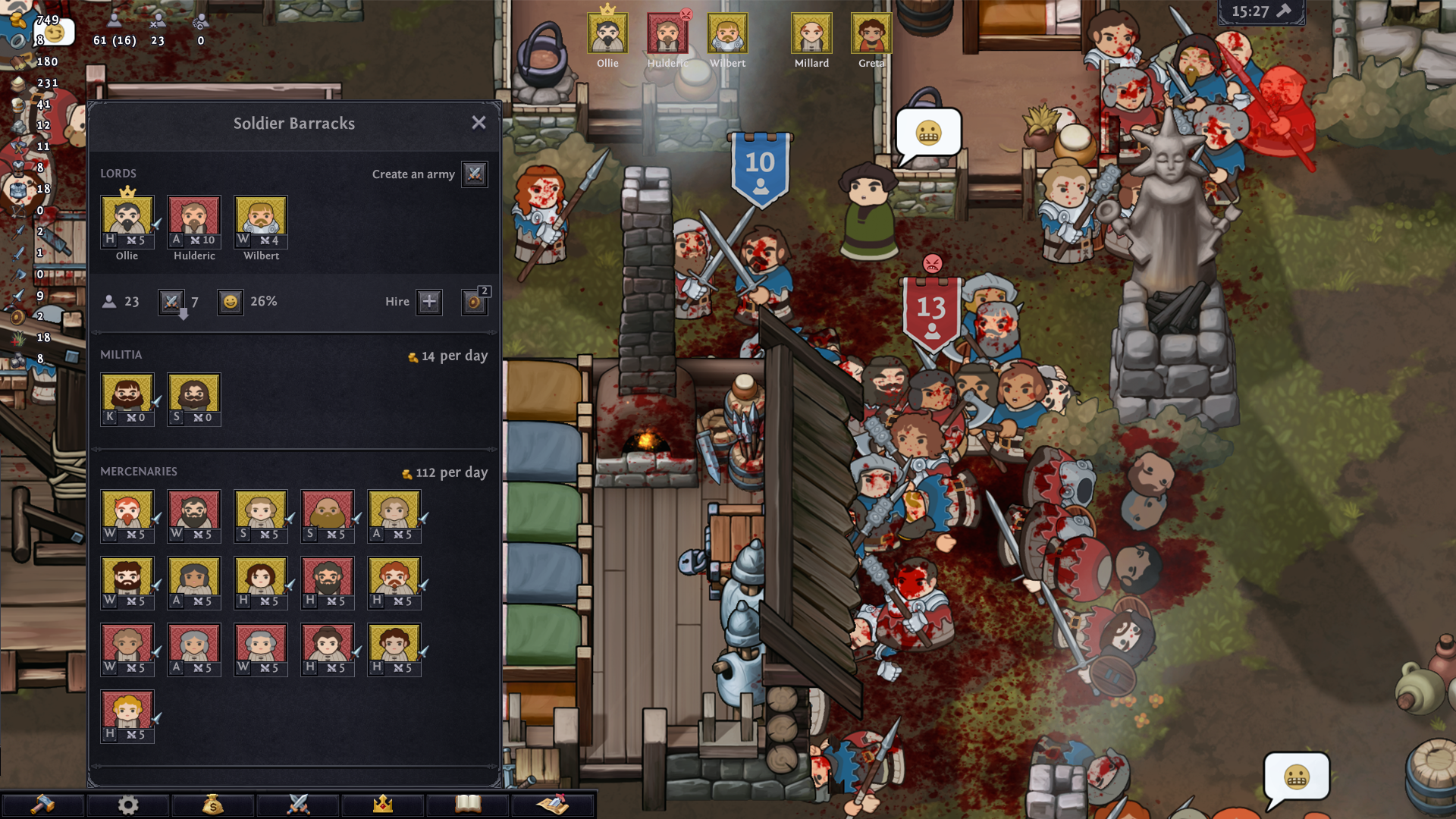
Bloody battle scene from the game Norland
Enlarge / Norland is a game that communicates its intent well through screenshots.
Hooded Horse

The Triple-i initiative is a gaming showcase that gets it, and is also in on the joke.

The thing Triple-i gets is that most gaming “showcases” are full of corporate fluff, go on way too long, and are often anchored around a couple huge titles. Triple-i’s first event on Wednesday delivered 30-plus game trailers and teases within 45 minutes, and there was a consistent intrigue to all of them. There were some big names with some bigger studios loosely attached, and the definition of what is “triple-i” is quite vague, maybe intentionally. But there were a lot of games worth noting, especially on PC.

What kind of games? Triple-i’s website notes the announcement “may contain traces of rogue-lites.” At a breakpoint in the showcase, the omniscient text narrator notes there are “Only a few more rogue-lites (promise).” Triple-i was stuffed full of rogue-lites, roguelikes, survival, city-builders, deckbuilders, Hades-likes, 16-bit-esque platformers, Vampire Survivors and its progeny, turn-based tacticals, and then a car that sometimes has legs. There are strong trends in indie and indie-adjacent gaming, but also some real surprises.

[embedded content]
The inaugural Triple-I Initiative showcase.

If you want a whole bunch of Steam wishlist ideas, go ahead and watch the whole thing. But here is a cheat sheet of the newest titles and notable updates I found most intriguing.

<img alt="Slay the Spire 2 has the same looks and card-based play of the original, but new mechanics are in store.” src=”https://rassegna.lbit-solution.it/wp-content/uploads/2024/04/slay-the-spire-2-vampire-survivors-meets-contra-and-other-triple-i-games.jpg” width=”1920″ height=”1080″>
Slay the Spire 2 has the same looks and card-based play of the original, but new mechanics are in store.

Slay the Spire 2, the sequel to the 2019 game that launched hundreds of roguelike deckbuilders, announced its existence with a trailer that featured no cards. But look at the Steam page and you’ll see that the Ironclad and Silent characters from the original will return, along with The Necrobinder, a skeleton wielding a scythe and glowing with undead flame. The game is rewritten entirely from the original, with all-new visuals and “modern features,” according to the devs. The only bad news is the timing: It’s launching in early access in 2025.

<img alt="Dinolords.” src=”https://rassegna.lbit-solution.it/wp-content/uploads/2024/04/slay-the-spire-2-vampire-survivors-meets-contra-and-other-triple-i-games-1.jpg” width=”1920″ height=”1080″>
Dinolords.
Ghost Ship Publishing

Dinolords (trailer) has you building up a village in medieval England, fortifying it and training your troops to resist Viking invaders. Which is a game that’s been made before, except these marauding Danes have dinosaurs. They will ram right through the walls and eat your stupid villagers. A Stegosaurus will spin its spiky tail in a circle and knock a dozen of them over.

[embedded content]
Vampire Survivors: Operation Guns DLC trailer.

Vampire Survivors: Operation Guns DLC feat. Contra tells you most of what you need to know if you’re familiar with the original. The “bullet heaven” auto-shooter will get 11 new characters, 22 new weapons, new stages (some of them with very side-scrolling perspectives), and lots of music remixes inspired by the “bullet hell” classic, Contra. It’s downloadable content that arrives on May 9.

[embedded content]
The Rogue Prince of Persia trailer.

The Rogue Prince of Persia is from publisher Ubisoft, which doesn’t typically evoke “indie,” even at the “iii” level. But developer Evil Empire, one of the two teams behind rogue-lite action classic Dead Cells, is the one taking the Prince of Persia license into rogue-y directions. As you might expect, you will jump, you will fight with impossible elegance, and you will die a whole bunch. The art style is eye-catching, and the run-by-run changes should open up more approaches. The expected release date is May 24.

[embedded content]
Norland release date trailer.

Norland, due out May 16, calls out its inspirations of Rimworld and Crusader Kings right upfront on its Steam page, and I believe it. The game looks like a fun mix of goofy, grim, tactical, and oh-God-it’s-all-falling-apart chaos, with some ruling-class concerns, too. Nasty, brutish, short, but also pretty fun?

In no particular order, a few other highlights of Triple-i:

  • Risk of Rain 2 is getting some free content, a “Devotion Update,” which includes some Dead Cells skins.
  • Kill Knight is a brutal, dark, grim isometric game, but your demonic knight has guns.
  • Laysara: Summit Kingdom takes city builders and civ games to new heights, literally, on mountains, where you deal with avalanches and sky bridges.
  • Cataclismo, from the Moonlighter folks, is a brick-by-brick castle builder and defense game.
  • Darkest Dungeon 2 is getting a new play mode, “Kingdoms.”
  • What the Car? has you play a car with legs. Sometimes you race, sometimes you cook. It’s silly time on Sept. 5.
  • Palworld is getting an arena mode, sometime in 2024.
  • Mouse, the “some kinds of Mickey Mouse are public domain now” first-person shooter, actually looks a lot more interesting than my snarky intro clause suggests.
  • V Rising, the open-world vampire game, will launch out of early access on May 8, along with a Legacy of Castlevania crossover. Finally, you can bring down the (literally) holier-than-thou Simon Belmont.

https://arstechnica.com/?p=2016286


10 years of FTL: The making of an enduring spaceship simulator

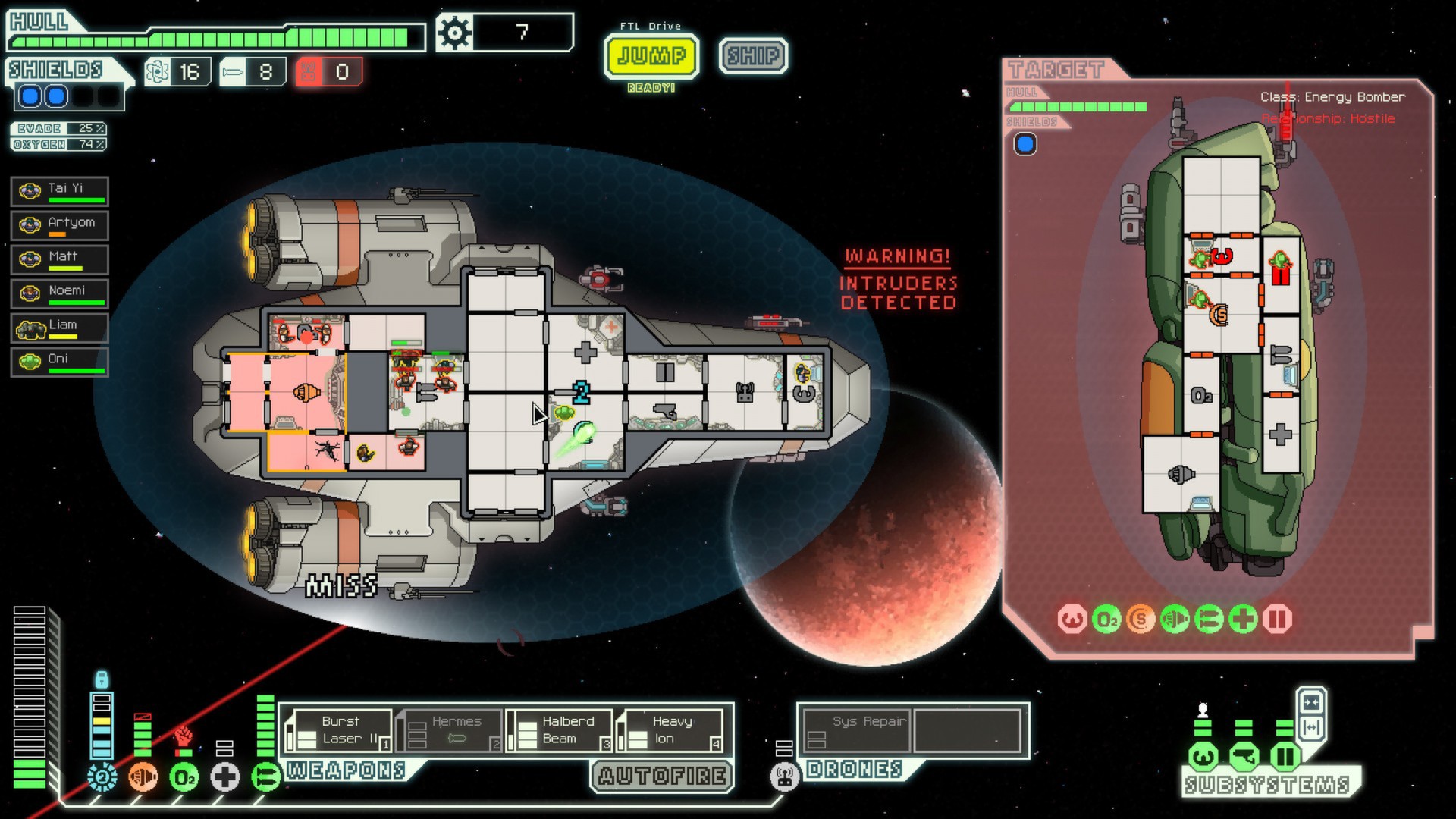
WARNING! INTRUDERS DETECTED
Enlarge / WARNING! INTRUDERS DETECTED


Today, FTL: Faster than Light is recognized as one of the most influential games in the indie sector. Alongside The Binding of Isaac and Spelunky, it was part of a holy trinity of games that popularized the roguelite genre in the early ’10s.

But before it was a hit, FTL was just a humble idea shared by Matthew Davis and Justin Ma, two developers working at 2K’s Shanghai office. The studio wasn’t a bad place to work, by their accounts, but they just weren’t making the kinds of games they were interested in. So Davis and Ma departed the big-budget firm and started a hobby project to keep them busy while they were looking for new jobs.

“The original intention, at least from my perspective, was that [FTL] was only intended as a hobby project or a prototype,” Davis tells Ars. “It was something in between jobs to build up a resume that we could use to get a job at a studio working on projects that we were more excited about. But we stumbled into something that became a lot bigger than what we set out to do.”

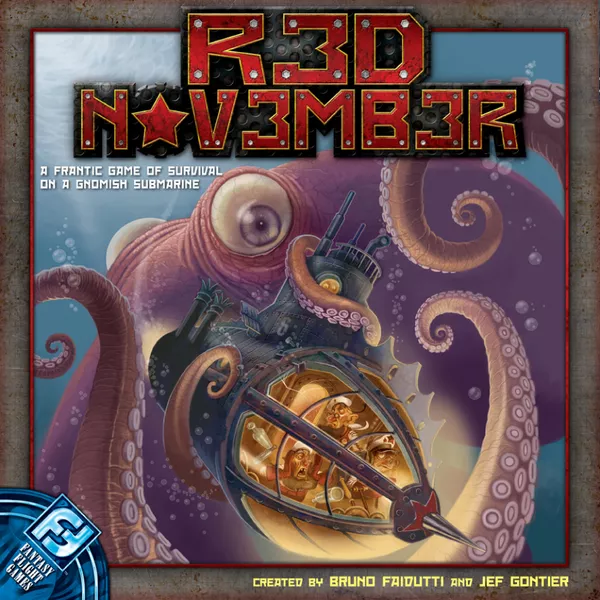
<a href="https://rassegna.lbit-solution.it/wp-content/uploads/2022/11/10-years-of-ftl-the-making-of-an-enduring-spaceship-simulator-1.png" class="enlarge" data-height="600" data-width="600" alt="Davis and Ma say board games like Red November helped inspire FTL‘s design.”><img alt="Davis and Ma say board games like Red November helped inspire FTL‘s design.” src=”https://rassegna.lbit-solution.it/wp-content/uploads/2022/11/10-years-of-ftl-the-making-of-an-enduring-spaceship-simulator.png” width=”300″ height=”300″ srcset=”https://rassegna.lbit-solution.it/wp-content/uploads/2022/11/10-years-of-ftl-the-making-of-an-enduring-spaceship-simulator-1.png 2x”>
Enlarge / Davis and Ma say board games like Red November helped inspire FTL‘s design.

Getting inspired

In setting out to make a new kind of indie game, Ma and Davis say they were inspired by the strategic board games that filled their free time when they lived in Shanghai. “Games like the Battlestar Galactica board game, and there was this submarine game called Red November that did a lot of crew management and cooperative play which we really enjoyed,” Davis remembers.

Before starting development in earnest, Davis and Ma jotted down some of the mechanics they wanted to draw from those kinds of games to include in their prototype. They also wrote down what kinds of feelings they were hoping to impart to the player, landing on an angle that was reasonably unique to video games at the time.

“We wanted to put the player in the captain’s shoes rather than the pilot’s shoes on a spaceship,” Davis explains. “Most games at that point were focused on fighter pilots and dogfighting in space. We wanted to give you more of that Picard feel of shifting power and protecting your shields and repairing damage and that kind of thing.”

“We wanted them to struggle with managing the ship’s systems and feel the pain of losing a crew member from their bad decision-making,” Ma adds.

In trying to engender those kinds of player feelings, Ma remembers being inspired by the randomized situations and permanent death of roguelike games. At the time, those kinds of design elements were expanding from traditional turn-based adventures into other types of gameplay.

“I did play a ton of traditional roguelikes in the previous few years, but it was only Spelunky Classic that made me think about how the principles of roguelikes could apply to other genres,” Ma remembers.

That being said, a lot of the decisions to incorporate similar mechanics were practical ones. “For example, we wanted you to be forced to live with the consequences of your decisions, so a run-based game with permadeath just made sense,” Ma said. “We wanted you to have the feeling of exploring an unknown world, so randomized text events with various outcomes sounded like the easiest way to create that. We were also a bit masochistic and enjoyed failing at the game, so it naturally became quite challenging.”

https://arstechnica.com/?p=1895421


The best games we played at PAX East 2022

The best games we played at PAX East 2022


This year’s PAX East was a bit of a strange experience. The last time we attended the show was just weeks before the entire country began shutting down due to the pandemic. After a canceled show in 2021, the Boston Convention Center was once again filled with gaming fans this year, though now all of them were wearing masks (with strict enforcement).

Many of the big-name publishers that were at previous PAX shows were missing this year, whether because of pandemic risks or shrinking promotional travel budgets. That left the usual mix of indie developers and publishers hanging on to their floor space—though not really expanding to fill in the gaps.

Even though the total selection of games on offer seemed smaller, there were plenty of standout titles. Here are the nine games we’ve been thinking about ever since we left Boston.

Dwerve

[embedded content]

Developer: HalfHuman Games
Platforms:
Windows, Mac, Linux, Switch
Planned release date:
May 31, 2022
More info: Official website | Steam | Demo

It’s almost cliché for many indie games these days to simply take two popular genres and smash them together to create a new concept. For Dwerve, though, the combination of an action RPG and a tower defense game works to create something special.

While you can attack the various foes you find in Dwerve directly, you’ll quickly be overwhelmed if you do. Instead, each battle presents a new opportunity to run around while placing various automated defenses to pester the waves of enemies flooding across the countryside.

Positioning is key to maximizing each tower’s damage potential and that of the traps that slow down your foes and ideally funnel them down a hellish path of death. But battles aren’t “set it and forget it” affairs—as the swarms take out your defenses, you have to rush to replace them without simultaneously exposing yourself to damage.

The bog-standard young-boy-goes-out-to-save-the-world story isn’t especially notable, but even that small bit of structure helps provide some shape to the seeming pointlessness of most tower defense games. And while the on-site demo barely went beyond the tutorial stage, the appeal of the core gameplay loop was readily apparent.

Dordogne

[embedded content]

Developer: Un Je Ne Sais Quoi
Platforms: Windows, Switch
Planned release date: 2023
More info: Official website | Steam

On a PAX show floor dominated by high-octane action games, Dordogne felt like a breath of fresh mountain air on a cool spring day. That’s an appropriate feeling for this game, which is all about exploring the countryside of rural France as Mimi, a 32-year-old who just inherited her grandmother’s cottage.

The small slice of the game we played took place well before that inheritance, though, with Mimi exploring her memories of a visit with her grandmother at 10 years old. Wandering through those watercolor memories, Mimi records sounds, takes photos, and grabs stray words from her thoughts to collect in a journal that the player puts together at the end of each in-game day.

The game’s hand-painted environments and thoughtful sound design evoke a childlike wonder, as do little touches like Mimi running around with her hands outstretched at her side like she’s about to take off in Super Mario World. But just underneath that idyllic, carefree facade are strong signs that Mimi is struggling with some traumatic changes in her life and emotions that she’s scarcely equipped to handle.

Even those who didn’t grow up in the French countryside should be able to relate to the painful process of growing up in this charming game.

https://arstechnica.com/?p=1850692


Apple will delist App Store apps that haven’t been updated recently

Screenshot of App Store icon.
Enlarge / Apple’s App Store.

Apple plans to imminently remove games and apps on the App Store that have not been recently updated if developers don’t submit an update for approval within 30 days. This news comes from screenshots and claims shared by various app developers and reporting by The Verge.

Here’s the text of the email that went out to developers:

This app has not been updated in a significant amount of time and is scheduled to be removed from sale in 30 days. No action is required for the app to remain available to users who have already downloaded the app.

You can keep this app available for new users to discover and download from the App Store by submitting an update for review within 30 days.

If no update is submitted within 30 days, the app will be removed from sale.

It’s not clear whether this rule means users must keep the app installed on their devices to continue to access it or if it will be available from the previously downloaded apps list even if the app is no longer listed on the store.

It’s also unclear whether this is a newly enforced rule or just a particularly big wave of notifications about it. Apple announced its intentions to do something similar in 2016, but developers have no way of knowing how often the rule is enforced. And while that initial announcement seemed more focused on apps that lacked support for new iOS and iPhone or iPad features, some of the developers who received this recent email claim their apps work perfectly on modern hardware and the current version of iOS.

The company has a developer support document titled “App Store Improvements” that provides further details about the move, though it doesn’t answer every question developers have. The initiative is moving forward “to make it easier for customers to find great apps that fit their needs,” Apple wrote.

The document clarifies that if developers submit an update after the 30-day window, their app could ultimately be relisted. It also says that apps “will remain fully functional for current users” and that users will still be able to buy in-app purchases and access online services within the apps.

Apple isn’t the only one with plans to cull what it considers out-of-date apps to improve the user search experience. Just a few weeks ago, Google announced similar plans. However, Google was a bit more specific about its policy. In a blog post on April 6, Google’s Krish Vitaldevara wrote:

Starting on November 1, 2022, existing apps that don’t target an API level within two years of the latest major Android release version will not be available for discovery or installation for new users with devices running Android OS versions higher than apps’ target API level.

On the iOS side, indie game developers have taken to Twitter and other platforms to criticize Apple’s new effort to cull older apps. “Games can exist as completed objects,” wrote Emilia Lazer-Walker, whose years-old free games are targeted for removal. “These free projects aren’t suitable for updates or a live service model, they’re finished artworks from years ago.”

Other developers have suggested that the App Store should be more like the console games market, where you can still buy games from 2000, or have indicated that Apple isn’t being consistent with where it applies the rule.

Others still approach the topic with an air of resignation. They acknowledge Apple is solving a real user experience challenge but is doing so in a way that causes collateral damage for developers whose games and apps are too small to raise concern within the tech giant.

Some stated that they plan to update their apps to try and keep them listed, but others said they’ll have to let the sun set on their older passion projects.

https://arstechnica.com/?p=1850301


How the games industry shake-up could play out

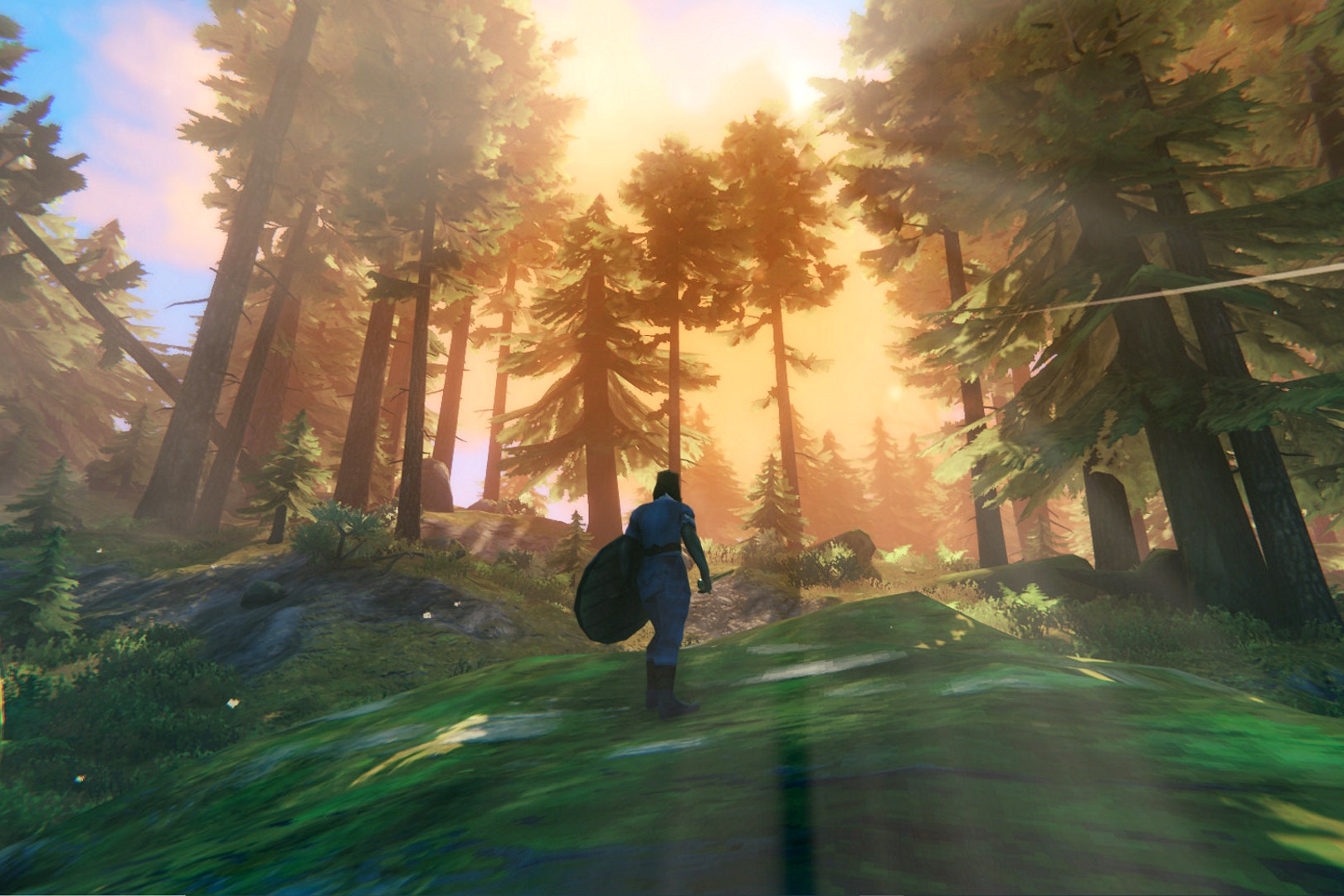
<img src="https://rassegna.lbit-solution.it/wp-content/uploads/2022/02/how-the-games-industry-shake-up-could-play-out.jpg" alt="Valheim“>
Enlarge / Valheim
Iron Gate AB

Kylan Coats came up with a plan to start a studio before he had even made a game, as an undergrad spending summers as a QA tester between classes. Back then, his mid-thirties seemed like the age to make this transition. If things went to plan, he would have the experience to succeed, but if everything exploded, he could still return to a AAA career. Coats worked in the industry for 14 years, but it was only after an unforeseen layoff from Obsidian Entertainment that his husband reminded him of this conviction. “He brought it up like, ‘Hey, you’ve been talking about starting your own studio for the longest time, why not now?’” Coats says.

After a good year doing contract work, more profitable than any year previous, he started Crispy Creative. His first game was an idea he’d been mulling over for a while. “Every dev always has a few of their own game ideas,” he says. A Long Journey to an Uncertain End is a queer narrative space opera, in Coats’ words. Players control a rogue spaceship fleeing between colorful Mœbius-like planets; tasks include shuttling drag queens off on grand adventures. It’s not the type of game a bigger studio would touch, he says. With Crispy, not only is he free to be creative, but his work environment is healthy: Staff don’t have to kill themselves to meet a deadline, and he can nurture mental health and inclusivity. He’d been critical of leadership in the past, so starting Crispy was the moment to put up or shut up, he says.

“This is now over four years of me being independent. In about six months, this will have been the longest job I’ve ever had, which is really scary,” he says. “But also really crazy, because I’m like, ‘Why didn’t I do this earlier?’ I’m making so much more money, I have so much more freedom, why did I deal with the politics with big studios. And now I’ve talked to other people who are doing the same thing.” Coats is a small part of two big movements in the games industry. One is conspicuous. Last month, Microsoft bought Activision-Blizzard for $68 billion, the biggest tech purchase ever. Eleven days later, Sony, whose stock plummeted in the wake of Microsoft’s deal, devoured Bungie, creator of Halo and purveyor of Destiny. The games industry, it would seem, is consolidating. Yet, less conspicuously, the industry is also splintering. Developers say they feel like they are part of a wave: Veterans, weary of the industry’s increasing corporatization, are leaving the AAA world to forge their own path.

What makes a studio “indie”?

Independent is a sticky word. “Indie” evokes an aesthetic—pixel art or lo-fi graphics; deep themes or demanding mechanics—as much as a state of ownership, an ambiguity that can blur the facts on the ground. Independent funding varies: Developers tend to distinguish their status by budget size. Crispy, for instance, is closer to what most people think of when they think of indie development: a “single I” in response to the AAA. We’re tiny and scrappy; balancing client work, spare time, and no small amount of hope to put together our first title,” says Coats.

The studio Gardens, founded by the artists responsible for Journey, Dustforce, and What Remains of Edith Finch, call itself “triple I,” since it has received, for a small team at least, substantial financial support. The founders of Gravity Well, former developers at Respawn Entertainment, which made Apex Legends, explain that they are too big to consider themselves indie; but they are independent in that they have creative control. “[We’re] able to lean in to potentially riskier creative decisions, to prioritize team health, and provide significant profit sharing from our games to the team,” the team says over email.

Developers are artists, but making games is work. In fact, development, infamously exploitative and breakdown-inducing, is exactly the sort of work that the pandemic has made many of us less likely to tolerate. Couple stories on r/antiwork, in which employees with broken limbs are reprimanded for overuse of a stool, with Blizzard’s sexual-harassment scandals, and the Great Resignation, says Coats, could just as easily be called the Great Reprioritization. “When you’re faced with a potentially life-ending global pandemic, you question why are you killing yourself for all this stuff,” he says. “Because you could get sick next week and be in the hospital intubated.”

This type of work is notorious: the crunch. Drew McCoy, game director at Gravity Well, describes himself as a “recovering workaholic.” Bosses have long exploited the fact that games are a “passion industry,” he says. In his experience, you aren’t forced to crunch, but no one stops you either, a state of affairs that doesn’t work for people with kids; you end up with massive attrition as older developers leave.

In the build-up to Apex Legends, McCoy worked 80-hour weeks. The burnout afterward lasted more than a year. That he, a guy who was teaching himself to code in Basic at 9 years old, considered leaving the industry pointed to something rotten at its core. “We’re very open to everyone: If you need time off, we have an unlimited [paid time off] policy,” McCoy says. Crunch “has driven how I think about building a team and building company values and goals. Because it’s just nothing but detrimental. You get worse work from people.”

Developers are also fed up with other long-standing impediments. At Obsidian, Coats says, leadership was entrenched: He had to threaten to quit before he got “senior” in his title. Coats says there were few female leads, and female developers left because they didn’t see a future for themselves. Sarah Sands, executive producer at Gardens, left the industry twice for similar reasons: Being a woman in gaming meant she was paid less than her male peers. She was persuaded to go back by promises of the chance to push for a more diverse staff, a commitment to mental health, a 35-hour workweek, and robust benefits. Just the other week, in the middle of a sunny day, she went roller-skating and returned to work energized.

https://arstechnica.com/?p=1836741


Fantastic Arcade celebrates weird gaming—dancing bears, haunted NESes, and all

AUSTIN, Texas—Genre-celebrating Fantastic Fest may reach wider and weirder than any other film festival when it comes to screenings (see recent zombie-high school-Christmas musicals or 90s-Japanese TV-crossover mockumentaries, for instance). And back in 2010, the event added a gaming arm.

Needless to say, it gets weird, too.

Put on by local independent gaming group Juegos RancherosFantastic Arcade has evolved from a showcase for 10-20 games in its early days to now boasting closer to 50 showcase titles from several hundred submissions. In 2017, Fantastic Arcade grew so much—and attracted such an audience—that it needed to become its own standalone event. More than a month after the latest film portion wrapped, indie game enthusiasts crammed into a local Alamo Drafthouse last weekend to see some of the most unique titles coming from developers in Texas and beyond.

While there were several recognizable names on the slate (see Nidhogg II), the event is all about discovery for the casual gamer. Above, you can see a handful of the titles that caught our eye from an afternoon of button mashing and instruction reading. And if anything in particular speaks to you, know that we may have a few follow-up items in the works based on what we got to experience.

[embedded content]
Here’s A Fantastic Arcade panel about Into The Breach, a really cool strategy game from the makers of the hit indie game FTL. Click below for more videos taken from the Fantastic Arcade panel series.

For now, those interested in more info can find many of the developer’s commentary sessions uploaded to YouTube. Plus, the now available 2017 Fantastic Arcade Indie Bundle includes Pipsqueak, The Stakes Are Too High, and Banana Chalice from the titles above if you want to test ‘em first-hand.

Listing image by Sam Machkovech