Apple Is Reportedly Eyeing the Home Robot Space After Scrapping Its 10-Year Electric Car Project

Apple engineers are now looking into a mobile robot that can help users around the house, according to “people familiar with the situation” who spoke with Bloomberg chief correspondent and Apple expert Mark Gurman.

Gurman also reported on Wednesday that Apple engineers are working on a separate advanced tabletop home device that moves displays around robotically.

The robotic smart display is “much further along” in development than the mobile robot, according to Bloomberg’s sources, but the work for both products is still in its early stages. It’s unclear if either project will be released.

Related: Here’s the First Picture of Apple’s New Device That Updates iPhones While They’re Still in the Box

The news shows that Apple has been under pressure to find fresh sources of revenue, the report said.

Apple reportedly told top execs that the company’s future centered on three areas: the home, cars, and mixed reality.

With Apple’s 10-year electric car project coming to a halt this past February and the $3,500 Apple Vision Pro, Apple’s first mixed reality headset, hitting shelves in the same month, the only category left for Apple to conquer is the home.

Related: Apple Cancels Its 10-Year Electric Car Project

Apple’s past home products include the HomePod smart speaker, which sold 13.5 million units in 2022, according to Statista.

Apple’s first quarter results for 2024, announced in February, show that the iPhone is Apple’s biggest revenue driver, bringing in $69.7 billion of revenue in that quarter, or more than half of Apple’s total revenue.

In the smart home sector, Apple faces competition from household robot market leaders like iRobot, Neato Robotics, Samsung, Ecovas, and Panasonic.

Related: Jon Stewart Says Apple Wouldn’t Let Him Talk About AI, Forcing His Exit https://www.entrepreneur.com/business-news/whats-next-for-apple-after-vision-pro-home-robots-report/472210


Elon Musk Says He’s Raising Tesla Engineer Salaries Because OpenAI Has Been Aggressively Poaching Them With Massive Paydays

This article originally appeared on Business Insider.

AI engineers working at Tesla may have Sam Altman and OpenAI to thank for their salary bumps.

Tesla CEO Elon Musk said on Wednesday that his company is increasing the compensation packages for those working on the AI engineering team. The pay raise, Musk said, was in response to OpenAI’s attempts to poach Tesla’s engineers.

“They have been aggressively recruiting Tesla engineers with massive compensation offers and have unfortunately been successful in a few cases,” Musk said of OpenAI’s hiring efforts in an X post on Wednesday.

Musk made the remarks in response to a story by The Information that was published on the same day. According to the report, Tesla machine-learning scientist Ethan Knight is moving over to join Musk’s AI company, xAI.

“Ethan was going to join OpenAI, so it was either xAI or them,” Musk wrote on X.

Representatives for OpenAI did not immediately respond to a request for comment from Business Insider sent outside regular business hours.

Competition for AI talent has been heating up as tech companies race to become dominant players in the field. Aside from offering eye-watering salaries, some Big Tech leaders have adopted a personal touch when it comes to wooing engineers.

Meta’s Mark Zuckerberg has been reportedly writing personal emails to AI researchers at Google’s DeepMind, per The Information. In fact, Zuckerberg’s Meta has even offered jobs to candidates without conducting any interviews, the outlet reported.

It’s not just Zuckerberg’s who’s had to do personal reachouts. Google cofounder Sergey Brin had to personally call an employee who was thinking of leaving Google for OpenAI. According to The Information’s report, Brin made several promises to convince the employee to stay, including an offer of higher pay.

“The talent war for AI is the craziest talent war I’ve ever seen!” Musk said on Wednesday.

https://www.entrepreneur.com/business-news/tesla-ai-engineers-getting-raises-musk-says-openai-poaching/472226


Google Sues Crypto App Developers for Allegedly Creating Fake Trading Apps, Enticing Users to Join With Romantic Texts

More than 100,000 people bought into an international cryptocurrency scam, lured to ‘invest’ by YouTube videos, affiliate marketing campaigns, and romance scam messages, Google alleged in a complaint filed on Thursday in a New York district court.

Google brought the lawsuit against two developers who allegedly created 87 fraudulent crypto apps over the course of at least 5 years on the Google Play store.

Google accused the developers of targeting thousands of victim “investors,” who weren’t really investing in crypto at all, instead putting money directly into the developers’ pockets.

The victims lost anywhere from $100 to tens of thousands of dollars each, as per the complaint.

Google CEO Sundar Pichai. Photo credit: Justin Sullivan/Getty Images

The developers used a few tactics to get victims to download their apps, according to the complaint — one was sending text messages to potential victims that were meant to appear as though they were sent to the wrong number.

The victim would get a text like “I miss you all the time, how are your parents Mike?” and if they responded, even with a “wrong number,” the developers or people working on their behalf would try to strike up a friendship or romantic relationship to get the victim to download one of their crypto apps and deposit money.

Related: Google Agrees to Delete User Private Browsing History as Part of a Lawsuit Settlement

The trouble would start when the victim tried to withdraw their funds. The platform wouldn’t allow them to access their money and the “friend” who told them about the app would stop responding to messages.

The customer service lines wouldn’t work, or when they did, the company representative would ask for additional withdrawal fees ranging from 10% to 30%, saying that these fees were needed for commissions or taxes.

Even if the victim paid the additional fees, they would still not receive the funds they initially deposited, according to the complaint.

Google named TionRT, Starlight, and SkypeWallet as a few examples of fraudulent apps in the complaint. The company is asking the court to award it an unspecified amount in damages and block the defendants from accessing any Google services.

Related: Google Sues Hackers For Making Fake Advertisements to Download Bard AI Technology

The app developers or their agents also created YouTube videos designed to legitimize their crypto apps, even paying actors to pose as the “leadership teams” behind the apps.

They also launched affiliate marketing campaigns, promising users that they would earn commissions by signing up other users for the apps, and released public press releases

When Google took the apps that the developers created off of its app store in response to customer complaints, the developers faked their identities and started over again, Google alleged.

Related: If You Used Google Anytime Between 2006 and 2013, the Company May Owe You Money

“Defendants made multiple misrepresentations to Google in order to upload their fraudulent apps to Google Play, including but not limited to, misrepresentations about their identity, location, and the type and nature of the application being uploaded,” Google’s complaint reads.

https://www.entrepreneur.com/business-news/google-sues-developers-over-fake-crypto-investment-apps/472209


Walgreens Boots Alliance Gets Bill for $2.7 Billion From the IRS After Tax Audit

No one is safe from the IRS this tax season — and multi-billion dollar corporation Walgreens just received a hefty audit from the government.

According to a filing with the U.S. Securities and Exchange Commission on February 29, Walgreens Boots Alliance was hit with a $2.7 billion bill by the IRS after audits the agency conducted allegedly found problems with Walgreens’ transfer pricing between 2014 and 2017.

“The Company intends to vigorously defend its position on the transfer pricing matter through the IRS’s administrative appeals office and, if necessary, judicial proceedings and is confident in its ability to prevail on the merits,” the SEC filing said on behalf of Walgreens.

Walgreens Boots Alliance oversees Walgreens in the U.S. and Boots drugstores in the U.K.

“We believe that we will prevail at the conclusion of the audit,” a spokesperson for Walgreens told the Chicago Tribune.

Related: Walgreens Unveils New CEO, $1 Billion Cost-Cutting Plan

According to Investopedia, transfer pricing is defined as an “accounting practice that represents the price that one division in a company charges another division for goods and services provided,” which is often used to help lower the overall “tax burden of the parent company.”

The IRS is seeking additional tax payments, interest, and penalties in its total compensation from Walgreens.

The audit can take between two to seven years to complete, according to Bloomberg.

Related: Walgreens Boots Alliance Exec Vice President: Raise My Taxes

Walgreens Boots Alliance joins other large corporations, including Meta, Apple, and Microsoft that are also facing IRS audits over transfer pricing issues.

Last fall, Walgreens unveiled a plan to reduce costs by $1 billion after reporting a weak fiscal 2023, which resulted in operating losses of $6.9 billion for the year due to opioid-related lawsuits and other litigation issues.

Amid the losses, Walgreens is now unveiling an aggressive cost-cutting plan, including closing 60 of its clinics, Axios reported.

https://www.entrepreneur.com/business-news/walgreens-audited-for-billions-by-the-irs/472219


Mark Cuban’s Startup Is Sending Its First Batch of Essential Meds to Hospitals Facing Shortages

The startup that billionaire entrepreneur Mark Cuban co-founded to disrupt the pharmaceutical industry is shipping the first drugs it manufactured to two hospitals that need them.

Bloomberg reported that starting Wednesday, Mark Cuban Cost Plus Drug Co. is sending out its first batch of allergy medication, epinephrine, and blood pressure drug, norepinephrine, to 10 hospitals in Texas and Pennsylvania.

Both drugs face nationwide shortages and Cost Plus began producing them at its Dallas facility last month, according to Bloomberg. Epinephrine injections are currently in shortage, according to the FDA drug shortages database at the time of writing.

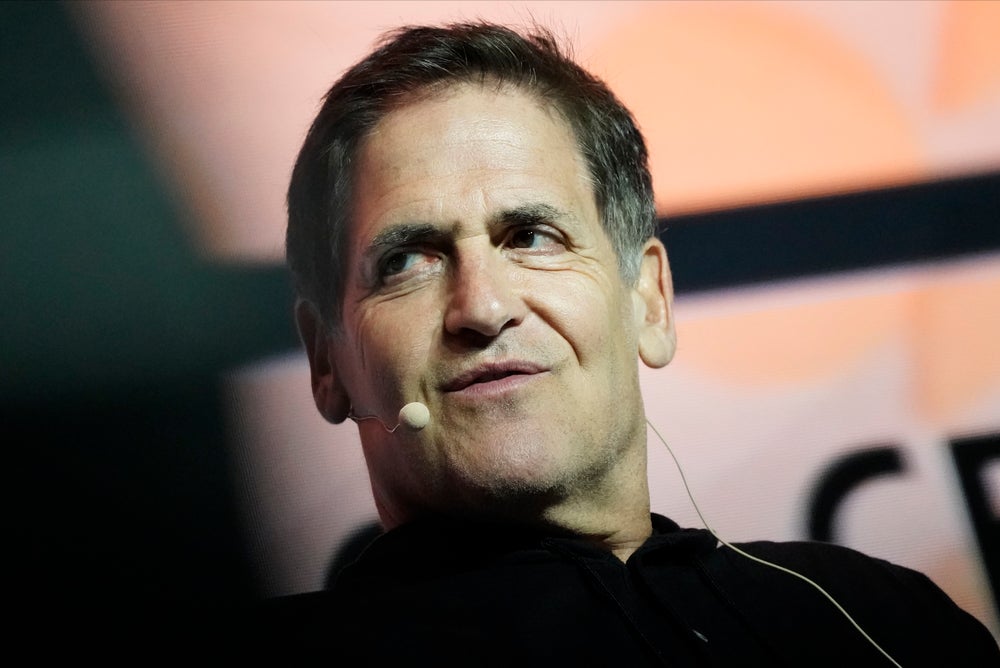
Mark Cuban. Photo credit: Bing Guan/Bloomberg via Getty Images

Cost Plus, which Cuban co-founded with radiologist Alex Oshmyansky, launched in January 2022 and now delivers more than 2,300 prescription medications through its online pharmacy.

Related: ‘I Was Young and Should Have Known It’: Mark Cuban Says This Is the 1 Thing He’d ‘Do Differently’ in Life

The startup has an ambitious mission, to sell medications safely and at the lowest possible price point, which it strives to accomplish with transparent prices. According to a letter Cuban wrote on the startup’s website, every drug that the company sells is priced the same way: Cost Plus takes the base price of the medication that it has to pay, marks up the price by 15%, and then adds on the actual cost that the pharmacy charges them to prepare the medication.

So a drug like Albendazole, for example, which treats ringworm and costs around $113 according to Drugs.com, would be $35 for customers through that pricing method with Cost Plus, as per the letter. Cuban wrote that the cost the startup had to pay for the medication was $26.08.

“Many people are spending crazy amounts of money each month just to stay healthy,” Cuban wrote. “No American should have to suffer or worse – because they can’t afford basic prescription medications.”

Cost Plus also announced on Tuesday that it would be partnering with Price.com to integrate its drug prices into Price.com’s AI comparison tool.

Customers who use Cost Plus can opt to pick up prescriptions at 5,000 affiliated pharmacies across the country as of last month or opt for pickup at 2,000 Kroger grocery stores as of July of last year.

Amazon Pharmacy is another direct-to-consumer online pharmacy platform that recently announced same-day delivery in New York City and Los Angeles, with plans to expand to more than a dozen cities by the end of 2024.

Related: ‘Don’t Follow Your Passion’: Mark Cuban Shares the ‘Worst Piece’ of Business Advice He’s Ever Received

https://www.entrepreneur.com/business-news/mark-cuban-cost-plus-online-pharmacy-sends-meds-to-hospitals/472143


Spotify Is Reportedly Raising Prices in Several Countries Including the U.S. — Here’s When and What New Plans to Expect

As a slew of streaming and subscription-based services continue to raise prices, Spotify is reportedly implementing new pricing plans for its loyal users.

On Wednesday, Bloomberg reported that the music streaming giant will raise prices this month (between $1 to $2 per month) in five of its international markets including the U.K., Australia, and Pakistan, citing sources familiar with the matter.

In the U.S., meanwhile, customers won’t see an increase this month, but users based in the states can expect a price hike by the end of this year.

Related: JetBlue Is Increasing Bag Fees Based on ‘Peak’ Flight Days

The outlet reported that the higher prices of monthly subscriptions are set to offset the cost of Spotify’s audiobook feature, as Spotify has to pay publishers to host the books on its platform.

The sources also allege that Spotify will offer a new, cheaper monthly pricing tier, which will give users access to music and podcasts but not audiobooks for $11 a month — the current cost of a premium plan.

Spotify has historically offered two plans for users — a paid premium, which offers ad-free listening, and a free option, which subjects listeners to advertisements during their programming.

Spotify did not comment publicly on the report.

The streaming giant had a strong Q4 2023, with monthly active users increasing by 28 million quarterly and premium users increasing by 31 million quarterly to a total of 236 million globally.

Spotify bumped prices in the U.S. last July by $1 for premium users.

Related: Report: Sporting Event Ticket Prices Up Over 25%

“So that we can keep innovating, we are changing our Premium prices across a number of markets around the world,” the company wrote in a post at the time. “These updates will help us continue to deliver value to fans and artists on our platform.”

Spotify was up over 8.15% in a 24-hour period upon the news Wednesday afternoon.

https://www.entrepreneur.com/business-news/is-spotify-increasing-prices-streamer-hiking-premium-plans/472151


Billie Eilish, Elvis Costello, Jon Bon Jovi, and More Artists Rip Into ‘Predatory’ and ‘Catastrophic’ Use of AI in the Music Industry: ‘Assault on Human Creativity’

Powerful voices are speaking up about the potential danger of advancing AI, and now a prominent group of musicians is joining the chorus in an open letter Monday to call attention to the potential harm the technology can have on the music industry.

In a letter written by the Artist Rights Alliance and posted to Medium on Monday, over 200 musicians and songwriters including Jon Bon Jovi, Darius Rucker, and Elvis Costello called for music platforms and streaming services as well as tech companies to initiate a complete cease of AI to “infringe upon and devalue the human artists.”

While the letter admits that AI has the potential to “advance human creativity,” it underscores that it only does so when used responsibly, and notes that some platforms and tech developers are using it to “sabotage and undermine artists, songwriters, musicians, and rights holders.”

Related: You Can Fear AI and Still Embrace It — Here’s Why

Other notable names on the list of signees include Finneas and Billie Eilish, Katy Perry, the estate of Bob Marley, and Pearl Jam.

If left unregulated, the artists said, AI has the potential to “degrade the value” of the work that musicians and songwriters are producing, while simultaneously not properly financially compensating them for it.

“Some of the biggest and most powerful companies are, without permission, using our work to train AI models. These efforts are direly aimed at replacing the work of human artists with massive quantities of AI-created “sounds” and “images” that substantially dilute the royalty pools that are paid out to artists,” the letter reads. “For many working musicians, artists, and songwriters who are just trying to make ends meet, this would be catastrophic.”

The letter ended with the artists calling the improper use of AI an “assault on human creativity” and the stealing of artists’ work as “predatory.”

The Artists Rights Alliance’s letter comes at a contentious time for AI in the entertainment industry.

On Wednesday, a settlement agreement was reached between the estate of late comedian George Carlin and video company Dudsey, which created an AI-generated one-hour-long comedy special using the comedian’s voice and likeness to generate “new” material into an audio-only podcast episode.

“I understand and share the desire for more George Carlin. I, too, want more time with my father,” Carlin’s daughter, Kelly Carlin, wrote in a statement in January upon the lawsuit filing. “But it is ridiculous to proclaim he has been ‘resurrected’ with AI.”

Related: JPMorgan Says Its AI Cashflow Tool Cut Human Work Almost 90%

Upon this week’s settlement, Dudsey has agreed to remove the video of the “podcast” and agreed to never repost it anywhere else again, as well as to never use Carlin’s image, voice, or likeness without permission from his estate again.

Carlin died in 2008 of a heart attack.

https://www.entrepreneur.com/business-news/bon-jovi-darius-rucker-warn-about-ai-tech-in-music-industry/472142


Amazon’s Free Credits for Startups Now Cover the Use of AI Models, Even From Competitors Like Meta

Amazon Web Services will now allow its free credits program for startups to encompass the use of major AI models from other providers, including Meta, Mistral AI, and Cohere, in addition to its own AI platform Bedrock, the company told Reuters on Tuesday.

The move could attract more AI startup customers to the AWS platform and potentially minimize the cost that those startups incur by using AI. OpenAI CEO Sam Altman stated in January that developing the company’s most advanced AI model took $100 million.

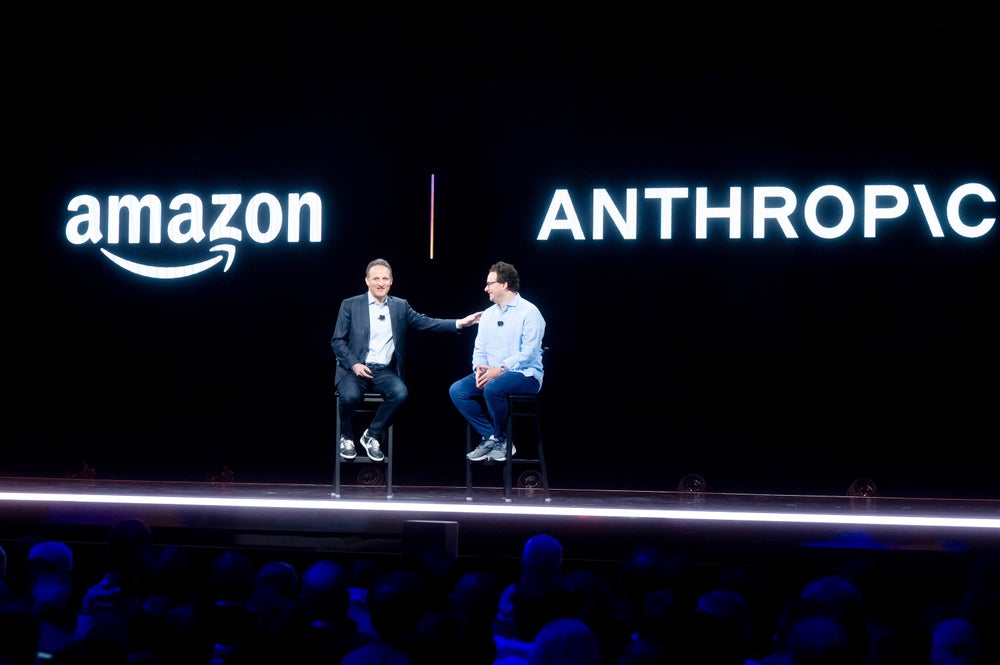
Amazon Web Services (AWS) CEO Adam Selipsky speaks with Anthropic CEO and co-founder Dario Amodei in November 2023. Photo by Noah Berger/Getty Images for Amazon Web Services
OpenAI rival Anthropic had to spend half of the revenue it generated in January paying cloud providers like Google and Amazon, according to The Information.

Related: Amazon Invests $4 Billion in ChatGPT Competitor, Making a Bold Move in the AI Arms Race

Amazon concluded its $4 billion investment in Anthropic last week, and covers Anthropic’s AI models under its free credits program. Anthropic’s latest AI model appeared to display “meta-awareness” in internal tests.

Amazon stated that it has offered startups more than $6 billion in credits over the past 10 years. The company plans to offer half a million dollars in credits to startups in Y Combinator’s latest January cohort, per Reuters.

Amazon isn’t the first company to offer free cloud credits for startups. Google is offering up to $350,000 in credits and IBM offers credits in a trial period.

Related: An OpenAI Rival Developed a Model That Appears to Have ‘Metacognition,’ Something Never Seen Before Publicly

https://www.entrepreneur.com/business-news/amazon-now-offers-startups-free-credits-to-use-ai/472062


A Major U.S. Airline Is Rolling Out Dynamic Pricing for Baggage Fees Based on ‘Peak’ and ‘Off-Peak’ Flight Dates

Several U.S. airlines have been raising baggage fees for passengers, with some, such as American Airlines, offering customers a lower price if they pay ahead of time instead of at the airport.

Now, JetBlue is trying a new strategy — a dynamic method of baggage pricing that charges passengers more depending on the date.

For example, the airline offers a $10 discount on checked bags if customers opt to pay for their checked baggage online at least 24 hours before their flight departs.

Related: Report: Airlines Made $33 Billion Last Year Charging For Checked Bags

In February, JetBlue increased its checked bag prices to a base fee of $45 for the first checked bag and $60 for the second. These will be the prices for dates deemed “Off-Peak” on domestic flights, all Blue, Blue Basic and Blue Extra tiered tickets.

The prices jump to $50 for the first bag during peak dates and $70 for the second bag.

Dynamic prices are in play for flights that are booked on or after March 22, 2024, with peak dates in 2024 and 2025 currently listed as: April 11 – 24; June 20 – September 3; November 21 – December 2; December 19 – January 6; February 13 – February 24; and April 3 – April 28.

“The cost of transporting bags has gone up significantly due to increased wages and higher fuel costs, and we remain unprofitable since COVID,” a spokesperson for JetBlue told Travel + Leisure. “While we don’t like increasing fees, we are making these adjustments to help get our company back to profitability and cover the increased costs.”

Blue Plus, Mint and Mosaic tiered tickets have the first two checked bags included in the ticket price.

Related: Baggage Handler Shares Hack For Avoiding Lost Luggage

The increases come amid an industry trend of increasing checked bag fees — the top 20 airlines in the world made a reported $33 billion in baggage fees in 2023 alone.

JetBlue was down just under 4% in a one year period as of Tuesday afternoon.

https://www.entrepreneur.com/business-news/jetblue-is-increasing-bag-fees-based-on-peak-flight-days/472064


Here’s Why Microsoft Is Separating Teams From the Rest of the Office Suite

Microsoft stated on Monday that it will separate Teams from the rest of its Office suite. According to a report exclusive to Reuters, the tech giant will unbundle the two products in a possible effort to avoid antitrust fines.

The global move arrived six months after Microsoft pushed Teams out of its Office product in Europe. The European Commission has been looking into the Teams and Office bundle since 2020 when Microsoft competitor Slack filed an antitrust complaint.

Microsoft linked Teams to its “dominant Office product, force installing it and blocking its removal,” David Schellhase, general counsel at Slack, claimed to The Verge at the time.

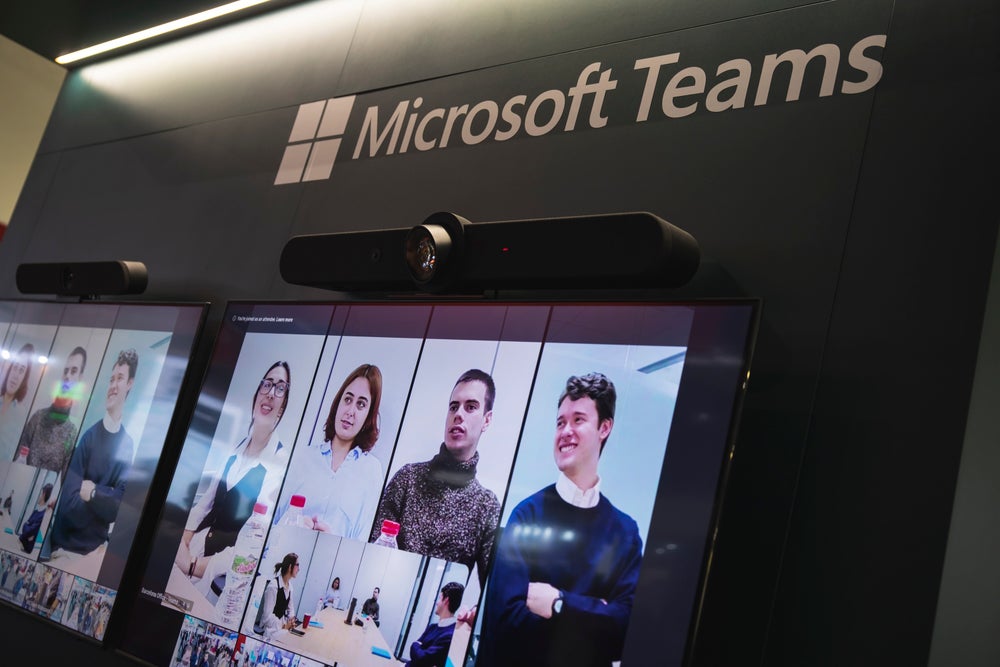
A screen shows a virtual meeting with Microsoft Teams at ISE 2024. Photo by Cesc Maymo/Getty Images

Microsoft responded to the complaint by “proactively” unbundling Teams from Office in the EU to “support a healthy competitive environment,” according to an August blog post from the company.

Sensor Tower data cited by Reuters found that the size of the Microsoft Teams userbase in the area has stayed mostly the same since then.

Related: This Big 5 Tech Company Is About to Write and Respond to Emails for You

The global move announced today expands on what Microsoft started to do last year in the EU, per a Microsoft spokesperson’s statement to Reuters.

Microsoft has had to pay hefty fines over antitrust issues to the EU before, from the record $1.4 billion the company was forced to pay in 2004 to the $732 million it paid in 2013.

https://www.entrepreneur.com/business-news/microsoft-is-separating-teams-from-the-rest-of-office-365/471997