Lazarus ha colpito alcune compagnie europee del settore della difesa


Una recente analisi di ESET riporta che il gruppo nord-coreano Lazarus ha colpito alcune compagnie dell’Europa centrale e sudorientale del settore della difesa, molte delle quali attive nella produzione di droni.

I ricercatori spiegano che si tratta di una nuova istanza di DreamJob, una campagna già nota che si è ripresentata negli ultimi tempi. Gli attacchi hanno colpito con successo tre compagnie.

Secondo ESET, l’accesso iniziale ai sistemi delle vittime è avvenuto quasi certamente tramite tecniche di social engineering. In seguito, il gruppo ha distribuito ScoringMathTea, un RAT che consente agli attaccanti di prendere il controllo completo del sistema colpito.

Lazarus

Il modus operandi è quello già ampiamente conosciuto di Lazarus: le vittime, dipendenti delle aziende obiettivo, vengono contattati per delle offerte di lavoro. Gli attaccanti, fingendosi dei recruiter, condividono con i dipendenti dei documenti contenenti non solo i dettagli sulla falsa offerta di lavoro, ma anche il payload del malware.

Il trojan distribuito da Lazarus appare molto complesso, in grado di gestire circa 40 comandi diversi. Apparso per la prima volta nel 2022, l RAT consente di manipolare processi e file, modificare le configurazioni di sistema, raccogliere informazioni sul sistema operativo della vittima, aprire una connessione TCP ed eseguire payload scaricati dal server C2.

L’obiettivo della campagna è molto probabilmente l’esfiltrazione di informazioni sensibili per supportare lo sviluppo di droni in Corea del Nord. “Riteniamo probabile che l’operazione DreamJob fosse finalizzata, almeno in parte, al furto di informazioni riservate e know-how produttivo relativi agli UAV. Il riferimento ai droni osservato in uno dei dropper rafforza significativamente questa ipotesi” ha affermato Peter Kálnai, ricercatore ESET che ha scoperto e analizzato la nuova istanza di DreamJob.

ESET sottolinea però che, visto che il gruppo ha agito mentre i soldati nord-coreani si trovavano in Russia per supportare le milizie alleate, è possibile che DreamJob sia anche un modo per raccogliere informazioni su armi e droni usate attualmente nel conflitto.

La campagna risulta ancora in atto.

Condividi l’articolo


Articoli correlati

Altro in questa categoria


https://www.securityinfo.it/2025/10/23/lazarus-ha-colpito-alcune-compagnie-europee-del-settore-della-difesa/?utm_source=rss&utm_medium=rss&utm_campaign=lazarus-ha-colpito-alcune-compagnie-europee-del-settore-della-difesa





Search Engine Journal Is Hiring! via @sejournal, @hethr_campbell

We’re looking for a powerhouse project manager to keep our marketing team inspired and on track.

This is a Philippines-based, fully-remote position working on U.S.-adjacent hours (8 p.m. – 4 a.m. PHT) to be my partner in crime execution on some exciting projects.

We do things a little differently here, and we’ve learned that culture fit is everything. When it’s a match, people tend to stay; nearly half our team has been with us for more than five years.

If you’re the kind of team member who has loads of experience leaning into complex projects, honest conversations, and big ideas, we’d love to meet you.

About SEJ

We help our advertisers communicate with precision and creativity in an AI-driven world. Our campaigns are built on data, empathy, and continuous experimentation. We manage multi-channel strategies across content, email, and social media, and we’re looking for someone who can keep the moving parts aligned without losing sight of the humans behind them.

We’re hiring a Senior Digital Marketing Project Manager to lead strategy execution, client relationships, and team coordination. You’ll help us build marketing systems that are smart, efficient, and grounded in trust.

Why This Role Is Different

This is an AI-first position. You already use tools like ChatGPT, Claude, or Gemini to work smarter, automate workflows, and uncover insights that move the needle. Your success here depends on seeing where AI enhances human creativity … and where it doesn’t.

We’re a team that values autonomy, initiative, and straight talk. We’d rather have one clear, respectful conversation than weeks of confusion. We care deeply about doing great work and making each other better through feedback and shared accountability.

What You’ll Do

  • Manage and optimize complex digital marketing campaigns from strategy to execution.
  • Translate business goals into clear, actionable plans for clients and internal teams.
  • Keep communication flowing: up, down, and across.
  • Identify opportunities to integrate AI tools into analytics and operations.
  • Support a culture of feedback, growth, and curiosity.

Who You Are

  • You’re organized and strategic, but not rigid. You like structure, but you also know when to improvise.
  • You’re skilled at managing both clients and creatives. You can lead with empathy and keep projects on schedule.
  • You don’t shy away from a tough conversation if it means getting to a better outcome.

You’re the kind of team member who says things like:

  • “Let’s make sure we’re solving the right problem.”
  • “I appreciate the feedback! Here’s what I’m hearing.”
  • “How can AI help us work smarter here?”

Why Work With Search Engine Journal?

We’re a remote-first, global team that values:

  • Clarity over chaos.
  • Progress over perfection.
  • Honest collaboration over hierarchy.
  • We’re remote, flexible, and results-focused. You’ll have real ownership, real support, and the chance to do your best work with people who actually care about doing theirs.

If this sounds like your kind of place, see the full job listing and apply here.


Featured Image: PeopleImages/Shutterstock

https://www.searchenginejournal.com/search-engine-journal-is-hiring/558917/


AI Assistants Show Significant Issues In 45% Of News Answers via @sejournal, @MattGSouthern

Leading AI assistants misrepresented or mishandled news content in nearly half of evaluated answers, according to a European Broadcasting Union (EBU) and BBC study.

The research assessed free/consumer versions of ChatGPT, Copilot, Gemini, and Perplexity, answering news questions in 14 languages across 22 public-service media organizations in 18 countries.

The EBU said in announcing the findings:

“AI’s systemic distortion of news is consistent across languages and territories.”

What The Study Found

In total, 2,709 core responses were evaluated, with qualitative examples also drawn from custom questions.

Overall, 45% of responses contained at least one significant issue, and 81% had some issue. Sourcing was the most common problem area, affecting 31% of responses at a significant level.

How Each Assistant Performed

Performance varied by platform. Google Gemini showed the most issues: 76% of its responses contained significant problems, driven by 72% with sourcing issues.

The other assistants were at or below 37% for major issues overall and below 25% for sourcing issues.

Examples Of Errors

Accuracy problems included outdated or incorrect information.

For instance, several assistants identified Pope Francis as the current Pope in late May, despite his death in April, and Gemini incorrectly characterized changes to laws on disposable vapes.

Methodology Notes

Participants generated responses between May 24 and June 10, using a shared set of 30 core questions plus optional local questions.

The study focused on the free/consumer versions of each assistant to reflect typical usage.

Many organizations had technical blocks that normally restrict assistant access to their content. Those blocks were removed for the response-generation period and reinstated afterward.

Why This Matters

When using AI assistants for research or content planning, these findings reinforce the need to verify claims against original sources.

As a publication, this could impact how your content is represented in AI answers. The high rate of errors increases the risk of misattributed or unsupported statements appearing in summaries that cite your content.

Looking Ahead

The EBU and BBC published a News Integrity in AI Assistants Toolkit alongside the report, offering guidance for technology companies, media organizations, and researchers.

Reuters reports the EBU’s view that growing reliance on assistants for news could undermine public trust.

As EBU Media Director Jean Philip De Tender put it:

“When people don’t know what to trust, they end up trusting nothing at all, and that can deter democratic participation.”


Featured Image: Naumova Marina/Shutterstock

https://www.searchenginejournal.com/ai-assistants-show-significant-issues-in-45-of-news-answers/558991/


YouTube Expands Likeness Detection To All Monetized Channels via @sejournal, @MattGSouthern

YouTube is beginning to expand access to its likeness detection tool to all channels in the YouTube Partner Program over the next few months.

The technology helps you identify unauthorized videos where your facial likeness has been altered or generated with AI.

YouTube announced the expansion after testing the tool with a small group of creators.

The tool addresses a growing concern as AI-generated content becomes more sophisticated and accessible.

How Likeness Detection Works

Channels can access the tool through YouTube Studio’s content detection tab under a new likeness section.

The onboarding process requires identity verification. You scan a QR code with your phone’s camera, then submit a photo ID and record a brief selfie video performing specific motions.

YouTube processes this information on Google servers, typically granting access within a few days.

Once verified, creators see a dashboard displaying videos that match their facial likeness. The interface shows video titles, upload dates, upload channels, view counts, and subscriber numbers. YouTube’s systems flag some matches as higher priority for review.

Taking Action On Detected Content

You have three options when reviewing matches.

You can request removal under YouTube’s privacy guidelines, submit a copyright claim, or archive the video without action. The tool automatically fills legal name and email information when starting a removal request.

Privacy removal requests apply to altered or synthetic content that violates specific criteria. YouTube’s announcement highlighted two examples: AI-generated videos showing creators endorsing political candidates, and infomercials with creators’ faces added through AI.

Copyright claims follow different rules and must consider fair use exceptions. Videos using short clips from a creator’s channel may not qualify for privacy removal but could warrant copyright action.

See a demonstration in the video below:

[embedded content]

Policy Differences

YouTube stressed the distinction between privacy and copyright policies.

Privacy policy violations involve altered or synthetic content judged against criteria including whether the content is parody, satire, or includes AI disclosure. Copyright infringement covers unauthorized use of original content, including cropped videos to avoid detection or videos with changed audio.

The tool surfaces some short clips from creators’ own channels. These don’t qualify for privacy removal but may be eligible for copyright claims if fair use doesn’t apply.

Why This Matters

This gives YouTube Partner Program creators direct control over how AI-generated content uses their likeness.

Monetized channels can now monitor unauthorized deepfakes and request removal when videos mislead the audience about endorsements or statements that were never made.

Looking Ahead

The tool will roll out to eligible creators over the next few months. Those who see no matches shouldn’t be concerned. YouTube says this indicates no detected unauthorized use of their likeness on the platform.

Channels can withdraw consent and stop using the tool at any time through the manage likeness detection settings.

https://www.searchenginejournal.com/youtube-expands-likeness-detection-to-all-monetized-channels/558982/


Arriva “Zyxel Commercialisti Italia”, iniziativa per educare i professionisti alla cybersecurity


Zyxel Networks ha presentato “Zyxel Commercialisti Italia”, un’iniziativa pensata per aiutare professionisti e studi di consulenza a conoscere e comprendere l’importanza della cybersicurezza e della protezione dei dati.

Il progetto nasce dalla necessità di rendere studi professionali e microimprese più resilienti agli attacchi. La compagnia ha evidenziato che negli ultimi anni queste realtà sono diventate bersagli sempre più frequenti poiché, se da una parte gestiscono dati sensibili e informazioni contabili, dall’altra non dispongono delle competenze e delle risorse necessarie per proteggersi. 

Zyxel Commercialisti Italia offrirà un corso accreditato dedicato alla sicurezza informatica sviluppato in collaborazione con Directio, piattaforma per la formazione professionale dei commercialisti.

“Con questo progetto vogliamo portare il linguaggio della cybersecurity nel quotidiano dei professionisti“ ha commentato Valerio Rosano, Regional Director Zyxel Networks Italia & Iberia. “Per i nostri partner rappresenta anche un’opportunità concreta per aprire nuove conversazioni con un segmento di mercato spesso poco presidiato“.

Zyxel commercialisti

Credits: Zyxel

Nella pagina dedicata all’iniziativa, i commercialisti possono rispondere a un breve quiz per una valutazione rapida del rischio di cybersecurity a cui il proprio studio è esposto e ricevere consigli di protezione personalizzati in base al numero di clienti in gestione, agli anni di dati anagrafici e fiscali conservati, al numero di postazioni PC utilizzate e al modo in cui vengono gestiti gli accessi da remoto.

Zyxel evidenzia come un attacco informatico possa essere distruttivo per uno studio di commercialisti: oltre a bloccare l’operatività a lungo, molti attacchi mettono a rischio la riservatezza dei dati dei clienti e possono compromettere anni e anni di lavoro; inoltre, i professionisti si trovano a dover affrontare pesanti sanzioni per la violazione del GDPR, arrivando a pagare fino al 4% del fatturato annuale.

“L’iniziativa conferma ancora una volta la missione di Zyxel di promuovere la cultura della sicurezza informatica e della connettività affidabile attraverso la formazione” ha specificato la compagnia. “Un impegno che l’azienda porta avanti da sempre anche nel canale, affiancando partner e rivenditori nella crescita di un mercato sempre più consapevole e protetto“.

Condividi l’articolo


Articoli correlati

Altro in questa categoria


https://www.securityinfo.it/2025/10/22/arriva-zyxel-commercialisti-italia-iniziativa-per-educare-i-professionisti-alla-cybersecurity/?utm_source=rss&utm_medium=rss&utm_campaign=arriva-zyxel-commercialisti-italia-iniziativa-per-educare-i-professionisti-alla-cybersecurity


Surfer SEO Acquired By Positive Group via @sejournal, @martinibuster

The French technology group Positive acquired Surfer, the popular content optimization tool. The acquisition helps Positive create a “full-funnel” brand visibility solution together with its marketing and CRM tools.

The acquisition of Surfer extends Positive’s reach from marketing software to AI-based brand visibility. Positive described the deal as part of a European AI strategy that supports jobs and protects data. Positive’s revenue has grown fivefold in the past five years, rising from €50 million to an expected €70 million in 2025.

Surfer SEO

Founded in 2017, Surfer developed SEO tools based on language models that help marketers improve visibility on both search engines and AI assistants, which have become a growing source of website traffic and customers.

Sign Of Broader Industry Trends

The acquisition shows that search optimization continues to be an important part of business marketing as AI search and chat play a larger role in how consumers learn about products, services, and brands. This deal enables Positive to offer AI-based visibility solutions alongside its CRM and automation products, expanding its technology portfolio.

What Acquisition Means For Customers

Positive Group, based in France, is a technology solutions company that develops digital tools for marketing, CRM, automation, and data management. It operates through several divisions: User (marketing and CRM), Signitic (email signatures), and now Surfer (AI search optimization). The company is majority-owned by its executives, employs about 400 people, and keeps its servers in France and Germany. Surfer, based in Poland, brings experience in AI content optimization and a strong presence in North America. Together, they combine infrastructure, market knowledge, and product development within one technology-focused group.

Lucjan Suski, CEO and co-founder of Surfer, commented:

“SEO is evolving fast, and it matters more than ever before. We help marketers win the AI SEO era. Positive helps them grow across every other part of their digital strategy. Together, we’ll give marketers the complete toolkit to lead across AI search, email marketing automation, and beyond.”

According to Mathieu Tarnus, Positive’s founding president, and Paul de Fombelle, its CEO:

“Artificial intelligence is at the heart of our value proposition. With the acquisition of Surfer, our customers are moving from optimizing their traditional SEO positioning to optimizing their brand presence in the responses provided by conversational AI assistants. Surfer stands out from established market players by directly integrating AI into content creation and optimization.”

The acquisition adds Surfer’s AI optimization capabilities to Positive’s product ecosystem, helping customers improve visibility in AI-generated answers. For both companies, the deal is an opportunity to expand their capabilities in AI-based brand visibility.

Featured Image by Shutterstock/GhoST RideR 98

https://www.searchenginejournal.com/surfer-seo-acquired-by-positive-group/558918/


Brave Reveals Systemic Security Issues In AI Browsers via @sejournal, @MattGSouthern

Brave disclosed security vulnerabilities in AI browsers that could allow malicious websites to hijack AI assistants and access sensitive user accounts.

The issues affect Perplexity Comet, Fellou, and potentially other AI browsers that can take actions on behalf of users.

The vulnerabilities stem from indirect prompt injection attacks where websites embed hidden instructions that AI browsers process as legitimate user commands. Brave published the findings after reporting the issues to affected companies.

What Brave Found

Perplexity Comet Vulnerability

Comet’s screenshot feature can be exploited by embedding nearly invisible text in webpages.

When users take screenshots to ask questions, the AI extracts hidden text using what appears to be OCR and processes it as commands rather than untrusted content.

Brave notes Comet isn’t open-source, so this behavior is inferred and can’t be verified from source code.

The hidden instructions use faint colors that humans can barely see but AI systems extract and execute. This lets attackers issue commands to the AI assistant without the user’s knowledge.

Fellou Navigation Vulnerability

Fellou browser sends webpage content to its AI system when users navigate to a site.

Asking the AI assistant to visit a webpage causes the browser to pass the page’s visible content to the AI in a way that lets the webpage text override user intent.

This means visiting a malicious site could trigger unintended AI actions without requiring explicit user interaction with the AI assistant.

Access To Sensitive Accounts

The vulnerabilities become dangerous because AI assistants operate with user authentication privileges.

A hijacked AI browser can access banking sites, email providers, work systems, and cloud storage where users remain logged in.

Brave notes that even summarizing a Reddit post could result in attackers stealing money or private data if the post contains hidden malicious instructions.

Industry Context

Brave describes indirect prompt injection as a systemic challenge facing AI browsers rather than an isolated issue.

The problem revolves around AI systems failing to distinguish between trusted user input and untrusted webpage content when constructing prompts.

Brave is withholding details of one additional vulnerability found in another browser until next week.

Why This Matters

Brave argues that traditional web security models break when AI agents act on behalf of users.

Natural language instructions on any webpage can trigger cross-domain actions reaching banks, healthcare providers, corporate systems, and email hosts.

Same-origin policy protections become irrelevant because AI assistants execute with full user privileges across all authenticated sites.

The disclosure arrives the same day OpenAI launched ChatGPT Atlas with agent mode capabilities, highlighting the tension between AI browser functionality and security.

People using AI browsers with agent features face a tradeoff between automation capabilities and exposure to these systemic vulnerabilities.

Looking Ahead

Brave’s research continues with additional findings scheduled for disclosure next week.

The company indicated it’s exploring longer-term solutions to address the trust boundary problems in agentic browsing.


Featured Image: Who is Danny/Shutterstock

https://www.searchenginejournal.com/brave-reveals-systemic-security-issues-in-ai-browsers/558909/


OpenAI Launches ChatGPT Atlas Browser For macOS via @sejournal, @MattGSouthern

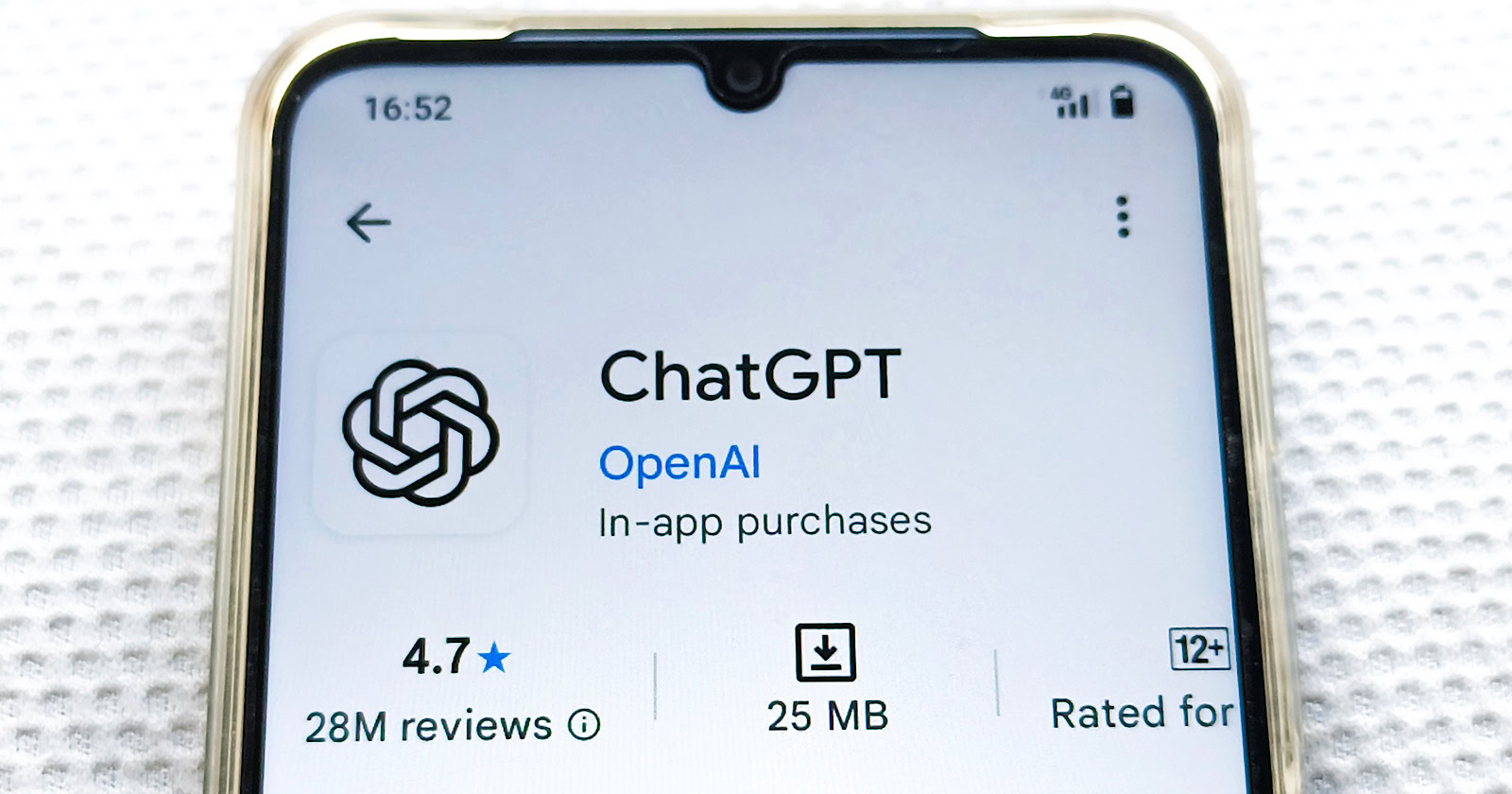
OpenAI released ChatGPT Atlas today, describing it as “the browser with ChatGPT built in.”

OpenAI announced the launch in a blog post and livestream featuring CEO Sam Altman and team members including Ben Goodger, who previously helped develop Google Chrome and Mozilla Firefox.

Atlas is available now on macOS worldwide for Free, Plus, Pro, and Go users. Windows, iOS, and Android versions are coming soon.

What Does ChatGPT Atlas Do?

Unified New Tab Experience

Opening a new tab creates a starting point where you can ask questions or enter URLs. Results appear with tabs to switch between links, images, videos, and news where available.

OpenAI describes this as showing faster, more useful results in one place. The tab-based navigation keeps ChatGPT answers and traditional search results within the same view.

ChatGPT Sidebar

A ChatGPT sidebar appears in any browser window to summarize content, compare products, or analyze data from the page you’re viewing.

The sidebar provides assistance without leaving the current page.

Cursor

Cursor chat lets you highlight text in emails, calendar invites, or documents and get ChatGPT help with one click.

The feature can rewrite selected text inline without opening a separate chat window.

Agent Mode

Agent mode can open tabs and click through websites to complete tasks with user approval. OpenAI says it can research products, book appointments, or organize tasks inside your browser.

The company describes it as an early experience that may make mistakes on complex workflows, but is rapidly improving reliability and task success rates.

See also: Brave Reveals Systemic Security Issues In AI Browsers

Browser Memories

Browser memories let ChatGPT remember context from sites you visit and bring back relevant details when needed. The feature can continue product research or build to-do lists from recent activity.

Browser memories are optional. You can view all memories in settings, archive ones no longer relevant, and clear browsing history to delete them.

A site-level toggle in the address bar controls which pages ChatGPT can see.

Privacy Controls

Users control what ChatGPT can see and remember. You can clear specific pages, clear entire browsing history, or open an incognito window to temporarily log out of ChatGPT.

By default, OpenAI doesn’t use browsing content to train models. You can opt in by enabling “include web browsing” in data controls settings.

OpenAI added safeguards for agent mode. It cannot run code in the browser, download files, install extensions, or access other apps on your computer or file system. It pauses to ensure you’re watching when taking actions on sensitive sites like financial institutions.

The company acknowledges agents remain susceptible to hidden malicious instructions in webpages or emails that could override intended behavior. OpenAI ran thousands of hours of red-teaming and designed safeguards to adapt to novel attacks, but notes the safeguards won’t stop every attack.

Why This Matters

Atlas blurs the line between browser and search engine by putting ChatGPT responses alongside traditional search results in the same view. This changes the browsing model from ‘visit search engine, then navigate to sites’ to ‘ask questions and browse simultaneously.’

This matters because it’s another major platform where AI-generated answers appear before organic links.

The agent mode also introduces a new variable: AI systems that can navigate sites, fill forms, and complete purchases on behalf of users without traditional click-through patterns.

The privacy controls around site visibility and browser memories create a permission layer that hasn’t existed in traditional browsers. Sites you block from ChatGPT’s view won’t contribute to AI responses or memories, which could affect how your content gets discovered and referenced.

Looking Ahead

OpenAI is rolling out Atlas for macOS starting today. First-run setup imports bookmarks, saved passwords, and browsing history from your current browser.

Windows, iOS, and Android versions are scheduled to launch in the coming months without specific release dates.

The roadmap includes multi-profile support, improved developer tools, and guidance for websites to add ARIA tags to help the agent work better with their content.


Featured Image: Saku_rata160520/Shuterstock

https://www.searchenginejournal.com/openai-launches-chatgpt-atlas-browser-for-macos/558900/


Google Announces A New Era For Voice Search via @sejournal, @martinibuster

Google announced an update to its voice search, which changes how voice search queries are processed and then ranked. The new AI model uses speech as input for the search and ranking process, completely bypassing the stage where voice is converted to text.

The old system was called Cascade ASR, where a voice query is converted into text and then put through the normal ranking process. The problem with that method is that it’s prone to mistakes. The audio-to-text conversion process can lose some of the contextual cues, which can then introduce an error.

The new system is called Speech-to-Retrieval (S2R). It’s a neural network-based machine-learning model trained on large datasets of paired audio queries and documents. This training enables it to process spoken search queries (without converting them into text) and match them directly to relevant documents.

Dual-Encoder Model: Two Neural Networks

The system uses two neural networks:

  1. One of the neural networks, called the audio encoder, converts spoken queries into a vector-space representation of their meaning.
  2. The second network, the document encoder, represents written information in the same kind of vector format.

The two encoders learn to map spoken queries and text documents into a shared semantic space so that related audio and text documents end up close together according to their semantic similarity.

Audio Encoder

Speech-to-Retrieval (S2R) takes the audio of someone’s voice query and transforms it into a vector (numbers) that represents the semantic meaning of what the person is asking for.

The announcement uses the example of the famous painting The Scream by Edvard Munch. In this example, the spoken phrase “the scream painting” becomes a point in the vector space near information about Edvard Munch’s The Scream (such as the museum it’s at, etc.).

Document Encoder

The document encoder does a similar thing with text documents like web pages, turning them into their own vectors that represent what those documents are about.

During model training, both encoders learn together so that vectors for matching audio queries and documents end up near each other, while unrelated ones are far apart in the vector space.

Rich Vector Representation

Google’s announcement says that the encoders transform the audio and text into “rich vector representations.” A rich vector representation is an embedding that encodes meaning and context from the audio and the text. It’s called “rich” because it contains the intent and context.

For S2R, this means the system doesn’t rely on keyword matching; it “understands” conceptually what the user is asking for. So even if someone says “show me Munch’s screaming face painting,” the vector representation of that query will still end up near documents about The Scream.

According to Google’s announcement:

“The key to this model is how it is trained. Using a large dataset of paired audio queries and relevant documents, the system learns to adjust the parameters of both encoders simultaneously.

The training objective ensures that the vector for an audio query is geometrically close to the vectors of its corresponding documents in the representation space. This architecture allows the model to learn something closer to the essential intent required for retrieval directly from the audio, bypassing the fragile intermediate step of transcribing every word, which is the principal weakness of the cascade design.”

Ranking Layer

S2R has a ranking process, just like regular text-based search. When someone speaks a query, the audio is first processed by the pre-trained audio encoder, which converts it into a numerical form (vector) that captures what the person means. That vector is then compared to Google’s index to find pages whose meanings are most similar to the spoken request.

For example, if someone says “the scream painting,” the model turns that phrase into a vector that represents its meaning. The system then looks through its document index and finds pages that have vectors with a close match, such as information about Edvard Munch’s The Scream.

Once those likely matches are identified, a separate ranking stage takes over. This part of the system combines the similarity scores from the first stage with hundreds of other ranking signals for relevance and quality in order to decide which pages should be ranked first.

Benchmarking

Google tested the new system against Cascade ASR and against a perfect-scoring version of Cascade ASR called Cascade Groundtruth. S2R beat Cascade ASR and very nearly matched Cascade Groundtruth. Google concluded that the performance is promising but that there is room for additional improvement.

Voice Search Is Live

Although the benchmarking revealed that there is some room for improvement, Google announced that the new system is live and in use in multiple languages, calling it a new era in search. The system is presumably used in English.

Google explains:

“Voice Search is now powered by our new Speech-to-Retrieval engine, which gets answers straight from your spoken query without having to convert it to text first, resulting in a faster, more reliable search for everyone.”

Read more:

​​Speech-to-Retrieval (S2R): A new approach to voice search

Featured Image by Shutterstock/ViDI Studio

https://www.searchenginejournal.com/google-announces-a-new-era-for-voice-search/558866/


Cyberattacchi: estorsioni e ransomware dietro la metà delle campagne malevole


Le campagne di estorsione e i ransomware continuano a essere le minacce più diffuse: secondo il Microsoft Digital Defense Report, esse rappresentano più della metà (52%) dei cyberattacchi registrati nell’ultimo anno, mentre gli attacchi finalizzati esclusivamente all’attività di spionaggio costituiscono solo il 4%.

A essere colpite non sono solo i grandi player, ma le organizzazioni di qualsiasi dimensione e di ogni settore. “L’uso dell’IA ha ulteriormente accentuato questa tendenza accelerando lo sviluppo di malware e creando contenuti sintetici più realistici, migliorando l’efficienza delle attività come il phishing e i cyberattacchi ransomware” ha affermato Amy Hogan-Burney, Corporate Vice President, Customer Security & Trust di Microsoft. “Di conseguenza, gli attaccanti prendono di mira tutti – piccoli o grandi – rendendo il cybercrimine una minaccia universale e sempre presente che si riversa nella nostra vita quotidiana“.

cyberattacchi ransomware

Dal report emerge infatti che nel 2025 c’è stata un’importante escalation nell’uso dell’intelligenza artificiale, sia da parte dei team di sicurezza informatica che degli attaccanti. Vista la sua centralità, ma anche il grado di minaccia nelle mani sbagliate, è essenziale che le aziende proteggano i propri strumenti di IA per migliorare le difese.

Guardando alle vittime di estorsioni e ransomware, le realtà più colpite rimangono quelle del settore dei servizi pubblici, come ospedali ed entità governative locali; si tratta di realtà che hanno a che fare con un budget di cybersecurity piuttosto limitato, ma che gestiscono dati altamente sensibili che rappresentano un enorme guadagno per i cybercriminali.

Hogan-Burney specifica che i gruppi ransomware si concentrano sui settori critici anche perché gli obiettivi non hanno molto margine d’azione: ospedali, istituti di ricerca, organizzazioni governative devono ripristinare sistemi e dati immediatamente, spesso cedendo ai ricatti.

Oltre ai cybercriminali, anche i gruppi affiliati ai governi stanno aumentando le proprie attività. Dal report emerge un aumento delle attività di Russia, Cina, Iran e Corea del Nord. La Cina sta ampliando le operazioni di spionaggio verso ONG e sfrutta dispositivi vulnerabili per evitare il rilevamento, mentre l’Iran ha esteso il proprio raggio d’azione colpendo i settori della logistica e dei trasporti nel Nord America.

I gruppi russi stanno colpendo per lo più piccole imprese nei Paesi NATO, con un incremento del 25% rispetto all’anno precedente; infine,  la Corea del Nord continua a generare entrate tramite lavoratori IT remoti che utilizzano identità false.

Un altro dato interessante riguarda il fatto che i cybercriminali non “forzano” più gli accessi, ma effettuano login: più del 97% degli attacchi alle identità è basato su password; di questi, il 99% potrebbe essere bloccato utilizzando l’autenticazione multi-fattore o altri tool resistenti al phishing.

“Mentre i cyberattaccanti diventano più sofisticati, persistenti e opportunisti, le organizzazioni devono rimanere vigili, aggiornare continuamente le proprie difese e condividere le informazioni” ha sottolineato Hogan-Burney. In tal senso, la cybersecurity deve diventare un impegno condiviso tra aziende, organizzazioni e governi. 

Condividi l’articolo


Articoli correlati

Altro in questa categoria


https://www.securityinfo.it/2025/10/21/cyberattacchi-estorsioni-e-ransomware-dietro-la-meta-delle-campagne-malevole/?utm_source=rss&utm_medium=rss&utm_campaign=cyberattacchi-estorsioni-e-ransomware-dietro-la-meta-delle-campagne-malevole