Meta Wants Brands to Create Ads Using AI by End of 2026

.article-native-ad { border-bottom: 1px solid #ddd; margin: 0 45px; padding-bottom: 20px; margin-bottom: 20px; } .article-native-ad svg { color: #ddd; font-size: 34px; margin-top: 10px; } .article-native-ad p { line-height:1.5; padding:0!important; padding-left: 10px!important; } .article-native-ad strong { font-weight:500; color:rgb(46,179,178); }

Social media giant Meta intends to integrate artificial intelligence into more of its suite of products, including its ad unit.

The Wall Street Journal reported that Meta aims for brands to be able to create and target ads using AI, with the goal of full implementation by the end of 2026.

Some AI functionality is already available on the company’s ad platform through its Advantage+ offerings, including making minor adjustments and creating variations of existing ads. If all goes to plan, brands would be able to use AI from the onset of the campaign.

The WSJ reported that a brand could provide an image of the product or service it intend to promote, as well as the budgetary goal and flight plan. AI would then take over the entire experience, creating the ad, which would encompass imagery and/or video, as well as text.

This would be particularly beneficial for small and midsized businesses, which often lack dedicated budgeting infrastructure for advertising.

AI would also determine which of Meta’s social media platforms, Facebook or Instagram, would be suitable for the ad campaign, as well as providing budgetary suggestions and personalizing the campaign so that different market segments would be served by different versions of the same ad.

97% of Meta’s overall revenue in 2024 came from its ad unit, and adding AI functionality from the start could potentially bring in more advertisers, especially those not comfortable in creating and setting up ad campaigns.

Meta is heavily investing in AI. Co-founder and CEO Mark Zuckerberg is positioning the social media company to be at the forefront of the AI revolution.

He envisions a future where AI will play a central role in the human experience.

https://www.adweek.com/media/meta-wants-brands-to-create-ads-using-ai-by-end-of-2026/


Appeals Court Bars Texas AG Ken Paxton From Investigating Media Matters


.article-native-ad { border-bottom: 1px solid #ddd; margin: 0 45px; padding-bottom: 20px; margin-bottom: 20px; } .article-native-ad svg { color: #ddd; font-size: 34px; margin-top: 10px; } .article-native-ad p { line-height:1.5; padding:0!important; padding-left: 10px!important; } .article-native-ad strong { font-weight:500; color:rgb(46,179,178); }

A U.S. appeals court on Friday ruled unanimously in favor of Media Matters for America, a progressive media watchdog organization, blocking a Texas attorney general’s attempt to investigate the firm for its reporting about brand safety concerns on X.

Texas AG Ken Paxton opened an investigation into Media Matters in late November of 2023, after the organization published a report showing ads from major brands appearing next to antisemitic and white supremacist content on the social platform formerly known as Twitter. 

Media Matters’ report sparked a wave of advertiser pullback, which angered X owner Elon Musk. Musk then sued Media Matters, alleging the group knowingly manipulated data to push a damaging narrative about brand safety on the platform. 

On the same day that Musk filed suit, Texas’ Paxton kicked off a probe into Media Matters, alleging it “fraudulently manipulated data on X.com.”

A district court granted Media Matters a preliminary injunction, which blocked Paxton’s attempt to enforce a pre-litigation subpoena.

Now, the U.S. Court of Appeals for the District of Columbia Circuit affirmed an earlier decision from a district court to block Paxton’s subpoena attempt, calling the effort an “arguably bad-faith investigation.”

The court ruled on First Amendment grounds, determining that Media Matters’ statements about X constitute protected free speech. 

“Paxton’s contention that Appellees’ conduct is not constitutionally protected because their articles were deliberately designed to mislead consumers about X is meritless,” the court wrote in a 34-page ruling issued today. “The record is utterly devoid of evidence to support such a claim.”

The court added that Media Matters’ “reporting on public issues are quintessential First Amendment activities.”

In response to the decision, Media Matters President and CEO Angelo Carusone said in a statement: “Elon Musk encouraged Republican state attorneys general to use their power to harass their critics and stifle reporting about X. Ken Paxton was one of those AGs who took up the call, and his attempt to use his office as an instrument for Musk’s censorship crusade has been defeated. Today’s decision is a victory for free speech.”

The Texas Attorney General’s Office did not respond to ADWEEK’s request for comment by press time.

https://www.adweek.com/media/appeals-court-bars-texas-ag-ken-paxton-from-investigating-media-matters/


Why Lyft and Notion Turn to LinkedIn Influencers for Brand-Building


.article-native-ad { border-bottom: 1px solid #ddd; margin: 0 45px; padding-bottom: 20px; margin-bottom: 20px; } .article-native-ad svg { color: #ddd; font-size: 34px; margin-top: 10px; } .article-native-ad p { line-height:1.5; padding:0!important; padding-left: 10px!important; } .article-native-ad strong { font-weight:500; color:rgb(46,179,178); }

When you think of social media influencers, LinkedIn creators aren’t usually top of mind.

However, the professional networking platform has seen an abundance of thought leadership over the past few years, paving the way for a new kind of influencer. 

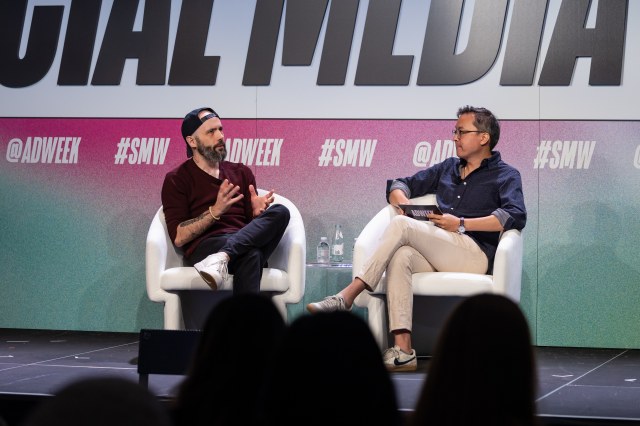
For Lyft and productivity platform Notion, LinkedIn has become a key channel as they look to scale and drive impact. At ADWEEK’s Social Media Week conference in New York, Danielle Ito, Notion’s influencer marketing manager, and Anya Schulman, Lyft’s social media manager, discussed the rise of LinkedIn influencers and how they’re leveraging the platform for brand-building.

Recognizing LinkedIn creators

At Notion, the social team recognized the opportunity to build its brand on LinkedIn when they noticed an uptick in thought leadership posts on the channel in the past two and a half years.

Ito’s team was tasked with building awareness for the productivity app’s use cases, so it turned to LinkedIn to do so.

“LinkedIn was just starting to become a platform where people were posting more thought leadership content versus just looking for a job,” she said.

Notion started reaching out to influencers for paid partnerships, which led to a rise in awareness for the brand. Earlier this year, it launched its biggest LinkedIn creator campaign, Notion Faces, which allowed consumers to create custom portraits for their profile picture.

Lyft began marketing on LinkedIn a year ago. The rideshare app leaned into its own execs’ followings, including CEO David Risher, who often posts his personal drives on his account.

Schulman said the brand noticed that people were steering away from “bragging about their new jobs” and instead beginning to build communities among their followers through personal posts. This insight then led Lyft to test out the space.

A different type of creator

Regarding LinkedIn, both Ito and Schulman shared that working with creators on the platform differs from its Instagram or TikTok creator partnerships due to the nature of the app’s content.

LinkedIn is more brand-safe, Schulman pointed out, since users are also representing their workplaces through their accounts.

When it comes to finding the right creators, Schulman called Lyft’s selection process “bespoke and personal,” as it looks for people who have a sense of purpose and are focused on building community. The rideshare brand also uses an in-house team to source potential partners rather than a social media agency.

“We want people who care, because we care as a brand,” she said.

For Notion, the brand finds partners based on its campaign goals. It also leans into the startup community for potential collaborations and welcomes pitches from creators themselves.

https://www.adweek.com/social-marketing/lyft-notion-linkedin-influencers-brand-building/


400M+ Snapchat Monthly Active Users Are on Snap Map

.article-native-ad { border-bottom: 1px solid #ddd; margin: 0 45px; padding-bottom: 20px; margin-bottom: 20px; } .article-native-ad svg { color: #ddd; font-size: 34px; margin-top: 10px; } .article-native-ad p { line-height:1.5; padding:0!important; padding-left: 10px!important; } .article-native-ad strong { font-weight:500; color:rgb(46,179,178); }

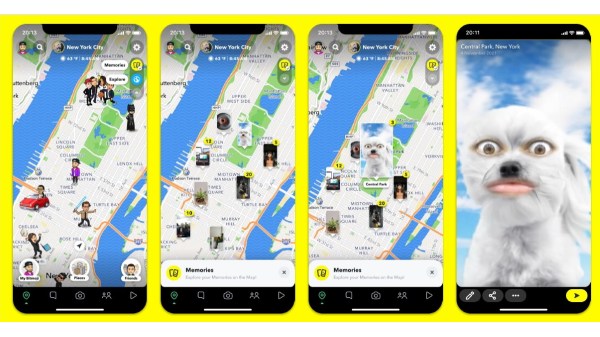
More than 400 million Snapchat users are using the application’s Snap Map feature, according to the social media platform.

Snap Map displays a real-time map of a user’s location, provided that they opt in into the feature, allowing other users to see where they are and what’s happening around them.  

“Our Map is about more than getting directions from point A to point B; it enables Snapchatters to stay connected, in real time, to their physical world,” Snapchat said. 

This high usage has naturally attracted brands to the feature, with Snapchat launching Promoted Places, which businesses can use to show people their locations or what is happening, as the company says, during “moments that matter.”

Promoted Places highlights sponsored places of interest on Snap Map, letting advertisers reach incremental customers, gain visibility, and engage with users locally.

Snap said marking locations as “Top Picks” results in a typical visitation lift of 17.6% for frequent Snapchat users compared with places lacking that designation.

McDonald’s and Taco Bell are among brands that have already taken advantage of the Promoted Places option on Snap Map.

During its NewFronts presentation Wednesday, Snapchat revealed a new brand campaign and ways for advertisers to connect with users better.

It’s launching a “Say It in a Snap” brand campaign to highlight spontaneous moments that can be shared inside Snapchat and come to life in specific cities through-out-of-home billboards.

Also mentioned at NewFronts was a new performance series hosted at Snapchat’s studio in Santa Monica, Calif., launching under the Under the Ghost title—a playful reference to its white logo. 

Musicians can engage directly with fans, and brands can sponsor the shows through full-funnel media packages, including Sponsored Snaps, creator content, Total Takeover placements, and more.

https://www.adweek.com/social-marketing/400m-snapchat-monthly-active-users-are-on-snap-map/


TikTok Pledges $1M in Ad Credits to US Small Businesses

.article-native-ad { border-bottom: 1px solid #ddd; margin: 0 45px; padding-bottom: 20px; margin-bottom: 20px; } .article-native-ad svg { color: #ddd; font-size: 34px; margin-top: 10px; } .article-native-ad p { line-height:1.5; padding:0!important; padding-left: 10px!important; } .article-native-ad strong { font-weight:500; color:rgb(46,179,178); }

TikTok is pledging $1 million in ad credits to U.S. small businesses as part of the social media platform’s recognition of Small Business Month.

Businesses make up 7.5 million of TikTok’s 170 million U.S. users.

In addition to the ad credits, TikTok is launching a series of nationwide initiatives designed to support, spotlight, and boost entrepreneurs, including mentorship and educational resources. 

“At TikTok, we believe small businesses fuel more than the economy—they shape our culture and community on the platform and beyond,” the company said in a statement. “That’s why we’re proud to support their journeys and successes not just in May, but year-round.”

Beginning May 15, TikTok will offer a weekly webinar series providing expert guidance and cutting-edge strategies to launch effective campaigns and make the most of the platform’s business tools.

There will also be Small Biz Fest roadshows in Los Angeles, New York, and Austin, Texas, where entrepreneurs and businesses can learn how to maximize their presence on the platform.

Additional details on how TikTok is celebrating Small Businesses Month can be found here. 

https://www.adweek.com/social-marketing/tiktok-pledges-1m-in-ad-credits-to-us-small-businesses/


YouTube Makes Pitch for Brand Dollars With New Creator Offerings at NewFronts


.article-native-ad { border-bottom: 1px solid #ddd; margin: 0 45px; padding-bottom: 20px; margin-bottom: 20px; } .article-native-ad svg { color: #ddd; font-size: 34px; margin-top: 10px; } .article-native-ad p { line-height:1.5; padding:0!important; padding-left: 10px!important; } .article-native-ad strong { font-weight:500; color:rgb(46,179,178); }

YouTube on Thursday unveiled a smattering of new features designed to help brands make more of their partnerships with creators, including a hub for performance insights and tools for discovering creators who could be a good fit for specific campaigns.

The updates were made as part of the company’s NewFronts presentation in Manhattan, where YouTube made its pitch to brands looking to allocate media budgets. 

Among the core updates is the launch of YouTube’s creator partnerships hub, through which brands can more easily discover sponsored videos, search for creators, and uncover insights about the performance of both paid and organic linked videos. 

Embedded within Google Ads, the hub is designed to streamline how brands collaborate with creators. The tool can surface videos where creators have tagged or mentioned a specific brand, enabling marketers to request permission to link those videos to their campaigns. Once linked, marketers can integrate the content into their Demand Gen and Video Reach campaigns and gain access to reporting on both paid and organic engagement.

Additionally, YouTube is rolling out Brand Connect API, a new tool within the Brand Connect suite—a platform designed to help connect brands with creators. The Brand Connect API integrates YouTube creator analytics into custom tech stacks. 

“We know that many brands and agencies have other agencies that they partner with. They invest in or build tools of their own that they use for their marketing campaigns,” Melissa Hsieh Nikolic, director of product management for YouTube Ads, told ADWEEK. “And so our strategy is to make sure that our creators and the appropriate metrics are making it into those tools … so it’s just much easier for them to do their daily work.”

The company is also bringing creator insights into Insights Finder, a platform designed to provide various marketing data and a view into audience intent.

Using the platform, advertisers can now search for YouTube creators and learn more about the demographics of their unique fan bases—details that could potentially help hone their targeting strategies. 

Within the platform, marketers can search using a variety of criteria or topics, with Hsieh Nikolic adding, “Imagine that you’re a sneaker brand. In Insights Finder, you can actually do things like [filter for] ‘sneaker enthusiasts,’ ‘sneakerheads.’”

With these inputs, Insights Finder will then produce a list of suggested YouTube creators for those topics—alongside data about the creator like engagement rates, like and subscriber counts, and their most viewed videos from the past month. Marketers can use the information to help determine whether a specific creator might be a good partner for a given campaign. 

Additionally, YouTube on Thursday announced that partnership ads—which allow brands to turn YouTube creator videos into paid ads, with built-in targeting capabilities—are being added as an offering within Google Display & Video 360. 

The slate of new product features underscores the company’s focus on driving more content monetization by facilitating brand-creator partnerships. 

“We want to help brands find and partner with the right creators for their campaigns and measure the outcomes for what they are building together,” Hsieh Nikolic said.

The NewFronts presented an ideal moment to make the new product announcements, Hsieh Nikolic said, because it’s an opportunity to pitch social media buyers.

With more than 2.53 billion monthly active users, YouTube is becoming an increasingly valuable part of many brands’ marketing mixes. And the company’s advertising business is booming; in the first quarter, Google recorded $8.93 billion in ad sales from YouTube.

Aided by the explosion of its short-form video product, Shorts, the platform is also cementing itself as a stronghold for creators as TikTok’s fate in the U.S. remains in question.

https://www.adweek.com/convergent-tv/youtube-pitch-for-brand-dollars-with-new-creator-offerings-at-newfronts/


Tariffs Test Big Tech: Apple, Amazon, and Meta Brace for Costly Disruption


.article-native-ad { border-bottom: 1px solid #ddd; margin: 0 45px; padding-bottom: 20px; margin-bottom: 20px; } .article-native-ad svg { color: #ddd; font-size: 34px; margin-top: 10px; } .article-native-ad p { line-height:1.5; padding:0!important; padding-left: 10px!important; } .article-native-ad strong { font-weight:500; color:rgb(46,179,178); }

Big Tech execs had front row seats at President Donald Trump’s inauguration in January. About 100 days later, and this week’s latest earnings calls show what impacts tariffs have had and how the companies are bracing for a financial storm. 

This week, numbers from the Commerce Department revealed the nation’s economy shrank during the first quarter of 2025—the first decline since the opening three-month period of 2022.

U.S. gross domestic product—the value of all goods and services produced across the country—fell at a seasonally adjusted 0.3% annual rate, as companies increased imports and prepared to navigate the Trump administration’s tariffs.

For Big Tech firms, that impact is manifesting in a range of ways. Apple is eyeing a $900 million cost hit by mid-2025, while Microsoft leans on AI to buffer economic pressure. As uncertainty clouds global trade, Google, Meta, and Amazon also face shifting costs and supply chain headaches. 

Here’s what the Silicon Valley titans had to say during their earnings calls this week.

De minimis exemption may sting Google’s ads business 

Google flagged that changes to the de minimis exemption could pose a “slight headwind to our ads business in 2025, primarily from APAC-based retailers,” svp and chief business officer Philipp Schindler said during the earnings call with investors. 

When asked by an investor whether any specific ad verticals or regions were showing signs of weakness quarter-to-date, Schindler said the company is “obviously not immune to the macro environment,” but declined to speculate further. He did not directly address tariffs.

Meta sees Asia ad pullback tied to de minimis exemption

Meta pointed to reduced ad spend from Asia-based ecommerce exporters ahead of the May 2 expiration of the de minimis exemption. Chief financial officer Susan Li said some of that spend has shifted to other markets, but overall levels remain below what the company saw prior to April. She added that there’s still uncertainty about how the change will affect Q2 performance.

Amazon says it can emerge stronger from tariff impact 

Amazon hasn’t seen a drop in consumer demand tied to tariffs—yet. CEO Andy Jassy said the company is observing “heightened buying” in some categories, likely due to consumers shopping ahead of potential price hikes. While average selling prices haven’t meaningfully increased, Jassy attributed that to forward buying by Amazon and its sellers, as well as delayed pricing changes. He cautioned that this could shift depending on where tariffs land. 

“Amazon is not uniquely susceptible to tariffs,” Jassy said. “As it relates to China, retailers who aren’t buying directly from China are typically buying from companies who themselves are buying from China, marking these items up, rebranding, and selling to U.S. consumers. These retailers are buying the product at a higher price than Chinese sellers selling directly to U.S. consumers in our marketplace, so the total tariff will be higher for these retailers than for China direct sellers.”

The word “tariff” was mentioned 18 times in the call. 

Amazon’s Q2 outlook is “inherently unpredictable and may be materially affected” by fluctuations in foreign exchange rates, tariff and trade policies, inflation, interest rates, and broader global economic conditions, according to vp of investor relations Dave Fildes. 

Still, Jassy said he’s optimistic the retail giant could come out of the current tariff environment stronger, as it did with past disruptions like the Covid-19 pandemic.

Microsoft sees software as buffer

Tariffs came up only once in Microsoft’s prepared remarks during the earnings call. CFO Amy Hood noted that Windows OEM and devices revenue grew 3% year over year, exceeding expectations. She attributed part of the bump to elevated inventory levels, as tariff uncertainty led to stockpiling throughout the quarter.

While Microsoft’s direct exposure to tariffs is limited compared to companies that either sell physical goods or provide platforms for companies selling those goods, it still faces risks. Rising equipment costs and potential cuts to clients’ software budgets could have an impact.

CEO Satya Nadella pointed to the company’s expanding AI infrastructure—particularly investments in Nvidia GPUs—as an area where tariff-driven costs could emerge. Still, he positioned software as a deflationary force. 

“If you buy into the argument that software is the most malleable resource we have to fight any type of inflationary pressure or growth pressure where you need to do more with less, I think we can be super helpful in that,” Nadella said.

Tariffs will add $900 million in costs for Apple

Apple CEO Tim Cook said that if current tariff conditions persist, the company could face an additional $900 million in costs for the June 2025 quarter. In that quarter, Cook said the majority of iPhones sold in the U.S. will come from India, while iPads and Macs imported to the U.S. will be manufactured in Vietnam. 

Cook confirmed that China would remain the primary source for the “vast majority” of Apple products.

https://www.adweek.com/media/tariffs-big-tech-google-amazon-meta-disruption/


Google Open to Sharing Real-Time Bids With Rivals, But Rejects Breakup


.article-native-ad { border-bottom: 1px solid #ddd; margin: 0 45px; padding-bottom: 20px; margin-bottom: 20px; } .article-native-ad svg { color: #ddd; font-size: 34px; margin-top: 10px; } .article-native-ad p { line-height:1.5; padding:0!important; padding-left: 10px!important; } .article-native-ad strong { font-weight:500; color:rgb(46,179,178); }

At the landmark adtech remedy hearing today, Google said it’s willing to play nicer with rivals. 

The tech giant is open to behavioral fixes, like giving competitors access to real-time bidding data from AdX, its lawyer Karen Dunn said in court. However, Dunn argued the Department of Justice has no legal basis to force a breakup of its advertising business.

She added that the move could hurt internet users and likely wouldn’t attract interested buyers, according to Reuters.

The DOJ wants Google to sell off its ad exchange and publisher ad server—a process that could take years, DOJ attorney Julia Tarver Wood told the court. 

The remedies trial is scheduled to begin Sept. 22, but its timeline remains unclear.

“Today the DOJ conceded Google’s proposed adtech remedy fully addresses the Court’s decision on liability. The DOJ’s additional proposals to force a divestiture of our adtech tools go well beyond the Court’s findings, have no basis in law, and would harm publishers and advertisers,” Lee-Anne Mulholland, vp of regulatory affairs at Google, said in a statement.

The court also found that Google’s acquisitions of DoubleClick and AdMeld did not harm competition.

As such, a remedy to unwind them does not add up, according to a Google spokesperson, who noted that the DOJ is likely to face an uphill battle for this remedy.

Today’s hearing comes on the heels of a decision in April where a federal judge ruled that Google illegally kept its grip on publisher ad servers (platforms used by publishers to manage their digital ad inventory) and ad exchanges (the technology that lets publishers sell ads). 

The court also found that Google has illegally tie its ad server—previously DoubleClick for Publishers—with its ad exchange, AdX, locking publishers into its ecosystem. The judge stopped short of finding Google held a monopoly on its advertiser-facing tools.

Both sides are expected to submit detailed proposals on Monday.

https://www.adweek.com/programmatic/google-remedies-sharing-real-time-bids/


External Payments Now Allowed by Apple App Store Following Court Injunction

.article-native-ad { border-bottom: 1px solid #ddd; margin: 0 45px; padding-bottom: 20px; margin-bottom: 20px; } .article-native-ad svg { color: #ddd; font-size: 34px; margin-top: 10px; } .article-native-ad p { line-height:1.5; padding:0!important; padding-left: 10px!important; } .article-native-ad strong { font-weight:500; color:rgb(46,179,178); }

Apple users now have the ability to make external purchases outside of the Apple App Store as a result of an injunction issued in the Epic Games vs. Apple case.

The injunction, issued by Judge Yvonne Gonzalez Rogers, ruled that Apple cannot restrict developers from including links or buttons for external purchases. Gonzalez Rogers also said Apple cannot interfere with application users’ choice to go to third-party sites, and consumers should not be charged any commission or fees for any purchases made outside of the app.

As a result of the injunction, Apple, which is appealing the decision, updated its App Store guidelines to reflect the ruling. 

According to a statement provided to developers and seen by 9to5Mac, Apple said, “The app review guidelines have been updated for compliance with a U.S. court decision regarding buttons, external links, and other calls to action in apps.” Apple also noted that these changes only affect apps available in its store in the U.S.

Sections of the App Store guidelines that reflect the new language include: 

  • 3.1.1 In-App Purchase: Apps may allow users to browse NFT (non-fungible token) collections owned by others, provided that, except for apps on the U.S. storefront, the apps may not include buttons, external links, or other calls to action that direct customers to purchasing mechanisms other than in-app purchase.
  • 3.1.1(a) Link to Other Purchase Methods: Developers may apply for entitlements to provide a link in their app to a website the developer owns or maintains responsibility for in order to purchase digital content or services. These entitlements are not required for developers to include buttons, external links, or others calls to action in their U.S. storefront apps.
  • 3.1.3 Other Purchase Methods: Apps in this section cannot, within the app, encourage users to use a purchasing method other than in-app purchase, except for apps on the U.S. storefront and as set forth in 3.1.1(a) and 3.1.3(a).
  • 3.1.3(a) “Reader” Apps: Reader app developers may apply for the external link account entitlement to provide an informational link in their app to a website the developer owns or maintains responsibility for in order to create or manage an account. This entitlement is not required for developers to include buttons, external links, or other calls to action in their U.S. storefront apps.

https://www.adweek.com/media/external-payments-now-allowed-by-apple-app-store-following-court-injunction/


TurboTax Quietly Starts Advertising on Perplexity


.article-native-ad { border-bottom: 1px solid #ddd; margin: 0 45px; padding-bottom: 20px; margin-bottom: 20px; } .article-native-ad svg { color: #ddd; font-size: 34px; margin-top: 10px; } .article-native-ad p { line-height:1.5; padding:0!important; padding-left: 10px!important; } .article-native-ad strong { font-weight:500; color:rgb(46,179,178); }

TurboTax is running ads on Perplexity, the AI-powered search engine that has quietly begun testing sponsored results from major brands. The Intuit-owned tax service is an early ad test partner for Perplexity, the AI search startup confirmed to ADWEEK.

In November, Perplexity announced ad partnerships with companies including Whole Foods and Indeed, and ad agencies including PMG and Universal McCann.

TurboTax wasn’t part of that initial group of advertisers. Its presence on Perplexity suggests that it is expanding the number of platforms it runs ads on during tax season.

The move also shows that more brands brands are beginning to experiment with Perplexity’s ads.

Perplexity’s chief business officer Dmitry Shevelenko previously told ADWEEK the platform would begin running brand-sponsored related questions within its AI search results. TurboTax’s placements appear to follow that model. TurboTax’s ads also include more traditional ad formats like branded text ads.

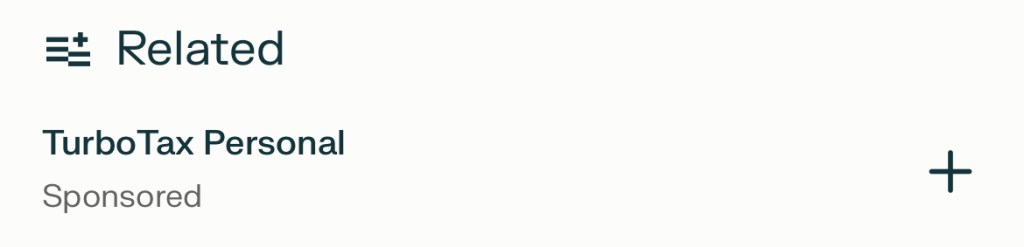
Under the Sponsored Question label, TurboTax ran an ad asking, “Can TurboTax handle investment income?” Another ad simply read “TurboTax Personal,” which, when clicked, surfaced a page highlighting key features of the product. A third, “TurboTax help with Roth IRA limits,” directed users to a result explaining how the service can determine whether a user’s Roth IRA contribution exceeds IRS limits based on their income.

“Perplexity is constantly experimenting with different technologies to give our users the most accurate and useful experience,” a Perplexity spokesperson told ADWEEK.

TurboTax did not respond to a request for comment.

Perplexity processes more than 230 million queries per month globally and is building its ad business around 15 core categories, including finance, health, tech, and entertainment, according to a pitch deck obtained by ADWEEK. The company is offering category exclusivity through a CPM model with minimum spend guarantees. A source familiar with the offering said CPMs are expected to top $50.

Despite the push into ads, Perplexity has maintained that brand dollars won’t influence its AI-generated answers. The company has said it sees advertising as a scalable revenue stream, citing the limitations of a subscription-only model.

Meanwhile, the startup is looking to raise between $500 million and $1 billion in funding, which could value the company at $18 billion, per CNBC. 

https://www.adweek.com/media/turbotax-quietly-starts-advertising-on-perplexity/