Baidu to integrate ERNIE 4.0, which ‘rivals’ GPT-4, into Search

Baidu has unveiled the latest edition of its generative AI model, ERNIE 4.0.

The Chinese technology company has said that the chatbot’s capabilities rival those of OpenAI’s GPT-4. ERNIE is an acronym for “Enhanced Representation from kNowledge IntEgration”.

Search engine plans. Baidu is planning to integrate ERNIE 4.0 into its search engine, maps, business tools and cloud services. This will change how the search engine responds to queries, by providing customized answers instead of lists of results and links, according to Baidu CEO Robin Li.

The exact timeline for these changes is yet to be confirmed.

Capabilities. Baidu CEO, Li, claimed that the ERNIE model has been “significantly improved” in terms of understanding queries, generating more advanced responses and memory functionality. Speaking at an event in Beijing, he said that the 4.0 version can:

  • Generate a car commercial within minutes.
  • Solve complicated math problems.
  • Create plots for novels from scratch.

Why we care. The potential ramifications of integrating ERNIE across its suite of products, including its search engine. are substantial, potentially reshaping rankings, traffic and advertising. The exact magnitude of these effects is uncertain at this point, so international search marketers should stay on top of the latest developments.

Language issues. ERNIE 4.0’s primary language is Mandarin Chinese. It isn’t yet able to process English queries to the same advanced level.

Availability. The ERNIE Bot was first unveiled in March and was made available to the public in August. The 4.0 model has not yet been rolled out to the general public, however, Baidu has invited some people to test it.


Get the daily newsletter search marketers rely on.


What Baidu is saying. Li said in a statement:

  • “ERNIE 4.0 has achieved a full upgrade with drastically improved performance in understanding, generation, reasoning, and memory.”
  • “These four core capabilities form the foundation of AI-native applications and have now unleashed unlimited opportunities for new innovations.”

But. Despite Li’s big claims, analysts seem unimpressed, according to Reuters.


Related stories

New on Search Engine Land

@media screen and (min-width: 800px) { #div-gpt-ad-3191538-7 { display: flex !important; justify-content: center !important; align-items: center !important; min-width:770px; min-height:260px; } } @media screen and (min-width: 1279px) { #div-gpt-ad-3191538-7 { display: flex !important; justify-content: center !important; align-items: center !important; min-width:800px!important; min-height:440px!important; } }

About the author

Nicola Agius

Nicola Agius is Paid Media Editor of Search Engine Land after joining in 2023. She covers paid search, paid social, retail media and more. Prior to this, she was SEO Director at Jungle Creations (2020-2023), overseeing the company’s editorial strategy for multiple websites. She has over 15 years of experience in journalism and has previously worked at OK! Magazine (2010-2014), Mail Online (2014-2015), Mirror (2015-2017), Digital Spy (2017-2018) and The Sun (2018-2020). She also previously teamed up with SEO agency Blue Array to co-author Amazon bestselling book ‘Mastering In-House SEO’.

https://searchengineland.com/baidu-ernie-4-search-433338


YouTube Spotlight Moments lets brands align ads with cultural moments

YouTube today introduced Spotlight Moments – a new advertising package that will serve your brand’s videos next to “the most relevant and engaging content associated with the moment.”

How it works. Using, AI, YouTube can identify popular videos around cultural moments. For example, with Halloween coming up, Spotlight Moments:

  • Lets advertiser serve ads across Halloween-related content on YouTube.
  • Curates YouTube videos into dynamically updated playlists on a sponsored hub.

YouTube Culture Hub. All the videos will live on the sponsored YouTube Culture Hub. This hub will include the advertiser’s logo. Here’s what that looks like:

YouTube Spotlight Moments Hub

Why we care. YouTube’s new advertising offering has the potential to give your brand visibility during key cultural moments and help you reach your target audience. The big question to be determined is what kind of ROI your brand with this ad format.

The full announcement. New ways to show up where the world watches, powered by AI


Related stories

New on Search Engine Land

@media screen and (min-width: 800px) { #div-gpt-ad-3191538-7 { display: flex !important; justify-content: center !important; align-items: center !important; min-width:770px; min-height:260px; } } @media screen and (min-width: 1279px) { #div-gpt-ad-3191538-7 { display: flex !important; justify-content: center !important; align-items: center !important; min-width:800px!important; min-height:440px!important; } }

About the author

Danny Goodwin

Danny Goodwin has been Managing Editor of Search Engine Land & Search Marketing Expo – SMX since 2022. He joined Search Engine Land in 2022 as Senior Editor. In addition to reporting on the latest search marketing news, he manages Search Engine Land’s SME (Subject Matter Expert) program. He also helps program U.S. SMX events. Goodwin has been editing and writing about the latest developments and trends in search and digital marketing since 2007. He previously was Executive Editor of Search Engine Journal (from 2017 to 2022), managing editor of Momentology (from 2014-2016) and editor of Search Engine Watch (from 2007 to 2014). He has spoken at many major search conferences and virtual events, and has been sourced for his expertise by a wide range of publications and podcasts.

https://searchengineland.com/youtube-spotlight-moments-new-433299


How Shopify Is Wooing Creators, the ‘New Generation of Entrepreneurs’


.article-native-ad { border-bottom: 1px solid #ddd; margin: 0 45px; padding-bottom: 20px; margin-bottom: 20px; } .article-native-ad svg { color: #ddd; font-size: 34px; margin-top: 10px; } .article-native-ad p { line-height:1.5; padding:0!important; padding-left: 10px!important; } .article-native-ad strong { font-weight:500; color:rgb(46,179,178); }

Head to the Retail Media Summit—on November 2 at the Mall of America, MN—to find out how RMNs can work for you by delivering first-party data from customers close to the point of purchase. Register.

Successful creators are known to hustle, but they’re not always known as entrepreneurs.

At a panel at Social Media Week Europe last week, creators Catherine Kay and Obi Vincent joined influencer partnership lead at Shopify Vérane Pède to discuss the converging line between creators and entrepreneurs.

“Creators are the new generation of entrepreneurs, which is our target,” Pède said, who added that Shopify’s European creator partnership program is only about a year old.

Shopify is known for helping small businesses with their ecommerce efforts, and increasingly, creators are part of this equation.

The platform partners with creators to help them sustain a business, helping with payments, integrations with social media and creating website product pages, among other tasks.

But often, developing careers online means constant pivoting.

Kay started as an entrepreneur selling her illustrations and other merchandise, then became a creator to market her business.

“I am creating a product,” Kay said. “I need to tell a story.”

Vincent, whose content focuses on fitness, has also had several career pivots. Starting as a personal trainer with an online presence, he took his work fully virtual during the Covid-19 pandemic. Going from trainer to online creator meant other pivots, including expanding beyond fitness into more lifestyle.

“It’s been worth trying something new,” Vincent said.

The platform also sponsored videos and website launches for both Kay and Vincent. When the company reached out to both creators, they were dubious at first.

“At first, I didn’t reply. This looks dodgy. It couldn’t be real,” Vincent said. “They said they want to sponsor my video. I was really shocked, and it was cool to tell people that I’m being sponsored by such a big company.”

Shopify hopes forging connections with creators will not only help market the company with the creators’ audiences, but help other creators know that Shopify can be a partner in business growth.

“We mostly work directly with creators. We don’t really work with agencies. That really enables this very personal connection,” Pède said. “It’s really … making commerce for everyone.”

.font-primary { } .font-secondary { } #meter-count { position: fixed; z-index: 9999999; bottom: 0; width:96%; margin: 2%; -webkit-border-radius: 4px; -moz-border-radius: 4px; border-radius: 4px; -webkit-box-shadow: 0 0px 15px 4px rgba(0,0,0,.2); box-shadow:0 0px 15px 4px rgba(0,0,0,.2); padding: 15px 0; color:#fff; background-color:#343a40; } #meter-count .icon { width: auto; opacity:.8; } #meter-count .icon svg { height: 36px; width: auto; } #meter-count .btn-subscribe { font-size:14px; font-weight:bold; padding:7px 18px; color: #fff; background-color: #2eb3b2; border:none; text-transform: capitalize; margin-right:10px; } #meter-count .btn-subscribe:hover { color: #fff; opacity:.8; } #meter-count .btn-signin { font-size:14px; font-weight:bold; padding:7px 14px; color: #fff; background-color: #121212; border:none; text-transform: capitalize; } #meter-count .btn-signin:hover { color: #fff; opacity:.8; } #meter-count h3 { color:#fff!important; letter-spacing:0px!important; margin:0; padding:0; font-size:16px; line-height:1.5; font-weight:700; margin: 0!important; padding: 0!important; } #meter-count h3 span { color:#E50000!important; font-weight:900; } #meter-count p { font-size:14px; font-weight:500; line-height:1.4; color:#eee!important; margin: 0!important; padding: 0!important; } #meter-count .close { color:#fff; display:block; position:absolute; top: 4px; right:4px; z-index: 999999; } #meter-count .close svg { display:block; color:#fff; height:16px; width:auto; cursor:pointer; } #meter-count .close:hover svg { color:#E50000; } #meter-count .fw-600 { font-weight:600; } @media (max-width: 1079px) { #meter-count .icon { margin:0; padding:0; display:none; } } @media (max-width: 768px) { #meter-count { margin: 0; -webkit-border-radius: 0px; -moz-border-radius: 0px; border-radius: 0px; width:100%; -webkit-box-shadow: 0 -8px 10px -4px rgba(0,0,0,0.3); box-shadow: 0 -8px 10px -4px rgba(0,0,0,0.3); } #meter-count .icon { margin:0; padding:0; display:none; } #meter-count h3 { color:#fff!important; font-size:14px; } #meter-count p { color:#fff!important; font-size: 12px; font-weight: 500; } #meter-count .btn-subscribe, #meter-count .btn-signin { font-size:12px; padding:7px 12px; } #meter-count .btn-signin { display:none; } #meter-count .close svg { height:14px; } }

Enjoying Adweek’s Content? Register for More Access!

https://www.adweek.com/commerce/how-shopify-is-wooing-creators-the-new-generation-of-entrepreneurs/


Apple’s Search Deal Is Critical to Google. The Courts May Rule It Illegal


.article-native-ad { border-bottom: 1px solid #ddd; margin: 0 45px; padding-bottom: 20px; margin-bottom: 20px; } .article-native-ad svg { color: #ddd; font-size: 34px; margin-top: 10px; } .article-native-ad p { line-height:1.5; padding:0!important; padding-left: 10px!important; } .article-native-ad strong { font-weight:500; color:rgb(46,179,178); }

Head to the Retail Media Summit—on November 2 at the Mall of America, MN—to find out how RMNs can work for you by delivering first-party data from customers close to the point of purchase. Register.

The fifth week of the monumental U.S. vs. Google antitrust trial has cast a glaring spotlight on the revenue-sharing deal between Google and Apple—worth a reported $10 billion—over the latter’s position as the default search engine.

Now, the legal basis for that deal is being questioned.

If the courts find it illegal, Google’s massive search ad revenues could be up for grabs.

Also at stake is the possible separation of Google’s search ads business from its search engine, which would lead to ad revenue opportunities for other companies, including Apple. Meanwhile, publishers and advertisers could sue Google for damages.

Here’s what’s critical for marketers.

Apple’s leverage with Google

Earlier this week, Joan Braddi, Google’s vp for product partnerships and the primary negotiator of the agreement with Apple, faced scrutiny by the Department of Justice and shed some light on the intricate relationship between these tech giants regarding search, reported The Verge.

“Would I be correct that, at least today, Apple has a lot of leverage in its negotiations with Google?” inquired Adam Severt, a DOJ attorney.

In response, Braddi offered a succinct affirmation: “Yes.”

“Can you think of another search partner who might have more leverage than Apple?” Severt followed up.

With equal brevity, Braddi responded, “Not offhand, no.”

How we got here

Over the last two decades, Google has maintained its coveted position as the default search engine on Apple’s Safari browser, a partnership that traces its origins back to the browser’s launch in 2003. This pricey revenue-sharing deal prevents people from making their own choice of browser while obstructing Apple’s development of its own search product.

Apple has a global mobile iOS market share of 29.6%, according to September stats from Global Stats Counter, making Safari critical for Google, an industry executive who’s not authorized to speak to the press told Adweek. Google’s Android global market share is 69.7%.

In the U.S., Apple smartphones have a 56.41% share of the market, according to September figures from Global Stats Counter.

Being the default search engine attracts more people, helping Google grow its search ads business. The tech giant made more than $162 billion from its search business last year, according to Oberlo.

The DOJ disclosed that Apple had plans to provide people with a choice screen, allowing them to pick between Google and Yahoo as their preferred search engine. However, Google rejected Apple’s proposition, it was revealed in the case, responding with the statement, “No default placement, no revenue share,” according to an email.

Google’s search ads revenue up for grabs

A realistic outcome is that the judge could deem it unlawful for Google to pay Apple to have its search engine as the default in Safari, according to Eric Posner, professor of law at the University of Chicago and former counsel to the DOJ’s Jonathan Kanter—the architect of the case against Google.

If that happens, Google will lose its search spend from marketers, the industry executive said.

Retail giants spend up to $50 million annually on paid search in Google Ads, according to Wordstream, while small and medium-size businesses spend anywhere between $12,000 to $120,000 per year.

Search ads are “mandatory” in any ad campaign and cannot be replaced by other digital ads offerings like Facebook ads, said Joshua Lowcock, global chief media officer at UM, in his court testimony last week, wrote Yosef Weitzman in Big Tech on Trial. This statement contradicts claims made by Google in court.

The nullifying of the deal would require Apple to offer people a more explicit menu of search engine options, helping them make an informed choice, Posner said this week at Impact, adMarketplace’s annual search ads event in New York City.

During the trial, both Apple and Google argued that changing the default search engine is a straightforward process, with Apple’s Eddy Cue providing a step-by-step process during his testimony. The DOJ and other parties countered that this switch is difficult and irrelevant, per the Verge.

Separating search ads from its search engine

Another outcome, according to Adam Epstein, president and COO of adMarketplace, is the breaking up and selling off of Google’s search ads business from its search engine.

This would let competing advertisers vie for space, fostering increased competition in search ads, he said.

“Apple—the second most powerful hub in the world—have never been able to sell a single click from their search result page,” said Epstein. “This could potentially give Apple the ability to sell ad space to marketers and establish pricing based on market dynamics.”

Marketers can redeem damages

Should the court issue a judgment that’s not in favor of Google, marketers—and the general public—can pursue what Posner termed as “equitable remedies.”

“There’s very likely to be follow-on private litigation by people who have been harmed by Google’s behavior, which may be you guys, where you can ask for damages or how much money you’ve lost as a result of Google’s anti-competitive practices,” said Posner.

Follow-up cases of this nature tend to be much simpler, Posner pointed out, where plaintiffs, advertisers and publishers will only need to demonstrate that Google’s unlawful conduct caused harm to them.

.font-primary { } .font-secondary { } #meter-count { position: fixed; z-index: 9999999; bottom: 0; width:96%; margin: 2%; -webkit-border-radius: 4px; -moz-border-radius: 4px; border-radius: 4px; -webkit-box-shadow: 0 0px 15px 4px rgba(0,0,0,.2); box-shadow:0 0px 15px 4px rgba(0,0,0,.2); padding: 15px 0; color:#fff; background-color:#343a40; } #meter-count .icon { width: auto; opacity:.8; } #meter-count .icon svg { height: 36px; width: auto; } #meter-count .btn-subscribe { font-size:14px; font-weight:bold; padding:7px 18px; color: #fff; background-color: #2eb3b2; border:none; text-transform: capitalize; margin-right:10px; } #meter-count .btn-subscribe:hover { color: #fff; opacity:.8; } #meter-count .btn-signin { font-size:14px; font-weight:bold; padding:7px 14px; color: #fff; background-color: #121212; border:none; text-transform: capitalize; } #meter-count .btn-signin:hover { color: #fff; opacity:.8; } #meter-count h3 { color:#fff!important; letter-spacing:0px!important; margin:0; padding:0; font-size:16px; line-height:1.5; font-weight:700; margin: 0!important; padding: 0!important; } #meter-count h3 span { color:#E50000!important; font-weight:900; } #meter-count p { font-size:14px; font-weight:500; line-height:1.4; color:#eee!important; margin: 0!important; padding: 0!important; } #meter-count .close { color:#fff; display:block; position:absolute; top: 4px; right:4px; z-index: 999999; } #meter-count .close svg { display:block; color:#fff; height:16px; width:auto; cursor:pointer; } #meter-count .close:hover svg { color:#E50000; } #meter-count .fw-600 { font-weight:600; } @media (max-width: 1079px) { #meter-count .icon { margin:0; padding:0; display:none; } } @media (max-width: 768px) { #meter-count { margin: 0; -webkit-border-radius: 0px; -moz-border-radius: 0px; border-radius: 0px; width:100%; -webkit-box-shadow: 0 -8px 10px -4px rgba(0,0,0,0.3); box-shadow: 0 -8px 10px -4px rgba(0,0,0,0.3); } #meter-count .icon { margin:0; padding:0; display:none; } #meter-count h3 { color:#fff!important; font-size:14px; } #meter-count p { color:#fff!important; font-size: 12px; font-weight: 500; } #meter-count .btn-subscribe, #meter-count .btn-signin { font-size:12px; padding:7px 12px; } #meter-count .btn-signin { display:none; } #meter-count .close svg { height:14px; } }

Enjoying Adweek’s Content? Register for More Access!

https://www.adweek.com/commerce/apple-search-deal-critical-google-antitrust-case/


Buyers Question Inventory Quality, Transparency on Google’s AI-powered Performance Max


.article-native-ad { border-bottom: 1px solid #ddd; margin: 0 45px; padding-bottom: 20px; margin-bottom: 20px; } .article-native-ad svg { color: #ddd; font-size: 34px; margin-top: 10px; } .article-native-ad p { line-height:1.5; padding:0!important; padding-left: 10px!important; } .article-native-ad strong { font-weight:500; color:rgb(46,179,178); }

Media and marketing pros from Warner Bros, YouTube, Tubi and more will share insights, perspectives and advice on how to keep up in this ever-changing industry. Join them in LA at the Convergent TV Summit on October 25.

Ad buyers are finding that large chunks of impressions spent on Google’s artificial intelligence-fueled product, Performance Max (Pmax), are ending up in less desirable places, like on open web inventory and branded search terms.

One ad buyer, who requested anonymity to protect industry relations, found that around 80% of impressions on a Pmax campaign ended up on open web inventory. The rest landed on Google’s owned and operated properties like Search and YouTube. Five buyers told Adweek that Google-owned properties generally perform better, and they would rather not run ads against display inventory.

“Knowing Google and Google products, really, it’s not surprising at all because they have so many instances of pushing ad dollars where brands don’t intend it to be, without transparency,” the buyer said.

In the two years since Google rolled out Pmax, it has become one of the company’s buzziest buying tools. With the goal of optimizing toward performance goals, such as online sales and lead generation, the tool’s algorithms place ads across a wide swath of Google inventory, including Search, YouTube, display, Gmail and Maps. Ad buyers continue to find the tool, which takes some control from buyers around placement, lacking in transparency, a critique that’s particularly pertinent following a recent Adalytics report that found ads were unknowingly targeted to children.

While Pmax gives buyers insight into which websites their ads run against on the open web, it doesn’t tell advertisers on which YouTube channels their ads air, making it hard for advertisers wanting to audit their buys to make sure they’re not showing ads to children. YouTube has refuted the Adalytics’ report’s findings.

Inventory quality on Pmax

For a lead gen campaign at digital agency Markacy, 20% of impressions were served on open web inventory, while approximately 5%-10% of impressions were served on non-Google properties across multiple ecommerce campaigns, said vp of media Chris Rigas.

While Rigas said the agency prefers to avoid open web inventory, more concerning is how Pmax can optimize toward branded search keywords, which are search terms of the brand’s own name. While these are effective at converting customers, they capture people who would have clicked anyway. Incremental performance improves when the agency asks Google to remove these branded search terms, said Rigas.

A Google spokesperson said that buyers looking for incrementality can optimize for finding new customers, rather than existing ones, via a customer optimization goal feature.

Apps are not a prime conversion driver, so why in the world would Google optimize for that, if not to buff up CPMs?

Anonymous ad buyer

Three buyers told Adweek they saw between 33% and 90% of impressions in their Placement Reports, which Google rolled out in January 2022, were delivered to open web inventory, which buyers generally consider low quality.

However, Placement Reports are not reflective of an entire Pmax campaign since they don’t include search impressions. When buyers attempted to include Search impressions, the proportion of open web inventory was sometimes lower, though Google does not provide a full breakdown of all impressions by inventory type.

“Apps are not a prime conversion driver, so why in the world would Google optimize for that, if not to buff up CPMs and ensure delivery?” said another buyer, who declined to be named because they didn’t receive authorization from their agency. The buyer’s agency noticed Pmax inventory weighted more toward open web than it would prefer.

Other buyers told Adweek that overall Pmax performance is good enough and display inventory is sufficiently low such that they aren’t concerned.

“As long as the performance is decent, [the proportion of open web inventory] is kind of a meh issue,” said Adam Lovallo, vp at performance agency BMG360. “All display sucks, but it generally is only a small percent of spend, so we don’t mind. That said, we’d rather not buy display.”

A Google spokesperson said that wherever Pmax ads are delivered are the best places to meet advertisers’ goals.

“Performance Max optimizes for advertiser value based on their goals, not a specific percentage of inventory per channel,” a Google spokesperson told Adweek.

How to know where Pmax ads ran

The transparency of Pmax, while improving, is another frustration with the tool, buyers told Adweek.

Rigas and the first anonymous ad buyer understood Pmax inventory breakdowns by triangulating several different Google reports or by using third-party APIs, as all Pmax placement reporting for a campaign does not exist in one centralized place.

Advertisers can learn where the Pmax algorithm placed their campaigns via two reporting tools. According to the Google spokesperson, Placement Reports show the impressions that ran on open web inventory and Google’s owned & operated properties YouTube, Maps and Gmail, but critically not Google Search.

Advertisers can also learn about their Pmax search impressions via Search Term Insights, a tool released more recently that can also be used for non-Pmax Google campaigns.

Three buyers told Adweek that they did not realize that Pmax Placement Reports did not include Search inventory.

“Google’s explanation and the way they surface the data is not very clear,” Rigas said, noting that clearer Placement Reports could help buyers with attribution, brand impact and creative optimization. “So Google being so opaque with that data is not ideal.”

Google also does not break down Pmax inventory by spend or performance, only by impressions, Lovallo said.

“The reporting for normal campaign types is way more granular,” Lovallo said. “That’s kind of by design. They sort of built Pmax to be a black box.”

.font-primary { } .font-secondary { } #meter-count { position: fixed; z-index: 9999999; bottom: 0; width:96%; margin: 2%; -webkit-border-radius: 4px; -moz-border-radius: 4px; border-radius: 4px; -webkit-box-shadow: 0 0px 15px 4px rgba(0,0,0,.2); box-shadow:0 0px 15px 4px rgba(0,0,0,.2); padding: 15px 0; color:#fff; background-color:#343a40; } #meter-count .icon { width: auto; opacity:.8; } #meter-count .icon svg { height: 36px; width: auto; } #meter-count .btn-subscribe { font-size:14px; font-weight:bold; padding:7px 18px; color: #fff; background-color: #2eb3b2; border:none; text-transform: capitalize; margin-right:10px; } #meter-count .btn-subscribe:hover { color: #fff; opacity:.8; } #meter-count .btn-signin { font-size:14px; font-weight:bold; padding:7px 14px; color: #fff; background-color: #121212; border:none; text-transform: capitalize; } #meter-count .btn-signin:hover { color: #fff; opacity:.8; } #meter-count h3 { color:#fff!important; letter-spacing:0px!important; margin:0; padding:0; font-size:16px; line-height:1.5; font-weight:700; margin: 0!important; padding: 0!important; } #meter-count h3 span { color:#E50000!important; font-weight:900; } #meter-count p { font-size:14px; font-weight:500; line-height:1.4; color:#eee!important; margin: 0!important; padding: 0!important; } #meter-count .close { color:#fff; display:block; position:absolute; top: 4px; right:4px; z-index: 999999; } #meter-count .close svg { display:block; color:#fff; height:16px; width:auto; cursor:pointer; } #meter-count .close:hover svg { color:#E50000; } #meter-count .fw-600 { font-weight:600; } @media (max-width: 1079px) { #meter-count .icon { margin:0; padding:0; display:none; } } @media (max-width: 768px) { #meter-count { margin: 0; -webkit-border-radius: 0px; -moz-border-radius: 0px; border-radius: 0px; width:100%; -webkit-box-shadow: 0 -8px 10px -4px rgba(0,0,0,0.3); box-shadow: 0 -8px 10px -4px rgba(0,0,0,0.3); } #meter-count .icon { margin:0; padding:0; display:none; } #meter-count h3 { color:#fff!important; font-size:14px; } #meter-count p { color:#fff!important; font-size: 12px; font-weight: 500; } #meter-count .btn-subscribe, #meter-count .btn-signin { font-size:12px; padding:7px 12px; } #meter-count .btn-signin { display:none; } #meter-count .close svg { height:14px; } }

Enjoying Adweek’s Content? Register for More Access!

https://www.adweek.com/media/buyers-question-inventory-quality-transparency-on-googles-ai-powered-performance-max/


AI Watch: Weekly Updates for the Latest in Generative AI News


.article-native-ad { border-bottom: 1px solid #ddd; margin: 0 45px; padding-bottom: 20px; margin-bottom: 20px; } .article-native-ad svg { color: #ddd; font-size: 34px; margin-top: 10px; } .article-native-ad p { line-height:1.5; padding:0!important; padding-left: 10px!important; } .article-native-ad strong { font-weight:500; color:rgb(46,179,178); }

Just in! Fat Joe will take the stage with ClashTV CEO Jonathan Anastas and leading tech experts at NexTech, November 14-15 in NYC (+ virtual). Save 20% through October 9.

Amid the flurry of generative AI developments, Adweek’s weekly AI roundup captures the latest news, regulatory proceedings, and business developments revolving around generative AI. 

On the policy and legal front: 

  • Arranged by the trade organization News Media Alliance, representing over 2,000 publishers and the interests of the news media industry, numerous newspapers took part in lobbying efforts on Capitol Hill last week. This included diverse publications, from state newspapers like the Idaho Press to digital giants like Vox Media. Their primary objective was to advocate for copyright protection of AI as the technology continues to threaten publishers’ revenue streams. 
  • Tech giants like Amazon, Google and Microsoft are meeting with state lawmakers over plans to regulate AI, per Bloomberg Law. Their strategy appears to be centered around dispelling AI fears and educating lawmakers on this technology and how it operates. These interactions have taken place with legislators from Austin, Texas, in the southern U.S., all the way to Albany, N.Y. Microsoft, which has invested $13 billion in OpenAI, is actively seeking meetings with New York officials. According to lobbying records, representatives from the company have engaged with a minimum of 10 state lawmakers, including the office of Gov. Kathy Hochul (D).

On the tech side:

  • Meta made its generative AI tools available to marketers via Ads Manager. Marketers can now experiment with text variation for ad copy across various audiences, background generation for creatives, and image cropping to retrofit creative assets across formats like reels and in-feed ads. This announcement comes at the heels of Meta’s AI sandbox introduced in May which contained the early version of its AI features that was made available to small groups of advertisers such as Publicis. During a press briefing on Tuesday, Matt Steiner, Meta’s vp of monetization, explained that the three tools from the Sandbox are trained using data sourced from Meta’s platforms, including ads, data licensed from partners and vendors, as well as data from third parties and publicly available sources.
  • Similarly, LinkedIn has introduced its generative AI tools for B2B marketers, as reported by Adweek. These tools are designed to assist B2B marketers in achieving precision in targeting by offering suggestions for complete campaign strategies and automating optimization. According to Abhishek Shrivastava, vp of product at LinkedIn, this technology enables marketers to connect with their B2B audiences through tailored creative content within just five minutes.
  • Payment processor Visa announced the launch of a $100 million venture fund for startups specializing in “developing generative AI technologies and applications that will impact the future of commerce and payments,” the company announced Monday. This move positions Visa among the growing list of investors who have shown interest in this sector. 
  • Online presentation tool Canva gets a generative AI lift, as per Axios, to creatively aid average workers. Under the Magic Studio banner, ten new tools have been introduced, each designed to assist with various tasks ranging from applying corporate brand styles to translating documents and photo editing. AI has incredible potential to supercharge the 99% of office workers who don’t have design training, who haven’t been able to access easy-to-use powerful design tools before,” Canva co-founder and product chief Cameron Adams told Axios. Meanwhile, the company will indemnify its enterprise customers who utilize the new AI tools, ensuring protection against intellectual property complaints or any other legal issues that may arise.
.font-primary { } .font-secondary { } #meter-count { position: fixed; z-index: 9999999; bottom: 0; width:96%; margin: 2%; -webkit-border-radius: 4px; -moz-border-radius: 4px; border-radius: 4px; -webkit-box-shadow: 0 0px 15px 4px rgba(0,0,0,.2); box-shadow:0 0px 15px 4px rgba(0,0,0,.2); padding: 15px 0; color:#fff; background-color:#343a40; } #meter-count .icon { width: auto; opacity:.8; } #meter-count .icon svg { height: 36px; width: auto; } #meter-count .btn-subscribe { font-size:14px; font-weight:bold; padding:7px 18px; color: #fff; background-color: #2eb3b2; border:none; text-transform: capitalize; margin-right:10px; } #meter-count .btn-subscribe:hover { color: #fff; opacity:.8; } #meter-count .btn-signin { font-size:14px; font-weight:bold; padding:7px 14px; color: #fff; background-color: #121212; border:none; text-transform: capitalize; } #meter-count .btn-signin:hover { color: #fff; opacity:.8; } #meter-count h3 { color:#fff!important; letter-spacing:0px!important; margin:0; padding:0; font-size:16px; line-height:1.5; font-weight:700; margin: 0!important; padding: 0!important; } #meter-count h3 span { color:#E50000!important; font-weight:900; } #meter-count p { font-size:14px; font-weight:500; line-height:1.4; color:#eee!important; margin: 0!important; padding: 0!important; } #meter-count .close { color:#fff; display:block; position:absolute; top: 4px; right:4px; z-index: 999999; } #meter-count .close svg { display:block; color:#fff; height:16px; width:auto; cursor:pointer; } #meter-count .close:hover svg { color:#E50000; } #meter-count .fw-600 { font-weight:600; } @media (max-width: 1079px) { #meter-count .icon { margin:0; padding:0; display:none; } } @media (max-width: 768px) { #meter-count { margin: 0; -webkit-border-radius: 0px; -moz-border-radius: 0px; border-radius: 0px; width:100%; -webkit-box-shadow: 0 -8px 10px -4px rgba(0,0,0,0.3); box-shadow: 0 -8px 10px -4px rgba(0,0,0,0.3); } #meter-count .icon { margin:0; padding:0; display:none; } #meter-count h3 { color:#fff!important; font-size:14px; } #meter-count p { color:#fff!important; font-size: 12px; font-weight: 500; } #meter-count .btn-subscribe, #meter-count .btn-signin { font-size:12px; padding:7px 12px; } #meter-count .btn-signin { display:none; } #meter-count .close svg { height:14px; } }

Enjoying Adweek’s Content? Register for More Access!

https://www.adweek.com/programmatic/ai-watch-updates-for-the-latest-in-generative-ai-news/


BeReal Is Searching for ‘The Realest Person on Earth’

.article-native-ad { border-bottom: 1px solid #ddd; margin: 0 45px; padding-bottom: 20px; margin-bottom: 20px; } .article-native-ad svg { color: #ddd; font-size: 34px; margin-top: 10px; } .article-native-ad p { line-height:1.5; padding:0!important; padding-left: 10px!important; } .article-native-ad strong { font-weight:500; color:rgb(46,179,178); }

BeReal, the nascent platform that set out to antithesize curated social content, is looking for the face of its first global campaign. The only qualification is that you convince both brand employees and other users that you have absolutely nothing to hide.

As BeReal works to maintain a place in extensive app rotations, it is trying to break away from its quiet existence with a more active and widespread marketing strategy. 

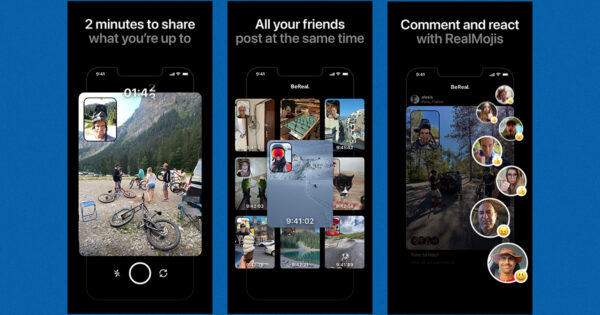
Instead of receiving the same push notifications from Instagram or TikTok that reflect how others engage with your content, BeReal reaches out to users once a day with the message, “It’s time to BeReal!” which allows them two minutes to upload a shot of what they’re currently doing. While users can still post outside their window, the app will let their friends in on their late, and possibly more scripted, post. 

As a platform set out to promote unfiltered posts and eradicate peer comparison, BeReal said opposing these vanity metrics, as well as photo filters, keeps it relevant and anchored in a point of differentiation.

 “We’re now in a place where we’re finally comfortable with the platform offering,” said head of field marketing strategy Julian Hislop. “We’re able to do new things like develop new features and think about really fun, innovative brand marketing campaigns.” 

Measuring an internal feeling 

While some data suggests that BeReal usage has declined after a surge of popularity in its late 2022 peak, the platform claimed this was inaccurate and has 25 million active users globally. According to Emily Moravitz, lead of marketing special projects, this campaign is an opportunity for the brand to formally introduce itself. 

The campaign, titled “The Realest Person on Earth,” leaves that definition wide open for interpretation. Participants are invited to submit grocery aisle shots or more life-altering moments, like meeting Jacob Elordi on a neighborhood walk.

The “realest” BeReal will be seen next to billboards of retouched images in Times Square, along with other major cities in Europe and Asia. The platform said that it was intended to juxtapose what it assumes is a sea of highly edited and curated ads. The winner will also win a paid vacation with three friends to a destination of their choice.

“Over the last 10 years, we’ve become quite immune to digital ads,” said Hislop, who spoke to the challenges of digitally marketing a service that fundamentally opposes other platforms. “This represents a unique opportunity to create a real-world statement that doesn’t get lost in the noise.” 

Navigating platform pressures  

BeReal is still figuring out how to maintain user excitement while staying grounded in its original purpose.

Instead of mimicking other platforms by focusing on new income streams, BeReal fulfills community requests and shifts the conversation away from certain suggestions that negate its core intentions, like increasing allotted connections to boost potential for virality, according to Hislop. Moravitz said one example is the launch of Bonus BeReal, which rewards users with additional posts when they upload their daily on time. 

While the platform prides itself in contrasting influencer culture by opposing vanity metrics like audience growth and virality, it said paid partnerships are “not something (they’re) actively thinking about yet,” said Moravitz. Last year, e.l.f Cosmetics became the first beauty or skincare brand to create an account for organic content. 

“Brands come in and almost hack what BeReal was originally intended for by giving a more intimate or behind-the-scenes look at what their companies look like,” she said. “We have nothing against that, but we haven’t necessarily optimized for their presence on the platform yet.” 

.font-primary { } .font-secondary { } #meter-count { position: fixed; z-index: 9999999; bottom: 0; width:96%; margin: 2%; -webkit-border-radius: 4px; -moz-border-radius: 4px; border-radius: 4px; -webkit-box-shadow: 0 0px 15px 4px rgba(0,0,0,.2); box-shadow:0 0px 15px 4px rgba(0,0,0,.2); padding: 15px 0; color:#fff; background-color:#343a40; } #meter-count .icon { width: auto; opacity:.8; } #meter-count .icon svg { height: 36px; width: auto; } #meter-count .btn-subscribe { font-size:14px; font-weight:bold; padding:7px 18px; color: #fff; background-color: #2eb3b2; border:none; text-transform: capitalize; margin-right:10px; } #meter-count .btn-subscribe:hover { color: #fff; opacity:.8; } #meter-count .btn-signin { font-size:14px; font-weight:bold; padding:7px 14px; color: #fff; background-color: #121212; border:none; text-transform: capitalize; } #meter-count .btn-signin:hover { color: #fff; opacity:.8; } #meter-count h3 { color:#fff!important; letter-spacing:0px!important; margin:0; padding:0; font-size:16px; line-height:1.5; font-weight:700; margin: 0!important; padding: 0!important; } #meter-count h3 span { color:#E50000!important; font-weight:900; } #meter-count p { font-size:14px; font-weight:500; line-height:1.4; color:#eee!important; margin: 0!important; padding: 0!important; } #meter-count .close { color:#fff; display:block; position:absolute; top: 4px; right:4px; z-index: 999999; } #meter-count .close svg { display:block; color:#fff; height:16px; width:auto; cursor:pointer; } #meter-count .close:hover svg { color:#E50000; } #meter-count .fw-600 { font-weight:600; } @media (max-width: 1079px) { #meter-count .icon { margin:0; padding:0; display:none; } } @media (max-width: 768px) { #meter-count { margin: 0; -webkit-border-radius: 0px; -moz-border-radius: 0px; border-radius: 0px; width:100%; -webkit-box-shadow: 0 -8px 10px -4px rgba(0,0,0,0.3); box-shadow: 0 -8px 10px -4px rgba(0,0,0,0.3); } #meter-count .icon { margin:0; padding:0; display:none; } #meter-count h3 { color:#fff!important; font-size:14px; } #meter-count p { color:#fff!important; font-size: 12px; font-weight: 500; } #meter-count .btn-subscribe, #meter-count .btn-signin { font-size:12px; padding:7px 12px; } #meter-count .btn-signin { display:none; } #meter-count .close svg { height:14px; } }

Enjoying Adweek’s Content? Register for More Access!

https://www.adweek.com/brand-marketing/bereal-is-searching-for-the-realest-person-on-earth/


LinkedIn Introduces Generative AI-Powered Tool for B2B Marketers


.article-native-ad { border-bottom: 1px solid #ddd; margin: 0 45px; padding-bottom: 20px; margin-bottom: 20px; } .article-native-ad svg { color: #ddd; font-size: 34px; margin-top: 10px; } .article-native-ad p { line-height:1.5; padding:0!important; padding-left: 10px!important; } .article-native-ad strong { font-weight:500; color:rgb(46,179,178); }

Among its early benefits, generative AI has proven to save time in the campaign creation process and speed up ad optimization for marketers.

This utilization comes to LinkedIn—which was acquired by Microsoft for $26.2 billion in 2016—with its latest AI offering to marketers: Accelerate.  

In a bid to assist B2B marketers in achieving more precise targeting, LinkedIn’s latest AI-driven solution recommends an end-to-end campaign and automatic optimizations. With this, marketers can reach their B2B audiences using tailored creative content in as little as five minutes, Abhishek Shrivastava, vp of product, LinkedIn, told Adweek.

The business network deploys generative AI tools like OpenAI’s ChatGPT to write campaign headlines and ad copy while generating images using Shutterstock. Microsoft invested $1 billion in OpenAI in 2019, and Shutterstock expanded its generative AI deal with OpenAI in July.

LinkedIn’s marketing automation tool Assist, part of Accelerate, also uses generative AI to provide marketers with recommendations to improve campaign performance by asking it questions such as “Why was this budget recommended?” or “What are some best practices for targeting?”

“We know that 84% of marketers believe AI will support them with their work,” said Shrivastava, citing research conducted by Censuswide of nearly 30,000 professionals. “And saving time in the campaign creation process is a great place to start.”

Of the company’s $13.8 billion revenue in 2022, LinkedIn generated nearly $6 billion in ad dollars, according to Statista, and is expected to further grow to reach $10.35 billion by 2027. The business platform is responsible for roughly 0.9 percent of Microsoft’s global ad revenue. Meanwhile, with an audience size of over 950 million, the company has seen a 42% year over year increase from 2021 to 2023 in public conversations, according to LinkedIn.

AI efficacy remains to be seen

The newly introduced ad tool is built on LinkedIn’s preexisting AI capabilities, including automated placement, which has shown a remarkable 47% enhancement in cost per conversion, as well as Predictive Audiences, leading to a significant 21% improvement in cost per lead, according to company estimates.

Available as a pilot to a limited number of ad agencies, such as Brainlabs and Closed Loop, marketers can use Accelerate with as little information as a product URL. The AI then analyzes website details, alongside the brand’s LinkedIn page and previous LinkedIn ads, to recommend campaign assets and target audiences.

“Ultimately, humans are in charge and can tweak campaigns [like targeting parameters],” said Shrivastava. “AI is just playing helping a role.”

Michael Ruby, founder and CCO at B2B marketing agency Park and Battery, sees LinkedIn’s latest features as potential solutions to alleviate the burdensome tasks involved in campaign setup such as data entry.

However, the true measure of its effectiveness will hinge upon how adeptly the AI can decipher multiple data points, including a brand’s prior ads and LinkedIn page performance.

“This becomes particularly crucial when a campaign setup involves a website landing page with multiple offerings,” Ruby pointed out. “The precise translation of these offerings into website clicks by the AI remains uncertain.”

Meanwhile, given that AI operates most efficiently when fed with substantial data, Ruby suggested that B2B companies should bolster their presence on LinkedIn to enhance their returns with Accelerate.

LinkedIn plans to roll out Accelerate to the Indian and Australian markets in the coming weeks, with the goal of making it accessible globally by 2024.

Despite the evolving nature of user interactions on the platform, where personal and professional conversations often overlap, LinkedIn remains a professional network, Shrivastava emphasized.

.font-primary { } .font-secondary { } #meter-count { position: fixed; z-index: 9999999; bottom: 0; width:96%; margin: 2%; -webkit-border-radius: 4px; -moz-border-radius: 4px; border-radius: 4px; -webkit-box-shadow: 0 0px 15px 4px rgba(0,0,0,.2); box-shadow:0 0px 15px 4px rgba(0,0,0,.2); padding: 15px 0; color:#fff; background-color:#343a40; } #meter-count .icon { width: auto; opacity:.8; } #meter-count .icon svg { height: 36px; width: auto; } #meter-count .btn-subscribe { font-size:14px; font-weight:bold; padding:7px 18px; color: #fff; background-color: #2eb3b2; border:none; text-transform: capitalize; margin-right:10px; } #meter-count .btn-subscribe:hover { color: #fff; opacity:.8; } #meter-count .btn-signin { font-size:14px; font-weight:bold; padding:7px 14px; color: #fff; background-color: #121212; border:none; text-transform: capitalize; } #meter-count .btn-signin:hover { color: #fff; opacity:.8; } #meter-count h3 { color:#fff!important; letter-spacing:0px!important; margin:0; padding:0; font-size:16px; line-height:1.5; font-weight:700; margin: 0!important; padding: 0!important; } #meter-count h3 span { color:#E50000!important; font-weight:900; } #meter-count p { font-size:14px; font-weight:500; line-height:1.4; color:#eee!important; margin: 0!important; padding: 0!important; } #meter-count .close { color:#fff; display:block; position:absolute; top: 4px; right:4px; z-index: 999999; } #meter-count .close svg { display:block; color:#fff; height:16px; width:auto; cursor:pointer; } #meter-count .close:hover svg { color:#E50000; } #meter-count .fw-600 { font-weight:600; } @media (max-width: 1079px) { #meter-count .icon { margin:0; padding:0; display:none; } } @media (max-width: 768px) { #meter-count { margin: 0; -webkit-border-radius: 0px; -moz-border-radius: 0px; border-radius: 0px; width:100%; -webkit-box-shadow: 0 -8px 10px -4px rgba(0,0,0,0.3); box-shadow: 0 -8px 10px -4px rgba(0,0,0,0.3); } #meter-count .icon { margin:0; padding:0; display:none; } #meter-count h3 { color:#fff!important; font-size:14px; } #meter-count p { color:#fff!important; font-size: 12px; font-weight: 500; } #meter-count .btn-subscribe, #meter-count .btn-signin { font-size:12px; padding:7px 12px; } #meter-count .btn-signin { display:none; } #meter-count .close svg { height:14px; } }

Enjoying Adweek’s Content? Register for More Access!

https://www.adweek.com/brand-marketing/linkedin-generative-ai-powered-tool-b2b-marketers/


Microsoft CEO: AI will make Google more dominant

“Bogus.” That’s what Microsoft CEO Satya Nadella thinks about Google’s argument that there is actual choice in the search engine market. And artificial intelligence will provide zero advantage or hope for any companies that hope to enter web search – the “biggest no-fly zone of all,” Nadella said.

Why we care. The ongoing U.S. vs. Google antitrust trial has already unearthed troubling behavior from Google, including raising ad prices to meet revenue targets. If Google is found to have abused its monopoly position in search, it could potentially reshape the company and the search landscape.

Exclusive rights. To further enhance its dominance in AI Search, Google plans to pay publishers for “exclusive” content rights, Nadella testified. If only Google could access this data, it would essentially make every other search engine irrelevant, Nadella said.

  • “When I am meeting with publishers now, they say Google’s going to write this check and it’s exclusive and you have to match it,” Nadella said.
  • “What is publicly available today, will it be publicly available tomorrow? That’s the issue.”
  • “Is this going to be even more of a nightmare to make progress in search?” Nadella added.

Search engines have been “the organizing layer of the internet” Nadella said. But publishers are concerned over the rise of large language models (LLMs) – many popular websites have blocked GPTBot – and using their content/data for training and profit, without compensation.

Google has not commented on this accusation about exclusive deals.

Google’s Search Ads 360 dispute. One of the key issues of interest to paid search marketers is Google Search Ads 360. The platform has not kept up with new Microsoft ad features and types and Nadella said Microsoft wanted to make it easy for advertisers to transfer ad campaigns from Google to Microsoft with the click of a button. That didn’t happen.

  • “We keep asking for them to add some features we want. They’ve asked us to go pound sand,” Nadella said.

A vicious cycle. With nearly 90% market share, Google is able to improve its search results and bottom line, Nadella said, and has nothing to do with product quality.

  • “The distribution advantage Google has today doesn’t go away. In fact, if anything, I worry a lot that – even in spite of my enthusiasm that there is a new angle with AI – this vicious cycle that I’m trapped in could become even more vicious because the defaults get reinforced.”

All hope is gone? The launch of the new Bing and Bing Chat, powered by OpenAI’s technology that powers ChatGPT, came with a lot of hype and excitement, especially from Nadella, who said he may have been over-enthusiastic.

  • “Yeah, I mean, look, that’s called exuberance of someone who has like 3% share, that maybe I’ll have 3.5% share,” Nadella said.

So far, Bing Chat has failed to take market share away from Google. Yusuf Mehdi, Microsoft’s corporate VP and consumer CMO, claimed the opposite, but to date has not shared any of the company’s data showing this. In fact, Microsoft Bing’s market share is lower than it was a year ago, as we reported in August.

No breaking the Google habit. Default search agreements, such as the one Google has with Apple, have cemented Google’s dominance, Nadella said.

  • “You get up in the morning, you brush your teeth, and you search on Google. With that level of habit forming, the only way to change is by changing defaults,” Nadella said.
  • “Defaults are the only thing that matter in terms of changing user behavior.”
  • “It would be a game changer (for Bing) to be a default on Safari,” Nadella added.

But. On laptop devices where Microsoft’s operating systems are used, and Bing is the default search engine, Bing’s market share is still below 20%, Nadella admitted. That means a lot of people have figured out how to switch their default search engine.

$100 billion. That’s how much Microsoft has invested in Bing, according to Nadella. Why?

  • “I see search or internet search as the largest software category out there. We are a very, very low share player. But we continue to persist in it because we think of it as a software category we can contribute to.”

Leading with pessimism. It surprised me to see such bleak quotes today from Nadella, who has typically been an optimistic leader with all things Bing. He never argued that Microsoft Bing Search is better than Google Search. It seemed more like a concession that Microsoft Bing Search could never be better because of Google’s monopoly position.

Is this Nadella simply telling it as he sees it? That he knows Microsoft Bing will never be a true contender (which is true).

It’s likely he views this antitrust trial as a last-ditch moment to stop Google – a monopolistic rival that could do real damage to consumers, competitors and the entire ecosystem that relies on Google advertising and traffic. The $244 billion question is whether Google will be forced to change how it operates.


Related stories

New on Search Engine Land

@media screen and (min-width: 800px) { #div-gpt-ad-3191538-7 { display: flex !important; justify-content: center !important; align-items: center !important; min-width:770px; min-height:260px; } } @media screen and (min-width: 1279px) { #div-gpt-ad-3191538-7 { display: flex !important; justify-content: center !important; align-items: center !important; min-width:800px!important; min-height:440px!important; } }

About the author

Danny Goodwin

Danny Goodwin has been Managing Editor of Search Engine Land & Search Marketing Expo – SMX since 2022. He joined Search Engine Land in 2022 as Senior Editor. In addition to reporting on the latest search marketing news, he manages Search Engine Land’s SME (Subject Matter Expert) program. He also helps program U.S. SMX events. Goodwin has been editing and writing about the latest developments and trends in search and digital marketing since 2007. He previously was Executive Editor of Search Engine Journal (from 2017 to 2022), managing editor of Momentology (from 2014-2016) and editor of Search Engine Watch (from 2007 to 2014). He has spoken at many major search conferences and virtual events, and has been sourced for his expertise by a wide range of publications and podcasts.

https://searchengineland.com/microsoft-ceo-ai-will-make-google-more-dominant-432733


Meta’s AI-fueled Advantage+ Shopping Campaigns Underwhelm Marketers


.article-native-ad { border-bottom: 1px solid #ddd; margin: 0 45px; padding-bottom: 20px; margin-bottom: 20px; } .article-native-ad svg { color: #ddd; font-size: 34px; margin-top: 10px; } .article-native-ad p { line-height:1.5; padding:0!important; padding-left: 10px!important; } .article-native-ad strong { font-weight:500; color:rgb(46,179,178); }

Fine-tune your media, marketing and technology strategies at the Convergent TV Summit on October 25 with expert insights and strategies from the pros. Register now to save 35% on your pass.

Advantage+ Shopping Campaigns (ASC) have been among Meta’s most high-profile ad product launches in the last year, but some marketers are finding the results lacking.

The tool—which lets artificial intelligence, instead of the marketer, choose which audiences to serve an ad—has helped the company regain some of its mojo with buyers who had diverted spend away from the platform in recent years, especially after Apple’s privacy changes dampened Meta’s ad performance. On the company’s first-quarter earnings call in April, CEO Mark Zuckerberg said daily revenue from ASC campaigns was up sevenfold in the previous six months. The product was first introduced in August 2022 and released more widely later in the fall.

But after playing with the tool for nearly a year, some marketers say its prowess has been overblown. While the tool can be effective, it’s not a silver bullet, or necessarily the best tool in Meta’s arsenal, ad buyers told Adweek.

ASC is an example of Meta’s greater embrace of artificial intelligence. The introduction of AI into media buying has also been employed by rivals Google and TikTok, whose tools Performance Max and Smart Performance Campaigns, respectively, also aim to use automation to produce better results, at the expense of marketer control.

“There is a reason to be skeptical of these newer automation tools,” said Katharine Painter, media director at independent media agency Apollo Partners.

Backing this observation of Meta’s ASC is data from measurement platform Measured, which helps companies normalize measurement across multiple platforms and works with brands like Crocs, Foot Locker and Patagonia.

Incremental return on ad spend (ROAS) for Meta, a measure of how much sales could be attributed to Facebook and Instagram alone versus other platforms, was $1.40 for ASC campaigns, compared to Meta’s reported ROAS of $4.01, Measured found. The metrics are a mean of performance each month between September 2022 and 2023.

Over-reporting is common among all platforms, who often take credit for conversions that may be driven by users seeing the same ads on other media properties, said Jim Greco, vp of professional services at Measured.

Of note, the incremental ROAS Measured found was lowest for ASC campaigns, compared to two other Meta ad formats, prospecting and retargeting. According to the results Meta reports to marketers, ROAS for ASC campaigns is supposed to be between that of prospecting and retargeting, undermining the idea that ASC is Meta’s most effective format.

Some marketers told Adweek they still find the tool useful. In a recent test of 31 advertisers, ASC improved ROAS 32% and cost per acquisition by 17% compared to business-as-usual campaigns, according to data Meta shared with Adweek.

Limitations of Advantage+

Not all marketers have found that ASC produces consistent enough results to recommend it to clients.

“We can’t make recommendations to increase that budget [for ASC] unless we can do it with a lot of confidence,” said Ryan Jones, CEO of digital agency Juice. “We could take very similar businesses and, for whatever reason, it’s working on one account but not another account.”

A particular limitation of ASC is that it optimizes toward conversions, and it is more likely to over-index on existing or likely consumers instead of helping brands find new audiences.

Digital agency Markacy has found that when buyers specify that an ASC campaign only direct 10%-15% of spend toward existing customers, it performs similarly to prospecting campaigns, a tool which can be more effective than ASC at finding new audiences.

“There is a problem with Meta grading its own homework,” said Chris Rigas, vp of media at Markacy, who said the agency has not seen ASC drive significant improvements in Meta’s incrementality, according to the agency’s own analytics. “The [ASC] campaign is ceding all control to Meta that allows to find people who are more likely to purchase…it doesn’t necessarily mean that those are incremental purchases.”

Reporting obscures a more consistent performance picture

When Apple made it harder for mobile apps to track users via its App Tracking Transparency framework in April 2021, performance on Meta campaigns plummeted. But sources say that Meta’s reporting may have been a bigger culprit for bleaker campaign reports than actually worse performance.

“You often saw really dramatic assessments of how much performance fell off in 2021,” Rigas said. “It was a 10% or 15% decrease in performance [due to signal loss] and the rest was because Meta wasn’t able to report it.”

In February 2022, Meta said it was underreporting conversions by 8%, down from 15% in September 2021.

Of note, Measured found incremental ROAS for prospecting campaigns was $1.92 between September 2022 and September 2023, only 34% higher than the $1.43 ROAS level in March 2021, the month before ATT was implemented. The difference in incremental ROAS between this past year and March 2021 for retargeting campaigns was only 7%, Measured found.

.font-primary { } .font-secondary { } #meter-count { position: fixed; z-index: 9999999; bottom: 0; width:96%; margin: 2%; -webkit-border-radius: 4px; -moz-border-radius: 4px; border-radius: 4px; -webkit-box-shadow: 0 0px 15px 4px rgba(0,0,0,.2); box-shadow:0 0px 15px 4px rgba(0,0,0,.2); padding: 15px 0; color:#fff; background-color:#343a40; } #meter-count .icon { width: auto; opacity:.8; } #meter-count .icon svg { height: 36px; width: auto; } #meter-count .btn-subscribe { font-size:14px; font-weight:bold; padding:7px 18px; color: #fff; background-color: #2eb3b2; border:none; text-transform: capitalize; margin-right:10px; } #meter-count .btn-subscribe:hover { color: #fff; opacity:.8; } #meter-count .btn-signin { font-size:14px; font-weight:bold; padding:7px 14px; color: #fff; background-color: #121212; border:none; text-transform: capitalize; } #meter-count .btn-signin:hover { color: #fff; opacity:.8; } #meter-count h3 { color:#fff!important; letter-spacing:0px!important; margin:0; padding:0; font-size:16px; line-height:1.5; font-weight:700; margin: 0!important; padding: 0!important; } #meter-count h3 span { color:#E50000!important; font-weight:900; } #meter-count p { font-size:14px; font-weight:500; line-height:1.4; color:#eee!important; margin: 0!important; padding: 0!important; } #meter-count .close { color:#fff; display:block; position:absolute; top: 4px; right:4px; z-index: 999999; } #meter-count .close svg { display:block; color:#fff; height:16px; width:auto; cursor:pointer; } #meter-count .close:hover svg { color:#E50000; } #meter-count .fw-600 { font-weight:600; } @media (max-width: 1079px) { #meter-count .icon { margin:0; padding:0; display:none; } } @media (max-width: 768px) { #meter-count { margin: 0; -webkit-border-radius: 0px; -moz-border-radius: 0px; border-radius: 0px; width:100%; -webkit-box-shadow: 0 -8px 10px -4px rgba(0,0,0,0.3); box-shadow: 0 -8px 10px -4px rgba(0,0,0,0.3); } #meter-count .icon { margin:0; padding:0; display:none; } #meter-count h3 { color:#fff!important; font-size:14px; } #meter-count p { color:#fff!important; font-size: 12px; font-weight: 500; } #meter-count .btn-subscribe, #meter-count .btn-signin { font-size:12px; padding:7px 12px; } #meter-count .btn-signin { display:none; } #meter-count .close svg { height:14px; } }

Enjoying Adweek’s Content? Register for More Access!

https://www.adweek.com/media/metas-ai-fuelled-advantage-shopping-campaigns-underwhelm-marketers/