Meta Regains Some of its Mojo for Marketers Thanks to AI Tool Advantage+


.article-native-ad { border-bottom: 1px solid #ddd; margin: 0 45px; padding-bottom: 20px; margin-bottom: 20px; } .article-native-ad svg { color: #ddd; font-size: 34px; margin-top: 10px; } .article-native-ad p { line-height:1.5; padding:0!important; padding-left: 10px!important; } .article-native-ad strong { font-weight:500; color:rgb(46,179,178); }

Introducing the Adweek Podcast Network. Access infinite inspiration in your pocket on everything from career advice and creativity to metaverse marketing and more. Browse all podcasts.

After a somewhat fallow period, Meta is regaining its footing with marketers.

Three agency and brand sources told Adweek they are reallocating funds back toward Meta, especially compelled by the performance of Advantage+ Shopping Campaigns, an AI-driven tool that optimizes ads across audiences and ad formats, leaning on automation and machine learning to make up for signal loss.

This is a shift from the beginning of this year when sources said they were not planning on increasing their Meta investment in 2023, partly spurred by poorer performance and more enticing platforms like TikTok and connected TV.

After decreasing spend on Meta over the course of 2022, Matt Gehring, CMO at telehealth vet firm Dutch started putting his growing marketing budget back into Facebook and Instagram.

“We’re growing spend,” he said, “I’m taking those incremental dollars and I’m pushing them back into Meta rather than some other channels,” he added, noting that prior to the success of ASC campaigns, he would not have directed the funds toward Meta.
Katya Constantine, founder of DTC agency DigiShopGirl said the agency is seeing 5-7% of budgets shift toward Meta incrementally.

“In regards to budget allocation, we are seeing strong conversion performance coming from Meta in Q1,” Constantine. “We are seeing media spend from other paid social channels being shifted to Meta as other paid social channels (including TikTok) are a bit softer.”

Since February, when the agency noticed greater efficiency on Meta relative to TikTok, David Herrmann, president of DTC-focused agency Herrmann Digital, said his agency has been directing more spend from his TikTok budget towards Meta.

“I can run an ad on Facebook, and it will consistently work,” Herrmann said, noting clients can go months without changing ads and rely on Meta’s algorithmic creative optimization. “The same ad on TikTok; you’ll usually get three to four days out of it before you have to rebuild it.”

Meta winning an AI race

Part of Meta’s allure for advertisers comes from its superior automation and AI tools.

TikTok introduced a tool similar to Advantage+ Shopping Campaigns called Smart Performance Campaigns, which automates the audience targeting and creative optimization processes, among others. But the tool hasn’t produced dramatically improved results compared to traditional TikTok campaigns, three buyers told Adweek.

“We are not seeing strong results from this rollout,” Constantine said. “Comparatively to [Google’s] Performance Max or Advantage+, where in most cases we saw a lift in performance and scale, in regards to TikTok, we are not seeing that just yet. There is a number of reasons for this. One is both Google and Meta have significantly more data and history in their algorithm-based campaigns, and TikTok is still a newer platform.”

Regardless, many marketers reserve a place for TikTok in their media plan, a meteoric rise for an app that was barely a household name three years ago.

Avi Ben-Zvi, vp of paid social at performance agency Tinuiti, said Smart Performance Campaigns are too new to be written off, and his agency has seen some positive results.

In a recent A/B test, Tinuiti found that Smart Performance Campaigns were 26% more efficient based on cost per acquisition than an average TikTok campaign and that the campaign drove 20% of last-click revenue, despite only receiving 14% of the campaign’s media spend, meaning it drove an outsized ROI compared to other channels.

Relying on the black box

While Advantage+ Shopping Campaigns are producing good results, some marketers are wary of using the tool, which has fewer levers to pull than typical Meta campaigns and offers less transparency into granular campaign details.

“As a performance marketer, I want to look in the black box, so if anything deteriorates, I can know why,” Gehring said.

Advertisers who have less ability to trace how one piece of creative drove a particular result worry the algorithm could lead to undetected biases.

Alex Song, CEO of Proxima, a data intelligence firm that helps businesses improve their targeting and performance across social platforms, noticed Advantage+ may favor brands that spend more money.

For larger brands, or those spending more than $100,000 a month on Meta, Advantage+ campaigns generate CPMs 4.7% more expensive than when these same large advertisers use non-Advantage+ campaigns on Meta, according to data drawn from 71 advertisers using Advantage+ Shopping Campaigns from Proxima.

But for smaller advertisers, or those that spend less than $100,000 a month, CPMs for Advantage+ campaigns are 26% more expensive than non-Advantage+ campaigns.

“Is Meta really looking out and optimizing their algorithm to maximize your total ad spend, or are they trying to maximize their profitability?” Song said.

Several other marketers said they didn’t notice this difference between big and small spenders and that all algorithms work better with more data.

For Ben-Zvi, the danger of automated tools like Advantage+ is less about not being able to catch platform mistakes, but in marketers once again relying on Meta mindlessly for all their analytics, instead of taking a more nuanced approach to measurement, as many marketers were forced to do when Meta’s performance lagged in 2021 and 2022.

“The introduction of some of these tools can reverse the need for looking up the funnel and thinking of more sophisticated kinds of measurement,” he said.

.font-primary { } .font-secondary { } #meter-count { position: fixed; z-index: 9999999; bottom: 0; width:96%; margin: 2%; -webkit-border-radius: 4px; -moz-border-radius: 4px; border-radius: 4px; -webkit-box-shadow: 0 0px 15px 4px rgba(0,0,0,.2); box-shadow:0 0px 15px 4px rgba(0,0,0,.2); padding: 15px 0; color:#fff; background-color:#343a40; } #meter-count .icon { width: auto; opacity:.8; } #meter-count .icon svg { height: 36px; width: auto; } #meter-count .btn-subscribe { font-size:14px; font-weight:bold; padding:7px 18px; color: #fff; background-color: #2eb3b2; border:none; text-transform: capitalize; margin-right:10px; } #meter-count .btn-subscribe:hover { color: #fff; opacity:.8; } #meter-count .btn-signin { font-size:14px; font-weight:bold; padding:7px 14px; color: #fff; background-color: #121212; border:none; text-transform: capitalize; } #meter-count .btn-signin:hover { color: #fff; opacity:.8; } #meter-count h3 { color:#fff!important; letter-spacing:0px!important; margin:0; padding:0; font-size:16px; line-height:1.5; font-weight:700; margin: 0!important; padding: 0!important; } #meter-count h3 span { color:#E50000!important; font-weight:900; } #meter-count p { font-size:14px; font-weight:500; line-height:1.4; color:#eee!important; margin: 0!important; padding: 0!important; } #meter-count .close { color:#fff; display:block; position:absolute; top: 4px; right:4px; z-index: 999999; } #meter-count .close svg { display:block; color:#fff; height:16px; width:auto; cursor:pointer; } #meter-count .close:hover svg { color:#E50000; } #meter-count .fw-600 { font-weight:600; } @media (max-width: 1079px) { #meter-count .icon { margin:0; padding:0; display:none; } } @media (max-width: 768px) { #meter-count { margin: 0; -webkit-border-radius: 0px; -moz-border-radius: 0px; border-radius: 0px; width:100%; -webkit-box-shadow: 0 -8px 10px -4px rgba(0,0,0,0.3); box-shadow: 0 -8px 10px -4px rgba(0,0,0,0.3); } #meter-count .icon { margin:0; padding:0; display:none; } #meter-count h3 { color:#fff!important; font-size:14px; } #meter-count p { color:#fff!important; font-size: 12px; font-weight: 500; } #meter-count .btn-subscribe, #meter-count .btn-signin { font-size:12px; padding:7px 12px; } #meter-count .btn-signin { display:none; } #meter-count .close svg { height:14px; } }

Enjoying Adweek’s Content? Register for More Access!

https://www.adweek.com/media/meta-regains-some-of-its-mojo-for-marketers-thanks-to-ai-tool-advantage/


Is the Business Boom From Going Viral Always a Good Thing?

.article-native-ad { border-bottom: 1px solid #ddd; margin: 0 45px; padding-bottom: 20px; margin-bottom: 20px; } .article-native-ad svg { color: #ddd; font-size: 34px; margin-top: 10px; } .article-native-ad p { line-height:1.5; padding:0!important; padding-left: 10px!important; } .article-native-ad strong { font-weight:500; color:rgb(46,179,178); }

Driving relevance means driving growth. Join global brands and industry thought leaders at Brandweek, Sept. 11–14 in Miami, for actionable takeaways to better your marketing. 50% off passes ends April 10.

TikTok can famously present established brands, artists and musicians with unexpected sources of attention, like when a clip of a skateboarder drinking Ocean Spray introduced some Gen Z viewers to Fleetwood Mac. But when audiences have access to new-to-them cultural territory, virality can have deeper implications for a brand than upsetting fan gatekeepers of ’70s music. 

The potential downsides of virality can be seen in the case of fashion and beauty influencer Alix Earle, who faced criticism earlier this year for endorsing Mielle oil, a product designed for textured hair. Earle joined the numerous white consumers who have been accused of appropriating trends from multicultural communities—a problem that can be exacerbated on social media platforms. Despite the controversy, Mielle went viral and saw a surge in business after Earle’s endorsement.

While brands have little control over the creators and consumers who independently support them, the reactions to Earle’s Mielle post show the modern consumer’s tendency to blindly follow the recommendation of a single influencer. That means virality—while it can be exciting and fun—should also be weighed carefully by brand leaders when making business decisions. 

“What happens when those folks who just hopped on a trend decided to leave?” said Onye Okafor, co-founder and president of creator monetization platform Tulay. “Even if your product is trending, you have to stay centered around your core fan base.” 

Almost 40% of Gen Z prefers Instagram or TikTok for search over Google. When younger audiences base their purchasing decisions on influencer content, their preferences are likely to fluctuate when that creator moves on to a new fixation or brand deal.

Instead of automatically responding to virality with ambitious promises, marketers can treat these moments as audience research while encouraging consumer patience through brand transparency. To facilitate long-term business growth, brands must scrutinize the source of the virality and engage with user-generated content while controlling audience expectations, marketers told Adweek.

“Virality is something to pay attention to, but it shouldn’t be enough to turn an entire ship,” said Jeremy Kim, co-founder of hard seltzer brand Nectar, who said his startup “expanded too quickly” during the early days of TikTok fame. “If a new market really wants us, we’re going to move much slower instead of immediately jumping into 20 stores.” 

Approaching virality with practicality 

When reminiscing on viral product moments, Okafor thinks of last summer’s TikTok pink sauce craze. When creator Veronica Shaw (who is known as Chef Pii across social platforms) lured in the masses with her fuchsia-colored condiment, consumers were quick to call out the product’s inconsistent hue and flavor. 

Kim said brands often make rash decisions when they assume they will never be able to achieve virality again. Instead of overstretching to meet demand, he said marketers should first engage with these potential new consumers outside of social platforms. Nectar set up a brand phone number when it first went viral to better understand its new audience and receive direct consumer feedback.

Jayde Powell, a content creator and marketer who has worked with brands like Netflix and Peacock, said brands should post under the assumption that any piece of content could go viral. To prepare for a sudden wave of attention, she said marketers can set up a landing page for collecting emails, which will then be a space for brands to send out a newsletter to outline the services that they realistically can and can’t offer. 

While Kim said Nectar tried to grow too quickly during its early days, the co-founder sustained a social presence by recognizing that promoting a product is never enough to keep consumers engaged on social. Audience members were interested in Kim’s role in debunking Asian-American stereotypes, and Nectar continues to challenge the model minority trope with its unscripted and unfiltered interview podcast Under the Influence.

“That sudden boost in sales feels good, but when things die down you start to second guess yourself,” said Kim, who has focused more on building long-term brand love over “chasing high-octane moments.”

“Brands should strive for value and consistency over the hope of going viral,” he added.

Maintaining humility 

Consumers disrupting restaurant staff with elaborate orders is nothing new—tweens are notorious for bombarding Starbucks baristas with requests for a “secret menu” Frappuccino—but the pressure on employees to fulfill consumer demands has only been exacerbated by platforms with heightened potential for virality.

When a TikTok user popularized a Waffle House hack, one restaurant location went viral for deciding that a surge in foot traffic wasn’t enough to disrupt its work flow. 

Not all brands can get away with frankly chastising a menu hack with a handwritten note, but Powell stressed that the brands wanting to play into these viral moments can learn from Waffle House’s style. 

Chipotle recently took the opposite approach by partnering with creators Keith Lee and Alexis Frost to add their TikTok hacks to its menu, but brands that don’t share the resources of a big chain can still appease consumers through an engaging practicality. 

An example of this approach could be “saying: ‘We know you guys love this new food combination and we’re going to give it to you, but you might have to do a couple laps around the store after you place your order,’” Powell said.

Powell also emphasized that the potential of the social media manager who goes rogue—possibly posting content with lines like “please like this so my boss will give me a raise”—carries a tone that can be applied to every corner of a business. Whether a brand is driving community on TikTok or disclosing in a newsletter that it is too understaffed to promptly fulfill orders, marketers who ditch self-importance and lean into humility encourage consumer loyalty and patience.

“If you get pressed into a viral moment, you can only act on the tools and resources that you have,” said Powell, pointing to an “era of marketing visibility” where audiences cling to humanized content. “Brands need to start pretending that they aren’t run by people who are also consumers.”

.font-primary { } .font-secondary { } #meter-count { position: fixed; z-index: 9999999; bottom: 0; width:96%; margin: 2%; -webkit-border-radius: 4px; -moz-border-radius: 4px; border-radius: 4px; -webkit-box-shadow: 0 0px 15px 4px rgba(0,0,0,.2); box-shadow:0 0px 15px 4px rgba(0,0,0,.2); padding: 15px 0; color:#fff; background-color:#343a40; } #meter-count .icon { width: auto; opacity:.8; } #meter-count .icon svg { height: 36px; width: auto; } #meter-count .btn-subscribe { font-size:14px; font-weight:bold; padding:7px 18px; color: #fff; background-color: #2eb3b2; border:none; text-transform: capitalize; margin-right:10px; } #meter-count .btn-subscribe:hover { color: #fff; opacity:.8; } #meter-count .btn-signin { font-size:14px; font-weight:bold; padding:7px 14px; color: #fff; background-color: #121212; border:none; text-transform: capitalize; } #meter-count .btn-signin:hover { color: #fff; opacity:.8; } #meter-count h3 { color:#fff!important; letter-spacing:0px!important; margin:0; padding:0; font-size:16px; line-height:1.5; font-weight:700; margin: 0!important; padding: 0!important; } #meter-count h3 span { color:#E50000!important; font-weight:900; } #meter-count p { font-size:14px; font-weight:500; line-height:1.4; color:#eee!important; margin: 0!important; padding: 0!important; } #meter-count .close { color:#fff; display:block; position:absolute; top: 4px; right:4px; z-index: 999999; } #meter-count .close svg { display:block; color:#fff; height:16px; width:auto; cursor:pointer; } #meter-count .close:hover svg { color:#E50000; } #meter-count .fw-600 { font-weight:600; } @media (max-width: 1079px) { #meter-count .icon { margin:0; padding:0; display:none; } } @media (max-width: 768px) { #meter-count { margin: 0; -webkit-border-radius: 0px; -moz-border-radius: 0px; border-radius: 0px; width:100%; -webkit-box-shadow: 0 -8px 10px -4px rgba(0,0,0,0.3); box-shadow: 0 -8px 10px -4px rgba(0,0,0,0.3); } #meter-count .icon { margin:0; padding:0; display:none; } #meter-count h3 { color:#fff!important; font-size:14px; } #meter-count p { color:#fff!important; font-size: 12px; font-weight: 500; } #meter-count .btn-subscribe, #meter-count .btn-signin { font-size:12px; padding:7px 12px; } #meter-count .btn-signin { display:none; } #meter-count .close svg { height:14px; } }

Enjoying Adweek’s Content? Register for More Access!

https://www.adweek.com/brand-marketing/is-the-business-boom-from-going-viral-always-a-good-thing/


Republican Buyers Are Enthusiastic About Getting Back on Twitter Post Its Political Ads Ban


.article-native-ad { border-bottom: 1px solid #ddd; margin: 0 45px; padding-bottom: 20px; margin-bottom: 20px; } .article-native-ad svg { color: #ddd; font-size: 34px; margin-top: 10px; } .article-native-ad p { line-height:1.5; padding:0!important; padding-left: 10px!important; } .article-native-ad strong { font-weight:500; color:rgb(46,179,178); }

Introducing the Adweek Podcast Network. Access infinite inspiration in your pocket on everything from career advice and creativity to metaverse marketing and more. Browse all podcasts.

Twitter reopened shop for its political advertising business nearly two months ago after banning political ads back in 2019, stating concerns over the impact political speech could have on a democratic ecosystem, according to then-CEO Jack Dorsey.

While Republican ad buyers have begun campaign planning for the 2024 election cycle with some excitement, including creating ads to reach supporters for primary campaigns, list building, and fundraising initiatives, Twitter CEO Elon Musk’s politically polarizing influence is not exactly inspiring confidence amongst Democratic ad buyers, four sources told Adweek.

“There’s a lot of excitement around Twitter, particularly with advocacy and cause-based ads,” said Justin Hacker, associate vp at digital of Republican ad firm Majority Strategies. In response to an Adweek enquiry, Twitter shared information on its U.S. political campaigning ads. According to the document, it appears that only Republican advertisers are running ads on the platform as of today. The spends go up to $288.77 per ad.

Based on estimates from ad buyers interviewed for this article, Republican ad buyers allocate nearly 25% of their media budget to Twitter, and the range for Democratic advertisers is between 1%-5%. But Twitter is lower on the priority list for political advertisers due to being less effective for direct response messages than Google and Facebook. In 2020, of the $700 million invested in political digital ads, $388 million went to Google and Facebook, while $309 million was spent on connected TV (CTV), according to Statista.

Given the off-election year, the current state of political advertising on Twitter is nonexistent. Digital campaigns are expected to pick up in the fall this year, but most clients at Majority Strategies are optimistic about the platform and are expected to test small campaigns before mass adoption, according to Hacker.

Musk’s tumultuous Twitter takeover last year led to a decline in ad spend on the platform. But, the reinstating of Twitter’s political advertising operations could open a new revenue stream for the platform. However, Musk’s mercurial tweets, like taking a dig at Democrats and his decision to reinstate previously banned right-wing accounts, have buyers questioning his stewardship. 

Twitter’s place for political ad buyers

For both Republican and Democratic ad buyers, Twitter hasn’t been a platform for direct response to persuade voters. But it’s a useful avenue to fundraise and reach influencers within the media and activist class.

Case in point: In the 2020 presidential elections, more than $67 million was been spent on Facebook, while $32 million went to Google, according to Open Secrets. Meanwhile, candidates spent less than $5.2 million on Twitter, while Trump never ran an ad on the platform.

“It’s slightly higher in the funnel tactic for how we use the platform,” said Tom Blake, svp, paid media at left-of-center public relations firm Fenton Communications.

But Democratic ad buyers—who are open to running campaigns on Twitter—have cited brand safety concerns. Some sources admitted media spend could change if Musk took a step back from his personal interventions and reversed his decision to reinstate banned accounts.

“I have clients who are incredibly reluctant to put another cent in his pocket,” said Jake Sticka, partner at the Democratic firm Rising Tide Interactive

Controversies around Musk’s tweets haven’t had the same impact on Republic advertisers, according to two sources interviewed for this article, who are instead more concerned with how performant the platform is before confidently increasing spend, said Hacker.

A discrepancy in Twitter support

Now political ad buyers can spend on the platform, and they are expected to fill out a Google Form to request verification to run political ads on Twitter. This is followed by a review process by the company, including how an account uses Twitter, its profile, its content and targeting included in any active or draft advertising campaigns, per the company website. The entire process takes up to four weeks.  

Twitter representatives are expected to help advertisers to navigate this process.

“We’ve been lucky enough to talk with the Government and Cause-Based reps at Twitter,” said Hacker. “We’re really happy with the support that they’ve been providing to help us kind of navigate and figure this out.”

Meanwhile, four Democratic ad buyers told Adweek that they’ve struggled to get similar support.

“It’s been hard to even get someone on the phone at Twitter to help us set up for advertising or work through issues we’re having,” said Andy Amsler, svp, paid media at Democratic ad firm Precision.

“For political campaigns, to have a real person at the platform who is selling us ads to help resolve any roadblocks is a major need,” he said, adding that this issue has further weakened Democratic advertisers’ trust in the platform.

Adweek reached out to the Twitter press team for comments, which responded with “💩.”

This story has been updated to include how much republican ad buyers have spent on the platform.

.font-primary { } .font-secondary { } #meter-count { position: fixed; z-index: 9999999; bottom: 0; width:96%; margin: 2%; -webkit-border-radius: 4px; -moz-border-radius: 4px; border-radius: 4px; -webkit-box-shadow: 0 0px 15px 4px rgba(0,0,0,.2); box-shadow:0 0px 15px 4px rgba(0,0,0,.2); padding: 15px 0; color:#fff; background-color:#343a40; } #meter-count .icon { width: auto; opacity:.8; } #meter-count .icon svg { height: 36px; width: auto; } #meter-count .btn-subscribe { font-size:14px; font-weight:bold; padding:7px 18px; color: #fff; background-color: #2eb3b2; border:none; text-transform: capitalize; margin-right:10px; } #meter-count .btn-subscribe:hover { color: #fff; opacity:.8; } #meter-count .btn-signin { font-size:14px; font-weight:bold; padding:7px 14px; color: #fff; background-color: #121212; border:none; text-transform: capitalize; } #meter-count .btn-signin:hover { color: #fff; opacity:.8; } #meter-count h3 { color:#fff!important; letter-spacing:0px!important; margin:0; padding:0; font-size:16px; line-height:1.5; font-weight:700; margin: 0!important; padding: 0!important; } #meter-count h3 span { color:#E50000!important; font-weight:900; } #meter-count p { font-size:14px; font-weight:500; line-height:1.4; color:#eee!important; margin: 0!important; padding: 0!important; } #meter-count .close { color:#fff; display:block; position:absolute; top: 4px; right:4px; z-index: 999999; } #meter-count .close svg { display:block; color:#fff; height:16px; width:auto; cursor:pointer; } #meter-count .close:hover svg { color:#E50000; } #meter-count .fw-600 { font-weight:600; } @media (max-width: 1079px) { #meter-count .icon { margin:0; padding:0; display:none; } } @media (max-width: 768px) { #meter-count { margin: 0; -webkit-border-radius: 0px; -moz-border-radius: 0px; border-radius: 0px; width:100%; -webkit-box-shadow: 0 -8px 10px -4px rgba(0,0,0,0.3); box-shadow: 0 -8px 10px -4px rgba(0,0,0,0.3); } #meter-count .icon { margin:0; padding:0; display:none; } #meter-count h3 { color:#fff!important; font-size:14px; } #meter-count p { color:#fff!important; font-size: 12px; font-weight: 500; } #meter-count .btn-subscribe, #meter-count .btn-signin { font-size:12px; padding:7px 12px; } #meter-count .btn-signin { display:none; } #meter-count .close svg { height:14px; } }

Enjoying Adweek’s Content? Register for More Access!

https://www.adweek.com/programmatic/republican-buyers-are-enthusiastic-about-getting-back-on-twitter-post-its-political-ads-ban/


TikTok: How to Make Your Account Private


.article-native-ad { border-bottom: 1px solid #ddd; margin: 0 45px; padding-bottom: 20px; margin-bottom: 20px; } .article-native-ad svg { color: #ddd; font-size: 34px; margin-top: 10px; } .article-native-ad p { line-height:1.5; padding:0!important; padding-left: 10px!important; } .article-native-ad strong { font-weight:500; color:rgb(46,179,178); }

Get the scoop from strategic media pros at Disney, YouTube and more just in time for upfront season at Convergent TV, March 21–22. Learn more.

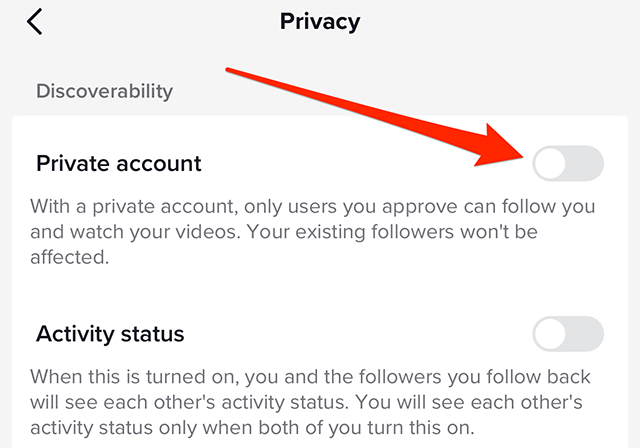
TikTok allows users to set their accounts to “Private” in order to prevent strangers from following them or watching their videos. When a user has a private TikTok account, non-followers won’t be able to view their videos, and the user will be able to approve or deny anyone who requests to follow their account.

Our guide will show you how to make your account private in the TikTok mobile application.

Note: These screenshots were captured in the TikTok app on iOS.

Step 1: On your TikTok profile, tap the three horizontal lines in the top-right corner of the screen.

image

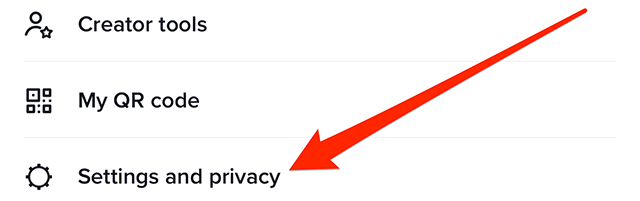
Step 2: Tap “Settings and privacy.”

image

Step 3: Tap “Privacy.”

image

Step 4: Tap the toggle to the right of “Private account” to make your account private.

image

This guide was first published in March 2019 and was updated in March 2023.

#paywall-subscribe { margin:0; padding: 1rem 2.4rem; } #paywall-subscribe .holder { background-color:#eee; border:15px solid #f2f2f2; padding:30px; margin:0 auto!important; text-align:center; } #paywall-subscribe a.underline { color:#000; text-decoration:underline; } #paywall-subscribe img { margin-bottom:10px; width: 140px!important; height: auto!important; } #paywall-subscribe h3 { font-weight:bold; font-size:16px; text-transform:uppercase; width:80%; margin:0 auto; margin-bottom:20px; text-align:center; } #paywall-subscribe h3 span { display:block; font-size:14px; } #paywall-subscribe h2 { font-weight:800; font-size:24px; text-transform:uppercase; } #paywall-subscribe p { font-size: 16px; color:#000; padding: 0; } #paywall-subscribe .cta { margin-top:20px; margin-bottom:10px; font-size:14px; text-transform:capitalize; color: #fff; background-color: #E50000; border:none; padding:12px 28px; text-decoration:none; -webkit-transition: .3s ease; -moz-transition: .3s ease; -o-transition: .3s ease; -ms-transition: .3s ease; transition: .3s ease; } #paywall-subscribe .cta:hover { color: #fff; background-color: #181818; transform: scale(1.02); } #paywall-subscribe .already-a-member { font-size:14px; } @media (max-width: 1024px) { #paywall-subscribe .holder { border:12px solid #f2f2f2; padding:25px; } #paywall-subscribe img { width: 120px!important; } } @media (max-width: 768px) { #paywall-subscribe .holder { border:10px solid #f2f2f2; padding:20px; } #paywall-subscribe img { width: 100px!important; } #paywall-subscribe h3 { font-size:14px; } #paywall-subscribe h3 span { font-size:12px; } #paywall-subscribe h2 { font-size:18px; } #paywall-subscribe p { font-size:14px; } #paywall-subscribe .cta { font-size:12px; padding:10px 24px; } #paywall-subscribe .already-a-member { font-size:11px; } } AW+

WORK SMARTER – LEARN, GROW AND BE INSPIRED.

Subscribe today!

To Read the Full Story Become an Adweek+ Subscriber

View Subscription Options

Already a member? Sign in

https://www.adweek.com/media/tiktok-heres-how-to-make-your-account-private/


Pricing for the Creator Economy Is All Over the Map


.article-native-ad { border-bottom: 1px solid #ddd; margin: 0 45px; padding-bottom: 20px; margin-bottom: 20px; } .article-native-ad svg { color: #ddd; font-size: 34px; margin-top: 10px; } .article-native-ad p { line-height:1.5; padding:0!important; padding-left: 10px!important; } .article-native-ad strong { font-weight:500; color:rgb(46,179,178); }

Get the scoop from strategic media pros at Disney, YouTube and more just in time for upfront season at Convergent TV, March 21–22. Learn more.

In the rapidly growing creator economy space, even the creators themselves struggle to price their wares.

U.S. advertisers are anticipated to spend more than $6 billion on influencer marketing this year, per Insider Intelligence. But creators still aren’t sure how big a piece to claim from this pie, a new report from social media management platform Later and influencer marketing platform Mavrck finds.

The report found that 37% of creators initially set their rates by guessing, adjusting it over time, according to a survey of more than 500 creators collected in December 2022. The majority of the creators were microinfluencers, with 10,000 followers or less, and skewed toward Instagram.

The findings were not shocking to some in the social and creator industries, who said there is still a lack of standardization in what brands pay creators.

“There are a lot of brands doing predatory pricing and taking advantage of new creators,” said Daniel Goldstein, founder of agency Next Rep Marketing, who also is a TikTok creator with more than 30,000 followers.

“There is no standardization,” Goldstein added. “There are a huge amount of creators just making content just for free products. There is the same amount of audience just doing it for affiliate.”

This lack of consistency is also found in the upper echelons of influencer marketing, said Lindsay Nead, CEO of talent management firm Parker Management, where creators make no less than $250,000 a year from brand partnerships. Most creators, when they first come to the agency, are grossly undercharging, she said.

“There is no consistency,” Nead said. “It would take management companies like us to get together with every other management company. I don’t know when that will come.”

While billions may be spent on influencer marketing, it is still a relatively young industry: 72% of the respondents to Later’s survey only started monetizing in the past two years. Monique Thomas, editorial content marketing manager at Later, said this indicates that the industry is still in growth mode.

Creator economy sources shared with Adweek what trends are emerging as guideposts for paying creators.

Instagram remains more lucrative than TikTok

Despite TikTok’s growing popularity, creators can still generally make more money on Instagram, especially on Reels rather than in-feed posts, according to data from the report.

In fact, 44% of creators earned more than $200 per Reel compared to only 28% making a similar amount for a TikTok video. The report also draws on data from 29,000 Instagram posts and more than 2,200 TikToks from Mavrck’s platform.

A creator’s followers are worth more on Instagram because high follower counts are generally seen as harder to achieve on Instagram than on TikTok and therefore, could translate to a more attentive audience, Goldstein said.

“TikTok creators went through the boom of Covid where their audience grew quickly and significantly,” Goldstein said. “For a long time, it was harder to grow a loyal following on Instagram.”

Also, TikTok’s “For You” main feed is less likely to show users content from the people they follow than Instagram’s feed, meaning an Instagram creator’s post is more likely to actually be seen, said Lily Salley, director of account management at microinfluencer firm Social Studies.

As a result, Instagram is a more reliable place to drive conversions for brands, Nead said.

“We still see the most dollars going toward Instagram. It’s safer,” Nead said. “It converts the best for brands for whatever reason. TikTok is incredible for brand awareness.”

Complex criteria

Besides pricing based on platform, brands also look at criteria such as content consistency, cadence, brand safety, plus what percentage of a creator’s followers are interacting with their content and the particular niche or demographics of that creator, sources told Adweek.

Other important factors are how long a brand can use the content, whether the creator posts it on their own page, if the post can be used as paid media, how many sales the creator is driving, whether the brand can give feedback and exclusivity to prevent the creator from doing a deal with a competitor.

The complexities of setting a creator’s rate can help explain the lack of strict pay standards.

“It’s a negotiation and hopefully, we meet in the middle,” said Salley, who negotiates creator deals on behalf of brands and noted that typically what the firm has budgeted is typically close to what the creator is charging.

“We’re gathering all of that nuance in advance of winning business,” Salley added.

But while the status quo allows for flexibility, without any baseline standards, creators can miss out on significant earnings.

“The standardization won’t be one size fits all [but] it has to be a baseline,” said Thomas. “Where people don’t know how to start, that’s where people lowball themselves.”

.font-primary { } .font-secondary { } #meter-count { position: fixed; z-index: 9999999; bottom: 0; width:96%; margin: 2%; -webkit-border-radius: 4px; -moz-border-radius: 4px; border-radius: 4px; -webkit-box-shadow: 0 0px 15px 4px rgba(0,0,0,.2); box-shadow:0 0px 15px 4px rgba(0,0,0,.2); padding: 15px 0; color:#fff; background-color:#343a40; } #meter-count .icon { width: auto; opacity:.8; } #meter-count .icon svg { height: 36px; width: auto; } #meter-count .btn-subscribe { font-size:14px; font-weight:bold; padding:7px 18px; color: #fff; background-color: #2eb3b2; border:none; text-transform: capitalize; margin-right:10px; } #meter-count .btn-subscribe:hover { color: #fff; opacity:.8; } #meter-count .btn-signin { font-size:14px; font-weight:bold; padding:7px 14px; color: #fff; background-color: #121212; border:none; text-transform: capitalize; } #meter-count .btn-signin:hover { color: #fff; opacity:.8; } #meter-count h3 { color:#fff!important; letter-spacing:0px!important; margin:0; padding:0; font-size:16px; line-height:1.5; font-weight:700; margin: 0!important; padding: 0!important; } #meter-count h3 span { color:#E50000!important; font-weight:900; } #meter-count p { font-size:14px; font-weight:500; line-height:1.4; color:#eee!important; margin: 0!important; padding: 0!important; } #meter-count .close { color:#fff; display:block; position:absolute; top: 4px; right:4px; z-index: 999999; } #meter-count .close svg { display:block; color:#fff; height:16px; width:auto; cursor:pointer; } #meter-count .close:hover svg { color:#E50000; } #meter-count .fw-600 { font-weight:600; } @media (max-width: 1079px) { #meter-count .icon { margin:0; padding:0; display:none; } } @media (max-width: 768px) { #meter-count { margin: 0; -webkit-border-radius: 0px; -moz-border-radius: 0px; border-radius: 0px; width:100%; -webkit-box-shadow: 0 -8px 10px -4px rgba(0,0,0,0.3); box-shadow: 0 -8px 10px -4px rgba(0,0,0,0.3); } #meter-count .icon { margin:0; padding:0; display:none; } #meter-count h3 { color:#fff!important; font-size:14px; } #meter-count p { color:#fff!important; font-size: 12px; font-weight: 500; } #meter-count .btn-subscribe, #meter-count .btn-signin { font-size:12px; padding:7px 12px; } #meter-count .btn-signin { display:none; } #meter-count .close svg { height:14px; } }

Enjoying Adweek’s Content? Register for More Access!

https://www.adweek.com/media/pricing-for-the-creator-economy-is-all-over-the-map/


Semrush ends 2022 with 95,000 customers, 35% revenue growth

Customer growth increased Semrush’s full-year revenue by 35% in 2022 to $254.3 million, up from 188.0 million in 2021. 

Semrush expects to break even or show a small profit in 2023. It lost $33.8 million in 2022.

The company is financially strong; cash and short-term investments totaled $237.5 million at the end of 2022. 

Customers. Semrush added 13,000 customers in 2022 and ended the year with 95,000 paying customers, up from 82,000 customers in 2021. Semrush customers who paid more than $10,000 annually grew by more than 50% year-on-year.

The company also reported its platform had more than 800,000 free active users, up more than 50% year-on-year, and saw “record levels of new customer registrations and trials.”

Employees. Semrush ended the year with more than 1,300 employees and more than 200 contractors.

The company also reported it has completed a successful relocation of about 600 employees who had been based in Russia, prior to the country’s invasion of Ukraine last year, to new office locations (Spain, the Netherlands, Germany, Armenia, Serbia, Cyprus, and the Czech Republic).

Why we care. These financial results from Semrush confirm there continues to be strong demand for SEO and SEO platforms. Also, the company is cash rich and expects to reach profitability next year. That means the 2022 losses don’t jeopardize the company’s ongoing operations. 

Only “minor fine-tuning” need to help Semrush customers be found in chat-based search. “The outputs of (chat-interface search) are actually very similar to what happens if you try to produce (a) featured snippet based on a couple of top articles,” is how Semrush president Eugene Levin responded to an analyst’s question about search engines transitioning to chat interfaces. He added:

  • “So from a technical point of view, optimizing for this is very similar to optimizing for featured snippets, which [we have helped] people to do for a very long time. And actually, we’ve seen a lot of demand for those features and support of our tracking feature snippet, as well as proactive recommendations about how people can… be mentioned in those features snippets.”
  • “At this point, we don’t know what the final implementation (of search results) is going to be. We have only seen a couple of examples being implemented their approach to this, which is, I think, very user-friendly.”

Dig deeper. Semrush Announces Fourth Quarter and Full Year 2022 Financial Results.


Related stories

New on Search Engine Land

@media screen and (min-width: 800px) { #div-gpt-ad-3191538-7 { display: flex !important; justify-content: center !important; align-items: center !important; min-width:770px; min-height:260px; } } @media screen and (min-width: 1279px) { #div-gpt-ad-3191538-7 { display: flex !important; justify-content: center !important; align-items: center !important; min-width:800px!important; min-height:440px!important; } }

About the author

Danny Goodwin

Danny Goodwin has been Managing Editor of Search Engine Land & Search Marketing Expo – SMX since 2022. He joined Search Engine Land in 2022 as Senior Editor. In addition to reporting on the latest search marketing news, he manages Search Engine Land’s SME (Subject Matter Expert) program. He also helps program U.S. SMX events. Goodwin has been editing and writing about the latest developments and trends in search and digital marketing since 2007. He previously was Executive Editor of Search Engine Journal (2017 to 2022), managing editor of Momentology (from 2014-2016) and editor of Search Engine Watch (from 2007 to 2014). He has spoken at many major search conferences and virtual events, and has been sourced for his expertise by a wide range of publications and podcasts.

https://searchengineland.com/semrush-financial-results-full-year-2022-394392


Dotdash Meredith Pens Pinterest Partnership, Joining Condé Nast and Tastemade


.article-native-ad { border-bottom: 1px solid #ddd; margin: 0 45px; padding-bottom: 20px; margin-bottom: 20px; } .article-native-ad svg { color: #ddd; font-size: 34px; margin-top: 10px; } .article-native-ad p { line-height:1.5; padding:0!important; padding-left: 10px!important; } .article-native-ad strong { font-weight:500; color:rgb(46,179,178); }

Get the scoop from strategic media pros at Disney, YouTube and more just in time for upfront season at Convergent TV, March 21–22. Learn more.

The lifestyle publisher Dotdash Meredith, which houses titles including Better Homes & Gardens and Southern Living, has partnered with Pinterest to produce 180 original, seasonally aligned vertical videos.

Pinterest will fund the creation of the content, but it wouldn’t share financial specifics. 

The year-long deal follows on the heels of two similar tie-ups struck by Pinterest, which has courted publishers with robust video capabilities to help the platform build out its supply of video inventory, said Jeremy Jankowski, the North American publishing lead for Pinterest. 

Last June, the platform entered into a multi-year, multi-million dollar deal with food publisher Tastemade to produce 50 original series, and in January, it struck a deal with Condé Nast Entertainment to enlist Vogue and Architectural Digest to produce 160 videos. 

Year over year, the platform has increased its supply of video by 30%, according to the company.

“Publishers create best-in-class content, so in the past six months, we have shifted focus to bring more of them onto the platform,” Jankowski said. “Now we want to help them build audiences, which they can use to sell sponsored pins and drive traffic to their owned and operated sites.”

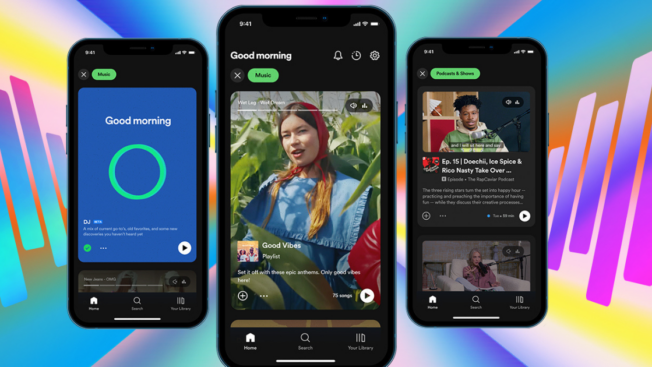
The partnership reflects the increasing value of vertical video throughout the digital media ecosystem. Platforms from Pinterest to Spotify have seized on the highly engaging format and woven it throughout their products, while publishers have retooled their editorial strategies to match consumer demand for it.

For publishers, monetization of the format has lagged behind its adoption, a pain point BuzzFeed Inc. chief executive Jonah Peretti echoed in an earnings call Monday. On-site monetization, which Pinterest has unlocked with its Idea Pins, offers publishers a means of turning their presence on the platform into revenue.

Such arrangements have their drawbacks—publishers have learned to treat businesses built on third-party platforms with healthy skepticism. But in this case, the interests of both parties align, said Troy Young, a media analyst and former president of Hearst Magazines.

“Vertical video is a problem for publishers because it is hard to distribute and monetize on their owned and operated channels, and the prominent channels—Instagram Reels and TikTok—are hard to monetize,” Young said. “So when a platform offers distribution and monetization, that is appealing.”

Distribution and on-site monetization

As part of the yearlong deal, the lifestyle brands Better Homes & Gardens, Martha Stewart, Southern Living, Brides, Food & Wine, Serious Eats and Allrecipes will create videos—generally less than a minute in length—exclusively for Pinterest.

Dotdash Meredith already has a sizable presence on the platform, generating 90 million views per month across its 20 channels, according to Heather Menicucci, its svp of video. 

The publisher can monetize its presence on the platform using Idea Pins, a vertical video product that Pinterest released in May 2021. Creators, as well as publishers, can use the Handshake feature to create branded Idea Pins, providing the company with inventory it can sell to brands on a standalone basis or as part of a larger media buy.

The seven publishers will create content ahead of key moments in their editorial calendars, such as Halloween or St. Patrick’s Day, and can loop in relevant brands as partners, said Nadine Zylstra, the global head of programming and originals at Pinterest.

Compared to more passive social platforms, Pinterest users visit the platform with a high purchasing intent, treating it as a source of inspiration for decorating, cooking and other hobbies. 

The contextual alignment between the publisher and the seasonal moment, when combined with the engaging nature of vertical video, creates a powerful product that amplifies what Pinterest already does well, said Jessica Dooley, the U.S. social practice lead at Mindshare.

“One of the value propositions we see on Pinterest is how early things happen on the platform,” Dooley said. “People come to Pinterest early to plan for various events or occasions, which provides not only great insights but more ways to reach an engaged audience.”

.font-primary { } .font-secondary { } #meter-count { position: fixed; z-index: 9999999; bottom: 0; width:96%; margin: 2%; -webkit-border-radius: 4px; -moz-border-radius: 4px; border-radius: 4px; -webkit-box-shadow: 0 0px 15px 4px rgba(0,0,0,.2); box-shadow:0 0px 15px 4px rgba(0,0,0,.2); padding: 15px 0; color:#fff; background-color:#343a40; } #meter-count .icon { width: auto; opacity:.8; } #meter-count .icon svg { height: 36px; width: auto; } #meter-count .btn-subscribe { font-size:14px; font-weight:bold; padding:7px 18px; color: #fff; background-color: #2eb3b2; border:none; text-transform: capitalize; margin-right:10px; } #meter-count .btn-subscribe:hover { color: #fff; opacity:.8; } #meter-count .btn-signin { font-size:14px; font-weight:bold; padding:7px 14px; color: #fff; background-color: #121212; border:none; text-transform: capitalize; } #meter-count .btn-signin:hover { color: #fff; opacity:.8; } #meter-count h3 { color:#fff!important; letter-spacing:0px!important; margin:0; padding:0; font-size:16px; line-height:1.5; font-weight:700; margin: 0!important; padding: 0!important; } #meter-count h3 span { color:#E50000!important; font-weight:900; } #meter-count p { font-size:14px; font-weight:500; line-height:1.4; color:#eee!important; margin: 0!important; padding: 0!important; } #meter-count .close { color:#fff; display:block; position:absolute; top: 4px; right:4px; z-index: 999999; } #meter-count .close svg { display:block; color:#fff; height:16px; width:auto; cursor:pointer; } #meter-count .close:hover svg { color:#E50000; } #meter-count .fw-600 { font-weight:600; } @media (max-width: 1079px) { #meter-count .icon { margin:0; padding:0; display:none; } } @media (max-width: 768px) { #meter-count { margin: 0; -webkit-border-radius: 0px; -moz-border-radius: 0px; border-radius: 0px; width:100%; -webkit-box-shadow: 0 -8px 10px -4px rgba(0,0,0,0.3); box-shadow: 0 -8px 10px -4px rgba(0,0,0,0.3); } #meter-count .icon { margin:0; padding:0; display:none; } #meter-count h3 { color:#fff!important; font-size:14px; } #meter-count p { color:#fff!important; font-size: 12px; font-weight: 500; } #meter-count .btn-subscribe, #meter-count .btn-signin { font-size:12px; padding:7px 12px; } #meter-count .btn-signin { display:none; } #meter-count .close svg { height:14px; } }

Enjoying Adweek’s Content? Register for More Access!

https://www.adweek.com/media/dotdash-meredith-pinterest-partnership/


Snapchat: How to Turn on Video Stability


.article-native-ad { border-bottom: 1px solid #ddd; margin: 0 45px; padding-bottom: 20px; margin-bottom: 20px; } .article-native-ad svg { color: #ddd; font-size: 34px; margin-top: 10px; } .article-native-ad p { line-height:1.5; padding:0!important; padding-left: 10px!important; } .article-native-ad strong { font-weight:500; color:rgb(46,179,178); }

Learn how to harness the rising influence of the creator economy with marketing insights from brands including McDonald’s, Bombas and Duolingo at Social Media Week, May 16–18. Register now to save 30%.

Snapchat offers a “video stability” feature that is designed to “reduce shakiness” in a user’s videos. Users can turn this feature on before recording videos in the Snapchat mobile application.

Our guide will show you how to turn on video stability in the Snapchat mobile app.

Note: These screenshots were captured in the Snapchat app on iOS.

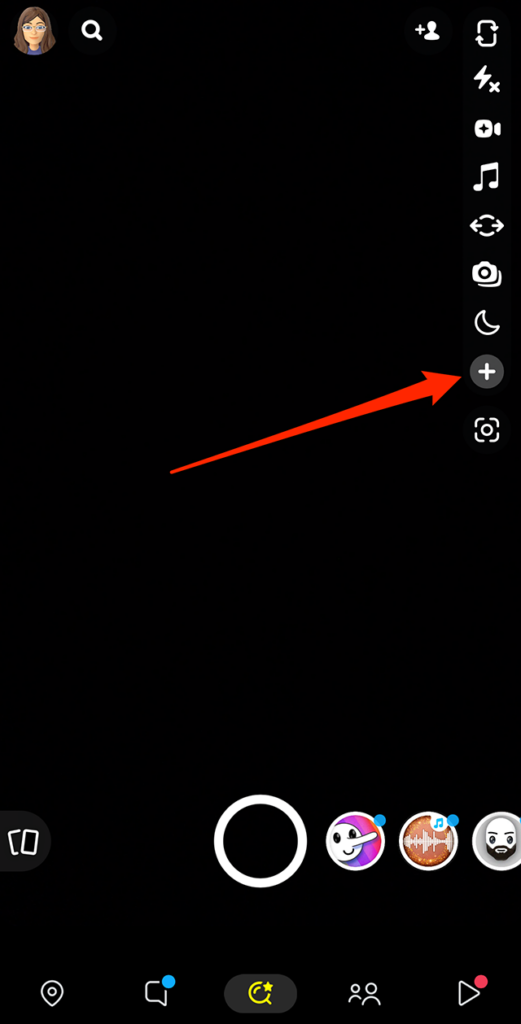
Step 1: On Snapchat’s camera screen, tap the plus sign icon on the right side of the screen.

image

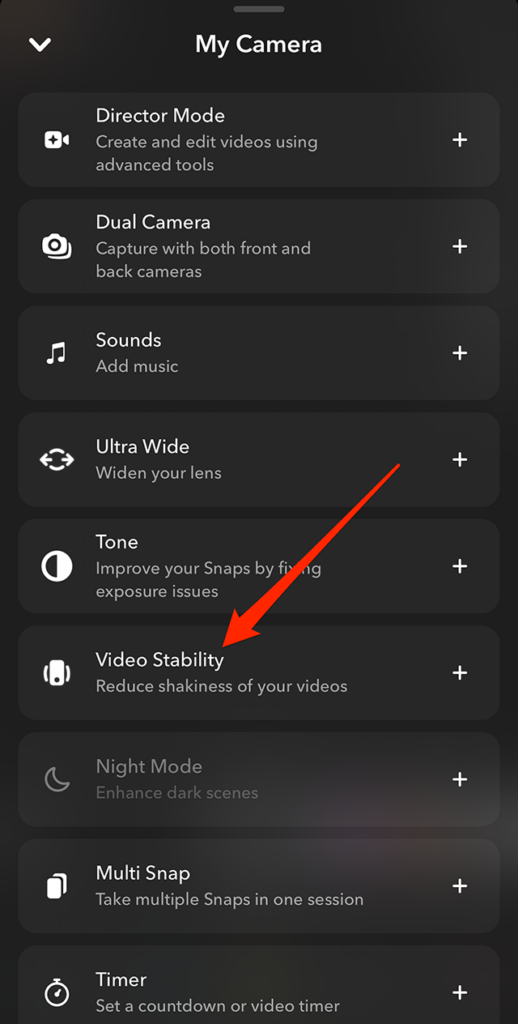
Step 2: Scroll down and tap “Video Stability.” After that, you can close this menu and record a video as you normally would.

image
.font-primary { } .font-secondary { } #meter-count { position: fixed; z-index: 9999999; bottom: 0; width:96%; margin: 2%; -webkit-border-radius: 4px; -moz-border-radius: 4px; border-radius: 4px; -webkit-box-shadow: 0 0px 15px 4px rgba(0,0,0,.2); box-shadow:0 0px 15px 4px rgba(0,0,0,.2); padding: 15px 0; color:#fff; background-color:#343a40; } #meter-count .icon { width: auto; opacity:.8; } #meter-count .icon svg { height: 36px; width: auto; } #meter-count .btn-subscribe { font-size:14px; font-weight:bold; padding:7px 18px; color: #fff; background-color: #2eb3b2; border:none; text-transform: capitalize; margin-right:10px; } #meter-count .btn-subscribe:hover { color: #fff; opacity:.8; } #meter-count .btn-signin { font-size:14px; font-weight:bold; padding:7px 14px; color: #fff; background-color: #121212; border:none; text-transform: capitalize; } #meter-count .btn-signin:hover { color: #fff; opacity:.8; } #meter-count h3 { color:#fff!important; letter-spacing:0px!important; margin:0; padding:0; font-size:16px; line-height:1.5; font-weight:700; margin: 0!important; padding: 0!important; } #meter-count h3 span { color:#E50000!important; font-weight:900; } #meter-count p { font-size:14px; font-weight:500; line-height:1.4; color:#eee!important; margin: 0!important; padding: 0!important; } #meter-count .close { color:#fff; display:block; position:absolute; top: 4px; right:4px; z-index: 999999; } #meter-count .close svg { display:block; color:#fff; height:16px; width:auto; cursor:pointer; } #meter-count .close:hover svg { color:#E50000; } #meter-count .fw-600 { font-weight:600; } @media (max-width: 1079px) { #meter-count .icon { margin:0; padding:0; display:none; } } @media (max-width: 768px) { #meter-count { margin: 0; -webkit-border-radius: 0px; -moz-border-radius: 0px; border-radius: 0px; width:100%; -webkit-box-shadow: 0 -8px 10px -4px rgba(0,0,0,0.3); box-shadow: 0 -8px 10px -4px rgba(0,0,0,0.3); } #meter-count .icon { margin:0; padding:0; display:none; } #meter-count h3 { color:#fff!important; font-size:14px; } #meter-count p { color:#fff!important; font-size: 12px; font-weight: 500; } #meter-count .btn-subscribe, #meter-count .btn-signin { font-size:12px; padding:7px 12px; } #meter-count .btn-signin { display:none; } #meter-count .close svg { height:14px; } }

Enjoying Adweek’s Content? Register for More Access!

https://www.adweek.com/social-marketing/snapchat-how-to-turn-on-video-stability/


Snapchat: How to Use the Ultra Wide Camera

.article-native-ad { border-bottom: 1px solid #ddd; margin: 0 45px; padding-bottom: 20px; margin-bottom: 20px; } .article-native-ad svg { color: #ddd; font-size: 34px; margin-top: 10px; } .article-native-ad p { line-height:1.5; padding:0!important; padding-left: 10px!important; } .article-native-ad strong { font-weight:500; color:rgb(46,179,178); }

Learn how to harness the rising influence of the creator economy with marketing insights from brands including McDonald’s, Bombas and Duolingo at Social Media Week, May 16–18. Register now to save 30%.

The Snapchat mobile application allows users to turn on an “ultra wide” feature before creating Snaps. This will allow them to create wide angle Snaps using their device’s rear camera.

Our guide will show you two different ways you can activate the ultra wide feature on the camera in the Snapchat mobile application.

Note: These screenshots were captured in the Snapchat app on iOS.

Method 1: Tap the “Ultra Wide” icon on the right side of the Snapchat camera screen.

#paywall-subscribe { margin:0; padding: 1rem 2.4rem; } #paywall-subscribe .holder { background-color:#eee; border:15px solid #f2f2f2; padding:30px; margin:0 auto!important; text-align:center; } #paywall-subscribe a.underline { color:#000; text-decoration:underline; } #paywall-subscribe img { margin-bottom:10px; width: 140px!important; height: auto!important; } #paywall-subscribe h3 { font-weight:bold; font-size:16px; text-transform:uppercase; width:80%; margin:0 auto; margin-bottom:20px; text-align:center; } #paywall-subscribe h3 span { display:block; font-size:14px; } #paywall-subscribe h2 { font-weight:800; font-size:24px; text-transform:uppercase; } #paywall-subscribe p { font-size: 16px; color:#000; padding: 0; } #paywall-subscribe .cta { margin-top:20px; margin-bottom:10px; font-size:14px; text-transform:capitalize; color: #fff; background-color: #E50000; border:none; padding:12px 28px; text-decoration:none; -webkit-transition: .3s ease; -moz-transition: .3s ease; -o-transition: .3s ease; -ms-transition: .3s ease; transition: .3s ease; } #paywall-subscribe .cta:hover { color: #fff; background-color: #181818; transform: scale(1.02); } #paywall-subscribe .already-a-member { font-size:14px; } @media (max-width: 1024px) { #paywall-subscribe .holder { border:12px solid #f2f2f2; padding:25px; } #paywall-subscribe img { width: 120px!important; } } @media (max-width: 768px) { #paywall-subscribe .holder { border:10px solid #f2f2f2; padding:20px; } #paywall-subscribe img { width: 100px!important; } #paywall-subscribe h3 { font-size:14px; } #paywall-subscribe h3 span { font-size:12px; } #paywall-subscribe h2 { font-size:18px; } #paywall-subscribe p { font-size:14px; } #paywall-subscribe .cta { font-size:12px; padding:10px 24px; } #paywall-subscribe .already-a-member { font-size:11px; } } AW+

WORK SMARTER – LEARN, GROW AND BE INSPIRED.

Subscribe today!

To Read the Full Story Become an Adweek+ Subscriber

View Subscription Options

Already a member? Sign in

https://www.adweek.com/social-marketing/snapchat-how-to-use-the-ultra-wide-camera/


Instagram: How to Delete Your Search History on Mobile

.article-native-ad { border-bottom: 1px solid #ddd; margin: 0 45px; padding-bottom: 20px; margin-bottom: 20px; } .article-native-ad svg { color: #ddd; font-size: 34px; margin-top: 10px; } .article-native-ad p { line-height:1.5; padding:0!important; padding-left: 10px!important; } .article-native-ad strong { font-weight:500; color:rgb(46,179,178); }

Get the scoop from strategic media pros at Disney, YouTube and more just in time for upfront season at Convergent TV, March 21–22. Learn more.

Instagram keeps track of the content each user searches for in their personal search history. Users have the option to delete their search history at any time.

Our guide will show you how to delete your search history while using the Instagram mobile application.

Note: These screenshots were captured in the Instagram app on iOS.

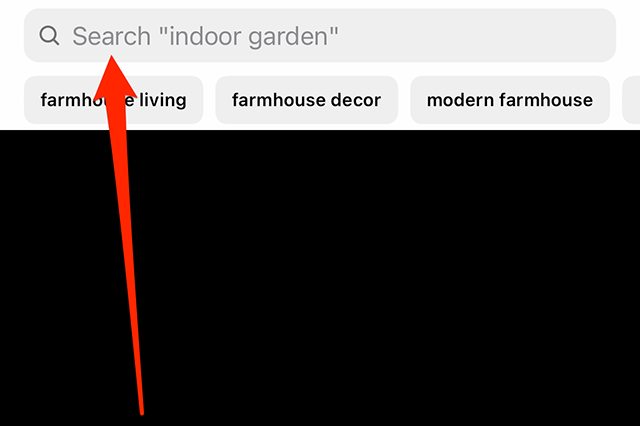
Step 1: On Instagram’s “Explore” screen, tap the search bar at the top of the screen.

image

Step 2: Tap “See all” under the word “Cancel” on the right side of the screen.

image

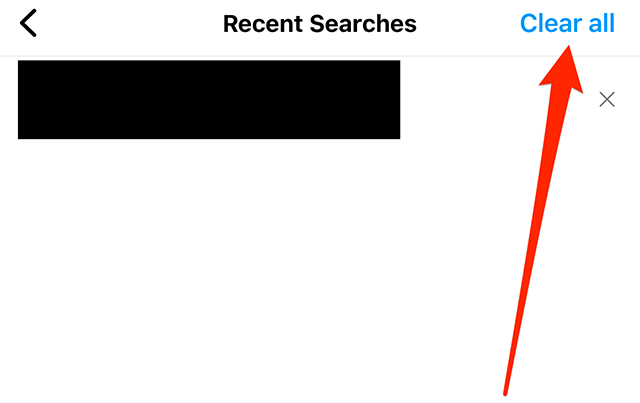
Step 3: Tap “Clear all” in the top-right corner of the screen.

image

Step 4: Tap the “Clear all” button on the confirmation window that appears on the screen.

image

This guide was first published in July 2017 and was updated in March 2023.

#paywall-subscribe { margin:0; padding: 1rem 2.4rem; } #paywall-subscribe .holder { background-color:#eee; border:15px solid #f2f2f2; padding:30px; margin:0 auto!important; text-align:center; } #paywall-subscribe a.underline { color:#000; text-decoration:underline; } #paywall-subscribe img { margin-bottom:10px; width: 140px!important; height: auto!important; } #paywall-subscribe h3 { font-weight:bold; font-size:16px; text-transform:uppercase; width:80%; margin:0 auto; margin-bottom:20px; text-align:center; } #paywall-subscribe h3 span { display:block; font-size:14px; } #paywall-subscribe h2 { font-weight:800; font-size:24px; text-transform:uppercase; } #paywall-subscribe p { font-size: 16px; color:#000; padding: 0; } #paywall-subscribe .cta { margin-top:20px; margin-bottom:10px; font-size:14px; text-transform:capitalize; color: #fff; background-color: #E50000; border:none; padding:12px 28px; text-decoration:none; -webkit-transition: .3s ease; -moz-transition: .3s ease; -o-transition: .3s ease; -ms-transition: .3s ease; transition: .3s ease; } #paywall-subscribe .cta:hover { color: #fff; background-color: #181818; transform: scale(1.02); } #paywall-subscribe .already-a-member { font-size:14px; } @media (max-width: 1024px) { #paywall-subscribe .holder { border:12px solid #f2f2f2; padding:25px; } #paywall-subscribe img { width: 120px!important; } } @media (max-width: 768px) { #paywall-subscribe .holder { border:10px solid #f2f2f2; padding:20px; } #paywall-subscribe img { width: 100px!important; } #paywall-subscribe h3 { font-size:14px; } #paywall-subscribe h3 span { font-size:12px; } #paywall-subscribe h2 { font-size:18px; } #paywall-subscribe p { font-size:14px; } #paywall-subscribe .cta { font-size:12px; padding:10px 24px; } #paywall-subscribe .already-a-member { font-size:11px; } } AW+

WORK SMARTER – LEARN, GROW AND BE INSPIRED.

Subscribe today!

To Read the Full Story Become an Adweek+ Subscriber

View Subscription Options

Already a member? Sign in

https://www.adweek.com/media/instagram-heres-how-to-clear-your-search-history/