Starting a business in the thick of the pandemic is not the easiest road to success, but Reels and other short-form video options have helped propel direct-to-consumer beauty brand Youthforia to four times the revenue in 2022 than it took in the previous year.
“Not going out and seeing people, I realized makeup was part of your routine,” Youthforia founder Fiona Chan told Adweek. “I wanted something that would be a part of routine post-pandemic.”
On Jan 25, join experts at Adweek Outlook 2023, a live virtual event, for trend forecasting, tips and tools. Register Now.
The social media masses are on a constant mission to dismantle the digital hierarchy.
Every time the wealthy capitalize on a trend to brandish their glamorous lifestyles, it is accompanied by a counter movement where an army of average Joes fight back by finding humor in the quirks of a modest lifestyle.
The phrase “Things in my home that just make sense” has been used to showcase high-end appliances sitting in multi-million-dollar homes. But the concept has also been adapted by middle-class Americans who poke fun at their less appealing living situations, like having to cut out the side of their bathroom door so it can open past the toilet.
When brands hopped on this trend, they used it to craft a product catalog, listing the items that “just make sense” for you to buy from their online storefronts. But consumers prioritize education and entertainment on social media by rejecting content that is solely self-promotional. Today’s winning accounts are unafraid to lean into a healthy amount of self-deprecation, and marketers missed an opportunity to use this trend to highlight the unromantic elements of their brands.
“When brands tap into viral trends, they try to change them too much,” said independent agency Johannes Leonardo copywriter Chris Chance, who noted he learned about the creative process through growing up on the internet and making memes. “If the content is going to feel corporate, there is no point in making it at all.”
From sexualizing candy bars to poking fun at vocal fry, here are 10 moments when brands engaged with internet culture without spoiling the user experience.
1. Kung Fu Tea satirizes TikTok marketing
Brands interjecting themselves into trends that have nothing to do with them is a great way to lose customers, but introducing a social strategy that is deliberately lazy, random and unoriginal can also keep the internet entertained. After users started pairing compilations of “fail videos” with the intro sequence to Cali Swag District’s “Teach Me How to Dougie,” Kung Fu Tea posted a TikTok that began by mimicking this format but then interjected random product shots. This method, which was also picked up by Harry Styles’ nail polish brand Pleasing, doesn’t try to trick anyone.
Takeaway: Instead of denying that they’re ultimately on TikTok to sell stuff, these brands pulled out a satirical strategy that pokes fun at both invasive marketing and brands that try too hard to hide their agenda.
2. Brands ditch the self-importance
Marketers are successful on social media when they understand the importance of humility. Taco Bell internalized this concept by hiring a relentless and unapologetic critic of the brand—Doja Cat—as the face of recent campaigns. Duolingo’s long running bit is that its app reminders are overly aggressive, and RyanAir has indirectly admitted that its affordability is the only thing keeping customers around.
Takeaway: Just as self-deprecating humor from users is more universally appealing than overly curated content, brands garner attention on social platforms when they surprise consumers with charming unprofessionalism.
3. Netflix respectfully interrupts an HBO show
Content around The White Lotus, an HBO comedy-drama that documents the disturbing journeys of resort guests, has been hijacking social media feeds for weeks. One particularly talked about scene entails Jennifer Coolidge announcing “The gays are trying to murder me,” which prompted Netflix to draw attention to the actress’ related sentiment in the streaming service’s rom-com “Single All the Way.”
Takeaway: The branded snark that was once seen as innovative now feels cringe-worthy, making Netflix’s understated and indirect approach to engaging with a competitor effective.
4. Chipotle serves the corn kid
Drawn from clips of an interview by Recess Therapy, an account dedicated to conversations with children in New York, 7-year-old Tariq’s passion for corn made for a universally-adored pop culture moment. The original clip was then remixed into a song, which brands across TikTok used to promote their own products. Chipotle invited Tariq to one of its restaurants and filmed him as he moved down the line and rejects every menu item except for corn.
Takeaway: While quickly jumping on social media trends is tempting, sometimes the brands that take a second to think through their strategies create the most memorable content.
5. Popeyes protects a pop star
When an audience member chucked two chicken nuggets at Harry Styles during a Madison Square Garden concert, Popeyes partnered with independent creative agency GUT to protect the pescatarian pop star from more unsolicited exposure to poultry. The brand dressed fans in its uniforms with signs like “No air time for this nugget” and “It’s love that chicken, not throw that chicken” to plant across TikTok.
Takeaway: By efficiently establishing itself as the antidote to an evidently disposable product, Popeyes delighted fans when it unexpectedly snuck itself into a cultural moment that aligned with the brand.
6. The Flyers’ muse pokes fun at a viral podcast clip
When Call Her Daddy podcast host Alex Cooper invited Uncut Gems actress Julia Fox into the studio, the internet was quick to call out Fox’s vocal fry and make a meme of her belief that she was the sole inspiration behind the film. Since the Philadelphia Flyers’ Gritty is the internet’s most beloved mascot and can pretty much get away with anything, he was interjected into a conversation that had nothing to do with him and it was completely excusable.
Takeaway: Julia Fox and orange creatures are two notably unconventional characters, so combining the two made for a random social moment that was simple and memorable while lacking nauseating self-promotion.
7. Snickers feeds into dirty humor
In April, rumors surfaced that the chocolate ripples on the Snickers bar would be replaced with an uncomfortably smooth surface. The design has long been declared to resemble genital veins, which means Twitter users refused to stay silent about the alleged product alteration. After a complete uproar across the platform, the brand reassured fans that the aesthetic of its product would remain the same.
Takeaway: Rogue social media managers, who mimic the energy of the Pabst Blue Ribbon employee (without going quite so far), make consumers feel like the brands they engage with are estranged from the confines of corporate America.
8. Lindsay Lohan partners with Pepsi
When TikTok users started posting videos mixing cola drinks with milk or creamer and calling it “dirty soda,” Pepsi interjected by bringing back the term “Pilk,” which debuted in the 1970s sitcom Laverne and Shirley.
Takeaway: By pairing a zany beverage fad with a celebrity who has always been difficult to ignore, Pepsi delicately redirected a conversation that included the entire soda industry back to its brand.
9. Tumblr mocks Musk
The impending demise of Twitter poses an opportunity for competing platforms to attract new users, but that makes for a complicated feat when Musk bans their presence on his browning turf. When Twitter officially released a list of platforms that would be banned and Tumblr wasn’t on the list, the platform played into its questionable relevancy.
Takeaway: Tumblr used Twitter to modestly insert itself back into the conversation after a significant hiatus, and with this strategy comes a level of self-awareness that the masses can appreciate.
10. IHop runs to the grocery aisle
If a brand wants to hop on a trend two years after its peak, it needs to have a good reason for the hold up. The pancake house partnered with General Mills, a brand that typically keeps consumers at home for breakfast instead of inside their restaurants, for a collaboration featuring mini Pancake-shaped pieces with blueberry and syrup flavoring that was completely inspired by social listening.
Takeaway: By launching an original product, iHop and General Mills demonstrated that brands taking their time to tap into internet culture can elicit consumer nostalgia and respect.
Facebook: How to Change Who Can Send You Friend Requests
By default, all users can send other users friend requests on Facebook. However, Facebook allows users to change a setting so that only friends of their existing friends can send them friend requests.
Our guide will show you how to change who can send you friend requests on Facebook.
Note: These screenshots were captured in the Facebook application on iOS.
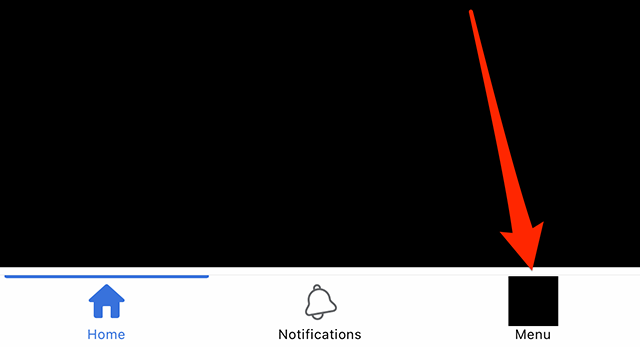
Step 1: Tap the “Menu” icon in the bottom-right corner of the app.
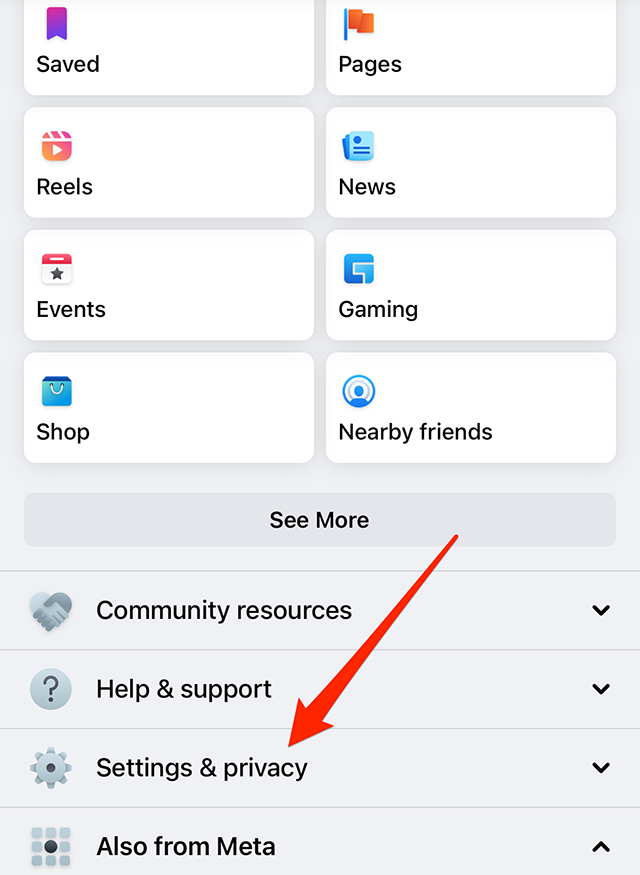
Step 2: Scroll down and tap “Settings & privacy.”
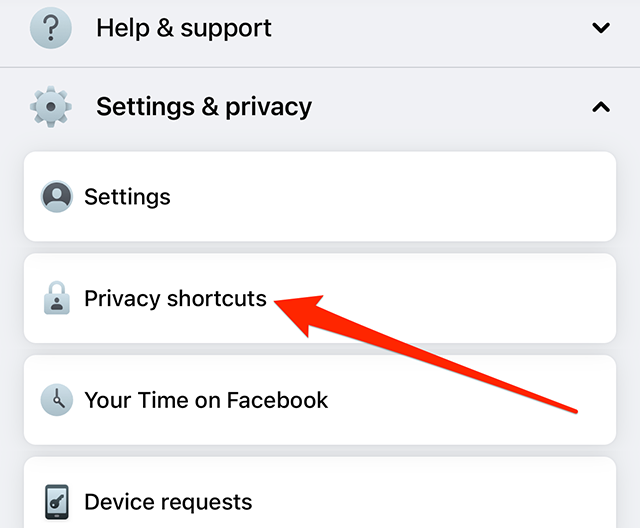
Step 3: Tap “Privacy shortcuts.”
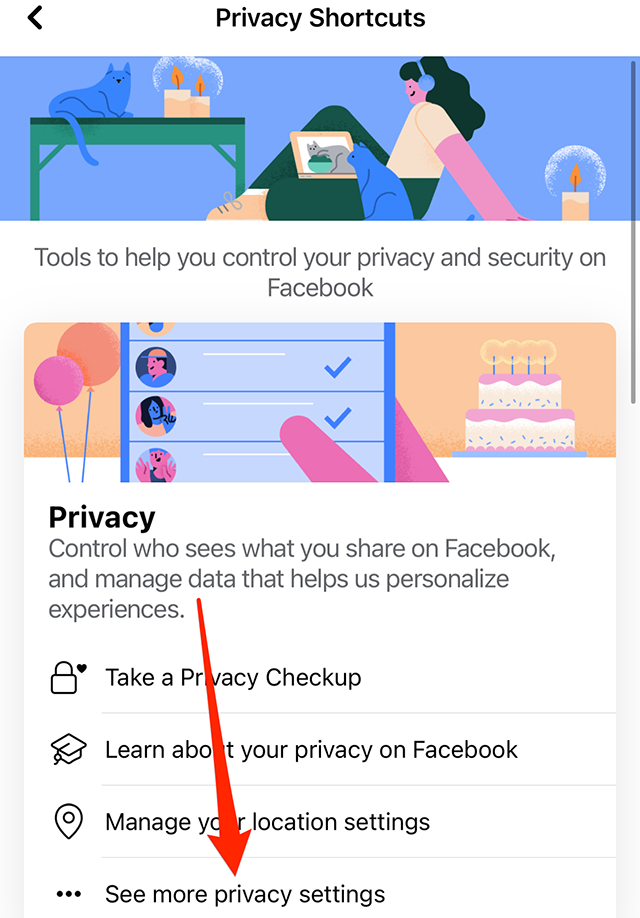
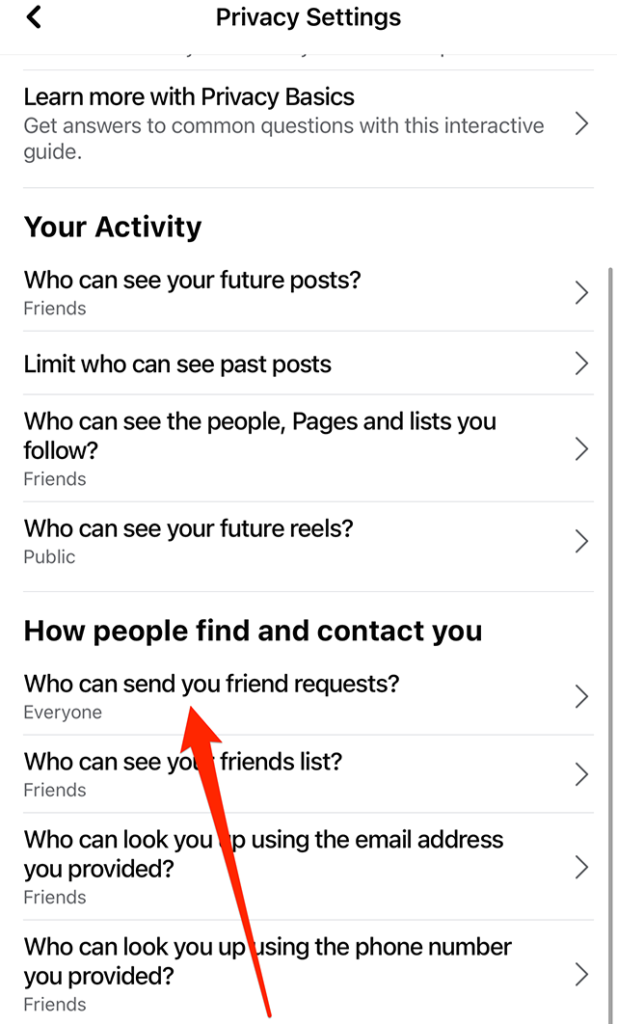
Step 4: Under the “Privacy” section, tap “See more privacy settings.”
Step 5: Under the “How people find and contact you” section, tap “Who can send you friend requests?”
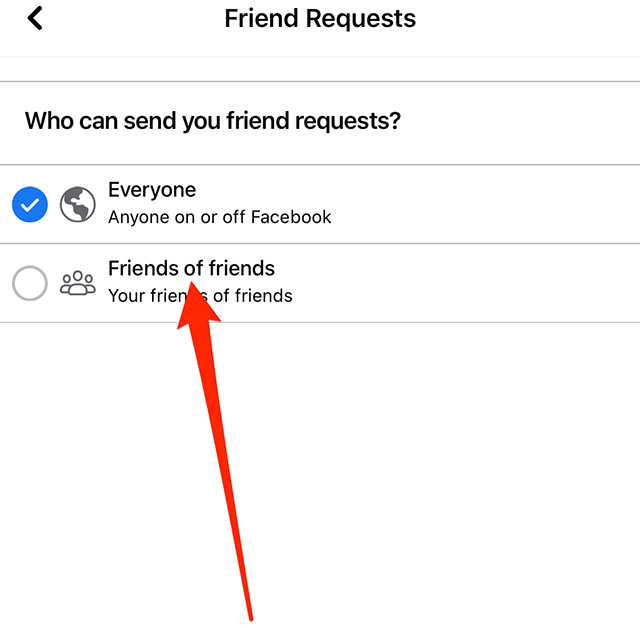
Step 6: Tap: “Friends of friends” to change this setting.
This guide was first published in May 2017 and was updated in December 2022.
Snapchat’s Snapchat+ subscription service allows subscribers to customize the look of each conversation on the social networking platform with a different background wallpaper.
Our guide will show you how to change a chat’s wallpaper in the Snapchat mobile application.
Note: These screenshots were captured in the Snapchat app on iOS.
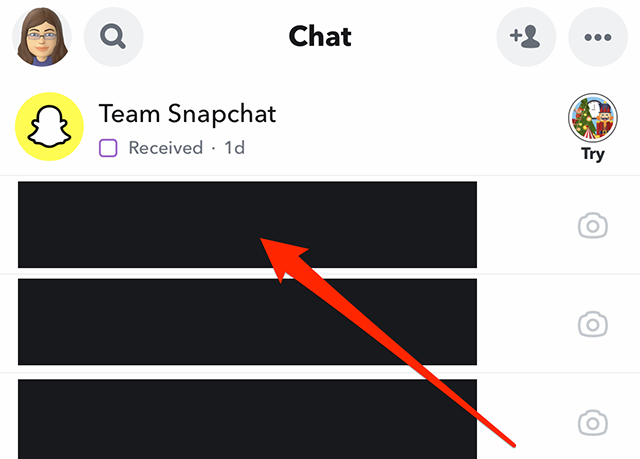
Step 1: On Snapchat’s “Chats” tab, tap the conversation you want to customize.
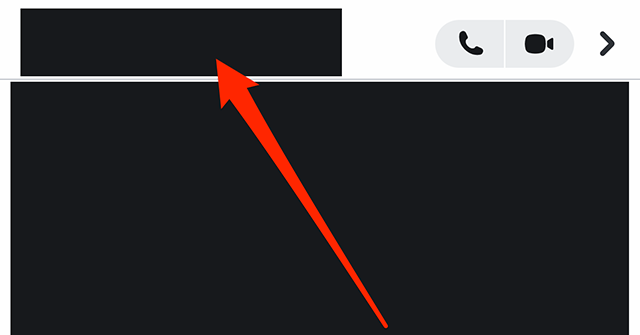
Step 2: Tap the chat’s name at the top of the screen.
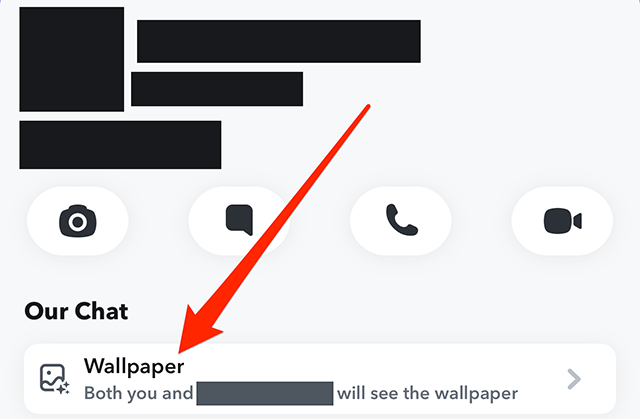
Step 3: Under the “Our Chat” section, tap “Wallpaper.”
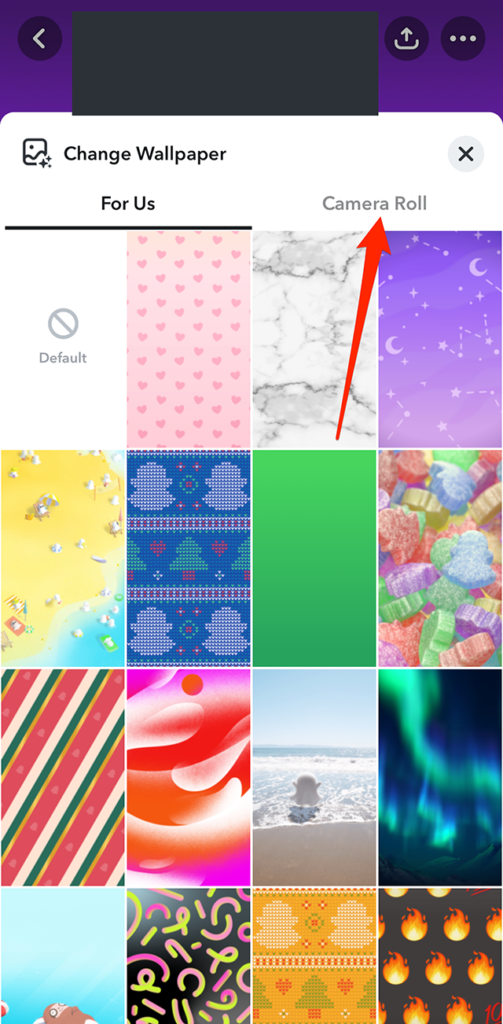
Step 4: Tap one of Snapchat’s available wallpaper options to preview it, or tap “Camera Roll” near the top-right corner of the “Change Wallpaper” window to select a picture from your device’s camera roll.
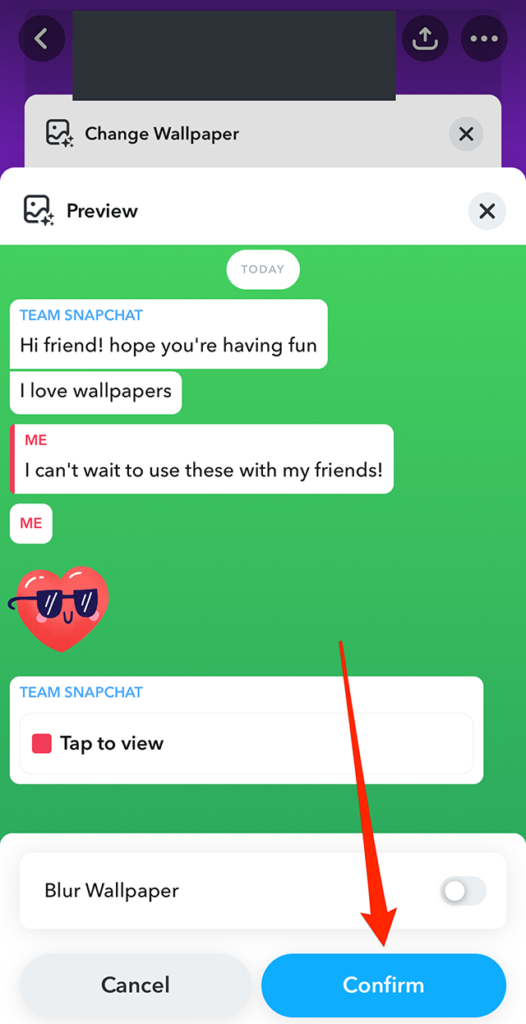
Step 5: Tap the “Confirm” button in the bottom-right corner of the preview window to use the wallpaper you’ve selected, or tap the “Cancel” button to select a different wallpaper. Note: You can tap the toggle to the right of “Blur Wallpaper” near the bottom of the screen if you want Snapchat to blur the wallpaper’s design.
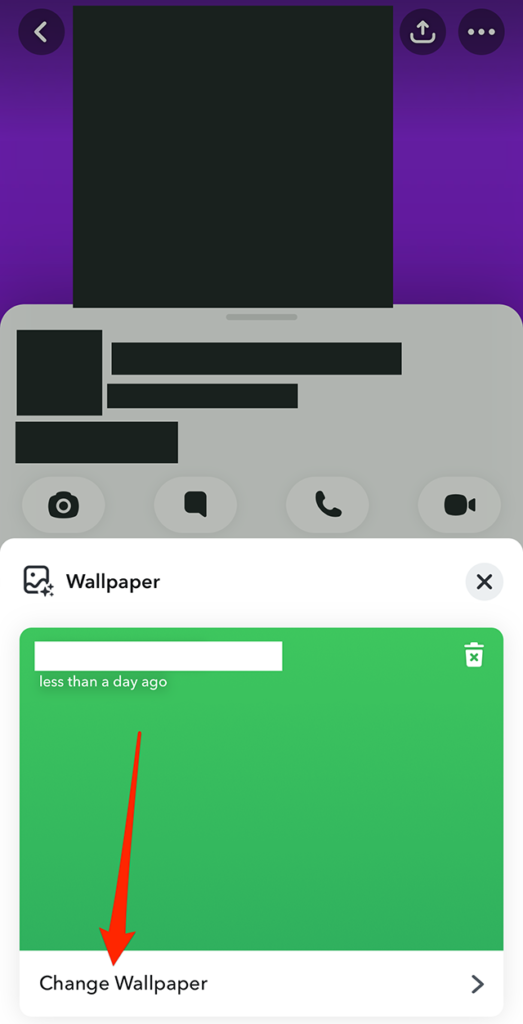
Once you choose a custom wallpaper for a conversation, you can repeat Steps 1-3 to change the wallpaper to a different option in the future. Specifically, after you tap “Wallpaper” on the user’s profile screen, you can tap “Change Wallpaper” on the window that appears to choose a different wallpaper option.
Twitter Blue Enables Video Uploads of Up to 1 Hour
Short-form video? Reels? Shorts? Those are so last week.
Subscription service Twitter Blue is now enabling users to upload videos up to one hour long from the web, at 1080p resolution and a file size of 2 gigabytes, up from 10 minutes at 1080p resolution with a file size limit of 512 megabytes.
The 512 MB limit still applies on Android and iOS.
Twitter said on a support page for sharing videos on its platform, “We strive to maintain the highest possible video quality for all videos uploaded to our platform.
Meta Files Settlement on 2018 Class-Action Suit Over Cambridge Analytica Data Scandal
“We acknowledge no wrongdoing, but here’s $725 million.”
Meta proposed a settlement late Thursday to a 2018 lawsuit over elevations that now-defunct British political consulting outfit Cambridge Analytica improperly obtained access to user data from roughly 87 million people on the platform.
The lawsuit settlement is subject to the approval of a federal judge in San Francisco, and a hearing is set for March 2.
Meta said in a statement that while it did not admit wrongdoing, the settlement was “in the best interest of our community and shareholders. Over the past three years, we revamped our approach to privacy and implemented a comprehensive privacy program.”
Lawyers for the plaintiffs said in the settlement filing that this marked the largest data privacy class-action lawsuit in U.S. history and the most Meta had ever paid to resolve a private class action, adding, “The amount of the recovery is particularly striking given that Facebook argued that its users consented to the practices at issue, and that the class suffered no actual damages.”
Clubhouse: How to Edit Your House’s Recurring Hangout
When a user creates a House on the Clubhouse platform, they can create a recurring hangout (or regularly scheduled meeting) for the House that will occur with their desired frequency, beginning on their desired date and time. For instance, a user could have their recurring hangout take place once per month.
If you ever need to make changes to your House’s recurring hangout, our guide will show you how to change your recurring hangout in the Clubhouse mobile application.
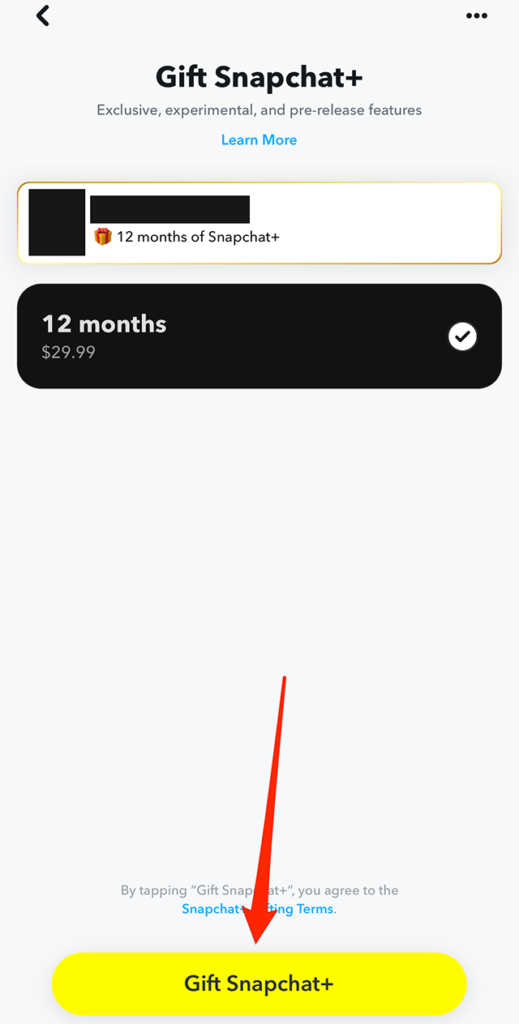
Snapchat now allows users to gift a Snapchat+ subscription to their contacts in the social networking application. Users can purchase a one-year Snapchat+ gift subscription for another Snapchat user for $29.99.
Our guide will show you how to give a Snapchat+ subscription to a friend from within the Snapchat mobile app.
Note: These screenshots were captured in the Snapchat app on iOS.
Step 1: While viewing the Snapchat camera screen, tap your profile picture in the top-left corner of the screen.
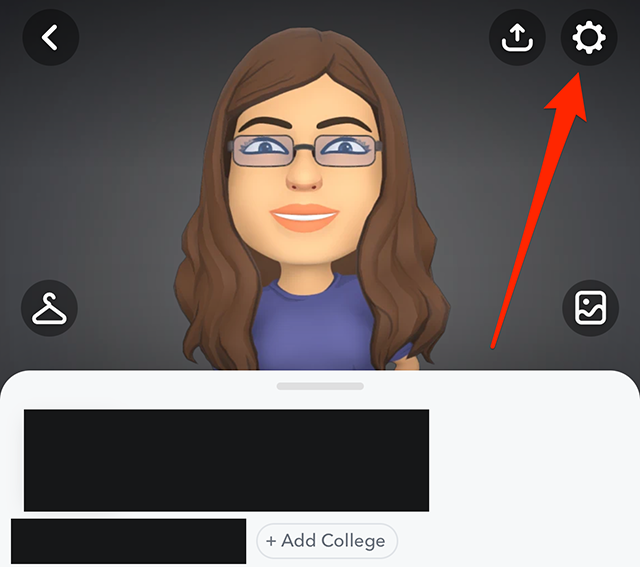
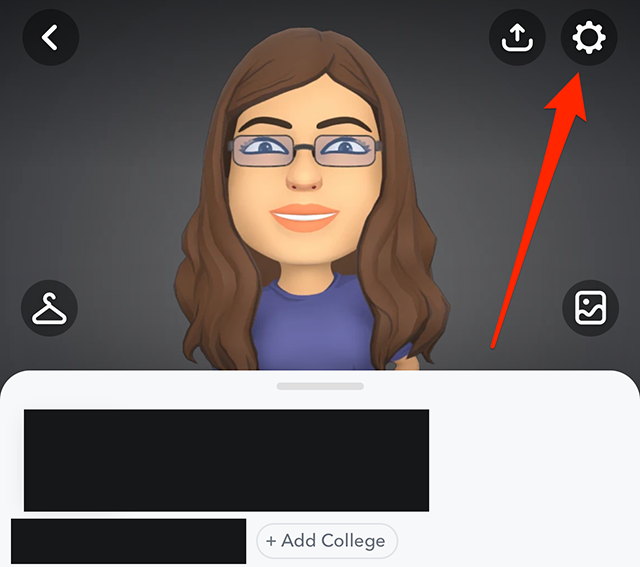
Step 2: Tap the gear icon in the top-right corner of the screen.
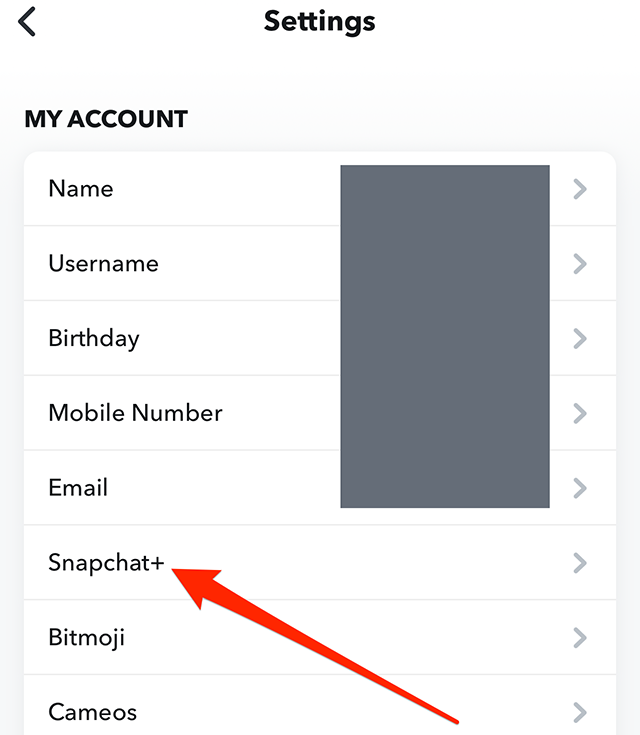
Step 3: Tap “Snapchat+.”
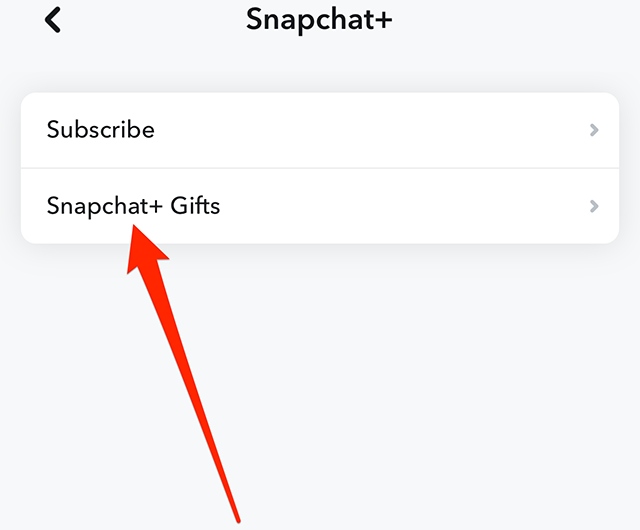
Step 4: Tap “Snapchat+ Gifts.”
Step 5: Tap the friend you want to give the Snapchat+ subscription to. Note: You can tap the search bar near the top of the screen that reads “Find Friends” to search for a friend manually.
Step 6: Tap the yellow “Gift Snapchat+” button at the bottom of the screen.
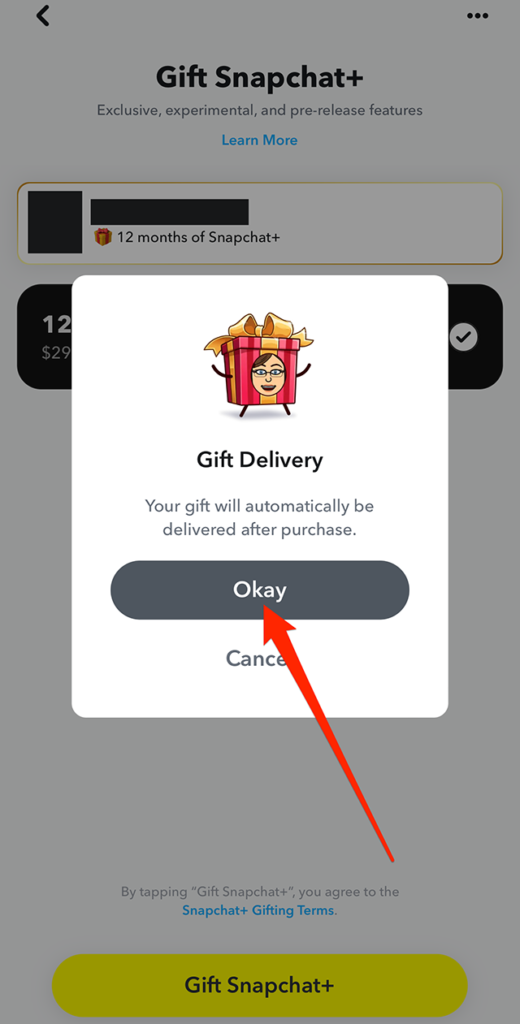
Step 7: Tap the “Okay” button on the window that appears in the center of the screen.
From there, you’ll be able to finalize the purchase on your device.
Report: TikTok Tracked Journalists From FT, BuzzFeed, While Investigating Leaks
It seems that every time TikTok takes one step forward on the path toward earning the trust of users and regulators, the ByteDance-owned video creation application then takes two steps back.
Hannah Murphy of Financial Times reported that four employees on the ByteDance internal audit team—two in China and two in the U.S.—improperly obtained the user data for FT journalist Cristina Criddle, an unnamed BuzzFeed journalist and an unspecified number of users connected to those journalists as part of an investigation into internal leaks.