As more brands pull out of Twitter, SpaceX buys big Twitter ad package

As more brands pull out of Twitter, SpaceX buys big Twitter ad package

Elon Musk has seemingly decided that one way to inspire confidence in Twitter as an advertising platform is to become an advertiser himself. Yesterday, CNBC reported that SpaceX purchased one of Twitter’s premium advertising packages—when typically SpaceX rarely invests in Twitter advertising—as Musk’s other company plans to begin advertising Starlink satellite Internet to customers in Spain and Australia. According to internal documents CNBC reviewed, SpaceX has so far spent $160,000 on the Twitter ad campaign and in total could end up investing up to $250,000.

According to Musk, SpaceX buying this advertising package is nothing special. The CEO of both SpaceX and Twitter took issue with CNBC describing the advertising investment as “large.”

“SpaceX Starlink bought a tiny—not large—ad package to test effectiveness of Twitter advertising in Australia & Spain,” Musk tweeted. “Did same for FB/Insta/Google.”

While Musk more recently has been dealing with Twitter’s advertising woes, it’s true that Musk has also been motivated this year to grow Starlink’s customer base. In February, Forbes reported that Starlink could be generating $25 million a month if there were really 250,000 people using it, which Musk had indicated that there were. That could yield $300 million annually, allowing SpaceX to quickly recoup costs of launching the service, so long as Musk kept finding new customers, Forbes said.

“Clearly there’s a real business here, and additional customers will continue to amortize the company’s costs faster over time,” Forbes reported, crediting Musk with launching premium Internet services that could make up for SpaceX’s debt even faster. Those premium options ranged from SpaceX newly offering $500 per month higher-bandwidth Internet services for rural businesses to most recently unveiling $5,000 per month Internet services for yachts and oil rigs.

Despite SpaceX’s interest in reaching more customers, Twitter has rarely been considered a source of new customers by SpaceX. Current and former SpaceX employees told CNBC that “SpaceX has not typically purchased large advertising packages from Twitter”—until now.

It could be that Musk has newly learned from his position inside the social platform precisely how Twitter could help his other business. Or else perhaps this large advertising buy could be Musk’s way of showing that Twitter is still a viable platform for advertisers, once again putting his money where his mouth is.

SpaceX did not immediately respond to Ars’ request for comment. Twitter has reportedly stopped operating its communications office.

How big was SpaceX’s Twitter advertising package?

Musk has disputed reports commenting on the large size of the advertising package that SpaceX purchased. According to CNBC, the advertising package is a campaign known as a Twitter “takeover.”

There are two kinds of “takeover” packages advertisers can purchase from Twitter. One is a trend takeover, where brands can place an ad next to trending topics. The other is a timeline takeover, where brands are assured their ads will be at the top of timelines. A timeline takeover makes it so that a brand’s ad is the first ad that users see when they log in.

CNBC reported that SpaceX purchased the timeline takeover, which Twitter describes in its marketing materials as “the equivalent to a primetime TV ad or a billboard in a location where millions of people will see your brand’s ad.”

Musk said that the approximately $160,000 that SpaceX spent is “tiny” in his books, but in terms of how Twitter describes its own advertising packages, the timeline takeover does seem to be among the biggest ad packages that SpaceX could have bought. On one of Twitter’s business pages, Twitter describes the takeover as granting advertisers access to “the most premium, mass-reach placements.”

As CNBC noted, regardless of whether the SpaceX advertising investment is considered small or large, it’s not big enough to make up for all the advertisers withdrawing from Twitter. For someone like Musk who’s forced to look at the big picture, it probably does seem quite small.

Musk insists that SpaceX has invested in advertising for Starlink across all the major social platforms, and so it’s possible that SpaceX doing such big business with Twitter for the first time has little to do with Musk owning the platform and more to do with a larger bid now to drive Starlink’s growth by any means possible.

Adjusting to his new Twitter role publicly, Musk continues to show that he seems to have little understanding of what Twitter’s marketing value is, despite SpaceX becoming one of Twitter’s biggest advertisers. Many social media managers scoffed when Musk tweeted and then deleted a tweet claiming that “Twitter drives a massive number of clicks to other websites/apps. Biggest click driver on the Internet by far.” Before Musk’s tweet was deleted, Twitter users added context, fact-checking Musk and clarifying that Twitter drives the least amount of clicks compared to other social networks.

One well-known former employee who worked at Twitter from 2009 to 2014, Claire Diaz-Ortiz—perhaps best known for getting the Pope to join Twitter—joined those calling Musk out for “lies.”

“This is 100 percent false, and Twitter knows it,” Diaz-Ortiz tweeted, clarifying that Twitter doesn’t sell ads on clicks, because it knows it can’t compete with platforms like Facebook as a traffic driver. “Twitter has other key strengths. (And marketing is way more than clicks),” she said, schooling Twitter’s new owner.

https://arstechnica.com/?p=1897737


Musk trolls senator demanding answers on Twitter fake-account scandal

Musk trolls senator demanding answers on Twitter fake-account scandal

Unlike brands like Nintendo and Eli Lilly, Senator Ed Markey (D-Mass.) knew who was behind the parody account recently impersonating the lawmaker on Twitter. Washington Post reporter Geoffrey Fowler had asked permission to create the fake Markey account, part of the reporter’s quest to see how hard it could really be to impersonate a public official under Elon Musk’s new paid verification system.

What Fowler found was that it wasn’t hard at all to launch a fake Markey account. As soon as Fowler confirmed the ease with which any public official could be impersonated, an outraged Markey used his real Twitter account to call out Musk for allowing the impersonation because he favors “putting profits over people and his debt over stopping disinformation.”

Musk took almost two days to respond to Markey, opting to troll the Senator rather than take the complaint seriously.

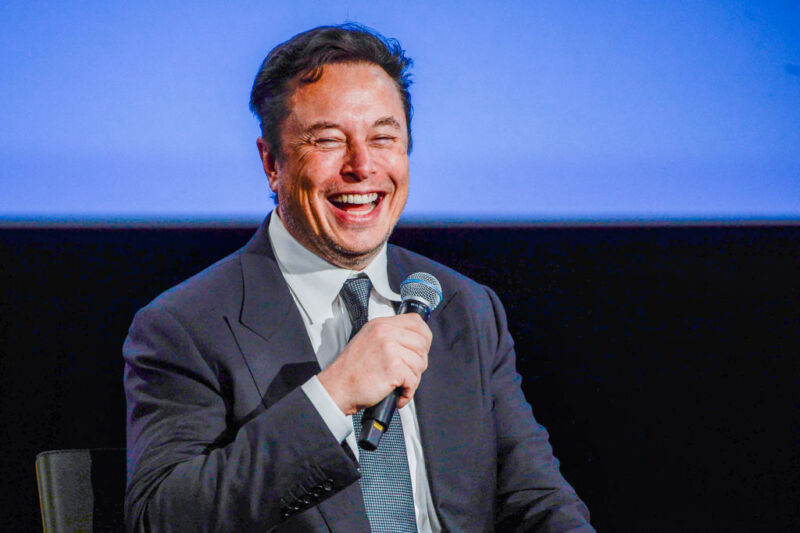
“Perhaps it is because your real account sounds like a parody?” Musk tweeted.

The fake Markey account has been taken down, but that clearly did not settle the matter, and now Musk poking fun at the senator could have consequences that go beyond a tweet thread.

Markey has chosen to wield a bigger platform than the one Musk owns to compel answers from Musk on the fake account fiasco of the past week. Attached to Markey’s tweet was an official letter the senator wrote to Musk, demanding that Musk provide answers to Markey’s key questions about Twitter by the day after Thanksgiving. Some of Markey’s questions are ones that everyone has been wondering since Musk’s Twitter Blue rollout failed so spectacularly that it had to be paused.

Markey’s list of questions for Musk includes an attempt to get details on how exactly the paid-for blue checkmark verification differs from the original verification process. Also, perhaps more importantly, he asks Musk if the paid verification system will be coming back.

What Markey really wants to know is whether Twitter ever had some sort of internal process planned to distinguish between fake accounts and real ones. If Musk says that they did, Markey wants to know why The Post reporter was able to create a fake account in spite of those processes. If Musk says they did not, Markey wants to know if any new verification system that Musk has plans to reintroduce will have an internal process to prevent fake accounts from ever getting that deceptive blue tick.

Markey’s letter asks Musk to respond by November 25, reminding Musk that “[a]llowing an imposter to impersonate a US Senator on Twitter is a serious matter that you need to address promptly.”

Markey did not immediately respond to Ars’ request for comment, and Twitter’s communications department has reportedly been shuttered.

Markey adds to scrutiny on Musk’s Twitter deal

After Musk’s flippant response to Markey’s call out, Markey pushed back, tweeting, “One of your companies is under an FTC consent decree. Auto safety watchdog NHTSA is investigating another for killing people. And you’re spending your time picking fights online. Fix your companies. Or Congress will.”

In his letter, Markey said that Musk’s changes to Twitter verification risks undermining “the ability for users to be critical consumers of news and information on the platform, including from public officials,” which risks “the spread of disinformation.”

As Markey pointed out, Musk already faces federal scrutiny from the FTC, and last week, US President Joe Biden suggested that Musk’s Twitter purchase “is worthy of being looked at,” due to national security concerns over Musk’s ties to foreign countries. Ruffling Markey’s feathers doesn’t seem to do Musk any favors as scrutiny compounds—especially since Markey sits on the Senate Commerce committee and already has a reputation as a formidable tech industry watchdog.

https://arstechnica.com/?p=1897605


For many disabled patients, the doctor is often not in

For many disabled patients, the doctor is often not in

Ben Salentine, associate director of health sciences managed care at the University of Illinois Hospital and Health Sciences System, hasn’t been weighed in more than a decade. His doctors “just kind of guess,” his weight, he said, because they don’t have a wheelchair-accessible scale.

He’s far from alone. Many people with disabilities describe challenges in finding physicians prepared to care for them. “You would assume that medical spaces would be the most accessible places there are, and they’re not,” said Angel Miles, a rehabilitation program specialist with the Administration for Community Living, part of the U.S. Department of Health and Human Services.

Not only do clinics often lack the necessary equipment—such as scales that can accommodate people who use wheelchairs — but at least some physicians actively avoid patients with disabilities, using excuses such as “I’m not taking new patients,” or “you need a specialist,” according to a paper in the October 2022 issue of Health Affairs.

The work, which analyzed focus group discussions with 22 physicians, adds context to a larger study published February 2021, also in Health Affairs, that showed only 56 percent of doctors strongly welcomed patients with disabilities into their practice. Less than half were confident or very confident that they could provide the same quality of care to people with disabilities as they could to other patients. The studies add to a larger body of research suggesting that patients with a variety of conditions that doctors may deem more difficult to treat often struggle to find quality care. The Americans with Disabilities Act of 1990, or ADA, theoretically protects the one in four adults in the United States with a disability from discrimination in public and private medical practice, but enforcing it is a challenge.

Laura VanPuymbrouck, an assistant professor in the Department of Occupational Therapy at Rush University, said the 2021 survey was “groundbreaking. It was the crack that broke the dam a little bit.” Now, researchers are hoping that medical schools, payers, and the group that accredits hospitals, the Joint Commission, will push health care providers for more equitable care.

Information about the health care of people with disabilities is limited, due in part to scant data, according to Tara Lagu, co-author of both the 2021 and 2022 papers and director of the Institute for Public Health and Medicine’s Center for Health Services & Outcomes Research at the Feinberg School of Medicine at Northwestern University. The few studies that have been done suggest that people with disabilities get less preventive care and have worse outcomes than their non-disabled counterparts.

About a decade ago, Lagu was discharging a patient who was partially paralyzed and used a wheelchair. The patient’s discharge notes repeatedly recommended an appointment with a specialist, but it hadn’t happened. Lagu asked why. Eventually, the patient’s adult daughter told Lagu that she hadn’t been able to find a specialist who would see a patient in a wheelchair. Incredulous, Lagu started making calls. “I could not find that kind of doctor within 100 miles of her house who would see her unless she came in an ambulance and was transferred to an exam table by EMS,” she said, “which would have cost her family more than $1,000 out of pocket.”

In recent years, studies have shown that even when patients with disabilities can see physicians, their doctors’ biases toward conditions like obesity, intellectual disabilities, and substance use disorders can have profound impacts on the care they receive. Physicians may assume an individual’s symptoms are caused by obesity and tell them to lose weight before considering tests.

For one patient, this meant a seriously delayed diagnosis of lung cancer. Patients with mobility or intellectual challenges are assumed to be celibate, so their providers skip any discussion of sexual health. Those in wheelchairs may not get weighed, even if they’re pregnant, a time when tracking one’s weight is especially important because gaining too little or too much weight can put the baby at risk of developmental delays or the mother at risk of complications during delivery.

These issues are well-known to Lisa Iezzoni, a health policy researcher at Massachusetts General Hospital and professor of medicine at Harvard Medical School. Over the past 25 years, Iezzoni has interviewed about 300 people with disabilities for her research into their health care experiences and outcomes, and she realized that “every single person with a disability tells me their doctors don’t respect them, has erroneous assumptions about them, or is clueless about how to provide care.” In 2016 she decided it was time to talk to doctors. Once the NIH funded the work, she and Lagu recruited the 714 physicians that took the survey for the work published in 2021 in Health Affairs.

Not only did many doctors report feeling incapable of properly caring for people with disabilities, but the vast majority held the false belief that those patients have a worse quality of life, which could lead to offering fewer treatment options.

During that study, Iezzoni’s team recorded three focus group discussions with 22 anonymous physicians. While the open-ended discussions weren’t included in the initial publication, Lagu said she was “completely shocked” by some of the comments. While some doctors in the focus groups welcomed the idea of additional education to help them better care for patients with disabilities, others said they were overburdened and that the typical 15-minutes allotted for office visits is not enough to provide the patients with proper care. Still others “started to describe that they felt these patients were a burden and that they would discharge patients with disability from their practice,” she said. “We had to write it up.”

The American Medical Association, which is the largest professional organization representing doctors, declined an interview request from Undark, and would not offer comments on the two Health Affairs studies. When asked about the organization’s policies on caring for patients with disabilities, a representative pointed to the AMA’s strategic plan, which includes a commitment to equity.

https://arstechnica.com/?p=1897136


“Dark ships” emerge from the shadow of the Nord Stream pipeline mystery

“Dark ships” emerge from the shadow of the Nord Stream pipeline mystery
Swedish Coast Guard/Getty Images

The first gas leaks on the Nord Stream 2 pipeline in the Baltic Sea were detected in the early hours of September 26, pouring up to 400,000 tons of methane into the atmosphere. Officials immediately suspected sabotage of the international pipeline. New analysis seen by WIRED shows that two large ships, with their trackers off, appeared around the leak sites in the days immediately before they were detected.

According to the analysis by satellite data monitoring firm SpaceKnow, the two “dark ships,” each measuring around 95 to 130 meters long, passed within several miles of the Nord Stream 2 leak sites. “We have detected some dark ships, meaning vessels that were of a significant size, that were passing through that area of interest,” says Jerry Javornicky, the CEO and cofounder of SpaceKnow. “They had their beacons off, meaning there was no information about their movement, and they were trying to keep their location information and general information hidden from the world,” Javornicky adds.

The discovery, which was made by analyzing images from multiple satellites, is likely to further increase speculation about the cause of the blasts. Multiple countries investigating the incident believe the Nord Stream 1 and 2 pipelines were rocked by a series of explosions, with many suspicions directed at Russia as its full-scale invasion of Ukraine continues. (Russia has denied its involvement.) Once SpaceKnow identified the ships, it reported its findings to officials at NATO, who are investigating the Nord Stream incidents. Javornicky says NATO officials asked the company to provide more information.

NATO spokesperson Oana Lungescu says it does not comment on the “details of our support or the sources used” but confirmed that NATO believes the incident was a “deliberate and irresponsible act of sabotage” and it has increased its presence in the Baltic and North Seas. However, a NATO official, who did not have permission to speak publicly, confirmed to WIRED that NATO had received SpaceKnow’s data and said satellite imagery can prove useful for its investigations.

To detect the ships, Javornicky says, the company scoured 90 days of archived satellite images for the area. The company analyzes images from multiple satellite systems—including paid and free services—and uses machine learning to detect objects within them. This includes the ability to monitor roads, buildings, and changes in landscapes. “We have 38 specific algorithms that can detect military equipment,” Javornicky says, adding that SpaceKnow’s system can detect specific models of aircraft on landing strips.

https://arstechnica.com/?p=1897100


Musk proposes turning Twitter into a bank to avoid bankruptcy

Musk proposes turning Twitter into a bank to avoid bankruptcy

Confidence in Twitter has hit what might be an all-time low just two weeks into Elon Musk’s tenure as owner. Yesterday on a call, Musk told Twitter staff that bankruptcy is a real possibility, as next year Twitter could face billions more in losses.

The Verge posted a full transcript of Musk’s staff meeting, where different employees attempted to find out what their priorities should be to help Musk keep Twitter afloat as the economy remains unstable. Musk kept his responses brief and said top priorities included growing Twitter’s user base by 1 billion (while critically monetizing more users), compensating creators on the platform, and improving Twitter search. In short, he asked his remaining team members to go “hardcore” to make Twitter “more compelling,” so he can sell that product to users, or else resign. One of his biggest and out-there ideas, which he says is “definitely happening,” is tweaking Twitter to become a digital payments platform.

“If you have a compelling product, people will buy it,” Musk told staff. “That has been my experience at SpaceX and Tesla.”

Musk’s brutal honesty about a potential Twitter bankruptcy has increased doubts that the platform will survive Musk’s leadership style. In addition to dipping Twitter into debt by $13 billion when he bought it, then losing $4 million a day in ad revenue, Musk now has to deal with interest payments that Reuters reported will total “close to $1.2 billion in the next 12 months.”

Those interest payments, Reuters said, would amount to more than Twitter’s most recently disclosed cash flow of $1.1 billion in June. And Musk’s team seems to be well aware of this risk, feeling pressured to perform well and asking Musk how he plans to address the cash flow problem.

“We just definitely need to bring in more cash than we spend,” Musk replied. “If we don’t do that and there’s a massive negative cash flow, then bankruptcy is not out of the question.”

The world’s richest man facing bankruptcy sounds almost as absurd as some of the best parody accounts trolling users on Twitter today, and some wonder if Musk is throwing the term around as a way to stir up staff that feels connected to the platform they built. Bloomberg noted that Musk has used “the threat of financial ruin” in the past to motivate his employees. “He’s trying to convey the notion that if people don’t work hard, Twitter will be left in a very difficult spot,” a person familiar with Musk’s management style told Bloomberg.

Of course, the threat of bankruptcy affects more than just staff. Bloomberg said that debt investors and credit raters were just as concerned by Musk’s statements, sending inquiries to hedge funds and asset managers to see if anyone wants to buy out some of Twitter’s debt at much lower rates. Banks that helped finance Twitter through $6.5 billion in leveraged loans could face billions in losses, Bloomberg’s calculations show.

As banks weigh available options amid Twitter’s bleak finances, Musk continues pouring money into Twitter, selling $4 billion in Tesla stock to “save” Twitter, The New York Times reported.

https://arstechnica.com/?p=1897185


Twitter quietly drops $8 paid verification; “tricking people not OK,” Musk says

Twitter quietly drops $8 paid verification; “tricking people not OK,” Musk says

When a wave of imposter accounts began using the verified checkmarks from Twitter’s Blue paid subscription service to post misleading tweets while pretending to be some of the world’s biggest brands, it created so much chaos that Elon Musk seemingly had no choice but to revoke the paid checkmarks entirely.

“Basically, tricking people is not OK,” Musk tweeted, as some users began reporting that the option to pay $7.99 for a Twitter Blue subscription had disappeared, while others who had been verified previously found that their “Official” blue checkmarks had been reinstated.

Reuters reported that Twitter announced today that it had reinstated the “Official” badges on some accounts, but because Twitter has no communications department (according to The Verge), it’s difficult to verify if paid verification is actually gone for good or just temporarily disabled. According to the tech site Platformer’s managing editor Zoe Schiffer, this message was posted in the Twitter Slack to clarify: “An update on what we did tonight: hid the entry point to Twitter Blue, added the ‘official’ label for ONLY advertisers. Note: here is at least one way for users to sign up for Blue. Legacy Blue users can go to subscriptions and upgrade. Note 2: Existing Blue subscribers will still have access to their Blue features.”

Among those seeking answers about the status of Twitter Blue was tech blogger Jane Manchun Wong, who tweeted, “Checked with Twitter’s API and the in-app purchase for Twitter Blue Verified is no longer listed for production.”

Musk had previously attempted to combat impersonation via Twitter Blue by rolling out “Official” labels for companies, organizations, and notable people, but when that didn’t work, Musk quickly “killed” the labels.

The revamped Twitter Blue seemed to be the one idea that Musk most believed in, expecting that the coveted checkmark could be sold to half of Twitter’s user base seemingly easily. He wasn’t wrong that there would be interest, but in some tweets, he did joke that part of his strategy was in taking easy money from people who want to impersonate accounts. Anyone who pays for a checkmark risks permanent suspension if their account isn’t clearly labeled “parody” in the name, Musk now says, and no refunds will be given.

When The Verge Senior Editor Tom Warren tweeted a widely shared image of Mario flipping the bird from a parody account, the owner of an account called @gaslabu, which has 75 followers and paid to be verified by Twitter Blue, responded, “The beauty of this is each account that gets verified paid $8. Twitter keeps the money and suspends the account. It’s genius and I hope more folks do this. It’s free money for Twitter.” Musk then replied to @gaslabu with a string of emojis: the bullseye, a smiley face with sunglasses, and a money bag.

With Twitter losing advertising revenue, it seems that if Musk’s strategy was to boost profits by charging and suspending tons of fake accounts, it did not pay off. Musk has tweeted that he expects to put Twitter users through chaotic trial-and-error phases as he figures out what works and what doesn’t.

The billionaire is portraying himself as laughing along with those retweeting “epically funny tweets” from these controversial parody accounts—accounts that Twitter has not yet proven it can quickly catch and suspend before damage is done to major brands.

However, while Twitter has possibly never been funnier, Musk knows that not every user relying on Twitter Blue to sow confusion through brand impersonation has been posting “epically funny” jokes. One of the most disturbing fake posts yesterday was an account impersonating the pharmaceutical brand Eli Lilly, falsely telling people with diabetes that insulin is now free. The actual brand had to tweet an apology after the fake account was retweeted thousands of times, including by those who seemingly believed the news was true. This is where Musk apparently draws the line with “tricking” Twitter users. Soon after, the jokes resumed, with another fake account mimicking the official Eli Lilly account’s apology tweet, using similar phrasing to mock the brand for charging $400 for its insulin.

The only way to end the spiral was to revoke paid verification, it seems, but it’s hard to imagine Musk has regained control of the platform by rolling back his first big idea to monetize Twitter.

Yesterday, more key executives fled Twitter in the midst of the failed Twitter Blue rollout, including Yoel Roth, the top executive managing Twitter integrity. It was rumored that sales leader Robin Wheeler also resigned, but as of Thursday night, she tweeted, “I’m still here.” Meanwhile, Musk continues tweeting that everything is fine and that Twitter users are logging on at rates hitting all-time highs—likely due to this spectacle.

https://arstechnica.com/?p=1897013


Game over for FTX as CEO-founder quits and company files for bankruptcy

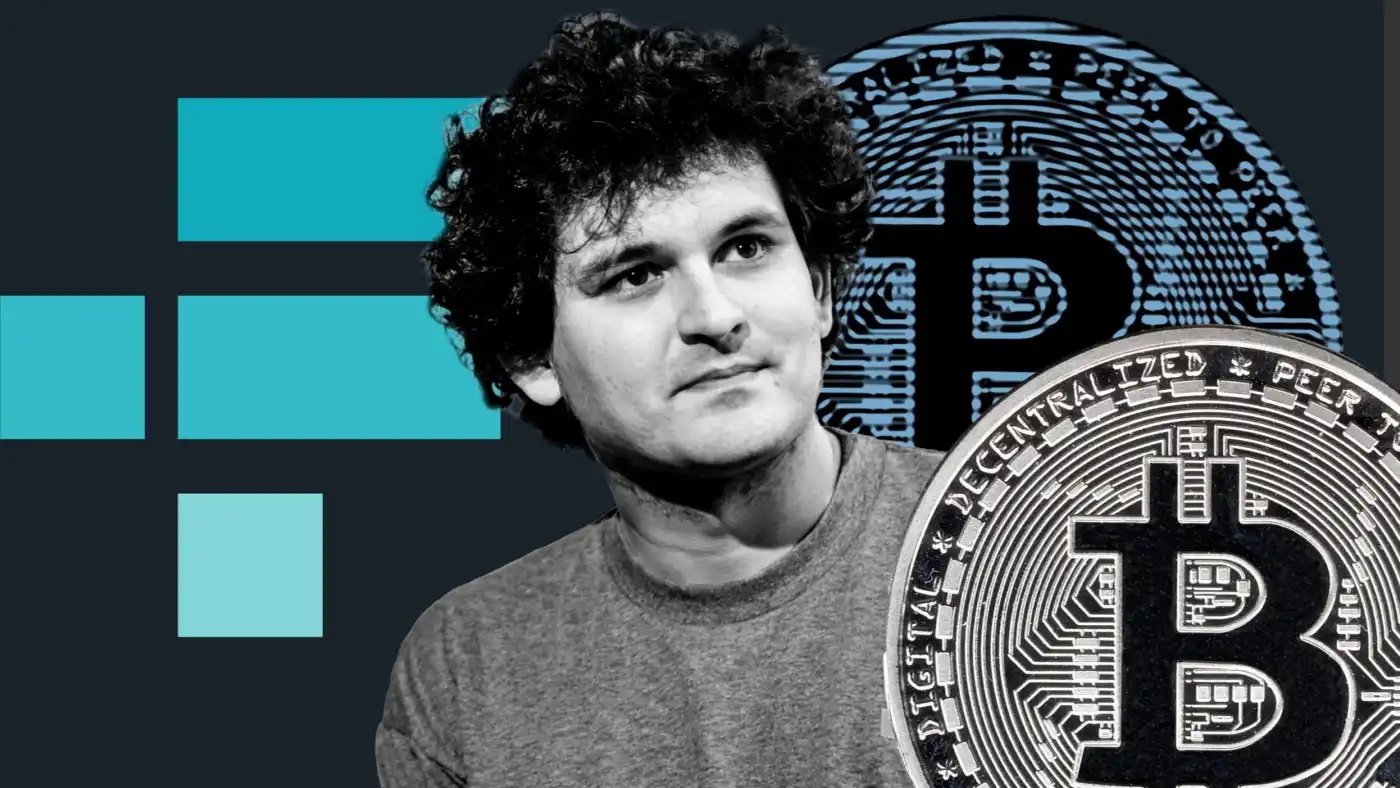
Sam Bankman-Fried, the founder and chief executive of FTX, has resigned.
Enlarge / Sam Bankman-Fried, the founder and chief executive of FTX, has resigned.
Financial Times

FTX has filed for bankruptcy protection in the US after it was unable to meet a torrent of withdrawals, marking a stunning collapse for Sam Bankman-Fried’s crypto empire that was valued at $32 billion just months ago.

The filing in a federal court in Delaware on Friday includes FTX’s US entity, Bankman-Fried’s proprietary trading group Alameda Research, and about 130 affiliated companies.

The collapse of FTX comes after a whirlwind 10 days in which Bankman-Fried desperately sought billions of dollars to save his company after customers rushed to pull their assets out of the business following concerns surrounding its financial health and links between the exchange and Alameda, also founded by Bankman-Fried.

Bankman-Fried also resigned as chief executive and will be replaced by John J Ray III, a restructuring specialist who oversaw the Enron and Nortel Networks bankruptcy cases.

“The immediate relief of Chapter 11 is appropriate to provide the FTX Group the opportunity to assess its situation and develop a process to maximize recoveries for stakeholders,” Ray said, adding that the company had “valuable assets that can only be effectively administered in an organized, joint process.”

Bankman-Fried will “remain to assist in an orderly transition,” FTX said in a statement on Friday.

In just over three years, FTX had secured a $32 billion valuation and had wooed a roster of blue-chip investors including Paradigm, SoftBank, Sequoia Capital, and Singapore’s Temasek. Venture capital firms Sequoia and Paradigm have in recent days marked their investment down to zero.

Bankman-Fried, who was one of crypto’s most known faces, had in recent days sought $6 billion to $8 billion to stem a liquidity crunch. The 30-year-old had apologized on Thursday for the crisis that engulfed his company: “I’m sorry. That’s the biggest thing. I fucked up, and should have done better.”

FTX Digital Markets Ltd, the group’s Bahamian subsidiary, is not included in the bankruptcy proceedings. The Securities Commission of The Bahamas took action on Thursday against the entity. No assets belonging to the subsidiary can be transferred without the approval of a provisional liquidator.

LedgerX, a regulated US futures exchange, and a subsidiary in Australia are among other units not included in the filing. The group’s Australian business was placed into administration while Japanese watchdogs indefinitely suspended local operations of FTX’s international platform.

© 2022 The Financial Times Ltd. All rights reserved. Not to be redistributed, copied, or modified in any way.

https://arstechnica.com/?p=1897035


California climate measure fails after “green” governor opposed it

California climate measure fails after “green” governor opposed it

The only statewide climate measure on California’s ballot Tuesday failed, even though it would have raised billions to help meet the state’s ambitious greenhouse gas emissions reduction targets by subsidizing electric vehicles and charging infrastructure, among other things. Its downfall resulted largely from the high-profile opposition of Gov. Gavin Newsom, who has arguably worked harder than any other governor to position himself as a climate leader.

Official ballot materials said Proposition 30 would provide funding for programs to reduce air pollution and prevent wildfires by increasing tax on personal income over $2 million. The roughly 35,000 Californians who make more than $2 million would have been required to pay an additional 1.75 percent on income above that amount.

The tax on these high-income earners—0.08 percent of Californians—would raise about $3.5 billion to $5 billion annually, according to the state’s Legislative Analyst’s Office.

A statewide poll conducted in September by the nonpartisan Public Policy Institute of California, or PPIC, found that 55 percent of likely voters would vote yes on Prop 30, 40 percent would vote no, and 5 percent weren’t sure.

Then ads featuring Newsom calling Prop 30 a “trojan horse” started hitting TV and computer screens. “Fellow Californians, I need to warn you about Proposition 30, one company’s cynical scheme to grab a huge taxpayer-funded subsidy,” Newsom said in one TV spot. The words “Warning” and “Don’t Be Fooled” appeared in big letters behind the governor.

“Prop 30 is being advertised as a climate initiative but in reality it was devised by a single corporation to funnel state income taxes to benefit their company,” he said.

[embedded content]

The “single corporation,” excerpted text behind Newsom made clear, is Lyft, the measure’s top funder. Ride-sharing companies like Lyft must electrify 90 percent of the miles driven by their fleets by 2030 as part of the state’s climate targets.

Newsom’s campaign against Prop 30 worked. A month after his ad blitz, support for the measure dropped to 41 percent, with 52 percent opposed and 7 percent undecided, a statewide PPIC poll found just one month after finding majority support.

The main thing that happened to boost the no side between the two polls was a governor with favorable approval ratings coming out against the proposition, said PPIC president and CEO Mark Baldassare. And most of what the no side had to say came from the governor saying, “I’m against this, we’ve already taken care of this, don’t be fooled.”

Once people hear things like “Don’t be fooled,” even for things they support, it’s relatively easy for them to vote no, Baldassare said.

It doesn’t matter if they’re in favor of electric vehicle funding and taxing millionaires, he added. “If there’s any sense that there’s either confusion or uncertainty on the voters’ part for initiatives, it’s really easy for people to say no. That’s why historically only about a third of initiatives pass.”

Eighty percent of Democrats were supporting Prop 30 in the first PPIC poll before the governor came out against it, Baldassare said. “I think that just raised doubts for enough people, and gave them reason to pause and think, ‘Why do I want to support this?’”

Leading the opposition

Newsom tops the list of opposition funders, with his ballot committee and campaign donating more than $1.8 million to defeat the measure, according to state campaign finance filings.

Lyft donated the lion’s share of the $50 million supporting the proposition, along with members of a clean air coalition led by California Environmental Voters with support from the state Democratic Party.

Despite the opposition’s rhetoric, nothing in the language of the proposition steers money toward Lyft, said Bill Magavern, policy director for the Coalition for Clean Air, which backed Prop 30. “That is a hoax that was perpetrated by the opposition. There was nothing in there to favor a special interest.”

Someone who drives for Lyft right now is eligible for a rebate to buy an EV like anyone else, said Magavern. “The measure would not have changed that.”

Plus, the money for vehicle rebates would have gone to the California Air Resources Board, or CARB, which regulates greenhouse gases, and the agency would then have discretion over how to spend it, Magavern said.

What’s more, supporters say, it wasn’t Lyft but environmental groups that came up with the idea for the proposition, which they did long before the ride-hailing company got involved.

Several environmental groups began serious discussions a few years ago about putting a measure on the ballot, Magavern said, “to really do the job of cleaning up transportation in California.”

Transportation accounts for about half of the state’s greenhouse gas emissions, almost 80 percent of toxic nitrogen oxide pollution, and 90 percent of particulate pollution from diesel engines, according to the state energy commission. Nitrogen oxide and particulate matter cause serious health problems by damaging the lungs and heart.

https://arstechnica.com/?p=1897004


Twitter security execs quit amid worries that Musk will violate FTC settlement

Twitter logo displayed on a cracked phone screen is seen through broken glass
Getty Images | NurPhoto

Some of Twitter’s top privacy and security executives resigned this week amid worries that Elon Musk’s rapid changes may cause violations of the company’s recent settlement with the Federal Trade Commission.

“The privacy staffers said they were most concerned by the rapid rollout of new features without the full security reviews that the FTC consent decree requires,” The Washington Post reported in a story about the departures today.

Chief Information Security Officer Lea Kissner confirmed leaving the company in a tweet. Chief Privacy Officer Damien Kieran and Chief Compliance Officer Marianne Fogarty also resigned, according to news reports.

The FTC said it’s keeping track of what’s going on at Twitter. “We are tracking recent developments at Twitter with deep concern,” an FTC spokesperson said in a statement to The Hill and other news outlets. “No CEO or company is above the law, and companies must follow our consent decrees. Our revised consent order gives us new tools to ensure compliance, and we are prepared to use them.”

Recent FTC order opens Twitter to compliance risk

Twitter reached a new settlement with the FTC in May 2022, agreeing to pay a $150 million penalty for targeting ads at users with phone numbers and email addresses collected from those users when they enabled two-factor authentication. The FTC said the ad-targeting violated the terms of Twitter’s 2011 settlement with the FTC, which “explicitly prohibited the company from misrepresenting its privacy and security practices.”

The FTC also said it was requiring “substantial new compliance measures” to “help prevent further misleading tactics that threaten users’ privacy.” The settlement requires assessments of risks to privacy, security, and confidentiality before Twitter launches new or modified products and services.

Another requirement is that Twitter must submit a compliance notice within 14 days after a merger. That means the company has to give the FTC a compliance notice triggered by the Musk purchase today if it hasn’t already done so.

Musk’s quick changes risk violating Twitter’s deal with the FTC, a company lawyer reportedly warned in an internal Slack message that was viewable by Twitter’s entire staff. The Verge published the Slack message, saying it was posted by an attorney on the company’s privacy team.

“Musk’s new legal department is now asking engineers to ‘self-certify’ compliance with FTC rules and other privacy laws, according to the lawyer’s note and another employee familiar with the matter, who requested anonymity to speak without the company’s permission,” The Verge wrote.

Musk last week laid off about 3,700 employees, about half of Twitter’s staff.

Attorney warns Twitter engineers of legal risk

Submissions to the FTC required by the May 2022 consent decree are made under penalty of perjury. As Mike Masnick pointed out on TechDirt, “Anyone working in Twitter needs to know that ‘self-certifying’ something that violates the FTC’s consent decree may be tied to a prison sentence and huge fines. This is not how any of this should be working.”

The Twitter lawyer’s internal message reads in part:

This will put huge amount of personal, professional and legal risk onto engineers: I anticipate that all of you will [b]e pressured by management into pushing out changes that will likely lead to major incidents.

All of this is extremely dangerous for our users. Also, given that the FTC can (and will!) fine Twitter BILLIONS of dollars pursuant to the FTC Consent Order, extremely detrimental to Twitter’s longevity as a platform. Our users deserve so much better than this.

The Verge also paraphrased another anonymous employee as saying that this week’s launch of the revamped Twitter Blue subscription “disregarded the company’s normal privacy and security review” in which a “red team” reviews potential risks before launch. “None of the red team’s recommendations were implemented before Twitter Blue’s relaunch, the employee said,” according to The Verge report.

The Twitter Blue changes make it possible to pay $8 a month for the blue checkmarks that were previously reserved for accounts that Twitter verified as being real and notable.

The Washington Post quoted former FTC official David Vladeck as saying the executive departures and general chaos at Twitter raise questions about whether “compliance requirements are going to fall through the cracks.” Vladeck, who was director of the FTC Bureau of Consumer Protection when the 2011 settlement was reached, said another violation would trigger much bigger fines than the $150 million one from earlier this year.

“There would be some very significant multiple of the last fine,” the Post quoted Vladeck as saying.

Go to discussion…

https://arstechnica.com/?p=1896722


Apple and Amazon colluded to raise iPhone and iPad prices, class action claims

A class-action lawsuit claims that Apple products, like the iPad mini, are sold almost exclusively by Amazon itself on its own marketplace, harming customers' ability to pay less in a competitive market.
Enlarge / A class-action lawsuit claims that Apple products, like the iPad mini, are sold almost exclusively by Amazon itself on its own marketplace, harming customers’ ability to pay less in a competitive market.
Getty Images

In early 2018, there were more than 600 companies you could buy Apple products from on Amazon’s marketplace, including independent refurbishers, usually at lower prices than Apple’s own. By July 2019, there were only seven, and a class-action lawsuit says that was the result of an unlawful agreement between the tech giants.

The lawsuit (PDF) was filed Wednesday in federal court in Seattle by law firm Hagens Berman on behalf of Steven Floyd. Floyd is a Pennsylvania man who bought an iPad on Amazon for $320 in early 2021 and was denied “a lower price which would have been the case in a normal competitive market,” the suit alleges.

Hagens Berman should be a familiar name to Apple’s counsel and close watchers of the company’s legal history. The firm sued Apple over scratched iPod nano cases in 2005 and ebook price-fixing in 2011 and brokered a settlement for smaller iOS developers in the App Store in 2021. Hagens Berman was also involved in a complicated lawsuit involving iOS touchscreen patents that involved Apple accusing the firm of secretly leaning on an “extra attorney.”

The suit largely concerns Apple and Amazon’s agreement in November 2018, one widely reported, that allowed Amazon to directly sell Apple products through its marketplace, while also requiring any other firm to get Apple’s permission to sell its products on the site after January 2019. This had the effect of killing a major outlet for refurbished Apple goods, which tend to hold their value much better in used and refurbished form than most other electronics.

It was also, the suit claims, “an unlawful horizontal agreement between Apple and Amazon to eliminate or at least severely reduce the competitive threat posed by third-party merchants.” That agreement is “naked restraint” and unlawful under the Sherman Act, the suit claims.

The benefits to this collusion, according to the suit, were that Amazon received “consistent supplies at a discount of up to 10%” if it kept unauthorized resellers off its store and instantly became the leading vendor of Apple products on its site. Apple, meanwhile, eliminated the “active price competition” that was undercutting its own retail prices, the suit alleges. Prior to the agreement, discounted prices for iPhones and iPads from third-party vendors on Amazon could be 20 percent or more, an attorney for Hagens Berman stated in a blog post.

This same agreement has previously drawn fines from Italy’s competition authority for restricting the firms that can sell Beats headphones in Amazon’s Italian store.

Neither Apple nor Amazon has addressed the lawsuit’s claims as of this writing. Hagens Berman is seeking people who bought an iPhone or iPad from Amazon through the standard “Buy Box” to enroll in its class. Damages were not specified in the suit, though it seeks a jury trial and numerous forms of injunctive relief under antitrust statutes.

Go to discussion…

https://arstechnica.com/?p=1896564