It began as an AI-fueled dungeon game. Then it got much darker

It began as an AI-fueled dungeon game. Then it got much darker
AI Dungeon

In December 2019, Utah startup Latitude launched a pioneering online game called AI Dungeon that demonstrated a new form of human-machine collaboration. The company used text-generation technology from artificial intelligence company OpenAI to create a choose-your-own adventure game inspired by Dungeons & Dragons. When a player typed out the action or dialog they wanted their character to perform, algorithms would craft the next phase of their personalized, unpredictable adventure.

Last summer, OpenAI gave Latitude early access to a more powerful, commercial version of its technology. In marketing materials, OpenAI touted AI Dungeon as an example of the commercial and creative potential of writing algorithms.

Then, last month, OpenAI says, it discovered AI Dungeon also showed a dark side to human-AI collaboration. A new monitoring system revealed that some players were typing words that caused the game to generate stories depicting sexual encounters involving children. OpenAI asked Latitude to take immediate action. “Content moderation decisions are difficult in some cases, but not this one,” OpenAI CEO Sam Altman said in a statement. “This is not the future for AI that any of us want.”

Cancellations and memes

Latitude turned on a new moderation system last week—and triggered a revolt among its users. Some complained it was oversensitive and that they could not refer to a “8-year-old laptop” without triggering a warning message. Others said the company’s plans to manually review flagged content would needlessly snoop on private, fictional creations that were sexually explicit but involved only adults—a popular use case for AI Dungeon.

In short, Latitude’s attempt at combining people and algorithms to police content produced by people and algorithms turned into a mess. Irate memes and claims of canceled subscriptions flew thick and fast on Twitter and AI Dungeon’s official Reddit and Discord communities.

“The community feels betrayed that Latitude would scan and manually access and read private fictional literary content,” says one AI Dungeon player who goes by the handle Mimi and claims to have written an estimated total of more than 1 million words with the AI’s help, including poetry, Twilight Zone parodies, and erotic adventures. Mimi and other upset users say they understand the company’s desire to police publicly visible content, but say it has overreached and ruined a powerful creative playground. “It allowed me to explore aspects of my psyche that I never realized existed,” Mimi says.

A Latitude spokesperson said its filtering system and policies for acceptable content are both being refined. Staff had previously banned players who they learned had used AI Dungeon to generate sexual content featuring children. But after OpenAI’s recent warning, the company is working on “necessary changes,” the spokesperson said. Latitude pledged in a blog post last week that AI Dungeon would “continue to support other NSFW content, including consensual adult content, violence, and profanity.”

Blocking the AI system from creating some types of sexual or adult content while allowing others will be difficult. Technology like OpenAI’s can generate text in many different styles because it is built using machine learning algorithms that have digested the statistical patterns of language use in billions of words scraped from the web, including parts not appropriate for minors. The software is capable of moments of startling mimicry, but it doesn’t understand social, legal, or genre categories as people do. Add the fiendish inventiveness of Homo internetus, and the output can be strange, beautiful, or toxic.

OpenAI released its text-generation technology as open source late in 2019 but last year turned a significantly upgraded version, called GPT-3, into a commercial service. Customers like Latitude pay to feed in strings of text and get back the system’s best guess at what text should follow. The service caught the tech industry’s eye after programmers who were granted early access shared impressively fluent jokes, sonnets, and code generated by the technology.

OpenAI said the service would empower businesses and startups and granted Microsoft, a hefty backer of OpenAI, an exclusive license to the underlying algorithms. WIRED and some coders and AI researchers who tried the system showed it could also generate unsavory text, such as anti-Semitic comments, and extremist propaganda. OpenAI said it would carefully vet customers to weed out bad actors, and required most customers—but not Latitude—to use filters the AI provider created to block profanity, hate speech, or sexual content.

You wanted to… mount that dragon?

Out of the limelight, AI Dungeon provided relatively unconstrained access to OpenAI’s text-generation technology. In December 2019, the month the game launched using the earlier open source version of OpenAI’s technology, it won 100,000 players. Some quickly discovered and came to cherish its fluency with sexual content. Others complained the AI would bring up sexual themes unbidden, for example when they attempted to travel by mounting a dragon and their adventure took an unforeseen turn.

Latitude cofounder Nick Walton acknowledged the problem on the game’s official Reddit community within days of launching. He said several players had sent him examples that left them “feeling deeply uncomfortable,” adding that the company was working on filtering technology. From the game’s early months, players also noticed—and posted online to flag—that it would sometimes write children into sexual scenarios.

AI Dungeon’s official Reddit and Discord communities added dedicated channels to discuss adult content generated by the game. Latitude added an optional “safe mode” that filtered out suggestions from the AI featuring certain words. Like all automated filters, however, it was not perfect. And some players noticed the supposedly safe setting improved the text-generator’s erotic writing because it used more analogies and euphemisms. The company also added a premium subscription tier to generate revenue.

When AI Dungeon added OpenAI’s more powerful, commercial writing algorithms in July 2020, the writing got still more impressive. “The sheer jump in creativity and storytelling ability was heavenly,” says one veteran player. The system got noticeably more creative in its ability to explore sexually explicit themes, too, this person says. For a time last year, players noticed Latitude experimenting with a filter that automatically replaced occurrences of the word “rape” with “respect,” but the feature was dropped.

The veteran player was among the AI Dungeon aficionados who embraced the game as an AI-enhanced writing tool to explore adult themes, including in a dedicated writing group. Unwanted suggestions from the algorithm could be removed from a story to steer it in a different direction; the results weren’t posted publicly unless a person chose to share them.

Latitude declined to share figures on how many adventures contained sexual content. OpenAI’s website says AI Dungeon attracts more than 20,000 players each day.

An AI Dungeon player who posted last week about a security flaw that made every story generated in the game publicly accessible says he downloaded several hundred thousand adventures created during four days in April. He analyzed a sample of 188,000 of them and found 31 percent contained words suggesting they were sexually explicit. That analysis and the security flaw, now fixed, added to anger from some players over Latitude’s new approach to moderating content.

Latitude now faces the challenge of winning back users’ trust while meeting OpenAI’s requirements for tighter control over its text generator. The startup now must use OpenAI’s filtering technology, an OpenAI spokesperson said.

How to responsibly deploy AI systems that have ingested large swaths of Internet text, including some unsavory parts, has become a hot topic in AI research. Two prominent Google researchers were forced out of the company after managers objected to a paper arguing for caution with such technology.

The technology can be used in very constrained ways, such as in Google search where it helps parse the meaning of long queries. OpenAI helped AI Dungeon to launch an impressive but fraught application that let people prompt the technology to unspool more or less whatever it could.

“It’s really hard to know how these models are going to behave in the wild,” says Suchin Gururangan, a researcher at University of Washington. He contributed to a study and interactive online demo with researchers from UW and Allen Institute for Artificial Intelligence showing that when text borrowed from the web was used to prompt five different language generation models, including from OpenAI, all were capable of spewing toxic text.

Gururangan is now one of many researchers trying to figure out how to exert more control over AI language systems, including by being more careful with what content they learn from. OpenAI and Latitude say they’re working on that too, while also trying to make money from the technology.

This story originally appeared on wired.com.

https://arstechnica.com/?p=1763513


Ajit Pai promised cheaper Internet—real prices rose 19 percent instead

Illustration of fiber Internet lines with dollar signs.
Getty Images | MirageC

The average US home-Internet bill increased 19 percent during the first three years of the Trump administration, disproving former Federal Communications Commission Chairman Ajit Pai’s claim that deregulation lowered prices, according to a new report by advocacy group Free Press. For tens of millions of families that aren’t wealthy, “these increases are felt deeply, forcing difficult decisions about which services to forgo so they can maintain critical Internet access services,” Free Press wrote.

The 19 percent Trump-era increase is adjusted for inflation to match the value of 2020 dollars, with the monthly cost rising from $39.35 in 2016 to $47.01 in 2019. Without the inflation adjustment, the average household Internet price rose from $36.48 in 2016 to $46.38 in 2019, an increase of 27 percent.

The nominal increase in each of the three years was between 7.27 percent and 9.94 percent, while inflation each year ranged from 1.81 percent to 2.44 percent.

“That means the nominal increase in broadband bills was more than four times the rate of inflation during those three years,” Free Press said. The report is based on the Bureau of Labor Statistics (BLS) Consumer Expenditures Survey data, which does not yet include 2020.

Prices go up as costs for ISPs go down

On an annual basis, the average household Internet expenditures rose from $437.71 in 2016 to $556.50 in 2019. When adjusted for inflation to match the value of 2020 dollars, the cost rose from $472.25 in 2016 to $564.07 in 2019.

“[B]roadband prices consistently increase faster than the rate of inflation while the providers’ own costs do not. This makes this increasingly critical infrastructure service both more expensive in real terms to users and more profitable for the ISPs,” the report said.

Average US home-Internet prices through the years.
Free Press

Capital investment by Internet providers has dropped, “with substantial declines at large companies like AT&T (where 2020 investment was 52 percent below the 2016 total for the company on an inflation-adjusted basis) and Comcast (where 2020 cable segment investment was 22 percent below 2016’s level on an inflation-adjusted basis),” the report said.

In a press release, Free Press said that ISPs “grew their profits to record levels before and during the COVID-19 pandemic by increasing their prices during an unprecedented economic downturn,” and that “low-priced entry-level options for high-speed Internet service are disappearing, raising the adoption barrier for low-income families.”

“US broadband giants continue to raise prices and reap higher profits as their own investments decline,” said Free Press Research Director Derek Turner, the report author. “This is exactly the outcome we’d expect in a highly concentrated market that’s completely free of any regulatory oversight.”

Long-term trend of rising prices

Prices rose by a similar amount during the last three years of the Obama administration. Pai claimed that his deregulation of the broadband industry and repeal of net neutrality rules would reverse the trend of rising prices, bringing “cheaper Internet access to all Americans.” Instead, the prices kept rising.

President Biden said he wants to reverse the long-term trend by “working with Congress to find a solution to reduce Internet prices for all Americans.” Biden didn’t say exactly how he would lower prices, but the cable lobby is already slamming Biden for his suggestion that the government should help Americans get cheaper access to the Internet.

In the last three Obama years, the inflation-adjusted average monthly Internet expenditures rose from $32.25 in 2013 to $39.35 in 2016, a 22 percent rise. Nominal prices rose from $28.86 to $36.48 in those three years, a 26 percent increase.

The Free Press report highlighted the increase during the Trump years to point out that Trump’s and Pai’s policies didn’t lower prices as FCC Republicans and the broadband industry claimed they would, Turner told Ars. But the Obama administration also did little to push down broadband prices.

“Neither the Obama administration nor the Trump administration had policies in place to curb broadband price hikes,” Turner said. “At best, the FCC’s 2015 Open Internet Order sent a signal to ISPs that abusive data caps might raise a concern.”

There are different ways to measure Internet prices. Broadband lobby groups claim that prices are getting lower by pointing to a declining price-per-megabit or by tracking the advertised price of the “most popular [speed] tier” over time. But “the actual price customers pay every month,” which is often inflated by hidden fees, equipment rental charges, and data-cap charges, “is the most important metric to have for economic analysis and policymaking,” the Free Press report said.

Pai claimed in October 2020 that “real prices for broadband decreased by about a third” between 2015 and 2020. Free Press’ report said that “Pai cited an ISP industry-paid operative using quality-adjusted URS [FCC Urban Rate Survey] data to make a comparison between average quality-adjusted prices in 2015 and 2020, without noting the data is not reflective of actual price paid, and without confronting the impact that the decline in ‘Cadillac’ fiber tier prices had on the average values but not the median. This same data shows median prices rose during the same period that Pai cites.”

Many factors affect price, but it always goes up

Most of the 2013-2016 increase came in one year, between 2014 and 2015. The 2015 rise was largely due to “an acceleration into higher-priced/faster tiers at a time when the spread in price between them and lower tiers was big,” Turner said.

More specifically, 2015 “was a big year for growth in subscriptions above 100Mbps, as [the] DOCSIS 3 [cable Internet standard] was pushed more heavily, particularly by Comcast in the wake of the failed TWC deal,” Turner noted. Online video was also taking off, aided by streaming-quality improvements after Obama-era FCC regulation forced residential ISPs and other network operators to settle their differences and upgrade network links.

Streaming video helped spur people to buy “the more expensive 100Mbps+ tiers,” especially after the network-interconnection battles involving Netflix and network operators were resolved, Turner noted. Different factors pushed prices up during the Trump era. For example, former Time Warner Cable customers who had older, slower plans with promotional prices were “pushed into faster but more expensive Charter Spectrum tiers” after Charter bought the company in 2016, he said.

As we wrote in 2017, “many [Charter] customers saw their bills rise when their previous discounts expired and they were switched to non-promotional pricing.” People upgrading from DSL to fiber in the areas where providers bothered upgrading their networks also pushed up the average amount paid, Turner said.

“In short, what people are sold makes a difference to what the price paid is,” he said.

Biden targets hidden fees

Biden, in addition to promising some as-yet-unannounced method of reducing prices, proposed funding for municipal broadband networks and “lifting barriers that prevent” publicly owned networks “from competing on an even playing field with private providers.” This could eventually lead to the creation of more public networks, providing cheaper options and forcing incumbent ISPs to compete on price and quality.

Biden also proposed “requiring Internet providers to clearly disclose the prices they charge.” That would make it harder for ISPs to advertise low prices and then hit customers with a slew of hidden fees.

“In most markets, the prices are transparent to buyers. But not in the wired broadband market,” the Free Press report said. “Providers market promotional prices to new customers, but sometimes refuse to publish what the monthly charge will be after the introductory rate expires, or bury it in fine print. In addition, many wired ISPs impose additional charges such as data overage fees and equipment rental fees, as well as hidden fees like non-autopay penalties.”

Disclosure: The Advance/Newhouse Partnership, which owns 13 percent of Charter, is part of Advance Publications. Advance Publications owns Condé Nast, which owns Ars Technica.

https://arstechnica.com/?p=1763472


Facebook and Big Pharma exploited disease “awareness” for personalized marketing

High angle close-up view still life of an opened prescription bottles with pills and medication spilling onto ae background of money, U.S. currency with Lincoln Portrait.

Pharmaceutical companies spend around $6.5 billion a year on advertising, and even though Facebook prohibits the use of “sensitive health information” in ad targeting, about $1 billion of that ad spending ends up in the companies’ pockets. Big Pharma, it turns out, has found some creative ways to work within Facebook’s rules.

Facebook’s ad targeting allows drug companies to zero-in on likely patients by aiming not for their conditions but for Facebook-defined interests that are adjacent to their illnesses, according to a report by The Markup. The site used a custom web browser to analyze what ads Facebook served to 1,200 people and why, and it found that Big Pharma frequently used illness “awareness” as a proxy for more sensitive health information.

The range of treatments advertised to potential patients ran the gamut. Novartis used “National Breast Cancer Awareness Month” to sell Facebook users on Piqray, a breast cancer pill that lists for $15,500 for a 28-day supply. AstraZeneca ran ads for Brilinta, a $405-per-month blood thinner, based on whether Facebook thought a user was interested in “stroke awareness.” And GlaxoSmithKline shows ads for Trelegy, a $600-per-month inhaler, if someone was flagged by Facebook for “chronic obstructive pulmonary disease [COPD] awareness.”

Facebook’s targeting allows pharmaceutical companies to get even more creative. GlaxoSmithKline served up ads for another COPD drug if a user showed interest in “oxygen” or “cigarettes.” COPD, of course, can be caused by emphysema, which can result from years of smoking. Merck used terms like “chemical industry,” “Corona beer,” and “bourbon” to select users for ads for Keytruda, a cancer immunotherapy that can be given to treat everything from melanoma to lung cancer, bladder cancer, and head and neck cancer. It costs $9,869.94 for a three-week course.

Capitalizing on the opportunity, Facebook has an entire section of its “Facebook for Business” site devoted to case studies in health and pharmaceutical advertising. One for AstraZeneca shows how companies might use social advertising in concert with TV commercials, which still constitute 75 percent of pharma ad spends. A “brand lift study” run on Facebook allowed AstraZeneca to “refine targeting solutions” for Symbicort, another COPD and asthma treatment.

Interest-based ad targeting on Facebook is widely used across a variety of industries, but it has raised flags among health privacy researchers when used to sell medical treatments. Even Google has steered clear of the practice, instead selling targeted advertising based on the content next to which an ad appears. Their practice is more in line with how pharmaceuticals are advertised on TV and in magazines, where drug companies buy slots based on the overall demographics of the audience rather than individuals.

Though it may exploit users’ privacy, targeting pharmaceutical ads based on Facebook-defined interests is not illegal. In a case decided by the US Court of Appeals in 2018, the judges ruled in favor of Facebook, saying that just because users “searched and viewed publicly available health information,” they were not entitled to privacy, because Facebook’s terms allowed the company to harvest the data, and that data “cannot, in and of itself, reveal details of an individual’s health status or medical history.” The large sum of ad spends on Facebook suggests that pharmaceutical companies believe otherwise. 

https://arstechnica.com/?p=1763427


Biggest ISPs paid for 8.5 million fake FCC comments opposing net neutrality

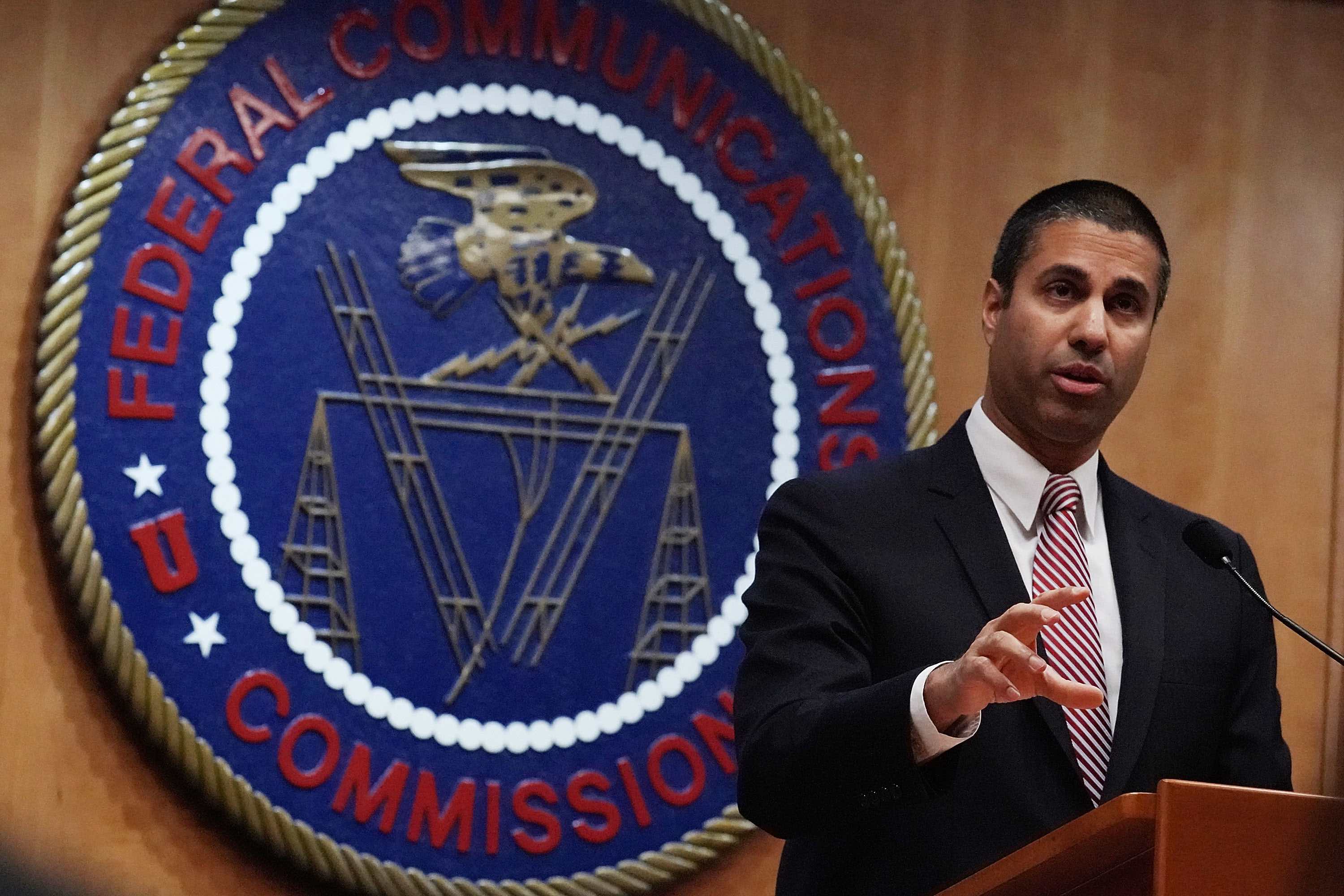
FCC Chairman Ajit Pai talking while standing in front of an FCC seal.
Enlarge / FCC Chairman Ajit Pai on December 14, 2017, in Washington, DC, the day of the FCC’s vote to repeal net neutrality rules.

The largest Internet providers in the US funded a campaign that generated “8.5 million fake comments” to the Federal Communications Commission as part of the ISPs’ fight against net neutrality rules during the Trump administration, according to a report issued today by New York State Attorney General Letitia James.

Nearly 18 million out of 22 million comments were fabricated, including both pro- and anti-net neutrality submissions, the report said. One 19-year-old submitted 7.7 million pro-net neutrality comments under fake, randomly generated names. But the astroturfing effort funded by the broadband industry stood out because it used real people’s names without their consent, with third-party firms hired by the industry faking consent records, the report said.

The NY AG’s office began its investigation in 2017 and said it faced stonewalling from then-FCC Chairman Ajit Pai, who refused requests for evidence. But after a years-long process of obtaining and analyzing “tens of thousands of internal emails, planning documents, bank records, invoices, and data comprising hundreds of millions of records,” the NY AG said it “found that millions of fake comments were submitted through a secret campaign, funded by the country’s largest broadband companies, to manufacture support for the repeal of existing net neutrality rules using lead generators.”

It was clear before Pai completed the repeal in December 2017 that millions of people—including dead people—were impersonated in net neutrality comments. Even industry-funded research found that 98.5 percent of genuine comments opposed Pai’s deregulatory plan. But today’s report reveals more details about how many comments were fake and how the broadband industry was involved.

“The broadband industry could not, in fact, rely on grassroots support for its campaign because the public overwhelmingly supported robust net neutrality rules,” the report noted. “So the broadband industry tried to manufacture support for repeal by hiring companies to generate comments for a fee.”

Comcast, Charter, and AT&T biggest ISPs in group

The AG report said the industry campaign was run through Broadband for America (BFA), an umbrella group that includes Comcast, Charter, AT&T, Cox, and CenturyLink. Broadband for America also includes three trade groups, namely CTIA–The Wireless Association, NCTA–The Internet & Television Association, and the Telecommunications Industry Association. Verizon isn’t listed as a Broadband for America member, but it is part of the CTIA.

“BFA hid its role in the campaign by recruiting anti-regulation advocacy groups—unrelated to the broadband industry—to serve as the campaign’s public faces,” the AG report said.

The “primary funders” of Broadband for America’s anti-net neutrality campaign “included an industry trade group and three companies that are among the biggest players in the United States Internet, phone, and cable market, with more than 65 million American subscribers among them and a combined market value of approximately half a trillion dollars,” the report said.

Comcast, Charter, and AT&T are the biggest members of Broadband for America. Comcast has 31.1 million residential customers in the broadband, phone, and TV categories combined. Charter has 29.4 million such customers. AT&T has 14.1 million Internet customers and 15.9 million TV customers, but it’s not clear how much overlap there is between those two categories given that many DirecTV users don’t live in AT&T’s wireline territory.

The AG report mentions Comcast, Charter, and AT&T specifically without naming other providers. The sole mention of those ISPs came in a sentence saying, “Net neutrality refers to the principle that the companies that deliver Internet service to your home, business, and mobile phone, such as AT&T, Comcast, and Charter (often referred to as Internet service providers, ISPs, or broadband providers), should not discriminate among content on the Internet.”

No “direct knowledge” of fraud

With broadband companies having used third-party vendors to conduct the campaign, the AG said it found no evidence that ISPs themselves “had direct knowledge” of the fraudulent behavior. The broadband companies spent $8.2 million on their anti-net neutrality campaign, including $4.2 million to submit the 8.5 million comments to the FCC and a half-million letters to Congress, the report said.

“The vast majority of the funding came from three of the nation’s largest broadband companies, with one company contributing 47 percent of the budget and two other companies and a trade group contributing 16 percent each,” the report said. “Another broadband company and two other trade groups each contributed 1 percent to 2 percent.”

Anti-net neutrality comments were supposed to provide “cover” to Pai.

“The broadband group believed this support—in conjunction with press outreach, social media campaigns, and coordinated filings from the broadband industry and free-market economists— would ‘give [FCC Chairman Ajit] Pai volume and intellectual cover’ for repeal,” the AG’s report said. “Indeed, one broadband industry executive—himself a former chairman of the FCC—advised members of BFA’s executive committee, in an email, that ‘we want to make sure Pai can get those comments in so he can talk about the large number of comments supporting his position.'” The NCTA is led by former FCC Chairman Michael Powell. a Republican who opposes net neutrality rules and who led an FCC vote in 2002 that prevented common-carrier regulation of cable Internet service.

18 million comments “were entirely fabricated”

Overall, nearly 18 million out of over 22 million comments “were entirely fabricated and did not reflect people’s real viewpoints, with more than 8.5 million of those comments using the names and personal information of real people without their knowledge or consent,” the report said.

More than 7.7 million fake comments supporting net neutrality were submitted by “a 19-year-old college student in California pursuing a degree in computer science,” the report said. Another 1.6 million fake comments supporting net neutrality were submitted by “an unknown party.”

While the numbers of fake comments were roughly equal in “supporting” or “opposing” net neutrality, the NY AG report said the broadband industry’s campaign to generate fake comments opposing net neutrality was unique in that the “campaign organizers ignored red flags of fraud and impersonation.”

“Fraudulent comments that also impersonate individuals, like the millions of comments submitted by the broadband industry, compound the harm by subverting individuals’ policy preferences and control over their own identities,” the report said.

The 19-year-old’s campaign supporting net neutrality generated fake comments but didn’t include impersonation, the report said:

A 19-year old college student who opposed the repeal of net neutrality was able to file over 7.7 million pro-neutrality comments with the FCC. Unlike the broadband industry efforts described above that used the names and addresses of real people without their consent, these comments used fabricated names and addresses generated by software. The FCC had few safeguards in place to detect or prevent millions of submissions from a single source. The OAG [Office of the Attorney General] also identified another group of 1.6 million pro-neutrality comments that were submitted using fictitious identities but has not determined the source of these comments.

The industry’s use of third-party vendors apparently shielded them from direct knowledge of illegal behavior, the AG report said:

[T]he conduct of these broadband companies and their lobbying firm raises serious concerns. These companies hid their involvement in a multi-million-dollar campaign that generated what turned out to be millions of fake comments. The OAG’s investigation has demonstrated that the broadband companies’ campaign organizers ignored several significant red flags as to the authenticity of the comments that were generated and the integrity of the process. Their limited oversight over the lead generators they had engaged, and the campaign as a whole, provided a fertile environment for lead generators to engage in fraud and deception.

https://arstechnica.com/?p=1763191


China’s carbon pollution now surpasses all developed countries combined

China’s carbon pollution now surpasses all developed countries combined

Carbon pollution from China’s bustling, coal-intensive economy last year outstripped the carbon pollution of the US, the EU, and other developed nations combined, making up a whopping 27 percent of all greenhouse gas emissions worldwide.

As China’s economy has grown in the last 30 years, so too have its emissions. While pollution from developed countries has largely been flat since 1990, it has more than tripled in China. The country’s soaring emissions and stable population mean that its per capita emissions have grown quickly, too. At 10.1 tons per person, emissions are just below the 10.5 ton average of the 37-nation Organization for Economic Cooperation and Development, or OECD.

The US still leads the world in per capita emissions, at 17.6 tons per person, according to Rhodium Group’s numbers, though President Joe Biden has pledged that the US will halve emissions by 2030. The other developed countries in the report include all 27 current EU member states: the UK, Australia, Canada, Chile, Iceland, Israel, Japan, Korea, Mexico, New Zealand, Norway, Switzerland, and Turkey.

China’s draconian lockdowns early in the COVID-19 pandemic allowed the country’s economy to bounce back relatively quickly, and as a result, Rhodium expects that China’s emissions per capita in 2020 will surpass the average of the OECD nations.

Over the last few years, China’s growing carbon emissions have drawn the attention of leaders from around the world. In 2018, the Communist Party lifted a ban on the construction of new coal plants, and its policies have become more generous in years since. Though China has installed a large number of solar panels and wind turbines, fossil fuels still power the vast majority of its industries and transportation modes. Its electrical grid is particularly carbon-intensive—half of the world’s coal is burned inside China’s borders.

China counters that it’s within its rights to burn such vast quantities of fossil fuels since developed countries did the same over the past few centuries. The country is not entirely wrong: developed economies have produced the most cumulative emissions since 1750, around 1,000 gigatons. But China’s rise means it has swiftly become the largest contributor in recent years. The country emitted 52 megatons of carbon dioxide and equivalent greenhouse gases in 2019, according to a report by the Rhodium Group, and has emitted a cumulative 200 gigatons since 1750.

China’s argument has merit, but it also elides the fact that renewable sources like wind and solar were not available on the same scale as fossil fuels for much of the last 300 years. Half the OECD’s cumulative carbon emissions were produced before 1980, when wind and solar were expensive compared with fossil fuels. Today, though, those numbers have largely flipped. In the US, it’s now more expensive to run 80 percent of the nation’s coal power plants than it would be to shut them down and install new wind farms and solar plants.

Wind and solar prices are dropping in China, too. They’re expected to undercut new coal plants this year, according to consultancy Wood Mackenzie, which could make the 247 GW of coal power the country has under development look not just archaic but unnecessarily expensive. It could imperil China’s investments elsewhere. The country is the world’s largest financier and developer of coal plants abroad, with over 100 GW funded by Chinese companies.

China’s pledge for the Paris Agreement states that it will hit its carbon pollution peak in 2030 and reach net zero 30 years later. Those targets appear achievable, according to the Climate Action Tracker, an independent analyst, but the group says the goals are “highly insufficient” to reach the 2˚ C warming target set forth in the agreement.

https://arstechnica.com/?p=1763109


Biden backs plan to accelerate vaccine production by waiving patents

Tiny bottles with plastic lids crowd a conveyor belt.
Enlarge / Pharmaceutical bottles on a conveyor belt in South Africa.

The Biden administration has thrown its weight behind an international effort to loosen patent and other legal protections for COVID vaccines.

“The Administration believes strongly in intellectual property protections, but in service of ending this pandemic, supports the waiver of those protections for COVID-19 vaccines,” wrote US Trade Representative Katherine Tai in a Wednesday statement.

If successful, that effort might open up the vaccine market to independent drug makers, speeding production and distribution and ending the pandemic more quickly. Or it might not.

The World Trade Organization has a treaty on Trade-Related Aspects of Intellectual Property (TRIPS) that requires countries to provide a minimum level of patent, copyright, and other protections. Back in October, India and South Africa submitted a proposal for the WTO to waive the TRIPS agreement for vaccine patents and other rights related to fighting the pandemic.

On its own, the proposal wouldn’t change any laws or nullify any patents. Rather, if the WTO accepted the proposal, that would free countries like India and South Africa to provide patent exemptions within their borders—without worrying about richer countries punishing them with retaliatory trade policies. Even with a TRIPS waiver in place, many richer countries might leave patent protections in place.

Over the last six months, the WTO’s TRIPS council has been unable to reach a consensus on the issue. The Biden administration’s change of heart could give the proposal new momentum.

“Negotiations will take time given the consensus-based nature of the institution and the complexity of the issues involved,” Tai said.

If the WTO ultimately decides to allow vaccine patents to be waived, it’s not clear if this would actually speed up vaccine distribution. One notable skeptic is Bill Gates, who has poured resources into vaccine production over the last year.

“There’s only so many vaccine factories in the world,” Gates said in an interview last month. “The thing that’s holding things back in this case is not intellectual property. There’s not like some idle vaccine factory with regulatory approval that makes magically safe vaccines.”

Pharmaceutical chemist and blogger Derek Lowe argues that there are several factors holding back vaccine production that are unrelated to patents. These include shortage of equipment, filtration materials, and “key materials like the lipids needed for the mRNA vaccines.”

Another issue that both Gates and Lowe pointed to is a shortage of expertise to enable vaccine production to transfer to new factories. “All of these processes (mRNA, adenovirus) need hands-on tech transfer to troubleshoot as they ramp up, otherwise production can be spotty with poor QC pass rates,” Lowe writes. “There simply aren’t enough experienced people to go around!”

But groups like Doctors without Borders argue that waiving patents and other rights would still be helpful.

“IP issues, including patents, can be a barrier to cheaper vaccines entering the market,” the group wrote in a recent fact sheet. “Patents have also been applied for or granted across the entire vaccine development, production and delivery process. These patents increase uncertainty and costs, delay competition and keep prices high for low- and middle-income countries.”

https://arstechnica.com/?p=1762850


Appeals court allows parents to sue Snap over 100 mph car crash

Stock photo of extreme close-up of redline speedometer.

The Snapchat speed filter in action.
Enlarge / The Snapchat speed filter in action.
9th Circuit opinion

A California federal appeals court has denied legal immunity to Snapchat developer Snap for the 2017 death of two teens and a 20-year-old when their car crashed into a tree at 113 miles per hour (180 km/h). Parents of two of the boys sued Snap, arguing that Snapchat’s “speed filter” encouraged the boys to accelerate their car to more than 100 miles per hour.

Last year, Snap convinced a federal trial judge that Section 230 of the Communications Decency Act shielded Snap from liability in the case. The once-obscure 1996 law has become a frequent source of controversy as technology giants have used it to disclaim responsibility for harmful content on their platforms.

Snap argued that the law gave it immunity in the boys’ death. Snapchat pioneered the use of image filters, a feature that has been widely copied by other apps. In 2017, Snapchat’s offerings included a speed filter that displayed a user’s current speed—either on its own or superimposed on the user’s photo. Users could use this filter to show their friends how fast they were moving at the time of the post.

“At some point during their drive, the boys’ car began to speed as fast as 123 MPH,” the 9th Circuit Appeals Court wrote in Tuesday’s ruling. “They sped along at these high speeds for several minutes, before they eventually ran off the road at approximately 113 MPH and crashed into a tree. Tragically, their car burst into flames, and all three boys died.”

Shortly before the crash, one of the boys opened the Snapchat app and used the speed filter to document how fast the car was moving.

“Many of Snapchat’s users suspect, if not actually believe, that Snapchat will reward them for recording a 100-MPH or faster snap using the Speed Filter,” the appeals court wrote. “According to plaintiffs, this is a game for Snap and many of its users with the goal being to reach 100 MPH, take a photo or video with the Speed Filter, and then share the 100-MPH-Snap on Snapchat.”

The parents sued, arguing that Snapchat is a negligently designed product. They argued that Snap knew—or should have known—that offering the speed filter would encourage young people to drive at dangerously high speeds to impress their friends and possibly earn rewards on the Snapchat platform.

Snap said that it was shielded by Section 230 because the company was being held responsible for the content of the boy’s snap. A lower court bought that argument, but a three-judge panel of the Ninth Circuit rejected it.

“The parents’ complaint does not seek to hold Snap liable for its conduct as a publisher or speaker,” the appeals court said. “Their negligent design lawsuit treats Snap as a products manufacturer, accusing it of negligently designing a product (Snapchat) with a defect (the interplay between Snapchat’s reward system and the speed filter).”

The case is far from over. Now that we know Snap doesn’t enjoy Section 230 immunity, the case will go back to the trial court to determine whether Snap is actually liable for the boys’ death.

Defective products?

Tuesday’s opinion cited a landmark 2016 ruling by the same Ninth Circuit Appeals Court that also rejected Section 230 immunity. In that case, a woman sued a modeling site after men used it to lure her into a fake modeling gig and rape her. She alleged that the site knew her rapist had used the site to lure other women and hadn’t done anything to warn its users about the threat.

The modeling site claimed immunity under Section 230, but the appeals court rejected that argument, finding that the lawsuit wasn’t trying to hold them responsible for the content of user posts. Rather, it was about failing to warn users about a danger faced by women using the site.

Last year, I wrote about another case where courts did find that Section 230 immunity applied. A man posted fake profiles to the gay dating app Grindr as a way of harassing an ex-boyfriend. The profiles claimed the ex-boyfriend was interested in rough sex and had rape fantasies.

“There would be intruders in the stairwell at his apartment building waiting for him,” the victim’s lawyer told Ars in a 2019 interview. “They would follow him when he was outside walking his dog. On one day, four men came in four minutes.”

After repeatedly reporting the problem to Grindr without much effect, the ex-boyfriend sued Grindr. Much like the parents in the Snap case, the ex-boyfriend argued that a lack of effective anti-harassment tools made Grindr a defective product. But Grindr successfully invoked Section 230, arguing that it couldn’t be held responsible for the content of fake dating profiles submitted by users—even if the profiles resulted in real-world violence.

Many politicians—including Presidents Donald Trump and Joe Biden—have called for modification or repeal of Section 230. However, there’s no consensus about how to change the law or what might take its place.

https://arstechnica.com/?p=1762775


Netflix IT exec forced employees to use products from vendors that bribed him

Netflix’s former vice president of IT operations was convicted of taking bribes from technology vendors in exchange for awarding them contracts with Netflix, the US Department of Justice announced Friday. The former Netflix VP’s illegal scheme forced colleagues to use a variety of products, including one that suffered from “severe” performance problems and another that Netflix employees objected to because they preferred a different product the company was already paying for, the DOJ said.

Michael Kail, the ex-Netflix executive, was convicted by a federal jury of wire fraud, mail fraud, and money laundering. He used his position at Netflix to approve contracts for vendors that gave him bribes and kickbacks, the DOJ announcement said:

As Netflix’s Vice President of IT Operations, Kail approved the contracts to purchase IT products and services from smaller outside vendor companies and authorized their payments. The evidence demonstrated that Kail accepted bribes in ‘kickbacks’ from nine tech companies providing products or services to Netflix. In exchange, Kail approved millions of dollars in contracts for goods and services to be provided to Netflix. Kail ultimately received over $500,000 and stock options from these outside companies. He used his kickback payments to pay personal expenses and to buy a home in Los Gatos, California, in the name of a family trust.

“Michael Kail wielded immense power to approve valuable Netflix contracts with small tech vendors, and he rigged that process to unlock a stream of cash and stock kickbacks to himself,” acting US Attorney Stephanie Hinds said.

Guilty on 28 counts

Kail was VP of IT operations at Netflix from November 1, 2011, until August 2014, when he switched to a job at Yahoo. Netflix sued Kail in a California superior court in Santa Clara County in November 2014 but dropped the case a year later.

Kail was indicted in 2018 on 19 counts of wire fraud, three counts of mail fraud, and seven counts of money laundering. Kail was found guilty on 28 of the 29 counts, with the jury finding him not guilty of one count of wire fraud. The jury also found that Kail’s Los Gatos home, purchased with laundered money, can be forfeited to the government. The case was held in US District Court for the Northern District of California.

“Kail faces a maximum sentence of twenty years in prison and a fine of $250,000, or twice his gross gain or twice the gross loss to Netflix, whichever is greater, for each count of a wire or mail fraud conviction, and ten years in prison and a fine of $250,000 for each count of a money laundering conviction,” the DOJ said. A sentencing hearing is scheduled for September 14, 2021.

Kail set up a corporation to receive bribes from Netflix contractors, the DOJ said.

“To facilitate kickback payments, the evidence at trial showed that Kail created and controlled a limited liability corporation called Unix Mercenary, LLC,” the DOJ said. “Established on February 7, 2012, Unix Mercenary had no employees and no business location. Kail was the sole signatory to its bank accounts.”

Two days before registering that company, “Kail signed a Sales Representative Agreement to receive cash payments from Netenrich, Inc. amounting to 12 percent of the billings from Netenrich to Netflix for its contract providing staffing and IT services to Netflix,” the DOJ announcement said. “Later in 2012, Kail began to receive 15 percent of all billing payments that VistaraIT, LLC, a wholly owned company of Netenrich, received from Netflix. From 2012 to 2014, Netenrich paid Unix Mercenary approximately $269,986, and VistaraIT paid Unix Mercenary approximately $177,863. The payments stopped in mid-2014, when Kail left Netflix.”

“Severe” performance problems

Kail also had kickback agreements with the vendors Platfora, Sumo Logic, Netskope, Maginatics, ElasticBox, and Numerify, the DOJ said. For example, Kail “became an advisor and received options for shares in the company Sumo Logic” in June 2012 and then “authorized and signed on behalf of Netflix a vendor agreement between Netflix and Sumo Logic,” the DOJ said, adding:

The agreement led to over $300,000 in payments by Netflix, approved by Kail, to Sumo Logic. Kail then approved a further $800,000 two-year contract with Sumo Logic, despite his IT team feedback about the product underperforming. Kail acknowledged the problem in an email to Sumo Logic, saying “[i]t is becoming increasingly difficult for me to champion Sumo internally and then continue to have severe performance issues.”

With Platfora, “Kail signed on behalf of Netflix a multi-stage $250,000 per year contract” and then “urged his Netflix employees to find a use for the product, despite their objections and preference for a competing product that Netflix was already paying for,” the DOJ said. “When an inquiry from the Netflix CEO ensued, Kail falsely denied that he was formally working with Platfora. Kail resigned from his advisory position at Platfora the next week.” Kail had “signed an ‘advisory’ agreement with Platfora that provided him with the right to purchase up to 75,000 options, approximately .25 percent of the company.”

Kail also struck a deal to become an advisor to Maginatics, allowing him to purchase up to 30,000 shares. He initially authorized the purchase of “a small amount of storage from Maginatics” on behalf of Netflix, “then increased Netflix’s purchase of storage from Maginatics by tenfold” and “made approximately $120,000 when Maginatics was sold the next year to EMC,” the DOJ said. Kail also struck deals to receive “$5,000 per month consulting for Netskope” and stock options from Netskope, ElasticBox, and Numerify.

“The evidence further showed that many Netflix IT employees involved with testing the products did not know that many of the startups’ software was being paid for by Netflix, assuming it instead to be unpaid ‘pilots’ of the untested software, which was routine,” the DOJ said.

Netflix eliminated VP of IT operations role

Kail left Netflix to become CIO of Yahoo, where he stayed less than a year before co-founding a venture capital-backed startup called Cybric, which was later renamed ZeroNorth.

After Kail left Netflix, The Wall Street Journal reported that the streaming company decided not to hire another VP of IT operations and that “[m]any of Mr. Kail’s former responsibilities have been given to another employee.”

“Mike’s departure allowed us to combine data center and streaming operations under one executive who serves in a very similar capacity,” a Netflix spokesperson said at the time.

Listing image by Getty Images | krisanapong detraphiphat

https://arstechnica.com/?p=1762444


EPA to eliminate climate “super pollutants” from refrigerators, air conditioners

EPA to eliminate climate “super pollutants” from refrigerators, air conditioners

The US Environmental Protection Agency announced a rule Monday that would phase out hydrofluorocarbons (HFCs), the potent greenhouse gases that are widely used as refrigerants.

Though HFCs aren’t intentionally emitted in the regular use of refrigerators and air conditioners, they often leak out at various phases in an appliance’s life cycle, from manufacturing through disposal. One of the most widely used HFCs, R-134a, causes 1,430 times more warming than an equivalent amount of carbon dioxide over 100 years. Another that is commonly used in supermarkets, R-404A, has a global warming potential of 3,900. Eliminating the use of HFCs worldwide would reduce emissions enough to avoid up to 0.5˚C (0.9˚F) of warming by 2100.

HFCs were first introduced in the mid-1990s as replacements for chlorofluorocarbons (CFCs), which were the previous standard for refrigerants. CFCs deplete the ozone layer that protects the Earth from harmful ultraviolet radiation, and decades of use led to a massive hole, discovered in 1974, in the atmosphere above Antarctica. As concern over the ozone hole grew, countries from around the world signed onto the Montreal Protocol, which called for the phaseout of CFCs and other ozone-depleting substances. Finalized in 1987 and ratified by the US Senate the following year, the treaty is widely seen as a success—as CFC use has dwindled, the ozone layer has begun to repair itself, and by 2040, experts believe the hole will begin to steadily close.

When HFCs were introduced, they were an appealing replacement for CFCs. They have shorter lifespans than CFCs and are less reactive with ozone. But as their use grew, so did concern over their potential as greenhouse gases. And the concerns are real—leaks in supermarket refrigerators and freezers are so widespread that the industry estimates supermarkets lose 25 percent of their refrigerant charge annually. Once again, countries from around the world came together to address the issue, signing the Kigali Amendment that updated the Montreal Protocol to include HFCs. Notably, neither the US nor China has ratified the agreement, but last month, the two largest greenhouse gas emitters both agreed to eliminate the use of HFCs.

Time for a change

In the US, the phaseout enjoys support from both major political parties, and there are already substitutes available for new refrigerators and air conditioners. One substitute that is already in many models of refrigerators is isobutane. Known in the industry as R-600a, it’s inexpensive, it has almost no ozone depletion potential, and it has a small global warming potential (three instead of R-134a’s 1,430). Already, manufacturers have begun switching to the new refrigerant.

But the switch took decades longer than it needed to. Major chemical companies like DuPont, which produced CFCs, fought CFC regulations until the companies had replacement HFCs ready and patented, and a report by Inside Climate News shows they worked to slow the HFC phaseout, too. Isobutane is cheap, not patentable, and widely available—it’s most commonly known as a fuel for camp stoves.

Almost a decade ago, isobutane and other hydrocarbon refrigerants seemed poised for use in the market. In 2011, Underwriters Laboratories (UL) gave the refrigerants the go-ahead, and the EPA followed soon after. But then UL slashed their limits, citing a risk of fire if hydrocarbon refrigerants were to leak in a small room that also contained an open flame, like from a gas-fired water heater. Other experts have said the change was unwarranted and that UL’s fire risk scenario was extremely unlikely to occur. But in 2017, UL raised the limit again, and the EPA followed. Appliances using isobutane have begun to trickle onto the market.

Ultimately, the fire issue may be moot as some grocery stores have begun switching to using carbon dioxide as a refrigerant. Though it requires higher pressures throughout the cooling system, carbon dioxide is not detrimental to the ozone layer. And its global warming potential? One.

https://arstechnica.com/?p=1762002


Kroger will begin drone deliveries in Ohio this week

Kroger will begin drone deliveries in Ohio this week

Kroger, one of America’s biggest grocery chains, is beginning to test a drone-delivery service near Dayton, OH. Starting this week, Kroger will begin testing deliveries near the company’s store in Centerville, Ohio.

“Customer deliveries are scheduled to begin later this spring, and a second pilot is scheduled to launch this summer at a Ralphs store in California,” according to Kroger’s announcement.

The Federal Aviation Administration has permitted commercial use of drones for several years. But until recently, regulations required the drones to be within the line of sight of the operator. That wasn’t a big deal for aerial photography, but it made drones useless for a retail delivery service.

It’s only in the last year or so that the FAA has begun approving commercial use of drones that fly beyond the operator’s line of sight.

The Kroger delivery drone will be operated from this trailer.
Enlarge / The Kroger delivery drone will be operated from this trailer.

The drones will be provided by Drone Express, a division of Telegrid Technologies. “The flights will be managed by licensed Drone Express pilots from an on-site trailer with additional off-site monitoring,” according to Kroger’s press release.

The drone is only capable of lifting about five pounds (2.2 kg) of cargo, which limits the kinds of goods customers can order. Kroger says it will offer special bundles of useful products that fit within the weight limit—like a “baby care bundle with wipes and formula” or a “s’mores bundle with graham crackers, marshmallows, and chocolate.”

Kroger says that deliveries could be made in as little as 15 minutes.

Interestingly, the delivery location doesn’t have to be a postal address—it can be any set of GPS coordinates. So if you’re having a picnic in the park, you can pull out your smartphone and have a drone deliver a missing condiment right next to your picnic blanket.

https://arstechnica.com/?p=1761917